
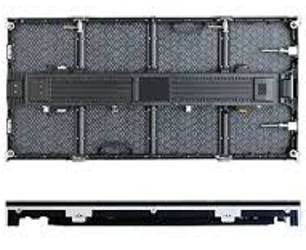
aluminium gietwerk

het afgietsel van de aluminiummatrijs leidde de huisvesting van het vertoningskabinet

Groothandel aluminium spuitgietwerk fabrikant

aluminium gietwerk

Wholesale aluminum die casting manufacturer will offer wholesale price for aluminum die casting parts to save your cost with any custom die casting products, contact us to get a price Introduction to Aluminum Die Casting Aluminum die casting is a manufacturing process in which molten aluminum is injected into a mold or die to produce parts and components. This process is ideal for producing high volume, complex parts with tight tolerances and a smooth finish. Aluminum is a popular choice for die casting because it is lightweight, corrosion resistant, and has good mechanical properties. Benefits of Using an Aluminum Die Casting There are several benefits to using an aluminum die casting manufacturer for your production needs: Speed and efficiency: Aluminum die casting allows for fast production of high volume orders. The process is automated, which helps to reduce lead times and increase efficiency. Cost effectiveness: Aluminum die casting is a cost-effective solution for producing parts in high volumes. The initial setup costs may be higher than other manufacturing processes, but the cost per part is much lower due to the high production rates. Precision: Aluminum die casting produces parts with tight tolerances and a smooth finish. This level of precision is difficult to achieve with other manufacturing processes. Versatility: Aluminum die casting can be used to produce a wide range of parts and components, including those with complex geometries and thin walls. What to Look for in a Wholesale Aluminum Die Casting Manufacturer When selecting a wholesale aluminum die casting manufacturer, there are a few key factors to consider: Experience: Choose a manufacturer with a proven track record in the industry. Look for a company with a history of producing high quality parts and meeting customer deadlines. Capabilities: Make sure the manufacturer has the necessary equipment and expertise to produce the parts you need. Consider factors such as the size and complexity of the parts, the volume you need, and the materials you will be using. Quality control: Quality control is crucial in the die casting industry. Look for a manufacturer with a robust quality control process in place, including inspections at various stages of production. Customer service: Good communication and customer service are essential when working with a wholesale manufacturer. Look for a company that is responsive and easy to work with. Examples of Quality Components Made with Aluminum Die Casting There are many examples of high quality components that are produced using aluminum die casting, including: Automotive parts: Aluminum die casting is widely used in the automotive industry to produce parts such as engine blocks, transmission housings, and suspension components. Electronic components: Aluminum die casting is used to produce a variety of electronic components, including connectors, housings, and heatsinks. Aerospace components: The aerospace industry relies on aluminum die casting for the production of parts such as landing gear components and structural components. Military components: The military also relies on aluminum die casting for the production of parts such as weapon systems and aircraft components. Advantages of Working with a Wholesale Aluminum Die Casting Manufacturer There are several advantages to working with a wholesale aluminum die casting manufacturer or other wholesale aluminum die casting factories: Cost savings: Wholesale aluminum die casting pricing can be significantly lower than retail pricing, which can help to reduce your overall production costs. Quality control: A reputable wholesale aluminum die casting manufacturer will have strict quality control measures in place to ensure that the parts they produce meet the highest standards. Expertise: wholesale aluminum die casting factories typically have a deep understanding of the die casting process and can offer valuable insights and solutions to help improve your production process. Customization: Many wholesale aluminum die casting factories offer customization options to meet the specific needs of their customers. Tips on Selecting the Right Wholesale Aluminum Die Casting Manufacturer Research the manufacturer’s experience and capabilities: Look for a aluminum die casting manufacturer with a proven track record in the industry and the necessary equipment and expertise to produce the parts you need. Consider the quality control process: Choose a manufacturer with a robust quality control process to ensure that you receive high quality parts. Look for good customer service: Good communication and customer service are essential when working with a wholesale manufacturer. Look for a company that is responsive and easy to work with. Get quotes from multiple manufacturers: It’s a good idea to get quotes from multiple wholesale aluminum die casting factories to ensure that you are getting the best price and value. Don’t be afraid to ask questions: Don’t be afraid to ask the manufacturer any questions you may have about their processes, capabilities, or pricing. This will help you to make an informed decision. In conclusion, aluminum die casting is a fast and efficient manufacturing process that produces high quality parts with tight tolerances and a smooth finish. Working with a reputable wholesale aluminum die casting manufacturer can provide cost savings, quality control, expertise, and customization options. When selecting a wholesale manufacturer, it’s important to consider their experience, capabilities, quality control processes, and customer service, and to get quotes from multiple manufacturers. By following these tips, you can choose the right wholesale aluminum die casting manufacturer to meet your production needs. If you are looking for wholesale aluminum die casting manufacturer for your Customized aluminum die casting parts, welcome to send us your RFQ, we will quote you the best price with fast lead time.

aluminium-Druckguss

Aangepaste zink spuitgietmatrijs

aluminium gietwerk

What is Customized Zinc Die Casting Mould: Benefits, Designing, and Choosing the Right Manufacturer Customized zinc die casting mould refers to the creation of specialized molds tailored to specific manufacturing needs for zinc die cast parts. These molds are designed to provide enhanced mold performance and product quality while reducing lead times and cost-effectiveness. This article delves into the benefits of customized zinc die casting mould, factors to consider when designing one, and how to choose the right manufacturer. Benefits of Customized Zinc Die Casting Mould Enhanced Mold Performance Customized zinc die casting moulds offer improved mold performance capabilities, enabling manufacturers to achieve greater outputs and better product quality. By tailoring the mold to specific manufacturing requirements, businesses can enhance the durability of the molds, reduce scrap, and significantly increase the life of the molds. Additionally, customized molds also ensure that parts are cast more accurately and minimize the chances of defects, which can affect the final output quality. Increased Product Quality and Consistency Zinc die casting demands a high degree of accuracy since even small errors in the cast parts can lead to defects or malfunctioning products. Customized zinc die casting molds offer greater consistency and accuracy of the final part produced. By using advanced designing technologies, manufacturers can reduce the possibility of errors in their design, which translates to better product quality, higher yield rates, and reduced waste. Shortened Lead Times Customized zinc die casting molds reduce production time significantly since they are tailor-fit to suit specific manufacturing requirements. The reduced production time enables manufacturers to reduce their production costs and satisfy their customer demands more efficiently by delivering high-quality products within shorter turnaround times. Improved Cost-Effectiveness Customized zinc die casting molds offer businesses significant cost savings in material usage, production, and maintenance costs. Traditional molds tend to cause multiple failures, leading to frequent replacement, while customized molds have fewer failures and require less replacement. Additionally, these molds significantly reduce scrap rates, which reduces the overall material handling costs over time. Factors to Consider in Customized Zinc Die Casting Mould Material Selection Zinc die casting mold design is affected by the type of material desired for castings. The material type and grade determine the mould’s overall structure and any specific design requirements that can provide more uniform and denser castings. Manufacturers should consider the material consistency, thermal conductivity, and mold’s design when selecting the right material for their customized zinc die casting mould. Surface Finish Requirements Part design requirements dictate the mold design for appropriate surface finishes. Moulds should provide for easy ejection of the casted parts without causing any distortion or damage. As a result, customized zinc die casting mould designs should incorporate specific surface finishes, such as polishing or texturing. Dimensional Tolerance The degree of variability in dimensional tolerance results from the adaptability of the mold used. Manufacturers should understand the nature of the parts to be produced and consider tolerances for maximum and minimum dimensions, as tighter tolerances can impact production costs. Part Complexity Part designs have varying complexities, with some parts requiring intricate attention to detail. Complex designs increase the mold’s complexity and cost. It is therefore essential for manufacturers to evaluate the components and decide on the most viable designs that meet their overall production goals. Designing Customized Zinc Die Casting Moulds Understanding the Requirements and Specifications The first step in designing customized zinc die casting moulds is having a comprehensive understanding of the requirements and specifications. Manufacturers should involve qualifications engineers and skilled modeling designers when preparing specifications, as these professionals will provide insights and guidance toward designing the best casting molds. Developing a Design Plan Manufacturers should develop a sound design plan that considers all the specifications. The design plan should incorporate general design requirements, technical aspects, preferred materials, molds’ dimensions and properties, and manufacturing techniques. Using Simulation Software for Testing Designing a mold requires numerous iterations to come up with the perfect design. Simulation software can identify potential casting issues, allowing modifications before the actual casting process. Software simulation output can also identify potential mold damage risks and provide the necessary data to determine the viability of using that mold. Choosing the Right Manufacturer for Customized Zinc Die Casting Mould Reputation and Experience The reputation and experience of a casting manufacturer are vital when selecting the right provider. Manufacturers should research potential vendors’ performance histories and speak directly with references. Technical Capabilities It is essential for the manufacturer to have the technical capabilities and technology for producing customized zinc die casting moulds. The supplier should have access to the latest industry technology and, most importantly, understand the design requirements that come with using advanced technology. Communication and Collaboration Manufacturers should choose a supplier who has excellent communication and collaboration skills. Mould design can be a complicated process that requires continuous communication between the manufacturer and the vendor. The chosen supplier should facilitate communication throughout the process to ensure that the design goals are met. Conclusion Customized zinc die casting molds provide enhanced mold performance, improved product quality and consistency, shortened lead times, and improved cost-effectiveness. Designing these molds requires an understanding of the requirements and specifications, developing a design plan, and using simulation software for testing. Choosing the right manufacturer is crucial, with the most critical considerations being reputation and experience, technical capabilities, and communication and collaboration. Thus, manufacturers who want to gain a competitive edge in the industry should explore the benefits of customized zinc die casting moulds and consider the fundamental factors discussed in this article to achieve their unique production needs. Customized zinc die casting molds are specialized tools that are specifically designed and manufactured for a particular zinc die casting project. These molds are created using computer-aided design (CAD) software and are typically made from high-quality steel to withstand the high pressures and temperatures of the casting process. Customized zinc die casting molds allow China die casting manufacturers to produce parts with precise dimensions and intricate details that may not be possible with standard molds.

Behuizing voor straatverlichting

Aangepaste aluminium spuitgietdelen

aluminium gietwerk

What is Customized aluminum die casting parts Customized aluminum die casting parts are parts that have been specifically designed and manufactured to meet the specific requirements of a particular customer or application. These parts are typically created using the aluminum die casting process, in which molten aluminum is forced into a steel mold or die to create a precise and repeatable finished product. There are many advantages to using customized aluminum die casting parts. One of the primary benefits is the ability to create parts with a high degree of accuracy and detail. The aluminum die casting process allows for precise control over the shape and size of the final product, as well as its surface finish and any additional features such as holes, threads, or undercuts. This level of precision is particularly useful in industries where parts need to fit together accurately, such as in the automotive or aerospace sectors. Customized aluminum die casting parts are also known for their strength and durability. Aluminum is a strong and lightweight material, making it an ideal choice for parts that need to withstand high levels of stress or wear and tear. In addition, the die casting process itself helps to create parts with a high level of structural integrity, as the molten aluminum is able to flow and fill the mold or die completely. Another advantage of customized aluminum die casting parts is the ability to produce large quantities of parts with consistent dimensions and properties. This makes it an ideal choice for high volume production runs, as it allows for efficient and cost-effective mass production. Customized aluminum die casting parts offer a range of benefits, including accuracy, strength, durability, and repeatability. These characteristics make them well-suited for a wide variety of applications, including in the automotive, aerospace, and construction industries. When do you need customized aluminum die casting parts Customized aluminum die casting parts are ideal for industrial applications where high precision and strength are required. Below are some situations when you may need customized aluminum die casting parts: When you require high-strength parts: Aluminum is a highly robust and durable metal, and the die casting process makes it even more robust. Thus, if you need a part that can withstand harsh conditions, customized aluminum die casting parts are an excellent choice. When dimensional accuracy is crucial: Custom aluminum die casting parts are perfect when you need exact measurements and consistent quality. Each aluminum die casting part is identical in size, shape, and dimension, making it ideal for applications where precision and repeatability are vital. When you need parts with intricate design features: Customized aluminum die casting parts can be designed to have intricate shapes, forms, and designs. This makes them ideal when you need parts with complex geometries that are difficult to machine or manufacture using other methods. When you need high volume production: The aluminum die casting process is excellent for high-volume production runs. This process allows for quick, reliable, and cost-effective production, making it ideal for industries that require large quantities of parts. When you need fast turnaround: Customized aluminum die casting parts can be produced rapidly, which is vital when you need parts quickly to minimize production downtime. In general, if you need parts that are strong, accurate, and have a high degree of repeatability, customized aluminum die casting parts are an excellent choice. These parts have numerous applications in various industries, including the automotive, aerospace, healthcare, and telecommunications sectors. Partnering with a professional manufacturer can ensure that you get high-quality customized aluminum die casting parts that meet your exact specifications. What cost have in making customized aluminum die casting parts The cost of making customized aluminum die casting parts can vary depending on several factors, including: Part complexity: The complexity of the part will affect the time and resources required to design and manufacture it, which will impact the cost. Simple parts that require minimal machining or finishing will cost less than complex parts with intricate shapes or features. Part size: Larger parts will require more material and resources, making them more expensive to produce. Production volume: The cost of producing customized aluminum die casting parts decreases as the production volume increases. High-volume production runs will typically have a lower cost per part than small-scale production runs. Material cost: The price of aluminum can vary depending on the alloy, purity, and market demand. Some alloys may be more expensive than others, which can affect the overall cost of the parts. Tooling cost: The cost of designing and manufacturing the tooling required for the die casting process can be a significant factor in the cost of customized aluminum die casting parts. Tooling costs typically decrease as the production volume increases. It is essential to work with an experienced and reputable manufacturer who can provide you with a detailed, itemized quote for the customized aluminum die casting parts you need. This way, you can have a clear understanding of the cost drivers and make informed decisions about the most cost-effective way to produce your parts. How to find custom aluminum die casting manufacturers There are a few different ways to find custom aluminum die casting manufacturers, including the following: Online search: One of the easiest ways to find custom aluminum die casting manufacturers is to search online. There are many websites and directories that list die casting companies and manufacturers, and you can use keywords such as “custom aluminum die casting” or “custom die casting manufacturer” to find relevant results, of course one of the best country to make your customized aluminum die casting parts will be China. Industry associations: Another option is to contact industry associations or trade organizations related to the die casting industry. These organizations can often provide lists of member companies that offer custom die casting services. Manufacturing marketplaces: Online manufacturing marketplaces and platforms are another way to find custom aluminum die casting manufacturers. These platforms connect buyers with manufacturers and can be a convenient way to find a supplier for your

LED straatverlichting behuizing

Aangepaste aluminium spuitgiet mal

aluminium gietwerk

Custom aluminum die casting molds are a vital component in the production of high-quality aluminum parts. These specialized molds are designed to meet the unique and specific requirements of each project, ensuring that the finished product meets the highest standards of accuracy and precision. In this article, we will delve deeper into the world of custom aluminum die casting molds, exploring their key features, benefits, and applications. What is a Custom Aluminum Die Casting Mold? A custom aluminum die casting mold is a specialized tool that is used to produce high-quality aluminum parts through the process of die casting. Die casting is a manufacturing method in which molten aluminum is injected into a mold cavity under high pressure. The aluminum then solidifies into the desired shape, creating a precision-engineered part with excellent dimensional accuracy. Custom aluminum die casting molds are typically made from high-grade steel or other durable materials, and are carefully machined to precise specifications. They are designed to withstand the high temperatures and pressures involved in the die casting process, and are capable of producing parts with complex shapes and fine detail. Benefits of Custom Aluminum Die Casting Molds There are many benefits to using custom aluminum die casting molds in the manufacturing process. Some of the key advantages include: Precision: Custom aluminum die casting molds are designed to produce customized aluminum die casting parts with excellent dimensional accuracy and tolerance. This makes them ideal for applications where precise parts are required, such as in the aerospace and automotive industries. Speed: Die casting is a fast and efficient manufacturing method, and custom molds can help to further streamline the process. With a well-designed mold, it is possible to produce high volumes of parts in a short period of time, reducing lead times and improving turnaround times. Cost-effectiveness: Custom aluminum die casting molds can offer significant cost savings compared to other manufacturing methods. Because they are designed to produce large volumes of parts, the per-unit cost of each part is often lower than with other methods. Additionally, the long lifespan of custom molds means that they can be used to produce parts for many years, further reducing costs over time. Applications of Custom Aluminum Die Casting Molds Custom aluminum die casting molds are used in a wide range of applications across many different industries. Some common examples include: Aerospace: The aerospace industry requires precision parts with tight tolerances, and custom aluminum die casting molds are often used to produce these parts. Components such as engine and structural parts can be manufactured using die casting, providing the strength and accuracy needed for critical applications. Automotive: The automotive industry is another major user of custom aluminum die casting molds. Parts such as engine blocks, transmission housings, and wheels can all be produced using this method, providing the strength and durability needed for use in vehicles. Medical: The medical industry also relies on custom aluminum die casting molds to produce a range of parts and components. Devices such as orthopedic implants and surgical instruments can be made using die casting, providing the precision and consistency needed for these applications. Electronics: The electronics industry uses custom aluminum die casting molds to produce a variety of parts, including connectors, switches, and housings. The precision and consistency provided by die casting makes it well-suited for use in these applications. Conclusion Custom aluminum die casting moulds are a vital component in the production of high-quality aluminum parts. They offer numerous benefits, including precision, speed, and cost-effectiveness, making them an attractive option for a wide range of industries. With the ability to produce parts with complex shapes and fine detail, custom aluminum die casting molds are a versatile and essential tool. If you are looking for die casting China manufacturer for your custom aluminum die casting project, welcome to contact us.

Zink spuitgietwerk

Hoe bronsgieten op maat maken

aluminium gietwerk

Custom bronze casting is the process of creating a unique, one-of-a-kind bronze piece based on a specific design or concept. This can include creating sculptures, figurines, architectural elements, and other objects using the lost-wax casting process. The process of custom bronze casting typically begins with the creation of a detailed design or concept for the piece. This can be done using traditional drawing or modeling techniques, or by using 3D modeling software. The design should include all of the details and features of the finished piece, including dimensions, proportions, and any other specific requirements. If you are interested in learning how to make custom bronze casting, there are a few key steps you will need to follow. While the process can be complex and time-consuming, the end result is a unique and beautiful piece that can be treasured for generations. Step 1: Create a Detailed Design or Concept The first step in making custom bronze casting is to create a detailed design or concept for the piece. This can be done using traditional drawing or modeling techniques, or by using 3D modeling software. The design should include all of the details and features of the finished piece, including dimensions, proportions, and any other specific requirements. It is a good idea to spend some time gathering inspiration and looking at examples of bronze casting work that you like. This will help you to better understand the possibilities of the medium and give you ideas for your own project. Step 2: Create a Wax Model Once you have a clear idea of what you want your custom bronze casting to look like, the next step is to create a wax model of the piece. This can be done using a variety of techniques, including hand carving, 3D printing, or lost-wax casting. If you are using hand carving or 3D printing techniques, you will need to create a detailed model of the piece using wax. This can be done by sculpting the wax by hand or using a 3D printer to produce the model. If you are using the lost-wax casting technique, you will need to create a mold of the piece using a special wax. This can be done by creating a detailed model of the piece using wax, which is then coated in clay and fired in a kiln. The wax melts away, leaving a hollow space in the clay mold which can be used to create a casting of the piece. Step 3: Create a Clay Mold Once you have created a wax model of the piece, the next step is to create a clay mold. This involves coating the wax model in clay and allowing it to dry. The clay mold should be thick enough to withstand the heat of the kiln and the pressure of the molten bronze. Step 4: Fire the Clay Mold Once the clay mold is complete, the next step is to fire it in a kiln. The kiln should be heated to a high temperature, typically around 1200-1400 degrees Fahrenheit. The heat causes the wax to melt and drain out of the clay mold, leaving a hollow space in the shape of the piece. Step 5: Cast the Bronze Once the clay mold is fired and the wax has been melted away, the next step is to cast the bronze. This involves heating the bronze to a liquid state and carefully pouring it into the hollow space in the clay mold. The bronze should be allowed to cool and solidify before the clay mold is broken away to reveal the finished piece. Step 6: Finish and Polish the Piece Once the bronze casting is complete, the next step is to finish and polish the piece. This can involve a variety of techniques, including sanding, buffing, and patination. The specific techniques used will depend on the desired finish and the overall aesthetic of the piece. Sanding is a process that involves using fine-grit sandpaper to smooth and refine the surface of the bronze. This can be done by hand or with the use of a sanding machine. Sanding is typically used to remove any rough or uneven edges and to create a smooth finish on the piece. Buffing is a process that involves using a soft cloth or buffing wheel to polish the surface of the bronze. This can be done by hand or with the use of a buffing machine. Buffing is typically used to create a high shine on the piece and to remove any scratches or imperfections. Patination is a process that involves applying a chemical solution to the surface of the bronze to create a range of colors and finishes. This can be done by hand or with the use of a spraying machine. Patination is typically used to create a specific finish or color on the piece, such as a green or blue patina. Once the finishing and polishing process is complete, the custom bronze casting is ready to be displayed or used as intended. With proper care and maintenance, a bronze casting can last for generations and become a treasured heirloom or work of art. In conclusion, custom bronze casting is a complex and time-consuming process that requires a high level of skill and expertise. However, the end result is a unique and beautiful piece that can be treasured for generations. By following the steps outlined above, you can learn how to make custom bronze casting and create your own beautiful and enduring works of art. If you are looking for custom bronze casting from China die casting manufacturer, welcome to contact us.

Zink spuitgieten

Gieten in brons

aluminium gietwerk

What is bronze die casting? Bronze die casting is a manufacturing process that allows for the creation of bronze alloy precise and complex bronze parts through the use of reusable bronze die casting molds, or dies. It is a cost-effective method for producing high volumes of small to medium-sized parts, and is often used in the production of automotive, aerospace, and military components, as well as in the creation of decorative items such as door handles and lighting fixtures. The process begins with the creation of the die, which is typically made from steel or another durable and heat-resistant material. The die is designed to precise specifications, with cavities in the shape of the desired final product. Next, the bronze alloy is melted and poured into the die. The die is then closed and pressure is applied, forcing the molten bronze into the cavities of the die. After the bronze has cooled and solidified, the die is opened and the newly formed part is ejected. Advantages of bronze die casting One of the main advantages of bronze die casting is its ability to produce parts with high dimensional accuracy and excellent surface finish. The process also allows for the creation of complex shapes and thin walls, making it suitable for a wide range of applications. Bronze alloys are known for their strength and durability, making them well-suited for use in high-stress environments such as automotive and aerospace applications. They are also resistant to corrosion, making them a popular choice for outdoor products and marine components. In addition to its strength and corrosion resistance, bronze has excellent machinability and can be easily finished to a high degree of polish. This makes it an ideal material for use in decorative items such as door handles and lighting fixtures. While bronze die casting has many benefits, it does have some limitations compare to aluminum die casting. It is not suitable for producing very large parts, as the pressure required to fill the die can be difficult to achieve at larger scales. It is also not the most cost-effective method for producing low volumes of parts, as the cost of creating the die can be significant. Despite these limitations, bronze die casting remains a popular choice for manufacturers due to its ability to produce high-quality parts with precise tolerances. It is a versatile process that can be used to create a wide range of products, from automotive and aerospace components to decorative items. If you are in need of high-quality bronze parts for your next project, consider the benefits of bronze die casting. With its precise tolerances, excellent surface finish, and strength and corrosion resistance, it is a reliable choice for a wide range of applications. Bronze die casting cost The cost of bronze die casting can vary widely depending on a number of factors, including the size and complexity of the parts being produced, the quantity of parts being produced, and the cost of the bronze alloy being used. In general, the cost of bronze die casting tends to be higher than other casting methods due to the high cost of creating the die, as well as the need for specialized equipment and trained operators. However, the cost per part tends to decrease as the volume of parts being produced increases, making bronze die casting a cost-effective choice for high-volume production runs. One way to reduce the cost of bronze die casting is to optimize the design of the parts being produced. Streamlining the design to minimize the number of parts and the amount of bronze required can help to lower the overall cost of the project. It is also important to choose the right bronze alloy for the application. Different alloys have different properties and costs, and selecting the right alloy can help to optimize the performance and cost of the final parts. Overall, the cost of bronze die casting is largely dependent on the specific needs and requirements of the project. Working with an experienced die casting supplier can help to identify cost-saving opportunities and ensure that the most cost-effective solution is chosen. If you are looking for bronze die casting manufacturer from China to make your custom bronze casting, welcome to contact us.

Die Casting Fabrikant

zink spuitgietwerk vs aluminium spuitgietwerk

aluminium gietwerk

Zinc die casting vs aluminum die casting which one is the best alloy Both zinc die casting and aluminum die casting have their advantages and disadvantages depending on the specific requirements of the part being produced. Zinc die casting is known for its good dimensional accuracy, easy machinability and high strength-to-weight ratio. It also has excellent electrical conductivity and is highly resistant to corrosion. Zinc die casting is also a good choice for parts with complex shapes and thin walls. However, it has a lower melting point than aluminum and is not as tough and durable as aluminum. Aluminum die casting, on the other hand, is widely used for producing larger parts with thin walls and complex shapes, due to its high strength and durability. It is also highly resistant to corrosion and has good thermal conductivity. However, it is generally more expensive than zinc and is more difficult to machine. Ultimately, the choice between zinc die casting vs aluminum die casting will depend on the specific requirements of the part being produced, including size, shape, durability, and cost considerations.   Difference between zinc die casting vs aluminum die casting Zinc and aluminum are two popular materials that are commonly used in die casting, a manufacturing process that involves injecting molten metal alloy into a die casting mold to create a desired metal shape or component. While both materials have their own unique properties and benefits, there are some key differences between zinc and aluminum die casting that can influence the decision of which material to use for a particular application. One of the main differences between zinc and aluminum die casting is their strength and durability. Zinc is a relatively soft and ductile metal, which means that it is easy to work with and can be molded into complex shapes. However, it is also relatively low in strength and may not be suitable for applications that require high levels of wear and tear. Aluminum, on the other hand, is a much stronger and more durable metal. It is often used in applications where strength and durability are important, such as in the construction of aircraft and automotive parts. Another important difference between the two materials is their weight. Zinc is a relatively heavy metal, while aluminum is much lighter. This makes aluminum an attractive choice for applications where weight is a major concern, such as in the aerospace and automotive industries. In terms of cost, zinc die casting is generally less expensive than aluminum die casting. This is due in part to the fact that zinc is a more abundant and readily available metal, while aluminum is more rare and expensive to extract. However, it is important to note that the cost of a particular die casting project will depend on a number of factors, including the size and complexity of the component, the material being used, and the amount of post-processing required. One advantage of zinc die casting is that it has a relatively low melting point, which makes it easier to work with and allows for faster production times. Aluminum, on the other hand, has a higher melting point and may require more specialized equipment and longer production times. In terms of surface finish, zinc die casting generally produces a smoother and more consistent surface than aluminum die casting. This is because zinc has a lower coefficient of expansion, which means that it expands and contracts less as it cools. As a result, zinc die castings are less likely to experience warping or other surface defects during the cooling process. There are also some environmental considerations to take into account when choosing between zinc and aluminum die casting. Zinc is a more sustainable metal and can be recycled indefinitely, while aluminum is more energy-intensive to produce and requires more energy to recycle. In conclusion, there are a number of factors to consider when choosing between zinc and aluminum die casting, including strength and durability, weight, cost, production times, surface finish, and environmental impact. The right choice will depend on the specific requirements of the application and the trade-offs that are most important to the designer or manufacturer. Hope this answer could give you some advice regarding to zinc die casting vs aluminum die casting, if have any project that requires zine or aluminum die casting, welcome to contact, we are China die casting company that offers custom die casting parts to the world.

CNC-bewerking van aluminium

Aluminium CNC bewerking service fabrieken

aluminium gietwerk

If you’re looking for Aluminum CNC machining service factories, you’ve likely noticed that there are a plethora of machining factories that offer these services. With so many options to choose from, it can be overwhelming to find the right one for your needs. In this comprehensive guide, we’ll explore everything you need to know about aluminum CNC machining service factories, To let you how to choose the right one for your project, you are welcome to send us your machining project, we will quote you our price for your reference, CNM TECH has rich experience in die casting, machining, plastics, metal, zinc, surface finish, assembly services. What are Aluminum CNC Machining Service Factories? Aluminum CNC (computer numerical control) machining service factories specialize in the production of custom-made aluminum parts and components using CNC machining technology. CNC machining is a manufacturing process that involves the use of computer-controlled machine tools to shape and form materials into precise shapes and sizes, or machining the aluminum die casting parts. In the case of aluminum CNC machining, these factories use advanced CNC machine tools and software to cut, drill, and mill aluminum into a wide range of shapes and sizes. The process begins with the creation of a 3D computer-aided design (CAD) model of the part or component that needs to be made. This model is then used to guide the CNC machine tools as they cut, drill, and mill the aluminum into the desired shape. How Do Aluminum CNC Machining Service Factories Work? The process of CNC machining aluminum in a factory setting typically follows the following steps: Design: The first step in the process is to create a 3D CAD model of the part or component that needs to be made. This model can be created using specialized software such as UG, Pro/e or SolidWorks. of course if you are machining the aluminum die casting parts then you do not need to do this design but still need to do some small change for the programming. CNC Programming: Once the CAD model is complete, the next step is to create a CNC machining program that will guide the machine tools as they shape and form the aluminum. This program is typically created using specialized software such as G-code or CAM (computer-aided manufacturing). Set-Up: Before the CNC machining process can begin, the factory will set up the fixture tools and make sure they are properly calibrated and configured. This includes attaching the right tools and fixtures to the machine, as well as making sure the aluminum stock is securely held in place. Machining: With the machine set up and ready to go, the machining process can begin. The CNC machine tools will follow the programmed instructions to cut, drill, and mill the aluminum into the desired shape. Quality Check: Once the machining process is complete, the factory will perform a thorough quality control check to ensure that the finished part or component meets all of the required specifications. This include visual inspections, dimensional checks, and functional testing. Finishing: Depending on the end application of the aluminum part, the factory may also perform additional finishing processes such as anodizing, polishing, or powder coating, painting etc. Benefits of Aluminum CNC Machining There are several benefits to using aluminum CNC machining services, including: Precision: CNC machining allows for extremely precise control over the shape and size of the finished part or component. This makes it ideal for producing parts with tight tolerances or complex geometries. Consistency: CNC machining is a highly repeatable process, which means that factories can produce multiple parts or components that are all exactly the same. This is ideal for applications where consistency is important, such as in the aerospace or automotive industries. Speed: CNC machining allows for quick turnaround times, as the machine can work continuously without the need for frequent operator intervention. This can be especially beneficial for projects with tight deadlines. Cost-effectiveness for small batch of parts: CNC machining can be more cost-effective than other manufacturing methods, particularly for small to medium-sized production runs. Versatility: CNC machining can be used to produce a wide range of parts and components from a variety of materials, including aluminum, steel, brass, and plastics. How to Choose Aluminum CNC machining service factories It’s important to do your due diligence and find the right aluminum CNC machining service factories for your project. Here are some key factors to consider when evaluating potential factories: Capabilities: First and foremost, you’ll want to make sure that the Aluminum CNC machining service factories have the capabilities to meet your specific machining needs. This includes the types of CNC machines they have available, as well as their ability to work with different aluminum alloys and handle complex geometries. Quality: Quality is of the utmost importance when it comes to CNC machining. Make sure to ask about the factory’s quality control processes and any certifications they may have, such as ISO 9001. Lead time: Depending on your project needs, you may have a tight deadline to meet. Make sure to discuss lead times with the factory and ensure that they can meet your timeline. Cost: As with any manufacturing project, cost is an important factor to consider. Be sure to get quotes from multiple CNC machining factories and compare them to find the best value for your project. Customer service: Good customer service is essential when working with a aluminum CNC machining service factory. Make sure to choose a factory that is responsive, communicative, and willing to work with you to ensure that your project is a success. Conclusion Aluminum CNC machining service factories are a valuable resource for producing custom-made aluminum parts and components. By leveraging advanced CNC machining technology, these factories can produce precise, consistent parts with quick turnaround times. When choosing an aluminum CNC machining service factory, be sure to consider their capabilities, quality, lead time, cost, and customer service to find the right fit for your project. If you are looking for aluminum CNC machining products,

Aluminium Gietend China

Matrijzengietgereedschap

aluminium gietwerk

Die casting is a metal manufacturing process that involves the use of die casting molds to create aluminum, zinc, metal parts. The process involves injecting molten metal alloys into a die casting tooling, which is then allowed to cool and solidify. Once the metal alloy has hardened, it is removed from the die casting tool and any excess material is trimmed away to create a finished product. Die casting trimming tools are an essential part of the die casting process, as they are used to remove excess material and create a smooth, finished edge on the parts. There are a variety of different trimming tools available, each with its own unique features and benefits. In this article, we will explore the different types of trimming tools used in die casting and their advantages and disadvantages. One of the most common types of trimming tools used in die casting is the cutting tool. These tools are designed to cut away excess material and create precise, clean edges on the parts. Cutting tools come in a variety of shapes and sizes, and can be made from a variety of materials including steel, carbide, and diamond. One advantage of cutting tools is their versatility. They can be used to trim a wide range of materials, including aluminum, zinc, and brass. Cutting tools are also able to produce very precise cuts, making them ideal for creating intricate parts with tight tolerances. However, cutting tools do have some disadvantages. They can generate a lot of heat during the cutting process, which can affect the integrity of the material being trimmed. In addition, cutting tools can produce a lot of vibration, which can be hard on the operator and the equipment. Another type of die casting trimming tool used is the grinding tool. Grinding tools use abrasive action to remove excess material and create a smooth finish on the parts. Grinding tools come in a variety of shapes and sizes, and can be made from a variety of abrasive materials such as aluminum oxide, silicon carbide, and diamond. One advantage of grinding tools is their ability to produce a very smooth finish on the parts. Grinding tools can also be used to remove deep burrs and other defects from the surface of the parts. However, grinding tools do have some disadvantages. They can generate a lot of heat and noise during the grinding process, which can be hard on the operator and the equipment. In addition, grinding tools can produce a lot of dust and debris, which can be hazardous to the operator and the environment. A third type of die casting trim tooling is the sanding tool. Sanding tools use abrasive action to remove excess material and create a smooth finish on the parts. Sanding tools come in a variety of shapes and sizes, and can be made from a variety of abrasive materials such as aluminum oxide, silicon carbide, and diamond. One advantage of sanding tools is their ability to produce a very smooth finish on the parts. Sanding tools can also be used to remove deep burrs and other defects from the surface of the parts. However, sanding tools do have some disadvantages. They can generate a lot of heat and noise during the sanding process, which can be hard on the operator and the equipment. In addition, sanding tools can produce a lot of dust and debris, which can be hazardous to the operator and the environment. A fourth type of die casting trim tooling is the deburring tool. Deburring tools are designed to remove burrs and other defects from the surface of the parts. Deburring tools come in a variety of shapes and sizes, and can be made from a variety of materials such as steel, carbide, and diamond. One advantage of deburring tools is their ability to remove burrs and other defects from the surface of the parts, resulting in a smooth, finished product. Deburring tools are also able to remove deep burrs that may be difficult to remove with other trimming tools. However, deburring tools do have some disadvantages. They can be time-consuming to use, as they may require multiple passes to completely remove all the burrs and defects. In addition, deburring tools can produce a lot of heat and vibration during the deburring process, which can be hard on the operator and the equipment. In conclusion, there are a variety of trimming tools used in the die casting process, each with its own unique features and benefits. Cutting tools are versatile and can produce precise cuts, but can generate a lot of heat and vibration. Grinding tools can produce a smooth finish but can generate a lot of heat, noise, and debris. Sanding tools can also produce a smooth finish but can generate a lot of heat, noise, and debris. Deburring tools are effective at removing burrs and defects, but can be time-consuming and generate heat and vibration. When selecting trimming tools for your die casting process, it is important to consider the specific requirements of your application and choose the tool that will best meet your needs.

aluminium giet-poedercoating

Gereedschap voor spuitgieten

aluminium gietwerk

Die casting tooling is a critical aspect of the die casting process, as it determines the shape and size of the final product. The design and construction of die cast tooling is crucial to the success of the die casting process and the quality of the final product. In this article, we will delve into the details of die cast tooling and its importance in the die casting process. Die casting is a metal casting process that involves injecting molten metal under high pressure into a mold or die. The mold is typically made of steel such as 8407, 1.2344, SKD61 and is specially designed to produce a specific shape or design. Die casting is a fast and efficient way to produce high volumes of metal parts with a high level of accuracy and consistency. Type of die casting machine There are two main types of die casting processes: hot chamber die casting and cold chamber die casting. In hot chamber die casting, the molten metal is poured into a chamber that is connected to the mold. A plunger then pushes the molten metal into the mold under high pressure. This process is typically used for casting metals with low melting points, such as aluminum, zinc, and copper alloys. In cold chamber die casting, the molten metal is poured into a separate chamber called a shot sleeve, which is then injected into the mold by a separate mechanical or hydraulic plunger. This process is typically used for casting metals with higher melting points, such as steel, brass, and bronze. Die casting tooling, also known as dies, are the tooling used in the die casting process to create the desired shape and size of the final product. The design and construction of the die cast tooling are crucial to the success of the process and the quality of the final product. There are two main types of die casting tooling: single cavity dies and multi-cavity dies. Single cavity dies are used to produce one part at a time, while multi-cavity dies can produce multiple parts simultaneously. Multi-cavity dies are typically used for high volume production runs to increase efficiency and reduce production costs. The design of the die casting tooling is critical to the success of the process and the quality of the final product. The die must be carefully designed to ensure that it can withstand the high pressure and temperature of the molten metal injection process. It must also be properly machined and finished to ensure a precise and accurate final product. The construction of the die casting tooling is also important. The die is typically made of hardened steel or aluminum, and it must be able to withstand the wear and tear of the high-pressure injection process. The die must also be properly maintained and regularly serviced to ensure its longevity and accuracy. Die casting tooling design Die casting tooling design is the process of designing the tooling used in the die casting process to produce the desired shape and size of the final product. The design of the die cast tool is critical to the success of the die casting process and the quality of the final product. There are several factors to consider when designing die cast tooling. One of the most important factors is the type of metal being cast. Different metals have different properties and require different types of tooling to produce high-quality parts. The shape and size of the final product are also important considerations when designing die cast tooling. The die must be designed to produce the desired shape and size with a high level of accuracy and consistency. Other factors to consider in die cast tool design include the production volume and frequency, the type of surface finish desired on the final product, and any special requirements or features needed in the final product. The design of the die must also consider the strength and durability of the tooling, as it must be able to withstand the high pressure and temperature of the molten metal injection process. There are several different approaches to die casting tool design, including computer-aided design (CAD) and 3D modeling. These tools allow designers to create detailed, accurate designs and test them virtually before the tool is built. This can help to identify any potential issues or problems before the tool is constructed, saving time and resources. Die casting tool material The material used for die casting tools, also known as dies, is an important consideration as it must be able to withstand the high pressure and temperature of the molten metal injection process. The most common materials used for die casting tools are hardened steel and aluminum. Hardened steel is a strong and durable material that is well-suited for die casting tools. It is able to withstand the high pressure and temperature of the molten metal injection process and has a long lifespan. However, it is also more expensive and difficult to machine than aluminum. Aluminum is a lighter and more cost-effective alternative to hardened steel. It is also easier to machine, which can reduce the cost and time required for tool construction. However, it is not as strong or durable as hardened steel and may not be suitable for all die casting applications. Other materials that may be used for die casting tools include bronze, brass, and various steel alloys. The choice of material will depend on the specific requirements of the application, including the type of metal being cast, the production volume and frequency, and any special requirements or features needed in the final product. Die casting tools manufacturer Die casting tools manufacturers produce the tooling used in the die casting process to create the desired shape and size of the final product. Die casting tools, also known as dies, are typically made of hardened steel or aluminum and are designed to withstand the high pressure and temperature of the molten metal injection process. Die casting tools manufacturers offer a range of services,

Scroll naar boven

Een offerte aanvragen