
Metaalbewerkingsdelen

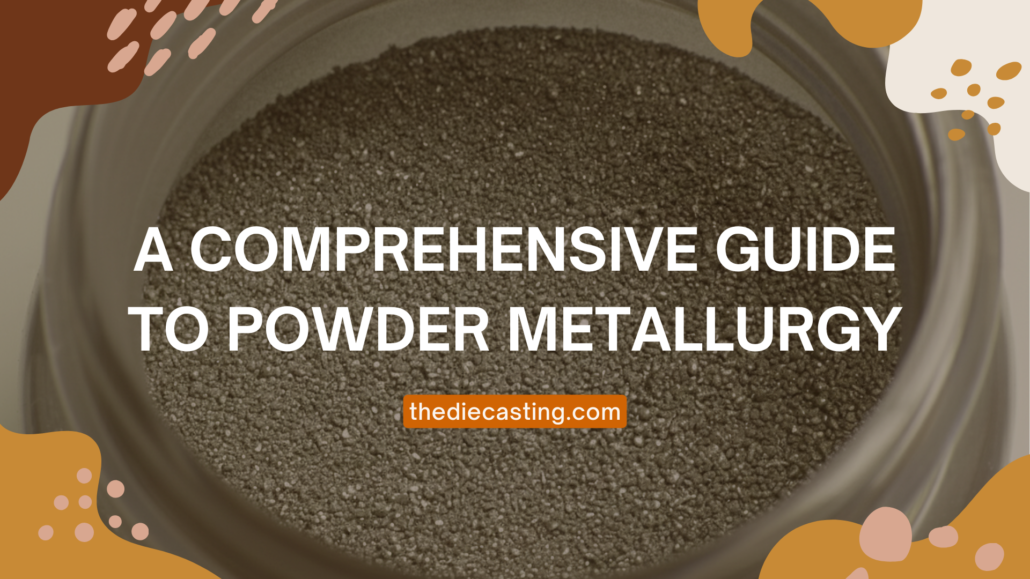
Top-down view of a container filled with fine, shimmering grey metallic powder used in the first stage of powder metallurgy production

A Comprehensive Guide to Powder Metallurgy: 6 Essential Steps You Need to Know

Metaalbewerkingsdelen

Powder Metallurgy is a specialized and vital branch of Metallurgy dealing with metal and non-metal powders and then using them for economical manufacturing of high precision components. In the modern industrial landscape, a powder metallurgy company provides the technical expertise required to transform loose particles into robust, functional parts. This process is favored because the properties of powder metallurgy components depend largely on the properties of loose metal from which they are made, allowing for a level of customization and purity that traditional casting often cannot match. For industries requiring exact specifications, working with experienced powder metallurgy manufacturers is essential. You can explore further technical resources on precision die casting manufacturing at aluminum die casting page or precision injection molding manufacturing at plasticmold.net. The Six Basic Steps of Powder Metallurgy Powder Metallurgy consists of the following six basic steps namely: (a) Powder Production, (b) Powder Conditioning, (c) Powder Compacting or pressing, (d) Sintering, (e) Sizing or Impregnation, and (f) Testing and Inspection. 1. Powder Production First comes Powder Production in which the metal or non-metal undergoes various mechanical processes like machining, crushing, Milling, Shotting, Graining and Atomization to produce powder in the form of small chips, filings, break-offs etc. For volatile metals and carbon carbonyls, physicals processes like condensation and thermal decomposition are used to carry out powder production. The powders produced through these processes are mainly spherical in shape. These processes are usually carried out in closed containers to avoid formation of metal oxides. For metals in their oxide, oxalate, formate or halide states, reduction principle is used where reducing agents like carbon, hydrogen, ammonia and carbon monoxide are used for economical and flexible powder production of irregular shape. For Metals in their aqueous solution or fused salts, electro-chemical processes are used. They ensure perfect control of powder size and type by varying parameters like high current, low metal ion concentration, low temperature and thus obtain highly pure crystalline shape. 2. Powder Conditioning Second comes Powder Conditioning which makes use of heat treatment, sieving and blending to reduce impurities and oxide content, obtain desired powder size and obtain a homogeneous mixture of powders. This step is critical for a powder metallurgy company to ensure the raw material is ready for the high-pressure environment of the die. 3. Powder Compacting (Pressing) Third comes Powder Compacting which is the process of pressing and imparting shape to the powder mix using a die and punch arrangement. The powder mix is fed through a vibrating hopper and feeder which allows for smooth flow of powder in die. Pressure is then applied in the powder mix through the upper punch. After sufficient time and pressure application, the upper punch is lifted and the compact powder mix is called Green Compact, is ejected out with the help of bottom punch. The density of this compact depends on pressure applied. For insights into how die designs are optimized for these pressures, visit diecastingschina.com. 4. Sintering Next comes sintering processes which makes use of heat and soaking to help the compact crystal undergo Neck Formation, Neck Growth and pore rounding resulting in increased strength and hardness of compact. This thermal treatment is what transforms the fragile green compact into a durable metal part. 5. Sizing or Impregnation Next comes Sizing or Impregnation, which is the process of rectifying the sintered compact to the final required dimensions. Sizing is done by placing the compact in a master die and applying pressure. Impregnation is often used for specialized powder metallurgy components that require internal lubrication. 6. Testing and Inspection Last comes testing and inspection, which tests the components after sintering and sizing for compressive strength, Tensile Strength, Porosity, Density, Hardness, and Micro-structure. Powder Metallurgy Components: Testing Group and Material Properties Because the final product’s quality is so closely linked to the raw powder, powder metallurgy manufacturers test materials under three main groups: Group 1: Basic Properties These tests analyze the chemical composition, shape, size, porosity and specific surface of the material. Group 2: Compacting Properties Group 3: Sintering Properties This consists of dimensional changes during sintering calculated by the ratio of change in length to sintered length. Sintering density is calculated again as the ratio of density of solid material to that of the sintered compact. Finally, micro-structure examination is usually done by etching the sample followed by visual observation through a microscope. Advantages and Disadvantages Advantages of Powder Metallurgy include special characteristics due to mixing of both metallic and non-metallic powders and high purity components. This makes it an ideal choice for complex alloys. However, there is a drawback of high equipment cost, limited size of production and storage issues. Companies like aludiecasting.com provide alternative solutions like aluminum die casting when part sizes exceed the typical limits of powder pressing. Key Applications of Powder Metallurgy Self-Lubricating Bearings These are the bearings which do not require any external lubrication during its functional working. Small amount of graphite is used for increasing porosity in which oil is impregnated with the help of high pressure or vacuum. These bearings work due to the temperature rise caused by friction from rotating shaft inducing a reduction in the viscosity of oil thereby increasing its flow rate. Hence, the oil is pulled out from the pores and starts to circulate rapidly. Cermets A cermet is a combination of two words “cer” from ceramics and “mets” from metals. Ceramic powders have high temperature strength and hardness whereas metal powders have good shock resisting ability. Hence cermets have both these properties and are combined using approximately 20 to 60% ratio of metallic binders. Cermet are used in flame holders and nozzles of jet propulsion. Sintered Metal Friction Materials These materials are used in clutches, brakes and places where controlled friction is necessary. The precision offered by a powder metallurgy company ensures these materials perform reliably under extreme heat. Production of Refractory Materials Used in filament of electric bulbs, electrical contacts, high temperature furnaces, and rocket nozzles. These materials during casting or forging react with the

Cnc-verspaning

Titanium bewerken

Metaalbewerkingsdelen

Titanium was ooit een materiaal dat slechts door een paar geselecteerde bedrijven werd gebruikt en zelden werd aangeraakt door de gemiddelde verspaner, maar nu wordt het veel vaker gebruikt en is het door veel verspaners in de loop van hun carrière gebruikt. De bewerking van titanium is niet vergelijkbaar met die van standaardmaterialen zoals aluminium en staal in de industrie. Vanwege de enorme winsten beginnen echter meer winkels interesse te tonen in deze banen. In dit artikel behandelen we succesvolle werkwijzen voor cnc-verspaning van titanium, hoe je de juiste snijgereedschappen selecteert en zaken waarmee verspaners rekening moeten houden. Wil je meer weten over andere bewerkingsprocessen, ga dan naar de pagina Fabrikant van gedraaide onderdelen. Titanium bewerken: Belangrijke overwegingen CNC verspanen met titanium is een complex proces vanwege de sterkte, waardoor het geschikt is voor de meest veeleisende toepassingen en tegelijkertijd moeilijk te bewerken is. Het is van vitaal belang om de details van het bewerkingsproces te begrijpen om het beste resultaat te krijgen en de levensduur van het gereedschap te verlengen. Selectie van snijgereedschappen Bij het bewerken van titanium moet rekening worden gehouden met snijgereedschappen. Aangezien titanium bestand is tegen hitte en hard is, is het cruciaal om gereedschap te kiezen dat tegen deze eigenschappen bestand is. Gereedschappen van gecoat hogesnelheidsstaal met wolfraam, koolstof en vanadium zijn geschikt vanwege hun hardheidsbehoud bij temperaturen tot 600°C. Deze gereedschappen zorgen voor beter snijwerk en verminderen de kans op afbrokkelende randen, waardoor het bewerkingsproces verbetert. Het belang van coating van gereedschap De coating van snijgereedschappen is belangrijk en door het juiste type coating aan te brengen, verbeteren de prestaties van het snijgereedschap tijdens titaanbewerking. Coatings zoals titanium aluminium nitride (TiAlN) verminderen de warmteontwikkeling door een laag aluminiumoxide op het oppervlak van het gereedschap aan te brengen. Deze laag minimaliseert de warmtegeleiding en chemische interactie tussen het gereedschap en het werkstuk, waardoor de levensduur van het gereedschap en de spaanafvoer toenemen. Zorgen voor stabiliteit bij het verspanen Stabiliteit tijdens het verspanen van titanium is van vitaal belang om trillingen te verminderen en de nauwkeurigheid van het verspanen te verhogen. Door de flexibiliteit van titanium en de hoge krachten is de kans op klapperen groot, wat schadelijk is voor de kwaliteit van het bewerkte oppervlak. Werk met frezen met een grotere kerndiameter om de stabiliteit te verbeteren en de kortste afstand tussen de spindelneus en de gereedschapspunt te garanderen. Het gebruik van constante bewerkingssnelheden en -voedingen vermindert ook de warmte en spanningsharding op het gereedschap, waardoor de functionaliteit en duurzaamheid van het gereedschap behouden blijft. Voordelen van klimfrezen Klimfrezen heeft verschillende voordelen bij het bewerken van titanium op maat. Bij klimmend frezen begint de spaandikte breder te worden en neemt geleidelijk af, terwijl bij neergaand frezen het tegenovergestelde het geval is. Dit bevordert de warmteoverdracht naar de spanen in plaats van naar het werkstuk, waardoor thermische stress en slijtage van het gereedschap worden geminimaliseerd. Klimfrezen verbetert de afschuiving en de juiste spaanafvoer achter de frees, waardoor de efficiëntie van de bewerking en de oppervlakteafwerking verbeteren. Kennis van deze strategieën is cruciaal voor het succesvol bewerken van titanium. Door de juiste gereedschappen, de juiste coatings, stabiliteit en de juiste freesstrategie te kiezen, kunnen de verspaners de gewenste afmetingen en efficiëntie van de titanium onderdelen verkrijgen volgens de industriële vereisten. Veelgebruikte kwaliteiten voor CNC verspanen Laten we eens een aantal veelgebruikte kwaliteiten bespreken die gewoonlijk gebruikt worden bij het CNC bewerken van titanium. Kwaliteit 1: Commercieel zuiver titanium dat niet meer dan 0,3% zuurstof bevat. Enkele van de meest voorkomende soorten zijn graad 1 titanium met een hoge taaiheid en een laag zuurstofgehalte. Het heeft een goede bewerkbaarheid, hoge slagvastheid en hoge corrosiebestendigheid en wordt toegepast in de medische, auto- en ruimtevaartindustrie. Titaan graad 1 heeft echter een aantal nadelen; het is minder sterk dan de andere titaniumsoorten en kan dus niet worden gebruikt op plaatsen waar spanning wordt uitgeoefend. Kwaliteit 2 (commercieel zuiver titanium met een standaardhoeveelheid zuurstof) De tweede kwaliteit titanium wordt ook wel het werkpaardtitanium genoemd vanwege het gemiddelde zuurstofgehalte, de hoge corrosiebestendigheid, vervormbaarheid, lasbaarheid en vervormbaarheid. Het wordt veel gebruikt in de medische en luchtvaartindustrie, vooral in onderdelen voor vliegtuigmotoren, vanwege de mechanische eigenschappen die het bestand maken tegen de toegepaste omstandigheden. Grade 3 (Zuiver titanium met een matige hoeveelheid zuurstof) Grade 3 titanium wordt beschouwd als een titanium met matige mechanische eigenschappen zoals corrosie, verwerkbaarheid en sterkte. Het wordt niet zo vaak gebruikt in commerciële toepassingen als graad 1 en 2. Toch wordt het gebruikt in de medische, maritieme en luchtvaartindustrie waar consistente prestaties van onderdelen en samenstellingen vereist zijn. Kwaliteit 4 (zuiver titanium met hoog zuurstofgehalte) Kwaliteit 4 titanium is een van de krachtigste en chemisch stabielste materialen voor cnc titaniumbewerking. Het heeft echter een hoog zuurstofgehalte, waardoor het vrij moeilijk te bewerken is. Het gebruikt veel koelmiddel en heeft een hoge voedingssnelheid tijdens het bewerken. Deze kwaliteit wordt gebruikt in cryogene vaten, chemische verwerkingsapparatuur en onderdelen van vliegtuigrompen waar een hoge sterkte en taaiheid essentieel zijn. Kwaliteit 5 (Ti6Al4V) Ti6Al4V is een alfa-bèta titaanlegering met 6% Al en 4% V; dit materiaal heeft goede mechanische eigenschappen, waaronder hoge sterkte, redelijke vervormbaarheid en goede corrosiebestendigheid. Het wordt gebruikt in energiecentrales, offshore platforms, schepen en scheepsonderdelen, ruimtevaartproducten met hoge sterkte, enzovoort. Titaan graad 5 wordt toegepast in alle gebieden waar hoge prestaties nodig zijn in verschillende omgevingsomstandigheden. Grade 6 (Ti 5Al-2.5Sn) Grade 6 titaniumlegering heeft een goede stabiliteit en hoge sterkte en kan snel worden verbonden, vooral bij hoge bedrijfstemperaturen. Hierdoor is het ideaal voor gebruik in vliegtuigrompen, straalmotoren en andere onderdelen en componenten voor de ruimtevaart waar de sterkte van het materiaal van het grootste belang is. Omdat het bestand is tegen hoge temperaturen en spanningen, is het geschikt voor zware omstandigheden. Grade 7 (Ti-0.15Pd) Bij een vergelijking van Grade 2 met Grade 7, bevat deze laatste palladium om de corrosie-eigenschappen te verbeteren, vooral in chemische toepassingen. Het heeft goede vorm- en laseigenschappen en vanwege de weerstand tegen corrosieve stoffen wordt het veel gebruikt in chemische verwerkingsapparatuur waar sterkte en duurzaamheid essentieel zijn.

Metaalbewerkingsdelen

Metaalbewerkingsdelen

The use and production of metals parts have been a part of civilization for thousands of years. The Bronze Age, Copper Age, and Iron Age are proof that metals were widely used in the past by people all over the world, particularly in the Near East. Metal machining parts are indispensable to human activities, as planes, computers, and cars all have metal parts. Our metal machine factory creates metal parts for machinery, engines, cars, and other vehicles. The technology has made the production of these parts possible. Several kinds of metals are useful in making metal parts. Aluminum is widely used as a metal machining part due to its malleability. Aluminum parts make up much of an aircraft and have various uses in the transportation industry. Metal machine shops also use copper parts according to client specifications. Stainless steel, used mainly as hardware, cookware, and surgical equipment, is also used as a metal machining part. At CNM Tech, High precision CNC lathe and CNC center machines are used to process and form these metal parts. Our Metal machine shop also uses lathe machines, mill mixed machines, and punching machines. Metal machining uses measuring and testing equipment such as roughness testers, concentricity testers, and hardness testers to ensure that the metal parts are fit to be used. Surface treatment includes polishing, zinc plating, and chrome plating to ensure a nice finish. Thousands of metal machining parts can be ordered from a metal machine shop, and the shop can deliver it to the client in no time. Clients can also customize the design of each part. However, our metal machine shop is an ISO-certified company to ensure each metal part is up to standard and meets ISO requirements. As these metal machining parts are used for high precision production, our metal machining products undergo rigid testing. CNM Tech will deliver the best metal parts possible. This will ensure that the use of metal will increase productivity and that the metal is of the highest quality. Are your metal machining parts ready to start? Send us your requirement for quotation, we will quote you in two business days.

Scroll naar boven

Een offerte aanvragen