zamak 3

Wat is Zamak? Wat het is en waarom het veel wordt gebruikt bij de productie

Wat is Zamak? Wat het is en waarom het veel wordt gebruikt bij de productie

zamak 5, zamak 2 spuitgietwerk, zamak 3, zamak 3 spuitgietwerk, Zamak 3 zinkgieten

Alloys contribute significantly to the development of delicate electronic parts as well as heavy parts used in vehicles. For example, zamak metal has quietly changed the way many industries operate.  This metal is renowned because it is strong, can be molded easily and is versatile. The word Zamak originates from German and stands for zinc, aluminum, magnesium and copper. During the early years of the 20th century, the production of brass alloys aimed to improve on the brittleness found in previous zinc-based products. Today, zamak is used widely in vehicle, electronic device, and hardware manufacturing. It is appreciated both for its sturdy structure and for finishing smoothly with only a little work. Producing aluminum requires less energy than other materials since it melts easily, and it is also attractive because it can be recycled. Each different grade of zamak fits various needs, such as zamak 3 being softer than zamak 5, which is stronger than zamak 12. Most household goods and industrial products made with zamak metal meet the rising needs of manufacturing because they are practical and of good quality. Here, we will explain what zamak metal is made from, types such as zamak 3, zamak 5, and zamak 12, its functions, plus the positives and negatives. Zamak is a type of zinc alloy Zamak is made from zinc, mixed with a small amount of aluminum, magnesium, and copper. The word Zamak stands for Zink, Aluminum, Magnesium, and Kupfer, which are the German names for the metals involved. Due to its high-quality casting and appearance, zamak metal is popular in manufacturing automotive, electronic, furniture, and consumer goods. The process called die casting allows Zamak metal to shape complex, strong, and cost-efficient parts. Bending zamak into steel forms shaped like the finished goods is done at high pressure, producing many complex shapes very rapidly while needing only a minimal amount of machining. Because its melting temperature (around 385°C) is lower, zinc is more efficiently shaped than metals such as steel or aluminum in a foundry. What is Zamak, and how is it made? Zamak is a name formed from the German words for the main metals: Zink (zinc), Aluminium (aluminum), Magnesium, and Kupfer (copper). In the 1920s, the New Jersey Zinc Company created zamak to help overcome brittleness that affected some zinc alloys. It is viewed as a high-quality type of zinc that gives better die casting than most other materials. The usual elements in zamak metal are 96% zinc, 4% aluminum, a little bit of magnesium and some copper. As a result of this mix, its metal product is very strong, lasts a long time and can be formed into exact shapes with high precision. Key points about Zamak Metal A highlight of zamak metal is that it is very easy to cast. Manufacturers can create shapes with thin walls out of aluminum that would usually be pricey or difficult to produce using other materials. In addition, zamak has a polished surface, which makes it suitable for use in parts that need painting or plating. One more advantage is that steel retains its shape. Because Zamak does not change shape easily, it is commonly used in car and electronics manufacturing. The material is strong relative to its weight, making it attractive. Unlike aluminum, zamak does not weigh very little, but it offers a good level of durability that makes it useful for items that must be manageable. Uses of Zamak Metal Because it has great mechanical characteristics, zamak metal is applied in many products. In this industry, stainless steel is found in door handles, mirrors and several interior parts. A variety of electronic parts use Zamak because it is both precise and can resist heat. The furniture sector uses zamak because it is so versatile, fitting into hinges, brackets, and other decorations. Many fancy pieces in fashion include zamak since it is shiny and does not get tarnished easily. The process of making Zamak metal by casting 1. Alloy Preparation To produce zamak metal, you need to combine zinc, aluminum, magnesium and copper in the right ratios. To extract metals from these ones, the raw materials are melted at moderate temperatures. The right ratios are necessary to ensure that zamak 3, zamak 5 and zamak 12 provide the desired qualities. 2. Melting The blend of materials is put into a furnace and brought up to the zamak melting point of 385°C (725°F). During this step, the alloy flows very well and is therefore excellent for high-pressure die casting. 3. Die Casting The zamak is melted and then put into a die casting machine to be injected into a metal mold. Thanks to this process, items are shaped into very detailed and sturdy forms. Depending on how the casting will be used, manufacturers select from products classified as zamak 3, zamak 5, or zamak 12, since each is meant for a different purpose. 4. Injection and Outflow As soon as the zamak is injected, cooling the mold causes the metal to harden fast. After removing the part from the mold, it may not need machining because the alloy has a clean finish. 5. Finished and Plated When the model is cast, it might be polished, painted, or electroplated in materials such as nickel or chrome. The processes improve the look and resilience to corrosion of the manufactured product, mostly when used outside. Applications of Zamak Metal Zamak metal is used in several industries because of its superior casting, its strong properties and attractive smoothness. Even in the automotive industry, zamak metal plays a key role by being useful and attractive. 1. Automotive Industry Many door handles, emblems, mirror housings and interior details in motor vehicles are manufactured using zamak metal. Because it can be designed intricately and held to small measurements, it’s useful in parts that are either noticeable or not. The reason Zamak 5 is used most often here is that it is more durable and wears less easily. 2. Consumer Electronics Its stable dimensions and smooth appearance
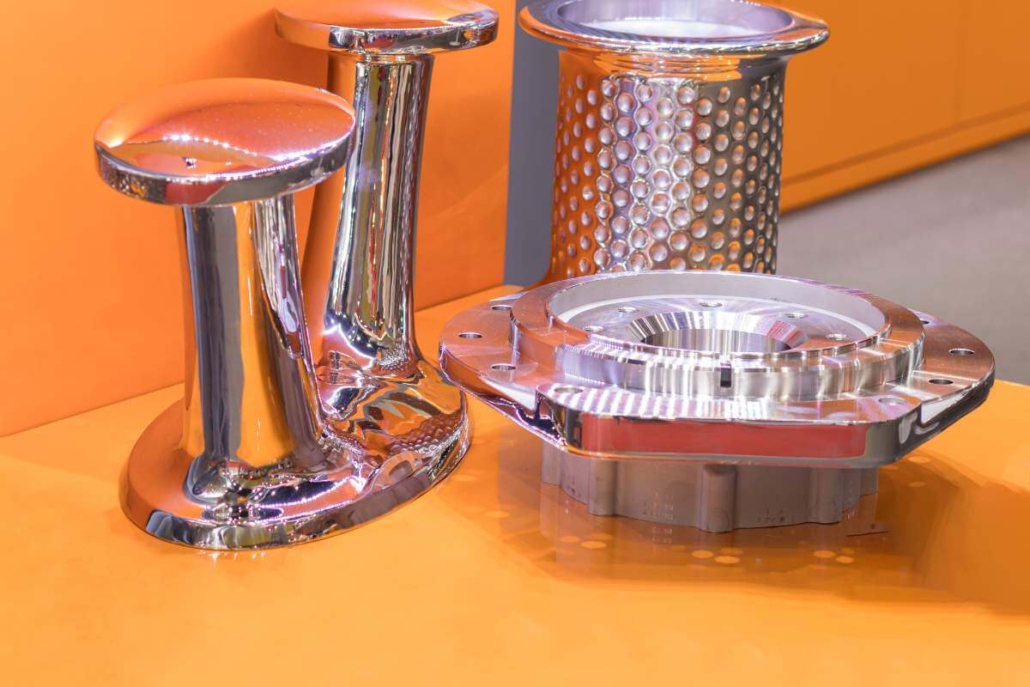
Een uitgebreide gids voor Zamak 3 en zijn toepassingen

Een uitgebreide gids voor Zamak 3 en zijn toepassingen

zamak 3

Among the Zamac alloys, Zamak 3 is the most popular due to its well balanced strength, durability and ease of casting. Zinc is the main component of this alloy containing small amounts of aluminum (3.5 -4%), magnesium (0.03 – 0.06%), and copper (0.25%) in all. Because of its very specific composition, it makes this sample more mechanically stable, less prone to corrosion, and capable of retaining dimensions more accurately. Zamak is a group of alloys consisting of zinc, which are widely used in manufacturing as they have good mechanical properties and as also affordable. It is derived from German words Zink (zinc), Aluminum, Magnesium and Kopper (copper) and the term is followed by the name of the symbols of these elements: ‘Zamak’. In the 1920s, these alloys were developed, and today they are now basic in industries that require precision metal components. This is one of the main advantages of Zamak 3 zinc alloy as it can be die cast. The low melting point (around 385°C) means that it was used for relatively low cost manufacturing of parts with intricate and detailed features. When the casting process is completed, it has maintained its fluidity to provide smooth surface finishes that do not require excessive post production treatment. Zamak 3 casting has got such good performance of it that it is used in many industries. It is present in the majority of the automotive component, electrical housing, hardware and consumer goods. Since the material is corrosion resistant and dimensionally accurate, its use is particularly appropriate for such demanding applications where long term reliability is required. Overall, Zamak 3 alloy is a cost effective and a versatile material that has continued to remain in use in modern manufacturing. The strength, durability, casting efficiency combination associated with it makes it most sought after for the industries that are heavily dependent on the quality metal component. What is Zamak 3? It can be described as zinc zinc-based alloy comprising zinc, aluminum and magnesium, with copper. Zamak is a family of alloys, which were invented in the 1920s. The name ‘Zamak’ is based on German expeditions (Zink, Aluminium, and Magnesium) plus (Kopper, or Cu) for the main components of the material.Zamak 3 (also specified as ASTM AG40A, Z33520 UNS) is one of the most commonly used zinc alloys in the die casting industry. Zamak 3 is known for its outstanding mechanical and physical properties and is a preferred choice for many industries across the board. This material has excellent castability, dimensional stability and durability that make it one of the key materials used to manufacture precision parts.Zamak 3 zinc alloy is considered to be among all the Zamak alloys because of its good mechanical properties and low cost. One offers excellent balance between hardness, impact strength, and dimensional stability, thus making this one a good industrial application. Composition and Properties of Zamak 3 Alloy Zamak 3 Alloy Composition Zamak 3 alloy is based on zinc with some aluminum and various trace metals, adding different beneficial properties. Zamak 3 alloy composition is chosen to provide the strength, durability and easy manufacturability of die casting. Zamak 3 consist of the following keys components. They work as a combination to form an alloy that features very excellent mechanical and physical properties and Zamak 3 is very popular in sectors like automotive, electronics and for manufacturing purposes. Chemical Composition of Zamak 3 Alloy The four primary elements of the Zamak 3 alloy are zinc, aluminum, magnesium and copper. The alloy characteristics are defined and its mechanical properties are enhanced by each element playing a particular role. Zamak 3 zinc alloy is normally available with typical compositions comprised of: Zinc (Zn) – 96% Zamak 3 alloy consists of Zinc as the base metal with excellent corrosion resistance, good casting properties and affordability. Additionally, it facilitates easy melting and molding, and can be mass produced in the die casting industry. Aluminum (Al) – 3.5% to 4% Aluminum also increases the strength, hardness and corrosion resistance of the alloy. In addition, it increases the fluidity of molten metal, and this allows Zamak 3 casting to produce precise and complex shapes witha  smooth finish. Magnesium (Mg) – 0.03% to 0.06% Magnesium provides significant improvement to the mechanical strength and impact resistance even in small amounts in Zamak 3 zinc alloy. In addition, the casting of the alloy is also made more stable and durable as it helps reduce oxidation during this process. Copper (Cu) – 0.25% The hardness and tensile strength of the alloy are increased by copper. But, it is kept at a very low percentage to avoid excessive brittleness of Zamak 3 alloy. Key Properties of Zamak 3 Alloy Zamak 3 zinc alloy is carefully balanced to make it a suitable industrial application because of its advantageous properties that include: 1. High Strength and Hardness The characteristics of Zamak 3 alloy produce an excellent balance between strength and ductility suitable forthese typese of components, which require durability under mechanical stress. It has tensile strength of about 283 MPa (41,000 PSI) and a hardness rating of 82 Brinell (HB). This combination makes it wear and tear resistant for such applications as automotive, and structural components. 2. Excellent Dimensional Stability Zamak 3 casting is one of the most valuable casting characteristic for maintaining precise dimensions even at high stress conditions. Zamak 3 zinc alloy is unlike some other metal alloys which expand or contract greatly with the temperature fluctuation. It becomes ideal for the applications where the tolerances should be tight and the fit should get exact, such as gears, locks and industrial machinery parts. 3. Corrosion Resistance Zamak 3 alloy contains aluminum and magnesium it which provide an additional source for oxidation and environmental corrosion. Pure zinc, however, is prone to corrosion over time, and a corrosion-resistant layer is formed on the surface after the additional elements in Zamak 3 zinc alloy. Due to this, it is good for outdoor applications, automotive components, and electrical enclosures. 4. Superior Castability and Fluidity

gietdelen

Verschillen tussen legering Zamak 3 en Zamak 5

zamak 3, zamak 5

Zamaklegeringen die vaak worden gebruikt bij spuitgieten hebben aantrekkelijke eigenschappen zoals veelzijdigheid, sterkte en duurzaamheid. Van alle zink spuitgietlegeringen zijn Zamak3 en Zamak5 de meest voorkomende vanwege hun speciale eigenschappen en de veelzijdigheid van de toepassingsgebieden. Om te vermijden dat de functies in het gedrang komen, is het belangrijk voor fabrikanten en ingenieurs die keuzes maken om de verschillende kwaliteiten van deze legeringen te leren kennen en te onderscheiden. Deze gids bespreekt alle verschillen en overeenkomsten tussen Zamak 3 en Zamak 5, hun gebruik in verschillende omgevingen en hun mogelijkheden. Wat is Zamak? Zamak, een term die een acroniem is voor Zink, Aluminium, Magnesium en Kupfer (oorspronkelijk Duits voor koper), duidt een groep zinklegeringen aan die veel gebruikt worden voor spuitgieten. Enkele eigenschappen die deze legeringen aantrekkelijk maken zijn: gepolijst uiterlijk, precieze afmetingen en hoge corrosiebestendigheid. Het type Zamak legering varieert afhankelijk van de verhouding aluminium, magnesium en koper die het bevat. De twee meest voorkomende vormen zijn Zamak 3 en Zamak 5, die verschillende instellingen van parameters voor verschillende industrieën hebben. Chemische samenstelling van Zamak 3 en Zamak 5 De prestaties van Zamak 3 en Zamak 5 zijn afhankelijk van de chemische samenstelling. Deze twee legeringen bevatten een groot aandeel zink, maar verschillen in secundaire elementen die resulteren in verschillende eigenschappen. Element Zamak 3 Samenstelling (%) Zamak 5 Samenstelling (%) Zink (Zn) ~96 ~95,5 Aluminium (Al) ~3,9 ~3,9 Magnesium (Mg) ~0,04 ~0,04 Koper (Cu) 0 ~0,75 Belangrijkste verschillen In Zamak 3 ontbreekt koper, waardoor het iets beter bestand is tegen corrosie in specifieke omgevingen. Zamak 5 bevat ongeveer 0,75% koper, waardoor het sterker en harder is. Vergelijking van mechanische eigenschappen Daarom hebben Zamak 3 en Zamak 5 enkele variaties in de mechanische eigenschappen, die het gevolg zijn van de verschillen in hun formulering. Dit beïnvloedt het gebruik en de werkefficiëntie onder verschillende omstandigheden. Tabel: Mechanische eigenschappen van Zamak 3 vs. Zamak 5 Eigenschap Zamak 3 Zamak 5 Dichtheid (g/cm³) 6,6 6,7 Opbrengststerkte (Mpa) 220 250 Rek (%) 10 7 Hardheid (Brinell) 82 90 Slagsterkte (J) Hoger dan Zamak 5 Lager dan Zamak 3 Analyse Sterkte: Zamak 5 heeft een hogere trek- en vloeigrens, waardoor het robuuster is voor veeleisende toepassingen. Vervormbaarheid: Zamak 3 vertoont een betere rek en slagvastheid, geschikt voor onderdelen die flexibiliteit vereisen. Hardheid: De hogere hardheid van Zamak 5 zorgt voor een betere slijtvastheid. Toepassingen van Zamak 3 en Zamak 5 spuitgietproducten De eigenschappen van Zamak 3 en Zamak 5 maken ze geschikt voor specifieke toepassingen. Toepassingen van Zamak 3 spuitgietproducten Consumentengoederen: Vaak gezien op gegoten eindproducten zoals autodeurklinken, ritssluitingen en andere kleine sieronderdelen. Elektronica: Zamak 3 spuitgietonderdelen kunnen ook een stabielere afmeting behouden dan andere spuitgietlegeringen, vooral voor behuizing- of behuizingsapplicaties. Speelgoed: Anders bekend om zijn goede oppervlakteafwerking en gemakkelijk te bewerken materiaal, veel gegoten speelgoed gemaakt met zamak 3 spuitgieten proces Zamak 5 spuitgieten Toepassingen Automobielindustrie: Wegens met hoge weerstand, worden de de matrijzenafgietseldelen van de Zamak 5 legering gebruikt in de structurele en functionele delen van een verscheidenheid van apparaten. Hardware: Onderdelen van schrijfinstrumenten - scharnieren, beugels, sloten van zink spuitgietwerk - profiteren van de hogere hardheid. Industrieel materiaal: Zamak 5 spuitgietdelen zijn de keuze voor alle onderdelen van zinklegeringen die onderhevig zijn aan hoge spanningen. Tabel: Toepassingen per industrie Zamak 3 spuitgietproducten Zamak 5 spuitgietproducten Consumptiegoederen Kleine decoratieve artikelen Zware functionele onderdelen Auto's Interieuronderdelen met lage spanningen Structurele onderdelen met hoge spanningen Elektronica Precisiebehuizingen Hittebestendige onderdelen Voordelen en beperkingen Voordelen van Zamak 3 spuitgietproducten Kosteneffectief: Lagere materiaalkosten in vergelijking met Zamak 5 legeringen. Corrosiebestendigheid: Uitstekend in omgevingen waar koper corrosie zou versnellen. Gemak bij het gieten: Biedt een betere vloeibaarheid tijdens het productieproces van zink spuitgietmatrijzen. Voordelen van Zamak 5 spuitgietproducten Sterkte en hardheid: Hogere mechanische sterkte en slijtvastheid. Duurzaamheid: Beter geschikt voor toepassingen met hoge belasting. Oppervlaktebehandeling: Beter geschikt voor plating en afwerking. Beperkingen Zamak 3: Behoud van beperkt vermogen als het onder hoge spanning moet werken. Zamak 5: Dit is een andere reden voor een iets lagere corrosiebestendigheid bij hogere concentraties koper in de legering. Spuitgieten Zamak 3 vs. Spuitgieten Zamak 5 Spuitgieten is een proces waarbij een metaal onder hoge druk in een vormholte wordt geperst. Zowel spuitgieten Zamak 3 als spuitgieten Zamak 5 blinken uit in het produceren van ingewikkelde vormen met nauwe toleranties, maar er zijn opmerkelijke verschillen: Parameter Spuitgieten Zamak 3 Spuitgieten Zamak 5 Vloeibaarheid Superieur Iets lager Krimp Minimaal Iets hoger Giettemperatuur Lager (~380°C) Iets hoger (~385°C) Bewerkbaarheid Uitstekend Goed Overzicht van het spuitgietproces Belangrijkste overwegingen: Gebruiksgemak: Zamak 3 matrijzengieten heeft ook tekenvoordelen ten opzichte van de andere vanwege de relatief lagere giettemperatuur en betere vloeibaarheid. Spanningstolerantie: Daarom kan Zamak 5 spuitgietwerk gebruikt worden in een toepassing met robuuste onderdelen en componenten. De juiste legering kiezen Factoren om rekening mee te houden Toepassingseisen: Voor toepassingen die een hoge dimensionale stabiliteit, corrosiebestendigheid en spanningsarme lagering vereisen, moet het materiaal van de Zamak 3 legering worden gebruikt. Bij het selecteren op sterkte en hardheid moet de Zamak 5-legering worden gekozen voor onderdelen die een hoge mate van duurzaamheid en een lagere spanningstolerantie vereisen. Kosten: Zamak 3-legering is iets goedkoper dan Zamak 5-legering. Milieu: Zamak 3 kan het beter doen in corrosieve omstandigheden door een gebrek aan koper in de legering. Beslissingstabel: Zamak 3 vs. Zamak 5 Eis Aanbevolen legering Hoge sterkte Zamak 5 legering Kostenefficiëntie Zamak 3 legering Corrosiebestendigheid Zamak 3 legering Slijtvastheid Zamak 5 legering Praktische gebruiksscenario's voor Zamak 3 en Zamak 5 We gaan dus onderzoeken hoe geadopteerde scenario's van Zamak 3 en Zamak 5 in de praktijk werken. Dit zal hen ook de voordelen en de aard van hun toepasbaarheid op bepaalde functies duidelijk maken. Zamak 3 in de praktijk Elektronica-industrie: Zamak 3 spuitgietwerk wordt voornamelijk gebruikt voor toepassingen in

Zamak 3 zinkgieten

Zamak 3 Spuitgieten

aluminium gietwerk, zamak 3, zamak 3 spuitgietwerk, Zamak 3 zinkgieten, zamak 5, zamak spuitgietwerk, het afgietsel van de zinklegering, Zink spuitgieten

Wij bieden ZAMAK 3 spuitgietmatrijzen aan voor de productie van ZAMAK 3 producten. Onze ZAMAK 3 producten, productiemogelijkheden en opslagfaciliteiten geven je kwaliteitsonderdelen tegen concurrerende prijzen. ZAMAK 3 is de meest populaire van de ZAMAK serie legeringen voor zink spuitgieten vanwege de gietbaarheid en maatvastheid. ZAMAK 3 eigenschappen: Uiteindelijke treksterkte: psi x 103 (MPa) 41 (283) Opbrengststerkte - 0,2% offset: psi x 103 (MPa) 32 (221) Rek: % in 2″ 10 Afschuifsterkte: psi x 103 (MPa) 31 (214) Hardheid: Brinell 82 Slagvastheid: ft-lb (J) 432 (58) Vermoeiingssterkte Rotary Bend - 5×10⁸ cycli: psi x 103 (MPa) 6,9 (48) Samendruksterkte 0,1% Offset: psi x 103 (MPa) 604 (414) Elasticiteitsmodulus - psi x 106 (MPa x 103) 12.46 (85,5) Poisson¡¯s Ratio 0,27 Dichtheid: lb/cu in (g/cm3) .24 (6,6) Smelttraject: ¡ãF (¡ãC) 718-728 (381-387) Elektrisch geleidingsvermogen: %IACS 27 Thermisch geleidingsvermogen: BTU/ft/hr/¡ãF (W/m/hr/¡ãC) 65,3 (113,0) Thermische uitzettingscoëfficiënt: 68-212¡ãF µin/in/¡ãF (100-200¡ãC µm/mm/¡ãC) 15,2 (27,4) Soortelijke warmte: BTU/lb/¡ãF (J/kg/¡ãC) .10 (419) Patroon van matrijskrimp: in/in .007 Zink spuitgietwerk Toepassingen Sportartikelen - Kostenbesparende benaderingen van machinaal bewerkte onderdelen; - Coatings die passen bij parallelle zinkdelen; - Sterkte voor zware toepassingen; Medisch - Innovatieve mogelijkheden; - Precisieontwerpen als gegoten; - Voor gebruik in vele moeilijke toepassingen; Schakelaar - Meerdere holtes voor kostenbesparingen; - Multislide; Bevestigingsmiddelen - Vele maten paneelmoeren reeds bewerkt; - Snelle tapmogelijkheden; Schakelaar - Vier schuiftechnologie om kostbare secundaire te elimineren; - Vatplateren voor elektroless nikkel biedt kosteneffectieve bescherming en esthetiek; - uitstekende geleidende legeringen; glasvezel - in staat om complexe ontwerpen te gieten; - componenten met nauwe toleranties, zoals gegoten; - apparatuur en ervaring om kleine componenten te leveren; apparaten - dunwandige gietstukken met de sterkte om in toepassingen te blijven; - oppervlakteafwerkingen bieden slijtvastheid; - legeringen ontworpen voor specifieke toepassingen; auto-industrie - in staat om meerdere componenten in één zinkgietstuk op te nemen; - corrosiebestendige gietstukken en bekledingen; - secundaire tapmogelijkheden; - zink is een uitstekend dempingsmateriaal; het detail van Zamak 3 zinkgietwerk Modelnr: Zamak 3 zinkafgietsel ProductName: Zamak 3 of 5 matrijzenafgietsel Productoorsprong: China Merknaam: CNM TECH Prijstermijnen: FOB SZ Betalingstermijnen: T/T CIF L/C Leveringscapaciteit: 300.000-400.000sets/maand Leveringsproductietijd: rond 30 dagen Als u wilt kopen of meer informatie over Zamak 3 zinkafgietsel wilt kennen,

Zink spuitgietdelen

Spuitgietwerk zinklegering Zamak 3 Zamak 5

aluminium gietwerk, zamak 2 spuitgietwerk, zamak 3, zamak 3 spuitgietwerk, zamak 5, zamak 5 spuitgietwerk, zamak spuitgietwerk, het afgietsel van de zinklegering, Zink spuitgieten

Zinc Die Casting Description : We use four top-quality zinc alloys for our zinc die casting parts – Zamak 3, Zamak 5, ZA-8 and Zamak 2 — because they offer unique advantages for creating high-precision die castings. Zamak 3: As the most popular zinc alloy, Zamak 3 features exceptional ductility and impact strength. It works very well with multiple plating and finishing options, Zamak 5: Typically used in automotive and small engine applications, Zamak 5 exhibits excellent creep resistance, hardness, and strength. Zamak 3 or 5 die casting parts? For all our zinc die castings we use either Zamak-3 or Zamak-5 Zinc Alloy. Special. The Alloying is done in our fully automatic In-house Zinc Alloying section where we manufacture all kinds of Zinc Alloys for Die Casting. Our daily Zinc Alloying capacity is 16 Metric Tonnes. Every  Alloy Heat is tested by a computerized Spectrometer for metallurgical composition. We would be happy to quote for your requirements of low-cost high volume small precision  Zinc Die Casting components weighing in the range of 0.25 gms to 125 gms. We specialize in a rare combination of both – Accurate Sizes & Decorative Surface Finish ZA-8: Even stronger than Zamak 3 and 5, ZA-zamak8 is the ideal choice for hot chamber casting projects. It also works well with multiple plating and finishing options. Zamak 2: Compared to other Zamak alloys, Zamak 2 offers higher creep performance and long-term strength and hardness. It serves as an excellent bearing material and has been known to eliminate the need for bushings and wear inserts in die-casting components. Zamak 3, Zamak 5, ZA-8, and Zamak 2 is well suited for the die casting process due to their ability to: – Produce very thin walls and near net shapes – Achieve high levels of accuracy – Offer temperature flexibility up to 150° F – Provide reliability with superior bearing properties – Exhibit increased wear resistance Please send us either your samples, drawing and other details and we will send you our quote immediately.

Scroll naar boven

Een offerte aanvragen