Semi-vaste aluminium spuitgieten

Koud smeden van aluminium

aluminium gietwerk

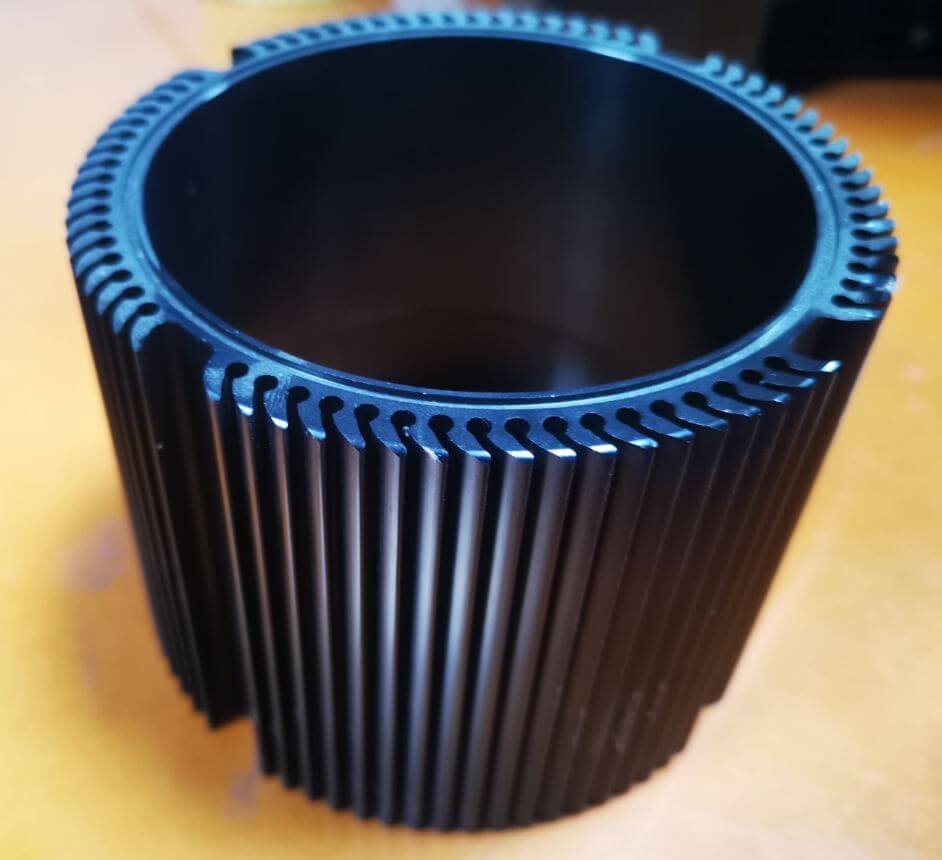
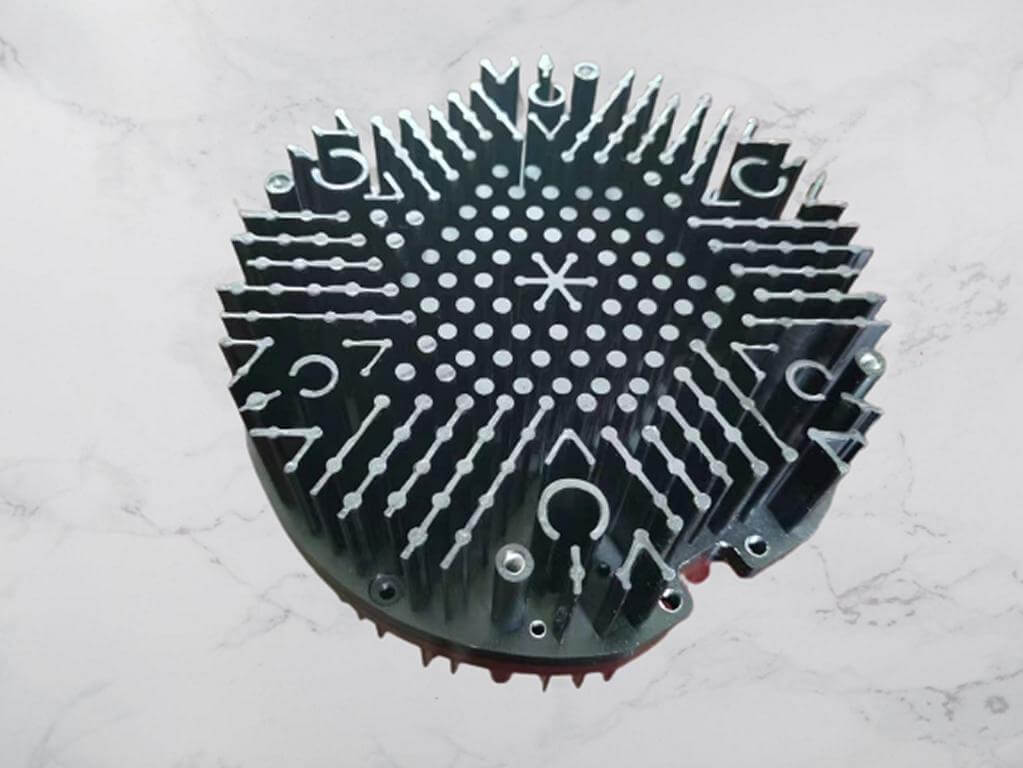
Koudsmeden van aluminium: Een overzicht van de voordelen, het proces en de toepassingen Koudsmeden van aluminium is een effectieve manier om gevormde aluminium onderdelen met een hoge sterkte, dichtheid en nauwkeurigheid te produceren. Aluminium is een van de meest gebruikte materialen voor koud smeden vanwege de veelzijdigheid van de eigenschappen en legeringmogelijkheden. Dit artikel geeft een uitgebreid inzicht in de voordelen, het proces en de toepassingen van koud smeden van aluminium. Voordelen van koud smeden van aluminium In vergelijking met andere methoden om metaal te vormen, heeft koud smeden van aluminium een aantal voordelen, waaronder: Verhoogde sterkte en duurzaamheid: Koud smeden van aluminium kan onderdelen creëren met een grotere sterkte en duurzaamheid dan ooit bereikt kan worden met gietstukken of andere productiemethoden. Verbeterde oppervlakteafwerking en precisie: Omdat het smeedproces vereist dat het materiaal wordt samengeperst, hebben gegoten onderdelen vaak extra bewerkingen nodig, terwijl koud gesmeed aluminium al een hoge oppervlakteafwerking in het proces heeft ingebouwd. Kosteneffectief in vergelijking met andere technieken: Koud smeden van aluminium vereist slechts een bescheiden druk om de nodige veranderingen in het metaal aan te brengen, waardoor kosten worden bespaard in vergelijking met andere technieken. Minder materiaalafval en energieverbruik: Omdat er geen materiaalafval is tijdens het smeedproces en er minder energie nodig is in vergelijking met andere methoden, levert dit op lange termijn kostenbesparingen op. Koudsmeedproces van aluminium Het koudsmeedproces van aluminium bestaat uit verschillende stappen: Voorbereiding van aluminium knuppels Voordat het koudsmeedproces begint, moeten aluminium knuppels eerst worden voorbereid. Knuppels zijn kant-en-klare vormen die gebruikt worden bij de productie van onderdelen. De knuppels worden later in het proces verwarmd en in de koudpers geplaatst. Knuppels in de pers laden en klemmen De knuppels worden bij kamertemperatuur in de pers geladen, daarom wordt het ‘koud smeden’ genoemd. Om ervoor te zorgen dat de knuppels tijdens het persproces niet bewegen of kronkelen, worden ze stevig vastgeklemd. Smeedproces met een koudsmeedpers Het belangrijkste onderdeel van het koudsmeedproces van aluminium is het creëren van de gewenste vorm van het onderdeel. Het proces omvat het uitoefenen van gecontroleerde druk op de billet vanuit alle hoeken terwijl de pers het metaal in de gewenste vorm brengt. Afkoelen en trimmen van de gesmede aluminium onderdelen Nadat de onderdelen met succes koud gesmeed zijn, laten we ze even afkoelen en trimmen we ze om overtollig materiaal te verwijderen. Toepassingen van koud gesmeed aluminium Koud gesmeed aluminium wordt veel gebruikt in verschillende industrieën: Auto-industrie - Motoronderdelen, ophangingscomponenten en andere auto-onderdelen die sterk, duurzaam metaal vereisen, kunnen koud worden gesmeed uit aluminium. De aluminium onderdelen die worden geproduceerd door koud smeden hebben een hogere sterkte en duurzaamheid dan andere productiemethoden, tegen lagere kosten. Lucht- en ruimtevaartindustrie - Aluminium bouten, schroeven, vliegtuigonderdelen en andere apparatuur worden gemaakt door koud smeden. Het voordeel van koud smeden in de ruimtevaartindustrie is dat onderdelen volgens exacte specificaties en toleranties kunnen worden geproduceerd zonder kromtrekken of defecten. Consumentenelektronica - Behuizingen van smartphones, frames voor laptops en andere computerapparatuur worden vaak gemaakt door koud smeden. Het proces zorgt ervoor dat de eindproducten duurzaam en licht zijn. Koudgesmeed aluminium koellichaam - Koudgesmeed aluminium koellichamen worden vaak gebruikt in elektronische apparaten, zoals computers en telecommunicatieapparaten, om de warmte die elektronische componenten produceren tijdens het gebruik te helpen beheren. Het koellichaam is ontworpen om de warmte van het elektronische apparaat te absorberen en vervolgens af te voeren naar de omgeving door middel van vinnen of andere middelen van warmteoverdracht. Het productieproces van koud smeden is zeer geschikt voor de productie van koellichamen omdat het strakke toleranties, hoge productiesnelheden en een uitstekende oppervlakteafwerking mogelijk maakt. Het proces omvat het vormen van een verwarmde aluminium blenk met behulp van een matrijs en een stempel, die het materiaal samendrukt om de gewenste vorm te krijgen. Het materiaal wordt dan snel afgekoeld, wat de sterkte en hardheid van het aluminium verbetert. Koudgesmede aluminium koellichamen hebben verschillende voordelen ten opzichte van andere materialen zoals koper of magnesium. Aluminium is licht van gewicht, waardoor het gemakkelijk te hanteren en te installeren is in elektronische apparaten. Het is ook zeer geleidend, waardoor het snel warmte kan absorberen en distribueren. Aluminium koellichamen kunnen een relatief groot oppervlak hebben voor hun grootte, wat zorgt voor een effectieve koeloplossing in een kleine ruimte. Koellichamen van koud gesmeed aluminium kunnen ook worden aangepast in verschillende vormen en maten om te voldoen aan de specifieke eisen van verschillende elektronische apparaten. Ze kunnen worden ontworpen met verschillende vinpatronen en diktes om hun warmteafvoer te optimaliseren. Andere industrieën - In de sector voor medische apparatuur kan koud gesmeed aluminium worden gebruikt bij de productie van prothesen, botschroeven en andere apparatuur. In de sportuitrustingssector kan het gebruik van koudgesmede aluminium materialen nodig zijn voor golfclubkoppen, racketframes en andere sportuitrustingen. Uitdagingen en beperkingen van het koud smeden van aluminium Hoewel het koud smeden van aluminium veel voordelen biedt, heeft het proces ook zijn uitdagingen en beperkingen: Complexiteit van het proces en benodigde apparatuur - Het proces van koud smeden van aluminium kan complex zijn, wat betekent dat de benodigde apparatuur veel duurder is dan alternatieve productiemethoden. Beperkt tot eenvoudige en symmetrische vormen - In sommige gevallen is het ontwerp van een onderdeel niet mogelijk door koud smeden. Koudsmeden kan alleen worden gebruikt voor symmetrische vormen, wat betekent dat er geen complexe ontwerpen kunnen worden gemaakt. Oppervlaktedefecten en scheuren in de gesmede onderdelen kunnen voorkomen - Door de hoge druk die tijdens het smeedproces wordt uitgeoefend, kunnen kleine oppervlaktedefecten zoals ruwe oppervlakken of kleine scheuren voorkomen. Wanneer heb je koudgesmede aluminium onderdelen nodig? Koudgesmede aluminium onderdelen kunnen nodig zijn in bepaalde situaties waar specifieke eigenschappen of kenmerken vereist zijn in het eindproduct. Koud smeden is een proces waarbij het metaal wordt gevormd onder hoge druk bij of nabij kamertemperatuur, zonder het gebruik van warmte. Er zijn bepaalde voordelen aan het koud smeden van aluminium onderdelen in vergelijking met het warm smeden, waaronder: Kosteneffectiviteit: Aluminium koudgesmede onderdelen kunnen
cnc-verspaning van onderdelen

CNC-bewerkingsdiensten China

aluminium gietwerk, CNC-bewerking

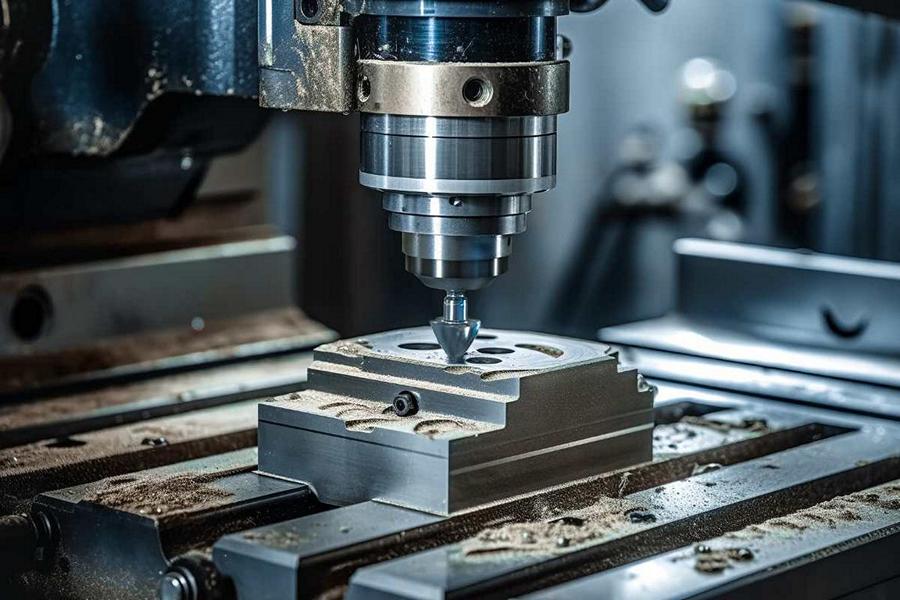
Hebt u een snelle en effectieve leverancier van cnc-bewerkingsmachines in China nodig? CNM is uw betrouwbare fabriek voor cnc-verspaning in China. Onze zeer gespecialiseerde machinisten, ingenieurs, kwaliteitscontroleurs en CNC-technologie zorgen voor een hoogwaardige productie van uw producten. CNM levert CNC frees-, CNC draai-, CNC slijp- en draadvonkdiensten en streeft ernaar nauwkeurig en kwalitatief hoogstaand werk te leveren. Bij CNM is onze CNC productiefaciliteit ISO 9001:2015 gecertificeerd, gebaseerd op de kerncompetentie van het bedrijf om gereedschappen te maken en kleine aantallen onderdelen voor eindgebruik te produceren. We bieden ook 3D-printing en spuitgietdiensten om te voldoen aan onze china cnc bewerkings- en productieoplossingen. We bieden ook een verscheidenheid aan materialen voor een machinaal bewerkt onderdeel en een verscheidenheid aan oppervlakteafwerkingen op basis van uw behoeften. CNC is een acroniem voor Computer Numerical Control. Het is een proces waarbij machines worden gebruikt die worden aangestuurd door instructies in G-code om materialen te snijden en te vormen. Dit zijn de meerassige freesmachines, draaibanken en bovenfrezen, allemaal CNC-gebaseerd maar met een andere strategie. Bij CNC freesmachines wordt het werkstuk op zijn plaats gehouden terwijl de frees het vormt, terwijl bij CNC draaimachines het snijgereedschap en het materiaal worden gedraaid om het onderdeel te maken. Als u CNM kiest voor uw cnc-verspaningsbehoeften, bent u verzekerd van efficiënte prestaties, moderne technologie en de verzekering van kwaliteit en nicheproducten voor verschillende sectoren. Onze China CNC Verspanende Dienst bij de CNC machinewinkel in China, CNM bezit een moderne CNC machinewinkel die met verschillende soorten precisie CNC machines wordt uitgerust. We bieden 3-assig tot 5-assig machinaal bewerken om precisie te garanderen bij het snijden van complexe componenten. Uitgebreide eigen machinale bewerking We houden ons aan de ISO 2768-F machinale bewerkingsnormen; we zijn in staat om allround machinale bewerkingsdiensten aan te bieden voor onderdelen van verschillende maten en vormen. Ons CNC freeswerk kan werkstukken aan met diameters van 2 mm tot 350 mm, om te voldoen aan de behoeften en nauwkeurigheidsniveaus van onze klanten. Ga voor meer informatie over CNM's diverse vaardigheden en diensten naar. Grondstoffen van gegarandeerde kwaliteit CNM bevestigt ook dat alle gebruikte materialen voldoen aan de bepalingen van de RoHS-richtlijn en alle andere specificaties die door de klant worden verstrekt. We bieden ook materiaalcertificaten en SGS-rapporten ter referentie; we hebben een breed assortiment staal, aluminium, roestvrij staal, titanium en technische kunststoffen zoals PEEK, PC en POM. ISO-gecertificeerde precisie CNM is een ISO-goedgekeurde CNC machinewerkplaats in China en moet zich daarom houden aan strenge kwaliteitscontrolemaatregelen. De huidige testapparatuur ondersteunt deze toewijding aan nauwkeurigheid en daarom zijn wij de beste voor precisiefreesdiensten. Lees meer over onze procedures voor kwaliteitsborging. Flexibele bestelhoeveelheden CNM kan voldoen aan elke kleine of grote bestelling van veel te vervaardigen eenheden. Onze belangrijkste diensten zijn CNC precisiefrezen in kleine series, draaien en massaproductie, waardoor we op de best mogelijke manier aan verschillende behoeften van klanten kunnen voldoen. Snelle doorlooptijd CNM biedt binnen één dag een offerte voor het werk en het werk kan snel worden gestart en afgerond. Hooggekwalificeerd en ervaren personeel, waaronder een aparte R&D-afdeling, zorgt voor goed werk en hoge prestaties. Wereldwijde klantenkring CNM werkt graag samen met klanten uit de EU en Noord-Amerika en levert hen de beste kwaliteit CNC bewerking volgens wereldwijde normen. Precisie & hoge kwaliteit CNC verspaningsdiensten bij CNM Bij CNM kunnen onze CNC machines met hoge nauwkeurigheid werken om verschillende functies en componenten te maken. CNC freesmachines zijn vooral geschikt voor het maken van diepe uitsparingen, schuine vlakken, gaten en sleuven, terwijl CNC draaibanken ronde, gelijkvormige onderdelen maken. De toleranties die kunnen worden aangehouden op onze CNC frees- en draaimachines zijn minimaal, soms wel ±0,001mm. Ze kunnen alleen werken met metalen en kunststoffen, op voorwaarde dat deze laatste massieve blokken zijn. Deze mogelijkheid maakt CNC verspanen anders dan andere additieve productietechnologieën zoals 3D printen, die zich voornamelijk bezighouden met kunststoffen en enkele metalen. Waarom CNM CNC-bewerkingsdiensten China kiezen voor uw projecten? Bij CNM zorgen we ervoor dat alle geproduceerde producten nauwkeurig en van de hoogste kwaliteit zijn. Onze ingenieurs, machinisten en kwaliteitscontroleurs werken samen om ervoor te zorgen dat alle projecten volgens de vereiste standaard worden uitgevoerd. Hier wordt alleen het beste geboden, van de nieuwste CNC-technologieën tot de strengste kwaliteitscontrolemaatregelen. Diverse materiaalexpertise We verwerken een breed scala aan materialen om te garanderen dat onze klanten de gewenste producten voor hun projecten ontvangen. Van aluminium tot roestvrij staal, messing of zelfs titanium en Inconel, CNM heeft het allemaal voor je. We zijn ook gespecialiseerd in kunststoffen zoals POM, PTFE en PC, en we zorgen ervoor dat u alle benodigde materialen krijgt. Gecertificeerde uitmuntendheid Onze faciliteiten voldoen aan strenge industrienormen, waaronder ISO 9001:For kwaliteitsbeheer, ISO 9001:2015 en ISO 14001:2015 voor milieupraktijken. ISO 13485:CNM is een 2016-certificering voor de productie van medische hulpmiddelen die de conformiteit en kwaliteit van alle procedures garandeert. Kosteneffectieve oplossingen In de productieprocessen gebruiken we DFM-principes om de productiekosten te minimaliseren en er tegelijkertijd voor te zorgen dat de kwaliteit van het product niet in het gedrang komt. CNM heeft kosteneffectieve productieoplossingen die binnen uw budget vallen en een efficiënte productie vanaf de grond garanderen. Snelle doorlooptijden Gelegen in de buurt van de belangrijkste transportknooppunten in de zuidelijke regio van China, garandeert CNM een snelle productie en verzending van producten. We waarderen de snelheid zonder aan kwaliteit in te boeten, zodat uw producten u zo snel mogelijk bereiken. Aangepaste CNC verspaningsdiensten CNM levert aangepaste onderdelen en complexe materialen voor speciale projecten waarbij bepaalde onderdelen moeten worden bewerkt. De flexibiliteit en de oriëntatie op de behoeften van de klant zorgen ervoor dat alle kenmerken worden overwogen en effectief en efficiënt worden opgelost. CNM's geavanceerde CNC verspaningsdiensten CNM is voornamelijk gespecialiseerd in het leveren van hoognauwkeurige cnc bewerkte onderdelen voor metalen en kunststoffen. In beide gevallen, of het nu gaat om prototype- of productiedelen, zorgt CNM ervoor dat de cyclustijden kort zijn en dat er geen compromissen worden gesloten op het gebied van kwaliteit. Profiteer van ons streven naar uitmuntendheid, inclusief gratis standaardverzending op alle bestellingen en naleving van ISO 9001:2015, ISO 13485:2003, AS9100D, en

Led-verlichting-casing-aluminium

LED-licht koellichamen

aluminium gietwerk

Wat zijn LED lamp koellichamen LED lamp koellichamen zijn onderdelen die zijn ontworpen om de warmte die wordt gegenereerd door LED modules af te voeren om oververhitting te voorkomen en een goede werking te garanderen. LED lampen genereren warmte tijdens het gebruik en als deze warmte niet effectief wordt afgevoerd, kan dit leiden tot voortijdige uitval van de LED module. Koellichamen voor LED lampen voeren warmte af van de LED module door passieve of actieve middelen, waarbij gebruik wordt gemaakt van materialen met een hoge thermische geleidbaarheid, zoals aluminium, koper, grafiet of keramiek. Ze spelen een belangrijke rol in het verhogen van de soorten LED licht koellichamen: Er zijn twee hoofdtypen LED licht koellichamen: passief en actief. Passieve koellichamen voeren warmte passief af door deze weg te leiden van de LED module via heat pipes of vinnen. Actieve koellichamen daarentegen gebruiken ventilatoren of pompen om actief lucht of vloeistof door het koellichaam te verplaatsen om de warmteoverdracht te verbeteren. Passieve koellichamen zijn eenvoudiger qua ontwerp en constructie en kosten over het algemeen minder dan actieve koellichamen. Ze zijn echter beperkt in hun vermogen om warmte snel af te voeren, vooral bij krachtige LED-toepassingen. Actieve koellichamen zijn complexer qua ontwerp en hebben hogere initiële kosten, maar ze bieden een betere warmteafvoer en zijn beter geschikt voor krachtige LED toepassingen. Materialen gebruikt in LED licht koellichamen: De meest gebruikte materialen in koellichamen voor LED lampen zijn aluminium en koper vanwege hun uitstekende thermische geleidbaarheid. Aluminium heatsink is licht van gewicht, goedkoop en eenvoudig te produceren, waardoor het een populaire keuze is voor passieve koellichamen. Koper daarentegen is duurder, moeilijker te produceren en zwaarder, maar het heeft een hoger warmtegeleidingsvermogen dan aluminium, waardoor het ideaal is voor gebruik in actieve koellichamen. Andere materialen die worden gebruikt bij de constructie van koellichamen voor LED's zijn grafiet en keramiek. Grafiet is een lichtgewicht alternatief voor aluminium dat een goede thermische geleidbaarheid heeft en vaak wordt gebruikt in LED toepassingen met een laag vermogen. Keramische materialen worden gebruikt in LED toepassingen met hoog vermogen vanwege hun uitstekende thermische schokbestendigheid en thermische geleidbaarheid. Overwegingsfactoren bij het kiezen van LED licht koellichamen: Bij het kiezen van een koellichaam voor LED lampen moet rekening worden gehouden met verschillende factoren om een goede werking te garanderen. De belangrijkste factor is de thermische geleidbaarheid, omdat deze direct van invloed is op het vermogen van het koellichaam om warmte af te voeren. De vorm en grootte van het koellichaam moeten ook worden overwogen, omdat deze van invloed zijn op de warmteoverdracht en de compatibiliteit met de LED module. Het is essentieel om een koellichaam te kiezen dat compatibel is met de LED module om optimale warmteafvoer en maximale efficiëntie te garanderen. Tot slot moet rekening worden gehouden met de kosteneffectiviteit, omdat koellichamen aanzienlijk in prijs kunnen variëren, afhankelijk van het materiaal en de complexiteit van het ontwerp. Voordelen van LED licht koellichamen: Het gebruik van LED licht koellichamen in verlichtingstoepassingen biedt verschillende belangrijke voordelen. Ten eerste beschermen ze tegen oververhitting, wat kan leiden tot voortijdige uitval van de LED module. Ten tweede verhogen ze de energie-efficiëntie door de hoeveelheid energie die als warmte wordt verspild te verminderen. Ten slotte verlengen de koellichamen van LED's de levensduur van LED's, waardoor ze minder vaak vervangen hoeven te worden en de totale kosten verlagen. Toepassingen van LED licht koellichamen: LED licht koellichamen worden gebruikt in een breed scala van toepassingen, waaronder binnen- en buitenverlichting, autoverlichting, medische verlichting en commerciële en industriële verlichting. In binnen- en buitenverlichting worden LED licht koellichamen gebruikt om de warmteontwikkeling te verminderen en de levensduur van LED lampen te verlengen. Autoverlichting vereist vaak krachtige LED modules die aanzienlijke warmte genereren, waardoor actieve koellichamen cruciaal zijn voor een goede werking. Medische verlichting vereist hoogwaardige, betrouwbare verlichting met een lage warmteafgifte, waardoor passieve koellichamen ideaal zijn voor gebruik in deze toepassingen. Tot slot vereisen commerciële en industriële verlichtingstoepassingen vaak krachtige verlichting met een effectieve warmteafvoer, waardoor actieve koellichamen de meest geschikte keuze zijn. Conclusie: Koellichamen voor LED verlichting zijn essentiële onderdelen in LED verlichtingstoepassingen en spelen een essentiële rol in het voorkomen van oververhitting en het verlengen van de levensduur van LED modules. Het kiezen van het juiste type koellichaam en materiaal voor uw specifieke toepassing kan een uitdaging zijn, maar als u rekening houdt met de factoren die in dit artikel zijn beschreven, bent u verzekerd van optimale prestaties. Koellichamen voor LED verlichting bieden talloze voordelen, waaronder energie-efficiëntie, lagere onderhoudskosten en een grotere betrouwbaarheid. Ze worden gebruikt in uiteenlopende toepassingen en zullen een cruciale rol blijven spelen in de toekomst van LED verlichting. Als u op zoek bent naar LED-licht koellichamen producten, welkom om ons te contacteren.

aangepast koelprofiel

Aluminium koellichamen op maat

aluminium gietwerk

What is custom aluminum heat sinks Custom aluminum heat sinks or custom made heat sinks refer to heat sinks made from aluminum that are custom-designed and manufactured to specific size, shape, and thermal performance requirements for a particular application. Custom aluminum heat sinks are used to dissipate heat generated by electronic devices such as CPUs, graphics cards, power supplies, and LED lights, among others, to ensure optimal performance and prevent damage to the devices. The aluminum material used in heat sinks has high thermal conductivity, which allows it to effectively transfer heat away from the device and into the surrounding environment, where it can be dissipated. The customization of aluminum heat sinks includes various design aspects such as fin structure, surface finish, color, and material choice. Custom aluminum heat sinks are widely used in industrial and commercial applications due to their efficiency, durability, and cost-effectiveness. In today’s world, electronic devices are becoming more and more complex. As the amount of power that these devices require increases, the need for efficient heat dissipation becomes even more important. Custom heat sinks play a critical role in dissipating heat in electronic devices, and are a popular choice due to their high thermal conductivity and excellent durability. In this page, we will explore the benefits of custom extrusion heat sinks, the factors to consider when choosing them, the different types of custom aluminum heat sinks available, and their applications. Factors to consider when choosing custom aluminum heat sinks Thermal conductivity – The thermal conductivity of aluminum is very high, which makes it an excellent choice for heat sinks. When selecting a custom aluminum heat sink, it is important to consider the specific thermal conductivity required for your application. Higher thermal conductivity means that heat is transferred more efficiently, but it may also increase the cost of the heat sink. Durability – Aluminum heat sinks are known for their excellent durability and long lifespan. However, some applications may require additional durability due to harsh environmental conditions or high levels of vibration. In these cases, it may be necessary to choose a specialized type of aluminum alloy or to add a protective coating to the heat sink. Cost-effectiveness – As with any engineering design decision, cost is always a consideration. Aluminum heat sinks are generally more affordable than heat sinks made from other materials, but the cost can still vary widely depending on the size, shape, and complexity of the heat sink. Size and shape – Custom aluminum heat sinks can be made in many different shapes and sizes. When choosing a heat sink, it is important to consider the size and shape requirements of your application. A heat sink that is too small may not provide enough cooling, while a heat sink that is too large may be too heavy or take up too much space. Types of custom aluminum heat sinks Extruded custom made heat sinks – Extruded heat sinks are a popular choice for many applications due to their cost-effectiveness and ease of customization. These heat sinks are made by pushing heated aluminum through a die, which forms the heat sink into a specific shape. Extruded heat sinks can have fins of varying heights and widths. Bonded fin custom made heat sinks – Bonded fin heat sinks are created by combining a base plate with specialized fins that are bonded to the plate. This process creates a heat sink with superior thermal performance and excellent structural strength. Bonded fin heat sinks can be customized to have almost any desired fin shape and thickness, which makes them a popular choice for many different applications. Folded fin custom made heat sinks – Folded fin heat sinks are made by taking a flat sheet of aluminum and folding or bending it into the desired shape. This process creates a very durable and lightweight heat sink, but it is also more expensive and difficult to manufacture than other types of heat sinks. Skived fin custom made heat sinks – Skived fin heat sinks are manufactured by shaving or cutting fins into a solid block of aluminum. This process creates a very efficient and lightweight heat sink that is ideal for applications with limited space. However, skived fin heat sinks are generally more expensive than other types of heat sinks. The Custom extruded heat sink processing Custom extruded heat sink processing involves the creation of a custom heatsink from raw aluminum materials through extrusion. Extrusion is a manufacturing process that involves pushing a heated billet or slug of material through a die to create a desired shape and size. Here are the steps involved in the Custom extruded heat sink processing: Design the heatsink: The first step is to design the heatsink according to the specifications and requirements of the intended application. The design should include details such as size, shape, and the number of fins. Prepare the billet: A billet is a cylindrical block of aluminum that is heated to a temperature required for extrusion. The billet is then loaded into the extrusion press. Extrusion process: The billet is pushed through the die under high pressure, causing it to take on the shape and size of the die. As the aluminum passes through the die, it is cooled and solidified into the desired shape. Cutting and finishing: Once the extrusion process is complete, the heatsink is cut to the required length and the edges are finished using a cutting or sawing process. Sandblasting and anodizing: Sandblasting is used to remove any surface impurities and smooth out any rough edges, and anodizing is used to add a protective layer to the aluminum heatsink extrusion. The anodizing process can also add color to the surface of the heatsink. Quality Control: The finished heatsink is inspected to ensure it meets the required specifications. Checks are carried out to ensure that the size, shape, and any other features of the heatsink are within the required tolerances. By following these steps, a custom aluminum heatsink can be produced through extrusion processing.

A356 aluminiumlegering gieten

Het productieproces van aluminiumlegering A356 onderzoeken

aluminium gietwerk

Manufacturing processes are essential for producing a variety of goods and services. A356 aluminum alloy casting is no exception. This type of casting is used in the automotive, aerospace, and medical industries, and is known for its strength and lightweight properties. Manufacturing A356 alloy castings involves a series of steps, such as melting, pouring, cooling, and finishing. Each step has its own challenges and requires specific processes to be successful. In this article, we’ll explore the entire manufacturing process of A356 aluminum alloy casting, from start to finish. We’ll discuss the various stages, the challenges each stage presents, and the solutions manufacturers use to ensure the highest quality of product. By the end of this article, you’ll have a better understanding of how A356 alloy castings are made and why they are so valuable in the industries they serve. What are A356 Aluminum Alloy Casting? A356 aluminum alloy castings are hollow-shaped pieces of metal that can be opened and closed. They’re most often used in the automotive and aerospace industries. A356 alloy castings are made from steel with a controlled amount of carbon, which makes them stronger and lighter than other steels. Alloy castings are also corrosion-resistant, non-magnetic, and highly resistant to wear. They are often used for bushings, brake calipers, steering components, steering wheels, and other steering components. Alloy castings can also be used for other purposes, such as making metal parts for cars, machines, and equipment. A356 aluminum alloy casting is usually made from steel with a controlled carbon amount of 0.35% to 0.45% to obtain the required strength and toughness. Alloy castings can also be made from stainless steel or other materials. A356 aluminum alloy is composed of 92.5% aluminum, 6.5% silicon, and 1% magnesium. It is a commonly used alloy in the aluminum gravity and sand  casting industry because of its good casting properties and excellent mechanical properties. The Manufacturing Process of A356 Aluminum Alloy Castings As we mentioned earlier, the manufacturing process of A356 alloy castings involves several stages. there are below some steps no matter you use gravity casting or sand casting process. Let’s explore these stages in more detail. a. Melting – A356 alloy castings are made from steel with a controlled carbon amount. The first step in the manufacturing process of A356 alloy castings is melting the steel. This creates a liquid steel slurry that is then poured into a mold. The mold is a hollow container with a pattern on its inside that creates the desired shape of the casting when the liquid steel hardens. b. Pouring – After the liquid steel has reached the right temperature, it’s poured into the mold. This is accomplished with the use of a ladle, which is a large container with a long handle. The ladle is lifted up, then swung over the mold, pouring the steel into the mold. This is a process that is done by hand, which requires careful attention and skill. If the ladle is filled too high or swung too quickly, the steel will spill over the top of the mold. If the ladle is too low, the steel will be too cold and won’t flow into the mold properly. c. Cooling – After the liquid steel has been poured into the mold, it’s important to cool it down quickly to prevent defects from forming. There are several cooling methods that manufacturers can choose from depending on the size and shape of their casting. The most common cooling methods are water cooling and sonic cooling. Water cooling involves spraying water on the surface of the steel casting to help it cool down more quickly. Sonic cooling involves blasting the bean with sound waves to help it cool down more quickly. d. Finishing – After the liquid steel has been cooled, the mold is opened. The steel inside the mold has hardened into a solid, but rough, shape. At this point, the steel needs to be cut and shaped to form the final castings. This is done with the use of various industrial cutting machines, such as mills, lathes, and grinders. Challenges of Manufacturing A356 aluminum Alloy Castings As we’ve discussed, there are a variety of challenges that manufacturers need to face when creating A356 alloy castings. Below are some of the most common challenges. – Poor cooling – If the liquid steel doesn’t cool down correctly, it can lead to defects in the final castings. If the steel doesn’t cool down quickly enough, it might cool too slowly and become brittle and prone to breakage. If the steel cools too quickly, it can form gases that create pores in the casting. When cooling, it’s important to keep the steel covered so it can absorb the heat and cool down correctly. This is especially important when cooling large castings. – Poor design – Another challenge that manufacturers face when creating A356 alloy castings is poor design. If the design of the model isn’t precise, it can affect the overall quality of the castings. If the model is too heavy, it can make the castings difficult to pour. If the model has too much draft, it can cause the castings to be too thin. In addition, the model may require more time to cast than the manufacturer has available. – Low-quality steel – Another challenge is using low-quality steel. Using poor-quality steel for the castings can cause the finished products to break or wear out too quickly Solutions to the Challenges As we’ve discussed, there are a number of challenges that manufacturers face when creating A356 alloy castings. The best way to overcome these challenges is to follow a strict production process. By following a strict production process, manufacturers can maintain consistency throughout the manufacturing process and ensure the best possible quality of product. The following table details the stages of the production process, the challenges they face, and the solutions they provide. Stage Challenges Solutions Casting design Draft required to make the model lighter The model is too heavy Too

het afgietsel van de aluminiummatrijs leidde de huisvesting van het vertoningskabinet

Groothandel aluminium spuitgietwerk fabrikant

aluminium gietwerk

Wholesale aluminum die casting manufacturer will offer wholesale price for aluminum die casting parts to save your cost with any custom die casting products, contact us to get a price Introduction to Aluminum Die Casting Aluminum die casting is a manufacturing process in which molten aluminum is injected into a mold or die to produce parts and components. This process is ideal for producing high volume, complex parts with tight tolerances and a smooth finish. Aluminum is a popular choice for die casting because it is lightweight, corrosion resistant, and has good mechanical properties. Benefits of Using an Aluminum Die Casting There are several benefits to using an aluminum die casting manufacturer for your production needs: Speed and efficiency: Aluminum die casting allows for fast production of high volume orders. The process is automated, which helps to reduce lead times and increase efficiency. Cost effectiveness: Aluminum die casting is a cost-effective solution for producing parts in high volumes. The initial setup costs may be higher than other manufacturing processes, but the cost per part is much lower due to the high production rates. Precision: Aluminum die casting produces parts with tight tolerances and a smooth finish. This level of precision is difficult to achieve with other manufacturing processes. Versatility: Aluminum die casting can be used to produce a wide range of parts and components, including those with complex geometries and thin walls. What to Look for in a Wholesale Aluminum Die Casting Manufacturer When selecting a wholesale aluminum die casting manufacturer, there are a few key factors to consider: Experience: Choose a manufacturer with a proven track record in the industry. Look for a company with a history of producing high quality parts and meeting customer deadlines. Capabilities: Make sure the manufacturer has the necessary equipment and expertise to produce the parts you need. Consider factors such as the size and complexity of the parts, the volume you need, and the materials you will be using. Quality control: Quality control is crucial in the die casting industry. Look for a manufacturer with a robust quality control process in place, including inspections at various stages of production. Customer service: Good communication and customer service are essential when working with a wholesale manufacturer. Look for a company that is responsive and easy to work with. Examples of Quality Components Made with Aluminum Die Casting There are many examples of high quality components that are produced using aluminum die casting, including: Automotive parts: Aluminum die casting is widely used in the automotive industry to produce parts such as engine blocks, transmission housings, and suspension components. Electronic components: Aluminum die casting is used to produce a variety of electronic components, including connectors, housings, and heatsinks. Aerospace components: The aerospace industry relies on aluminum die casting for the production of parts such as landing gear components and structural components. Military components: The military also relies on aluminum die casting for the production of parts such as weapon systems and aircraft components. Advantages of Working with a Wholesale Aluminum Die Casting Manufacturer There are several advantages to working with a wholesale aluminum die casting manufacturer or other wholesale aluminum die casting factories: Cost savings: Wholesale aluminum die casting pricing can be significantly lower than retail pricing, which can help to reduce your overall production costs. Quality control: A reputable wholesale aluminum die casting manufacturer will have strict quality control measures in place to ensure that the parts they produce meet the highest standards. Expertise: wholesale aluminum die casting factories typically have a deep understanding of the die casting process and can offer valuable insights and solutions to help improve your production process. Customization: Many wholesale aluminum die casting factories offer customization options to meet the specific needs of their customers. Tips on Selecting the Right Wholesale Aluminum Die Casting Manufacturer Research the manufacturer’s experience and capabilities: Look for a aluminum die casting manufacturer with a proven track record in the industry and the necessary equipment and expertise to produce the parts you need. Consider the quality control process: Choose a manufacturer with a robust quality control process to ensure that you receive high quality parts. Look for good customer service: Good communication and customer service are essential when working with a wholesale manufacturer. Look for a company that is responsive and easy to work with. Get quotes from multiple manufacturers: It’s a good idea to get quotes from multiple wholesale aluminum die casting factories to ensure that you are getting the best price and value. Don’t be afraid to ask questions: Don’t be afraid to ask the manufacturer any questions you may have about their processes, capabilities, or pricing. This will help you to make an informed decision. In conclusion, aluminum die casting is a fast and efficient manufacturing process that produces high quality parts with tight tolerances and a smooth finish. Working with a reputable wholesale aluminum die casting manufacturer can provide cost savings, quality control, expertise, and customization options. When selecting a wholesale manufacturer, it’s important to consider their experience, capabilities, quality control processes, and customer service, and to get quotes from multiple manufacturers. By following these tips, you can choose the right wholesale aluminum die casting manufacturer to meet your production needs. If you are looking for wholesale aluminum die casting manufacturer for your Customized aluminum die casting parts, welcome to send us your RFQ, we will quote you the best price with fast lead time.

aluminium-Druckguss

Aangepaste zink spuitgietmatrijs

aluminium gietwerk

Wat is aangepaste zink spuitgietmatrijs: Voordelen, ontwerpen en het kiezen van de juiste fabrikant Aangepaste zink spuitgietmatrijs verwijst naar de oprichting van gespecialiseerde mallen afgestemd op specifieke productie behoeften voor zink gegoten onderdelen. Deze mallen zijn ontworpen om betere schimmelprestaties en productkwaliteit te leveren terwijl ze de doorlooptijd en kosteneffectiviteit verminderen. Dit artikel gaat in op de voordelen van op maat gemaakte zink spuitgietmatrijzen, factoren om te overwegen wanneer je er een ontwerpt en hoe je de juiste fabrikant kiest. Voordelen van aangepaste zink spuitgietmatrijzen Verbeterde matrijsprestaties Aangepaste zink spuitgietmatrijzen bieden betere mogelijkheden voor matrijsprestaties, waardoor fabrikanten een grotere output en een betere productkwaliteit kunnen bereiken. Door de matrijs af te stemmen op specifieke productievereisten, kunnen bedrijven de duurzaamheid van de matrijzen verbeteren, schroot verminderen en de levensduur van de matrijzen aanzienlijk verlengen. Daarnaast zorgen op maat gemaakte matrijzen er ook voor dat onderdelen nauwkeuriger worden gegoten en minimaliseren ze de kans op defecten, die de uiteindelijke uitvoerkwaliteit kunnen beïnvloeden. Hogere productkwaliteit en consistentie Het zinkspuitgieten vereist een hoge mate van nauwkeurigheid omdat zelfs kleine fouten in de gegoten onderdelen kunnen leiden tot defecten of slecht functionerende producten. Aangepaste zink spuitgietmatrijzen bieden een grotere consistentie en nauwkeurigheid van het geproduceerde eindproduct. Door geavanceerde ontwerptechnologieën te gebruiken, kunnen fabrikanten de kans op fouten in hun ontwerp verkleinen, wat zich vertaalt in een betere productkwaliteit, een hogere opbrengst en minder afval. Kortere productietijden Aangepaste zinkmatrijzen verkorten de productietijd aanzienlijk omdat ze op maat gemaakt zijn om aan specifieke productievereisten te voldoen. Dankzij de kortere productietijd kunnen fabrikanten hun productiekosten verlagen en efficiënter voldoen aan de eisen van hun klanten door producten van hoge kwaliteit te leveren binnen kortere doorlooptijden. Verbeterde kosteneffectiviteit Aangepaste zink spuitgietmatrijzen bieden bedrijven aanzienlijke kostenbesparingen in materiaalgebruik, productie en onderhoudskosten. Traditionele matrijzen hebben de neiging om meerdere storingen te veroorzaken, wat leidt tot frequente vervanging, terwijl aangepaste matrijzen minder storingen hebben en minder vervanging vereisen. Bovendien zorgen deze matrijzen voor een aanzienlijk lager uitvalpercentage, waardoor de totale materiaalverwerkingskosten na verloop van tijd dalen. Factoren om te overwegen in aangepaste Zink spuitgieten matrijzen materiaalselectie Zink spuitgieten matrijsontwerp wordt beïnvloed door het type materiaal gewenst voor gietstukken. Het materiaaltype en de kwaliteit bepalen de algemene structuur van de matrijs en specifieke ontwerpvereisten die kunnen zorgen voor meer uniforme en dichtere gietstukken. Fabrikanten moeten rekening houden met de materiaalconsistentie, thermische geleidbaarheid en het ontwerp van de matrijs bij het selecteren van het juiste materiaal voor hun aangepaste zinkmatrijs. Vereisten voor oppervlakteafwerking De ontwerpvereisten van het onderdeel dicteren het ontwerp van de matrijs voor de juiste oppervlakteafwerking. De matrijzen moeten ervoor zorgen dat de gegoten onderdelen gemakkelijk kunnen worden uitgeworpen zonder vervorming of beschadiging. Dientengevolge, moeten de aangepaste ontwerpen van de zinkmatrijzenafgietselvorm specifieke oppervlakteafwerking, zoals het oppoetsen of het textureren opnemen. Maattolerantie De mate van variabiliteit in maattolerantie vloeit voort uit het aanpassingsvermogen van de gebruikte matrijs. Fabrikanten moeten de aard van de te produceren onderdelen begrijpen en toleranties voor maximale en minimale afmetingen in overweging nemen, aangezien nauwere toleranties de productiekosten kunnen beïnvloeden. Complexiteit van het product De complexiteit van de productontwerpen varieert en sommige onderdelen vereisen veel aandacht voor detail. Complexe ontwerpen verhogen de complexiteit en de kosten van de matrijs. Het is daarom essentieel voor fabrikanten om de onderdelen te evalueren en te beslissen over de meest haalbare ontwerpen die voldoen aan hun algemene productiedoelen. Ontwerpen van aangepaste zink spuitgietmatrijzen Inzicht in de eisen en specificaties De eerste stap in het ontwerpen van aangepaste zink spuitgietmatrijzen is een goed begrip van de eisen en specificaties. Fabrikanten moeten gekwalificeerde ingenieurs en bekwame modelleerontwerpers betrekken bij het opstellen van specificaties, omdat deze professionals inzichten en begeleiding zullen bieden in de richting van het ontwerpen van de beste gietmallen. Het ontwikkelen van een ontwerpplan Fabrikanten moeten een degelijk ontwerpplan ontwikkelen dat rekening houdt met alle specificaties. Het ontwerpplan moet algemene ontwerpeisen, technische aspecten, voorkeursmaterialen, afmetingen en eigenschappen van mallen en productietechnieken bevatten. Simulatiesoftware gebruiken voor testen Het ontwerpen van een matrijs vereist vele iteraties om tot het perfecte ontwerp te komen. Simulatiesoftware kan potentiële problemen bij het gieten identificeren, waardoor aanpassingen mogelijk zijn voordat het eigenlijke gietproces plaatsvindt. De output van softwaresimulaties kan ook potentiële risico's op schade aan de matrijs identificeren en de nodige gegevens verschaffen om de levensvatbaarheid van het gebruik van die matrijs te bepalen. Kiezen van de juiste fabrikant voor aangepaste Zink spuitgieten mal reputatie en ervaring De reputatie en ervaring van een gieten fabrikant zijn van vitaal belang bij het selecteren van de juiste provider. Fabrikanten moeten de prestatiegeschiedenis van potentiële leveranciers onderzoeken en rechtstreeks met referenties spreken. Technische mogelijkheden Het is essentieel voor de fabrikant om de technische mogelijkheden en technologie te hebben voor het produceren van op maat gemaakte zink spuitgietmatrijzen. De leverancier moet toegang hebben tot de nieuwste industrietechnologie en, nog belangrijker, de ontwerpvereisten begrijpen die gepaard gaan met het gebruik van geavanceerde technologie. Communicatie en samenwerking Fabrikanten moeten een leverancier kiezen die uitstekende communicatie- en samenwerkingsvaardigheden heeft. Matrijsontwerp kan een ingewikkeld proces zijn dat voortdurende communicatie vereist tussen de fabrikant en de leverancier. De gekozen leverancier moet de communicatie tijdens het hele proces vergemakkelijken om ervoor te zorgen dat de ontwerpdoelen worden gehaald. Conclusie Aangepaste zink spuitgietmatrijzen bieden betere matrijsprestaties, verbeterde productkwaliteit en -consistentie, kortere doorlooptijden en verbeterde kosteneffectiviteit. Het ontwerpen van deze matrijzen vereist inzicht in de vereisten en specificaties, het ontwikkelen van een ontwerpplan en het gebruik van simulatiesoftware voor testen. Het kiezen van de juiste fabrikant is cruciaal, waarbij reputatie en ervaring, technische mogelijkheden en communicatie en samenwerking de belangrijkste overwegingen zijn. Fabrikanten die een concurrentievoordeel in de industrie willen behalen, moeten dus de voordelen van op maat gemaakte zinkspuitgietmatrijzen onderzoeken en de fundamentele factoren overwegen die in dit artikel worden besproken om hun unieke productiebehoeften te bereiken. Aangepaste zink spuitgietmatrijzen zijn gespecialiseerde gereedschappen die speciaal zijn ontworpen en vervaardigd voor een bepaald project van het spuitgieten van zink. Deze mallen worden gemaakt met behulp van computerondersteunde ontwerpsoftware (CAD) en zijn meestal gemaakt van hoogwaardig staal om de hoge druk en temperaturen van het gietproces te weerstaan. Aangepaste zink spuitgietmatrijzen maken het voor fabrikanten van spuitgietmatrijzen in China mogelijk om onderdelen met precieze afmetingen en ingewikkelde details te produceren die niet mogelijk zijn met standaardmatrijzen.

Behuizing voor straatverlichting

Aangepaste aluminium spuitgietdelen

aluminium gietwerk

What is Customized aluminum die casting parts Customized aluminum die casting parts are parts that have been specifically designed and manufactured to meet the specific requirements of a particular customer or application. These parts are typically created using the aluminum die casting process, in which molten aluminum is forced into a steel mold or die to create a precise and repeatable finished product. There are many advantages to using customized aluminum die casting parts. One of the primary benefits is the ability to create parts with a high degree of accuracy and detail. The aluminum die casting process allows for precise control over the shape and size of the final product, as well as its surface finish and any additional features such as holes, threads, or undercuts. This level of precision is particularly useful in industries where parts need to fit together accurately, such as in the automotive or aerospace sectors. Customized aluminum die casting parts are also known for their strength and durability. Aluminum is a strong and lightweight material, making it an ideal choice for parts that need to withstand high levels of stress or wear and tear. In addition, the die casting process itself helps to create parts with a high level of structural integrity, as the molten aluminum is able to flow and fill the mold or die completely. Another advantage of customized aluminum die casting parts is the ability to produce large quantities of parts with consistent dimensions and properties. This makes it an ideal choice for high volume production runs, as it allows for efficient and cost-effective mass production. Customized aluminum die casting parts offer a range of benefits, including accuracy, strength, durability, and repeatability. These characteristics make them well-suited for a wide variety of applications, including in the automotive, aerospace, and construction industries. When do you need customized aluminum die casting parts Customized aluminum die casting parts are ideal for industrial applications where high precision and strength are required. Below are some situations when you may need customized aluminum die casting parts: When you require high-strength parts: Aluminum is a highly robust and durable metal, and the die casting process makes it even more robust. Thus, if you need a part that can withstand harsh conditions, customized aluminum die casting parts are an excellent choice. When dimensional accuracy is crucial: Custom aluminum die casting parts are perfect when you need exact measurements and consistent quality. Each aluminum die casting part is identical in size, shape, and dimension, making it ideal for applications where precision and repeatability are vital. When you need parts with intricate design features: Customized aluminum die casting parts can be designed to have intricate shapes, forms, and designs. This makes them ideal when you need parts with complex geometries that are difficult to machine or manufacture using other methods. When you need high volume production: The aluminum die casting process is excellent for high-volume production runs. This process allows for quick, reliable, and cost-effective production, making it ideal for industries that require large quantities of parts. When you need fast turnaround: Customized aluminum die casting parts can be produced rapidly, which is vital when you need parts quickly to minimize production downtime. In general, if you need parts that are strong, accurate, and have a high degree of repeatability, customized aluminum die casting parts are an excellent choice. These parts have numerous applications in various industries, including the automotive, aerospace, healthcare, and telecommunications sectors. Partnering with a professional manufacturer can ensure that you get high-quality customized aluminum die casting parts that meet your exact specifications. What cost have in making customized aluminum die casting parts The cost of making customized aluminum die casting parts can vary depending on several factors, including: Part complexity: The complexity of the part will affect the time and resources required to design and manufacture it, which will impact the cost. Simple parts that require minimal machining or finishing will cost less than complex parts with intricate shapes or features. Part size: Larger parts will require more material and resources, making them more expensive to produce. Production volume: The cost of producing customized aluminum die casting parts decreases as the production volume increases. High-volume production runs will typically have a lower cost per part than small-scale production runs. Material cost: The price of aluminum can vary depending on the alloy, purity, and market demand. Some alloys may be more expensive than others, which can affect the overall cost of the parts. Tooling cost: The cost of designing and manufacturing the tooling required for the die casting process can be a significant factor in the cost of customized aluminum die casting parts. Tooling costs typically decrease as the production volume increases. It is essential to work with an experienced and reputable manufacturer who can provide you with a detailed, itemized quote for the customized aluminum die casting parts you need. This way, you can have a clear understanding of the cost drivers and make informed decisions about the most cost-effective way to produce your parts. How to find custom aluminum die casting manufacturers There are a few different ways to find custom aluminum die casting manufacturers, including the following: Online search: One of the easiest ways to find custom aluminum die casting manufacturers is to search online. There are many websites and directories that list die casting companies and manufacturers, and you can use keywords such as “custom aluminum die casting” or “custom die casting manufacturer” to find relevant results, of course one of the best country to make your customized aluminum die casting parts will be China. Industry associations: Another option is to contact industry associations or trade organizations related to the die casting industry. These organizations can often provide lists of member companies that offer custom die casting services. Manufacturing marketplaces: Online manufacturing marketplaces and platforms are another way to find custom aluminum die casting manufacturers. These platforms connect buyers with manufacturers and can be a convenient way to find a supplier for your

LED straatverlichting behuizing

Aangepaste aluminium spuitgiet mal

aluminium gietwerk

Custom aluminum die casting molds are a vital component in the production of high-quality aluminum parts. These specialized molds are designed to meet the unique and specific requirements of each project, ensuring that the finished product meets the highest standards of accuracy and precision. In this article, we will delve deeper into the world of custom aluminum die casting molds, exploring their key features, benefits, and applications. What is a Custom Aluminum Die Casting Mold? A custom aluminum die casting mold is a specialized tool that is used to produce high-quality aluminum parts through the process of die casting. Die casting is a manufacturing method in which molten aluminum is injected into a mold cavity under high pressure. The aluminum then solidifies into the desired shape, creating a precision-engineered part with excellent dimensional accuracy. Custom aluminum die casting molds are typically made from high-grade steel or other durable materials, and are carefully machined to precise specifications. They are designed to withstand the high temperatures and pressures involved in the die casting process, and are capable of producing parts with complex shapes and fine detail. Benefits of Custom Aluminum Die Casting Molds There are many benefits to using custom aluminum die casting molds in the manufacturing process. Some of the key advantages include: Precision: Custom aluminum die casting molds are designed to produce customized aluminum die casting parts with excellent dimensional accuracy and tolerance. This makes them ideal for applications where precise parts are required, such as in the aerospace and automotive industries. Speed: Die casting is a fast and efficient manufacturing method, and custom molds can help to further streamline the process. With a well-designed mold, it is possible to produce high volumes of parts in a short period of time, reducing lead times and improving turnaround times. Cost-effectiveness: Custom aluminum die casting molds can offer significant cost savings compared to other manufacturing methods. Because they are designed to produce large volumes of parts, the per-unit cost of each part is often lower than with other methods. Additionally, the long lifespan of custom molds means that they can be used to produce parts for many years, further reducing costs over time. Applications of Custom Aluminum Die Casting Molds Custom aluminum die casting molds are used in a wide range of applications across many different industries. Some common examples include: Aerospace: The aerospace industry requires precision parts with tight tolerances, and custom aluminum die casting molds are often used to produce these parts. Components such as engine and structural parts can be manufactured using die casting, providing the strength and accuracy needed for critical applications. Automotive: The automotive industry is another major user of custom aluminum die casting molds. Parts such as engine blocks, transmission housings, and wheels can all be produced using this method, providing the strength and durability needed for use in vehicles. Medical: The medical industry also relies on custom aluminum die casting molds to produce a range of parts and components. Devices such as orthopedic implants and surgical instruments can be made using die casting, providing the precision and consistency needed for these applications. Electronics: The electronics industry uses custom aluminum die casting molds to produce a variety of parts, including connectors, switches, and housings. The precision and consistency provided by die casting makes it well-suited for use in these applications. Conclusion Custom aluminum die casting moulds are a vital component in the production of high-quality aluminum parts. They offer numerous benefits, including precision, speed, and cost-effectiveness, making them an attractive option for a wide range of industries. With the ability to produce parts with complex shapes and fine detail, custom aluminum die casting molds are a versatile and essential tool. If you are looking for die casting China manufacturer for your custom aluminum die casting project, welcome to contact us.

Zink spuitgietwerk

Hoe bronsgieten op maat maken

aluminium gietwerk

Custom bronze casting is the process of creating a unique, one-of-a-kind bronze piece based on a specific design or concept. This can include creating sculptures, figurines, architectural elements, and other objects using the lost-wax casting process. The process of custom bronze casting typically begins with the creation of a detailed design or concept for the piece. This can be done using traditional drawing or modeling techniques, or by using 3D modeling software. The design should include all of the details and features of the finished piece, including dimensions, proportions, and any other specific requirements. If you are interested in learning how to make custom bronze casting, there are a few key steps you will need to follow. While the process can be complex and time-consuming, the end result is a unique and beautiful piece that can be treasured for generations. Step 1: Create a Detailed Design or Concept The first step in making custom bronze casting is to create a detailed design or concept for the piece. This can be done using traditional drawing or modeling techniques, or by using 3D modeling software. The design should include all of the details and features of the finished piece, including dimensions, proportions, and any other specific requirements. It is a good idea to spend some time gathering inspiration and looking at examples of bronze casting work that you like. This will help you to better understand the possibilities of the medium and give you ideas for your own project. Step 2: Create a Wax Model Once you have a clear idea of what you want your custom bronze casting to look like, the next step is to create a wax model of the piece. This can be done using a variety of techniques, including hand carving, 3D printing, or lost-wax casting. If you are using hand carving or 3D printing techniques, you will need to create a detailed model of the piece using wax. This can be done by sculpting the wax by hand or using a 3D printer to produce the model. If you are using the lost-wax casting technique, you will need to create a mold of the piece using a special wax. This can be done by creating a detailed model of the piece using wax, which is then coated in clay and fired in a kiln. The wax melts away, leaving a hollow space in the clay mold which can be used to create a casting of the piece. Step 3: Create a Clay Mold Once you have created a wax model of the piece, the next step is to create a clay mold. This involves coating the wax model in clay and allowing it to dry. The clay mold should be thick enough to withstand the heat of the kiln and the pressure of the molten bronze. Step 4: Fire the Clay Mold Once the clay mold is complete, the next step is to fire it in a kiln. The kiln should be heated to a high temperature, typically around 1200-1400 degrees Fahrenheit. The heat causes the wax to melt and drain out of the clay mold, leaving a hollow space in the shape of the piece. Step 5: Cast the Bronze Once the clay mold is fired and the wax has been melted away, the next step is to cast the bronze. This involves heating the bronze to a liquid state and carefully pouring it into the hollow space in the clay mold. The bronze should be allowed to cool and solidify before the clay mold is broken away to reveal the finished piece. Step 6: Finish and Polish the Piece Once the bronze casting is complete, the next step is to finish and polish the piece. This can involve a variety of techniques, including sanding, buffing, and patination. The specific techniques used will depend on the desired finish and the overall aesthetic of the piece. Sanding is a process that involves using fine-grit sandpaper to smooth and refine the surface of the bronze. This can be done by hand or with the use of a sanding machine. Sanding is typically used to remove any rough or uneven edges and to create a smooth finish on the piece. Buffing is a process that involves using a soft cloth or buffing wheel to polish the surface of the bronze. This can be done by hand or with the use of a buffing machine. Buffing is typically used to create a high shine on the piece and to remove any scratches or imperfections. Patination is a process that involves applying a chemical solution to the surface of the bronze to create a range of colors and finishes. This can be done by hand or with the use of a spraying machine. Patination is typically used to create a specific finish or color on the piece, such as a green or blue patina. Once the finishing and polishing process is complete, the custom bronze casting is ready to be displayed or used as intended. With proper care and maintenance, a bronze casting can last for generations and become a treasured heirloom or work of art. In conclusion, custom bronze casting is a complex and time-consuming process that requires a high level of skill and expertise. However, the end result is a unique and beautiful piece that can be treasured for generations. By following the steps outlined above, you can learn how to make custom bronze casting and create your own beautiful and enduring works of art. If you are looking for custom bronze casting from China die casting manufacturer, welcome to contact us.

Scroll naar boven

Een offerte aanvragen