odlew aluminiowy

Naczynia do pieczenia z odlewanego aluminium

Dlaczego naczynia do pieczenia z odlewanego aluminium nagrzewają się lepiej i działają dłużej?

odlew aluminiowy

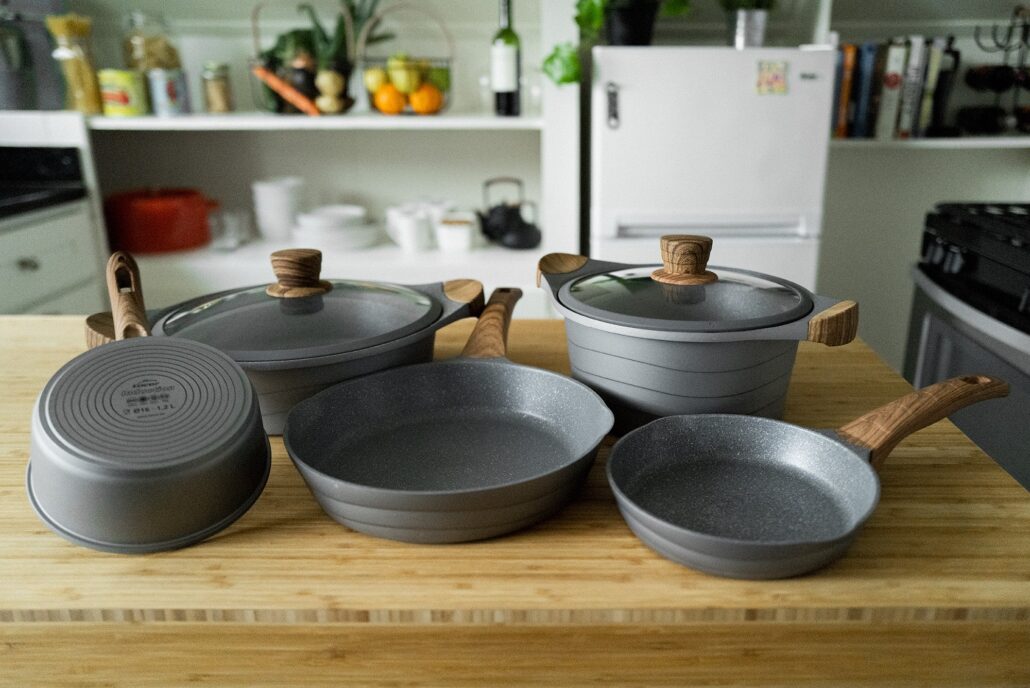
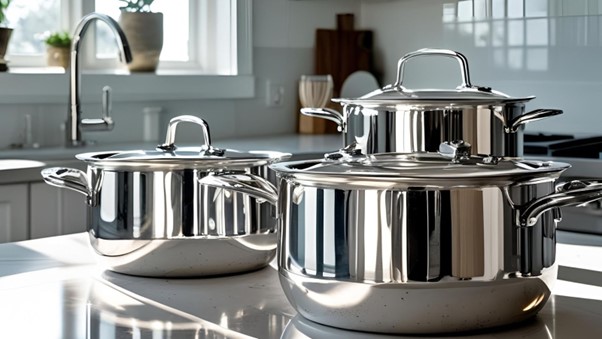
Due to the features of lightweight, strength, and dense heat distribution, cast aluminum bakeware has been getting popular among bakers, especially with those who want first-rate and durable products. Cast aluminum is the right balance of performance and effortless use, unlike other traditional bakeware materials such as cast iron and stainless steel. It is cast in molten aluminum molds and comes out as one strong, durable and convenient to use even to an amateur baker. Cast aluminum has excellent heat conductivity, which guarantees even cooking of edibles, especially baked goods, to prevent overcooking and non-uniform browning. The great one among the benefits of cast aluminum bakeware is the consistency of temperature, which is the key element of impeccable baking. It heats faster than others; therefore, it is available sooner, and its light weight makes it easier to handle around the kitchen. Most pieces of aluminum bakeware that are cast also possess a non-stick coating, which makes the release of food even easier and the after-baking clean up much easier. Cast aluminum bakeware also provides greater durability and strength with resistance to warping as compared to glass and stainless steel. Although cast iron is unparalleled in heat retention, cast aluminum has close to the same amount of heat distribution but with less weight. Cast Aluminum bakeware has been of great favourite among professional bakers, and also among people cooking at home, all because of the desire to have effective and durable baking tools. What is cast aluminum bakeware? Based on the bakeware molding method, casting aluminum, this is produced through the use of molten aluminum poured into already prepared molds to produce baking trays, cake moulds, pie dishes and various other cooking necessities. The process makes the bakeware strong but light in weight, such that there is efficient handling of the bakeware during baking and during serving. Among the best features of the so-called cast aluminum bakeware is its even heat-conducting properties. This implies that baked products like cakes, cookies and breads are well-cooked with no hot areas or burned sides. There are additional advantages to the speed at which the metal heats and cools off, which in turn saves some time in cooking, and this is a plus to busy bakers. The material is so strong and does not rust or corrode easily, hence this would make it last longer in the kitchen. In addition, it does not involve a lot of maintenance and wear and tear as compared to some of the other materials that will wear with time, as there will be a lot of usage. Advantages of Cast aluminum Bakeware 1. Durability Bakeware is made of cast aluminum, so it lasts a long time. The aluminum is almost immune to wear and tear, i.e. it will not crack or warp with frequent usage. Your bakeware will last even if you are using it on a daily basis or irregularly. 2. Uniform Distribution of heat Among the most striking properties of the term cast aluminum bakeware is that it transfers the heat all over the surface. This reduces inconsistent baking, as the end product is regular in texture and color. It is ideal among bakers who aspire to bring consistency in performance. 3. Lightweight The cast aluminum bakeware is much lighter as compared to other bulkier materials, such as cast iron and therefore easy to handle. The heavy-duty baking trays or cake pans can be lifted, transferred, and stored very easily, and that is ideal for any baker, whether they are professional or not. 4. Non-stick Properties Also, most products of the “cast aluminum bakeware” are equipped with a non-stick coating, which makes them even more convenient to use. The presence of this feature will make it easy to cook baked goods; therefore, less oil or spray will be used. It also makes cleanup effortless since there is little residue that stays after baking. 5. Corrosion Resistance Contrary to most metals, cast aluminum bakeware does not easily rust. It does not corrode, and therefore it is the ideal material to use when one wants to use it in the long term. This aspect comes in handy particularly in areas that experience different degrees of humidity and temperature. Cast aluminum bakeware: Making Process Manufacturing of cast aluminum bakeware entails careful and very consistent production devised to maintain quality and performance. The most important ones are: 1. Die Casting Die casting will be the first stage of the process, i.e. molten aluminum will be injected into steel molds at high pressure. This technique is a way of ensuring that the bakeware is shaped and molded in a very accurate and consistent manner. The molten metal enters all the mold cavity spaces, resulting in complex shapes and minute details of the various bakeware, including cake pans, muffin trays, and loaf pans. 1. Solidification and Cooling After the molten aluminum has been injected into the mold, it is left to cool and harden. The cooling is also regulated so as to have the desired properties of the aluminum, like strength and heat resistance. As the bakeware hardens, it slowly assumes its final form, and it normally requires only a few minutes to some hours, depending on how thick and elaborate the shape is. 2. Ejection and Inspection Once the aluminum pieces have cooled completely, they are removed and the mould is opened, releasing the cast aluminum bakeware. The second procedure consists of a complete inspection of the defect, such as the presence of air bubbles and cracks, or the presence of roughness. Any bakeware that is flawed is either repaired or discarded, and only good-quality bakeware would be passed further into the production process. 3. Surface Finishing After the inspection is over, the bakeware is provided with surface finishing treatments. These may involve such things as anodizing, making the surface rougher to resist corrosion and abrasion, or coating it with non-stick material so that it is easier to release baked goods and to clean up after baking. The finishing on the

Anodowanie odlewów aluminiowych: Techniki, wyzwania i zastosowania

Anodowanie odlewów aluminiowych: Techniki, wyzwania i zastosowania

odlew aluminiowy, odlew aluminiowy

Anodizing die cast aluminum is a key metal finishing process that enhances durability, anti-seizing/corrosion and the looks of aluminum products that are extracted through die casting. With the ever-increasing demands of the industry to produce lighter-weight high-strength components for everything from car parts to electronics housing, its surface properties have become one of the most important things to add to it. Working behind the anodizing process is a controlled oxide layer that forms on the surface of aluminum by a technique of electrochemistry. Although the method has been thoroughly developed with regard to pure aluminum, its use with the alloy that is created in die casting has particular difficulties associated with it due to the inclusion of other elements such as silicon and zinc. This then brings the question to the mind of manufacturers as to whether you can anodise die-cast aluminum without sacrificing quality and appearance. To achieve performance levels under severe conditions, a combination of the techniques will be used by some industries that today are referred to as aluminum alloy die casting, plating anodizing. The technique is a combination of the strength of electroplating and anodizing, therefore, presenting better surface hardness, conductivity, and corrosion resistance. This article presents the science, techniques, and differences in anodizing die cast aluminum in order to give the complete picture to engineers, designers, and manufacturers who want to use a reliable and long-lasting surface finishing technology. What is die cast aluminum? Die casting entails pressing molten metal into a cavity of the mold at high pressure. Aluminum is lightweight and strong, making it an effective material for making durable parts with high dimensional accuracy. Nevertheless, due to a few impurities and porosities found in the process, surface finishing procedures such as anodizing die cast aluminum are made complex. It is also common to add silicon and other additives to die-casting alloys of aluminium in order to improve fluidity and other mechanical properties. However, it complicates the work on surface treatment, because these very additives will disturb the process of anodizing.  The Science of Anodizing Anodizing is an electrochemical treatment to strengthen and thicken the oxide film that occurs naturally on metal and makes it harder. The method will increase service life/durability, resistance to corrosion, and appearance. Anodized finish on aluminum has a porous structure that is perfect to absorb sealed dyes and sealants, thus they provide good decorative and functional applications. The difficulty with anodizing die cast aluminum lies in its composition. High-silicon alloy does not anodize well, and a blotchy finish or diminished corrosion resistance can be a consequence. Therefore, alloy composition is important to get a successful anodized finish. What is an Anodizing Die Cast Aluminum? Anodizing die cast aluminum. The anodizing of die-cast aluminium is the electrochemical treatment of die-cast aluminium parts to produce a permanent, protective, frequently decorative layer of corrosion-resistant oxide on the surface. The technique comes in handy, especially in areas that require protection against corrosion, advancement of surface hardness, and a limited aesthetic effect. In the process known as the anodizing die cast aluminum, the aluminum part is inserted into an electrolytic bath of acid, usually sulfuric acid, and an electric current is generated in it. This leads to the oxidation of surface of the aluminium to produce an oxide film, which is controlled and uniform. The process can be complicated, though, given the particular make-up of die-cast aluminum, commonly containing high silicon and other alloying components. Nonetheless, industries keep on investing in technologies that help to maximize the quality of anodizing die cast aluminum. The final preparation of anodized finishing is performed by methods of surface preparation like polishing, acid etching and smutting to remove the contaminants. The list of items where anodising die cast aluminum is used and utilized is long, including automotive parts, consumer electronics and many more, either to serve some functional purpose, or as an ornament. Its capability to augment the life span of parts, as well as their vulnerability to environmental degradation, makes it a vital surface treatment technique in the contemporary manufacturing industry. Process The anodizing of die cast aluminium process consists of various important steps that must be followed to achieve a good, uniform, and quality finish, even though this is a challenging process due to factors that surround the use of die-cast metals. All steps should be well-regulated in order to address such challenges as porosity of the surface and inconsistency of alloys. 1. Cleaning & Degreasing Paint, grease and oil stick to a surface and need to be removed before anodising through cleaning. This will make the process of having the oxide formed over the surface of the material even throughout the process of the anodising die die-cast aluminium. 2. Etching And De-Smuttering The outer layer is then removed, leaving a clean metallic surface by etching using an alkaline solution. This is followed by a de-smutting process to remove the residues left over by the alloying elements, a common occurrence in anodising die cast aluminium. 3. Anodising ( Electrolytic Oxidation ) The component is immersed in an electrolytic solution, normally sulfuric acid, and attached as an anode. A controlled layer of oxide is generated by the use of an electric current. This step lies at the heart of the process of anodising die cast aluminium, because it defines the thickness, porosity and longevity of the final finish. 4. Colouring (Optional) Where the finish is colored, dyes may be added to the porous anodised surface. This process is normally applied in decorative processes where looks count as much as performance in anodising die cast aluminium. 5. Sealing Lastly, the part is sealed using hot water or nickel acetate; frequently, the sealing is done in hot water or nickel acetate to seal the pores and improve corrosion resistance. This process seals dyes and reinforces the oxide layer, nd the process of anodising die-cast aluminium is complete. All the steps of this process must be controlled accurately, and so must the types of die-cast materials which are

Najlepsze metalowe zawiasy do bram zapewniające trwałość, bezpieczeństwo i styl

odlew aluminiowy

The metal gate hinges are of various designs, styles and types to cover the varied requirements of the installation of gates. They are normally constructed using such sturdy elements as steel, stainless steel, or wrought iron, which are weather-resistant and durable. The right hinge would make a gate swing easily and safely, so that the gate will not sag and fall. A hinge is one of the most fundamental parts of gates that are usually ignored. The hinge is considered to be an essential thing in the work of any gate, its durability and performance in general. In both a residential garden gate, a heavy-duty commercial barrier and an ornamental entry, it is crucial to select the correct hinges.  The most popular of all the other options comprising the metal gate hinges are solid and durable, as well as versatile. These hinges are used to take the weight and the movement of gates and offer long-term performance. Custom hinges are the best way to get homeowners and the ones wishing to own a particular appearance, or hardness to use. Custom-made hinges can be made to suit specific needs, e.g. to accommodate unusual gate sizes, weights and weather conditions. This is also done in order to make sure that the hinge fits in the aesthetics of the gate. In this article, we are going to take the time to explore the world of what is known as metal gate hinges, what types of them there are and what the advantages are of having your set of hinges customised to fit what you need. What are the Metal Gate Hinges? Essentially, metal gate hinges are mechanisms that enable the movement of a gate on a swinging motion, as well as to fix a gate to a post, a wall, or a frame. The parts used in its making are usually sturdy metals like steel, brass, or even wrought iron, and these kinds are sure to sustain any form of weight or movement of gates in the coming years. The selection of the right type of metal gate hinges should depend on the description of the gate being applied, whether it is some kind of residential garden gate, a heavy-duty commercial gate, or some ornamental driveway gate. Metal gate hinges have various designs, all of which fit different types of gates and the climates of places where they are being installed. Butt hinges, continuous hinges and heavy-duty are the most prevalent types of designs. All these hinges have different functions associated with them that help in the performance of the gate in a way that it can tolerate the bad weather and corrosion over a period of time.  What are Hinges? The concept of the hinge is a mechanical attachment between one objects, and each one can move and pivot around the other. They are widely applied pins to be employed to fix doors, gates, cabinets, lids on movable parts of a structure, and other movable sections on immovable structures, so that there can be easy movement as well as controlled movement. The hinge is made up of two moving parts, with one of these parts fastened to the thing that is moving (such as a door or gate), and the other part fastened to whatever is not moving (such as a door frame or gate post). Upon affixing these components, this enables the object to swing closed and open. The kinds of Metal Gate Hinges are 1. Butt Hinges Hinging. Most gates, perhaps, use butt hinges. Such hinges are constructed in pairs, and they consist of two parts which fit together so that one of them is attached to the gate and another is attached to the post or the wall. They are also designed simply, thus can be installed easily and used on most gates since they will last a long time. In the case of residential and light commercial installations, butt hinges represent the most desirable option that fits into the category of the so-called metal gate hinges. 2. Continuous Hinges Continuous hinges are the perfect ones for bigger gates that demand more power and steadiness. The full length of the gate is hinged, and this offers even support at all parts of the gate to avoid sagging of the gate. In case of heavy gates or oversized gates, continuous hinges are particularly of use in the construction of such a gate. 3. Heavy-Duty Hinges Heavy-duty (metal gate hinges) are necessary in gates which receive a lot of traffic or are required to support a heavy weight. These are normally constructed of reinforced steel and are applied in industrial or commercial buildings, which offers the highest strength and hardness to heavy loads. 4. T-Hinges T hinges are pa rettier form of hinge which can be found in both useful and decorative gates. Because of their characteristically shaped T, they make excellent fits on gates where aesthetics concerns must be as much a focal point as performance. The most usual are the residential and aesthetic metal gate hinges. The Reason to Use Metal Door Hinges on Your Gate As metal door hinges are constructed and made in a similar way, they all have much in common. Although the metal gate hinges are exclusively made to work with gates, they are still similar to their door colleagues in many aspects. A smaller gate or the ones that require being closed and opened with ease, such as doors, can be fitted with what is described as metal door hinges. Although these hinges have the same kind of structure as the ones found in regular doors, they are normally built to carry bigger, heavier gates. Metal door hinges are available in a few types,s one is the concealed type, the pivoting type and the usual butt hinges. In case you want to install a gate that would require ease of use and an attractive image, then you can consider using the metal door hinges, which can give you the best solution. Although they

Techniki cięcia aluminium: Od metod podstawowych do zaawansowanych

Techniki cięcia aluminium: Od metod podstawowych do zaawansowanych

odlew aluminiowy

In numerous industries, such as the automotive or aerospace industries, electronics or construction, aluminum cutting is a significant process. The lightweight strength of aluminum and its corrosion resistance have made it a preference to manufacturers as well as to do-it-yourselfers. However, aluminum has to be cut with proper tools and a defensible strategy, so as to attain perfect cuts without destroying the material. Being a hobbyist or a professional fabricator, this knowledge will make your choices better, mistake-free, and the most excellent results in every aluminium cutting project. The hand tools, power saws and more recently, more sophisticated such as the aluminum laser cutting, are some modes of aluminum cutting. Laser-cut aluminum is a new and currently fast-growing alternative to classic techniques (that can complement more basic shapes). In case you intend to incorporate in your next project the so-called aluminium laser cutting, we will also present some design suggestions and cost-conscious recommendations. Here in this article, we will see all about what you need to know about the process of aluminum cutting, starting with the ancient ways of doing it, to the new form of laser process. We will discuss the advantages and disadvantages of each of the techniques, typical issues of the so-called laser cut aluminium, safety precautions to consider and which tools and equipment will be required.  What Is Aluminum Cutting? Cutting of aluminum material is the act of shaping, trimming or cutting aluminum material pieces, or proportioning the material into particular sizes or shapes through different tools and strategies. Since aluminium is light, strong, and corrosion-resistant, it finds its applications across a variety of industries: construction, aerospace, automotive, electronics, home DIY projects, etc. A lot of cutting methods of aluminium exist, depending on the thickness of the material, the shape wanted, or the required accuracy. Possible ways are: Pros and cons can be attributed to both of them, yet about the intention of cutting aluminum, there can never be a difference, and that is to get clean, precise and safe cuts with minimum waste and maximum productivity. Some of the Main Properties of Aluminium We cannot ignore the material before we start discussing the process of cutting it in the name of aluminium cutting. Aluminium is soft in its strength and more robust than numerous metals. It transfers heat fast, and this may be a source of challenge during the use of the cutting tools. Left unchecked, aluminium can clog up tools or give a poor finish. These properties have led to the involvement of various methods that facilitate in the cutting of aluminum in a better and precise manner. The selection of the method is based on the thickness of material, precision needed and the tools available. Conventional Names for Aluminium Cutting Before the invention of advanced machines and laser technologies, aluminium cutting was performed using primitive, manual methods. Although such techniques cannot bring the accuracy of the modern instruments, they are still commonly used in small projects, repairs and where cheapness and simplicity are essential interests. What about the old ways of aluminium cutting that have survived the test of time? 1. Hacksaws A hacksaw is a low mechanism, hand operated equipment manufactured to cut aluminium. It involves finely toothed blade which cuts soft metals. It is suitable in thin sheets, pipes or bars and cutting straight cuts on small aluminum pieces. Advantages   Disadvantages   2. Aviation Shears and Tin Snips   Tin snips, or aviation shears, can be used on thin aluminium. They are available in straight-cut, left-cut and right-cut versions of these scissors-like tools designed to work in sheet metal and, therefore, allow working with curves and angles that are very tight.   Advantages   Disadvantages   3. Handheld Nibblers   A portable nibbler nips off tiny bits of the aluminium as it travels over a line. It is perfect to cut curves, circles, or various patterns on sheet aluminium.   Advantages   Disadvantages   4. Jigsaws   A jigsaw is a power type of tool which can move in the up and down direction. it can cut through aluminum sheet or tubing when supplied with a fine-tooth metal blade. Jigsaws are quite handy in cutting customized shapes or curves.   Advantages   Disadvantages   5. Circular Saws   If a thicker sheet of aluminium is to be cut, a non-ferrous metal blade section can be mounted on a circular saw. These are the tools which are commonly used in construction and fabrication to cut straight lines.   Advantages   Disadvantages   6. Bandsaws   A bandsaw is a type of saw and incorporates a continuous looped blade that makes it suitable when cutting thicker stock and when straight lines or Geometry are needed. A lot of metal shops use bandsaws due to their flexibility and speed. Advantages Disadvantages Best Traditional Cutting Practices Typical Issues of Laser Cutting Aluminium  1. Reflective Surface On older CO 2 machines, lasers are reflected by aluminium, and fewer watts irradiate the material.Solution: Go with fibre lasers and adjust the angle or coat it. 2. Rough or hough Edges The edges are scorched or jagged on occasion.Fix: An alternative would be to use nitrogen rather than oxygen in the fixing phase, also to change the laser speed and power. 3. Heat Warping Aluminium can conduct heat very fast, and therefore, thin layers can get curved or warped during the cutting process.Solution: Employ less power and speedier speeds. Crimp the workpiece. 4. Sticky residue, Dross  Molten aluminium may attach to the bottom edge, resulting in a rough termination.Fix: Run high pressure of gas and maintain a clean as well as straight nozzle. 5. Unfinished or Unsuccessful Cuts The laser, in some cases, does not pierce well, or it leaves parts incomplete.Repair: Wash the metal, upgrade the software and check all worn components. 6. Discolouration and Oxidation Oxidation tends to darken or wear out a cut surface.Fix: clean the edges afterwards (if necessary) with nitrogen gas. 7. Cracks on the Edges Cuts that are very fast or hot may produce minute cracks and make the aluminium weak. New Technologies: Laser Cut Aluminium In laser-cut aluminium, a

Odlewanie aluminium w piasku

Kompleksowa analiza techniczna odlewania aluminium w nowoczesnej produkcji

odlew aluminiowy

Aluminum sand casting is one of the oldest and most versatile metal casting processes, widely used in modern manufacturing to produce complex, durable, and cost-effective components. Aluminum Sand casting Manufacturers can generate complex geometries with intricate features that would have otherwise been either impractical or unprofitable to machine out of solid material through pouring molten aluminum into prepared sand molds. This method is especially suitable in low to medium-volume production, prototyping, and high structural castings on applications spanning the aerospace, automotive, defence, and energy industries. The most interesting about the sand-casting aluminum is that it is both flexible and functional. Aluminum has a very good strength versus weight, corrosion resistance, and recyclability, and thus makes it an excellent casting material. Together with the thermal resistance of sand and its high moulding capability, the process provides scalable production capability with excellent dimensional accuracy. Pattern design, the makeup of the mold, the quality of the melt, and gating design are key factors to the success of every casting. An excellent foundry of aluminum sand castings has to control not only the classic facts in metal technology but also touch on innovations in the processes. The current facilities apply the latest technology to prevent defects and ensure the best performance of the casting by using 3D sand printing, simulation software, and real-time process monitoring. Precision-engineered and casting aluminum parts are now capable of meeting stringent engineering standards for safety, tolerance, and durability. As demand grows for complex components with faster lead times and lower environmental impact, professional aluminum sand casting services must continue evolving. This article goes into the technical ins and outs of the process itself, its engineering workflow, materials, challenges, innovations, and so on. The Fundamentals of Aluminum Sand Casting At its core, aluminum sand casting involves pouring molten aluminum into a sand mold cavity, which is shaped by a pattern that replicates the final part’s geometry. When the aluminum solidifies, the sand mold is shaken off, leaving the cast piece. The process also has an outstanding dimensional flexibility and scalability capability in high-mix low-volume manufacturing conditions. The process is based on the use of a non-permanent mould, sand, that may be recycled and re-utilized, minimizing the waste of materials and expenses. Sand molds most commonly consist of silica sand with a binder added, and the nature of the binder system generally influences considerably the resulting surface finish, dimensional accuracy, and rate of cooling. The process of Flow in the Engineering of Sand Casting Aluminum Sand casting aluminum is an engineering process that consists of a set of accurately calibrated activities that aim at transforming raw aluminum into specific, well-built, and accurately dimensioned parts. Both the material and mechanical expertise are required to be in-depth to make all of the stages of the process successful. The following is a step-by-step analysis of the way in which sand casting of aluminum is implemented professionally and technically. 1. Pattern Design and making In the sand casting aluminum process, the initial step is designing and manufacturing the pattern, a physical copy of the final casting. The allowances that must be included in patterns are rather critical, such as shrinkage, draft, and machining stock. As aluminum contracts, during cooling patterns are laid out a little bigger than the finished component. The shrinkage rate of aluminum alloys is normally applied at 1.3 per cent; however, depending upon the alloy and the conditions of cooling, it may vary. Vertical portions of moulds are given draft angles, normally a few degrees between 1 and 3, to ensure that the pattern can be removed easily in the sand mold, being careful not to destroy the cavity. Additional allowances (machining allowances) are included such that there is no adverse interaction between the post-processing and the final part. Patterns may be made out of wood, metal, resin, or even 3D-printed polymer materials, depending on the accuracy demands and the needs of the production volume. 2. Mold Making (Molding and Core Setting) After preparing the pattern, the mold is to be prepared. For the sand cast, aluminum mold, there are two separate halves: the cope (upper half) and the drag (lower half). They are produced by stuffing the sand around the mold in a flask. Depending on the application, the sand is generally silica-based and is amalgamated with binders such as clay (green sand) or chemical resins (no-bake sand). In case the part design has internal space and hollow parts, it necessitates the use of sand cores. They are placed in the mold cavity, after which the metal is poured. Cores can be fabricated using core boxes, and in precision production, they can be printed with greater precision using 3D sand printing. The exact footprint of the core is very important in order to have a rigid structure and adherence to the final part dimension. 3. The Design of the Gating System The timeliness and effectiveness of the gating system formed are significant towards the success of the process of sand casting aluminum. This system consists of a pouring basin, sprue, runners, and gates, which coerce the impounded aluminum into the involvement of the mold. Adequate gating will prevent a lot of turbulence, minimize airlock, and also make sure that there is an even fill. Risers (alternatively called feeders) are also required, and these can be seen as a reservoir of molten metal that offsets the direction of shrinkage that comes after solidification. Casting simulation software is usually utilized by engineers to study and optimize the gating and riser systems. Prediction takes place by using simulation tools such as MAGMASoft or ProCAST so that typical defects such as cold shuts, misruns, and shrinkage porosity can all be corrected virtually before any production takes place. 4. Cu Melting and Metal Treating Aluminum is usually melted by a reverberatory furnace, a crucible furnace, or an induction furnace, and the choice depends on the batch volume, alloy needs, and the amount of energy needed. The melting temperature of pure aluminum is about 660 degrees

Spawanie aluminium metodą TIG

Spawanie aluminium metodą TIG: Kompleksowy przewodnik techniczny

odlew aluminiowy

TIG Welding Aluminum is widely regarded as one of the most technically demanding processes in the field of welding. When working with aluminium, the metal that is characterised by its light weight, corrosion resistance, and high conductivity, a set of unprecedented problems emerges, which distinguishes it so much in terms of steel or stainless steel. Poor handling of aluminum can cause the natural oxide layer to provide a weak, porous, or otherwise structurally undesirable weld due to its natural oxide level, low melting point and its ability to absorb hydrogen gas. Thus, the TIG (Tungsten Inert Gas) process, or the Gas Tungsten Arc Welding (GTAW) process, is the process of choice by the industry to use in instances when precision, aesthetics, and weld integrity are the main factors. These will cover the behaviour of materials, selection of equipment, choice of shielding gas, joint preparation and troubleshooting methods, although much emphasis will be placed on quality control and repeatability. Additionally, the article will detail how to correctly select and operate an aluminum tig welder, manage various types of aluminum welding parts, and produce consistent, defect-free joints when attempting to weld aluminium TIG. By the end, the reader will have a thorough knowledge of how to create a good, clean, structurally good-looking tig-welded aluminium assembly as per the industry standard in the aerospace, automotive industry, marine industry, as well as the manufacturing industry.  This article discusses the science, methods as well and practical aspects of TIG welding on aluminium. It is meant to be used by experts and technically trained people who want to extend their knowledge about the welding of aluminium in high-performance or industrial processes. What is TIG Welding Aluminum? TIG Welding Aluminum refers to the process of joining aluminium components using Tungsten Inert Gas (TIG) welding, also known as Gas Tungsten Arc Welding (GTAW). Here, an electric arc is generated by a non-consumable tungsten electrode and aluminium base metal and a filler rod are melted in a protective cover of inert gas, usually argon. Since aluminium has high thermal conductivity, low melting point and a high melting oxide layer, welding aluminium has unique colouring, and drying must be done carefully. TIG welding has a situated control of heat input and weld puddle, which means it is perfect in thin materials, advanced assemblies and other high-performance applications. The aerospace, automotive, and marine industries, among others, use TIG welding to manufacture resistant, non-corrosive, and neat-looking welding video. Successful “TIG Welding Aluminum” requires skilled technique, proper equipment, and careful surface preparation to ensure weld integrity and strength. Why Aluminum TIG Welding? Gas Tungsten Arc Welding (GTAW), which is also known as Tungsten Inert Gas (TIG), is the ideal technique to use where precision, control and a fine look are requisite. It offers unparalleled control in the amount of input heat so that welders have the opportunity to control the fluidity of the weld pool of the aluminum. The TIG welding, when utilized with aluminum is quite convenient mainly because: Welding aluminum involves a better understanding of its physical and chemical properties and which are much different compared to other widely used metals. Below are the key challenges associated with TIG Welding Aluminum. 1. Very High Thermal Conductivity Aluminum carries heat 5 times than steel. This means that heat dissipates quickly from the weld zone, requiring higher amperage when attempting to weld aluminium TIG, especially with thick materials. When not done best can end up in gap fusion or irregular weld penetration. 2. Oxide Layer Problems When aluminum surfaces are exposed to air, a layer of oxide (reliably adherent) forms instantly, and it is thin. This layer is melted at approximately 2050 °C, which is well above the base metal melting point of aluminium, which is 660 °C. TIG welding, when AC mode is used, assists in breaking this layer, but it is also important that pre-cleaning is done to produce high-quality TIG-welded aluminium. 3. Hydrogen Porosity Susceptibility Hydrogen readily absorbs in molten aluminum, and this can create porosity or cause cracks during cooling. Oil, moisture, or dirty filler rods acted as a source of contaminants that caused the hydrogen to get into the weld pool. Proper cleaning and using dry filler rods are essential to avoid defects in aluminum welding parts. Technical Summary Table for TIG Welding Aluminum Here is a comprehensive technical table summarising the key aspects of TIG Welding Aluminum, including welding parameters, joint types, common defects, and how to manage them. In this table, you combine the ideas of your article, and it is original and highly technical. Category Technical Detail Recommendations / Parameters Base Material 1xxx to 6xxx aluminum alloys are most commonly TIG welded Clean all surfaces before welding; avoid 7xxx for high-crack sensitivity Main Process TIG Welding Aluminum using alternating current (AC) Use an inverter TIG with AC balance, high-frequency start, and stable arc control Primary Keyword Weld aluminum tig Use appropriate AC balance and amperage; optimize puddle control and filler deposition Electrode Type 2% Lanthanated or Ceriated Tungsten (1/16″, 3/32″, or 1/8″) Sharpen to a truncated point or ball tip (for AC), depending on application Shielding Gas High-purity Argon (99.99%) Flow rate: 15–20 CFH; add Helium for thicker materials or deeper penetration Filler Rods ER4043, ER5356 Match filler to base alloy and application (ER5356 for strength, ER4043 for crack resistance) Joint Types Butt, Lap, T, Corner Design with small gaps (~1/16”) and allow for thermal expansion Weld Preparation Degrease + stainless steel wire brush No touching after cleaning; remove the oxide layer before welding Torch Technique Short arc length (<1/8”), 10–15° travel angle Keep filler outside the arc cone to prevent oxidation Amperage Settings 1 amp per 0.001” thickness baseline 60–130 amps for most thin-to-mid aluminium applications AC Frequency Controls the arc focus 120–200 Hz for clean, narrow arc on thin aluminum welding parts AC Balance 70% EN / 30% EP typical Adjust toward more EN for deeper penetration; more EP for cleaning oxide Tip: Make sure to calibrate your aluminum tig welder properly

Uchwyt kolumny nawilżacza wrzeciona do zbieracza bawełny John Deere

odlew aluminiowy

In the world of modern agriculture, efficiency and reliability are crucial. For cotton growers using John Deere cotton pickers, one often overlooked yet vital component is the spindle moistener column holder. This small but essential part plays a critical role in ensuring high picking efficiency, reduced wear on spindles, and consistent cotton quality. What Is a Spindle Moistener Column Holder? The spindle moistener column holder is a structural support component designed to secure the spindle moistening system in place. In cotton pickers like the John Deere 9976, 9996, and newer CP690 models, the spindle moistener system ensures that the rotating spindles are continuously lubricated and cleaned during operation. The column holder keeps the moistening pads and spray nozzles aligned properly, allowing for precise spindle contact. Key Functions: Why It Matters in Cotton Harvesting Cotton pickers operate in demanding environments. Dust, plant debris, and sticky sap can quickly reduce spindle performance. The spindle moistener system combats this by applying water or a moistening solution to the spindles, keeping them clean and cool. A worn or misaligned column holder can lead to: Replacing or upgrading the spindle moistener column holder as part of regular maintenance is a simple way to avoid these issues. OEM vs Aftermarket Spindle Moistener Column Holders Farmers and equipment maintenance teams can choose between OEM (Original Equipment Manufacturer) parts or aftermarket alternatives. OEM parts from John Deere guarantee compatibility and long-term durability. However, high-quality aftermarket options often offer: When selecting a replacement, always verify the part number and ensure it matches your picker model. Compatibility with John Deere Cotton Pickers The spindle moistener column holder is typically used in models such as: Always consult your equipment manual or supplier to confirm fitment. Maintenance Tips for Long-Term Performance To maximize the lifespan of your spindle moistener system: Proactive maintenance can extend the life of the entire moistening system and reduce costly downtime during peak harvest season. Where to Buy Spindle Moistener Column Holders Quality spindle moistener column holders for John Deere cotton pickers are available from: For international buyers, ensure your supplier provides ISO-certified parts, offers reliable shipping options, and supports bulk orders if needed. Final Thoughts Though small in size, the spindle moistener column holder is a critical component in your cotton harvesting system. Keeping it in good condition ensures your John Deere cotton picker operates at peak efficiency, delivering high-quality cotton with less downtime and maintenance cost. Whether you’re replacing a damaged unit or stocking spares for the next season, choosing the right holder can make a measurable difference in your harvest results. If you are looking for Spindle Moistener Column Holder for your cotton machine, you are welcome to contact us.

Firmy odlewnicze z branży motoryzacyjnej w Chinach i na świecie

Firmy odlewnicze z branży motoryzacyjnej w Chinach i na świecie

odlew aluminiowy, firmy odlewnicze

The future of the automotive industry is being influenced a great deal by the rise of die casting. Engine components, battery cases for EVs and other parts made by die casting are key to getting strong, precise and lighter vehicles. Because people are buying electric and fuel-saving vehicles in greater numbers, companies in die casting are at the forefront of progress and large-scale solutions in this area. China, more than any other country, has become a top player in die casting because of advanced tools, skilled workforce and affordable manufacturing. Leading companies in this area are Sincere Tech, CNM Tech Co., Ltd. and GC Precision Mould Co., Ltd., which handle mould design as well as CNC machining and surface finishing. Using both quality checks and fast prototyping, these companies make large numbers of parts, which attracts both local and global car manufacturers as partners.  Present in different nations are companies like Wisconsin Aluminium Foundry (USA), Get It Made (UK), and MES Inc. (USA), which are changing the industry. Decades of experience, certifications from ISO 9001 and IATF 16949 and a focus on being green and innovative ensure these firms can support the improved expectations of automakers for accuracy, dependability and caring for the environment. The article points out some key players leading changes in the automotive die casting industry. Because of trends such as electrification, digitalization and the use of sustainable methods, die casting companies globally, including in China, are seen as main players in achieving excellence in cars. 1. Sincere Tech Year of Establishment: 2005Number of Employees: 100-200Business Type: Sincere Tech is one of China’s largest plastic injection mould manufacturers, die-casting producers, machining providers and assembly providers. Website and Contact Website: https://plas.co/Phone: +86 135 30801277Email: steve@sincere-tech.comAddress: Rm101, N041, Donghu road, JingLian cun, Qiaotou town, Dongguan City, Guangdong Province, China. 523000. Company Profile Chinese supplier of plastic injection moulds and moulding services, Sincere Tech, is among the foremost companies in China. From 2005, this company resulted from the combination of stamping metal and plastic, precision plastic injection moulds, CNC machining, die casting and silicone moulding. Advanced machines, protection of information with NDAs, fair pricing and almost two decades in excellent production await our customers at Sincere Tech. Injection moulding is used for 60-1800 ton machines to serve industries such as electronics, medical, auto or cosmetics and its parts range from less than a gram to 8 kilograms in weight. Their top-quality commitments As per ISO 9001:2015 and ISO 9000:2015, Sincere Tech aims to build products that are accepted worldwide. Caring about quality has allowed the company to create a huge demand, so it exports its products to Finland and a number of other countries. Being amongst businesses that give similar services, Sincere Tech is recognized as a trustworthy and innovative partner for plastic injection moulding. Why Choose Us? 2.  CNM Tech Co., Ltd. Year of Establishment: 20+Number of Employees: 100-200Business Type: CNM Tech Co., Ltd. is a precision manufacturing company focused on die casting, CNC machining and assembly services. Website and Contact Website: https://www.thediecasting.com/Contact: +86 13045898002Email: sales@thediecasting.comAddress: Factory Address: Rm 101, No.40, Donghu Road, Jinglian, Qiaotou town, Dongguan city, Guangdong Province, China. 523520. Company Profile Thediecasting.com is the official domain that CNM Tech Co., Ltd. operates under, which is an outstanding Chinese manufacturer of die-casting solutions. The company is a China-based aluminium, magnesium, and zinc die casting; CNC machining; surface finishing, and assembly business headquartered in Dongguan, China. CNM Tech has more than 20 years of experience in the fields of automotive, aerospace, electronics, etc. Due to the high precision manufacturing, their in-house tooling shop and advanced CNC machines also ensure. CNM Tech provides all types of polishing, sandblasting, powder coating, oil painting, etc., with high-quality finish products matching the needs of users worldwide. Their Quality Commitments CNM Tech Co., Ltd. provides ISO 9001:2008, TS16949, and ISO 14001:2015 documents. In most cases, these will provide you with the assurance that the management of your company is top-notch and also will guarantee compliance with automotive industry standards and environmentally friendly activities undertaken by the company involved. As a result of strictly following quality and environmental regulations, CNM Tech provides great die-casting solutions with a minimal environmental impact, with its excellent reputation in the market. Why Choose Us? 3.  GC Precision Mould Co., Ltd. Year of Establishment: 1999Number of Employees: 100-200Business Type: Our company, GC Precision Mould Co., Ltd., do aluminium, zinc and magnesium die casting, CNC machining, and plastic injection moulding. Website and Contact Website: https://aludiecasting.com/Contact: +86 131 4886 5556Email: info@aludiecasting.comAddress: Factory Address 1: No. 30 Huan Zhen Rd, Qi Shi Town, Dongguan City, Guangdong Province, China, 523516 Company Profile GC Precision Mold Co., Ltd., operates under Aludiecasting.com, is a die casting and precision machining manufacturing site that is one of the leading Chinese manufacturers. The company was founded in 1999, and the services include aluminium, zinc, and magnesium die casting, plastic injection moulding, and CNC machining and surface finishing. They have state-of-the-art machinery such as high-pressure die casting machines (120 – 1600 tons) and injection moulding machines (80 – 2800 tons connected to industries like automotive, aerospace and electronics. They have a very strict quality to provide the exact, durable and cheaper manufacturing solutions throughout the world. Their Quality Commitments GC Precision Mold Co., Ltd provides the best die casting and machining solutions as specified in the ISO 9001 certification. Their quality control is so strict that they test for precision, CMM machines, X-rays and spectrometers to ensure a reliable product. Through strict adherence to international standards, the company ensures delivery of consistent, high-quality components with minimum customer complaints due to the reliability aspect, for the reasons indicated in every project. Why choose GC Precision Mould Co., Ltd.? 4. Get It Made Year of Establishment: 2011Number of Employees: 50-100Business Type: Manufacturer and supplier of automotive die casting parts. Website and Contact  Website: https://get-it-made.co.uk/  Email: team@get-it-made.co.ukContact: +44 (0)20 3286 6002Address: Get It Made Ltd, Unit 1 Southbrook Mews, London SE12 8LG. Company Profile  Get It Made was set up in London,

Przyszłość produkcji: Odlewanie ciśnieniowe aluminium dla przemysłu motoryzacyjnego

Przyszłość produkcji: Odlewanie ciśnieniowe aluminium dla przemysłu motoryzacyjnego

odlew aluminiowy, odlew aluminiowy

The rapid changes in the automotive industry mean car companies always need to build vehicles that are lighter, safer, and save energy. One key technology behind this change is automotive aluminum die casting. Thanks to this process, manufacturers can form metal parts that are both strong and light, maintaining the necessary complex figures and precision needed today in automotive work. As there is growing interest in EVs, improved security, and fuel savings, automotive die casting is now used more than ever. In die casting, aluminum is poured into a small, highly accurate steel mold at considerable force. The process allows for quick and regularly repeatable results and the parts have precise dimensions and look great. Right now, many die casting products are put to great use in important parts of cars such as engine blocks, transmission housings, car suspensions and battery enclosures. The construction must be solid, but it also has to meet high standards for heat and stress. Because people are choosing aluminum more than steel, many makers are turning to automotive aluminum die casting since it helps lower vehicle weight without hurting strength. Modern advances in machines, materials and sustainability make it possible for manufacturers to produce aluminium die casting parts for vehicles that satisfy modern regulations and please the environment. We go over the main ideas in automotive die casting which include materials, machines, design criteria and examples of their use. No matter if you work in the industry or not, understanding automotive die casting helps you see the evolution of manufacturing and the future of vehicles. What is the process known as automotive aluminum die casting? Automotive aluminum die casting takes place by injecting melting aluminum into steel dies using tremendous pressure. As soon as the aluminum becomes solid, it establishes a part that is both precise and tough, with a fine surface finish and good dimensions. Because safety, performance, and efficiency matter most in the automotive sector, these features are vital. This way of manufacturing helps produce complex designs that cannot be achieved with traditional production. Because it is light, using aluminum helps vehicles shed weight without becoming weaker. Design Engineering All automotive casting starts with a complete design and engineering phase. With 3D CAD software, engineers can make a model and test it to predict its actions in reality. The molding simulations show how molten metal is shaped inside the mold, how it will set, and where possible problems with air pockets or shrinkage could happen. The goal is to enhance the performance, strength, and ease of manufacturing of the part. The team also figures out the end joining process and the aluminum alloy suitable for the application. The process of making a Die (Mold) The design is followed by creating the die, which will shape the molten material in the process. These dies are expertly made to measure with tight tolerances and resist many casting attempts. Whether the job is complex or produced in high volume, the die may be made to work with more than one cavity. The die will also hold special channels for cooling and pins that will eject the part as soon as it is done solidifying. A well-designed die helps ensure the product is dimensionally accurate, has a good surface, and the tools last a long time. Adjust the Metal After that, aluminum ingots are melted further in industrial furnaces that work beyond 660°C (1220°F), the melting point for aluminum. The molten material is held at a constant temperature and is often freed from hydrogen, which might otherwise cause empty spaces inside. Sometimes chemicals are combined to provide extra strength, increased flexibility, or less susceptibility to corrosion of the aluminum. Since impurities in the molten metal may create flaws in the final item, the metal needs to be clean. Injection and Casting High-pressure die casting is a key process since the molten aluminum is shot into the mold at super-fast and extremely high pressure. Fast filling the metal into all corners of the die catches the tiny details from the part design. All the stress involved helps to reduce air pockets inside the components, which makes them powerful and solid. Just after the die is filled, the aluminum starts to cool and harden in only a few seconds. A fast initial cooling allows for a good grain structure and a perfect surface finish. Finished air tanks are sent through cooling and then ejected The air in the die is released and, with automated pins, the molded part is ejected after the aluminum has solidified. Throughout the die, temperature is controlled, and cycle times are cut down because of the cooling channels. The process at this phase requires attention because crooked cooling may result in either cracks or warping. Even after being ejected, the casting keeps its warmth and may undergo more treatment before entering the next step. The trimmers and finishers are part of this, too Often, in the casting process, some runner and flash pieces are left that have to be cut off. Trimming or machining the ends is how this is done. Sometimes, drilling, threading, surface grinding, or applying a coating is needed to finish the item accurately for its purpose. Sometimes, shops apply heat treatments to help increase a metal’s strength and ability to resist fatigue. After everything is finished, the parts are inspected for both inside and outside problems with measurements, X-rays, or ultrasonic machines. The assembly or shipping of objects is accomplished in stages A thorough check and finish mean the casting can either go to the customer or be carried forward for assembly systems. Before going into vehicles, the housing, brackets, and mounts are assembled with many other mechanical or electronic elements. Castings are best protected during transportation, and the supply chain moves smoothly if logistics and packing are effective. Benefits of Automotive Die Casting in the Automotive Industry More automakers are adopting aluminum components because of the benefits made possible by automotive die casting. The main benefit is that vehicles

Aluminiowa obudowa silnika do pojazdu

Aluminiowa obudowa silnika do pojazdu

odlew aluminiowy

Due to the persistence of the aluminum motor housing as a critical component in electric and hybrid vehicle design, understanding of behaviour is important to the product life cycle. As a protective enclosure for the motor, it protects the motor from environmental contaminants, mechanical impact, and heat buildup. This application is the reason aluminium is a gold standard in its selection. The lightweight nature of aluminum is one of the major benefits of employing this material in the first place. For example, with aluminum motor housings in electric vehicles (EVs), weight reduces directly with range and performance due to the batteries. Furthermore, the thermal conductivity of aluminum is excellent, as it is of importance to dissipate the heat produced during motor operation. It helps maintain an optimal motor performance to prevent overheating. Not only is aluminum naturally corrosion resistant, but this is important for vehicle applications that experience large variations from hot to cold, wet, or dry conditions. It is a machinable material that is meaningful for practising various manufacturing methods like die casting, sand casting, and CNC machining. Based on these methods, it is possible to integrate complex features as cooling fins, mounting brackets, and channels for a liquid cooling system. Often, common aluminium alloys such as A356, 6061-T6, and AlSi10Mg are used in terms of material selection. Therefore, each of them provides a good balance between strength, durability, and ease of production. In electric drivetrains, vibration-damping and electromagnetic interference (EMI) features may also be considered for the design of an aluminium motor housing. Aluminum motor housing is all in all superior to enhance vehicle motor’s performance, reliability and longevity. While the automotive industry is moving towards electrification and lightweight materials, aluminum is being chosen because its ability to perform and its adaptability to modern manufacturing technologies has already proven to be the preferred choice. Understanding Aluminum Motor Housing An aluminum motor housing is a protective casing for a motor to protect the inside components of the motor, i.e., the rotor, stator, and bearings. Motor housings are designed to give both mechanical protection and thermal management, and have a critical part to play in ensuring the long-term reliability of the motor. As regards its excellent properties, aluminum has already gained a market share as the material of choice for motor housing in major industries, like automotive, aerospace, manufacturing, as well as renewable energy. Another great advantage of using aluminum because of its lightweight nature and outstanding strength. As opposed to traditional materials such as steel, aluminum significantly lessens the overall weight of a motor without sacrificing its durability. Especially in industries such as electric vehicles (EVs), weight reduction is important because of the need for energy efficiency and a range. Another vital factor in the thermal conductivity. Heat generated during operation of the motors is significant, and an aluminum housing serves as an efficient heat sink, allowing the heat to be quickly dissipated, which avoids the motor overheating and conserves energy produced thereby. In addition, aluminum is a naturally corrosion-resistant material, meaning that the housing will be able to handle some of the least resistant tendencies. In a lot of cases, companies require specific designs that have been optimized for a given application. But custom aluminum die casting is just what manufacturers need in these situations, enabling the creation of motor housing parts with complex shapes and integrated cooling fins all in one process, as well as additional features for mounting. Moreover, working with the custom die casting manufacturer also guarantees that the housing meets the quality, strength, and precision standards. Further refinement through custom-machined aluminum parts can be done when needed and provides the perfect fit and finish, improving the motor’s looks while adding functionality. Aluminium motor housing A vehicle’s aluminum motor housing has the task of encasing and supporting the electric or combustion motor and protecting it. It is commonly applied in electric vehicles (EVs) and hybrids, or other kinds of automotive powertrains, to do the following: Aluminium has many key benefits for a motor housing 1. Lightweight: This decreases vehicle overall weight to, in turn, increase fuel efficiency or battery range. 2. Thermal Conductivity: It dissipated the heat produced by the motor efficiently. 3. Corrosion Resistance: Reaches deeper into the bottom waters; therefore, it extends lifespan, especially when there are harsh environments. 4. Machinability: CNC machinable and easily cast or die-cast for complex geometries. 5. Strength-to-Weight Ratio: Offers structural integrity without heavy mass. Common Aluminium Alloys Used: AlSi10Mg (for die casting): Excellent thermal and mechanical properties. 6061-T6: Usual for CNC-machined housings, they provide good strength and corrosion resistance. A356: Due to good fluidity and strength, it is often used for casting. Design Considerations: Cooling Integration: It is often fins, channels, or a cooling jacket for active/passive cooling. Vibration Dampening: Bushings or mounts may be required to reduce noise or vibration. EMI Shielding: The electric drivetrains may require blocking of electromagnetic interference in the designs. Manufacturing Methods: Die Casting: Cost-effective for high-volume production. Sand Casting: Small to medium scale production, and can also be used in prototype manufacturing.CNC Machining: Highly accurate cutting is done using it, especially when tight tolerances are required in the production of the parts. Why Aluminum for Motor Housings? Aluminum tops out all other material alternatives like steel, plastics, and composites when deciding what material should be used for motor housings. The best qualities of copper make it the material of choice for enabling applications that require performance, that require durability, and that require cost-efficiency. The second reason why aluminium is used is that it is lightweight. Motors, especially electric vehicles, industrial equipment, and aerospace motors, need to be as light as possible without compromising their strength. These properties of low density of aluminum greatly decrease the overall weight of the motor assembly, increasing efficiency, consuming less energy, and enabling the design of more flexible solutions. Aluminum’s excellent thermal conductivity is another very compelling advantage. Anything that generates heat, like inside a motor, will cook itself if the heat is not dissipated.

Przewiń do góry

Wycena