Odkrywanie możliwości niestandardowego odlewania ciśnieniowego cynku dla precyzyjnych części

Odkrywanie możliwości niestandardowego odlewania ciśnieniowego cynku dla precyzyjnych części 

odlew aluminiowy

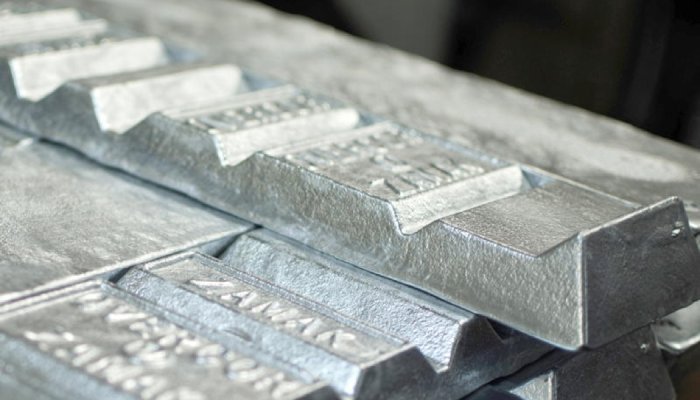
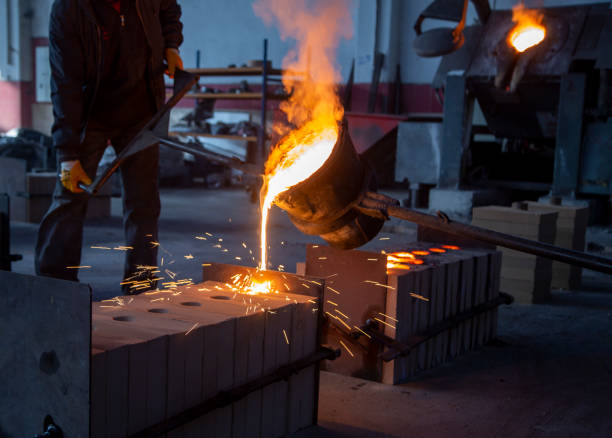
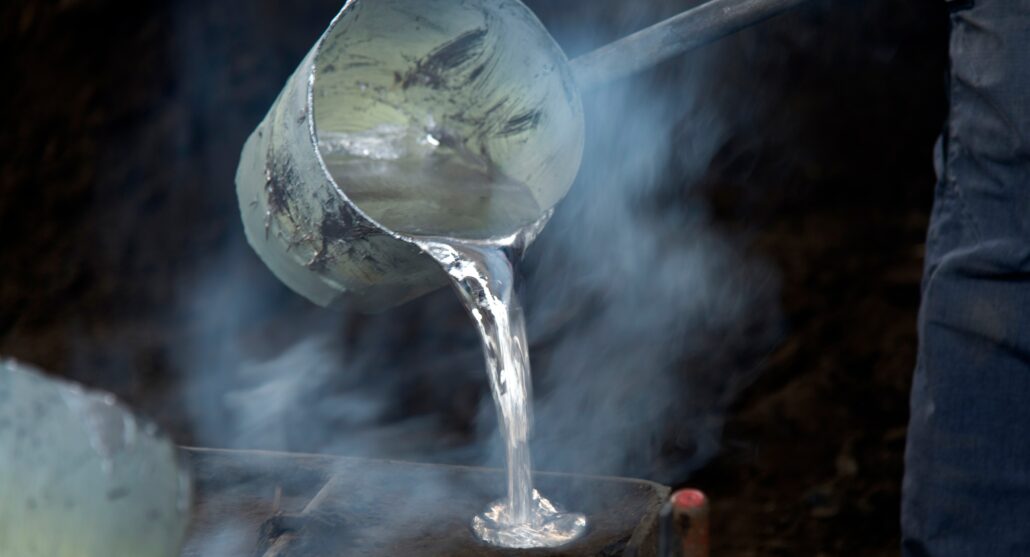
Niestandardowe odlewanie ciśnieniowe cynku stało się kamieniem węgielnym nowoczesnej produkcji, oferując firmom możliwość wytwarzania złożonych, trwałych i precyzyjnych części na dużą skalę. W przeciwieństwie do standardowych metod odlewania, niestandardowe odlewanie ciśnieniowe cynku pozwala producentom tworzyć komponenty, które spełniają dokładne wymagania projektowe, wymiarowe i wydajnościowe. Ta elastyczność sprawia, że jest to idealne rozwiązanie dla branż takich jak motoryzacja, elektronika, lotnictwo i produkty konsumenckie, gdzie niezawodność i dokładność mają kluczowe znaczenie. Stopy cynku takie jak Zamak 2, Zamak 3, Zamak 5 i ZA 8 są powszechnie stosowanymi stopami cynku do odlewania ciśnieniowego, które są wybierane na podstawie ich wymagań mechanicznych i termicznych. Zamak 2 zawiera około 4 procent aluminium, około 3 procent miedzi i odrobinę magnezu, dzięki czemu jest bardzo wytrzymały i twardy, a jego wytrzymałość na rozciąganie jest bliska 330 MPa. Zamak 3 jest zdecydowanie najczęściej stosowany i praktycznie nie zawiera miedzi (około 4 % aluminium i podobna zawartość magnezu), a zatem jest twardy i łatwy do odlewania z wytrzymałością na rozciąganie około 280 MPa. Stop na bazie cynku zawierający miedź 1%, który nieco poprawia wytrzymałość i twardość do 310 MPa wytrzymałości na rozciąganie, jest znany jako Zamak 5, który ma dobrą odlewalność. ZA-8 to prawie 8,5% aluminium i około 1% stop miedzi o wytrzymałości na rozciąganie prawie 390 MPa oraz dobrej odporności na zużycie i wydajności w warunkach podwyższonej temperatury. Niestandardowe odlewanie ciśnieniowe cynku, proces jako taki i korzystanie z niestandardowych usług odlewania ciśnieniowego stopów cynku w Chinach zostaną zbadane w tym artykule. Czym jest odlewanie ciśnieniowe cynku? Odlewanie ciśnieniowe cynku to metoda wtryskiwania stopionego cynku pod wysokim ciśnieniem do stalowej formy. Kiedy metal zastyga, przyjmuje kształt formy, tworząc konkretną i trwałą część. W porównaniu z innymi metalami, cynk charakteryzuje się dużą płynnością, doskonałą wytrzymałością i zdolnością do odlewania elementów z drobnymi szczegółami. Jego wytrzymałość sprawia, że cynk jest atrakcyjną opcją z punktu widzenia wydajności, ale jest także stosunkowo tanim materiałem i jest atrakcyjną opcją dla firm, które chcą zrównoważyć wydajność z kosztami produkcji. Jest to szczególnie prawdziwe w przypadku wszelkiego rodzaju niestandardowych odlewów cynkowych, ponieważ proces ten pozwala firmom projektować komponenty dostosowane do ich indywidualnych potrzeb. Zalety niestandardowego odlewania ciśnieniowego cynku 1. Precyzja i dokładność Dostosowanie odlewania ciśnieniowego cynku ma jedną z najważniejszych zalet, którą jest możliwość wykonywania bardzo dokładnych i precyzyjnych części. Ten proces odlewania ciśnieniowego zapewnia, że komponenty pozostają spójne pod względem wymiarów i wykończenia powierzchni, nawet w przypadku złożonych projektów. W dziedzinie elektroniki, motoryzacji i lotnictwa, gdzie istnieje potrzeba tolerancji i dopasowania, precyzja ta staje się bardzo ważna. Części o drobnych detalach, których nie można stworzyć innymi metodami, oraz części o skomplikowanych, rzeźbionych, szczegółowych geometriach mogą być wytwarzane przy użyciu niestandardowych odlewów cynkowych. Podczas gdy inne metody produkcji mogą być w stanie wyprodukować niektóre części z dużą ilością identycznych części o minimalnych różnicach, odlewanie ciśnieniowe jest naprawdę dobrym rozwiązaniem dla części wymagających wysokiego poziomu spójności. 2. Trwałość i wytrzymałość Jest to wytrzymały metal, bardzo trwały i odporny na korozję. Jest zatem idealny do produkcji części, które będą narażone na warunki ścierne. Odlewanie ciśnieniowe cynku oferuje niestandardową możliwość produkcji niestandardowych części, które są zaprojektowane do efektywnego użytkowania przez długi czas. Odlewy ciśnieniowe ze stopu cynku zapewniają doskonały stosunek wytrzymałości do masy, dzięki czemu produkty będą mocne, ale nie za ciężkie. Podobnie jak w przypadku większości branż, ma to kluczowe znaczenie (szczególnie w produkcji samochodów), gdzie zmniejszenie masy systemu ma kluczowe znaczenie dla wydajności, zużycia paliwa itp. 3. Efektywność kosztowa Dla wielu firm efektywność kosztowa jest bardzo ważna. Wyzwanie to można dość dobrze rozwiązać za pomocą niestandardowego procesu odlewania ciśnieniowego cynku ze względu na jego zdolność do tworzenia wysokiej jakości części przy stosunkowo niższych kosztach. Ze względu na stosunkowo niski koszt materiału cynku i wydajność procesu odlewania ciśnieniowego, nie ma wielu argumentów przemawiających za tym, że cynk jest bardzo opłacalnym wyborem dla producentów. Odlewanie ciśnieniowe jest również bardzo precyzyjne na wysokim poziomie, dzięki czemu może zmniejszyć koszty poprodukcyjne lub wtórną pracę maszyny. Pozwala również na produkcję dużej liczby identycznych części w jednym cyklu produkcyjnym, co dodatkowo obniża koszty, czyniąc go idealnym rozwiązaniem dla produkcji masowej. 4. Elastyczność projektu Główną zaletą odlewania ciśnieniowego cynku z wykorzystaniem niestandardowego projektu jest elastyczność w zakresie projektowania. Pozwala to producentom na tworzenie części o złożonych kształtach, cienkich ściankach i skomplikowanych cechach, które w przeciwnym razie byłyby niepraktyczne w produkcji. Taka elastyczność pozwala firmom wymyślać i tworzyć różne części, które zapewniają określone funkcje i specyficzny wygląd. Dodatkowo, części mogą być tworzone z różnymi wykończeniami powierzchni, takimi jak gładkie i polerowane, teksturowane lub matowe, przy użyciu tego niestandardowego odlewu ciśnieniowego ze stopu cynku. Wszechstronność konstrukcji sprawia, że odlewy cynkowe nadają się do wielu innych zastosowań niż elektronika użytkowa - maszyny przemysłowe, części samochodowe itp. 5. Krótkie terminy realizacji W dzisiejszych czasach czas ma kluczowe znaczenie w środowisku szybkiej produkcji wielkoseryjnej. Niestandardowe odlewanie ciśnieniowe cynku pomaga firmom osiągnąć cel dzięki krótkim czasom realizacji produkcji, ponieważ szybko wprowadzają swoje produkty na rynek. Proces odlewania jest dość szybki po wykonaniu form, więc w rzeczywistości cały proces jest dość szybki i pozwala na szybką produkcję dużej ilości części w minimalnym czasie. Dodatkowo jest to przydatne w branżach, w których czas wprowadzenia produktu na rynek jest krytyczny. Właściwe wykorzystanie odlewania ciśnieniowego cynku pomaga firmom uniknąć opóźnień i niedoborów magazynowych oraz zapewnia wysoką jakość części. Proces niestandardowego odlewania ciśnieniowego cynku Tak jest w przypadku masowego niestandardowego procesu odlewania ciśnieniowego cynku, który ma wiele kluczowych kroków do wykonania, aby osiągnąć to, co jest konieczne. Kroki te są następujące: 1. Projektowanie i tworzenie formy Pierwszą rzeczą, która jest wykonywana w celu wykonania formy, jest zaprojektowanie formy przy użyciu stali. Projektowana część
Kompleksowy przewodnik po stopie Zamak 5: Właściwości, odlewanie i zastosowania

Kompleksowy przewodnik po stopie Zamak 5: Właściwości, odlewanie i zastosowania

zamak 5 odlew ciśnieniowy

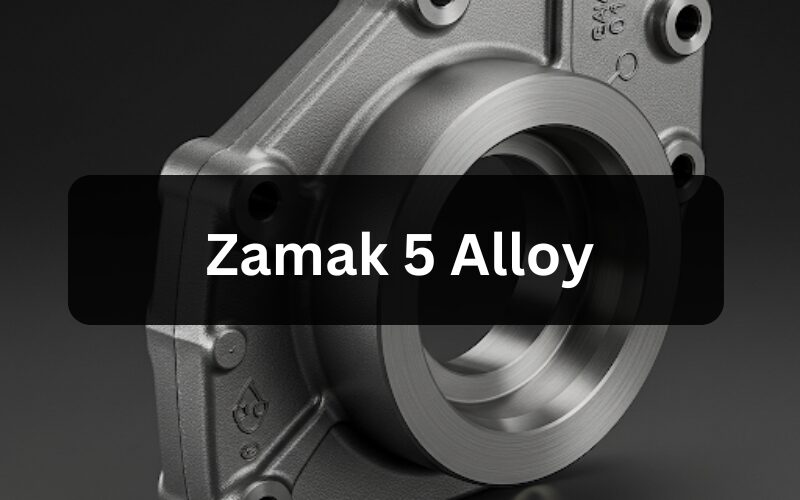
Jednym z takich stopów, który jest szeroko stosowany w przemyśle produkcyjnym i odlewniczym, jest stop Zamak 5 na bazie cynku, który ma kilka unikalnych cech. Wynika to z dużej wytrzymałości, doskonałej trwałości i dużej odporności na korozję, które oferuje Zamak 5, co czyni go idealnym materiałem do stosowania w operacjach odlewania ciśnieniowego. Po ekstrakcji Zamak 5 jest niezwykle niskotopliwy i ma doskonałe właściwości odlewnicze, dzięki czemu Zamak 5 jest idealnym materiałem do produkcji samochodów, produktów konsumenckich i sprzętu. Uczestnicy branży będą mieli pewność co do właściwości stopu Zamak 5, takich jak skład i różne konkretne zastosowania, aby podejmować decyzje produkcyjne i optymalizować proces efektywności operacyjnej. W artykule omówiono stop Zamak 5 poprzez jego skład chemiczny i metody produkcji wraz z kontrolą temperatury i utrzymaniem ciśnienia oraz atrybutami substancji mechanicznych na wydajność przemysłową. Przegląd stopu Zamak 5 Zamak 5 funkcjonuje jako wiodący stop na bazie cynku, który przemysł określa jako stop cynku i aluminium. Zamak 5 składa się chemicznie z 3,5 do 4,3 procent aluminium, 0,03 do 0,08 procent magnezu i 0,75 do 1,25 procent miedzi. Swoją doskonałą wytrzymałość zawdzięcza również pierwiastkom, które producent może wykorzystać do tworzenia wysokowytrzymałych komponentów do użytku w przemyśle motoryzacyjnym, lotniczym i towarów konsumpcyjnych. Wytrzymałość na rozciąganie, a także gęstość 6,7 g/cm³ i stosunkowo szeroki zakres temperatury topnienia 380-385°C, są obecne w tym stopie ze względu na jego dobrą trwałość i dobrą precyzję. Skład i właściwości stopu Zamak 5 Skład chemiczny stopu Zamak 5 Właściwości mechaniczne stopu Zamak 5 ulegają poprawie po zmieszaniu go ze stopem na bazie cynku w kontrolowanych proporcjach cynku i aluminium oraz miedzi i magnezu. Ta właściwość łatwego topienia jest jedną z cech, które sprawiają, że Zamak 5 jest doskonałym stopem do odlewania ciśnieniowego w porównaniu do 96-98% stopu na bazie cynku. Aby osiągnąć doskonałe wyniki, kluczowe jest użycie materiału cynkowego o czystości 99,99% w celu uniknięcia zanieczyszczeń, które mogłyby osłabić wytrzymałość stopu i integralność strukturalną. krzepnięcie materiału Zamak 5 jest poprawione przez dodanie aluminium (3,5 do 4,3%), ponieważ poprawia mikrostrukturę stopu. Regiony te mają skład, który łączy cechy plastyczności i twardości w strukturze materiału. Zamak musi być mierzony pod kątem dokładnej zawartości aluminium, aby zapobiec wadom materiałowym, takim jak pękanie, a także problemom z kruchością. Obecność magnezu od 0,03% do 0,08% w zamaku 5 wynika z faktu, że dzięki temu pierwiastkowi korozja mikropęknięć na granicach ziaren jest blokowana przez zanieczyszczenia. Ponieważ dodatek ten sprawia, że stop jest bardziej płynny, forma zyskuje na uzyskaniu lepszych właściwości wypełniających. Pominięcie magnezu sprawi, że powierzchnia Zamak 5 będzie wadliwa, a także bardzo trudna w obróbce. Zamak 5 jest odlewany z grafitu i ma dobrą odporność na zużycie i zdolność do obróbki cieplnej, gdy ilość miedzi jest dodawana w ilości od 0,75 do 1,25%, co ma zwiększoną odporność na pełzanie, co jest odpowiednie do zastosowań zmiennych termicznie. Ponieważ Zamak 5 staje się kruchy po przekroczeniu prawidłowych limitów, stosunek miedzi jest ważny. Właściwości fizyczne Zamak 5 Masa materiału Zamak 5 wynosi 6,7 g/cm³ przy gęstości pomiędzy stalą i większej niż w przypadku stopów aluminium. Korzystny stosunek masy do wytrzymałości sprawia, że Zamak 5 nadaje się do wielu konstrukcji wymagających mocnych materiałów o niskiej masie. Zamak 5 topi się w temperaturze od 380 do 385 stopni Celsjusza, co sprawia, że dokładne odlewanie zamaku 5 jest opłacalne w porównaniu do aluminium. W średniej temperaturze 120°C wytrzymałość na rozciąganie Zamak 5 wynosiła 330 MPa przy granicy plastyczności 220 MPa i potencjale wydłużenia 7-10%, co spełnia wymagania zastosowań przemysłowych. Zamak 5 jest mocny i elastyczny, ponieważ ma wysoką granicę plastyczności przy 220 MPa i maksymalne wydłużenie przed prawie zniszczeniem 7-10%. Właściwości mechaniczne Zamak 5 Zamak 5 ma twardość 91 HB w skali Brinella, idealnie dopasowaną między wytrzymałością a twardością powierzchni, co czyni go doskonałą kombinacją do dekoracyjnych uchwytów lub innych części wymagających ochrony przed zużyciem. Odporność na uderzenia: Miara udarności Charpy'ego materiału w temperaturze pokojowej wynosi 53 J, podczas gdy w temperaturze -20°C zmniejsza się do 35 J. Stop charakteryzuje się wysoką odpornością na uderzenia, dzięki czemu może chronić się przed naprężeniami mechanicznymi i wibracjami w warunkach działania sił dynamicznych.Zamak 5 może wytrzymać cykliczne naprężenia o wartości 100 MPa i przetrwać bez awarii do 1 miliona cykli. Zamak 5 sprawdza się w praktyce z niezawodną stabilnością przy ciągłym obciążeniu, dzięki czemu nadaje się do komponentów maszyn i części pralek. Właściwości mechaniczne stopu Zamak 5 Poniższa tabela przedstawia podstawowe właściwości mechaniczne stopu aluminium Zamak 5. Właściwość Wartość Twardość Brinella 91 HB Wytrzymałość na rozciąganie 328 MPa Granica plastyczności (0,2%) 269 MPa Wytrzymałość na ścinanie 262 MPa Wytrzymałość na ściskanie 600 MPa Wytrzymałość zmęczeniowa 56,5 MPa Udarność 65 J Moduł sprężystości 96 GPa Wydłużenie 7% w 50 mm Wartości wytrzymałości stopu Zamak pokazują, w jaki sposób może on wytrzymać naprężenia i umieścić go wśród innych materiałów, w których może być używany w wymagających zastosowaniach. Zamak 5 zapewnia doskonałą odporność na obciążenia zmęczeniowe i uderzenia, dzięki czemu nadaje się do części poddawanych powtarzającym się obciążeniom siłowym. Właściwości fizyczne stopu Zamak 5 Dzięki pełnemu zestawowi cech, zachowanie Zamak 5 jest kontrolowane przez właściwości fizyczne. Właściwość Wartość Zakres topnienia 380-386°C Gęstość 6,60 g/cm³ Przewodność elektryczna 26% IACS Przewodność cieplna 109 W/mK Ciepło właściwe 419 J/kg-°C Współczynnik rozszerzalności cieplnej 27,4 µm/m°K Współczynnik Poissona 0,30 Połączenie właściwości stopu Zamak 5 sprawia, że dobrze sprawdza się on w różnych zastosowaniach i warunkach, które są odpowiednie zarówno dla przewodności cieplnej, jak i elektrycznej. Odpowiednia charakterystyka gęstości i zdolność termiczna sprawiają, że Zamak 5 jest niezbędny w systemach wrażliwych na ciepło, a także posiada dobre właściwości elektryczne, które zapewniają różnorodność w formie użytkowej części elektrycznej. Zalety stopu Zamak 5 Dla porównania, doskonałe właściwości wytrzymałościowe, które Zamak 5 wykazuje jednocześnie przy niższej wadze, wynikają z faktu, że jego stosunek wytrzymałości do masy wynosi 49 MPa, co przewyższa aluminium A380. Ze względu na

Kompleksowy przewodnik po Zamak 3 i jego zastosowaniach

Kompleksowy przewodnik po Zamak 3 i jego zastosowaniach

zamak 3

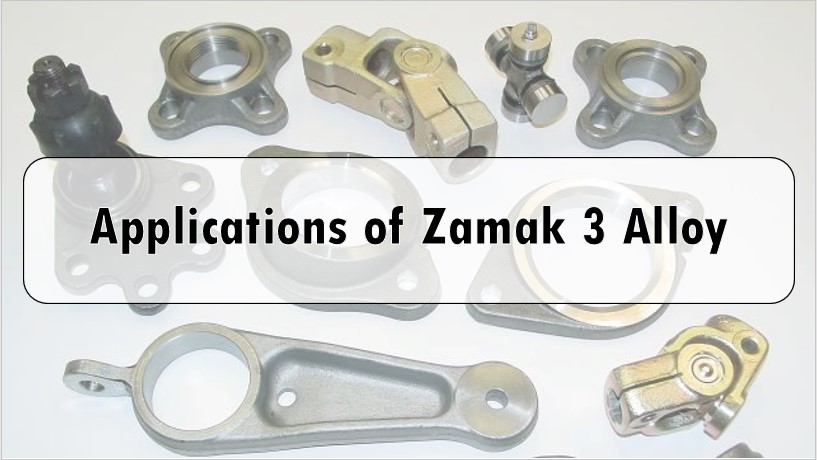
Spośród stopów Zamac, Zamak 3 jest najbardziej popularny ze względu na dobrze zrównoważoną wytrzymałość, trwałość i łatwość odlewania. Cynk jest głównym składnikiem tego stopu, zawierającym niewielkie ilości aluminium (3,5-4%), magnezu (0,03-0,06%) i miedzi (0,25%). Ze względu na bardzo specyficzny skład, próbka ta jest bardziej stabilna mechanicznie, mniej podatna na korozję i zdolna do dokładniejszego zachowania wymiarów. Zamak to grupa stopów składających się z cynku, które są szeroko stosowane w produkcji, ponieważ mają dobre właściwości mechaniczne i są przystępne cenowo. Nazwa pochodzi od niemieckich słów Zink (cynk), Aluminium, Magnesium (magnez) i Kopper (miedź), a po tym terminie następuje nazwa symboli tych pierwiastków: ‘Zamak’. W latach dwudziestych ubiegłego wieku opracowano te stopy, a dziś są one podstawowym materiałem w branżach wymagających precyzyjnych elementów metalowych. Jest to jedna z głównych zalet stopu cynku Zamak 3, ponieważ można go odlewać ciśnieniowo. Niska temperatura topnienia (około 385°C) oznacza, że był on wykorzystywany do stosunkowo taniej produkcji części o skomplikowanych i szczegółowych cechach. Po zakończeniu procesu odlewania zachowuje płynność, zapewniając gładkie wykończenie powierzchni, które nie wymaga nadmiernej obróbki poprodukcyjnej. Odlew Zamak 3 ma tak dobrą wydajność, że jest stosowany w wielu gałęziach przemysłu. Jest obecny w większości części samochodowych, obudowach elektrycznych, sprzęcie i towarach konsumpcyjnych. Ponieważ materiał ten jest odporny na korozję i dokładny wymiarowo, jego użycie jest szczególnie odpowiednie w tak wymagających zastosowaniach, w których wymagana jest długoterminowa niezawodność. Ogólnie rzecz biorąc, stop Zamak 3 jest opłacalnym i wszechstronnym materiałem, który pozostaje w użyciu w nowoczesnej produkcji. Wytrzymałość, trwałość i wydajność odlewania sprawiają, że jest on najbardziej poszukiwany w branżach, które są silnie uzależnione od wysokiej jakości komponentów metalowych. Czym jest Zamak 3? Można go opisać jako stop na bazie cynku zawierający cynk, aluminium i magnez z dodatkiem miedzi. Zamak to rodzina stopów, które zostały wynalezione w latach dwudziestych ubiegłego wieku. Nazwa ‘Zamak’ opiera się na niemieckich ekspedycjach (Zink, Aluminium i Magnesium) plus (Kopper lub Cu) dla głównych składników materiału. Zamak 3 (określony również jako ASTM AG40A, Z33520 UNS) jest jednym z najczęściej stosowanych stopów cynku w przemyśle odlewniczym. Zamak 3 jest znany ze swoich wyjątkowych właściwości mechanicznych i fizycznych i jest preferowanym wyborem dla wielu gałęzi przemysłu. Materiał ten charakteryzuje się doskonałą odlewalnością, stabilnością wymiarową i trwałością, co czyni go jednym z kluczowych materiałów używanych do produkcji precyzyjnych części. Stop cynku Zamak 3 jest uważany za jeden ze wszystkich stopów Zamak ze względu na jego dobre właściwości mechaniczne i niski koszt. Oferuje doskonałą równowagę między twardością, udarnością i stabilnością wymiarową, dzięki czemu jest dobrym materiałem do zastosowań przemysłowych. Skład i właściwości stopu Zamak 3 Skład stopu Zamak 3 Stop Zamak 3 jest oparty na cynku z dodatkiem aluminium i różnych metali śladowych, dodając różne korzystne właściwości. Skład stopu Zamak 3 został wybrany w celu zapewnienia wytrzymałości, trwałości i łatwości produkcji odlewów ciśnieniowych. Zamak 3 składa się z następujących kluczowych komponentów. Działają one jako kombinacja, tworząc stop o bardzo doskonałych właściwościach mechanicznych i fizycznych, a Zamak 3 jest bardzo popularny w sektorach takich jak motoryzacja, elektronika i do celów produkcyjnych. Skład chemiczny stopu Zamak 3 Cztery podstawowe elementy stopu Zamak 3 to cynk, aluminium, magnez i miedź. Charakterystyka stopu jest określona, a jego właściwości mechaniczne są wzmocnione przez każdy element odgrywający szczególną rolę. Stop cynku Zamak 3 jest zwykle dostępny z typowym składem obejmującym: Cynk (Zn) - 96% Stop Zamak 3 składa się z cynku jako metalu bazowego o doskonałej odporności na korozję, dobrych właściwościach odlewniczych i przystępnej cenie. Ponadto ułatwia topienie i formowanie oraz może być produkowany masowo w przemyśle odlewniczym. Aluminium (Al) - 3,5% do 4% Aluminium zwiększa również wytrzymałość, twardość i odporność na korozję stopu. Ponadto zwiększa płynność stopionego metalu, co pozwala odlewom Zamak 3 wytwarzać precyzyjne i złożone kształty o gładkim wykończeniu. Magnez (Mg) - 0,03% do 0,06% Magnez zapewnia znaczną poprawę wytrzymałości mechanicznej i odporności na uderzenia nawet w niewielkich ilościach w stopie cynku Zamak 3. Ponadto, odlewanie stopu jest również bardziej stabilne i trwałe, ponieważ pomaga zmniejszyć utlenianie podczas tego procesu. Miedź (Cu) - 0.25% Twardość i wytrzymałość na rozciąganie stopu są zwiększone przez miedź. Jest ona jednak utrzymywana na bardzo niskim poziomie, aby uniknąć nadmiernej kruchości stopu Zamak 3. Kluczowe właściwości stopu cynku Zamak 3 Stop cynku Zamak 3 jest starannie wyważony, aby nadawał się do zastosowań przemysłowych ze względu na jego korzystne właściwości, które obejmują: 1. Wysoka wytrzymałość i twardość Charakterystyka stopu Zamak 3 zapewnia doskonałą równowagę między wytrzymałością a plastycznością odpowiednią dla tego typu komponentów, które wymagają trwałości pod obciążeniem mechanicznym. Wytrzymałość na rozciąganie wynosi około 283 MPa (41 000 PSI), a twardość 82 Brinella (HB). Ta kombinacja sprawia, że jest on odporny na zużycie w takich zastosowaniach jak motoryzacja i elementy konstrukcyjne. 2. Doskonała stabilność wymiarowa Odlew Zamak 3 to jedna z najcenniejszych cech odlewów pozwalająca zachować precyzyjne wymiary nawet w warunkach wysokiego naprężenia. Stop cynku Zamak 3 różni się od innych stopów metali, które znacznie rozszerzają się lub kurczą wraz z wahaniami temperatury. Staje się idealny do zastosowań, w których tolerancje powinny być wąskie, a dopasowanie powinno być dokładne, takich jak koła zębate, zamki i części maszyn przemysłowych. 3. Odporność na korozję Stop Zamak 3 zawiera aluminium i magnez, które stanowią dodatkowe źródło utleniania i korozji środowiskowej. Czysty cynk jest jednak podatny na korozję w miarę upływu czasu, a po dodaniu dodatkowych elementów w stopie cynku Zamak 3 na powierzchni tworzy się warstwa odporna na korozję. Dzięki temu nadaje się do zastosowań zewnętrznych, komponentów samochodowych i obudów elektrycznych. 4. Doskonała odlewalność i płynność

Co to jest Zamak? Kompletny przewodnik po tym wszechstronnym stopie cynku

Co to jest Zamak? Kompletny przewodnik po tym wszechstronnym stopie cynku

odlewanie ciśnieniowe zamak

What is zamak? Zamak or ‘zinc alloy’ is a family of alloys that are mainly zinc-based with traces of other metals such as aluminum, magnesium and copper. Zamak is a German word made from the short form of zinc (‘Z’) and the word Amak (‘aluminum, magnesium and copper’; the main elements that compose this alloy). Due to its versatility, durability and cost efficiency, the metal is very popular in industries. Zamak (or Zamac, trademarked as ZAMAK before) is a very soft and relatively hard group of alloys, the majority of which comprises of zinc and some smaller amounts of aluminum, copper and magnesium. These alloys are a part of the broader family of zinc-aluminum alloys, but this group is distinct in that the concentration of aluminium is usually consistent and is typically about 4%. This particular combination of elements is what distinguishes Zamak from other alloys within the family and, consequently, results in unique properties that make it suitable for a variety of applications. In this article, we shall discuss Zamak’s composition, characteristics, types, advantages, uses and reasons why it is progressively being employed in various sectors of manufacturing.  Zamak: A Versatile Zinc-Aluminum Alloy Zamak is an acronym for the German names of the metals that comprise its alloy: Zink (zinc), Aluminium (aluminum), Magnesium and Kupfer (copper). First introduced in 1929, the alloy has since proven itself to be a cost-effective, durable, and incredibly versatile material to be used throughout the manufacturing world. Before Zamak was developed, zinc die casting had an issue known as zinc pest. Zinc pest refers to the degradation of zinc components due to the presence of impurities in the alloy. The impurities made the zinc degenerate, and over time, most die-cast parts were rendered unusable. The New Jersey Zinc Company solved this by making Zamak, which was made from very pure zinc – the very most pure zinc – 99.99% pure zinc. Refining was achieved by refluxing, and this was done so that the impurities that caused zinc pest could be removed. The Origins and Evolution of Zamak Alloys  Zamak’s innovation had brought stability to the zinc die casting industry, which was much needed. Zamak was soon widely accepted for its higher purity and its ability to resist zinc pest in a relatively short period for use in die casting and other industrial purposes. This alloy was a real success, as it enabled strong, durable, and long-lasting components even in harsh environments. Zamak has become a well-proven material, qualifying it to endure mechanical stresses while exposed to the environment.  What is zamak? Zamak itself is a zinc-aluminum-based alloy, essentially designed for die casting and precision manufacturing. It is widely used as a result of its strength, corrosion resistance and good casting properties; it was developed in 1929 by the New Jersey Zinc Company. Being able to melt at (380°C or so to 420°C), it has a low melting point and thus is suitable for automotive parts, hardware, electrical components, and consumer goods. It is a preferred choice over pure zinc and other metal alloys because of its durability and low cost in different industries. Composition of Zamak Alloys Zamak is a group of five different alloys of zinc as the base metal and small amounts of added aluminium, magnesium and copper to provide special properties to the metal. The principal elements contained in various Zamak alloys include: 1. Zinc (Zn) is the base metal in all Zamak alloys. The alloy is the second most widely used non-ferrous metal, after aluminum, as it is notable for its corrosion resistance and strength.2. Zamak also often contains Aluminum (Al) to increase the overall strength and resistance to corrosion. Also, it gives a better surface finish, which is worth special attention in casting.3. Magnesium (Mg) – Magnesium is also added to Zamak alloys to enhance the strength and casting properties of the finished alloy. Reducing the brittleness of zinc is also achieved.4. Zamak contains copper (Cu) added in very small amounts to add hardness and increase wear resistance. In general, the composition of the alloy may differ with the type of Zamak, but generally contains about 85–95% zinc, aluminium around 4–8%, copper 1–3%, and magnesium 0,01–0,1 %.  What is the Zamak Melting Point? The melting point of Zamak alloys depends slightly on their composition, but commonly lies between 380°C to 420°C (716°F to 788°F). Zamak is also relatively low in melting point and is a good choice for casting and precision manufacturing. Melting Points of Different Zamak Alloys: Zamak is made of mostly zinc so it melts at a much lower temperature than aluminum or steel. Its property of high precision, fast production and cost-effective manufacturing makes it appropriate for applications having high precision requirements. What is Zamak Powder? Zamak powder is a fine particle structure of Zamak alloy composed of zinc with minor additions of aluminum, magnesium, and copper. This is a fine metallized powder used in industries such as thermal, spraying industries, industries in additive manufacturing and powder metallurgy industries. Properties of Zamak Powder Composition: Same as standard Zamak alloys (Zamak 2, 3, 5, or 7)Melting Point: Approximately 380°C to 420°C (716°F to 788°F)Corrosion Resistance: Excellent resistance to environmental factorsConductivity: Good electrical and thermal conductivityDensity: Like Zamak solid, which makes it suitable for metal plating and sintered parts Uses of Zamak Powder 1. Powder Metallurgy– Applied in the making of sintered components where metal powder is put and it is heated in the formation of solid parts.2. Thermal Spraying – Used as a protective coating of its surface that involves use of sprayed material in protecting the surface against corrosion and wear.3. 3D Printing and Additive Manufacturing – applied in the new generation technologies for manufacturing prototypes.4. Metal Injection Molding (MIM) – This is used in the manufacturing processes of small metal parts with intricate designs. Advantages of Zamak Powder Zamak powder finds its application in automotive, aerospace, electronics and many other industrial applications because of its usefulness and strength. Different Types of Zamak Alloys and

Spawanie odlewów aluminiowych: Kompleksowy przewodnik

odlew aluminiowy, odlew aluminiowy

There are very few places one can go to learn about welding cast aluminum, and the skill set needed to do so is highly specialized. However, cast aluminum is a material created by pouring molten aluminum into a mold, which results in a porous material with impurities. This does not occur with standard aluminum alloys. Because of these characteristics, welding is more difficult, and preparing carefully, keeping the heat precisely in check, and using the appropriate techniques is necessary to produce strong, robust welds. Oxidation is one of the greatest hurdles when welding cast aluminum. This thin oxide layer, formed when exposed to air is much thicker than what naturally forms on aluminum, and it melts at a much higher temperature than aluminum itself, making fusion difficult. Furthermore, the presence of impurities and trapped gases in the cast aluminum can result in porosity, which provides weak welds if not properly cleaned and preheated. TIG (Tungsten Inert Gas) is the method of choice for precision and cleanliness, while MIG (Metal Inert Gas) is useful for speed and thicker material. To obtain a strong and defect-free weld, it is necessary to use the correct filler metal (such as 4045, 5356, or 4047) and shielding gas combination (of pure argon or argon-helium mixtures). Good preparation includes adequately cleaning and preheating as far as possible to minimize cracking, porosity and lack of fusion. Endurance and life of the welded joints is further improved by post-weld treatments like stress relief, grinding and corrosion protection after welding. While the majority of cast aluminum welders are welded steel, welders can successfully work with cast aluminum using the right techniques, tools, and attention to detail so long as lightweight, high strength components are required in industries. This is a masterable process that leads to further development of aluminum welding applications and to a reliable and predictable performance of aluminum structures in critical environments. Understanding Cast Aluminum  However, before proceeding with the welding techniques needed for cast aluminum, it is crucial to have a firm understanding of what constitutes cast aluminum and what makes it unique from other metals. Cast aluminum differs from wrought aluminum, which is mechanically shaped by using rolling or extruding, in that cast aluminum can be formed in complex shapes of high precision by melting aluminum and pouring this molten form into a mold. The unique internal structure so produced, usually characterized by porosity, impurities and varying alloy composition, has an important effect on weldability. To be able to weld cast aluminum successfully, one should know its chemical and physical properties, its pros and cons as well as the different types of cast aluminium alloys from various industries. These factors will be taken into consideration for the determining the necessary welding method, selection of filler material and preweld preparation techniques to make strong and defect free welds. Cast aluminum properties: What makes a cast different? Another important consideration that use of cast aluminum has several properties that make it light weight, anti- corrosive and very flexible. However, the same properties also pose some difficulties when welding is being done, provided that proper measures are not taken. 1. Porosity: The Hidden Challenge Possibly one of the biggest concerns about welding cast aluminum is porosity; it is known as the small bubbles of gas that get trapped in the metal when it is being cast. These eight are resulted from the entrapment of gases such as hydrogen, formation of small pores as a result of shrinkage during cooling of the aluminum metal and impurities. ???? How Porosity Affects Welding ???? How to Minimize Porosity During Welding 2. Oxidation: The Barrier to Clean Welds It is an element that reacts with other elements particularly oxygen found in the space surrounding the metal. This oxidation generates a very thin but extremely hard skin of aluminum oxide (Al₂O₃) through which the further corrosion of aluminum is prevented. Nevertheless, oxide layer is a critical issue when welding since its melting temperature is around 3700°F (2037°C), which is much higher than that of aluminum, 1221°F (660°C). Investigation on Why Oxidation is a Problem in Welding ???? Different Techniques of Removing and Controlling Oxidation 3. Heat Sensitivity: Managing Thermal Conductivity Different from steel, aluminum has high thermal conductivity and it can easily absorb and emit heat. This has always been a problem in maintaining a standard welding temperature; this tends to cause the following: ???? How to Overcome Heat Sensitivity Challenges Common Types of Cast Aluminum Alloys Various types of cast aluminum alloys can be cast according to their chemical composition and mechanical properties. Here are a few of the advantages and disadvantages of each type, as well as applications where they would be most useful. 1. A356 Cast Aluminum: The High-Strength Alloy  Its composition: Mainly encompasses aluminum (Al), silicon (Si) and magnesium (Mg). ???? Key Features ???? Common Applications 2. 319 Cast Aluminum: The Wear-Resistant Allo Composition: Contains higher levels of silicon (Si) and copper (Cu) than A356. ???? Key Features ???? Common Applications 3. 535 Cast Aluminum: The Marine-Grade Alloy Composition: Contains a high percentage of magnesium (Mg) for corrosion resistance. ???? Key Features ???? Common Applications Why Understanding Cast Aluminum Matters for Welding Starting with cast aluminum welding mastery is all about determining what cast aluminum is made of, its properties, and associated challenges. Therefore, as cast aluminum is used extensively in automotive, aerospace and marine engineering, welders require strategies for casting porosity, oxidation and sensitivity to heat. Different types of cast aluminum alloys respond to welding differently, and you should choose the correct filler materials, shielding gas and welding technique means the difference between a strong, reliable weld or a weak, porous joint. With preparation of the material, using the correct cleaning procedures, and regulating heat input, welders can address the issues associated with cast aluminum and generate powerful, long lasting welds that comply with harsh applications. Challenges in Welding Cast Aluminum  Welding of cast aluminum is notoriously difficult because of the unique physical and chemical properties of

Kompletny przewodnik po meblach ogrodowych z odlewanego aluminium

Kompletny przewodnik po meblach ogrodowych z odlewanego aluminium

odlew aluminiowy, odlewanie ciśnieniowe aluminium

When in search of good material for outdoor furniture, durability, style, but also low maintenance rates, must be considered. Extensive popularity for cast aluminum outdoor furniture has been for its endurance during plenty of weather situations and gleaming style. However, cast aluminum is different from wood, which can rot, or wrought iron, prone to rust, and it has a perfect balance of strength and longevity. It is one of the greatest advantages of cast aluminum patio furniture to have resistance against rust and corrosion. Since it is water proof, it makes it an excellent choice for locations that are prone to rain often or where constant humidity exists or if the regions are coastal and salt air begins corroding other materials. It is also light and yet sturdy enough to take outdoors, given its aluminum embodiment and also quite easy to move around. Another strong point of cast aluminum is customization. Having a mix of finishes, colors and intricate designs it can go with any outdoor aesthetics from a modern patio to a classic garden setting. The added bonus of being able to customize the furniture even further with cushions, pillows and mixed materials is also appreciated by many homeowners. There are a few common misconceptions about cast aluminum, for instance being too hot to touch in the sun or being more costly than other materials, but this is far from the case. Minimal upkeep and will keep its appearance decade after decade with only simple care. However, cast aluminum offers both cushioned comfort that wood can’t and a stylish affair you won’t regret. What is Cast Aluminum Outdoor Furniture? Sometimes referred to as ‘aluminoxide’, the name cast aluminum refers to a type of metal melted and poured into molds to make sculpted designs. Cast aluminum patio furniture is not rugged like wrought iron or steel, it’s lightweight, rustproof, and can withstand all of the elements. If you desire elegant furniture that takes little maintenance while withstanding harsh out of doors components, it is a very good alternative. What is the Advantage of Cast Aluminum Outdoor Furniture? 1. Weather Resistance Cast aluminum outdoor furniture is unlike wood or wrought iron: it will never rot or rust and is ideal for outdoor use, as it is resistant to moisture. It absorbs no water and thus does not crack, warp, or weaken from exposure to rain, snow and humidity. 2. Rustproof and Corrosion-Resistant Cast aluminum patio furniture has one of the major advantages because it does not rust. Hence, it is the perfect option for humid and coastal regions as it is likely to withstand heavy rainfall. 3. Lightweight Yet Sturdy As you could expect, cast aluminium is very light compared to wrought iron, allowing it to be moved around and rearranged with far less difficulty. The wind and general wear and tear will not get to it, but still sturdy enough. 4. Elegant and Stylish Designs Cast aluminum has its particular style and is often used for patio set furniture, patio furniture, which is mostly decorated or designed carefully with intricate patterns related to some elegance. It has a detailed craftsmanship that gives the patio a sophisticated look, and the process of casting helps achieve this. 5. Low Maintenance Cast aluminum patio furniture is almost maintenance-free as it does not require staining or sealing like wooden furniture does. It will look new with a simple wipe using mild soap and water. 6. Long Lifespan Due to its ultimate durability and the fact that it is not bothered by the outdoor elements, cast aluminum furniture is long-lasting and an investment worth making by homeowners. Types of Cast Aluminum Outdoor Furniture 1. Cast Aluminum Patio Dining Sets A patio set cast aluminum dining set will be a nice addition to any yard or garden. Typically, it’s a table and matching chairs suitable for dining outside, on the patio or enjoying a BBQ with friends and family. 2. Cast Aluminum Lounge Chairs In case they love to lie outside, cast aluminum lounge chairs are a stylish and comfortable optioptionclining feature, and cushions are available in many models. 3. Cast Aluminum Benches Cast aluminum benches look attractive for parks, gardens or patios. On the other hand, they possess classic and timeless appeal and are very durable. 4. Cast Aluminum Coffee Tables Cast aluminum coffee tables are used that fit underneath outdoor seating areas. These are the ideal placplacesstick glasses, snacks or decorative items. 5. Cast Aluminum Bistro Sets If you have a small patio or balcony, a good choice for you is a bistro set that is made from cast aluminum. It adds to your decor with cozy and stylish seating for 2 persons. Cast Aluminum Patio Furniture: The Perfect Blend of Durability and Style Patio furniture made from cast aluminum is the best outdoor choice due to their resistance to rust, light weight and durability. Cast aluminum is much less heavy or prone to rust than wrought iron, and it doesn’t require near constant maintenance, like wood for a patio, garden or outdoor lounge area does. This is something that is done by molding molten aluminum into a desired shape to yield intricate designs and trendy finishes. Why are many homeowners who want a uniform look without the burden of labor preferring cast aluminum? There are many styles to choose from when you need a dining set, lounge chairs or even a decorative bench and cast aluminum furniture is available in all these options. Among its major advantages, weather resistance is one of them. Cast aluminum will not rot, rust away like steel, and will not crumble to dust like wood due to rain, sun, and even salty coastal air. Another benefit, wiping it with soap and water occasionally will keep it looking brand new, far easier than you might expect. Customization features also enable homeowners to personalize the patio furniture with the choice of cushions, pillows, and finishing with various powder-coated finishes. Thus, it is easy to match any outdoor décor. Furthermore,

Czy można spawać odlewy aluminiowe? Kompletny przewodnik

Czy można spawać odlewy aluminiowe? Kompletny przewodnik

odlew aluminiowy

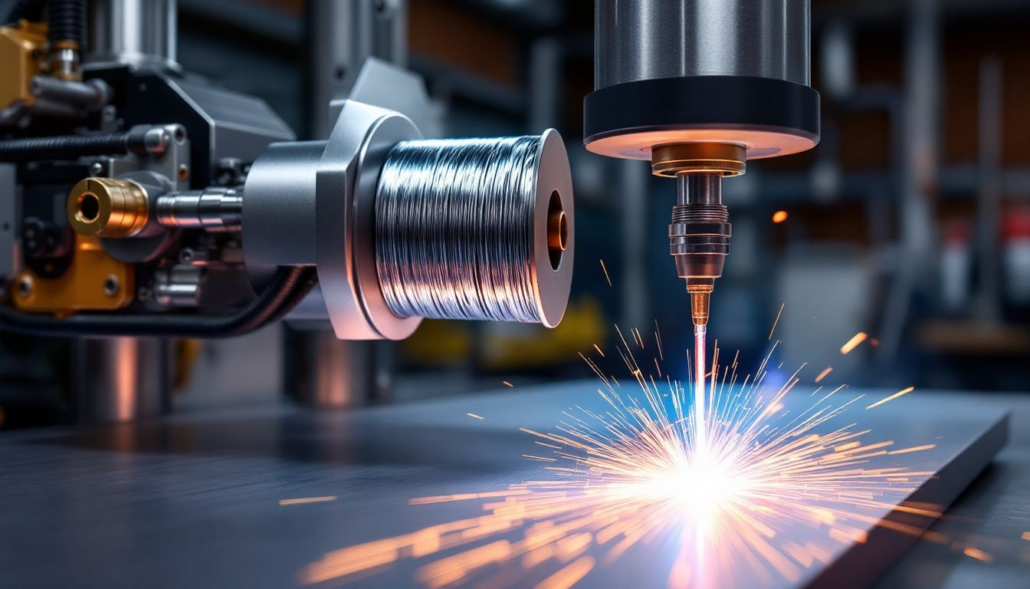
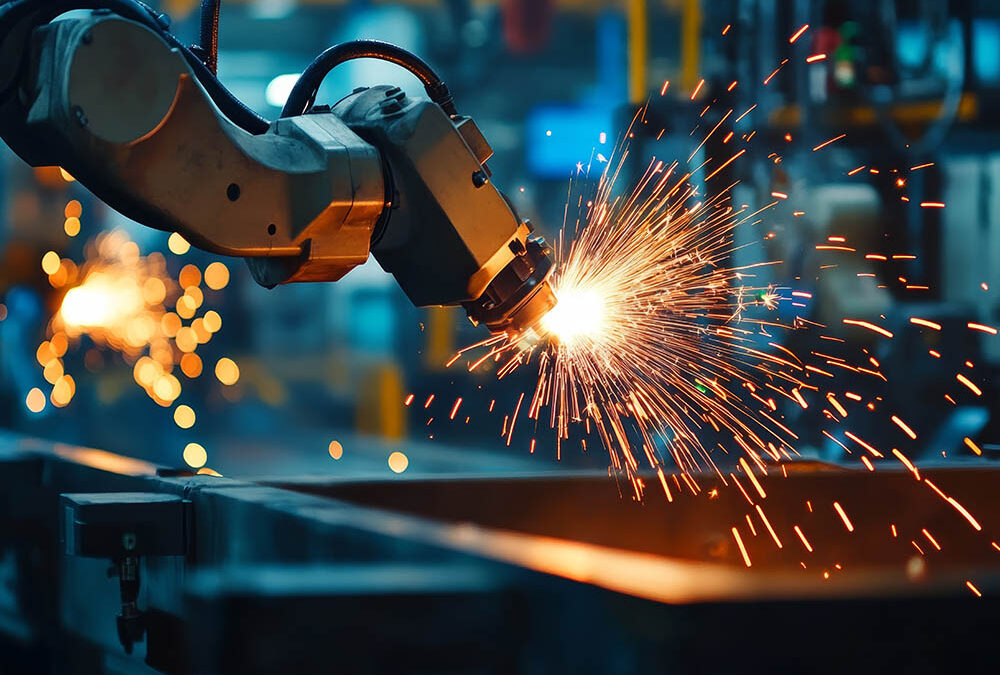
If you’re thinking, can you weld cast aluminum, the answer is yes, but you have to have the right setup, preparation and equipment to weld to cast aluminum. Welding cast aluminum is different from welding standard aluminum sheets since cast aluminium has impurities and a different grain structure, which impact weldability. The main properties of aluminium make it a popular metal used in industries such as automotive, aerospace and construction. Nevertheless, welding becomes a major issue with aluminum particularly the cast aluminum. Therefore, can you weld cast aluminum? Sure, you can, but there is a right way and a wrong way to do it, and this means you will need some techniques, preparation, and most importantly of all, equipment, to create a strong, durable weld. The problem is that cast aluminum is not regular general aluminum sheets. And is often impure and has a not-so-gripping fusion with a different grain in it, as poor, if not properly handled, this causes cracking, porosity, poor fusion, etc. But one big hurdle is that aluminum oxidizes (oxide layer forms). Your welding creates an inadequate joint because this layer is higher than the melting point of the aluminum itself, and if you don’t clean around it properly before you weld, it will stick. Control of heat is also an issue—it is neither constructive to work with too much heat, nor is it productive to have too little. They can successfully weld cast aluminum if you pick the right filler, temperature and shielding gas. TIG (Tungsten Inert Gas), MIG (Metal Inert Gas), even stick welding, and so on, are various welding methods, but not all are optimal for welding aluminium cast. This is a guide on how to weld cast aluminum with the best techniques, common problems and tips from experts so you get a nice strong and clean weld. When working with a broken aluminum part or your new project, you need to know how it works in order to avoid typical blunders and achieve the best outcomes. Learning About Cast Aluminum and Its Problems Production of cast aluminum, with direction for a specific shape, comes from melting aluminum and pouring the product into a mold. It is a widely used method of making engine blocks, transmission housings and other such mechanical parts. However, since cast aluminum is cast, it is likely to have impurities, porosity and high silicon content and therefore difficult to weld. Common Challenges in Welding Cast Aluminum 1. Shrinkage: After casting, aluminum can shrink in various parts due to its thermal coefficient of expansion. These gas pockets will expand during welding and resulting welds may be weak. 2. Aluminum:  Naturally has an oxide that must be cleaned before welding. It may otherwise interfere with the weld penetration. 3. The cast aluminum parts are also often impure (Oil, grease, dirt) if not cleaned they can pollute the weld. 4. Cracking of Welded Artwork: Some cast aluminum alloys can have high silicon content, which makes cracking during welding more likely. 5. Aluminum is Heat Sensitivity:  Aluminum conducts heat quickly, making it difficult to keep a weld pool stable without overheating. Having an understanding of these challenges will help pick the best welding technique with the most suited prep methods for getting a strong weld. Can You Weld Cast Aluminum? The Best Welding Methods You can perform welds on cast aluminum provided that you implement proper welding methods and proper materials along with appropriate preparations. Cast aluminum material becomes difficult to weld because of its impurities and voids which standard aluminum lacks. The correct weld-forming technique stands essential for creating effective durable welds. Three excellent methods exist for welding cast aluminum, including: 1. The GTAW stands for Gas Tungsten Arc Welding which functions as TIG Welding.   The best application exists for welds made of precise aluminum that require thin sections and produce excellent results. Why Use TIG Welding? Welding cast aluminum requires TIG welding because this process provides accurate heat management which generates clean and high-quality welds with very low staining. How to TIG Weld Cast Aluminum Pros & Cons of TIG Welding for Cast Aluminum 2. MIG welding systems under the name GMAW employ Gas Metal Arc Welding techniques.  The method works best for welding thick aluminum pieces when making big size repairs and demands fast work. Why Use MIG Welding? TIG welding might be slower than MIG welding while MIG welding proves to be excellent for joining thicker cast aluminum parts. MIG welding aluminum wire demands two things: first, extra setup equipment and second, a spool gun to manage wire supply. How to MIG Weld Cast Aluminum Pros & Cons of MIG Welding for Cast Aluminum 3. Shielded Metal Arc Welding operates via Stick Welding to correct broken or compromised areas.  The technique provides optimal benefits during emergency fixes as well as outdoor situations and large-scale metallic pieces. Why Use Stick Welding? Stick welding remains a valid choice for cast aluminum maintenance when no other suitable welding methods are accessible in outdoor emergency applications. Two Steps for Performing Stick Welds on Cast Aluminum Include Pros & Cons of Stick Welding for Cast Aluminum 4. Oxy-Fuel Welding functions under the name OAW (Oxyacetylene Welding) The technique is suitable for fixing minor aluminum components and basic welding jobs. Why Use Oxy-Fuel Welding? The technique of oxy-fuel welding provides a suitable option for doing small repairs on aluminum materials when TIG or MIG systems are not available. How to Oxy-Fuel Weld Cast Aluminum: Pros & Cons of Oxy-Fuel Welding for Cast Aluminum 5. Friction Stir Welding (FSW) Best for: Industrial applications, aerospace, and high-strength welds. Why Use Friction Stir Welding? The aluminum material undergoes friction stir welding in a solid-state fashion because the process heats and joins materials mechanically rather than melting them. Proficient welds without defects develop because of this process. How Friction Stir Welding Works Pros & Cons of Friction Stir Welding for Cast Aluminum Which Welding Method is Best for Cast Aluminum?  Welding Method Best For Pros Cons TIG Welding

Aluminium anodowane bezbarwnie: zalety, wykończenie powierzchni i przewodnik anodowania DIY

Aluminium anodowane bezbarwnie: zalety, wykończenie powierzchni i przewodnik anodowania DIY 

odlew aluminiowy

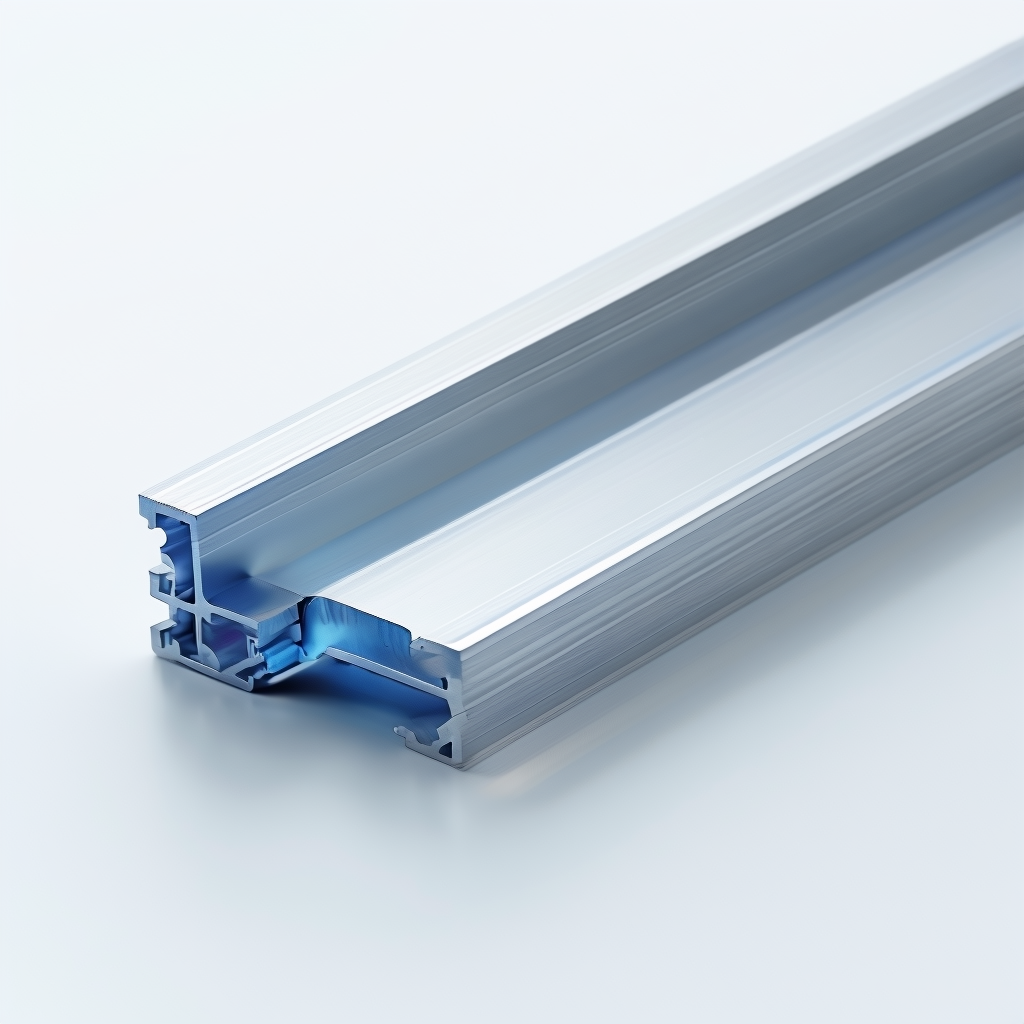
A durable corrosion-resistant metal with a transparent oxide layer over it is clear anodized aluminum. It increases strength, wear resistance, and aesthetic properties making it the choice material across the board in architectural, automotive, aerospace as well as industrial applications. One of the most widely used metals due to its lightweight, strength, and natural corrosion resistance is aluminum. Aluminum, however, can oxidize, wear, and be environmentally degradable unless treated. Clear anodized aluminum is commonly used to enhance its durability and to improve some of its surface properties. Anodization is an electrochemical process, whereby the surface of aluminum is covered with a transparent oxide layer that makes aluminum more resistant to corrosion, scratches, and fading. Anodizing will always bond with the metal which ultimately guarantees protection and aesthetic appeal without coating or painting. In this guide, you will understand the benefits of clear anodized aluminum, different surface finishes, its application in anodizing different aluminum alloys, and various industries that utilize anodizing. It also investigates whether anodized aluminum is safe as well as steps up a DIY anodizing guide for folks interested in trying the process at home. Anodized aluminum is a versatile and durable material that can be used in an architectural, automotive, aerospace or industrial application. What is Clear Anodized Aluminum? Aluminum that has been anodized (electrochemically) to form a transparent oxide layer on the surface is clear anodized aluminum. The metal coating effectively improves the metal’s corrosion resistance, wear resistance, and surface hardness which improves its durability for long-term use in harsh environments. Unlike paint or coatings, when dyeing the metal, it is integrated into the metal, so the finish will live fade-resistant and scratch-resistant for a very long time. General Specifications Material Aluminum alloys are commonly clear anodized. Anodized Layer Thickness The thickness of the anodized layer depends on its application. Surface Appearance Standard Compliance Why Choose Clear Anodized Aluminum? Superior corrosion resistance → Ideal for marine, aerospace, and outdoor applications. Durable and long-lasting → Scratch-resistant and fade-resistant finish. It has low maintenance → It needs only minimal cleaning from time to time to keep its appearance. Anodizing is also an eco-friendly process → This method of finishing is nontoxic and sustainable. As the colored option is opaque, it cannot be anodized, and it will wear very quickly and rarely does it last very long. Clear anodized aluminum is one of the most commonly used finishes in architecture, transportation, consumer electronic products, and industrial machinery, providing an attractive and functional finish that lasts and lasts. Clear Anodized Aluminum Process  Clear anodizing is a specially designed electrochemical treatment which makes the corrosion resistant, durable and hard surface of the anodized aluminum. This is a common process that is applied extensively in industrial, architectural, and decorative applications because this process creates a strong and good-looking aftereffect. 1. Cleaning The first phase of the anodizing process is cleaning the aluminum surface of oil, dust, or natural oxidation. After the degreasing, it is soaked in a degreasing solution (for example, R 105) and then rinsed with clean water to make sure all the contaminants have been washed off. This is one critical step to get a smooth and defect-free anodized finish. 2. Alkali Etching The aluminum is then put into a solution of sodium hydroxide at a controlled temperature of 70 to 90 degrees C to eliminate impurities and surface irregularities. This step removes the natural oxide layer to allow subsequent processing up to a uniform surface. 3. Chemical Polishing After completion of the etching process, chemical polishing is applied to aluminum. This process not only helps to smooth the surface but also serves to remove micro deflections and improve the live nature of the metal. Depending on your final application this step can or not create a matte or gloss finish. 4. Activation The aluminum must be activated before the anodizing step for it to have a uniform conductive surface. In this step the material is prepared to act as the anode of the electrochemical reaction by using a particular electrolyte solution. The activation aids in the coating of the entire aluminum surface with a consistent anodized coating. 5. Anodizing Anodizing is an electrochemical reaction where the aluminum submerges in an electrolytic bath and serves as an anode. When an electric current is applied to the metal, an applied oxide layer (Al₂O₃), increases the corrosion and durability of the metal. The electrolyte used, most commonly, is Sulfuric acid; the process parameters change according to the required finish. The next section speaks at length about these parameters. Key Parameters for Anodizing To ensure a successful clear anodized finish, these process parameters need to be closely controlled: The parameters for the anodized layer are such that the layer is uniform, strong and viable under ambient conditions. The final properties of the anodized aluminum can be changed by changing temperature, voltage and treatment time. Aluminum Alloys for Anodizing The use of aluminum alloys in anodizing develops from their strong resistance to corrosion and their long-standing value with good looks. The multiple aluminum alloy series has unique characteristics which match different product needs. This list shows the main aluminum alloys used in anodizing with their makeup and benefits plus their typical applications. 1. Series 1000 (Pure Aluminum)  The 1000 series contains aluminum at 99% purity blended with minor iron and silicon additives. These metal alloys demonstrate top electrical conductivity and fight against corrosion while keeping their flexibility. During the anodization process, pure aluminum creates a clear or translucent coating that increases its toughness and protects it from outside influences. Series 1000 alloys work well because they possess these characteristics. 2. Series 2000 (Aluminum-Copper Alloys) The 2000 series contains aluminum which is mixed with 2% to 7% copper and small amounts of manganese and magnesium. These alloys offer excellent strength and easy machining but have reasonable protection against corrosion. When aluminum-copper alloys receive anodization they develop better protection against wear and corrosion as well as attractive surface treatment. This makes them ideal for: 3. Series

Aluminium do odlewów: Kompleksowy przewodnik

Aluminium do odlewów: Kompleksowy przewodnik

odlew aluminiowy

Casting is one of the oldest and most versatile metal working processes that allow manufacturers to produce complex shapes of the highest precision. Because of the excellent properties of aluminum for casting like its lightweight nature, corrosion resistance and high thermal conductivity, among the various metals used in casting, aluminum for casting is special. The article is on the use of aluminium for casting, its benefits, types, applications and techniques. Some of the most commonly used metals in casting are mainly due to Aluminum weight properties, excellent corrosion resistance and high thermal conductivity. To see the desired shape, aluminium is melted and poured or injected into a mould for casting. There are several leading methods of casting like sand casting, die casting, investment casting & permanent mould casting, depending on the requirements of the application. The decision of the method of casting shall be based on the size of components required precision required, mechanical properties and production volume. Aluminium casting alloy composition selection is one of the most critical decisions in the production of aluminium castings. Different common aluminium casting alloys include A356, 319 and 380 as well as 7075 which can provide different strength, ductility, and corrosion resistance for a variety of applications. Temperature control, pressure application, cooling rates and defect mitigation also greatly influence the production of high-quality aluminium castings with little porosity or shrinkage defects. Recent advances in casting technology, including vacuum-assisted casting, semi-solid metal processing and 3D printing of moulds have created great improvements in terms of precision, efficiency and sustainability of aluminium casting. In addition, industries are further focusing on recycling aluminium to reduce environmental impact while still maintaining the same levels of performance. The most comprehensive guide into aluminium for casting covering key factors such as temperature, pressure control, mechanical and chemical properties, defect prevention and alloy selection is explored. Knowledge of these aspects allows engineers and manufacturers to do a productive aluminium casting process, produce better product quality, and they can receive better production effectiveness. Why Use Aluminum for Casting? The excellent properties of aluminum justify its use in the casting industry and because of which it is an appropriate metal choice for manufacturers working in various sectors. There are some of the main reasons when opting for aluminum casting uses. 1. Lightweight Yet Strong: As you may expect, aluminum is very lightweight compared to other metals, and this makes it ideal for being used in industries where weight reduction is important when building vehicles or aircraft. 2. Aluminum offers Excellent Corrosion Resistance: The cast parts benefit from the natural oxide layer which is a barrier to rust and helps extend the life of the cast part. 3. High Thermal and Electrical Conductivity:  This makes aluminium extremely suitable for use in heat exchangers, electronic enclosures and engine components. 4. Aluminum castings – Great Machinability: The cast Aluminum can be easily machined, polished, and finished for a high precision application. 5. Less Expensive:  Aluminum is much less expensive than most other metals and its recyclability makes it environmentally friendly. Types of Aluminum Used in Casting Several different aluminium alloys are used for casting and have characteristics suitable for different applications. Which of the most commonly used aluminum alloys for casting are? 1. Aluminum-Silicon Alloys (Al-Si) 2. Aluminum-Copper Alloys (Al-Cu) 3. Aluminum-Magnesium Alloys (Al-Mg) 4. Aluminum-Zinc Alloys (Al-Zn) Aluminum Alloys for Die Casting   The manufacturing process of die casting is very efficient in which a precision mold is used to inject molten aluminum under high pressure. This has become a well known route to manufacture durable, lightweight, and dimensionally accurate, complex metal components. The low density, good corrosion resistance and excellent thermal conductivity of the aluminum make it the preferred material for die casting. There are specifically several aluminum alloys which are specifically formulated for use in die casting to offer mechanical and physical properties for various applications. We described below the most consumed aluminum die casting alloys. 1. Aluminum Alloy 380 (A380) Aluminium alloy A380 is the most common aluminium alloy employed in die casting because of its versatility and superior casting characteristics. Key Properties Common Applications These properties make A380 extensively used in the automotive, aerospace, and consumer electronics applications, where strength to weight ratio, castability and cost efficiency are required. 2. Aluminum Alloy 383 (A383) A better corrosion resistance and performance in high-temperature conditions alternative to A380 is A383. Key Properties Common Applications Applicable in electrical housings, enclosures, as well as industrial machinery parts requiring dimensional stability and heat resistance. 3. Aluminum Alloy 360 (A360) However, A360 is known to have excellent mechanical properties, such as high strength and ductility. Key Properties Common Applications For example, in the automotive transmission cases, engine housings, aerospace, and parts that need high mechanical integrity A360 is often used. 4. Aluminum Alloy 413 (A413) A413 is a high-pressure material designed for high fluidity and tightness to pressure. Key Properties Common Applications Often used in hydraulic components, pump housings and heat exchangers, where it is used to make parts that are required to leak-proof and high strength. 5. Aluminum Alloy 390 (A390) A390 has been engineered for high load and extreme wear resistance. Key Properties Common Applications A390 is commonly used in automotive engine blocks, high performance pistons and mechanical gears where wear resistance and strength at service temperatures are important. 6. Aluminum Alloy 356 (A356) High-purity aluminium A356 possesses excellent castability as well as good mechanical strength. Key Properties Common Applications Automotive suspension and aerospace parts and high-strength industrial castings are made of A356. 7. Aluminum Alloy 319 (A319) A319 is a medium-strength alloy designed for good castability, corrosion resistance, and thermal conductivity. Key Properties Common Applications A319 is being used widely as automotive cylinder heads, transmission cases, and aircraft components where reliable thermal performance and moderate strength are required. The Right Aluminum Alloy to Select for Die Casting Depending on several factors, we need to choose the appropriate aluminium alloy for die casting. 1. Mechanical Requirements: Strength, hardness, ductility, and wear resistance. 2. Corrosion

Odlewanie aluminium: Kompleksowy przewodnik

Odlewanie aluminium: Kompleksowy przewodnik 

aluminiowe formy odlewnicze

Current industries extensively use aluminium because of its strength combined with its low weight along with its ability to resist heat effectively. The production of aluminium components achieves its best results through the casting aluminium process. The procedure enables users to produce intricate complex shapes which work perfectly for industrial needs and commercial environments. Manufacturers widely employ the casting aluminum method to create complex and resilient components by pouring molten aluminum into designed moulds. Produced components through casting aluminium are widely used across the automotive, aerospace, construction and cookware sectors because aluminium offers excellent thermal conductivity together with lightweight construction and corrosion resistance properties. The essential basis for understanding casting aluminium demands an initial definition of what cast aluminium represents. Castaluminiumm represents metaaluminiumum processed through thermal melting followed by mould filling which results in its transformation into precise configurations. Industrial producers use this method to achieve precise detailed designs which suit engine parts together with machinery parts as well as heat exchangers. Cast aluminium stands out because its strength-to-weight ratio outperforms every other metal thus making it suitable for applications that require lightweight construction. Three main techniques include die casting, sand casting and investment casting that manufacturers use to perform the casting aluminium process with their specific advantages. Die casting performs high-speed precise processing that matches well with mass production but sand casting delivers versatile low-cost benefits suitable for low-volume manufacturing. The investment casting method can deliver both high accuracy and elaborate details in finished products. Knowledge about cast aluminium composition along with manufacturing methods enables industry professionals to pick suitable production systems. Global industries choose to castg aluminium as their standard procedure because it provides lightweight durability with corrosion protection in addition to cost efficiency. What Is Cast Aluminum? Aluminium becomes cast aluminium when manufacturers melt the aluminium metal to pour it into specific moulds for product creation. The unique aspect of aluminium casting enables manufacturers to create complex shapes while reducing material waste better than machine orextrudedealuminiumm methods. What purposes does aluminum casting serve? Different industries use cast aluminum as a primary material to create automotive parts and cookware together with furniture, machinery and aerospace components. Through its production method the product results in strong yet lightweight performance which makes it ideal for efficiency and durability applications. Key Characteristics of Cast Aluminum: Step-by-Step Guide to Casting Aluminum Working with molten aluminium needs severe safety precautions because it creates danger when mishandled. Every step should begin with putting on gloves along with heatproof clothes and face protection. This manual presents a simple method of aluminum casting that protects both workers and equipment. These specific die-casting steps work the same way in other aluminium casting processes. Step 1: Begin By Creating The Mold For Your Project Design The beginning of aluminium casting starts with developing and readying the mould design. The mould selection process controls how the casted aluminium item looks and behaves. Cutting tools must match the chosen mold material which could be sand, steel, ceramic, plaster or aluminum. The mould design must precisely match all details and requirements of the final aluminium product. To produce precise molds manufacturers use CAD system software. The software helps designers build an exact 3D representation of their product before making it. After the digital design is ready CNC machines accurately make and form the mold. The user applies a release agent to the inside of the mould before production starts. The coating applied to the mold prevents aluminum from bonding to it so the cast part can be easily removed. After application of the coating the mold is tightly closed before continuing. Step 2: Melting the Aluminum The following step is to heat the aluminum until it liquefies. The metal reaches melting temperature of 660 degrees Celsius (1220°F) very fast due to its low melting point.The furnace heats up aluminum metal to its melting temperature before electricity or gas power is used to transform it into a fluid substance. The liquid aluminum moves from the furnace to a storage area where it remains usable until deployment into the mold. Step 3: We pour the melted aluminum into the mold The ready molten aluminium can flow smoothly into the mould since its temperature is optimal. Our team pours the aluminium with exact movements to avoid creating defects from trapped air in the finished item. The gate system is specially designed to let aluminium metal flow smoothly into the mould’s cavity. Once the mould reaches its capacity all additional aluminum drains out. After pouring ends the mold stays untouched as the metal starts to cool and harden. Step 4: Cooling and Solidification Casting aluminum needs proper temperature reduction and solidification steps. The casting process takes a period that depends on how thick and intricate the part is.Proper temperature reduction steps are needed to create parts with the needed strength and capacity. A steady temperature needs to stay constant during metal cooling to prevent parts like warping or internal stress from developing.Manufacturers employ cooling tools like air, water and furnace temperature control during aluminum solidification. Step 5: After Solidification the Casting Leaves the Mold  When aluminum solidifies completely we extract the casting out of its mold. We need to cut away the leftover material known as flash sprues from the product. Included finishing actions to produce the desired outcome are water cooling and heating control in the furnace process. We use machining tools to create exact dimensions after product processing. To make surface texture easy to work with. Using polishing or coating techniques makes aluminum surfaces shine better while increasing their resistance to wear. The casting of aluminum production ends when quality finishing techniques produce a ready-to-use item. Great! Your existing steps explain how aluminium castings are made yet producers mostly complete their procedure using more steps. Several additional methods help enhance the quality of final cast aluminum parts. Step 6:  heat treatment improves metal quality though it is optional. Manufacturers enhance aluminum mechanical properties by implementing a heat treatment process after casting ends.

Przewiń do góry

Wycena