Czym jest proces wytłaczania aluminium? 

odlew aluminiowy, odlew aluminiowy

Aluminum extrusion has not only been appreciated in the respect that it makes a strong, yet lightweight part, but also its flexible and cost-effective designs are a factor. It is used in construction, aerospace, automotive and electronic industries, and nearly everywhere in between. Aluminium extrusion is among the processes that indicate an equalization between innovative designs and effective production, which is just about to become one of the dominating procedures of the manufacturing industry. Aluminum is one of the most popular metals in the modern industries, being appreciated because of its light weight, strength, durability and also its capacity to resist corrosion. Aluminum is more conspicuous in our lives; in the construction of skyscrapers in our cities, the cars we drive and other gadgets that we use in our daily lives. One of the most vital processes of manufacturing that has ensured the versatility is the aluminum extrusion process. Extrusion refers broadly to methods of metal deformation whereby metal is pushed or squeezed through a die in a similar fashion to toothpaste. In aluminum, longer continuous sections of final, predetermined cross-sectional shapes are formed by ramming solid block-like objects (known as billets) through an already heated die. These profiles may be plain rods, tubes or highly complex and specially made to the extent that they will meet the demands of a given industry. In this article, we will learn everything about the aluminium extrusion process; its history, the extrusion process, types, applications, advantages and limitations and its rising capabilities in future of manufacturing. Historical Background The idea of extrusion as a manufacturing process has been traced back to the late 18th century. The first well-known extrusion was that of the British inventor Joseph Bramah, who patented his exactly in 1797. Instead, he used a process that involved pushing pliable metals such as lead through a die to shape long, identical-looking pieces and primarily pipes. The preconditioning of the process of extrusion was an invention. Until much of the 19th century, the extrusion of softer metals had been inhibited by technology. The real breakthrough came about in the early 220thcenturies when economical ways of producing aluminium were discovered. The acquisition of aluminium was brought to lower prices and large-scale production by the invention in 1886 by Charles Martin Hall in the United States and separately by Paul H. Roult in France of the Hall-Heroult process. After the invention of aluminum, it did not take long before scientists and manufacturers saw the potential extrusion had to offer. The use of aluminum extrusion technology began gaining steam in the 20s, especially coming into force in Europe and North America. It was on a large scale utilized in the Second World War when the industries required a lightweight but durable material in aircraft, vehicles used by the military, and buildings. Since then, the line-casting technology has been invented and has been extended far farther than the aluminum extrusion that first emerged in the military sectors. What is Aluminum extruded? Aluminum extrusion is the commercial physical method that is used in plasticizing solid aluminum into shapes that are long with specific cross-sections. The idea is simple: a block of aluminum (a billet) is heated to a malleable stage and forced under intense pressure of a die made of steel. In pressing through the die, the aluminum takes on the shape of the opening, either straight, hollow, or solid, or in a highly complicated profile. The analogy that is best applied in extrusion is the extrusion of a toothpaste tube. Same as the toothpaste- it takes the shape of the nozzle, and similarly, the extruded aluminum takes the shape of the die. The advantage of aluminium extrusion is the ability to manufacture lightweight yet strong components of the exact shape. The resultant extruded profiles can be strippable to various lengths and are also subjected to further finishing, including anodising, powder coating, and finishing. All these upgrades raise performance, wear and look. Due to its flexibility, it has become one of the extrusion processes whose scope has been resorted to within different discourses like the construction industry, the aviation industry, the electronic industry, the transport and even the consumer products industry. It is not just the process but a vital bridge between the native stainless steel and absorbed functionality that defines the current engineering and high-construction. Aluminium Extrusion Process in Steps Characterise the Profile & Select the Alloy Cast and Christen the Billet Scalp or Saw Inspect Billet Heat the Billet Make the Die & Tooling Lubricate and Prepare the Press Load the Billet and QC Start the Press Breakthrough Extrusion, Steady Chinking on the Table Fast Cooling (Immediate Quenching) Handling temperature for cooling Profiles cool on the table after quenching until they are able to be handled without imprint or warping. Soft, controlled cooling minimises residual stress. Stretching / Straightening Cutting Back to Length Heat Treatment (Where Necessary) Surface Finish (Optional) Machining & Fabrication (As required) Profiles are CNC-machined, punched, drilled, tapped or bent. Jigs/ fixtures provide repeatability of tolerance control on thin or complex sections. Test and On-Quality Control Die Tuning & Maintenance When dimension control or surface finish is out of control, the length of the bearings and flow balance can be modified; dies may be polished and, when absolutely not required, nitrided; dies are polished and cleaned. Packing & Logistics Why every step counts The Components Used in Aluminum Extrusion Aluminum extrusion draws on choosing the correct aluminum alloy to suit the mechanical, thermal, and corrosion requirements. The properties required by different industries differ, thus selection of alloys is determined by strength, ductility, corrosion resistance and heat-treatability. 1000 Series (Practically Pure Aluminum) 3000 Series (Al-Mn Alloys) 5000 Series (Al-Mg Alloys) 6000 Series (Al-Mg-Si Alloys) 7000 Series (Al-Zn-Mg-Cu Alloys) Allothers Speciality Alloys To keep composition similarity, recyclable aluminum scrap containing the same alloy is frequently reused. Aluminum Extrusion Materials Quick Reference Table A technical table of probable common aluminum alloys used in extrusions, major properties and established extrusion parameters as follows: Alloy Series

Odlewanie ciśnieniowe cynku:

Platerowanie odlewów cynkowych: Techniki, korzyści i zastosowania przemysłowe

Odlew cynkowy

Zinc die casting is a common method of production commonly applied in industries where speed, accuracy, strength, and affordability really matter. Zinc alloys are used in automotive, aerospace, consumer electronics applications and more because of their high casting properties, dimensional control, strength and versatility. They can be used to make complicated shapes with smooth surfaces, and it makes they highly demanded to be used in mass production. Bare zinc surfaces tend to be easily corroded, tarnished and generally worn with exposure to adverse environments, necessitating the need to apply a protective finish. It is here that plating becomes one of the most important steps, both in the usability and the lifetime of the products, as well as in the attractiveness and professional appearance of the products in the market. When addressing such as surface finishing, plating zinc die cast parts guarantees enhanced resistance to ageing environments, appearance and durability. The more common processes in the manufacturing industry across the world are chrome plating, zinc die casting, and nickel plating on zinc die cast. Besides lifespan, plating also creates commercial value because customers always want products that are strong yet possess a lustrous, high-quality finish. This renders plating to be a fundamental activity in the current industries. In this article, I will give a detailed extrapolation of arguments as to why plating is necessary, how the technical process works, challenges, and the industrial benefits attached to the process. What is Zinc Plating Die Casting? Zinc die casting is the process used to evenly coat a protective and decorative metal coating on components that were cast using zinc die casting. Given that zinc alloys are strong and cost-effective, but corrosive and wear-dependent, plating extends the durability, appearance and operation. Put simply, zinc die casting is the process that produces the real part or component, whereas plating applies an extra layer, which places a protective coating on the surface and provides the needed finishing. Plating and plating zinc die cast products to achieve a mirror finish through chrome plating zinc die casting, or a protective, up-market finish through nickel plating, zinc die cast. This composite leads to the plated zinc die casting finding a wide range of applications in automotive trim, electronic housings, household and industrial equipment, where good appearance and strength are potential requirements. What is plating? Plating is the addition of a thin layer of metal over the surface of another material, either by electroplating (use of electric current) or by chemical plating (not using electric current). Plating is done to enhance the aesthetic, abrasion resistance, corrosion resistance, conductivity and wear resistance of the substrate. An example is when we use nickel or chrome over zinc die cast parts to add protection and lustre to the base zinc, which offers the strength and shape. The glossy surface of a car’s shiny chrome handle or a bathroom feature is a direct result of plating. In brief, plating is a similar process of providing a product with a shield and a beautiful finish to make things appear more lasting and attractive. The Reason Why Zinc Die Casting need Plating Despite the strengths of zinc alloys that may be used in a variety of applications, there are some limitations when they are raw. Uncoated zinc is subject to tarnishing or corrosive attack by moisture, chemicals and thermal change. The plain, uncoated part is not sufficient in many industries to use long-term reliability. Surface finishes by plating not only serve the cosmetic purpose they also bring about various advantages in engineering. Manufacturers increase the precautionary measures against corrosion, abrasion, and oxidation by the use of the so-called plating zinc die cast techniques. This guarantees the durability of the product in terms of both the integrity of its structure and its aesthetic appeal in the long run. Besides, special coatings such as chrome plating, zinc die casting, which provides a high gloss finish best suited to consumer product components, as well as nickel plating on zinc die cast, which is both protective as well as a decorative coating, are possible. The Process of Plating on Zinc Die Castings Plating is a complicated process that takes delicate preparation and implementation. Unlike aluminium and steel, zinc alloys pose unusual challenges because of the reactivity of zinc. As such, plating on zinc presupposes special treatment in order to guarantee a good adhesion. Surfacing 1: Surface Preparation The initial process is degreasing, where oil, lubricant and impurities are removed from the casting. Without strict cleansing, peeling or flaking would occur, which means a poor adhesion on the use of zinc die cast parts. Step 2: Selecting The castings are deoxidised and cleaned off by immersion in acid. This makes the surface clean, active and capable of accepting plating layers. Step 3: Apply Strike Layer The zinc alloys are very reactive; thus, a thin strike coat of copper or nickel is normally used to enhance the adhesion before finishing. This is a crucial step to both the chrome plating, zinc die casting, and nickel plating on zinc die cast. Step 4, final plating layer Non-resistant metals, chrome, nickel or other alloys are electroplated to cover the surface. Durability and appearance of the finished product are dependent on this layer and its thickness and quality. Chrome Plating of Zinc Die Castings The most appreciated finishing technique applied to zinc die casting is called chrome plating; this type of finishing is used in order to increase the durability of the zinc part, its functionality, as well as its beauty. Chrome plating refers to the adherence of a very thin film of chromium metal on the surface of zinc die-cast objects through an electroplating process. The outcome is a shiny, mirror-like coating that can enhance the aesthetics of it but also reinforces the part against corrosion, scratches, and day-in, day-out wear. Origins have been found that chrome-plated objects will protect a raw zinc surface that has the propensity to tarnish quickly in more difficult conditions, and the products are durable. Important Advantages of

Czy można malować proszkowo aluminium?

Czy można malować proszkowo aluminium?

Aluminium

Aluminum is one of the most significant materials in the industry. It has become essential in everything from construction to the automotive industry, aerospace to consumer goods, because of the combination of its light weight, its resistance to corrosion, and its strength. However, in cases where the customers desire a more stable, colored, and protective finish, one single question is always raised: Can you powder coat aluminum? The brief response is: yes. There is no doubt that to increase the durability, corrosion resistance, as well as overall appearance, one may powder coat aluminum. Aluminum, however, has a natural layer of oxide that causes proper preparation to be important, as sufficient adhesion is concerned. Otherwise, without going through the correct steps, your finish can peel off or rather come out early. Here we go in depth on what exactly powder coating is, why it works so well on aluminum, the process, advantages, uses, and maintenance advice, including that of the differences between powder coating and anodizing. At the end, you will already know about the effective powder coating of aluminum. What is Powder Coating? Powder coating is a finishing procedure that entails the use of a dry powder (derived from finely ground resin, pigments, and additives) on a metal surface with the help of electrostatic attraction. One then heats the coated section in an oven where the melted powder flows and cures into a solid, hard protective material. Powder coating is devoid of solvents and emits few volatile organic compounds (VOCs) as compared to liquid paint. In the case of aluminum, a more wear-resistant, UV-resistant and decorative option is known as powder coated aluminum. Why Powder Coated Aluminium? Manufacturers decide to undergo the process of coating called powder coating aluminum for several reasons: As compared with the traditional painting, powder coating aluminum has the advantage of being able to provide a more uniform coverage and generally thicker, more reliable and durable coating. Learning about Aluminum as a Coating Surface Talking about coating, but first, we should know about the physical and chemical properties of aluminum: Though this oxide coating acts as a defensive mechanism, it may impose difficulties on coating procedures. The key point of great aluminum powder coating is to prepare the surface well to make the powder stick well to the surface. The Step by Step Procedure of Powder Coating Aluminum 1. Surface Preparation Powder coating of aluminum starts with surface preparation, which is the most important step. Relevant cleaning will guarantee that the powder sticks well and gives a lasting finish. Dirt and grease, oils, and oxidations must not be present on the aluminum surface. This is normally attained through detergents, solvents, or alkaline cleaners. In certain situations, there is chemical and ultrasonic cleaning done in order to remove any microscopic residues. It is also possible to perform surface etching to roughen the aluminum a bit, to increase adhesion. Once the cleaning has been done, the aluminum is then rinsed and dried to eliminate any defects on the coating. 2. Pretreatment Metallic pretreatment: Chemical Aluminum may be chemically pretreated to increase its resistance to corrosion and to provide appropriate bonding of powders. One of the common techniques is conversion coating that provides a thin protective film on the surface of the aluminum. This can be carried out with chromate or non-chromate treatments. Besides enhancing adhesion, these pretreatments will prolong the lifetime of the coating since aluminum will not be exposed to the elements. Phosphate coating is also an option on some applications, but less so than on steel since at least chromium would have to be used in a multi-coat procedure. 3. Powder Application The powder coating is then applied after the aluminum has been made ready and treated. The most common method is electrostatic spraying. In this technique, aluminum components are grounded and dust particles become charged due to electrodynamics with the help of a spray gun. The positively charged particles are drawn towards the aluminum surface resulting in a level and smooth coating. Another technique is known as the fluidized bed method: here the parts can be aluminum, heated and placed into a bath of powder, which melts when contacted and forms a coating. This provides one hundred percent coverage even on complicated shapes and corners. 4. Curing Coating formed by using the powder needs to be cured after which a durable finish is obtained. Aluminum components are then placed in a curing oven and baked between 180200 o C in 1020 minutes, depending on the powder employed. The powder particles melt, flow and chemically cross link into a uniform and hard coating due to the heat. When the cure is complete, the parts are cooled slowly down to room temperature, hence the coating is even and without defects. 5. Quality Inspection Every aluminum part is then tested to make sure the coating is of a quality nature after curing. Eye examination is done to verify consistency of color and smoothness free of sags, runs, and uncovered spots. This coating thickness is checked, which is between 50 and 150 microns generally. Examination of durability of the coating is done through adhesion and hardness tests like tape test or impact test. Corrosion resistance tests will also be conducted where tests like salt spray tests will be conducted, in critical applications in order to ascertain long-term protection. 6. Optional Final Finishing Sometimes further finishing is done to the coated parts of aluminum. This could be in the form of polishing, embossing or laser marking to either enhance decorative or practical purposes. Lastly, the parts are packed and cushioned well to store or ship and the finish is not damaged until the end user receives the product. Benefits of Aluminum Powder Coated There are numerous advantages of using powder coated aluminum that would make it very attractive to most industries. Its major plus is superb corrosion resistance. It offers protection in that the coating is done in the powder form, and it becomes a shield, and this protects

Niklowanie bezprądowe

Niklowanie bezprądowe: Kompletny przewodnik techniczny

Niklowanie

Electroless nickel plating can be considered one of the most accurate, versatile, and reliable processes in the field of surface engineering and metal finishing, which allows improving the surface properties of numerous materials. This, contrary to ordinary electroplating, does not need an outside electric current. It depends instead on a controlled chemical reaction that deposits a uniform film of nickel-phosphorus or nickel-boron by alloying them evenly on a surface. This process provides the best corrosion resistance, wear factor, and consistent thickness, even on intricate shapes. Electroless coating has often been selected by manufacturers, engineers, and designers instead of other coating procedures due to its performance and cosmetic benefits. Regardless, whether they are aerospace, automotive parts, molds, or industrial machinery, the process provides repeatable results capable of prolonging the life of a component and cutting down on the expenses of its maintenance. In this tutorial, we shall delve into the ins and outs of the Electroless nickel plating, its positive attributes, uses, the steps involved, and how it compares with other processes such as the nickel plating, the hard anodizing of die cast aluminum, and nickel chrome plating used in contemporary production. What is Electroless Nickel Plating? Electroless nickel plating refers to the deposition of a nickel alloy onto a metallic or non-metallic surface, since an autocatalytic reaction takes place. The chemical bath includes nickel salts and a reducing agent, usually sodium hypophosphite, which converts the nickel ions to metal, and they are able to adhere to the substrate. In contrast to the electroplating process of deposition called nickel plating, where nickel has to be deposited through the use of electric current, in electroless nickel, the process does not need any outside power supply. This results in uniformity of the thickness of the coating in even recessed sections, threads, or internal cavities. The outcome is a non-porous, hard finish and corrosion-resistant resistant applies to challenging industrial conditions. Major Advantages of Nickel Plating without Electroless 1. Even Coating Thickness The deposition is the same regardless of the part shape or the complexity. 2. Better Corrosion Property The layer of nickel-phosphorus alloy offers superior protection against oxidation and attack by chemicals. 3. Better Hardness and Wear Upon heat-treatment, electroless nickel can hit a hardness very similar to that of hard chrome. 4. Dimensional Precision The uniformity in thickness is small, hence usable in precision engineering applications. 5. Ability to be Compatible with Other Materials It can be used on steel, copper, aluminum, brass, and must be used on some plastics with only a minor surface preparation.  Electroless Nickel Plating Types Electroless nickel plating is commonly classified by the amount of phosphorus in the alloy of nickel and phosphorus. Every type has varied requirements in the case of hardness, corrosion resistance, and wear, hence apt usage in individual applications. 1. Low-phosphorus electroless nickel plating (2 to 5 per cent phosphorus) 2. Med-Phos Electroless Nickel Plating (6-9 percent phosphorus ) 3. High-Phosphorus Electroless Nickel Plating (10 13-per cent phosphorus) Uses Of Electroless Nickel Plating Electroless nickel plating is popular throughout industries because it gives a thick, uniform coating, corrosion resistance, and wear protection. It is all versatile and can serve in numerous engineering and painting needs. 1. Aerospace Industry 2. Automotive Industry 3. Electronics Industry 4. Oil and gas sector 5. Mold & Tooling Industry 6. Marine Applications Electroless Nickel Plating Process Step by Step Comparisons to Nickel chrome plating Nickel chrome plating is effectively a step electroplating, i.e., first depositing a nickel layer and then chromium on top. This forms a great mirror-like finish and is very good in resistance to corrosion. Electroless nickel plating, in contrast, lays down a uniform nickel-phosphorus layer by a non-electric process. This enables the metallization of intricate structures, recessed areas, and fine tolerance and may not be covered uniformly when using nickel chrome plating. Though nickel chrome plating offers better aesthetics, electroless nickel plating has better thickness uniformity, superior wear resistance, and wider substrate compatibility. Electroless nickel plating is widely used in so many industries on those pieces that are critical to performance, but nickel chrome plating is used on decorative items. Electroless Nickel Plating vs Electrolytic Nickel Plating Although both of these processes are categorized to coat a surface using nickel, their working principles exhibit a big difference: Feature Electroless Nickel Plating Electrolytic “nickel plating” Power Source None (autocatalytic) External electric current Coating Uniformity Excellent Less uniform on complex shapes Cost Higher chemical cost Lower chemical cost Precision High Moderate Table of Comparisons Hard Anodizing As has been stated about aluminum parts, in particular, nickel plating is frequently viewed as a substitute for the hard anodizing die cast aluminum. Nevertheless, anodizing forms an oxide layer instead of a deposit. Feature Electroless Nickel Plating “hard anodizing die cast aluminum” Material Compatibility Multiple metals & plastics Only aluminum & titanium Corrosion Resistance Excellent Excellent, but specific to aluminum Wear Resistance High (after heat treatment) High Coating Type Nickel alloy layer Aluminum oxide layer Comparison against Nickel Chrome Plating The process of nickel chrome plating is a two-step electroplating treatment, where the first layer is nickel to prevent corrosion, and a secondary protective finish is a thin layer of chrome. Feature Electroless Nickel Plating Nickel chrome plating Appearance Satin to bright finish Bright, mirror-like finish Corrosion Resistance Excellent Very high Thickness Uniformity Perfect Moderate Durability High High Influences on Plating Quality There are a number of factors that will have an immediate impact on the quality of the performance, appearance, and durability of an electroless nickel coating. Regulation of such parameters will lead to steady results and a lower number of defects. Electroless Nickel Plating Materials Nickel Source A nickel salt, either nickel sulfate or nickel chloride, is present in the plating bath. These give the nickel Ions, which will compose the coating in the reaction. Reducing Agent The most popular reducing agent is the hypophosphite. It also reduces nickel ions to metallic nickel chemically, but does not require electricity. Stabilizers Very little of metallic salts or organic stabilizers

Galwanizacja aluminium

Galwanizacja aluminium: Zwiększanie trwałości i estetyki

Aluminium

Electroplating has become an important process in many sectors, providing a way of improving metal properties. Electroplating offers numerous advantages when it comes to aluminum; it offers better corrosion resistance, greater hardness of its surface hardness, as well as a better appearance. Electroplating aluminum enables the manufacturers to overcome several wear and tear issues, hence it is a vital process to use in most applications, whether automotive or electronics. This paper is going to discuss the process of electroplating aluminum, the advantages of aluminum electroplating, and some hints on how to electroplate aluminum. The role of electroplated aluminum cannot possibly be overemphasized because it is vital in the enhancement of efficiency and durability of the components that are based on aluminum. Aluminum in itself is a lightweight and flexible metal, though it is usually susceptible to staining and wear, given the fact that it has a comparatively soft surface. Metallization of aluminum with plating metals such as nickel, chrome, or gold will provide a strong corrosion-resistant finish, which greatly increases the lifespan of aluminum components and makes it a finer material to work in harsh conditions. Besides, it is aesthetically pleasing; electroplating improves the appearance of aluminum in addition to its functional benefits. It has a bright metallic appearance due to a special technique called aluminum electroplating; this could enhance the product’s appearance and is therefore common in industries where the product’s appearance and performance are important. Be it on an automotive component, a piece of consumer electronic product, or even an ornament, the procedure of electroplating aluminum provides a package of protection, durability, and aesthetics, which is why it is a ready-made solution to numerous manufacturing problems in the market. What is Electroplating Aluminum? Electroplating aluminium is the process where a metal film is deposited onto aluminium using an electrochemical reaction that deposits a thin film of metal on the aluminium. In the process, components made of aluminum are put in an electrolytic solution that contains metal ions. By running an electric current through the solution, these ions are reduced and deposited on the aluminum surface, forming a metal coating. The method improves the physical characteristics of the aluminum metal, including its chemical resistance, wear resistance, and cosmetic appeal. Aluminum electroplating is a very widely applicable and versatile process for many applications in industries such as the automotive industry and the electronics industry. Why Electroplate Aluminum? Typical Applications History of Electroplating Electroplating in its early form originated in the 19thcentury when the aspect of electrochemical reactions was discovered. The initial methods of electroplating were mostly applied about gold and silver coating, but with time, aluminum electroplating got to be introduced because of the lightweight and flexible character of the used material. It made aluminum a favourite attraction to be electroplated into many different industries, including manufacturing and even decorating items. History of Aluminum Electroplating Such developments in Electroplating Technology The second was that the process was made more efficient and reliable through the advancements of the electroplating techniques in the 20th century. Major events are: The process of electroplating aluminum has been made efficient and scalable using these innovations as an efficient solution to enhance aluminum parts in contemporary manufacturing industries without departing from the core values that were developed a century earlier. Electroplating Aluminum Process The process is denoted as electroplating aluminum, whereby a thin coating of metal is applied to the surface of aluminum by passing an electrochemical reaction. The method improves the properties of the aluminum, as it makes the metal more corrosion-resistant, durable on the surface, and more attractive. This process is indispensable in manufacturing different industries, such as cars to electronic appliances, to enhance the durability and performance of aluminum components. 1. Surface Treatment of Aluminum Cleaning / Surface Preparation Surface preparation of the aluminum is the initial process in the procedure of electroplating aluminum. Aluminum also develops a natural oxide coating that has to be removed to facilitate proper binding of the metal being electroplated. Mechanical cleaning of the surface is also done by either sanding or using chemicals to eliminate any grease marks, stubborn dirt, or otherwise. Etching Once the aluminum is cleaned, it is put through a process of dissolving the oxide layer in an acidic solution, in this case, etching. This will be one of the most important steps that can be taken in regard to firmly making the electroplated metal adhere to the aluminum substrate. 2. The Electrolyte Solution Preparationon Formulation of electrolyte solutions: Electrolyte solutions Electroplating of aluminum is dependent on the electrolyte solution. It has metal ions of the metal to be plated, e.g., nickel, chromium, or gold, and chemicals to enhance the quality of the coating. These additions contribute to the regulation of plating thickness, uniformity, and smoothness, and produce high quality finish. Electrolyte used Types In the case of the term electroplated aluminum, some of the most used metals are nickel in terms of corrosion resistance and chrome to provide an aesthetic value. The composition of the electrolyte is adjusted to suit a particular metal and finish. 3. The process of Electroplating Electroplating Setup To plate the cleaned aluminum component, the process begins by immersing it in the electroplating solution. The aluminum is the cathode (negative) electrode, and the plating metal forms the anode (positive) electrode. Applying the electric current, ions of metal are deposited on the surface of the aluminum since ions of metal within the electrolyte are being reduced. Thickness Control of Plating The thickness of the electroless aluminum layer is determined by the time spent on the plating of this metal and also by the strength of the current. It may take only a few minutes or hours, depending on the thickness of the coating required. The outcome is a uniform and smooth finish, which improves the properties of aluminum. 4. Post-Plating Treatments Rinsing and Drying Following the electroplating procedure, the section of the aluminum that has received electroplating is thoroughly rinsed of any remaining electrolyte. The component piece is then

Odlewanie a kucie

Odlewanie a kucie: Zrozumienie kluczowych procesów produkcyjnych

odlew aluminiowy

Casting and forging are two of the most commonly used metalworking methods, both of which have different applications in the manufacturing sector. Such techniques are essential in the manufacture of metal parts that diversify in automotive, aerospace, defence, and goliath machinery industries. Although both of them look to create functional parts by shaping metal, they ultimately achieve that goal in definitively different ways, creating different material properties and uses. Casting makes use of processes of melting down metal and pouring it into a mold, where it takes on a permanent shape. It is most suitable for the production of intricate and complicated shapes that would otherwise be difficult to acquire through other machinery. It works very well in mass production, particularly where large volumes of identical parts are manufactured. Casting is very flexible and can use a vast number of metals and alloys, thus casting can be used in industries where fine quality designs matter, aerospace, automotive and art. Forging, on the other hand, is a process of shaping metal through compressive forces, usually when the material is at a high temperature. This process makes the metal stronger by straightening up its grain structure, thus making the parts stronger and durable. The particular benefit of forging is that it is highly applicable in the manufacturing of parts that have to be hardened or exposed to extreme conditions, including high stresses, as in the automotive, aerospace, and defence industries. This article will discuss the main differences concerning casting and forging, the benefits and drawbacks of each, and the areas of application in modern manufacturing and what role each process holds in these processes. What is Casting? A manufacturing process preserved in casting involves pouring a liquid material, typically metallic, into a mold to set and acquire the shape of the mold cavity. It starts as the material is melted, poured into a special shape, and cooled. After this material hardens, the mold is removed, and a solid object is left, which is an almost perfect copy of the mold shape. What is Forging? Forging is a metalworking process that makes use of compressive force, with the metal typically heated to high temperatures. The metal is either beaten, pressed into shape or rolled to the required shape. Forging is commonly done at high temperatures, at which point in time the metal becomes malleable and a lot easier to work with. It is a process that is mostly employed to create robust, wearable components and is widely employed in such industries as automotive, aerospace, as well as heavy machinery. Casting Process The casting involves some major steps: Forging Process Forging is less complicated in the manufacturing process; however, one has to have greater control over temperature and pressure: The Pros of Casting and Forging Casting Advantages: Forging Advantages: Cons of Casting and Forging Casting Disadvantages: Forging Disadvantages: Casting and Forging Materials Casting Materials This casting process is a diverse process that may be conducted using a wide range of materials in relation to the needs of the application. Metals commonly used in casting are aluminum, steel, iron, bronze and brass, which are characterised by unique properties which qualify them to be utilized in various industries. As another example, aluminum is lightweight and has good resistance to corrosion, which will be ideal in automotive and aerospace markets. Steel and iron are more preferred due to their durability and strength, and are usually put to use in components of heavy machinery and industries. Bronze and brass can be seen in the use of metal when the element of strength is needed, but also the need for resistance to corrosion and appealing to the eye has to be considered, like decorative pieces or equipment on ships. Besides these common metals, casting may also entail specialized alloys, such as magnesium, zinc alloys and copper base alloys that are selected to fit certain applications because they possess specific functioning properties. An example of magnesium alloys is employed in the industries that need lightweight components, another example being the zinc alloys that might be applied in various industries where there is a need to cast certain parts that should not be vulnerable to wear and tear. Such copper alloys are dominant in electrical and plumbing works because of their high resistance to corrosion and electrical conductivity. Casting can use different metals and alloys, which means that manufacturers can modify the parts to best suit that application. Forging Materials Materials used to make forgings are usually chosen because of their strength in terms of stress and pressure-resistant properties. Steel alloys comprising carbon steel, stainless steel and tool steel are the most frequently used materials in forging. Carbon steel is strong and hard, and as a result, it is used when building structures and heavy machinery components. The advantage of stainless steel is that it cannot be easily corroded, thus it is ideal in places where parts are inhospitable, like the automotive and medical industries. Tool steel is particularly made and works well against wear and is hence applicable in tools, dies, and other parts of high-performance machines. Uses of Casting and Forging The casting and forging have more similar applications in different industries, and every type is specialized to suit the needs of the end product. The type of casting or forging is determined by strength, complexity, properties of the used material, and end use. The main applications of the processes are the following. Uses of Casting Casting has also proved to come in handy in the production of parts of complex shapes or large volumes. Some of the most important applications in industries are as follows: Uses of Forging Forging. In cases where high strength, durability and material integrity are demanded of the end product, the process is carried out by forging. These are common industries and parts in which forging is important: The Major Distinctions between Forging and Casting Although casting and forging are quite similar manufacturing techniques, it is important to realize the main peculiarities of

Aluminiowa obudowa termostatu

Aluminiowa obudowa termostatu: Precyzja i trwałość komponentów silnika

Aluminium

The aluminum thermostat housing is extremely important for the effective working and the endurance of automobile and industrial engines. The necessity to keep the engine at an optimum temperature to avoid the risk of overheating, which can lead to serious engine damage, is necessitated by engine cooling systems. Consequently, the structure and materials employed to make up parts like the thermostat housing are vital to the entire efficiency of the cooling system. Aluminum has evolved to be a popular material because of its light weight, strength, and excellent heat dissipation qualities; therefore, aluminum is a popular choice of material when demanded under the circumstance known as an aluminum thermostat housing. Aluminum thermostat housing has gained increased popularity in a number of trade verticals as many industries demand high-performance and cost-effective parts. Motorcycles, heavy machinery, and marine engine aluminum thermostat housings also enjoy the value of resistance to high temperatures and other elements that the material has demonstrated in its application in automotive engines as well. The concept of the significant aluminum thermostat housing, its use, advantages, fabrication, and application in the engine cooling system will be discussed in this article. We shall also explore the option of custom thermostat housing and how thermostat housing manufacturing is a crucial element when it comes to manufacturing high-quality and long-lasting components. What is an Aluminum Thermostat Housing? A thermostat housing, most often made of aluminum, is a very important part of the cooling system of an internal combustion engine, especially an automotive engine. Its major role is to accommodate the thermostat, which regulates the flow of coolant in the engine and the radiator. The thermostat controls the temperature of the engine, shutting down and opening up depending on the temperature of the coolant, and the temperature of the engine is at optimum. Housing usually is composed of aluminum due to its lightweight attributes, ability to resist corrosion and thermal conductivity. It is made to be able to resist high-pressure coolant systems and rough operating environments, and cause no degradation after several years. Not only is an aluminum thermostat housing light in weight, but it is also highly temperature resistant, which is critical to ensuring proper engine cooling system. Why should thermostat housing be made of aluminum? The selection of aluminum in the production of thermostat housing has tremendously been in favour, as it comes with numerous benefits, namely: a. Light and Strong The lightweight nature of aluminum has seen this material being extensively used in automotive parts that require reduced weight without compromising the strength and performance of the parts. The lower weight will lead to more fuel efficiency, which is important among current vehicles. b. Corrosion Resistance Aluminum is naturally unaffected by corrosion, which is quite essential in automotive engines where there is always exposure to coolants, water, and chemicals. The presence of corrosion resistance makes the housing of the aluminum thermostat structurally stable and gives it the capacity to endure with reliable performance during its lifetime. c. Dissipation of Heat Aluminum has been a great heat conductor. It allows cooling of the engine away, making the thermostat have an optimum temperature. This conductivity of thermal energy assists in adjusting the engine temperatures and avoids overheating, which will lead to the destruction of engine parts. d. Cost-Effective Aluminum is a cheap metal when compared to other metals, hence it is a cost-effective alternative when mass production is involved. Furthermore, it can be lightly machined and cast, enabling affordable production procedures; therefore, it has reduced the production cost of offering a solution of a custom thermostat housing. The Aluminum Thermostat Housing Materials Aluminum thermostat housing materials are important in performance, durability and resistance to harsh engine operating conditions. Synthetic alloys that are common are: 1. Aluminum 356 Alloy Aluminum 356 is famously known to be an incomparable castable, sturdy, corrosion-resistant metal that makes it a favourite medium in thermostat housing due to its admirable qualities. It is durably performing in extreme hot climate conditions. 2. Aluminum 6061 Alloy This alloy has a good strength-to-weight ratio and corrosion resistance, which are suitable traits to be used as a custom thermostat housing for PMFMI automotives or industries. 3. Aluminum 7075 Alloy Aluminum 7075, a super-strong alloy that fits on high-performance components, is ideal as a custom housing for a thermostat in engines where stress and temperatures are extremely high. 4. Alloy 319 Aluminum With superior casting properties, Aluminum 319 is used in aluminum thermostat housings on automobiles and industrial engines where long-term wear resistance must be achieved. 5. Alloy 5083 Aluminum The aluminum 5083 has good corrosion resistance, which makes it highly useful in the marine industry and heavy machinery industries, where it has to deal with corrosive factors due to moisture and harsh conditions. These materials guarantee that thermostat housing manufacturing will generate durable, light and efficient engine cooling parts. Aluminum Thermostat Housing Types Aluminum thermostat housing is also of various types, depending on the manufacturing process, design requirement and the nature of the engine application in question. The typical automotive and industrial materials are listed below: 1. Sand Casting Thermostat Enclosure The creation of larger and more complex parts is usually done through a process known as aerospace sand casting, where an aluminum thermostat housing is determined. Here, a sand mold is cast over the pattern of the thermostat housing, and molten aluminum is poured into the mold so as to create the part. The technique is best suited for manufacturing elaborate patterns and low to medium volume of production. 2. Die Cast Thermostat Housing In die casting, molten aluminum is repeatedly forcefully injected into a steel mold, forming an aluminum thermostat housing of usually accurate dimensions and smooth surface finishes. This process is most suited to large volume manufacturing and is normally employed in instances where specific, strict tolerances and uniformity must be met. 3. Thermostat Housing Permanent Mold Casting Permeant mold casting employs the use of metal molds in thermostat housing production, and parts manufactured in this form have very

Jak anodować aluminium? Podstawowe kroki i najlepsze praktyki

Jak anodować aluminium? Podstawowe kroki i najlepsze praktyki

odlew aluminiowy

Anodize aluminum is one of the most popular electrochemical processes that are aimed at improving the surface characteristics of aluminum and aluminum alloys. Through the increment of the natural oxide layer on the surface of the aluminum, anodizing contributes largely to the durability of the material, corrosion resistance, and wear resistance. It also increases the aesthetic quality of the aluminum, providing a range of different looks and shine, and even the capability of taking on a dyed color. This is achieved by dipping aluminum in an acidic electrolyte bath (acidic), and an electric current is then introduced to react the aluminum with oxygen to form a denser oxide layer. Not only is this associated oxide layer tough and durable, but it also bonds well with the base metal. Anodizing has seen a wide, or rather, the highest demand in cases where the aluminum parts are exposed to extreme environments, like in the construction of aerospace, automobile, and building bodies. An example of where the anodized aluminum is utilized includes aircraft components, automobile wheels, facades, and consumer electronics, where not only does appearance matter, but functionality is also essential. Anodizing offers flexibility and invaluable diversity in today’s manufacturing because of the capacity to enhance physical qualities and aesthetic improvement of aluminum. What is Aluminum Anodizing? Anodizing is an electrochemical process of increasing the thickness of the native oxide film existing on the surface of aluminum. Oxygen gets mixed with the aluminum metal during an acidic bath, and using an electric current, the oxide structure of aluminum is formed, which gives the metal excellent properties of resistance to acid and oxygen. The process increases the material’s resistance to corrosion, hit resistance, and durability. Dyes can also be used on anodized aluminum because the oxide layer on anodized aluminum is porous, which enables rich colors to be used. The industries typically utilizing the process include aerospace, automotive, architecture, and consumer electronics industries because the process is able to add better performance and visual elements to aluminum materials used in harsh conditions. Fundamentals of Aluminum Anodizing The basis of anodizing is to immerse aluminum in a sulfuric acid electrolyte and then subject it to an electric current. This makes the oxygen react with the aluminum surface to form aluminum oxide (Al2O3) that is far more solid and tougher compared with the actual metal beneath it. This delivers a corrosion-resistant, wear-resistant finish, usually of matte, satin, or shiny finish. The anodized layer is subject to variation with reference to the time of the anodizing process, and sometimes the temperature and voltage. Anodizing Materials Required There are a couple of materials you are going to require before you proceed with the anodizing process: Step-by-Step Process of Anodizing Aluminum  1. Surface Treatment of Aluminum Preparing the aluminum surface is the initial stage of anodizing. This will be done by cleaning the aluminum by removing any dirt, grease, or oxidation that would be in it. Wet anecdote loss may be wiped off with a mixture of mild detergents and rinsed off using distilled water. A more rigorous cleaning should be done with a caustic soda solution to etch the surface and rinse off any naturally occurring aluminum oxide. Examine the cleaned surface of the aluminum and remove any flaws in it because anodizing would not conceal marks and dents. Care should also be taken to make sure that the aluminum is not covered in oils or grease that would impede the anodization process. 2. Anodizing Bath Preparation Then, an anodizing bath should be prepared by adding distilled water and sulfuric acid. The acid ought to have a concentration of about 15-20 percent. In a small batch, the usual plastic or glass container will do, but it should be inert to the acid. Make sure that the aluminum piece is in the bath, and the anode (positive lead) is touching / in contact with the aluminum using a conducting lead. 3. The Electrical Current Applied When the aluminum portion is clamped inside the bath, the electric current is administered. The aluminum will be the cathode ( negative ) terminal, and the anode is a lead or stainless steel electrode. The actual current density (amperage) and voltage are of the utmost importance as the parameters to control the quality of the anodized layer. With more current, we shall have a thicker oxide and lesser currents finer detailing. The anodizing process is about 30 minutes or one hour, depending on how thick the oxide layer is. In the process, aluminum is bound to the oxygen ions to make the aluminum oxide on the surface. 4. Neutralizing and Rinsing After the anodizing has finished, carefully take the aluminum out of the bath and rinse out under running distilled water to get rid of any acid on it. This will be imperative in avoiding any acid residue that may cause damage to the surface in a later period. In case of a required neutralizing step, the aluminum can be put in a neutralizing bath, which is usually in a mild alkaline solution to restore a neutral pH on the surface. 5. Finish of the Anodized Layer Anodizing is completed with the last process of sealing the aluminum oxide film. This process assists in raising the level of corrosion resistance of the anodized surface by sealing the holes of the oxide coat. The aluminum is normally sealed by soaking it in hot distilled water (about 95 °C or 203 o F) within a span of half an hour. The incident results in a hydrated aluminum oxide, which is corrosion and wear-resistant. Some of them you can even choose to dye the anodized aluminum, preferably before sealing. An oxide layer has a porous nature, which enables it to absorb dye, hence its ability to have a broad spectrum of surface colors. It is permanently colored by sealing, and the surface is very strong. Anodizing Process Factors Several factors can affect the result of the anodizing process, which include: Uses of anodized Aluminium Aerospace Industry 

Odlew aluminiowy

Czym jest odlew aluminiowy? Wszechstronny metal wykorzystywany w nowoczesnej produkcji

Aluminium, odlew aluminiowy

Aluminium castings are one of the most adaptable and common materials in contemporary manufacturing. It is used to melt and pour molten aluminum into moulds to adopt desired shapes, and in this process, complex and intricate parts can be constructed that would otherwise have a tough time coming out using alternative techniques, and hence, the process can generate a lot of such parts at a relatively lower cost. The cast aluminum products have found their value through various purposes that stretch to auto engine parts, aerospace, coffee pots, cookware and even household. The incredible weightlessness, plus concurrent strengths and resistances against corrosion and good thermal conductivity, make it the best supplier to numerous industries. Cast aluminum also provides the manufacturer with a lot of design flexibility, allowing the creation of complex geometries that can optimise performance without using a lot of material.  The process of casting is also very efficient and economically viable, particularly when mass production of parts is involved. Moreover, aluminium is one of the categories of metal that is easy to recycle, which means it can decrease the ecological costs of production. Although cast aluminum has a lot of advantages, it also has some shortfalls, such as its brittle nature when compared to wrought aluminum and that it is difficult to weld. These factors have to be taken into consideration when choosing cast aluminum for particular applications. This article will give a broad perspective of the properties, advantages and applications of cast aluminum, one of the most common substances in the contemporary world. What is Aluminium Cast? Cast aluminum consists of the quite liquid appearance of aluminum that has been remoulded into a shape that forms a product. This process, or casting, is a very old manufacturing process adapted to present-day practices. Unlike wrought aluminum, which is cast using the rolling process or extrusion, aluminum is poured into the mould as molten metal, after which it is left to harden. Casting provides more complex, hollow and even three dimensional shapes that could not be readily or cost within easy reach to form by machining or forging, since it begins as a liquid. It is this versatility that makes cast aluminum products so widely used right across our spectrum of products; that is, engine parts, as well as electronic equipment and cookware, to name a few. Simple Cast Aluminum Composition Aluminum, most of the time, is not pure aluminum. Instead, it is an alloy, i.e. a mixture of aluminum and other materials in order to improve strength or fluidity, or both. The most frequent aspect of the alloy is The combination is particular, which is dependent on use. To illustrate, alloys with high heat conductivity and corrosion resistance would be used on high-temperature equipment like automotive parts, and cookware would take the one with the high silicon-aluminium content that has high thermal performance and wear resistance. History and Development of Cast Aluminum Casting of metals has a history in the order of thousands of years since the early societies were known to cast bronze and cast iron to produce tools and weapons. Aluminum was not extracted until the early 19th century, and it was uneconomical to do so until the creation of the Hall-Héoult process late in the 19th century. The casting of aluminum became one of the processes of the aviation and cookware industries by the beginning of the 20th century. It is during the World War II era that aluminum demand was at its highest because of its strength-to-weight ratio that made it most suitable in aeroplanes. After the war, aluminum casting had more commercial applications in consumer products, automobile manufacturing and architecture.Due to the advancement of the design engineering of moulds, metallurgy, and castings, cast aluminum is part of the present-day production. Process of Cast Aluminum  Cast aluminum is a process which requires a number of major steps to turn melted aluminum into parts that can be used in the form of specific shapes. The work of the basic explanation of the process goes in the following way: 1. Mould Preparation The initial procedure of casting is making a mould in which molten aluminum will be cast. Depending on the casting method, the mould may consist of such materials as sand, metal or ceramic, among others. It is also designed with a good mould to have the desired shape to ensure that the aluminum solidifies in the right shape. 2. Melting Aluminum When the mould is ready, some scraps of aluminum or aluminum ingots are placed in a furnace where they are melted at a temperature range of 660 to 750 °C (1220 to 1382 o F). The molten aluminum is also continuously watched with the aim of obtaining the right pouring temperature and quality. 3. Pouring the Molten Aluminum into its Mold Once the melted aluminium is poured into the cavity of the mould, the molten metal is poured into the cavity of the mould. The pouring is done, depending on the kind of casting, i.e. die casting, sand casting or investment casting. Some of the techniques used include die casting, where molten aluminum is injected under pressure, whereas in other techniques, the molten aluminum is just poured into the mould and left to cool. 4. Cooling and Solidification Building and Overseeing: Having too thick or complicated a part will take a long time to cool. At this stage, the melted-down aluminum cools into the required shape and expels internal pressure. 5. Installation and Inspection After the aluminum is cooled down and solidified, the mould is then released, and the cast part remains. The separation in some cases is done by breaking the mould piece, particularly with casting in sand, and with other techniques such as die casting, mould opening and the part is ejected. 6. Finishing and Inspection After cutting the part, it is usually processed further using finishing operations such as grinding, polishing, machining, etc., in order to smooth the surface or attain closer tolerances. With the part, it is then checked

Co to jest odlew aluminiowy

Czym są naczynia kuchenne z odlewanego aluminium?

Aluminium

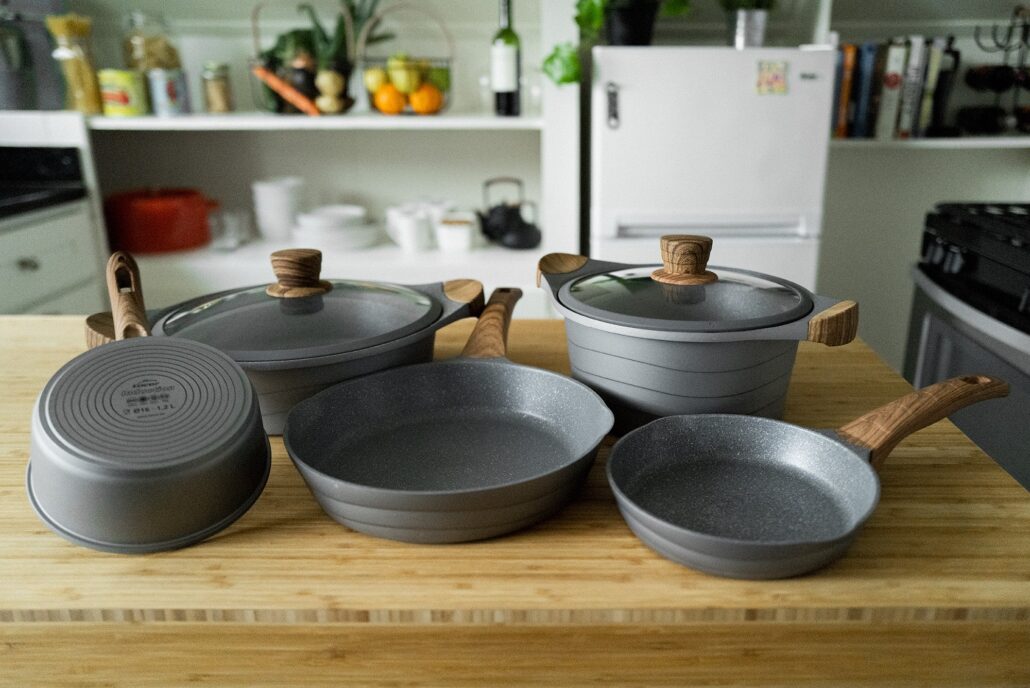
The cast aluminum cookware is often used by home cooks and professional chefs and is known and appreciated because it is durable and lightweight at the same time, with a high distribution of heat. Cast aluminum cookware is manufactured by pouring molten aluminum into moldings; the main aim of such cookware is to ensure that it gives even heating, it should not warp, and it should be able to last a long time. Its application has made it an all-purpose element in the kitchen since it is applicable in most of the cooking methods, such as frying and sauteing, baking and roasting.Among the most notable benefits of cast aluminum cookware is the fact that it warms up fast and equally. Cast aluminum cookware can also be said to be thicker than its thinner counterparts, such as the stamped aluminum, which makes them have good thickness to maintain a homogenous cooking temperature. It is also usually manufactured to have non-stick layers, and thus also lowers the amount of oil used, and cleaning becomes easier.Over time, cast aluminum cookware manufacturers have been advancing and making it exceptional through new materials, environmentally friendly coatings and other non-stick technologies. These developments also make it even more popular and provide its customers with a more efficient, healthier, and more sustainable process of cooking. You invite your friends over, you are in the process of putting together a simple meal or a complicated one; cast aluminum cookware comes in handy to do the job, this is because its performance is dependable and works in tandem with the demands of a modern kitchen.  Understanding Cast Aluminum Cookware Cast aluminum cookware refers to pots, pans and skillets, plus the other kitchen equipment manufactured at the local level by pouring molten aluminum into moulds. The casting of the cookware makes it quite robust in structure, which therefore makes it considerably stronger as compared to ordinary aluminum. In comparison to stamped aluminum (prepared on thin sheets), cast aluminum cookware is far thicker, hence offering more heat retention and distribution. The warp factor as time passes is one of the primary factors people love using cast aluminum cookware, as the problem is prevalent with thin material. This also assists in even cooking temperature, so that cooking of different dishes is likely to give more similar results.  Die-cast aluminum cookware Die-cast aluminum cookware follows the use of aluminum that undergoes the die-casting procedure. It is done through the pouring of molten and pressurised aluminium into a cavity. This way, the shape and the thickness of the cookware can be controlled accurately. The die-cast aluminum cookware is usually more sophisticated as compared to the regular cast aluminum since it has a refined texture and smooth surface.The advantage of the die-cast aluminum cookware is that it is not as heavy as some of the other materials, such as cast iron. This is more convenient when cooking and cleaning up, thus Ideal in cooking choice, especially when one requires cookware that is of good quality but not heavy.The other attribute of die-cast aluminum cookware is that it is versatile. It applies to a large number of procedures such as frying, baking and simmering. It also usually has a non-stick coating added to it, which contributes to it being easy to use and clean. Nevertheless, one should keep in mind that the non-stick coating may wear down over time, unless it is maintained carefully. What is Cookware? Cookware can also be defined as the different kinds of pots, pans and other cooking utensils that are employed in the preparation of food. Such objects are frequently produced with such materials as stainless steel, aluminum, cast iron, ceramic, non-stick covered items, and copper. The primary aim of cookware is to assist in preparing and cooking food materials by using different methods, i.e., boiling, frying, sauteing, baking, or grilling. The kind of cookware: 1. Cooking Pots and Pans: Cooking is done using the two most basic cooking pots. They are of different shapes and sizes, such as frying pans, saucepans, stockpots and saute pans.2. Baking Dishes: This category will be trays, pie dishes, and cake pans, which are only used to bake.3. Speciality Cookware: These are woks, grills, Dutch ovens and pressure cookers. Materials Used in Cookware The process of manufacturing cast aluminum cookware  Manufacturing of cast aluminum cookware consists of the following steps, which include melting of aluminium, molding, finishing and coating. The procedure of manufacturing cast aluminum cookware is described in as many steps as possible below: 1. Melting the Aluminum The aluminum metal has to be melted to prepare it, and that is the first stage of its production of cast aluminum cookware. Sand, metal, or ceramics are typical materials that make up this kind of mould. The temperature regulation is done with accuracy to ensure that the aluminum reaches the correct viscosity to be cast with. 2. Preparing the Mould After the aluminum has been melted, a form is initiated to shape it into the preferred form of cookware. Aluminum is poured in the form of Aluminum. Where cast aluminum itself is used, the moulds are often sandcast, and they are specifically designed to make an individual piece of cookware (a frying pan, a pot, a skillet, etc.).Once the mould is prepared, the molten aluminum is supposed to be poured into the mould cavity. This depression takes the form of the cookware to be produced. Metal Moulds: There are metal moulds that can be reused, which are reused and are able to hold the heat at greater temperatures. 3. Pouring the Molten Aluminum Once the aluminum has been poured into the mould, it is cooled down. The liquid metal is added to all the areas of the mould, and it assumes the form of the cookware. This pouring process should be accurate so that the cookware is also shaped properly and flawlessly.At this phase, the pouring of the aluminum into the mould is done either manually or automatically (depending on the magnitude of the

Przewiń do góry

Wycena