Produkcja aluminium na zamówienie - wszystko, co musisz wiedzieć

Produkcja aluminium na zamówienie: Wszystko, co musisz wiedzieć

Produkcja aluminium

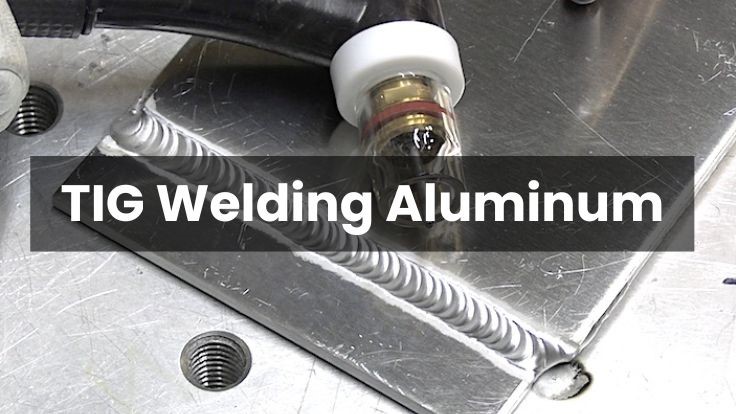
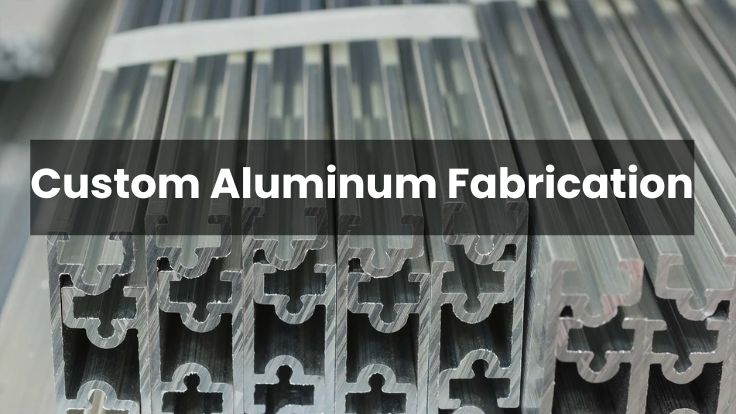
Custom aluminum fabrication has emerged to be a pillar of many industries in the contemporary era of innovation and design. Whether it is used in aircraft parts, buildings, or bridges, aluminum is utilized because of its power, ductility, and corrosion resistance. It does not just relate to getting aluminum but forming it to fit specific requirements. And that is where the notion of custom aluminum fabrication comes out on top, providing a tailor-made approach to the needs of industrial structures, as well as home interiors and exteriors.  Carbon steel is ideal because, in custom fabrication, you can get this kind of flexibility to customize it to address very particular needs, unlike standard metal parts, which are mass-produced with limited flexibility.  In the design and creation of architectural accents, machine enclosures, or custom furniture, aluminum represents the optimal combination of strength and workability. The steps include cutting, shaping, welding, and assembling items made of aluminum into products that look good and serve a purpose. As fabrication technology evolves and as the need to solve more personalized problems grows, citizens are specifically looking at the phrase: custom aluminum fabrication in my area to implement their ideas. As a company seeking reliable business signage or a homeowner with a design in mind, having an experienced custom aluminum fabricator will guarantee a solution to your project that fits your perception and lasts for years. This article talks in depth about the entire custom aluminum fabrication process, its advantages, its applications, and how to find the right partner for your next project. And it is time to enter the fantasy with metal is ready to meet your unique solution. What is Custom Aluminum Fabrication? In its simplest terms, custom aluminum fabrication is simply the design, cutting, and shaping of aluminum, its welding, and assembly into a complete product that can fit the specific needs of a client. This may be as simple bracket or even as complicated as machine pieces. Aluminum is used in these operations since it is light but strong, and does not rust or corrode. What makes aluminum great is that it is workable. It is malleable, can be welded and machined as well as bent easily. It makes it possible to be creative with structural as well as aesthetic use. Experienced personnel handle different tools and machinery to shape aluminum sheets or extrusions into useful products. Why Aluminum? It is also best to know why aluminum has been widely used in custom metalwork before discussing deeper into the:.Weak, yet Stable: Aluminum has a great ratio of strength and weight. These benefits have rendered the term aluminum custom fabrication as one of the options in many industries.  What is the meaning of the word Custom? The term custom is what is produced or created to suit an individual or a purpose, as opposed to something that is generally mass-produced or standard. Otherwise said, when something is custom, then it would be made in order to accommodate just what you require, or what you prefer, or what you would like to be made especially. Examples: Thus, when we speak of custom aluminum fabrication then the term custom underlines the fact that the pieces or products of aluminum are uniquely made to fit a specific customer or application, or design, hence being specific and tailor-made. The Fabricating Process Custom aluminum formation engulfs several distinct vital processes: 1. Design and Planning Clients will come with their idea or drawing, or applications. The fabricator analyses the specifications and recommends the most suitable form of aluminum and the procedure to be used. 2.  Cutting and Shaping Aluminum is cut into required shapes with the help of saws, lasers, or CNC machines. There is bending, forming so as to produce the precise structure or contour required. 3. Assembly and welding Special aluminum welding methods, such as the TIG welding technique, are used to join pieces. Close construction guarantees stability and beauty. 4. Finishing Touches The piece is finally sanded, polished, painted, or anodized ,depending on the look desired and protection. These treatments are value added, particularly to those aluminum products that were to be exposed to the elements or put on display, that would be branded as custom aluminum fabricated products. Common Applications There is hardly a limit to what may be produced using the help of custom aluminum fabricated products: When individuals are going to search on their search engine for custom aluminum fabrication near me, they are usually in need of a qualified local machine shop to execute these visions and turn them into a reality. Selecting The Right Fabricator Not every time is it easy to decide between the alternatives of choosing the custom aluminum fabricators. There are so many shops that would define themselves as freezing shops that it is very important to seek some qualities: Whenever you visit a search engine and type in custom aluminum fabrication near me, you should not consider only the distance. Check the abilities, feedback, and previous work of a shop to make sure that everything fits. Advantages of Going Custom Not being generic is not the only purpose of going custom; it has very real, practical benefits: That is why in the numerous industries, the concepts of custom aluminum fabrication put the money in the parts and installations that are needed. Aluminum vs. Other Metals in Custom Fabrication To select the materials in a fabrication project, it is important to have a background on which metal is better compared to others, and aluminum is not an exception. Metals bear specific characteristics that influence their applications in weight, strength, costs, and the usage they are suitable. This is a breakdown: Aluminum Aluminum is a lightweight material, resistant to rusting, and strong. It is commonly employed in fabrication works that require durability, but do not want the excess weight. It can also be easily cut, bent, and welde,d and this makes it an ideal material in custom aluminum fabrication. Besides, aluminum can be recycled completely and it also
Jak znaleźć najlepszych producentów aluminium w pobliżu?

Jak znaleźć najlepszych producentów aluminium w pobliżu?

Produkcja aluminium

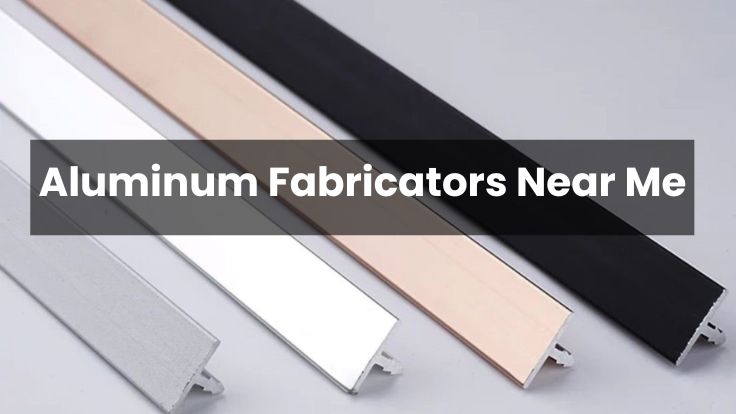
Aluminum fabrication is an important part of present-day construction, manufacturing, and design. In custom gates, machine frames or industrial panels, aluminium is durable, lightweight and resistant to corrosion. It is the most versatile metal in existence, and this flexibility qualifies it to be applied to thousands of uses- from small residential to large commercial projects. When someone uses the internet to find things like where to buy aluminum fabrication near me, one is likely going through local hence local professionals who can cut, form and craft an aluminum so that it fits a particular project. These facilities are offered as complete as the sheet cutting, extrusion to welding, finishing and installation. The ski lift manufacturers are very well trained in the method of working using various grades and thicknesses of aluminum so that there would be accuracy and strength in the end product. A great variety of finishes is also possible (power coating or anodising) to enhance aesthetics and performance in the fabrication process. Regardless of whether you are interested in functionality, beauty, or both, the solution is easy to find when browsing local results with a search for possibilities for aluminum fabricators near me. This article will guide you through all you ought to know about aluminum fabrication, the importance of local expertise and how to select the perfect aluminum fabricators near you when implementing your project or concept. What is Fabrication? Modern construction and development of products require the art of fabrication. It is the procedure that converts raw materials, particularly metals, into useful and tailor-made parts and structures. An insight into the Word Fabrication Fundamentally, fabrication can be described as the action of cutting, shaping, assembling and finishing raw material into a final product. Nevertheless, in contrast to mass production, where the same product is produced anyway, fabrication can be very individual and oriented towards a project. This is particularly so in the aluminum fabrication enterprise, where every piece may be required to be customised as far as strength, aesthetics, and fitting are concerned. The Reasons Aluminum Is Perfect for Fabrication The aluminum has been widely used in fabrication due to its low weight, strength, corrosion-resistant nature and versatility. It can be shaped into complex patterns, and yet it can be durable. This is why, when people want to find some aluminum fabrication, they may type in such a request as aluminum fabrication near me in a search. And people are usually interested in custom production to deal with architectural, industrial, or even artistic needs. The Important Processes in Aluminum Fabrication Aluminum fabrication involves some of the primary techniques, which are as follows: Welding: The joining of pieces with the help of heatCutting: Globally, cutting is done using lasers, pulsed jets or sand.Forming: Bending/rolling of aluminum to get favourable shapesFinishing: appearance, sandblasting, painting, coating, and protection. Apply finishing, such as sandblasting, painting, or coating, to complete the finishing. These procedures require skill, particularly those using aluminum, like aluminum fabricators who are well aware of the special characteristics of aluminum. Any faulty technique may ruin strength or appearance. The part of the local Aluminum specialists Proximity of services through local professionals has the advantage of being accountable and on-ground service. In case you have a time-sensitive or tailored task, you can find time to cooperate offline with the help of the search for the words: aluminum fabricators near me, as it will allow you to discuss the changes in design or even visit the shop. This helps you with faster delivery, enhanced communication and personalised outcomes. What Does Aluminium Fabrication Mean? Before proceeding to tips on how to get services in your local area, it is essential to get a clear picture of what the term aluminum fabrication means. In simple terms, aluminum fabrication involves forming, cutting and joining aluminum to complete the processing of making the finished goods or parts. These may include window frames and signs to sophisticated parts of industrial equipment. As opposed to generic metalwork, a person needs particular knowledge and tools to use in the process of aluminum fabrication. Aluminum is not the same as steel or copper; it is soft, and it is sensitive to heat. It implies that anyone cannot work with it properly. Experienced aluminum fabricators understand just how to manage these properties so as to guarantee long-term outcomes. The Reason to Select Local Aluminum Fabricators Near Me. On searching the term aluminum fabricators near me, you are not only seeking convenience, it is also the quality of work, communication and trust. There are various unique benefits of working with local experts. 1. Face-to-face communication: It is simpler to describe what you need face-to-face, and you can look at references or examples of the previous work.2. reduced turnaround: Local stores eliminate shipping time and delays.3. Convenience in working together: It is easier to make subsequent changes, modifications or follow-up with your fabricator so long as you are around. Above all, something that aluminum fabricators near me comprehend is your local regulations and climatic conditions that imply that they are able to advise on what finish or structural solution is best with regard to what is required where you live. Important Aluminum Fabrication Techniques An aluminum fabrication process encompasses a row of technical and precise operations of transforming aluminum dross into a practical structure or part. By searching the phrase, aluminum fabrication near me, you probably seek experts that provide a variety of such services at one location. Now, we can get acquainted with the most significant processes employed by the industry nowadays. 1. Cutting The initial stage in the fabrication process is cutting, which involves a reduction in aluminum sheets, tubes, or bars to the desired size. Laser, water jets, plasma cutters, and saws are some of the tools that enable fabricators to attain clean and precise cuts. Accuracy during this phase can be considered the key to success in the project, and there is no exception when it comes to the approach of professional aluminum fabricators. 2. Moulding

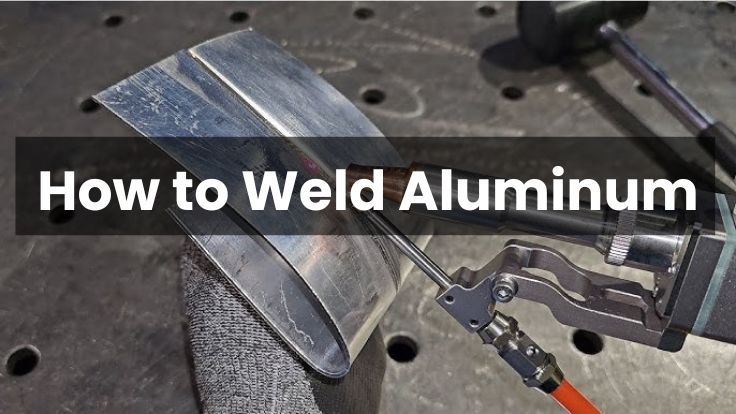
Jak spawać aluminium: Wskazówki, narzędzia i techniki

Jak spawać aluminium: Wskazówki, narzędzia i techniki

Spawanie aluminium

Aluminum is a common metal that has been used over the years due to its lightweight, resistance to corrosion, and strength properties and thus is vital in industries such as automobiles, aerospace, and construction. Nevertheless, the process of learning to weld aluminum is not as stripped down as when you are welding steel or iron. Interesting properties of aluminum like high thermal conductivity and easily formed protective oxide coating demand a special modus operandi and a delicate touch. Aluminum welding can be easily done, even by a novice, as long as you know the correct techniques, equipment, and safety measures.  This requires clean working surfaces, and suitable filler material, whereas the adjustment of equipment is vital.  Aluminum does not turn color before melting its position unlike steel, which makes it difficult to estimate the amount of heat needed. Moreover, it is soft, which is why it can bend or burn down fast unless manipulated properly. The question people frequently come up with is whether it is possible to weld aluminum amid simple, ordinary items associated with welding. Yes, but the result will be based on your preparation, practice, and adjusting of your ways. With TIG and MIG welding to more rare methods such as stick or oxy-fuel, there is a method fit for every task and job. You will find tips, tools, and the most common mistakes in this guide to help you get a firm footing in welding aluminum safely and efficiently. As you gain time and experience, you can make clear, good welds in aluminum no matter at a shop at home. What Is Welding Of Aluminum? A welding process is the joining together of two or more metal pieces of aluminum metal through heat and potentially filler material. It is generally adapted to an automotive company, aerospace industry, marine industry, and construction industries because aluminum is bone-light and does not easily scratch away Nevertheless, the subject of welding aluminum is more complicated as compared to welding steel. This is so because aluminum: What makes Welding Aluminum Different? Aluminum, as a metal, is quite different and before venturing into how to weld aluminum, it is important to establish what makes it unique. Unlike steel, aluminum also melts at a significantly lower temperature (approximately 660 C or 1220 F), and it does not alter in color before melting. This implies that it is prone to overheat and burn when not well handled. Moreover, when aluminum is out in the air, it instantly develops a thin film of oxide film. This layer of oxide melts at a temperature of greater than 2000 (close to 3700 ) so the weld has a hard time penetrating the weld. That is why aluminum welding usually should be carefully prepared and equipped.  Suggestions to a New Weld Aluminum by TIG Welding Welding aluminum using TIG welding is a good skill to have and it can be deceptive to an amateur. Through the proper procedure and preparation, you can achieve clean solid welds. Following are the five important tips, which can put you on the right path. 1. The Metal should be Cleaned Thoroughly During the time before welding, ensure the aluminum is clean. The oxide layer should be removed using a special stainless steel wire brush and then wiped down with acetone so as to clear oils or moisture. Aluminium is highly sensitive to contamination and a single spot of dirt or grease can well destroy your weld. Clean surfaces guarantee improved arc stability and firm bonds. 2. Put your machine in AC and balance it out When welding aluminum, it is always preferable to affect the process with alternating current (AC). AC offers penetration of the base metal and cleaning of the oxide film at the same time. Tune such a cleaning action by using your TIG balance control setting. Most aluminum work benefits by starting the setting at about 65 to 70 percent negative on the electrodes. The correct balance enhances the quality weld and less contamination. 3. Apply Proper Tungsten and Shape It in The Right Way To TIG weld aluminum the best electrodes are pure tungsten or lanthanated tungsten 2%. When compared to steel, the welding of aluminum needs a rounded or balled tip to sustain a stable arc unlike in the case of steel which employs a sharp tungsten tip. In the case where the arc becomes unstable or begins to wander, then it may be high time to regrind or change the tungsten. A well-ground electrode is a key factor in easing and precision of your welds. 4. Foot Pedal Controlled Heat Aluminum warms fast and retains warmth longer in comparison to steel. In excess, heat will result in burn-through or distortion. 1- A foot pedal will enable you to control the amperage during the welding process where you start hot to form a puddle and then back off as much as you want. This will allow you to have greater control of the weld pool and less risk of overheating because it happens to thinner materials. 5. Training on scrap before you weld your project Practice on scrap aluminum of the same type and size as used on the actual project before you start working on your project. This will make you accustomed to the heat control, filler rod technique, and the movement of the torch in order to achieve clean welds. Also, practice will make you confident and less likely to make expensive errors in your end piece.  6. The position of the hand counts as well You should rest your welding hand on the workbench or surface so that it has more control of it. Hold the torch straight in some backward direction in order to have a clear view of your journey. Do not angle too much as the welding pool will run and overheat the metal. The filler rod is fed with one hand; the torch is directed with the other, both without stopping but with no participation in each other. 7.

Odlewanie ciśnieniowe w zimnej komorze

Nowoczesne trendy w technologii odlewania ciśnieniowego w zimnej komorze

odlewanie ciśnieniowe, Producent odlewów ciśnieniowych, części odlewane ciśnieniowo

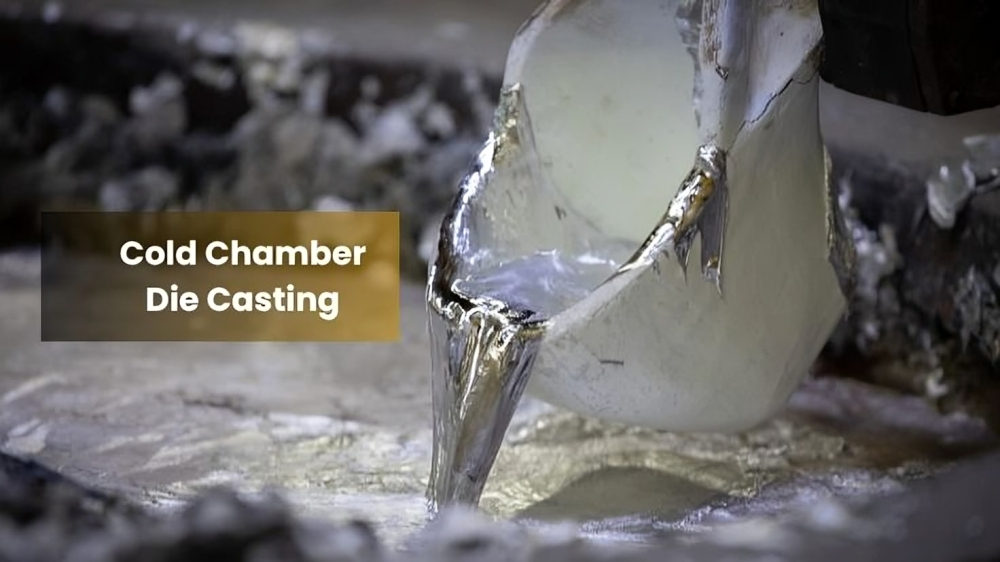
Cold Chamber Die Casting is a precision type of manufacturing technique applied in the manufacture of complicated metal components characterized by high levels of strength and precision. This process can best be used in metals having a high threshold of the melting point, like aluminum, brass, and copper alloys. Cold chamber die casting systems are not placed into molten metal like a hot chamber die casting system; instead, the metal is put into the cold chamber die casting machine by manually ladling metal into the cold chamber die casting machine after it is melted in another furnace. The arrangement wears less on the machine and uses alloys that are tougher. Among the important factors that make companies opt to use this method are the special cold chamber die casting advantages and disadvantages. It has top dimensional accuracy, smooth surface finishes, as well as long cycle times. Nevertheless, its strength and durability of the constituents are its favorites in the automotive, aerospace, and electronic markets. The difference between hot and cold chamber die casting is crucial to make the right choice of the process. Hot chamber die casting is more rapid and applied to metals of low-melting point, such as zinc, whereas the cold chamber die casting system is designed to handle higher temperatures and stronger metals. Manufacturers will also be able to manufacture long-lasting and reliable parts with this process that have a high degree of precision in their specifications. In the present article, we are going to discuss the principle of operation of cold chamber die casting, its main parts, the nature of the metal employed, and technological parameters of cold chamber die casting, including clamping force and cycle time. The cold chamber die casting advantages and disadvantages will also be considered to provide you with a full picture of this important manufacturing process. What is the Cold Chamber Die Casting? Cold Chamber Die Casting: A cold chamber die casting process is a metal casting process where molten metal is ladled either manually or automatically into a separate cold chamber outside the injection system. Thereafter, the metal is pushed with high pressure into a mold cavity, which causes the metal to cool and crystallize in the desired shape. It is usually applied to metal with a large melting point, like brass, aluminum, and copper alloys. The purpose of avoiding corrosion and thermal fatigue that can result in improper working of components of the injection system, unlike in the hot chamber die casting process, where the injection mechanism is suspended in molten metal, the cold chamber process keeps the injection facilities segregated. The application of the practice of the latter, i.e., Cold Chamber Die Casting, is especially advantageous, where the metals used would harm the components, contacting them. High pressure can be used in the injection process itself, and denser, stronger components with a brilliant surface finish and dimensional stability would be possible. Die Casting Process- Step by Step The object of the Cold Chamber Die Casting technique is to make highly accurate and hard metal parts that are frequently composed of alloys that have melt-points that are at high temperatures, such as aluminum and brass. Let us have a step-by-step breakdown of how it works: 1. The External Furnace is used to melt the Metal The process is similar to that of hot chamber casting except that the melting of metal is done in a separate furnace outside. This is required in that the molten metal in the cold chamber casting will cause a high level of heat to be experienced internally that cannot be handled. The metal is melted, after which it is able to be transferred into the casting machine. 2. Pouring the molten metal into the Shot Sleeve Thereafter, the molten metal is ladled into the shot sleeve in the die casting machine. This is manually done or arm-driven. The shot sleeve is a strong, resistant to heat tube into which the metal rests and is later injected. This should be taken very fast to prevent premature solidification. 3. Plunger forces the metal into the die. A steel plunger travels into the shot sleeve and presses the molten metal at high pressure in the die cavities. The force makes sure that the metal fills the mold even in any complicated pattern or with a very thin wall, and decreases the chances of any flaws, such as air pockets. 4. There is the Solidification of Metal within the Die When the mold is filled, the metal starts cooling and solidifying within the die. This solidification step is very important in coming up with a good and precise part. The cooling time is dependent on the part metal, part thickness, and die temperature. 5. The Brass Die and Ejector Pins Force-Out the Casting When the part has solidified, the clamping unit of the machine opens the die, and ejection pins force the casting out of the mold cavity. The portion is then moved to a cooler station or a trimming station. 6. Removal of Flash (Removal of Excess Metal) There is some over metal on the sides called flash that is around the edges of the casting where the halves of the die come together. This is then removed by mechanical trimming, grinding, or machining, depending on what the finish requires. This will prevent the final works from being below the intended shape and tolerance. 7. Die cycle reset and Lubrication The die is washed and greased before entering the next cycle in order to be of good quality and avoid sticking. When the oiling is done, the die is again clamped, and the machine is switched to reset for more cycles. 8. Quality Inspection and finishing This is a complete part that is checked to ensure quality defects do not exist, like cracks, shrinkage, or abnormalities on the surface. Depending on the end-use requirement of the part, it can be subjected to additional machining, surface treatment, or assembled (if required). Metals to be used in the

Odlewanie ciśnieniowe z gorącą komorą

Odlewanie ciśnieniowe z gorącą komorą: Głębokie spojrzenie na kluczowy proces produkcyjny

odlewanie ciśnieniowe

Odlewanie ciśnieniowe z gorącą komorą jest bardzo skutecznym procesem produkcyjnym, który jest bardzo szeroko stosowany do produkcji części metalowych z bardzo wysoką precyzją i doskonałym wykończeniem powierzchni. Jest szczególnie odpowiedni do odlewania metali o niskiej temperaturze topnienia, takich jak cynk, magnez i niektóre stopy zawierające ołów. Charakteryzuje się tym, że system wtryskowy jest zanurzony w stopionym metalu, dzięki czemu możliwe są szybkie czasy cyklu i ekonomia produkcji masowej. Jedno podobne miejsce porównania zawsze pojawia się, gdy rozważane są odlewy dotyczące odlewania ciśnieniowego w zimnej komorze w porównaniu z gorącą komorą. Chociaż obie są odmianami ciśnieniowego odlewania ciśnieniowego, różnią się tak bardzo pod względem konstrukcji, zastosowań i kompatybilności użytych materiałów. Przykładem jest odlewanie ciśnieniowe z gorącą komorą, które jest szybkim odlewaniem ciśnieniowym, w którym piec został zastąpiony maszyną. Wiąże się to z ograniczeniem metali o niższej temperaturze topnienia. Z kolei maszyny zimnokomorowe są bardziej odpowiednie do stosowania z cieczami o wysokiej temperaturze topnienia, takimi jak aluminium i mosiądz, ponieważ gorący metal nie ma bezpośredniego kontaktu z urządzeniem. Proces odlewania ciśnieniowego z gorącą komorą charakteryzuje się minimalnymi stratami materiału, niskimi kosztami pracy i produkcją złożonych kształtów o wysokich tolerancjach. Jest popularny w takich branżach jak motoryzacja, elektronika, hydraulika i produkty konsumenckie. Niemniej jednak decyzja o tym, czy zastosować odlewanie ciśnieniowe zimnokomorowe czy gorącokomorowe, zależy również od rodzaju użytego materiału i aspektu projektu części. W artykule przeanalizowano ważne szczegóły dotyczące odlewania ciśnieniowego z gorącą komorą, jego części, materiały, opis procesu, ograniczenia i powody, dla których jest to istotny proces we współczesnym przemyśle wytwórczym. Czym jest odlewanie ciśnieniowe z gorącą komorą? Odlewanie ciśnieniowe z gorącą komorą to technika odlewania metali, w której stopiony metal jest wtryskiwany do wnęki formy pod wysokim ciśnieniem. Unikalną częścią tej metody jest miejsce, w którym umieszczony jest mechanizm wtryskowy: Trafia on bezpośrednio do stopionego metalu. Czas cyklu i wydajność produkcji są wysokie w tej konfiguracji, szczególnie w przypadku metali o niskiej temperaturze topnienia, takich jak cynk, magnez i niektóre stopy ołowiu. Gorąca komora. Nazwa opisuje gorącą komorę systemu, ponieważ mechanizm wtrysku (tłok i gęsia szyja) jest w stałym kontakcie (wypełniony) z obszarem stopionego metalu. Gdy tłok opada, ściska stopiony metal przez gęsią szyjkę do wnęki matrycy. Gdy metal zastyga, forma otwiera się i część jest wyrzucana, a proces ten jest powtarzany niezliczoną ilość razy. Proces odlewania ciśnieniowego z gorącą komorą Proces odlewania ciśnieniowego z gorącą komorą jest procesem o wysokiej precyzji i szybkości produkcji wykorzystywanym w produkcji części metalowych, gdzie dokładność narzędzia jest bardzo ważna, z doskonałym wykończeniem powierzchni. Jest najbardziej odpowiedni dla stopów o niskiej temperaturze topnienia; cynk, magnez i ołów są przykładami stopów o niskiej temperaturze topnienia. Jego główne cechy to krótki czas cyklu i duża wydajność materiałowa. Proces ten jest szeroko stosowany w produkcji różnych produktów, głównie w przemyśle motoryzacyjnym, elektronicznym, AGD i sprzętowym, ze względu na możliwość łatwego tworzenia skomplikowanych końcówek w przystępnej cenie za sztukę. Proces odlewania ciśnieniowego w gorącej komorze jest wymieniony poniżej w sposób stopniowy: Proces odlewania ciśnieniowego z gorącą komorą - przegląd krok po kroku 1. Metal jest topiony Rozpoczyna się od formowania stopionego metalu (zwykle cynku lub magnezu) we wbudowanym piecu maszyny odlewniczej. Stopiony metal jest utrzymywany w stałej temperaturze w metalowym garnku, który jest bezpośrednio podłączony do maszyny odlewniczej. To niekończące się dostarczanie ciepła zapewnia ciągłość procesu odlewania. 2. Proces napełniania systemu wtryskowego W systemach z gorącą komorą znajduje się część stopionego metalu z zanurzoną częścią elementu znanego jako gęsia szyja. Tłok, który porusza się wewnątrz cylindra wtrysku, jest odciągany do tyłu do pozycji, w której stopiony metal może tryskać w dół do gęsiej szyjki do otworu wlotowego wtrysku. Następnym krokiem będzie wstrzyknięcie tego metalu do wnęki matrycy. 3. Wtrysk stopionego metalu Po napełnieniu gęsiej szyjki tłok jest popychany do przodu przez ciśnienie hydrauliczne lub pneumatyczne, które wtłacza stopiony metal przez kanał gęsiej szyjki do gniazda formy (zwanego również matrycą). Odbywa się to z dużą prędkością i ciśnieniem, aby upewnić się, że wnęka jest całkowicie wypełniona, zanim metal zacznie twardnieć. 4. Odlewanie i krzepnięcie w formie Gorący metal w matrycy jest szybko schładzany przez stosunkowo zimną stal formy. Krzepnięcie trwa kilka sekund, w zależności od rozmiaru i złożoności części. Na tym etapie kanały chłodzące matrycy pomagają w usuwaniu ciepła, aby zapewnić, że prędkość cyklu nie zostanie zmniejszona i uniknie się wad, takich jak skurcz lub porowatość. 5. Wyrzucanie i otwieranie formy Po zestaleniu metalu, połówki matrycy są otwierane. System wypychacza jest umieszczony na ruchomej połowie formy i działa pod wpływem siły za pomocą sworzni wypychacza i wypycha gotowy odlew z gniazda. Zapewnia się, że część może wyjść bez uszkodzenia podczas wyrzucania. 6. Operacja wtórna i przycinanie Po wyrzuceniu element może zawierać dodatkowy materiał zwany błyskiem, prowadnicami lub wlewami. Są one przycinane ręcznie lub automatycznie. Część może być dalej przetwarzana w zależności od zastosowania, takiego jak wykańczanie powierzchni, obróbka skrawaniem lub powlekanie. 7. Powtarzanie cyklu Maszyna oczyszcza się i czyści do ponownego użycia. Odlewanie ciśnieniowe z gorącą komorą charakteryzuje się tak krótkim czasem cyklu, czasami tworząc kilka gotowych części w zaledwie 10 do 20 sekund, w zależności od złożoności i wielkości części. Czas cyklu i wydajność Szybkość jest największą zaletą procesu gorącej komory. Maszyny gorącokomorowe. W przeciwieństwie do odlewania ciśnieniowego w zimnej komorze, gdzie metal musi być kadzi

Niestandardowa produkcja blach w nowoczesnych gałęziach przemysłu

Niestandardowa produkcja blach w nowoczesnych gałęziach przemysłu

odlew aluminiowy

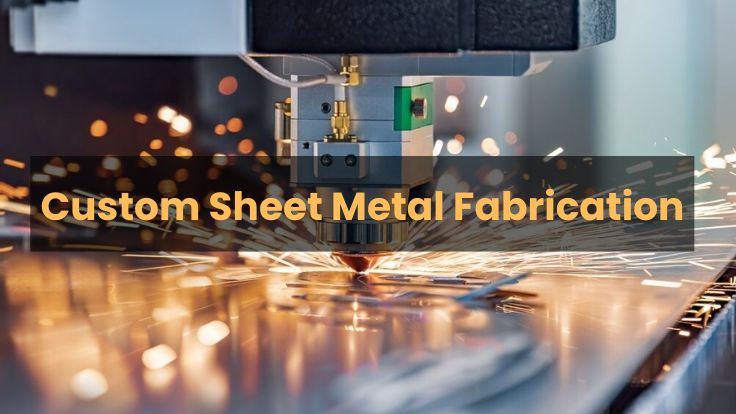
Custom sheet metal fabrication is now an activity that has established manufacturing industries in a variety of categories in the modern face of manufacturing. Whether in the form of cars and electronics, construction and healthcare, fabricated metal components play an essential role in the design, operation and durability of the enormous variety of products. It entails the sheet metal being cut, bent, shaped and assembled, based on specifications to fit the match, and manufacturers can make highly customised, durable and efficient parts. Among the most important industries that depend on this capacity is the automotive industry, in cases where the so-called custom automotive sheet metal fabrication will guarantee the production of high-performance body panels, supporting structure, and engine components. Such components should also have high standards in terms of weight, strength, and safety; hence, precision and customisation are essential. More and more foreign companies are resorting to the services provided by more advanced manufacturers like the car sheet metal fabrication in China because of favourable cost rates. Chinese manufacturers provide comprehensive services using advanced CNC equipment and short production schedules, which makes they useful partners in the global supply chain. Along with cars, the fabrication of sheet metal is a vital aspect in such areas as the aerospace industry, electronics, medical equipment, and the food processing industry. Such industries require great tolerances, corrosion resistance, and customised surface finishes, all of which can be provided by sheet metal fabrication. In this article, we are going to look at the complete range of this discipline, beginning with classic methods to the state of the art automation, mainly concentrating on automotive uses and the contribution of leading world actors, such as China. What is Custom Sheet metal fabrication? The term custom sheet metal fabrication is used when it comes to designing and manufacturing metal members or structures that can meet the specific needs of a particular project. In contrast to the mass-produced components, custom fabrications take unique solutions to specific sizes, materials and applications. This fabrication incorporates laser cutting, water jet cutting, punching, welding, forming and finishing of the surface. The most common ones are stainless steel, aluminum, galvanized steel, copper, and brass, among others, all selected due to their strength, conductivity, corrosion, and weight requirements. Manufacturers and engineers work hand in hand to make sure that all specifications are followed to the micrometre. Main Items in the Process 1. Design and Prototyping: A digital blueprint is sketched with the aid of CAD (Computer-Aided Design) software. Prototypes are frequently manufactured in order to run tests on how they work before large-scale production can commence. 2. Cutting and Shaping: The metal sheet is precisely shaped by using high-precision cutting tools to give very little tolerance. 3. Bending and Forming: The Sheet is curved to form complex shapes by bending and forming equipment, which includes press brakes. 4. Welding and Assembly: There are various parts which are assembled through TIG welding, MIG welding or spot welding. 5. Finishing: Finishing processes such as powder coating, polishing or anodising increase strength and aesthetics. Custom Automotive Sheet Metal Fabrication Rise  The Rise of custom automotive sheet metal fabrication began in the late nineteenth century, which saw the birth of the automobile industry. This period saw many people lose their lives and even more become injured by automobile accidents. This again led to the production and use of automobile insurance as a solution to automobile accidents. Precision and customization are vital in the car manufacturing business.  The custom automotive sheet metal fabrication is a significant element in the production of car body panels, chassis parts, heat shields, as well as engine enclosures. Such parts should be of high safety rating, aerodynamic, and aesthetically pleasing. Customisation gains significant relevance in the performance car, restoration car, electric car, and luxury vehicle production. The engineers may also need some special structural bracing or a project in terms of aerodynamic panels, which cannot be produced by general mass production. The benefits of the exercise of best sheet metal car fabrication are that: Common Materials in Sheet Metal Fabrication One most crucial decisions of the custom sheet metal fabrication is the choice of material. Whether it is carbon steel or stainless steel, it traverses all the aspects, including strength and corrosion resistance and even weight and workability. Knowing the nature of widely used metals enables an engineer to make a wise decision to maximise the efficiency and economic gains. Aluminium: Extremely Light and Non-Corrosive Aluminum is the most common material that is used in fabrication custom sheet metal. It is perfect for aerospace, electronic, and transport application materials because of its inherent corrosion resistance, easy weight, and good formability. It is also a highly conductive material, such that it can be used in enclosures and parts that radiate heat. As per the custom automotive sheet metal fabrication, aluminium is frequently used in the body parts and as a heat deflector to lighten the weight of the vehicle, without compromising its strength. Stainless Steel: Strong and Clean Stainless Steel  The strength of stainless and the fact that stainless is non-corrosive an attributes of the material. It is mainly utilized in food grade, medical and architectural applications where cleanliness and strength are important. Stainless steel may be specified in use of products that are under severe conditions of weather or that need a high-end finish in the custom sheet metal fabrication services. It is resistant to the effects of chemicals, water or high temperatures, hence its common use in many industries. Cold Rolled Steel: Versatile, Tough and Economical In the field of sheet metal custom fabrication, cold rolled steel (CRS) can be a common decision in construction when tight tolerances and a smooth surface are needed. It is cheap to weld or machine. Although it is likely to rust when not coated, it can be applied in buildings or painted. CSR is mostly applied in the cabinet, brackets, as well as enclosures in numerous industries such as the automotive industry, the construction industry and consumer

Odlewanie aluminium w piasku

Kompleksowa analiza techniczna odlewania aluminium w nowoczesnej produkcji

odlew aluminiowy

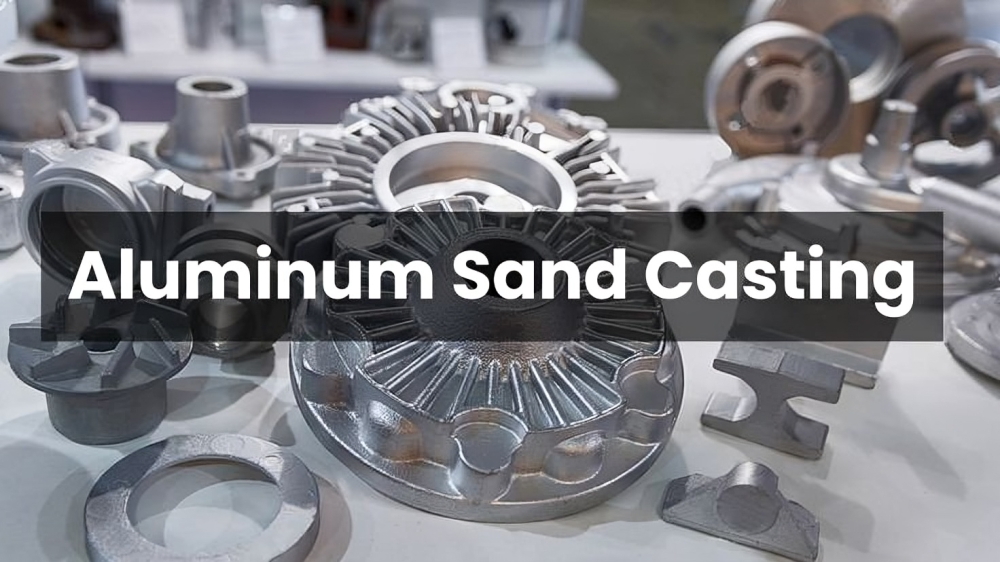
Aluminum sand casting is one of the oldest and most versatile metal casting processes, widely used in modern manufacturing to produce complex, durable, and cost-effective components. Aluminum Sand casting Manufacturers can generate complex geometries with intricate features that would have otherwise been either impractical or unprofitable to machine out of solid material through pouring molten aluminum into prepared sand molds. This method is especially suitable in low to medium-volume production, prototyping, and high structural castings on applications spanning the aerospace, automotive, defence, and energy industries. The most interesting about the sand-casting aluminum is that it is both flexible and functional. Aluminum has a very good strength versus weight, corrosion resistance, and recyclability, and thus makes it an excellent casting material. Together with the thermal resistance of sand and its high moulding capability, the process provides scalable production capability with excellent dimensional accuracy. Pattern design, the makeup of the mold, the quality of the melt, and gating design are key factors to the success of every casting. An excellent foundry of aluminum sand castings has to control not only the classic facts in metal technology but also touch on innovations in the processes. The current facilities apply the latest technology to prevent defects and ensure the best performance of the casting by using 3D sand printing, simulation software, and real-time process monitoring. Precision-engineered and casting aluminum parts are now capable of meeting stringent engineering standards for safety, tolerance, and durability. As demand grows for complex components with faster lead times and lower environmental impact, professional aluminum sand casting services must continue evolving. This article goes into the technical ins and outs of the process itself, its engineering workflow, materials, challenges, innovations, and so on. The Fundamentals of Aluminum Sand Casting At its core, aluminum sand casting involves pouring molten aluminum into a sand mold cavity, which is shaped by a pattern that replicates the final part’s geometry. When the aluminum solidifies, the sand mold is shaken off, leaving the cast piece. The process also has an outstanding dimensional flexibility and scalability capability in high-mix low-volume manufacturing conditions. The process is based on the use of a non-permanent mould, sand, that may be recycled and re-utilized, minimizing the waste of materials and expenses. Sand molds most commonly consist of silica sand with a binder added, and the nature of the binder system generally influences considerably the resulting surface finish, dimensional accuracy, and rate of cooling. The process of Flow in the Engineering of Sand Casting Aluminum Sand casting aluminum is an engineering process that consists of a set of accurately calibrated activities that aim at transforming raw aluminum into specific, well-built, and accurately dimensioned parts. Both the material and mechanical expertise are required to be in-depth to make all of the stages of the process successful. The following is a step-by-step analysis of the way in which sand casting of aluminum is implemented professionally and technically. 1. Pattern Design and making In the sand casting aluminum process, the initial step is designing and manufacturing the pattern, a physical copy of the final casting. The allowances that must be included in patterns are rather critical, such as shrinkage, draft, and machining stock. As aluminum contracts, during cooling patterns are laid out a little bigger than the finished component. The shrinkage rate of aluminum alloys is normally applied at 1.3 per cent; however, depending upon the alloy and the conditions of cooling, it may vary. Vertical portions of moulds are given draft angles, normally a few degrees between 1 and 3, to ensure that the pattern can be removed easily in the sand mold, being careful not to destroy the cavity. Additional allowances (machining allowances) are included such that there is no adverse interaction between the post-processing and the final part. Patterns may be made out of wood, metal, resin, or even 3D-printed polymer materials, depending on the accuracy demands and the needs of the production volume. 2. Mold Making (Molding and Core Setting) After preparing the pattern, the mold is to be prepared. For the sand cast, aluminum mold, there are two separate halves: the cope (upper half) and the drag (lower half). They are produced by stuffing the sand around the mold in a flask. Depending on the application, the sand is generally silica-based and is amalgamated with binders such as clay (green sand) or chemical resins (no-bake sand). In case the part design has internal space and hollow parts, it necessitates the use of sand cores. They are placed in the mold cavity, after which the metal is poured. Cores can be fabricated using core boxes, and in precision production, they can be printed with greater precision using 3D sand printing. The exact footprint of the core is very important in order to have a rigid structure and adherence to the final part dimension. 3. The Design of the Gating System The timeliness and effectiveness of the gating system formed are significant towards the success of the process of sand casting aluminum. This system consists of a pouring basin, sprue, runners, and gates, which coerce the impounded aluminum into the involvement of the mold. Adequate gating will prevent a lot of turbulence, minimize airlock, and also make sure that there is an even fill. Risers (alternatively called feeders) are also required, and these can be seen as a reservoir of molten metal that offsets the direction of shrinkage that comes after solidification. Casting simulation software is usually utilized by engineers to study and optimize the gating and riser systems. Prediction takes place by using simulation tools such as MAGMASoft or ProCAST so that typical defects such as cold shuts, misruns, and shrinkage porosity can all be corrected virtually before any production takes place. 4. Cu Melting and Metal Treating Aluminum is usually melted by a reverberatory furnace, a crucible furnace, or an induction furnace, and the choice depends on the batch volume, alloy needs, and the amount of energy needed. The melting temperature of pure aluminum is about 660 degrees

Spawanie aluminium metodą TIG

Spawanie aluminium metodą TIG: Kompleksowy przewodnik techniczny

odlew aluminiowy

Spawanie aluminium metodą TIG jest powszechnie uważane za jeden z najbardziej wymagających technicznie procesów w dziedzinie spawania. Podczas pracy z aluminium, metalem charakteryzującym się niewielką wagą, odpornością na korozję i wysoką przewodnością, pojawia się zestaw niespotykanych dotąd problemów, które tak bardzo odróżniają go od stali czy stali nierdzewnej. Niewłaściwe obchodzenie się z aluminium może spowodować, że naturalna warstwa tlenku zapewni słabą, porowatą lub w inny sposób niepożądaną strukturalnie spoinę ze względu na naturalny poziom tlenku, niską temperaturę topnienia i zdolność do pochłaniania wodoru. Dlatego też proces TIG (Tungsten Inert Gas) lub proces spawania łukiem wolframowym (GTAW) jest procesem wybieranym przez przemysł w przypadkach, gdy precyzja, estetyka i integralność spoiny są głównymi czynnikami. Obejmuje to zachowanie materiałów, wybór sprzętu, wybór gazu osłonowego, przygotowanie złącza i metody rozwiązywania problemów, choć duży nacisk zostanie położony na kontrolę jakości i powtarzalność. Ponadto w artykule szczegółowo opisano, jak prawidłowo wybrać i obsługiwać spawarkę tig do aluminium, zarządzać różnymi rodzajami spawanych części aluminiowych i tworzyć spójne, wolne od wad złącza podczas próby spawania aluminium TIG. Na koniec czytelnik będzie miał dogłębną wiedzę na temat tego, jak stworzyć dobry, czysty, strukturalnie dobrze wyglądający aluminiowy zespół spawany metodą tig, zgodnie ze standardami branżowymi w przemyśle lotniczym, motoryzacyjnym, morskim, a także w przemyśle wytwórczym. Niniejszy artykuł omawia naukę, metody i praktyczne aspekty spawania aluminium metodą TIG. Jest on przeznaczony dla ekspertów i osób przeszkolonych technicznie, które chcą poszerzyć swoją wiedzę na temat spawania aluminium w procesach wysokowydajnych lub przemysłowych. Czym jest spawanie aluminium metodą TIG? Spawanie aluminium metodą TIG odnosi się do procesu łączenia elementów aluminiowych za pomocą spawania gazem obojętnym wolframu (TIG), znanego również jako spawanie łukiem wolframu gazowego (GTAW). W tym przypadku łuk elektryczny jest generowany przez nietopliwą elektrodę wolframową, a aluminiowy metal podstawowy i pręt wypełniający są topione w osłonie gazu obojętnego, zwykle argonu. Ponieważ aluminium ma wysoką przewodność cieplną, niską temperaturę topnienia i warstwę tlenku o wysokiej temperaturze topnienia, spawanie aluminium ma unikalne zabarwienie, a suszenie musi być wykonywane ostrożnie. Spawanie metodą TIG umożliwia kontrolę ilości wprowadzanego ciepła i jeziorka spawalniczego, co oznacza, że doskonale sprawdza się w przypadku cienkich materiałów, zaawansowanych podzespołów i innych wysokowydajnych zastosowań. Między innymi przemysł lotniczy, motoryzacyjny i morski wykorzystuje spawanie TIG do produkcji odpornych, niekorozyjnych i estetycznie wyglądających filmów spawalniczych. Skuteczne “spawanie aluminium metodą TIG” wymaga umiejętnej techniki, odpowiedniego sprzętu i starannego przygotowania powierzchni, aby zapewnić integralność i wytrzymałość spoiny. Dlaczego spawanie aluminium metodą TIG? Spawanie łukiem wolframowym (GTAW), znane również jako spawanie metodą TIG (Tungsten Inert Gas), jest idealną techniką do stosowania tam, gdzie wymagana jest precyzja, kontrola i doskonały wygląd. Oferuje niezrównaną kontrolę nad ilością ciepła wejściowego, dzięki czemu spawacze mają możliwość kontrolowania płynności jeziorka spawalniczego aluminium. Spawanie TIG, gdy jest stosowane z aluminium, jest dość wygodne głównie dlatego, że: Spawanie aluminium wymaga lepszego zrozumienia jego właściwości fizycznych i chemicznych, które znacznie różnią się od innych powszechnie stosowanych metali. Poniżej przedstawiono kluczowe wyzwania związane ze spawaniem aluminium metodą TIG. 1. Bardzo wysoka przewodność cieplna Aluminium przewodzi ciepło 5 razy lepiej niż stal. Oznacza to, że ciepło szybko rozprasza się ze strefy spawania, wymagając wyższego natężenia prądu podczas próby spawania aluminium metodą TIG, zwłaszcza w przypadku grubych materiałów. Jeśli nie zostanie to zrobione najlepiej, może skończyć się wtopieniem szczeliny lub nieregularnym wtopieniem spoiny. 2. Problemy z warstwą tlenku Gdy powierzchnie aluminiowe są wystawione na działanie powietrza, warstwa tlenku (niezawodnie przylegająca) tworzy się natychmiast i jest cienka. Warstwa ta topi się w temperaturze około 2050 °C, czyli znacznie powyżej temperatury topnienia aluminium, która wynosi 660 °C. Spawanie metodą TIG, gdy używany jest tryb AC, pomaga w rozbiciu tej warstwy, ale ważne jest również, aby wykonać wstępne czyszczenie w celu uzyskania wysokiej jakości aluminium spawanego metodą TIG. 3. Podatność na porowatość wodorową Wodór łatwo absorbuje się w stopionym aluminium, co może powodować porowatość lub pęknięcia podczas chłodzenia. Olej, wilgoć lub brudne pręty wypełniające były źródłem zanieczyszczeń, które powodowały przedostawanie się wodoru do jeziorka spawalniczego. Prawidłowe czyszczenie i stosowanie suchych prętów wypełniających są niezbędne, aby uniknąć wad w spawanych elementach aluminiowych. Techniczna tabela podsumowująca spawanie aluminium metodą TIG Oto kompleksowa tabela techniczna podsumowująca kluczowe aspekty spawania aluminium metodą TIG, w tym parametry spawania, rodzaje spoin, typowe wady i sposoby radzenia sobie z nimi. Tabela ta łączy w sobie pomysły zawarte w artykule, jest oryginalna i wysoce techniczna. Kategoria Szczegóły techniczne Zalecenia / parametry Materiał podstawowy Stopy aluminium od 1xxx do 6xxx są najczęściej spawane metodą TIG Oczyść wszystkie powierzchnie przed spawaniem; unikaj 7xxx ze względu na wysoką wrażliwość na pękanie Główny proces Spawanie aluminium metodą TIG prądem przemiennym (AC) Użyj inwertorowej metody TIG z balansem prądu przemiennego, startem wysokiej częstotliwości i stabilną kontrolą łuku Główne słowo kluczowe Spawanie aluminium metodą tig Użyj odpowiedniego balansu prądu przemiennego i natężenia; Zoptymalizuj kontrolę kałuży i osadzanie wypełniacza Typ elektrody 2% Lantanowany lub cerowany wolfram (1/16″, 3/32″ lub 1/8″) Zaostrz do ściętego czubka lub końcówki kulistej (dla AC), w zależności od zastosowania Gaz osłonowy Argon o wysokiej czystości (99.99%) Natężenie przepływu: 15-20 CFH; dodaj hel w przypadku grubszych materiałów lub głębszego wtopienia Pręty wypełniające ER4043, ER5356 Dopasuj wypełniacz do stopu bazowego i zastosowania (ER5356 dla wytrzymałości, ER4043 dla odporności na pękanie) Rodzaje spoin Doczołowa, Zakładkowa, T, Narożna Konstrukcja z małymi szczelinami (~1/16”) i pozwalająca na rozszerzalność cieplną Przygotowanie spoiny Odtłuścić + szczotka druciana ze stali nierdzewnej Bez dotykania po czyszczeniu; Usunąć warstwę tlenku przed spawaniem Technika palnika Krótka długość łuku (<1/8”), kąt przesuwu 10-15° Utrzymywać spoiwo poza stożkiem łuku, aby zapobiec utlenianiu Ustawienia natężenia 1 amper na 0.001” dla większości zastosowań z cienkim i średnim aluminium Częstotliwość AC Kontroluje skupienie łuku 120-200 Hz dla czystego, wąskiego łuku przy spawaniu cienkich części aluminiowych Balans AC 70% EN / 30% EP typowy Dostosuj w kierunku więcej EN dla głębszej penetracji; więcej EP dla czyszczenia tlenku Wskazówka: Należy upewnić się, że spawarka tig do aluminium jest prawidłowo skalibrowana.

Wysokociśnieniowy odlew aluminiowy

Producent aluminiowych odlewów wysokociśnieniowych i IATF 16949

odlew aluminiowy

Modern manufacturing uses aluminium high-pressure die casting to make parts that are strong, light, and have many complex shapes. The reason automotive, aerospace, telecommunications, and consumer electronics all use it is that it can do both mass production and create very accurate pieces. Because the demand for quality aluminium high-pressure die-cast parts keeps increasing, it is important to deal with a well-known and certified supplier. In this area, the IATF 16949 certification is very important because it is a respected quality management standard used worldwide in the automotive industry. Such certification guarantees that quality control, proper risk handling, and continuous improvement are used during every stage of manufacturing. A certified aluminum die-casting and ISO 16949 company demonstrates its commitment to consistent product quality and customer satisfaction. Being a high precision die casting manufacturer and ITAF 16949 means meeting rigorous international standards and having the processes in place to minimize defects, enhance production efficiency, and ensure complete traceability of components. They can meet Tier 1 suppliers and OEMs by delivering components that exactly follow the business’s specifications. In addition, complying with aluminum die casting and 16949 standards means a manufacturer can meet expectations worldwide, mainly in areas where it is important to focus on safety and secure performance. Working with a suitable aluminium die casing partner that has IATF 16949 certification benefits your products, helps cut costs in the future, and strengthens the links in your supply chain. This article looks into how an aluminium high-pressure die casting manufacturer follows the IATF 16949 standard and its role. Aluminium High Pressure Die Casting  Aluminium high-pressure die casting helps make metal parts that are accurate in shape and have a perfect non-porous surface. When molten aluminium is injected into a steel mold at high pressure, it makes it possible to quickly fabricate complex parts and reduces later processing steps. Because it is strong and light, aluminium is widely used in many industries. The products made from this process are commonly seen in cars’ engines, housings, and brackets. For any aluminum die-casting and ITAF 16949 certified operation, maintaining the integrity of this process is vital to both quality and compliance. How IATF 16949 Helps in Die Casting? IATF 16949 is an international standard made for cars, and it uses quality management to ensure the reliability of products and their processes. Continuous development, prevention of quality issues, and lowering waste in the supply chain are the main elements of the system, which was created by the International Automotive Task Force. For manufacturers engaged in aluminum die-casting and ISO 16949 certification, certification is not just a regulatory requirement; it’s a badge of trust. It guarantees that the manufacturer follows quality rules that are respected everywhere. Besides, since IATF 16949 matches ISO 9001, it ensures full and proper quality management. Why is aluminium used in High Pressure Die Casting? Die casting benefits a lot from aluminium due to its ability to resist corrosion, its strong thermal conductivity, and being lighter than other metals like steel and brass. Because of these qualities, this material is suitable for cars since both light weight and performance depend on fuel efficiency. An IATF 16949 certification shows that all of these benefits are achieved by the business. For instance, manufacturers focusing on “high precision die casting manufacturer and ISO 16949 standards can assure customers of consistent product performance and minimal variance in production. What Makes an Aluminium Die Casting Manufacturer Reliable? Selecting a competent manufacturer is very important for firms doing aluminium die casting. A manufacturer should not only have the necessary know-how but also follow all quality standards. These are some of the essential traits you should notice: Using Precision in Die Casting Good die casting depends mostly on precise engineering. It confirms that components follow the tight guidelines of both dimensions and performance. Manufacturers who identify as high precision die casting manufacturers and ITA 16949 go to great lengths to implement exacting standards across the design and production cycle. Because of CAD/CAM software, quality inspection, and automated processes, production is kept as close as possible to the specific requirements. For applications like transmission housings, electronic enclosures, and important car components, the exactness needed is very important. Why Managing Quality Is Important? A well-structured quality management system (QMS) makes it possible to produce the same quality goods all the time. In the aluminium die casting industry, following the principles of IATF 16949 gives a way to control processes, reduce risks, and improve constantly. By following IATF 16949, a high precision die casting manufacturer and itaf 16949 ensures not only quality but also traceability and accountability. Everything is checked and confirmed along the supply chain to lower the chances of issues and defects. Below is a detailed and professional table that outlines key aspects of Aluminium High Pressure Die Casting Manufacturer and IATF 16949, integrating relevant information across different categories such as process, benefits, certification, and industry relevance. This table is ideal for use on a website, brochure, or presentation. Aluminium High Pressure Die Casting & IATF 16949 – Comprehensive Overview Category Details Manufacturing Process Aluminium is melted and injected into a steel mold under high pressure, producing complex shapes with excellent dimensional accuracy. Key Material Used Aluminium alloys (e.g., A380, ADC12, AlSi10Mg) are known for their strength, light weight, and thermal conductivity. Application Industries Automotive, Aerospace, Electronics, Industrial Equipment, Telecommunications, Consumer Goods. Advantages of Aluminium Die Casting – Lightweight components- High strength-to-weight ratio- Excellent surface finish- High-volume efficiency- Corrosion resistance Importance of Precision Tight tolerances and fine details can be achieved, ideal for engine parts, housings, connectors, brackets, and structural components. What is IATF 16949? A global quality management standard for the automotive industry, based on ISO 9001 with additional requirements specific to auto manufacturing. Benefits of IATF 16949 Certification – Consistent product quality- Risk-based thinking- Defect prevention- Better customer satisfaction- Competitive advantage Why Certification Matters Ensures traceability, standardized procedures, regulatory compliance, and ongoing performance improvement. Target Clients OEMs, Tier 1 & Tier 2 automotive suppliers, industrial system designers, and

Uchwyt kolumny nawilżacza wrzeciona do zbieracza bawełny John Deere

odlew aluminiowy

W świecie nowoczesnego rolnictwa wydajność i niezawodność mają kluczowe znaczenie. W przypadku plantatorów bawełny korzystających z podbieraczy bawełny John Deere jednym z często pomijanych, ale istotnych elementów jest uchwyt kolumny nawilżacza wrzeciona. Ta niewielka, ale istotna część odgrywa kluczową rolę w zapewnieniu wysokiej wydajności zbioru, mniejszego zużycia wrzecion i stałej jakości bawełny. Co to jest uchwyt kolumny nawilżacza? Uchwyt kolumny nawilżacza wrzeciona jest strukturalnym elementem wspierającym, zaprojektowanym w celu zabezpieczenia systemu nawilżania wrzeciona na miejscu. W zbieraczach bawełny, takich jak John Deere 9976, 9996 i nowsze modele CP690, system nawilżania wrzecion zapewnia ciągłe smarowanie i czyszczenie obracających się wrzecion podczas pracy. Uchwyt kolumny utrzymuje podkładki nawilżające i dysze natryskowe w prawidłowym położeniu, umożliwiając precyzyjny kontakt z wrzecionem. Kluczowe funkcje: Dlaczego ma to znaczenie przy zbiorze bawełny Zbieracze bawełny pracują w wymagającym środowisku. Kurz, resztki roślinne i lepkie soki mogą szybko obniżyć wydajność wrzeciona. System nawilżania wrzeciona zwalcza ten problem, doprowadzając wodę lub roztwór nawilżający do wrzecion, utrzymując je w czystości i chłodzie. Zużyty lub źle ustawiony uchwyt kolumny może prowadzić do: Wymiana lub modernizacja uchwytu kolumny nawilżacza wrzeciona w ramach regularnej konserwacji to prosty sposób na uniknięcie tych problemów. Rolnicy i zespoły zajmujące się konserwacją sprzętu mogą wybierać między częściami OEM (Original Equipment Manufacturer) a częściami zamiennymi. Części OEM firmy John Deere gwarantują kompatybilność i długoterminową trwałość. Często jednak dostępne są również wysokiej jakości części zamienne: Wybierając zamiennik, należy zawsze sprawdzić numer części i upewnić się, że pasuje on do posiadanego modelu podbieracza. Kompatybilność ze zbieraczami bawełny John Deere Uchwyt kolumny nawilżacza wrzeciona jest zwykle używany w modelach takich jak: W celu potwierdzenia dopasowania należy zawsze zapoznać się z instrukcją obsługi urządzenia lub z dostawcą. Wskazówki dotyczące konserwacji zapewniające długotrwałą wydajność Aby zmaksymalizować żywotność układu nawilżania wrzeciona: Proaktywna konserwacja może wydłużyć żywotność całego systemu nawilżania i ograniczyć kosztowne przestoje w szczycie sezonu zbiorów. Gdzie kupić uchwyty kolumn nawilżacza wrzecionowego Wysokiej jakości uchwyty kolumn nawilżacza wrzecionowego do zbieraczy bawełny John Deere są dostępne w następujących sklepach: W przypadku nabywców międzynarodowych należy upewnić się, że dostawca zapewnia części z certyfikatem ISO, oferuje niezawodne opcje wysyłki i w razie potrzeby obsługuje zamówienia hurtowe. Przemyślenia końcowe Niewielkich rozmiarów uchwyt kolumny zwilżacza wrzeciona jest kluczowym elementem systemu zbioru bawełny. Utrzymywanie go w dobrym stanie gwarantuje, że kombajn do zbioru bawełny John Deere będzie działał z maksymalną wydajnością, dostarczając wysokiej jakości bawełnę przy mniejszych przestojach i kosztach konserwacji. Niezależnie od tego, czy wymieniasz uszkodzoną jednostkę, czy gromadzisz części zamienne na następny sezon, wybór odpowiedniego uchwytu może mieć wymierny wpływ na wyniki zbiorów. Jeśli szukasz uchwytu kolumny nawilżacza wrzecionowego do swojej maszyny do zbioru bawełny, skontaktuj się z nami.

Przewiń do góry

Wycena