Material de alumínio anodizado: Propriedades, benefícios e aplicações

Material de alumínio anodizado: Propriedades, benefícios e aplicações

fundição sob pressão de alumínio, Acabamento da superfície de alumínio

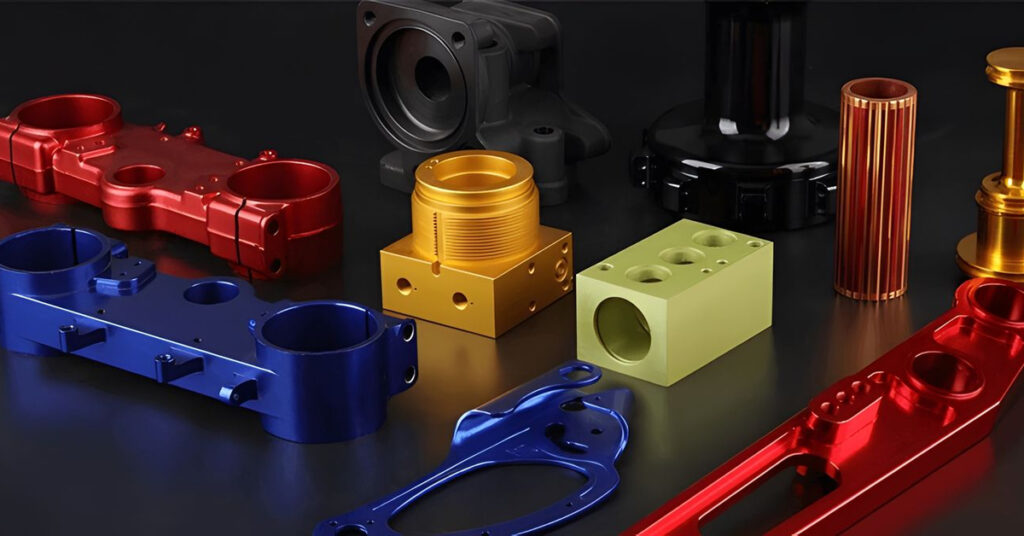
Anodized aluminum material is used mainly because it is light, strong, and corrosion-resistant. While raw aluminum does offer a certain amount of durability and scratch resistance, it is prone to oxidation, dents, and scratches, which can change it in the long term and keep it looking good. To make the aluminum stronger and more durable, it is then anodized to form a protective oxide layer on its surface. The reason for this layer is that it hardens the metal, giving it a more noncorroding and nonwear surface and a more pleasant appearance. Anodized aluminum is preferred due to these factors and is used widely across aerospace, automotive, construction, and consumer electronics industries. The anodization consists of several steps cleaning of the surface, immersion into an electrolyte bath, oxidation using electric current, and sealing. Besides making the material stronger, this treatment can be colored in different shades and finishes. Electrolytic coloring, Dip coloring, Integral coloring, and Interference coloring are different common coloring techniques. Ordinary anodizing and hard anodizing are the two main types of anodizing. Typically there are two processes available: ordinary anodizing, used primarily for finish and low-weight applications, and hard anodizing which gives excellent durability, wearer, and strength for military, industrial, and aerospace applications. In addition to anodization, aluminum can be processed through other surface treatments such as electroplating, powder coating, chromate conversion coating, PVD coating, ceramic coatings, or hot dip galvanizing. Anodized aluminum does not possess these properties uniformly and thus is used as a versatile and reliable material in many industries, with each method providing the material with specific enhanced properties—corrosion resistance, hardness, conductivity, etc. In this article, we’ll discuss what properties, benefits, applications, and maintenance of anodized aluminum involve, and why it is a better alternative to other metals and treatments. If we know these aspects we can understand which material to use for a particular industry and the consumer. What is Anodized Aluminum? Aluminum that has been anodized is an aluminum that has been run through an electrochemical process to produce a thicker, more durable oxide layer on its surface. The presence of this anodic oxide layer increases the resistance of the metal to corrosion, improves the surface hardness, and increases the ability of the metal to adhere to dyes and coatings. The Anodization Process In other words, the anodization process includes several key steps. Anodized Aluminum Material Key Properties 1. Enhanced Corrosion Resistance Anodized aluminum is one of the most resistant to corrosion. This makes it practically useless outdoors or when submerged in water, as the oxide layer protects the metal from moisture and our environment. 2. Increased Surface Hardness Anodization improves the hardness of aluminum significantly and aluminum becomes more resistant to scratch, dent, and wear. One such hard anodized aluminum is highly durable and is indeed used in high-performance applications. 3. Aesthetic Appeal and Color Variety Also, anodized aluminum is offered in black, gold, bronze, silver, etc. without changing the natural texture of the metal. This is why it is a preferred choice for architectural as well as decorative applications. 4. Lightweight Yet Strong While the oxide layer is put on top of the aluminum, this doesn’t make the aluminum significantly heavier, and it is still lighter than heavier materials such as stainless steel. 5. Electrical Insulation Because anodized aluminum is a poor conductor of electricity as compared to untreated aluminum, it is an attractive material to use in applications where insulation is needed for electrical or electronic purposes. 6. Environmentally Friendly and Sustainable Anodized aluminum is completely non-toxic, is recyclable, and does not out-gas dangerous and health-harming VOCs (volatile organic compounds), so it is eco-friendly. How to Add Color to Anodized Aluminum Parts? Anodizing aluminum is well known to be able to hold colors very vibrantly. Electrolytic coloring and dip coloring are the two of the many techniques used to color anodized aluminum. 1. Electrolytic Coloring One popular way to beautify anodized aluminum is with electrolytic coloring whereby anodized aluminum is colored with durable and UV-resistant shades. Once the aluminum has gone through the anodizing process, it is placed in a bath with metallic salts. In the last few years metalized salts have been developed whereby, when an electric current is applied, they settle into the open pores of the anodized surface permanently creating a metal-colored surface. Finally, the color depends on the type of metal salts involved. Copper salts ,for instance, make the solution reddish in tone, and other metals can make it in other hues. It is widely used because colors done this way last long and don’t fade, which makes it great for outdoor or high-exposure uses. 2. Dip Coloring Another color method is ‘dip coloring’ which gives one a large variety of color choices. During this kind of processing, the porous layer is submerged in a dye solution where the anodized aluminum absorbs the pigment. Once a shade is reached, the aluminum is sealed in water to stop reactions from continuing. Dip coloring offers much more vibrant and customizable contrasted shades, but they are not UV resistant and the colors will fade to a much lesser extent when exposed to sunlight. However, this lack of durability is the main reason why it is not commonly used in applications where the durability of parts is an important factor. 3. Integral Coloring (One-Step Process) An integral coloring is a unique process that incorporates anodizing and coloring into one process which is more efficient than in multi-step methods. Unlike some other techniques, the electrolytes, which react with the surface of the aluminum and are quick to dry, create deep, rich metallic tones including black, gold, or bronze. The color is formed in the very oxide layer, and due to that, it is very durable and doesn’t scratch, isn’t prone to corrosion, and doesn’t fade away. While integral coloring yields quality finishes, it is rare because of the cost and complexity. Architectural components, high-end electronics, and industrial equipment in which the parts must be able to withstand demanding conditions where

Fundição e matriz: um guia abrangente

Fundição e matriz: um guia abrangente 

fundição de alumínio

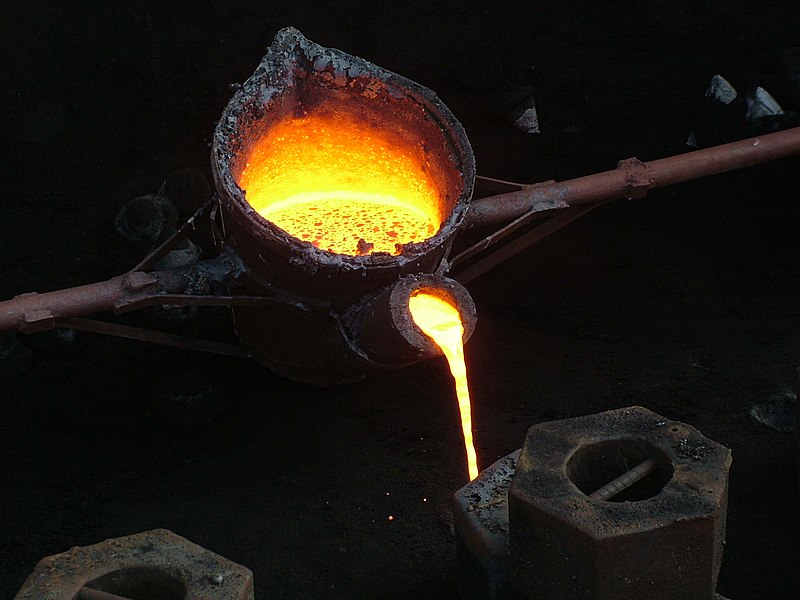
Casting and die casting are two important manufacturing processes which are vital to making metal components with the desired precision, durability and efficiency. Casting involves spending molten material in a mould and letting it cool and solidify.  Sand casting, investment casting and permanent mould casting are some types of casting. However, die casting is a special casting that uses high pressure to inject molten metal into a mould cavity with high precision and a good surface finish. For automotive, aerospace, electronics, and related industry applications wherein lightweight, strong, corrosion resistance parts are needed, die casting is widely utilized. Die casting of different variants over time has been developed to suit different needs of industries. Gravity Die Casting (GDC) depends on gravity to fill the mold and Low Pressure Die Casting (LPDC) eliminates turbulence to achieve a higher quality of material integrity. Extreme pressure applied by Squeeze Die Casting creates high strength, porosity-free parts and trapped air is eliminated in Vacuum Die Casting to get a defect-free component. Furthermore, Semi Solid Die Casting (Rheocasting) is achieved by using partially solidified metal to improve mechanical properties and precision.The general term cast in manufacturing is used to refer to the form of shaping metal by filling it into a mold and letting it solidify. This method is commonly used in the sand casting, investment casting, and permanent mold casting. Die in die casting is the metal mold used in the high pressure casting process while die in die casting process means the metal mold attached to the die face. Hardened steel dies, designed for mass production, are usually made. This article will deal with the concepts behind casting and die casting, the differences between these two concepts and also about the types of each, possible applications of the above, as well as the pros and cons associated with casting this process. 1. What is Casting? Casting is an industrial process where a liquid material is forced into a mold, where it solidifies. The liquid can be basically any metal or plastic or other meltable material. After hardening, the material assumes a shape corresponding to the cavity of the mold. For the past several thousand years, using this technique has created the tools, weapons, and intricate sculptures. The Casting Process Several of these steps play an essential role in the nature of the casting process for a metal or plastic component. With this structured approach, the casting is done with more reliability and quality. 2. What is Die Casting?  Dies means molds, hence the name of the process of die casting where a molten metal is forced under high pressure to fill a mold cavity. It is best suited for making high volume, complex and dimensionally accurate parts. The Die Casting Process Die casting is a manufacturing process in which metal components are formed in the shape of the cavity of a die under high pressure while necessitating high precision and accurate dimensional accuracy and surface finish. This is a follow of the steps below: This process will result in high strength, low weight, complex parts with little post processing. The most common materials die casting is used on include non ferrous metals, such as aluminum, zinc and magnesium. Types of Casting Processes  There are various types of casting depending on the type of method used 1 Sand Casting 2 Investment Casting 3 Centrifugal Casting 4 Permanent Mold Casting Types of die-casting There are mainly two ways to die casting: 1. Hot Chamber Die Casting 2. Cold Chamber Die Casting 5. Differences Between Casting and Die Casting Feature Casting Die Casting process Mould Metal poured into it                Molten metal is injected under high-pressure Materials         Various metals & plastics Mostly non-ferrous metals like aluminium and zinc Precision Moderate   High precision cost Low-cost initial cost High initial tooling cost Applications Large and simple parts Small, complex, high-volume parts Applications of Casting and Die Casting  Casting and die casting, in their ways, have immense roles in different industries and are cost-effective as they facilitate the manufacturing of complex metal components with excellent precision. The application of casting and die casting is widespread and hence, they are indispensable components of modern manufacturing industries. Variants of die-casting One of the most popular manufacturing processes is die casting, in which molten metal gets in the mould to make components with complex and prescribed characteristics. Different variants of die casting have been developed through time to fit in materials, production requirements as well as standards of quality. Each method has its advantages and will be more or less suited for different kinds of applications. The following are the major variants of die casting with their respective process and benefits. Gravity Die Casting (GDC)  Overview Gravity Die Casting (GDC) has the application of pouring molten metal into a mold without the use of high pressure. Rather, gravity helps guide metal into filling the cavity and organizing itself, as if by itself. This process is preferred for alloys of lower melting points, and is commonly used when more controlled solidification process is desired. Key Characteristics Common Applications Low-Pressure Die Casting (LPDC) Overview Low pressure die casting (LPDC) is when molten metal is pressurized into the mold under low pressure in the order of 0.1 to 1 MPa. With this controlled filling, turbulence is minimized and the flow is made smoother thereby keeping these defects to a minimum like air pockets and inclusions. Key Characteristics Common Applications Squeeze Die Casting Overview In the Squeezedie-casting process, high pressure is imposed on molten metal inside the mould cavity. Because the applied force extends to more than 20,000 psi (pounds per square inch), metal fills even the finest detail of the mould and removes porosity. Key Characteristics Common Applications Vacuum Die Casting Overview Vacuum Die Casting uses its design in order to evacuate trapped air and gases out of the mold cavity prior to and during the casting process. This method is implemented by

Materiais de fundição sob pressão de alumínio: Um guia abrangente

Materiais de fundição sob pressão de alumínio: Um guia abrangente 

fundição de alumínio, fundição sob pressão de alumínio

The role of aluminum die casting is a widely used, highly efficient manufacturing process capable of producing complex, high-strength, and lightweight components with good dimensional accuracy. It is the mass production of durable and precise parts and is based on the principle of injecting molten aluminum into MOULD under high pressure. In these industries where performance or longevity depends on material properties, this technique is used in a wide variety. Aluminum alloy is a key factor in choosing what the final product is going to be, which includes strength, corrosion resistance, thermal properties, and machinability. The characteristics of different aluminum alloys are different some of which include A380, the balance of strength and castability; A383, superior fluidity for complex parts; and A360, high corrosion resistance. Moreover, copper, manganese, magnesium, and silicon elements can also further increase mechanical properties. Besides alloy selection, manufacturers may also strengthen aluminum die-casting parts through surface treatment such as anodizing, plating, or powder coating to achieve higher wear resistance, corrosion protection, and hardness. Additionally, uniform wall thickness, draft angles, and reinforcement ribs do reduce high-quality and defect-free components at low cost. Through the right selection of the right aluminum alloy, through suitable strengthening techniques and in consideration of aluminum diecast part design sizing, manufacturers of high-performance aluminum die-cast parts can be tailored specifically to the required industrial issues. In this guide, we explore the best materials, alloy properties, and methods for strengthening and considering the design of aluminum die-casting components that will improve their durability and efficiency. This article explains about aluminum die casting materials, properties of alloys used in die casting processes, strengthen methods and surface treatments, as well as design considerations to improve the performance, durability and operation efficiency of die cast components. What is Aluminum die casting?   Aluminum die casting is the process of injecting molten aluminum at high pressure into a steel mould (die) to produce precision moulded complex and durable metal parts. The lightweight properties it has, strength, corrosion resistance, and excellent thermal conductivity make it commonly used in automotive, aerospace, electronics, and industrial applications. High-speed production, good cost efficiency and good dimensional accuracy are possible as it is a process. Aluminum Die Casting Parts Design 3 Factors to Consider  To achieve high quality, tough and economical aluminum die casting parts, careful planning is necessary. An appropriate design can increase manufacturing efficiency, reduce defects and augment the overall performance. Aluminum die casting parts have three parameters, among which the key factors are given below as. 1. Wall Thickness and Uniformity Why It Matters: Proper mold filling, cooling, and solidification are maintained with consistent wall thickness. Thickness changes can occur suddenly and produce warping, shrinkage and porosity in the final part. Best Practices Example As with automotive engine brackets, the wall thickness must be constant to maintain strength and thermal stability in all materials. 2. Draft Angles and Fillets Why It Matters Simple draft angles assist in the removal of the part from the die mould, preventing sticking, surface defects. Fillets (rounded edges) avoid stress concentration and are more durable in the mold. Best Practices Example Various types of electronic enclosures use rounded edges, draft angles, etc. for manufacturability and strength. 3. Ribs and Reinforcements  Why It Matters By adding ribs the weight remains light but the strength is gained. Such reinforcement also maintains shape and strength under pressure. Best Practices Example Ribs are used to maintain lightweight strength for automotive transmission cases while reducing the amount of material needed. The Primary Attributes of Aluminum Die Casting Alloys The material properties of aluminum die-casting alloys consist of high strength along with low weight and excellent corrosion protection. Every aluminum alloy maintains distinct material properties which determine its practical usage. Table 1 displays the Aluminum die casting which includes their essential material attributes. Property    Description Impact on Die Casting Lightweight  Aluminum weighs only one-third as much as steel does.        Reduces overall component weight High Strength-to-Weight Ratio  Being lightweight, it offers good mechanical strength.  Applications are used in the automotive and aerospace industries.  Corrosion Resistance   Is naturally formed to form an oxide layer for protection    Ideal for marine and outdoor applications  Excellent Thermal Conductivity Distributes heat efficiently They are used in engine components and electronics.  Good Machinability Easily processed and shaped    Reduces manufacturing costs          . Products created through Aluminum die casting demonstrate higher strength than those made by sand casting because their production method results in rapid cooling and refined grain arrangement. Common Aluminum Alloys Used indie-casting Several aluminium alloys are commonly used in die-casting operations, each providing certain unique properties, which ultimately define the performance and durability of the product. The Aluminum casting alloys that are most widely used are: 1. A380 Aluminum Alloy  Properties: A380 is one of the most widely used aluminum die casting alloys because of its excellent ‘strength, corrosion resistance and thermal conductivity’. Additionally, it has good fluidly, which allows it to be cast into complex shapes. Applications: The automotive parts, electronic housings, gear cases and engine brackets are widely used this alloy. 2. A383 Aluminum Alloy  A383 properties: Similar to A380 but better resistance to hot cracking and improved die-filling properties. This offers benefits when the final components are intricate and require powerful precision. Applications: In thin-walled and complex parts it is used; in detailed electronic casings and appliance components. 3. A360 Aluminum Alloy Properties: A380 has better ductility and higher corrosion resistance and pressure tightness than this alloy. It is, however, more difficult to cast. Applications: Suitable for high-performance applications such as aerospace components and marine equipment. 4. ADC12 Aluminum Alloy  Properties: Widely used in Japan, and other Asian markets with good casting characteristics, good thermal stability, and high strength. It also offers good machinability. Applications: Used in automotive engine components, bicycle parts, and power tools. 5. AlSi10Mg Aluminum Alloy  Properties: A high strength and good combination of mechanical properties, good thermal and wear properties. In 3D printing and die-casting applications, this one is often used. Applications: Common in aerospace,

O guia essencial para oficinas de máquinas CNC

O guia essencial para oficinas de máquinas CNC

Usinagem CNC

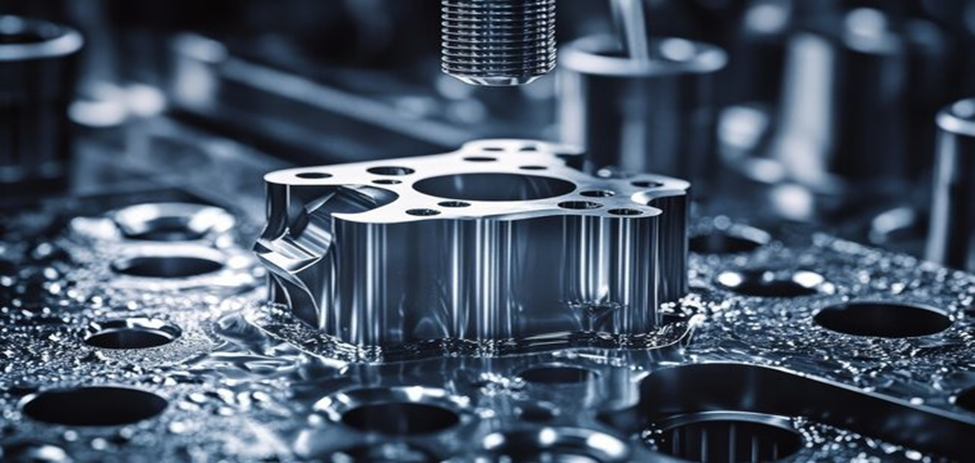
In the fast pace of manufacturing, CNC machine shops are the backbone of precision engineering, efficient machine shops, and technological advancement. The advanced facilities use Computer Numerical Control (CNC) technology to produce highly precise components for aerospace, automotive medical, and other industries. Traditional machining using manual labor and operator knowledge requires constant quality, slower production, less cost-effective. In contrast, CNC machining automates the whole process and has reliable consistency, fast production, and cost efficiency. A CNC machine shop is powered by a variety of super cool high-tech machines including CNC mills, lathes, routers, plasma cutters, and EDM machines that run on a computer with precise, auto-guided functions. The process starts by using computer-aided design (CAD) software and engineers making detailed 3D models of the particular component required in the system.  Using these designs, they are then converted into machine-readable G code that specifies the exact movements of cutting tools to create and shape raw materials products. Each material possessed specific mechanical and physical properties which made them suitable for a particular CNC machine shop. Without CNC machining, it would be difficult to work with such diverse materials and people would require durable, lightweight, heat-resistant, and even corrosion-proof parts when they need them. CNC machine shops have high precision and can be done with high efficiency, besides this, they provide scalability, repeatability and flexibility, enabling businesses to create from prototypes to mass production runs with little human involvement. CNC machining is at the forefront for industries that are actively trying to build more advanced and more complicated designs. This article details the how CNC machine shops operate, what type of machines they use, what materials they work with, and the industries they service. Knowing their role, capabilities, and the advantages the businesses can see who CNC machining service is best for. What is a CNC Machine Shop?  A CNC (Computer Numerical Control) machine shop is a place equipped with modern machine tools controlled by computer programs. They make shop with the sole purpose of producing high precision, complex parts for aerospace, automotive, medical, electronics and industrial manufacturing industries. Unlike traditional machining, which is done with the aid of hands-on operation, CNC machining makes the process automatic and facilitates higher accuracy, efficiency and consistency in production. How CNC Machine Shops Work In CNC machine shops, a computer aided design (CAD) software creates the digital model of the part. The G-code is then generated of this design which the CNC machine reads and uses to make the operations and movements. It precisely cuts, drills, shapes, or mills the material according to programmed instructions thus making the automation repeatable and free of errors. Types of CNC Machines in a CNC Shop There is usually a wide variety of CNC automated machining tools housed in CNC machine shops such as: CNC Milling Machines: are rotary-type cutting tool machines that use them to remove material from the workpiece and create shapes, holes and surface finishes.   CNC Lathes: these machines are meant to make cylindrical parts, by turning the workpiece while cutting tools perform its predefine shaping with high accuracy.  CNC Routers: The CNC router has long been in use for cutting wood, plastic and composites by carving intricate designs and patterns.  CNC Plasma Cutters: They use a high-temperature plasma torch to cut through metal sheets and the most readily useable metal in bulk quantities, depending on their size, is perfect for things like sheet metal fabrication. Electrical Discharge Machines (EDM): EDM uses electric discharges (sparks) to cut away material; thus without using cutting tools, it is ideal for detailing or fine cuts in hardened metals. Materials Used in CNC Machine Shops A huge variety of materials are used in CNC machine shops to produce high precision components for the aerospace, automotive, medical or manufacturing industries. But it is important to select the right material since it determines the durability, functionality and in general, the extent of the performance of the final product. Some of the most commonly used CNC machining materials are mentioned below. Metals  Aluminum:  Aluminum is famous for its lightweight properties, and corrosion resistance features which make the way to aerospace, automotive and consumer electronics. It also has good thermal and electrical conductivity and is therefore useful in heat exchangers and electronic components. Steel & Stainless Steel: It is a very durable metal that does not rust, does not wear out and does not get damaged in heat; hence used for medical tools, food processing machines, structural parts. It is very strong as well as durable. Titanium:  is a strong material with high strength and excellent corrosion resistance, which makes it a top choice for aerospace, medical implant, automotive etc. Extremely high temperature and extremely harsh conditions cause no problem to it. Brass & Copper: A metal commodity that is prized for its outstanding machinability, anti-corrosion and electric conductivity. Electrical fittings, plumbing fixtures and decorative hardware commonly use it. Plastics  Acetal (Branded Delrin): Strong and rigid, with good moisture resistance, acetal is a used in gears, bushings, and similar mechanical components that require low friction and high wear resistance. Polyethylene:  is a lightweight, chemically resistant material that is well suited for piping, containers and insulating parts. Food processing additionally makes use of it and so does medical application. Nylon:  It is known for its toughness and wear resistance and is often used in gears, bearings and automotive parts. It is also used for more industrial machinery components. Acrylic:  This has very good optical properties along with weather resistance. You will commonly find it used in signage, display cases and optical lenses. Composites  Carbon fibre reinforced plastic (CFRP):  material with a very strong and lightweight material, and it is widely used in the aerospace industry, sports equipment, automotive industries, etc. High rigidity and durability are provided. Fiberglass: One of the popular composite materials that’s well known for its strength, low weight and corrosion resistance. It is widely employed in automotive bodies, boat hulls and in industrial applications. Ceramics  Zirconia: the excellent hardness, and wear-resistance

As 10 principais empresas de fabricação de chapas metálicas na China e nos EUA

As 10 principais empresas de fabricação de chapas metálicas na China e nos EUA 

empresas de fundição sob pressão, Fabricante de fundição sob pressão

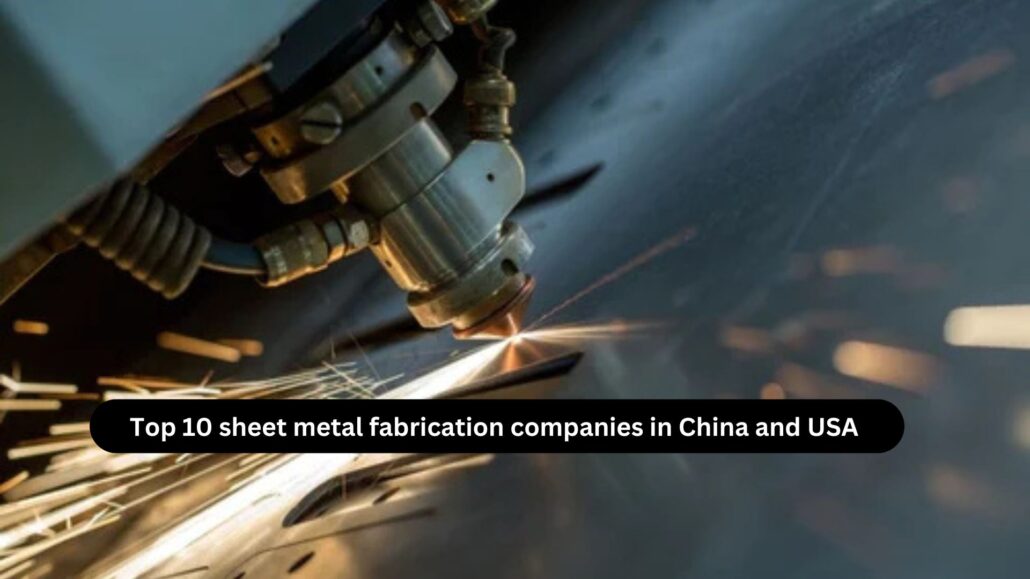
A fabricação de chapas metálicas é descrita como um processo essencial na produção em diferentes setores, como automotivo, aeroespacial, eletrônico, construção e fabricação de equipamentos médicos. Esse processo inclui o recorte de metal, principalmente na forma de chapas que podem ser moldadas e construídas para produzir algumas peças precisas e sólidas. Para os clientes, o aprimoramento dos setores também aumenta a necessidade de serviços de fabricação de chapas metálicas soldadas de alta qualidade para a construção de mecanismos aprimorados para vários mercados, incluindo os setores automotivos com altas tecnologias, pessoal bem experiente e máquinas para aumentar as taxas de produção. A fabricação de chapas metálicas pode ser realizada em dois locais principais em todo o mundo, que são a China e os Estados Unidos da América. Os fabricantes chineses são considerados mais baratos, eficientes e têm sistemas de linha de montagem integrados com grande capacidade, o que os torna ideais para produções em grande escala. Ao mesmo tempo, as empresas americanas se concentram em qualidade, inovação e ofertas direcionadas que atendem aos requisitos e à demanda dos setores. Cada área abriga fabricações de primeira linha para corte a laser, usinagem CNC, soldagem, estamparia e provedores de serviços de montagem. Este artigo fornece informações sobre as 10 principais empresas de fabricação de chapas metálicas na China e nos Estados Unidos, sua especialização, inovação e eficiência no fornecimento de peças precisas. 1. CNM Tech Co., Ltd. Ano de fundação: 20+Número de funcionários: 100-200Tipo de negócio: A CNM Tech Co., Ltd. é uma empresa de fabricação de precisão com foco em fundição sob pressão, usinagem CNC e serviços de montagem. Site e contato Site: https://www.thediecasting.com/Contact: +86 13045898002Email: sales@thediecasting.comAddress: Endereço da fábrica: Rm 101, No.40, Donghu Road, Jinglian, Qiaotou town, Dongguan City, Guangdong Province, China. 523520. Perfil da empresa Thediecasting.com é o domínio oficial sob o qual a CNM Tech Co., Ltd. opera, um excelente fabricante chinês de soluções de fundição sob pressão. A empresa é uma fundição sob pressão de alumínio, magnésio e zinco, usinagem CNC, acabamento de superfície e montagem com sede em Dongguan, China. A CNM Tech tem mais de 20 anos de experiência nas áreas automotiva, aeroespacial, eletrônica, etc. Devido à alta precisão da fabricação, sua ferramentaria interna e as avançadas máquinas CNC também garantem a qualidade. A CNM Tech fornece todos os tipos de polimento, jateamento de areia, revestimento em pó, pintura a óleo, etc., com produtos de acabamento de alta qualidade que atendem às necessidades dos usuários em todo o mundo. Compromissos de qualidade A CNM Tech Co., Ltd. possui documentos ISO 9001:2008, TS16949 e ISO 14001:2015. Na maioria dos casos, esses documentos lhe darão a garantia de que a gestão da sua empresa é de alto nível e também garantirão a conformidade com os padrões do setor automotivo e as atividades ambientalmente corretas realizadas pela empresa envolvida. Como resultado do cumprimento rigoroso das regulamentações ambientais e de qualidade, a CNM Tech oferece ótimas soluções de fundição sob pressão com um impacto ambiental mínimo e uma excelente reputação no mercado. Por que escolher a CNM Tech Co., Ltd? Os clientes que buscam serviços de fabricação de chapas metálicas da China ou dos EUA devem entrar em contato com essas empresas de fabricação confiáveis que fornecerão assistência profissional. 2. Sincere Tech Ano de fundação: 2005Número de funcionários: 100-200Tipo de negócio: A Sincere Tech é um dos maiores fabricantes de moldes de injeção de plástico, produtores de fundição sob pressão, fornecedores de usinagem e montagem da China. Site e contato Site: https://plas.co/Phone: +86 135 30801277Email: steve@sincere-tech.comAddress: Rm101, N041, Donghu road, JingLian cun, qiaotou town, Dongguan City, Guangdong Province, China. 523000. Perfil da empresa Fornecedora chinesa de moldes de injeção de plástico e serviços de moldagem, a Sincere Tech é uma empresa chinesa líder. A empresa foi fundada em 2005, e a estampagem de metal e plástico, os moldes de injeção de plástico de precisão, a usinagem CNC, a fundição sob pressão e a moldagem de silicone são sua vantagem competitiva no mercado. A Sincere Tech tem equipamentos avançados, proteção NDA, preços competitivos e 18 anos de experiência em produção de alta qualidade. Com máquinas de moldagem por injeção de 60 a 1800 toneladas que atendem aos setores eletrônico, médico, automotivo ou de cosméticos, seus componentes de menos de 1 grama a 8 quilos são produzidos com eficiência. Seus compromissos com a qualidade A Sincere Tech se dedica a criar produtos que atendam aos padrões internacionais de qualidade de acordo com a ISO 9001:2015 e a QS 9000:2015. Eles se dedicam à qualidade e isso permitiu que a empresa cultivasse uma demanda maciça, exportando-a para a Finlândia e outros países. Entre todos os parceiros do setor de moldagem por injeção de plástico que fornecem quase a mesma qualidade de serviços, a Sincere Tech se destaca como um parceiro confiável e inovador para moldagem por injeção de plástico. Por que escolher a Sincere Tech? Os clientes que buscam serviços de fabricação de chapas metálicas da China ou dos EUA devem entrar em contato com essas empresas de fabricação confiáveis que fornecerão assistência profissional. 3. GC Precision Mold Co., Ltd. Ano de fundação: 1999Número de funcionários: 100-200Tipo de negócio: Nossa empresa GC Precision Mold Co., Ltd. faz fundição sob pressão de alumínio, zinco e magnésio, usinagem CNC e moldagem por injeção de plástico Site e contato Site: https://aludiecasting.com/Contact: +86 131 4886 5556Email: info@aludiecasting.comAddress: Endereço da fábrica 1: No. 30 Huan Zhen Rd, Qi Shi Town, Dongguan City, Guangdong Province China, 523516 Perfil da empresa A GC Precision Mold Co., Ltd., que opera sob o nome de Aludiecasting.com, é um site de fabricação de fundição sob pressão e usinagem de precisão que é um dos principais fabricantes chineses. A empresa foi fundada em 1999 e seus serviços incluem fundição de alumínio, zinco e magnésio, moldagem por injeção de plástico, usinagem CNC e acabamento de superfície. Eles têm máquinas de última geração, como máquinas de fundição sob pressão de alta pressão (120 a 1.600 toneladas) e máquinas de moldagem por injeção (80 a 2.800 toneladas) conectadas a setores como automotivo, aeroespacial e eletrônico. A empresa tem uma qualidade muito rigorosa para fornecer soluções de fabricação exatas, duráveis e econômicas em todo o mundo. Compromissos de qualidade A GC Precision Mold Co Ltd fornece as melhores soluções de fundição e usinagem, conforme especificado na certificação ISO 9001. Seu controle de qualidade é tão rigoroso que eles testam a precisão, as máquinas CMM, os raios X e os espectrômetros para garantir um produto confiável. Por meio da adesão rigorosa aos padrões internacionais, a empresa garante a entrega de componentes consistentes e de alta qualidade com o mínimo de reclamações dos clientes devido ao aspecto de confiabilidade pelos motivos indicados em cada projeto. Por que escolher a GC Precision Mold Co., Ltd.? Os clientes que buscam serviços de fabricação de chapas metálicas na China ou nos EUA devem entrar em contato com essas empresas de fabricação confiáveis que fornecerão assistência profissional. 4. Robertson Morrison Inc.

As 10 principais empresas de fundição sob pressão na China e nos EUA

As 10 principais empresas de fundição sob pressão na China e nos EUA

fundição sob pressão, empresas de fundição sob pressão, empresa de fundição sob pressão

O método de produção de fundição sob pressão continua sendo um processo fundamental na fabricação de vários produtos em diversos setores, inclusive na produção automotiva, em aplicações aeroespaciais e em componentes eletrônicos, além da produção de máquinas industriais. É o processo de injeção de metal fundido em uma cavidade de molde sob alta pressão para obter componentes metálicos duráveis e de alta precisão. Várias empresas de serviços de fundição sob pressão surgiram devido à crescente demanda do mercado por soluções de fabricação de alta qualidade. Os produtores de fundição sob pressão mais bem-sucedidos do mundo operam na China e nos EUA, impulsionados tanto pelos avanços em suas capacidades tecnológicas quanto pela forte dedicação à excelência na fabricação. O mercado chinês funciona como um centro mundial de fundição sob pressão, onde as empresas oferecem serviços acessíveis com requisitos rigorosos do setor. Esses fabricantes oferecem pacotes completos de serviços que incluem projeto de moldes e serviços de produção, além de soluções de acabamento de superfície e montagem. Os EUA operam por meio de um sistema focado na inovação, mantendo padrões de qualidade rigorosos, além de práticas de engenharia precisas. As empresas de fundição sob pressão nos Estados Unidos fornecem soluções para vários setores da indústria que proporcionam qualidades de desempenho excepcionais. Esta postagem é uma lista das 10 principais empresas de fundição sob pressão da China e dos EUA, com histórico e recursos, e serve como uma lista. As empresas mencionadas lideram o setor porque fornecem serviços de produção confiáveis em todas as escalas, juntamente com conhecimento especializado em fundição sob pressão. 1. Sincere Tech Ano de fundação: 2005Número de funcionários: 100-200Tipo de negócio: A Sincere Tech é um dos maiores fabricantes de moldes de injeção de plástico, produtores de fundição sob pressão, fornecedores de usinagem e montagem da China. Site e contato Site: https://plas.co/Phone: +86 135 30801277Email: steve@sincere-tech.comAddress: Rm101, N041, Donghu road, JingLian cun, qiaotou town, Donggguan City, Guangdong Province, China. 523000. Perfil da empresa Fornecedora chinesa de moldes de injeção de plástico e serviços de moldagem, a Sincere Tech é uma empresa chinesa líder. A empresa foi fundada em 2005, e a estampagem de metal e plástico, os moldes de injeção de plástico de precisão, a usinagem CNC, a fundição sob pressão e a moldagem de silicone são sua vantagem competitiva no mercado. A Sincere Tech tem equipamentos avançados, proteção NDA, preços competitivos e 18 anos de experiência em produção de alta qualidade. Com máquinas de moldagem por injeção de 60 a 1800 toneladas que atendem aos setores eletrônico, médico, automotivo ou de cosméticos, seus componentes de menos de 1 grama a 8 quilos são produzidos com eficiência. Seus compromissos com a qualidade A Sincere Tech se dedica a criar produtos que atendam aos padrões internacionais de qualidade de acordo com a ISO 9001:2015 e a QS 9000:2015. Eles se dedicam à qualidade e isso permitiu que a empresa cultivasse uma demanda maciça, exportando-a para a Finlândia e outros países. Entre todos os parceiros do setor de moldagem por injeção de plástico que fornecem praticamente a mesma qualidade de serviços, a Sincere Tech se destaca como um parceiro confiável e inovador para a moldagem por injeção de plástico. Por que escolher a Sincere Tech? Os clientes que buscam serviços de fundição sob pressão da China ou dos EUA devem entrar em contato com essas empresas de fabricação confiáveis que fornecerão assistência profissional. 2. CNM Tech Co., Ltd. Ano de fundação: 20+Número de funcionários: 100-200Tipo de negócio: A CNM Tech Co., Ltd. é uma empresa de fabricação de precisão focada em fundição sob pressão, usinagem CNC e serviços de montagem. Site e contato Site: https://www.thediecasting.com/Contact: +86 13045898002Email: sales@thediecasting.comAddress: Endereço da fábrica: Rm 101, No.40, Donghu Road, Jinglian, cidade de Qiaotou, cidade de Dongguan, província de Guangdong, China. 523520. Perfil da empresa Thediecasting.com é o domínio oficial sob o qual a CNM Tech Co., Ltd. opera, um excelente fabricante chinês de soluções de fundição sob pressão. A empresa é uma fundição sob pressão de alumínio, magnésio e zinco, usinagem CNC, acabamento de superfície e montagem com sede em Dongguan, China. A CNM Tech tem mais de 20 anos de experiência nas áreas automotiva, aeroespacial, eletrônica, etc. Devido à fabricação de alta precisão, sua ferramentaria interna e suas avançadas máquinas CNC também garantem a precisão. A CNM Tech fornece todos os tipos de polimento, jateamento de areia, revestimento em pó, pintura a óleo etc. com produtos de acabamento de alta qualidade que atendem às necessidades dos usuários em todo o mundo. Compromissos de qualidade A CNM Tech Co., Ltd. possui documentos ISO 9001:2008, TS16949 e ISO 14001:2015. Na maioria dos casos, esses documentos lhe darão a garantia de que a gestão da sua empresa é de alto nível e também garantirão a conformidade com os padrões do setor automotivo e as atividades ambientalmente corretas realizadas pela empresa envolvida. Como resultado do cumprimento rigoroso das regulamentações ambientais e de qualidade, a CNM Tech oferece ótimas soluções de fundição sob pressão com um impacto ambiental mínimo e uma excelente reputação no mercado. Por que escolher a CNM Tech Co., Ltd? Os clientes que buscam serviços de fundição sob pressão da China ou dos EUA devem entrar em contato com essas empresas de fabricação confiáveis que fornecerão assistência profissional. 3. GC Precision Mold Co., Ltd. Ano de fundação: 1999Número de funcionários: 100-200Tipo de negócio: Nossa empresa, a GC Precision Mold Co., Ltd., faz fundição sob pressão de alumínio, zinco e magnésio, usinagem CNC e moldagem por injeção de plástico. Site e contato Site: https://aludiecasting.com/Contact: +86 131 4886 5556Email: info@aludiecasting.comAddress: Endereço da fábrica 1: No. 30 Huan Zhen Rd, Qi Shi Town, Dongguan City, Guangdong Province China, 523516 Perfil da empresa A GC Precision Mold Co., Ltd., que opera sob o nome de Aludiecasting.com, é um site de fabricação de fundição sob pressão e usinagem de precisão que é um dos principais fabricantes chineses. A empresa foi fundada em 1999 e seus serviços incluem fundição de alumínio, zinco e magnésio, moldagem por injeção de plástico, usinagem CNC e acabamento de superfície. Eles têm maquinário de última geração, como máquinas de fundição sob pressão de alta pressão (120 a 1.600 toneladas) e máquinas de moldagem por injeção (80 a 2.800 toneladas) conectadas a setores como automotivo, aeroespacial e eletrônico. Eles têm uma qualidade muito rigorosa para fornecer soluções de fabricação exatas, duráveis e econômicas em todo o mundo. Compromissos de qualidade A GC Precision Mold Co Ltd fornece as melhores soluções de fundição sob pressão e usinagem, conforme especificado na certificação ISO 9001. Seu controle de qualidade é tão rigoroso que eles testam a precisão, as máquinas CMM, os raios X e os espectrômetros para garantir um produto confiável. Por meio da adesão rigorosa aos padrões internacionais, a empresa garante a entrega de componentes consistentes e de alta qualidade com o mínimo de reclamações dos clientes devido ao aspecto de confiabilidade pelos motivos indicados em cada projeto. Por que escolher a GC Precision Mold Co., Ltd.? Os clientes que buscam serviços de fundição sob pressão da China ou dos EUA devem entrar em contato com essas empresas de fabricação confiáveis que fornecerão assistência profissional. 4.

Os 10 principais fabricantes de produtos de alumínio na China e nos EUA

Os 10 principais fabricantes de produtos de alumínio na China e nos EUA

fundição de alumínio

Aluminum Product Manufacturers are crucial in the industries of automotive, aerospace, electronics, packaging, etc. Therefore, many top-tier aluminum product manufacturers have risen in China and the USA due to the growing demand for lightweight, durable, and recyclable materials. Innovative, with high-quality standards, and dedicated to sustainability, these companies are known for their innovation.   Other leading metal manufacturing countries include China and the USA, where the most important players have been developing new methods of manufacturing aluminum. Some of the companies that have aluminum die casting, CNC machining, and precision molding’ are CNM Tech Co., Ltd., GC Precision Mold Co., Ltd., and Sincere Tech in China. With the industry demanding strict quality for high-performance aluminum components, these firms focus on various industries.Major manufacturers such as United Aluminum Corporation, Arconic Corporation, Kaiser Aluminum, and JW Aluminum have stood out as pioneers in aluminum rolling, extrusion, and fabrication in the USA. These companies operate in the field of cutting-edge aluminum solutions for aerospace, automotive, and industrial applications. This article presents 10 of the top aluminum product manufacturers based on innovation, sustainability, and excellent quality of their wares in different worlds 1.  CNM Tech Co., Ltd. Year of Establishment: 20+Number of Employees: 100-200Business Type: CNM Tech is focused on aluminum, magnesium, and zinc die casting, CNC machining, surface finishing, and assembly. Website and Contact Website: https://www.thediecasting.com/Contact: +86 13045898002Email: sales@thediecasting.comAddress: Factory Address: Rm 101, No.40, Donghu Road, Jinglian, Qiaotou town, Dongguan city, Guangdong Province, China. 523520. Company Profile Founded over 20 years ago, CNM Tech Co., Ltd., is one of the leading Chinese manufacturers of die-casting solutions. The company is based in Dongguan, China, where it provides a thorough assortment of services including aluminum, magnesium, and zinc die casting, precision CNC machining, surface finishing, and assembly. They have expertise in automobile, electronics, aerospace, and hospitality appliance markets, to name a few.  Their Quality Commitments CNM Tech is dedicated to providing high-quality, low-cost products while abiding by extremely tight quality control standards under the auspices of ISO 9001. They take a customer-centric approach, providing personalized services from the time of initial consultation and beyond, from availability to post-production support services to maintain long-term partnerships all over the world.  Why Choose CNM Casting? As a name known in the die-casting industry, CNM Tech specializes in providing high-quality manufacturing solutions with advanced technology, and a customer-oriented approach. These are reasons why CNM Tech is your number one reason. The choice of CNM Tech guarantees a reliable manufacturing partner that implements innovations and focuses on quality and customer success. 2.  GC Precision Mold Co., Ltd. Year of Establishment: 1999Number of Employees: 100-200Business Type: Serving industries such as the auto, aero, and electronics industries, the company has gained international market trust. Website and Contact: Website: https://aludiecasting.com/Contact: +86 131 4886 5556Email: info@aludiecasting.comAddress: Factory Address 1: No. 30 Huan Zhen Rd, Qi Shi Town, Dongguan City, Guangdong Province China, 523516 Company Profile Founded in 1999, GC Precision Mold Co., Ltd. is a global leader in high-quality aluminum die casting and nonferrous metal products. It has two special properties plants located in Dongguan, China, and offers services including high-pressure die casting, sand casting, and forging. As a result of over two decades of experience, the company delivers precision, consistent quality, and flexible material offerings to a variety of industries such as automotive, aerospace, and electronics. Both client satisfaction and GC Precision Mold commit to honorable words and behavior in providing the best product. Their Quality Commitments Its various certificates are proof that GC Precision Mold Co., Ltd. adheres to the highest standards of quality and operational excellence. The company possesses certificates from ISO 9001 on Quality Management Systems, which demonstrates the company’s ability to provide the product according to customer requirements at all stages and to enhance quality systematically. Why Choose GC Precision Mold Co., Ltd.? When you are choosing a company in pursuit of top-grade die casting and metal products, there are many benefits to choosing GC Precision Mold Co., Ltd. 3. Sincere Tech Year of Establishment: 2005Number of Employees: 100-200Business Type: Sincere Tech, is a leading Chinese manufacturer of custom plastic injection molds and aluminum product manufacturer. Website and Contact Website: https://plas.co/Phone: +86 135 30801277Email: steve@sincere-tech.comAddress: Rm101, N041, Donghu road, JingLian cun, qiaotou town, Donggguan City, Guangdong Province, China. 523000. Company Profile We are Sincere Tech, a world-renowned leading Chinese manufacturer of custom plastic injection molds and aluminum die-casting solution Injection Molding services. The company was founded in 2005 and has successfully established itself as a professional and highly reliable, high-precision, cost-effective, and high-quality production service provider to the world. From automotive, medical, electronics, home appliances, food packaging, cosmetics, etc. industries, Sincere Tech is equipped with state-of-the-art technology, expert engineering, and strict quality control. Their Quality Commitments ISO 9001:2015 and QS 9000:2015 standards are the only hallmarks we take seriously to maintain high-quality standards for our products and services since Sincere Tech. Their investment in advanced technologies, such as 5-axis CNC machines and FANUC systems, underscores their commitment to precision and efficiency. Confidentiality is also a company standard, promising Non-Disclosure Agreements (NDAs) for the protection of client projects. Why Choose Sincere Tech? 4. United Aluminum Corporation Year of Establishment: 1981Number of Employees: 1000+Business Type: Custom Rolled® Aluminum Coil Manufacturer and Supplier, Precision Slitting, Annealing, Surface Finishing. Website and Contact Website: https://unitedaluminum.com/Phone: 800-243-2515 / 203-239-5881Email: Sales@UnitedAluminum.comAddress: 100 United Drive, PO Box 215 North Haven, CT 06473 Company Profile United Aluminum (founded in 1891) is a leading supplier of Custom Rolled® Aluminum Coil to industries such as automotive, aerospace, medical, and packaging. These alloys are 3003, 2024, and 7075 and these guys offer precision slitting, annealing, and surface finishing. They have advanced facilities in which they produce high quality at very cheap rates. Additionally, United Aluminum supplies an Aluminum Coil Calculator resource to help its clients make educated choices. Their Quality Commitments Commitment to Quality and Customer Satisfaction a very high standard of quality is maintained by United Aluminum and the company is ISO 9001:2015 certified. Other than this, they concentrate

Os 10 principais fabricantes de fundição de alumínio na China e nos EUA

fundição de alumínio

Because it is lightweight, strong, and durable, aluminum casting is widely used throughout different industries from automotive to aerospace, electronics to consumer goods. The manufacturing process calls for aluminum parts to be made by pouring molten metal into molds for the production of highly detailed and precise components. Aluminum is a very versatile metal as it is easily recyclable and corrosion resistant and hence provides an excellent option for many applications. China and the USA, in recent years, are the two major global hubs for aluminum casting production and they both have a wide manufacturer range in the various industries and sectors. Mass production is the hallmark of China, which can then deliver reasonable prices and a variety of casting solutions for large production. However, the USA boasts a great number of top-tier companies that specialize in high quality, precision casting, advanced technology, and ecofriendly approaches, working with those industries that require sophisticated and custom-made aluminum cast components. In this article, we will overview the top 10 aluminum casting companies in China and the USA describing their capabilities, experience in the industry, and something unique to help the companies choose the right aluminum casting manufacturing partner. 1.  GC Precision Mold Co., Ltd. Year of Establishment: 1999Number of Employees: 100-200Business Type: Serving industries such as the auto, aero, and electronics industries, the company has gained international market trust. Website and Contact: Website: https://aludiecasting.com/Contact: +86 131 4886 5556Email: info@aludiecasting.comAddress: Factory Address 1: No. 30 Huan Zhen Rd, Qi Shi Town, Dongguan City, Guangdong Province China, 523516 Company Profile Founded in 1999, GC Precision Mold Co., Ltd. is a global leader in high-quality aluminum die casting and nonferrous metal products. It has two special properties plants located in Dongguan, China, and offers services including high-pressure die casting, sand casting, and forging. As a result of over two decades of experience, the company delivers precision, consistent quality, and flexible material offerings to a variety of industries such as automotive, aerospace, and electronics. Both client satisfaction and GC Precision Mold commit to honorable words and behavior in providing the best product. Their Quality Commitments Its various certificates are proof that GC Precision Mold Co., Ltd. adheres to the highest standards of quality and operational excellence. The company possesses certificates from ISO 9001 on Quality Management Systems, which demonstrates the company’s ability to provide the product according to customer requirements at all stages and to enhance quality systematically. Why Choose GC Precision Mold Co., Ltd.? When you are choosing a company in pursuit of top-grade die casting and metal products, there are many benefits to choosing GC Precision Mold Co., Ltd. 2.  CNM Tech Co., Ltd. Year of Establishment: 20+Number of Employees: 100-200Business Type: CNM Tech is focused on aluminum, magnesium, and zinc die casting, CNC machining, surface finishing, and assembly. Website and Contact: Website: https://www.thediecasting.com/Contact: +86 13045898002Email: sales@thediecasting.comAddress: Factory Address: Rm 101, No.40, Donghu Road, Jinglian, Qiaotou town, Dongguan city, Guangdong Province, China. 523520. Company Profile Founded over 20 years ago, CNM Tech Co., Ltd., is one of the leading Chinese manufacturers of die-casting solutions. The company is based in Dongguan, China, where it provides a thorough assortment of services including aluminum, magnesium, and zinc die casting, precision CNC machining, surface finishing, and assembly. They have expertise in automobile, electronics, aerospace, and hospitality appliance markets, to name a few.  Their Quality Commitments CNM Tech is dedicated to providing high-quality, low-cost products while abiding by extremely tight quality control standards under the auspices of ISO 9001. They take a customer-centric approach, providing personalized services from the time of initial consultation and beyond, from availability to post-production support services to maintain long-term partnerships all over the world.  Why Choose CNM Casting? As a name known in the die-casting industry, CNM Tech specializes in providing high-quality manufacturing solutions with advanced technology, and a customer-oriented approach. These are reasons why CNM Tech is your number one reason. The choice of CNM Tech guarantees a reliable manufacturing partner that implements innovations and focuses on quality and customer success. 3. Delron Industrial Co., ltd Year of Establishment: 1990Number of Employees: 300+Business Type: Delron Industrial Co., Ltd. provides die casting, CNC machining, precision forging, assembly, and automotive, LED lighting solutions. Website and Contact: Website: https://www.delron.com.cn/Contact: +86-574-88106850Email: info@delron.com.cnAddress: South Building, No. 1299, East Yinxian Avenue, Ningbo, China, 315100. Company Profile Founded in 1990, Delron Industrial Co., Ltd. is recognized as one of the top die-casting and precision machining service providers in China (Ningbo). With subsidiary activities including CNC machining, die casting, turning, milling, forging, etc., the company serves diverse industries like automotive, LED lighting, aviation, etc. Delron emphasizes a high-quality product, and on-time delivery, at a competitive price. Using the most advanced technology to provide a variety of services such as heat treatment, chrome plating, and assembling.  Their Quality Commitments Delron Industrial Co., Ltd. strives to supply high-quality merchandise utilizing advanced manufacturing know-how while following rigorous standards. As the company is customer-oriented and as the company puts very much emphasis on precision and reliability, it has strict quality control procedures in place for all products. They aim to always keep and satisfy customer expectations, all in a cost-efficient and timely manner. Why Choose Delron industrial Co., ltd Casting? 4.  American Precision Die Casting Year of Establishment: 2006Number of Employees: 150-300Business Type: Suppliers of high-impact components for the automotive, military, industrial, and consumer business sectors. Website and Contact: Website: https://apdiecasting.com/Contact: (573) 885-0018Email: lhoffman@apdiecasting.comAddress: 100 American Way, Cuba, MO 65453 Company Profile American Precision Die Casting (APDC), started in 2006 in Cuba, Missouri (USA), is a leading aluminum die casting maker. APDC has over 200 years of combined expertise serving these industries, automotive, military, and consumer products. Precision Aluminum die-cast parts formed by the company are durable, lightweight, and precise components using tight tolerances. APDC carries out high-volume as well as low-quantity specialized projects using advanced technology which provides cost efficiency quality and customer satisfaction. Their Quality Commitments APDC strictly practices to guarantee that each product exceeds customer expectations and exceeds or matches standards.

Zinc Die Casting Company

Visão geral do setor de empresas de fundição sob pressão de zinco

fundição de alumínio

Zinc die casting is a manufacturing process that involves the production of intricate and strong metal parts using molten zinc. This is one of the most economical and efficient ways of making high-quality components with high dimensional accuracy. It is a process of injecting molten zinc into a steel mold under high pressure to create parts that are strong, lightweight, and corrosion-resistant. The characteristics of zinc die casting make it suitable for use in industries like automotive, electronics, aerospace, consumer goods and industrial equipment. In today’s manufacturing world, zinc die casting companies are critical because they provide high-quality precision-engineered components specifically what industries need. The majority of these kinds of companies specialize in creating parts with sophisticated shapes, fine surfaces, and tight tolerances. Besides producing high-performance die-cast components, most zinc die casting manufacturers also provide value-added services like designing, tooling, machining and finishing to satisfy customer’s requirements. The zinc die-casting market is spread wide across the globe, from North America to Asia and Europe, and companies are bringing their expertise, technological advancements and manufacturing capabilities to the table. The companies in these regions are known for their innovation, quality and sustainability in the manufacturing process. Using state-of-the-art equipment and advanced technologies they guarantee that each product will be of the highest standard in terms of strength, durability and precision. Zinc die casting is of utmost importance as it is the central process of producing components that enable the functionality of many products we use daily. Zinc die casting companies are important suppliers for industries that need automotive parts such as gears and engine components, electronic housings and medical devices. The demand for high-quality, low-cost components is expected to continue to rise and these zinc die casting companies are expected to be the leaders in innovation, product development and sustainability practices of the die-casting industry. The following sections will cover some of the major players in the zinc die-casting industry, their capabilities and how they contribute to the zinc die-casting market. What is Zinc Die Casting? The manufacturing process of zinc die casting is to inject molten zinc or a zinc alloy under high pressure into pre pre-designed steel mold or die. It quickly solidifies into a metal part that is detailed and uniform without much post-processing. The process, which is very fast, precise, and able to produce lightweight metal parts that are strong enough, is called this. Because of zinc’s unusual properties, such as its low melting point and high fluidity, intricate designs that are difficult to produce with other metals can be made using zinc. Zinc Die Casting Key Characteristics: Because it is repeatable and can produce large amounts of identical parts with very little variation, the process is widely used in mass production. The History and Evolution of Zinc Die Casting The history of zinc die casting goes back to the early 19th century. With the evolution over time, the process has gone through a lot of evolution with the move of the advancement in the materials, machinery and the manufacturing techniques. Early Developments (19th Century) The first die-casting processes occurred in the 1830s and were used to make movable type for printing presses. Although an important printing industry has existed since ancient times, the introduction of die casting substantially changed the printing industry by making the manufacture of metal parts more rapid and more exact. Growth in the 20th Century By the early 1900s, die casting had grown beyond printing to other industries such as automotive and consumer goods. Stronger, more versatile die-cast products were invented in the 1920s when zinc and aluminium alloys were invented. Zinc die casting was all the more essential in World War II since manufacturers required lightweight, tough and high-precision components for military and aircraft production. After the war, the technologies of die casting grew with the expansion of post-war industrial growth. Modern Advancements (21st Century) Today, cutting-edge innovations like automated machines, computer-aided design (CAD) and 3D printing for mod development exist in the use of zinc die casting. The use of recycled zinc has also increased sustainability efforts, which has made die-casting more environmentally friendly. However, due to Industry 4.0, manufacturers are joining robotics, AI autonomous quality control and real-time data monitoring to boost the efficiency of production and decrease defects. This is what has made zinc die casting such an important part of modern manufacturing. Importance of Zinc Die Casting in Modern Manufacturing Zinc die casting is an important part of many industries as it offers manufacturers a dependable, efficient and cost-effective way of producing precision-engineered parts. As such, it becomes increasingly important as industries require lighter, stronger and more complex components for modern applications. 1. Automotive Industry In the automotive sector, zinc die casting is widely used to manufacture: Zinc’s durability, lightweight properties and corrosion resistance make these parts more efficient and more durable, which in turn makes vehicles more efficient and more durable. 2. Electronics and Telecommunications Zinc is a preferred material for electronic devices due to its excellent thermal and electrical conductivity. The following uses zinc die-cast parts: 3. Consumer Goods and Home Appliances Zinc die-cast components are used in many everyday household products such as: Manufacturers can produce durable and aesthetically pleasing components having smooth surface finish using zinc die casting. 4. Industrial and Aerospace Applications Zinc die casting also leads to the production of high precision, lightweight parts that can withstand harsh environments and extreme temperatures and find its use in industrial and aerospace applications. These parts are critical parts for safety and reliability in the critical area. 5. Environmental and Sustainability Benefits Zinc is a fully recyclable metal, so there is less waste produced and reduced manufacturing and sustainability costs. Zinc die casting requires lower energy consumption than other metals and is therefore an eco-friendly option for mass production. The Zinc Die Casting Process There are several critical steps in zinc die casting: 1. The steel mold is coated with a lubricant to ease the release of cast parts during mold preparation. 2. Molten zinc is injected into the

O que é fundição sob pressão? Tudo o que você precisa saber sobre fundição de metais

O que é fundição sob pressão? Tudo o que você precisa saber sobre fundição de metais

fundição sob pressão

This is a manufacturing process in which molten metal is forced using pressure to fill a mold cavity also known as die casting. The mold is usually of high-quality steel and hence the part can be produced in large quantities the term is used to mean the manufacture of many parts. The finished part is then produced by opening the mold after the molten metal is cooled and forms a solid layer. This kind of use of the process is mostly applied in making intricate metal used in the production of different parts that require high accuracy in measurement and polished surfaces. Die casting can be done on aluminium, zinc, and magnesium but other metals can also be used on a case depending on application and other requirements. Die casting is considered to be one of the expert manufacturing techniques in the conception of mass production of small to medium-sized components out of metals. The popularity of the method has been spread across automotive, aerospace, electronics, and industrial machines due to its ability to produce durable lightweight intricately tailored parts. However, this process is widely recognized for its ability to manufacture products with complex geometry that would be very hard to make using conventional techniques. How Die Casting Works Molding is the first part of the die-casting process. On one side of the mold, there is a half, and it is a half of a particular design to make the mold shaped like the final product. Cavities and cores are designed for the molds that are usually custom-made so that the part can be replicated as closely as possible. 1. Molten Metal Injection: Then the molten metal is injected into the mold cavity under high pressure to form the desired shape. The metal is usually heated to one degree above the melting strain to make it fluid. In die casting, the pressure that the molten metal is pushed into the mold can be from several thousand to tens of thousands of psi (pounds per square inch), to be sure that the molten metal gets into every detail of the mold. 2. Solidification: This occurs when the metal is injected into the casing cavity whereby it cools and the metal hardens. The quality of the casting depends upon the cooling rate. Additional modes of failure (shear, climb, and glide) come into play in this case and result in faster cooling higher strength better surface finish, and slower cooling which could result in more internal defects and lower mechanical properties. Water-cooling systems built into the mold are usually used to assist the cooling process. 3. Ejection: Following this, the metal is allowed to cool and solidify and it is then easy to remove the mold from the larger casting and eject the part. Then most of the time is used in the pushing out part from the mold using a mechanical ejector system. This depends on the complexity of the part that requires other extra steps, namely trimming and machining to deliver the final shape and dimension. 4. Quality Control: A quality check is then performed on a part after ejection. It can involve dimensional verification, visual inspection, and mechanical testing to confirm that the part is equal to or better than the requirements. High precision and repeatability are theoretically achieved in die casting. Types of Die Casting There are two types of Die casting, they are hot chamber die casting and cold chamber die casting. These are all good and have their advantages, limitations and ideal applications. 1. Hot Chamber Die Casting The process most suitable for metals such as zinc, magnesium, and lead is a hot chamber die casting since the process is done at high temperatures, and melting points. The injection system is installed inside the melting furnace in this way, the metal is always in contact with the chamber. Advantages: Disadvantages: 2. Cold Chamber Die Casting The metals that have higher melting points like aluminium, brass and copper are cast in cold chamber die casting. In this case, the molten metal is tapped from a second furnace injected into the cold chamber then into the mold cavity. Advantages: Disadvantages: The Comparison of Die Casting Methods: Hot Chamber vs. Cold Chamber Here is a comparison of the most common types of two die-casting methods, Feature Hot Chamber Die Casting Cold Chamber Die Casting Metal Compatibility Best for low-melting-point metals (e.g., zinc, lead) Best for high-melting-point metals (e.g., aluminium, brass) Cycle Time Faster cycle times Slower cycle times Mold Wear Higher mold wear due to direct contact with molten metal Lower mold wear Cost Lower cost for high-volume production Higher initial cost, but better for high-strength metals Complexity of Parts Good for simpler parts Better for more complex, larger parts Advantages of Die Casting It is one of the largest advantages that die casting is one of the main preferred methods of large-scale production of products from metal alloys. 1. High Precision and Accuracy There are many advantages of die casting, which makes it convenient to offer high die precision. This method of production is also widely used for the production of parts, which requires good dimensional accuracy which is very crucial as it defines tolerance levels required in a specific job. One should note that die casting is the only manufacturing technique that can produce given parts with the utmost complexities such as the intricacies of its geometries.  2. High Production Rates In terms of large volumes, die casting is very efficient. Parts are quickly and cheaply produced once the first mold is created with very little labor involved. The demand for simulated powders is particularly high in industries like automotive and electronics where large volumes of the same parts are required. 3. Complex Designs and Thin Walls Complex design can be achieved by die casting, which would be difficult or impossible to achieve by traditional manufacturing methods. The process can make parts with thin walls, and complex internal structures, and can accommodate undercuts; thus making it the

Rolar para cima

Obter uma cotação