Aluminiu

aliaj de aluminiu

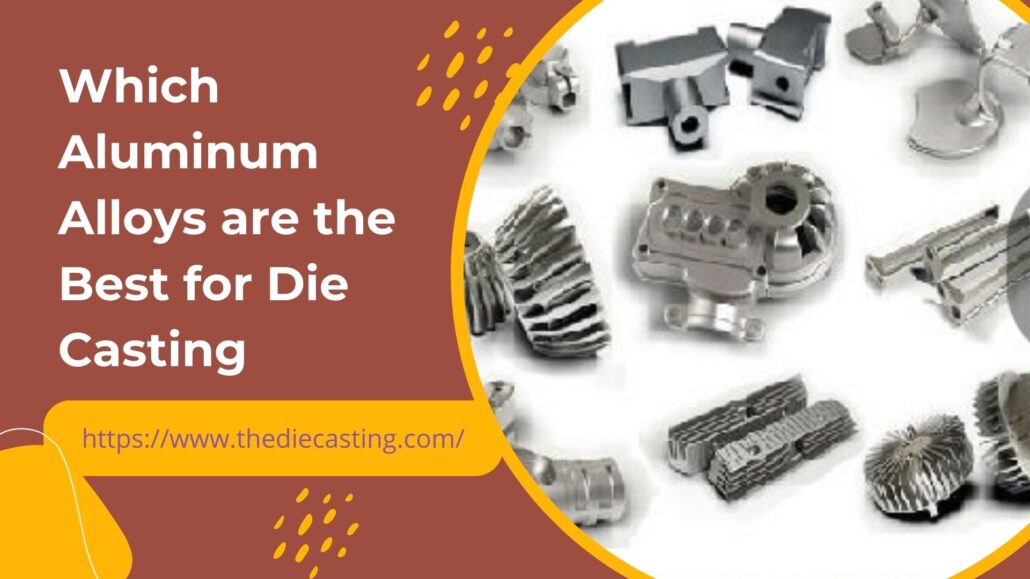
Which Aluminum Alloys are the Best for Die Casting

Aluminiu, aluminiu turnat, Aliaje AlZn10Si8Mg

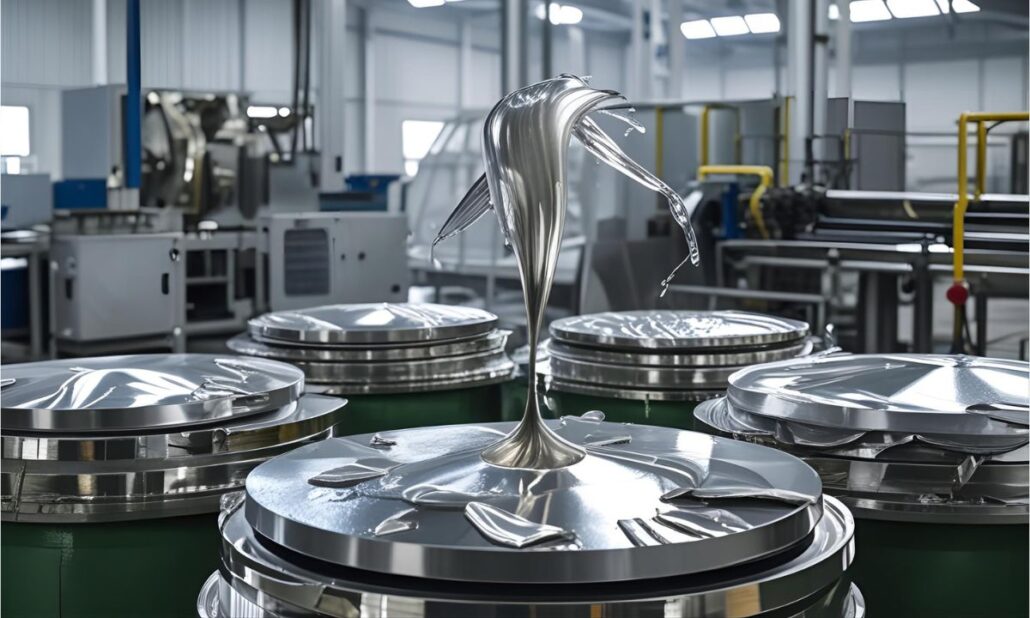
Introduction to Die Casting of Aluminum Aluminum alloy die casting is a highly efficient manufacturing process and is used to produce complex metal components at high volume. It is the process of injecting molten aluminum alloy into a hardened steel mold (commonly called a die) at high pressure. The process is particularly appreciated in the automotive, electronics, telecommunications, and industrial equipment industries, as it produces lightweight components with good dimensional accuracy and surface finish. The excellent strength-to-weight ratio is a key reason aluminum is a preferred metal for die casting. The aluminum alloy components may provide the required mechanical performance for the structural application and offer a material with a high level of product weight reduction. There is also die casting, which enables manufacturers to incorporate multiple functions into a single part. Ribs, bosses, mounting points, and thin walls can be cast in a single operation, eliminating the need for secondary machining and assembly. This, in turn, reduces production costs and increases consistency and repeatability. Owing to these merits, aluminum die casting has emerged as one of the most popular metal-forming processes for medium- to high-volume production. The Die Casting Process of Aluminium Mold Preparation and Setup It starts with preparing the steel die. The die is a two-part die casting: a stationary half and a moving half. The die cavity is sprayed and cleaned after every shot. This coating enables control of die temperature and makes the cast solid easy to eject without sticking to the mold surface or being damaged. Molten Aluminum Injection In a furnace, the aluminum alloy is melted and held at a controlled temperature to achieve the proper fluidity. During high-pressure die casting, a specified quantity of molten metal is injected into the die cavity at high pressure by a hydraulic piston. The pressure may range from several thousand to more than 20,000 psi, allowing the metal to fill small areas and complex geometries before solidification. Solidification and Cooling Pressure is kept after filling up the cavity until the aluminum cools and solidifies. The rapid cooling of the steel die yields a fine microstructure that enhances mechanical properties and surface finish. Channel cooling within the die regulates temperature and ensures consistent cycle times. Ejection and Finishing When the die is hardened, the halves open, and the die is ejected from the mold by ejector pins. Any unnecessary material, including runners, gates, and flash, is trimmed. Secondary operations, such as machining, surface treatment, or heat treatment, may then be performed on the part, depending on the application. The result is a near-net-shaped aluminum part suitable for demanding industrial applications. Aluminum Alloys in Die Casting Alloy-based castings: Aluminum die-casting alloys are designed to balance castability, mechanical strength, corrosion resistance, and thermal performance. In contrast to pure aluminum, these alloys have controlled levels of silicon, copper, magnesium, iron, and other alloying elements to enhance liquid flow, solidification, and serviceability of the molten metal. Selecting an appropriate alloy is essential, since each composition offers a unique balance of strength, durability, weight, cost, and manufacturability. This is a closer examination of the most popular high-performance aluminum die-casting alloys and what makes each one suitable for a particular application. A380 Aluminum Alloy Mechanical Performance and Strength A380 has been referred to as the workhorse of aluminum die casting. It has good tensile strength (approximately 320 MPa) and yield strength (approximately 160 MPa) in the as-cast form. Although not the best aluminum alloy on the market, it offers the best combination of strength and ductility for structural housings, covers, and brackets. Advantages A360 Aluminum Alloy Mechanical Performance and Strength A360 offers the same tensile strength as A380 and has improved performance at higher temperatures. The yield strength is typically 170 MPa, and this aluminum alloy is stable under hot-working conditions, such as in engine compartments. Advantages ADC12 (A383 Equivalent) Aluminum Alloy Mechanical Performance and Strength The counterpart of A383 is ADC12, which is of moderate strength, and the tensile strength is commonly 180230 Mpa. Although a bit weaker than the A380, it is still sufficient for the structural performance of numerous industrial and automotive components. Advantages Al-Si11Cu3 Aluminum Alloy Mechanical Performance and Strength The balanced mechanical properties characterize Al-Si11Cu3. Tensile strength is typically above 300 MPa, with good hardness and moderate ductility. It is stronger than ADC12 and is similar to A380 in most structural applications. Advantages B390 Aluminum Alloy Mechanical Performance and Strength B390 has been manufactured to be as hard and wear-resistant as possible. It has an incredibly high yield strength (approximately 240 MPa) and a tensile strength of 350 MPa. It is hard enough, up to 120 Brinell, which is very high by the standards of most die casting alloys. Advantages Comparative Summary The alloys of aluminum die casting are used as follows: The choice of an appropriate alloy is determined by the design factor, which may be strength, corrosion resistance, wear life, weight reduction, or casting complexity. Summary of Physical and Chemical Properties of Aluminum Alloys Alloy A380 A360 ADC12 / A383 Al-Si11Cu3 B390 Silicon % 7.5–9.5 9–10 9.5–11.5 9.6–12 16–18 Copper % 3–4   ≤0.6 2–3 1.5–3.5 4–5 Magnesium % ≤0.1 0.4–0.6 ≤0.3 ≤0.35 ≤0.1 Density (g/cm³) 2.71   2.63 2.70 2.70 2.75 Tensile Strength (MPa) ~324 ~317 180–230 ~300 320–360 Yield Strength (MPa) ~160 ~170 ~150 ~140 240–250 Elongation (%) ~3.5 ~3.5 ~3 ~2–3 <1 Hardness ~80 ~75 ~75 ~85 ~120 Corrosion Resistance Moderate Excellent Fair Moderate Fair Castability Excellent Fair Excellent Very good Moderate Wear Resistance Good Good Moderate Good Excellent Applications of Aluminum Alloys Automotive Industry Lightweight Structural and Powertrain Components Automotive aluminum alloys are widely used in the manufacture of automotive engine blocks, transmission housings, suspension components, and structural brackets. They are powerful per unit weight, reducing the vehicle’s total mass and improving fuel efficiency, thereby increasing the range an electric vehicle can travel. This aluminum alloy also improves heat dissipation in engines and battery systems, enhancing performance and durability. Aerospace Sector Airframe structures and Interior structures The properties that make aluminum
Ce sunt vasele de gătit din aluminiu turnat?

Ce sunt vasele de gătit din aluminiu turnat? Un ghid complet

Aluminiu, aluminiu turnat

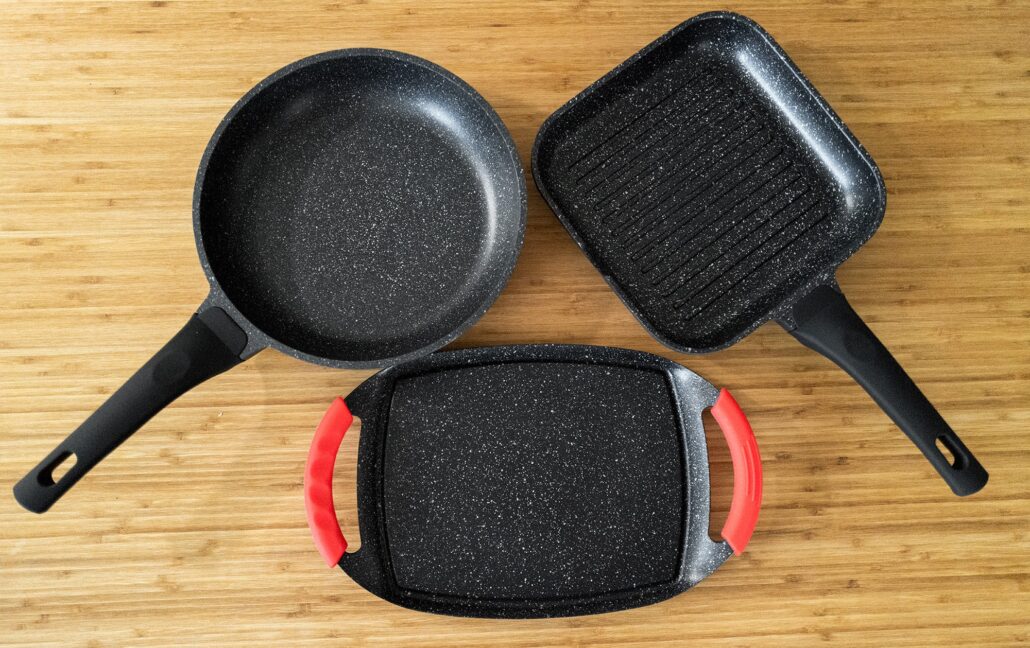
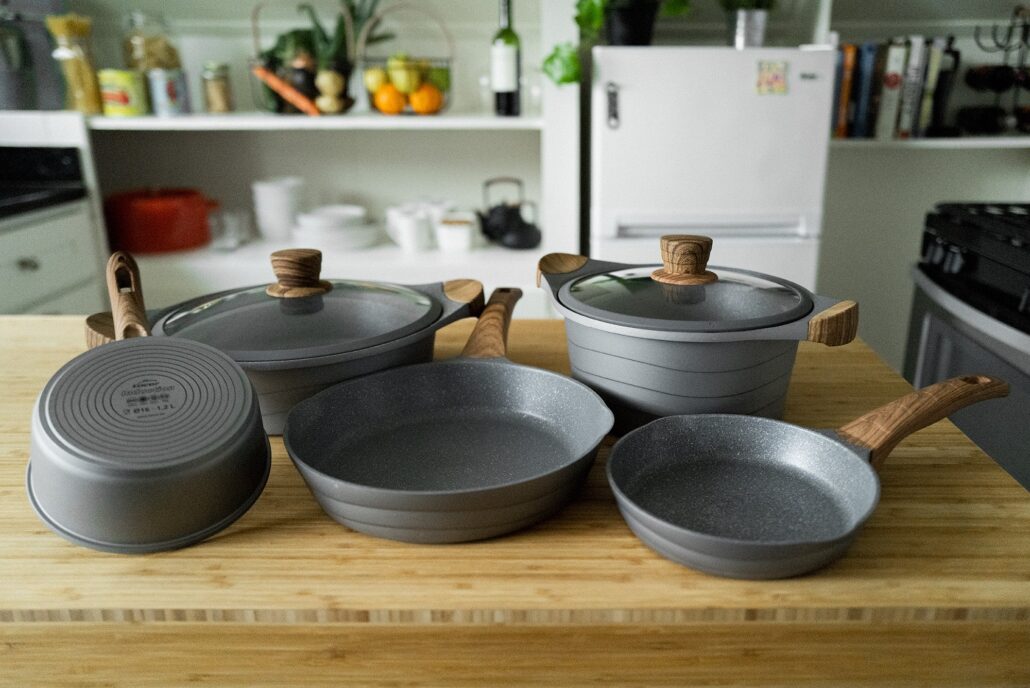
Ustensilele de gătit din aluminiu turnat devin populare în bucătăriile din întreaga lume. Este ușoară, ieftină și ușor de utilizat. Mâncarea poate avea un gust diferit în funcție de ustensilele de gătit care sunt utilizate, inclusiv procesul de gătire ușor. De asemenea, ustensilele de gătit economisesc timp și sunt durabile. Aluminiul turnat este realizat prin turnarea aluminiului topit într-o matriță. Metoda oferă ustensilelor de gătit atât o structură concretă, cât și consistență în grosime. Aceasta permite tigăii sau oalei să se încălzească rapid și să răspândească uniform căldura. Acest lucru simplifică și reduce timpul petrecut pentru pregătirea meselor de zi cu zi. Aluminiul turnat este un alt material relativ ușor pe care mulți oameni l-au folosit deoarece este relativ ieftin în comparație cu oțelul inoxidabil. De asemenea, poate fi preparat în diferite forme și dimensiuni; prin urmare, poate fi prăjit, copt și fiert. Cu toate acestea, aluminiul turnat are părțile sale negative. Nu este la fel de rezistent ca oțelul inoxidabil și nici la fel de rezistent ca fonta. Există, de asemenea, unele tipuri de ustensile de gătit care au nevoie de un strat antiaderent sau anodizat, astfel încât alimentele să nu se lipească sau să nu fie în contact cu alimente acide. În acest articol, toate acestea vor fi expuse folosind un limbaj simplu. Vă vor fi prezentate avantajele, dezavantajele, securitatea și tratamentul ustensilelor de gătit din aluminiu turnat. Cum sunt fabricate ustensilele de gătit din aluminiu turnat? Ustensilele de gătit din aluminiu turnat sunt produse ca urmare a turnării aluminiului topit într-o matriță. Metalul (aluminiul) va avea apoi forma unei tigăi, a unei oale sau a unui vas de copt după răcire. Procesul face ca ustensilele de gătit să fie mai rezistente și mai grele decât aluminiul tradițional presat sau laminat. Cele două etape importante ale procesului sunt: O astfel de turnare face oala de gătit suficient de rezistentă încât să poată fi folosită zilnic. Altele sunt învelișuri antiaderente pe ele pentru a preveni lipirea alimentelor și pentru a facilita curățarea lor. Aluminiu turnat Procesul de preparare a vaselor de gătit Pregătirea aluminiului Pasul inițial presupune selectarea aluminiului. Aluminiul pur sau aluminiul reciclat poate fi folosit de producători. Acesta este introdus în cuptoare mari unde este încălzit la peste 660 °Cpână când se topește pentru a forma un lichid. Această etapă este cea în care se face purificarea aluminiului pentru a determina dacă va fi puternic și sigur în produsul final. Crearea matriței Odată ce aluminiul este la îndemână, se creează matrița. Forma este determinată de matriță, iar aceasta poate fi o tigaie, o oală sau o tavă de copt. Aceste matrițe sunt de cele mai multe ori nisipoase sau oțelite. Subțirimea, echilibrul și durabilitatea copopotteruluiare îndrăznesc să fie determinate de tipul de matriță și de nivelul de rafinament. Turnarea aluminiului topit Forma este apoi umplută cu aluminiu lichid. Acesta este umplut până la limită în fiecare crăpătură a designului. Acesta este procesul care face, de asemenea, ca vasele de gătit din aluminiu turnat să fie mai grele și mai puternice decât vasele de gătit din aluminiu presat. Răcirea și solidificarea După ce a fost turnat, aluminiul este așteptat să se răcească. Acesta se rigidizează și se deprimă atunci când vine vorba de răcire și dobândește forma matriței. Răcirea este necesară deoarece elimină fisurile, bulele de aer sau zonele slabe care pot pune în pericol calitatea vasului de gătit. Tăierea și finisarea Odată întărită, vesela este scoasă din matriță. Acesta este locul în care o suprafață brută este tăiată și lustruită. Sunt încorporate și alte caracteristici, cum ar fi mânerele și bazele. Aceasta pentru a se asigura că uniforma bucătarului este netedă, sigură și gata de a fi acoperită. Acoperirea și finisarea suprafeței Majoritatea ustensilelor de gătit din aluminiu turnat sunt tratate la suprafață. Ele au cele mai multe dintre ele furnizate cu suprafețe neaderente, astfel încât alimentele nu se lipesc pe suprafețe,, iar curățarea nu durează mult timp. Ele pot fi anodizate de alții, iar acest lucru le crește rezistența la coroziune și zgârieturi. Aceste finisaje sunt, de asemenea, rezistente la reactivitatea cu alimentele acide. Testarea calității Controlul calității este ultimul. Toate lucrările sunt inspectate cu privire la echilibru, durabilitate și siguranța acoperirii. Ustensilele de gătit care au fost atent verificate sunt ambalate și doar trimise pe piață. Astfel, clienții se vor asigura că primesc ustensile de gătit durabile, de calitate și sigure. Avantajele ustensilelor de gătit din aluminiu turnat Care este motivul pentru a nu folosi alte materiale, pentru a folosi aluminiu turnat? Iată care sunt principalele avantaje: Ușor În comparație cu fonta, este foarte ușor în aluminiu turnat. Nu este nevoie de mult timp tocleanna, și este cu atât mai mult atunci când se are un bucătar care pregătește mese în mod regulat pentru persoanele în vârstă. Distribuția superbă a căldurii Aluminiul este un conductor termic. Ustensilele din aluminiu turnat se gătesc rapid și uniform. Acest lucru înseamnă că ar exista mai puține puncte fierbinți și o gătire uniformă. Accesibil Este în mod normal mai ieftin decât ustensilele de gătit din oțel inoxidabil sau cupru. Are performanțe decente la un preț accesibil. Versatil Aluminiul turnat poate fi prăjit, copt, fiert sau fiert la foc mic. Unele sunt compatibile chiar și cu cuptorul. Încălzire rapidă Aluminiul face ca alimentele să se gătească mai repede, deoarece reacționează mai rapid la căldură. Acest lucru economisește timp și energie. Dezavantaje ale ustensilelor de gătit din aluminiu turnat În ciuda mai multor avantaje ale ustensilelor de gătit din aluminiu turnat, acestea posedă și câteva limitări: Probleme de durabilitate Aluminiul turnat este mai moale decât fonta sau oțelul inoxidabil. În cele din urmă, este posibil să fie lovit sau zgâriat, mai ales atunci când nu este manipulat în mod corespunzător. Reactivitatea cu alimentele Aluminiul neacoperit poate reacționa cu acizi precum roșiile sau oțetul. Acest lucru îl poate face fie metalic, fie decolorat. Majoritatea cratițelor moderne din aluminiu turnat sunt acoperite împotriva acestor efecte. Probleme de acoperire Pelicula antiaderentă de pe tigaie poate fi de proastă calitate și, prin urmare, se poate uza cu timpul. Acesta poate fi frecat cu bureți duri sau ustensile metalice, iar acest lucru îi scade durata de viață. Aluminum Cast And Other Cookware Alegerea ustensilelor de gătit este mai mult o alegere. Performanța aluminiului turnat, atunci când este comparată cu înlocuitorii populari, stă după cum urmează: Aluminiu turnat și oțel inoxidabil Prima diferență sesizabilă în cazul aluminiului turnat și al oțelului inoxidabil este căldura

Vopsea aluminiu anodizat

Puteți vopsi aluminiul anodizat? Un ghid complet

Aluminiu

Anodized aluminum finds extensive uses in both household and industrial products since it is strong, resistant to corrosion and has a smooth metallic appearance. Its resistance renders it a favourite in windows, doors, auto parts, kitchen appliances and decor. One of the most common questions amongst DIY makers and professionals, nonetheless, is: can you paint anodized aluminum? The answer to this is yes, although it must be properly prepared on the surface, with the correct paint, and applied with care to achieve a long-lasting professional job. As compared to bare aluminum, anodized aluminum has a protective layer of oxide, which prevents corrosion and wear, but at the same time increases its resistance to paint adhesion. This is the reason why a lot of individuals are afraid to try to paint anodized aluminium themselves, since they are scared of peeling, chipping, or patchy textures. Luckily, anyone can adequately paint anodized aluminum surfaces using the appropriate measures. The selection of the appropriate paint is as important as preparation. Alternatives are anodized aluminum paint (formulated to adhere to anodized surfaces) or anodized aluminum spray paint, which is handy when a smooth finish is required over a complex or detailed surface. General-purpose paints can be used, although more primers and handling are needed to avoid adhesion problems. In this step-by-step guide, we are going to discuss the materials, preparation, methods of painting, common errors, and maintenance required to make a painting project successful. You might be a skilled do-it-yourselfer or a novice painter, but this article will provide you with the answer to the question: Can you paint anodized aluminum and give you practical steps to take to bring a durable and beautiful finish to your object? The facts of Anodized Aluminum It is good to comprehend what anodized aluminum is before discussing the question, Can you paint anodized aluminum? A process called electrochemical oxidizing, known as anodizing, produces a protective coating of oxide on the surface of aluminum. The layer increases the corrosion resistance and strengthens the aluminum. Nevertheless, the same layer may cause the paint to stick hard and hence proper preparation is paramount. Anodized aluminum is not innately porous like bare metal, so paints and primers do not easily adhere without appropriate surface treatment. Discussing painting anodized aluminum, it is imperative to also be aware of the nature of the material to attain a professional finish. Can You Paint Anodized Aluminum? It is a yes to the question, can you paint anodized aluminum, but this has to be prepared, and the right material has to be used. Due to the properties of anodized aluminum, which make it resistant to corrosion and wear, paint does not easily bond to it. Omission of processes such as cleaning, sanding or priming may result in a peeling or chipping process with time. The thing is that many individuals may have doubts about whether they should be able to paint anodized aluminum or whether they should employ a professional. Although there are professional methods at hand, DIYers can also attain very good outcomes at home by being patient and giving details a lot of thought. Painting Preparation Preparation is one of the most important stages in the successful process of painting anodized aluminum. Correct preparation is to make sure that the paint applies and will last. Here’s a step-by-step approach: The failure of adhesion and flaking may happen when these preparation steps are skipped, and that is why anyone who says Can you paint anodized aluminum should consider these steps seriously. Step-by-Step Process to Paint Anodized Aluminum It might seem quite daunting to paint anodized aluminum, but the correct steps can make it simple. To have a smooth, long-lasting finish, proper preparation, the correct paint and proper application are the keys. Here’s a detailed guide: Gather Your Materials It is better to prepare all the materials before starting. You will use a mild detergent or aluminum cleaner to get the grease and dirt off, surface preparation with fine-grit sandpaper (400-600 grit), a tack cloth to take the dust off, and a primer that can be used on metal or on the anodized surfaces. When it comes to the paint itself, you have a choice of either of the two: anodized aluminum paint or anodized aluminum spray paint, which can be used either using a brush or a spray technique. An option is the clear protective coat that promotes durability and preserves a vivid look. This is done by ensuring all materials are prepared beforehand, thereby giving a smooth process of painting without being interrupted. Clean the Surface Successful anodized aluminum painting is based on cleaning. Even residue, oil or fingerprint on the surface can make the paint not stick. Wash the aluminum using a small amount of detergent in water. Wipe down and leave to dry. After it is dry, take a tack cloth and wipe it clean. Careful cleaning is essential to professional outcomes when trying to paint anodized aluminum. Failure to do this step normally results in uneven or peeling paint. Sand the Surface It is important to sand the aluminum slightly in order to form a texture that the primer and paint can adhere to. Sandpaper of around 400-600 grit should be used on the surface to gently sand the surface in a circular or back-and-forth motion. It is not aimed at the removal of the anodized layer, but in order to roughen it by a small portion. Once it is sanded, clean the dust with a tack cloth. A common mistake by beginners is the lack of proper sanding to help give the anodized aluminum a good adhesion once painted. Sanding is an additional technique to take the time to ensure the finish is smooth and long-lasting. Apply Primer The use of a primer is among the most significant actions when painting. Primer closes microscopic pores created in the aluminum surface, enhancing bonding and a stable base where paint is applied. Put a highly uniform layer of metal primer over the

Se poate acoperi aluminiul cu pulbere?

Se poate acoperi aluminiul cu pulbere?

Aluminiu

Aluminiul este unul dintre cele mai importante materiale din industrie. Acesta a devenit esențial în toate domeniile, de la construcții la industria auto, de la industria aerospațială la bunuri de larg consum, datorită combinației dintre greutatea sa redusă, rezistența la coroziune și rezistența sa. Cu toate acestea, în cazurile în care clienții doresc un finisaj mai stabil, colorat și protector, se ridică întotdeauna o singură întrebare: Se poate acoperi aluminiul cu pulbere? Răspunsul pe scurt este: da. Nu există nicio îndoială că, pentru a crește durabilitatea, rezistența la coroziune, precum și aspectul general, aluminiul poate fi acoperit cu pulbere. Cu toate acestea, aluminiul are un strat natural de oxid care face ca pregătirea corespunzătoare să fie importantă, în ceea ce privește aderența suficientă. În caz contrar, fără a trece prin pașii corecți, finisajul se poate desprinde sau, mai degrabă, poate ieși mai devreme. Aici vom aprofunda ce este exact acoperirea cu pulbere, de ce funcționează atât de bine pe aluminiu, procesul, avantajele, utilizările și sfaturile de întreținere, inclusiv cel al diferențelor dintre acoperirea cu pulbere și anodizare. La final, veți ști deja despre acoperirea eficientă cu pulbere a aluminiului. Ce este acoperirea cu pulbere? Acoperirea cu pulbere este o procedură de finisare care presupune utilizarea unei pulberi uscate (derivată din rășină fin măcinată, pigmenți și aditivi) pe o suprafață metalică cu ajutorul atracției electrostatice. Se încălzește apoi secțiunea acoperită într-un cuptor unde pulberea topită curge și se întărește într-un material protector solid și dur. Acoperirea cu pulbere este lipsită de solvenți și emite puțini compuși organici volatili (COV) în comparație cu vopseaua lichidă. În cazul aluminiului, o opțiune mai rezistentă la uzură, la UV și mai decorativă este cunoscută sub denumirea de aluminiu acoperit cu pulbere. De ce aluminiu acoperit cu pulbere? Producătorii decid să se supună procesului de acoperire numit acoperire cu pulbere a aluminiului din mai multe motive: În comparație cu vopsirea tradițională, acoperirea cu pulbere a aluminiului are avantajul de a putea oferi o acoperire mai uniformă și, în general, o acoperire mai groasă, mai fiabilă și mai durabilă. Învățarea despre aluminiu ca suprafață de acoperire Vorbind despre acoperire, dar mai întâi, ar trebui să știm despre proprietățile fizice și chimice ale aluminiului: Deși acest strat de oxid acționează ca un mecanism defensiv, el poate impune dificultăți procedurilor de acoperire. Punctul cheie al unei acoperiri excelente cu pulbere de aluminiu este de a pregăti bine suprafața pentru a face ca pulberea să se lipească bine de suprafață. Procedura pas cu pas de acoperire cu pulbere a aluminiului 1. Pregătirea suprafeței Acoperirea cu pulbere a aluminiului începe cu pregătirea suprafeței, care este cel mai important pas. Curățarea relevantă va garanta că pulberea se lipește bine și oferă un finisaj durabil. Murdăria și grăsimea, uleiurile și oxidările nu trebuie să fie prezente pe suprafața aluminiului. Acest lucru se obține în mod normal prin detergenți, solvenți sau detergenți alcalini. În anumite situații, se face curățare chimică și cu ultrasunete pentru a elimina orice reziduuri microscopice. De asemenea, este posibil să se efectueze gravarea suprafeței pentru a rugoza puțin aluminiul, pentru a crește aderența. După ce a fost efectuată curățarea, aluminiul este apoi clătit și uscat pentru a elimina orice defecte de pe acoperire. 2. Pretratare Pretratare metalică: Chimic Aluminiul poate fi pretratat chimic pentru a-i crește rezistența la coroziune și pentru a asigura o aderență corespunzătoare a pulberilor. Una dintre tehnicile comune este acoperirea prin conversie, care oferă un film protector subțire pe suprafața aluminiului. Aceasta poate fi realizată cu tratamente cromate sau necromate. Pe lângă îmbunătățirea aderenței, aceste pretratamente vor prelungi durata de viață a acoperirii, deoarece aluminiul nu va fi expus la elemente. Acoperirea cu fosfat este, de asemenea, o opțiune pentru anumite aplicații, dar mai puțin decât pentru oțel, deoarece ar trebui să se utilizeze cel puțin crom într-o procedură cu mai multe straturi. 3. Aplicarea pulberii Acoperirea cu pulbere este aplicată după ce aluminiul a fost pregătit și tratat. Cea mai comună metodă este pulverizarea electrostatică. În această tehnică, componentele din aluminiu sunt împământate și particulele de praf se încarcă datorită electrodinamicii cu ajutorul unui pistol de pulverizare. Particulele încărcate pozitiv sunt atrase spre suprafața de aluminiu, rezultând o acoperire nivelată și netedă. O altă tehnică este cunoscută sub numele de metoda patului fluidizat: aici piesele pot fi din aluminiu, încălzite și plasate într-o baie de pulbere, care se topește la contact și formează o acoperire. Aceasta asigură o acoperire de sută la sută chiar și pe forme și colțuri complicate. 4. Vindecarea Acoperirea formată prin utilizarea pulberii trebuie să fie vindecată după care se obține un finisaj durabil. Componentele din aluminiu sunt apoi introduse într-un cuptor de întărire și coapte între 180200 o C în 1020 de minute, în funcție de pulberea utilizată. Particulele de pulbere se topesc, curg și se încrucișează chimic într-un strat uniform și dur datorită căldurii. Când întărirea este completă, piesele sunt răcite încet până la temperatura camerei, prin urmare acoperirea este uniformă și fără defecte. 5. Inspecția calității Fiecare piesă din aluminiu este apoi testată pentru a se asigura că acoperirea este de natură calitativă după întărire. Examinarea vizuală se face pentru a verifica consistența culorii și netezimea fără căderi, curgeri și pete neacoperite. Se verifică grosimea stratului de acoperire, care este cuprinsă, în general, între 50 și 150 microni. Examinarea durabilității stratului de acoperire se face prin teste de aderență și duritate, cum ar fi testul cu bandă sau testul de impact. Testele de rezistență la coroziune vor fi, de asemenea, efectuate în cazul în care se vor efectua teste cum ar fi testele de pulverizare salină, în aplicații critice pentru a se asigura protecția pe termen lung. 6. Finisarea finală opțională Uneori se realizează o finisare suplimentară a pieselor din aluminiu acoperite. Aceasta ar putea fi sub formă de lustruire, ștanțare sau marcare cu laser, fie pentru a spori scopurile decorative sau practice. În cele din urmă, piesele sunt ambalate și amortizate bine pentru a fi depozitate sau expediate, iar finisajul nu este deteriorat până când utilizatorul final primește produsul. Avantajele aluminiului acoperit cu pulbere Există numeroase avantaje ale utilizării aluminiului acoperit cu pulbere care l-ar face foarte atractiv pentru majoritatea industriilor. Principalul său avantaj este rezistența superbă la coroziune. Oferă protecție prin faptul că acoperirea se face sub formă de pulbere și devine un scut, iar acest lucru protejează

Electroplacarea aluminiului

Electroplacarea aluminiului: Îmbunătățirea durabilității și a esteticii

Aluminiu

Electroplating has become an important process in many sectors, providing a way of improving metal properties. Electroplating offers numerous advantages when it comes to aluminum; it offers better corrosion resistance, greater hardness of its surface hardness, as well as a better appearance. Electroplating aluminum enables the manufacturers to overcome several wear and tear issues, hence it is a vital process to use in most applications, whether automotive or electronics. This paper is going to discuss the process of electroplating aluminum, the advantages of aluminum electroplating, and some hints on how to electroplate aluminum. The role of electroplated aluminum cannot possibly be overemphasized because it is vital in the enhancement of efficiency and durability of the components that are based on aluminum. Aluminum in itself is a lightweight and flexible metal, though it is usually susceptible to staining and wear, given the fact that it has a comparatively soft surface. Metallization of aluminum with plating metals such as nickel, chrome, or gold will provide a strong corrosion-resistant finish, which greatly increases the lifespan of aluminum components and makes it a finer material to work in harsh conditions. Besides, it is aesthetically pleasing; electroplating improves the appearance of aluminum in addition to its functional benefits. It has a bright metallic appearance due to a special technique called aluminum electroplating; this could enhance the product’s appearance and is therefore common in industries where the product’s appearance and performance are important. Be it on an automotive component, a piece of consumer electronic product, or even an ornament, the procedure of electroplating aluminum provides a package of protection, durability, and aesthetics, which is why it is a ready-made solution to numerous manufacturing problems in the market. What is Electroplating Aluminum? Electroplating aluminium is the process where a metal film is deposited onto aluminium using an electrochemical reaction that deposits a thin film of metal on the aluminium. In the process, components made of aluminum are put in an electrolytic solution that contains metal ions. By running an electric current through the solution, these ions are reduced and deposited on the aluminum surface, forming a metal coating. The method improves the physical characteristics of the aluminum metal, including its chemical resistance, wear resistance, and cosmetic appeal. Aluminum electroplating is a very widely applicable and versatile process for many applications in industries such as the automotive industry and the electronics industry. Why Electroplate Aluminum? Typical Applications History of Electroplating Electroplating in its early form originated in the 19thcentury when the aspect of electrochemical reactions was discovered. The initial methods of electroplating were mostly applied about gold and silver coating, but with time, aluminum electroplating got to be introduced because of the lightweight and flexible character of the used material. It made aluminum a favourite attraction to be electroplated into many different industries, including manufacturing and even decorating items. History of Aluminum Electroplating Such developments in Electroplating Technology The second was that the process was made more efficient and reliable through the advancements of the electroplating techniques in the 20th century. Major events are: The process of electroplating aluminum has been made efficient and scalable using these innovations as an efficient solution to enhance aluminum parts in contemporary manufacturing industries without departing from the core values that were developed a century earlier. Electroplating Aluminum Process The process is denoted as electroplating aluminum, whereby a thin coating of metal is applied to the surface of aluminum by passing an electrochemical reaction. The method improves the properties of the aluminum, as it makes the metal more corrosion-resistant, durable on the surface, and more attractive. This process is indispensable in manufacturing different industries, such as cars to electronic appliances, to enhance the durability and performance of aluminum components. 1. Surface Treatment of Aluminum Cleaning / Surface Preparation Surface preparation of the aluminum is the initial process in the procedure of electroplating aluminum. Aluminum also develops a natural oxide coating that has to be removed to facilitate proper binding of the metal being electroplated. Mechanical cleaning of the surface is also done by either sanding or using chemicals to eliminate any grease marks, stubborn dirt, or otherwise. Etching Once the aluminum is cleaned, it is put through a process of dissolving the oxide layer in an acidic solution, in this case, etching. This will be one of the most important steps that can be taken in regard to firmly making the electroplated metal adhere to the aluminum substrate. 2. The Electrolyte Solution Preparationon Formulation of electrolyte solutions: Electrolyte solutions Electroplating of aluminum is dependent on the electrolyte solution. It has metal ions of the metal to be plated, e.g., nickel, chromium, or gold, and chemicals to enhance the quality of the coating. These additions contribute to the regulation of plating thickness, uniformity, and smoothness, and produce high quality finish. Electrolyte used Types In the case of the term electroplated aluminum, some of the most used metals are nickel in terms of corrosion resistance and chrome to provide an aesthetic value. The composition of the electrolyte is adjusted to suit a particular metal and finish. 3. The process of Electroplating Electroplating Setup To plate the cleaned aluminum component, the process begins by immersing it in the electroplating solution. The aluminum is the cathode (negative) electrode, and the plating metal forms the anode (positive) electrode. Applying the electric current, ions of metal are deposited on the surface of the aluminum since ions of metal within the electrolyte are being reduced. Thickness Control of Plating The thickness of the electroless aluminum layer is determined by the time spent on the plating of this metal and also by the strength of the current. It may take only a few minutes or hours, depending on the thickness of the coating required. The outcome is a uniform and smooth finish, which improves the properties of aluminum. 4. Post-Plating Treatments Rinsing and Drying Following the electroplating procedure, the section of the aluminum that has received electroplating is thoroughly rinsed of any remaining electrolyte. The component piece is then

Carcasă termostat din aluminiu

Carcasa termostatului din aluminiu: Precizie și durabilitate pentru componentele motorului

Aluminiu

The aluminum thermostat housing is extremely important for the effective working and the endurance of automobile and industrial engines. The necessity to keep the engine at an optimum temperature to avoid the risk of overheating, which can lead to serious engine damage, is necessitated by engine cooling systems. Consequently, the structure and materials employed to make up parts like the thermostat housing are vital to the entire efficiency of the cooling system. Aluminum has evolved to be a popular material because of its light weight, strength, and excellent heat dissipation qualities; therefore, aluminum is a popular choice of material when demanded under the circumstance known as an aluminum thermostat housing. Aluminum thermostat housing has gained increased popularity in a number of trade verticals as many industries demand high-performance and cost-effective parts. Motorcycles, heavy machinery, and marine engine aluminum thermostat housings also enjoy the value of resistance to high temperatures and other elements that the material has demonstrated in its application in automotive engines as well. The concept of the significant aluminum thermostat housing, its use, advantages, fabrication, and application in the engine cooling system will be discussed in this article. We shall also explore the option of custom thermostat housing and how thermostat housing manufacturing is a crucial element when it comes to manufacturing high-quality and long-lasting components. What is an Aluminum Thermostat Housing? A thermostat housing, most often made of aluminum, is a very important part of the cooling system of an internal combustion engine, especially an automotive engine. Its major role is to accommodate the thermostat, which regulates the flow of coolant in the engine and the radiator. The thermostat controls the temperature of the engine, shutting down and opening up depending on the temperature of the coolant, and the temperature of the engine is at optimum. Housing usually is composed of aluminum due to its lightweight attributes, ability to resist corrosion and thermal conductivity. It is made to be able to resist high-pressure coolant systems and rough operating environments, and cause no degradation after several years. Not only is an aluminum thermostat housing light in weight, but it is also highly temperature resistant, which is critical to ensuring proper engine cooling system. Why should thermostat housing be made of aluminum? The selection of aluminum in the production of thermostat housing has tremendously been in favour, as it comes with numerous benefits, namely: a. Light and Strong The lightweight nature of aluminum has seen this material being extensively used in automotive parts that require reduced weight without compromising the strength and performance of the parts. The lower weight will lead to more fuel efficiency, which is important among current vehicles. b. Corrosion Resistance Aluminum is naturally unaffected by corrosion, which is quite essential in automotive engines where there is always exposure to coolants, water, and chemicals. The presence of corrosion resistance makes the housing of the aluminum thermostat structurally stable and gives it the capacity to endure with reliable performance during its lifetime. c. Dissipation of Heat Aluminum has been a great heat conductor. It allows cooling of the engine away, making the thermostat have an optimum temperature. This conductivity of thermal energy assists in adjusting the engine temperatures and avoids overheating, which will lead to the destruction of engine parts. d. Cost-Effective Aluminum is a cheap metal when compared to other metals, hence it is a cost-effective alternative when mass production is involved. Furthermore, it can be lightly machined and cast, enabling affordable production procedures; therefore, it has reduced the production cost of offering a solution of a custom thermostat housing. The Aluminum Thermostat Housing Materials Aluminum thermostat housing materials are important in performance, durability and resistance to harsh engine operating conditions. Synthetic alloys that are common are: 1. Aluminum 356 Alloy Aluminum 356 is famously known to be an incomparable castable, sturdy, corrosion-resistant metal that makes it a favourite medium in thermostat housing due to its admirable qualities. It is durably performing in extreme hot climate conditions. 2. Aluminum 6061 Alloy This alloy has a good strength-to-weight ratio and corrosion resistance, which are suitable traits to be used as a custom thermostat housing for PMFMI automotives or industries. 3. Aluminum 7075 Alloy Aluminum 7075, a super-strong alloy that fits on high-performance components, is ideal as a custom housing for a thermostat in engines where stress and temperatures are extremely high. 4. Alloy 319 Aluminum With superior casting properties, Aluminum 319 is used in aluminum thermostat housings on automobiles and industrial engines where long-term wear resistance must be achieved. 5. Alloy 5083 Aluminum The aluminum 5083 has good corrosion resistance, which makes it highly useful in the marine industry and heavy machinery industries, where it has to deal with corrosive factors due to moisture and harsh conditions. These materials guarantee that thermostat housing manufacturing will generate durable, light and efficient engine cooling parts. Aluminum Thermostat Housing Types Aluminum thermostat housing is also of various types, depending on the manufacturing process, design requirement and the nature of the engine application in question. The typical automotive and industrial materials are listed below: 1. Sand Casting Thermostat Enclosure The creation of larger and more complex parts is usually done through a process known as aerospace sand casting, where an aluminum thermostat housing is determined. Here, a sand mold is cast over the pattern of the thermostat housing, and molten aluminum is poured into the mold so as to create the part. The technique is best suited for manufacturing elaborate patterns and low to medium volume of production. 2. Die Cast Thermostat Housing In die casting, molten aluminum is repeatedly forcefully injected into a steel mold, forming an aluminum thermostat housing of usually accurate dimensions and smooth surface finishes. This process is most suited to large volume manufacturing and is normally employed in instances where specific, strict tolerances and uniformity must be met. 3. Thermostat Housing Permanent Mold Casting Permeant mold casting employs the use of metal molds in thermostat housing production, and parts manufactured in this form have very

Aluminiu turnat

Ce este aluminiul turnat? Metalul versatil utilizat în producția modernă

Aluminiu, aluminiu turnat

Aluminium castings are one of the most adaptable and common materials in contemporary manufacturing. It is used to melt and pour molten aluminum into moulds to adopt desired shapes, and in this process, complex and intricate parts can be constructed that would otherwise have a tough time coming out using alternative techniques, and hence, the process can generate a lot of such parts at a relatively lower cost. The cast aluminum products have found their value through various purposes that stretch to auto engine parts, aerospace, coffee pots, cookware and even household. The incredible weightlessness, plus concurrent strengths and resistances against corrosion and good thermal conductivity, make it the best supplier to numerous industries. Cast aluminum also provides the manufacturer with a lot of design flexibility, allowing the creation of complex geometries that can optimise performance without using a lot of material.  The process of casting is also very efficient and economically viable, particularly when mass production of parts is involved. Moreover, aluminium is one of the categories of metal that is easy to recycle, which means it can decrease the ecological costs of production. Although cast aluminum has a lot of advantages, it also has some shortfalls, such as its brittle nature when compared to wrought aluminum and that it is difficult to weld. These factors have to be taken into consideration when choosing cast aluminum for particular applications. This article will give a broad perspective of the properties, advantages and applications of cast aluminum, one of the most common substances in the contemporary world. What is Aluminium Cast? Cast aluminum consists of the quite liquid appearance of aluminum that has been remoulded into a shape that forms a product. This process, or casting, is a very old manufacturing process adapted to present-day practices. Unlike wrought aluminum, which is cast using the rolling process or extrusion, aluminum is poured into the mould as molten metal, after which it is left to harden. Casting provides more complex, hollow and even three dimensional shapes that could not be readily or cost within easy reach to form by machining or forging, since it begins as a liquid. It is this versatility that makes cast aluminum products so widely used right across our spectrum of products; that is, engine parts, as well as electronic equipment and cookware, to name a few. Simple Cast Aluminum Composition Aluminum, most of the time, is not pure aluminum. Instead, it is an alloy, i.e. a mixture of aluminum and other materials in order to improve strength or fluidity, or both. The most frequent aspect of the alloy is The combination is particular, which is dependent on use. To illustrate, alloys with high heat conductivity and corrosion resistance would be used on high-temperature equipment like automotive parts, and cookware would take the one with the high silicon-aluminium content that has high thermal performance and wear resistance. History and Development of Cast Aluminum Casting of metals has a history in the order of thousands of years since the early societies were known to cast bronze and cast iron to produce tools and weapons. Aluminum was not extracted until the early 19th century, and it was uneconomical to do so until the creation of the Hall-Héoult process late in the 19th century. The casting of aluminum became one of the processes of the aviation and cookware industries by the beginning of the 20th century. It is during the World War II era that aluminum demand was at its highest because of its strength-to-weight ratio that made it most suitable in aeroplanes. After the war, aluminum casting had more commercial applications in consumer products, automobile manufacturing and architecture.Due to the advancement of the design engineering of moulds, metallurgy, and castings, cast aluminum is part of the present-day production. Process of Cast Aluminum  Cast aluminum is a process which requires a number of major steps to turn melted aluminum into parts that can be used in the form of specific shapes. The work of the basic explanation of the process goes in the following way: 1. Mould Preparation The initial procedure of casting is making a mould in which molten aluminum will be cast. Depending on the casting method, the mould may consist of such materials as sand, metal or ceramic, among others. It is also designed with a good mould to have the desired shape to ensure that the aluminum solidifies in the right shape. 2. Melting Aluminum When the mould is ready, some scraps of aluminum or aluminum ingots are placed in a furnace where they are melted at a temperature range of 660 to 750 °C (1220 to 1382 o F). The molten aluminum is also continuously watched with the aim of obtaining the right pouring temperature and quality. 3. Pouring the Molten Aluminum into its Mold Once the melted aluminium is poured into the cavity of the mould, the molten metal is poured into the cavity of the mould. The pouring is done, depending on the kind of casting, i.e. die casting, sand casting or investment casting. Some of the techniques used include die casting, where molten aluminum is injected under pressure, whereas in other techniques, the molten aluminum is just poured into the mould and left to cool. 4. Cooling and Solidification Building and Overseeing: Having too thick or complicated a part will take a long time to cool. At this stage, the melted-down aluminum cools into the required shape and expels internal pressure. 5. Installation and Inspection After the aluminum is cooled down and solidified, the mould is then released, and the cast part remains. The separation in some cases is done by breaking the mould piece, particularly with casting in sand, and with other techniques such as die casting, mould opening and the part is ejected. 6. Finishing and Inspection After cutting the part, it is usually processed further using finishing operations such as grinding, polishing, machining, etc., in order to smooth the surface or attain closer tolerances. With the part, it is then checked

ce este ustensila de gătit din aluminiu turnat

Ce sunt vasele de gătit din aluminiu turnat?

Aluminiu

The cast aluminum cookware is often used by home cooks and professional chefs and is known and appreciated because it is durable and lightweight at the same time, with a high distribution of heat. Cast aluminum cookware is manufactured by pouring molten aluminum into moldings; the main aim of such cookware is to ensure that it gives even heating, it should not warp, and it should be able to last a long time. Its application has made it an all-purpose element in the kitchen since it is applicable in most of the cooking methods, such as frying and sauteing, baking and roasting.Among the most notable benefits of cast aluminum cookware is the fact that it warms up fast and equally. Cast aluminum cookware can also be said to be thicker than its thinner counterparts, such as the stamped aluminum, which makes them have good thickness to maintain a homogenous cooking temperature. It is also usually manufactured to have non-stick layers, and thus also lowers the amount of oil used, and cleaning becomes easier.Over time, cast aluminum cookware manufacturers have been advancing and making it exceptional through new materials, environmentally friendly coatings and other non-stick technologies. These developments also make it even more popular and provide its customers with a more efficient, healthier, and more sustainable process of cooking. You invite your friends over, you are in the process of putting together a simple meal or a complicated one; cast aluminum cookware comes in handy to do the job, this is because its performance is dependable and works in tandem with the demands of a modern kitchen.  Understanding Cast Aluminum Cookware Cast aluminum cookware refers to pots, pans and skillets, plus the other kitchen equipment manufactured at the local level by pouring molten aluminum into moulds. The casting of the cookware makes it quite robust in structure, which therefore makes it considerably stronger as compared to ordinary aluminum. In comparison to stamped aluminum (prepared on thin sheets), cast aluminum cookware is far thicker, hence offering more heat retention and distribution. The warp factor as time passes is one of the primary factors people love using cast aluminum cookware, as the problem is prevalent with thin material. This also assists in even cooking temperature, so that cooking of different dishes is likely to give more similar results.  Die-cast aluminum cookware Die-cast aluminum cookware follows the use of aluminum that undergoes the die-casting procedure. It is done through the pouring of molten and pressurised aluminium into a cavity. This way, the shape and the thickness of the cookware can be controlled accurately. The die-cast aluminum cookware is usually more sophisticated as compared to the regular cast aluminum since it has a refined texture and smooth surface.The advantage of the die-cast aluminum cookware is that it is not as heavy as some of the other materials, such as cast iron. This is more convenient when cooking and cleaning up, thus Ideal in cooking choice, especially when one requires cookware that is of good quality but not heavy.The other attribute of die-cast aluminum cookware is that it is versatile. It applies to a large number of procedures such as frying, baking and simmering. It also usually has a non-stick coating added to it, which contributes to it being easy to use and clean. Nevertheless, one should keep in mind that the non-stick coating may wear down over time, unless it is maintained carefully. What is Cookware? Cookware can also be defined as the different kinds of pots, pans and other cooking utensils that are employed in the preparation of food. Such objects are frequently produced with such materials as stainless steel, aluminum, cast iron, ceramic, non-stick covered items, and copper. The primary aim of cookware is to assist in preparing and cooking food materials by using different methods, i.e., boiling, frying, sauteing, baking, or grilling. The kind of cookware: 1. Cooking Pots and Pans: Cooking is done using the two most basic cooking pots. They are of different shapes and sizes, such as frying pans, saucepans, stockpots and saute pans.2. Baking Dishes: This category will be trays, pie dishes, and cake pans, which are only used to bake.3. Speciality Cookware: These are woks, grills, Dutch ovens and pressure cookers. Materials Used in Cookware The process of manufacturing cast aluminum cookware  Manufacturing of cast aluminum cookware consists of the following steps, which include melting of aluminium, molding, finishing and coating. The procedure of manufacturing cast aluminum cookware is described in as many steps as possible below: 1. Melting the Aluminum The aluminum metal has to be melted to prepare it, and that is the first stage of its production of cast aluminum cookware. Sand, metal, or ceramics are typical materials that make up this kind of mould. The temperature regulation is done with accuracy to ensure that the aluminum reaches the correct viscosity to be cast with. 2. Preparing the Mould After the aluminum has been melted, a form is initiated to shape it into the preferred form of cookware. Aluminum is poured in the form of Aluminum. Where cast aluminum itself is used, the moulds are often sandcast, and they are specifically designed to make an individual piece of cookware (a frying pan, a pot, a skillet, etc.).Once the mould is prepared, the molten aluminum is supposed to be poured into the mould cavity. This depression takes the form of the cookware to be produced. Metal Moulds: There are metal moulds that can be reused, which are reused and are able to hold the heat at greater temperatures. 3. Pouring the Molten Aluminum Once the aluminum has been poured into the mould, it is cooled down. The liquid metal is added to all the areas of the mould, and it assumes the form of the cookware. This pouring process should be accurate so that the cookware is also shaped properly and flawlessly.At this phase, the pouring of the aluminum into the mould is done either manually or automatically (depending on the magnitude of the

Aluminiu anodizat: Înțelegerea procesului și a numeroaselor sale beneficii

Aluminiu anodizat: Înțelegerea procesului și a numeroaselor sale beneficii

Aluminiu

Anodized aluminum is an extremely resilient and resistant to corrosion type of material that is formed by a process of electrochemical engineering that advances the inherent oxide layer on aluminum. This is done by dipping aluminum into an electrolyte, i.e., sulfuric acid, and passing an electric current. This leads to an aluminum oxide that is thicker and bonds internally in the material and not simply upon the surface of the material. It has made anodized aluminum to be more strong, resistant to wear and corrosion, and able to survive in harsh weather conditions.During anodizing, some characteristics of aluminum that make it usable are enhanced, and in addition to this, they can be customized aesthetically. It is possible to obtain clear and stable colours by absorption of dyes into the porous oxide layer formed by anodizing. This characteristic enables the use of anodized aluminum in architecture, automobiles, and consumer electronics applications, where it is needed to balance durability with good looks.Corrosion resistance is one of the greatest advantages of anodized aluminum. This layer of aluminum oxide covers the aluminum against moisture, salt, and chemicals, and as such, the aluminum works best in outdoor conditions as well as in marine conditions. Also, aluminum anodized is highly abrasion resistant which means that the required matter is designed to last long on a product that is exposed to wear and tear, like automotive components, industrial tools, or even kitchenware. What is Anodizing? A process that thickens the natural oxide layer on aluminum and is known as anodizing, is an electrochemical process. The aluminum is placed in an electrolyte solution, generally a sulfuric acid solution, and an electric current is applied to it, thereby producing a strong corrosion-resistant finish. This procedure increases the strength of the metal and wear resistance, as well as enabling the dyeing of colors. The end product is anodized aluminum, and it is stronger and lasts longer than untreated aluminum. What is Aluminum Anodized? Anodized aluminum means aluminum that has already been processed using a so-called anodizing process. This is achieved by altering the surface of aluminum through the formation of a thick, resistant layer of oxide. Normal coats just lie on the surface, and the oxide layer formed on anodized aluminum becomes part of the aluminum itself. The effect of this is a more durable, corrosion-resistant, and scratch-resistant material. In a typical process of anodizing, a suspension of aluminum is placed in an electrolytic dip, which is usually sulfuric acid, and the process is made to pass an electric current. It results in the formation of the aluminum oxide on the metal surface. The oxide layer can be varied, and in other situations, you can add dyes to the process in order to gain a colored oxide. The major parameters of the Anodized Aluminum are the following: Depending on the method of its production, anodized aluminum is quite common in aerospace, automotive, architecture, and electronics industries, offering a synergy of strength, functionality, and aesthetics. Anodizing aluminum comes with practical and aesthetic benefits, whether it is used in high-performance components, decorative aluminum applications, or products that are subjected to environments that are extreme environments. Process of Aluminum Anodizing Anodizing: An electrochemical finishing method in which the aluminum surface is converted into a very strong and corrosion-resistant oxide layer. There are numerous important steps involved in the process, and all these steps contribute to the finished product in terms of functional and aesthetic needs. This is an outline of the anodizing of aluminum process: Step one: Preparation of Aluminum In the course of the preparation of aluminum, the following may be taken: The aluminum is first cleaned before anodizing to eliminate any dirt, oil, or contaminants. Usually, this can be done by making use of an alkaline solution or a chemical cleaner. It is important that the surface be cleaned, as any impurity will reach into the anodizing and create difficulties in the quality of the oxide layer. Step 2: Electrolytic Bath After cleaning, the aluminum is dipped into an electrolytic solution, which can be sulfuric acid, and an electric current is run through it. The result of this electrochemical reaction is the oxidation of the aluminum; a rigid layer of oxide covers the surface of this element, forming a thick protective layer over it, and the aluminum oxidizes. The voltage, temperature, and duration in the bath result in the thickness of the oxide layer. Step 3: Inspection During this step, the anodized aluminum can be stained with a color pigment to achieve it. The absorption of the dye leads to its absorption by the porous oxide layer to form the beautiful colors. The dye can be used after the surface of the aluminum has been anodized, and the color is built into the oxide film, making it long-lasting and not susceptible to fading. Step 4: Sealing The coloured aluminum is sealed after anodizing and dyeing to seal the pores in the oxide layer. This is totally important in enhancing corrosion resistance and in maintaining the color. Nickel acetate or even boiling water sealants are used in this procedure. The material is also durable when sealed and thus has a variety of applications. Step 5: Check-up Quality inspection of the aluminum is done after the anodizing, coloring, and sealing processes have been done, and quality parts have been achieved. In this inspection, uniformity of the oxide layer in thickness, color, and the overall finish is being checked. Any impairments or discrepancies are tackled, and then the aluminum is shipped out to be put in its contented applications. Types of Anodizing Aluminum Anodized aluminum comes in varieties depending on what is needed and depending on application. Most of the variations are based on the thickness of the anodized layer, the finish, and the electrolytic process that is implemented. The principal forms of anodized aluminum are the following: 1. Type I: Schulze chrome acid anodizing One of the oldest techniques in anodizing aluminum is the chromic acid anodizing technique. Here, chromic acid bath

Derulați la început

Obțineți o ofertă