aluminiu turnat

Zinc Die Casting Company

Prezentare generală a industriei companiilor de turnare sub presiune a zincului

aluminiu turnat

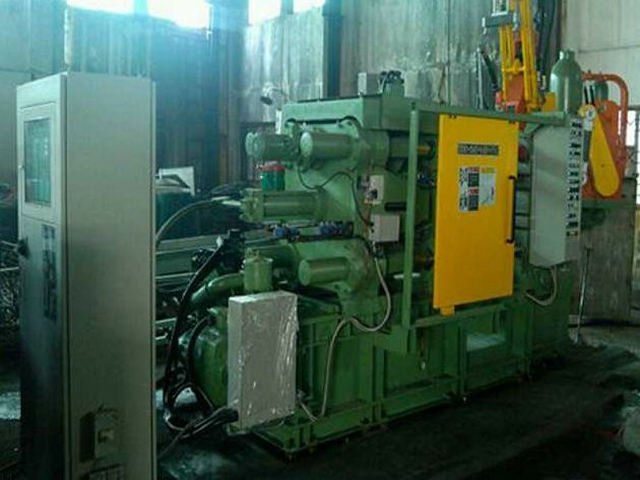
Turnarea sub presiune a zincului este un proces de fabricație care implică producerea de piese metalice complicate și puternice folosind zinc topit. Aceasta este una dintre cele mai economice și eficiente modalități de a realiza componente de înaltă calitate cu o precizie dimensională ridicată. Este un proces de injectare a zincului topit într-o matriță de oțel sub presiune ridicată pentru a crea piese care sunt puternice, ușoare și rezistente la coroziune. Caracteristicile turnării sub presiune a zincului o fac potrivită pentru utilizarea în industrii precum industria auto, electronică, aerospațială, bunuri de consum și echipamente industriale. În lumea actuală a producției, companiile de turnare sub presiune a zincului sunt esențiale, deoarece furnizează componente de înaltă calitate, proiectate cu precizie, exact ceea ce au nevoie industriile. Majoritatea acestor tipuri de companii se specializează în crearea de piese cu forme sofisticate, suprafețe fine și toleranțe strânse. Pe lângă producția de componente de înaltă performanță turnate sub presiune, majoritatea producătorilor de zinc turnat sub presiune oferă, de asemenea, servicii cu valoare adăugată, cum ar fi proiectarea, sculele, prelucrarea și finisarea pentru a satisface cerințele clienților. Piața de turnare sub presiune a zincului este larg răspândită în întreaga lume, din America de Nord până în Asia și Europa, iar companiile își pun la dispoziție expertiza, progresele tehnologice și capacitățile de producție. Companiile din aceste regiuni sunt cunoscute pentru inovație, calitate și durabilitate în procesul de producție. Folosind echipamente de ultimă generație și tehnologii avansate, acestea garantează că fiecare produs va fi la cel mai înalt standard în ceea ce privește rezistența, durabilitatea și precizia. Turnarea sub presiune a zincului este extrem de importantă deoarece este procesul central de producție a componentelor care permit funcționalitatea multor produse pe care le folosim zilnic. Companiile de turnare sub presiune a zincului sunt furnizori importanți pentru industriile care au nevoie de piese auto, cum ar fi angrenaje și componente de motor, carcase electronice și dispozitive medicale. Se preconizează că cererea de componente de înaltă calitate, cu costuri reduse, va continua să crească, iar aceste întreprinderi de turnare sub presiune a zincului vor fi liderii în materie de inovare, dezvoltare de produse și practici de durabilitate în industria turnării sub presiune. Următoarele secțiuni vor acoperi unii dintre principalii jucători din industria de turnare sub presiune a zincului, capacitățile acestora și modul în care contribuie la piața de turnare sub presiune a zincului. Ce este turnarea sub presiune a zincului? Procesul de fabricație al turnării sub presiune a zincului constă în injectarea zincului topit sau a unui aliaj de zinc sub presiune ridicată într-o matriță sau matriță de oțel prestabilită. Aceasta se solidifică rapid într-o piesă metalică detaliată și uniformă, fără prea multe prelucrări ulterioare. Procesul, care este foarte rapid, precis și capabil să producă piese metalice ușoare care sunt suficient de puternice, se numește astfel. Datorită proprietăților neobișnuite ale zincului, cum ar fi punctul său de topire scăzut și fluiditatea ridicată, cu ajutorul zincului se pot realiza modele complicate care sunt dificil de produs cu alte metale. Caracteristicile cheie ale turnării sub presiune a zincului: Deoarece este repetabil și poate produce cantități mari de piese identice cu foarte puține variații, procesul este utilizat pe scară largă în producția de masă. Istoria și evoluția turnării sub presiune a zincului Istoria turnării sub presiune a zincului datează de la începutul secolului al XIX-lea. Odată cu evoluția în timp, procesul a trecut printr-o mulțime de evoluții odată cu avansarea materialelor, a utilajelor și a tehnicilor de fabricație. Primele evoluții (secolul al XIX-lea) Primele procese de turnare sub presiune au avut loc în anii 1830 și au fost utilizate pentru a produce caractere mobile pentru prese tipografice. Deși o industrie tipografică importantă a existat încă din cele mai vechi timpuri, introducerea turnării sub presiune a schimbat substanțial industria tipografică, făcând fabricarea pieselor metalice mai rapidă și mai exactă. Creșterea în secolul XX Până la începutul anilor 1900, turnarea sub presiune s-a extins dincolo de industria tipografică, către alte industrii, cum ar fi industria auto și cea a bunurilor de consum. Produsele turnate sub presiune mai rezistente și mai versatile au fost inventate în anii 1920, când au fost inventate aliajele de zinc și aluminiu. Turnarea sub presiune a zincului a fost cu atât mai esențială în timpul celui de-al Doilea Război Mondial cu cât producătorii aveau nevoie de componente ușoare, rezistente și de înaltă precizie pentru producția militară și aeronautică. După război, tehnologiile de turnare sub presiune au crescut odată cu expansiunea creșterii industriale postbelice. Progresele moderne (secolul XXI) În prezent, inovațiile de ultimă oră, cum ar fi mașinile automate, proiectarea asistată de calculator (CAD) și imprimarea 3D pentru dezvoltarea de modele, există în utilizarea zincului turnat sub presiune. Utilizarea zincului reciclat a sporit, de asemenea, eforturile de sustenabilitate, ceea ce a făcut ca turnarea sub presiune să fie mai ecologică. Cu toate acestea, datorită Industriei 4.0, producătorii se alătură roboticii, controlului autonom al calității AI și monitorizării datelor în timp real pentru a spori eficiența producției și a reduce defectele. Aceasta este ceea ce a făcut ca turnarea zincului sub presiune să devină o parte atât de importantă a producției moderne. Importanța turnării sub presiune a zincului în producția modernă Turnarea sub presiune a zincului este o parte importantă a multor industrii, deoarece oferă producătorilor o modalitate fiabilă, eficientă și rentabilă de a produce piese proiectate cu precizie. Ca atare, ea devine din ce în ce mai importantă pe măsură ce industriile necesită componente mai ușoare, mai puternice și mai complexe pentru aplicațiile moderne. 1. Industria automobilelor În sectorul automobilelor, zincul turnat sub presiune este utilizat pe scară largă pentru producție: Durabilitatea, proprietățile ușoare și rezistența la coroziune ale zincului fac ca aceste piese să fie mai eficiente și mai durabile, ceea ce, la rândul său, face ca vehiculele să fie mai eficiente și mai durabile. 2. Electronică și telecomunicații Zincul este un material preferat pentru dispozitivele electronice datorită conductivității sale termice și electrice excelente. Următoarele utilizări ale pieselor turnate sub presiune din zinc: 3. Bunuri de consum și electrocasnice Componentele turnate sub presiune din zinc sunt utilizate în multe produse de uz casnic de zi cu zi, cum ar fi: Producătorii pot produce componente durabile și plăcute din punct de vedere estetic, cu finisaj de suprafață neted, folosind turnarea zincului sub presiune. 4. Aplicații industriale și aerospațiale Turnarea sub presiune a zincului duce, de asemenea, la producerea de piese de înaltă precizie, ușoare, care pot rezista în medii dure și la temperaturi extreme și care își găsesc utilizarea în aplicații industriale și aerospațiale. Aceste piese sunt piese critice pentru siguranță și fiabilitate în zona critică. 5. Beneficii pentru mediu și sustenabilitate Zincul este un metal complet reciclabil, astfel încât se produc mai puține deșeuri și se reduc costurile de producție și sustenabilitate. Turnarea sub presiune a zincului necesită un consum mai redus de energie decât alte metale și, prin urmare, este o opțiune ecologică pentru producția de masă. Procesul de turnare sub presiune a zincului Există mai multe etape critice în turnarea sub presiune a zincului: 1. Matrița de oțel este acoperită cu un lubrifiant pentru a facilita eliberarea pieselor turnate în timpul pregătirii matriței. 2. Zincul topit este injectat în
Defecte obișnuite de fabricație în turnarea sub presiune înaltă: Cauze, prevenire și soluții

aluminiu turnat, turnare sub presiune, turnare sub presiune înaltă

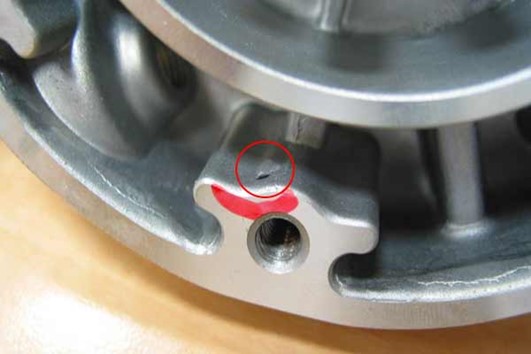
Turnarea sub presiune înaltă (HPDC) este unul dintre cele mai frecvent utilizate procese de turnare a metalelor în producția actuală. Producătorii aleg HPDC deoarece permite producerea de piese metalice complexe care ating atât o precizie ridicată și rate rapide de producție, cât și o precizie dimensională superioară și finisaje netede. HPDC permite industriilor auto și aerospațiale și producției de componente electronice și bunuri de consum să producă piese durabile ușoare pentru aplicații precum motoare și carcase, elemente structurale și ansambluri mecanice. Procesul de producție al turnării sub presiune de înaltă presiune se confruntă cu numeroase riscuri care creează defecte substanțiale care scad calitatea produselor, reducând în același timp durata de viață și compromițând performanța. Diferitele defecte apar ca urmare a proiectării necorespunzătoare a matriței, a curgerii turbulente a metalului topit, a gazelor captive, a ratelor de răcire inconsecvente și a stresului termic în timpul procesului de producție. Tehnologia HPDC se confruntă cu șapte defecte principale, care includ porozitatea, închiderea la rece, defectele de contracție, formarea scânteii, defectele de suprafață, erorile de execuție, eroziunea matriței și lipirea. Aceste tipuri de defecte de fabricație cauzează deteriorarea rezistenței materialului, producând în același timp dimensiuni neregulate și efecte vizuale nedorite care pot instiga la defectarea componentelor. Producătorii combat problemele de producție prin optimizarea parametrilor de prelucrare și prin metode de subminare mai bune, împreună cu sisteme de temperatură controlată și proceduri de turnare asistată de vid. Monitorizarea în timp real și software-ul de simulare sunt metode avansate de control al calității cu eficiență și fiabilitate suplimentare în procesul de turnare sub presiune. Acest articol oferă o analiză cuprinzătoare a problemelor standard de fabricație în timpul tehnologiei de turnare sub presiune înaltă, cu explicații privind cauzele principale și strategiile de soluționare pentru diminuarea acestor defecte. Numai prin înțelegerea acestor provocări și aplicarea celor mai bune practici producătorii pot îmbunătăți calitatea, longevitatea și, bineînțeles, performanța componentelor lor turnate sub presiune și, în același timp, pot reduce deșeurile și costurile de producție. Cunoașterea acestor defecte de fabricație va ajuta inginerii de turnare sub presiune, managerii de producție și specialiștii în controlul calității să își optimizeze procesele pentru a obține cele mai bune rezultate la turnarea sub presiune. 1. Porozitate Porozitatea este definită prin găuri mici sau incluziuni de gaze găsite în matricea metalică și, ca urmare, afectează proprietățile mecanice, scăzând rezistența, inclusiv permițând aerului și gazelor să treacă prin structură și ducând la defecte de suprafață vizibile în produsele turnate sub presiune. Cauze: Prevenire și soluții: 2. Închidere la rece O închidere la rece este creată atunci când două fluxuri de metal topit nu fuzionează corespunzător și formează zone de legătură slabe sau cusături vizibile în piesă. Acest defect nu numai că scade rezistența mecanică, dar crește și riscul unei fracturi, precum și afectează negativ durabilitatea și aspectul componentei. Cauze: Prevenire și soluții: 3. Defecte de contracție Defectele de contracție apar din cauza contracției metalului în timpul răcirii, ceea ce duce la apariția unor goluri sau cavități interne, care deteriorează integritatea structurală a piesei turnate. Ca urmare, aceste defecte reduc rezistența mecanică a produsului final, cauzează posibile defecțiuni sub tensiune și determină o calitate slabă a suprafeței, afectând astfel atât funcționalitatea, cât și estetica produselor finale. Cauze: Prevenire și soluții: 4. Formarea blițului Straturile metalice subțiri în exces formate la linia de separare sau la spațiul dintre matrițe din cauza scăpării metalului la presiune ridicată sunt denumite bliț. Deși flash-ul poate fi eliminat după turnare, excesul de flash duce la creșterea risipei de material, a uzurii sculelor și a costurilor de producție asociate și reduce astfel eficiența generală a procesului de turnare sub presiune. Cauze: Prevenire și soluții: 5. Inspecția defectelor de suprafață (bășici, fisuri și riduri) O varietate de defecte de suprafață, bășici, fisuri și riduri, degradează aspectul vizual și rezistența mecanică a piesei turnate și trebuie prevenite și eliminate. Acestea cauzează defecte de sudură care reduc durabilitatea produsului, cresc rata de respingere și fac ca produsul să nu reziste bine după tratamentele ulterioare turnării, cum ar fi vopsirea sau acoperirea. Cauze: Prevenire și soluții: 6. Incluziuni și contaminare Particulele străine nedorite, cum ar fi zgura, peliculele de oxid, murdăria sau alte impurități, care sunt prinse într-o turnare finală, creează proprietăți mecanice slabe, integritate structurală slabă și defecte de suprafață și se numesc incluziuni. Prezența acestor contaminanți poate reduce performanța și durabilitatea componentelor turnate sub presiune, astfel încât acestea nu sunt adecvate pentru aplicații de înaltă precizie. Cauze: Prevenire și soluții: 7. Defecțiuni și umplere incompletă O defecțiune apare atunci când există o umplere scurtă a cavității matriței, ceea ce cauzează secțiuni lipsă, pereți subțiri și puncte slabe în componenta finală. Efecte negative asupra integrității structurale și funcționalității piesei și în acest fel nepotrivite pentru aplicații performante. Cauze: Prevenire și soluții: 8. Eroziunea și uzura matrițelor Uzura matrițelor de eroziune este pierderea suprafețelor matrițelor din cauza metalului de mare viteză care uzează continuu suprafețele pieselor matrițate până când sunt atinse dimensiunile necesare, ceea ce duce la un finisaj superficial slab și la o durată scurtă de viață a sculei matriței. Dacă apare acest defect, înlocuirea matriței este frecventă și, în consecință, costurile de producție cresc, în timp ce calitatea turnării variază. Cauze: Prevenire și soluții: 9. Fisurarea la cald Fisurile care apar în timpul stării semisolide a metalului, se datorează stresului termic ridicat și contracției excesive sunt cunoscute sub denumirea de fisurare la cald. Aceste fisuri degradează integritatea mecanică a piesei turnate, adică cresc șansele de defectare a piesei turnate în locul în care sunt prezente fisurile sub stres sau sarcină. Cauze: Prevenire și soluții: 10. Lipire Metalul topit aderă la suprafața matriței, ceea ce este dificil de îndepărtat prin turnare, cauzând defecte de suprafață, uzura matriței, precum și opriri prelungite ale producției. Inexactitățile dimensionale și finisarea slabă a suprafeței sunt, de asemenea, cauzate de acest defect, deoarece rezultă în compromiterea generală a calității produsului final. Cauze: Prevenire și soluții: Concluzie Turnarea sub presiune înaltă este un proces de fabricație puternic care creează piese metalice complexe cu o precizie ridicată și o eficiență maximă. Cu toate acestea, apar diferite tipuri de defecte folosind parametri de proces necorespunzători, probleme legate de materiale și/sau defecte de proiectare a matriței. Producătorii pot lua măsuri preventive, de exemplu, controlul optim al procesului de matriță, materialul selectat corespunzător etc., după înțelegerea acestor defecte de fabricație obișnuite. O întreprindere poate îmbunătăți calitatea produselor, reduce costurile de producție și obține o eficiență mai mare a producției în operațiunile de turnare sub presiune punând accentul pe îmbunătățirea continuă a proceselor, precum și pe strategiile de prevenire a defectelor. Întrebări frecvente (FAQ) 1. Care sunt principalele cauze ale defectelor în turnarea sub presiune de înaltă presiune? Principalele cauze

Scule turnate sub presiune: Piatra de temelie a producției de precizie

Scule turnate sub presiune: Piatra de temelie a producției de precizie

aluminiu turnat

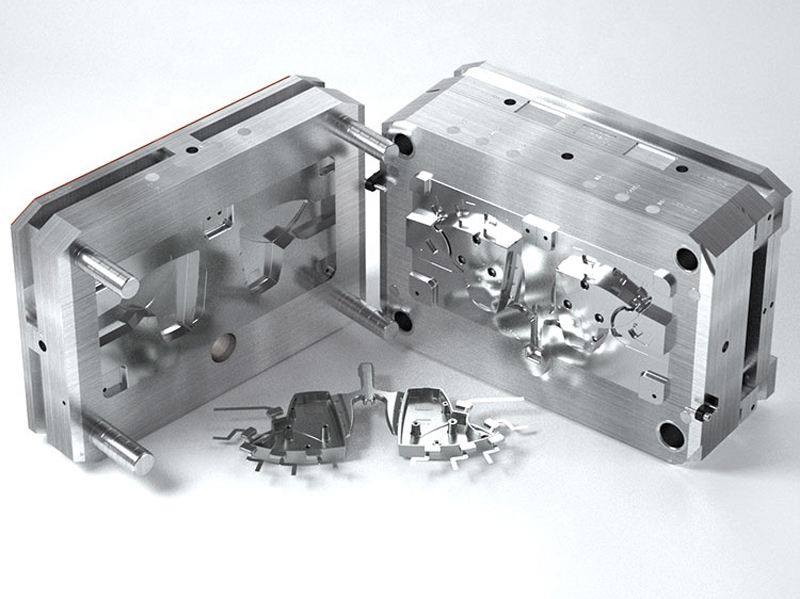
Since the modern manufacturing world is surrounded by die-cast tooling, it is no wonder that die-cast tooling has become a critical step in manufacturing precise and reliable metal components. Whether it be automotive parts or consumer electronics, the aim is that the products are of the highest quality standards as regards durability, function, and appearance. It is this comprehensive guide of every part of die-cast tooling from the types to its advantages and disadvantages to the applications that you will find extremely helpful if you are fully into manufacturing.Although the cost of producing parts out of die-cast tooling is higher initially, on the other hand, it provides you with reduced material waste, faster production cycle time, and being ability to make complex designs with very little post-processing if any at all. Not only did advances in cooling systems and more efficient substitution parts like replacement inserts, surface coatings, and the like increase efficiency and durability but also less worn grids and better purge for the electrical system helped. What is Die Cast Tooling? Die-casting tooling means the tools and processes for die-cast tooling. These dies (molds) also shape molten metal into complex and accurate components under high pressure. The engineering of advanced die-cast tooling requires materials and meticulous design practice, as well as advanced engineering skills to facilitate the production of consistently produced defect-free parts.First, metal (usually aluminium, zinc, or magnesium) is melted and passed under high pressure into the die. The quality of the final product is dependent on the precision of the tooling, and that is why die-cast tooling is vital to industrial manufacturing. Components of Die Cast Tooling The process of die casting is a precision manufacturing process that greatly relies on the array of tools needed to produce high-quality metal parts. The combination of these tools is such that they are accurate, durable and efficient. The most common tools used in die casting are listed below. 1. Dies (Molds) The most critical tool in the process is the die, also called the mold. It consists of two halves: •             The cover die; stays stationary and aligned to the injection system. •             If it is an ejector Die, it moves to release the solidified casting. Hardened steel is used to make dies to withstand extreme pressures and high temperatures. They set what dimensions they will build, the complexity the final product will have and how precise it will be.  2. Cavity Inserts The internal shape of the die is formed by cavity inserts to create the intricate ones. Because of this, these inserts are replaceable, facilitating changing the die for different components without having to fabricate a new tool. 3. Core Pins To manufacture internal holes, slots, or intricate recesses, an internal feature is created with a core pin. To get the finished product or product of the finest quality possible, they are necessary. 4. Ejector Pins The completed casting is removed from the die cavity without damaging it by ejector pins. These pins are used for the ejection system, given for smooth and easy part removal. 5. Cooling Channels The die includes cooling channels to allow for regulating the respective temperature during casting. Because uniform cooling avoids defects like warping, cracking, or shrinkage, it also provides for constant quality. 6. Vents and Overflow Wells Trapped air is released from vents when molten metal is injected into the die and overflow wells are used to collect excess material. The final product is free of voids or air pockets, and both tools lend to that. 7. Trim Dies Trim dies are specialized tools to remove excess material i.e. flash from castings. Clean edges and accurate dimensions for the final product are assured because they promise it. 8. Lubrication Systems The die is lubricated with some aqueous lubricants to minimize wear, reduce friction, and also facilitate the removal of the part. Lubrication in its proper form improves die lifespan, prevents die shutoff and ensures smooth casting operations. 9. Shot Sleeves  Guides to the injection system are shot sleeves that guide the molten metal to the die cavity. The way they are designed to handle extreme heat and pressure means they work to smooth metal flow. 10. Sprayers Release agents are coated in the die using sprayers to prevent the molten metal from sticking to the die and making part removal easier. In order words, these tools work together to deliver consistent parts, high quality and without defects – indispensable for industries such as automotive, aerospace, electronics, etc. Types of Die Cast Tooling From die-cast tooling, there is nothing one size fits all. Depending on production requirements, various types of tooling are designed. Single-Cavity Tooling: This type of tooling produces one part per cycle. A low-volume production or prototyping system will suit. Multi-Cavity Tooling: Multi-cavity tooling enables the simultaneous production of multiple identical parts improving production efficiency. For high volume manufacturing it is very commonly used. Family Tooling: The entire tooling method is innovative, it produces many different parts in one cycle. It is particularly appropriate when assembling components that are to be manufactured together. Unit Die Tooling: Modular unit dies can substitute insert types or portions of the dies without redrawing the entire die. This reduces costs and downtime. Trim Dies: They are used to get rid of excess material (flash) from the finished part, making sure that the finished part meets the exact specifications. Benefits of Die-Cast Tooling Nowadays, die-cast tooling is indispensable because of its many advantages: Precision and Accuracy: High dimensional accuracy is achieved of course with die casting, part production with relatively tight tolerances, and intricate designs. Durability: These tools are from hard steel and are well capable of withstanding the rigours of high-pressure casting and increased use. Efficiency: The process gives a quick, economical way to produce identical parts without much scrap and is thus economical for large-scale production. Design Flexibility: With die-cast tooling, there are complex shapes, thin walls, and intricate details that are not possible under other manufacturing methods. Material Savings:

Aluminiu acoperit cu pulbere: Tot ce trebuie să știți!

aluminiu turnat

Aluminum Powder Coating provides parts with strong protection against corrosion and durability. It is perfect for both residential and commercial-scale projects.  The coating process makes it possible for manufacturers to arrive at reliability and longevity results. Powder coating improves the look of the parts/products, as well as their performance in different situations. Further, it does not wear out easily, peel, or rust. This makes it appropriate for use in areas where it comes into contact with the elements. This is largely due to the flexibility that is associated with powder coated aluminum in different uses. In many potentials, it merges fashion and the necessity to serve as a utility object in various contexts. What is the Aluminium Powder Coating Process? Aluminum powder coating is a process of applying a smooth and tough layer. It is relatively effective and takes several important phases for surface preparation for implementing the coating and curing of the applied coating material for maximizing durability. In the subsequent sections, let’s discuss its detailed process in a few steps:  1. Surface preparation: To appropriately apply powder coat aluminum​, it’s crucial to clean the aluminum surface prior. You can use abrasive blasting and can go with chemical cleaning to rid the surface of oils, grease, dirt, or oxidation. The preparation is imperative. Because all the contaminants can benefit from the adhesive characteristic aluminum powder coated parts. 2. Electrostatic Powder Application: After cleaning, and drying the material, the appropriate powder coating is applied. Operators apply an electrostatic gun to create an electrical discharge using a fine and dry powder on the aluminum surface. The particles of the powder are charged to enable them to cling to the aluminum. So, that the even distribution will give a uniform end to the surface. 3. Final Curing in a High Temperature: After applying the powder the aluminum piece is taken to a curing oven. Here, the fine/accomplishment powder melts and goes into the surface to be coated. While it hardens to form a surface of the coat. Temperature and time are the two most important factors in deciding how hard the coating is and how smooth the surface is after the coating cures. 4. Cooling and Quality inspection: Imperfections that may have occurred after the process. The final product obtained after curing is required to be checked for high quality before it is brought to the market. So, overall from start to end, every stage in the process plays a vital role in establishing a long-lasting, eye-catching layer to the aluminum. In addition, it helps it fight corrosion, scratches, and degradation. Therefore,  powder coated aluminum is suitable for use in different fields, be it in households, outdoors such as in decks and patio sets, or marine industries. Powder Coat Aluminum: What Benefits It Brings For Manufacturers Aluminum powder coating has numerous advantages for manufacturers other than enhancing appearance and performance. It can be highlighted that this type of heating is effective, durable, and very flexible. Now let me highlight the major advantages of the aluminum coat process. 1. Durability and Corrosion Protection: The powder coat used is made of aluminum hence providing a hard-wearing surface layer. This layer is more scratch-resistant, chip-resistant, and abrasion-resistant than any other normal paint. But it does not last for decades! This material also has high performances under different climates and water which leads to corrosion and fading respectively. 2. Eco-Friendly and Safe:  As for the liquid coatings, they contain liquid, solvent, and volatile hazardous components while in the powder coating, there is no one of them. Second, it produces little pollution and does not emit/release toxic gases. Further, the process lessens the blow of harming the environment, thereby the process is relatively safe for the workers handling it. 3. Customizable Finishes: Being a good conductor of heat, powder coat aluminum allows for a wide variety of colors and textures for consumers. No matter whether you like shiny, satin, or perhaps even trowel finish, powder coating provides the latter. Additionally, the coating can be adjusted to meet specific design needs or brand specifications. 4. Cost-Effective Solution: Aluminum is a popular material that can be powder coated at a relatively low rate of cost for large-scale jobs. It is fast, needs less retouching, and has a longer life span compared to the general paints. All these features make it easy to maintain and long lasting for instance ideal for commercial and residential use. What Are The Drawbacks of Powder Coated Aluminum: Although powder coating aluminum has its benefits it also has some demerits. Both options should be considered before concluding. Here are some of the usual ones: 1. Restricted Repair Possibility: The first limitation that comes alongside powder coating is the number of ways to repair a coated surface is relatively small. In general, if the coating is damaged, or says scratched, it is difficult to repair it without making it quite noticeable. The problem with paint is that you cannot go and spot-paint a small area without the texture and color looking different. 2. Initial Cost and Equipment: Another disadvantage involves the major initial cost of powder coating equipment. High-speed electrostatic guns and curing ovens are necessary. However, these tend to incur costlier compared to simple painting methods, especially for moderate or small-scale painting. 3. Complexity Of Surface Preparation: Surface preparation is a critical factor in the application of powder coatings. If the aluminum surface is not well cleaned and prepared well the coating will not stick well to the aluminum surface. The preliminary make-ups took more, and therefore more tiresome and thus took a lot of time to complete the task. 4. Suitable for Some Uses: Aluminum powder coating is only suitable for use on aluminum alloys. However, it may not be beneficial for any other types of material, and complex pattern to be used in the construction of the screen. At very detailed or small parts, the process may not work as intended and often needs further steps. What Does Powder Coating Mean for

produse de turnare sub presiune din aliaj de aluminiu

Aliaj de aluminiu turnat sub presiune 101

aluminiu turnat

Aluminum alloy die casting is a die casting process that is a widely used process in manufacturing that involves producing accurate and intricate parts of metal with efficiency. In this case, we can list metals that have a variety of applications due to their capacity to be very strong and light simultaneously. Besides this, we can list that practically corrosion-resistant, i.e., aluminum alloys are particularly popular with car manufacturing. This article also looks into such areas as processes, properties, challenges, and applications of aluminum alloy die casting. We will get deep insights into its complete process, types, and differences from other processes. What is Die Casting? It is a manufacturing process that utilizes high pressure to force a molten metal to fill a mold cavity. It also allows the generation of excellent models with near-net shaping, accurate dimensions surface finish, and complicated shapes. Different Types of Die Casting Die-casting has many types. Let’s discuss these types in detail; 1. Hot Chamber Die Casting It is mostly suitable for zinc and magnesium alloys. This process takes submergence of the injection system in the molten metal to facilitate rapid casting. It is ideal for use in a large production but unadapted for utilization in high-melting-point alloys. you can go to zinc die casting to know more detail 2. Cold Chamber Die Casting It is a best fit for metals such as aluminum and brass having high melting points. Here we transfer the molten into a cold chamber and then inject it into the mold. It saves on the heat hazard to the equipment but has longer operating cycles. Got aluminum die casting services page to know more about this process. 3. Low-Pressure Die Casting The low-pressure die casting use with Used with aluminum and magnesium alloys. It causes minimal porosity but good structural quality. Besides this, it is time-consuming but suitable for creating the stronger part of the product. 4. High-Pressure Die Casting (HPDC) Common in aluminum, zinc, and magnesium alloys. Here we inject the molten metal at very high pressure into complicated shapes and fine surface textures. So, it is highly suitable for applications that need parts with large production quantities, and areas with large cross-sections may be porous. Go to high pressure die casting page to know more detail. 5. Gravity Die Casting Standing pressure is used to cast molten metal into a mold thus yielding strong and low porosity objects. It is used in production lines where we need to produce less number of parts at a time but it is comparatively slower than pressure-based processes. 7. Squeeze Die Casting Here we make semi-finished products by the pressure forging method where molten metal is high pressure and can also prevent casting porosity. This is suitable for the structure of a part; however, it has a higher cost and slow cycle time. Define Aluminum Alloy die casting Aluminum alloy die casting is a process in which molten aluminum alloy materials are forced under pressure into molds or dies. So, it can form the desired shape and a very smooth surface finish. It is employed in component manufacturing with complicated shapes that require high strength, stiffness, and low density integrated with good surface finish and accurate dimensions. The aluminum alloy has all the favorable characteristics of high corrosion and heat transfer coefficients and hardness-to-weight ratio. One of the benefits of this process is that die casting is suitable for large-scale production processes. Selecting the Right Material for Aluminium alloy Die Casting Materials used are very vital in the aluminum alloy die-casting business since they determine the efficiency, quality, reliability, and cost of the final product. Properly chosen alloys ensure: Aluminum alloys in die casting Die-casting aluminum alloys are common to many industries because these materials possess qualities that are desirable in dies such as lightweight, high strength, and corrosion resistance. Alloy Key Properties Applications Values A380 Strong, corrosion-resistant Engine blocks, housings Strength: 320 MPa A383 Crack-resistant, castable Electronics, thin parts Strength: 290 MPa A360 Corrosion-resistant, durable Marine, aerospace Strength: 330 MPa ADC12 Castable, corrosion-resistant Automotive, machinery Strength: 310 MPa AlSi9Cu3 Strong, wear-resistant Structural components Strength: 250–280 MPa Complete Process for Aluminum Alloy Die Casting Aluminum die casting entails the formation of elaborate and accurate first parts by the application of pressure on molten aluminum alloys. Below are the key stages: 1. Mold Preparation 2. Melting and Alloy Selection The aluminum alloys are brazed at a temperature of about 660 centigrade (1220 Fahrenheit) in a furnace. This aluminum is then kept at a relatively constant temperature to retain the material properties of the metal. 3. Injection When high pressure is used, it ensures that the molten aluminum flows right to the small crevices resulting in excellent finishes. 4. Cooling and Solidification It is the process during which the obtained molten aluminum cools and solidifies inside the given mold. Cooling minimizes defects such as shrinkage or warping that are brought about by dryness in the cast iron. 5. Ejection Finally when the casting is fully formed its mold is ejected from the casting using the ejector pins. The mold is then ready for the next cycle of use with the Epicor software. 6. Trimming and Finishing If necessary, runners, gates, and flash are removed from the casting leaving only the necessary shape and form of the object. Some of the operations include giving the required surface finishes such as sandblasting, polishing, or coating. Die Casting Aluminum Alloy Properties So, let’s discuss some of the important mechanical, chemical, and thermal properties of Aluminum alloy Diecasting; I. Mechanical Properties These may include; II. Thermal Properties The following are some thermal properties of diecasting aluminum alloy; III. Chemical Resistance: These are generally; These characteristics make aluminum alloys a premium material for die casting whose products are effective in different sectors. Design Guide for Aluminum Alloy Die Casting Design guide and material selection, both features play an important role in aluminum diecasting. So, let’s discuss the design guide properly; Design Factor Guideline Reasoning Wall Thickness Keep

producător de componente strunjite

Ce este lustruirea aluminiului

aluminiu turnat, Finisaj de suprafață

Aluminum Polishing is a process that makes aluminum look shiny and new. There are two main ways to polish aluminum: mechanical polishing and chemical polishing. Both methods can be done by hand or with machines. Aluminum polishing is often used in automotive and aerospace factories. This guide will teach you how to turn dull aluminum into a mirror-like finish. We’ll cover surface prep, tools, and techniques. Get ready to make your aluminum shine. Importance of Surface Preparation The surface preparation of items results in flawless aluminum polish. Skipping this step is not beneficial. Because it may result in uneven, dull, or inconsistent finishes. Discover key factors, why they matter, and how to do it right. Why Surface Preparation is important Ensures a Smooth Finish Prevents Damage Enhances Effectiveness Ensures a Smooth Finish Proper preparation removes contaminants and imperfections. This step helps achieve a mirror-like shine. Prevents Damage Properly preparing the surface prevents further damage during polishing. It avoids scratching and maintains the aluminum’s integrity. Enhances Effectiveness A clean, well-prepared surface allows aluminum polishing compounds to work efficiently. It ensures even application and better results. Impact of Poor Preparation Uneven Finish Increased Effort Reduced Longevity Uneven Finish Dust, grime, or old coatings can create a blotchy appearance. This uneven surface leads to a lackluster shine. Increased Effort Inadequate preparation forces you to work harder during the polishing stage. That can result in an inconsistent finish. Reduced Longevity The polish may only last briefly with proper cleaning and sanding. Preparation can prevent the finish from degrading faster. Preparation Before Aluminum Polishing Getting ready before polishing is crucial for the best results. Follow these steps to prepare your aluminum surface. Tools and Materials Required Cleaners Sandpapers Scouring Pads Cleaning Rags Metal Polish Microfiber Cloths Buckets and Clean Water Cleaners Use degreasing cleaners to remove grease and dirt. It ensures no contaminants impact the polishing process. Sandpapers Smooth the surfaces of parts using different grits of sandpaper. They will help you effectively remove scratches and old coatings.  Sanding Blocks Sanding blocks or pads help achieve an even sanding pressure. They ensure a uniform surface by conforming to the shape of the aluminum. Scouring Pads Use non-metallic pads for oxidation and corrosion. They are effective for preparing larger, flat areas. Cleaning Rags Use lint-free rags to wipe down the surface and remove any remaining residues after cleaning and sanding. Metal Polish The metal polish is also technically part of the polishing stage. It is used to check the surface condition during preparation. Microfiber Cloths Microfiber will not scratch the aluminum surface. Soft and practical, these clothes work best for cleaning and drying.  Buckets and Clean Water Fill a bucket with clean water for rinsing. Use fresh water to avoid reapplying dirt to the surface. Surface Inspection Check for Imperfections Identify Problem Areas Test the Surface Check for Imperfections Check the surface for dents, scratches, or areas of oxidation. Use a bright light to see minor imperfections. Identify Problem Areas Mark any imperfections that need attention. Plan to sand or clean these areas more thoroughly. Test the Surface Run your hand over the aluminum. Check for any rough surfaces or raised areas that need extra work. Types of Aluminum Polishes Choosing the suitable aluminum polish is essential to getting the right finish. Below is an overview of various types of polishes. Cream Polishes Cream polishes are thick and easy to apply. They provide a deep shine and are ideal for small areas. Use them to remove minor scratches and oxidation. Liquid Polishes Liquid polishes are versatile and quick to apply. They cover large surfaces well and dry fast. Choose liquid polishes for regular maintenance and a glossy finish. Paste Polishes Paste polishes are dense and long-lasting. They offer superior shine and protection. Apply them for heavy-duty polishing on stubborn tarnish. Spray Polishes Spray polishes are convenient and fast. They reach tight spots easily and leave a smooth, even coat. You can use sprays for minor adjustments and hard-to-reach areas. Polishing Waxes Polishing waxes combine polishing and protection. They provide a durable shine and a protective layer. Apply them for a lasting finish that resists dirt and moisture. Metal Polishing Kits Metal polishing kits include all the essentials for a complete polishing process. They offer a combination of tools and polishes for different needs. Use kits for comprehensive care and achieving a professional-grade finish. Choosing the Right Polish Selecting the appropriate polish depends on your specific application. Here’s a comparison to help you choose: Types of Polish Best Use Application Method Pros Cons Cream Polishes Heavy oxidation and deep cleaning Use a cloth or pad to apply. Long-lasting shine, deep clean It requires more effort to buff out Liquid Polishes Regular maintenance Apply it with a soft cloth. Easy to apply, quick results It may require frequent application. Paste Polishes Tough stains and oxidation Apply using a pad or brush. Strong cleaning power It can be abrasive and more challenging to work with. Spray Polishes Large surfaces, quick touch-ups Spray directly and wipe. Fast application, even coverage It provides a lighter finish. Polishing Waxes Protection and shine Apply with a cloth or pad. Polishes and protects in one step It may not remove heavy oxidation. Metal polishing kits Comprehensive polishing Follow the kit Instructions. All-in-one solution, versatile It is more expensive and requires multiple steps. Commercial vs. Homemade Polishes Factor Commercial Polishes Homemade Polishes Ingredients Specially formulated for specific results Made from household items like baking soda, vinegar, or lemon juice Ease of Use Ready-to-use, consistent results Requires preparation, and results may vary. Cost It can be expensive but often highly effective. Usually cheaper and more cost-effective for small tasks Performance Designed for maximum shine and protection It works well for minor cleaning but only lasts for a short time. Availability Widely available in stores and online. It requires making or mixing at home. Environmental Impact Some may contain harsh chemicals. Usually made from eco-friendly, natural components Versatility There is an extensive choice of products for

Aluminiu sau aluminiu

Prelucrarea prin extrudare a aluminiului

aluminiu turnat

Understanding the Aluminum Extrusion Process Aluminium extrusion machining is a process of manufacturing products with a cross-sectional profile by forcing the material through a die. This process can be likened to putting toothpaste in a tube, in this case, the toothpaste is the heated cylindrical aluminum bar also called an ingot and the tube is the die. Here’s a step-by-step breakdown: Heating and Pressing: The aluminum ingot is then heated and passed through the die which gives it the required profile of the product. Cooling: After the shaped material has come out of the die it is cooled by air or water. Stretching: Although not fully set, the profiles are pulled to relieve internal stresses and achieve the proper dimensions. Cutting and Aging: The profiles are cut and then aged – hot or cold to reach their final strength. Finishing and Surface Treatment: The last processes include polishing or other treatments meant to improve the looks and protect against corrosion. What is an Aluminum Extrusion Machining Center? An extrusion machining center is a specific type of machining center that is used to accurately process extruded aluminium profiles into the final required parts. Sawing, deburring, drilling, turning, milling, and tapping are some of the techniques used to give the required shape with features such as pockets and holes. At CNM, we have different types of extrusion machining centers that are highly accurate, fast, and very reliable. These machines are very efficient in cutting down production time and minimizing wastage during the processing of the products and are thus very suitable for use by manufacturers. CNM’s extrusion machining centers facilitate the manufacturing process and produce quality work that guarantees the aluminum extrusions are cut and profiled to the required specifications. Factors Consideration For Machining Aluminium and Aluminium Alloys The below-mentioned factors greatly influence the cnc extrusion machining of aluminum alloys. Cutting Force The cutting force needed when machining aluminum alloys is much less compared to the force needed when machining steel. For instance, the force required to machine aluminum is about one-third of that required for low-carbon steel thus chip removal is three times more efficient. For instance, aluminum alloy 2017A has the same cutting force as low-carbon steel but has similar mechanical properties as the latter. Tooling The cutting tools used in the machining of aluminium alloys must have a certain geometry. The cutting edges should be as sharp as possible and the tool faces must be smooth so that they can shed the swarf and not stick to it. The cutting angles are different according to the type of alloy, but the rake angle should be more than 6° and can be even 12°. In the case of alloys with up to 7% silicon content, it is suggested to use the tools with the application of TiN or TiCN coatings using PVD deposition. For diamond coated carbide tools and polycrystalline diamond (PCD) tools, the recommended rake angle is 15 degrees. It is much longer than the ones used for machining steel due to the proper tools being used in this process. In the special machines, the high-speed spindles can attain the machining speed of 2000 to 3000 m/min for the 2000 and 7000 series alloys. For instance, a 12 mm diameter tool can reach 50,000 rpm of cutting speed with a feed rate of 10 m/min, which results in very thin sheets and lightweight components. Cutting Speed and Feed Rate Because of the low modulus of elasticity of aluminium alloys, it is recommended to avoid high rates of advance even in roughing operations. The feed rate should be limited to 0. 3 mm per revolution. For finishing operations, the feed rate will be affected by the required surface finish. The depth of cut will be influenced by the level of accuracy that is needed on the final product. Lubrication Lubrication is crucial in machining aluminium alloys for several reasons: it reduces the temperature of the cutting area, keeps the swarf from sticking to the tools, and clears the swarf from the machining area. There are three primary types of lubrication: The three types of cutting fluids are spray mists, full cutting oil, and oil emulsions, of which the oil emulsions are most frequently used because of the heat dissipation of approximately 200 kg/J. Coolants help in reducing friction and also in tapping operations. Spray mists are not very effective when there is high heat involved. The cutting fluid composition should not react with aluminum alloys, cause stains or corrosion, contain anti-bacterial agents to discourage fungal growth, and be environmentally friendly. Benefits of Aluminum Extrusion Machining: The following are the benefits of machined aluminum extrusion: Aluminum extrusion is a process that is commonly practiced in the present generation due to the following benefits associated with aluminum extrusion. It also allows one to achieve complex and accurate forms of the needed shapes and also to produce them in a way that they will fit the intended use, thus increasing productivity and saving money. The outcome is strong and light structures that are suitable for industries that require light structures such as the aeronautics, automobile, and construction industries. Also, it is an efficient technique, which does not require a lot of material and energy and generates a small amount of waste. In conclusion, machined aluminum extrusion is cost-efficient and sustainable which improves the quality of the end product and production process. Suitability of Aluminum for Cold Extrusion Cold extrusion is a process of extruding aluminum through a mold at a temperature of not more than 150°C (300°F). The aluminum remains rigid and thin-walled parts can be fabricated as in the case of radiators, windows, and door frames. This process is slower than hot extrusion but the surface quality is high and the shapes are more accurate therefore less post-processing is required. Warm Aluminum Extrusion Warm extrusion is done at moderate temperatures while the rate of hot extrusion and the accuracy of cold extrusion are intermediate. The exact temperature is therefore arrived at

prelucrare aluminiu turnat

Piese turnate prelucrate

aluminiu turnat

For fabricators, metal machining and casting operations are sometimes shown as binary alternatives. However, there are many circumstances in which using both casting and machining is the most efficient in terms of production, as the recent essay on casting vs. machining made clear. The advantages of machining castings are covered in this article, and the application of these production techniques to your next project is discussed. What Is Casting CNC Machining? Machined castings are components that is initially manufactured through casting and subsequently refined through CNC machining. Die casting, investment casting, or sand casting may be implemented to generate the initial casting. Every casting process has drawbacks, such as poor surface finish or restricted design. CNC machining solves the above problems by improving the quality of products and adding more complex designs. Some possible machining operations include Computer Numerical Control Milling, Turning, Drilling, Sawing, and other non-conventional castings machined operations to get a premium surface. Machining of Casting Parts Advantages. There are several benefits to machine-castable parts. Some of the commonest include; 1. Modifying As-Cast Parts Those casting machined parts produced directly from their casting molds are known as “as-cast” These parts contain extra material from the gating system, parting lines, and other casting features. To increase the quality, the fabricators have to get rid of this unwanted material, which can be done by a simple hacksaw for roughing or by using CNC for accuracy. For example, in the case of aluminum casting machining, aluminum CNC machining helps achieve high dimensions and accuracy. Casting flaws can be easily camouflaged through CNC machining, and the quality of the final product can be significantly improved. Also, it allows the development of features that cannot be created using casting only, such as the curved fins of a turbine. Some of the design issues can be solved by techniques like investment casting, but in most cases, the holes, grooves, and threads produced by machining are of better quality. 2. Improving Finished Quality However, if casting and machining do not need extra features and the material that has to be removed is easily removable, it is still important to use precision CNC machining to obtain high-quality parts. Some processes, such as die casting, can deliver relatively smooth surfaces that only require slight machining. However, the parts produced through sand casting or investment casting require a significant amount of machining to achieve a flat surface. CNC machining also improves the quality of the parts that have tight tolerances. Casting can be economical when the production is significant, and CNC machining guarantees that every part is correctly shaped. Machining allowances have to be taken into consideration during the casting stage to have a smooth integration. It is wise to incorporate sheet metal fabrication services into your production line. The main benefit is the capacity to rapidly and precisely create lightweight parts from numerous materials employing various techniques. Knowledge of these techniques and their specific use is vital in attaining the best outcomes and shortening production time. How To Machine Casting Parts? During machining, useless material is removed from casting to make it more accurate in size. This process is beneficial in removing excess material on cast parts after casting and before finishing. Machining is helpful because it is almost impossible to get tiny variations in a complex casting, and thus, the final product has to be machined to the required specifications. It is usually done after the heat treatment but before the final surface treatment, like painting, anodizing, or plating. As for the current world, the application of technology in machining castings has adopted computer numerical control (CNC). Machining can be classified into many subcategories, which include the following: Drilling Drilling is the creation of holes in the cast parts with the help of a drill bit. Lathes and cutting machines can also be used, but drill presses are the main tools used in this process. This process is crucial in the casting process since it assists in the making of holes in the casting. Milling A cutter, a fixture, an object, and a milling machine are all things that are used for milling. The piece of work is clamped down during this cutting process, and the milling machine’s cutter takes off the extra material. It can be said that it is one of the most frequently applied methods in the subsequent adjustment of the shape and size of the cast parts. Turning In turning, the workpiece rotates on its axis while the cutting tool is stationary or does not move. The most critical equipment employed in this process is the lathe machine. Turning is appropriate for generating the internal and external profiles of cast parts and is very precise. Other Machining Processes In addition to drilling, milling, and turning, several other machining processes are used for refining cast parts: Besides drilling, milling, and turning, several other machining processes are used in the finishing of cast parts: Boring: It enlarges and increases the accuracy of a part’s pre-drilled holes. It is useful in attaining the correct dimensional and positional tolerances for parts that require high precision and polished surface textures. Broaching: Broaching is a process of cutting shapes and designs on cast parts with the help of a cutting tool with teeth. The broach has progressive teeth that shave the material and can make internal and external shapes. Therefore, it is ideal for keyways, splines, and other shapes. Grinding: Grinding employs an abrasive wheel that rotates and brings the part’s surface to the required actual position. This process is helpful in offering high surface quality and near tolerance. The cutting points of the grinding wheel abrade the surface, shave off the unevenness, and provide a polished surface. All these machining methods are important in ensuring that cast parts are of the right quality and size for use or other processes. Benefits of Machining After Casting Machined casting parts offer numerous advantages, such as Machined casting parts, therefore, have the following benefits: Enhancing Precision The die-casting and

Costul de paletizare a nichelului

Cât costă placarea cu crom

aluminiu turnat

Cât costă cromarea Diferite piese sunt utilizate în complexele industriale și de producție pentru a face ca structurile să funcționeze optim. În cea mai mare parte, piesele din aluminiu, oțel inoxidabil și cupru sunt adecvate pentru a satisface nevoile de prelucrare. Industrii precum cea auto, aerospațială și electronică utilizează materiale din metale dure pentru formarea pieselor interioare și exterioare. Dar acestea nu pot fi utilizate în forma lor prelucrată pură. Aici intervine cromarea. Tijele cromate sunt deosebit de importante datorită funcției lor. Tijele de mai sus sunt disponibile în India, iar costul variază în funcție de material, dimensiuni, formă, lungime și calitatea placării. Aceste tije cromate dure sunt aplicate în multe domenii datorită proprietăților lor de rezistență ridicată, flexibilitate, abraziune și rezistență la coroziune. Faptul că pot fi personalizate în continuare le face și mai valoroase, în special în multe industrii considerate a fi grele. Aceste tije sunt utilizate pe scară largă în aplicații pneumatice, auto, hidraulice, tipografice, textile și multe altele. Multe organizații le preferă deoarece sunt rezistente și se pot potrivi în orice climat. CNM are o capacitate de producție vastă pentru toate produsele sale și funcționează în conformitate cu standardele și legile indiene și internaționale. Acest lucru face posibilă producerea de tije cromate dure de înaltă calitate care îndeplinesc cerințele clienților și, în același timp, sunt relativ mai ieftine. Acest articol va discuta despre cât costă cromarea, factorii de influență și tehnicile de cromare. Factorii care influențează costul cromării Costul cromării unui anumit articol depinde de următorii factori importanți. Primul este dimensiunea și nivelul de complexitate al articolului care trebuie transportat. Articolele mari necesită de obicei mai mult material și timp, ceea ce face ca cromarea să fie costisitoare. În plus, articolele cu un design complex sau asimetric pot necesita muncă suplimentară în timpul etapei de pregătire și în timpul procesului de placare, ceea ce va crește costul. Un alt factor care trebuie luat în considerare este tipul de cromare care se realizează. Există două tipuri principale: cromarea decorativă și cromarea dură. Acest tip de cromare este aplicat în straturi mai subțiri și este mai mult o aplicație ornamentală, care este utilizată pe ornamentele auto și pe electrocasnice, printre altele. Acest tip de placare este relativ mai ieftin în comparație cu cromarea dură, în care se aplică un strat mai gros de crom pentru a crea o suprafață dură și mai rezistentă la coroziune. Cromarea dură este adesea aplicată în industrie și poate costa mai mult din cauza procedurii complexe și a tipului de materiale utilizate. Costul poate fi afectat și de calitatea cromului utilizat în procesul de placare a supapei. Cromul de calitate superioară poate fi mai pur și poate avea un finisaj mai bun, iar acest lucru poate costa mai mult în stadiul inițial. Cu toate acestea, poate avea avantaje care includ creșterea duratei de viață a produsului, un aspect mai bun și mai puțină susceptibilitate la decolorare sau crăpare. Utilizarea cromării de calitate superioară va oferi articolului dvs. un finisaj mai bun și mai durabil în comparație cu cromarea de calitate inferioară. Cu toate acestea, înainte de procesul efectiv de placare, este necesar să se pregătească suprafața articolului care urmează să fie placat. Această pregătire presupune în mod normal îndepărtarea straturilor vechi, netezirea suprafeței pentru a elimina orice defecte și apoi spălarea suprafeței pentru a oferi stratului de crom o suprafață adecvată de care să adere. Starea suprafeței determină, de asemenea, gradul de pregătire care trebuie efectuat din cauza eventualelor fisuri sau ruginire existente. Produsele aflate într-o stare proastă pot necesita mai multă pregătire decât cele aflate într-o stare bună. Prin urmare, costul cromării poate fi ridicat. Cantitatea de articole care sunt placate și mărimea lotului pot influența, de asemenea, costul. Atunci când un număr de articole sunt placate în același timp datorită comenzii pe lot, costul pe articol este în mod normal mai mic decât în cazul placării unui singur articol. Deoarece furnizorii de servicii de cromare pot achiziționa consumabile în vrac, aceștia le pot oferi la prețuri mai mici. Cantitatea necesară ar trebui luată în considerare atunci când se caută oferte de preț pentru serviciile de cromare. Locul în care urmează să fie efectuat serviciul de cromare și credibilitatea furnizorului de servicii reprezintă un alt factor determinant al prețului. Prețurile pot diferi în funcție de ratele salariale, legile de mediu și alte cheltuieli generale din regiunile în care se desfășoară operațiunile. De asemenea, merită să înțelegeți că o calitate superioară a muncii și o experiență mai îndelungată a furnizorului de servicii pot duce la prețuri mai mari pentru servicii. Pe cât posibil, este recomandat să comparați diferiți furnizori de servicii de cromare pentru o mai bună înțelegere a calității serviciilor pe care le-ar putea oferi în raport cu costul serviciilor. Cu toate acestea, există și alte servicii care pot fi oferite de furnizorii de servicii și care pot afecta costul întregului proces de cromare. Astfel de servicii pot include mascarea selectivă, aplicarea de folii de protecție sau tratamente post-placare pentru a îmbunătăți duritatea, aspectul placării etc. Aceste servicii pot crește costul total, dar pot fi utile în funcție de natura proiectului și de rezultatul dorit. Pentru a obține o ofertă de preț clară și rezonabilă pentru cromare, este necesar să descrieți proiectul dumneavoastră cât mai mult posibil potențialilor contractanți. Aceasta include tipul de articol, dimensiunile, tipul de finisaj, cantitatea și orice nevoi sau dorințe speciale pe care clientul le poate avea. Printr-o astfel de comunicare și comparare a ofertelor pe baza detaliilor furnizate, cineva poate fi în măsură să obțină cea mai bună valoare pentru banii care urmează să fie cheltuiți pe cromare. Tipuri de cromare Costul depinde și de tipul actual de cromare; Cromarea dură Cromarea dură este o procedură mai complexă de cromare care se realizează prin trecerea unui curent electric prin soluție și se aplică în multe

precizie turnat sub presiune

Prelucrarea CNC a aluminiului

aluminiu turnat, Prelucrare CNC

Aluminum is widely used in CNC machining because of the advantages of machined parts in different industries. This article is devoted to cnc aluminum parts machining and its characteristics, types of alloys, machining methods, tools, and uses. Aluminum in CNC Machining Machining aluminum through CNC is preferred because aluminum is highly machinable; it is among the most machined materials in the world after steel. Some properties include soft, ductile, and non-magnetic, and its pure form is silvery white in color. However, the real beauty of aluminum is that it can be alloyed with other elements like manganese, copper, and magnesium to create a series of aluminum alloys with improved characteristics. Aluminum CNC Machining: Getting the Most The benefits include; 1. Machinability: Aluminum is relatively easy to machine because it is soft and can be made to chip easily therefore, it can be machined faster and with less power than steel at a cheaper price. It also makes it easier to deform during the machining process, making it easier for CNC machines to produce highly accurate parts with closer tolerances. 2. Strength-to-Weight Ratio: Aluminum is lighter than steel by one-third and has a strength of one-tenth of steel. Thus, it is suitable for use in parts that need a high strength-to-weight ratio. Some of the industries that benefit a lot from aluminum are by producing cnc machined aluminum parts for the automotive and aerospace industries because it is light but extremely strong. 3. Corrosion Resistance: Aluminum has an inherent characteristic of not corroding in normal environmental conditions, and it can be further protected by anodizing hence the material can be used in environments that are exposed to marine or atmospheric conditions. 4. Performance in Low Temperatures: There are some materials that undergo a change in their mechanical properties and become as strong as paper at low temperatures, but this is not the case with aluminum. 5. Electrical Conductivity: While pure aluminum has high electrical conductivity, aluminum alloys also have adequate conductivity for electrical use, meeting the needs of different industries. 6. Recyclability and Environmental Friendliness: Aluminum is a recyclable material hence the conservation of the environment through the reduction of waste and energy used in the machining process. 7. Anodization Potential: The fact that anodization can be done on the aluminum surfaces also enhances the wear and corrosion resistance of the machined aluminum parts. The ability to anodize aluminum in different bright colors addresses the aesthetic aspect. Applications Galore Aluminum is popular in CNC machining because of its versatility and other suitable properties in many industries. From car parts to airplane parts, electrical parts, and even complex mechanical parts, the durability and performance of aluminum in different uses are apparent, which leads to creativity. Therefore, the popularity of aluminum in CNC machining is not accidental – it is due to the benefits, possibilities, and perspectives that this material offers in the sphere of manufacturing. Aluminum is still widely used for machined parts due to its performance, eco-friendliness, and flexibility as industries evolve. Typical Aluminum Alloys Used in CNC Machining Aluminum alloys are the most preferred materials in CNC machining because of their flexibility and good mechanical characteristics. Below are some frequently used aluminum grades in CNC machining processes: 1. EN AW-2007 / 3.1645 / AlCuMgPb This alloy contains copper in a range of 4-5% and is famous for its strength, lightweight, and high utility. It is mainly applied in the manufacturing of machine parts, bolts, rivets, nuts, screws, and threaded bars. It is also relatively brittle, has low weldability and corrosion resistance, and therefore requires anodizing after machining. 2. EN AW-5083 / 3.3547 / Al-Mg4,5Mn This alloy is well known for performing exceptionally well in extreme conditions; it has magnesium, chromium, and manga Itboaa has high corrosion resistance and maintains its strength even when welded. It uses cryogenic equipment, marine structures, pressure equipment, chemical applications, and many others. 3. EN AW 5754 / 3. 3535 / Al-Mg3 This wrought aluminum-magnesium alloy has good corrosion and high strength, it is used in welded structures, floorings, vehicle bodies, and food processing equipment. 4. EN AW-6060 / 3. 3206 / Al-MgSi This alloy is heat-treatable and has good formability. It is widely used in the construction, medical equipment, and automotive engineering industries. 5. EN AW-7075 / 3.4365 / Al-Zn6MgCu While this alloy is only average in terms of machinability, it has a high strength-to-density ratio, and good resistance to atmospheric conditions and is used in aerospace, weaponry, and mold tool industries. 6. EN AW-6061 / 3. 3211 / Al-Mg1SiCu This alloy has very high tensile strength and is used for structures that are heavily loaded like rail coaches, machine parts, and aerospace structures. 7. EN AW-6082 / 3. 2315 / Al-Si1Mg This alloy has medium strength and good weldability and is used in offshore structures and containers because it resists stress corrosion cracking. These aluminum alloys provide a variety of mechanical properties. They are selected according to the demands of the CNC machining applications to guarantee the best performance and longevity in the intended use. Common Techniques To CNC Machine Aluminum In aluminum CNC machining, there are several techniques that can be used in order to get high accuracy and precision in the aluminum parts. These processes are intended to meet various needs and demands, which would provide the best outcome in terms of quality and performance. CNC Turning remains one of the basic operations in aluminum machining. In this operation, the workpiece turns around its axis, and the cutting tool remains fixed. Thus, the removal of material and shaping of the workpiece are enabled. This method is widely applied in producing cylindrical or conical shapes in aluminum parts. Another common technique is CNC Milling aluminum, in which the tool is held stationary while the cutting tool is rotated to cut the workpiece. This process enables cutting actions in different directions and is ideal for cutting shapes and designs in aluminum parts. Pocketing or pocket milling is a particular type of CNC aluminum

Derulați la început

Obțineți o ofertă