aluminiu turnat

HPDC

Top 10 producători de aluminiu turnat sub presiune din lume

aluminiu turnat

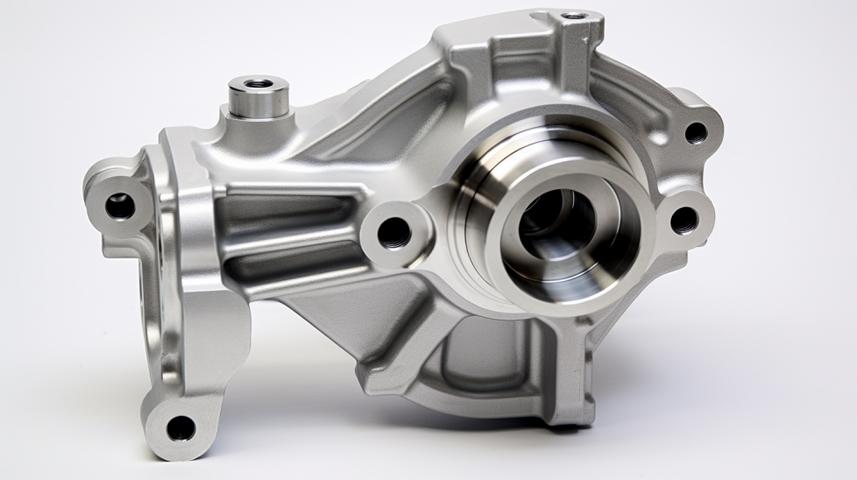
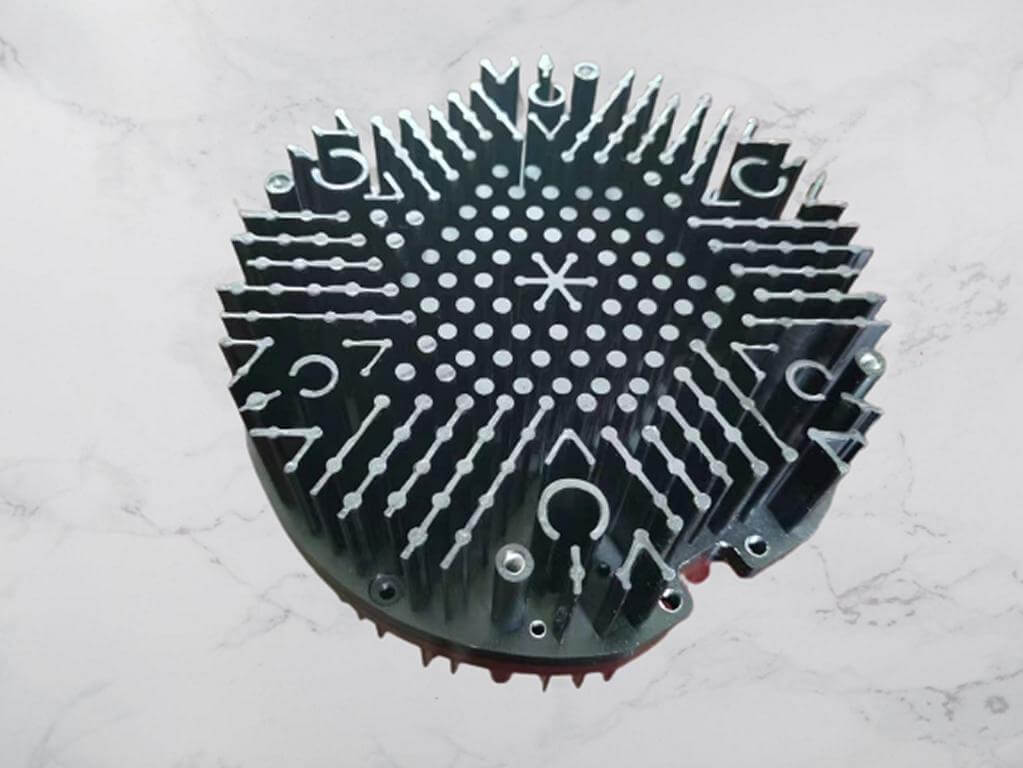
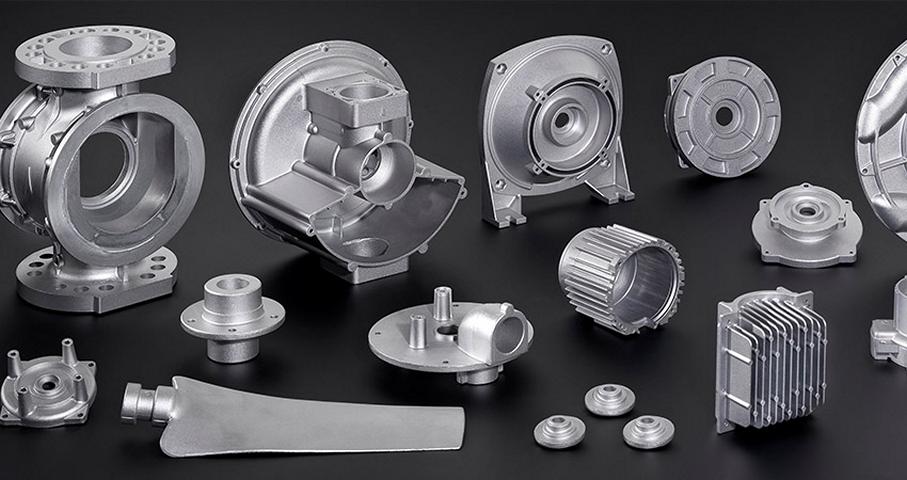
Are you looking for the right aluminum die casting manufacturers? You may have scrolled a lot but can not decide which is the best. If I am right, then you are definitely in the right place. We have brought you this guide to help you in this case. It mainly highlights the top 10 aluminum die-casting suppliers worldwide in 2024. Top 10 Aluminum Die Casting Manufacturers in The World 2024 Deciding between aluminum die-casting manufacturers is always challenging. Some foundries might not do die-casting, while others may only focus on die-casting. In addition, it usually takes time to research through Google. In each section below, we will mainly highlight four primary aspects of a factory. First, we will discuss the company and its main services. Does the company only focus on aluminum die-casting? What other casting methods does it usually provide? You can also check whether the factory offers surface finishes for aluminum parts. Later, we will learn their pros and cons. All these factors can help you find the best aluminum die-casting manufacturers for your project. Castiny Factory #1 CNM TECH Co. Ltd. This die casting factory is the best on the list. It offers all the necessary services to prepare an aluminum metal part, from design to finishing. This factory is in Guangdong, China. Since 2005, it has been one of the top 10 aluminum die-casting manufacturers in China. Note that this company always tries to follow the latest technology. To keep the standards, they keep the latest machinery. As a result, it ensures the highest quality of the metal parts. The best thing is that you can achieve up to ±0.01mm tolerance in each metal part. Main Services Aluminum die casting: prototyping, tooling, aluminum die-casting, machining, and surface finish. Zinc, Bronze, and Magnesium die-casting: You can create HPDC and LPDC aluminum die-casting metal parts. Aluminum gravity casting Aluminum sand casting Precision CNC Machining die casting mold Pros This aluminum die-casting factory provides a full range of services from casting to finishing. It also offers rapid prototyping with a step-by-step development process. Diverse die-casting capabilities Multiple casting methods High tolerance machining services: you can achieve tolerance up to ± 0.01 mm. Excellent customer service Excellent customer feedback The cost is relatively cheaper than other brands mentioned on this list. Cons They usually don’t offer other casting services, like investment casting or shell mold casting. From this factory, you will mostly find aluminum die-casting products. Some are made of zinc, magnesium, and Bronze. CNM TECH Co., Ltd may not be suitable for steel or other metals. However, you can get various steel forging services from this factory. Foundry #2 Ryobi Limited Japanese Ryobi Limited can be your next best pick. This aluminum die-casting supplier started its business in 1943. You may find them as one of the leading aluminum die-casting manufacturers worldwide in 2024. The company is in Hiroshima-ken, Japan. Regarding aluminum die-casting products, it mainly focuses on vehicle parts. Honda, Volkswagen, and Ford are some of its everyday customers. Main Services All metals die casting services for vehicles only Builders Hardware Printing Equipment Pros This factory mainly supplies products to automotive industries. They can make various metal parts, including aluminum die casting. Advanced machinery and technology for precision casting Excellent customer feedback. Cons Other casting methods, such as sand casting, gravity casting, and investment casting, are not included in their service list. You can only get vehicle parts, so customers from different industries may not benefit from this factory. The product service list on the website is unclear, making it difficult to understand their primary services. Contacting customer support is relatively tricky. Foundry #3 SintoKogio Our next best pick is another Japanese aluminum die casting manufacturer. While the company was founded in 1934, Sintokogio was reborn in 1960. Their headquarters is in Aichi, Japan. Regarding aluminum casting, Sintokogio mainly focuses on cold box molding and shell molds. Their products are widely used in aircraft and car engine parts. However, you may have limited options here. But for car parts, this factory can be your good choice. Main services Foundry: Aluminum casting, green sand molding, v-process, and chemically bonded metals Surface Treatments Powder treatment, force sensors, electric cylinders, material handling, and flooring Pros Multiple casting capabilities. After casting, this factory also offers extensive surface treatment options. Their latest technology ensures high-precision metal parts. Excellent customer support services. Cons For aluminum casting, you can only get aluminum gravity casting and low-pressure aluminum casting. Therefore, you can get limited options for aluminum die-casting parts. The cost is relatively higher. Their surface treatment involves removing, peeling, roughening, polishing, strengthening, micromachining, and seeing. However, anodizing, e-coating, and other finishing methods are crucial for aluminum die-casting parts. Foundry #4 Redstone’s President Eric Milling This plant is one of the new aluminum die-casting manufacturers. It opened in 2018 and has its headquarters in Ohio, USA. It has four main branches: Brazil, China, India, and Mexico. Aluminum die casting is one of this company’s main products. Although the website doesn’t mention it, they mentioned that they can take mass production orders. You can get all types of services, from design to manufacturing and testing. Main Services Die casting services include zinc die casting, aluminum die casting, and copper die casting. Investment casting Sand casting Metal Fabrication: sheet metal fab, CNC machining, and metal injection molding services Plastic injection molding services Pros This aluminum die-casting manufacturer offers zinc, aluminum, and copper die-casting. They specialize in aluminum die-casting services. High-quality metal parts with tight tolerances Additional casting methods are also present. You can work with other metals like steel, copper, and titanium. Cons Although they offer CNC machining for surface treatment, it is not enough. As you know, aluminum metal parts need other types of finishing methods. Typical examples are anodizing, e-coating, polishing, painting, and more. The website doesn’t talk about different aluminum casting services. Their aluminum die-casting parts are relatively expensive. In this case, GC precision mold aluminum casting parts are much better. Unable to create

Prelucrarea prototipurilor CNC

Prelucrarea CNC a prototipurilor

aluminiu turnat, Prelucrare CNC

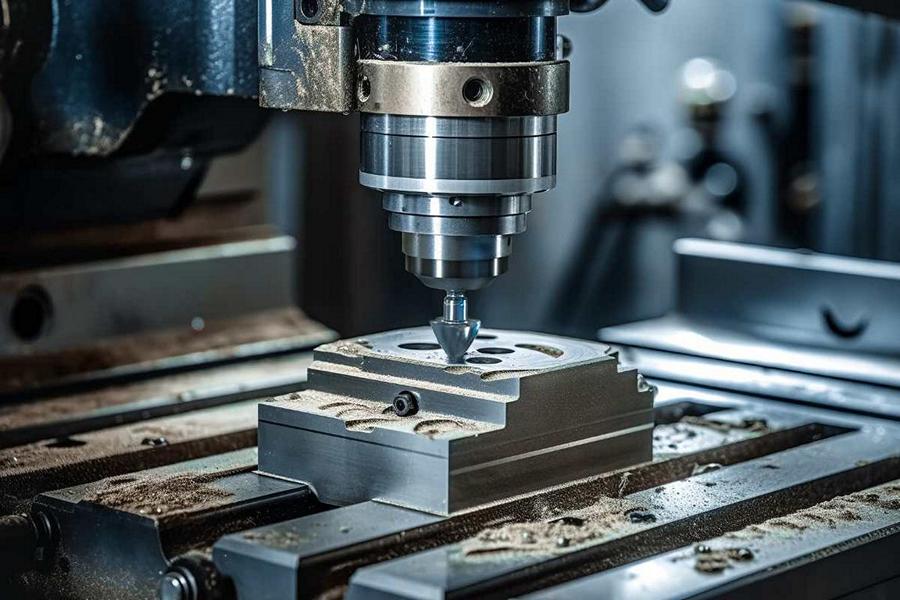
A Comprehensive Guide To Prototype CNC Machining Prototype cnc machining is a valueable choice for producing small quantities of prototypes to large volumes quickly as compared to the other methods. Several kinds of prototypes can be simply made by CNC prototype machining. Appearance prototypes, like the cases of auto cars, offer visual clues on the final part’s look and behavior. On the contrary, functional prototypes need more precision, thus, they stress the product structure and the stability. The article demonstates about CNC machined prototypes, as well as their advantages, and disadvantages. Moreover, it will highlight the key aspects including; What is  Prototype CNC Machining? The prototype cnc machining is a subtractive manufacturing process for precisely producing prototype components that can be utilized for different purposes. These prototype components are employed for testing, and designing phases for parts functionalities. In addition, the primary purposes of such tests for identifying visuals, marketing, or fundraising. Basically, cnc prototype machining produces the samples of a product or a machine that, if approved, will continue to the stages of design finalization, manufacturing, and sales. CNC’s versatility enables you to make prototypes from different materials such as economical plastics to high strength metals to create prototypes. Why CNC Machining Is a Valuable Process? CNC machining is an exceptional option for prototyping detailed feature parts. Firstly, it provides high precision, accuracy, and dimensional stability to parts because of its computerized controls that strictly supervise the movement of the workpiece and cutting tool. This degree of control guarantees that the prototype that is produced is exactly the same as the design. Alongside this, the rapid prototype machining is notably fast, and helps replicate complicated patterns prototypes down to tolerances upto +/- 0.005x. Conversely, processes like injection molding, , and forging or 3d printing which often take months to meet tight tolerances requirements, and molds. Thus, advanced CNC machines let you prototype immediately after the CAD model is converted into the CAM files or g-codes. Types Of CNC Machines Used For Prototyping: There are various machining approaches used for shaping functional prototypes, and end-use products. CNC Turning Prototyping: CNC turning, using a rotating machine called lathes, for the creation of the cnc prototyping of rounded or symmetrical components. The process is a combination of the material being spun fast and a cutting tool as per programmed code to shape high quality exact specification parts or products. The lathe machines are considered ideal machines for prototypes with round mid-sections because of their specialization in round components. CNC Milling Prototype: For intricate prototypes, a CNC machine that has up to five axes may be needed, cnc milling is credible. The extra axes are the ones that make it possible to have a more accurate cutting, thus, the creation of the complicated parts, but the cost is higher. In the CNC milling prototype operations, the computer-controlled tool head cuts the final prototype from the large block of material. The starting block is the basis for the whole machining process. CNC Routers The CNC Router is the best way to prototype because it allows you to make the design of the product exactly as you want it to be. CNC routers are like CNC mills and machines but they are more affordable, and they have a gantry system which makes the work area bigger than the machine’s size. Nevertheless, this layout restricts their complexity. Routers are the best option for working with materials like wood, plastic, and soft metals like aluminum. They are usually adopted by industrial machinists and small business hobbyists for replicating exact design feature products. Usually, 3-axes, or 2-axis routers are widely used for intricate designs. Among these, 2-dimensional routers are used for simpler geometrical components, while 3-dimensional parts are made by using 3-dimensional components. Nevertheless, they cannot be as precise as CNC mills. Because, the process of creating or turning detailed CNC files based on the tool and machine acquires a lot of skill or skilled professionals. CNC Laser Cutter The CNC Laser Cutter is a technique that employs a high energy beam of laser cut to shape a prototype product, which is then tested and improved until the final product is made. The laser cutters that are strong enough to be used by small companies can handle metals like aluminum, as well as sturdy plastics such as; acrylics, textiles, composites, and wood for prototype CNC machining. Their flexibility is the reason why they are the most popular among the small firms that want to make a lot of prototypes without going beyond their budget. Nevertheless, laser cutters can pose “scorch marks” on the prototype part surface because of generated heat during the cutting process. In addition, the design complexity is usually limited as mostly these CNC cutters can precisely use multiple axes for product development. CNC machining is considered as an ideal process applied in different manufacturing fields. It helps to form highly detailed and complex feature parts with exceptional dimensional stability, and high degree of precision. In the majority of the industries, a working prototype, or even a version that shows the product’s functionality, is utmost. In contrast, for the functional prototypes that requires rigrous strength, mechanical stability and specific features that additive methods cannot provide, machined tooling is usually the choice. Applications of Precision Prototype CNC Machining Lets discuss various industries that use precision prototyping machining for shaping lightweight components for testing, and validating designs before initialising their part production projects on larger scales. Here are some of the commonest industries that use CNC machining as a primary source to manufacture stringent standard quality exact specification parts or products. Medical Industry In the medical field, CNC machining is the most crucial factor that makes the prototyping process faster. For instance, pharmaceutical companies usually need prototypes to demonstrate the product’s working before the final production. Precision and accuracy are the most important factors, especially in the medical devices, and CNC machining ensures that the prototypes are the exact copies of the final product and can work perfectly in their

China aliaj de zinc mor turnare

zinc turnare sub presiune China

aluminiu turnat

Exploring the Dynamics of Zinc Die Casting China Zinc die casting China stands as a pivotal process in the manufacturing industry, providing unparalleled precision, cost-effectiveness, and durability. Within this realm, China emerges as a key player, contributing significantly to the global zinc die casting market. One notable company making waves in this industry is CNM TECH, a leading zinc die casting manufacturer in China. In this comprehensive article, we will delve into the intricacies of zinc die casting, the advantages it offers, and China’s prominent role in this dynamic sector. Advantages of Zinc Die Casting comparing to aluminum die casting: Zinc die casting and aluminum die casting are both popular methods for producing high-quality metal components, each with its unique advantages. Here, we’ll explore the advantages of zinc die casting in comparison to aluminum die casting: Cost-Effectiveness: Zinc Die Casting: Zinc is generally more cost-effective than aluminum. The lower melting point of zinc allows for faster production cycles, reducing energy consumption and overall production costs. The tooling and machining processes are also typically less expensive. Aluminum Die Casting: Aluminum has a higher melting point than zinc, which can result in longer production cycles and higher energy costs. The tooling and machining processes may be more complex and costly. Precision and Detail: Zinc Die Casting: Zinc offers excellent dimensional stability and intricate detailing capabilities. The fluidity of molten zinc allows for the production of complex and detailed parts with tight tolerances. Aluminum Die Casting: While aluminum can achieve precision, zinc tends to provide better results when it comes to intricate designs and fine details due to its lower melting point. Surface Finish: Zinc Die Casting: Zinc produces high-quality surface finishes with minimal post-processing required. The fine-grain structure of zinc allows for smoother and more aesthetically pleasing surfaces. Aluminum Die Casting: While aluminum can achieve good surface finishes, zinc often requires less post-casting finishing to achieve a polished and visually appealing look. Strength and Durability: Zinc Die Casting: Zinc alloys exhibit excellent strength and durability, making them suitable for a wide range of applications. The inherent strength of zinc allows for the production of robust and long-lasting components. Aluminum Die Casting: Aluminum also offers good strength, but zinc’s higher hardness and wear resistance can be advantageous in certain applications. Thin-Wall Casting: Zinc Die Casting: Zinc’s low melting point and excellent fluidity make it well-suited for thin-wall casting. This is particularly advantageous in applications where lightweight and intricate designs are essential. Aluminum Die Casting: While aluminum can achieve thin-wall casting, zinc often outperforms in terms of ease and precision in creating intricate and lightweight components. Corrosion Resistance: Zinc Die Casting: Zinc alloys provide good corrosion resistance, especially when properly coated. This is beneficial in applications where exposure to harsh environmental conditions is a concern. Aluminum Die Casting: Aluminum also offers corrosion resistance, but the specific alloy and surface treatments may be required to enhance this property. While both zinc and aluminum die casting methods have their merits, zinc die casting excels in terms of cost-effectiveness, precision, surface finish, and specific applications where thin-wall casting and corrosion resistance are critical factors. The choice between zinc and aluminum ultimately depends on the specific requirements of the project and the desired characteristics of the final product. Zinc Die Casting Process: The zinc die casting process is a highly efficient and versatile manufacturing method used to produce intricate metal components with excellent dimensional accuracy and surface finish. Here is an overview of the typical steps involved in the zinc die casting process: Mold Design and Tooling: The process begins with the design of molds that will shape the final product. These molds are typically made of hardened steel and consist of two halves – the “die” – which, when closed, form a cavity in the shape of the desired part. CNC machining or other precision techniques are used to create the mold with exact specifications. Melting and Injecting Zinc: Zinc, a low-melting-point metal, is then heated to its liquid state in a furnace. The temperature typically ranges from 780 to 950 degrees Fahrenheit (415 to 510 degrees Celsius). Once molten, the liquid zinc is injected into the mold under high pressure using a hydraulic press or a specialized zinc die casting machine. The pressure ensures that the molten metal fills the entire cavity of the mold. Cooling and Solidification: After injection, the molten zinc rapidly cools and solidifies within the mold cavity. The cooling time is carefully controlled to achieve the desired material properties and prevent defects. The solidification process is crucial for maintaining the structural integrity and dimensional accuracy of the final component. Ejection and Removal: Once the zinc has solidified, the two halves of the mold are separated, and the newly formed part, now known as the casting or die casting, is ejected from the mold. Automated ejector pins or mechanisms are often used to facilitate the removal of the casting from the mold. Trimming and Finishing: The castings may have excess material or imperfections, known as flash, which is removed through trimming or other post-casting processes. Additional finishing processes, such as machining, shot blasting, or vibratory finishing, may be employed to achieve the desired surface finish and dimensional precision. Quality Control: Stringent quality control measures are implemented throughout the zinc die casting process. Inspections and tests may include dimensional checks, visual inspections, and material testing to ensure that the components meet specified requirements. Modern technologies, such as X-ray or ultrasound inspections, may also be used to detect internal defects. Surface Coating (Optional): Depending on the application, the zinc die-cast components may undergo surface coating or finishing treatments to enhance corrosion resistance, improve appearance, or provide additional functionalities. The entire zinc die casting process is characterized by its speed, repeatability, and ability to produce complex shapes with high precision. It is widely used in various industries, including automotive, electronics, and consumer goods, where the advantages of zinc, such as cost-effectiveness and superior casting properties, are highly beneficial. Companies like CNM TECH zinc die casting

Turnare sub presiune China

Producător de matrițe pentru turnare sub presiune

aluminiu turnat

A Comprehensive Guide to Die Casting Mould Manufacturing by CNM TECH In the realm of manufacturing, die casting moulds stand as the unsung heroes behind the impeccable precision and efficiency of various products. At the heart of this intricate process lies the expertise of die casting mould manufacturers, with CNM TECH emerging as a prominent player in this dynamic field. Types of Die Casting Moulds Die casting moulds come in various types, each catering to specific manufacturing needs. Cold chamber die casting moulds, hot chamber die casting moulds, and multi-slide die casting moulds are the pillars of this industry. CNM TECH, a leading die casting mould manufacturer, specializes in crafting these moulds with unparalleled precision and reliability. Characteristics of a Reliable Die Casting Mould Manufacturer When it comes to choosing a die casting mould manufacturer, certain characteristics set the best apart from the rest. CNM TECH exemplifies these traits with its profound expertise in die casting technology, utilization of top-notch materials, precise tolerance levels, customizable solutions, and an unblemished reputation for delivering excellence. Key Considerations in Choosing a Die Casting Mould Manufacturer Choosing the right die casting mould manufacturer is a critical decision that can significantly impact the success of your manufacturing processes. Several key considerations should guide your decision-making process to ensure you partner with a reliable and competent manufacturer. Below are the essential factors to keep in mind: Industry Experience: Assess the manufacturer’s experience in the die casting industry. A company with a proven track record is more likely to have encountered various challenges and developed effective solutions. Technology and Equipment: Investigate the technology and equipment employed by the manufacturer. State-of-the-art machinery and advanced technology contribute to the precision and efficiency of the die casting process. Compliance with Industry Standards: Ensure that the manufacturer adheres to relevant industry standards and certifications. Compliance with standards such as ISO and other quality certifications is indicative of a commitment to producing high-quality moulds. Cost and Pricing Structure: While cost is a significant factor, it should not be the sole determinant. Consider the overall value offered, including quality, customization capabilities, and delivery timelines. Transparent pricing structures and no hidden costs are indicative of a trustworthy partner. Lead Times and Production Capacity: Evaluate the manufacturer’s production capacity and lead times. A reliable die casting mould manufacturer should be able to meet your production requirements within a reasonable timeframe while maintaining quality standards. Customization Capabilities: Assess the manufacturer’s ability to provide customized solutions. Different industries and applications may require unique specifications, and a manufacturer capable of tailoring their products to meet specific needs adds significant value. Reputation and Track Record: Research the manufacturer’s reputation in the industry. Customer reviews, testimonials, and references can provide insights into the company’s reliability, consistency, and commitment to customer satisfaction. Quality of Materials Used: The choice of materials significantly influences the durability and performance of die casting moulds. Ensure that the manufacturer uses high-quality materials suitable for your specific application. Communication and Collaboration: Effective communication is crucial for a successful partnership. Choose a manufacturer that values collaboration and maintains open lines of communication throughout the design, production, and delivery phases. After-Sales Support: Evaluate the level of after-sales support provided by the manufacturer. A company that offers ongoing support, maintenance, and assistance can help address any issues that may arise after the moulds are in operation. By carefully considering these key factors, you can make an informed decision when selecting a die casting mould manufacturer. CNM TECH, with its industry experience, cutting-edge technology, and commitment to quality, stands as an example of a reliable partner in the world of die casting mould manufacturing. The Die Casting Process Understanding the die casting process is vital to appreciate the significance of the moulds. CNM TECH’s expertise extends to every stage of die casting, from the initial design to the implementation of stringent quality control measures, ensuring that the final product meets the highest standards of precision and durability. Case Studies CNM TECH’s success stories serve as testaments to their commitment to excellence. Through in-depth case studies, we explore how CNM TECH’s die casting moulds have played pivotal roles in enhancing efficiency and product quality across diverse industries. The company’s portfolio demonstrates versatility and innovation in meeting unique manufacturing challenges. Emerging Trends in Die Casting Mould Manufacturing As technology evolves, so does the die casting mould manufacturing industry. CNM TECH stays at the forefront by embracing advancements in materials, integrating automation and Industry 4.0 practices, and incorporating sustainable manufacturing methods. The company’s forward-thinking approach ensures clients benefit from the latest innovations. Challenges in Die Casting Mould Manufacturing Even in the face of challenges, CNM TECH rises to the occasion. This section delves into common issues faced by die casting mould manufacturers and how CNM TECH navigates these challenges through innovative solutions. The company’s resilience and problem-solving capabilities underscore its commitment to customer satisfaction. Future Outlook for Die Casting Mould Manufacturing In a rapidly evolving landscape, the future of die casting mould manufacturing holds exciting possibilities. CNM TECH anticipates and prepares for upcoming technological advancements, contributing to the industry’s growth and offering clients cutting-edge solutions that meet the demands of tomorrow. Conclusion In conclusion, CNM TECH emerges as a trailblazer in the world of die casting mould manufacturing. Their commitment to precision, innovation, and customer satisfaction sets them apart. For businesses seeking reliability, efficiency, and a partner for the future, CNM TECH stands as the beacon of excellence in the intricate art of die casting mould production. Are you in need of high-quality aluminum die casting services? Look no further than CNM Tech China die casting manufacturer! Our team of experts specializes in aluminum, zinc, and magnesium die casting, as well as machining parts, metal stamping, and plastic molds making. With over 18 years of experience, you can trust that our die casting products are exemplary and cost-effective. We employ advanced equipment and machinery to ensure the highest quality solutions. We have been made many type of aluminum die casting, zinc die casting,

Extrudare din aluminiu anodizat negru

Aluminiu semisolid turnat sub presiune

aluminiu turnat

What is Semi-solid aluminum die casting Semi-solid aluminum die casting is an advanced manufacturing process that combines the principles of traditional die casting with the unique material characteristics of semi-solid alloys. In this process, a partially solidified aluminum alloy, often in a slurry or paste-like state, is injected into a mold cavity to create complex and precise metal components. This innovative technique offers several advantages over conventional die casting methods, making it particularly well-suited for applications where high mechanical performance, reduced defects, and intricate designs are crucial. In the world of manufacturing, the process of die casting plays a pivotal role in creating complex metal components with high precision and efficiency. However, recent advancements have given rise to an innovative approach known as semi-solid aluminum die casting. This article delves into the evolution, fundamentals, advantages, applications, and challenges associated with semi-solid aluminum die casting. I. Overview of Die Casting Process Die casting is a manufacturing process that involves injecting molten metal into a mold cavity to produce intricate shapes with remarkable accuracy. Semi-solid die casting builds upon this foundation by manipulating the alloy’s material properties to achieve improved results. II. Fundamentals of Semi-Solid Aluminum Die Casting A. Basic Principles of Die Casting Traditional die casting involves injecting fully liquid molten metal into a mold. Semi-solid casting, however, uses a slurry that maintains a partially solid and partially liquid state, offering distinct advantages in terms of reduced defects and enhanced mechanical properties. B. Rheological Behavior of Semi-Solid Alloys Semi-solid alloys exhibit unique rheological properties, making them more resistant to shrinkage and gas porosity during the solidification process. This results in a higher-quality finished product. C. Types of Semi-Solid Aluminum Alloys Different aluminum alloys can be adapted for semi-solid casting, depending on the specific application requirements. Some alloys are better suited for automotive components, while others excel in aerospace applications. III. Advantages and Benefits of Semi-Solid Aluminum Die Casting A. Improved Mechanical Properties Semi-solid die casting yields components with enhanced mechanical strength, making them ideal for safety-critical applications such as automotive structural components. B. Reduced Porosity and Defects The semi-solid slurry’s unique properties minimize the formation of voids and porosity, resulting in components that require less post-processing and exhibit superior surface finish. C. Enhanced Dimensional Accuracy Semi-solid die casting reduces shrinkage-related issues, leading to components with tighter dimensional tolerances and consistent geometry. D. Increased Design Flexibility Designers benefit from greater freedom in shaping intricate components, as the semi-solid process allows for more intricate and thin-walled designs. IV. Semi-Solid Aluminum Die Casting Process A. Preparation of Semi-Solid Slurry Thixocasting and rheocasting are two primary methods to prepare the semi-solid slurry. Thixocasting employs mechanical stirring to induce the semi-solid state, while rheocasting relies on controlled cooling and shearing. B. Injection of Semi-Solid Slurry The semi-solid slurry is injected into the mold cavity using conventional die casting equipment, but with specific adjustments to accommodate the unique material characteristics. C. Mold Filling and Solidification The semi-solid slurry’s controlled flow and reduced viscosity facilitate smoother mold filling, leading to reduced turbulence and better surface finish. D. Cooling and Ejection After the mold is filled, the component undergoes controlled solidification, ensuring uniform cooling and minimizing internal stresses. Ejection is smoother due to reduced shrinkage. E. Post-Casting Processing Although semi-solid die casting reduces the need for extensive post-processing, finishing steps such as trimming, deburring, and surface treatment might still be necessary. V. Comparison with Traditional Die Casting Methods A. Comparison with High-Pressure Die Casting Semi-solid casting’s advantages, including reduced defects and enhanced mechanical properties, set it apart from traditional high-pressure die casting. B. Comparison with Low-Pressure Die Casting Semi-solid casting offers a middle ground between high-pressure and low-pressure die casting, combining the benefits of both methods. C. Strengths and Weaknesses of Semi-Solid Die Casting A balanced assessment of semi-solid die casting’s pros and cons can guide manufacturers in choosing the most suitable method for their specific needs. VI. Applications of Semi-Solid Aluminum Die Casting A. Automotive Industry Engine Components: Semi-solid casting produces durable engine parts that can withstand the demanding conditions under the hood. Transmission Parts: Enhanced mechanical properties make semi-solid components ideal for transmission systems. Suspension Components: The combination of strength and dimensional accuracy benefits suspension parts. B. Aerospace Industry Structural Components: Semi-solid die casting ensures the integrity of critical aircraft structures. Engine Parts: Aerospace engines demand robust components that can handle extreme temperatures and pressures. C. Electronics Industry Heat Sinks: Semi-solid components efficiently dissipate heat, improving the performance and longevity of electronic devices. Enclosures: Design flexibility allows for intricate enclosure designs that protect sensitive electronics. D. Consumer Goods Sporting Equipment: The lightweight yet sturdy properties of semi-solid components suit various sporting equipment applications. Appliances: Semi-solid components contribute to the durability and efficiency of household appliances. VII. Challenges and Future Directions A. Material Selection and Alloy Development Research into alloy compositions that maximize the benefits of semi-solid casting continues to evolve. B. Process Optimization and Simulation Advanced simulation tools aid in optimizing the semi-solid casting process for different applications. C. Cost Considerations While semi-solid casting offers many advantages, manufacturers must weigh these against associated costs. D. Environmental Impact and Sustainability The industry explores ways to minimize the environmental footprint of semi-solid die casting processes. VIII. Case Studies A. Company A: Automotive Component Highlighting a real-world success story where semi-solid die casting led to improved automotive component performance and longevity. B. Company B: Aerospace Component Illustrating how semi-solid casting ensured the precision and reliability of a critical aerospace component. IX. Research and Innovations in Semi-Solid Aluminum Die Casting A. Emerging Technologies Exploring cutting-edge advancements that promise to revolutionize the semi-solid casting landscape. B. Advances in Equipment and Tooling The development of specialized equipment and tooling continues to refine the semi-solid casting process. C. Integration with Industry 4.0 The fusion of semi-solid casting with smart manufacturing principles enhances process control and data-driven decision-making. X. Conclusion A. Recap of Key Points Summarizing the benefits, applications, and challenges of semi-solid aluminum die casting. B. Future Prospects of Semi-Solid Aluminum Die Casting

heatsink personalizat

Anodizare aluminiu turnat sub presiune

aluminiu turnat

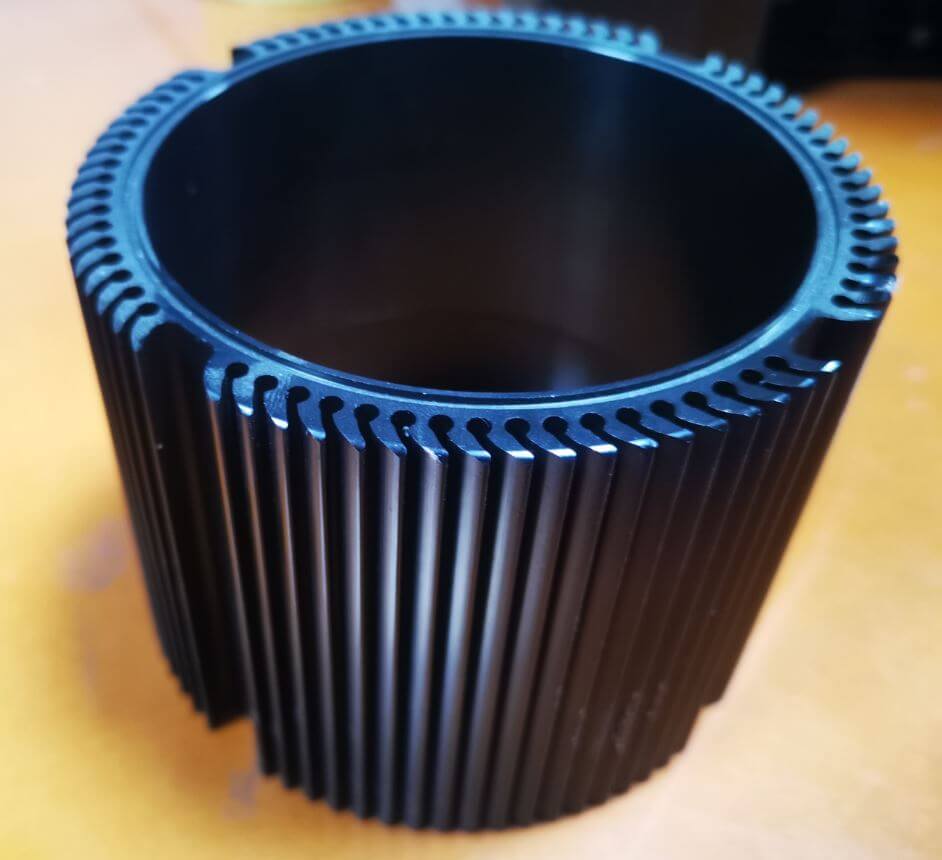
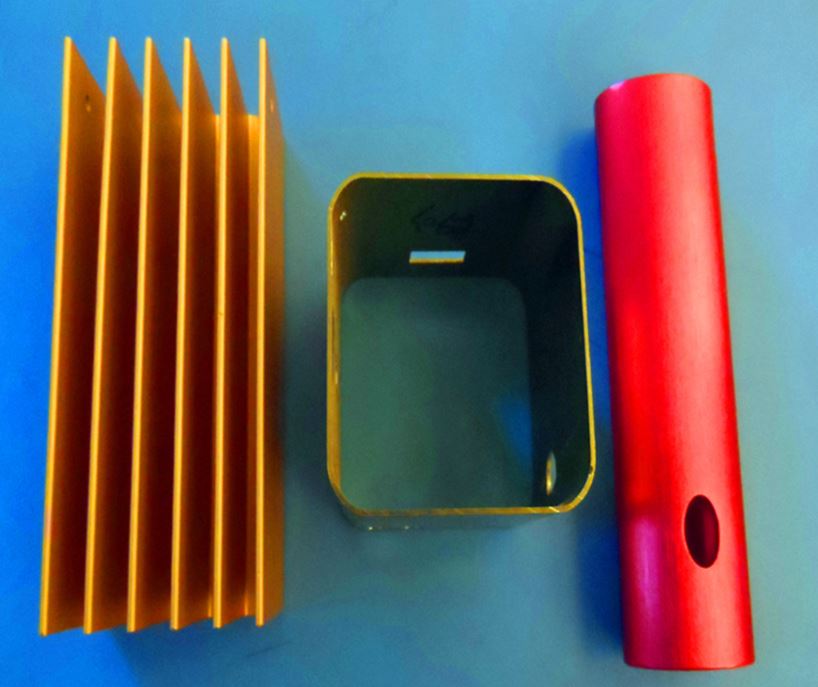
Anodizing Die Cast Aluminum: Enhancing Durability and Aesthetics Anodizing is a crucial surface finishing process that offers numerous benefits to die cast aluminum components. By subjecting aluminum to an electrochemical process, anodizing creates a protective layer that enhances corrosion resistance, wear resistance, and even allows for aesthetic customization. In this article, we will delve into the anodizing process for die cast aluminum, explore its benefits, discuss considerations for successful anodizing, and examine its applications across various industries. Anodizing die cast aluminum Process To prepare die cast aluminum for anodizing, meticulous cleaning and degreasing are vital. This step ensures the removal of any contaminants that could affect the adhesion and quality of the anodized layer. Surface preparation techniques like etching and polishing may also be employed to achieve the desired surface finish. The anodizing process offers three main methods: Type I, Type II, and Type III anodizing. Type I, known as chromic acid anodizing, produces a thin, non-decorative, and corrosion-resistant layer. Type II, sulfuric acid anodizing, is the most common method and creates a thicker layer suitable for aesthetic finishes. Type III, also known as hardcoat anodizing, results in a considerably thicker and harder layer, offering exceptional wear resistance. Various parameters and variables play crucial roles in the anodizing process. Voltage and current density determine the thickness and quality of the anodized layer. Anodizing time and temperature are carefully controlled to achieve the desired results. Specialized equipment and setup ensure consistent and efficient anodizing. Benefits of Anodizing Die Cast Aluminum Enhanced Corrosion Resistance: Anodizing forms a protective oxide layer that shields die cast aluminum from environmental factors, such as moisture and chemicals. This greatly enhances the material’s corrosion resistance, making it suitable for applications in harsh environments. Improved Wear Resistance: Hardcoat anodizing creates an exceptionally durable surface that offers resistance against abrasion, reducing wear and extending the lifespan of die cast aluminum components. Aesthetic Options and Color Choices: Anodizing allows for a wide range of aesthetic options, including different finishes and color choices. By utilizing dyes or pigments during the anodizing process, die cast aluminum components can be customized to match branding or design requirements. Electrical Insulation Properties: Anodized die cast aluminum exhibits excellent electrical insulation properties. This makes it ideal for applications where electrical conductivity needs to be minimized or eliminated. Increased Surface Hardness: Hardcoat anodizing significantly increases the surface hardness of die cast aluminum, making it more resistant to scratches, dents, and other forms of physical damage. Considerations for Anodizing Die Cast Aluminum Proper alloy selection is crucial for successful Anodizing die cast aluminum. Different aluminum alloys respond differently to the anodizing process, so it’s essential to choose the appropriate alloy to achieve the desired results. Design considerations are also important. The thickness and dimensions of the component must be carefully evaluated to ensure uniform and consistent anodized coatings. Masking requirements should be addressed to protect specific areas that shouldn’t be anodized. Furthermore, the accessibility of the component’s surfaces must be taken into account to ensure proper coating coverage. Surface defects can occur during the anodizing process. To mitigate these issues, thorough inspection and quality control measures are implemented to identify and address any defects that may compromise the integrity of the anodized layer. Post-Anodizing Processes After anodizing, sealing the anodized surface further improves its durability and corrosion resistance. Sealing involves closing the pores of the anodized layer, preventing the ingress of contaminants and enhancing the overall performance of the anodized die cast aluminum component. Sealing can be achieved through various methods, including hot water sealing, nickel acetate sealing, or proprietary sealing processes, depending on the specific requirements of the application. In addition to sealing, there are additional post-anodizing processes that can be employed to further enhance the appearance and functionality of die cast aluminum components. Dyeing allows for the introduction of vibrant colors to the anodized surface, providing greater design flexibility and aesthetic appeal. Laser etching can be utilized to add precise markings, logos, or serial numbers to the anodized surface, allowing for easy identification and traceability. Quality control and inspection techniques play a vital role in ensuring the overall quality and performance of anodized die cast aluminum components. These processes involve visual inspection, thickness measurement, adhesion testing, and other rigorous assessments to ensure that the anodized coating meets the required specifications and standards. Applications of Anodized Die Cast Aluminum The benefits of anodized die cast aluminum make it a preferred choice in various industries: Automotive Industry: Anodized die cast aluminum components find extensive use in automotive applications, such as engine parts, transmission housings, and decorative trim. The enhanced corrosion resistance and aesthetic customization options make anodized die cast aluminum ideal for automotive designs. Aerospace Industry: Anodized die cast aluminum plays a crucial role in aerospace applications, where lightweight materials with excellent corrosion resistance are paramount. Components like aircraft interior panels, structural elements, and landing gear parts benefit from the protective anodized layer. Consumer Electronics: Anodized die cast aluminum is widely utilized in the consumer electronics industry for products like smartphones, laptops, and audio equipment. Its combination of durability, aesthetics, and electrical insulation properties makes it an ideal choice for these applications. Building and Construction: Anodized die cast aluminum finds use in architectural applications, such as window frames, door handles, and exterior cladding. The ability to customize colors and finishes allows architects and designers to achieve their desired aesthetic while ensuring durability and longevity. Other Industrial Applications: Anodized die cast aluminum is also employed in various industrial sectors, including machinery, furniture, sports equipment, and lighting fixtures. Its corrosion resistance, wear resistance, and aesthetic options make it a versatile material for a wide range of applications. Comparison with Other Surface Finishing Techniques While Anodizing die cast aluminum offers significant advantages, it’s important to consider alternative surface finishing techniques for specific applications: Powder Coating: Powder coating provides a durable and visually appealing finish, but it may not offer the same level of corrosion resistance or wear resistance as anodizing. The choice between anodizing and powder coating depends on the

vopsire anodizare aluminiu

Vopsire Aluminiu anodizat

aluminiu turnat

Painting Anodized Aluminum: A Comprehensive Guide Painting Anodized aluminum is a popular choice due to its durability, corrosion resistance, and aesthetic appeal. However, there may come a time when you want to change the color of your anodized aluminum or simply refresh its appearance. In such cases, painting anodized aluminum is a viable option. In this blog post, we will provide a comprehensive guide on how to paint anodized aluminum, including the preparation, painting, and maintenance processes. I. Introduction Anodized aluminum is a type of aluminum that has undergone an electrochemical process to create a protective layer of oxide on its surface. This layer makes the aluminum more resistant to corrosion, scratches, and wear, while also enhancing its appearance. Anodized aluminum is commonly used in architectural, automotive, and aerospace applications, among others. However, its color options are limited, and it may fade or become damaged over time. Painting anodized aluminum can address these issues and provide a new look to your metal surfaces. II. Preparing the Surface Before painting anodized aluminum, it is crucial to prepare the surface properly. This involves cleaning the surface, sanding it, and applying a primer. Cleaning the Surface: The first step is to clean the anodized aluminum surface thoroughly. You can use a degreaser, such as trisodium phosphate (TSP), to remove any dirt, oil, or grime. Rinse the surface with water and let it dry completely. Sanding the Surface: Next, you need to sand the anodized aluminum surface to create a rough texture that can help the paint adhere better. You can use a fine-grit sandpaper, such as 220-grit, to sand the surface gently. Be careful not to sand too hard, as this can damage the anodized layer. Applying a Primer: Once the surface is clean and sanded, you should apply a primer to promote adhesion and improve the paint’s durability. Choose a primer that is compatible with anodized aluminum and follow the manufacturer’s instructions for application. Allow the primer to dry completely before painting. III. Choosing the Right Paint When it comes to painting anodized aluminum, not all paints are created equal. You need to choose a paint that is suitable for metal surfaces and can adhere well to the anodized layer. Here are some factors to consider when choosing paint: Type of Paint: There are different types of paint suitable for anodized aluminum, including acrylic, epoxy, and polyurethane. Each type has its advantages and disadvantages, so you should choose the one that best suits your needs. Acrylic paint is easy to apply and dries quickly, but it may not be as durable as other types. Epoxy paint is highly resistant to chemicals and abrasion, but it requires a longer curing time. Polyurethane paint is the most durable and glossy, but it is also the most expensive. Color and Finish: You should also consider the color and finish of the paint. Anodized aluminum can be painted in any color, but you should choose a color that complements the surrounding environment or matches your design preferences. The finish can be matte, satin, or glossy, depending on your desired look. IV. Painting the Anodized Aluminum Once you have prepared the surface and chosen the right paint, you can start painting the anodized aluminum. Here are the steps to follow: Applying the First Coat of Paint: Use a brush, roller, or spray gun to apply the first coat of paint. Apply the paint evenly and avoid drips or bubbles. Let the first coat dry according to the manufacturer’s instructions. Applying Subsequent Coats of Paint: Depending on the type of paint and the desired thickness, you may need to apply one or more additional coats of paint. Sand the surface lightly between coats to create a smooth finish. Allow each coat to dry completely before applying the next one. Drying and Curing the Paint: After the final coat, let the paint dry for at least 24 hours before handling or exposing it to moisture. Some paints may require a longer curing time, so check the manufacturer’s instructions. Once the paint is fully cured, you can enjoy your newly painted anodized aluminum surface. V. Maintenance and Care To ensure that your painted anodized aluminum surface lasts for a long time, you should follow some maintenance and care tips: Clean the surface regularly with a mild detergent and water to remove dirt and debris. Avoid using abrasive cleaners or tools that can scratch or damage the paint. Inspect the surface periodically for signs of wear, fading, or peeling. Touch up any damaged areas with paint as needed. Protect the surface from exposure to harsh chemicals, extreme temperatures, or direct sunlight, which can cause the paint to deteriorate. When do you need painting anodized aluminum Painting anodized aluminum may be necessary for a variety of reasons, including: Changing the color: Anodized aluminum is available in a limited range of colors, so painting it can provide more color options to match your design preferences. Restoring the appearance: Over time, anodized aluminum may become faded, scratched, or damaged, making it look dull or unattractive. Painting can restore the surface’s appearance and make it look new again. Protecting the surface: While anodized aluminum is more resistant to corrosion and wear than untreated aluminum, it may still be susceptible to damage in harsh environments. Painting can provide an additional layer of protection to the surface, making it more durable and long-lasting. Customizing the surface: Painting anodized aluminum can allow you to customize the surface with unique designs, patterns, or logos, making it stand out and reflect your brand or personality. Painting anodized aluminum can be a practical and aesthetic solution for enhancing the surface’s appearance and performance. Conclusion Painting anodized aluminum can be a rewarding DIY project that can transform your metal surfaces into a new and vibrant look. By following the steps outlined in this guide, you can prepare, paint, and maintain your anodized aluminum surfaces with ease and confidence. Remember to choose the right paint, prepare the surface properly, and take care

ADC12 Turnare sub presiune

ADC12 turnare sub presiune

aluminiu turnat

What is ADC12 die casting? ADC12 die casting is one of the most commonly used aluminum alloy die casting materials, and it is used in a wide variety of industries, including the automotive, consumer electronics, and aerospace industries. This process involves the injection of molten metal into a mold at high pressure, which creates complex geometric shapes with excellent dimensional accuracy. In this article, we will provide you with an overview of the ADC12 aluminum alloy die casting process, including the materials used, the equipment required, and the benefits of the process. Materials Used in ADC12 Die Casting ADC12 is an aluminum alloy that is primarily composed of aluminum, silicon, and magnesium. This alloy has a high strength-to-weight ratio and good corrosion resistance, making it ideal for use in a wide range of applications. Compared to other alloys such as A380 aluminum die casting, ADC12 aluminum alloy has higher silicon content, which results in better fluidity during the casting process. This alloy is also more cost-effective compared to other similar alloys. Equipment Required for Aluminum ADC12 Die Casting To carry out the aluminum ADC12 die casting process, various equipment is required, including injection molding machines, die casting molds, and other necessary tools. The injection molding machine is used to inject the molten metal into the mold, while the die casting mold is used to create the shape of the finished product. Other necessary tools include cooling systems, ejection mechanisms, and quality control equipment. Process of Aluminum ADC12 Die Casting The process of aluminum ADC12 die casting involves several steps, including the preparation of materials, injection of molten metal, cooling and ejection of finished products, and quality control measures. The preparation of materials involves melting the ADC12 alloy and preparing the mold for casting. The molten metal is then injected into the mold at high pressure, which creates the desired shape of the finished product. After the metal has solidified, the mold is opened, and the finished product is ejected from the mold. Quality control measures are carried out throughout the entire process to ensure that the finished product meets the required specifications. Applications of aluminum ADC12 Die Casting Aluminum ADC12 die casting is widely used in various industries, including the automotive, consumer electronics, and aerospace industries. In the automotive industry, ADC12 die casting is used to manufacture a wide variety of components, including engine blocks, transmission cases, and suspension parts. In the consumer electronics industry, ADC12 die casting is used to create high-quality products such as laptop frames, smartphone cases, and tablet casings. In the aerospace industry, ADC12 die casting is used to manufacture parts such as aircraft engine components and structural components. Benefits of aluminum ADC12 Die Casting Aluminum ADC12 die casting offers a wide range of benefits, including a high strength-to-weight ratio, good corrosion resistance, improved dimensional accuracy, and mass production capability. The high strength-to-weight ratio of ADC12 makes it an ideal material for producing lightweight components that require high strength, such as those used in the aerospace industry. The good corrosion resistance of ADC12 aluminum alloy also makes it ideal for use in applications where protection from the elements is required. The improved dimensional accuracy of ADC12 aluminum alloy allows for the manufacture of complex components with tight tolerances, which is essential in many industries. Finally, the mass production capability of ADC12 die casting makes it an efficient and cost-effective process for producing large quantities of components. When should we use adc12 aluminum alloy die casting parts? ADC12 die casting aluminum alloy parts are used in a variety of applications. Here are some situations where you should consider using them: Where a High Strength-to-Weight Ratio is Needed: ADC12 die casting aluminum alloy parts offer an excellent strength-to-weight ratio, which makes them ideal for use in aircraft and automotive industries, where lightweight but strong components are required. Where Corrosion Resistance is Important: ADC12 die casting aluminum alloy parts contain high levels of silicon, which offers better corrosion resistance than other aluminum alloys. They are an excellent choice for applications that require protection against the elements, such as marine or outdoor applications. Where Complex Geometric Shapes are Required: ADC12 die casting aluminum alloy parts can be cast in intricate and complex shapes, with high dimensional accuracy. As such, they are ideal for use in the production of components that require tight tolerances, such as automotive and aerospace parts. Where Mass Production is Required: ADC12 die casting aluminum alloy parts can be produced in high volumes with low-cost tooling. As such, they are a cost-effective choice for large production runs. Where Surface Finish is Important: ADC12 die casting aluminum alloy parts can be finished to provide a high-quality surface finish, suitable for use in consumer applications such as smartphones, tablets, and laptops. ADC12 die casting aluminum alloy parts are an excellent choice for many applications. They offer a good strength-to-weight ratio, high corrosion resistance, can be cast into complex shapes with high dimensional accuracy, are cost-effective for mass production, and allow for the production of high-quality surface finishes. Consider using ADC12 die casting aluminum alloy parts when these benefits meet your specific requirements. Conclusion Aluminum ADC12 die casting is a highly versatile manufacturing process with a wide range of applications in various industries. By using this process and choosing the appropriate ADC12 aluminum alloy, manufacturers can create high-quality components that meet their specific requirements. Whether you are in the automotive, consumer electronics, or aerospace industry, aluminum ADC12 die casting can provide you with the benefits you need to succeed. CNM TECH is a premier China die casting manufacturer, offering a wide range of casting products that cater to the needs of our clients. Our products include high-quality aluminum ADC12 die casting, A380 die casting, zinc die casting, magnesium die casting, aluminum hot forging, aluminum warm forging, aluminum cold forging, aluminum paste manufacturing and various other casting services. We have been in the industry long enough to understand the requirements of our clients and, as such, have invested in state-of-the-art

Aluminiu semisolid turnat sub presiune

Aluminiu forjat la rece

aluminiu turnat

Cold Forging Aluminum: An Overview of Benefits, Process and Applications Cold forging aluminum is an effective way to produce shaped aluminum parts with high strength, denseness, and accuracy. Aluminum is one of the most commonly used materials in cold forging due to its versatility in terms of its characteristics and alloy permutations. This article provides a comprehensive understanding of the benefits, process, and applications of cold forging aluminum. Advantages of Cold Forging Aluminum When compared to other metal forming methods, cold forging aluminum has a number of advantages, including: Increased strength and durability: Cold forging aluminum can create parts with greater strength and durability than can ever be achieved through castings or other manufacturing methods. Improved surface finish and precision: Because the forging process requires the material to be compressed, cast parts may often require additional machining, while cold forged aluminum has a high surface finish already built into the process. Cost-effective compared to other techniques: Cold forging aluminum only requires modest pressure to make the necessary changes in the metal, In turn save costs in comparison to other techniques. Reduction in material waste and energy consumption: With no material waste during the forging process, and the energy needed, as compared to other methods, it adds up to cost savings over the long-term. Process of Cold Forging Aluminum The cold forging process of aluminum involves several steps: Preparation of aluminum billets Prior to starting the cold forging process, aluminum billets must first be prepared. Billets are pre-made shapes that are used in the manufacturing of parts. The billets will be heated and placed into the cold forging press later on in the process. Loading and clamping of billets in the press The billets are loaded into the press at room temperature, which is why it is called ‘cold forging’. To ensure that the billets do not move or wriggle during the press process, they are clamped down tightly. Forging process using a cold forging press The most important part of the cold forging aluminum process is creating the desired shape of the part. The process involves applying controlled pressure to the billet from all angles while the press shapes the metal to the desired shape. Cooling and trimming of the forged aluminum parts After the parts have been successfully cold forged, they are left to cool down for a few moments and then trimmed to remove excess material. Applications of Cold Forged Aluminum Cold forged aluminum is widely used in various industries: Automotive industry – Engine parts, suspension components, and other car parts that require strong, durable metal can be cold forged from aluminum. The aluminum parts produced through cold forging have higher strength and durability than other manufacturing methods, at lower costs. Aerospace industry – Aluminum bolts, screws, aircraft parts, and other equipment are made using cold forging. The benefit of cold forging in the aerospace industry is that parts can be produced to exact specifications and tolerances without warping or defects. Consumer electronics – Smartphones cases, frames for laptops, and other computing devices are often made through cold forging. The process ensures that the final products are durable and lightweight. Cold forged aluminum heat sink -Cold forged aluminum heat sinks are commonly used in electronic devices, such as computers and telecommunication devices, to help manage the heat generated by electronic components during operation. The heat sink is designed to absorb the heat from the electronic device, and then dissipate it into the ambient environment through fins or other means of heat transfer. The cold forging manufacturing process is well-suited for producing heat sinks because it allows for tight tolerances, high production rates, and excellent surface finish. The process involves shaping a heated aluminum blank using a die and punch, which compresses the material to form the desired shape. The material is then cooled rapidly, which improves the strength and hardness of the aluminum. Cold forged aluminum heat sinks have several advantages over other materials such as copper or magnesium. Aluminum is lightweight, which makes it easy to manage and install in electronic devices. It is also highly conductive, which allows it to absorb and distribute heat quickly. Aluminum heat sinks can have a relatively large surface area for their size, which provides an effective cooling solution in a small space. Cold forged aluminum heat sinks can also be customized into various shapes and sizes to fit the specific requirements of different electronic devices. They can be designed to have different fin patterns and thicknesses to optimize their heat dissipating performance. Other industries – In the medical device sector, cold forged aluminum can be used in the production of prostheses, bone screws and other equipment. In the sports equipment sector, golf club heads, racket frames and other sporting equipment may necessitate the use of cold forged aluminum materials. Challenges and Limitations of Cold Forging Aluminum While cold forging aluminum offers a wide range of benefits, the process also has its challenges and limitations: Complexity of the process and equipment needed – The process of cold forging aluminum can be complex, which means that the necessary equipment is much more expensive than alternative production methods. Limited to simple and symmetrical shapes – In some cases, the design of a part may not be possible through cold forging. Cold forging can only be used for symmetrical shapes, which means that complex designs cannot be created. Surface defects and cracks in the forged parts may occur – Due to the high pressure exerted during the forging process, minor surface defects such as rough surfaces or small cracks can occur. When do you need aluminum cold forged parts? Aluminum cold forged parts may be needed in certain situations where specific properties or characteristics are required in the finished product. Cold forging is a process where the metal is formed under high pressure at or near room temperature, without the use of heat. There are certain advantages to cold forging aluminum parts compared to hot forging, including: Cost-effectiveness: Aluminum cold forged parts can

componente de prelucrare cnc

Servicii de prelucrare CNC China

aluminiu turnat, Prelucrare CNC

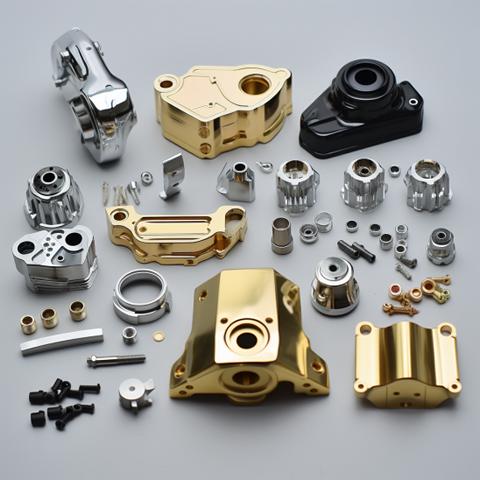
Aveți nevoie de un furnizor rapid și eficient de servicii de prelucrare cnc China? CNM este fabrica dvs. de încredere de prelucrare cnc China. Mașiniștii noștri cu înaltă specializare, inginerii, personalul de control al calității și tehnologia CNC asigură o producție de înaltă calitate pentru produsele dumneavoastră. CNM oferă servicii de frezare CNC, strunjire CNC, rectificare CNC și electroeroziune cu fir și își propune să furnizeze lucrări precise și de calitate. La CNM, unitatea noastră de producție CNC este certificată ISO 9001:2015, pe baza competenței de bază a companiei de a fabrica scule și piese de uz final în cantități mici. Oferim, de asemenea, servicii de imprimare 3D și de turnare prin injecție pentru a satisface soluțiile noastre de prelucrare și fabricație cnc china. De asemenea, oferim o varietate de materiale pentru o piesă prelucrată și o varietate de finisaje de suprafață pe baza nevoilor dumneavoastră. CNC este un acronim pentru Computer Numerical Control. Este un proces care utilizează mașini acționate de instrucțiuni în cod G pentru a tăia și modela materiale. Acestea sunt mașinile de frezat multiaxiale, strungurile și routerele, toate bazate pe CNC, dar cu o strategie diferită. În cazul mașinilor de frezat CNC, piesa de prelucrat este ținută în poziție în timp ce freza o modelează, în timp ce în cazul mașinilor de strunjit CNC, unealta de tăiere și materialul sunt rotite pentru a crea piesa. Alegerea CNM pentru nevoile dvs. de prelucrare cnc vă asigură că veți obține performanțe eficiente, tehnologie modernă și asigurarea calității și a produselor de nișă pentru diferite sectoare. Serviciul nostru de prelucrare CNC în China La atelierul de mașini CNC din China, CNM deține un atelier modern de mașini CNC echipat cu diferite tipuri de mașini CNC de precizie. Oferim prelucrare pe 3 până la 5 axe pentru a asigura precizie în tăierea componentelor complexe. Prelucrare internă cuprinzătoare Aderăm la standardele de prelucrare ISO 2768-F; suntem în măsură să oferim servicii complete de prelucrare pentru piese de diferite dimensiuni și forme. Mașinile noastre de frezat CNC pot primi piese cu diametre cuprinse între 2 mm și 350 mm pentru a se potrivi nevoilor și nivelurilor de precizie ale clienților noștri. Pentru mai multe informații despre diversele competențe și servicii ale CNM, vă rugăm să vizitați. Materii prime de calitate garantată CNM confirmă, de asemenea, că toate materialele utilizate sunt conforme cu prevederile directivei RoHS și cu orice alte specificații care pot fi furnizate de client. De asemenea, oferim certificate de materiale și rapoarte SGS pentru referință; avem o gamă largă de oțel, aluminiu, oțel inoxidabil, titan și materiale plastice tehnice precum PEEK, PC și POM. Precizie certificată ISO CNM este un atelier de mașini CNC aprobat ISO în China; prin urmare, trebuie să adere la măsuri stricte de control al calității. Echipamentele de testare de astăzi susțin acest angajament față de precizie, motiv pentru care suntem cei mai buni pentru serviciile de frezare de precizie. Aflați mai multe despre procedurile noastre de asigurare a calității. Cantități de comandă flexibile CNM poate satisface orice comandă mică sau mare de multe unități care urmează să fie fabricate. Serviciile noastre esențiale sunt frezarea CNC de precizie de scurtă durată, strunjirea și producția în serie, ceea ce ne permite să satisfacem diferitele nevoi ale clienților în cel mai bun mod posibil. Rapid Turnaround CNM oferă o cotație pentru lucrări într-o singură zi, iar lucrările pot fi începute și finalizate rapid. Un personal cu înaltă calificare și experiență, inclusiv un departament separat de cercetare și dezvoltare, asigură o muncă adecvată și o performanță ridicată. Bază globală de clienți CNM este pregătită să lucreze cu clienți din UE și America de Nord, oferindu-le servicii de prelucrare CNC de cea mai bună calitate, în conformitate cu standardele globale. Servicii de prelucrare CNC de precizie și de înaltă calitate la CNM La CNM, mașinile noastre CNC pot lucra cu o precizie ridicată pentru a oferi diverse caracteristici și componente. Mașinile de frezat CNC sunt deosebit de potrivite pentru a realiza adâncituri adânci, planuri înclinate, găuri și fante, în timp ce strungurile CNC realizează piese rotunde, de formă similară. Toleranțele care pot fi menținute pe mașinile noastre de frezat și strunjit CNC sunt minime, uneori de ±0. 001 mm. Acestea pot lucra numai cu metale și materiale plastice, cu condiția ca acestea din urmă să fie blocuri solide. Această capacitate face ca prelucrarea CNC să fie diferită de alte tehnologii de fabricație aditivă, cum ar fi imprimarea 3D, care se ocupă în principal de materiale plastice și câteva metale. De ce să alegeți CNM cnc machining services china pentru proiectele dumneavoastră? La CNM, ne asigurăm că toate produsele fabricate sunt precise și de cea mai înaltă calitate. Inginerii noștri, mecanicii și personalul de control al calității colaborează pentru a se asigura că toate proiectele sunt realizate la standardul cerut. Numai ce este mai bun este oferit aici, de la cele mai recente tehnologii CNC la cele mai riguroase măsuri de control al calității. Experiență diversificată în materie de materiale Ne ocupăm de o gamă largă de materiale pentru a garanta că clienții noștri primesc produsele dorite pentru proiectele lor. Începând de la aluminiu la oțel inoxidabil, alamă sau chiar titan și Inconel, CNM are totul pentru dumneavoastră. De asemenea, avem specializări în materiale plastice precum POM, PTFE și PC și ne asigurăm că veți obține toate materialele necesare. Excelență certificată Facilitățile noastre aderă la standardele riguroase ale industriei, inclusiv ISO 9001:Pentru managementul calității, ISO 9001:2015 și ISO 14001:2015 pentru practicile de mediu. ISO 13485:CNM este o certificare 2016 pentru fabricarea dispozitivelor medicale care asigură conformitatea și calitatea tuturor procedurilor. Soluții eficiente din punct de vedere al costurilor În procesele de fabricație, utilizăm principiile DFM pentru a minimiza costurile de fabricație, asigurându-ne în același timp că calitatea produsului nu este compromisă. CNM are soluții de fabricație rentabile care se încadrează în bugetul dumneavoastră și asigură o fabricație eficientă de la zero. Termene de livrare rapide Situată în apropierea principalelor noduri de transport din regiunea de sud a Chinei, CNM garantează producția și expedierea rapidă a produselor. Apreciem viteza fără a sacrifica calitatea, astfel încât produsele dvs. să ajungă la dvs. cât mai curând posibil. Servicii personalizate de prelucrare CNC CNM oferă piese personalizate și materiale complexe pentru proiecte speciale în care anumite piese trebuie prelucrate. Flexibilitatea și orientarea către nevoile clientului asigură că toate caracteristicile vor fi luate în considerare și rezolvate eficient și eficace. Servicii avansate de prelucrare CNC ale CNM CNM este specializată în principal în furnizarea de piese prelucrate cnc de mare precizie pentru metale și materiale plastice. În ambele cazuri, fie că este vorba de prototipuri sau de piese de producție, CNM se asigură că timpii de ciclu sunt scurți și că nu există niciun compromis în ceea ce privește calitatea. Beneficiați de angajamentul nostru față de excelență, inclusiv transport standard gratuit pentru toate comenzile și respectarea standardelor ISO 9001:2015, ISO 13485:2003, AS9100D și

Derulați la început

Obțineți o ofertă