
Gear Manufacturing by Powder Metallurgy: The Ultimate 2026 Guide
aluminiu turnatMaster high-precision gear manufacturing by powder metallurgy. Our guide covers sintering, density control, and how to save 50% on costs with near-net shapes.
Master high-precision gear manufacturing by powder metallurgy. Our guide covers sintering, density control, and how to save 50% on costs with near-net shapes.
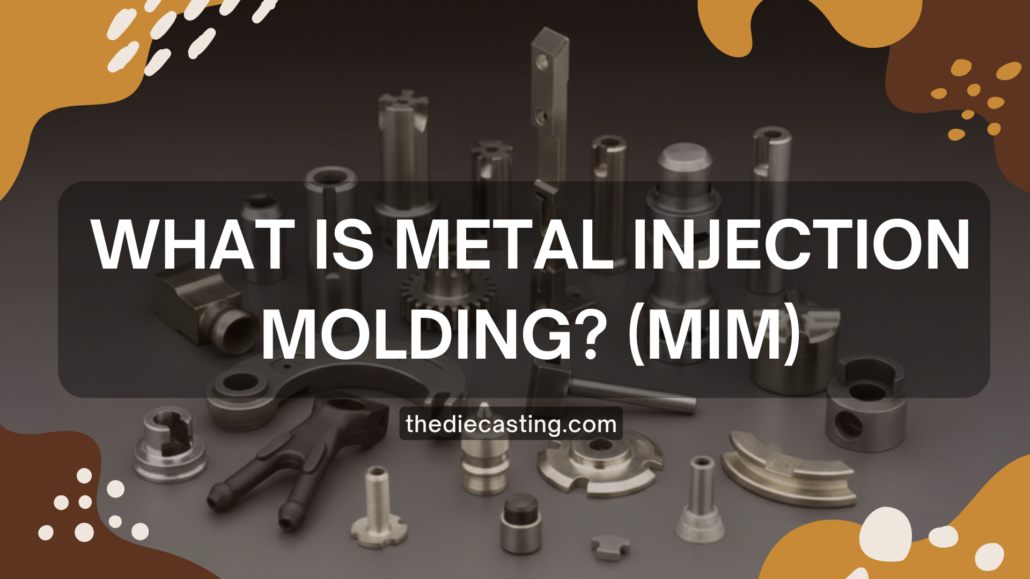
Metal injection molding is a transformative manufacturing technology that utilizes metal powders combined with organic binders using injection molding technology to produce highly complex structural metal components. Within the first 10% of this guide, we will explore why MIM metal injection molding is the “marriage” between two existing technologies: powder metallurgy and plastic injection molding. Parts are subsequently processed and sintered to yield high-strength, intricately shaped parts. As a solution for high-volume manufacturing, MIM metal injection molding is growing at a very rapid rate because the technology solves a lot of problems that are not easily addressed by other methods. Whether the goal is to produce complex parts for medical devices, automotive assemblies, defense, or consumer electronics, understanding what is MIM metal injection molding is the first step toward leveraging its outstanding value for parts requiring intricate geometry and superior material properties. For global industries requiring exact specifications, working with experienced manufacturers is essential. Further technical resources on precision manufacturing can be explored at plasticmold.net and plas.co. What is MIM Metal Injection Molding? In its simplest terms, MIM metal injection molding allows for the injection molding of metal powders instead of just pressing them. By mixing fine metal powders with a plastic binder, the material flows like a semi-solid under heat and pressure. This enables the creation of complex three-dimensional shapes that were previously impossible with conventional powder metal processes. Conventional powder metallurgy, often called “press and sinter,” takes metal powders and presses them with high pressure in a die using top and bottom punches. While this is a great process, it is limited to two-dimensional shapes and can suffer from lower material properties. MIM molding overcomes these limitations by utilizing the 360-degree design freedom of injection molding. Read more on Metal Injection Modeling The Four-Step Process Cycle of MIM Metal Injection Molding The production cycle for MIM metal injection molding services is generally categorized into four critical stages that ensure the economical manufacturing of high-precision components. Each stage must be meticulously controlled to ensure the final product meets the rigorous standards of modern engineering. Step 1: Compounding and Feedstock Preparation The metal injection molding MIM services process begins with the selection of raw materials. Fine metal powders, often produced through gas atomization to ensure spherical particle shapes, are the foundation. This powder is blended with thermoplastic and wax binders in proportional amounts to make the MIM feedstock. Mixing is performed under heat so the binder material melts and coats each metal particle, producing a homogeneous mix. The mix is then cooled and converted into small pellets for easy storage and transfer. The quality of the feedstock determines the consistency of the final part’s dimensions and strength. Step 2: MIM Molding (Injection) The feedstock pellets are fed into an injection molding press where the components are shaped under high pressure. During this stage, the MIM molding feedstock is heated just enough to melt the plastic binders, injecting the semi-solid material into a custom-engineered mold. The parts produced at this stage are known as green parts. While they possess the final geometry of the component, they are significantly larger (to account for future shrinkage) and consist of approximately 40% binder by volume. Because they are held together only by plastic binders, they are relatively fragile and must be handled with care to avoid structural damage. Step 3: Debinding (Primary Binder Removal) This step of metal injection molding MIM services involves removing a significant portion of the binders. This is achieved through solvent extraction, catalytic processing, or thermal evaporation. Once the primary binders are removed, the components are called brown parts. At this stage, the part is held together by a “backbone” binder and possesses a network of interconnected porosity. This porosity is vital because it allows the remaining binders to escape as gas during the final heating stage without cracking the part. Solvent-based processing is often considered the most economical and efficient method for high-volume MIM services. Step 4: Sintering (Densification) The brown parts are moved to batch vacuum furnaces or continuous atmosphere furnaces to remove the secondary binders and densify the component. High temperatures typically between 2300°F and 2500°F (1260°C to 1370°C) enable the metal particles to fuse and diffuse with each other. This results in 100% metal components with no remaining binder material and a minimum 97% density. During this stage, the part undergoes its final “shrinkage” to reach the specified blueprint dimensions. Benefits of MIM and Material Performance One of the primary benefits of MIM is the design freedom to make more complex geometry with tighter tolerances and improved density. Because metal injection molding MIM services utilize a technology that creates a simpler tool with fewer moving parts, engineers can achieve higher cycle rates and better cost controls. Mechanical and Physical Properties Components produced by this method lead the industry in mechanical and physical properties. Because the MIM services sintering process achieves high density, the final products display very similar material properties to corresponding wrought materials. Unlike conventional powder metal processes, MIM molding materials achieve nearly 95% to 99% of wrought material properties. Sintered components are highly versatile and can be: Is My Part a Good Fit for MIM Services? To determine if a component is a good fit for MIM services, engineers look for the intersection of four factors: material performance, component cost, production quantity, and shape complexity. The closer an application gets to the intersection of these four categories, the better the application is for metal injection molding MIM services. Criteria MIM Compatibility Weight Range Sweet spot is 0.20g to 30g; viable up to 100g. Wall Thickness Best between 2mm and 4mm; minimum 0.3mm. Production Volume Scalable from 5,000 to millions per year. Geometry High complexity; internal/external threads and logos. Generally, components less than 100 grams are economically viable for MIM metal injection molding, with a “sweet spot” weight range between 0.20 to 30 grams. The process is highly scalable, addressing volumes from less than 5,000 pieces per year to several millions per year. Read
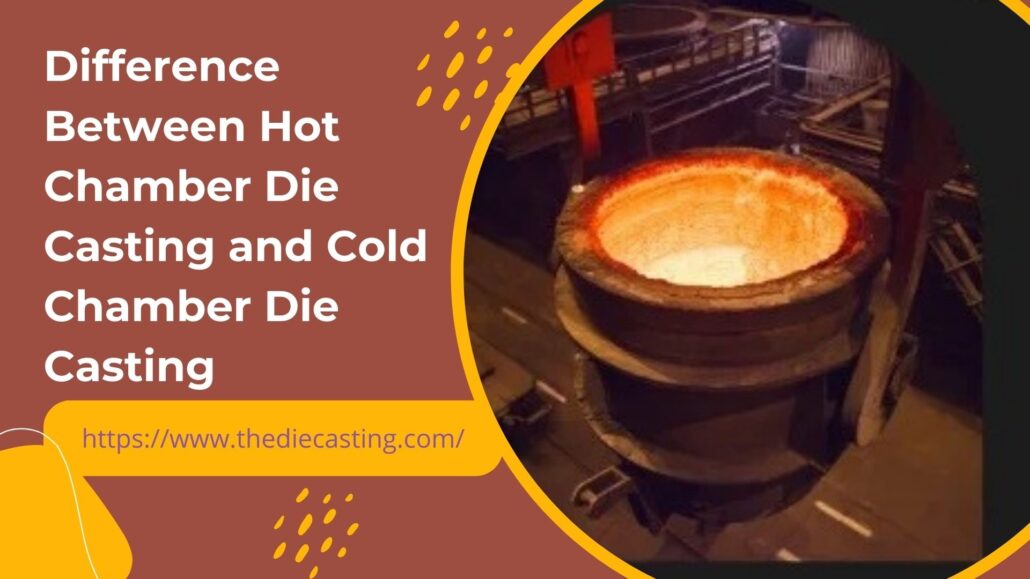
Die casting is a metal casting process that uses high pressure to produce complex, high-volume, precise metal components with superior surface finish and dimensional accuracy. This is achieved by high-speed, high-pressure injection of molten metal into a hardened steel mold, known as a die. After the metal solidifies, the die is opened, and the completed component is ejected, trimmed, or lightly secondary processed. Due to its speed, reproducibility, and ability to produce thin-walled, detailed casts, die casting is widely used across the automotive, electronics, aerospace, appliance, and consumer products sectors. High-pressure die casting processes fall into two major types: hot-chamber and cold-chamber die casting. Although both processes use pressure to force molten metal into a die, the ways the metal is melted, manipulated, and injected differ markedly. The differences influence the type of metals used, cycle time, production cost, tooling life, and part size. Hot-chamber die casting integrates the melting furnace with the casting machine, enabling faster processing and improved suitability for low-melting-point alloys. In cold-chamber die casting, however, a separate furnace is used, and molten metal is poured into the machine each time. This arrangement is preferable when the alloy has a higher melting point, e.g., aluminum and copper. Knowledge of the differences between these two processes helps Die Castings China select the most effective, cost-effective, and technically viable method for the company’s application. Hot Chamber Die Casting: Process and Technical Knowledge Hot-chamber die casting is a high-pressure metal casting process primarily used for low-melting-point alloys. It has extensive applications in the automotive hardware, electronics, telecommunications, and consumer goods industries, as well as in sectors that require high production speeds, tight dimensional tolerances, and good surface finish. The key feature of this process is that the melting furnace is integrated into the casting machine. In this type of design, the molten metal is kept in a continuously ready-to-inject state, reducing handling time and resulting in production that is much more efficient than in other casting methods. Summary of the Process Process Explanation Melting Metal is maintained in a furnace inbuilt as molten at about 400 -450 °C in the case of zinc alloys and 600 °C in the case of some magnesium alloys. Filling the Gooseneck In this setup, a hydraulic plunger is used to withdraw until molten metal fills the gooseneck chamber. Injection The plunger moves forward and injects metal into the die cavity at rates up to 3060 m/s. Solidification The metal’s cooling and solidification take 2-10 seconds, depending on the part’s thickness. Ejection This is where the die opens, and the casting is removed by die ejection pins. Repeat The total cycle time is 3 to 15 seconds, enabling high production volumes. The Process of the Hot Chamber Die Casting In hot-chamber die casting, the molten metal is retained in an in-built furnace mounted on the machine. The molten metal submerges a component called a gooseneck. When the plunger is retracted, an intake port supplies molten metal to the injection chamber. The plunger is then hydraulically actuated, driving the metal through the gooseneck and into the die cavity at high velocity. The injection rates may reach 30-60 meters per second, filling the cavity before the metal solidifies. After being cast, the molten metal is pressurized and cooled. Solidification typically takes 2-10 seconds, depending on wall thickness and alloy. With the part already solid, the die is opened, and the ejector pins force the casting out. The machine thereafter shuts and initiates the subsequent cycle. Technical Parameters and the Operating Conditions The process is carried out within well-controlled temperature and high-pressure ranges to ensure tooling quality and safety. Zinc alloys can be cast at temperatures between 400 and 450 °C. In contrast, magnesium alloys can be cast at temperatures closer to 600 °C. The injection pressure is typically 7-35 MPa (approximately 1,000-5,000 psi). The die temperature is maintained between 150 and 250 °C to ensure consistent metal flow and controlled cooling. Due to the wide range of machine sizes, the clamping force typically ranges from 20 to 500 tons. Shot weights are usually less than 1 kilogram, but machines can handle up to 5 kilograms. This is one of the fastest metal-forming methods, with production rates often reaching 300-700 parts per hour due to its high cycle rate. Applicable Material Limits and Alloys Hot-chamber die casting applies only to alloys that do not attack iron at high temperatures. The most common are zinc alloys, including Zamak 3 and Zamak 5, which have melting points near 385 °C. It is also commonly used with magnesium alloys such as AZ91D, which melts at about 595 °C. It is also possible to process lead-tin alloys, but their industrial applications are more limited. This process cannot be applied to aluminum, which has a melting point of approximately 660 degrees Celsius, which can destroy the submerged injection elements. Performance Benefits and Practices Limitations Parameter Typical Range Metal Temperature 400–450°C (Zinc), up to 600°C (Magnesium) Injection Pressure 7–35 MPa (1,000–5,000 psi) Cycle Time 3–15 seconds Machine Tonnage 20–500 tons Production Rate 300–700 parts/hour Die Temperature 150–250°C Typical Part Weight 0.02–5 kg Cold Chamber Die Casting: Process and Technical Observations Cold-chamber die casting is a high-pressure metal casting process suitable for alloys with medium- to high-melting points. It is commonly used in industries such as automotive, aerospace, industrial machinery, and electronics that require strong, lightweight components with precise dimensions. This process uses a separate furnace to melt the metal, rather than a hot-chamber die casting. Each shot is moved into the casting machine with the molten metal, making the system suitable for materials that would harm a permanently submerged injection process. This geometric distinction characterizes the operating mode, production speed, and material range of the cold-chamber process. Process Overview During cold-chamber die casting, the metal is melted in an external furnace at the appropriate alloy-specific temperature. The melting temperature of aluminum alloys is generally in the range of 660- 700 °C, and copper-based alloys might be melted at temperatures exceeding 1,000 °C. After melting,
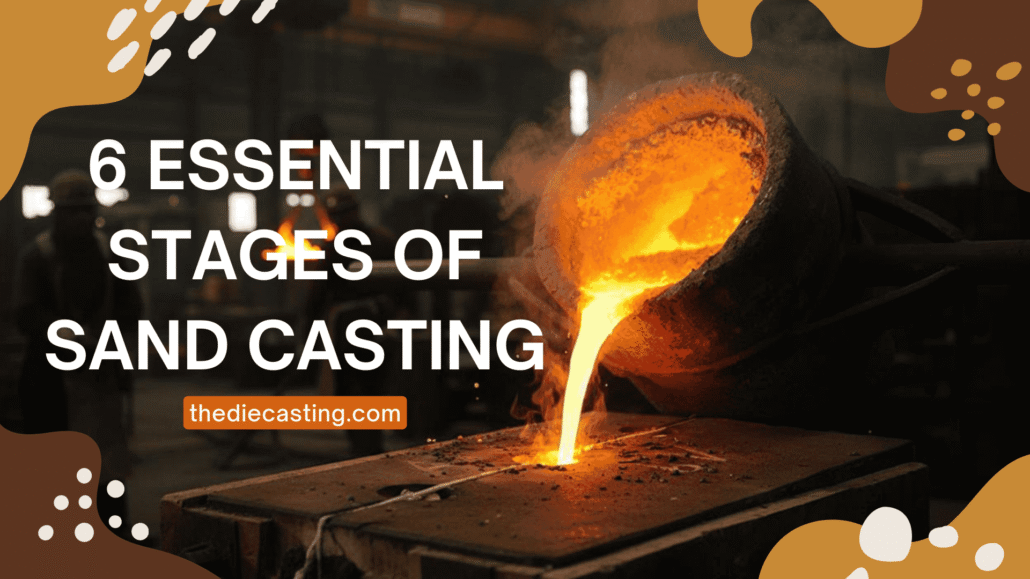
Stăpâniți arta de a face ceva din nimic cu acest ghid cuprinzător pentru turnarea în nisip a aluminiului. Descoperiți cele 6 etape esențiale ale turnării în nisip a aluminiului, de la pregătirea matrițelor verzi de turnare în nisip până la finisarea componentelor de aluminiu de înaltă precizie turnate în nisip.
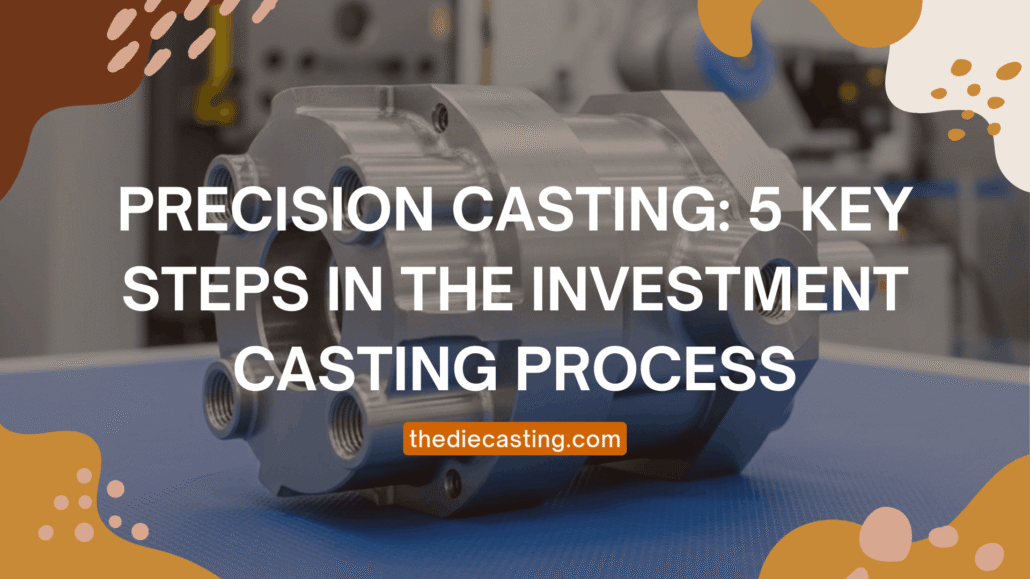
Precision casting, also known as precision investment casting, is the highest fidelity casting process on earth. It is a manufacturing process that can produce very thin and most complex features, and it will capture down the fingerprint detail. Whether you are making precision cast parts for the aerospace industry or you are a sculptor creating small works and also a monumental scale, it offers excellent surface finish and excellent dimensional accuracy. Virtually there is no alloy which cannot be manufactured using investment casting process. That is the unique and greatest feature of the investment casting process. The range of alloys covers virtually the complete spectrum of alloys in engineering use. The History and Evolution of Precision Casting In the twentieth century, several developments of the investment casting process occurred. Initially, the solid mould or the block mould investment casting was used where the entire mould was filled with the ceramic material. Later the ceramic material was replaced by the plaster mould to give a better surface finish. Later mercast process was developed where mercury was used as the pattern material, but this is no more in use. Finally ceramic shell investment casting was developed recently and this has gained importance all over the world. Very little has changed in the 3000 years that bronze has been cast. We now have electric blowers rather than bellows and we have natural gas instead of dried animal dung, otherwise everything else is the same. The mold is made out of earthen materials just like in the old days and we burn out the wax. Special Features of the Investment Casting Process What are these special features of investment casting process? It can produce very thin and most complex features. Second feature is it offers excellent surface finish; most of the times no machining is required or very negligible machining is required. Next special feature is it offers excellent dimensional accuracy. Finally it can be used to cast all metals and alloys. If we see different manufacturing process or the casting process, ductile iron, tool steel, and super alloys cannot be cast using die casting process. Titanium alloys cannot be manufactured using sand casting process. But in the investment casting process, all the alloys can be manufactured. Virtually there is no alloy which cannot be manufactured using investment casting process. The Ceramic Shell Investment Casting Process Steps These are the major steps involved in the ceramic shell investment casting process: Shell Building: Ingredients and Slurry Stages How do we make the ceramic shell? We need to learn the ingredients of the ceramic slurry. One is the refractory powder or flour, which comprises sixty to eighty percent. The most commonly used refractory powders are zirconium silicate, fused silica, and fused aluminum oxide. Second ingredient is the liquid binder, comprising fifteen to thirty percent, mainly ethyl silicate or colloidal silica. Finally a solid binder will be used from five to ten percent. The first dip slurry is a fine texture that can easily get down to the details of the grooves and engraving graphics. The next slurry coating is coarser than the first dips as it builds a thick ceramic shell around the wax tree. This cycle will be repeated about five to seven times. The slurry has to dry between successive dippings; temperature and humidity are carefully controlled. The Science of Dewaxing and the Autoclave Oven Prior to the pouring of the molten metal into the ceramic shell, wax inside the shell has to be drained out completely and this process is known as dewaxing. Generally an autoclave oven is used. High steam pressure at about 8 kg per square centimeters is injected into the sealed oven. The wax will be melted and it will be removed from the ceramic shell. We make really sure to burn these molds out clean. If the bronze came in contact with wax it would be a real problem. The bronze would make the wax immediately turn to a gas and a gas is a sudden expansion of volume. The definition of an explosion is a sudden expansion of volume. The bronze could quite well shoot back up out of the mold because of the explosion of a wax in contact with bronze. This wax again it will be refined, it will be purified, and again it will be used for making the pattern. Precision Casting: Melting and Solidifying the Metal The ceramic moulds must be heated up before molten metal can be poured into them. We preheat the mold until it is orange hot so that it offers the least amount of chill resistance to the bronze as the bronze floods the chamber. Bronze literally solidifies at 1850 degrees; we melt it to about 2000 degrees and pour soon thereafter. During the melting of the bronze ingots, imperfections such as sand or mold material float to the surface. We skimmed off the dross on the surface. After the shell is filled with the liquid metal, it must be set aside to cool down. Freshly poured ceramic shells generate a lot of ambient heat. Inside the mold, the thinnest areas solidify first and then the thicker areas. Post Investment Casting: Knockout, Cut Off, and Finishing Knockout means breaking that shell and removing the casting outside. A motorized chisel is used to break the ceramic shell away from the cast part. The metal tree is sand blasted to remove any remaining ceramic shell traces. Traces are to be removed from the casting; that’s why we are using a sand blasting system. The castings are cut at the gates, which leaves the excess material on the gate areas; this is the cut off. For that, most of the times a grinding wheel is used. The castings are heat treated to normalize the metal. Appropriate surface finish is polished on the parts; mirror and satin finishes are the most common these days. The final product will be free from flaws and visually appealing. Investment Cast Alloys and Their Industrial Applications Common

Aluminum is an important engineering material in present-day manufacturing, particularly in die-casting. It is manufactured in such quantities because it is exact, has a high strength-to-weight ratio, is corrosion-resistant, has thermal conductivity, and is lightweight. Among other characteristics that determine how readily aluminum can be processed and molded into industrial products, the most significant physical property is the aluminum melting temperature. The producer of die-casting products should be aware that 660.32 °C (1220.58 °F) is the melting point of pure aluminum, although in practice pure aluminum is rarely melted in industry. Instead, it is treated as an alloy, and the inclusion of other elements such as silicon, copper, magnesium, and zinc not only alters its mechanical strength and corrosion resistance but also its melting characteristics. These alloying elements have a melting range rather than a melting point, with direct implications for die-casting operations. The melting temperature is not a collection of laboratory values in the die-casting industry; it defines furnace design, power consumption, mold life, flow behavior, defects, solidification structure, mechanical properties, and production efficiency. Melting, flow, and solidification of aluminum are essential to producing high-quality castings that are dimensionally accurate to within a millimeter and structurally sound. Aluminum or Aluminum Alloys: Different Melting Temperatures The melting temperature is the temperature at which a solid metal changes into a liquid. In pure aluminum, this change of state occurs at 660.32 °C. However, this is not the case with industrial alloys. They melt over a range of temperatures, meaning some of the material melts while the rest remains solid. This is referred to as melting-point depression, in which alloying elements disrupt aluminum’s crystal lattice. This forms a mushy zone, a semi-solid state in die casting operations that has a direct impact on the flow of metals, behavior in mold filling, formation of shrinkages, and internal defects. This range of melting points is significant to die, casting engineers, more than the absolute melting point, since it determines: Melting Point of Aluminum: Die Casting Industry In the casting process, molten aluminum is forced into steel molds. The aluminum melting temperature controls all the stages of this process. Furnace and Energy Systems Efficiency Reduced melting points mean less energy use and operational expenses. The relatively low melting temperature of aluminum compared to steel or titanium enables foundries to use lower furnace temperatures, making die casting less energy-intensive and more cost-effective to scale. Effect on Flow Behavior and Molding Viscosity is directly proportional to melting temperature. Lower-melting alloys are easier to pour into thin sections and intricate geometries and are therefore preferred for precision die casting, such as vehicle housings, electronic casings, and structural brackets. Impact on Defect Formation The inappropriate melting temperature causes: Here is the summary of different Aluminum alloys in the die casting industry: Alloys Melting points Die casting Industry usage A360 557 – 596 °C This alloy can be used in high-pressure, tight-die casting and exhibits high fluidity. A380 538 – 593 °C The casting industry uses this alloy for its excellent castability in making structural parts. A413 574 – 582°C This could be used to make thin-wall casting products. B390 510 – 649 °C It makes products more wear-resistant. A356 555 – 615°C Automotive and structural products are made from the A356 aluminum alloy. Melting Ranges of Common Die Casting Alloys 2024 Alloy Industrial Behavior and Melting Temperature Aluminum 2024 fuses at 500-638 °C. This wide melting range makes it sensitive to temperature control during casting. This alloy is sensitive to thermal control during die casting, as it can partially melt and form segregated, weak areas. Role in Manufacturing Although it is not popular for high-pressure casting due to its tendency to corrode, 2024 aluminum is used to illustrate how the melting range influences the development of microstructures and mechanical properties. 3003 Alloy Characteristics of melting temperature Aluminum 3003 melts between 643 °C and 654 °C, which is near the melting point of pure aluminum. This relatively narrow melting range provides consistent flow behavior. Applicability to Casting and Fabrication Although more common in fabrication than in die casting, it has a stable melting profile, suggesting that higher melting temperatures can enhance dimensional stability. 5052 Alloy Thermal Behavior In aluminum, 5052 alloy is melted at 607 -649 °C, providing a balance of fluidity and strength. Die Casting Implications Although it is not a primary die-casting alloy, its melting range demonstrates why magnesium-based alloys require controlled heating to prevent oxidation and hydrogen uptake. 6061 Alloy Melting Temperature Range The melting range of 6061 aluminum is 582 °C- 652 °C. Position in Industry Processing Though die-casting is infrequent, its fusion scope demonstrates the importance of temperature in regulating the solidification process and mechanical stability in aluminum production. 7075 Alloy Low Melting Range 7075 aluminum melts at 477-635 °C, which is one of the lowest melting points of all structural aluminum alloys. Manufacturing Significance This low melting point outlines the correlation between the chemical composition of alloys and thermal sensitivity. In the die-casting process, these alloys must maintain high-temperature precision to prevent premature melting and separation. A356 Alloy Melting Curve Profile A356 has a melting point of between 555 and 615 C and is therefore very useful in die casting. Die Casting Importance A356 is a very popular alloy in the automotive and die-casting industries because it offers good flow properties, controllable solidification, and a balanced meltability range that enables high-quality mold filling. A360 Alloy Thermal Properties A360 has a temperature range of 557 °C to 596 °C, giving it excellent fluidity. Role in Die Casting It is a super alloy used in pressure-tight die castings, where dimensional precision and surface quality are paramount. It has a wide freezing temperature and easily freezes. A380 Alloy Melting Behavior A380 melts between 538°C and 593°C. Industry Dominance The most popular alloy in the world is A380, an aluminum die-casting alloy. Aluminum’s melting point offers the best fluidity, reduced contraction, and good mold filling, making it the best for automotive housing, electronic enclosures, and structural elements.

Flexible Metal Fashioning the Modern World One of the most important materials that contributes to modern civilization is aluminium. From high-tech aerospace and electric cars to simple things like food packaging and consumer electronics, this silvery-white metalloid is probably found in almost every sphere of modern life. Aluminium is a chemical with the chemical symbol Al and atomic number 13. It is prized for its outstanding light weight, strength, corrosion resistance, electrical and thermal conductivity, and complete recyclability. The only difference between Aluminum or aluminium is that it is able to respond to the increased world demand for materials that not only perform well but are also environmentally friendly. With industries shifting towards sustainability, lightweight design, and reduced energy consumption, aluminium has become one of the backbone metals of the 21st century. This paper provides an in-depth description of the nomenclature of aluminum and aluminium, physical and chemical characteristics, history of aluminium, how it is made, its uses in industry, systems of alloys, its sustainability, and trends in its future in a fast-changing world. The Lingistic Dilemma: Aluminum vs. Aluminium Among the most widely observed peculiarities of this metal are the two spellings it has, i.e., aluminum or aluminium. Both terms mean the same thing, although regional language customs and the historical development of the scientific world explain their use. Aspect Aluminum Aluminium Chemical symbol Al Al Atomic number 13 13 Original term used Aluminum Aluminium Regions using the term United states British Dictionary Preference American dictionaries British dictionaries Scientific use U.S. publications European publications Industrial standards ASTM Standards ISO Standards Language influences American English British English Related Chemical Terms Al₂O₃, Al₄C₃ Al₂O₃, Al₄C₃ Naming Convention Originated with the Following The name itself can be traced back to the early 19th century, and it is strongly linked to Sir Humphry Davy, a British chemist who helped identify and name several chemical elements. During one of his experiments with alumina (aluminium oxide), Davy first suggested the name alumium. Soon, he amended it to aluminium. Nevertheless, certain contemporaries of Davy contended that the name ought to be stricter in accordance with the classical Latin style of naming as applied to other elements, e.g., sodium and potassium. Consequently, the name aluminum became common, especially in Britain and Europe. Local Tastes and Unification Regional tastes were, over time, entrenched in North America. The spelling aluminum was officially adopted and made uniform by the American Chemical Society (ACS) in 1925. In 1990, on the other hand, the International Union of Pure and Applied Chemistry (IUPAC) formally accepted the spelling aluminum as the standard international scientific spelling. Even today, aluminum is more common in the United States and Canada, whereas in most other regions, including the United Kingdom, Europe, and Australia, aluminium is more common. Implication on Global Communication Although there are dual spellings, scientific, technical, or industrial communication is not ambiguous at all. The two terms are universally applicable, and the international standards, product specifications and trade documentation routinely consider this linguistic variation but do not have an operational effect. Aluminium Physical and Chemical Properties The popularity of aluminium or aluminum lies in its exceptional physical and chemical properties. It is the most common metallic element in the Earth’s crust, accounting for approximately 8.1%, but it is never found in pure metallic form. Main Physical Characteristics Aluminum has some of the most interesting physical properties, which include: Aluminium is an excellent material for heat exchangers, radiators, and cooling electronic systems due to its excellent heat dissipation. Ductility and Malleability Aluminium can be beaten into foils less than 0.01 mm thick and pulled into very fine wires without breaking. This makes aluminium an ideal material for a wide range of frames and products acrossindustries. Chemical Behaviour and Resistance to Corrosion Corrosion resistance is also a natural characteristic of aluminium, which is very desirable. The presence of air leads to the immediate formation of a dense, adherent layer of aluminium oxide (Al2O3) on aluminium. This coated film prevents further oxidation and shields the underlying metal from environmental degradation. Additionally, aluminium is: History of the Discovery of Aluminum or Aluminium Early Isolation Efforts Although aluminium compounds have been in use since antiquity, isolating the pure metal was not an easy task. In 1825, Danish physicist Hans Christian Oersted was able to reduce small amounts of aluminium chloride, producing small amounts of aluminium. It was soon followed by an improvement by Friedrich Woehler in 1827, but production remained costly and low. Aluminum was an expensive material at this time, more precious than gold, and was actually used to top the Washington Monument as a technological showcase. Breakthrough in the Hall-Héroult In 1886, breakthroughs were made when Charles Martin Hall, then in the United States, and Paul Heroult, then in France, independently developed the electrolytic reduction process for aluminium extraction. The process is called the Hall-Héroult process, and it consists of dissolving alumina in a molten cryolite solution and passing an electric current through the solution to obtain molten aluminium. This invention, added to the Bayer process (invented in 1887 to process bauxite into alumina), significantly reduced production costs and enabled large-scale industrialisation. The Development into Mass Production At the beginning of the 20th century, aluminium production increased rapidly. Its strategic significance was fully realised during World War I and World War II, especially in aircraft production. Since then, aluminium die casting has ceased to be a rare novelty and has become an essential part of industry. Contemporary Processes of Production Primary Production: Bauxite to Metal Bauxite mining is the starting point of primary aluminium production, and the ores usually contain 30-60 per cent alumina ). It consists of two major phases: Bayer Process Through this process, bauxite is purified into alumina using sodium hydroxide. Hall-Héroult Process Alumina undergoes electrolytic reduction to molten aluminium, which requires about 13-15 kWh of electricity per kilogram. The World Production and Main manufacturers By 2024, the world had a steady output of about 72 million metric tons of aluminum. Major producers include: Secondary
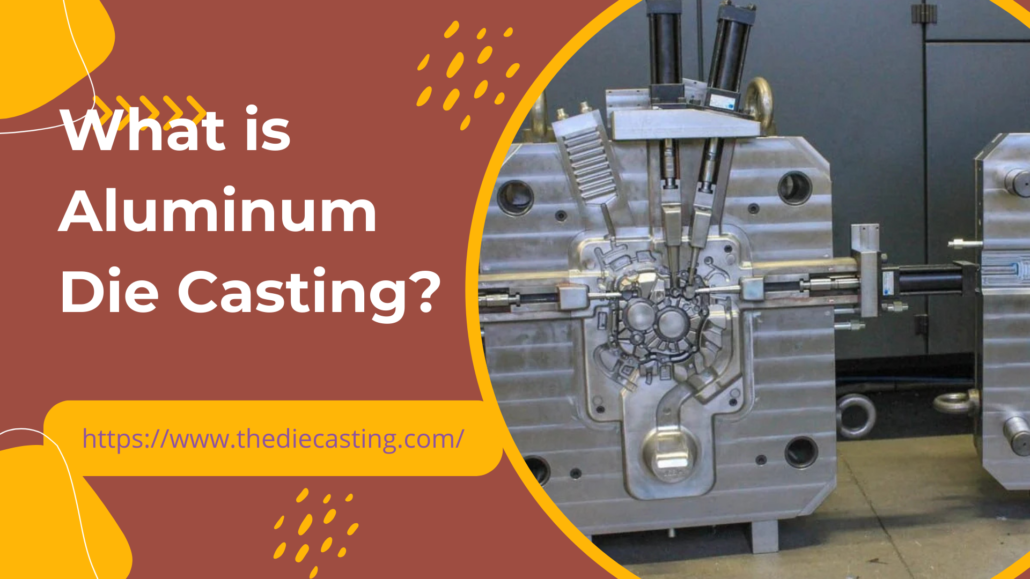
Unul dintre cele mai populare procese de fabricație pentru producerea de piese metalice de înaltă precizie pe scară largă este turnarea sub presiune a aluminiului. Aceasta este importantă în industriile contemporane care necesită o precizie ridicată a dimensiunilor, rezistență mecanică, greutate redusă și rentabilitate.
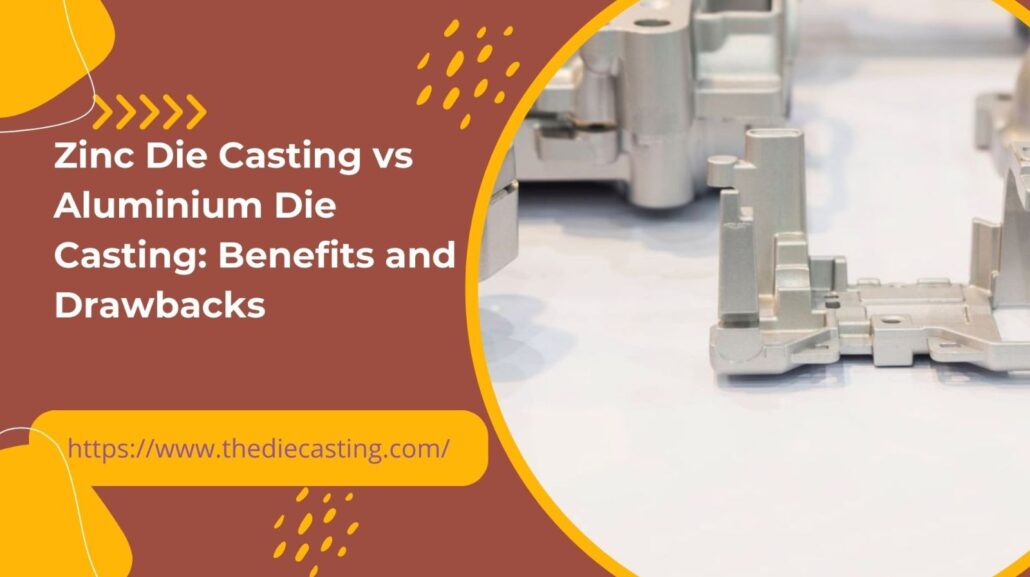
Turnarea sub presiune a fost, de asemenea, un proces viabil și versatil în sectorul de producție pentru fabricarea produselor metalice de înaltă precizie. Aluminiul și zincul sunt printre cele mai comune aliaje de turnare sub presiune. Presupunând că sunteți angajat în producția unui produs, în inginerie sau în localizarea ingredientelor, trebuie să realizați diferența dintre turnarea sub presiune a zincului și turnarea sub presiune a aluminiului. Ghidul va ajuta producătorii să aleagă cel mai potrivit aliaj pentru proiectul lor, fie că este vorba de piese auto, electronice sau bunuri de consum. Turnarea sub presiune este un proces de turnare a metalului topit fierbinte într-o matriță sub presiune ridicată pentru a produce forme complicate cu un nivel ridicat de finisaje de suprafață. Atât turnarea sub presiune a zincului, cât și a aluminiului au propriile merite și demerite. Vom oferi, de asemenea, comparații aprofundate, o vedere tabelară, rapidă și comentarii profesionale pentru a vă ajuta să luați o decizie în cunoștință de cauză. La final, veți înțelege clar diferența dintre turnarea sub presiune a zincului și turnarea sub presiune a aluminiului și când să utilizați oricare dintre ele. Să explorăm factorii cheie. Ce este turnarea sub presiune? O prezentare rapidă Este esențial să înțelegeți procesul de turnare sub presiune înainte de a compara turnarea sub presiune a zincului și turnarea sub presiune a aluminiului. Turnarea sub presiune este un proces de forțare a metalului topit într-o cavitate de matriță sub presiune ridicată (1.000 până la 20.000 psi). Matrița sau matrița din oțel călit poate produce de obicei mii de piese similare cu toleranțe strânse. Tipuri de turnare sub presiune Turnare sub presiune cu cameră fierbinte Se aplică în metale cu punct de topire scăzut, cum ar fi zincul. Sistemul de injecție este cufundat în metal topit. Turnarea sub presiune cu cameră rece Este cea mai bună atunci când metalul are o temperatură de topire mai ridicată, cum ar fi aluminiul. Încărcarea metalului topit în cameră se face pentru a preveni deteriorarea mașinii. Este preferată pentru viteza, precizia și capacitatea sa de a crea modele complexe fără o post-procesare extinsă. În acest moment, vom compara cele două aliaje vedetă: zincul și aluminiul. Proprietățile primare ale zincului și aluminiului turnat sub presiune Decizia între zincul și aluminiul turnat sub presiune este adesea redusă la caracteristicile materialului. Zincul (și este în mod obișnuit aliat ca Zamak) și aluminiul (cum ar fi ADC12 sau A380) nu împărtășesc aceleași rezistențe, greutate, rezistență la coroziune, etc. Rezistență și durabilitate Se pare că aliajele de zinc au o rezistență mare la impact și ductilitate. Ele pot rezista la solicitări semnificative fără a se rupe, ceea ce le face potrivite pentru componentele care trebuie îndoite sau modelate după turnare. Aliajele de aluminiu, pe de altă parte, sunt superioare în ceea ce privește rezistența la tracțiune și duritatea, în special în structuri. Greutate și densitate Comparativ cu zincul, care are o densitate de 6,6 g/cm 3, aluminiul este mai ușor (d = 2,7 g/cm 3). Acest lucru contribuie la utilizarea aluminiului în industriile care necesită o greutate redusă, cum ar fi industria aerospațială. Punctul de topire și turnabilitatea Zincul se topește la aproximativ 380-390 °C, permițând mașinilor cu cameră fierbinte să funcționeze mai rapid. Numai aluminiul se topește la 660 °C, ceea ce înseamnă procese cu cameră rece care pot încetini producția, dar permit obținerea unor pereți mai subțiri. Rezistența la coroziune Ambele au o rezistență bună; cu toate acestea, aluminiul funcționează mai bine în condiții dificile, deoarece formează în mod natural un strat protector de oxid. Utilizarea în exterior a zincului solicită acoperirea. Caracteristici Zinc turnat sub presiune Aluminiu turnat sub presiune Punct de topire 380-390 grade 660 grade Rezistență la tracțiune 280-400 200-300 Densitate 6,6 2,7 Conductivitate termică 109 100-140 Conductivitate electrică Ridicată Foarte ridicată Rezistență la impact Ductilă Fragilă Rezistență la coroziune Bună Cele mai bune Avantaje ale zincului turnat sub presiune Versatilitatea zincului turnat sub presiune a făcut din acesta o opțiune fiabilă pentru mai mult de o sută de ani. Acesta este motivul pentru care producătorii o preferă: Precizie dimensională excepțională Zincul rămâne intact până la 0,05 mm sau mai puțin, eliminând necesitatea prelucrării secundare. Producătorul poate obține o precizie dimensională extremă cu matrițele de turnare sub presiune a zincului. Finisaj înalt Materia primă în sine are un finisaj de înaltă calitate. Piesele ies curate și frecvent nu necesită lustruire suplimentară înainte de a fi placate sau vopsite. Durată de viață prelungită a sculelor Zincul se topește ușor, astfel încât matrițele se uzează mai puțin, ceea ce duce la costuri mai mici cu sculele pe termen lung. Produsele sunt rezistente la coroziune și uzură, rezultând o durată de viață mai lungă. Viteză rapidă de producție Materialul topit se solidifică în 15-30 de secunde. Acest lucru face ca turnarea zincului sub presiune să fie potrivită pentru producția de volum mare. Industria de mari dimensiuni o utilizează pentru a îmbunătăți și crește producția. Accesibilă pentru componente mici Zincul este ideal pentru piese mici și complexe, cum ar fi încuietori, angrenaje și feronerie. Dar aplicațiile sensibile la greutate pot face ca zincul să fie mai puțin dorit din cauza densității sale mai mari. Exemple de aliaje standard includ Zamak 3 (uz general) și Zamak 5 (rezistență mai mare). Aplicații În alte industrii, cum ar fi sectorul auto, zincul este utilizat în mânerele și suporturile ușilor. În cazul electronicii, este preferat în conexiuni deoarece poate proteja împotriva EMI. Beneficiile turnării sub presiune a aluminiului În componentele mai mari și structurale, turnarea sub presiune a aluminiului este lider. Beneficiile sale includ: Ușoare și puternice Componentele din aluminiu pot reduce greutatea totală a produsului cu 50 la sută în comparație cu oțelul sau zincul. Aluminiul este ușor, dar puternic. Acest lucru face ca turnarea sub presiune a aluminiului să fie ideală pentru producerea de produse potrivite pentru aplicații cu rezistență ridicată. Rezistență excelentă la coroziune Nu are nevoie de acoperire suplimentară în majoritatea cazurilor, ceea ce economisește timp și bani. Produsele realizate din aluminiu turnat sub presiune au o durată de viață mai lungă și rămân intacte. Conductivitate termică și electrică bună Capacitatea aluminiului de a conduce electricitatea și căldura îl face ideal pentru o gamă largă de aplicații. Este perfect pentru utilizarea în radiatoare, blocuri motor și carcase electrice. Reciclabilitate Procesul de turnare sub presiune a aluminiului este cel mai bun datorită gradului său ridicat de reciclabilitate - 100% reciclare a aluminiului, în conformitate cu tendințele de producție durabilă. Capacitatea de a avea pereți subțiri Turnarea sub presiune a aluminiului poate produce pereți subțiri de 0,5 mm, ceea ce permite realizarea unor modele complexe. Dezavantaje Contradicții și dezavantaje Nu orice material este perfect. În cazul turnării sub presiune a zincului în comparație cu turnarea sub presiune a aluminiului, acestea sunt dezavantajele: Limitările turnării sub presiune a zincului Restricțiile turnării sub presiune a aluminiului Comparația costurilor: Zinc turnat sub presiune vs aluminiu turnat sub presiune Un factor semnificativ în comparația dintre zinc turnat sub presiune și aluminiu turnat sub presiune este costul. Materiile prime sunt de obicei mai ieftine, obținerea zincului (2-3/kg) în comparație cu aluminiul (2-4/kg), dar sculele și fabricarea
Unul dintre cele mai importante procese metalice, care este utilizat astăzi, este turnarea sub presiune. Se caracterizează prin capacitatea de a produce componente de înaltă precizie. Este un proces la care producătorii recurg atunci când au nevoie de piese de calitate în cantități mari. Procesul se realizează prin aplicarea unei presiuni mari asupra metalului topit și forțarea acestuia să intre într-o matriță de oțel, denumită matriță. Presiunea este utilizată pentru a menține fluxul de metal către toate colțurile matriței. Aceasta produce componente cu detalii mici, pereți înguste și suprafețe netede. Din acest motiv, turnarea sub presiune înaltă ar fi o alegere convenabilă în cazul unei industrii care trebuie să fie precisă și uniformă. Exemple de metale care sunt de obicei utilizate în timpul procesului sunt aluminiul, zincul și magneziul. Materialele au propriile lor avantaje. Aluminiul turnat sub presiune este ușor și nu suferă coroziune. Motivul este că zincul turnat sub presiune poate fi turnat în modele subțiri și complicate. Rezistența turnării sub presiune a magneziului este foarte ușoară. Turnarea sub presiune de înaltă presiune deservește majoritatea industriilor. Oferă piese vitale în industria auto, aerospațială, electronică și de producție a bunurilor de consum. Acest proces oferă durabilitate și performanță în carcasele motoarelor și în carcasele electronice, printre altele. Acest articol va discuta despre funcționalitatea turnării sub presiune înaltă, materialul utilizat, avantajele, constrângerile și numeroasele sale aplicații. Turnarea sub presiune de înaltă presiune Turnarea sub presiune de înaltă presiune are o istorie de peste 100 de ani. Crearea sa datează din secolul al XIX-lea, când a fost utilizată pentru a crea caractere tipografice. Cu timpul, tehnologia a fost îmbunătățită și a devenit o procedură esențială în industriile auto și aerospațială. În prezent, una dintre cele mai eficiente metode de producție a pieselor metalice compozite este turnarea sub presiune înaltă. Aceasta poate fi utilizată în cazurile în care sunt necesare precizie, durabilitate și viteză. Acest proces a fost adoptat de producători deoarece oferă o producție substanțială, de calitate regulată, forme netede și detaliate, care sunt în conformitate cu cerințele ingineriei moderne. Procesul de turnare sub presiune de înaltă presiune Turnarea sub presiune de înaltă presiune este un proces rapid care este precis și aplicabil în producția de masă. Este o combinație de mașini înalte cu metal topit care produce piese precise și detaliate. Acest lucru este eficientizat deoarece întregul proces permite producătorilor să producă mii de componente de calitate similară. Pregătirea matriței Începe cu pregătirea matriței. Matrița sau matrița de oțel este spălată meticulos și stropită cu un lubrifiant. Acest lucru are rolul de a regla temperatura și de a se asigura că metalul nu aderă la suprafața matriței. Aceasta trebuie să fie pregătită corespunzător, deoarece este calea către o ejecție lină a piesei turnate finale. Topirea metalului După citirea unei matrițe, materialul preferat - aluminiu, zinc sau magneziu - este topit într-un cuptor. Metalul trebuie încălzit la gradul potrivit de temperatură pentru a ajunge la o stare lichidă completă. Rezistența și finisajul piesei turnate finale depind în mare măsură de calitatea topiturii. Injectarea metalului Metalul topit este apoi forțat în matriță sub o presiune foarte mare. Această presiune presează metalul în toate colțurile cavității matriței. Aceasta permite procesului să realizeze pereți subțiri, margini ascuțite și forme complexe care sunt greu de realizat în alte procese de turnare. Răcirea și solidificarea Metalul îngheață rapid în interiorul matriței de oțel după injectare. Perioadele de răcire sunt, de asemenea, extrem de scurte; acestea pot dura doar câteva secunde. Răcirea rapidă conferă piesei rezistența sa și contribuie la menținerea piesei la dimensiunea corespunzătoare. Ejectarea din matriță Când solidificarea metalului este terminată, matrița este deschisă. Piesa turnată este forțată să iasă din matriță cu ajutorul știfturilor de ejecție. Piesa este modelată în această fază, cu excepția faptului că încă mai conține material suplimentar care trebuie eliminat. Tunderea și finisarea Ultima fază este finisarea și pregătirea. Se elimină metalul care se păstrează în exces, cunoscut sub numele de flash. În funcție de necesități, piesa poate fi apoi prelucrată, lustruită, vopsită sau acoperită. Acest lucru va garanta faptul că componenta este pregătită pentru a fi utilizată. Automatizarea în fabricile moderne Turnarea sub presiune înaltă este complet automatizată în fabricile moderne. Etapele de injectare, răcire și ejectare sunt efectuate cu precizie de către roboți. Automatizarea sporește consecvența, reduce cheltuielile cu forța de muncă și o transformă într-un mod ideal de realizare a producției în masă. Materiile prime ale turnării sub presiune înaltă Turnarea sub presiune înaltă este ideală pentru metalele neferoase care au puncte de topire relativ scăzute. Cele mai frecvente sunt: Aluminiu Cea mai populară este turnarea sub presiune a aluminiului. Este o combinație cu greutate redusă și rezistență ridicată. Produsele din aluminiu sunt, de asemenea, rezistente la coroziune, fiind astfel potrivite pentru mașini, avioane și electronice. Zinc Piesele mici care sunt fine și precise sunt cel mai bine turnate cu zinc. Zincul are duritate și rezistență bune. Pereții subțiri și detaliile fine sunt, de asemenea, permise. Acesta este motivul pentru care este potrivit pentru conectori, carcase și piese decorative. Magneziu Magneziul este cel mai ușor metal structural turnat sub presiune. Acesta posedă un raport rezistență/greutate bun. Este aplicat în mod obișnuit în industria aerospațială, auto și electronică de consum, în domenii în care greutatea redusă este un factor important. Aliaje de cupru Aliajele pot fi realizate și din cupru, dar acest lucru nu este obișnuit. Acestea sunt foarte dure, au o rezistență ridicată la uzură și o conductivitate electrică ridicată. Toate materialele au punctele lor forte în funcție de utilizare. Aluminiul este selectat ca un material puternic și rezistent la coroziune, zincul ca unul precis, iar magneziul ca o componentă ușoară. Turnare sub presiune înaltă Scule și matrițe Cel mai important aspect al procesului este matrița, sau matrița. La fabricarea matrițelor se utilizează oțel pentru scule călit, care este construit pentru a rezista la căldură și presiune excesive. Matrițele sunt de două tipuri principale: De asemenea, este posibil să se proiecteze o matriță care va transfera crearea unei varietăți de piese într-un singur ciclu, o matriță combinată. Costurile de scule sunt, de asemenea, costisitoare,