alümi̇nyum döküm

alüminyum döküm tencere nedir

Dökme Alüminyum Tencere Nedir?

Alüminyum

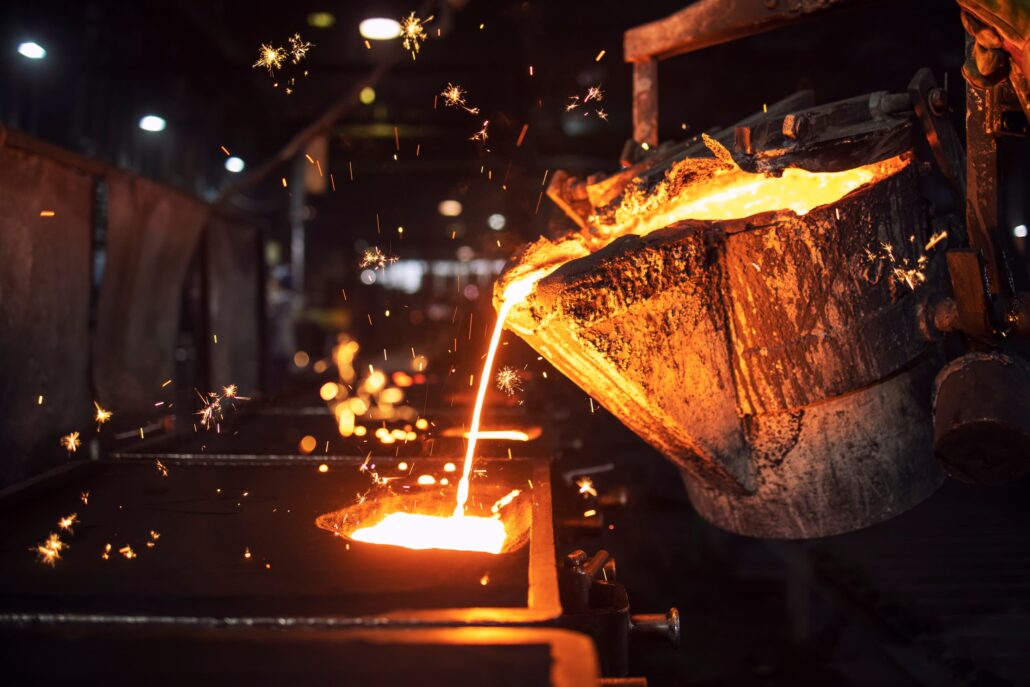
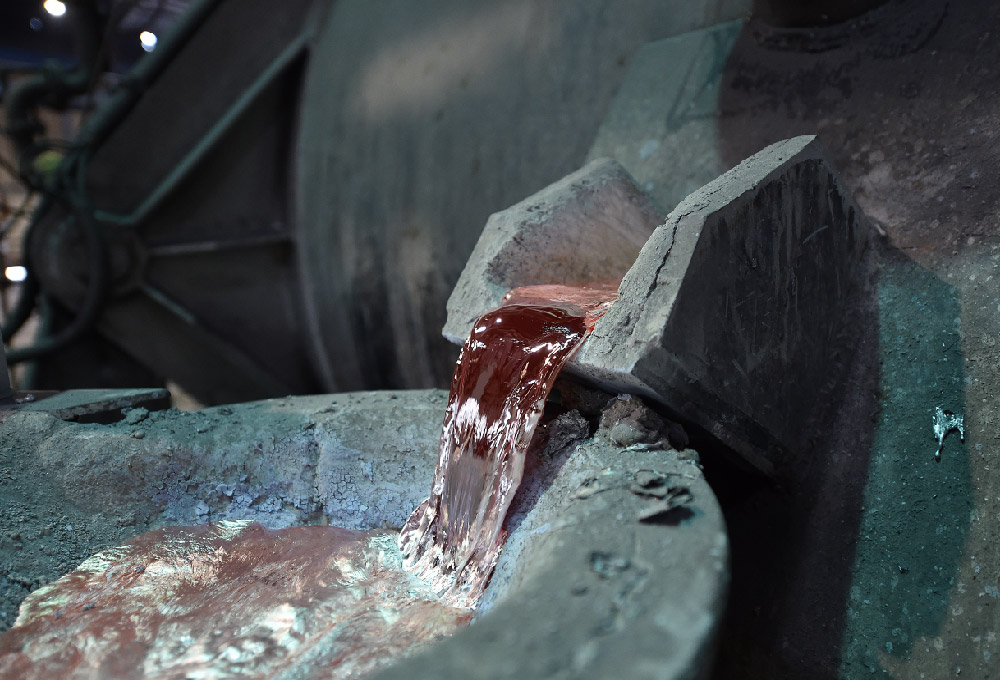
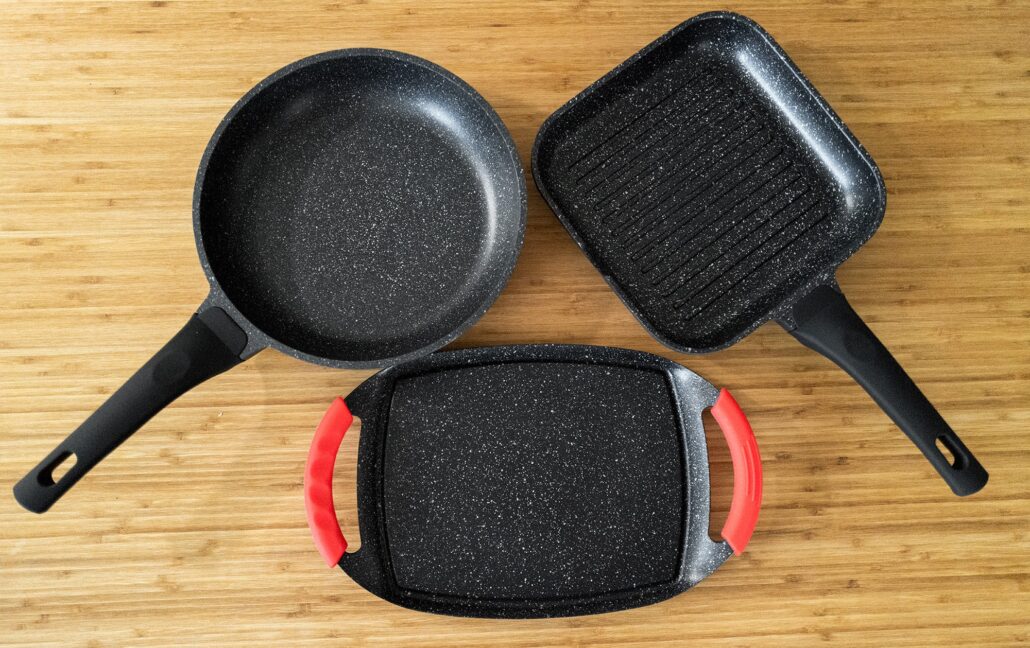
The cast aluminum cookware is often used by home cooks and professional chefs and is known and appreciated because it is durable and lightweight at the same time, with a high distribution of heat. Cast aluminum cookware is manufactured by pouring molten aluminum into moldings; the main aim of such cookware is to ensure that it gives even heating, it should not warp, and it should be able to last a long time. Its application has made it an all-purpose element in the kitchen since it is applicable in most of the cooking methods, such as frying and sauteing, baking and roasting.Among the most notable benefits of cast aluminum cookware is the fact that it warms up fast and equally. Cast aluminum cookware can also be said to be thicker than its thinner counterparts, such as the stamped aluminum, which makes them have good thickness to maintain a homogenous cooking temperature. It is also usually manufactured to have non-stick layers, and thus also lowers the amount of oil used, and cleaning becomes easier.Over time, cast aluminum cookware manufacturers have been advancing and making it exceptional through new materials, environmentally friendly coatings and other non-stick technologies. These developments also make it even more popular and provide its customers with a more efficient, healthier, and more sustainable process of cooking. You invite your friends over, you are in the process of putting together a simple meal or a complicated one; cast aluminum cookware comes in handy to do the job, this is because its performance is dependable and works in tandem with the demands of a modern kitchen.  Understanding Cast Aluminum Cookware Cast aluminum cookware refers to pots, pans and skillets, plus the other kitchen equipment manufactured at the local level by pouring molten aluminum into moulds. The casting of the cookware makes it quite robust in structure, which therefore makes it considerably stronger as compared to ordinary aluminum. In comparison to stamped aluminum (prepared on thin sheets), cast aluminum cookware is far thicker, hence offering more heat retention and distribution. The warp factor as time passes is one of the primary factors people love using cast aluminum cookware, as the problem is prevalent with thin material. This also assists in even cooking temperature, so that cooking of different dishes is likely to give more similar results.  Die-cast aluminum cookware Die-cast aluminum cookware follows the use of aluminum that undergoes the die-casting procedure. It is done through the pouring of molten and pressurised aluminium into a cavity. This way, the shape and the thickness of the cookware can be controlled accurately. The die-cast aluminum cookware is usually more sophisticated as compared to the regular cast aluminum since it has a refined texture and smooth surface.The advantage of the die-cast aluminum cookware is that it is not as heavy as some of the other materials, such as cast iron. This is more convenient when cooking and cleaning up, thus Ideal in cooking choice, especially when one requires cookware that is of good quality but not heavy.The other attribute of die-cast aluminum cookware is that it is versatile. It applies to a large number of procedures such as frying, baking and simmering. It also usually has a non-stick coating added to it, which contributes to it being easy to use and clean. Nevertheless, one should keep in mind that the non-stick coating may wear down over time, unless it is maintained carefully. What is Cookware? Cookware can also be defined as the different kinds of pots, pans and other cooking utensils that are employed in the preparation of food. Such objects are frequently produced with such materials as stainless steel, aluminum, cast iron, ceramic, non-stick covered items, and copper. The primary aim of cookware is to assist in preparing and cooking food materials by using different methods, i.e., boiling, frying, sauteing, baking, or grilling. The kind of cookware: 1. Cooking Pots and Pans: Cooking is done using the two most basic cooking pots. They are of different shapes and sizes, such as frying pans, saucepans, stockpots and saute pans.2. Baking Dishes: This category will be trays, pie dishes, and cake pans, which are only used to bake.3. Speciality Cookware: These are woks, grills, Dutch ovens and pressure cookers. Materials Used in Cookware The process of manufacturing cast aluminum cookware  Manufacturing of cast aluminum cookware consists of the following steps, which include melting of aluminium, molding, finishing and coating. The procedure of manufacturing cast aluminum cookware is described in as many steps as possible below: 1. Melting the Aluminum The aluminum metal has to be melted to prepare it, and that is the first stage of its production of cast aluminum cookware. Sand, metal, or ceramics are typical materials that make up this kind of mould. The temperature regulation is done with accuracy to ensure that the aluminum reaches the correct viscosity to be cast with. 2. Preparing the Mould After the aluminum has been melted, a form is initiated to shape it into the preferred form of cookware. Aluminum is poured in the form of Aluminum. Where cast aluminum itself is used, the moulds are often sandcast, and they are specifically designed to make an individual piece of cookware (a frying pan, a pot, a skillet, etc.).Once the mould is prepared, the molten aluminum is supposed to be poured into the mould cavity. This depression takes the form of the cookware to be produced. Metal Moulds: There are metal moulds that can be reused, which are reused and are able to hold the heat at greater temperatures. 3. Pouring the Molten Aluminum Once the aluminum has been poured into the mould, it is cooled down. The liquid metal is added to all the areas of the mould, and it assumes the form of the cookware. This pouring process should be accurate so that the cookware is also shaped properly and flawlessly.At this phase, the pouring of the aluminum into the mould is done either manually or automatically (depending on the magnitude of the
Eloksallı Alüminyum: Süreci ve Birçok Faydasını Anlamak

Eloksallı Alüminyum: Süreci ve Birçok Faydasını Anlamak

Alüminyum

Anodized aluminum is an extremely resilient and resistant to corrosion type of material that is formed by a process of electrochemical engineering that advances the inherent oxide layer on aluminum. This is done by dipping aluminum into an electrolyte, i.e., sulfuric acid, and passing an electric current. This leads to an aluminum oxide that is thicker and bonds internally in the material and not simply upon the surface of the material. It has made anodized aluminum to be more strong, resistant to wear and corrosion, and able to survive in harsh weather conditions.During anodizing, some characteristics of aluminum that make it usable are enhanced, and in addition to this, they can be customized aesthetically. It is possible to obtain clear and stable colours by absorption of dyes into the porous oxide layer formed by anodizing. This characteristic enables the use of anodized aluminum in architecture, automobiles, and consumer electronics applications, where it is needed to balance durability with good looks.Corrosion resistance is one of the greatest advantages of anodized aluminum. This layer of aluminum oxide covers the aluminum against moisture, salt, and chemicals, and as such, the aluminum works best in outdoor conditions as well as in marine conditions. Also, aluminum anodized is highly abrasion resistant which means that the required matter is designed to last long on a product that is exposed to wear and tear, like automotive components, industrial tools, or even kitchenware. What is Anodizing? A process that thickens the natural oxide layer on aluminum and is known as anodizing, is an electrochemical process. The aluminum is placed in an electrolyte solution, generally a sulfuric acid solution, and an electric current is applied to it, thereby producing a strong corrosion-resistant finish. This procedure increases the strength of the metal and wear resistance, as well as enabling the dyeing of colors. The end product is anodized aluminum, and it is stronger and lasts longer than untreated aluminum. What is Aluminum Anodized? Anodized aluminum means aluminum that has already been processed using a so-called anodizing process. This is achieved by altering the surface of aluminum through the formation of a thick, resistant layer of oxide. Normal coats just lie on the surface, and the oxide layer formed on anodized aluminum becomes part of the aluminum itself. The effect of this is a more durable, corrosion-resistant, and scratch-resistant material. In a typical process of anodizing, a suspension of aluminum is placed in an electrolytic dip, which is usually sulfuric acid, and the process is made to pass an electric current. It results in the formation of the aluminum oxide on the metal surface. The oxide layer can be varied, and in other situations, you can add dyes to the process in order to gain a colored oxide. The major parameters of the Anodized Aluminum are the following: Depending on the method of its production, anodized aluminum is quite common in aerospace, automotive, architecture, and electronics industries, offering a synergy of strength, functionality, and aesthetics. Anodizing aluminum comes with practical and aesthetic benefits, whether it is used in high-performance components, decorative aluminum applications, or products that are subjected to environments that are extreme environments. Process of Aluminum Anodizing Anodizing: An electrochemical finishing method in which the aluminum surface is converted into a very strong and corrosion-resistant oxide layer. There are numerous important steps involved in the process, and all these steps contribute to the finished product in terms of functional and aesthetic needs. This is an outline of the anodizing of aluminum process: Step one: Preparation of Aluminum In the course of the preparation of aluminum, the following may be taken: The aluminum is first cleaned before anodizing to eliminate any dirt, oil, or contaminants. Usually, this can be done by making use of an alkaline solution or a chemical cleaner. It is important that the surface be cleaned, as any impurity will reach into the anodizing and create difficulties in the quality of the oxide layer. Step 2: Electrolytic Bath After cleaning, the aluminum is dipped into an electrolytic solution, which can be sulfuric acid, and an electric current is run through it. The result of this electrochemical reaction is the oxidation of the aluminum; a rigid layer of oxide covers the surface of this element, forming a thick protective layer over it, and the aluminum oxidizes. The voltage, temperature, and duration in the bath result in the thickness of the oxide layer. Step 3: Inspection During this step, the anodized aluminum can be stained with a color pigment to achieve it. The absorption of the dye leads to its absorption by the porous oxide layer to form the beautiful colors. The dye can be used after the surface of the aluminum has been anodized, and the color is built into the oxide film, making it long-lasting and not susceptible to fading. Step 4: Sealing The coloured aluminum is sealed after anodizing and dyeing to seal the pores in the oxide layer. This is totally important in enhancing corrosion resistance and in maintaining the color. Nickel acetate or even boiling water sealants are used in this procedure. The material is also durable when sealed and thus has a variety of applications. Step 5: Check-up Quality inspection of the aluminum is done after the anodizing, coloring, and sealing processes have been done, and quality parts have been achieved. In this inspection, uniformity of the oxide layer in thickness, color, and the overall finish is being checked. Any impairments or discrepancies are tackled, and then the aluminum is shipped out to be put in its contented applications. Types of Anodizing Aluminum Anodized aluminum comes in varieties depending on what is needed and depending on application. Most of the variations are based on the thickness of the anodized layer, the finish, and the electrolytic process that is implemented. The principal forms of anodized aluminum are the following: 1. Type I: Schulze chrome acid anodizing One of the oldest techniques in anodizing aluminum is the chromic acid anodizing technique. Here, chromic acid bath

Dökme Alüminyum Fırın Kapları

Dökme Alüminyum Fırın Kapları Neden Daha İyi Isınır ve Daha Uzun Ömürlüdür?

alümi̇nyum döküm

Due to the features of lightweight, strength, and dense heat distribution, cast aluminum bakeware has been getting popular among bakers, especially with those who want first-rate and durable products. Cast aluminum is the right balance of performance and effortless use, unlike other traditional bakeware materials such as cast iron and stainless steel. It is cast in molten aluminum molds and comes out as one strong, durable and convenient to use even to an amateur baker. Cast aluminum has excellent heat conductivity, which guarantees even cooking of edibles, especially baked goods, to prevent overcooking and non-uniform browning. The great one among the benefits of cast aluminum bakeware is the consistency of temperature, which is the key element of impeccable baking. It heats faster than others; therefore, it is available sooner, and its light weight makes it easier to handle around the kitchen. Most pieces of aluminum bakeware that are cast also possess a non-stick coating, which makes the release of food even easier and the after-baking clean up much easier. Cast aluminum bakeware also provides greater durability and strength with resistance to warping as compared to glass and stainless steel. Although cast iron is unparalleled in heat retention, cast aluminum has close to the same amount of heat distribution but with less weight. Cast Aluminum bakeware has been of great favourite among professional bakers, and also among people cooking at home, all because of the desire to have effective and durable baking tools. What is cast aluminum bakeware? Based on the bakeware molding method, casting aluminum, this is produced through the use of molten aluminum poured into already prepared molds to produce baking trays, cake moulds, pie dishes and various other cooking necessities. The process makes the bakeware strong but light in weight, such that there is efficient handling of the bakeware during baking and during serving. Among the best features of the so-called cast aluminum bakeware is its even heat-conducting properties. This implies that baked products like cakes, cookies and breads are well-cooked with no hot areas or burned sides. There are additional advantages to the speed at which the metal heats and cools off, which in turn saves some time in cooking, and this is a plus to busy bakers. The material is so strong and does not rust or corrode easily, hence this would make it last longer in the kitchen. In addition, it does not involve a lot of maintenance and wear and tear as compared to some of the other materials that will wear with time, as there will be a lot of usage. Advantages of Cast aluminum Bakeware 1. Durability Bakeware is made of cast aluminum, so it lasts a long time. The aluminum is almost immune to wear and tear, i.e. it will not crack or warp with frequent usage. Your bakeware will last even if you are using it on a daily basis or irregularly. 2. Uniform Distribution of heat Among the most striking properties of the term cast aluminum bakeware is that it transfers the heat all over the surface. This reduces inconsistent baking, as the end product is regular in texture and color. It is ideal among bakers who aspire to bring consistency in performance. 3. Lightweight The cast aluminum bakeware is much lighter as compared to other bulkier materials, such as cast iron and therefore easy to handle. The heavy-duty baking trays or cake pans can be lifted, transferred, and stored very easily, and that is ideal for any baker, whether they are professional or not. 4. Non-stick Properties Also, most products of the “cast aluminum bakeware” are equipped with a non-stick coating, which makes them even more convenient to use. The presence of this feature will make it easy to cook baked goods; therefore, less oil or spray will be used. It also makes cleanup effortless since there is little residue that stays after baking. 5. Corrosion Resistance Contrary to most metals, cast aluminum bakeware does not easily rust. It does not corrode, and therefore it is the ideal material to use when one wants to use it in the long term. This aspect comes in handy particularly in areas that experience different degrees of humidity and temperature. Cast aluminum bakeware: Making Process Manufacturing of cast aluminum bakeware entails careful and very consistent production devised to maintain quality and performance. The most important ones are: 1. Die Casting Die casting will be the first stage of the process, i.e. molten aluminum will be injected into steel molds at high pressure. This technique is a way of ensuring that the bakeware is shaped and molded in a very accurate and consistent manner. The molten metal enters all the mold cavity spaces, resulting in complex shapes and minute details of the various bakeware, including cake pans, muffin trays, and loaf pans. 1. Solidification and Cooling After the molten aluminum has been injected into the mold, it is left to cool and harden. The cooling is also regulated so as to have the desired properties of the aluminum, like strength and heat resistance. As the bakeware hardens, it slowly assumes its final form, and it normally requires only a few minutes to some hours, depending on how thick and elaborate the shape is. 2. Ejection and Inspection Once the aluminum pieces have cooled completely, they are removed and the mould is opened, releasing the cast aluminum bakeware. The second procedure consists of a complete inspection of the defect, such as the presence of air bubbles and cracks, or the presence of roughness. Any bakeware that is flawed is either repaired or discarded, and only good-quality bakeware would be passed further into the production process. 3. Surface Finishing After the inspection is over, the bakeware is provided with surface finishing treatments. These may involve such things as anodizing, making the surface rougher to resist corrosion and abrasion, or coating it with non-stick material so that it is easier to release baked goods and to clean up after baking. The finishing on the

Özel Alüminyum İmalatı Bilmeniz Gereken Her Şey

Özel Alüminyum İmalatı: Bilmeniz Gereken Her Şey

Alüminyum imalatı

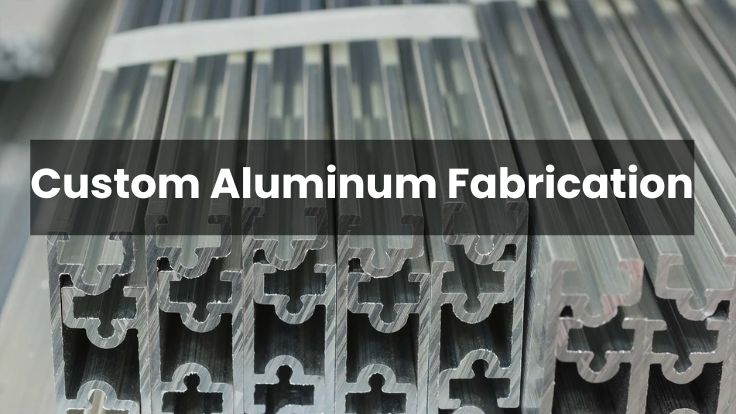
Custom aluminum fabrication has emerged to be a pillar of many industries in the contemporary era of innovation and design. Whether it is used in aircraft parts, buildings, or bridges, aluminum is utilized because of its power, ductility, and corrosion resistance. It does not just relate to getting aluminum but forming it to fit specific requirements. And that is where the notion of custom aluminum fabrication comes out on top, providing a tailor-made approach to the needs of industrial structures, as well as home interiors and exteriors.  Carbon steel is ideal because, in custom fabrication, you can get this kind of flexibility to customize it to address very particular needs, unlike standard metal parts, which are mass-produced with limited flexibility.  In the design and creation of architectural accents, machine enclosures, or custom furniture, aluminum represents the optimal combination of strength and workability. The steps include cutting, shaping, welding, and assembling items made of aluminum into products that look good and serve a purpose. As fabrication technology evolves and as the need to solve more personalized problems grows, citizens are specifically looking at the phrase: custom aluminum fabrication in my area to implement their ideas. As a company seeking reliable business signage or a homeowner with a design in mind, having an experienced custom aluminum fabricator will guarantee a solution to your project that fits your perception and lasts for years. This article talks in depth about the entire custom aluminum fabrication process, its advantages, its applications, and how to find the right partner for your next project. And it is time to enter the fantasy with metal is ready to meet your unique solution. What is Custom Aluminum Fabrication? In its simplest terms, custom aluminum fabrication is simply the design, cutting, and shaping of aluminum, its welding, and assembly into a complete product that can fit the specific needs of a client. This may be as simple bracket or even as complicated as machine pieces. Aluminum is used in these operations since it is light but strong, and does not rust or corrode. What makes aluminum great is that it is workable. It is malleable, can be welded and machined as well as bent easily. It makes it possible to be creative with structural as well as aesthetic use. Experienced personnel handle different tools and machinery to shape aluminum sheets or extrusions into useful products. Why Aluminum? It is also best to know why aluminum has been widely used in custom metalwork before discussing deeper into the:.Weak, yet Stable: Aluminum has a great ratio of strength and weight. These benefits have rendered the term aluminum custom fabrication as one of the options in many industries.  What is the meaning of the word Custom? The term custom is what is produced or created to suit an individual or a purpose, as opposed to something that is generally mass-produced or standard. Otherwise said, when something is custom, then it would be made in order to accommodate just what you require, or what you prefer, or what you would like to be made especially. Examples: Thus, when we speak of custom aluminum fabrication then the term custom underlines the fact that the pieces or products of aluminum are uniquely made to fit a specific customer or application, or design, hence being specific and tailor-made. The Fabricating Process Custom aluminum formation engulfs several distinct vital processes: 1. Design and Planning Clients will come with their idea or drawing, or applications. The fabricator analyses the specifications and recommends the most suitable form of aluminum and the procedure to be used. 2.  Cutting and Shaping Aluminum is cut into required shapes with the help of saws, lasers, or CNC machines. There is bending, forming so as to produce the precise structure or contour required. 3. Assembly and welding Special aluminum welding methods, such as the TIG welding technique, are used to join pieces. Close construction guarantees stability and beauty. 4. Finishing Touches The piece is finally sanded, polished, painted, or anodized ,depending on the look desired and protection. These treatments are value added, particularly to those aluminum products that were to be exposed to the elements or put on display, that would be branded as custom aluminum fabricated products. Common Applications There is hardly a limit to what may be produced using the help of custom aluminum fabricated products: When individuals are going to search on their search engine for custom aluminum fabrication near me, they are usually in need of a qualified local machine shop to execute these visions and turn them into a reality. Selecting The Right Fabricator Not every time is it easy to decide between the alternatives of choosing the custom aluminum fabricators. There are so many shops that would define themselves as freezing shops that it is very important to seek some qualities: Whenever you visit a search engine and type in custom aluminum fabrication near me, you should not consider only the distance. Check the abilities, feedback, and previous work of a shop to make sure that everything fits. Advantages of Going Custom Not being generic is not the only purpose of going custom; it has very real, practical benefits: That is why in the numerous industries, the concepts of custom aluminum fabrication put the money in the parts and installations that are needed. Aluminum vs. Other Metals in Custom Fabrication To select the materials in a fabrication project, it is important to have a background on which metal is better compared to others, and aluminum is not an exception. Metals bear specific characteristics that influence their applications in weight, strength, costs, and the usage they are suitable. This is a breakdown: Aluminum Aluminum is a lightweight material, resistant to rusting, and strong. It is commonly employed in fabrication works that require durability, but do not want the excess weight. It can also be easily cut, bent, and welde,d and this makes it an ideal material in custom aluminum fabrication. Besides, aluminum can be recycled completely and it also

Soğuk Kamara Basınçlı Döküm

Soğuk Kamara Basınçlı Döküm Teknolojisinde Modern Trendler

kalıp döküm, Basınçlı Döküm Üreticisi, döküm parçalari

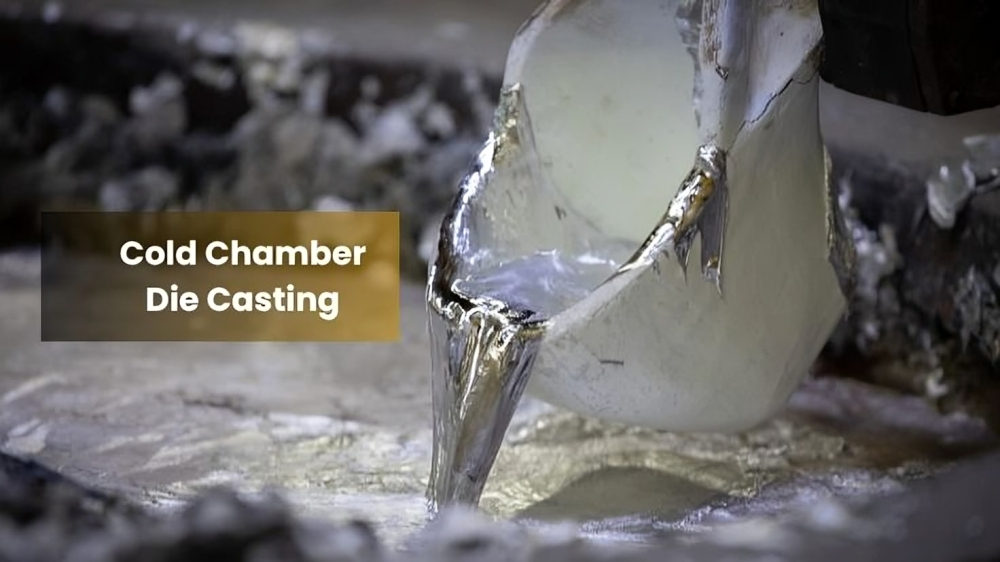
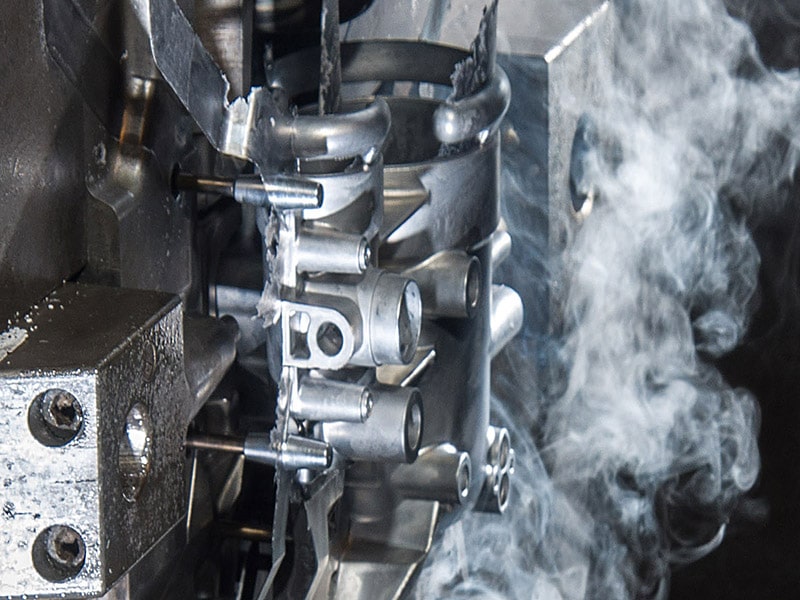
Soğuk Kamaralı Basınçlı Döküm, yüksek düzeyde mukavemet ve hassasiyet ile karakterize edilen karmaşık metal bileşenlerin üretiminde uygulanan hassas bir üretim tekniğidir. Bu süreç en iyi alüminyum, pirinç ve bakır alaşımları gibi yüksek erime noktası eşiğine sahip metallerde kullanılabilir. Soğuk kamaralı basınçlı döküm sistemleri, sıcak kamaralı basınçlı döküm sistemi gibi erimiş metalin içine yerleştirilmez; bunun yerine metal, başka bir fırında eritildikten sonra soğuk kamaralı basınçlı döküm makinesine elle kepçelenerek konur. Bu düzenleme makineyi daha az yıpratır ve daha sert alaşımlar kullanır. Şirketlerin bu yöntemi kullanmayı tercih etmesini sağlayan önemli faktörler arasında özel soğuk kamaralı basınçlı döküm avantajları ve dezavantajları bulunmaktadır. Üst düzey boyutsal doğruluğa, pürüzsüz yüzey kaplamalarına ve uzun çevrim sürelerine sahiptir. Bununla birlikte, bileşenlerin gücü ve dayanıklılığı otomotiv, havacılık ve elektronik pazarlarında favorileridir. Sıcak ve soğuk kamaralı basınçlı döküm arasındaki fark, sürecin doğru seçimini yapmak için çok önemlidir. Sıcak kamaralı basınçlı döküm daha hızlıdır ve çinko gibi düşük erime noktalı metallere uygulanırken, soğuk kamaralı basınçlı döküm sistemi daha yüksek sıcaklıkları ve daha güçlü metalleri işlemek için tasarlanmıştır. Üreticiler ayrıca bu işlemle spesifikasyonlarında yüksek derecede hassasiyete sahip uzun ömürlü ve güvenilir parçalar üretebileceklerdir. Bu makalede, soğuk kamaralı basınçlı dökümün çalışma prensibini, ana parçalarını, kullanılan metalin doğasını ve sıkıştırma kuvveti ve döngü süresi dahil olmak üzere soğuk kamaralı basınçlı dökümün teknolojik parametrelerini tartışacağız. Soğuk kamaralı basınçlı dökümün avantajları ve dezavantajları da bu önemli üretim sürecinin tam bir resmini sunmak için dikkate alınacaktır. Soğuk Kamaralı Basınçlı Döküm Nedir? Soğuk Kamaralı Basınçlı Döküm: Soğuk kamaralı basınçlı döküm işlemi, erimiş metalin manuel veya otomatik olarak enjeksiyon sisteminin dışındaki ayrı bir soğuk odaya döküldüğü bir metal döküm işlemidir. Daha sonra, metal yüksek basınçla bir kalıp boşluğuna itilir, bu da metalin soğumasına ve istenen şekilde kristalleşmesine neden olur. Genellikle pirinç, alüminyum ve bakır alaşımları gibi yüksek erime noktasına sahip metallere uygulanır. Enjeksiyon sisteminin bileşenlerinin yanlış çalışmasına neden olabilecek korozyon ve termal yorgunluktan kaçınmak amacıyla, enjeksiyon mekanizmasının erimiş metal içinde asılı olduğu sıcak kamaralı basınçlı döküm işleminden farklı olarak, soğuk kamara işlemi enjeksiyon tesislerini ayrı tutar. İkincisinin, yani Soğuk Kamaralı Basınçlı Dökümün uygulanması, kullanılan metallerin bileşenlere temas ederek zarar verebileceği durumlarda özellikle avantajlıdır. Enjeksiyon işleminde yüksek basınç kullanılabilir ve parlak bir yüzey kalitesi ve boyutsal kararlılığa sahip daha yoğun, daha güçlü bileşenler mümkün olabilir. Basınçlı Döküm Süreci - Adım Adım Soğuk Kamara Basınçlı Döküm tekniğinin amacı, genellikle alüminyum ve pirinç gibi yüksek sıcaklıklarda erime noktalarına sahip alaşımlardan oluşan son derece hassas ve sert metal parçalar yapmaktır. Nasıl çalıştığını adım adım inceleyelim: 1. Metali eritmek için Dış Fırın kullanılır Süreç, metalin eritilmesinin dışarıda ayrı bir fırında yapılması dışında sıcak kamara dökümüne benzer. Bu, soğuk kamara dökümündeki erimiş metalin içeride başa çıkılamayacak kadar yüksek bir ısı seviyesine neden olacağı için gereklidir. Metal eritildikten sonra döküm makinesine aktarılabilir. 2. Erimiş metalin bilye kovanına dökülmesi Bundan sonra, erimiş metal basınçlı döküm makinesindeki bilye kovanına dökülür. Bu işlem elle veya kolla yapılır. Bilya kovanı, metalin içinde durduğu ve daha sonra enjekte edildiği güçlü, ısıya dayanıklı bir tüptür. Erken katılaşmayı önlemek için bu işlem çok hızlı yapılmalıdır. 3. Piston metali kalıbın içine doğru iter. Çelik bir piston bilye kovanının içine girer ve erimiş metali yüksek basınçla kalıp boşluklarına bastırır. Bu kuvvet, metalin herhangi bir karmaşık modelde veya çok ince bir duvarda bile kalıbı doldurmasını sağlar ve hava cepleri gibi herhangi bir kusur olasılığını azaltır. 4. Metalin Kalıp İçinde Katılaşması Kalıp doldurulduğunda, metal kalıp içinde soğumaya ve katılaşmaya başlar. Bu katılaşma adımı, iyi ve hassas bir parça elde etmek için çok önemlidir. Soğuma süresi parça metaline, parça kalınlığına ve kalıp sıcaklığına bağlıdır. 5. Pirinç Kalıp ve İtici Pimler Dökümü Zorla Çıkarır Parça katılaştığında, makinenin sıkıştırma ünitesi kalıbı açar ve itici pimler dökümü kalıp boşluğundan dışarı çıkarır. Parça daha sonra bir soğutucu istasyonuna veya bir düzeltme istasyonuna taşınır. 6. Flaşın Kaldırılması (Fazla Metalin Kaldırılması) Kalıbın yarılarının bir araya geldiği yerde dökümün kenarlarında flaş adı verilen bir miktar fazla metal vardır. Bu daha sonra finisajın ne gerektirdiğine bağlı olarak mekanik düzeltme, taşlama veya işleme yoluyla giderilir. Bu, nihai işlerin amaçlanan şekil ve toleransın altında olmasını önleyecektir. 7. Kalıp döngüsünün sıfırlanması ve Yağlama Kalıp, iyi kalitede olması ve yapışmayı önlemek için bir sonraki döngüye girmeden önce yıkanır ve yağlanır. Yağlama tamamlandığında, kalıp tekrar sıkıştırılır ve makine daha fazla döngü için sıfırlamaya geçirilir. 8. Kalite Kontrolü ve son işlem Bu, yüzeyde çatlak, büzülme veya anormallikler gibi kalite kusurlarının bulunmadığından emin olmak için kontrol edilen eksiksiz bir parçadır. Parçanın son kullanım gereksinimine bağlı olarak, ek işleme, yüzey işlemine tabi tutulabilir veya monte edilebilir (gerekirse). Parçada kullanılacak metaller

Alüminyum Kum Döküm

Modern Üretimde Alüminyum Kum Dökümünün Kapsamlı Teknik Analizi

alümi̇nyum döküm

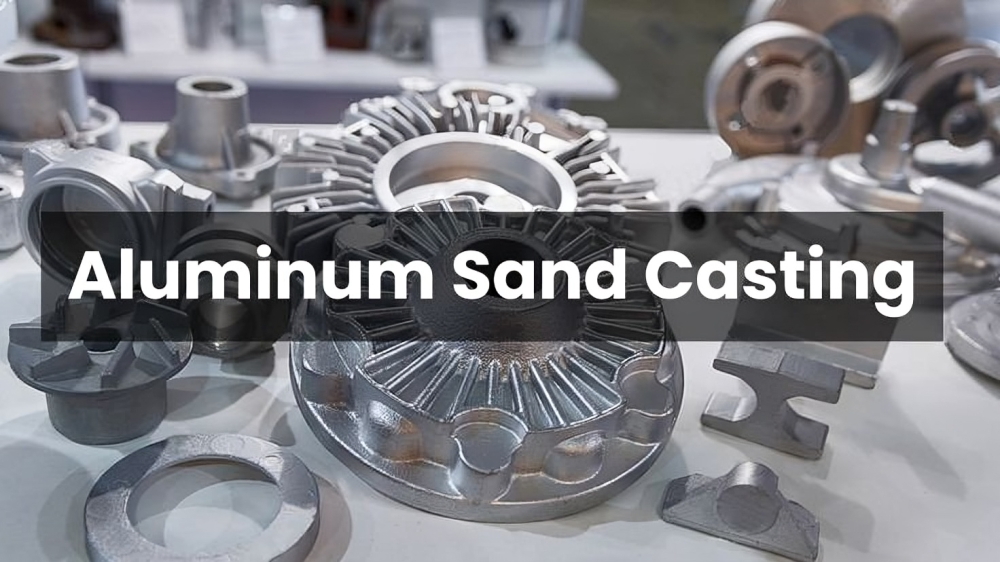
Aluminum sand casting is one of the oldest and most versatile metal casting processes, widely used in modern manufacturing to produce complex, durable, and cost-effective components. Aluminum Sand casting Manufacturers can generate complex geometries with intricate features that would have otherwise been either impractical or unprofitable to machine out of solid material through pouring molten aluminum into prepared sand molds. This method is especially suitable in low to medium-volume production, prototyping, and high structural castings on applications spanning the aerospace, automotive, defence, and energy industries. The most interesting about the sand-casting aluminum is that it is both flexible and functional. Aluminum has a very good strength versus weight, corrosion resistance, and recyclability, and thus makes it an excellent casting material. Together with the thermal resistance of sand and its high moulding capability, the process provides scalable production capability with excellent dimensional accuracy. Pattern design, the makeup of the mold, the quality of the melt, and gating design are key factors to the success of every casting. An excellent foundry of aluminum sand castings has to control not only the classic facts in metal technology but also touch on innovations in the processes. The current facilities apply the latest technology to prevent defects and ensure the best performance of the casting by using 3D sand printing, simulation software, and real-time process monitoring. Precision-engineered and casting aluminum parts are now capable of meeting stringent engineering standards for safety, tolerance, and durability. As demand grows for complex components with faster lead times and lower environmental impact, professional aluminum sand casting services must continue evolving. This article goes into the technical ins and outs of the process itself, its engineering workflow, materials, challenges, innovations, and so on. The Fundamentals of Aluminum Sand Casting At its core, aluminum sand casting involves pouring molten aluminum into a sand mold cavity, which is shaped by a pattern that replicates the final part’s geometry. When the aluminum solidifies, the sand mold is shaken off, leaving the cast piece. The process also has an outstanding dimensional flexibility and scalability capability in high-mix low-volume manufacturing conditions. The process is based on the use of a non-permanent mould, sand, that may be recycled and re-utilized, minimizing the waste of materials and expenses. Sand molds most commonly consist of silica sand with a binder added, and the nature of the binder system generally influences considerably the resulting surface finish, dimensional accuracy, and rate of cooling. The process of Flow in the Engineering of Sand Casting Aluminum Sand casting aluminum is an engineering process that consists of a set of accurately calibrated activities that aim at transforming raw aluminum into specific, well-built, and accurately dimensioned parts. Both the material and mechanical expertise are required to be in-depth to make all of the stages of the process successful. The following is a step-by-step analysis of the way in which sand casting of aluminum is implemented professionally and technically. 1. Pattern Design and making In the sand casting aluminum process, the initial step is designing and manufacturing the pattern, a physical copy of the final casting. The allowances that must be included in patterns are rather critical, such as shrinkage, draft, and machining stock. As aluminum contracts, during cooling patterns are laid out a little bigger than the finished component. The shrinkage rate of aluminum alloys is normally applied at 1.3 per cent; however, depending upon the alloy and the conditions of cooling, it may vary. Vertical portions of moulds are given draft angles, normally a few degrees between 1 and 3, to ensure that the pattern can be removed easily in the sand mold, being careful not to destroy the cavity. Additional allowances (machining allowances) are included such that there is no adverse interaction between the post-processing and the final part. Patterns may be made out of wood, metal, resin, or even 3D-printed polymer materials, depending on the accuracy demands and the needs of the production volume. 2. Mold Making (Molding and Core Setting) After preparing the pattern, the mold is to be prepared. For the sand cast, aluminum mold, there are two separate halves: the cope (upper half) and the drag (lower half). They are produced by stuffing the sand around the mold in a flask. Depending on the application, the sand is generally silica-based and is amalgamated with binders such as clay (green sand) or chemical resins (no-bake sand). In case the part design has internal space and hollow parts, it necessitates the use of sand cores. They are placed in the mold cavity, after which the metal is poured. Cores can be fabricated using core boxes, and in precision production, they can be printed with greater precision using 3D sand printing. The exact footprint of the core is very important in order to have a rigid structure and adherence to the final part dimension. 3. The Design of the Gating System The timeliness and effectiveness of the gating system formed are significant towards the success of the process of sand casting aluminum. This system consists of a pouring basin, sprue, runners, and gates, which coerce the impounded aluminum into the involvement of the mold. Adequate gating will prevent a lot of turbulence, minimize airlock, and also make sure that there is an even fill. Risers (alternatively called feeders) are also required, and these can be seen as a reservoir of molten metal that offsets the direction of shrinkage that comes after solidification. Casting simulation software is usually utilized by engineers to study and optimize the gating and riser systems. Prediction takes place by using simulation tools such as MAGMASoft or ProCAST so that typical defects such as cold shuts, misruns, and shrinkage porosity can all be corrected virtually before any production takes place. 4. Cu Melting and Metal Treating Aluminum is usually melted by a reverberatory furnace, a crucible furnace, or an induction furnace, and the choice depends on the batch volume, alloy needs, and the amount of energy needed. The melting temperature of pure aluminum is about 660 degrees

TIG Kaynağı Alüminyum

TIG Kaynağı Alüminyum: Kapsamlı Bir Teknik Kılavuz

alümi̇nyum döküm

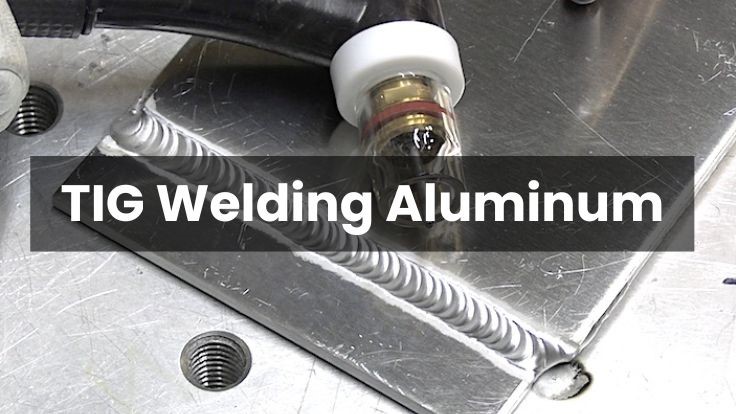
TIG Welding Aluminum is widely regarded as one of the most technically demanding processes in the field of welding. When working with aluminium, the metal that is characterised by its light weight, corrosion resistance, and high conductivity, a set of unprecedented problems emerges, which distinguishes it so much in terms of steel or stainless steel. Poor handling of aluminum can cause the natural oxide layer to provide a weak, porous, or otherwise structurally undesirable weld due to its natural oxide level, low melting point and its ability to absorb hydrogen gas. Thus, the TIG (Tungsten Inert Gas) process, or the Gas Tungsten Arc Welding (GTAW) process, is the process of choice by the industry to use in instances when precision, aesthetics, and weld integrity are the main factors. These will cover the behaviour of materials, selection of equipment, choice of shielding gas, joint preparation and troubleshooting methods, although much emphasis will be placed on quality control and repeatability. Additionally, the article will detail how to correctly select and operate an aluminum tig welder, manage various types of aluminum welding parts, and produce consistent, defect-free joints when attempting to weld aluminium TIG. By the end, the reader will have a thorough knowledge of how to create a good, clean, structurally good-looking tig-welded aluminium assembly as per the industry standard in the aerospace, automotive industry, marine industry, as well as the manufacturing industry.  This article discusses the science, methods as well and practical aspects of TIG welding on aluminium. It is meant to be used by experts and technically trained people who want to extend their knowledge about the welding of aluminium in high-performance or industrial processes. What is TIG Welding Aluminum? TIG Welding Aluminum refers to the process of joining aluminium components using Tungsten Inert Gas (TIG) welding, also known as Gas Tungsten Arc Welding (GTAW). Here, an electric arc is generated by a non-consumable tungsten electrode and aluminium base metal and a filler rod are melted in a protective cover of inert gas, usually argon. Since aluminium has high thermal conductivity, low melting point and a high melting oxide layer, welding aluminium has unique colouring, and drying must be done carefully. TIG welding has a situated control of heat input and weld puddle, which means it is perfect in thin materials, advanced assemblies and other high-performance applications. The aerospace, automotive, and marine industries, among others, use TIG welding to manufacture resistant, non-corrosive, and neat-looking welding video. Successful “TIG Welding Aluminum” requires skilled technique, proper equipment, and careful surface preparation to ensure weld integrity and strength. Why Aluminum TIG Welding? Gas Tungsten Arc Welding (GTAW), which is also known as Tungsten Inert Gas (TIG), is the ideal technique to use where precision, control and a fine look are requisite. It offers unparalleled control in the amount of input heat so that welders have the opportunity to control the fluidity of the weld pool of the aluminum. The TIG welding, when utilized with aluminum is quite convenient mainly because: Welding aluminum involves a better understanding of its physical and chemical properties and which are much different compared to other widely used metals. Below are the key challenges associated with TIG Welding Aluminum. 1. Very High Thermal Conductivity Aluminum carries heat 5 times than steel. This means that heat dissipates quickly from the weld zone, requiring higher amperage when attempting to weld aluminium TIG, especially with thick materials. When not done best can end up in gap fusion or irregular weld penetration. 2. Oxide Layer Problems When aluminum surfaces are exposed to air, a layer of oxide (reliably adherent) forms instantly, and it is thin. This layer is melted at approximately 2050 °C, which is well above the base metal melting point of aluminium, which is 660 °C. TIG welding, when AC mode is used, assists in breaking this layer, but it is also important that pre-cleaning is done to produce high-quality TIG-welded aluminium. 3. Hydrogen Porosity Susceptibility Hydrogen readily absorbs in molten aluminum, and this can create porosity or cause cracks during cooling. Oil, moisture, or dirty filler rods acted as a source of contaminants that caused the hydrogen to get into the weld pool. Proper cleaning and using dry filler rods are essential to avoid defects in aluminum welding parts. Technical Summary Table for TIG Welding Aluminum Here is a comprehensive technical table summarising the key aspects of TIG Welding Aluminum, including welding parameters, joint types, common defects, and how to manage them. In this table, you combine the ideas of your article, and it is original and highly technical. Category Technical Detail Recommendations / Parameters Base Material 1xxx to 6xxx aluminum alloys are most commonly TIG welded Clean all surfaces before welding; avoid 7xxx for high-crack sensitivity Main Process TIG Welding Aluminum using alternating current (AC) Use an inverter TIG with AC balance, high-frequency start, and stable arc control Primary Keyword Weld aluminum tig Use appropriate AC balance and amperage; optimize puddle control and filler deposition Electrode Type 2% Lanthanated or Ceriated Tungsten (1/16″, 3/32″, or 1/8″) Sharpen to a truncated point or ball tip (for AC), depending on application Shielding Gas High-purity Argon (99.99%) Flow rate: 15–20 CFH; add Helium for thicker materials or deeper penetration Filler Rods ER4043, ER5356 Match filler to base alloy and application (ER5356 for strength, ER4043 for crack resistance) Joint Types Butt, Lap, T, Corner Design with small gaps (~1/16”) and allow for thermal expansion Weld Preparation Degrease + stainless steel wire brush No touching after cleaning; remove the oxide layer before welding Torch Technique Short arc length (<1/8”), 10–15° travel angle Keep filler outside the arc cone to prevent oxidation Amperage Settings 1 amp per 0.001” thickness baseline 60–130 amps for most thin-to-mid aluminium applications AC Frequency Controls the arc focus 120–200 Hz for clean, narrow arc on thin aluminum welding parts AC Balance 70% EN / 30% EP typical Adjust toward more EN for deeper penetration; more EP for cleaning oxide Tip: Make sure to calibrate your aluminum tig welder properly

Alüminyum Yüksek Basınçlı Döküm

Alüminyum Yüksek Basınçlı Döküm Üreticisi ve IATF 16949

alümi̇nyum döküm

Modern manufacturing uses aluminium high-pressure die casting to make parts that are strong, light, and have many complex shapes. The reason automotive, aerospace, telecommunications, and consumer electronics all use it is that it can do both mass production and create very accurate pieces. Because the demand for quality aluminium high-pressure die-cast parts keeps increasing, it is important to deal with a well-known and certified supplier. In this area, the IATF 16949 certification is very important because it is a respected quality management standard used worldwide in the automotive industry. Such certification guarantees that quality control, proper risk handling, and continuous improvement are used during every stage of manufacturing. A certified aluminum die-casting and ISO 16949 company demonstrates its commitment to consistent product quality and customer satisfaction. Being a high precision die casting manufacturer and ITAF 16949 means meeting rigorous international standards and having the processes in place to minimize defects, enhance production efficiency, and ensure complete traceability of components. They can meet Tier 1 suppliers and OEMs by delivering components that exactly follow the business’s specifications. In addition, complying with aluminum die casting and 16949 standards means a manufacturer can meet expectations worldwide, mainly in areas where it is important to focus on safety and secure performance. Working with a suitable aluminium die casing partner that has IATF 16949 certification benefits your products, helps cut costs in the future, and strengthens the links in your supply chain. This article looks into how an aluminium high-pressure die casting manufacturer follows the IATF 16949 standard and its role. Aluminium High Pressure Die Casting  Aluminium high-pressure die casting helps make metal parts that are accurate in shape and have a perfect non-porous surface. When molten aluminium is injected into a steel mold at high pressure, it makes it possible to quickly fabricate complex parts and reduces later processing steps. Because it is strong and light, aluminium is widely used in many industries. The products made from this process are commonly seen in cars’ engines, housings, and brackets. For any aluminum die-casting and ITAF 16949 certified operation, maintaining the integrity of this process is vital to both quality and compliance. How IATF 16949 Helps in Die Casting? IATF 16949 is an international standard made for cars, and it uses quality management to ensure the reliability of products and their processes. Continuous development, prevention of quality issues, and lowering waste in the supply chain are the main elements of the system, which was created by the International Automotive Task Force. For manufacturers engaged in aluminum die-casting and ISO 16949 certification, certification is not just a regulatory requirement; it’s a badge of trust. It guarantees that the manufacturer follows quality rules that are respected everywhere. Besides, since IATF 16949 matches ISO 9001, it ensures full and proper quality management. Why is aluminium used in High Pressure Die Casting? Die casting benefits a lot from aluminium due to its ability to resist corrosion, its strong thermal conductivity, and being lighter than other metals like steel and brass. Because of these qualities, this material is suitable for cars since both light weight and performance depend on fuel efficiency. An IATF 16949 certification shows that all of these benefits are achieved by the business. For instance, manufacturers focusing on “high precision die casting manufacturer and ISO 16949 standards can assure customers of consistent product performance and minimal variance in production. What Makes an Aluminium Die Casting Manufacturer Reliable? Selecting a competent manufacturer is very important for firms doing aluminium die casting. A manufacturer should not only have the necessary know-how but also follow all quality standards. These are some of the essential traits you should notice: Using Precision in Die Casting Good die casting depends mostly on precise engineering. It confirms that components follow the tight guidelines of both dimensions and performance. Manufacturers who identify as high precision die casting manufacturers and ITA 16949 go to great lengths to implement exacting standards across the design and production cycle. Because of CAD/CAM software, quality inspection, and automated processes, production is kept as close as possible to the specific requirements. For applications like transmission housings, electronic enclosures, and important car components, the exactness needed is very important. Why Managing Quality Is Important? A well-structured quality management system (QMS) makes it possible to produce the same quality goods all the time. In the aluminium die casting industry, following the principles of IATF 16949 gives a way to control processes, reduce risks, and improve constantly. By following IATF 16949, a high precision die casting manufacturer and itaf 16949 ensures not only quality but also traceability and accountability. Everything is checked and confirmed along the supply chain to lower the chances of issues and defects. Below is a detailed and professional table that outlines key aspects of Aluminium High Pressure Die Casting Manufacturer and IATF 16949, integrating relevant information across different categories such as process, benefits, certification, and industry relevance. This table is ideal for use on a website, brochure, or presentation. Aluminium High Pressure Die Casting & IATF 16949 – Comprehensive Overview Category Details Manufacturing Process Aluminium is melted and injected into a steel mold under high pressure, producing complex shapes with excellent dimensional accuracy. Key Material Used Aluminium alloys (e.g., A380, ADC12, AlSi10Mg) are known for their strength, light weight, and thermal conductivity. Application Industries Automotive, Aerospace, Electronics, Industrial Equipment, Telecommunications, Consumer Goods. Advantages of Aluminium Die Casting – Lightweight components- High strength-to-weight ratio- Excellent surface finish- High-volume efficiency- Corrosion resistance Importance of Precision Tight tolerances and fine details can be achieved, ideal for engine parts, housings, connectors, brackets, and structural components. What is IATF 16949? A global quality management standard for the automotive industry, based on ISO 9001 with additional requirements specific to auto manufacturing. Benefits of IATF 16949 Certification – Consistent product quality- Risk-based thinking- Defect prevention- Better customer satisfaction- Competitive advantage Why Certification Matters Ensures traceability, standardized procedures, regulatory compliance, and ongoing performance improvement. Target Clients OEMs, Tier 1 & Tier 2 automotive suppliers, industrial system designers, and

Çin'de ve dünyada otomotiv basınçlı döküm şirketleri

Çin'de ve dünyada otomotiv basınçlı döküm şirketleri

alümi̇nyum döküm, kalıp döküm şirketleri

Otomotiv endüstrisinin geleceği, basınçlı dökümün yükselişinden büyük ölçüde etkileniyor. Motor bileşenleri, elektrikli araçlar için akü kutuları ve basınçlı dökümle üretilen diğer parçalar güçlü, hassas ve daha hafif araçlar elde etmenin anahtarıdır. İnsanlar elektrikli ve yakıt tasarruflu araçları daha fazla sayıda satın aldığı için, basınçlı döküm şirketleri bu alandaki ilerlemenin ve büyük ölçekli çözümlerin ön saflarında yer almaktadır. Çin, gelişmiş aletler, kalifiye işgücü ve uygun fiyatlı üretim sayesinde basınçlı dökümde diğer tüm ülkelerden daha iyi bir oyuncu haline gelmiştir. Bu alandaki lider şirketler, kalıp tasarımının yanı sıra CNC işleme ve yüzey bitirme işlemlerini de gerçekleştiren Sincere Tech, CNM Tech Co., Ltd. ve GC Precision Mould Co., Ltd. şirketleridir. Hem kalite kontrollerini hem de hızlı prototiplemeyi kullanan bu şirketler, hem yerel hem de küresel otomobil üreticilerini ortak olarak çeken çok sayıda parça üretmektedir. Farklı ülkelerde faaliyet gösteren Wisconsin Aluminium Foundry (ABD), Get It Made (İngiltere) ve MES Inc. (ABD) gibi şirketler sektörü değiştiriyor. Onlarca yıllık deneyim, ISO 9001 ve IATF 16949 sertifikaları ve çevreci ve yenilikçi olmaya odaklanma, bu firmaların otomobil üreticilerinin doğruluk, güvenilirlik ve çevreye özen gösterme konusundaki gelişmiş beklentilerini destekleyebilmelerini sağlıyor. Makale, otomotiv basınçlı döküm endüstrisindeki değişikliklere öncülük eden bazı kilit oyunculara işaret ediyor. Elektrifikasyon, dijitalleşme ve sürdürülebilir yöntemlerin kullanımı gibi trendler nedeniyle, Çin de dahil olmak üzere küresel çapta basınçlı döküm şirketleri, otomobillerde mükemmelliğe ulaşmada ana oyuncular olarak görülüyor. 1. Sincere Tech Kuruluş Yılı: 2005Çalışan Sayısı: 100-200İş Türü: Sincere Tech, Çin'in en büyük plastik enjeksiyon kalıbı üreticilerinden, kalıp döküm üreticilerinden, işleme sağlayıcılarından ve montaj sağlayıcılarından biridir. Web Sitesi ve İletişim Web Sitesi: https://plas.co/Phone: +86 135 30801277E-posta: steve@sincere-tech.comAddress: Rm101, N041, Donghu yolu, JingLian cun, Qiaotou kasabası, Dongguan Şehri, Guangdong Eyaleti, Çin. 523000. Şirket Profili Çinli plastik enjeksiyon kalıpları ve kalıplama hizmetleri tedarikçisi Sincere Tech, Çin'in önde gelen şirketleri arasındadır. Bu şirket 2005 yılından itibaren metal ve plastik damgalama, hassas plastik enjeksiyon kalıpları, CNC işleme, basınçlı döküm ve silikon kalıplamanın birleşiminden ortaya çıkmıştır. Gelişmiş makineler, NDA'lar ile bilgilerin korunması, adil fiyatlandırma ve mükemmel üretimde neredeyse yirmi yıl Sincere Tech'te müşterilerimizi bekliyor. Enjeksiyon kalıplama, elektronik, medikal, otomobil veya kozmetik gibi endüstrilere hizmet etmek için 60-1800 tonluk makineler için kullanılır ve parçaları bir gramdan az ila 8 kilogram arasında değişir. En yüksek kalite taahhütleri ISO 9001:2015 ve ISO 9000:2015 uyarınca Sincere Tech, dünya çapında kabul gören ürünler üretmeyi hedeflemektedir. Kaliteye verdiği önem şirketin büyük bir talep yaratmasını sağlamıştır, bu nedenle ürünlerini Finlandiya'ya ve diğer birçok ülkeye ihraç etmektedir. Benzer hizmetler veren işletmeler arasında yer alan Sincere Tech, plastik enjeksiyon kalıplama için güvenilir ve yenilikçi bir ortak olarak tanınmaktadır. Neden Bizi Seçmelisiniz? 2. CNM Tech Co, Ltd Kuruluş Yılı: 20+Çalışan Sayısı: 100-200İş Türü: CNM Tech Co, Ltd. basınçlı döküm, CNC işleme ve montaj hizmetlerine odaklanmış hassas bir imalat şirketidir. Web Sitesi ve İletişim Web Sitesi: https://www.thediecasting.com/Contact: +86 13045898002E-posta: sales@thediecasting.comAddress: Fabrika Adresi: Rm 101, No.40, Donghu Yolu, Jinglian, Qiaotou kasabası, Dongguan şehri, Guangdong Eyaleti, Çin. 523520. Şirket Profili Thediecasting.com, Çin'in önde gelen kalıp döküm çözümleri üreticisi CNM Tech Co, Ltd'nin faaliyet gösterdiği resmi alan adıdır. Şirket, merkezi Dongguan, Çin'de bulunan Çin merkezli bir alüminyum, magnezyum ve çinko basınçlı döküm; CNC işleme; yüzey bitirme ve montaj işletmesidir. CNM Tech, otomotiv, havacılık, elektronik vb. alanlarda 20 yıldan fazla deneyime sahiptir. Yüksek hassasiyetli üretim nedeniyle, şirket içi takım atölyesi ve gelişmiş CNC makineleri de sağlar. CNM Tech, dünya çapındaki kullanıcıların ihtiyaçlarını karşılayan yüksek kaliteli son kat ürünlerle her türlü parlatma, kumlama, toz boya, yağlı boya vb. sağlar. Kalite Taahhütleri CNM Tech Co, Ltd ISO 9001: 2008, TS16949 ve ISO 14001: 2015 belgelerini sağlamaktadır. Çoğu durumda, bunlar size şirketinizin yönetiminin birinci sınıf olduğuna dair güvence sağlayacak ve ayrıca otomotiv endüstrisi standartlarına ve ilgili şirket tarafından üstlenilen çevre dostu faaliyetlere uyumu garanti edecektir. Kalite ve çevre düzenlemelerine sıkı sıkıya uymanın bir sonucu olarak CNM Tech, piyasadaki mükemmel itibarı ile minimum çevresel etkiye sahip harika kalıp döküm çözümleri sunmaktadır. Neden Bizi Seçmelisiniz? 3. GC Hassas Kalıp Co, Ltd Kuruluş Yılı: 1999Çalışan Sayısı: 100-200İş Türü: Firmamız, GC Precision Mould Co, Ltd, alüminyum, çinko ve magnezyum döküm, CNC işleme ve plastik enjeksiyon kalıplama yapmaktadır. Web Sitesi ve İletişim Web Sitesi: https://aludiecasting.com/Contact: +86 131 4886 5556E-posta: info@aludiecasting.comAddress: Fabrika Adresi 1: No. 30 Huan Zhen Rd, Qi Shi Town, Dongguan City, Guangdong Eyaleti, Çin, 523516 Şirket Profili Aludiecasting.com altında faaliyet gösteren GC Precision Mold Co, Ltd, önde gelen Çinli üreticilerden biri olan bir kalıp döküm ve hassas işleme üretim sitesidir. Şirket 1999 yılında kurulmuştur ve hizmetleri arasında alüminyum, çinko ve magnezyum döküm, plastik enjeksiyon kalıplama ve CNC işleme ve yüzey bitirme bulunmaktadır. Yüksek basınçlı döküm makineleri (120 - 1600 ton) ve enjeksiyon kalıplama makineleri (80 - 2800 ton) gibi otomotiv, havacılık ve elektronik gibi endüstrilere bağlı son teknoloji makinelere sahiptirler. Dünya çapında kesin, dayanıklı ve daha ucuz üretim çözümleri sunmak için çok sıkı bir kaliteye sahiptirler. Kalite Taahhütleri GC Precision Mold Co, Ltd, ISO 9001 sertifikasında belirtildiği gibi en iyi basınçlı döküm ve işleme çözümlerini sunmaktadır. Kalite kontrolleri o kadar sıkıdır ki, güvenilir bir ürün sağlamak için hassasiyet, CMM makineleri, X-ışınları ve spektrometreleri test ederler. Şirket, uluslararası standartlara sıkı sıkıya bağlı kalarak, her projede belirtilen nedenlerden dolayı güvenilirlik yönünden minimum müşteri şikayeti ile tutarlı, yüksek kaliteli bileşenlerin teslim edilmesini sağlar. Neden GC Precision Mould Co., Ltd. şirketini seçmelisiniz? 4. Get It Made Kuruluş Yılı: 2011Çalışan Sayısı: 50-100İş Türü: Otomotiv döküm parçaları üreticisi ve tedarikçisi. Web Sitesi ve İletişim Web Sitesi: https://get-it-made.co.uk/ E-posta: team@get-it-made.co.ukContact: +44 (0)20 3286 6002Adres: Get It Made Ltd, Birim 1 Southbrook Mews, Londra SE12 8LG. Şirket Profili Get It Made Londra'da kurulmuştur,

Çin'de ve Dünyada Alaşımlı Basınçlı Döküm Şirketi 

Çin'de ve Dünyada Alaşımlı Basınçlı Döküm Şirketi 

kalıp döküm, kalıp döküm şirketleri, döküm şi̇rketi̇

Alaşımlı döküm, sıkı toleranslar gerektiren ve çok iyi bir finişe sahip karmaşık metal parçalar üretmek için kullanılır. Diğerlerinin yanı sıra, otomotiv, havacılık, elektronik, savunma, tıbbi cihaz ve tüketici ürünleri endüstrilerinde önemli bir role sahiptir. Dünyanın her yerinde üreticiler birlikte çalışır ve Çin güçlü altyapısı, iyi eğitimli insanları ve iyi fiyatlandırması nedeniyle bu sektöre öncülük eder. CNM Tech Co., Ltd, Sincere Tech ve GC Precision Mould Co., Ltd. Çin'in basınçlı döküm sektöründe tanınmış şirketlerdir ve hepsi kalıp tasarımı, CNC işleme ve son montajı gerçekleştirmektedir. Bu üreticiler en son teknolojiyi kullanmakta ve ISO 9001 gibi dünya çapındaki kalite standartlarını takip etmektedir. Hizmetlerinin çoğu uluslararası müşterileri desteklemektedir, bu da onlara dünya çapındaki tedarik ağlarında önemli bir rol vermektedir. Nemak (Meksika), MRT Castings Ltd ve Haworth Castings (İngiltere) ve PHB Inc. (ABD) gibi şirketler, Asya dışındaki gelişmiş basınçlı döküm teknolojisinin iyi örnekleridir. İnovasyon, sürdürülebilirlik ve hassas üretim, katı düzenlemelere sahip havacılık, medikal ve elektrikli araç sektörlerine hizmet veren bu şirketlerin merkezinde yer almaktadır. Bu iki firma da yüksek vasıflı olmalarının yanı sıra kaliteye, müşteri hizmetlerine ve çevreci değişikliklere verdikleri önemle diğerlerinden ayrılıyor. Bu makalede, Çin'de ve dünyada önde gelen birkaç basınçlı döküm şirketi ele alınmakta ve bu şirketlerin temel nitelikleri, güçlü yönleri ve bu iş piyasasında neden başarılı oldukları vurgulanmaktadır. Dünyanın hangi bölgesine dış kaynak kullanmak istediğinizden bağımsız olarak, verilen profiller size en iyi seçimleriniz hakkında faydalı tavsiyeler verir. Alaşımlı Basınçlı Döküm Alaşımlı basınçlı dökümde sıvı metal alaşımı, birçok kez yeniden kullanılabilen çelikten yapılmış kalıplara büyük bir kuvvetle bastırılır. Bu üretim yöntemi, boyutları çok doğru, pürüzsüz ve çok verimli bir şekilde üretilebilen metal parçaların oluşturulmasına yardımcı olur. Alaşımlı Basınçlı Dökümün Ana Özellikleri: 1. Kullanılan Alaşımlar: Bu süreçlerin çoğu, ağırlık, ne kadar güçlü oldukları, korozyon direnci ve ısı iletkenliği ile ilgili önemli avantajlara sahip olan alüminyum, çinko ve magnezyum gibi demir dışı metal alaşımlarına dayanır. 2. Sürece Genel Bakış: Alaşımın eritilmesi, malzemenin bir fırına konulmasıyla gerçekleşir. Sertleştirilmiş bir çelik kalıp, bir basınçlı döküm makinesinden geçen erimiş metali alır. 3. Basınçlı Döküm Türleri şunlardır: İşte Alaşımlı Basınçlı Dökümün ana güçlü yönleri: Yaygın Uygulamalar: 1. CNM Tech Co, Ltd Kuruluş Yılı: 20+Çalışan Sayısı: 100-200İş Türü: CNM Tech Co, Ltd. basınçlı döküm, CNC işleme ve montaj hizmetlerine odaklanmış hassas bir imalat şirketidir. Web Sitesi ve İletişim Web Sitesi: https://www.thediecasting.com/Contact: +86 13045898002E-posta: sales@thediecasting.comAddress: Fabrika Adresi: Rm 101, No.40, Donghu Yolu, Jinglian, Qiaotou kasabası, Dongguan Şehri, Guangdong Eyaleti, Çin. 523520. Şirket Profili Hassas alüminyum ve çinko döküm bileşenleri yapmak, The Die Casting Company'nin en iyi bilindiği şeydir. Şirket, kalıp tasarımı, takımlama, CNC işleme, yüzey bitirme ve kalite testleri için gerekli yeteneklere sahip olarak eksiksiz döküm hizmetleri sunmaktadır. Otomotiv, elektrik ve endüstriyel makine sektörlerine hizmet veren şirket, mühendislik bilgisi ve ISO 9001 sertifikalarını bir araya getiriyor. Modern teknolojinin ve müşteri dostu yaklaşımın yardımıyla, The Die Casting Company yüksek performans, düşük maliyetli çıktı ve değişmeyen kalite sunmaktadır. Merkezi Hindistan'da bulunan Codeplay, dünyanın dört bir yanındaki müşterilerine özel destek ve zamanında teslimat sağlar. Kalite Taahhüdü The Die Casting Company'de yüksek kalite her görev için önemlidir. Hammaddelerin kontrolünden başlayarak, şirket bitmiş ürünlerin test edilmesine kadar sıkı kalite kontrol prosedürleri kullanır. ISO 9001 uyumlu olduğu için, tesislerinde en yeni ekipmanlar kullanılır ve eğitimli çalışanlardan oluşan bir ekibe sahiptir. Her bir döküm, müşterinin ihtiyaçlarını ve endüstrinin gerektirdiklerini karşılamak için ölçümler, güç ve görünüm açısından dikkatlice kontrol edilir. Bu bağlılık sayesinde müşteriler mutlu olur, ürünler güvenilir bir şekilde performans gösterir ve uzun vadede güven inşa edilir. Neden Bizim Şirketimiz? 2. Samimi Teknoloji Kuruluş Yılı: 2005Çalışan Sayısı: 100-200İş Türü: Sincere Tech, Çin'in en büyük plastik enjeksiyon kalıbı üreticilerinden, kalıp döküm üreticilerinden, işleme sağlayıcılarından ve montaj sağlayıcılarından biridir. Web Sitesi ve İletişim Web Sitesi: https://plas.co/Phone: +86 135 30801277E-posta: steve@sincere-tech.comAddress: Rm101, N041, Donghu yolu, JingLian cun, qiaotou kasabası, Dongguan Şehri, Guangdong Eyaleti, Çin. 523000. Şirket Profili 2005 yılında Sincere Tech (plas.co) kuruldu ve özel plastik enjeksiyon kalıpları ve kalıplama hizmetlerinin önemli bir Çinli sağlayıcısı haline geldi. Bu alandaki 18 yılı nedeniyle şirket, kalıp tasarımı, CNC işleme, basınçlı döküm, silikon kalıplama ve montaj gibi kapsamlı çözümler sunabilmektedir. Elektronik, otomobil, ilaç ve ev aletleri alanlarında çalışan Sincere Tech, doğruluk ve kalite için 5 eksenli CNC ve CMM'ler gibi yüksek teknolojili makinelere güvenmektedir. Uluslararası standartları takip eden şirket, ISO 9001:2015 ve QS 9000:2015 sertifikalarına uyarak müşterilerin bütçe dahilinde kaliteli ürünler almasını sağlar. Kalite Taahhüdü Sincere Tech'te her şey kalite göz önünde bulundurularak yapılmalıdır. Şirket, tüm ürünlerini üretirken ISO 9001:2015 ve QS 9000:2015 standartlarını kullanır. Modern araçlar ve katı düzenlemeler sayesinde Sincere Tech, tüm ürünlerinin tam olarak spesifikasyonlara göre üretildiğini garanti eder. Tasarımdan montajın tamamlanmasına kadar tüm süreçler, belirli parçaların güçlü, hassas olmasını ve müşterileri mutlu etmesini sağlamak için yakından izlenir, bu nedenle sektör tarafından saygı görür. Neden Bizim Şirketimiz? 3. GC Hassas Kalıp Co, Ltd Kuruluş Yılı: 1999Çalışan Sayısı: 100-200İş Türü: Firmamız, GC PrecisionMould Co, Ltd, alüminyum, çinko ve magnezyum döküm, CNC işleme ve plastik enjeksiyon kalıplama yapmaktadır Web Sitesi ve İletişim Web Sitesi: https://aludiecasting.com/Contact: +86 131 4886 5556E-posta: info@aludiecasting.comAddress: Fabrika Adresi 1: No. 30 Huan Zhen Rd, Qi Shi Town, Dongguan City, Guangdong Province, China, 523516 Şirket Profili GC PrecisioMould Co, Ltd 1999 yılında başladı ve şimdi demir dışı metallerden oddie-döküm sanatları ve işlenmiş ürünlerin dünya çapında en iyi tedarikçilerinden biri haline geldi. Fireray Precision Equipment yirmi yılı aşkın bir süredir sektördedir ve öncelikle alüminyum döküm, çinko döküm, bronz kum döküm, alüminyum yerçekimi döküm ve CNC hassas işleme yapmaktadır. Çin'in Guangdong Eyaleti, Dongguan Şehrinde bulunan GC PrecisionMould Co.

Üste Kaydır

Fiyat teklifi alın