yüksek basınçlı döküm

Akımsız Nikel Kaplama

Akımsız Nikel Kaplama: Eksiksiz Bir Teknik Kılavuz

Nikel Kaplama

Akımsız nikel kaplama, çok sayıda malzemenin yüzey özelliklerinin iyileştirilmesini sağlayan yüzey mühendisliği ve metal kaplama alanındaki en doğru, çok yönlü ve güvenilir işlemlerden biri olarak kabul edilebilir. Bu, sıradan elektrokaplamanın aksine, dışarıdan bir elektrik akımına ihtiyaç duymaz. Bunun yerine, nikel-fosfor veya nikel-borun bir yüzey üzerinde eşit bir şekilde alaşımlandırılarak düzgün bir film tabakası oluşturan kontrollü bir kimyasal reaksiyona dayanır. Bu işlem, karmaşık şekillerde bile en iyi korozyon direncini, aşınma faktörünü ve tutarlı kalınlığı sağlar. Akımsız kaplama, performans ve kozmetik faydaları nedeniyle üreticiler, mühendisler ve tasarımcılar tarafından diğer kaplama prosedürleri yerine sıklıkla tercih edilmektedir. İster havacılık, ister otomotiv parçaları, kalıplar veya endüstriyel makineler olsun, süreç bir bileşenin ömrünü uzatabilecek ve bakım masraflarını azaltabilecek tekrarlanabilir sonuçlar sağlar. Bu eğitimde, Akımsız nikel kaplamanın iç ve dış özelliklerini, olumlu özelliklerini, kullanım alanlarını, ilgili adımları ve nikel kaplama, döküm alüminyumun sert eloksallanması ve çağdaş üretimde kullanılan nikel krom kaplama gibi diğer işlemlerle nasıl karşılaştırıldığını inceleyeceğiz. Akımsız Nikel Kaplama Nedir? Akımsız nikel kaplama, otokatalitik bir reaksiyon gerçekleştiği için bir nikel alaşımının metalik veya metalik olmayan bir yüzey üzerine biriktirilmesini ifade eder. Kimyasal banyo nikel tuzları ve nikel iyonlarını metale dönüştüren ve alt tabakaya yapışabilen genellikle sodyum hipofosfit olan bir indirgeyici madde içerir. Nikelin elektrik akımı kullanılarak biriktirilmesi gereken nikel kaplama adı verilen elektrokaplama biriktirme işleminin aksine, elektriksiz nikelde işlem herhangi bir dış güç kaynağına ihtiyaç duymaz. Bu da kaplamanın kalınlığının girintili kısımlarda, dişlerde veya iç boşluklarda bile homojen olmasını sağlar. Sonuç, gözeneksiz, sert bir yüzeydir ve zorlu endüstriyel koşullara karşı korozyona dayanıklıdır. Akımsız Nikel Kaplamanın Başlıca Avantajları 1. Kaplama Kalınlığı Eşit Kaplama Kalınlığı Parça şekli veya karmaşıklığı ne olursa olsun biriktirme aynıdır. 2. Daha İyi Korozyon Özelliği Nikel-fosfor alaşımı tabakası, oksidasyona ve kimyasalların saldırısına karşı üstün koruma sağlar. 3. Daha İyi Sertlik ve Aşınma Isıl işlemden sonra, akımsız nikel sert kromunkine çok benzer bir sertliğe ulaşabilir. 4. Boyutsal Hassasiyet Kalınlıktaki homojenlik küçüktür, bu nedenle hassas mühendislik uygulamalarında kullanılabilir. 5. Diğer Malzemelerle Uyumlu Olabilme Çelik, bakır, alüminyum, pirinç üzerinde kullanılabilir ve sadece küçük bir yüzey hazırlığı ile bazı plastikler üzerinde kullanılmalıdır. Akımsız Nikel Kaplama Türleri Akımsız nikel kaplama genellikle nikel ve fosfor alaşımındaki fosfor miktarına göre sınıflandırılır. Her türün sertlik, korozyon direnci ve aşınma açısından farklı gereksinimleri vardır, bu nedenle bireysel uygulamalarda uygun kullanım. 1. Düşük fosforlu akımsız nikel kaplama (yüzde 2 ila 5 fosfor) 2. Orta fosforlu akımsız nikel kaplama Med-Phos Akımsız Nikel Kaplama (yüzde 6-9 fosfor) 3. Yüksek Fosforlu Akımsız Nikel Kaplama Yüksek Fosforlu Akımsız Nikel Kaplama (yüzde 10-13 fosfor) Akımsız Nikel Kaplamanın Kullanım Alanları Akımsız nikel kaplama kalın, homojen bir kaplama, korozyon direnci ve aşınma koruması sağladığı için endüstrilerde popülerdir. Çok yönlüdür ve çok sayıda mühendislik ve boyama ihtiyacına hizmet edebilir. 1. Havacılık ve Uzay Endüstrisi 2. Otomotiv Endüstrisi 3. Elektronik Endüstrisi 4. Petrol ve Gaz Sektörü Petrol ve gaz sektörü 5. Kalıp ve Takım Endüstrisi 6. Denizcilik Uygulamaları Denizcilik Uygulamaları Akımsız Nikel Kaplama İşlemi Adım Adım Nikel krom kaplama ile karşılaştırmalar Nikel krom kaplama etkili bir şekilde bir adım elektro kaplamadır, yani önce bir nikel tabakası ve ardından üstüne krom biriktirir. Bu, ayna benzeri harika bir yüzey oluşturur ve korozyona karşı çok iyi direnç gösterir. Akımsız nikel kaplama ise elektriksiz bir işlemle düzgün bir nikel-fosfor tabakası oluşturur. Bu, karmaşık yapıların, girintili alanların ve ince toleransların metalize edilmesini sağlar ve nikel krom kaplama kullanıldığında eşit şekilde kaplanamayabilir. Nikel krom kaplama daha iyi estetik sunsa da, akımsız nikel kaplama daha iyi kalınlık homojenliğine, üstün aşınma direncine ve daha geniş alt tabaka uyumluluğuna sahiptir. Akımsız nikel kaplama pek çok endüstride performans için kritik olan parçalarda yaygın olarak kullanılırken nikel krom kaplama dekoratif öğelerde kullanılır. Akımsız Nikel Kaplama ve Elektrolitik Nikel Kaplama Bu işlemlerin her ikisi de nikel kullanarak bir yüzeyi kaplamak için kategorize edilmesine rağmen, çalışma prensipleri büyük bir fark göstermektedir: Özellik Akımsız Nikel Kaplama Elektrolitik “nikel kaplama” Güç Kaynağı Yok (otokatalitik) Harici elektrik akımı Kaplama Tekdüzeliği Mükemmel Karmaşık şekillerde daha az tekdüze Maliyet Daha yüksek kimyasal maliyet Daha düşük kimyasal maliyet Hassasiyet Yüksek Orta Karşılaştırmalar Tablosu Sert Eloksal Alüminyum parçalar hakkında belirtildiği gibi, özellikle nikel kaplama sıklıkla sert eloksal döküm alüminyumun yerine geçer. Bununla birlikte, eloksal bir tortu yerine bir oksit tabakası oluşturur. Özellik Akımsız Nikel Kaplama “sert eloksal döküm alüminyum” Malzeme Uyumluluğu Çoklu metaller ve plastikler Sadece alüminyum ve titanyum Korozyon Direnci Mükemmel Mükemmel, ancak alüminyuma özgü Aşınma Direnci Yüksek (ısıl işlemden sonra) Yüksek Kaplama Türü Nikel alaşım katmanı Alüminyum oksit katmanı Nikel Krom Kaplama ile Karşılaştırma Nikel krom kaplama işlemi, ilk katmanın korozyonu önlemek için nikel olduğu ve ikincil bir koruyucu kaplamanın ince bir krom katmanı olduğu iki aşamalı bir elektrokaplama işlemidir. Özellik Akımsız Nikel Kaplama Nikel krom kaplama Görünüm Saten ila parlak yüzey Parlak, ayna benzeri yüzey Korozyon Direnci Mükemmel Çok yüksek Kalınlık Tekdüzeliği Mükemmel Orta Dayanıklılık Yüksek Yüksek Kaplama Kalitesi Üzerindeki Etkiler Akımsız nikel kaplamanın performansı, görünümü ve dayanıklılığının kalitesi üzerinde doğrudan etkisi olacak bir dizi faktör vardır. Bu parametrelerin düzenlenmesi, istikrarlı sonuçlara ve daha az sayıda hataya yol açacaktır. Akımsız Nikel Kaplama Malzemeleri Nikel Kaynağı Kaplama banyosunda nikel sülfat veya nikel klorür olmak üzere bir nikel tuzu bulunur. Bunlar, reaksiyonda kaplamayı oluşturacak olan nikel iyonlarını verir. İndirgeyici Ajan En popüler indirgeyici ajan hipofosfittir. Ayrıca nikel iyonlarını kimyasal olarak metalik nikele indirger, ancak elektrik gerektirmez. Stabilizatörler Çok az metalik tuzlar veya organik stabilizatörler
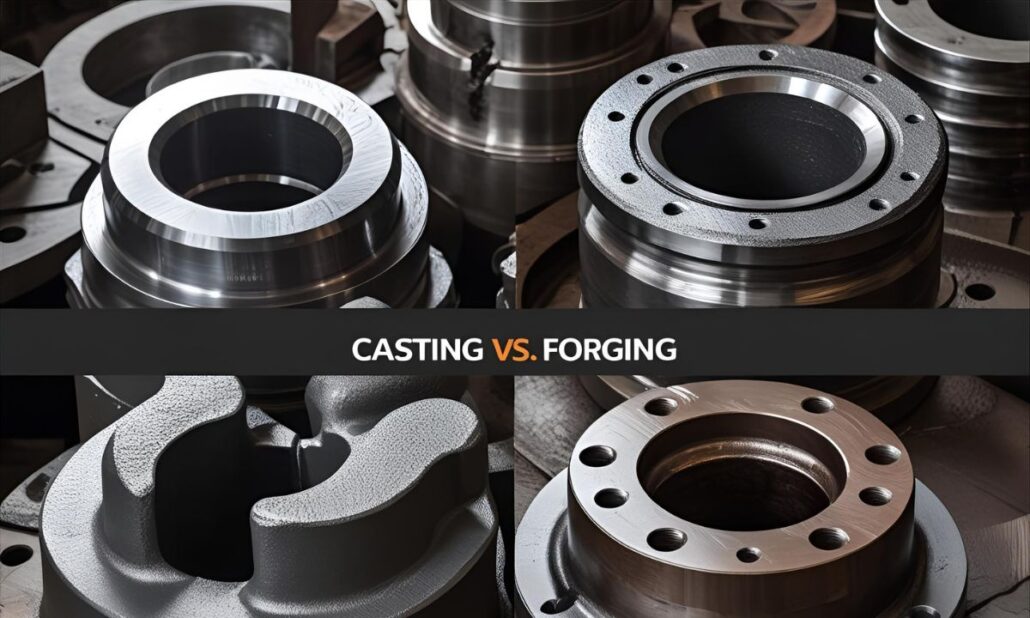
Döküm vs Dövme

Döküm vs Dövme: Temel Üretim Süreçlerini Anlamak

alümi̇nyum döküm

Döküm ve dövme, her ikisi de imalat sektöründe farklı uygulamalara sahip olan ve en yaygın kullanılan metal işleme yöntemlerinden ikisidir. Bu teknikler, otomotiv, havacılık, savunma ve devasa makine endüstrilerinde çeşitlilik gösteren metal parçaların üretiminde esastır. Her ikisi de metali şekillendirerek işlevsel parçalar yaratmaya çalışsa da, sonuçta bu hedefe kesinlikle farklı yollarla ulaşarak farklı malzeme özellikleri ve kullanımları yaratırlar. Döküm, metalin eritilmesi ve kalıcı bir şekil alacağı bir kalıba dökülmesi işlemlerinden yararlanır. Diğer makinelerle elde edilmesi zor olan girift ve karmaşık şekillerin üretimi için en uygun yöntemdir. Seri üretimde, özellikle de büyük hacimlerde aynı parçaların üretildiği yerlerde çok iyi çalışır. Döküm çok esnektir ve çok sayıda metal ve alaşım kullanabilir, bu nedenle döküm, kaliteli tasarımların önemli olduğu havacılık, otomotiv ve sanat endüstrilerinde kullanılabilir. Öte yandan dövme, genellikle malzeme yüksek sıcaklıktayken, metalin sıkıştırma kuvvetleri yoluyla şekillendirilmesi işlemidir. Bu işlem metalin tane yapısını düzelterek daha güçlü hale getirir, böylece parçalar daha güçlü ve dayanıklı olur. Dövmenin özel avantajı, otomotiv, havacılık ve savunma sanayilerinde olduğu gibi sertleştirilmesi gereken veya yüksek gerilimler de dahil olmak üzere aşırı koşullara maruz kalan parçaların üretiminde oldukça uygulanabilir olmasıdır. Bu makalede döküm ve dövme ile ilgili temel farklılıklar, her birinin faydaları ve dezavantajları, modern üretimdeki uygulama alanları ve her bir sürecin bu süreçlerdeki rolü ele alınacaktır. Döküm Nedir? Dökümde korunan bir üretim süreci, tipik olarak metalik olan sıvı bir malzemenin, kalıp boşluğunun şeklini alması ve sertleşmesi için bir kalıba dökülmesini içerir. Malzeme eritildiğinde, özel bir şekle döküldüğünde ve soğutulduğunda başlar. Bu malzeme sertleştikten sonra kalıp çıkarılır ve geriye kalıp şeklinin neredeyse mükemmel bir kopyası olan katı bir nesne kalır. Dövme Nedir? Dövme, metalin tipik olarak yüksek sıcaklıklara kadar ısıtıldığı, sıkıştırma kuvvetinden yararlanan bir metal işleme sürecidir. Metal dövülür, preslenerek şekillendirilir ya da istenen şekle getirilir. Dövme genellikle yüksek sıcaklıklarda yapılır, bu noktada metal dövülebilir ve üzerinde çalışılması çok daha kolay hale gelir. Çoğunlukla sağlam, giyilebilir bileşenler oluşturmak için kullanılan bir süreçtir ve otomotiv, havacılık ve ağır makine gibi endüstrilerde yaygın olarak kullanılmaktadır. Döküm İşlemi Döküm bazı önemli adımları içerir: Dövme İşlemi Dövme, üretim sürecinde daha az karmaşıktır; ancak sıcaklık ve basınç üzerinde daha fazla kontrole sahip olmak gerekir: Döküm ve Dövmenin Artıları Döküm Avantajları: Dövme Avantajları: Döküm ve Dövmenin Eksileri Döküm Dezavantajları: Dövme Dezavantajları: Döküm ve Dövme Malzemeleri Döküm Malzemeleri Bu döküm işlemi, uygulamanın ihtiyaçlarına göre çok çeşitli malzemeler kullanılarak gerçekleştirilebilen farklı bir süreçtir. Dökümde yaygın olarak kullanılan metaller alüminyum, çelik, demir, bronz ve pirinçtir ve bunlar çeşitli endüstrilerde kullanılmalarını sağlayan benzersiz özelliklerle karakterize edilirler. Bir başka örnek olarak, alüminyum hafiftir ve otomotiv ve havacılık pazarlarında ideal olacak şekilde korozyona karşı iyi bir dirence sahiptir. Çelik ve demir, dayanıklılıkları ve güçleri nedeniyle daha çok tercih edilir ve genellikle ağır makine ve endüstrilerin bileşenlerinde kullanılır. Bronz ve pirinç, mukavemet unsuruna ihtiyaç duyulduğunda metal kullanımında görülebilir, ancak aynı zamanda dekoratif parçalar veya gemilerdeki ekipmanlar gibi korozyona karşı direnç ve göze hitap etme ihtiyacı da göz önünde bulundurulmalıdır. Bu yaygın metallerin yanı sıra döküm, belirli işlevsel özelliklere sahip oldukları için belirli uygulamalara uyacak şekilde seçilen magnezyum, çinko alaşımları ve bakır bazlı alaşımlar gibi özel alaşımlar da gerektirebilir. Magnezyum alaşımlarına bir örnek, hafif bileşenlere ihtiyaç duyan endüstrilerde kullanılır; bir başka örnek ise, aşınma ve yıpranmaya karşı savunmasız olmaması gereken belirli parçaların dökülmesine ihtiyaç duyulan çeşitli endüstrilerde uygulanabilen çinko alaşımlarıdır. Bu tür bakır alaşımları, korozyona karşı yüksek dirençleri ve elektrik iletkenlikleri nedeniyle elektrik ve sıhhi tesisat işlerinde baskındır. Dökümde farklı metaller ve alaşımlar kullanılabilir, bu da üreticilerin parçaları o uygulamaya en uygun şekilde değiştirebileceği anlamına gelir. Dövme Malzemeleri Dövme parçaların yapımında kullanılan malzemeler genellikle gerilme ve basınca dayanıklılık özellikleri nedeniyle seçilir. Karbon çeliği, paslanmaz çelik ve takım çeliğinden oluşan çelik alaşımları dövme işleminde en sık kullanılan malzemelerdir. Karbon çeliği güçlü ve serttir ve sonuç olarak yapılar ve ağır makine bileşenleri inşa edilirken kullanılır. Paslanmaz çeliğin avantajı kolayca paslanmamasıdır, bu nedenle otomotiv ve medikal endüstrileri gibi parçaların yaşanmaz olduğu yerlerde idealdir. Takım çeliği özellikle üretilmiştir ve aşınmaya karşı iyi çalışır ve bu nedenle takımlarda, kalıplarda ve yüksek performanslı makinelerin diğer parçalarında uygulanabilir. Döküm ve Dövmenin Kullanım Alanları Döküm ve dövme, farklı endüstrilerde daha benzer uygulamalara sahiptir ve her tür, son ürünün ihtiyaçlarına uyacak şekilde uzmanlaşmıştır. Döküm veya dövme türü, mukavemet, karmaşıklık, kullanılan malzemenin özellikleri ve son kullanıma göre belirlenir. Süreçlerin ana uygulamaları aşağıdaki gibidir. Dökümün Kullanım Alanları Dökümün karmaşık şekilli veya büyük hacimli parçaların üretiminde de kullanışlı olduğu kanıtlanmıştır. Endüstrilerdeki en önemli uygulamalardan bazıları aşağıdaki gibidir: Dövmenin Kullanım Alanları Dövme. Son üründen yüksek mukavemet, dayanıklılık ve malzeme bütünlüğü talep edildiği durumlarda, işlem dövme ile gerçekleştirilir. Bunlar, dövmenin önemli olduğu yaygın endüstriler ve parçalardır: Dövme ve Döküm Arasındaki Başlıca Farklar Döküm ve dövme oldukça benzer üretim teknikleri olmasına rağmen, dövmenin temel özelliklerinin farkına varmak önemlidir.

Alüminyum Termostat Muhafazası

Alüminyum Termostat Muhafazası: Motor Bileşenleri için Hassasiyet ve Dayanıklılık

Alüminyum

Alüminyum termostat muhafazası, otomobil ve endüstriyel motorların etkin çalışması ve dayanıklılığı için son derece önemlidir. Ciddi motor hasarlarına yol açabilecek aşırı ısınma riskinden kaçınmak için motorun optimum sıcaklıkta tutulması gerekliliği, motor soğutma sistemleri için bir zorunluluktur. Sonuç olarak, termostat muhafazası gibi parçaları oluşturmak için kullanılan yapı ve malzemeler, soğutma sisteminin tüm verimliliği için hayati önem taşır. Alüminyum, hafifliği, mukavemeti ve mükemmel ısı yayma özellikleri nedeniyle popüler bir malzeme haline gelmiştir; bu nedenle alüminyum, alüminyum termostat muhafazası olarak bilinen durumda talep edildiğinde popüler bir malzeme seçimidir. Alüminyum termostat muhafazası, birçok sektör yüksek performanslı ve uygun maliyetli parçalar talep ettiğinden, bir dizi ticari dikeyde artan popülerlik kazanmıştır. Motosikletler, ağır iş makineleri ve deniz motoru alüminyum termostat muhafazaları da malzemenin otomotiv motorlarındaki uygulamasında gösterdiği yüksek sıcaklıklara ve diğer unsurlara karşı direnç değerinden yararlanır. Bu makalede önemli alüminyum termostat muhafazası kavramı, kullanımı, avantajları, imalatı ve motor soğutma sistemindeki uygulaması ele alınacaktır. Ayrıca özel termostat muhafazası seçeneğini ve termostat muhafazası üretiminin yüksek kaliteli ve uzun ömürlü bileşenler üretmek söz konusu olduğunda nasıl çok önemli bir unsur olduğunu inceleyeceğiz. Alüminyum Termostat Gövdesi Nedir? Çoğu zaman alüminyumdan yapılan termostat muhafazası, içten yanmalı bir motorun, özellikle de bir otomotiv motorunun soğutma sisteminin çok önemli bir parçasıdır. Başlıca rolü, motordaki ve radyatördeki soğutma sıvısı akışını düzenleyen termostatı barındırmaktır. Termostat motorun sıcaklığını kontrol eder, soğutma sıvısının sıcaklığına bağlı olarak kapanır ve açılır ve motorun sıcaklığı optimum seviyededir. Gövde genellikle hafifliği, korozyona karşı dayanıklılığı ve termal iletkenliği nedeniyle alüminyumdan oluşur. Yüksek basınçlı soğutma sıvısı sistemlerine ve zorlu çalışma ortamlarına dayanabilecek ve birkaç yıl sonra bozulmaya neden olmayacak şekilde üretilmiştir. Alüminyum termostat muhafazası sadece hafif olmakla kalmaz, aynı zamanda uygun motor soğutma sistemini sağlamak için kritik olan yüksek sıcaklığa dayanıklıdır. Termostat muhafazası neden alüminyumdan yapılmalıdır? Termostat muhafazası üretiminde alüminyumun seçilmesi, çok sayıda avantajı beraberinde getirdiği için büyük ölçüde tercih edilmektedir: a. Hafif ve Güçlü Alüminyumun hafif yapısı, bu malzemenin parçaların mukavemetinden ve performansından ödün vermeden daha düşük ağırlık gerektiren otomotiv parçalarında yaygın olarak kullanıldığını görmüştür. Düşük ağırlık, mevcut araçlar arasında önemli olan daha fazla yakıt verimliliğine yol açacaktır. b. Korozyon Direnci Alüminyum doğal olarak korozyondan etkilenmez, bu da her zaman soğutma sıvılarına, suya ve kimyasallara maruz kalan otomotiv motorlarında oldukça önemlidir. Korozyon direncinin varlığı, alüminyum termostatın muhafazasını yapısal olarak stabil hale getirir ve kullanım ömrü boyunca güvenilir performansla dayanma kapasitesi verir. c. Isı Dağılımı Alüminyum mükemmel bir ısı iletkeni olmuştur. Motorun soğumasını sağlayarak termostatın optimum sıcaklığa sahip olmasını sağlar. Termal enerjinin bu iletkenliği, motor sıcaklıklarının ayarlanmasına yardımcı olur ve motor parçalarının tahrip olmasına yol açacak aşırı ısınmayı önler. d. Uygun Maliyetli Alüminyum, diğer metallerle karşılaştırıldığında ucuz bir metaldir, bu nedenle seri üretim söz konusu olduğunda uygun maliyetli bir alternatiftir. Ayrıca, hafifçe işlenebilir ve dökülebilir, bu da uygun fiyatlı üretim prosedürleri sağlar; bu nedenle, özel bir termostat muhafazası çözümü sunmanın üretim maliyetini düşürmüştür. Alüminyum Termostat Muhafazası Malzemeleri Alüminyum termostat muhafazası malzemeleri performans, dayanıklılık ve zorlu motor çalışma koşullarına karşı direnç açısından önemlidir. Yaygın olan sentetik alaşımlar şunlardır: 1. Alüminyum 356 Alaşımı Alüminyum 356, takdire şayan nitelikleri nedeniyle termostat muhafazasında favori bir araç olmasını sağlayan eşsiz bir dökülebilir, sağlam, korozyona dayanıklı bir metal olarak bilinir. Aşırı sıcak iklim koşullarında dayanıklı bir performans sergiler. 2. Alüminyum 6061 Alaşımı Bu alaşım, PMFMI otomobilleri veya endüstrileri için özel bir termostat muhafazası olarak kullanılmaya uygun özellikler olan iyi bir güç / ağırlık oranına ve korozyon direncine sahiptir. 3. Alüminyum 7075 Alaşımı Yüksek performanslı bileşenlere uyan süper güçlü bir alaşım olan Alüminyum 7075, stres ve sıcaklıkların son derece yüksek olduğu motorlarda termostat için özel bir muhafaza olarak idealdir. 4. Alaşım 319 Alüminyum Üstün döküm özelliklerine sahip Alüminyum 319, uzun süreli aşınma direncinin elde edilmesi gereken otomobillerde ve endüstriyel motorlarda alüminyum termostat muhafazalarında kullanılır. 5. Alaşım 5083 Alüminyum Alüminyum 5083 iyi korozyon direncine sahiptir, bu da onu nem ve zorlu koşullar nedeniyle aşındırıcı faktörlerle uğraşmak zorunda olduğu denizcilik endüstrisinde ve ağır makine endüstrilerinde oldukça kullanışlı hale getirir. Bu malzemeler, termostat muhafazası imalatının dayanıklı, hafif ve verimli motor soğutma parçaları üreteceğini garanti eder. Alüminyum Termostat Muhafazası Türleri Alüminyum termostat muhafazası da üretim sürecine, tasarım gereksinimine ve söz konusu motor uygulamasının niteliğine bağlı olarak çeşitli türlerdedir. Tipik otomotiv ve endüstriyel malzemeler aşağıda listelenmiştir: 1. Kum Döküm Termostat Muhafazası Daha büyük ve daha karmaşık parçaların oluşturulması genellikle alüminyum termostat muhafazasının belirlendiği havacılık kum dökümü olarak bilinen bir işlemle yapılır. Burada, termostat muhafazasının kalıbı üzerine bir kum kalıp dökülür ve parçayı oluşturmak için erimiş alüminyum kalıba dökülür. Bu teknik, ayrıntılı kalıpların üretimi ve düşük ila orta hacimli üretim için en uygun yöntemdir. 2. Basınçlı Döküm Termostat Muhafazası Basınçlı dökümde, erimiş alüminyum çelik bir kalıba tekrar tekrar zorla enjekte edilerek genellikle doğru boyutlarda ve pürüzsüz yüzey kaplamalarına sahip bir alüminyum termostat muhafazası oluşturulur. Bu süreç en çok büyük hacimli üretim için uygundur ve normalde belirli, katı toleransların ve homojenliğin karşılanması gereken durumlarda kullanılır. 3. Termostat Gövdesi Kalıcı Kalıp Dökümü Kalıcı kalıp dökümü, termostat gövdesi üretiminde metal kalıpların kullanılmasını sağlar ve bu şekilde üretilen parçalar çok

Dökme Alüminyum

Dökme Alüminyum Nedir? Modern Üretimde Kullanılan Çok Yönlü Metal

Alüminyum, alümi̇nyum döküm

Aluminium castings are one of the most adaptable and common materials in contemporary manufacturing. It is used to melt and pour molten aluminum into moulds to adopt desired shapes, and in this process, complex and intricate parts can be constructed that would otherwise have a tough time coming out using alternative techniques, and hence, the process can generate a lot of such parts at a relatively lower cost. The cast aluminum products have found their value through various purposes that stretch to auto engine parts, aerospace, coffee pots, cookware and even household. The incredible weightlessness, plus concurrent strengths and resistances against corrosion and good thermal conductivity, make it the best supplier to numerous industries. Cast aluminum also provides the manufacturer with a lot of design flexibility, allowing the creation of complex geometries that can optimise performance without using a lot of material.  The process of casting is also very efficient and economically viable, particularly when mass production of parts is involved. Moreover, aluminium is one of the categories of metal that is easy to recycle, which means it can decrease the ecological costs of production. Although cast aluminum has a lot of advantages, it also has some shortfalls, such as its brittle nature when compared to wrought aluminum and that it is difficult to weld. These factors have to be taken into consideration when choosing cast aluminum for particular applications. This article will give a broad perspective of the properties, advantages and applications of cast aluminum, one of the most common substances in the contemporary world. What is Aluminium Cast? Cast aluminum consists of the quite liquid appearance of aluminum that has been remoulded into a shape that forms a product. This process, or casting, is a very old manufacturing process adapted to present-day practices. Unlike wrought aluminum, which is cast using the rolling process or extrusion, aluminum is poured into the mould as molten metal, after which it is left to harden. Casting provides more complex, hollow and even three dimensional shapes that could not be readily or cost within easy reach to form by machining or forging, since it begins as a liquid. It is this versatility that makes cast aluminum products so widely used right across our spectrum of products; that is, engine parts, as well as electronic equipment and cookware, to name a few. Simple Cast Aluminum Composition Aluminum, most of the time, is not pure aluminum. Instead, it is an alloy, i.e. a mixture of aluminum and other materials in order to improve strength or fluidity, or both. The most frequent aspect of the alloy is The combination is particular, which is dependent on use. To illustrate, alloys with high heat conductivity and corrosion resistance would be used on high-temperature equipment like automotive parts, and cookware would take the one with the high silicon-aluminium content that has high thermal performance and wear resistance. History and Development of Cast Aluminum Casting of metals has a history in the order of thousands of years since the early societies were known to cast bronze and cast iron to produce tools and weapons. Aluminum was not extracted until the early 19th century, and it was uneconomical to do so until the creation of the Hall-Héoult process late in the 19th century. The casting of aluminum became one of the processes of the aviation and cookware industries by the beginning of the 20th century. It is during the World War II era that aluminum demand was at its highest because of its strength-to-weight ratio that made it most suitable in aeroplanes. After the war, aluminum casting had more commercial applications in consumer products, automobile manufacturing and architecture.Due to the advancement of the design engineering of moulds, metallurgy, and castings, cast aluminum is part of the present-day production. Process of Cast Aluminum  Cast aluminum is a process which requires a number of major steps to turn melted aluminum into parts that can be used in the form of specific shapes. The work of the basic explanation of the process goes in the following way: 1. Mould Preparation The initial procedure of casting is making a mould in which molten aluminum will be cast. Depending on the casting method, the mould may consist of such materials as sand, metal or ceramic, among others. It is also designed with a good mould to have the desired shape to ensure that the aluminum solidifies in the right shape. 2. Melting Aluminum When the mould is ready, some scraps of aluminum or aluminum ingots are placed in a furnace where they are melted at a temperature range of 660 to 750 °C (1220 to 1382 o F). The molten aluminum is also continuously watched with the aim of obtaining the right pouring temperature and quality. 3. Pouring the Molten Aluminum into its Mold Once the melted aluminium is poured into the cavity of the mould, the molten metal is poured into the cavity of the mould. The pouring is done, depending on the kind of casting, i.e. die casting, sand casting or investment casting. Some of the techniques used include die casting, where molten aluminum is injected under pressure, whereas in other techniques, the molten aluminum is just poured into the mould and left to cool. 4. Cooling and Solidification Building and Overseeing: Having too thick or complicated a part will take a long time to cool. At this stage, the melted-down aluminum cools into the required shape and expels internal pressure. 5. Installation and Inspection After the aluminum is cooled down and solidified, the mould is then released, and the cast part remains. The separation in some cases is done by breaking the mould piece, particularly with casting in sand, and with other techniques such as die casting, mould opening and the part is ejected. 6. Finishing and Inspection After cutting the part, it is usually processed further using finishing operations such as grinding, polishing, machining, etc., in order to smooth the surface or attain closer tolerances. With the part, it is then checked

alüminyum döküm tencere nedir

Dökme Alüminyum Tencere Nedir?

Alüminyum

The cast aluminum cookware is often used by home cooks and professional chefs and is known and appreciated because it is durable and lightweight at the same time, with a high distribution of heat. Cast aluminum cookware is manufactured by pouring molten aluminum into moldings; the main aim of such cookware is to ensure that it gives even heating, it should not warp, and it should be able to last a long time. Its application has made it an all-purpose element in the kitchen since it is applicable in most of the cooking methods, such as frying and sauteing, baking and roasting.Among the most notable benefits of cast aluminum cookware is the fact that it warms up fast and equally. Cast aluminum cookware can also be said to be thicker than its thinner counterparts, such as the stamped aluminum, which makes them have good thickness to maintain a homogenous cooking temperature. It is also usually manufactured to have non-stick layers, and thus also lowers the amount of oil used, and cleaning becomes easier.Over time, cast aluminum cookware manufacturers have been advancing and making it exceptional through new materials, environmentally friendly coatings and other non-stick technologies. These developments also make it even more popular and provide its customers with a more efficient, healthier, and more sustainable process of cooking. You invite your friends over, you are in the process of putting together a simple meal or a complicated one; cast aluminum cookware comes in handy to do the job, this is because its performance is dependable and works in tandem with the demands of a modern kitchen.  Understanding Cast Aluminum Cookware Cast aluminum cookware refers to pots, pans and skillets, plus the other kitchen equipment manufactured at the local level by pouring molten aluminum into moulds. The casting of the cookware makes it quite robust in structure, which therefore makes it considerably stronger as compared to ordinary aluminum. In comparison to stamped aluminum (prepared on thin sheets), cast aluminum cookware is far thicker, hence offering more heat retention and distribution. The warp factor as time passes is one of the primary factors people love using cast aluminum cookware, as the problem is prevalent with thin material. This also assists in even cooking temperature, so that cooking of different dishes is likely to give more similar results.  Die-cast aluminum cookware Die-cast aluminum cookware follows the use of aluminum that undergoes the die-casting procedure. It is done through the pouring of molten and pressurised aluminium into a cavity. This way, the shape and the thickness of the cookware can be controlled accurately. The die-cast aluminum cookware is usually more sophisticated as compared to the regular cast aluminum since it has a refined texture and smooth surface.The advantage of the die-cast aluminum cookware is that it is not as heavy as some of the other materials, such as cast iron. This is more convenient when cooking and cleaning up, thus Ideal in cooking choice, especially when one requires cookware that is of good quality but not heavy.The other attribute of die-cast aluminum cookware is that it is versatile. It applies to a large number of procedures such as frying, baking and simmering. It also usually has a non-stick coating added to it, which contributes to it being easy to use and clean. Nevertheless, one should keep in mind that the non-stick coating may wear down over time, unless it is maintained carefully. What is Cookware? Cookware can also be defined as the different kinds of pots, pans and other cooking utensils that are employed in the preparation of food. Such objects are frequently produced with such materials as stainless steel, aluminum, cast iron, ceramic, non-stick covered items, and copper. The primary aim of cookware is to assist in preparing and cooking food materials by using different methods, i.e., boiling, frying, sauteing, baking, or grilling. The kind of cookware: 1. Cooking Pots and Pans: Cooking is done using the two most basic cooking pots. They are of different shapes and sizes, such as frying pans, saucepans, stockpots and saute pans.2. Baking Dishes: This category will be trays, pie dishes, and cake pans, which are only used to bake.3. Speciality Cookware: These are woks, grills, Dutch ovens and pressure cookers. Materials Used in Cookware The process of manufacturing cast aluminum cookware  Manufacturing of cast aluminum cookware consists of the following steps, which include melting of aluminium, molding, finishing and coating. The procedure of manufacturing cast aluminum cookware is described in as many steps as possible below: 1. Melting the Aluminum The aluminum metal has to be melted to prepare it, and that is the first stage of its production of cast aluminum cookware. Sand, metal, or ceramics are typical materials that make up this kind of mould. The temperature regulation is done with accuracy to ensure that the aluminum reaches the correct viscosity to be cast with. 2. Preparing the Mould After the aluminum has been melted, a form is initiated to shape it into the preferred form of cookware. Aluminum is poured in the form of Aluminum. Where cast aluminum itself is used, the moulds are often sandcast, and they are specifically designed to make an individual piece of cookware (a frying pan, a pot, a skillet, etc.).Once the mould is prepared, the molten aluminum is supposed to be poured into the mould cavity. This depression takes the form of the cookware to be produced. Metal Moulds: There are metal moulds that can be reused, which are reused and are able to hold the heat at greater temperatures. 3. Pouring the Molten Aluminum Once the aluminum has been poured into the mould, it is cooled down. The liquid metal is added to all the areas of the mould, and it assumes the form of the cookware. This pouring process should be accurate so that the cookware is also shaped properly and flawlessly.At this phase, the pouring of the aluminum into the mould is done either manually or automatically (depending on the magnitude of the

Eloksallı Alüminyum: Süreci ve Birçok Faydasını Anlamak

Eloksallı Alüminyum: Süreci ve Birçok Faydasını Anlamak

Alüminyum

Anodized aluminum is an extremely resilient and resistant to corrosion type of material that is formed by a process of electrochemical engineering that advances the inherent oxide layer on aluminum. This is done by dipping aluminum into an electrolyte, i.e., sulfuric acid, and passing an electric current. This leads to an aluminum oxide that is thicker and bonds internally in the material and not simply upon the surface of the material. It has made anodized aluminum to be more strong, resistant to wear and corrosion, and able to survive in harsh weather conditions.During anodizing, some characteristics of aluminum that make it usable are enhanced, and in addition to this, they can be customized aesthetically. It is possible to obtain clear and stable colours by absorption of dyes into the porous oxide layer formed by anodizing. This characteristic enables the use of anodized aluminum in architecture, automobiles, and consumer electronics applications, where it is needed to balance durability with good looks.Corrosion resistance is one of the greatest advantages of anodized aluminum. This layer of aluminum oxide covers the aluminum against moisture, salt, and chemicals, and as such, the aluminum works best in outdoor conditions as well as in marine conditions. Also, aluminum anodized is highly abrasion resistant which means that the required matter is designed to last long on a product that is exposed to wear and tear, like automotive components, industrial tools, or even kitchenware. What is Anodizing? A process that thickens the natural oxide layer on aluminum and is known as anodizing, is an electrochemical process. The aluminum is placed in an electrolyte solution, generally a sulfuric acid solution, and an electric current is applied to it, thereby producing a strong corrosion-resistant finish. This procedure increases the strength of the metal and wear resistance, as well as enabling the dyeing of colors. The end product is anodized aluminum, and it is stronger and lasts longer than untreated aluminum. What is Aluminum Anodized? Anodized aluminum means aluminum that has already been processed using a so-called anodizing process. This is achieved by altering the surface of aluminum through the formation of a thick, resistant layer of oxide. Normal coats just lie on the surface, and the oxide layer formed on anodized aluminum becomes part of the aluminum itself. The effect of this is a more durable, corrosion-resistant, and scratch-resistant material. In a typical process of anodizing, a suspension of aluminum is placed in an electrolytic dip, which is usually sulfuric acid, and the process is made to pass an electric current. It results in the formation of the aluminum oxide on the metal surface. The oxide layer can be varied, and in other situations, you can add dyes to the process in order to gain a colored oxide. The major parameters of the Anodized Aluminum are the following: Depending on the method of its production, anodized aluminum is quite common in aerospace, automotive, architecture, and electronics industries, offering a synergy of strength, functionality, and aesthetics. Anodizing aluminum comes with practical and aesthetic benefits, whether it is used in high-performance components, decorative aluminum applications, or products that are subjected to environments that are extreme environments. Process of Aluminum Anodizing Anodizing: An electrochemical finishing method in which the aluminum surface is converted into a very strong and corrosion-resistant oxide layer. There are numerous important steps involved in the process, and all these steps contribute to the finished product in terms of functional and aesthetic needs. This is an outline of the anodizing of aluminum process: Step one: Preparation of Aluminum In the course of the preparation of aluminum, the following may be taken: The aluminum is first cleaned before anodizing to eliminate any dirt, oil, or contaminants. Usually, this can be done by making use of an alkaline solution or a chemical cleaner. It is important that the surface be cleaned, as any impurity will reach into the anodizing and create difficulties in the quality of the oxide layer. Step 2: Electrolytic Bath After cleaning, the aluminum is dipped into an electrolytic solution, which can be sulfuric acid, and an electric current is run through it. The result of this electrochemical reaction is the oxidation of the aluminum; a rigid layer of oxide covers the surface of this element, forming a thick protective layer over it, and the aluminum oxidizes. The voltage, temperature, and duration in the bath result in the thickness of the oxide layer. Step 3: Inspection During this step, the anodized aluminum can be stained with a color pigment to achieve it. The absorption of the dye leads to its absorption by the porous oxide layer to form the beautiful colors. The dye can be used after the surface of the aluminum has been anodized, and the color is built into the oxide film, making it long-lasting and not susceptible to fading. Step 4: Sealing The coloured aluminum is sealed after anodizing and dyeing to seal the pores in the oxide layer. This is totally important in enhancing corrosion resistance and in maintaining the color. Nickel acetate or even boiling water sealants are used in this procedure. The material is also durable when sealed and thus has a variety of applications. Step 5: Check-up Quality inspection of the aluminum is done after the anodizing, coloring, and sealing processes have been done, and quality parts have been achieved. In this inspection, uniformity of the oxide layer in thickness, color, and the overall finish is being checked. Any impairments or discrepancies are tackled, and then the aluminum is shipped out to be put in its contented applications. Types of Anodizing Aluminum Anodized aluminum comes in varieties depending on what is needed and depending on application. Most of the variations are based on the thickness of the anodized layer, the finish, and the electrolytic process that is implemented. The principal forms of anodized aluminum are the following: 1. Type I: Schulze chrome acid anodizing One of the oldest techniques in anodizing aluminum is the chromic acid anodizing technique. Here, chromic acid bath

Dökme Alüminyum Fırın Kapları

Dökme Alüminyum Fırın Kapları Neden Daha İyi Isınır ve Daha Uzun Ömürlüdür?

alümi̇nyum döküm

Due to the features of lightweight, strength, and dense heat distribution, cast aluminum bakeware has been getting popular among bakers, especially with those who want first-rate and durable products. Cast aluminum is the right balance of performance and effortless use, unlike other traditional bakeware materials such as cast iron and stainless steel. It is cast in molten aluminum molds and comes out as one strong, durable and convenient to use even to an amateur baker. Cast aluminum has excellent heat conductivity, which guarantees even cooking of edibles, especially baked goods, to prevent overcooking and non-uniform browning. The great one among the benefits of cast aluminum bakeware is the consistency of temperature, which is the key element of impeccable baking. It heats faster than others; therefore, it is available sooner, and its light weight makes it easier to handle around the kitchen. Most pieces of aluminum bakeware that are cast also possess a non-stick coating, which makes the release of food even easier and the after-baking clean up much easier. Cast aluminum bakeware also provides greater durability and strength with resistance to warping as compared to glass and stainless steel. Although cast iron is unparalleled in heat retention, cast aluminum has close to the same amount of heat distribution but with less weight. Cast Aluminum bakeware has been of great favourite among professional bakers, and also among people cooking at home, all because of the desire to have effective and durable baking tools. What is cast aluminum bakeware? Based on the bakeware molding method, casting aluminum, this is produced through the use of molten aluminum poured into already prepared molds to produce baking trays, cake moulds, pie dishes and various other cooking necessities. The process makes the bakeware strong but light in weight, such that there is efficient handling of the bakeware during baking and during serving. Among the best features of the so-called cast aluminum bakeware is its even heat-conducting properties. This implies that baked products like cakes, cookies and breads are well-cooked with no hot areas or burned sides. There are additional advantages to the speed at which the metal heats and cools off, which in turn saves some time in cooking, and this is a plus to busy bakers. The material is so strong and does not rust or corrode easily, hence this would make it last longer in the kitchen. In addition, it does not involve a lot of maintenance and wear and tear as compared to some of the other materials that will wear with time, as there will be a lot of usage. Advantages of Cast aluminum Bakeware 1. Durability Bakeware is made of cast aluminum, so it lasts a long time. The aluminum is almost immune to wear and tear, i.e. it will not crack or warp with frequent usage. Your bakeware will last even if you are using it on a daily basis or irregularly. 2. Uniform Distribution of heat Among the most striking properties of the term cast aluminum bakeware is that it transfers the heat all over the surface. This reduces inconsistent baking, as the end product is regular in texture and color. It is ideal among bakers who aspire to bring consistency in performance. 3. Lightweight The cast aluminum bakeware is much lighter as compared to other bulkier materials, such as cast iron and therefore easy to handle. The heavy-duty baking trays or cake pans can be lifted, transferred, and stored very easily, and that is ideal for any baker, whether they are professional or not. 4. Non-stick Properties Also, most products of the “cast aluminum bakeware” are equipped with a non-stick coating, which makes them even more convenient to use. The presence of this feature will make it easy to cook baked goods; therefore, less oil or spray will be used. It also makes cleanup effortless since there is little residue that stays after baking. 5. Corrosion Resistance Contrary to most metals, cast aluminum bakeware does not easily rust. It does not corrode, and therefore it is the ideal material to use when one wants to use it in the long term. This aspect comes in handy particularly in areas that experience different degrees of humidity and temperature. Cast aluminum bakeware: Making Process Manufacturing of cast aluminum bakeware entails careful and very consistent production devised to maintain quality and performance. The most important ones are: 1. Die Casting Die casting will be the first stage of the process, i.e. molten aluminum will be injected into steel molds at high pressure. This technique is a way of ensuring that the bakeware is shaped and molded in a very accurate and consistent manner. The molten metal enters all the mold cavity spaces, resulting in complex shapes and minute details of the various bakeware, including cake pans, muffin trays, and loaf pans. 1. Solidification and Cooling After the molten aluminum has been injected into the mold, it is left to cool and harden. The cooling is also regulated so as to have the desired properties of the aluminum, like strength and heat resistance. As the bakeware hardens, it slowly assumes its final form, and it normally requires only a few minutes to some hours, depending on how thick and elaborate the shape is. 2. Ejection and Inspection Once the aluminum pieces have cooled completely, they are removed and the mould is opened, releasing the cast aluminum bakeware. The second procedure consists of a complete inspection of the defect, such as the presence of air bubbles and cracks, or the presence of roughness. Any bakeware that is flawed is either repaired or discarded, and only good-quality bakeware would be passed further into the production process. 3. Surface Finishing After the inspection is over, the bakeware is provided with surface finishing treatments. These may involve such things as anodizing, making the surface rougher to resist corrosion and abrasion, or coating it with non-stick material so that it is easier to release baked goods and to clean up after baking. The finishing on the

Soğuk Kamara Basınçlı Döküm

Soğuk Kamara Basınçlı Döküm Teknolojisinde Modern Trendler

kalıp döküm, Basınçlı Döküm Üreticisi, döküm parçalari

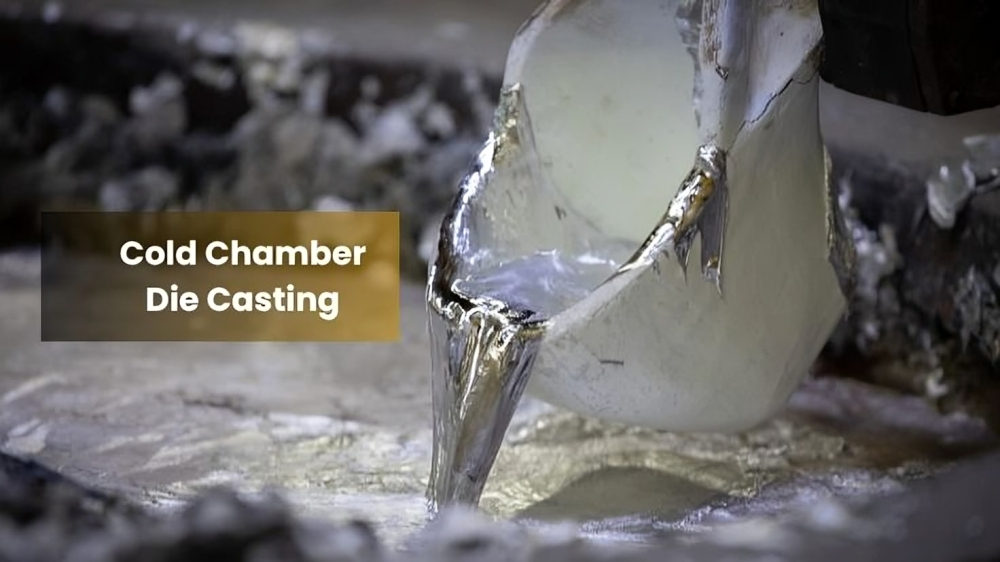
Soğuk Kamaralı Basınçlı Döküm, yüksek düzeyde mukavemet ve hassasiyet ile karakterize edilen karmaşık metal bileşenlerin üretiminde uygulanan hassas bir üretim tekniğidir. Bu süreç en iyi alüminyum, pirinç ve bakır alaşımları gibi yüksek erime noktası eşiğine sahip metallerde kullanılabilir. Soğuk kamaralı basınçlı döküm sistemleri, sıcak kamaralı basınçlı döküm sistemi gibi erimiş metalin içine yerleştirilmez; bunun yerine metal, başka bir fırında eritildikten sonra soğuk kamaralı basınçlı döküm makinesine elle kepçelenerek konur. Bu düzenleme makineyi daha az yıpratır ve daha sert alaşımlar kullanır. Şirketlerin bu yöntemi kullanmayı tercih etmesini sağlayan önemli faktörler arasında özel soğuk kamaralı basınçlı döküm avantajları ve dezavantajları bulunmaktadır. Üst düzey boyutsal doğruluğa, pürüzsüz yüzey kaplamalarına ve uzun çevrim sürelerine sahiptir. Bununla birlikte, bileşenlerin gücü ve dayanıklılığı otomotiv, havacılık ve elektronik pazarlarında favorileridir. Sıcak ve soğuk kamaralı basınçlı döküm arasındaki fark, sürecin doğru seçimini yapmak için çok önemlidir. Sıcak kamaralı basınçlı döküm daha hızlıdır ve çinko gibi düşük erime noktalı metallere uygulanırken, soğuk kamaralı basınçlı döküm sistemi daha yüksek sıcaklıkları ve daha güçlü metalleri işlemek için tasarlanmıştır. Üreticiler ayrıca bu işlemle spesifikasyonlarında yüksek derecede hassasiyete sahip uzun ömürlü ve güvenilir parçalar üretebileceklerdir. Bu makalede, soğuk kamaralı basınçlı dökümün çalışma prensibini, ana parçalarını, kullanılan metalin doğasını ve sıkıştırma kuvveti ve döngü süresi dahil olmak üzere soğuk kamaralı basınçlı dökümün teknolojik parametrelerini tartışacağız. Soğuk kamaralı basınçlı dökümün avantajları ve dezavantajları da bu önemli üretim sürecinin tam bir resmini sunmak için dikkate alınacaktır. Soğuk Kamaralı Basınçlı Döküm Nedir? Soğuk Kamaralı Basınçlı Döküm: Soğuk kamaralı basınçlı döküm işlemi, erimiş metalin manuel veya otomatik olarak enjeksiyon sisteminin dışındaki ayrı bir soğuk odaya döküldüğü bir metal döküm işlemidir. Daha sonra, metal yüksek basınçla bir kalıp boşluğuna itilir, bu da metalin soğumasına ve istenen şekilde kristalleşmesine neden olur. Genellikle pirinç, alüminyum ve bakır alaşımları gibi yüksek erime noktasına sahip metallere uygulanır. Enjeksiyon sisteminin bileşenlerinin yanlış çalışmasına neden olabilecek korozyon ve termal yorgunluktan kaçınmak amacıyla, enjeksiyon mekanizmasının erimiş metal içinde asılı olduğu sıcak kamaralı basınçlı döküm işleminden farklı olarak, soğuk kamara işlemi enjeksiyon tesislerini ayrı tutar. İkincisinin, yani Soğuk Kamaralı Basınçlı Dökümün uygulanması, kullanılan metallerin bileşenlere temas ederek zarar verebileceği durumlarda özellikle avantajlıdır. Enjeksiyon işleminde yüksek basınç kullanılabilir ve parlak bir yüzey kalitesi ve boyutsal kararlılığa sahip daha yoğun, daha güçlü bileşenler mümkün olabilir. Basınçlı Döküm Süreci - Adım Adım Soğuk Kamara Basınçlı Döküm tekniğinin amacı, genellikle alüminyum ve pirinç gibi yüksek sıcaklıklarda erime noktalarına sahip alaşımlardan oluşan son derece hassas ve sert metal parçalar yapmaktır. Nasıl çalıştığını adım adım inceleyelim: 1. Metali eritmek için Dış Fırın kullanılır Süreç, metalin eritilmesinin dışarıda ayrı bir fırında yapılması dışında sıcak kamara dökümüne benzer. Bu, soğuk kamara dökümündeki erimiş metalin içeride başa çıkılamayacak kadar yüksek bir ısı seviyesine neden olacağı için gereklidir. Metal eritildikten sonra döküm makinesine aktarılabilir. 2. Erimiş metalin bilye kovanına dökülmesi Bundan sonra, erimiş metal basınçlı döküm makinesindeki bilye kovanına dökülür. Bu işlem elle veya kolla yapılır. Bilya kovanı, metalin içinde durduğu ve daha sonra enjekte edildiği güçlü, ısıya dayanıklı bir tüptür. Erken katılaşmayı önlemek için bu işlem çok hızlı yapılmalıdır. 3. Piston metali kalıbın içine doğru iter. Çelik bir piston bilye kovanının içine girer ve erimiş metali yüksek basınçla kalıp boşluklarına bastırır. Bu kuvvet, metalin herhangi bir karmaşık modelde veya çok ince bir duvarda bile kalıbı doldurmasını sağlar ve hava cepleri gibi herhangi bir kusur olasılığını azaltır. 4. Metalin Kalıp İçinde Katılaşması Kalıp doldurulduğunda, metal kalıp içinde soğumaya ve katılaşmaya başlar. Bu katılaşma adımı, iyi ve hassas bir parça elde etmek için çok önemlidir. Soğuma süresi parça metaline, parça kalınlığına ve kalıp sıcaklığına bağlıdır. 5. Pirinç Kalıp ve İtici Pimler Dökümü Zorla Çıkarır Parça katılaştığında, makinenin sıkıştırma ünitesi kalıbı açar ve itici pimler dökümü kalıp boşluğundan dışarı çıkarır. Parça daha sonra bir soğutucu istasyonuna veya bir düzeltme istasyonuna taşınır. 6. Flaşın Kaldırılması (Fazla Metalin Kaldırılması) Kalıbın yarılarının bir araya geldiği yerde dökümün kenarlarında flaş adı verilen bir miktar fazla metal vardır. Bu daha sonra finisajın ne gerektirdiğine bağlı olarak mekanik düzeltme, taşlama veya işleme yoluyla giderilir. Bu, nihai işlerin amaçlanan şekil ve toleransın altında olmasını önleyecektir. 7. Kalıp döngüsünün sıfırlanması ve Yağlama Kalıp, iyi kalitede olması ve yapışmayı önlemek için bir sonraki döngüye girmeden önce yıkanır ve yağlanır. Yağlama tamamlandığında, kalıp tekrar sıkıştırılır ve makine daha fazla döngü için sıfırlamaya geçirilir. 8. Kalite Kontrolü ve son işlem Bu, yüzeyde çatlak, büzülme veya anormallikler gibi kalite kusurlarının bulunmadığından emin olmak için kontrol edilen eksiksiz bir parçadır. Parçanın son kullanım gereksinimine bağlı olarak, ek işleme, yüzey işlemine tabi tutulabilir veya monte edilebilir (gerekirse). Parçada kullanılacak metaller

Alüminyum Kum Döküm

Modern Üretimde Alüminyum Kum Dökümünün Kapsamlı Teknik Analizi

alümi̇nyum döküm

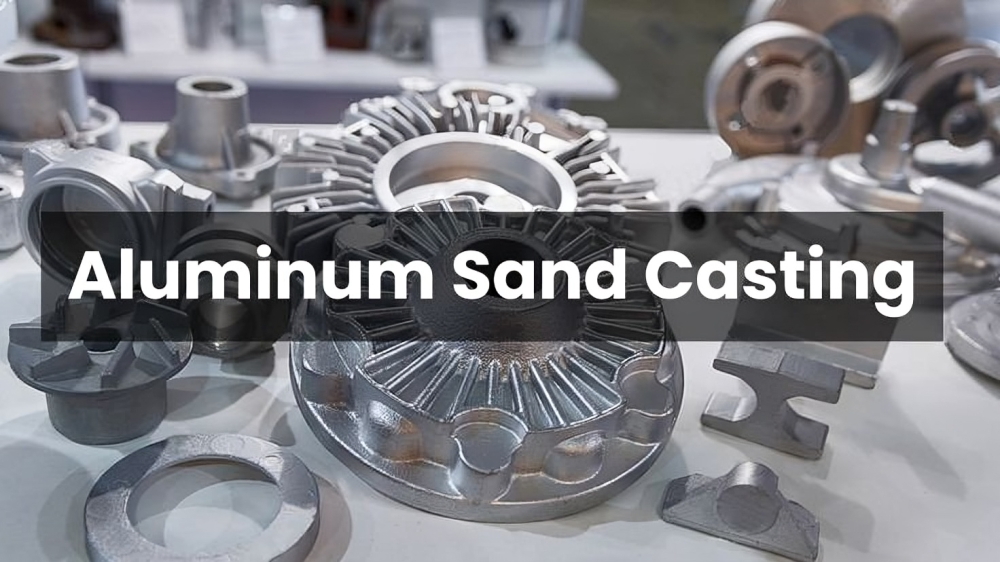
Aluminum sand casting is one of the oldest and most versatile metal casting processes, widely used in modern manufacturing to produce complex, durable, and cost-effective components. Aluminum Sand casting Manufacturers can generate complex geometries with intricate features that would have otherwise been either impractical or unprofitable to machine out of solid material through pouring molten aluminum into prepared sand molds. This method is especially suitable in low to medium-volume production, prototyping, and high structural castings on applications spanning the aerospace, automotive, defence, and energy industries. The most interesting about the sand-casting aluminum is that it is both flexible and functional. Aluminum has a very good strength versus weight, corrosion resistance, and recyclability, and thus makes it an excellent casting material. Together with the thermal resistance of sand and its high moulding capability, the process provides scalable production capability with excellent dimensional accuracy. Pattern design, the makeup of the mold, the quality of the melt, and gating design are key factors to the success of every casting. An excellent foundry of aluminum sand castings has to control not only the classic facts in metal technology but also touch on innovations in the processes. The current facilities apply the latest technology to prevent defects and ensure the best performance of the casting by using 3D sand printing, simulation software, and real-time process monitoring. Precision-engineered and casting aluminum parts are now capable of meeting stringent engineering standards for safety, tolerance, and durability. As demand grows for complex components with faster lead times and lower environmental impact, professional aluminum sand casting services must continue evolving. This article goes into the technical ins and outs of the process itself, its engineering workflow, materials, challenges, innovations, and so on. The Fundamentals of Aluminum Sand Casting At its core, aluminum sand casting involves pouring molten aluminum into a sand mold cavity, which is shaped by a pattern that replicates the final part’s geometry. When the aluminum solidifies, the sand mold is shaken off, leaving the cast piece. The process also has an outstanding dimensional flexibility and scalability capability in high-mix low-volume manufacturing conditions. The process is based on the use of a non-permanent mould, sand, that may be recycled and re-utilized, minimizing the waste of materials and expenses. Sand molds most commonly consist of silica sand with a binder added, and the nature of the binder system generally influences considerably the resulting surface finish, dimensional accuracy, and rate of cooling. The process of Flow in the Engineering of Sand Casting Aluminum Sand casting aluminum is an engineering process that consists of a set of accurately calibrated activities that aim at transforming raw aluminum into specific, well-built, and accurately dimensioned parts. Both the material and mechanical expertise are required to be in-depth to make all of the stages of the process successful. The following is a step-by-step analysis of the way in which sand casting of aluminum is implemented professionally and technically. 1. Pattern Design and making In the sand casting aluminum process, the initial step is designing and manufacturing the pattern, a physical copy of the final casting. The allowances that must be included in patterns are rather critical, such as shrinkage, draft, and machining stock. As aluminum contracts, during cooling patterns are laid out a little bigger than the finished component. The shrinkage rate of aluminum alloys is normally applied at 1.3 per cent; however, depending upon the alloy and the conditions of cooling, it may vary. Vertical portions of moulds are given draft angles, normally a few degrees between 1 and 3, to ensure that the pattern can be removed easily in the sand mold, being careful not to destroy the cavity. Additional allowances (machining allowances) are included such that there is no adverse interaction between the post-processing and the final part. Patterns may be made out of wood, metal, resin, or even 3D-printed polymer materials, depending on the accuracy demands and the needs of the production volume. 2. Mold Making (Molding and Core Setting) After preparing the pattern, the mold is to be prepared. For the sand cast, aluminum mold, there are two separate halves: the cope (upper half) and the drag (lower half). They are produced by stuffing the sand around the mold in a flask. Depending on the application, the sand is generally silica-based and is amalgamated with binders such as clay (green sand) or chemical resins (no-bake sand). In case the part design has internal space and hollow parts, it necessitates the use of sand cores. They are placed in the mold cavity, after which the metal is poured. Cores can be fabricated using core boxes, and in precision production, they can be printed with greater precision using 3D sand printing. The exact footprint of the core is very important in order to have a rigid structure and adherence to the final part dimension. 3. The Design of the Gating System The timeliness and effectiveness of the gating system formed are significant towards the success of the process of sand casting aluminum. This system consists of a pouring basin, sprue, runners, and gates, which coerce the impounded aluminum into the involvement of the mold. Adequate gating will prevent a lot of turbulence, minimize airlock, and also make sure that there is an even fill. Risers (alternatively called feeders) are also required, and these can be seen as a reservoir of molten metal that offsets the direction of shrinkage that comes after solidification. Casting simulation software is usually utilized by engineers to study and optimize the gating and riser systems. Prediction takes place by using simulation tools such as MAGMASoft or ProCAST so that typical defects such as cold shuts, misruns, and shrinkage porosity can all be corrected virtually before any production takes place. 4. Cu Melting and Metal Treating Aluminum is usually melted by a reverberatory furnace, a crucible furnace, or an induction furnace, and the choice depends on the batch volume, alloy needs, and the amount of energy needed. The melting temperature of pure aluminum is about 660 degrees

TIG Kaynağı Alüminyum

TIG Kaynağı Alüminyum: Kapsamlı Bir Teknik Kılavuz

alümi̇nyum döküm

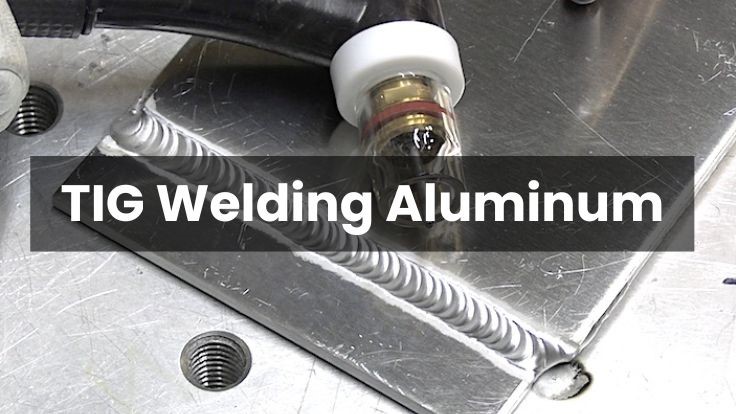
TIG Welding Aluminum is widely regarded as one of the most technically demanding processes in the field of welding. When working with aluminium, the metal that is characterised by its light weight, corrosion resistance, and high conductivity, a set of unprecedented problems emerges, which distinguishes it so much in terms of steel or stainless steel. Poor handling of aluminum can cause the natural oxide layer to provide a weak, porous, or otherwise structurally undesirable weld due to its natural oxide level, low melting point and its ability to absorb hydrogen gas. Thus, the TIG (Tungsten Inert Gas) process, or the Gas Tungsten Arc Welding (GTAW) process, is the process of choice by the industry to use in instances when precision, aesthetics, and weld integrity are the main factors. These will cover the behaviour of materials, selection of equipment, choice of shielding gas, joint preparation and troubleshooting methods, although much emphasis will be placed on quality control and repeatability. Additionally, the article will detail how to correctly select and operate an aluminum tig welder, manage various types of aluminum welding parts, and produce consistent, defect-free joints when attempting to weld aluminium TIG. By the end, the reader will have a thorough knowledge of how to create a good, clean, structurally good-looking tig-welded aluminium assembly as per the industry standard in the aerospace, automotive industry, marine industry, as well as the manufacturing industry.  This article discusses the science, methods as well and practical aspects of TIG welding on aluminium. It is meant to be used by experts and technically trained people who want to extend their knowledge about the welding of aluminium in high-performance or industrial processes. What is TIG Welding Aluminum? TIG Welding Aluminum refers to the process of joining aluminium components using Tungsten Inert Gas (TIG) welding, also known as Gas Tungsten Arc Welding (GTAW). Here, an electric arc is generated by a non-consumable tungsten electrode and aluminium base metal and a filler rod are melted in a protective cover of inert gas, usually argon. Since aluminium has high thermal conductivity, low melting point and a high melting oxide layer, welding aluminium has unique colouring, and drying must be done carefully. TIG welding has a situated control of heat input and weld puddle, which means it is perfect in thin materials, advanced assemblies and other high-performance applications. The aerospace, automotive, and marine industries, among others, use TIG welding to manufacture resistant, non-corrosive, and neat-looking welding video. Successful “TIG Welding Aluminum” requires skilled technique, proper equipment, and careful surface preparation to ensure weld integrity and strength. Why Aluminum TIG Welding? Gas Tungsten Arc Welding (GTAW), which is also known as Tungsten Inert Gas (TIG), is the ideal technique to use where precision, control and a fine look are requisite. It offers unparalleled control in the amount of input heat so that welders have the opportunity to control the fluidity of the weld pool of the aluminum. The TIG welding, when utilized with aluminum is quite convenient mainly because: Welding aluminum involves a better understanding of its physical and chemical properties and which are much different compared to other widely used metals. Below are the key challenges associated with TIG Welding Aluminum. 1. Very High Thermal Conductivity Aluminum carries heat 5 times than steel. This means that heat dissipates quickly from the weld zone, requiring higher amperage when attempting to weld aluminium TIG, especially with thick materials. When not done best can end up in gap fusion or irregular weld penetration. 2. Oxide Layer Problems When aluminum surfaces are exposed to air, a layer of oxide (reliably adherent) forms instantly, and it is thin. This layer is melted at approximately 2050 °C, which is well above the base metal melting point of aluminium, which is 660 °C. TIG welding, when AC mode is used, assists in breaking this layer, but it is also important that pre-cleaning is done to produce high-quality TIG-welded aluminium. 3. Hydrogen Porosity Susceptibility Hydrogen readily absorbs in molten aluminum, and this can create porosity or cause cracks during cooling. Oil, moisture, or dirty filler rods acted as a source of contaminants that caused the hydrogen to get into the weld pool. Proper cleaning and using dry filler rods are essential to avoid defects in aluminum welding parts. Technical Summary Table for TIG Welding Aluminum Here is a comprehensive technical table summarising the key aspects of TIG Welding Aluminum, including welding parameters, joint types, common defects, and how to manage them. In this table, you combine the ideas of your article, and it is original and highly technical. Category Technical Detail Recommendations / Parameters Base Material 1xxx to 6xxx aluminum alloys are most commonly TIG welded Clean all surfaces before welding; avoid 7xxx for high-crack sensitivity Main Process TIG Welding Aluminum using alternating current (AC) Use an inverter TIG with AC balance, high-frequency start, and stable arc control Primary Keyword Weld aluminum tig Use appropriate AC balance and amperage; optimize puddle control and filler deposition Electrode Type 2% Lanthanated or Ceriated Tungsten (1/16″, 3/32″, or 1/8″) Sharpen to a truncated point or ball tip (for AC), depending on application Shielding Gas High-purity Argon (99.99%) Flow rate: 15–20 CFH; add Helium for thicker materials or deeper penetration Filler Rods ER4043, ER5356 Match filler to base alloy and application (ER5356 for strength, ER4043 for crack resistance) Joint Types Butt, Lap, T, Corner Design with small gaps (~1/16”) and allow for thermal expansion Weld Preparation Degrease + stainless steel wire brush No touching after cleaning; remove the oxide layer before welding Torch Technique Short arc length (<1/8”), 10–15° travel angle Keep filler outside the arc cone to prevent oxidation Amperage Settings 1 amp per 0.001” thickness baseline 60–130 amps for most thin-to-mid aluminium applications AC Frequency Controls the arc focus 120–200 Hz for clean, narrow arc on thin aluminum welding parts AC Balance 70% EN / 30% EP typical Adjust toward more EN for deeper penetration; more EP for cleaning oxide Tip: Make sure to calibrate your aluminum tig welder properly

Üste Kaydır

Fiyat teklifi alın