Özel Alüminyum İmalatı Bilmeniz Gereken Her Şey

Özel Alüminyum İmalatı: Bilmeniz Gereken Her Şey

Alüminyum imalatı

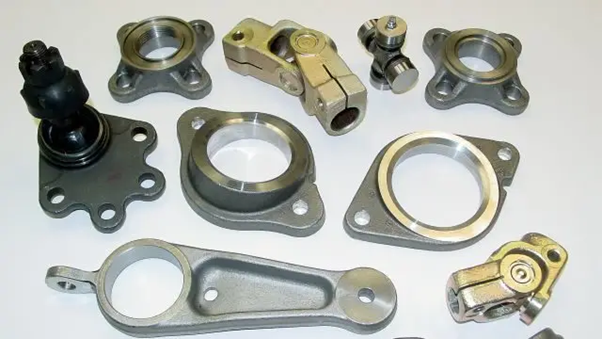
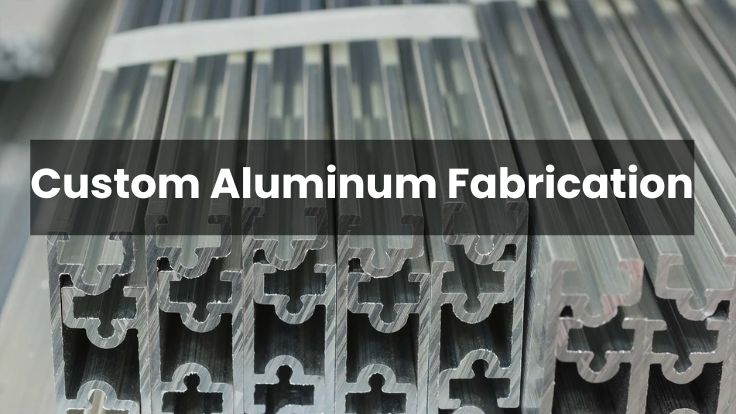
Custom aluminum fabrication has emerged to be a pillar of many industries in the contemporary era of innovation and design. Whether it is used in aircraft parts, buildings, or bridges, aluminum is utilized because of its power, ductility, and corrosion resistance. It does not just relate to getting aluminum but forming it to fit specific requirements. And that is where the notion of custom aluminum fabrication comes out on top, providing a tailor-made approach to the needs of industrial structures, as well as home interiors and exteriors.  Carbon steel is ideal because, in custom fabrication, you can get this kind of flexibility to customize it to address very particular needs, unlike standard metal parts, which are mass-produced with limited flexibility.  In the design and creation of architectural accents, machine enclosures, or custom furniture, aluminum represents the optimal combination of strength and workability. The steps include cutting, shaping, welding, and assembling items made of aluminum into products that look good and serve a purpose. As fabrication technology evolves and as the need to solve more personalized problems grows, citizens are specifically looking at the phrase: custom aluminum fabrication in my area to implement their ideas. As a company seeking reliable business signage or a homeowner with a design in mind, having an experienced custom aluminum fabricator will guarantee a solution to your project that fits your perception and lasts for years. This article talks in depth about the entire custom aluminum fabrication process, its advantages, its applications, and how to find the right partner for your next project. And it is time to enter the fantasy with metal is ready to meet your unique solution. What is Custom Aluminum Fabrication? In its simplest terms, custom aluminum fabrication is simply the design, cutting, and shaping of aluminum, its welding, and assembly into a complete product that can fit the specific needs of a client. This may be as simple bracket or even as complicated as machine pieces. Aluminum is used in these operations since it is light but strong, and does not rust or corrode. What makes aluminum great is that it is workable. It is malleable, can be welded and machined as well as bent easily. It makes it possible to be creative with structural as well as aesthetic use. Experienced personnel handle different tools and machinery to shape aluminum sheets or extrusions into useful products. Why Aluminum? It is also best to know why aluminum has been widely used in custom metalwork before discussing deeper into the:.Weak, yet Stable: Aluminum has a great ratio of strength and weight. These benefits have rendered the term aluminum custom fabrication as one of the options in many industries.  What is the meaning of the word Custom? The term custom is what is produced or created to suit an individual or a purpose, as opposed to something that is generally mass-produced or standard. Otherwise said, when something is custom, then it would be made in order to accommodate just what you require, or what you prefer, or what you would like to be made especially. Examples: Thus, when we speak of custom aluminum fabrication then the term custom underlines the fact that the pieces or products of aluminum are uniquely made to fit a specific customer or application, or design, hence being specific and tailor-made. The Fabricating Process Custom aluminum formation engulfs several distinct vital processes: 1. Design and Planning Clients will come with their idea or drawing, or applications. The fabricator analyses the specifications and recommends the most suitable form of aluminum and the procedure to be used. 2.  Cutting and Shaping Aluminum is cut into required shapes with the help of saws, lasers, or CNC machines. There is bending, forming so as to produce the precise structure or contour required. 3. Assembly and welding Special aluminum welding methods, such as the TIG welding technique, are used to join pieces. Close construction guarantees stability and beauty. 4. Finishing Touches The piece is finally sanded, polished, painted, or anodized ,depending on the look desired and protection. These treatments are value added, particularly to those aluminum products that were to be exposed to the elements or put on display, that would be branded as custom aluminum fabricated products. Common Applications There is hardly a limit to what may be produced using the help of custom aluminum fabricated products: When individuals are going to search on their search engine for custom aluminum fabrication near me, they are usually in need of a qualified local machine shop to execute these visions and turn them into a reality. Selecting The Right Fabricator Not every time is it easy to decide between the alternatives of choosing the custom aluminum fabricators. There are so many shops that would define themselves as freezing shops that it is very important to seek some qualities: Whenever you visit a search engine and type in custom aluminum fabrication near me, you should not consider only the distance. Check the abilities, feedback, and previous work of a shop to make sure that everything fits. Advantages of Going Custom Not being generic is not the only purpose of going custom; it has very real, practical benefits: That is why in the numerous industries, the concepts of custom aluminum fabrication put the money in the parts and installations that are needed. Aluminum vs. Other Metals in Custom Fabrication To select the materials in a fabrication project, it is important to have a background on which metal is better compared to others, and aluminum is not an exception. Metals bear specific characteristics that influence their applications in weight, strength, costs, and the usage they are suitable. This is a breakdown: Aluminum Aluminum is a lightweight material, resistant to rusting, and strong. It is commonly employed in fabrication works that require durability, but do not want the excess weight. It can also be easily cut, bent, and welde,d and this makes it an ideal material in custom aluminum fabrication. Besides, aluminum can be recycled completely and it also
Yakınımdaki En İyi Alüminyum İmalatçılarını Nasıl Bulurum?

Yakınımdaki En İyi Alüminyum İmalatçılarını Nasıl Bulurum?

Alüminyum imalatı

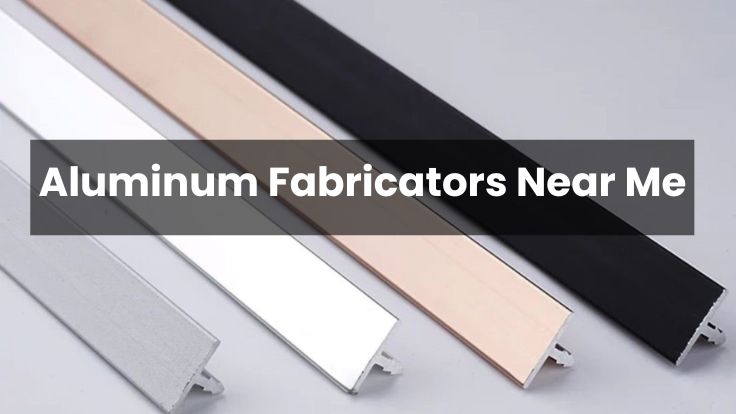
Aluminum fabrication is an important part of present-day construction, manufacturing, and design. In custom gates, machine frames or industrial panels, aluminium is durable, lightweight and resistant to corrosion. It is the most versatile metal in existence, and this flexibility qualifies it to be applied to thousands of uses- from small residential to large commercial projects. When someone uses the internet to find things like where to buy aluminum fabrication near me, one is likely going through local hence local professionals who can cut, form and craft an aluminum so that it fits a particular project. These facilities are offered as complete as the sheet cutting, extrusion to welding, finishing and installation. The ski lift manufacturers are very well trained in the method of working using various grades and thicknesses of aluminum so that there would be accuracy and strength in the end product. A great variety of finishes is also possible (power coating or anodising) to enhance aesthetics and performance in the fabrication process. Regardless of whether you are interested in functionality, beauty, or both, the solution is easy to find when browsing local results with a search for possibilities for aluminum fabricators near me. This article will guide you through all you ought to know about aluminum fabrication, the importance of local expertise and how to select the perfect aluminum fabricators near you when implementing your project or concept. What is Fabrication? Modern construction and development of products require the art of fabrication. It is the procedure that converts raw materials, particularly metals, into useful and tailor-made parts and structures. An insight into the Word Fabrication Fundamentally, fabrication can be described as the action of cutting, shaping, assembling and finishing raw material into a final product. Nevertheless, in contrast to mass production, where the same product is produced anyway, fabrication can be very individual and oriented towards a project. This is particularly so in the aluminum fabrication enterprise, where every piece may be required to be customised as far as strength, aesthetics, and fitting are concerned. The Reasons Aluminum Is Perfect for Fabrication The aluminum has been widely used in fabrication due to its low weight, strength, corrosion-resistant nature and versatility. It can be shaped into complex patterns, and yet it can be durable. This is why, when people want to find some aluminum fabrication, they may type in such a request as aluminum fabrication near me in a search. And people are usually interested in custom production to deal with architectural, industrial, or even artistic needs. The Important Processes in Aluminum Fabrication Aluminum fabrication involves some of the primary techniques, which are as follows: Welding: The joining of pieces with the help of heatCutting: Globally, cutting is done using lasers, pulsed jets or sand.Forming: Bending/rolling of aluminum to get favourable shapesFinishing: appearance, sandblasting, painting, coating, and protection. Apply finishing, such as sandblasting, painting, or coating, to complete the finishing. These procedures require skill, particularly those using aluminum, like aluminum fabricators who are well aware of the special characteristics of aluminum. Any faulty technique may ruin strength or appearance. The part of the local Aluminum specialists Proximity of services through local professionals has the advantage of being accountable and on-ground service. In case you have a time-sensitive or tailored task, you can find time to cooperate offline with the help of the search for the words: aluminum fabricators near me, as it will allow you to discuss the changes in design or even visit the shop. This helps you with faster delivery, enhanced communication and personalised outcomes. What Does Aluminium Fabrication Mean? Before proceeding to tips on how to get services in your local area, it is essential to get a clear picture of what the term aluminum fabrication means. In simple terms, aluminum fabrication involves forming, cutting and joining aluminum to complete the processing of making the finished goods or parts. These may include window frames and signs to sophisticated parts of industrial equipment. As opposed to generic metalwork, a person needs particular knowledge and tools to use in the process of aluminum fabrication. Aluminum is not the same as steel or copper; it is soft, and it is sensitive to heat. It implies that anyone cannot work with it properly. Experienced aluminum fabricators understand just how to manage these properties so as to guarantee long-term outcomes. The Reason to Select Local Aluminum Fabricators Near Me. On searching the term aluminum fabricators near me, you are not only seeking convenience, it is also the quality of work, communication and trust. There are various unique benefits of working with local experts. 1. Face-to-face communication: It is simpler to describe what you need face-to-face, and you can look at references or examples of the previous work.2. reduced turnaround: Local stores eliminate shipping time and delays.3. Convenience in working together: It is easier to make subsequent changes, modifications or follow-up with your fabricator so long as you are around. Above all, something that aluminum fabricators near me comprehend is your local regulations and climatic conditions that imply that they are able to advise on what finish or structural solution is best with regard to what is required where you live. Important Aluminum Fabrication Techniques An aluminum fabrication process encompasses a row of technical and precise operations of transforming aluminum dross into a practical structure or part. By searching the phrase, aluminum fabrication near me, you probably seek experts that provide a variety of such services at one location. Now, we can get acquainted with the most significant processes employed by the industry nowadays. 1. Cutting The initial stage in the fabrication process is cutting, which involves a reduction in aluminum sheets, tubes, or bars to the desired size. Laser, water jets, plasma cutters, and saws are some of the tools that enable fabricators to attain clean and precise cuts. Accuracy during this phase can be considered the key to success in the project, and there is no exception when it comes to the approach of professional aluminum fabricators. 2. Moulding

Alüminyum Kaynağı Nasıl Yapılır: İpuçları, Araçlar ve Teknikler

Alüminyum Kaynağı Nasıl Yapılır: İpuçları, Araçlar ve Teknikler

Alüminyum Kaynak

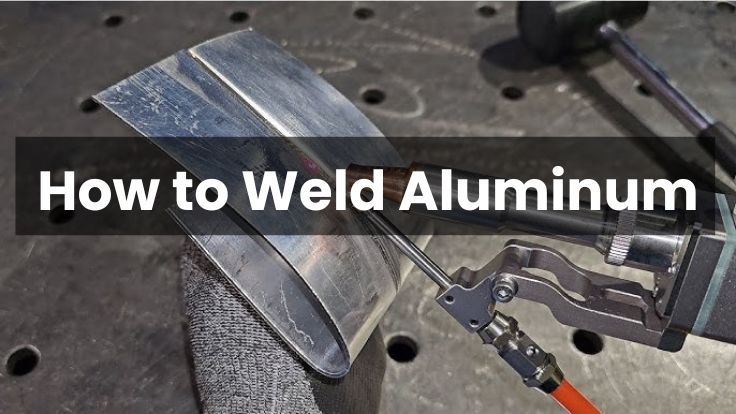
Alüminyum, hafifliği, korozyona karşı direnci ve mukavemet özellikleri nedeniyle yıllar boyunca kullanılan yaygın bir metaldir ve bu nedenle otomobil, havacılık ve inşaat gibi endüstrilerde hayati öneme sahiptir. Bununla birlikte, alüminyum kaynağı yapmayı öğrenme süreci, çelik veya demir kaynağı yaparken olduğu kadar sade değildir. Alüminyumun yüksek ısı iletkenliği ve kolayca oluşan koruyucu oksit kaplama gibi ilginç özellikleri, özel bir yöntem ve hassas bir dokunuş gerektirir. Alüminyum kaynağı, doğru teknikleri, ekipmanları ve güvenlik önlemlerini bildiğiniz sürece acemi biri tarafından bile kolayca yapılabilir. Bu, temiz çalışma yüzeyleri ve uygun dolgu malzemesi gerektirirken, ekipmanın ayarlanması hayati önem taşır. Alüminyum, çeliğin aksine erimeden önce renk değiştirmez, bu da gereken ısı miktarını tahmin etmeyi zorlaştırır. Dahası, yumuşaktır, bu yüzden doğru şekilde manipüle edilmediği sürece hızla bükülebilir veya yanabilir. İnsanların sıklıkla sorduğu soru, kaynakla ilişkili basit, sıradan öğeler arasında alüminyum kaynağı yapmanın mümkün olup olmadığıdır. Evet, ancak sonuç hazırlığınıza, uygulamanıza ve yöntemlerinizi ayarlamanıza bağlı olacaktır. TIG ve MIG kaynağından çubuk veya oksi-yakıt gibi daha nadir yöntemlere kadar her görev ve iş için uygun bir yöntem vardır. Bu kılavuzda, alüminyum kaynağını güvenli ve verimli bir şekilde yapmanıza yardımcı olacak ipuçları, araçlar ve en yaygın hataları bulacaksınız. Zaman ve deneyim kazandıkça, evde bir atölyede de olsa alüminyumda net ve iyi kaynaklar yapabilirsiniz. Alüminyum Kaynağı Nedir? Kaynak işlemi, iki veya daha fazla alüminyum metal parçasının ısı ve potansiyel olarak dolgu malzemesi aracılığıyla bir araya getirilmesidir. Genellikle bir otomotiv şirketine, havacılık endüstrisine, denizcilik endüstrisine ve inşaat endüstrilerine uyarlanmıştır çünkü alüminyum kemik hafifliğindedir ve kolayca çizilmez Bununla birlikte, alüminyum kaynağı konusu çelik kaynağına kıyasla daha karmaşıktır. Bunun nedeni alüminyumdur: Alüminyum Kaynağını Farklı Kılan Nedir? Bir metal olarak alüminyum oldukça farklıdır ve alüminyumun nasıl kaynaklanacağı konusuna girmeden önce, onu benzersiz kılan şeyin ne olduğunu belirlemek önemlidir. Çeliğin aksine alüminyum önemli ölçüde daha düşük bir sıcaklıkta (yaklaşık 660 C veya 1220 F) erir ve erimeden önce rengi değişmez. Bu, iyi kullanılmadığında aşırı ısınmaya ve yanmaya eğilimli olduğu anlamına gelir. Dahası, alüminyum havaya çıktığında anında ince bir oksit filmi tabakası oluşturur. Bu oksit tabakası 2000'den daha yüksek bir sıcaklıkta (3700'e yakın) erir, bu nedenle kaynağa nüfuz etmekte zorlanır. Bu nedenle alüminyum kaynağı genellikle dikkatli bir şekilde hazırlanmalı ve donatılmalıdır. TIG Kaynağı ile Yeni Bir Kaynak Alüminyumuna Öneriler TIG kaynağı kullanarak alüminyum kaynağı yapmak sahip olunması gereken iyi bir beceridir ve bir amatör için aldatıcı olabilir. Doğru prosedür ve hazırlık sayesinde temiz ve sağlam kaynaklar elde edebilirsiniz. Aşağıda sizi doğru yola sokabilecek beş önemli ipucu yer almaktadır. 1. Metal İyice Temizlenmelidir Kaynaktan önceki süre boyunca alüminyumun temiz olduğundan emin olun. Oksit tabakası özel bir paslanmaz çelik tel fırça kullanılarak çıkarılmalı ve ardından yağları veya nemi temizlemek için asetonla silinmelidir. Alüminyum kirlenmeye karşı son derece hassastır ve tek bir kir veya yağ lekesi kaynağınızı tahrip edebilir. Temiz yüzeyler daha iyi ark stabilitesi ve sağlam bağlantılar sağlar. 2. Makinenizi AC'ye getirin ve dengeleyin Alüminyum kaynağı yaparken, işlemi alternatif akımla (AC) etkilemek her zaman tercih edilir. AC, ana metalin nüfuz etmesini ve aynı zamanda oksit filminin temizlenmesini sağlar. TIG denge kontrol ayarınızı kullanarak böyle bir temizleme eylemini ayarlayın. Çoğu alüminyum işi, ayarı elektrotlarda yaklaşık yüzde 65 ila 70 negatifte başlatarak fayda sağlar. Doğru denge, kaliteli kaynağı ve daha az kirlenmeyi artırır. 3. Uygun Tungsten Uygulayın ve Doğru Şekilde Şekillendirin TIG alüminyum kaynağı için en iyi elektrotlar saf tungsten veya lantanlanmış tungsten 2%'dir. Çelikle karşılaştırıldığında, alüminyum kaynağı, keskin bir tungsten ucu kullanan çelik durumundan farklı olarak kararlı bir arkı sürdürmek için yuvarlak veya bilyeli bir uca ihtiyaç duyar. Arkın dengesizleşmesi veya yalpalamaya başlaması durumunda, tungsteni yeniden taşlamanın veya değiştirmenin zamanı gelmiş olabilir. İyi taşlanmış bir elektrot, kaynaklarınızın kolaylığı ve hassasiyeti için önemli bir faktördür. 4. Ayak Pedalı Kontrollü Isı Alüminyum hızlı ısınır ve çeliğe kıyasla sıcaklığı daha uzun süre korur. Aşırı ısı, yanma veya bozulma ile sonuçlanacaktır. 1- Bir ayak pedalı, bir su birikintisi oluşturmak için sıcak başlattığınız ve ardından istediğiniz kadar geri çektiğiniz kaynak işlemi sırasında amperajı kontrol etmenizi sağlayacaktır. Bu, kaynak havuzu üzerinde daha fazla kontrol sahibi olmanızı ve daha ince malzemelerde meydana geldiği için aşırı ısınma riskini azaltmanızı sağlayacaktır. 5. Projenizi kaynaklamadan önce hurda üzerinde çalışın Projeniz üzerinde çalışmaya başlamadan önce gerçek projede kullanılanla aynı tip ve boyutta hurda alüminyum üzerinde çalışın. Bu, temiz kaynaklar elde etmek için ısı kontrolüne, dolgu çubuğu tekniğine ve torcun hareketine alışmanızı sağlayacaktır. Ayrıca, pratik yapmak kendinize güvenmenizi sağlayacak ve son parçanızda pahalı hatalar yapma olasılığınızı azaltacaktır. 6. Elin konumu da önemlidir Kaynak elinizi tezgah veya yüzeye dayamalısınız, böylece daha fazla kontrole sahip olursunuz. Yolculuğunuzu net bir şekilde görebilmek için torcu geriye doğru düz tutun. Kaynak havuzu akacağından ve metali aşırı ısıtacağından çok fazla açı yapmayın. Dolgu çubuğu bir elle beslenir; torç diğer elle yönlendirilir, her ikisi de durmadan ancak birbirlerine katılmadan. 7.

Soğuk Kamara Basınçlı Döküm

Soğuk Kamara Basınçlı Döküm Teknolojisinde Modern Trendler

kalıp döküm, Basınçlı Döküm Üreticisi, döküm parçalari

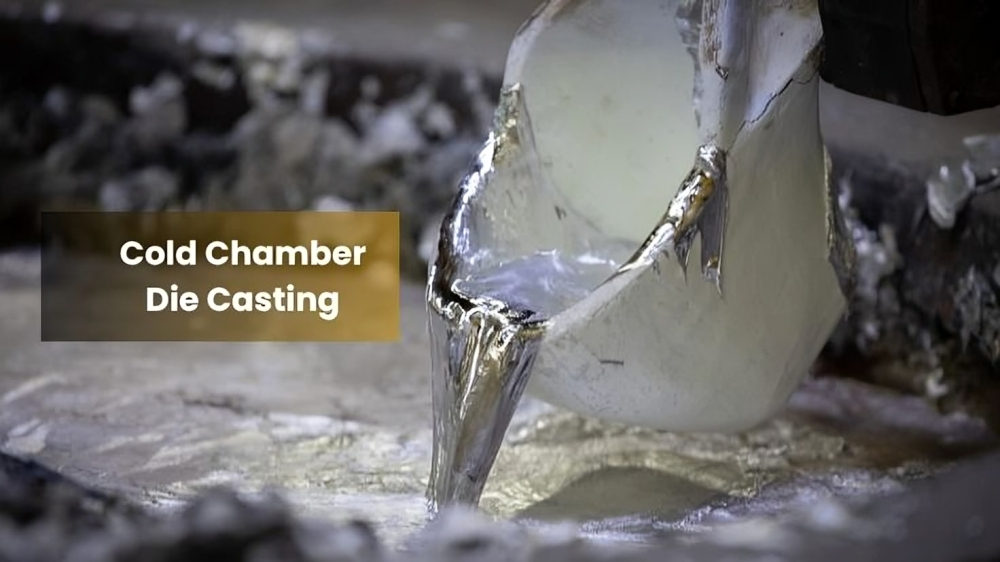
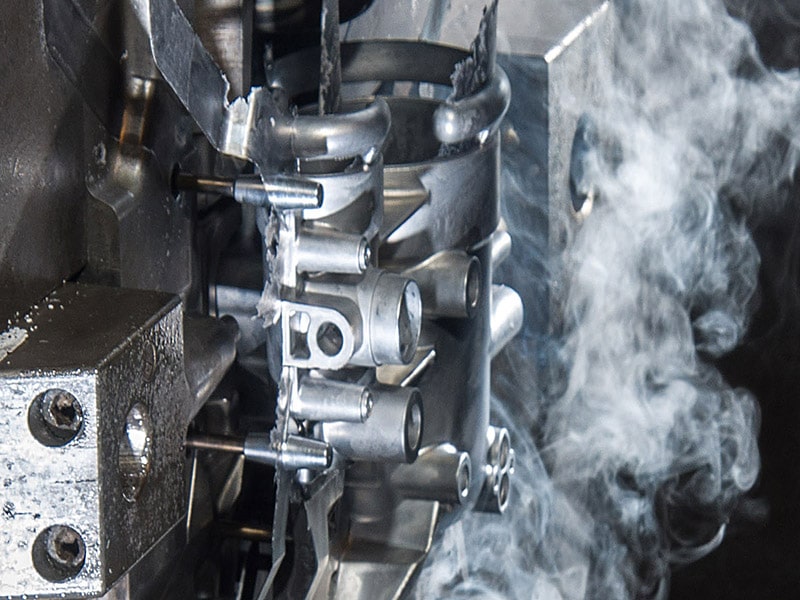
Soğuk Kamaralı Basınçlı Döküm, yüksek düzeyde mukavemet ve hassasiyet ile karakterize edilen karmaşık metal bileşenlerin üretiminde uygulanan hassas bir üretim tekniğidir. Bu süreç en iyi alüminyum, pirinç ve bakır alaşımları gibi yüksek erime noktası eşiğine sahip metallerde kullanılabilir. Soğuk kamaralı basınçlı döküm sistemleri, sıcak kamaralı basınçlı döküm sistemi gibi erimiş metalin içine yerleştirilmez; bunun yerine metal, başka bir fırında eritildikten sonra soğuk kamaralı basınçlı döküm makinesine elle kepçelenerek konur. Bu düzenleme makineyi daha az yıpratır ve daha sert alaşımlar kullanır. Şirketlerin bu yöntemi kullanmayı tercih etmesini sağlayan önemli faktörler arasında özel soğuk kamaralı basınçlı döküm avantajları ve dezavantajları bulunmaktadır. Üst düzey boyutsal doğruluğa, pürüzsüz yüzey kaplamalarına ve uzun çevrim sürelerine sahiptir. Bununla birlikte, bileşenlerin gücü ve dayanıklılığı otomotiv, havacılık ve elektronik pazarlarında favorileridir. Sıcak ve soğuk kamaralı basınçlı döküm arasındaki fark, sürecin doğru seçimini yapmak için çok önemlidir. Sıcak kamaralı basınçlı döküm daha hızlıdır ve çinko gibi düşük erime noktalı metallere uygulanırken, soğuk kamaralı basınçlı döküm sistemi daha yüksek sıcaklıkları ve daha güçlü metalleri işlemek için tasarlanmıştır. Üreticiler ayrıca bu işlemle spesifikasyonlarında yüksek derecede hassasiyete sahip uzun ömürlü ve güvenilir parçalar üretebileceklerdir. Bu makalede, soğuk kamaralı basınçlı dökümün çalışma prensibini, ana parçalarını, kullanılan metalin doğasını ve sıkıştırma kuvveti ve döngü süresi dahil olmak üzere soğuk kamaralı basınçlı dökümün teknolojik parametrelerini tartışacağız. Soğuk kamaralı basınçlı dökümün avantajları ve dezavantajları da bu önemli üretim sürecinin tam bir resmini sunmak için dikkate alınacaktır. Soğuk Kamaralı Basınçlı Döküm Nedir? Soğuk Kamaralı Basınçlı Döküm: Soğuk kamaralı basınçlı döküm işlemi, erimiş metalin manuel veya otomatik olarak enjeksiyon sisteminin dışındaki ayrı bir soğuk odaya döküldüğü bir metal döküm işlemidir. Daha sonra, metal yüksek basınçla bir kalıp boşluğuna itilir, bu da metalin soğumasına ve istenen şekilde kristalleşmesine neden olur. Genellikle pirinç, alüminyum ve bakır alaşımları gibi yüksek erime noktasına sahip metallere uygulanır. Enjeksiyon sisteminin bileşenlerinin yanlış çalışmasına neden olabilecek korozyon ve termal yorgunluktan kaçınmak amacıyla, enjeksiyon mekanizmasının erimiş metal içinde asılı olduğu sıcak kamaralı basınçlı döküm işleminden farklı olarak, soğuk kamara işlemi enjeksiyon tesislerini ayrı tutar. İkincisinin, yani Soğuk Kamaralı Basınçlı Dökümün uygulanması, kullanılan metallerin bileşenlere temas ederek zarar verebileceği durumlarda özellikle avantajlıdır. Enjeksiyon işleminde yüksek basınç kullanılabilir ve parlak bir yüzey kalitesi ve boyutsal kararlılığa sahip daha yoğun, daha güçlü bileşenler mümkün olabilir. Basınçlı Döküm Süreci - Adım Adım Soğuk Kamara Basınçlı Döküm tekniğinin amacı, genellikle alüminyum ve pirinç gibi yüksek sıcaklıklarda erime noktalarına sahip alaşımlardan oluşan son derece hassas ve sert metal parçalar yapmaktır. Nasıl çalıştığını adım adım inceleyelim: 1. Metali eritmek için Dış Fırın kullanılır Süreç, metalin eritilmesinin dışarıda ayrı bir fırında yapılması dışında sıcak kamara dökümüne benzer. Bu, soğuk kamara dökümündeki erimiş metalin içeride başa çıkılamayacak kadar yüksek bir ısı seviyesine neden olacağı için gereklidir. Metal eritildikten sonra döküm makinesine aktarılabilir. 2. Erimiş metalin bilye kovanına dökülmesi Bundan sonra, erimiş metal basınçlı döküm makinesindeki bilye kovanına dökülür. Bu işlem elle veya kolla yapılır. Bilya kovanı, metalin içinde durduğu ve daha sonra enjekte edildiği güçlü, ısıya dayanıklı bir tüptür. Erken katılaşmayı önlemek için bu işlem çok hızlı yapılmalıdır. 3. Piston metali kalıbın içine doğru iter. Çelik bir piston bilye kovanının içine girer ve erimiş metali yüksek basınçla kalıp boşluklarına bastırır. Bu kuvvet, metalin herhangi bir karmaşık modelde veya çok ince bir duvarda bile kalıbı doldurmasını sağlar ve hava cepleri gibi herhangi bir kusur olasılığını azaltır. 4. Metalin Kalıp İçinde Katılaşması Kalıp doldurulduğunda, metal kalıp içinde soğumaya ve katılaşmaya başlar. Bu katılaşma adımı, iyi ve hassas bir parça elde etmek için çok önemlidir. Soğuma süresi parça metaline, parça kalınlığına ve kalıp sıcaklığına bağlıdır. 5. Pirinç Kalıp ve İtici Pimler Dökümü Zorla Çıkarır Parça katılaştığında, makinenin sıkıştırma ünitesi kalıbı açar ve itici pimler dökümü kalıp boşluğundan dışarı çıkarır. Parça daha sonra bir soğutucu istasyonuna veya bir düzeltme istasyonuna taşınır. 6. Flaşın Kaldırılması (Fazla Metalin Kaldırılması) Kalıbın yarılarının bir araya geldiği yerde dökümün kenarlarında flaş adı verilen bir miktar fazla metal vardır. Bu daha sonra finisajın ne gerektirdiğine bağlı olarak mekanik düzeltme, taşlama veya işleme yoluyla giderilir. Bu, nihai işlerin amaçlanan şekil ve toleransın altında olmasını önleyecektir. 7. Kalıp döngüsünün sıfırlanması ve Yağlama Kalıp, iyi kalitede olması ve yapışmayı önlemek için bir sonraki döngüye girmeden önce yıkanır ve yağlanır. Yağlama tamamlandığında, kalıp tekrar sıkıştırılır ve makine daha fazla döngü için sıfırlamaya geçirilir. 8. Kalite Kontrolü ve son işlem Bu, yüzeyde çatlak, büzülme veya anormallikler gibi kalite kusurlarının bulunmadığından emin olmak için kontrol edilen eksiksiz bir parçadır. Parçanın son kullanım gereksinimine bağlı olarak, ek işleme, yüzey işlemine tabi tutulabilir veya monte edilebilir (gerekirse). Parçada kullanılacak metaller

Sıcak Kamara Basınçlı Döküm

Sıcak Kamara Basınçlı Döküm: Önemli Bir Üretim Sürecine Derinlemesine Bir Bakış

kalıp döküm

Sıcak Kamaralı Basınçlı Döküm, çok yüksek hassasiyette ve yüzeyde mükemmel bir finişe sahip metal parçalar üretmek için çok yaygın olarak kullanılan çok etkili bir üretim sürecidir. Özellikle çinko, magnezyum ve kurşun içeren bazı alaşımlar gibi düşük erime noktalı metallerin dökümü için uygundur. Enjeksiyon sisteminin erimiş metalin içine daldırılması ve bu nedenle yüksek hızlı döngü süreleri ve seri üretim ekonomisinin mümkün olması ile karakterize edilir. Dökümler soğuk kamaralı basınçlı döküm ve sıcak kamaralı döküm olarak ele alındığında her zaman benzer bir karşılaştırma yeri ortaya çıkar. Her ikisi de basınçlı dökümün varyasyonları olmasına rağmen, tasarım, uygulamalar ve kullanılan malzemelerin uyumluluğu açısından çok farklıdırlar. Bir örnek, fırının bir makine ile değiştirildiği yüksek hızlı basınçlı döküm olan sıcak kamaralı basınçlı dökümdür. Bu, düşük erime noktalı metallerin sınırlandırılmasıyla birlikte gelir. Buna karşılık, soğuk kamara tipi makineler, sıcak metal ekipmanla doğrudan temas etmediğinden, alüminyum ve pirinç gibi yüksek erime noktalı sıvılarla daha uygun bir şekilde kullanılır. Sıcak Kamaralı Basınçlı Döküm işlemi, minimum malzeme israfı, düşük işçilik maliyetleri ve yüksek toleranslarla karmaşık şekillerin üretimi ile karakterize edilir. Otomotiv, elektronik, sıhhi tesisat ve tüketici ürünleri gibi sektörlerde popülerdir. Bununla birlikte, soğuk kamaralı basınçlı döküm mü yoksa sıcak kamaralı döküm mü kullanılacağına dair karar, kullanılan malzemenin türüne ve parça tasarımı yönüne de bağlıdır. Bu makale, Sıcak Kamaralı Basınçlı Dökümün önemli ayrıntılarını, parçalarını, malzemelerini, süreç tanımını, kısıtlamalarını ve çağdaş imalat endüstrisinde neden önemli bir süreç olduğunun nedenlerini incelemektedir. Sıcak Kamaralı Basınçlı Döküm Nedir? Sıcak Kamaralı Basınçlı Döküm, erimiş metalin yüksek basınçta bir kalıp boşluğuna enjekte edildiği bir metal döküm tekniğidir. Söz konusu yöntemin benzersiz kısmı, enjeksiyon mekanizmasının yerleştirildiği yerdir: Doğrudan erimiş metale gider. Özellikle çinko, magnezyum ve bazı kurşun alaşımları gibi düşük erime noktalı metallerde bu kurulumla çevrim süreleri ve üretim verimliliği yüksektir. Sıcak hazne. Bu isim, enjeksiyon mekanizması (bir piston ve deveboynu) erimiş metal alanıyla sürekli temas halinde (dolu) olduğu için sistemin sıcak odasını tanımlar. Piston aşağı inerken, erimiş metali deveboynu boyunca ve kalıp boşluğuna doğru sıkıştırır. Metal sertleştikçe kalıp açılır ve parça dışarı atılır ve bu işlem sayısız kez tekrarlanır. Sıcak Kamaralı Basınçlı Döküm Prosesi Sıcak Kamaralı Basınçlı Döküm Prosesi, takımın doğruluğunun çok önemli olduğu metal parçaların imalatında kullanılan yüksek hassasiyetli ve hızlı üretim teknolojisine sahip bir prosestir. Düşük erime noktalı alaşımlar için en uygun yöntemdir; çinko, magnezyum ve kurşun düşük erime noktalı alaşımlara örnek olarak verilebilir. Başlıca özellikleri kısa çevrim süreleri ve yüksek malzeme verimliliğidir. Süreç, parça başına uygun bir fiyatla kolayca karmaşık uçlar oluşturma kabiliyeti nedeniyle özellikle otomotiv, elektronik, cihaz ve donanım endüstrisinde bulunan çeşitli ürünlerin imalatında yaygındır. Sıcak kamaralı basınçlı döküm süreci aşağıda aşamalı bir şekilde listelenmiştir: Sıcak Kamara Basınçlı Döküm Süreci - Adım Adım Genel Bakış 1. Metal eritilir Metalin (genellikle çinko veya magnezyum olan) basınçlı döküm makinesinin birleşik fırınında erimiş kalıplanmasıyla başlar. Erimiş metal, doğrudan döküm makinesine bağlı olan metal pota içinde sabit bir sıcaklıkta tutulur. Bu bitmeyen ısı sağlama, döküm işlemlerinin sürekli olmasını sağlar. 2. Enjeksiyon Sistemini Doldurma İşlemi Sıcak kamara sistemlerinde, erimiş metalin bir kısmı ile kaz boynu olarak bilinen bir bileşenin bir kısmı batırılır. Enjeksiyon silindirinin içinde çalışan piston geriye doğru çekilerek erimiş metalin deveboynundan enjeksiyon giriş deliğine fışkırabileceği bir konuma getirilir. Bir sonraki adım bu metalin kalıp boşluğuna enjekte edilmesini içerecektir. 3. Erimiş Metal enjeksiyonu Deveboynu doldurulduğunda, piston ya hidrolik ya da pnömatik basınçla ileri itilir, bu da erimiş metali deveboynu kanalından kalıp boşluğuna (kalıp olarak da adlandırılır) zorlar. Bu işlem, metal sertleşmeye başlamadan önce boşluğun tamamen dolduğundan emin olmak için yüksek bir hız ve basınçla yapılır. 4. Kalıpta döküm ve katılaşma Kalıptaki bu sıcak metal, kalıbın nispeten soğuk çeliği tarafından hızla soğutulur. Katılaşma, parçanın boyutuna ve karmaşıklığına bağlı olarak birkaç saniye sürer. Bu adımda, kalıp soğutma kanalları ısının uzaklaştırılmasına yardımcı olarak çevrim hızının düşmemesini ve büzülme veya gözeneklilik gibi kusurların önlenmesini sağlar. 5. Kalıbın çıkarılması ve açılması Metal katılaştıktan sonra kalıp yarıları açılır. Ejektör sistemi kalıbın hareketli yarısına yerleştirilir ve ejektör pimleri kullanılarak kuvvet altında çalışır ve tamamlanmış dökümü boşluktan dışarı iter. Fırlatma sırasında parçanın zarar görmeden dışarı çıkabilmesi sağlanır. 6. İkincil işlem ve Kırpma Fırlatıldıktan sonra, parça flaş, yolluk veya yolluk adı verilen ekstra bir malzeme içerebilir. Bunlar ya elle kırpılır ya da otomatik olarak kırpılır. Parça, yüzey bitirme, işleme veya kaplama gibi uygulamaya bağlı olarak daha fazla işlenebilir. 7. Tekrar Döngüsü Makine tekrar kullanılmak üzere temizlenir ve temizlenir. Sıcak kamaralı basınçlı döküm, parçanın karmaşıklığına ve boyutuna göre bazen sadece 10 ila 20 saniye içinde birkaç bitmiş parça oluşturacak kadar hızlı bir döngü süresine sahip olmasıyla karakterize edilir. Çevrim Süresi ve Verimlilik Hız, sıcak kamara prosesinin en büyük avantajıdır. Sıcak kamara makineleri. Metalin kepçeyle dökülmesi gereken soğuk kamaralı basınçlı dökümün aksine

Modern Endüstrilerde Özel Sac Metal İmalatı

Modern Endüstrilerde Özel Sac Metal İmalatı

alümi̇nyum döküm

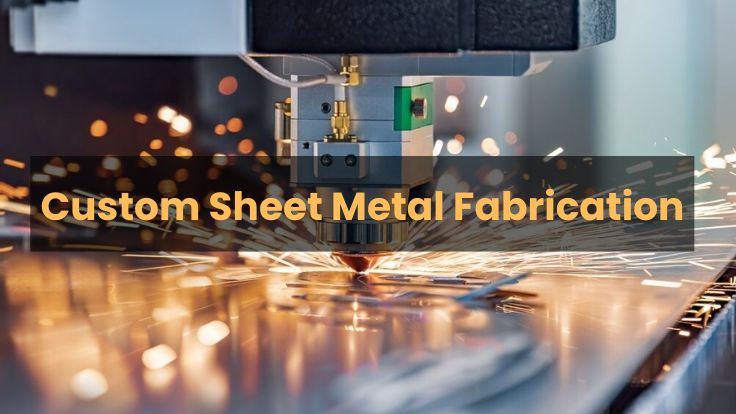
Özel sac metal imalatı artık imalatın modern yüzünde çeşitli kategorilerde imalat endüstrileri kuran bir faaliyettir. İster otomobil ve elektronik, ister inşaat ve sağlık hizmetleri şeklinde olsun, fabrikasyon metal bileşenler çok çeşitli ürünlerin tasarımında, çalışmasında ve dayanıklılığında önemli bir rol oynamaktadır. Sacın kesilmesini, bükülmesini, şekillendirilmesini ve eşleşmeye uyacak şekilde spesifikasyonlara göre monte edilmesini gerektirir ve üreticiler son derece özelleştirilmiş, dayanıklı ve verimli parçalar üretebilir. Bu kapasiteye bağlı olan en önemli endüstriler arasında otomotiv endüstrisi yer alır; özel otomotiv sac metal imalatı, yüksek performanslı gövde panelleri, destekleyici yapı ve motor bileşenlerinin üretimini garanti eder. Bu tür bileşenler ağırlık, mukavemet ve güvenlik açısından da yüksek standartlara sahip olmalıdır; bu nedenle hassasiyet ve özelleştirme esastır. Giderek daha fazla yabancı şirket, uygun maliyet oranları nedeniyle Çin'deki araba sac metal imalatı gibi daha gelişmiş üreticiler tarafından sağlanan hizmetlere başvuruyor. Çinli üreticiler, gelişmiş CNC ekipmanları ve kısa üretim programları kullanarak kapsamlı hizmetler sunmakta, bu da onları küresel tedarik zincirinde faydalı ortaklar haline getirmektedir. Otomobillerin yanı sıra, sac metal imalatı havacılık ve uzay endüstrisi, elektronik, tıbbi ekipman ve gıda işleme endüstrisi gibi alanlarda da hayati bir öneme sahiptir. Bu tür endüstriler büyük toleranslar, korozyon direnci ve özelleştirilmiş yüzey kaplamaları gerektirir ve bunların tümü sac metal imalatı ile sağlanabilir. Bu makalede, klasik yöntemlerden başlayarak son teknoloji otomasyona kadar bu disiplinin tüm yelpazesine bakacak, özellikle otomotiv kullanımlarına ve Çin gibi önde gelen dünya aktörlerinin katkılarına odaklanacağız. Özel sac metal imalatı nedir? Özel sac metal imalatı terimi, belirli bir projenin özel ihtiyaçlarını karşılayabilecek metal elemanların veya yapıların tasarlanması ve üretilmesi söz konusu olduğunda kullanılır. Seri üretilen bileşenlerin aksine, özel imalatlar belirli boyutlar, malzemeler ve uygulamalar için benzersiz çözümler sunar. Bu imalat, lazer kesim, su jeti kesim, delme, kaynak, şekillendirme ve yüzeyin bitirilmesini içerir. En yaygın olanları paslanmaz çelik, alüminyum, galvanizli çelik, bakır ve pirinçtir ve hepsi de mukavemet, iletkenlik, korozyon ve ağırlık gereksinimleri nedeniyle seçilmiştir. Üreticiler ve mühendisler, tüm spesifikasyonların mikrometreye kadar takip edildiğinden emin olmak için el ele çalışırlar. Süreçteki Ana Öğeler 1. Tasarım Tasarım ve Prototipleme: CAD (Bilgisayar Destekli Tasarım) yazılımı yardımıyla dijital bir plan çizilir. Prototipler, büyük ölçekli üretim başlamadan önce nasıl çalıştıklarına dair testler yapmak için sıklıkla üretilir. 2. Kesme ve Şekillendirme: Metal levha, çok az tolerans vermek için yüksek hassasiyetli kesme aletleri kullanılarak hassas bir şekilde şekillendirilir. 3. Bükme ve Şekillendirme: Sac, abkant presleri içeren bükme ve şekillendirme ekipmanı ile karmaşık şekiller oluşturmak için kavislendirilir. 4. Kaynak ve Montaj: TIG kaynağı, MIG kaynağı veya punta kaynağı ile birleştirilen çeşitli parçalar vardır. 5. Son İşlem: Toz kaplama, parlatma veya eloksal gibi son işlem süreçleri mukavemeti ve estetiği artırır. Özel Otomotiv Sac Metal İmalatının Yükselişi Özel otomotiv sac metal imalatının yükselişi, otomobil endüstrisinin doğuşuna tanıklık eden on dokuzuncu yüzyılın sonlarında başladı. Bu dönemde otomobil kazaları nedeniyle çok sayıda insan hayatını kaybetmiş ve daha da fazlası yaralanmıştır. Bu da yine otomobil kazalarına bir çözüm olarak otomobil sigortasının üretilmesine ve kullanılmasına yol açtı. Otomobil üretim sektöründe hassasiyet ve özelleştirme hayati önem taşır. Özel otomotiv sac metal imalatı, otomobil gövde panelleri, şasi parçaları, ısı kalkanları ve motor muhafazalarının üretiminde önemli bir unsurdur. Bu tür parçalar yüksek güvenlik derecesine sahip, aerodinamik ve estetik açıdan hoş olmalıdır. Özelleştirme, performans arabası, restorasyon arabası, elektrikli araba ve lüks araç üretiminde önemli bir önem kazanır. Mühendisler ayrıca bazı özel yapısal desteklere veya genel seri üretimle üretilemeyen aerodinamik paneller açısından bir projeye ihtiyaç duyabilir. En iyi sac metal araba imalatı uygulamasının faydaları şunlardır: Sac Metal İmalatında Ortak Malzemeler Özel sac metal imalatının en önemli kararlarından biri malzeme seçimidir. İster karbon çeliği ister paslanmaz çelik olsun, mukavemet ve korozyon direnci ve hatta ağırlık ve işlenebilirlik dahil olmak üzere tüm yönleri aşar. Yaygın olarak kullanılan metallerin doğasını bilmek, bir mühendisin verimliliği ve ekonomik kazanımları en üst düzeye çıkarmak için akıllıca bir karar vermesini sağlar. Alüminyum: Son Derece Hafif ve Korozif Olmayan Alüminyum, özel sac imalatında kullanılan en yaygın malzemedir. Doğal korozyon direnci, kolay ağırlığı ve iyi şekillendirilebilirliği nedeniyle havacılık, elektronik ve nakliye uygulama malzemeleri için mükemmeldir. Aynı zamanda oldukça iletken bir malzemedir, öyle ki ısı yayan muhafazalarda ve parçalarda kullanılabilir. Özel otomotiv sac metal imalatına göre alüminyum, mukavemetinden ödün vermeden aracın ağırlığını hafifletmek için gövde parçalarında ve ısı saptırıcı olarak sıklıkla kullanılır. Paslanmaz Çelik: Güçlü ve Temiz Paslanmaz Çelik Paslanmazın mukavemeti ve paslanmazın korozif olmaması malzemenin özelliklerindendir. Esas olarak temizliğin ve mukavemetin önemli olduğu gıda sınıfı, tıbbi ve mimari uygulamalarda kullanılır. Paslanmaz çelik, ağır hava koşullarına maruz kalan veya özel sac metal imalat hizmetlerinde üst düzey bir finişe ihtiyaç duyan ürünlerin kullanımında belirtilebilir. Kimyasalların, suyun veya yüksek sıcaklıkların etkilerine karşı dayanıklıdır, bu nedenle birçok endüstride yaygın olarak kullanılır. Soğuk Haddelenmiş Çelik: Çok Yönlü, Sert ve Ekonomik Özel sac metal imalatı alanında, soğuk haddelenmiş çelik (CRS), sıkı toleranslar ve pürüzsüz bir yüzey gerektiğinde inşaatta ortak bir karar olabilir. Kaynaklanması veya işlenmesi ucuzdur. Kaplanmadığında paslanma ihtimali olsa da binalarda uygulanabilir veya boyanabilir. CSR çoğunlukla otomotiv endüstrisi, inşaat endüstrisi ve tüketici gibi çok sayıda endüstride kabin, braket ve muhafazalarda uygulanır.

Alüminyum Kum Döküm

Modern Üretimde Alüminyum Kum Dökümünün Kapsamlı Teknik Analizi

alümi̇nyum döküm

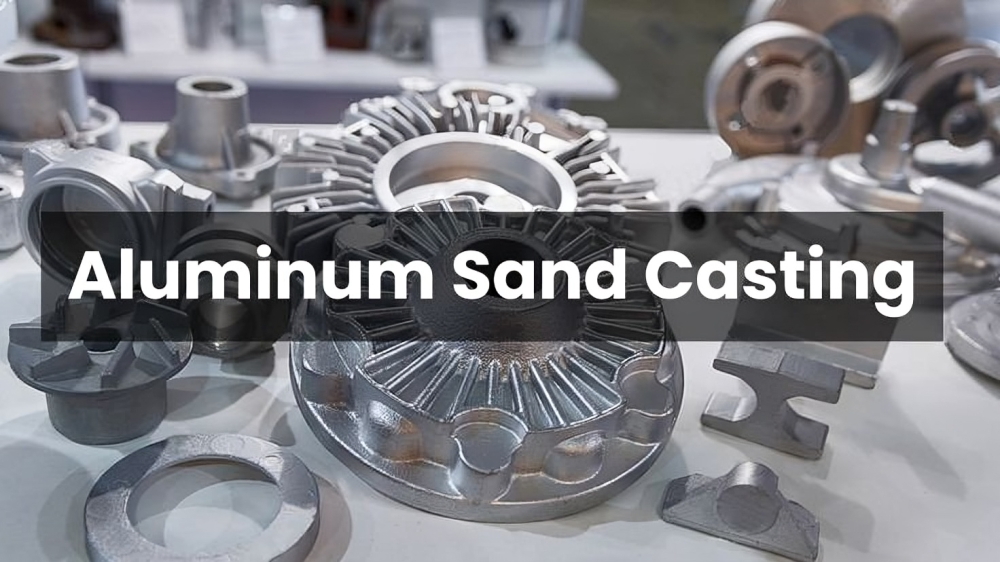
Aluminum sand casting is one of the oldest and most versatile metal casting processes, widely used in modern manufacturing to produce complex, durable, and cost-effective components. Aluminum Sand casting Manufacturers can generate complex geometries with intricate features that would have otherwise been either impractical or unprofitable to machine out of solid material through pouring molten aluminum into prepared sand molds. This method is especially suitable in low to medium-volume production, prototyping, and high structural castings on applications spanning the aerospace, automotive, defence, and energy industries. The most interesting about the sand-casting aluminum is that it is both flexible and functional. Aluminum has a very good strength versus weight, corrosion resistance, and recyclability, and thus makes it an excellent casting material. Together with the thermal resistance of sand and its high moulding capability, the process provides scalable production capability with excellent dimensional accuracy. Pattern design, the makeup of the mold, the quality of the melt, and gating design are key factors to the success of every casting. An excellent foundry of aluminum sand castings has to control not only the classic facts in metal technology but also touch on innovations in the processes. The current facilities apply the latest technology to prevent defects and ensure the best performance of the casting by using 3D sand printing, simulation software, and real-time process monitoring. Precision-engineered and casting aluminum parts are now capable of meeting stringent engineering standards for safety, tolerance, and durability. As demand grows for complex components with faster lead times and lower environmental impact, professional aluminum sand casting services must continue evolving. This article goes into the technical ins and outs of the process itself, its engineering workflow, materials, challenges, innovations, and so on. The Fundamentals of Aluminum Sand Casting At its core, aluminum sand casting involves pouring molten aluminum into a sand mold cavity, which is shaped by a pattern that replicates the final part’s geometry. When the aluminum solidifies, the sand mold is shaken off, leaving the cast piece. The process also has an outstanding dimensional flexibility and scalability capability in high-mix low-volume manufacturing conditions. The process is based on the use of a non-permanent mould, sand, that may be recycled and re-utilized, minimizing the waste of materials and expenses. Sand molds most commonly consist of silica sand with a binder added, and the nature of the binder system generally influences considerably the resulting surface finish, dimensional accuracy, and rate of cooling. The process of Flow in the Engineering of Sand Casting Aluminum Sand casting aluminum is an engineering process that consists of a set of accurately calibrated activities that aim at transforming raw aluminum into specific, well-built, and accurately dimensioned parts. Both the material and mechanical expertise are required to be in-depth to make all of the stages of the process successful. The following is a step-by-step analysis of the way in which sand casting of aluminum is implemented professionally and technically. 1. Pattern Design and making In the sand casting aluminum process, the initial step is designing and manufacturing the pattern, a physical copy of the final casting. The allowances that must be included in patterns are rather critical, such as shrinkage, draft, and machining stock. As aluminum contracts, during cooling patterns are laid out a little bigger than the finished component. The shrinkage rate of aluminum alloys is normally applied at 1.3 per cent; however, depending upon the alloy and the conditions of cooling, it may vary. Vertical portions of moulds are given draft angles, normally a few degrees between 1 and 3, to ensure that the pattern can be removed easily in the sand mold, being careful not to destroy the cavity. Additional allowances (machining allowances) are included such that there is no adverse interaction between the post-processing and the final part. Patterns may be made out of wood, metal, resin, or even 3D-printed polymer materials, depending on the accuracy demands and the needs of the production volume. 2. Mold Making (Molding and Core Setting) After preparing the pattern, the mold is to be prepared. For the sand cast, aluminum mold, there are two separate halves: the cope (upper half) and the drag (lower half). They are produced by stuffing the sand around the mold in a flask. Depending on the application, the sand is generally silica-based and is amalgamated with binders such as clay (green sand) or chemical resins (no-bake sand). In case the part design has internal space and hollow parts, it necessitates the use of sand cores. They are placed in the mold cavity, after which the metal is poured. Cores can be fabricated using core boxes, and in precision production, they can be printed with greater precision using 3D sand printing. The exact footprint of the core is very important in order to have a rigid structure and adherence to the final part dimension. 3. The Design of the Gating System The timeliness and effectiveness of the gating system formed are significant towards the success of the process of sand casting aluminum. This system consists of a pouring basin, sprue, runners, and gates, which coerce the impounded aluminum into the involvement of the mold. Adequate gating will prevent a lot of turbulence, minimize airlock, and also make sure that there is an even fill. Risers (alternatively called feeders) are also required, and these can be seen as a reservoir of molten metal that offsets the direction of shrinkage that comes after solidification. Casting simulation software is usually utilized by engineers to study and optimize the gating and riser systems. Prediction takes place by using simulation tools such as MAGMASoft or ProCAST so that typical defects such as cold shuts, misruns, and shrinkage porosity can all be corrected virtually before any production takes place. 4. Cu Melting and Metal Treating Aluminum is usually melted by a reverberatory furnace, a crucible furnace, or an induction furnace, and the choice depends on the batch volume, alloy needs, and the amount of energy needed. The melting temperature of pure aluminum is about 660 degrees

TIG Kaynağı Alüminyum

TIG Kaynağı Alüminyum: Kapsamlı Bir Teknik Kılavuz

alümi̇nyum döküm

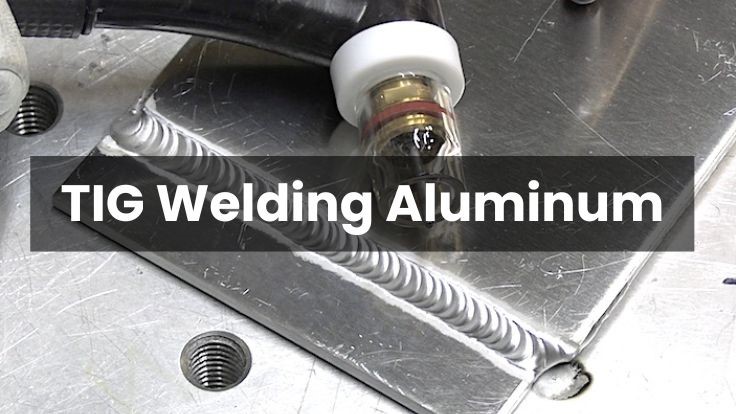
TIG Welding Aluminum is widely regarded as one of the most technically demanding processes in the field of welding. When working with aluminium, the metal that is characterised by its light weight, corrosion resistance, and high conductivity, a set of unprecedented problems emerges, which distinguishes it so much in terms of steel or stainless steel. Poor handling of aluminum can cause the natural oxide layer to provide a weak, porous, or otherwise structurally undesirable weld due to its natural oxide level, low melting point and its ability to absorb hydrogen gas. Thus, the TIG (Tungsten Inert Gas) process, or the Gas Tungsten Arc Welding (GTAW) process, is the process of choice by the industry to use in instances when precision, aesthetics, and weld integrity are the main factors. These will cover the behaviour of materials, selection of equipment, choice of shielding gas, joint preparation and troubleshooting methods, although much emphasis will be placed on quality control and repeatability. Additionally, the article will detail how to correctly select and operate an aluminum tig welder, manage various types of aluminum welding parts, and produce consistent, defect-free joints when attempting to weld aluminium TIG. By the end, the reader will have a thorough knowledge of how to create a good, clean, structurally good-looking tig-welded aluminium assembly as per the industry standard in the aerospace, automotive industry, marine industry, as well as the manufacturing industry.  This article discusses the science, methods as well and practical aspects of TIG welding on aluminium. It is meant to be used by experts and technically trained people who want to extend their knowledge about the welding of aluminium in high-performance or industrial processes. What is TIG Welding Aluminum? TIG Welding Aluminum refers to the process of joining aluminium components using Tungsten Inert Gas (TIG) welding, also known as Gas Tungsten Arc Welding (GTAW). Here, an electric arc is generated by a non-consumable tungsten electrode and aluminium base metal and a filler rod are melted in a protective cover of inert gas, usually argon. Since aluminium has high thermal conductivity, low melting point and a high melting oxide layer, welding aluminium has unique colouring, and drying must be done carefully. TIG welding has a situated control of heat input and weld puddle, which means it is perfect in thin materials, advanced assemblies and other high-performance applications. The aerospace, automotive, and marine industries, among others, use TIG welding to manufacture resistant, non-corrosive, and neat-looking welding video. Successful “TIG Welding Aluminum” requires skilled technique, proper equipment, and careful surface preparation to ensure weld integrity and strength. Why Aluminum TIG Welding? Gas Tungsten Arc Welding (GTAW), which is also known as Tungsten Inert Gas (TIG), is the ideal technique to use where precision, control and a fine look are requisite. It offers unparalleled control in the amount of input heat so that welders have the opportunity to control the fluidity of the weld pool of the aluminum. The TIG welding, when utilized with aluminum is quite convenient mainly because: Welding aluminum involves a better understanding of its physical and chemical properties and which are much different compared to other widely used metals. Below are the key challenges associated with TIG Welding Aluminum. 1. Very High Thermal Conductivity Aluminum carries heat 5 times than steel. This means that heat dissipates quickly from the weld zone, requiring higher amperage when attempting to weld aluminium TIG, especially with thick materials. When not done best can end up in gap fusion or irregular weld penetration. 2. Oxide Layer Problems When aluminum surfaces are exposed to air, a layer of oxide (reliably adherent) forms instantly, and it is thin. This layer is melted at approximately 2050 °C, which is well above the base metal melting point of aluminium, which is 660 °C. TIG welding, when AC mode is used, assists in breaking this layer, but it is also important that pre-cleaning is done to produce high-quality TIG-welded aluminium. 3. Hydrogen Porosity Susceptibility Hydrogen readily absorbs in molten aluminum, and this can create porosity or cause cracks during cooling. Oil, moisture, or dirty filler rods acted as a source of contaminants that caused the hydrogen to get into the weld pool. Proper cleaning and using dry filler rods are essential to avoid defects in aluminum welding parts. Technical Summary Table for TIG Welding Aluminum Here is a comprehensive technical table summarising the key aspects of TIG Welding Aluminum, including welding parameters, joint types, common defects, and how to manage them. In this table, you combine the ideas of your article, and it is original and highly technical. Category Technical Detail Recommendations / Parameters Base Material 1xxx to 6xxx aluminum alloys are most commonly TIG welded Clean all surfaces before welding; avoid 7xxx for high-crack sensitivity Main Process TIG Welding Aluminum using alternating current (AC) Use an inverter TIG with AC balance, high-frequency start, and stable arc control Primary Keyword Weld aluminum tig Use appropriate AC balance and amperage; optimize puddle control and filler deposition Electrode Type 2% Lanthanated or Ceriated Tungsten (1/16″, 3/32″, or 1/8″) Sharpen to a truncated point or ball tip (for AC), depending on application Shielding Gas High-purity Argon (99.99%) Flow rate: 15–20 CFH; add Helium for thicker materials or deeper penetration Filler Rods ER4043, ER5356 Match filler to base alloy and application (ER5356 for strength, ER4043 for crack resistance) Joint Types Butt, Lap, T, Corner Design with small gaps (~1/16”) and allow for thermal expansion Weld Preparation Degrease + stainless steel wire brush No touching after cleaning; remove the oxide layer before welding Torch Technique Short arc length (<1/8”), 10–15° travel angle Keep filler outside the arc cone to prevent oxidation Amperage Settings 1 amp per 0.001” thickness baseline 60–130 amps for most thin-to-mid aluminium applications AC Frequency Controls the arc focus 120–200 Hz for clean, narrow arc on thin aluminum welding parts AC Balance 70% EN / 30% EP typical Adjust toward more EN for deeper penetration; more EP for cleaning oxide Tip: Make sure to calibrate your aluminum tig welder properly

Alüminyum Yüksek Basınçlı Döküm

Alüminyum Yüksek Basınçlı Döküm Üreticisi ve IATF 16949

alümi̇nyum döküm

Modern manufacturing uses aluminium high-pressure die casting to make parts that are strong, light, and have many complex shapes. The reason automotive, aerospace, telecommunications, and consumer electronics all use it is that it can do both mass production and create very accurate pieces. Because the demand for quality aluminium high-pressure die-cast parts keeps increasing, it is important to deal with a well-known and certified supplier. In this area, the IATF 16949 certification is very important because it is a respected quality management standard used worldwide in the automotive industry. Such certification guarantees that quality control, proper risk handling, and continuous improvement are used during every stage of manufacturing. A certified aluminum die-casting and ISO 16949 company demonstrates its commitment to consistent product quality and customer satisfaction. Being a high precision die casting manufacturer and ITAF 16949 means meeting rigorous international standards and having the processes in place to minimize defects, enhance production efficiency, and ensure complete traceability of components. They can meet Tier 1 suppliers and OEMs by delivering components that exactly follow the business’s specifications. In addition, complying with aluminum die casting and 16949 standards means a manufacturer can meet expectations worldwide, mainly in areas where it is important to focus on safety and secure performance. Working with a suitable aluminium die casing partner that has IATF 16949 certification benefits your products, helps cut costs in the future, and strengthens the links in your supply chain. This article looks into how an aluminium high-pressure die casting manufacturer follows the IATF 16949 standard and its role. Aluminium High Pressure Die Casting  Aluminium high-pressure die casting helps make metal parts that are accurate in shape and have a perfect non-porous surface. When molten aluminium is injected into a steel mold at high pressure, it makes it possible to quickly fabricate complex parts and reduces later processing steps. Because it is strong and light, aluminium is widely used in many industries. The products made from this process are commonly seen in cars’ engines, housings, and brackets. For any aluminum die-casting and ITAF 16949 certified operation, maintaining the integrity of this process is vital to both quality and compliance. How IATF 16949 Helps in Die Casting? IATF 16949 is an international standard made for cars, and it uses quality management to ensure the reliability of products and their processes. Continuous development, prevention of quality issues, and lowering waste in the supply chain are the main elements of the system, which was created by the International Automotive Task Force. For manufacturers engaged in aluminum die-casting and ISO 16949 certification, certification is not just a regulatory requirement; it’s a badge of trust. It guarantees that the manufacturer follows quality rules that are respected everywhere. Besides, since IATF 16949 matches ISO 9001, it ensures full and proper quality management. Why is aluminium used in High Pressure Die Casting? Die casting benefits a lot from aluminium due to its ability to resist corrosion, its strong thermal conductivity, and being lighter than other metals like steel and brass. Because of these qualities, this material is suitable for cars since both light weight and performance depend on fuel efficiency. An IATF 16949 certification shows that all of these benefits are achieved by the business. For instance, manufacturers focusing on “high precision die casting manufacturer and ISO 16949 standards can assure customers of consistent product performance and minimal variance in production. What Makes an Aluminium Die Casting Manufacturer Reliable? Selecting a competent manufacturer is very important for firms doing aluminium die casting. A manufacturer should not only have the necessary know-how but also follow all quality standards. These are some of the essential traits you should notice: Using Precision in Die Casting Good die casting depends mostly on precise engineering. It confirms that components follow the tight guidelines of both dimensions and performance. Manufacturers who identify as high precision die casting manufacturers and ITA 16949 go to great lengths to implement exacting standards across the design and production cycle. Because of CAD/CAM software, quality inspection, and automated processes, production is kept as close as possible to the specific requirements. For applications like transmission housings, electronic enclosures, and important car components, the exactness needed is very important. Why Managing Quality Is Important? A well-structured quality management system (QMS) makes it possible to produce the same quality goods all the time. In the aluminium die casting industry, following the principles of IATF 16949 gives a way to control processes, reduce risks, and improve constantly. By following IATF 16949, a high precision die casting manufacturer and itaf 16949 ensures not only quality but also traceability and accountability. Everything is checked and confirmed along the supply chain to lower the chances of issues and defects. Below is a detailed and professional table that outlines key aspects of Aluminium High Pressure Die Casting Manufacturer and IATF 16949, integrating relevant information across different categories such as process, benefits, certification, and industry relevance. This table is ideal for use on a website, brochure, or presentation. Aluminium High Pressure Die Casting & IATF 16949 – Comprehensive Overview Category Details Manufacturing Process Aluminium is melted and injected into a steel mold under high pressure, producing complex shapes with excellent dimensional accuracy. Key Material Used Aluminium alloys (e.g., A380, ADC12, AlSi10Mg) are known for their strength, light weight, and thermal conductivity. Application Industries Automotive, Aerospace, Electronics, Industrial Equipment, Telecommunications, Consumer Goods. Advantages of Aluminium Die Casting – Lightweight components- High strength-to-weight ratio- Excellent surface finish- High-volume efficiency- Corrosion resistance Importance of Precision Tight tolerances and fine details can be achieved, ideal for engine parts, housings, connectors, brackets, and structural components. What is IATF 16949? A global quality management standard for the automotive industry, based on ISO 9001 with additional requirements specific to auto manufacturing. Benefits of IATF 16949 Certification – Consistent product quality- Risk-based thinking- Defect prevention- Better customer satisfaction- Competitive advantage Why Certification Matters Ensures traceability, standardized procedures, regulatory compliance, and ongoing performance improvement. Target Clients OEMs, Tier 1 & Tier 2 automotive suppliers, industrial system designers, and

John Deere Pamuk Toplayıcı için Mil Nemlendirici Kolon Tutucu

alümi̇nyum döküm

In the world of modern agriculture, efficiency and reliability are crucial. For cotton growers using John Deere cotton pickers, one often overlooked yet vital component is the spindle moistener column holder. This small but essential part plays a critical role in ensuring high picking efficiency, reduced wear on spindles, and consistent cotton quality. What Is a Spindle Moistener Column Holder? The spindle moistener column holder is a structural support component designed to secure the spindle moistening system in place. In cotton pickers like the John Deere 9976, 9996, and newer CP690 models, the spindle moistener system ensures that the rotating spindles are continuously lubricated and cleaned during operation. The column holder keeps the moistening pads and spray nozzles aligned properly, allowing for precise spindle contact. Key Functions: Why It Matters in Cotton Harvesting Cotton pickers operate in demanding environments. Dust, plant debris, and sticky sap can quickly reduce spindle performance. The spindle moistener system combats this by applying water or a moistening solution to the spindles, keeping them clean and cool. A worn or misaligned column holder can lead to: Replacing or upgrading the spindle moistener column holder as part of regular maintenance is a simple way to avoid these issues. OEM vs Aftermarket Spindle Moistener Column Holders Farmers and equipment maintenance teams can choose between OEM (Original Equipment Manufacturer) parts or aftermarket alternatives. OEM parts from John Deere guarantee compatibility and long-term durability. However, high-quality aftermarket options often offer: When selecting a replacement, always verify the part number and ensure it matches your picker model. Compatibility with John Deere Cotton Pickers The spindle moistener column holder is typically used in models such as: Always consult your equipment manual or supplier to confirm fitment. Maintenance Tips for Long-Term Performance To maximize the lifespan of your spindle moistener system: Proactive maintenance can extend the life of the entire moistening system and reduce costly downtime during peak harvest season. Where to Buy Spindle Moistener Column Holders Quality spindle moistener column holders for John Deere cotton pickers are available from: For international buyers, ensure your supplier provides ISO-certified parts, offers reliable shipping options, and supports bulk orders if needed. Final Thoughts Though small in size, the spindle moistener column holder is a critical component in your cotton harvesting system. Keeping it in good condition ensures your John Deere cotton picker operates at peak efficiency, delivering high-quality cotton with less downtime and maintenance cost. Whether you’re replacing a damaged unit or stocking spares for the next season, choosing the right holder can make a measurable difference in your harvest results. If you are looking for Spindle Moistener Column Holder for your cotton machine, you are welcome to contact us.

Üste Kaydır

Fiyat teklifi alın