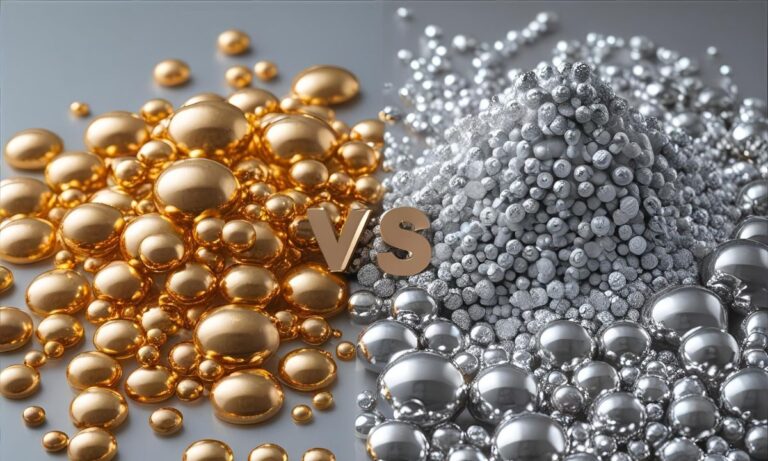
Úvod do tlakového lití hliníku
Tlakové lití hliníkové slitiny je vysoce efektivní výrobní proces a používá se k výrobě složitých kovových součástí ve velkých objemech. Jedná se o proces vstřikování roztavené hliníkové slitiny do kalené ocelové formy (běžně nazývané matrice) pod vysokým tlakem.
Tento proces je ceněn zejména v automobilovém průmyslu, elektronice, telekomunikacích a průmyslových zařízeních, protože umožňuje výrobu lehkých součástí s dobrou rozměrovou přesností a povrchovou úpravou.
Vynikající poměr pevnosti a hmotnosti je hlavním důvodem, proč je hliník oblíbeným kovem pro tlakové lití. Součásti z hliníkové slitiny mohou poskytovat požadované mechanické vlastnosti pro konstrukční aplikace a nabízejí materiál s vysokou mírou snížení hmotnosti výrobku.
Existuje také tlakové lití, které umožňuje výrobci začlenit více funkcí do jediného dílu. Žebra, nástavce, montážní body a tenké stěny lze odlévat v jediné operaci, čímž se eliminuje nutnost sekundárního obrábění a montáže.
Tím se snižují výrobní náklady a zvyšuje se konzistence a opakovatelnost. Díky těmto přednostem, tlakové lití hliníku se stal jedním z nejoblíbenějších procesů tváření kovů pro středně až velkosériovou výrobu.

Proces tlakového lití hliníku
Příprava a nastavení formy
Začíná se přípravou ocelové matrice. Zápustka je dvoudílný odlitek: stacionární polovina a pohyblivá polovina. Dutina zápustky se po každém výstřelu nastříká a vyčistí. Tento nátěr umožňuje kontrolovat teplotu kokily a usnadňuje vyhození odlitého tělesa, aniž by se přilepilo k zápustce. plísně povrch nebo poškození.
Vstřikování roztaveného hliníku
V peci se slitina hliníku se roztaví a udržuje při kontrolované teplotě, aby se dosáhlo správné tekutosti. Při vysokotlakém lití se do dutiny formy vstřikuje hydraulickým pístem pod vysokým tlakem určité množství roztaveného kovu. Tlak se může pohybovat od několika tisíc až po více než 20 000 psi, což umožňuje, aby kov před ztuhnutím vyplnil malé plochy a složité geometrie.
Tuhnutí a chlazení
Po naplnění dutiny se udržuje tlak, dokud hliník nevychladne a neztuhne. Rychlým ochlazením ocelové zápustky vzniká jemná mikrostruktura, která zlepšuje mechanické vlastnosti a povrchovou úpravu. Kanálové chlazení uvnitř zápustky reguluje teplotu a zajišťuje konzistentní dobu cyklu.
Vyhazování a dokončování
Po vytvrzení formy se poloviny otevřou a forma se vysune pomocí vyhazovacích kolíků. Veškerý nepotřebný materiál, včetně vtoků, bran a otřepů, se odstřihne. V závislosti na použití se pak na dílu mohou provádět sekundární operace, jako je obrábění, povrchová úprava nebo tepelné zpracování. Výsledkem je hliníkový díl téměř síťového tvaru vhodný pro náročné průmyslové aplikace.
Hliníkové slitiny v tlakovém lití
Odlitky na bázi slitin: Hliníkové tlakové odlitky jsou navrženy tak, aby vyvážily slévatelnost, mechanickou pevnost, odolnost proti korozi a tepelné vlastnosti. Na rozdíl od čistého hliníku mají tyto slitiny řízený obsah křemíku, mědi, hořčíku, železa a dalších legujících prvků, které zlepšují tok kapaliny, tuhnutí a použitelnost roztaveného kovu. Výběr vhodné slitiny je zásadní, protože každé složení nabízí jedinečnou rovnováhu mezi pevností, trvanlivostí, hmotností, náklady a vyrobitelností.
Přinášíme vám bližší informace o nejoblíbenějších vysoce výkonných slitinách pro tlakové lití hliníku a o tom, proč jsou jednotlivé slitiny vhodné pro konkrétní použití.
A380 Hliníková slitina
Mechanický výkon a pevnost
A380 je označován jako pracovní kůň společnosti tlakové lití hliníku. Má dobrou pevnost v tahu (přibližně 320 MPa) a mez kluzu (přibližně 160 MPa) ve stavu po odlití. Přestože není nejlepší hliníkovou slitinou na trhu, nabízí nejlepší kombinaci pevnosti a tažnosti pro konstrukční skříně, kryty a držáky.
Výhody
- Nejlepší vlastností letounu A380 je jeho vysoká odlévatelnost.
- Díky obsahu křemíku a mědi se snadno přenáší do složitých forem a vytváří díly s tenkými stěnami a jemnými detaily.
- Je také tepelně vodivý a mírně odolný proti opotřebení.
- Díky konzistentnímu procesu odlévání má nízkou zmetkovitost a dobrou životnost nástrojů, což snižuje celkové výrobní náklady.
- Kompromisem je mírná odolnost proti korozi díky přítomnosti mědi.
Hliníková slitina A360
Mechanický výkon a pevnost
A360 nabízí stejnou pevnost v tahu jako A380 a má lepší vlastnosti při vyšších teplotách. Mez kluzu je obvykle 170 MPa a tato hliníková slitina je stabilní v podmínkách obrábění za tepla, například v motorovém prostoru.
Výhody
- Jeho hlavní předností je vysoká odolnost proti korozi.
- Snížený obsah mědi a zvýšený obsah křemíku a hořčíku umožní A360 účinně pracovat v mokrých podmínkách, v mořské vodě nebo v chemicky agresivních podmínkách.
- Je také vysoce tlakotěsný, a proto je vhodným materiálem pro hydraulické komponenty a utěsněné skříně.
- Výroba letounu A360 je nicméně náročnější na odlévání než výroba letounu A380, což může komplikovat a zvyšovat výrobní náklady.
ADC12 (ekvivalent A383) Hliníková slitina
Mechanický výkon a pevnost
Protějškem A383 je ADC12, který má střední pevnost a pevnost v tahu je běžně 180230 Mpa. I když je o něco slabší než A380, stále postačuje pro konstrukční provedení mnoha průmyslových a automobilových součástí.
Výhody
- Jeho významnou předností je vynikající plynulost.
- Zvýšený obsah křemíku umožňuje ADC12 odlévat extrémně tenké a komplikované geometrie s menším počtem defektů.
- To je vhodné pro složitá pouzdra, kryty a jemné dolaďování dílů.
- Snadno se obrábí a má dobrou rozměrovou stálost.
- Odolnost proti korozi je také slušná a pevnost při vysokých teplotách je ve srovnání s A360 omezená.
Slitina hliníku Al-Si11Cu3
Mechanický výkon a pevnost
Vyvážené mechanické vlastnosti charakterizují Al-Si11Cu3. Pevnost v tahu je obvykle vyšší než 300 MPa, s dobrou tvrdostí a střední tažností. Je pevnější než ADC12 a ve většině konstrukčních aplikací je podobný A380.
Výhody
- Tato slitina je dobře odlévatelná a vysoce odolná proti opotřebení.
- Díky své jedinečné křemíkové struktuře je tvrdý a odolný, takže je vhodný pro použití v dílech vystavených tření, jako jsou skříně převodovek a součásti motorů.
- Je také tepelně vodivý a tlakově těsný.
- Díky obsahu mědi má střední odolnost proti korozi, ale díky své univerzálnosti se používá v automobilovém, elektrotechnickém a všeobecném strojírenství.
Hliníková slitina B390
Mechanický výkon a pevnost
B390 byl vyroben tak, aby byl co nejtvrdší a nejodolnější proti opotřebení. Má neuvěřitelně vysokou mez kluzu (přibližně 240 MPa) a pevnost v tahu 350 MPa. Je dostatečně tvrdá, a to až do 120 stupňů podle Brinella, což je na poměry většiny slitin pro tlakové lití velmi vysoká hodnota.
Výhody
- Vysoký obsah křemíku vede k tvorbě tvrdých křemíkových částic, které zajišťují vynikající odolnost proti oděru.
- Díky tomu se slitina B390 stala nejvhodnější slitinou bloku motoru a pístu pro součásti kompresoru, které jsou vystaveny extrémnímu tření a teplu.
- Je také rozměrově stabilní i při vysokých teplotách.
- Jeho nevýhodou je velmi nízká tažnost a obtížnost obrábění, což zvyšuje opotřebení nástrojů a náklady na zpracování.
Srovnávací shrnutí
Pro tlakové lití hliníku se používají následující slitiny:
- Nejvhodnější univerzální volbou bude A380 díky své pevnosti, odlévatelnosti a cenové výhodnosti.
- A360 se vyznačuje odolností proti korozi a odolností při vysokých teplotách.
- ADC12 (A383) je ideální pro složité a tenkostěnné díly.
- Al-Si11Cu3 nabízí stejnou pevnost a opotřebení.
- B390 je nesrovnatelný z hlediska tvrdosti a vysokého tření.
Výběr vhodné slitiny je určen konstrukčním faktorem, kterým může být pevnost, odolnost proti korozi, životnost při opotřebení, snížení hmotnosti nebo složitost odlitku.
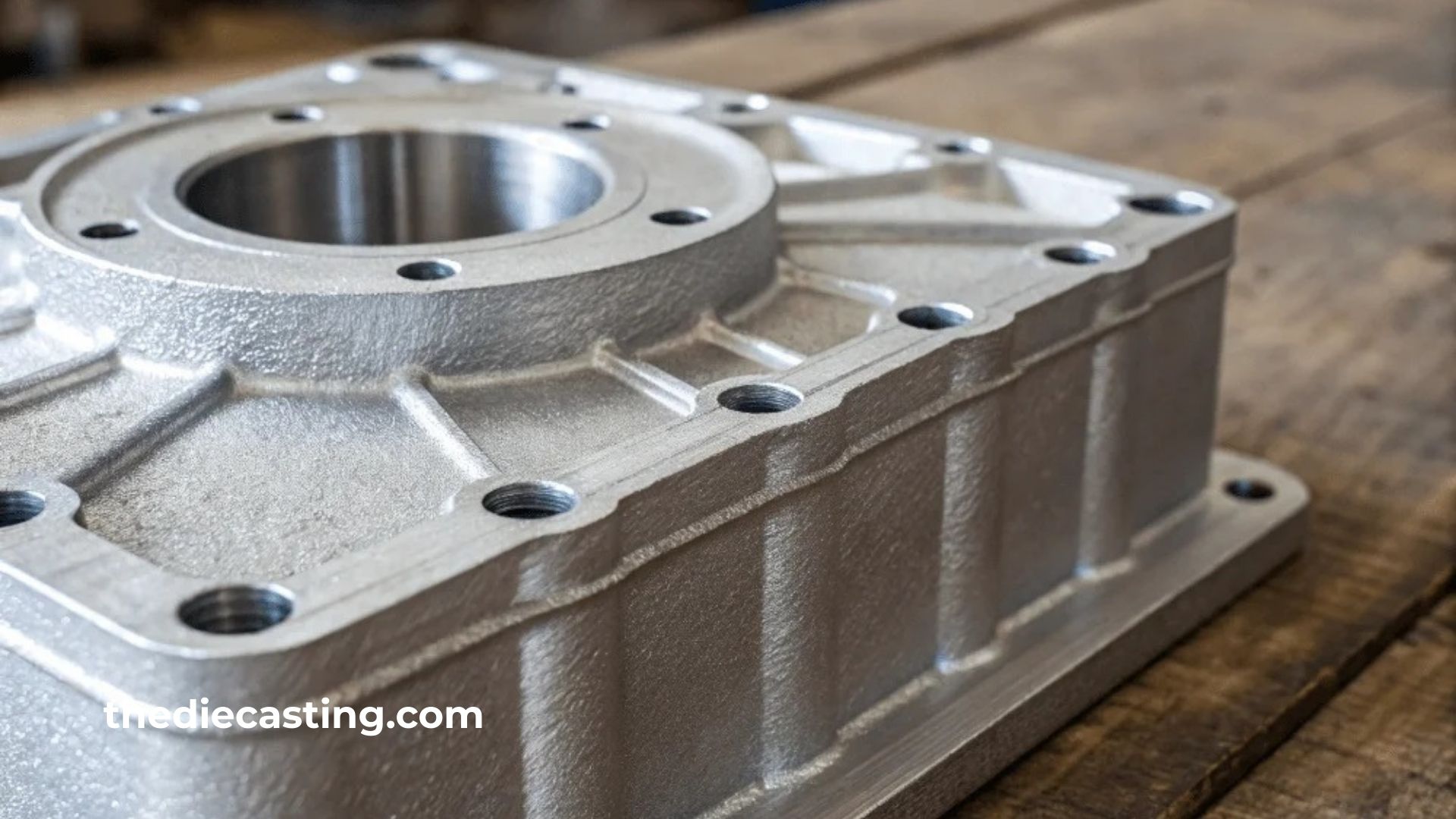
Souhrn fyzikálních a chemických vlastností slitin hliníku
| Slitina | A380 | A360 | ADC12 / A383 | Al-Si11Cu3 | B390 |
| Křemík % | 7.5-9.5 | 9-10 | 9.5-11.5 | 9.6-12 | 16-18 |
| Měď % | 3-4 | ≤0.6 | 2-3 | 1.5-3.5 | 4-5 |
| Hořčík % | ≤0.1 | 0.4-0.6 | ≤0.3 | ≤0.35 | ≤0.1 |
| Hustota (g/cm³) | 2.71 | 2.63 | 2.70 | 2.70 | 2.75 |
| Pevnost v tahu (MPa) | ~324 | ~317 | 180-230 | ~300 | 320-360 |
| Mez kluzu (MPa) | ~160 | ~170 | ~150 | ~140 | 240-250 |
| Prodloužení (%) | ~3.5 | ~3.5 | ~3 | ~2-3 | <1 |
| Tvrdost | ~80 | ~75 | ~75 | ~85 | ~120 |
| Odolnost proti korozi | Mírná | Vynikající | Spravedlivé | Mírná | Spravedlivé |
| Odlévatelnost | Vynikající | Spravedlivé | Vynikající | Velmi dobré | Mírná |
| Odolnost proti opotřebení | Dobrý | Dobrý | Mírná | Dobrý | Vynikající |
Použití slitin hliníku
Automobilový průmysl
Lehké konstrukční součásti a součásti hnacího ústrojí
Automobilové hliníkové slitiny se široce používají při výrobě bloků motorů, skříní převodovek, součástí zavěšení a konstrukčních konzol. Jsou výkonné na jednotku hmotnosti, snižují celkovou hmotnost vozidla a zlepšují palivovou účinnost, čímž zvyšují dojezd elektromobilu. Tato hliníková slitina také zlepšuje odvod tepla v motorech a bateriových systémech, čímž zvyšuje výkon a životnost.
Odvětví letectví a kosmonautiky
Konstrukce draku a vnitřní konstrukce
Mezi vlastnosti, díky nimž jsou hliníkové slitiny v letectví a kosmonautice výhodné, patří jejich schopnost poskytovat pevnost bez nadměrné hmotnosti. Uplatnění nacházejí v trupu, křídlech, rámu sedadel a vnitřních nosných konstrukcích. Snížená hmotnost přímo zlepšuje spotřebu paliva a nosnost, aniž by byly ohroženy bezpečnostní a výkonnostní standardy.
Elektronika a telekomunikace
Chladiče a izolační skříně
V elektronice, slitiny hliníku se používají pro rámečky, chladiče a rámečky LED osvětlení. Mají také vynikající tepelnou vodivost, což umožňuje účinný odvod tepla a ochranu citlivých obvodů, a tím prodlužuje životnost zařízení. Poskytují také elektromagnetickou ochranu a odolnost proti korozi pro venkovní telekomunikační zařízení.
Průmyslové stroje
Mechanické rámy a pouzdra
Slitiny hliníku se používají k výrobě skříní převodovek, těles čerpadel a krytů motorů pro průmyslová zařízení. Tyto profily se vyznačují rozměrovou stálostí, střední pevností a odolností proti korozi v provozních podmínkách.
Stavebnictví a architektura
Architektonický hardware a ozdoby
Slitiny hliníku se používají v okenních rámech, dveřních závěsech, fasádních panelech a architektonickém kování ve stavebnictví. Díky své odolnosti vůči povětrnostním vlivům, nenáročnosti na údržbu a schopnosti podporovat atraktivní povrchové úpravy je lze použít v konstrukci a výzdobě budov a jiných staveb.
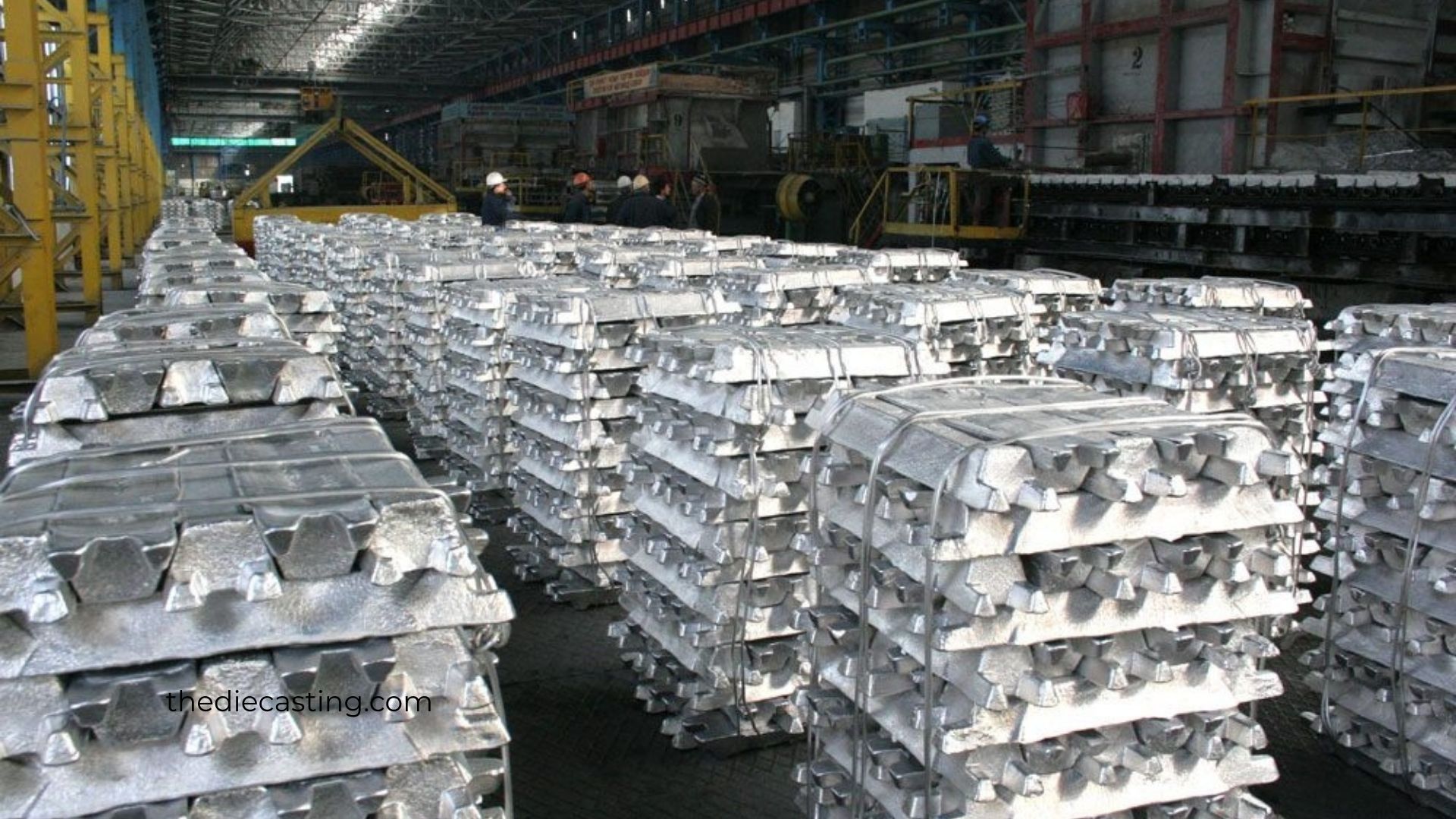
Výběr správné hliníkové slitiny pro vaše požadavky
Konečný výběr nejvhodnější hliníkové slitiny pro proces tlakového lití bude vycházet z požadavků na výkon, efektivitu výroby a náklady. Každá slitina nabízí jedinečnou kombinaci pevnosti, tekutosti, odolnosti proti korozi a opotřebení, díky čemuž je použitelná ve specifických provozních podmínkách. Pro každou aplikaci nelze použít jedinou ideální slitinu; vhodnou slitinu však lze určit na základě pochopení mechanických, tepelných a environmentálních požadavků, které má konečná součást vydržet.
- U konstrukčních dílů pro všeobecné použití zůstává A380 silnou volbou díky své dobré odlévatelnosti, srovnatelné pevnosti a cenově výhodné výrobě.
- A360 nabízí vyšší tlakovou odolnost a lepší těsnění pro komponenty pracující v korozivním prostředí nebo při vysokých teplotách.
- ADC12 (ekvivalent A383) je jedinečný v tom, že je třeba počítat se složitou geometrií a tenkými stěnami kvůli lepší tekutosti a rozměrové stabilitě.
- Slitiny jako Al-Si11Cu3 nabízejí dobrou rovnováhu mezi odolností proti opotřebení a mechanickými vlastnostmi, takže jsou vhodné pro použití v automobilovém průmyslu a strojírenství.
- Současně se B390 používá přednostně v případech, kdy jsou vyžadovány extrémní podmínky opotřebení, zejména u součástí motorů a kompresorů, kde jsou tvrdost a odolnost proti otěru kritičtější než tažnost.
Závěr
Všechny hliníkové slitiny mají specifické vlastnosti a charakteristiky, díky nimž jsou ideální pro různé aplikace. Kromě mechanických vlastností, slitiny pro tlakové lití hliníku podporovat současné technické cíle, včetně nízké hmotnosti, energetické účinnosti a udržitelnosti. Jejich šetrnost k životnímu prostředí a nákladovou efektivitu zvyšuje recyklovatelnost, odolnost proti korozi a schopnost vyrábět složité díly téměř síťového tvaru.
Hliníkové tlakové odlitky budou cenným materiálem v automobilovém, leteckém a kosmickém průmyslu, při výrobě elektroniky a průmyslových výrobků, protože tato odvětví stále vyžadují lehčí, pevnější a tepelně účinnější materiály.
Znalost slitin ve fázi návrhu zlepšuje výkonnost výrobku, prodlužuje jeho životnost a umožňuje efektivní výrobní procesy. Výběr slitin tedy není jen volbou materiálu, ale také volbou techniky.
Často kladené otázky (FAQ)
1. Jaká je nejoblíbenější slitina hliníku pro tlakové lití?
Nejčastěji používanou slitinou je A380, která se vyznačuje vysokou odlévatelností, přiměřenou pevností a cenovou dostupností.
2. Jaká slitina je nejlepší pro použití při vysokých teplotách?
A360 je vysokoteplotní slitina pro lití s vyšší odolností proti korozi než většina ostatních slitin pro tlakové lití.
3. Kterou slitinu používáte u tenkostěnných nebo složitých dílů?
ADC12 (stejný jako A383) je upřednostňován díky své vysoké tekutosti, která umožňuje vyplňovat složité formy s minimem defektů.
4. Která hliníková slitina má nejvyšší odolnost proti opotřebení?
B390 je vysoce tvrdý a odolný proti otěru, proto se používá v blocích motorů a dalších součástech s vysokým třením.
5. Obsahují slitiny hliníku pro tlakové lití odolnost proti korozi?
Ano, většina z nich má dobrou odolnost proti korozi, ale slitiny s nízkým obsahem mědi, jako je například A360, mají v korozivním prostředí lepší vlastnosti.