Aluminiumguss

Entdecken Sie die Möglichkeiten des kundenspezifischen Zinkdruckgusses für Präzisionsteile

Entdecken Sie die Möglichkeiten des kundenspezifischen Zinkdruckgusses für Präzisionsteile 

Aluminiumguss

Custom zinc die casting has become a cornerstone of modern manufacturing, offering businesses the ability to produce complex, durable, and high-precision parts at scale. Unlike standard casting methods, customized zinc die casting allows manufacturers to create components that meet exact design, dimensional, and performance requirements. This flexibility makes it an ideal solution for industries such as automotive, electronics, aerospace, and consumer products, where reliability and accuracy are critical. Zinc alloys like Zamak 2, Zamak 3, Zamak 5 and ZA 8 are commonly used Zinc die-cast alloys, which are selected based on their mechanical and thermal requirements. Zamak 2 has approximately 4 percent aluminium, about 3 percent copper and a bit of magnesium, giving it great strength and hardness with a tensile strength very close to 330 MPa. Zamak 3 is, by far, the most used and is virtually copper-free (about 4 % aluminium and similar magnesium content) and thus hard and easy to cast with a tensile strength of about 280 MPa. A 1% copper-containing zinc-based alloy, which improves the strength and hardness a little bit up to 310 MPa of the tensile strength, is known as Zamak 5, which has good castability. ZA-8 is a near 8.5% aluminum and about 1% copper alloy with tensile strength nearly 390 MPa and good wear resistance and performance under elevated temperature conditions. Custom zinc die casting, the process as such, and the use of business of China’s customized zinc alloy die casting services will be explored in this article.  What is Zinc Die Casting? Zinc die casting is a method of injecting molten zinc at high pressure into a steel mold. When the metal solidifies, it assumes the shape of the mold making a particular and everlasting part. Compared to other metals, zinc possesses great fluidity, excellent strength and the ability of die casting components with fine details. Its strength makes zinc an attractive option from a performance standpoint, but it is also a relatively low-cost material, and is an attractive option for companies that want to balance performance with production costs. It’s particularly true with any type of custom zinc die casting since this process allows businesses to design customized components for their individual needs. Advantages of Customized Zinc Die Casting 1. Precision and Accuracy The customization of zinc die casting has one of the most significant advantages, which is the ability to make highly accurate and precise parts. This process of die casting makes sure that the components remain consistent in the dimensions and the surface finish, even for the complex designs. In the fields of electronics, automotive and aerospace, where there is a need for tolerance and fit, this precision becomes very important. Fine detail parts that can not be created through other means and parts with intricate sculptured detailed geometries can be produced using custom zinc die casting. While other manufacturing methods may be able to produce some parts with high volumes of identical parts with minimal variation, die casting is truly the way to go for parts that require a high level of consistency. 2. Durability and Strength It’s a robust metal and it’s very durable and corrosion resistant. It is, therefore, perfect for making parts that will be subjected to abrasive conditions. Zinc die casting offers custom ability to produce custom parts that are designed to be used effectively over periods of use. Zinc alloy die castings provide outstanding strength to weight ratios so the products will be strong but not too heavy. As with most industries, this is crucial (particularly in automotive manufacturing) where reducing the mass of the system is critical to performance, fuel efficiency, etc. 3. Cost-Effectiveness For many businesses, cost effective is a very important thing. This challenge can be solved quite well using custom zinc die casting process because of its ability to create high quality parts at a relatively lower cost. Due to Zinc’s relatively low material cost and the efficiency of die casting process there is little argument that Zinc is a very cost effective choice for manufacturers. Die casting is also very precise high level precisely, so it can reduce post-production costs or secondary machine Work. It also allows a high level of identical parts production in a single production run and therefore further reduces costs, making it the perfect solution for mass production. 4. Design Flexibility The main advantage of zinc die casting utilizing customized design is that there is flexibility with respect of design. This allows manufacturers to create parts with complex shapes, thin walls and intricate features which otherwise would have been impractical to manufacture. Such flexibility allows businesses to invent and create different parts that provide particular functions and a specific look. Additionally, parts can be created with various surface finishes such as smooth and polished, to textured or matte using this custom zinc alloy die casting. The versatility in design makes zinc die casting suitable for many more applications other than consumer electronics – industrial machinery, vehicular parts, etc. 5. Short Lead Times Today, time is of the essence in the high speed, high volume manufacturing environment. Custom zinc die casting helps businesses to hit the mark with quick production lead times, as they bring their products to market fast. The casting process is pretty fast once the molds are made so actually the entire process is pretty quick and allows for quick production of a large quantity of parts in a minimum amount of time. Additionally, it is useful in the industries where the time to market is critical. Proper use of zinc die casting helps companies avoid delays and inventory shortage and result in high quality of parts. The Process of Custom Zinc Die Casting This is the case with the mass custom zinc die casting process, which has many key steps to be performed to make it accomplish what is necessary. These steps are: 1. Mold Design and Creation The first thing that is done to make a mold is to design the mold using steel. The part being

Schweißen von Aluminiumguss: Ein umfassender Leitfaden

Aluminiumguss, Aluminiumdruckguss

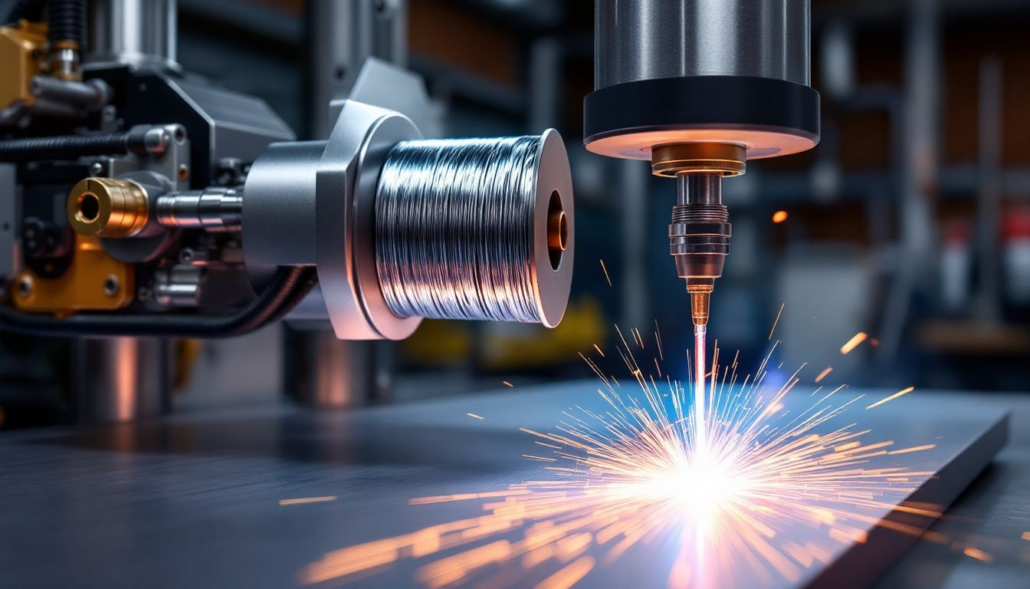
There are very few places one can go to learn about welding cast aluminum, and the skill set needed to do so is highly specialized. However, cast aluminum is a material created by pouring molten aluminum into a mold, which results in a porous material with impurities. This does not occur with standard aluminum alloys. Because of these characteristics, welding is more difficult, and preparing carefully, keeping the heat precisely in check, and using the appropriate techniques is necessary to produce strong, robust welds. Oxidation is one of the greatest hurdles when welding cast aluminum. This thin oxide layer, formed when exposed to air is much thicker than what naturally forms on aluminum, and it melts at a much higher temperature than aluminum itself, making fusion difficult. Furthermore, the presence of impurities and trapped gases in the cast aluminum can result in porosity, which provides weak welds if not properly cleaned and preheated. TIG (Tungsten Inert Gas) is the method of choice for precision and cleanliness, while MIG (Metal Inert Gas) is useful for speed and thicker material. To obtain a strong and defect-free weld, it is necessary to use the correct filler metal (such as 4045, 5356, or 4047) and shielding gas combination (of pure argon or argon-helium mixtures). Good preparation includes adequately cleaning and preheating as far as possible to minimize cracking, porosity and lack of fusion. Endurance and life of the welded joints is further improved by post-weld treatments like stress relief, grinding and corrosion protection after welding. While the majority of cast aluminum welders are welded steel, welders can successfully work with cast aluminum using the right techniques, tools, and attention to detail so long as lightweight, high strength components are required in industries. This is a masterable process that leads to further development of aluminum welding applications and to a reliable and predictable performance of aluminum structures in critical environments. Understanding Cast Aluminum  However, before proceeding with the welding techniques needed for cast aluminum, it is crucial to have a firm understanding of what constitutes cast aluminum and what makes it unique from other metals. Cast aluminum differs from wrought aluminum, which is mechanically shaped by using rolling or extruding, in that cast aluminum can be formed in complex shapes of high precision by melting aluminum and pouring this molten form into a mold. The unique internal structure so produced, usually characterized by porosity, impurities and varying alloy composition, has an important effect on weldability. To be able to weld cast aluminum successfully, one should know its chemical and physical properties, its pros and cons as well as the different types of cast aluminium alloys from various industries. These factors will be taken into consideration for the determining the necessary welding method, selection of filler material and preweld preparation techniques to make strong and defect free welds. Cast aluminum properties: What makes a cast different? Another important consideration that use of cast aluminum has several properties that make it light weight, anti- corrosive and very flexible. However, the same properties also pose some difficulties when welding is being done, provided that proper measures are not taken. 1. Porosity: The Hidden Challenge Possibly one of the biggest concerns about welding cast aluminum is porosity; it is known as the small bubbles of gas that get trapped in the metal when it is being cast. These eight are resulted from the entrapment of gases such as hydrogen, formation of small pores as a result of shrinkage during cooling of the aluminum metal and impurities. 🔹 How Porosity Affects Welding 🔹 How to Minimize Porosity During Welding 2. Oxidation: The Barrier to Clean Welds It is an element that reacts with other elements particularly oxygen found in the space surrounding the metal. This oxidation generates a very thin but extremely hard skin of aluminum oxide (Al₂O₃) through which the further corrosion of aluminum is prevented. Nevertheless, oxide layer is a critical issue when welding since its melting temperature is around 3700°F (2037°C), which is much higher than that of aluminum, 1221°F (660°C). Investigation on Why Oxidation is a Problem in Welding 🔹 Different Techniques of Removing and Controlling Oxidation 3. Heat Sensitivity: Managing Thermal Conductivity Different from steel, aluminum has high thermal conductivity and it can easily absorb and emit heat. This has always been a problem in maintaining a standard welding temperature; this tends to cause the following: 🔹 How to Overcome Heat Sensitivity Challenges Common Types of Cast Aluminum Alloys Various types of cast aluminum alloys can be cast according to their chemical composition and mechanical properties. Here are a few of the advantages and disadvantages of each type, as well as applications where they would be most useful. 1. A356 Cast Aluminum: The High-Strength Alloy  Its composition: Mainly encompasses aluminum (Al), silicon (Si) and magnesium (Mg). 🔹 Key Features 🔹 Common Applications 2. 319 Cast Aluminum: The Wear-Resistant Allo Composition: Contains higher levels of silicon (Si) and copper (Cu) than A356. 🔹 Key Features 🔹 Common Applications 3. 535 Cast Aluminum: The Marine-Grade Alloy Composition: Contains a high percentage of magnesium (Mg) for corrosion resistance. 🔹 Key Features 🔹 Common Applications Why Understanding Cast Aluminum Matters for Welding Starting with cast aluminum welding mastery is all about determining what cast aluminum is made of, its properties, and associated challenges. Therefore, as cast aluminum is used extensively in automotive, aerospace and marine engineering, welders require strategies for casting porosity, oxidation and sensitivity to heat. Different types of cast aluminum alloys respond to welding differently, and you should choose the correct filler materials, shielding gas and welding technique means the difference between a strong, reliable weld or a weak, porous joint. With preparation of the material, using the correct cleaning procedures, and regulating heat input, welders can address the issues associated with cast aluminum and generate powerful, long lasting welds that comply with harsh applications. Challenges in Welding Cast Aluminum  Welding of cast aluminum is notoriously difficult because of the unique physical and chemical properties of

Der ultimative Leitfaden für Outdoor-Möbel aus Gussaluminium

Der ultimative Leitfaden für Outdoor-Möbel aus Gussaluminium

Aluminiumguss, Aluminium-Druckguss

Bei der Suche nach einem guten Material für Außenmöbel müssen Haltbarkeit, Stil, aber auch geringe Wartungskosten berücksichtigt werden. Outdoor-Möbel aus Aluminiumguss erfreuen sich großer Beliebtheit, da sie vielen Wetterlagen standhalten und einen glänzenden Eindruck machen. Im Gegensatz zu Holz, das verrotten kann, oder Schmiedeeisen, das anfällig für Rost ist, bietet Aluminiumguss ein perfektes Gleichgewicht zwischen Stärke und Langlebigkeit. Einer der größten Vorteile von Terrassenmöbeln aus Aluminiumguss ist ihre Beständigkeit gegen Rost und Korrosion. Da es wasserfest ist, eignet es sich hervorragend für Orte, an denen es häufig regnet, an denen eine konstante Luftfeuchtigkeit herrscht oder die an der Küste liegen, wo die salzhaltige Luft andere Materialien angreift. Außerdem ist es leicht und dennoch robust genug, um im Freien aufgestellt zu werden, da es aus Aluminium besteht und sich auch leicht bewegen lässt. Ein weiterer Pluspunkt von Aluminiumguss ist die individuelle Gestaltung. Mit einer Vielzahl von Oberflächen, Farben und komplizierten Designs passt es zu jeder Außenästhetik, von einer modernen Terrasse bis hin zu einer klassischen Gartengestaltung. Viele Hausbesitzer schätzen auch den zusätzlichen Vorteil, dass sie die Möbel mit Kissen, Polstern und gemischten Materialien noch weiter individualisieren können. Es gibt einige weit verbreitete Missverständnisse über Aluminiumguss, z. B. dass er in der Sonne zu heiß zum Anfassen ist oder dass er teurer ist als andere Materialien, aber das ist bei weitem nicht der Fall. Es ist sehr pflegeleicht und behält sein Aussehen Jahrzehnte lang bei, wenn man es nur einfach pflegt. Aluminiumguss bietet jedoch sowohl gepolsterten Komfort, den Holz nicht bieten kann, als auch eine stilvolle Angelegenheit, die Sie nicht bereuen werden. Was sind Außenmöbel aus Aluminiumguss? Der Name Aluminiumguss wird manchmal auch als ‘Aluminiumoxid’ bezeichnet und bezieht sich auf eine Art von Metall, das geschmolzen und in Formen gegossen wird, um Skulpturen zu schaffen. Terrassenmöbel aus Gussaluminium sind nicht so robust wie Schmiedeeisen oder Stahl, sondern leicht, rostfrei und widerstandsfähig gegen alle Witterungseinflüsse. Wenn Sie sich elegante Möbel wünschen, die wenig Pflege benötigen und gleichzeitig den rauen Bedingungen im Freien standhalten, sind sie eine sehr gute Alternative. Was ist der Vorteil von Outdoor-Möbeln aus Gussaluminium? 1. Wetterbeständigkeit Aluminiumgussmöbel für den Außenbereich sind anders als Holz oder Schmiedeeisen: Sie verrotten oder rosten nicht und sind ideal für den Außenbereich, da sie feuchtigkeitsbeständig sind. Es nimmt kein Wasser auf und wird daher durch Regen, Schnee und Feuchtigkeit nicht rissig, verformt oder geschwächt. 2. Rostfrei und korrosionsbeständig Terrassenmöbel aus Aluminiumguss haben einen der größten Vorteile, da sie nicht rosten. Daher sind sie die perfekte Wahl für feuchte und küstennahe Regionen, da sie auch starken Regenfällen standhalten. 3. Leicht und doch stabil Wie zu erwarten, ist Aluminiumguss im Vergleich zu Schmiedeeisen sehr leicht, so dass er sich viel leichter bewegen und umstellen lässt. Wind und allgemeine Abnutzung können ihm nichts anhaben, aber es ist dennoch robust genug. 4. Elegantes und stilvolles Design Aluminiumguss hat seinen eigenen Stil und wird häufig für Terrassenmöbel verwendet, die meist mit komplizierten Mustern verziert oder sorgfältig gestaltet sind, die mit einer gewissen Eleganz verbunden sind. Die detaillierte handwerkliche Verarbeitung verleiht der Terrasse ein raffiniertes Aussehen, wozu auch der Gussprozess beiträgt. 5. Geringe Wartung Terrassenmöbel aus Aluminiumguss sind fast wartungsfrei, da sie nicht wie Holzmöbel gebeizt oder versiegelt werden müssen. Ein einfaches Abwischen mit milder Seife und Wasser genügt, um sie wieder wie neu aussehen zu lassen. 6. Lange Lebensdauer Aufgrund ihrer ultimativen Haltbarkeit und der Tatsache, dass sie den Elementen im Freien nichts anhaben können, sind Möbel aus Aluminiumguss langlebig und eine lohnende Investition für Hausbesitzer. Arten von Alugussmöbeln für den Außenbereich 1. Cast Aluminum Patio Dining Sets Ein Patio-Set aus Aluminiumguss ist eine schöne Ergänzung für jeden Hof oder Garten. In der Regel handelt es sich dabei um einen Tisch und passende Stühle, die sich zum Essen im Freien, auf der Terrasse oder für ein Grillfest mit Freunden und Familie eignen. 2. Loungesessel aus Aluminiumguss Für den Fall, dass sie es lieben, draußen zu liegen, sind Loungesessel aus Aluminiumguss eine stilvolle und bequeme Optioption zum Liegen, und Kissen sind in vielen Modellen erhältlich. 3. Bänke aus Aluguss Bänke aus Aluguss sehen in Parks, Gärten oder auf Terrassen attraktiv aus. Andererseits besitzen sie eine klassische und zeitlose Ausstrahlung und sind sehr langlebig. 4. Couchtische aus Aluminiumguss Es werden Couchtische aus Aluminiumguss verwendet, die unter Sitzgelegenheiten im Freien passen. Sie sind der ideale Abstellplatz für Gläser, Snacks oder Dekorationsartikel. 5. Bistro-Sets aus Aluguss Wenn Sie eine kleine Terrasse oder einen kleinen Balkon haben, ist ein Bistro-Set aus Aluguss eine gute Wahl für Sie. Es ergänzt Ihre Einrichtung mit gemütlichen und stilvollen Sitzgelegenheiten für 2 Personen. Terrassenmöbel aus Aluguss: Die perfekte Mischung aus Langlebigkeit und Stil Terrassenmöbel aus Aluminiumguss sind aufgrund ihrer Rostbeständigkeit, ihres geringen Gewichts und ihrer Langlebigkeit die beste Wahl für den Außenbereich. Aluminiumguss ist viel weniger schwer oder rostanfällig als Schmiedeeisen und erfordert keine ständige Pflege wie Holz für eine Terrasse, einen Garten oder einen Lounge-Bereich im Freien. Dazu wird geschmolzenes Aluminium in die gewünschte Form gegossen, um komplizierte Designs und trendige Oberflächen zu erhalten. Warum bevorzugen viele Hausbesitzer, die sich ein einheitliches Aussehen wünschen, ohne sich die Arbeit machen zu müssen, Aluminiumguss? Es gibt viele verschiedene Stile, aus denen Sie wählen können, wenn Sie eine Essgarnitur, Loungesessel oder sogar eine dekorative Bank benötigen, und Aluminiumgussmöbel sind in all diesen Varianten erhältlich. Zu den wichtigsten Vorteilen gehört die Wetterbeständigkeit. Aluminiumguss verrottet nicht, rostet nicht wie Stahl und zerfällt nicht wie Holz durch Regen, Sonne und sogar salzige Küstenluft zu Staub. Ein weiterer Vorteil ist, dass es durch gelegentliches Abwischen mit Wasser und Seife wie neu aussieht, was viel einfacher ist, als Sie vielleicht erwarten. Die Anpassungsmöglichkeiten ermöglichen es den Hausbesitzern, die Terrassenmöbel durch die Wahl von Kissen, Polstern und verschiedenen pulverbeschichteten Oberflächen zu personalisieren. So lassen sie sich leicht an jede Außeneinrichtung anpassen. Außerdem,

Kann man Aluguss schweißen? Ein vollständiger Leitfaden

Kann man Aluguss schweißen? Ein vollständiger Leitfaden

Aluminiumguss

If you’re thinking, can you weld cast aluminum, the answer is yes, but you have to have the right setup, preparation and equipment to weld to cast aluminum. Welding cast aluminum is different from welding standard aluminum sheets since cast aluminium has impurities and a different grain structure, which impact weldability. The main properties of aluminium make it a popular metal used in industries such as automotive, aerospace and construction. Nevertheless, welding becomes a major issue with aluminum particularly the cast aluminum. Therefore, can you weld cast aluminum? Sure, you can, but there is a right way and a wrong way to do it, and this means you will need some techniques, preparation, and most importantly of all, equipment, to create a strong, durable weld. The problem is that cast aluminum is not regular general aluminum sheets. And is often impure and has a not-so-gripping fusion with a different grain in it, as poor, if not properly handled, this causes cracking, porosity, poor fusion, etc. But one big hurdle is that aluminum oxidizes (oxide layer forms). Your welding creates an inadequate joint because this layer is higher than the melting point of the aluminum itself, and if you don’t clean around it properly before you weld, it will stick. Control of heat is also an issue—it is neither constructive to work with too much heat, nor is it productive to have too little. They can successfully weld cast aluminum if you pick the right filler, temperature and shielding gas. TIG (Tungsten Inert Gas), MIG (Metal Inert Gas), even stick welding, and so on, are various welding methods, but not all are optimal for welding aluminium cast. This is a guide on how to weld cast aluminum with the best techniques, common problems and tips from experts so you get a nice strong and clean weld. When working with a broken aluminum part or your new project, you need to know how it works in order to avoid typical blunders and achieve the best outcomes. Learning About Cast Aluminum and Its Problems Production of cast aluminum, with direction for a specific shape, comes from melting aluminum and pouring the product into a mold. It is a widely used method of making engine blocks, transmission housings and other such mechanical parts. However, since cast aluminum is cast, it is likely to have impurities, porosity and high silicon content and therefore difficult to weld. Common Challenges in Welding Cast Aluminum 1. Shrinkage: After casting, aluminum can shrink in various parts due to its thermal coefficient of expansion. These gas pockets will expand during welding and resulting welds may be weak. 2. Aluminum:  Naturally has an oxide that must be cleaned before welding. It may otherwise interfere with the weld penetration. 3. The cast aluminum parts are also often impure (Oil, grease, dirt) if not cleaned they can pollute the weld. 4. Cracking of Welded Artwork: Some cast aluminum alloys can have high silicon content, which makes cracking during welding more likely. 5. Aluminum is Heat Sensitivity:  Aluminum conducts heat quickly, making it difficult to keep a weld pool stable without overheating. Having an understanding of these challenges will help pick the best welding technique with the most suited prep methods for getting a strong weld. Can You Weld Cast Aluminum? The Best Welding Methods You can perform welds on cast aluminum provided that you implement proper welding methods and proper materials along with appropriate preparations. Cast aluminum material becomes difficult to weld because of its impurities and voids which standard aluminum lacks. The correct weld-forming technique stands essential for creating effective durable welds. Three excellent methods exist for welding cast aluminum, including: 1. The GTAW stands for Gas Tungsten Arc Welding which functions as TIG Welding.   The best application exists for welds made of precise aluminum that require thin sections and produce excellent results. Why Use TIG Welding? Welding cast aluminum requires TIG welding because this process provides accurate heat management which generates clean and high-quality welds with very low staining. How to TIG Weld Cast Aluminum Pros & Cons of TIG Welding for Cast Aluminum 2. MIG welding systems under the name GMAW employ Gas Metal Arc Welding techniques.  The method works best for welding thick aluminum pieces when making big size repairs and demands fast work. Why Use MIG Welding? TIG welding might be slower than MIG welding while MIG welding proves to be excellent for joining thicker cast aluminum parts. MIG welding aluminum wire demands two things: first, extra setup equipment and second, a spool gun to manage wire supply. How to MIG Weld Cast Aluminum Pros & Cons of MIG Welding for Cast Aluminum 3. Shielded Metal Arc Welding operates via Stick Welding to correct broken or compromised areas.  The technique provides optimal benefits during emergency fixes as well as outdoor situations and large-scale metallic pieces. Why Use Stick Welding? Stick welding remains a valid choice for cast aluminum maintenance when no other suitable welding methods are accessible in outdoor emergency applications. Two Steps for Performing Stick Welds on Cast Aluminum Include Pros & Cons of Stick Welding for Cast Aluminum 4. Oxy-Fuel Welding functions under the name OAW (Oxyacetylene Welding) The technique is suitable for fixing minor aluminum components and basic welding jobs. Why Use Oxy-Fuel Welding? The technique of oxy-fuel welding provides a suitable option for doing small repairs on aluminum materials when TIG or MIG systems are not available. How to Oxy-Fuel Weld Cast Aluminum: Pros & Cons of Oxy-Fuel Welding for Cast Aluminum 5. Friction Stir Welding (FSW) Best for: Industrial applications, aerospace, and high-strength welds. Why Use Friction Stir Welding? The aluminum material undergoes friction stir welding in a solid-state fashion because the process heats and joins materials mechanically rather than melting them. Proficient welds without defects develop because of this process. How Friction Stir Welding Works Pros & Cons of Friction Stir Welding for Cast Aluminum Which Welding Method is Best for Cast Aluminum?  Welding Method Best For Pros Cons TIG Welding

Klar eloxiertes Aluminium: Vorteile, Oberflächenbehandlung und Anleitung zum Eloxieren

Klar eloxiertes Aluminium: Vorteile, Oberflächenbehandlung und Anleitung zum Eloxieren 

Aluminiumguss

A durable corrosion-resistant metal with a transparent oxide layer over it is clear anodized aluminum. It increases strength, wear resistance, and aesthetic properties making it the choice material across the board in architectural, automotive, aerospace as well as industrial applications. One of the most widely used metals due to its lightweight, strength, and natural corrosion resistance is aluminum. Aluminum, however, can oxidize, wear, and be environmentally degradable unless treated. Clear anodized aluminum is commonly used to enhance its durability and to improve some of its surface properties. Anodization is an electrochemical process, whereby the surface of aluminum is covered with a transparent oxide layer that makes aluminum more resistant to corrosion, scratches, and fading. Anodizing will always bond with the metal which ultimately guarantees protection and aesthetic appeal without coating or painting. In this guide, you will understand the benefits of clear anodized aluminum, different surface finishes, its application in anodizing different aluminum alloys, and various industries that utilize anodizing. It also investigates whether anodized aluminum is safe as well as steps up a DIY anodizing guide for folks interested in trying the process at home. Anodized aluminum is a versatile and durable material that can be used in an architectural, automotive, aerospace or industrial application. What is Clear Anodized Aluminum? Aluminum that has been anodized (electrochemically) to form a transparent oxide layer on the surface is clear anodized aluminum. The metal coating effectively improves the metal’s corrosion resistance, wear resistance, and surface hardness which improves its durability for long-term use in harsh environments. Unlike paint or coatings, when dyeing the metal, it is integrated into the metal, so the finish will live fade-resistant and scratch-resistant for a very long time. General Specifications Material Aluminum alloys are commonly clear anodized. Anodized Layer Thickness The thickness of the anodized layer depends on its application. Surface Appearance Standard Compliance Why Choose Clear Anodized Aluminum? Superior corrosion resistance → Ideal for marine, aerospace, and outdoor applications. Durable and long-lasting → Scratch-resistant and fade-resistant finish. It has low maintenance → It needs only minimal cleaning from time to time to keep its appearance. Anodizing is also an eco-friendly process → This method of finishing is nontoxic and sustainable. As the colored option is opaque, it cannot be anodized, and it will wear very quickly and rarely does it last very long. Clear anodized aluminum is one of the most commonly used finishes in architecture, transportation, consumer electronic products, and industrial machinery, providing an attractive and functional finish that lasts and lasts. Clear Anodized Aluminum Process  Clear anodizing is a specially designed electrochemical treatment which makes the corrosion resistant, durable and hard surface of the anodized aluminum. This is a common process that is applied extensively in industrial, architectural, and decorative applications because this process creates a strong and good-looking aftereffect. 1. Cleaning The first phase of the anodizing process is cleaning the aluminum surface of oil, dust, or natural oxidation. After the degreasing, it is soaked in a degreasing solution (for example, R 105) and then rinsed with clean water to make sure all the contaminants have been washed off. This is one critical step to get a smooth and defect-free anodized finish. 2. Alkali Etching The aluminum is then put into a solution of sodium hydroxide at a controlled temperature of 70 to 90 degrees C to eliminate impurities and surface irregularities. This step removes the natural oxide layer to allow subsequent processing up to a uniform surface. 3. Chemical Polishing After completion of the etching process, chemical polishing is applied to aluminum. This process not only helps to smooth the surface but also serves to remove micro deflections and improve the live nature of the metal. Depending on your final application this step can or not create a matte or gloss finish. 4. Activation The aluminum must be activated before the anodizing step for it to have a uniform conductive surface. In this step the material is prepared to act as the anode of the electrochemical reaction by using a particular electrolyte solution. The activation aids in the coating of the entire aluminum surface with a consistent anodized coating. 5. Anodizing Anodizing is an electrochemical reaction where the aluminum submerges in an electrolytic bath and serves as an anode. When an electric current is applied to the metal, an applied oxide layer (Al₂O₃), increases the corrosion and durability of the metal. The electrolyte used, most commonly, is Sulfuric acid; the process parameters change according to the required finish. The next section speaks at length about these parameters. Key Parameters for Anodizing To ensure a successful clear anodized finish, these process parameters need to be closely controlled: The parameters for the anodized layer are such that the layer is uniform, strong and viable under ambient conditions. The final properties of the anodized aluminum can be changed by changing temperature, voltage and treatment time. Aluminum Alloys for Anodizing The use of aluminum alloys in anodizing develops from their strong resistance to corrosion and their long-standing value with good looks. The multiple aluminum alloy series has unique characteristics which match different product needs. This list shows the main aluminum alloys used in anodizing with their makeup and benefits plus their typical applications. 1. Series 1000 (Pure Aluminum)  The 1000 series contains aluminum at 99% purity blended with minor iron and silicon additives. These metal alloys demonstrate top electrical conductivity and fight against corrosion while keeping their flexibility. During the anodization process, pure aluminum creates a clear or translucent coating that increases its toughness and protects it from outside influences. Series 1000 alloys work well because they possess these characteristics. 2. Series 2000 (Aluminum-Copper Alloys) The 2000 series contains aluminum which is mixed with 2% to 7% copper and small amounts of manganese and magnesium. These alloys offer excellent strength and easy machining but have reasonable protection against corrosion. When aluminum-copper alloys receive anodization they develop better protection against wear and corrosion as well as attractive surface treatment. This makes them ideal for: 3. Series

Aluminium für den Guss: Ein umfassender Leitfaden

Aluminium für den Guss: Ein umfassender Leitfaden

Aluminiumguss

Casting is one of the oldest and most versatile metal working processes that allow manufacturers to produce complex shapes of the highest precision. Because of the excellent properties of aluminum for casting like its lightweight nature, corrosion resistance and high thermal conductivity, among the various metals used in casting, aluminum for casting is special. The article is on the use of aluminium for casting, its benefits, types, applications and techniques. Some of the most commonly used metals in casting are mainly due to Aluminum weight properties, excellent corrosion resistance and high thermal conductivity. To see the desired shape, aluminium is melted and poured or injected into a mould for casting. There are several leading methods of casting like sand casting, die casting, investment casting & permanent mould casting, depending on the requirements of the application. The decision of the method of casting shall be based on the size of components required precision required, mechanical properties and production volume. Aluminium casting alloy composition selection is one of the most critical decisions in the production of aluminium castings. Different common aluminium casting alloys include A356, 319 and 380 as well as 7075 which can provide different strength, ductility, and corrosion resistance for a variety of applications. Temperature control, pressure application, cooling rates and defect mitigation also greatly influence the production of high-quality aluminium castings with little porosity or shrinkage defects. Recent advances in casting technology, including vacuum-assisted casting, semi-solid metal processing and 3D printing of moulds have created great improvements in terms of precision, efficiency and sustainability of aluminium casting. In addition, industries are further focusing on recycling aluminium to reduce environmental impact while still maintaining the same levels of performance. The most comprehensive guide into aluminium for casting covering key factors such as temperature, pressure control, mechanical and chemical properties, defect prevention and alloy selection is explored. Knowledge of these aspects allows engineers and manufacturers to do a productive aluminium casting process, produce better product quality, and they can receive better production effectiveness. Why Use Aluminum for Casting? The excellent properties of aluminum justify its use in the casting industry and because of which it is an appropriate metal choice for manufacturers working in various sectors. There are some of the main reasons when opting for aluminum casting uses. 1. Lightweight Yet Strong: As you may expect, aluminum is very lightweight compared to other metals, and this makes it ideal for being used in industries where weight reduction is important when building vehicles or aircraft. 2. Aluminum offers Excellent Corrosion Resistance: The cast parts benefit from the natural oxide layer which is a barrier to rust and helps extend the life of the cast part. 3. High Thermal and Electrical Conductivity:  This makes aluminium extremely suitable for use in heat exchangers, electronic enclosures and engine components. 4. Aluminum castings – Great Machinability: The cast Aluminum can be easily machined, polished, and finished for a high precision application. 5. Less Expensive:  Aluminum is much less expensive than most other metals and its recyclability makes it environmentally friendly. Types of Aluminum Used in Casting Several different aluminium alloys are used for casting and have characteristics suitable for different applications. Which of the most commonly used aluminum alloys for casting are? 1. Aluminum-Silicon Alloys (Al-Si) 2. Aluminum-Copper Alloys (Al-Cu) 3. Aluminum-Magnesium Alloys (Al-Mg) 4. Aluminum-Zinc Alloys (Al-Zn) Aluminum Alloys for Die Casting   The manufacturing process of die casting is very efficient in which a precision mold is used to inject molten aluminum under high pressure. This has become a well known route to manufacture durable, lightweight, and dimensionally accurate, complex metal components. The low density, good corrosion resistance and excellent thermal conductivity of the aluminum make it the preferred material for die casting. There are specifically several aluminum alloys which are specifically formulated for use in die casting to offer mechanical and physical properties for various applications. We described below the most consumed aluminum die casting alloys. 1. Aluminum Alloy 380 (A380) Aluminium alloy A380 is the most common aluminium alloy employed in die casting because of its versatility and superior casting characteristics. Key Properties Common Applications These properties make A380 extensively used in the automotive, aerospace, and consumer electronics applications, where strength to weight ratio, castability and cost efficiency are required. 2. Aluminum Alloy 383 (A383) A better corrosion resistance and performance in high-temperature conditions alternative to A380 is A383. Key Properties Common Applications Applicable in electrical housings, enclosures, as well as industrial machinery parts requiring dimensional stability and heat resistance. 3. Aluminum Alloy 360 (A360) However, A360 is known to have excellent mechanical properties, such as high strength and ductility. Key Properties Common Applications For example, in the automotive transmission cases, engine housings, aerospace, and parts that need high mechanical integrity A360 is often used. 4. Aluminum Alloy 413 (A413) A413 is a high-pressure material designed for high fluidity and tightness to pressure. Key Properties Common Applications Often used in hydraulic components, pump housings and heat exchangers, where it is used to make parts that are required to leak-proof and high strength. 5. Aluminum Alloy 390 (A390) A390 has been engineered for high load and extreme wear resistance. Key Properties Common Applications A390 is commonly used in automotive engine blocks, high performance pistons and mechanical gears where wear resistance and strength at service temperatures are important. 6. Aluminum Alloy 356 (A356) High-purity aluminium A356 possesses excellent castability as well as good mechanical strength. Key Properties Common Applications Automotive suspension and aerospace parts and high-strength industrial castings are made of A356. 7. Aluminum Alloy 319 (A319) A319 is a medium-strength alloy designed for good castability, corrosion resistance, and thermal conductivity. Key Properties Common Applications A319 is being used widely as automotive cylinder heads, transmission cases, and aircraft components where reliable thermal performance and moderate strength are required. The Right Aluminum Alloy to Select for Die Casting Depending on several factors, we need to choose the appropriate aluminium alloy for die casting. 1. Mechanical Requirements: Strength, hardness, ductility, and wear resistance. 2. Corrosion

Cast and Die: Ein umfassender Leitfaden

Cast and Die: Ein umfassender Leitfaden 

Aluminiumguss

Casting and die casting are two important manufacturing processes which are vital to making metal components with the desired precision, durability and efficiency. Casting involves spending molten material in a mould and letting it cool and solidify.  Sand casting, investment casting and permanent mould casting are some types of casting. However, die casting is a special casting that uses high pressure to inject molten metal into a mould cavity with high precision and a good surface finish. For automotive, aerospace, electronics, and related industry applications wherein lightweight, strong, corrosion resistance parts are needed, die casting is widely utilized. Die casting of different variants over time has been developed to suit different needs of industries. Gravity Die Casting (GDC) depends on gravity to fill the mold and Low Pressure Die Casting (LPDC) eliminates turbulence to achieve a higher quality of material integrity. Extreme pressure applied by Squeeze Die Casting creates high strength, porosity-free parts and trapped air is eliminated in Vacuum Die Casting to get a defect-free component. Furthermore, Semi Solid Die Casting (Rheocasting) is achieved by using partially solidified metal to improve mechanical properties and precision.The general term cast in manufacturing is used to refer to the form of shaping metal by filling it into a mold and letting it solidify. This method is commonly used in the sand casting, investment casting, and permanent mold casting. Die in die casting is the metal mold used in the high pressure casting process while die in die casting process means the metal mold attached to the die face. Hardened steel dies, designed for mass production, are usually made. This article will deal with the concepts behind casting and die casting, the differences between these two concepts and also about the types of each, possible applications of the above, as well as the pros and cons associated with casting this process. 1. What is Casting? Casting is an industrial process where a liquid material is forced into a mold, where it solidifies. The liquid can be basically any metal or plastic or other meltable material. After hardening, the material assumes a shape corresponding to the cavity of the mold. For the past several thousand years, using this technique has created the tools, weapons, and intricate sculptures. The Casting Process Several of these steps play an essential role in the nature of the casting process for a metal or plastic component. With this structured approach, the casting is done with more reliability and quality. 2. What is Die Casting?  Dies means molds, hence the name of the process of die casting where a molten metal is forced under high pressure to fill a mold cavity. It is best suited for making high volume, complex and dimensionally accurate parts. The Die Casting Process Die casting is a manufacturing process in which metal components are formed in the shape of the cavity of a die under high pressure while necessitating high precision and accurate dimensional accuracy and surface finish. This is a follow of the steps below: This process will result in high strength, low weight, complex parts with little post processing. The most common materials die casting is used on include non ferrous metals, such as aluminum, zinc and magnesium. Types of Casting Processes  There are various types of casting depending on the type of method used 1 Sand Casting 2 Investment Casting 3 Centrifugal Casting 4 Permanent Mold Casting Types of die-casting There are mainly two ways to die casting: 1. Hot Chamber Die Casting 2. Cold Chamber Die Casting 5. Differences Between Casting and Die Casting Feature Casting Die Casting process Mould Metal poured into it                Molten metal is injected under high-pressure Materials         Various metals & plastics Mostly non-ferrous metals like aluminium and zinc Precision Moderate   High precision cost Low-cost initial cost High initial tooling cost Applications Large and simple parts Small, complex, high-volume parts Applications of Casting and Die Casting  Casting and die casting, in their ways, have immense roles in different industries and are cost-effective as they facilitate the manufacturing of complex metal components with excellent precision. The application of casting and die casting is widespread and hence, they are indispensable components of modern manufacturing industries. Variants of die-casting One of the most popular manufacturing processes is die casting, in which molten metal gets in the mould to make components with complex and prescribed characteristics. Different variants of die casting have been developed through time to fit in materials, production requirements as well as standards of quality. Each method has its advantages and will be more or less suited for different kinds of applications. The following are the major variants of die casting with their respective process and benefits. Gravity Die Casting (GDC)  Overview Gravity Die Casting (GDC) has the application of pouring molten metal into a mold without the use of high pressure. Rather, gravity helps guide metal into filling the cavity and organizing itself, as if by itself. This process is preferred for alloys of lower melting points, and is commonly used when more controlled solidification process is desired. Key Characteristics Common Applications Low-Pressure Die Casting (LPDC) Overview Low pressure die casting (LPDC) is when molten metal is pressurized into the mold under low pressure in the order of 0.1 to 1 MPa. With this controlled filling, turbulence is minimized and the flow is made smoother thereby keeping these defects to a minimum like air pockets and inclusions. Key Characteristics Common Applications Squeeze Die Casting Overview In the Squeezedie-casting process, high pressure is imposed on molten metal inside the mould cavity. Because the applied force extends to more than 20,000 psi (pounds per square inch), metal fills even the finest detail of the mould and removes porosity. Key Characteristics Common Applications Vacuum Die Casting Overview Vacuum Die Casting uses its design in order to evacuate trapped air and gases out of the mold cavity prior to and during the casting process. This method is implemented by

Aluminium-Druckgusswerkstoffe: Ein umfassender Leitfaden

Aluminium-Druckgusswerkstoffe: Ein umfassender Leitfaden 

Aluminiumguss, Aluminiumdruckguss

The role of aluminum die casting is a widely used, highly efficient manufacturing process capable of producing complex, high-strength, and lightweight components with good dimensional accuracy. It is the mass production of durable and precise parts and is based on the principle of injecting molten aluminum into MOULD under high pressure. In these industries where performance or longevity depends on material properties, this technique is used in a wide variety. Aluminum alloy is a key factor in choosing what the final product is going to be, which includes strength, corrosion resistance, thermal properties, and machinability. The characteristics of different aluminum alloys are different some of which include A380, the balance of strength and castability; A383, superior fluidity for complex parts; and A360, high corrosion resistance. Moreover, copper, manganese, magnesium, and silicon elements can also further increase mechanical properties. Besides alloy selection, manufacturers may also strengthen aluminum die-casting parts through surface treatment such as anodizing, plating, or powder coating to achieve higher wear resistance, corrosion protection, and hardness. Additionally, uniform wall thickness, draft angles, and reinforcement ribs do reduce high-quality and defect-free components at low cost. Through the right selection of the right aluminum alloy, through suitable strengthening techniques and in consideration of aluminum diecast part design sizing, manufacturers of high-performance aluminum die-cast parts can be tailored specifically to the required industrial issues. In this guide, we explore the best materials, alloy properties, and methods for strengthening and considering the design of aluminum die-casting components that will improve their durability and efficiency. This article explains about aluminum die casting materials, properties of alloys used in die casting processes, strengthen methods and surface treatments, as well as design considerations to improve the performance, durability and operation efficiency of die cast components. What is Aluminum die casting?   Aluminum die casting is the process of injecting molten aluminum at high pressure into a steel mould (die) to produce precision moulded complex and durable metal parts. The lightweight properties it has, strength, corrosion resistance, and excellent thermal conductivity make it commonly used in automotive, aerospace, electronics, and industrial applications. High-speed production, good cost efficiency and good dimensional accuracy are possible as it is a process. Aluminum Die Casting Parts Design 3 Factors to Consider  To achieve high quality, tough and economical aluminum die casting parts, careful planning is necessary. An appropriate design can increase manufacturing efficiency, reduce defects and augment the overall performance. Aluminum die casting parts have three parameters, among which the key factors are given below as. 1. Wall Thickness and Uniformity Why It Matters: Proper mold filling, cooling, and solidification are maintained with consistent wall thickness. Thickness changes can occur suddenly and produce warping, shrinkage and porosity in the final part. Best Practices Example As with automotive engine brackets, the wall thickness must be constant to maintain strength and thermal stability in all materials. 2. Draft Angles and Fillets Why It Matters Simple draft angles assist in the removal of the part from the die mould, preventing sticking, surface defects. Fillets (rounded edges) avoid stress concentration and are more durable in the mold. Best Practices Example Various types of electronic enclosures use rounded edges, draft angles, etc. for manufacturability and strength. 3. Ribs and Reinforcements  Why It Matters By adding ribs the weight remains light but the strength is gained. Such reinforcement also maintains shape and strength under pressure. Best Practices Example Ribs are used to maintain lightweight strength for automotive transmission cases while reducing the amount of material needed. The Primary Attributes of Aluminum Die Casting Alloys The material properties of aluminum die-casting alloys consist of high strength along with low weight and excellent corrosion protection. Every aluminum alloy maintains distinct material properties which determine its practical usage. Table 1 displays the Aluminum die casting which includes their essential material attributes. Property    Description Impact on Die Casting Lightweight  Aluminum weighs only one-third as much as steel does.        Reduces overall component weight High Strength-to-Weight Ratio  Being lightweight, it offers good mechanical strength.  Applications are used in the automotive and aerospace industries.  Corrosion Resistance   Is naturally formed to form an oxide layer for protection    Ideal for marine and outdoor applications  Excellent Thermal Conductivity Distributes heat efficiently They are used in engine components and electronics.  Good Machinability Easily processed and shaped    Reduces manufacturing costs          . Products created through Aluminum die casting demonstrate higher strength than those made by sand casting because their production method results in rapid cooling and refined grain arrangement. Common Aluminum Alloys Used indie-casting Several aluminium alloys are commonly used in die-casting operations, each providing certain unique properties, which ultimately define the performance and durability of the product. The Aluminum casting alloys that are most widely used are: 1. A380 Aluminum Alloy  Properties: A380 is one of the most widely used aluminum die casting alloys because of its excellent ‘strength, corrosion resistance and thermal conductivity’. Additionally, it has good fluidly, which allows it to be cast into complex shapes. Applications: The automotive parts, electronic housings, gear cases and engine brackets are widely used this alloy. 2. A383 Aluminum Alloy  A383 properties: Similar to A380 but better resistance to hot cracking and improved die-filling properties. This offers benefits when the final components are intricate and require powerful precision. Applications: In thin-walled and complex parts it is used; in detailed electronic casings and appliance components. 3. A360 Aluminum Alloy Properties: A380 has better ductility and higher corrosion resistance and pressure tightness than this alloy. It is, however, more difficult to cast. Applications: Suitable for high-performance applications such as aerospace components and marine equipment. 4. ADC12 Aluminum Alloy  Properties: Widely used in Japan, and other Asian markets with good casting characteristics, good thermal stability, and high strength. It also offers good machinability. Applications: Used in automotive engine components, bicycle parts, and power tools. 5. AlSi10Mg Aluminum Alloy  Properties: A high strength and good combination of mechanical properties, good thermal and wear properties. In 3D printing and die-casting applications, this one is often used. Applications: Common in aerospace,

Die 10 größten Hersteller von Aluminiumprodukten in China und den USA

Die 10 größten Hersteller von Aluminiumprodukten in China und den USA

Aluminiumguss

Hersteller von Aluminiumprodukten sind in der Automobil-, Luft- und Raumfahrt-, Elektronik- und Verpackungsindustrie usw. von entscheidender Bedeutung. Aufgrund der wachsenden Nachfrage nach leichten, langlebigen und recycelbaren Materialien sind in China und den USA viele erstklassige Hersteller von Aluminiumprodukten entstanden. Diese Unternehmen sind für ihre Innovation, ihre hohen Qualitätsstandards und ihr Engagement für Nachhaltigkeit bekannt. Andere führende Metallherstellungsländer sind China und die USA, wo die wichtigsten Akteure neue Methoden zur Herstellung von Aluminium entwickelt haben. Einige der Unternehmen, die Aluminiumdruckguss, CNC-Bearbeitung und Präzisionsformenbau betreiben, sind CNM Tech Co. ltd., GC Precision Mold Co. ltd. und Sincere Tech in China. Große Hersteller wie United Aluminum Corporation, Arconic Corporation, Kaiser Aluminum und JW Aluminum haben sich als Pioniere des Aluminiumwalzens, -strangpressens und -verarbeitens in den USA hervorgetan. Diese Unternehmen sind im Bereich hochmoderner Aluminiumlösungen für die Luft- und Raumfahrt, die Automobilindustrie und industrielle Anwendungen tätig. In diesem Artikel werden 10 der besten Hersteller von Aluminiumprodukten auf der Grundlage von Innovation, Nachhaltigkeit und hervorragender Qualität ihrer Produkte in verschiedenen Welten vorgestellt 1. CNM Tech Co. Ltd. Gründungsjahr: 20+Anzahl der Mitarbeiter: 100-200Geschäftsart: CNM Tech konzentriert sich auf Aluminium-, Magnesium- und Zinkdruckguss, CNC-Bearbeitung, Oberflächenbehandlung und Montage. Website und Kontakt Website: https://www.thediecasting.com/Contact: +86 13045898002Email: sales@thediecasting.comAddress: Adresse der Fabrik: Rm 101, No.40, Donghu Road, Jinglian, Qiaotou town, Dongguan city, Guangdong Province, China. 523520. Unternehmensprofil CNM Tech Co. Ltd. wurde vor über 20 Jahren gegründet und ist einer der führenden chinesischen Hersteller von Druckgießlösungen. Das Unternehmen hat seinen Sitz in Dongguan, China, und bietet ein umfassendes Sortiment an Dienstleistungen an, darunter Aluminium-, Magnesium- und Zinkdruckguss, CNC-Präzisionsbearbeitung, Oberflächenbehandlung und Montage. Das Unternehmen verfügt über Fachwissen in den Bereichen Automobil, Elektronik, Luft- und Raumfahrt und Haushaltsgeräte, um nur einige zu nennen. Ihre Qualitätsverpflichtungen CNM Tech ist bestrebt, qualitativ hochwertige und kostengünstige Produkte zu liefern und dabei extrem strenge Qualitätskontrollstandards unter der Schirmherrschaft von ISO 9001 einzuhalten. CNM Tech verfolgt einen kundenorientierten Ansatz und bietet einen persönlichen Service von der ersten Beratung an und darüber hinaus, von der Verfügbarkeit bis zum Support nach der Produktion, um langfristige Partnerschaften auf der ganzen Welt zu pflegen. Warum CNM Casting wählen? CNM Tech ist ein bekannter Name in der Druckgussindustrie und hat sich darauf spezialisiert, hochwertige Fertigungslösungen mit fortschrittlicher Technologie und einem kundenorientierten Ansatz anzubieten. Dies sind die Gründe, warum CNM Tech für Sie die erste Wahl ist. Die Wahl von CNM Tech garantiert einen zuverlässigen Fertigungspartner, der Innovationen umsetzt und sich auf Qualität und Kundenerfolg konzentriert. 2. GC Precision Mold Co. Ltd. Jahr der Gründung: 1999Anzahl der Mitarbeiter: 100-200Geschäftsart: Das Unternehmen beliefert Branchen wie die Automobil-, Luftfahrt- und Elektronikindustrie und hat sich das Vertrauen des internationalen Marktes erworben. Website und Kontakt: Website: https://aludiecasting.com/Contact: +86 131 4886 5556E-Mail: info@aludiecasting.comAddress: Werksadresse 1: No. 30 Huan Zhen Rd, Qi Shi Town, Dongguan City, Guangdong Province China, 523516 Unternehmensprofil GC Precision Mold Co., Ltd. wurde 1999 gegründet und ist ein weltweit führender Hersteller von hochwertigen Aluminiumdruckguss- und Nichteisenmetallprodukten. Das Unternehmen verfügt über zwei Werke für Spezialeigenschaften in Dongguan, China, und bietet Dienstleistungen wie Druckguss, Sandguss und Schmieden an. Dank seiner mehr als zwei Jahrzehnte langen Erfahrung liefert das Unternehmen Präzision, gleichbleibende Qualität und ein flexibles Materialangebot für eine Vielzahl von Branchen wie die Automobil-, Luft- und Raumfahrt- sowie die Elektronikindustrie. Sowohl die Kundenzufriedenheit als auch GC Precision Mold verpflichten sich zu ehrbaren Worten und Verhaltensweisen, um das beste Produkt zu liefern. Ihre Qualitätsverpflichtungen Ihre verschiedenen Zertifikate sind ein Beweis dafür, dass GC Precision Mold Co., Ltd. sich an die höchsten Standards für Qualität und operative Exzellenz hält. Das Unternehmen verfügt über die ISO 9001-Zertifikate für Qualitätsmanagementsysteme, die die Fähigkeit des Unternehmens belegen, das Produkt in allen Phasen gemäß den Kundenanforderungen zu liefern und die Qualität systematisch zu verbessern. Warum GC Precision Mold Co. Ltd. wählen? Wenn Sie sich für ein Unternehmen entscheiden, das erstklassige Druckguss- und Metallprodukte herstellt, bietet die Wahl von GC Precision Mold Co. 3. Sincere TechGründungsjahr: 2005Anzahl der Mitarbeiter: 100-200Geschäftsart: Sincere Tech ist ein führender chinesischer Hersteller von kundenspezifischen Kunststoff-Spritzgussformen und Hersteller von Aluminiumprodukten. Website und Kontakt Website: https://plas.co/Phone: +86 135 30801277Email: steve@sincere-tech.comAddress: Rm101, N041, Donghu road, JingLian cun, qiaotou town, Donggguan City, Guangdong Province, China. 523000. Unternehmensprofil Wir sind Sincere Tech, ein weltbekannter führender chinesischer Hersteller von kundenspezifischen Kunststoff-Spritzgussformen und Aluminium-Druckguss-Lösungen. Das Unternehmen wurde 2005 gegründet und hat sich erfolgreich als professioneller und äußerst zuverlässiger, hochpräziser, kosteneffizienter und qualitativ hochwertiger Produktionsdienstleister in der ganzen Welt etabliert. In der Automobil-, Medizin-, Elektronik-, Haushaltsgeräte-, Lebensmittelverpackungs-, Kosmetikindustrie usw. ist Sincere Tech mit modernster Technologie, fachkundigem Engineering und strenger Qualitätskontrolle ausgestattet. Ihre Qualitätsverpflichtungen ISO 9001:2015 und QS 9000:2015 sind die einzigen Gütesiegel, die wir ernst nehmen, um die hohen Qualitätsstandards für unsere Produkte und Dienstleistungen seit Sincere Tech zu erhalten. Die Investition in fortschrittliche Technologien, wie 5-Achsen-CNC-Maschinen und FANUC-Systeme, unterstreicht das Engagement für Präzision und Effizienz. Vertraulichkeit gehört ebenfalls zum Standard des Unternehmens, das zum Schutz der Kundenprojekte Vertraulichkeitsvereinbarungen (NDAs) verspricht. Warum Sincere Tech wählen? 4. United Aluminum CorporationGründungsjahr: 1981Anzahl der Mitarbeiter: 1000+Geschäftstyp: Hersteller und Lieferant von kundenspezifisch gewalzten® Aluminiumbändern, Präzisionsschneiden, Glühen, Oberflächenveredelung. Website und Kontakt Website: https://unitedaluminum.com/Phone: 800-243-2515 / 203-239-5881Email: Sales@UnitedAluminum.comAddress: 100 United Drive, PO Box 215 North Haven, CT 06473 Unternehmensprofil United Aluminum (gegründet 1891) ist ein führender Anbieter von kundenspezifisch gewalzten® Aluminiumspulen für Branchen wie Automobilbau, Luft- und Raumfahrt, Medizintechnik und Verpackung. Die Legierungen sind 3003, 2024 und 7075, und das Unternehmen bietet Präzisionsschneiden, Glühen und Oberflächenbearbeitung. Sie verfügen über fortschrittliche Anlagen, in denen sie hohe Qualität zu sehr günstigen Preisen produzieren. Darüber hinaus bietet United Aluminum einen Aluminiumspulen-Rechner, um seinen Kunden zu helfen, fundierte Entscheidungen zu treffen. Ihre Qualitätsverpflichtungen Engagement für Qualität und Kundenzufriedenheit ein sehr hoher Standard der Qualität wird von United Aluminum und das Unternehmen ist ISO 9001:2015 zertifiziert beibehalten. Darüber hinaus konzentriert sich das Unternehmen

Die 10 besten Aluminiumgusshersteller in China und den USA

Aluminiumguss

Da es leicht, stabil und haltbar ist, wird Aluminiumguss in vielen verschiedenen Branchen eingesetzt, von der Automobilindustrie über die Luft- und Raumfahrt bis hin zu Elektronik und Konsumgütern. Bei der Herstellung von Aluminiumteilen wird geschmolzenes Metall in Formen gegossen, um hochdetaillierte und präzise Komponenten zu produzieren. Aluminium ist ein sehr vielseitiges Metall, da es leicht recycelbar und korrosionsbeständig ist und sich daher für viele Anwendungen hervorragend eignet. China und die USA sind in den letzten Jahren die beiden wichtigsten globalen Zentren für die Aluminiumgussproduktion, und beide haben ein breites Spektrum an Herstellern in den verschiedenen Branchen und Sektoren. Die Massenproduktion ist das Markenzeichen Chinas, das günstige Preise und eine Vielzahl von Gusslösungen für die Großproduktion anbieten kann. In den USA gibt es jedoch eine große Anzahl von Spitzenunternehmen, die sich auf hohe Qualität, Präzisionsguss, fortschrittliche Technologie und umweltfreundliche Ansätze spezialisiert haben und mit den Branchen zusammenarbeiten, die anspruchsvolle und maßgeschneiderte Aluminiumgusskomponenten benötigen. In diesem Artikel geben wir einen Überblick über die 10 besten Aluminiumgießereien in China und den USA und beschreiben ihre Fähigkeiten, ihre Erfahrung in der Branche und ihre Einzigartigkeit, um den Unternehmen bei der Wahl des richtigen Partners für die Herstellung von Aluminiumgussteilen zu helfen. 1. GC Precision Mold Co. Ltd. Jahr der Gründung: 1999Anzahl der Mitarbeiter: 100-200Geschäftstyp: Das Unternehmen beliefert Branchen wie die Automobil-, Luftfahrt- und Elektronikindustrie und hat sich das Vertrauen des internationalen Marktes erworben. Website und Kontakt: Website: https://aludiecasting.com/Contact: +86 131 4886 5556E-Mail: info@aludiecasting.comAddress: Werksadresse 1: No. 30 Huan Zhen Rd, Qi Shi Town, Dongguan City, Guangdong Province China, 523516 Unternehmensprofil GC Precision Mold Co., Ltd. wurde 1999 gegründet und ist ein weltweit führender Hersteller von hochwertigen Aluminiumdruckguss- und Nichteisenmetallprodukten. Das Unternehmen verfügt über zwei Werke für Spezialeigenschaften in Dongguan, China, und bietet Dienstleistungen wie Druckguss, Sandguss und Schmieden an. Dank seiner mehr als zwei Jahrzehnte langen Erfahrung liefert das Unternehmen Präzision, gleichbleibende Qualität und ein flexibles Materialangebot für eine Vielzahl von Branchen wie die Automobil-, Luft- und Raumfahrt- sowie die Elektronikindustrie. Sowohl die Kundenzufriedenheit als auch GC Precision Mold verpflichten sich zu ehrbaren Worten und Verhaltensweisen, um das beste Produkt zu liefern. Ihre Qualitätsverpflichtungen Ihre verschiedenen Zertifikate sind ein Beweis dafür, dass GC Precision Mold Co., Ltd. sich an die höchsten Standards für Qualität und operative Exzellenz hält. Das Unternehmen verfügt über die ISO 9001-Zertifikate für Qualitätsmanagementsysteme, die die Fähigkeit des Unternehmens belegen, das Produkt in allen Phasen gemäß den Kundenanforderungen zu liefern und die Qualität systematisch zu verbessern. Warum GC Precision Mold Co. Ltd. wählen? Wenn Sie sich für ein Unternehmen entscheiden, das erstklassige Druckguss- und Metallprodukte herstellt, bietet GC Precision Mold Co. viele Vorteile. 2. CNM Tech Co. Ltd. Jahr der Gründung: 20+Anzahl der Mitarbeiter: 100-200Geschäftsart: CNM Tech konzentriert sich auf Aluminium-, Magnesium- und Zinkdruckguss, CNC-Bearbeitung, Oberflächenbehandlung und Montage. Website und Kontakt: Website: https://www.thediecasting.com/Contact: +86 13045898002Email: sales@thediecasting.comAddress: Adresse der Fabrik: Rm 101, No.40, Donghu Road, Jinglian, Qiaotou town, Dongguan city, Guangdong Province, China. 523520. Unternehmensprofil CNM Tech Co. Ltd. wurde vor über 20 Jahren gegründet und ist einer der führenden chinesischen Hersteller von Druckgießlösungen. Das Unternehmen hat seinen Sitz in Dongguan, China, und bietet ein umfassendes Sortiment an Dienstleistungen an, darunter Aluminium-, Magnesium- und Zinkdruckguss, CNC-Präzisionsbearbeitung, Oberflächenbehandlung und Montage. Das Unternehmen verfügt über Fachwissen in den Bereichen Automobil, Elektronik, Luft- und Raumfahrt und Haushaltsgeräte, um nur einige zu nennen. Ihre Qualitätsverpflichtungen CNM Tech ist bestrebt, qualitativ hochwertige und kostengünstige Produkte zu liefern und dabei extrem strenge Qualitätskontrollstandards unter der Schirmherrschaft von ISO 9001 einzuhalten. CNM Tech verfolgt einen kundenorientierten Ansatz und bietet einen persönlichen Service von der ersten Beratung an und darüber hinaus, von der Verfügbarkeit bis zum Support nach der Produktion, um langfristige Partnerschaften auf der ganzen Welt zu pflegen. Warum CNM Casting wählen? CNM Tech ist ein bekannter Name in der Druckgussindustrie und hat sich darauf spezialisiert, hochwertige Fertigungslösungen mit fortschrittlicher Technologie und einem kundenorientierten Ansatz anzubieten. Dies sind die Gründe, warum CNM Tech für Sie die erste Wahl ist. Die Wahl von CNM Tech garantiert einen zuverlässigen Fertigungspartner, der Innovationen umsetzt und sich auf Qualität und Kundenerfolg konzentriert. 3. Delron Industrial Co. ltd. Gründungsjahr: 1990Anzahl der Mitarbeiter: 300+Geschäftsart: Delron Industrial Co., Ltd. bietet Druckguss, CNC-Bearbeitung, Präzisionsschmieden, Montage und Lösungen für die Automobilindustrie und LED-Beleuchtung. Website und Kontakt: Website: https://www.delron.com.cn/Contact: +86-574-88106850Email: info@delron.com.cnAddress: South Building, No. 1299, East Yinxian Avenue, Ningbo, China, 315100. Unternehmensprofil Die 1990 gegründete Delron Industrial Co., Ltd. gilt als einer der führenden Anbieter von Druckguss- und Präzisionsbearbeitungsdienstleistungen in China (Ningbo). Das Unternehmen ist in den Bereichen CNC-Bearbeitung, Druckguss, Drehen, Fräsen, Schmieden usw. tätig und beliefert verschiedene Branchen wie die Automobilindustrie, LED-Beleuchtung, Luftfahrt usw. Delron legt Wert auf ein qualitativ hochwertiges Produkt und eine pünktliche Lieferung zu einem wettbewerbsfähigen Preis. Durch den Einsatz modernster Technologie bietet das Unternehmen eine Vielzahl von Dienstleistungen wie Wärmebehandlung, Verchromung und Montage an. Ihre Qualitätsverpflichtungen Delron Industrial Co., Ltd. ist bestrebt, qualitativ hochwertige Waren zu liefern, indem es fortschrittliches Fertigungs-Know-how nutzt und dabei strenge Standards befolgt. Da das Unternehmen kundenorientiert ist und großen Wert auf Präzision und Zuverlässigkeit legt, gibt es strenge Qualitätskontrollverfahren für alle Produkte. Das Unternehmen ist bestrebt, die Erwartungen der Kunden stets zu erfüllen, und zwar auf kosteneffiziente und zeitnahe Weise. Warum Delron industrial Co. ltd Casting wählen? 4. American Precision Die CastingGründungsjahr: 2006Anzahl der Mitarbeiter: 150-300Geschäftsart: Zulieferer von hochbelastbaren Komponenten für die Automobil-, Militär-, Industrie- und Konsumgüterbranche. Website und Kontakt: Website: https://apdiecasting.com/Contact: (573) 885-0018Email: lhoffman@apdiecasting.comAddress: 100 American Way, Cuba, MO 65453 Firmenprofil American Precision Die Casting (APDC) wurde 2006 in Cuba, Missouri (USA), gegründet und ist ein führender Hersteller von Aluminiumdruckguss. APDC verfügt über mehr als 200 Jahre Erfahrung in der Automobil-, Militär- und Konsumgüterindustrie. Die vom Unternehmen hergestellten Präzisions-Aluminiumdruckgussteile sind langlebige, leichte und präzise Komponenten mit engen Toleranzen. APDC führt sowohl hochvolumige als auch spezialisierte Projekte mit geringen Stückzahlen durch und setzt dabei fortschrittliche Technologien ein, die Kosteneffizienz, Qualität und Kundenzufriedenheit gewährleisten. APDC achtet streng darauf, dass jedes Produkt die Kundenerwartungen übertrifft und die Normen übertrifft oder ihnen entspricht.

Nach oben scrollen

Angebot einholen