Warum ist geschmiedetes Aluminium besser als gegossenes Metall?

Warum ist geschmiedetes Aluminium besser als gegossenes Metall?

Geschmiedetes Aluminium

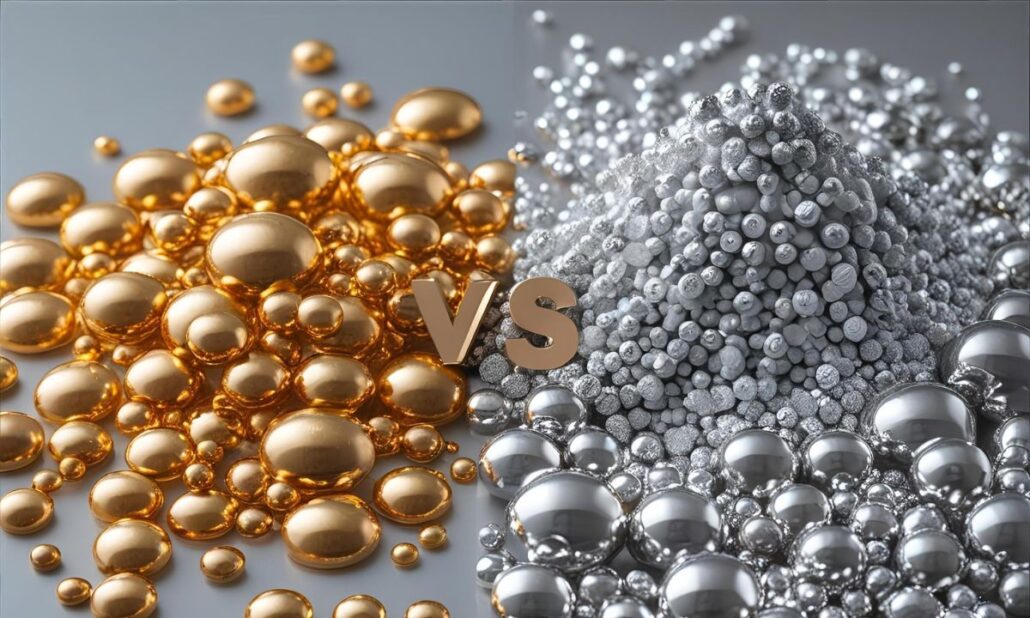
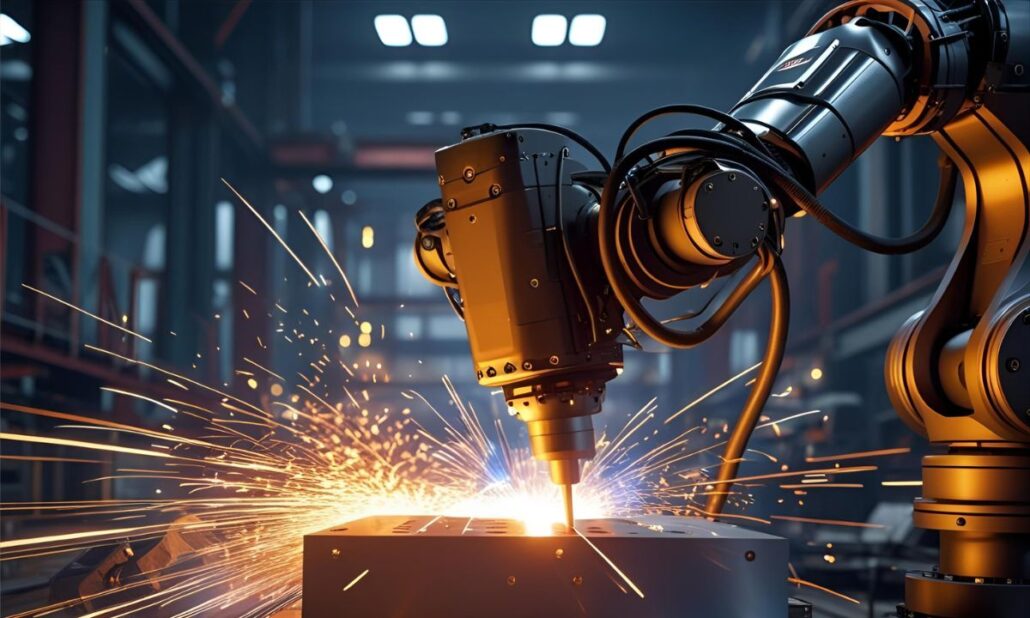
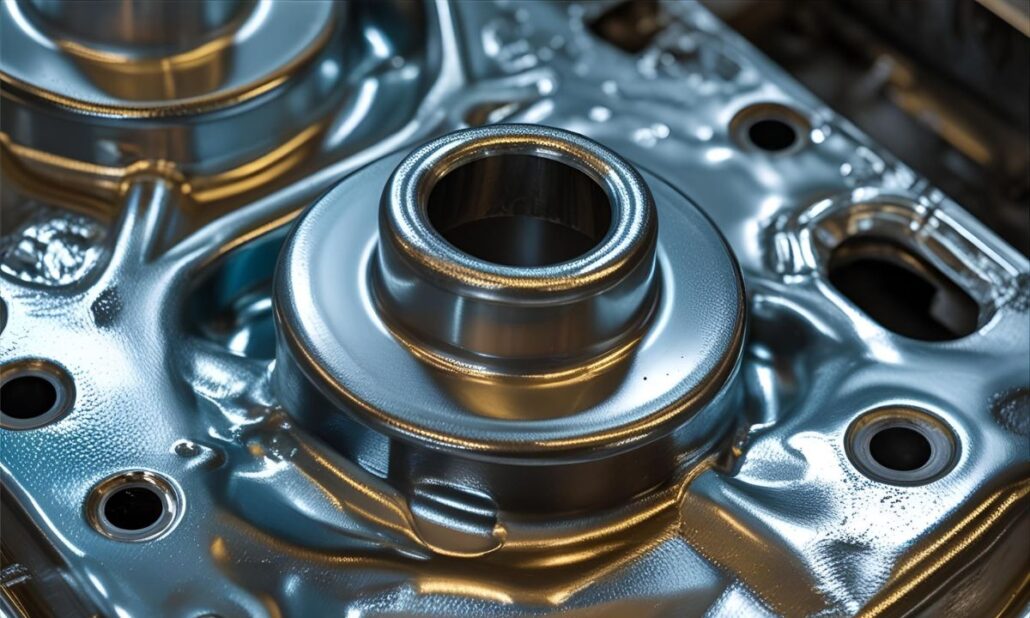
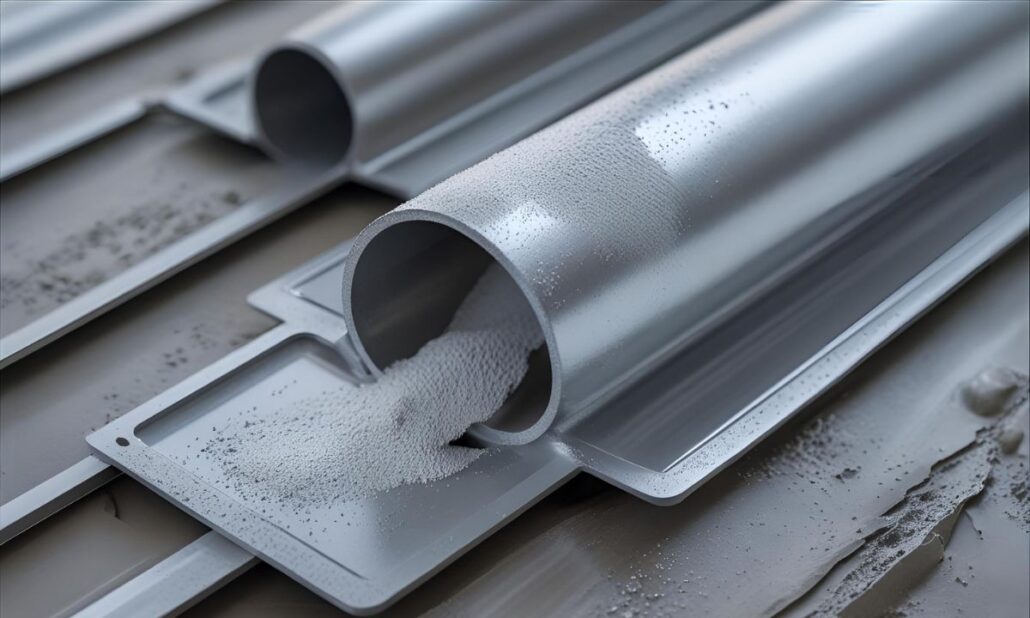
Geschmiedetes Aluminium gehört zu den bewährtesten Werkstoffen in der heutigen technischen Praxis. Es wird durch Pressen von massivem Aluminium unter hohem Druck und Hitzeeinwirkung hergestellt. Dadurch wird die innere Struktur des Metalls verändert und es wird stärker und widerstandsfähiger als gegossenes Aluminium. Aus diesem Grund wird geschmiedetes Aluminium in Industrien verwendet, die Sicherheit und Haltbarkeit erfordern. Aluminium an sich gilt bereits als leicht, korrosionsbeständig und vielseitig. Es findet sich in Fahrzeugen, Flugzeugen, Gebäuden, Elektronik und sogar in gängigen Werkzeugen. Doch nicht alles, was aus Aluminium hergestellt wird, ist gleich. Die Leistung des Metalls wird direkt davon beeinflusst, wie es geformt wird. Beim Gießen wird Aluminium geschmolzen und in Formen gegossen. Dies kann zu Fehlern wie Luftblasen und Löchern führen. Beim Schmieden werden diese Probleme beseitigt. Das Aluminium wird nicht geschmolzen, sondern in eine Form gepresst, so dass die Maserung gezwungen wird, sich an das Design des Teils anzupassen. Das Ergebnis ist ein sehr leistungsfähiges und homogenes Material. Geschmiedetes Aluminium wird immer beliebter, da die Industrie zu leichteren, sichereren und effizienteren Lösungen übergeht. In diesem Artikel erfahren Sie, warum es besser ist als Guss, wie das Schmieden von Metallen abläuft, wo es eingesetzt wird und welche Zukunft das Schmieden von Aluminium hat. Was ist geschmiedetes Aluminium? Geschmiedetes Aluminium wird durch Pressen von massivem Aluminium unter hohem Druck hergestellt. Das Metall wird nicht wie beim Gießen vollständig geschmolzen. Vielmehr wird es erhitzt, bis es weich und formbar wird. Nach der Erweichung wird das Aluminium mit Hilfe schwerer Schmiedemaschinen in die gewünschte Form gestanzt oder geschlagen. Durch diese Beanspruchung wird das Metall geglättet und seine innere Maserung perfektioniert. Das Korn ist in Formrichtung ausgerichtet und trägt zu einer besseren Festigkeit und Zähigkeit des Teils bei. Durch diese feine Struktur werden auch zahlreiche Defekte des Gussaluminiums, wie Poren oder Risse, beseitigt. Folglich ist geschmiedetes Aluminium sicherer, haltbarer und stärker. Wie funktioniert eine Aluminiumschmiede? Das Schmieden wird in einer Aluminiumschmiede durchgeführt. Der Prozess besteht aus mehreren Schritten: Am Ende dieses Prozesses steht ein dickes, festes und homogenes Stück. Es hat keine Schwachstellen oder Luftblasen wie beim Gießen. Vorteile von geschmiedetem Aluminium Gegossenes Metall und andere Materialien können nicht das leisten, was geschmiedetes Aluminium leisten kann. Es hat sich zum bevorzugten Werkzeug in Branchen entwickelt, in denen wir uns keine Kompromisse bei Leistung und Sicherheit leisten können. Überragende Festigkeit Geschmiedetes Aluminium ist sehr fest, und dies ist einer der Hauptvorteile von geschmiedetem Aluminium. Die Kornstruktur des Metalls wird durch den Schmiedeprozess verfeinert. Die Zug- und Ermüdungsfestigkeit wird durch diese Ausrichtung verbessert. Falsche Bauteile können schwere Lasten sowie Spannungen und Dehnungen wiederholt aushalten, ohne zu versagen. Dadurch eignen sie sich auch sehr gut für Hochleistungsanwendungen wie Flugzeugfahrwerke, Federungssysteme und Industriemaschinen. Leicht, aber zäh Aluminium ist von Natur aus leichter als Stahl, und das Schmieden geht noch weiter. Geschmiedetes Aluminium ist im Verhältnis zu seinem Gewicht sehr stabil. Dadurch können Ingenieure leichtere Maschinen und Fahrzeuge herstellen, die dennoch sicher und stabil sind. Der Gewichtsverlust macht Autos und Flugzeuge nicht nur sparsamer, sondern auch langlebiger. Erhöhte Widerstandsfähigkeit gegen Ermüdung Gegossene Teile verschleißen viel schneller als geschmiedetes Aluminium. Ermüdung ist ein Zustand, in dem ein Teil aufgrund mehrerer Belastungszyklen verschlissen ist. Aufgrund der schwachen Kornstruktur neigen Gussteile zu Rissen. Geschmiedetes Aluminium reißt nicht so leicht, und daher werden Teile aus diesem Material lange in den Händen ihrer Benutzer überleben. Gleichmäßiges Korngefüge Durch das Schmieden wird die Form des Teils an das Korn im Metall angepasst. Eine solche homogene Körnung macht es härter und schwerer zu schlagen. Im Gegensatz dazu entstehen beim Gießen willkürliche Kornstrukturen, die zu Schwachstellen führen. Sicherheit und Zuverlässigkeit Sicherheit hat in Hochdruckindustrien wie der Luft- und Raumfahrt, der Automobilindustrie und der Verteidigung oberste Priorität. Geschmiedetes Aluminium ist zuverlässig, da es Kraft, Härte und Beständigkeit auch unter extremen Bedingungen bietet. Verwendung von geschmiedetem Aluminium Das Schmieden von Aluminium hat in der Welt, in der schwerelose, leistungsstarke und dauerhafte Teile benötigt werden, einen großen Eindruck hinterlassen. Geschmiedete Aluminiumteile gelten als sicher und werden daher häufig in sicherheitskritischen Anwendungen eingesetzt. Automobilindustrie In modernen Automobilen wird Aluminium in betrügerischer Absicht eingesetzt. Eine sehr häufige Anwendung sind Räder. Im Vergleich zu Gussrädern sind Schmiederäder leichter, haltbarer und sicherer. Diese Art von Gewichtsverlust verbessert die Manövrierfähigkeit und die Kraftstoffeffizienz. Eine weitere wichtige Anwendung sind Aufhängungsteile, die schweren Lasten, Stößen und Vibrationen auf der Straße standhalten müssen. Das verwendete Aluminium ist geschmiedet, so dass sie nicht belastet werden. Auch die meisten Motorenteile, einschließlich Pleuelstangen und Kolben, sind geschmiedet. Diese Teile können hohem Druck und heißen Temperaturen standhalten und haben eine lange Lebensdauer. Kurz gesagt: Geschmiedetes Aluminium verbessert die Leistung und Sicherheit von Kraftfahrzeugen. Luft- und Raumfahrtindustrie Flugzeuge benötigen Komponenten, die leicht und stabil sind. Geschmiedetes Aluminium erfüllt diese Anforderungen. Dies gilt für Fahrwerke, die bei Start und Landung hohen Belastungen standhalten müssen. Es kommt auch in Flügelstrukturen vor, wo die Effizienz von der Leichtigkeit abhängt. Geschmiedete Aluminiumteile müssen Druck, Hitze und Vibrationen in Flugzeugtriebwerken aushalten. Versagen ist im Flug keine Option; deshalb setzt die Luft- und Raumfahrtindustrie auf das Schmieden. Militär und Verteidigung Verteidigungsanwendungen erfordern geschmiedetes Aluminium. Geschmiedete Teile von Panzern, Flugzeugen und Marineschiffen müssen den extremen Bedingungen im Kampfeinsatz standhalten. Das Schmieden garantiert ein Höchstmaß an Zähigkeit, Festigkeit und Zuverlässigkeit auch unter den härtesten Bedingungen. Industriemaschinen Großgeräte werden in der Regel unter Volllast betrieben. Geschmiedete Aluminiumprodukte sind verschleißfest und minimieren die Ausfallzeiten. Dies macht sie zu kosteneffizienten und langfristigen Lösungen für Hersteller. Sport und Lifestyle Auch bei Sport- und Lifestyle-Artikeln kommt geschmiedetes Aluminium zum Einsatz. Geschmiedete Komponenten werden für die Herstellung von hochwertigen Fahrrädern, Kletterausrüstung und Sportgeräten verwendet. Solche Gegenstände müssen leicht und über einen langen Zeitraum hinweg haltbar sein, weshalb das Schmieden die beste Methode ist. Der Grund, warum die Industrie das Schmieden dem Gießen vorzieht? Schmieden ist die Option

Farbe Eloxiertes Aluminium

Kann man eloxiertes Aluminium lackieren? Ein vollständiger Leitfaden

Aluminium

Anodized aluminum finds extensive uses in both household and industrial products since it is strong, resistant to corrosion and has a smooth metallic appearance. Its resistance renders it a favourite in windows, doors, auto parts, kitchen appliances and decor. One of the most common questions amongst DIY makers and professionals, nonetheless, is: can you paint anodized aluminum? The answer to this is yes, although it must be properly prepared on the surface, with the correct paint, and applied with care to achieve a long-lasting professional job. As compared to bare aluminum, anodized aluminum has a protective layer of oxide, which prevents corrosion and wear, but at the same time increases its resistance to paint adhesion. This is the reason why a lot of individuals are afraid to try to paint anodized aluminium themselves, since they are scared of peeling, chipping, or patchy textures. Luckily, anyone can adequately paint anodized aluminum surfaces using the appropriate measures. The selection of the appropriate paint is as important as preparation. Alternatives are anodized aluminum paint (formulated to adhere to anodized surfaces) or anodized aluminum spray paint, which is handy when a smooth finish is required over a complex or detailed surface. General-purpose paints can be used, although more primers and handling are needed to avoid adhesion problems. In this step-by-step guide, we are going to discuss the materials, preparation, methods of painting, common errors, and maintenance required to make a painting project successful. You might be a skilled do-it-yourselfer or a novice painter, but this article will provide you with the answer to the question: Can you paint anodized aluminum and give you practical steps to take to bring a durable and beautiful finish to your object? The facts of Anodized Aluminum It is good to comprehend what anodized aluminum is before discussing the question, Can you paint anodized aluminum? A process called electrochemical oxidizing, known as anodizing, produces a protective coating of oxide on the surface of aluminum. The layer increases the corrosion resistance and strengthens the aluminum. Nevertheless, the same layer may cause the paint to stick hard and hence proper preparation is paramount. Anodized aluminum is not innately porous like bare metal, so paints and primers do not easily adhere without appropriate surface treatment. Discussing painting anodized aluminum, it is imperative to also be aware of the nature of the material to attain a professional finish. Can You Paint Anodized Aluminum? It is a yes to the question, can you paint anodized aluminum, but this has to be prepared, and the right material has to be used. Due to the properties of anodized aluminum, which make it resistant to corrosion and wear, paint does not easily bond to it. Omission of processes such as cleaning, sanding or priming may result in a peeling or chipping process with time. The thing is that many individuals may have doubts about whether they should be able to paint anodized aluminum or whether they should employ a professional. Although there are professional methods at hand, DIYers can also attain very good outcomes at home by being patient and giving details a lot of thought. Painting Preparation Preparation is one of the most important stages in the successful process of painting anodized aluminum. Correct preparation is to make sure that the paint applies and will last. Here’s a step-by-step approach: The failure of adhesion and flaking may happen when these preparation steps are skipped, and that is why anyone who says Can you paint anodized aluminum should consider these steps seriously. Step-by-Step Process to Paint Anodized Aluminum It might seem quite daunting to paint anodized aluminum, but the correct steps can make it simple. To have a smooth, long-lasting finish, proper preparation, the correct paint and proper application are the keys. Here’s a detailed guide: Gather Your Materials It is better to prepare all the materials before starting. You will use a mild detergent or aluminum cleaner to get the grease and dirt off, surface preparation with fine-grit sandpaper (400-600 grit), a tack cloth to take the dust off, and a primer that can be used on metal or on the anodized surfaces. When it comes to the paint itself, you have a choice of either of the two: anodized aluminum paint or anodized aluminum spray paint, which can be used either using a brush or a spray technique. An option is the clear protective coat that promotes durability and preserves a vivid look. This is done by ensuring all materials are prepared beforehand, thereby giving a smooth process of painting without being interrupted. Clean the Surface Successful anodized aluminum painting is based on cleaning. Even residue, oil or fingerprint on the surface can make the paint not stick. Wash the aluminum using a small amount of detergent in water. Wipe down and leave to dry. After it is dry, take a tack cloth and wipe it clean. Careful cleaning is essential to professional outcomes when trying to paint anodized aluminum. Failure to do this step normally results in uneven or peeling paint. Sand the Surface It is important to sand the aluminum slightly in order to form a texture that the primer and paint can adhere to. Sandpaper of around 400-600 grit should be used on the surface to gently sand the surface in a circular or back-and-forth motion. It is not aimed at the removal of the anodized layer, but in order to roughen it by a small portion. Once it is sanded, clean the dust with a tack cloth. A common mistake by beginners is the lack of proper sanding to help give the anodized aluminum a good adhesion once painted. Sanding is an additional technique to take the time to ensure the finish is smooth and long-lasting. Apply Primer The use of a primer is among the most significant actions when painting. Primer closes microscopic pores created in the aluminum surface, enhancing bonding and a stable base where paint is applied. Put a highly uniform layer of metal primer over the

Zukunft des Automobilgusses

Die Zukunft des Automobilgusses: Innovation, Effizienz und Leistung

Druckguss Hersteller, Druckguss

Automobiles have never been left behind in technological development. Since the first steel framing in automobile manufacturing up to the latest lightweight alloys, each part of a car has been improved through innovation to enhance safety, durability and performance. One of the most significant areas of progress lies in the world of automotive castings. This has helped in the designing, production, and optimization of vehicles. In plain terms, the term automotive castings can be defined as the process through which the molten metal is measured and poured into the moulds to shape intricate parts of the vehicle. The method is precise, cost-efficient and can be scaled to mass production. These processes are important in the industry because almost all vehicles on the road today have several parts that have been cast. This article examines the history, manufacturing, advantages, and future of the so-called automotive castings, and also takes a look at how the so-called automotive casting, die casting automotive parts, and cast automotive parts contributed to the shaping of the modern automobile. The History of Automotive Castings The methods of casting date back several thousand years, although it was not until the end of the 19th and very early 20th centuries that they were used in the automotive industry. The first automobiles were ineffective and weighed a lot, with mostly forged steel components. With the increased need to produce in large quantities, manufacturers were required to find a cheaper and quicker solution. Then is the period when the techniques of automotive casting started to substitute traditional ones. Through casting, car manufacturers would be able to create numerous of the same parts in large quantities with less wastage of materials. This brought about mass production, one of the reasons why automobiles became affordable to ordinary people in the industrial boom. Modern automotive castings today use state-of-the-art alloys, accurate moulds, and automation to satisfy the high standards of the international automotive standards.  What is Automotive Casting? Automotive casting is a manufacturing process that is applied in automobile manufacturing to make parts of their vehicles through pouring of molten metal into the moulds, where it solidifies and hardens into the desired shape. This is a technique that enables manufacturers to make complex, long-lasting and accurate parts cost-effectively and with less effort as compared to traditional machining or forging. It finds application in engine block parts, cylinder head parts, transmission housing parts, brake parts, and suspension parts. Through various alloys such as aluminum, cast iron, steel, and magnesium, the automotive casting offers the strength, lightweight design, and durability needed in modern automobiles. This technique is popular because: Common Automotive Parts Made by Casting: Types of Automotive Casting Concisely, automotive casting is necessary since it assists automakers in developing dependable, lightweight, and cost-effective components on a mass basis. Modern cars cannot be produced in mass without it. Materials in the automotive castings Aluminum A lightweight and corrosion-resistant glass, aluminum is among the most favoured materials in the field of automotive castings. It makes huge savings in the total weight of cars, enhancing fuel efficiency and manoeuvrability. Aluminum is also a good thermal conductor and therefore it is good on engine blocks, cylinder heads and transmission housings. Aluminum is used to create many die-casting automotive parts since it enables manufacturers to create high-precision and lightweight components without losing strength. With its flexibility and stability, aluminum is one of the best materials in contemporary automobile manufacturing. Cast Iron Other popular materials in automotive castings are cast iron because the material has high strength, heat resistance, and wear properties. Cast iron is heavier than aluminum, and it is suitable for structural and heavy-duty applications as engine blocks, brake drums and other parts of the suspension. The structure is very durable, which means that such parts can resist the pressures of long-term service and high-temperature conditions, making it vital to vehicles that need strong and reliable performance. Steel In the automotive castings, steel has been preferred due to its high strength and flexibility. Heat-treatment of steel parts increases toughness, so they are ideal in chassis parts, brackets, and structural frames. Although steel weighs more than aluminum, it offers the strength and carrying capacity to some of the safety-critical parts of the car. It is flexible, and engineers can come up with components that satisfy both the performance and regulatory requirements. Magnesium Alloys Magnesium alloys are finding increased applications in so-called automotive castings where weight loss is a priority. These alloys are very light, yet offer sufficient strength to non-structural parts. Magnesium parts may be used in interior fittings, engine covers, and certain structural parts, especially in high-performance vehicles and electric vehicles, where minimizing total weight is important to performance and handling. Copper Alloys Copper alloys are sometimes made into so-called automotive castings due to their high electrical and thermal conductivity. These are resistant to corrosion and strong materials that can be applied to certain electrical components or heat-sensitive parts of the modern vehicle. Copper alloys are not as widely used as aluminum or steel, but have niche uses, such as where performance and conductivity are important. Composite Materials Some manufacturers are experimenting with composite materials in cast automotive parts with the development of automotive technology. These materials are developed to save weight and still offer strength, and can be very handy in electric and hybrid vehicles. Composites also have better thermal regulation and corrosion resistance, and are a new technology in the next-generation car parts. Types of Automotive Casting Processes The automotive industry employs a number of casting techniques, each with its own parts and materials. We will consider the most popular ones: Sand Casting One of the oldest techniques is sand casting, in which large, intricate components are made by means of sand moulds. It is most suitable for prototypes and heavy parts such as engine blocks. Die Casting Die casting is the process that requires high-pressure injection of molten metal into reusable steel moulds. It is a technique that is especially relevant in fabricating light but

Verzinkung vs. Vernickelung: Welche sollten Sie wählen?

Verzinkung vs. Vernickelung: Welche sollten Sie wählen?

Aluminiumgussformen, Aluminiumdruckguss, Aluminium-Oberflächenbehandlung

Zinc Plating vs Nickel plating is a frequent point of reference in terms of metal finishing. These two methods are applied to safeguard the metals, enhance their performance, and cause their products to last longer. The differences between these two types depend on cost, durability, and appearance. Surface finishing is not all about appearances. It is concerned with the accuracy with which a product can counter rust, wear, and damage. Even strong metals can be defeated where there is no appropriate coating. This is the reason why plating has been an important process in the automotive, aerospace, construction, and electronic industries. Zinc plating is well known to be cheap and effective. It forms a thin and workable protective coating that resists rust damage on the metal underneath. This gives it preference in fasteners, nuts, bolts, and many other small product elements used in day-to-day items. Nickel plating is stronger and durable, on the other hand. It cannot be worn out easily, and it resists acid. Nickel plating is also a bright, attractive finish, so it is ideal when it is needed on decorative or visible parts such as car trims and appliance fittings or on electronic casings. And when considering Zinc Plating vs Nickel Plating, it becomes the question: which works better in your situation? Depending on the location where the part will find application, how much safeguarding it needs, and how much you are ready to part with, determines the answer. In the current blog, we will unravel both the processes, their advantages, limitations, and major areas where they can be best used to help you make the most appropriate decision. What is Zinc Plating? Zinc plating is a widely used and cost-efficient technique of coating. It is done by depositing a thin coat of zinc on the surface of metal, most commonly steel or iron, by a process known as electroplating. In the process, a zinc salt solution is used to immerse the base metal, and an electrical current is passed. Zinc solutions travel to the surface of the piece leaving an even and thin coating. Benefits of Zinc Plating Limitations of Zinc Plating What is Nickel Plating? Nickel plating is also a common finishing technique, but compared with zinc, it offers a harder, more durable, and aesthetically pleasing surface. The process is achieved in either of two major ways: Electrolytic Nickel Plating (Electroplating) – Much like the zinc plating process, the raw metal is placed into a nickel salt solution, and the nickel is deposited on the surface by applying an electric current to the metal. Electroless Nickel Plating is a method that does not need electricity. Rather, it uses a chemical process to capably deposit nickel to cover the surface evenly, including in complex structures or otherwise inaccessible places. Benefits of Nickel Plating Limitations of Nickel Plating The Plating Process Zinc Plating Process Surface preparation is very meticulous in the case of zinc plating. Before a plate can be done, the surface, which is in most cases metal, normally steel or iron, must be cleaned of oil, dirt, rust, and oxides. To accomplish this, components are either cleaned in acid or alkaline fluids and then rinsed so that no residues remain. After cleaning, the component is inserted into an electrolytic bath that has a zinc salt solution, mostly zinc sulfate or zinc chloride. Electricity is then charged through the bath.. This movement results in zinc ions in the medium to move and being deposited on the surface of the base metal. The effect is a very thin, even coating of zinc covering the zinc below it. A post-step processing of the plated component is often carried out, which can give a more corrosion-resistant effect, also able to change the appearance of the coating, providing a yellow, black, or clear finish. Zinc plating is comparatively quick, price low, and highly applicable in the mass production of hardware and vehicle parts. Nickel Plating Process Nickel plating is prepared in almost a similar manner, with the initial step being cleaning. Part surfaces are well-treated and made clean to ensure adhesion is not compromised by residues. Electrolytic nickel plating: The part enters a bath of solutions of nickel salts, e.g., nickel sulfate, and an electric current is applied. This makes the nickel ions deposit on the surface, forming a hard and protective layer. Another approach, which is nickel plating and does not require power, is electroless nickel plating. Rather, the part is immersed in some chemicals under nickel salts and a reducing solution such as sodium hypophosphite. A plated chemical reaction also occurs, the nickel being deposited uniformly onto the part. This process has an advantage over electrolytic plating in that it will cover with uniformity even in recesses, grooves, and other complex geometries. Electroless nickel deposits are noted to be highly hard and resistant to corrosion, but this process is costlier than the electroplating method and demands much more care over the bath chemistry, pH level, and temperature. Zinc Plating vs Nickel Plating: Key Differences With the choice between zinc plating and nickel plating, cost, durability, appearance, corrosion resistance, and the appropriateness of application are all aspects that may come into consideration. Let us look at them one by one. 1.     Corrosion Resistance Winner: Nickel Plating to serve long-term corrosion protection. 2. Endurance / Wearability Winner: Nickel Plating; Hardness, wear resistance. 3. Cost  Winner: Zinc Plating to cost-effective solutions. 4. Appearance  Winner: Nickel Plating- to look good. 5. Environmental Impact  Winner: Zinc Plating on its greenness. Quick Comparison Table Feature Zinc Plating Nickel Plating Corrosion Resistance Good, but limited in harsh conditions Excellent, especially electroless nickel Durability Moderate – wears faster High – scratch & wear-resistant Cost Low (budget-friendly) Higher (premium option) Appearance Shiny, but basic finish Smooth, mirror-like decorative finish Environmental Impact Easier waste treatment Stricter environmental controls are needed Best For Fasteners, bolts, general hardware Aerospace, electronics, decorative uses Industry Applications of Zinc and Nickel Plating Both plating techniques are very common in industries;

Welche Aluminiumlegierungen sind am besten zum Schweißen geeignet?

Welche Aluminiumlegierungen sind am besten zum Schweißen geeignet?

Aluminiumguss, Aluminiumdruckguss

Which Aluminum Alloys Are Best for Welding? Aluminum has become the most popular of the metals used in contemporary industries because of its high portability, strong resistance to the elements and ease of fabrication. Its alloys are invaluable in the aerospace, automotive and marine as well as housing and building industries. But the challenges created by welding aluminum are different to welding other metals, in part because of the high thermal conductivity, speed of oxide formation and distortion and cracking characteristics of aluminum in the welding process. Knowledge of the properties and the characteristics of various aluminum alloys is important in the choice of the material that suits a particular task. Not every aluminum alloy is equally weldable, whereas some are well-adapted to traditional welding, others need some special welding procedure like friction stir welding. The alloy selection and method of welding depends on such factors as strength, resistance to corrosion, ductility, and the ability of heat-treating. Surfaces must also be properly prepared, filler metals need to be compatible and post-weld treatments must consider to achieve high-quality junctions. The article will give an in-depth report on the best types of aluminum alloy to be welded, their characteristics, the benefits associated with their usage, recommendations to follow and the challenges to expect when welding these types of aluminium alloy. Based on such knowledge, professionals will be in a position to achieve durable, reliable and good performing welded structures across diverse industrial and structural applications. What is aluminum alloys Aluminum alloys are the materials used by adding other metals to the aluminum to enhance its qualities like strength, corrosion resistant, machinability or weldability. Pure aluminum is weak, lightweight, soft, and very well resistant to corrosion. By mixing additional elements (such as copper (Cu), magnesium (Mg), silicon (Si), manganese (Mn), or zinc (Zn)), engineers can make alloys suitable to a variety of types of applications, including aerospace, automotive parts, marine and building structures. A few points of aluminum alloys Simply put, aluminum alloys have the lightweight, corrosion-resistant properties of aluminum with extra favorable qualities needed to suit the needs of an industrial application. Knowing the Aluminum Alloys Aluminum alloys have been divided into wrought alloys and cast alloys. Mechanically worked alloys are wrought into sheets, plates or extrusions but casting alloys are in form of poured molten aluminum into molds. The wrought alloys are further divided into series according to the alloying elements: Conditions which Affect Weldability Aluminum alloys can be welded, depending upon a variety of factors: The best Aluminum Alloys to weld on 5052 Alloy Al-Mg (aluminum-magnesium) alloy 5052 is considered by many to be one of the most welding friendly alloys. This is due to its high magnesium content and therefore it has good resistance to corrosion, especially in marine environments and applications in chemical processing. Applications: Moderate-to-high strength, high ductile and above-average corrosion resistance. Advantages: Materials: Marine structures, Chemical tanks, automotive panels, roofing sheets and industrial equipment. Alloy 5083 Aluminum-magnesium alloy 5083 has high strength at low temperatures and thus is applicable in marine and cryogenics. It resists corrosion especially in industrial and seawater. Characteristics: Extra-high strength, good corrosion protection, good fatigue resistance. Advantages: Applications: Shipbuilding, pressure vessels and tanks, automotive frames and equipment and transportation equipment. 5754 Alloy Another Al-Mg alloy is A-Mg 5754 which can be described as medium strength with high corrosion resistance and high formability. It also achieves structural strength, as well as, weldability and that is why it is commonly used where structural strength is key as well as weldability. Characteristics: Moderate strength, high ductility, is corrosion resistant. Advantages: Applications: Auto Body panels, structural panels, construction cladding, and marine. 6061 Alloy Al-Mg-Si alloy with the composition 6061 has found wide usage in the structural and aerospace fields. It is a compromise between toughness, corrosion resistance and utility. Type of properties: Medium-high strength, very good corrosion resistance, and moderate ductility. Advantages: Applications: Aircraft structures, pipeline, automotive components, bridge structures and structural products. 6063 Alloy Al-Mg-Si alloy (6063) is another architectural and decorative Al alloy that is noted to have a smooth finish on its surface and the ability to resist corrosion. Properties: A strong or moderate strength, good corrosion resistance, a good surface finish. Advantages: Applications: Architectural structure, window frames, doors, curtain walls and extrusions. Alloy 1100 Aluminum alloy 1100 can almost seem a pure aluminum alloy (it is 99% aluminum). It is soft, ductile and very easy to weld so it is suitable where resistivity is the issue rather than strength. High ductility: Excellent corrosion resistance, Low strength. Advantages: 1350 Alloy Another aluminum alloy of high purity applicable in the electrical and chemical industries is1350. It is incredibly strong and has great corrosion resistance as well as being very weldable and is a very dependable metal when used in specialized settings. Advantages: Immune to corrosion, excellent welding ability and low weight. Advantages: Aluminum Alloys, as well as of their major properties and the ability to be welded The technical table below contains the list of the full proper names of the aluminum alloys, as well as of their major properties and the ability to be welded: Alloy (Proper Name) Density (g/cm³) Melting Temp (°C) Tensile Strength (MPa) Yield Strength (MPa) Elongation (%) Hardness (HB) Weldability Aluminium 1100 (Commercially Pure Aluminum) 2.71 640 90 35 35 40 Excellent Aluminium 1350 (High Purity Aluminum, Electrical Grade) 2.71 640 110 40 20 50 Excellent Aluminium 5052 (Aluminium-Magnesium Alloy) 2.68 607–650 228 193 12 60 Excellent Aluminium 5083 (Aluminium-Magnesium Alloy, Marine Grade) 2.66 635 317 228 12 70 Excellent Aluminium 5754 (Aluminium-Magnesium Alloy) 2.67 637 250 190 15 60 Excellent Aluminium 6061 (Aluminium-Magnesium-Silicon Alloy) 2.70 582–652 310 276 12 95 Good Aluminium 6063 (Aluminium-Magnesium-Silicon Alloy, Architectural Grade) 2.70 615 241 214 8 90 Good Aluminium 2024 (Aluminium-Copper Alloy, Aerospace Grade) 2.78 500–640 483 345 20 120 Difficult Aluminium 2219 (Aluminium-Copper Alloy, High Strength Aerospace) 2.84 509–638 470 330 18 130 Difficult Aluminium 7075 (Aluminium-Zinc-Copper Alloy, Aerospace Grade) 2.81 477–635 572 503 11 150 Very Difficult This is

Was ist ein Aluminium-Strangpressverfahren? 

Aluminiumguss, Aluminiumdruckguss

Aluminum extrusion has not only been appreciated in the respect that it makes a strong, yet lightweight part, but also its flexible and cost-effective designs are a factor. It is used in construction, aerospace, automotive and electronic industries, and nearly everywhere in between. Aluminium extrusion is among the processes that indicate an equalization between innovative designs and effective production, which is just about to become one of the dominating procedures of the manufacturing industry. Aluminum is one of the most popular metals in the modern industries, being appreciated because of its light weight, strength, durability and also its capacity to resist corrosion. Aluminum is more conspicuous in our lives; in the construction of skyscrapers in our cities, the cars we drive and other gadgets that we use in our daily lives. One of the most vital processes of manufacturing that has ensured the versatility is the aluminum extrusion process. Extrusion refers broadly to methods of metal deformation whereby metal is pushed or squeezed through a die in a similar fashion to toothpaste. In aluminum, longer continuous sections of final, predetermined cross-sectional shapes are formed by ramming solid block-like objects (known as billets) through an already heated die. These profiles may be plain rods, tubes or highly complex and specially made to the extent that they will meet the demands of a given industry. In this article, we will learn everything about the aluminium extrusion process; its history, the extrusion process, types, applications, advantages and limitations and its rising capabilities in future of manufacturing. Historical Background The idea of extrusion as a manufacturing process has been traced back to the late 18th century. The first well-known extrusion was that of the British inventor Joseph Bramah, who patented his exactly in 1797. Instead, he used a process that involved pushing pliable metals such as lead through a die to shape long, identical-looking pieces and primarily pipes. The preconditioning of the process of extrusion was an invention. Until much of the 19th century, the extrusion of softer metals had been inhibited by technology. The real breakthrough came about in the early 220thcenturies when economical ways of producing aluminium were discovered. The acquisition of aluminium was brought to lower prices and large-scale production by the invention in 1886 by Charles Martin Hall in the United States and separately by Paul H. Roult in France of the Hall-Heroult process. After the invention of aluminum, it did not take long before scientists and manufacturers saw the potential extrusion had to offer. The use of aluminum extrusion technology began gaining steam in the 20s, especially coming into force in Europe and North America. It was on a large scale utilized in the Second World War when the industries required a lightweight but durable material in aircraft, vehicles used by the military, and buildings. Since then, the line-casting technology has been invented and has been extended far farther than the aluminum extrusion that first emerged in the military sectors. What is Aluminum extruded? Aluminum extrusion is the commercial physical method that is used in plasticizing solid aluminum into shapes that are long with specific cross-sections. The idea is simple: a block of aluminum (a billet) is heated to a malleable stage and forced under intense pressure of a die made of steel. In pressing through the die, the aluminum takes on the shape of the opening, either straight, hollow, or solid, or in a highly complicated profile. The analogy that is best applied in extrusion is the extrusion of a toothpaste tube. Same as the toothpaste- it takes the shape of the nozzle, and similarly, the extruded aluminum takes the shape of the die. The advantage of aluminium extrusion is the ability to manufacture lightweight yet strong components of the exact shape. The resultant extruded profiles can be strippable to various lengths and are also subjected to further finishing, including anodising, powder coating, and finishing. All these upgrades raise performance, wear and look. Due to its flexibility, it has become one of the extrusion processes whose scope has been resorted to within different discourses like the construction industry, the aviation industry, the electronic industry, the transport and even the consumer products industry. It is not just the process but a vital bridge between the native stainless steel and absorbed functionality that defines the current engineering and high-construction. Aluminium Extrusion Process in Steps Characterise the Profile & Select the Alloy Cast and Christen the Billet Scalp or Saw Inspect Billet Heat the Billet Make the Die & Tooling Lubricate and Prepare the Press Load the Billet and QC Start the Press Breakthrough Extrusion, Steady Chinking on the Table Fast Cooling (Immediate Quenching) Handling temperature for cooling Profiles cool on the table after quenching until they are able to be handled without imprint or warping. Soft, controlled cooling minimises residual stress. Stretching / Straightening Cutting Back to Length Heat Treatment (Where Necessary) Surface Finish (Optional) Machining & Fabrication (As required) Profiles are CNC-machined, punched, drilled, tapped or bent. Jigs/ fixtures provide repeatability of tolerance control on thin or complex sections. Test and On-Quality Control Die Tuning & Maintenance When dimension control or surface finish is out of control, the length of the bearings and flow balance can be modified; dies may be polished and, when absolutely not required, nitrided; dies are polished and cleaned. Packing & Logistics Why every step counts The Components Used in Aluminum Extrusion Aluminum extrusion draws on choosing the correct aluminum alloy to suit the mechanical, thermal, and corrosion requirements. The properties required by different industries differ, thus selection of alloys is determined by strength, ductility, corrosion resistance and heat-treatability. 1000 Series (Practically Pure Aluminum) 3000 Series (Al-Mn Alloys) 5000 Series (Al-Mg Alloys) 6000 Series (Al-Mg-Si Alloys) 7000 Series (Al-Zn-Mg-Cu Alloys) Allothers Speciality Alloys To keep composition similarity, recyclable aluminum scrap containing the same alloy is frequently reused. Aluminum Extrusion Materials Quick Reference Table A technical table of probable common aluminum alloys used in extrusions, major properties and established extrusion parameters as follows: Alloy Series

Beschichtung Zinkdruckguss:

Beschichtung Zinkdruckguss: Techniken, Vorteile und industrielle Anwendungen

Zinkdruckguss

Zinkdruckguss ist ein gängiges Produktionsverfahren, das in Branchen eingesetzt wird, in denen es auf Geschwindigkeit, Genauigkeit, Festigkeit und Erschwinglichkeit ankommt. Zinklegierungen werden aufgrund ihrer hohen Gießeigenschaften, Maßhaltigkeit, Festigkeit und Vielseitigkeit unter anderem in der Automobilindustrie, der Luft- und Raumfahrt und der Unterhaltungselektronik eingesetzt. Mit ihnen lassen sich komplizierte Formen mit glatten Oberflächen herstellen, weshalb sie in der Massenproduktion sehr gefragt sind. Blanke Zinkoberflächen neigen dazu, leicht zu korrodieren, anzulaufen und im Allgemeinen zu verschleißen, wenn sie ungünstigen Umgebungsbedingungen ausgesetzt sind, so dass eine Schutzschicht aufgebracht werden muss. Hier wird die Beschichtung zu einem der wichtigsten Schritte, sowohl für die Verwendbarkeit und die Lebensdauer der Produkte als auch für die Attraktivität und das professionelle Erscheinungsbild der Produkte auf dem Markt. Wenn es um die Oberflächenveredelung geht, garantiert die Beschichtung von Zinkdruckgussteilen eine bessere Beständigkeit gegen Alterung, Aussehen und Haltbarkeit. Die in der verarbeitenden Industrie weltweit gebräuchlichsten Verfahren sind die Verchromung, der Zinkdruckguss und die Vernickelung von Zinkdruckguss. Neben der Lebensdauer schafft die Verchromung auch einen kommerziellen Wert, da die Kunden stets Produkte wünschen, die robust sind und dennoch eine glänzende, hochwertige Oberfläche besitzen. Dies macht die Beschichtung zu einer grundlegenden Tätigkeit in der heutigen Industrie. In diesem Artikel werde ich detailliert darlegen, warum die Verzinkung notwendig ist, wie der technische Prozess funktioniert, welche Herausforderungen damit verbunden sind und welche Vorteile dieser Prozess für die Industrie bietet. Was ist verzinkter Druckguss? Zinkdruckguss ist ein Verfahren zum gleichmäßigen Auftragen einer schützenden und dekorativen Metallschicht auf Bauteile, die im Zinkdruckgussverfahren gegossen wurden. Da Zinklegierungen zwar stabil und kostengünstig, aber korrosiv und verschleißanfällig sind, verlängert die Beschichtung die Haltbarkeit, das Aussehen und den Betrieb. Vereinfacht ausgedrückt ist der Zinkdruckguss das Verfahren, mit dem das eigentliche Teil oder die eigentliche Komponente hergestellt wird, während beim Galvanisieren eine zusätzliche Schicht aufgetragen wird, die eine Schutzschicht auf der Oberfläche bildet und für die nötige Endbearbeitung sorgt. Das Verchromen und Beschichten von Zinkdruckgusserzeugnissen führt zu einer Hochglanzoberfläche durch das Verchromen von Zinkdruckguss oder zu einer schützenden, anspruchsvollen Oberfläche durch das Vernickeln von Zinkdruckguss. Dieser Verbund führt dazu, dass der beschichtete Zinkdruckguss eine breite Palette von Anwendungen in der Automobilverkleidung, in Elektronikgehäusen, Haushalts- und Industriegeräten findet, wo gutes Aussehen und Festigkeit potenzielle Anforderungen sind. Was ist eine Beschichtung? Unter Galvanisieren versteht man das Aufbringen einer dünnen Metallschicht auf die Oberfläche eines anderen Materials, entweder durch Galvanisieren (unter Verwendung von elektrischem Strom) oder durch chemisches Galvanisieren (ohne Verwendung von elektrischem Strom). Die Beschichtung dient dazu, die Ästhetik, Abriebfestigkeit, Korrosionsbeständigkeit, Leitfähigkeit und Verschleißfestigkeit des Substrats zu verbessern. Ein Beispiel dafür ist die Verwendung von Nickel oder Chrom auf Zinkdruckgussteilen, um dem Grundmaterial Zink, das für die Festigkeit und Form sorgt, Schutz und Glanz zu verleihen. Die glänzende Oberfläche eines verchromten Autohebels oder einer Badezimmerarmatur ist ein direktes Ergebnis der Beschichtung. Kurz gesagt, die Beschichtung ist ein ähnlicher Prozess, bei dem ein Produkt mit einem Schutzschild und einer schönen Oberfläche versehen wird, um die Dinge dauerhafter und attraktiver erscheinen zu lassen. Der Grund, warum Zinkdruckguss eine Beschichtung benötigt Trotz der Stärken von Zinklegierungen, die in einer Vielzahl von Anwendungen verwendet werden können, gibt es einige Einschränkungen, wenn sie roh sind. Unbeschichtetes Zink ist anfällig für Anlaufen oder korrosive Angriffe durch Feuchtigkeit, Chemikalien und thermische Veränderungen. Das reine, unbeschichtete Teil reicht in vielen Branchen nicht aus, um langfristig zuverlässig eingesetzt zu werden. Oberflächenveredelungen durch Beschichtung dienen nicht nur dem kosmetischen Zweck, sondern bringen auch verschiedene Vorteile in der Technik mit sich. Hersteller erhöhen die Vorsichtsmaßnahmen gegen Korrosion, Abrieb und Oxidation durch den Einsatz der so genannten galvanischen Zinkdruckgussverfahren. Dadurch wird die Haltbarkeit des Produkts sowohl in Bezug auf die Unversehrtheit seiner Struktur als auch auf seine Ästhetik auf lange Sicht gewährleistet. Darüber hinaus sind spezielle Beschichtungen wie die Verchromung von Zinkdruckguss möglich, die eine hochglänzende Oberfläche bietet, die sich am besten für Bauteile von Konsumgütern eignet, sowie die Vernickelung von Zinkdruckguss, die sowohl eine Schutz- als auch eine dekorative Beschichtung darstellt. Der Prozess der Beschichtung von Zinkdruckgussstücken Die Beschichtung ist ein komplizierter Prozess, der eine sorgfältige Vorbereitung und Durchführung erfordert. Im Gegensatz zu Aluminium und Stahl stellen Zinklegierungen aufgrund der Reaktivität des Zinks eine besondere Herausforderung dar. Daher erfordert die Beschichtung von Zink eine besondere Behandlung, um eine gute Haftung zu gewährleisten. Oberflächenbehandlung 1: Oberflächenvorbereitung Der erste Prozess ist die Entfettung, bei der Öl, Schmiermittel und Verunreinigungen aus dem Gussteil entfernt werden. Ohne eine gründliche Reinigung würde es zu Abblättern oder Abplatzungen kommen, was eine schlechte Haftung bei der Verwendung von Zinkdruckgussteilen bedeutet. Schritt 2: Selektion Die Gussteile werden durch Eintauchen in Säure desoxidiert und gereinigt. Dadurch wird die Oberfläche sauber, aktiv und aufnahmefähig für die Plattierungsschichten. Schritt 3: Auftragen der Haftschicht Zinklegierungen sind sehr reaktiv; daher wird normalerweise vor der Endbearbeitung eine dünne Haftschicht aus Kupfer oder Nickel aufgetragen, um die Haftung zu verbessern. Dies ist ein entscheidender Schritt sowohl bei der Verchromung von Zinkdruckguss als auch bei der Vernickelung von Zinkdruckguss. Schritt 4, abschließende Beschichtung Nicht widerstandsfähige Metalle, Chrom, Nickel oder andere Legierungen werden galvanisch aufgetragen, um die Oberfläche zu bedecken. Haltbarkeit und Aussehen des Endprodukts hängen von dieser Schicht und ihrer Dicke und Qualität ab. Verchromen von Zinkdruckgussstücken Die am meisten geschätzte Veredelungstechnik für Zinkdruckgussstücke ist das Verchromen; diese Art der Veredelung wird eingesetzt, um die Haltbarkeit des Zinkteils, seine Funktionalität und seine Schönheit zu erhöhen. Unter Verchromen versteht man das Aufbringen einer sehr dünnen Schicht aus Chrommetall auf die Oberfläche von Zinkdruckgussobjekten durch ein galvanisches Verfahren. Das Ergebnis ist eine glänzende, spiegelähnliche Beschichtung, die nicht nur die Ästhetik verbessert, sondern das Teil auch vor Korrosion, Kratzern und täglicher Abnutzung schützt. Man hat festgestellt, dass verchromte Gegenstände eine Oberfläche aus rohem Zink schützen, die unter schwierigeren Bedingungen schnell anläuft, und dass die Produkte langlebig sind. Wichtige Vorteile von

Kann man Aluminium pulverbeschichten?

Kann man Aluminium pulverbeschichten?

Aluminium

Aluminum is one of the most significant materials in the industry. It has become essential in everything from construction to the automotive industry, aerospace to consumer goods, because of the combination of its light weight, its resistance to corrosion, and its strength. However, in cases where the customers desire a more stable, colored, and protective finish, one single question is always raised: Can you powder coat aluminum? The brief response is: yes. There is no doubt that to increase the durability, corrosion resistance, as well as overall appearance, one may powder coat aluminum. Aluminum, however, has a natural layer of oxide that causes proper preparation to be important, as sufficient adhesion is concerned. Otherwise, without going through the correct steps, your finish can peel off or rather come out early. Here we go in depth on what exactly powder coating is, why it works so well on aluminum, the process, advantages, uses, and maintenance advice, including that of the differences between powder coating and anodizing. At the end, you will already know about the effective powder coating of aluminum. What is Powder Coating? Powder coating is a finishing procedure that entails the use of a dry powder (derived from finely ground resin, pigments, and additives) on a metal surface with the help of electrostatic attraction. One then heats the coated section in an oven where the melted powder flows and cures into a solid, hard protective material. Powder coating is devoid of solvents and emits few volatile organic compounds (VOCs) as compared to liquid paint. In the case of aluminum, a more wear-resistant, UV-resistant and decorative option is known as powder coated aluminum. Why Powder Coated Aluminium? Manufacturers decide to undergo the process of coating called powder coating aluminum for several reasons: As compared with the traditional painting, powder coating aluminum has the advantage of being able to provide a more uniform coverage and generally thicker, more reliable and durable coating. Learning about Aluminum as a Coating Surface Talking about coating, but first, we should know about the physical and chemical properties of aluminum: Though this oxide coating acts as a defensive mechanism, it may impose difficulties on coating procedures. The key point of great aluminum powder coating is to prepare the surface well to make the powder stick well to the surface. The Step by Step Procedure of Powder Coating Aluminum 1. Surface Preparation Powder coating of aluminum starts with surface preparation, which is the most important step. Relevant cleaning will guarantee that the powder sticks well and gives a lasting finish. Dirt and grease, oils, and oxidations must not be present on the aluminum surface. This is normally attained through detergents, solvents, or alkaline cleaners. In certain situations, there is chemical and ultrasonic cleaning done in order to remove any microscopic residues. It is also possible to perform surface etching to roughen the aluminum a bit, to increase adhesion. Once the cleaning has been done, the aluminum is then rinsed and dried to eliminate any defects on the coating. 2. Pretreatment Metallic pretreatment: Chemical Aluminum may be chemically pretreated to increase its resistance to corrosion and to provide appropriate bonding of powders. One of the common techniques is conversion coating that provides a thin protective film on the surface of the aluminum. This can be carried out with chromate or non-chromate treatments. Besides enhancing adhesion, these pretreatments will prolong the lifetime of the coating since aluminum will not be exposed to the elements. Phosphate coating is also an option on some applications, but less so than on steel since at least chromium would have to be used in a multi-coat procedure. 3. Powder Application The powder coating is then applied after the aluminum has been made ready and treated. The most common method is electrostatic spraying. In this technique, aluminum components are grounded and dust particles become charged due to electrodynamics with the help of a spray gun. The positively charged particles are drawn towards the aluminum surface resulting in a level and smooth coating. Another technique is known as the fluidized bed method: here the parts can be aluminum, heated and placed into a bath of powder, which melts when contacted and forms a coating. This provides one hundred percent coverage even on complicated shapes and corners. 4. Curing Coating formed by using the powder needs to be cured after which a durable finish is obtained. Aluminum components are then placed in a curing oven and baked between 180200 o C in 1020 minutes, depending on the powder employed. The powder particles melt, flow and chemically cross link into a uniform and hard coating due to the heat. When the cure is complete, the parts are cooled slowly down to room temperature, hence the coating is even and without defects. 5. Quality Inspection Every aluminum part is then tested to make sure the coating is of a quality nature after curing. Eye examination is done to verify consistency of color and smoothness free of sags, runs, and uncovered spots. This coating thickness is checked, which is between 50 and 150 microns generally. Examination of durability of the coating is done through adhesion and hardness tests like tape test or impact test. Corrosion resistance tests will also be conducted where tests like salt spray tests will be conducted, in critical applications in order to ascertain long-term protection. 6. Optional Final Finishing Sometimes further finishing is done to the coated parts of aluminum. This could be in the form of polishing, embossing or laser marking to either enhance decorative or practical purposes. Lastly, the parts are packed and cushioned well to store or ship and the finish is not damaged until the end user receives the product. Benefits of Aluminum Powder Coated There are numerous advantages of using powder coated aluminum that would make it very attractive to most industries. Its major plus is superb corrosion resistance. It offers protection in that the coating is done in the powder form, and it becomes a shield, and this protects

Chemische Vernickelung

Chemisch Nickel Beschichtung: Ein vollständiger technischer Leitfaden

Vernickeln

Electroless nickel plating can be considered one of the most accurate, versatile, and reliable processes in the field of surface engineering and metal finishing, which allows improving the surface properties of numerous materials. This, contrary to ordinary electroplating, does not need an outside electric current. It depends instead on a controlled chemical reaction that deposits a uniform film of nickel-phosphorus or nickel-boron by alloying them evenly on a surface. This process provides the best corrosion resistance, wear factor, and consistent thickness, even on intricate shapes. Electroless coating has often been selected by manufacturers, engineers, and designers instead of other coating procedures due to its performance and cosmetic benefits. Regardless, whether they are aerospace, automotive parts, molds, or industrial machinery, the process provides repeatable results capable of prolonging the life of a component and cutting down on the expenses of its maintenance. In this tutorial, we shall delve into the ins and outs of the Electroless nickel plating, its positive attributes, uses, the steps involved, and how it compares with other processes such as the nickel plating, the hard anodizing of die cast aluminum, and nickel chrome plating used in contemporary production. What is Electroless Nickel Plating? Electroless nickel plating refers to the deposition of a nickel alloy onto a metallic or non-metallic surface, since an autocatalytic reaction takes place. The chemical bath includes nickel salts and a reducing agent, usually sodium hypophosphite, which converts the nickel ions to metal, and they are able to adhere to the substrate. In contrast to the electroplating process of deposition called nickel plating, where nickel has to be deposited through the use of electric current, in electroless nickel, the process does not need any outside power supply. This results in uniformity of the thickness of the coating in even recessed sections, threads, or internal cavities. The outcome is a non-porous, hard finish and corrosion-resistant resistant applies to challenging industrial conditions. Major Advantages of Nickel Plating without Electroless 1. Even Coating Thickness The deposition is the same regardless of the part shape or the complexity. 2. Better Corrosion Property The layer of nickel-phosphorus alloy offers superior protection against oxidation and attack by chemicals. 3. Better Hardness and Wear Upon heat-treatment, electroless nickel can hit a hardness very similar to that of hard chrome. 4. Dimensional Precision The uniformity in thickness is small, hence usable in precision engineering applications. 5. Ability to be Compatible with Other Materials It can be used on steel, copper, aluminum, brass, and must be used on some plastics with only a minor surface preparation.  Electroless Nickel Plating Types Electroless nickel plating is commonly classified by the amount of phosphorus in the alloy of nickel and phosphorus. Every type has varied requirements in the case of hardness, corrosion resistance, and wear, hence apt usage in individual applications. 1. Low-phosphorus electroless nickel plating (2 to 5 per cent phosphorus) 2. Med-Phos Electroless Nickel Plating (6-9 percent phosphorus ) 3. High-Phosphorus Electroless Nickel Plating (10 13-per cent phosphorus) Uses Of Electroless Nickel Plating Electroless nickel plating is popular throughout industries because it gives a thick, uniform coating, corrosion resistance, and wear protection. It is all versatile and can serve in numerous engineering and painting needs. 1. Aerospace Industry 2. Automotive Industry 3. Electronics Industry 4. Oil and gas sector 5. Mold & Tooling Industry 6. Marine Applications Electroless Nickel Plating Process Step by Step Comparisons to Nickel chrome plating Nickel chrome plating is effectively a step electroplating, i.e., first depositing a nickel layer and then chromium on top. This forms a great mirror-like finish and is very good in resistance to corrosion. Electroless nickel plating, in contrast, lays down a uniform nickel-phosphorus layer by a non-electric process. This enables the metallization of intricate structures, recessed areas, and fine tolerance and may not be covered uniformly when using nickel chrome plating. Though nickel chrome plating offers better aesthetics, electroless nickel plating has better thickness uniformity, superior wear resistance, and wider substrate compatibility. Electroless nickel plating is widely used in so many industries on those pieces that are critical to performance, but nickel chrome plating is used on decorative items. Electroless Nickel Plating vs Electrolytic Nickel Plating Although both of these processes are categorized to coat a surface using nickel, their working principles exhibit a big difference: Feature Electroless Nickel Plating Electrolytic “nickel plating” Power Source None (autocatalytic) External electric current Coating Uniformity Excellent Less uniform on complex shapes Cost Higher chemical cost Lower chemical cost Precision High Moderate Table of Comparisons Hard Anodizing As has been stated about aluminum parts, in particular, nickel plating is frequently viewed as a substitute for the hard anodizing die cast aluminum. Nevertheless, anodizing forms an oxide layer instead of a deposit. Feature Electroless Nickel Plating “hard anodizing die cast aluminum” Material Compatibility Multiple metals & plastics Only aluminum & titanium Corrosion Resistance Excellent Excellent, but specific to aluminum Wear Resistance High (after heat treatment) High Coating Type Nickel alloy layer Aluminum oxide layer Comparison against Nickel Chrome Plating The process of nickel chrome plating is a two-step electroplating treatment, where the first layer is nickel to prevent corrosion, and a secondary protective finish is a thin layer of chrome. Feature Electroless Nickel Plating Nickel chrome plating Appearance Satin to bright finish Bright, mirror-like finish Corrosion Resistance Excellent Very high Thickness Uniformity Perfect Moderate Durability High High Influences on Plating Quality There are a number of factors that will have an immediate impact on the quality of the performance, appearance, and durability of an electroless nickel coating. Regulation of such parameters will lead to steady results and a lower number of defects. Electroless Nickel Plating Materials Nickel Source A nickel salt, either nickel sulfate or nickel chloride, is present in the plating bath. These give the nickel Ions, which will compose the coating in the reaction. Reducing Agent The most popular reducing agent is the hypophosphite. It also reduces nickel ions to metallic nickel chemically, but does not require electricity. Stabilizers Very little of metallic salts or organic stabilizers

Galvanische Beschichtung von Aluminium

Galvanische Beschichtung von Aluminium: Verbesserte Haltbarkeit und Ästhetik

Aluminium

Electroplating has become an important process in many sectors, providing a way of improving metal properties. Electroplating offers numerous advantages when it comes to aluminum; it offers better corrosion resistance, greater hardness of its surface hardness, as well as a better appearance. Electroplating aluminum enables the manufacturers to overcome several wear and tear issues, hence it is a vital process to use in most applications, whether automotive or electronics. This paper is going to discuss the process of electroplating aluminum, the advantages of aluminum electroplating, and some hints on how to electroplate aluminum. The role of electroplated aluminum cannot possibly be overemphasized because it is vital in the enhancement of efficiency and durability of the components that are based on aluminum. Aluminum in itself is a lightweight and flexible metal, though it is usually susceptible to staining and wear, given the fact that it has a comparatively soft surface. Metallization of aluminum with plating metals such as nickel, chrome, or gold will provide a strong corrosion-resistant finish, which greatly increases the lifespan of aluminum components and makes it a finer material to work in harsh conditions. Besides, it is aesthetically pleasing; electroplating improves the appearance of aluminum in addition to its functional benefits. It has a bright metallic appearance due to a special technique called aluminum electroplating; this could enhance the product’s appearance and is therefore common in industries where the product’s appearance and performance are important. Be it on an automotive component, a piece of consumer electronic product, or even an ornament, the procedure of electroplating aluminum provides a package of protection, durability, and aesthetics, which is why it is a ready-made solution to numerous manufacturing problems in the market. What is Electroplating Aluminum? Electroplating aluminium is the process where a metal film is deposited onto aluminium using an electrochemical reaction that deposits a thin film of metal on the aluminium. In the process, components made of aluminum are put in an electrolytic solution that contains metal ions. By running an electric current through the solution, these ions are reduced and deposited on the aluminum surface, forming a metal coating. The method improves the physical characteristics of the aluminum metal, including its chemical resistance, wear resistance, and cosmetic appeal. Aluminum electroplating is a very widely applicable and versatile process for many applications in industries such as the automotive industry and the electronics industry. Why Electroplate Aluminum? Typical Applications History of Electroplating Electroplating in its early form originated in the 19thcentury when the aspect of electrochemical reactions was discovered. The initial methods of electroplating were mostly applied about gold and silver coating, but with time, aluminum electroplating got to be introduced because of the lightweight and flexible character of the used material. It made aluminum a favourite attraction to be electroplated into many different industries, including manufacturing and even decorating items. History of Aluminum Electroplating Such developments in Electroplating Technology The second was that the process was made more efficient and reliable through the advancements of the electroplating techniques in the 20th century. Major events are: The process of electroplating aluminum has been made efficient and scalable using these innovations as an efficient solution to enhance aluminum parts in contemporary manufacturing industries without departing from the core values that were developed a century earlier. Electroplating Aluminum Process The process is denoted as electroplating aluminum, whereby a thin coating of metal is applied to the surface of aluminum by passing an electrochemical reaction. The method improves the properties of the aluminum, as it makes the metal more corrosion-resistant, durable on the surface, and more attractive. This process is indispensable in manufacturing different industries, such as cars to electronic appliances, to enhance the durability and performance of aluminum components. 1. Surface Treatment of Aluminum Cleaning / Surface Preparation Surface preparation of the aluminum is the initial process in the procedure of electroplating aluminum. Aluminum also develops a natural oxide coating that has to be removed to facilitate proper binding of the metal being electroplated. Mechanical cleaning of the surface is also done by either sanding or using chemicals to eliminate any grease marks, stubborn dirt, or otherwise. Etching Once the aluminum is cleaned, it is put through a process of dissolving the oxide layer in an acidic solution, in this case, etching. This will be one of the most important steps that can be taken in regard to firmly making the electroplated metal adhere to the aluminum substrate. 2. The Electrolyte Solution Preparationon Formulation of electrolyte solutions: Electrolyte solutions Electroplating of aluminum is dependent on the electrolyte solution. It has metal ions of the metal to be plated, e.g., nickel, chromium, or gold, and chemicals to enhance the quality of the coating. These additions contribute to the regulation of plating thickness, uniformity, and smoothness, and produce high quality finish. Electrolyte used Types In the case of the term electroplated aluminum, some of the most used metals are nickel in terms of corrosion resistance and chrome to provide an aesthetic value. The composition of the electrolyte is adjusted to suit a particular metal and finish. 3. The process of Electroplating Electroplating Setup To plate the cleaned aluminum component, the process begins by immersing it in the electroplating solution. The aluminum is the cathode (negative) electrode, and the plating metal forms the anode (positive) electrode. Applying the electric current, ions of metal are deposited on the surface of the aluminum since ions of metal within the electrolyte are being reduced. Thickness Control of Plating The thickness of the electroless aluminum layer is determined by the time spent on the plating of this metal and also by the strength of the current. It may take only a few minutes or hours, depending on the thickness of the coating required. The outcome is a uniform and smooth finish, which improves the properties of aluminum. 4. Post-Plating Treatments Rinsing and Drying Following the electroplating procedure, the section of the aluminum that has received electroplating is thoroughly rinsed of any remaining electrolyte. The component piece is then

Nach oben scrollen

Angebot einholen