Χύτευση ψευδαργύρου

χύτευση ψευδαργύρου

Custom Zinc Die Casting Molding Companies Near Me

χύτευση κράματος ψευδαργύρου, Χύτευση ψευδαργύρου

Introduction The worldwide manufacturing sector is increasingly relying on custom zinc die-casting firms to produce cost-effective, durable, and precision metal parts. Zinc die casting is also well known due to its capability to produce complex geometries, close tolerances, smooth surface finishes, and high mechanical strength, at a rather low cost of production. These benefits make zinc die casting a favorable manufacturing technique across sectors such as automobiles, electronics, medical devices, industrial equipment, consumer products, and telecommunications. When individuals enter the query “custom zinc die casting molding companies near me,” they may refer to manufacturers close to where they live. China is known as the largest die-casting center in the world, a trusted supplier to the international market that can effectively meet those markets’ demands. China’s manufacturing base remains a leading one, with well-developed production facilities, a highly skilled labor force, complete supply chains, and low prices. Meanwhile, there are some world-renowned zinc die-casting firms in the USA, Europe, and other markets that provide high-technology, automation, and stringent quality standards in high-end, controlled industries. This is a complete guide that is concerned with mentioning the largest and most efficient suppliers and manufacturers of zinc die casting products. Three Major Chinese Die-Casting Firms of Zinc Near China Nevertheless, it can be argued that the process is complex and expensive, requiring both machinery and labor costs to build a new brand. However, one can say that this is not an easy and cheap process, as it requires both equipment and labor expenditures when establishing a new brand. There are at least five major global manufacturers of zinc die-cast products. These companies are delivering high-end services to international markets. Every company will see the same organization, appropriate technical specifications, and useful data to help OEMs, product developers, and procurement professionals select the right long-term manufacturing partner. What is the Reason behind the Popularity of Custom Zinc Die Casting? The zinc die casting can be customized, which has several benefits that make it suitable for modern manufacturing: Dimensional stability Zinc alloys offer excellent dimensional stability, enabling manufacturers to produce parts with tight tolerances and high repeatability. The process aids in the production of thin-wall, intricate shapes and precise surface attributes, and minimizes secondary machining. Physical Properties High strength-to-weight ratio, corrosion resistance, and thermal/ electrical conductivity are also features of zinc that make it an appropriate material for both applied and decorative purposes. Cost and benefits Economically, zinc die casting facilitates high-volume production, low scrap rates, long mold life, and shorter cycle times compared to other casting methods. This combination of quality, efficiency, and lower cost is what makes industries worldwide use zinc die casting when they need precision components. Custom Zinc Die-Casting Companies Near China Sincere Tech (China) -Very close to China Website: https://plas.co Company Overview Sincere Tech is among the most stable custom zinc die-casting mold firms in the vicinity of China, known for its integrated manufacturing and engineering services. The company deals with zinc die castings, aluminum die castings, mold making, plastic injection molding, CNC machining, and full assembly services. Sincere Tech provides customers with technical assistance and mass-production equipment, supported by innovative production systems and professional teams. The manufacturing model of Sincere Tech is centered on precision tooling, efficient production workflows, and stringent quality control to maintain the consistency of part accuracy and surface quality. The company caters to car manufacturers, medical devices, electronics, industrial equipment, and consumer products industries. Capabilities and Services Sincere Tech also offers all-inclusive project services, including mold design, die-making, prototyping, high-volume die-casting, post-machinery, surface finishing, and product assembly. Their zinc die casting is streamlined for tight-tolerance parts, complex geometries, and volume production, thus meeting the requirements of OEMs seeking long-term production alliances. Why Choose Sincere Tech Sincere Tech would be best suited to companies looking for a Chinese zinc die-casting supplier that is economically viable, close to China, and offers strong technical support, quick lead times, and high-quality export services. They can accommodate various manufacturing processes within a single roof, which minimizes the project risk, cost, and production schedule. GC Precision (China) Website: https://www.aludiecasting.com Company Overview GC MOULD is one of the most reputable manufacturers of custom zinc die casting in the region near China, with a focus on precision engineering, sophisticated mould design, and multi-material die casting. The company supplies zinc, aluminum, and magnesium alloys to customers in the automotive, electronics, lighting, industrial machinery, and medical devices sectors. GC MOULD has built a reputation for high reproducibility, dimensional accuracy, and stable production quality over decades of experience. Their facilities accommodate both small-scale and mass production, making them applicable to start-ups and other international brands. Capabilities and Services GC MOULD is a full-cycle manufacturing company that provides services including mould design, high-pressure die casting, gravity casting, CNC machining, surface finishing, and assembly. Their operations in zinc die casting emphasize precision parts and high structural integrity as well as high surface finishes, which lowers the secondary processing. Why Choose GC MOULD GC MOULD is a good option for any company seeking a bespoke zinc die-casting moulding firm close to China with engineering expertise, as well as being cost-effective. They are a reliable long-term partner because of their ability to handle complex projects, maintain a consistent level of quality, and operate worldwide. CNM CASTING (China) Website: Company Overview CNM CASTING The company is among the oldest custom zinc die-casting firms located in China and provides comprehensive manufacturing services in zinc, aluminum, and magnesium die casting. The company has been noted for its good mold design, combined production systems, and consumer-oriented manufacturing strategy. CNM CASTING serves a range of industries, including automotive, electronics, telecommunications, home appliances, and industrial equipment. Their model of production focuses on durable tooling, large-volume efficiency, and uniform quality output. Capabilities and Services CNM CASTING offers mold design, die castings, zinc die castings, CNC machining, surface finishing, quality inspection, and final assembly. Their zinc casting is suitable for both functional and structural decorative components, and it is flexible across various product types. Why Choose CNM CASTING

χύτευση ψευδαργύρου

Συμβουλές αντιμετώπισης προβλημάτων ελαττωμάτων και διασφάλισης ποιότητας για τη χύτευση ψευδαργύρου

zamak die casting, Χύτευση ψευδαργύρου

Η χύτευση ψευδαργύρου είναι μια πολύ αποτελεσματική διαδικασία κατασκευής, η οποία χρησιμοποιείται ευρέως σε εξαρτήματα αυτοκινήτων, ηλεκτρονικά περιβλήματα, εξαρτήματα, υλικό, ιατρικό εξοπλισμό και καταναλωτικά αγαθά. Εκτιμάται για την ικανότητά της να δημιουργεί πολύπλοκες γεωμετρίες με υψηλής ποιότητας ακρίβεια διαστάσεων, καθαρά επιφανειακά φινιρίσματα και υψηλούς ρυθμούς παραγωγής. Παρά τα πλεονεκτήματα αυτά, η χύτευση ψευδαργύρου υπό πίεση δεν είναι μια τεχνολογία με ανοσία σε θέματα ποιότητας. Τα ελαττώματα μπορεί να οφείλονται σε ανωμαλίες στα χρησιμοποιούμενα υλικά, στην ικανότητα του εργαλείου, στην έλλειψη ελέγχου της διαδικασίας ή στον σχεδιασμό. Η καλή πρόληψη ελαττωμάτων, η αντιμετώπιση προβλημάτων και ο ποιοτικός έλεγχος είναι κρίσιμα για τη διασφάλιση ομοιόμορφης ποιότητας στην παραγωγή, τη μείωση των ποσοστών απορριμμάτων και τη βελτίωση της συνολικής αποτελεσματικότητας της διαδικασίας παραγωγής. Το παρόν έγγραφο θα παρέχει μια εμπεριστατωμένη συζήτηση για τα πιο συνηθισμένα ελαττώματα στη χύτευση ψευδαργύρου, τις αιτίες τους, τις αποτελεσματικές διορθωτικές ενέργειες και το προφίλ βέλτιστων πρακτικών για τη διασφάλιση της ποιότητας σε κάθε κύκλο παραγωγής. Προβλήματα ποιότητας στη χύτευση ψευδαργύρου Η διαδικασία της χύτευσης ψευδαργύρου περιλαμβάνει την έγχυση λιωμένου κράματος ψευδαργύρου υπό υψηλή πίεση σε μια χαλύβδινη μήτρα υψηλής μηχανικής κατεργασίας. Ο ρυθμός στερεοποίησης του μετάλλου είναι γρήγορος, με αποτέλεσμα σύντομους χρόνους κύκλου και υψηλή επαναληψιμότητα. Παρ' όλα αυτά, η υψηλή πίεση και η υψηλή ταχύτητα με την οποία λειτουργεί η διαδικασία είναι οι ίδιοι παράγοντες που συμβάλλουν τόσο στην αποτελεσματικότητά της όσο και στην ευαισθησία της σε ελαττώματα, όταν οι παράμετροι δεν παρακολουθούνται. Τα ζητήματα ποιοτικού ελέγχου στη χύτευση ψευδαργύρου συνδέονται συχνά με τη μηχανική απόδοση, την ποιότητα των διαστάσεων, την εμφάνιση της επιφάνειας, την αντοχή στη διάβρωση ή την προσαρμογή στη συναρμολόγηση. Τα περισσότερα ελαττώματα είναι αλληλένδετα μεταξύ τους, καθώς μια και μόνο βασική αιτία μπορεί να οδηγήσει σε πολλαπλά ζητήματα ποιότητας. Είναι σημαντικό να κατανοήσουμε τις σχέσεις μεταξύ της συμπεριφοράς του υλικού, του σχεδιασμού της μήτρας και των παραμέτρων επεξεργασίας, ώστε να είναι δυνατή η αποτελεσματική αντιμετώπιση προβλημάτων. Ελαττώματα χύτευσης ψευδαργύρου Τα πιο συνηθισμένα ελαττώματα στη χύτευση ψευδαργύρου μπορούν να ταξινομηθούν με βάση την εμφάνιση και την επίδρασή τους στην απόδοση του εξαρτήματος. Μια επισκόπηση των κοινών ελαττωμάτων και της συνολικής τους επίδρασης δίνεται στον ακόλουθο πίνακα. Τύπος ελαττώματος Εμφάνιση Επίδραση Πορώδες Κενά ή τρυπούλες εσωτερικά Θα μειώσει την αντοχή Μπορεί να προκαλέσει διαρροή Ψυχρά κλείσματα Ορατές γραμμές και ραφές Αυτό θα έχει ως αποτέλεσμα ασθενή συγκόλληση μεταξύ της ροής. Συρρίκνωση Κοιλότητες και σημάδια βύθισης Οι διαστάσεις των εξαρτημάτων αλλάζουν. Αυτό θα οδηγήσει σε ανακρίβειες μέτρησης. Ελλιπής πλήρωση Λείπουν ή λεπτές τομές Αυτό θα προκαλέσει τη λειτουργική αστοχία. Συγκόλληση Μέταλλο που προσκολλάται στη μήτρα Αυτό θα προκαλέσει βλάβη στο εργαλείο Ρωγμές Εσωτερικά ή επιφανειακά σπασίματα Αυτή η εμφάνιση υποδεικνύει δομική βλάβη ή αστοχία. Φουσκάλες Εμφάνιση φυσαλίδων στην επιφάνεια Κακό φινίρισμα επιφάνειας Flash Περίσσεια μετάλλου στις γραμμές διαχωρισμού Η αισθητική εμφάνιση θα υποστεί ζημιά Πορώδες σε χύτευση με εκμαγείο ψευδαργύρου Το πορώδες αναφέρεται στην παρουσία κενών χώρων ή φυσαλίδων αερίου στο χυτό. Αυτές οι κοιλότητες μπορεί να βρίσκονται στην επιφάνεια ή στο εσωτερικό του σώματος- είναι πολύ δύσκολο να εντοπιστούν χωρίς εξελιγμένες τεχνικές επιθεώρησης. Το πορώδες διακόπτει τη μηχανική ακεραιότητα του χυτού και μπορεί να οδηγήσει σε διαρροή σε εξαρτήματα που περιέχουν πίεση. Τύπος πορώδους Περιγραφή Προέλευση Πορώδες αερίου Ομαλά στρογγυλεμένα κενά Παγιδεύεται αέριο ή αέρας Πορώδες συρρίκνωσης Ακανόνιστες κοιλότητες Ανεπαρκής τροφοδοσία Μικροπορώδες Πολύ λεπτό κενό Ταχεία στερεοποίηση Αιτιολογία και προφύλαξη Το πορώδες μπορεί να προκύψει από παγιδευμένο αέρα κατά την έγχυση, υψηλή τύρβη στη ροή του λιωμένου μετάλλου ή κακή εξαέρωση της κοιλότητας της μήτρας. Ο σχηματισμός αερίων μπορεί επίσης να οφείλεται σε υψηλή περιεκτικότητα υγρασίας στις επιφάνειες της μήτρας ή σε ακατάλληλη θερμοκρασία τήγματος. Η μείωση του πορώδους επιτυγχάνεται με τον στενό έλεγχο της ταχύτητας και της πίεσης έγχυσης, τον εξαερισμό των μήτρας και την αποτελεσματική χρήση συστημάτων κενού, όπου είναι απαραίτητο. Η διατήρηση της βέλτιστης θερμοκρασίας τήγματος και η διατήρηση των επιφανειών της μήτρας καθαρών και στεγνών θα μειώσουν επίσης τον εγκλωβισμό αερίων. Στις περισσότερες περιπτώσεις, η ανακατασκευή του συστήματος πύρωσης για τη διευκόλυνση της ομαλής ροής του μετάλλου μπορεί να συμβάλει σε μεγάλο βαθμό στην ελαχιστοποίηση του πορώδους. Ψυχρές αποφράξεις και ελαττώματα γραμμής ροής Περιγραφή και αντίκτυπος Ψυχρές αποφράξεις: Αυτό συμβαίνει όταν δύο ρεύματα λιωμένου ψευδαργύρου συναντώνται και δεν συγχωνεύονται σωστά, αφήνοντας μια ορατή ραφή ή γραμμή στην επιφάνεια χύτευσης. Τέτοιες ατέλειες μειώνουν τη δομική ακεραιότητα και μπορεί να προκαλέσουν πρόωρη κατάρρευση υπό μηχανική πίεση. Βασικές αιτίες και λύσεις Η χαμηλή θερμοκρασία τήγματος, η ανεπαρκής ταχύτητα έγχυσης ή οι μεγάλες διαδρομές ροής μπορούν να οδηγήσουν σε πρόωρη στερεοποίηση και ψυχρό κλείσιμο. Η κακή τοποθέτηση των θυρίδων και των λεπτών τοιχωμάτων επιδεινώνει επίσης το θέμα. Για να αποφευχθούν τα cold shuts, είναι απαραίτητο να βελτιωθούν τα χαρακτηριστικά ροής του μετάλλου. Αυτό μπορεί να επιτευχθεί με την αύξηση των θερμοκρασιών τήγματος και μήτρας σε λογικά εύρη, τη βελτιστοποίηση της ταχύτητας έγχυσης και τον επανασχεδιασμό των πυλών ώστε να επιτρέπεται η ισορροπημένη πλήρωση. Η συνέχεια της ροής βελτιώνεται επίσης με την αλλαγή της γεωμετρίας του τεμαχίου ώστε να εξαλειφθούν οι λεπτές τομές και οι οξείες γωνίες. Χύτευση ψευδαργύρου υπό πίεση Ελαττώματα συρρίκνωσης Γνώσεις σχετικά με τη συμπεριφορά συρρίκνωσης Όταν ο λιωμένος ψευδάργυρος στερεοποιείται, συστέλλεται, προκαλώντας συρρίκνωση. Αν δεν προστεθεί περισσότερο λιωμένο μέταλλο για να αντισταθμιστεί αυτή η συστολή, μπορεί να σχηματιστούν εσωτερικές κοιλότητες ή σημάδια βύθισης στην επιφάνεια. Τα ελαττώματα του ψευδαργύρου με τη μορφή συρρίκνωσης εμφανίζονται συνήθως στις περιοχές της χύτευσης που έχουν μεγάλο πάχος και μπορεί να διαπιστωθεί ότι έχουν στερεοποιηθεί τελευταίες. Αιτίες και διορθωτικά μέτρα Η ανεπαρκής πίεση συγκράτησης, ο ανεπαρκής σχεδιασμός του συστήματος τροφοδοσίας ή οι απότομες αλλαγές στο πάχος του τοιχώματος είναι συχνά οι αιτίες των ελαττωμάτων συρρίκνωσης. Οι ανομοιόμορφοι ρυθμοί ψύξης μπορούν επίσης να προκαλέσουν τοπική συρρίκνωση. Για την αποτροπή της, είναι σημαντικό να σχεδιάζονται οι δρομείς και οι πύλες ώστε να διατηρείται σταθερή τροφοδοσία μετάλλου καθ' όλη τη διάρκεια της διαδικασίας στερεοποίησης. Με την εφαρμογή υψηλότερης πίεσης συγκράτησης και την αύξηση του χρόνου υπό πίεση, το λιωμένο μέταλλο μπορεί να αντισταθμίσει τη συρρίκνωση. Η διατήρηση ομοιόμορφου πάχους τοιχώματος και η ενίσχυση της θερμικής ισορροπίας στη μήτρα ελαχιστοποιεί επίσης τον κίνδυνο ελαττωμάτων που σχετίζονται με τη συρρίκνωση. Σχηματισμός φλας και ο έλεγχός της Περιγραφή της φλας Η φλας έχει τη μορφή λεπτών στρωμάτων περίσσειας μετάλλου κατά μήκος της γραμμής διαχωρισμού της μήτρας, του πείρου εκτίναξης ή με τη μορφή αεραγωγών. Παρόλο που το flash δεν θέτει απαραίτητα σε κίνδυνο τη λειτουργικότητα του τεμαχίου, συχνά απαιτεί δευτερεύουσες διεργασίες περιποίησης και μπορεί να επηρεάσει την εμφάνιση. Αιτίες και πρόληψη Ο σχηματισμός flash έχει συχνά συνδεθεί με την υψηλή πίεση έγχυσης, τη φθορά των εξαρτημάτων της μήτρας ή ακόμη και την κακή ευθυγράμμιση της μήτρας. Οι επιφάνειες της μήτρας μπορεί επίσης να μην σφραγίζουν σωστά λόγω ξένων υλικών πάνω τους. Για την αποφυγή του flash, είναι απαραίτητο να διατηρείται η σωστή ποσότητα πίεσης έγχυσης, η επαρκής δύναμη σύσφιξης και η συνήθης συντήρηση της μήτρας. Ο έλεγχος της φθοράς και της βλάβης των μήτρων και

χύτευση ψευδαργύρου

Καλύτερα προϊόντα χύτευσης ψευδαργύρου για διακοσμητικό υλικό

Χύτευση ψευδαργύρου

Zinc die casting is considered one of the preferred production processes for decorative hardware because it can produce complex, high-quality finishes at a cost-effective rate. This is done by forcing molten zinc alloy under high pressure into a precision steel mould to produce parts with superior surface finish, tight tolerances, and intricate geometries. Decorative hardware comprises door handles, cabinet knobs, pulls, hinges, scutcheons, and decorative accents for residential, commercial, and architectural applications. The low melting point (380-390 °C) and high fluidity of zinc allow for finely detailed thin walls (down to 0.5 mm), extended tool life (typically over 1 million shots), and large dimensions. These features make it suitable for decorative works that need to be both appealing and functional in the long term. Finishes such as chrome, nickel, brass imitation, or antique bronze enhance visual luxury and offer corrosion resistance. Ordinary Zinc Die Casting Decorative Hardware Alloys The choice of the right zinc alloy in the production of decorative hardware is critical to the performance, stability, appearance, and overall cost-effectiveness of the products. Zinc alloys are popular because they offer a good compromise between castability, strength, and finish. Alloy Composition Hardness Tensile strength (Mpa) Elongation % Applications Zamak 3 Zn 96% Al 4% Mg 0.03% 82   283   10   Doorknobs, escutcheons, ornamental plates Zamak 5 Zn 95% Al 4% Cu 1% 91   331   7   Cabinet pulls, hinges, locksets. Zamak 7 Zn 95.9% Al 4% Ni 0.02% 80   285   13   Intricate finials, decorative brackets ZA-8 Zn 91% Al 8.4% Cu 1% 103   372   6-10   Heavy-duty hardware like gate latches Zamak 3 The most common decorative hardware application is Zamak 3. It offers great castability, dimensional stability and a smooth as-cast surface. These characteristics make it suitable for door handles, cabinet knobs, rosettes, and other parts exposed to view. Zamak 3 also offers good compatibility with plating, painting, and powder coating, enabling manufacturers to achieve high-quality decorative finishes with minimal surface preparation. Zamak 5 Zamak 5 is enhanced with a small amount of copper, which enhances hardness and creep resistance. The alloy is typically used to make load-bearing decorative hardware, including hinges, locks, latches, and structural fittings. The increased mechanical strength enables the parts to withstand repeated stress and prolonged use, maintain good surface condition, and maintain good dimensions. Zamak 7 Zamak 7 is appreciated for its purity and fluidity. These features make it particularly appropriate for intricate, thin-walled, and ornate designs. It is frequently employed with complex hardware components that require sharp edges, fine finishes, and a high-quality surface appearance. ZA-8 ZA-8 has greater wear resistance and strength than standard Zamak alloys. Its application is commonly referred to as decorative hardware that is higher stress or mechanical load, and both durability and appearance are needed. Best Zinc Die Casting Products of Decorative Hardware Zinc die casting is critical in the manufacture of decorative hardware, as it provides a perfect blend of strength, accuracy, surface quality, and cost-effectiveness. Ornamental hardware accents are not merely useful; they also play a major role in the appearance of doors, furniture, and architectural interiors. Zinc die casting enables manufacturers to form complex shapes with tight tolerances and surface features, making it the choice for both high-end and mass-market decorative hardware. Zinc die-cast products, whether door handles and cabinet pulls, hinges, or ornamental accessories, are designed to withstand heavy use while retaining their beauty. Door Handles and Levers Decorative hardware products, such as zinc die-cast door handles and levers, are widely used for their flexibility in design, mechanical performance, and ergonomic comfort. These parts are typically designed with wall thicknesses of 1 to 2mm, making them very lightweight yet structurally sound. Draft angles of 1 to 2 degrees are commonly used to ensure easy ejection and maintain fine surface detailing. In fact, modern zinc die-cast lever designs are frequently designed with internal springs and mounting provisions. This integration reduces assembly complexity and enhances its smooth operation. These handles are made from high-quality zinc alloys to ensure tensile strengths up to 300 MPa and long-term resistance to bending and deformation. Well-designed zinc levers can withstand 500,000 or more cycles and are therefore used in entry doors, interior passages, and busy commercial settings. Cabinet Knobs and Pulls One of the most economical uses of zinc die casting is for cabinet knobs and pulls, as well as small, very delicate parts. Zinc also has great fluidity, which enables the manufacture of small designs with fine textures, impressed logos, and fine threading. Common cabinet knobs are about 1-1.5 inches in diameter, and common pulls have a 3-12-inch centre-to-centre spacing, all with high dimensional accuracy. Zinc die-cast cabinet hardware is so lightweight (typically 50-150 grams) that it is simple to install and use daily. The texture of the grips and the contour design promote comfortable handling, whereas the inner hardness of the zinc alloys provides resistance to scratches, fingerprints, and wear. Popular finishes include brushed antique brass, satin nickel, and oil-rubbed bronze, which are timeless and will fit both modern and antique furniture designs. Furniture and Door Hinges Hinges made by zinc die casting are appreciated for their smooth operation, consistent dimensions, and ability to incorporate functional features. The typical hinge types are hinges, concealed hinges, and pie-cut corner hinges. These hinges usually have loads of 20-50 kg, depending on the use. Zinc die casting enables the addition of self-lubricating properties, built-in stops, and accurate pivot points, thereby enabling smooth, quiet operation. Close dimensional tolerances of 0.05 mm ensure a tight fit between the doors and frames. Zinc hinges can be used in both the residential and light commercial markets, with nickel plating and other protective coatings providing up to 500 hours of corrosion protection. Keyhole Covers and Escutcheons Escutcheons and keyhole covers can be used to protect as well as be decorative. Zinc die casting allows making thin sections as small as 1 mm, while also enabling high-resolution details of 0.1 mm. Such accuracy enables manufacturers to create

χύτευση ψευδαργύρου

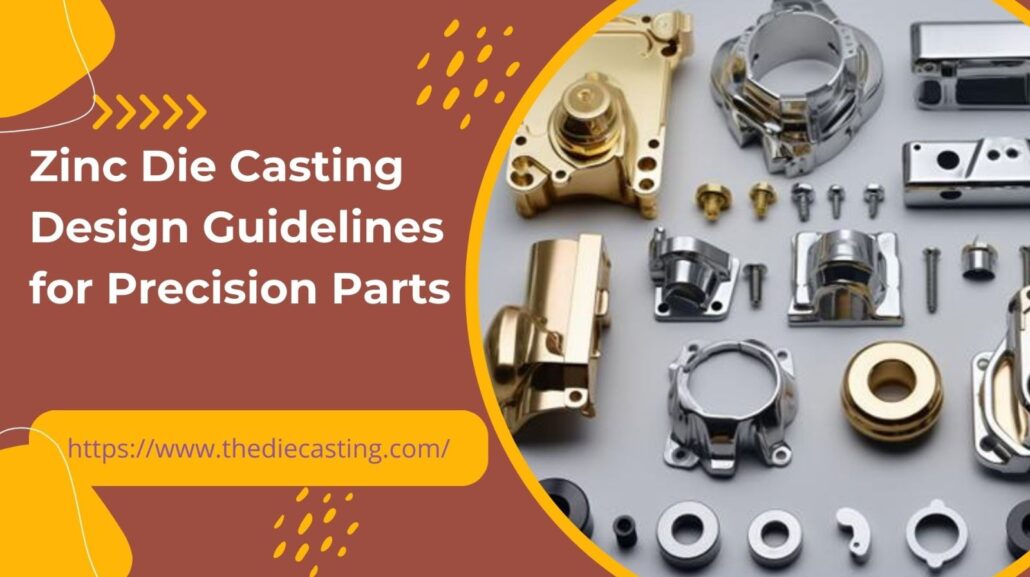
Οδηγίες σχεδιασμού χύτευσης ψευδαργύρου για εξαρτήματα ακριβείας

zamak 5, Χύτευση ψευδαργύρου

Η χύτευση ψευδαργύρου είναι μια ευέλικτη μέθοδος παραγωγής που συνεπάγεται την έγχυση λιωμένης ύλης από κράμα ψευδαργύρου σε ειδικά σχεδιασμένο καλούπι με υψηλή πίεση, προκειμένου να δημιουργηθούν σύνθετα εξαρτήματα υψηλής ακρίβειας. Μια τέτοια προσέγγιση είναι ιδιαίτερα κατάλληλη για εξαρτήματα ακριβείας, επειδή ο ψευδάργυρος έχει υψηλή ρευστότητα, χαμηλό σημείο τήξης και μπορεί να κατεργαστεί σε στενές ανοχές χωρίς μεγάλη μεταγενέστερη επεξεργασία. Η χύτευση με εκμαγείο από ζαμίνιο χρησιμοποιείται σε βιομηχανίες όπως η αυτοκινητοβιομηχανία, η ηλεκτρονική βιομηχανία, τα καταναλωτικά αγαθά και οι ιατρικές συσκευές για εξαρτήματα, συμπεριλαμβανομένων συνδέσμων, γραναζιών, περιβλημάτων και πολύπλοκων μηχανισμών που απαιτούν ανοχές διαστάσεων και μακροζωία. Τα περισσότερα κράματα ψευδαργύρου επεξεργάζονται με μηχανές θερμού θαλάμου, οι οποίες επιτρέπουν γρήγορους χρόνους κύκλου και σταθερή ποιότητα. Τα ακριβή εξαρτήματα επωφελούνται από την ικανότητα του ψευδαργύρου να παράγει λεπτά τοιχώματα, πολύπλοκες γεωμετρίες και εξαρτήματα με σχήμα δικτύου, μειώνοντας τη σπατάλη υλικών και το χρόνο συναρμολόγησης. Παρ' όλα αυτά, υψηλά ποσοστά επιτυχίας επιτυγχάνονται όταν ακολουθούνται συγκεκριμένοι κανόνες σχεδιασμού και λαμβάνονται υπόψη οι ιδιότητες του υλικού, το σχήμα, η μορφή και οι παράμετροι επεξεργασίας. Αυτοί οι κανόνες συμβάλλουν στη μείωση των ελαττωμάτων, στη βελτίωση της κατασκευασιμότητας και στην ενίσχυση της ακρίβειας. Αυτό το άρθρο προσδιορίζει τις κύριες κατευθυντήριες γραμμές που υποστηρίζονται από τα βιομηχανικά πρότυπα που έχουν οριστεί από οργανισμούς για να βοηθήσουν τους μηχανικούς να σχεδιάσουν εξαρτήματα ακριβείας από χυτό ψευδάργυρο. Πλεονεκτήματα της χύτευσης εξαρτημάτων ακριβείας με εκμαγείο ψευδαργύρου Η χρήση της χύτευσης με εκμαγείο ψευδαργύρου προσφέρει πολλά πλεονεκτήματα, καθιστώντας την ένα από τα καλύτερα υλικά για εφαρμογές ακριβείας. Υλικό επιλογής: Κράματα ψευδαργύρου Η επιλογή του σωστού κράματος ψευδαργύρου είναι σημαντική για τα εξαρτήματα ακριβείας επειδή επηρεάζει τις μηχανικές ιδιότητες, τη χυτευσιμότητα και τις ανοχές. Οι σειρές Zamak για χύτευση υπό πίεση (2, 3, 5, 7) και η σειρά ZA (8, 12, 27) έχουν συγκεκριμένες συνθέσεις και ιδιότητες απόδοσης. Ο παρακάτω πίνακας θα συνοψίσει τα είδη των κραμάτων ψευδαργύρου που χρησιμοποιούνται στην κατασκευή εξαρτημάτων ακριβείας: Είδη κράματος ψευδαργύρου Αντοχή σε εφελκυσμό (ksi/MPa) Επιμήκυνση % Σκληρότητα (BHN) Πυκνότητα g/cm³ Όριο διαρροής (MPa) Σημείο τήξης °C Zamak 2 52/359 7 100 6,6 283 379-390 Zamak 3 41/283 10 82 6,6 269 381-387 Zamak 5 48/328 7 91 6,6 283-269 380-386 Zamak 7 41/283 13 80 6.6 310-331 381-387 ZA 8 54/372 6-10 100-106 6,3 359-379 375-404 ZA-12 59/400 4-7 95-105 6,03 145 377-432 ZA-27 62/426 2,0-3,5 116-122 5,3 N/A 372-484 Αυτές οι ιδιότητες μπορούν να χρησιμοποιηθούν για να εξασφαλιστεί ότι τα κράματα ψευδαργύρου πληρούν τις προδιαγραφές ακριβείας και ότι τα σύνθετα μέρη έχουν υψηλή ρευστότητα (1-2 σε κλίμακα 1-4, 1 το καλύτερο). Για να είμαστε πιο ακριβείς, οι κατασκευαστές θα ήθελαν να επιλέξουν κράματα όπως το Zamak 3 ή το ZA-8 λόγω της σταθερότητάς τους και της ικανότητάς τους να αντέχουν σε στενές ανοχές. Βασικές κατευθυντήριες γραμμές σχεδιασμού Η καλή χύτευση ψευδαργύρου είναι σχεδιασμένη έτσι ώστε να διευκολύνει τη ροή και την εκτίναξη, διατηρώντας παράλληλα την αντοχή με ελάχιστο κόστος. Πάχος τοιχώματος Το πάχος του τοιχώματος πρέπει να είναι ομοιόμορφο για την αποφυγή πορώδους και παραμόρφωσης. Για εξαρτήματα ακριβείας, διατηρήστε το εντός των ορίων +/-10% και χρησιμοποιήστε ελάχιστο πάχος 0,040 ίντσες (1 mm) για καλό φινίρισμα επιφάνειας και τόσο λεπτό όσο 0,020 ίντσες (0,5 mm) σε μικροσκοπικά μοντέλα. Οι αναλογίες παχιών προς λεπτές διατομές πρέπει να διατηρούνται σε λιγότερο από 3:1 για να ελαχιστοποιείται η πιθανότητα πορώδους- κατά προτίμηση οι αναλογίες διαμέτρου εγγεγραμμένης σφαίρας δεν πρέπει να υπερβαίνουν το 6:1. Η πάχυνση των τοιχωμάτων ενισχύει τη ροή αλλά αυξάνει το χρόνο κύκλου και την κατανάλωση. Σε αποστάσεις μακριά από την ένωση, το ελάχιστο πάχος μεταβάλλεται: κάτω από 0,5 mm σε περιοχές μικρότερες από 50 mm, έως 2 mm στα 200 mm. Για τον έλεγχο των σχεδίων μπορούν να χρησιμοποιηθούν διάφορες προσομοιώσεις. Στη χύτευση ψευδαργύρου, καθορίστε ελάχιστο πάχος 0,025 ίντσες (0,635 mm) σε επιλεγμένες θέσεις, αλλά 0,040 ίντσες (1,016 mm) σε θέσεις που είναι καλύτερες από τη χύτευση. Γωνίες βύθισης Οι γωνίες βύθισης βοηθούν στην εκτίναξη των εξαρτημάτων και αποτρέπουν τη ζημιά στη μήτρα. Για τον ψευδάργυρο, οι ελάχιστες κλίσεις είναι 0,5 ° -1 στις εξωτερικές επιφάνειες, 1- -1 στις εσωτερικές επιφάνειες και 0,1 ° -1 στις στρογγυλές οπές. Τα σύντομα χαρακτηριστικά που χρησιμοποιούν κινούμενα μέρη (στοιχεία μήτρας) μπορούν να εκτυπωθούν σε μηδενική κλίση, αλλά είναι πιο ακριβό. Για τις νευρώσεις, χρησιμοποιείται κωνικότητα 5-10 όταν δεν είναι παράλληλη με τη συρρίκνωση. Διαφορετικά πρότυπα δίνουν υπολογισμούς βύθισης: οι τυπικές ανοχές είναι 50 (γωνία βύθισης περίπου 1,9 μοίρες σε βάθος 1 ίντσας) για τα εσωτερικά τοιχώματα και 100 για τα εξωτερικά τοιχώματα. Υπάρχουν επίσης ανοχές ακριβείας που επιτρέπουν 60 και 120 σταθερά σχέδια. Φιλέτα και ακτίνες Τα φιλέτα και οι ακτίνες πρέπει πάντα να προστίθενται, καθώς οι αιχμηρές ακμές οδηγούν σε συγκεντρώσεις τάσεων και διάβρωση της μήτρας. Η ελάχιστη ακτίνα του εσωτερικού φιλέτου είναι 0,016 ίντσες (0,4 mm) και του εξωτερικού 0,031 ίντσες (0,8 mm). Οι ακτίνες μεγαλύτερου μεγέθους (έως 0,063 ίντσες ή 1,6 mm) βελτιώνουν τη ροή και την αντοχή. Θα πρέπει να χρησιμοποιούνται ελάχιστες ακτίνες (0,060 ίντσες (1,5 mm) για τις προεξοχές και τις νευρώσεις). Η ακτίνα σε υψηλές τάσεις δεν πρέπει να είναι μικρότερη από 1 mm- τα πρότυπα προτείνουν ±0,08/±0,04 ίντσες (±2/±1 mm) στα φιλέτα. Αυτό βελτιώνει τη διάρκεια ζωής του εξαρτήματος και μειώνει τις ρωγμές. Πτερύγια και προεξοχές Τα πτερύγια ενισχύουν την ενίσχυση χωρίς να προσθέτουν όγκο. Δημιουργήστε ρηχές, στρογγυλεμένες νευρώσεις (λόγος ύψους προς πάχος όχι περισσότερο από 3:1) και τοποθετήστε τις ομοιόμορφα ώστε να μην παραμορφώνονται. Προσκολλήστε τις νευρώσεις στα τοιχώματα με φιλέτα για να αποφύγετε το πορώδες στη διασταύρωση. Το ύψος των προεξοχών που χρησιμοποιούνται για τη στερέωση ή το σπείρωμα πρέπει να είναι ίσο με τη διάμετρό τους και όταν η διάμετρος είναι μεγάλη, πρέπει να έχουν νευρώσεις. Διατηρήστε απόσταση 0,25 ίντσες (6,5 mm) μεταξύ των προεξοχών. Οι ανοχές των κρίσιμων υψών μπορούν να περιέχονται σε νευρώσεις, όπως στα σχέδια ακριβείας με νευρώσεις ±0,001 ίντσες (±0,025 mm). Οπές με πυρήνα και σπειρώματα Οι οπές που γίνονται στον πυρήνα τον καθιστούν ελαφρύτερο και επιτρέπουν στοιχεία όπως τα σπειρώματα. Το μέγιστο βάθος είναι περίπου 3 mm διάμετρος, 9 mm τυφλό ή 24 mm διαμπερές- έως και 12 mm διάμετρος με μεγαλύτερα ανοίγματα. Διάμετρος τουλάχιστον 6 mm (0,25 ίντσες), λόγος L/D όχι μεγαλύτερος από 4:1 σε μικρές οπές. Σκέψεις για τη γραμμή διαχωρισμού Είναι καλύτερο να τοποθετείται η γραμμή διαχωρισμού στο μεγαλύτερο δυνατό τμήμα για να δημιουργείται η μικρότερη δυνατή ποσότητα λάμψης και να είναι εύκολη η κοπή. Πρέπει να αποφεύγονται οι κάθετες ή περίπλοκες γραμμές- οι ορθές γωνίες του επιπέδου κίνησης της μήτρας είναι οι καλύτερες. Οι ανοχές στις γραμμές διαχωρισμού είναι το άθροισμα των γραμμικών, ανά προβαλλόμενη επιφάνεια. Προβαλλόμενη επιφάνεια Ανοχή (+in) Μέχρι 10 +0,0045 11-20 +0,005 21-50 +0,006 51-100 +0,009 Ανοχές εξαρτημάτων ακριβείας Η χύτευση με εκμαγείο ψευδαργύρου έχει ακόμη υψηλότερες ανοχές ακριβείας από τις τυπικές και μερικές φορές 65% αυτών των ειδικών ελέγχων είναι

χύτευση ψευδαργύρου

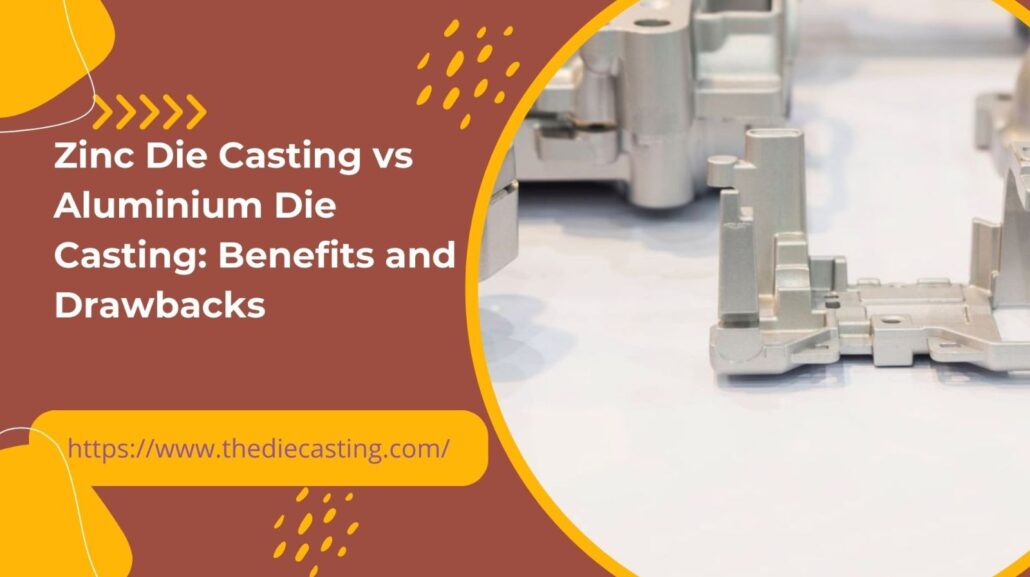
Χύτευση ψευδαργύρου έναντι χύτευσης αλουμινίου: Πλεονεκτήματα και μειονεκτήματα

χύτευση αλουμινίου, Χύτευση ψευδαργύρου

Die casting has also been a viable and versatile process in the manufacturing sector for producing high-precision metal products. Aluminum and zinc are among the most common die-casting alloys. Supposing that you are engaged in the production of a product, engineering, or locating the ingredients, you have to realize the difference between zinc die casting and aluminum die casting. The guide will help manufacturers to choose the most appropriate alloy for their project, whether it’s automotive parts, electronics, or consumer goods. Die casting is a process of pouring hot molten metal into a mold under high pressure to produce intricate shapes with a high level of surface finishes. Both Zinc and aluminum die casting have their own merits and demerits. We will also provide in-depth comparisons, a tabular, fast-tracked view, and professional commentary to help you make an informed decision. At the end, you will clearly understand the difference between zinc die casting and aluminum die casting, and when to use either of them. Let’s explore the key factors. What is Die Casting? A Quick Overview It is vital to understand the die casting process before comparing zinc die casting and aluminum die casting. Die casting is a process of forcing molten metal into a mold cavity under high pressure (1,000 to 20,000 psi). The hardened steel mold or die can typically produce thousands of similar parts with tight tolerances. Die Casting Types Hot Chamber Die Casting  It is applied in low-melting-point metals such as zinc. The injection system is dipped in molten metal. Cold Chamber Die Casting It is best when the metal has a higher melting temperature, such as aluminum. Lading of molten metal into the chamber is done to prevent damage to the machine. It is preferred for its speed, accuracy, and ability to create complex designs without extensive post-processing. At this point, we will compare the two star alloys: zinc and aluminum. Primary Properties of Zinc and Aluminum Die Casting The decision between zinc and aluminum die casting is often reduced to material characteristics. Zinc (and is commonly alloyed as Zamak) and aluminum (such as ADC12 or A380) do not share the same strengths, weight, corrosion resistance, etc. Strength and Durability Zinc alloys are reported to possess great impact strength and ductility. They can withstand significant stress without breaking, making them suitable for components that should be bent or shaped after casting. Aluminum alloys, on the other hand, are superior in tensile strength and hardness, particularly in structures. Weight and Density Compared to zinc, which has a density of 6.6 g/cm 3, aluminum is lighter (d = 2.7 g/cm 3). This contributes to the use of aluminum in industries that require low weight, such as the aerospace industry. Melting Point and Castability Zinc melts at approximately 380-390 °C, allowing hot-chamber machines to run faster. Aluminum-only melts at 660 °C, which means cold-chamber processes that may slow production but enable thinner walls to. Corrosion Resistance Both have good resistance; however, aluminium performs better under harsh conditions because it naturally forms a protective oxide coating. Outdoor use of zinc demands coating. Features Zinc die casting Aluminum die casting Melting point 380-390 degrees 660 degrees Tensile strength 280-400 200-300 Density 6.6 2.7 Thermal conductivity 109 100-140 Electrical conductivity High Very high Impact strength Ductile Brittle Corrosion resistance Good Best Benefits of Zinc Die Casting The versatility of zinc die casting has made it a reliable option for more than a hundred years. That is why manufacturers are fond of it: Outstanding Dimensional Accuracy Zinc remains intact to 0.05mm or less, eliminating the need for secondary machining. The manufacturer can achieve extreme dimensional accuracy with zinc die casting moulds. High Finish The raw material itself has a high-quality finish. Parts emerge clean and frequently do not require additional polishing before being plated or painted. Prolonged Tool Life Zinc melts easily, so the dies wear out less, resulting in lower long-term tooling costs. The products are corrosion- and wear-resistant, resulting in a longer lifespan. Fast Speed of Production The molten material solidifies within 15-30 seconds. It makes zinc die casting suitable for high-volume production. Large-scale industry uses it to improve and increase production. Affordable for Small Components Zinc is ideal for complex, small parts such as locks, gears, and hardware. But weight-sensitive applications may make zinc less desirable due to its greater density. Examples of standard alloys include Zamak 3 (general-purpose) and Zamak 5 (higher strength). Applications In other industries, such as the automotive sector, zinc is utilized in door handles and brackets. In the case of electronics, it is preferred in connection because it can shield against EMI. Benefits of Aluminum Die Casting In larger and structural components, aluminum die casting is leading. Its benefits include: Lightweight and Strong Aluminum components can reduce the product’s total weight by 50 percent compared to steel or zinc. Aluminum is light but strong. That makes aluminum die casting ideal for producing products suited to high-strength applications.   Excellent Corrosion Resistance It does not need further coating in most instances, which is time- and money-saving. The products made from aluminum die casting have a longer lifespan and remain intact. Good Thermal and Electrical Conductivity Aluminum’s ability to conduct electricity and heat makes it ideal for a wide range of applications. It is perfect for use in heat sinks, engine blocks, and electrical housings. Recyclability The aluminum die-casting process is best because of its high recyclability—100 percent aluminum recycling, in line with sustainable manufacturing trends. Thin-Wall Capability Aluminum die casting can produce walls as thin as 0.5mm, enabling complex designs. Drawbacks Contradictions and Disadvantages Not any material is perfect. In the case of zinc die casting as compared to aluminum die casting, these are the cons: Zinc Die Casting Limitations Aluminum Die Casting Restrictions Comparison of Costs: Zinc Die Casting vs Aluminum Die Casting A significant factor in the zinc die versus aluminum die casting is cost. Raw materials are usually cheaper, getting Zinc (2-3/kg) as compared to aluminum (2-4/kg), yet tooling and manufacturing

χύτευση ψευδαργύρου

Κριτικές των παρόχων υπηρεσιών χύτευσης ψευδαργύρου για εξαρτήματα αυτοκινήτων

Χύτευση ψευδαργύρου

Introduction In the automotive industry, zinc has been a pillar raw material for die casting because it has a remarkable mixture of precision, strength, durability and cost-effectiveness. Automakers are also turning to the use of zinc alloys in those parts that demand tight tolerances, thin walls, high surface finishes, wear and corrosion resistance. This is used in common applications such as door handles, lock housings, seat belt mechanisms, gears, brackets, sensor housings and inner trim pieces. The technology is to inject high-pressure molten zinc into steel moulds, which can be of complex geometry and volumes with limited secondary machining. Chinese Mold Manufacturer has already dominated the world of zinc die casting by being able to offer tailor-made prices, facilities and the necessary certification, such as the IATF 16949, that is required by automobile suppliers. This paper summarizes the top zinc die casting service companies focusing on automotive parts, based on the capabilities of the companies, customer reviews and industry reputation. We are targeting the Chinese manufacturers, who are the major source of worldwide provision of low-priced yet high-quality motor parts. Key Advantages of Zinc Die Casting With the latest development of vehicles towards electrification and lightweighting, zinc die casting services are important to making dependable, high-performance components. The Zinc Die Casting Process Zinc die casting is a very efficient production process that is accurate in making complex metal parts that have superior surface finishes. It is especially well used in the auto industry with parts that have thin wall requirements, are high strength and have better plating compatibility. Just like aluminum die casting, zinc employs the hot-chamber process because it melts at a lower temperature (approximately 420 °C), providing it with short cycle times and extended tool life. Principles of the Zinc Die Casting Process Mold Preparation To ease ejection and temperature control, the steel die (mold) is sprayed with lubricant. The mold is made from strengthen material like steel that contains all the details of the automotive parts. Melting and Injection Zinc alloy (usually Zamak 3, 5 or ZA-8) is melted in a furnace that is connected to the machine. A gooseneck plunger is inserted into the molten metal and forces the final under high pressure (as much as 30 MPa) into the die cavity. Solidification The metal solidifies (a few seconds) in the water-cooled die, and the metal is solidified in its form of choice. Ejection The die is cast, and ejector pins push out the casting. The final shape of the product is solidified. Trimming and Finishing Flash (runners) is removed. The secondary processes, such as machining, plating or powder coating, are included. Trimming the unwanted part of the zinc automotive product is the final step. Why Zinc Die Casting is Superior in Automotive Applications Zinc alloys (i.e., Zamak 3, 5, and ZA-8) have distinct advantages compared to such alternatives as aluminum: High Quality Finish and Surface Finish Zinc fluidity allows adding thinner walls (down to 0.5mm) and finer details to minimize the post-processing. The automotive parts made from zinc have thinner walls and greater strength. Increased Strength and Impact Resistance Suited to components with safety-critical functions such as seat belt retractors and locks. The automakers preferred using these products. Extended Tool Life Due to the low melting point, zinc die casting products’ life is increased, and high-volume runs have reduced costs. Outstanding Plating Compatibility The process of zinc die casting is ideal for exterior or interior parts, as these are chrome-plated. Economical with Medium Volumes The automotive parts made by zinc diecasting use hot-chamber processes and have faster cycle times than aluminum. Zinc vs. Aluminum Die Casting Comparison for Automotive Parts Automotive parts could be made from zinc or aluminum. Here is the comparison table for the users to make the best decision according to their need of product. Features Zinc die casting Aluminum die casting Wall thickness Thinner (0.5-1.5mm) Thicker (2-5mm) Weight Higher High Melting point Low High Thermal conductivity High Low Corrosion resistance Higher Low Impact/strength High impact resistance Greater ductility Tool life Longer Shorter Cost Better for smaller parts Better for larger parts Applications Auto marine Power steering system Fuel system Engine system Automotive components Aerospace House appliances Medical automotive Best Die Casting Providers of Zinc                                                                                      Die Castings China (CNM Tech) This is a company that deals with zinc die casting and aluminum in the automotive parts industry in Dongguan, which is a die-casting hub. They have machines ranging from 120 to 1600 tons and in-house machining, deburring, plating, and powder coating. Strengths full service (one-stop), IATF 16949-certified, high concentration on automotive (e.g., brackets, housings). High-quality deburring provides parts without an accent. Customer Reviews Compliments on consistency, speedy delivery and competitive prices. Plated finishes are ideal for OEMs. Rating 4.8/5 -Dependable when using on mid-to-high volume automotive runs. GC Precision Mold Co., Ltd. GC, a zinc die casting manufacturer, was founded in 1999 in Dongguan, and it provides IATF 16949 certified zinc, aluminum and magnesium die cast. They cover the automotive, electronics and hardware industries. Strengths Large assortment of alloys, integration of CNC machining, and extreme care to tight tolerances. Verified in automotive components such as gears and housings. Customer Reviews Customer satisfaction rating (transparency, responsiveness, and consistency of quality) was high. Customers report about superior English communication. Rating 4.9/5 -Best selection of precision automotive parts. Sincere Tech (Dongguan Sincere Tech Co., Ltd.) Although its major operations are plastic injection and general die casting, Sincere Tech also offers zinc die casting services, together with machining and assembly. They refer to die cast of metal components, including the automobile. Strengths All-in-one services (design to assembly), ISO 9001:2015, 18 plus years of experience. DFM and fluent English assistance. Customer Reviews Favorable response towards project management and problem-solving. Excellent in problem-solving according to foreign clients. Rating 4.7/5: Strong on combined projects of zinc and plastic parts. PHB Inc. PHB is a hundred-year-old American company that deals with aluminum and zinc die casting. They work with large car manufacturers, making components such as drilling, milling

Επιμετάλλωση Ψευδαργύρου Χύτευση:

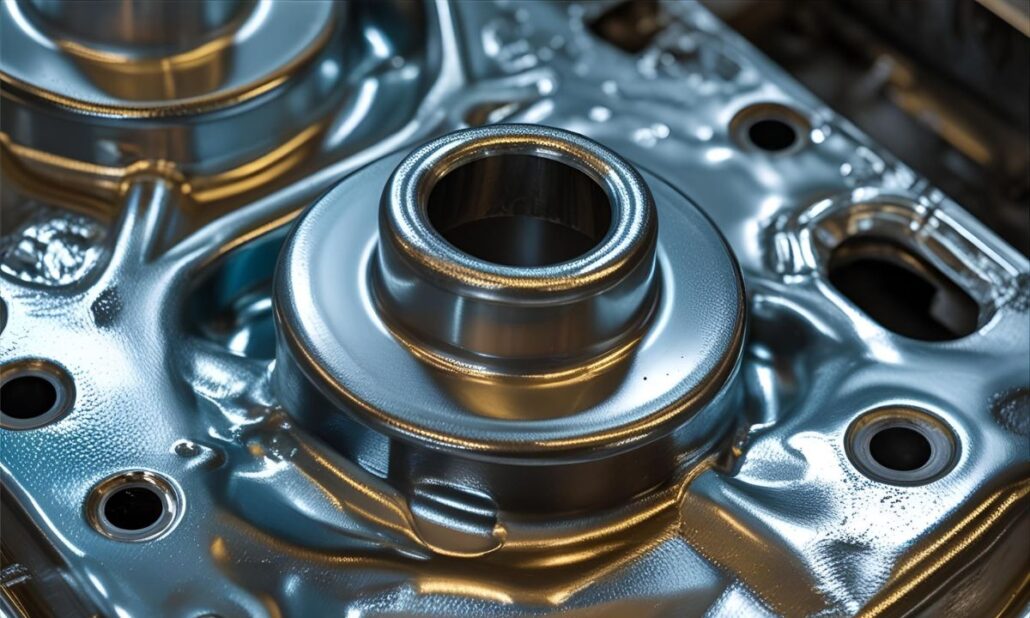
Επιμετάλλωση Ψευδαργύρου Χύτευση: Τεχνικές, οφέλη και βιομηχανικές εφαρμογές

Χύτευση ψευδαργύρου

Zinc die casting is a common method of production commonly applied in industries where speed, accuracy, strength, and affordability really matter. Zinc alloys are used in automotive, aerospace, consumer electronics applications and more because of their high casting properties, dimensional control, strength and versatility. They can be used to make complicated shapes with smooth surfaces, and it makes they highly demanded to be used in mass production. Bare zinc surfaces tend to be easily corroded, tarnished and generally worn with exposure to adverse environments, necessitating the need to apply a protective finish. It is here that plating becomes one of the most important steps, both in the usability and the lifetime of the products, as well as in the attractiveness and professional appearance of the products in the market. When addressing such as surface finishing, plating zinc die cast parts guarantees enhanced resistance to ageing environments, appearance and durability. The more common processes in the manufacturing industry across the world are chrome plating, zinc die casting, and nickel plating on zinc die cast. Besides lifespan, plating also creates commercial value because customers always want products that are strong yet possess a lustrous, high-quality finish. This renders plating to be a fundamental activity in the current industries. In this article, I will give a detailed extrapolation of arguments as to why plating is necessary, how the technical process works, challenges, and the industrial benefits attached to the process. What is Zinc Plating Die Casting? Zinc die casting is the process used to evenly coat a protective and decorative metal coating on components that were cast using zinc die casting. Given that zinc alloys are strong and cost-effective, but corrosive and wear-dependent, plating extends the durability, appearance and operation. Put simply, zinc die casting is the process that produces the real part or component, whereas plating applies an extra layer, which places a protective coating on the surface and provides the needed finishing. Plating and plating zinc die cast products to achieve a mirror finish through chrome plating zinc die casting, or a protective, up-market finish through nickel plating, zinc die cast. This composite leads to the plated zinc die casting finding a wide range of applications in automotive trim, electronic housings, household and industrial equipment, where good appearance and strength are potential requirements. What is plating? Plating is the addition of a thin layer of metal over the surface of another material, either by electroplating (use of electric current) or by chemical plating (not using electric current). Plating is done to enhance the aesthetic, abrasion resistance, corrosion resistance, conductivity and wear resistance of the substrate. An example is when we use nickel or chrome over zinc die cast parts to add protection and lustre to the base zinc, which offers the strength and shape. The glossy surface of a car’s shiny chrome handle or a bathroom feature is a direct result of plating. In brief, plating is a similar process of providing a product with a shield and a beautiful finish to make things appear more lasting and attractive. The Reason Why Zinc Die Casting need Plating Despite the strengths of zinc alloys that may be used in a variety of applications, there are some limitations when they are raw. Uncoated zinc is subject to tarnishing or corrosive attack by moisture, chemicals and thermal change. The plain, uncoated part is not sufficient in many industries to use long-term reliability. Surface finishes by plating not only serve the cosmetic purpose they also bring about various advantages in engineering. Manufacturers increase the precautionary measures against corrosion, abrasion, and oxidation by the use of the so-called plating zinc die cast techniques. This guarantees the durability of the product in terms of both the integrity of its structure and its aesthetic appeal in the long run. Besides, special coatings such as chrome plating, zinc die casting, which provides a high gloss finish best suited to consumer product components, as well as nickel plating on zinc die cast, which is both protective as well as a decorative coating, are possible. The Process of Plating on Zinc Die Castings Plating is a complicated process that takes delicate preparation and implementation. Unlike aluminium and steel, zinc alloys pose unusual challenges because of the reactivity of zinc. As such, plating on zinc presupposes special treatment in order to guarantee a good adhesion. Surfacing 1: Surface Preparation The initial process is degreasing, where oil, lubricant and impurities are removed from the casting. Without strict cleansing, peeling or flaking would occur, which means a poor adhesion on the use of zinc die cast parts. Step 2: Selecting The castings are deoxidised and cleaned off by immersion in acid. This makes the surface clean, active and capable of accepting plating layers. Step 3: Apply Strike Layer The zinc alloys are very reactive; thus, a thin strike coat of copper or nickel is normally used to enhance the adhesion before finishing. This is a crucial step to both the chrome plating, zinc die casting, and nickel plating on zinc die cast. Step 4, final plating layer Non-resistant metals, chrome, nickel or other alloys are electroplated to cover the surface. Durability and appearance of the finished product are dependent on this layer and its thickness and quality. Chrome Plating of Zinc Die Castings The most appreciated finishing technique applied to zinc die casting is called chrome plating; this type of finishing is used in order to increase the durability of the zinc part, its functionality, as well as its beauty. Chrome plating refers to the adherence of a very thin film of chromium metal on the surface of zinc die-cast objects through an electroplating process. The outcome is a shiny, mirror-like coating that can enhance the aesthetics of it but also reinforces the part against corrosion, scratches, and day-in, day-out wear. Origins have been found that chrome-plated objects will protect a raw zinc surface that has the propensity to tarnish quickly in more difficult conditions, and the products are durable. Important Advantages of

zinc die casting κατασκευαστής στην Κίνα

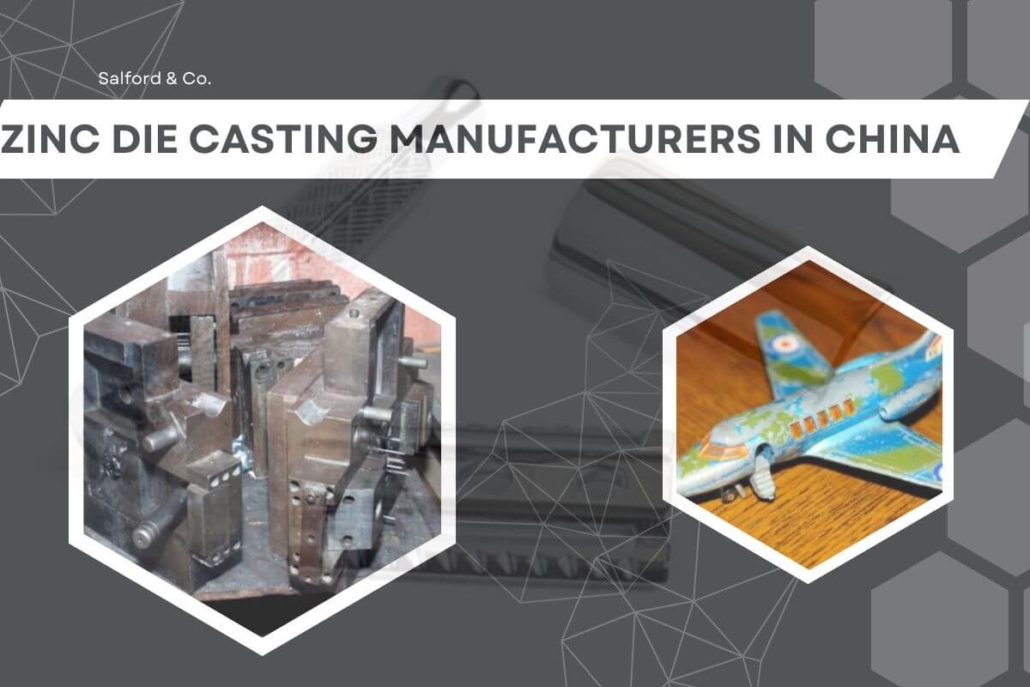
Οι καλύτερες 11 εταιρείες χύτευσης ψευδαργύρου στην Κίνα και τις ΗΠΑ

εξαρτήματα χύτευσης, Χύτευση ψευδαργύρου

If you have metal alloy casting parts that require a high quality surface finish, such as polishing, plating, or electronic plating, then you should look for zinc die casting parts. Zinc or zamak die casting is frequently used in the production of precisely decorative parts, building accessories, door and window accessories, door hingers, die cast models, and other similar alloy products. The purpose of this article is to provide you with a concise introduction to the best 11 zinc die casting companies in China and the United States of America, as well as their casting capabilities and competitive advantages. With that in mind, let’s take a look at some of the most well-known businesses in this extensive guide. 1. Dongguan Sincere Tech Co., Ltd Dongguan Sincere Tech Co., Ltd is a mold manufacturer and zinc die casting company based in China. High-quality injection molds are the specialty of the company. It provides die-casting molds of aluminum, zinc, and magnesium along with the accuracy in plastic molding as well as molding. Services offered are for automotive, medical, and other sectors. The customers gain precision reliability and competitive charges for all the projects offered. The use of high-quality machines and equipment means that there is quality output with minimal deviations. Oversight of each project is left in the hands of skilled professionals to ensure that high standards are followed. The company has established a reputation as one of the leading companies because international clients have confidence in Dongguan Sincere Tech for success. Services Offered Dongguan Sincere Tech provides clients with a wide range of product development solutions. It ranges from the design process to the creation of prototypes, from production design to actual mass manufacturing. That is why mold creation and tooling services are considered to incorporate high precision of output product assembly, testing, and packaging. The company has immense experience in Die casting and plastic molding. Every move is performed with precision and clarity. The company makes sure that its products are according to the industry standards and values. Quick turnaround times and good results are guaranteed. Why Choose Dongguan Sincere Tech? Quality, precision, and reliability are the core values of Dongguan Sincere Tech Company. Quality assurance measures applied to the greatest level ensure the high quality and standards of the product. Raw materials of fine quality are used in the production of various products. The sophistication of manufacturing processes is used for better sturdiness. Every client is provided with high-performance and low-cost services. Accuracy and durability are the foremost aspects of designing the product. Professionals receive optimum levels of satisfaction in the services they offer to the customers as well as the products they manufacture. If you are seeking reliable and affordable molds, then Sincere Tech is a company you should look at. If you are looking for plastic injection molding, product assembly services China, and zinc die casting companies in China, you are welcome to contact with them for price. 2. GC Precision Mold Co., Ltd. GC Precision Mold Co., Ltd. is a leading Zinc die casting company in China offering vast experience of over two decades. Founded in 1999 and is primarily involved in the business of aluminum, zinc, and magnesium die-casting. In addition, they provide services for plastic molding, CNC machining, and surface finishing. GC Precision Mould works with different sectors of the economy such as automobile, electronics, and the healthcare sector. The company holds a reputation for its efficient production line. Its advanced machines are from 120 tons to 1650 tons. The services offered by the company include gravity casting, high-pressure die casting, and sand casting. They design and develop molds of specific interest. The accuracy and quality are ensured on every project to the maximum level. GC Precision Mould sells its products in the international market, specifically in North America and Europe. These companies provide efficient and convenient delivery and shipping for their customers in different parts of the globe. This has made them certified under the International Organization for Standardization (ISO) 9001 on quality. The company delivers customized solutions according to the client’s demand, thereby adding value. Core Services Provided GC Precision Mould Co., Ltd. provides a wide range of services: Die Casting: The materials used are aluminum, magnesium, zinc, and other custom alloys. Plastic Injection Molding: High precision in molding with a range of surface finishes. CNC Machining: CNC lathe turning and component manufacturing with high levels of accuracy. Surface Finish: Anodizing, powder coating, painting, and plating with chromium. Custom die casting Tooling: Equipment for difficult die casting and molding applications. Their die-casting services target the automotive, electronics, and consumer products industries. For every project, they employ modern tools and techniques, thus meeting the highest levels of production. They satisfy various customer needs since the machines used in manufacturing have a part-making capability of up to 50kg in weight. Why Choose GC Precision Mould Co. Ltd? GC Precision Mould is a reliable supplier of Zinc Die Casting Services. They provide steady and affordable services grounded on their many years of experience. The company emphasizes and assures a fast response time and works at a reasonable budget. GC Precision Mold offers a full spectrum of customer support starting from the time the project is initiated. From die casting, and CNC machining to plastic molding the company guarantees satisfaction to their customers. G.C Precision Mold Co., Ltd. focuses on constant innovation. They are always giving their best to advance their production systems and techniques. They are ISO 9001 certified and follow rigorous international standards for their products. They meet both small and big production needs in terms of service delivery. If you are looking for plastic injection molding, CNC machining, surface finish like anodzing, electronic plasting, 6063 or 6061 high pressure die casting, and zinc die casting manufacturers in China, you are welcome to contact with them for price. 3. CNM Casting CNM TECH is an advanced industrial zinc die casting company based in China, the CNM casting company is mainly involved in precision die-casting

Χύτευση ψευδαργύρου

Η σημασία της χύτευσης ψευδαργύρου στην αυτοκινητοβιομηχανία

χύτευση αλουμινίου, εταιρείες χύτευσης μήτρας, εταιρεία χύτευσης μήτρας, Die Casting Κατασκευαστής, εξαρτήματα χύτευσης, zamak 3 χύτευση μήτρας, Χύτευση ψευδαργύρου Zamak 3, zamak 5, zamak 5 χύτευση μήτρας, zamak die casting, χύτευση κράματος ψευδαργύρου, Χύτευση ψευδαργύρου

Τι είναι η χύτευση σε μήτρα; Η χύτευση σε μήτρα είναι μια διαδικασία χύτευσης μετάλλων που χαρακτηρίζεται από την πίεση λιωμένου μετάλλου μέσα στην κοιλότητα του καλουπιού. Η κοιλότητα του καλουπιού κατασκευάζεται με τη χρήση δύο σκληρυμένων καλουπιών από εργαλειοχάλυβα που επεξεργάζονται κατά τη διάρκεια της επεξεργασίας και λειτουργούν παρόμοια με τα καλούπια έγχυσης. Οι περισσότερες χύτευση με εκμαγείο γίνεται από μη σιδηρούχα μέταλλα, ιδίως ψευδάργυρο, χαλκό, αλουμίνιο, μαγνήσιο, κασσίτερο, μόλυβδο και κράματα με βάση τον κασσίτερο. Ανάλογα με τον τύπο του μετάλλου που ρίχνεται, χρησιμοποιείται θερμική ή ψυχρή μηχανή. Η διαδικασία χύτευσης ψευδαργύρου είναι πολύ δημοφιλής για την κατασκευή εξαρτημάτων σε κτιριακούς και βιομηχανικούς τομείς, αλλά η πιο συνηθισμένη εφαρμογή είναι στην αυτοκινητοβιομηχανία. Στην πραγματικότητα, τα αυτοκίνητα έχουν διάφορα μέρη που μπορούν να κατασκευαστούν μέσω χύτευσης, με τέτοιο τρόπο ώστε η σύγχρονη διαδικασία της χύτευσης να ξεκίνησε αρχικά για την αυτοκινητοβιομηχανία. Με τη διαδικασία χύτευσης συχνά δεν απαιτείται περαιτέρω κατεργασία μετά τη χύτευση: όχι μόνο η ακρίβεια είναι έως και 99,8%, αλλά τα χυτά προϊόντα μπορούν επίσης να χρησιμοποιηθούν ωμά επειδή έχουν ευχάριστο φινίρισμα. Η χρήση της χύτευσης ψευδαργύρου είναι σχεδόν 28% στην αυτοκινητοβιομηχανία, ακολουθούμενη από τον τομέα των κατασκευών και του υλικού. Ο ψευδάργυρος έχει γίνει ένα από τα πιο σημαντικά μέταλλα στη βιομηχανία εξαρτημάτων αυτοκινήτων, ιδίως για προϊόντα όπως το περίβλημα της κλειδαριάς της πόρτας, το πιαστράκι, τα γρανάζια και οι τροχαλίες του αναστολέα στα συστήματα ζωνών ασφαλείας, αλλά και για εξαρτήματα εκκεντροφόρων και αισθητήρων. Με τη χρήση αυτού του μετάλλου και των κραμάτων του, είναι δυνατή η επίτευξη αντοχής, ολκιμότητας και ευελιξίας που δεν θα ήταν δυνατή με άλλα υλικά. Επιπλέον, ο ψευδάργυρος μπορεί να αποτελέσει τη σωστή επιλογή για την απόκτηση υψηλής ποιότητας αισθητικών εξαρτημάτων, με στενές ανοχές που δεν είναι δυνατές με άλλα υλικά, καθώς και για την απόκτηση ανάγλυφων και αυλακώσεων για μηχανικά εξαρτήματα ή γρανάζια. Μηχανισμοί χύτευσης ψευδαργύρου στην αυτοκινητοβιομηχανία Όπως προαναφέρθηκε, η αυτοκινητοβιομηχανία είναι η πιο συνηθισμένη εφαρμογή χύτευσης: η χρήση ψευδαργύρου και των κραμάτων του καθιστά δυνατή την παραγωγή εξαρτημάτων που είναι σε θέση να επιτύχουν υψηλή αισθητική ποιότητα, με στενές και στενές ανοχές για τη μορφολογία του σχήματος. Τα κράματα ψευδαργύρου χρησιμοποιούνται επίσης για επιστρώσεις λόγω των πολλών πλεονεκτημάτων του, όπως η βελτίωση των αντιδιαβρωτικών ιδιοτήτων του ψευδαργύρου που είναι ήδη εντυπωσιακές. Παρακάτω μπορείτε να βρείτε ορισμένα πιθανά παραδείγματα επιμετάλλωσης ψευδαργύρου: Τμήμα εσωτερικής αισθητικής Τμήμα ηλιοροφών Μηχανικά μέρη Κινητήρας και άλλα εξαρτήματα κάτω από το αμάξωμα Σύστημα υδραυλικού τιμονιού Εξαρτήματα και σύστημα φρένων Εξαρτήματα και συστήματα κλιματισμού Εξαρτήματα και συστήματα κλιματισμού Υλικό πλαισίου Εξαρτήματα στο σύστημα ζωνών ασφαλείας Εξαρτήματα του κλιματισμού Σύστημα καυσίμου Πλεονεκτήματα για τη χύτευση ψευδαργύρου: Μια αποδοτική & οικονομική διαδικασία που προσφέρει διάφορες μορφές και μορφές που είναι δυνατές. Παραγωγή υψηλής ταχύτητας Ακρίβεια διαστάσεων & σταθερότητα Αντοχή & βάρος Διάφορες τεχνικές φινιρίσματος είναι διαθέσιμες Απλή συναρμολόγηση Η διαδικασία χύτευσης υπό πίεση ξεκίνησε με τη χρήση μολύβδου και κραμάτων μολύβδου, κραμάτων μαγνησίου και χαλκού τα οποία ακολούθησαν γρήγορα και στη δεκαετία του 1930, είναι διαθέσιμα πολλά σύγχρονα κράματα που χρησιμοποιούνται ακόμη και σήμερα. Η διαδικασία αυτή εξελίχθηκε από τη χύτευση με έγχυση χαμηλής πίεσης στη σύγχρονη έγχυση υψηλής πίεσης 4.500 λιβρών ανά τετραγωνική ίντσα. Η σύγχρονη διαδικασία είναι ικανή να παράγει υψηλής ακεραιότητας, καθαρές μορφές χύτευσης με άριστα επιφανειακά φινιρίσματα. Το κράμα χύτευσης ψευδαργύρου είναι ένα ισχυρό, ανθεκτικό και οικονομικά αποδοτικό υλικό μηχανικής. Οι μηχανικές τους ιδιότητες είναι ανταγωνιστικές και είναι συνήθως υψηλότερες από το χυτό αλουμίνιο, το μαγνήσιο, τον μπρούντζο, το πλαστικό και τον περισσότερο χυτοσίδηρο.

Χύτευση ψευδαργύρου Zamak 3

Zamak 3 Χύτευση με εκμαγείο

χύτευση αλουμινίου, zamak 3, zamak 3 χύτευση μήτρας, Χύτευση ψευδαργύρου Zamak 3, zamak 5, zamak die casting, χύτευση κράματος ψευδαργύρου, Χύτευση ψευδαργύρου

Προσφέρουμε χύτευση ZAMAK 3 για την κατασκευή προϊόντων ZAMAK 3. Τα προϊόντα μας ZAMAK 3, οι δυνατότητες παραγωγής και οι εγκαταστάσεις αποθήκευσης θα σας δώσουν ποιοτικά εξαρτήματα σε ανταγωνιστικές τιμές. Το ZAMAK 3 είναι το πιο δημοφιλές από τη σειρά κραμάτων ZAMAK για χύτευση ψευδαργύρου σε μήτρα, λόγω της δυνατότητας χύτευσης και της σταθερότητας των διαστάσεων. Ιδιότητες του ZAMAK 3: (MPa) 41 (283) Αντοχή σε εφελκυσμό - 0,2% Offset: psi x 103 (MPa) 32 (221) Επιμήκυνση: 10 Αντοχή σε διάτμηση: psi x 103 (MPa) 31 (214) Σκληρότητα: (J) 432 (58) Αντοχή σε κόπωση Περιστροφική κάμψη - 5×10⁸ κύκλοι: psi x 103 (MPa) 6,9 (48) Αντοχή σε θλίψη 0,1% Offset: psi x 103 (MPa) 604 (414) Μέτρο ελαστικότητας - psi x 106 (MPa x 103) 12.46 (85,5) Λόγος Poisson¡¯s 0,27 Πυκνότητα: lb/cu in (g/cm3) ,24 (6,6) Εύρος τήξης: ¡ãF (¡ãC) 718-728 (381-387) Ηλεκτρική αγωγιμότητα: %IACS 27 Θερμική αγωγιμότητα: BTU/ft/hr/¡ãF (W/m/hr/¡ãC) 65,3 (113,0) Συντελεστής θερμικής διαστολής: 68-212¡ãF µin/in/¡ãF (100-200¡ãC µm/mm/¡ãC) 15,2 (27,4) Ειδική θερμότητα: BTU/lb/¡ãF (J/kg/¡ãC) .10 (419) Σχέδιο συρρίκνωσης μήτρας: in/in .007 Χύτευση ψευδαργύρου Εφαρμογές Αθλητικά είδη - Προσεγγίσεις εξοικονόμησης κόστους σε σχέση με τα μηχανικά κατεργασμένα εξαρτήματα- - Επικαλύψεις για να ταιριάζουν με τα εξαρτήματα ψευδαργύρου που ταιριάζουν- - Αντοχή για δύσκολες εφαρμογές- Ιατρική - Καινοτόμες δυνατότητες- - Σχέδια ακριβείας ως χυτό- - Για χρήση σε πολλές δύσκολες εφαρμογές- Διακόπτης - Πολλαπλές κοιλότητες για εξοικονόμηση κόστους- - Πολλαπλές διαφάνειες- Συνδετήρες - Πολλά μεγέθη παξιμαδιών πάνελ που έχουν ήδη διαμορφωθεί με εργαλεία- - Δυνατότητες διάτρησης υψηλής ταχύτητας- Σύνδεσμος - Τεχνολογία τεσσάρων διαφανειών για την εξάλειψη δαπανηρών δευτερευόντων- - Επιμετάλλωση κάννης για ηλεκτρολυτικό νικέλιο προσφέρει οικονομικά αποδοτική προστασία και αισθητική, - Εξαιρετικά αγώγιμα κράματα; Οπτικές ίνες - Δυνατότητα χύτευσης πολύπλοκων σχεδίων; - Εξαρτήματα με στενή ανοχή, όπως χύτευση, - Εξοπλισμός και εμπειρία για την παροχή μικρών εξαρτημάτων; Συσκευές - Χύτευση λεπτών τοιχωμάτων με αντοχή στις εφαρμογές; - Τα επιφανειακά φινιρίσματα παρέχουν αντοχή στη φθορά; - Κράματα σχεδιασμένα για τις ιδιαιτερότητες της εφαρμογής; Αυτοκίνητο - Δυνατότητα ενσωμάτωσης πολλαπλών εξαρτημάτων σε ένα μόνο χύτευση ψευδαργύρου; - Χύτευση και επιμεταλλώσεις ανθεκτικές στη διάβρωση; - Δυνατότητες δευτερεύουσας διάνοιξης βιδών; - Ο ψευδάργυρος είναι ένα εξαιρετικό υλικό απόσβεσης; Η λεπτομέρεια της χύτευσης ψευδαργύρου Zamak 3 Αρ: Zamak 3 zinc casting ProductName: Zamak 3 ή 5 χύτευση ψευδαργύρου Προϊόν Προέλευση: Zamak 3 ή 5: Κίνα: SZ Όροι πληρωμής: FOB SZ: Εάν θέλετε να αγοράσετε ή να μάθετε περισσότερες πληροφορίες σχετικά με τη χύτευση ψευδαργύρου Zamak 3,

Κύλιση στην κορυφή

Αποκτήστε μια προσφορά