fundición a presión de zamak

fundición inyectada de zinc

Consejos para la solución de problemas y el control de calidad en la fundición a presión de zinc

fundición a presión de zamak, Fundición a presión de cinc

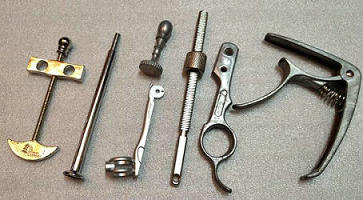
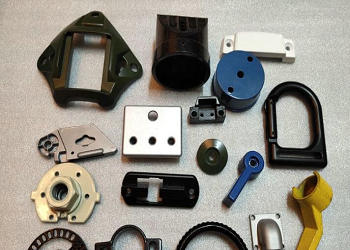
Zinc die casting is a very efficient process of manufacturing, which is widely used in automobile parts, electronic housing, fittings, hardware, medical equipment, and consumer goods. It is appreciated for its ability to create complex geometries with high-quality dimensional accuracy, clean surface finishes, and high production rates. Despite these benefits, zinc die casting is not a technology immune to quality issues. The defects may occur due to irregularities in the materials used, tool capacity, lack of process control, or design. Good defect prevention, problem shooting, and quality control are critical to ensuring uniform quality in production, reducing scrap rates, and enhancing the overall efficiency of the manufacturing process. This paper will provide an in-depth discussion of the most common defects in zinc die casting, their causes, effective corrective actions, and profile best practices to ensure quality in each production cycle. Quality Problems in Zinc Die Casting The process of zinc die casting involves injecting molten zinc alloy under high pressure into a highly machined steel die. The metal’s solidification rate is fast, resulting in short cycle times and high repeatability. Nevertheless, the high pressure and high speed at which the process operates are the same factors that contribute to both its effectiveness and its susceptibility to defects when the parameters are not monitored. Quality control issues in zinc die casting are often associated with mechanical performance, dimensional quality, surface appearance, corrosion resistance, or assembly fit. Most defects are interconnected, as a single root cause can lead to multiple quality issues. It is important to understand the relationships among material behavior, die design, and processing parameters to enable efficient troubleshooting. Zinc Die Casting Defects Most common defects in zinc die casting can be classified by appearance and their effect on part performance. An overview of common defects and their overall effect is given in the following table. Defect type Appearance Impact Porosity Voids or pinhole internally It will reduce the strength It may cause leakage Cold shuts Visible lines and seams This will result in weak bonding between the flow. Shrinkage Cavities and sink marks The dimensions of the parts change. This will lead to measurement inaccuracies. Incomplete filling Missing or thin sections This will cause the functional failure. Soldering Metal adhering to the die This will cause tool damage Cracks Internal or surface fractures This appearance indicates structural damage or failure. Blistering Bubble-like appearance on the surface Poor surface finish Flash Excess of metal at parting lines The aesthetic appearance will be damaged Porosity in Die Castings Zinc Porosity refers to the presence of empty spaces or gas bubbles in the casting. These cavities can be located on the surface or within the body; they are very difficult to detect without sophisticated inspection techniques. Porosity breaks the mechanical integrity of the casting and may result in leakage in pressure-containing components. Porosity type Description Origin Gas Porosity Smooth rounded voids Gas or air gets trapped Shrinkage Porosity Irregular cavities Inadequate feeding Micro Porosity Very fine void Rapid solidification Etiology and Prophylaxis The porosity may result from trapped air during injection, high turbulence in the molten metal flow, or poor die-cavity venting. Gas formation may also be due to high moisture content on die surfaces or due to inappropriate melt temperature. The porosity reduction is achieved by closely controlling injection speed and pressure, venting the dies, and efficiently utilizing vacuum systems where necessary. Maintaining an optimal melt temperature and keeping die surfaces clean and dry will also reduce gas entrapment. In most cases, reconstructing the gating system to facilitate smooth metal flow can go a long way toward minimizing porosity. Cold Shuts and Flow Line Defects Description and Impact Cold shut: This happens when two molten zinc streams meet and do not fuse correctly, leaving a visible seam or line on the casting surface. Such flaws reduce structural integrity and can cause early collapse under mechanical pressure. Root Causes and Solutions Low melt temperature, inadequate injection speed, or long flow paths can lead to premature solidification and cold shuts. Poor positioning of gates and thin wall sections also worsens the matter. To prevent cold shuts, it is necessary to improve the metal’s flow characteristics. These may be accomplished by raising the melt and die temperatures within reasonable ranges, optimizing injection velocity, and redesigning the gates to allow balanced filling. Flow continuity is also enhanced by changing part geometry to eradicate thin sections and acute angles. Zinc Die Casting Defects of Shrinkage Knowledge about Shrinkage Behavior When molten zinc solidifies, it contracts, causing shrinkage. Unless more molten metal is added to offset this contraction, internal cavities or surface sink marks can form. The zinc defects in the form of shrinkage usually arise in the areas of casting that are thick and can be ascertained to have solidified last. Reasons and Remedial Measures Insufficient holding pressure, inadequate feeding system design, or sudden changes in wall thickness are often the causes of shrinkage defects. Uneven cooling rates can also cause localized shrinkage. To prevent it, it is important to design the runners and gates to maintain a constant metal feed throughout the solidification process. By applying higher holding pressure and increasing the time under pressure, molten metal can compensate for shrinkage. Maintaining uniform wall thickness and enhancing thermal balance in the die also minimizes the risk of shrinkage-related defects. Flash Formation and Its Control Description of Flash Flash is in the form of thin layers of excess metal along the die parting line, ejector pin, or in the form of vents. Even though the flash does not necessarily compromise the part’s functionality, it often requires secondary trimming processes and can affect the appearance. Causes and Prevention Flash formation has often been linked to high injection pressure, die component wear, or even die misalignment. Die surfaces can also not seal properly due to foreign material on them. To avoid flash, it is necessary to maintain the correct amount of injection pressure, adequate clamping force, and routine die maintenance. Wearing and damage checking of dies, and
Precisión en zinc: el poder de la fundición inyectada en zamak

Precisión en zinc: el poder de la fundición inyectada en zamak

fundición de aluminio, fundición a presión de zamak

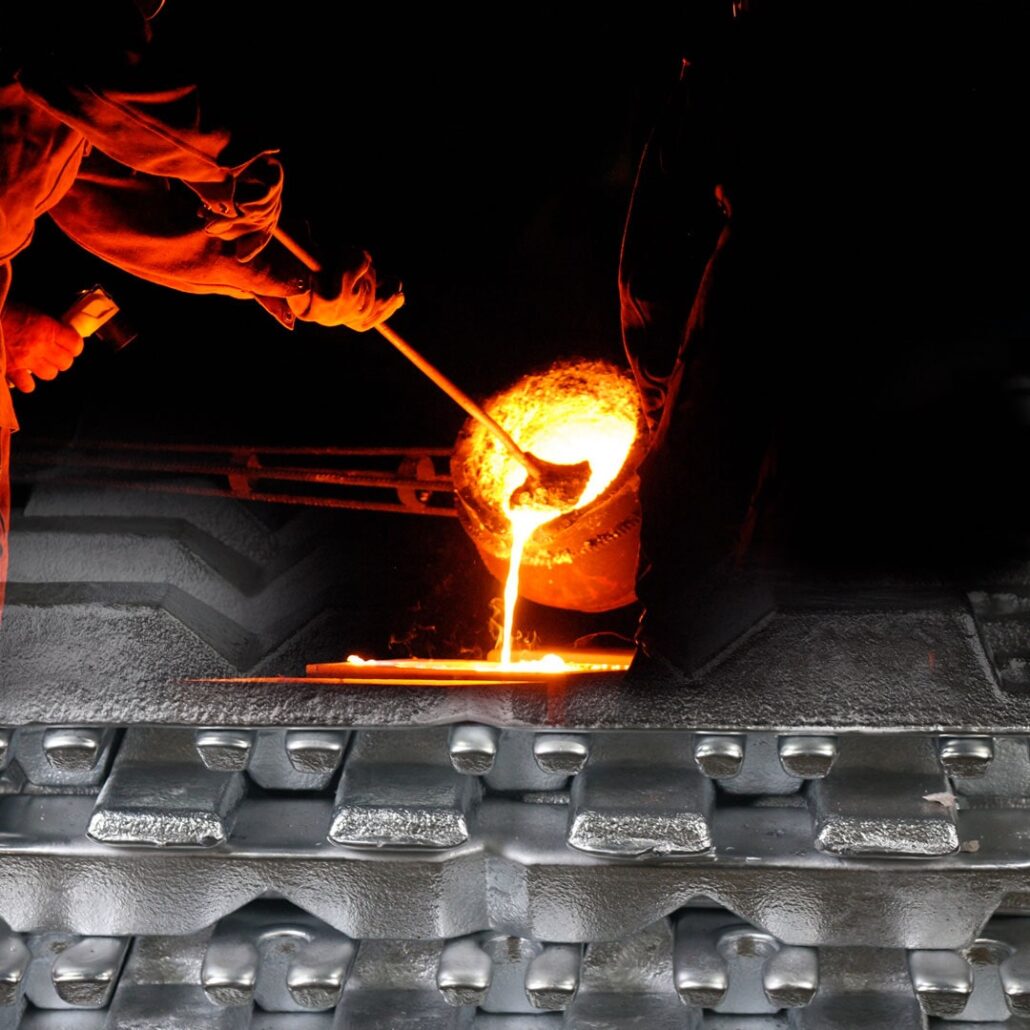
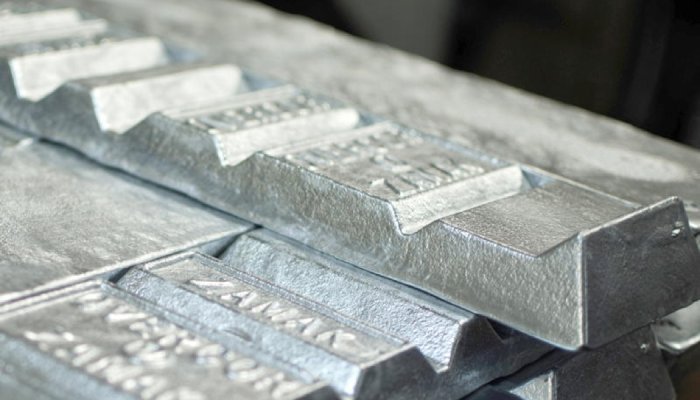
ZAMAK is the name given to a zinc-based alloy that is used with aluminum, copper (Kupfer), and magnesium. ZAMAK was named in German from these words. This alloy usually contains 94% to 96% zinc, the other material being added to foil or sheet. Several remarkable qualities make ZAMAK alloys good for die casting applications. The fact that these alloys have a low melting point, high fluidity, and high strength per weight makes them extraordinarily useful for making hard, tough and accurate parts. In addition to these key features, ZAMAK alloys offer other features that qualify them for several industrial applications.Zamak die casting has established itself in the world of metal casting as a highly cost-effective and cozy method of metal casting. Zamak is a zinc family of alloys used widely to build complex high quality parts in many industries. The process involves injecting molten Zamak alloy into a metal mold or die under high pressure. The process is capable of making intricate parts to very close tolerances with very good surface finishes, which makes it suitable for manufacturing precision parts. The more critical role of Zamak die casting is here because, as industries evolve with the increased need for durable, lightweight and strong materials. In this article, we analyze the significance of Zamak die casting and why a person should prefer Zamak die casting over other casting methods. ZAMAK alloys are used in die casting foundries for casting parts, and their cast parts comprise many industries such as automotive, electronics and hardware. This also adds an extra edge because these alloys are fully recyclable, as per the sustainability goals. However, ZAMAK die-cast parts have additional surface options, which will be of help to manufacturers to have aesthetically appealing products with a premium look, especially these decorative parts. What Is ZAMAK Die Casting? ZAMAK die casting is a metal casting technique widely used in which molten ZAMAK alloy is injected under high pressure into a mold. Typical in this process is the die or mold made from durable tool steel. Various molds are needed for each shape, and the ZAMAK die casting process just requires a hot chamber die casting machine. A two-halve hot chamber die casting machine is arranged with one stationary half and one movable half. These halves are then closed, and molten metal is injected into the mold by an injection chamber. When the metal is solidified, the cast part is removed from the mold by ejector pins. ZAMAK die casting uses this method on ZAMAK alloys. Hot Chamber Die Casting (HPDC), Low Pressure Die Casting (LPDC), and Gravity Die Casting (GDC) are possible types of ZAMAK alloys suitable for die casting processes with their respective advantages for different applications. 1. The ZAMAK Die Casting Process Like other types of aluminum or magnesium die casting, the ZAMAK die casting method needs attention to be paid wherever possible because the results are only as good as the ZAMAK casting process. The typical ZAMAK die casting process is written below in a breakdown: Step#1: Designing and Creating the Die The process starts with mold or die design and the final part design in the ZAMAK die casting process. It is important as it determines the final result of the casting as such. The first is that engineers first design a 3D model of the part to be cast using specialized CAD software. Typically, a prototype is made and tested, the design is improved until approval of the final version. Secondly, once there is a final part design, the mold is created, which means: The injection type: The melting point of the ZAMAK is low enough that it has to be hot enough to be injected into the mold. Step #2: Preparing the ZAMAK Alloy After that, prepare ZAMAK alloy. The ZAMAK alloy is purified with several refining methods such as thermal refining, chemical reaction, electrolytic refining and zone refining. The alloy is melted in a furnace at strictly controlled temperatures to prevent the alloy from coming to a liquid state with impurities. After the final refining, the molten metal is kept in an injection chamber to control temperature to prevent contamination. Step #3: Injecting the Molten ZAMAK into the Die. One of the critical phases of die casting is the injection of molten ZAMAK into the mold. After preparation and storage of the molten metal in the injection chamber, it is then injected under high pressure into the die with a plunger or piston. The molten alloy undergoes pressure, forcing it into every corner of the mold since all the space of the cavity is filled. In this way, one can have the part’s surface even and smooth, and produce good quality results through proper injection techniques. Also, the design of the mold’s injection channels is a key determinant of accomplishing this. Step 4: Cooling and Solidifying the Part However, as soon as the molten metal enters the mold, cooling begins. They quickly cycle the high-quality tool steel mold to draw the heat of the molten metal quickly enough for it to solidify. The cooling system is also used by many molds to accelerate the solidification process. Simply, to achieve the desired part quality and prevent defects, a consistent cooling rate is required, and are most commonly used are water and air cooling systems. Step #5: Solidified ZAMAK Casting Ejection The next step from the ZAMAK alloy to solidify is to eject the casting from the die. Care is taken in this to retain the quality of the part. To expel the solidified part out of the mold, ejector pins are used. The mold breaks open into two halves, the ejector pin is actuated, and the casting is released. There is a nice degree of precision to do this step, because too much force on the casting cay damage it. Proper alignment of the ejector pin will also ensure no surface imperfections or dents. Step #6: Finishing and Trimming The casting is usually ejected with excess material on it,

¿Qué es el zamak? Guía completa de esta versátil aleación de zinc

¿Qué es el zamak? Guía completa de esta versátil aleación de zinc

fundición a presión de zamak

What is zamak? Zamak or ‘zinc alloy’ is a family of alloys that are mainly zinc-based with traces of other metals such as aluminum, magnesium and copper. Zamak is a German word made from the short form of zinc (‘Z’) and the word Amak (‘aluminum, magnesium and copper’; the main elements that compose this alloy). Due to its versatility, durability and cost efficiency, the metal is very popular in industries. Zamak (or Zamac, trademarked as ZAMAK before) is a very soft and relatively hard group of alloys, the majority of which comprises of zinc and some smaller amounts of aluminum, copper and magnesium. These alloys are a part of the broader family of zinc-aluminum alloys, but this group is distinct in that the concentration of aluminium is usually consistent and is typically about 4%. This particular combination of elements is what distinguishes Zamak from other alloys within the family and, consequently, results in unique properties that make it suitable for a variety of applications. In this article, we shall discuss Zamak’s composition, characteristics, types, advantages, uses and reasons why it is progressively being employed in various sectors of manufacturing.  Zamak: A Versatile Zinc-Aluminum Alloy Zamak is an acronym for the German names of the metals that comprise its alloy: Zink (zinc), Aluminium (aluminum), Magnesium and Kupfer (copper). First introduced in 1929, the alloy has since proven itself to be a cost-effective, durable, and incredibly versatile material to be used throughout the manufacturing world. Before Zamak was developed, zinc die casting had an issue known as zinc pest. Zinc pest refers to the degradation of zinc components due to the presence of impurities in the alloy. The impurities made the zinc degenerate, and over time, most die-cast parts were rendered unusable. The New Jersey Zinc Company solved this by making Zamak, which was made from very pure zinc – the very most pure zinc – 99.99% pure zinc. Refining was achieved by refluxing, and this was done so that the impurities that caused zinc pest could be removed. The Origins and Evolution of Zamak Alloys  Zamak’s innovation had brought stability to the zinc die casting industry, which was much needed. Zamak was soon widely accepted for its higher purity and its ability to resist zinc pest in a relatively short period for use in die casting and other industrial purposes. This alloy was a real success, as it enabled strong, durable, and long-lasting components even in harsh environments. Zamak has become a well-proven material, qualifying it to endure mechanical stresses while exposed to the environment.  What is zamak? Zamak itself is a zinc-aluminum-based alloy, essentially designed for die casting and precision manufacturing. It is widely used as a result of its strength, corrosion resistance and good casting properties; it was developed in 1929 by the New Jersey Zinc Company. Being able to melt at (380°C or so to 420°C), it has a low melting point and thus is suitable for automotive parts, hardware, electrical components, and consumer goods. It is a preferred choice over pure zinc and other metal alloys because of its durability and low cost in different industries. Composition of Zamak Alloys Zamak is a group of five different alloys of zinc as the base metal and small amounts of added aluminium, magnesium and copper to provide special properties to the metal. The principal elements contained in various Zamak alloys include: 1. Zinc (Zn) is the base metal in all Zamak alloys. The alloy is the second most widely used non-ferrous metal, after aluminum, as it is notable for its corrosion resistance and strength.2. Zamak also often contains Aluminum (Al) to increase the overall strength and resistance to corrosion. Also, it gives a better surface finish, which is worth special attention in casting.3. Magnesium (Mg) – Magnesium is also added to Zamak alloys to enhance the strength and casting properties of the finished alloy. Reducing the brittleness of zinc is also achieved.4. Zamak contains copper (Cu) added in very small amounts to add hardness and increase wear resistance. In general, the composition of the alloy may differ with the type of Zamak, but generally contains about 85–95% zinc, aluminium around 4–8%, copper 1–3%, and magnesium 0,01–0,1 %.  What is the Zamak Melting Point? The melting point of Zamak alloys depends slightly on their composition, but commonly lies between 380°C to 420°C (716°F to 788°F). Zamak is also relatively low in melting point and is a good choice for casting and precision manufacturing. Melting Points of Different Zamak Alloys: Zamak is made of mostly zinc so it melts at a much lower temperature than aluminum or steel. Its property of high precision, fast production and cost-effective manufacturing makes it appropriate for applications having high precision requirements. What is Zamak Powder? Zamak powder is a fine particle structure of Zamak alloy composed of zinc with minor additions of aluminum, magnesium, and copper. This is a fine metallized powder used in industries such as thermal, spraying industries, industries in additive manufacturing and powder metallurgy industries. Properties of Zamak Powder Composition: Same as standard Zamak alloys (Zamak 2, 3, 5, or 7)Melting Point: Approximately 380°C to 420°C (716°F to 788°F)Corrosion Resistance: Excellent resistance to environmental factorsConductivity: Good electrical and thermal conductivityDensity: Like Zamak solid, which makes it suitable for metal plating and sintered parts Uses of Zamak Powder 1. Powder Metallurgy– Applied in the making of sintered components where metal powder is put and it is heated in the formation of solid parts.2. Thermal Spraying – Used as a protective coating of its surface that involves use of sprayed material in protecting the surface against corrosion and wear.3. 3D Printing and Additive Manufacturing – applied in the new generation technologies for manufacturing prototypes.4. Metal Injection Molding (MIM) – This is used in the manufacturing processes of small metal parts with intricate designs. Advantages of Zamak Powder Zamak powder finds its application in automotive, aerospace, electronics and many other industrial applications because of its usefulness and strength. Different Types of Zamak Alloys and

Fundición a presión de cinc

La importancia de la fundición a presión de zinc en la industria del automóvil

fundición de aluminio, empresas de fundición a presión, empresa de fundición a presión, Fabricante de fundición a presión, piezas de fundición a presión, fundición a presión de zamak 3, Zamak 3 fundición de zinc, zamak 5, fundición a presión de zamak 5, fundición a presión de zamak, fundición inyectada de aleación de cinc, Fundición a presión de cinc

What is Die Casting? Die casting is a metal casting process which is characterized by pressing molten metal into the mold cavity. The mold cavity is made using two hardened tool steel molds that are worked on during processing and work similarly to injection molds. Most die-casting is made from non-ferrous metals, especially zinc, copper, aluminum, magnesium, tin, lead, and tin-based alloys. Depending on the type of metal being thrown, a thermal or cold engine is used. The zinc die casting process is very popular for making parts in building and industrial fields, but the most common application is in the automotive industry. In fact, cars have different parts that can be made through die casting, in such a way that the modern process of die casting was originally started for the automotive industry. With the casting process often no further machining is needed after casting: not only is the accuracy up to 99.8%, but the casted products can also be used raw because they have a pleasant finish. The use of zinc die casting is almost 28% in the automotive industry, followed by the building and hardware sector. Zinc has become one of the most important metals in the auto parts industry, especially for products such as door lock housing, pawl, gears and retractor pulleys in seat belt systems, but also for camshaft and sensor components. By using this metal and its alloys, it is possible to achieve strength, ductility, and flexibility that would not be possible with other materials. In addition, zinc can be the right choice to get high-quality aesthetic components, with tight tolerances that are not possible with other materials, and to get embossing and grooves for mechanical components or gears. Zinc Die Casting Mechanisms in Automotive As said before, the automotive industry is the most common die casting application: using zinc and its alloys makes it possible to produce components that are able to achieve high aesthetic quality, with tight and narrow tolerance for shape morphology. Zinc alloys are also used for coatings because of its many benefits, such as improving the anti-corrosion properties of zinc which are already impressive. Below you can find a number of possible examples of zinc plating: Interior aesthetic section Sunroofs Section Mechanical parts Engine and other underhood components Power steering system Parts and brake system Air conditioning components and systems Chassis hardware Parts in the seat belt system Components of climate control Fuel system Advantages for Zinc Die Casting: An efficient & economical process offering various forms & forms possible. High-Speed ​​Production Dimension Accuracy & Stability Strength & weight Several finishing techniques are available Simple Assembly The Die Casting process began with the use of lead and lead alloys, magnesium and copper alloys which were quickly followed, and in the 1930s, many modern alloys still in use today are available. This process evolved from casting low-pressure injection to modern high-pressure injection of 4,500 pounds per square inch. The modern process is capable of producing high integrity, clean casting forms with excellent surface finishes. Zinc casting alloy is a strong, durable and cost-effective engineering material. Their mechanical properties are competitive and are usually higher than cast aluminum, magnesium, bronze, plastic and most cast iron.

Zamak 3 fundición de zinc

Zamak 3 Fundición a presión

fundición de aluminio, zamak 3, fundición a presión de zamak 3, Zamak 3 fundición de zinc, zamak 5, fundición a presión de zamak, fundición inyectada de aleación de cinc, Fundición a presión de cinc

We offer ZAMAK 3 die casting for manufacturing ZAMAK 3 products. Our ZAMAK 3 products, productions capabilities, and warehousing facilities will give you quality parts at competitive prices. ZAMAK 3 is the most popular of the ZAMAK series of alloys for zinc die casting due to its castability and dimensional stability. ZAMAK 3 Properties: Ultimate Tensile Strength: psi x 103 (MPa) 41 (283) Yield Strength – 0.2% Offset: psi x 103 (MPa) 32 (221) Elongation: % in 2″ 10 Shear Strength: psi x 103 (MPa) 31 (214) Hardness: Brinell 82 Impact Strength: ft-lb (J) 432 (58) Fatigue Strength Rotary Bend – 5×10⁸ cycles: psi x 103 (MPa) 6.9 (48) Compressive Yield Strength 0.1% Offset: psi x 103 (MPa) 604 (414) Modulus of Elasticity – psi x 106 (MPa x 103) 12.46 (85.5) Poisson¡¯s Ratio 0.27 Density: lb/cu in (g/cm3) .24 (6.6) Melting Range: ¡ãF (¡ãC) 718-728 (381-387) Electrical Conductivity: %IACS 27 Thermal Conductivity: BTU/ft/hr/¡ãF (W/m/hr/¡ãC) 65.3 (113.0 Coefficient of Thermal Expansion: 68-212¡ãF µin/in/¡ãF (100-200¡ãC µm/mm/¡ãC) 15.2 (27.4) Specific Heat: BTU/lb/¡ãF (J/kg/¡ãC) .10 (419) Pattern of Die Shrinkage: in/in .007 Zinc Die Castings Applications Sporting Goods – Cost-saving approaches to machined components; – Coatings to match mating zinc parts; – Strength for tough applications; Medical – Innovative capabilities; – Precision designs as cast; – For use in many difficult applications; Switch – Multiple cavities for cost savings; – Multislide; Fasteners – Many sizes of panel nuts already tooled; – High speed tapping capabilities; Connector – Four slide technology to eliminate costly secondary; – Barrel plating for electroless nickel offers cost-effective protection and aesthetics; – Excellent conductive alloys; Fiber Optics – Capable of casting complex designs; – Close tolerance, as cast, components; – Equipment and experience to provide small components; Appliances – Thin wall castings with the strength to hold up in applications; – Surface finishes provide wear resistance ; – Alloys designed for application specifics ; Automotive – Capability to incorporate multiple components into a single zinc casting ; – Corrosion-resistant castings and platings ; – Secondary tapping capabilities ; – Zinc is an excellent dampening material ; The Detail of Zamak 3 zinc casting  Model No: Zamak 3 zinc casting ProductName: Zamak 3 or 5 die casting Product Origin: China Brand Name: CNM TECH Price Terms: FOB SZ Payment Terms: T/T CIF L/C Supply Ability:  300,000-400,000sets/month Delivery Lead Time: around 30 days If you want to purchase or know more information about Zamak 3 zinc casting,

Piezas de fundición a presión de cinc

Fundición a presión de aleación de zinc Zamak 3 Zamak 5

fundición de aluminio, fundición a presión de zamak 2, zamak 3, fundición a presión de zamak 3, zamak 5, fundición a presión de zamak 5, fundición a presión de zamak, fundición inyectada de aleación de cinc, Fundición a presión de cinc

Zinc Die Casting Description : We use four top-quality zinc alloys for our zinc die casting parts – Zamak 3, Zamak 5, ZA-8 and Zamak 2 — because they offer unique advantages for creating high-precision die castings. Zamak 3: As the most popular zinc alloy, Zamak 3 features exceptional ductility and impact strength. It works very well with multiple plating and finishing options, Zamak 5: Typically used in automotive and small engine applications, Zamak 5 exhibits excellent creep resistance, hardness, and strength. Zamak 3 or 5 die casting parts? For all our zinc die castings we use either Zamak-3 or Zamak-5 Zinc Alloy. Special. The Alloying is done in our fully automatic In-house Zinc Alloying section where we manufacture all kinds of Zinc Alloys for Die Casting. Our daily Zinc Alloying capacity is 16 Metric Tonnes. Every  Alloy Heat is tested by a computerized Spectrometer for metallurgical composition. We would be happy to quote for your requirements of low-cost high volume small precision  Zinc Die Casting components weighing in the range of 0.25 gms to 125 gms. We specialize in a rare combination of both – Accurate Sizes & Decorative Surface Finish ZA-8: Even stronger than Zamak 3 and 5, ZA-zamak8 is the ideal choice for hot chamber casting projects. It also works well with multiple plating and finishing options. Zamak 2: Compared to other Zamak alloys, Zamak 2 offers higher creep performance and long-term strength and hardness. It serves as an excellent bearing material and has been known to eliminate the need for bushings and wear inserts in die-casting components. Zamak 3, Zamak 5, ZA-8, and Zamak 2 is well suited for the die casting process due to their ability to: – Produce very thin walls and near net shapes – Achieve high levels of accuracy – Offer temperature flexibility up to 150° F – Provide reliability with superior bearing properties – Exhibit increased wear resistance Please send us either your samples, drawing and other details and we will send you our quote immediately.

Scroll al inicio

Solicitar presupuesto