entreprises de moulage sous pression de l'aluminium

Soudage TIG de l'aluminium

Soudage TIG de l'aluminium : Guide technique complet

fonte d'aluminium

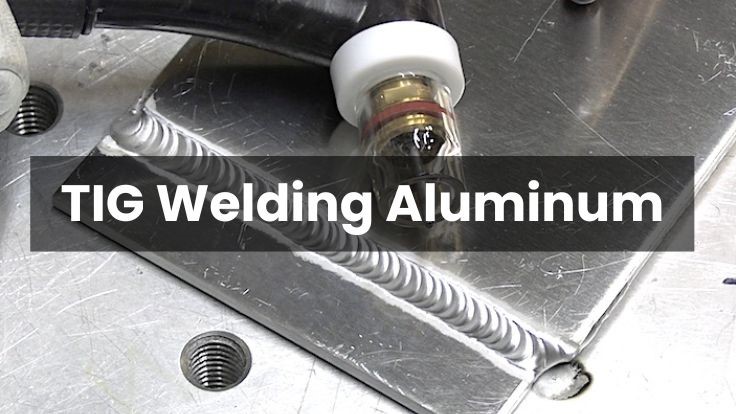
TIG Welding Aluminum is widely regarded as one of the most technically demanding processes in the field of welding. When working with aluminium, the metal that is characterised by its light weight, corrosion resistance, and high conductivity, a set of unprecedented problems emerges, which distinguishes it so much in terms of steel or stainless steel. Poor handling of aluminum can cause the natural oxide layer to provide a weak, porous, or otherwise structurally undesirable weld due to its natural oxide level, low melting point and its ability to absorb hydrogen gas. Thus, the TIG (Tungsten Inert Gas) process, or the Gas Tungsten Arc Welding (GTAW) process, is the process of choice by the industry to use in instances when precision, aesthetics, and weld integrity are the main factors. These will cover the behaviour of materials, selection of equipment, choice of shielding gas, joint preparation and troubleshooting methods, although much emphasis will be placed on quality control and repeatability. Additionally, the article will detail how to correctly select and operate an aluminum tig welder, manage various types of aluminum welding parts, and produce consistent, defect-free joints when attempting to weld aluminium TIG. By the end, the reader will have a thorough knowledge of how to create a good, clean, structurally good-looking tig-welded aluminium assembly as per the industry standard in the aerospace, automotive industry, marine industry, as well as the manufacturing industry.  This article discusses the science, methods as well and practical aspects of TIG welding on aluminium. It is meant to be used by experts and technically trained people who want to extend their knowledge about the welding of aluminium in high-performance or industrial processes. What is TIG Welding Aluminum? TIG Welding Aluminum refers to the process of joining aluminium components using Tungsten Inert Gas (TIG) welding, also known as Gas Tungsten Arc Welding (GTAW). Here, an electric arc is generated by a non-consumable tungsten electrode and aluminium base metal and a filler rod are melted in a protective cover of inert gas, usually argon. Since aluminium has high thermal conductivity, low melting point and a high melting oxide layer, welding aluminium has unique colouring, and drying must be done carefully. TIG welding has a situated control of heat input and weld puddle, which means it is perfect in thin materials, advanced assemblies and other high-performance applications. The aerospace, automotive, and marine industries, among others, use TIG welding to manufacture resistant, non-corrosive, and neat-looking welding video. Successful “TIG Welding Aluminum” requires skilled technique, proper equipment, and careful surface preparation to ensure weld integrity and strength. Why Aluminum TIG Welding? Gas Tungsten Arc Welding (GTAW), which is also known as Tungsten Inert Gas (TIG), is the ideal technique to use where precision, control and a fine look are requisite. It offers unparalleled control in the amount of input heat so that welders have the opportunity to control the fluidity of the weld pool of the aluminum. The TIG welding, when utilized with aluminum is quite convenient mainly because: Welding aluminum involves a better understanding of its physical and chemical properties and which are much different compared to other widely used metals. Below are the key challenges associated with TIG Welding Aluminum. 1. Very High Thermal Conductivity Aluminum carries heat 5 times than steel. This means that heat dissipates quickly from the weld zone, requiring higher amperage when attempting to weld aluminium TIG, especially with thick materials. When not done best can end up in gap fusion or irregular weld penetration. 2. Oxide Layer Problems When aluminum surfaces are exposed to air, a layer of oxide (reliably adherent) forms instantly, and it is thin. This layer is melted at approximately 2050 °C, which is well above the base metal melting point of aluminium, which is 660 °C. TIG welding, when AC mode is used, assists in breaking this layer, but it is also important that pre-cleaning is done to produce high-quality TIG-welded aluminium. 3. Hydrogen Porosity Susceptibility Hydrogen readily absorbs in molten aluminum, and this can create porosity or cause cracks during cooling. Oil, moisture, or dirty filler rods acted as a source of contaminants that caused the hydrogen to get into the weld pool. Proper cleaning and using dry filler rods are essential to avoid defects in aluminum welding parts. Technical Summary Table for TIG Welding Aluminum Here is a comprehensive technical table summarising the key aspects of TIG Welding Aluminum, including welding parameters, joint types, common defects, and how to manage them. In this table, you combine the ideas of your article, and it is original and highly technical. Category Technical Detail Recommendations / Parameters Base Material 1xxx to 6xxx aluminum alloys are most commonly TIG welded Clean all surfaces before welding; avoid 7xxx for high-crack sensitivity Main Process TIG Welding Aluminum using alternating current (AC) Use an inverter TIG with AC balance, high-frequency start, and stable arc control Primary Keyword Weld aluminum tig Use appropriate AC balance and amperage; optimize puddle control and filler deposition Electrode Type 2% Lanthanated or Ceriated Tungsten (1/16″, 3/32″, or 1/8″) Sharpen to a truncated point or ball tip (for AC), depending on application Shielding Gas High-purity Argon (99.99%) Flow rate: 15–20 CFH; add Helium for thicker materials or deeper penetration Filler Rods ER4043, ER5356 Match filler to base alloy and application (ER5356 for strength, ER4043 for crack resistance) Joint Types Butt, Lap, T, Corner Design with small gaps (~1/16”) and allow for thermal expansion Weld Preparation Degrease + stainless steel wire brush No touching after cleaning; remove the oxide layer before welding Torch Technique Short arc length (<1/8”), 10–15° travel angle Keep filler outside the arc cone to prevent oxidation Amperage Settings 1 amp per 0.001” thickness baseline 60–130 amps for most thin-to-mid aluminium applications AC Frequency Controls the arc focus 120–200 Hz for clean, narrow arc on thin aluminum welding parts AC Balance 70% EN / 30% EP typical Adjust toward more EN for deeper penetration; more EP for cleaning oxide Tip: Make sure to calibrate your aluminum tig welder properly

Moulage sous pression de l'aluminium

Fabricant de pièces moulées sous pression en aluminium et IATF 16949

moulage sous pression de l'aluminium

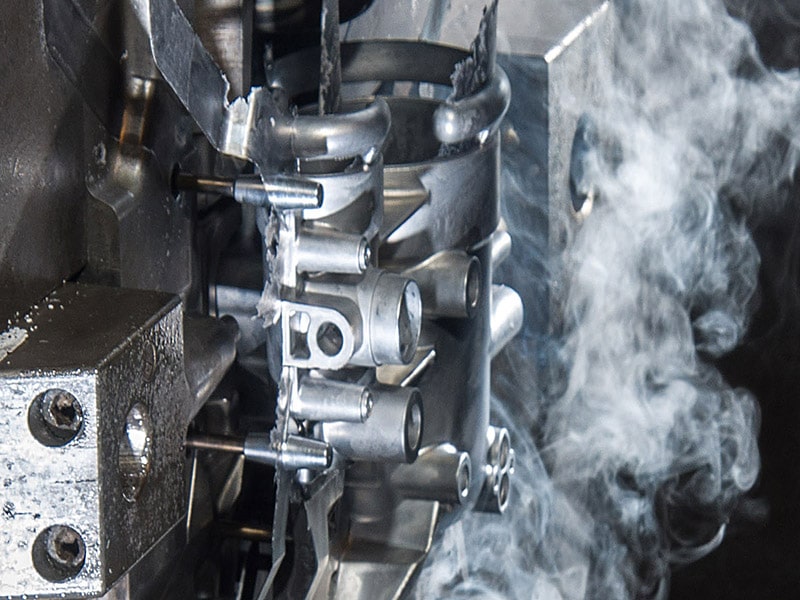
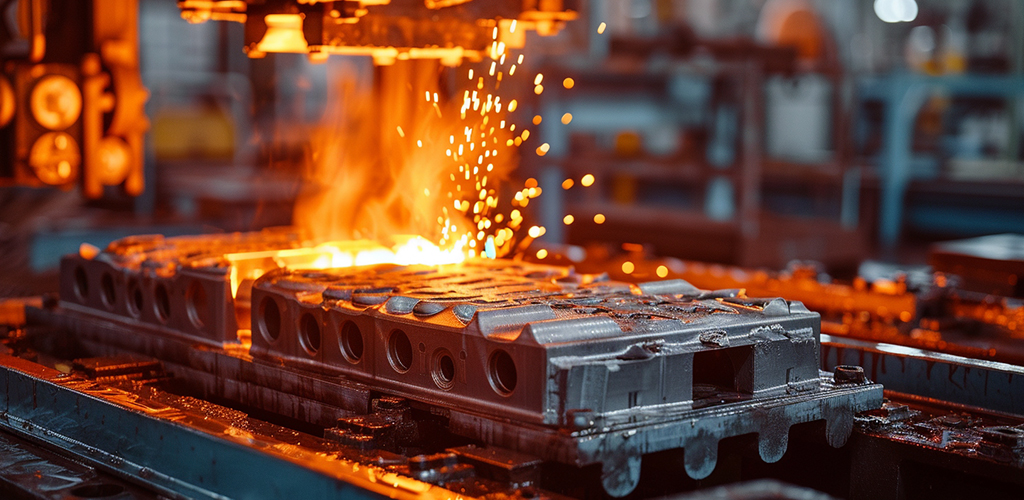
Modern manufacturing uses aluminium high-pressure die casting to make parts that are strong, light, and have many complex shapes. The reason automotive, aerospace, telecommunications, and consumer electronics all use it is that it can do both mass production and create very accurate pieces. Because the demand for quality aluminium high-pressure die-cast parts keeps increasing, it is important to deal with a well-known and certified supplier. In this area, the IATF 16949 certification is very important because it is a respected quality management standard used worldwide in the automotive industry. Such certification guarantees that quality control, proper risk handling, and continuous improvement are used during every stage of manufacturing. A certified aluminum die-casting and ISO 16949 company demonstrates its commitment to consistent product quality and customer satisfaction. Being a high precision die casting manufacturer and ITAF 16949 means meeting rigorous international standards and having the processes in place to minimize defects, enhance production efficiency, and ensure complete traceability of components. They can meet Tier 1 suppliers and OEMs by delivering components that exactly follow the business’s specifications. In addition, complying with aluminum die casting and 16949 standards means a manufacturer can meet expectations worldwide, mainly in areas where it is important to focus on safety and secure performance. Working with a suitable aluminium die casing partner that has IATF 16949 certification benefits your products, helps cut costs in the future, and strengthens the links in your supply chain. This article looks into how an aluminium high-pressure die casting manufacturer follows the IATF 16949 standard and its role. Aluminium High Pressure Die Casting  Aluminium high-pressure die casting helps make metal parts that are accurate in shape and have a perfect non-porous surface. When molten aluminium is injected into a steel mold at high pressure, it makes it possible to quickly fabricate complex parts and reduces later processing steps. Because it is strong and light, aluminium is widely used in many industries. The products made from this process are commonly seen in cars’ engines, housings, and brackets. For any aluminum die-casting and ITAF 16949 certified operation, maintaining the integrity of this process is vital to both quality and compliance. How IATF 16949 Helps in Die Casting? IATF 16949 is an international standard made for cars, and it uses quality management to ensure the reliability of products and their processes. Continuous development, prevention of quality issues, and lowering waste in the supply chain are the main elements of the system, which was created by the International Automotive Task Force. For manufacturers engaged in aluminum die-casting and ISO 16949 certification, certification is not just a regulatory requirement; it’s a badge of trust. It guarantees that the manufacturer follows quality rules that are respected everywhere. Besides, since IATF 16949 matches ISO 9001, it ensures full and proper quality management. Why is aluminium used in High Pressure Die Casting? Die casting benefits a lot from aluminium due to its ability to resist corrosion, its strong thermal conductivity, and being lighter than other metals like steel and brass. Because of these qualities, this material is suitable for cars since both light weight and performance depend on fuel efficiency. An IATF 16949 certification shows that all of these benefits are achieved by the business. For instance, manufacturers focusing on “high precision die casting manufacturer and ISO 16949 standards can assure customers of consistent product performance and minimal variance in production. What Makes an Aluminium Die Casting Manufacturer Reliable? Selecting a competent manufacturer is very important for firms doing aluminium die casting. A manufacturer should not only have the necessary know-how but also follow all quality standards. These are some of the essential traits you should notice: Using Precision in Die Casting Good die casting depends mostly on precise engineering. It confirms that components follow the tight guidelines of both dimensions and performance. Manufacturers who identify as high precision die casting manufacturers and ITA 16949 go to great lengths to implement exacting standards across the design and production cycle. Because of CAD/CAM software, quality inspection, and automated processes, production is kept as close as possible to the specific requirements. For applications like transmission housings, electronic enclosures, and important car components, the exactness needed is very important. Why Managing Quality Is Important? A well-structured quality management system (QMS) makes it possible to produce the same quality goods all the time. In the aluminium die casting industry, following the principles of IATF 16949 gives a way to control processes, reduce risks, and improve constantly. By following IATF 16949, a high precision die casting manufacturer and itaf 16949 ensures not only quality but also traceability and accountability. Everything is checked and confirmed along the supply chain to lower the chances of issues and defects. Below is a detailed and professional table that outlines key aspects of Aluminium High Pressure Die Casting Manufacturer and IATF 16949, integrating relevant information across different categories such as process, benefits, certification, and industry relevance. This table is ideal for use on a website, brochure, or presentation. Aluminium High Pressure Die Casting & IATF 16949 – Comprehensive Overview Category Details Manufacturing Process Aluminium is melted and injected into a steel mold under high pressure, producing complex shapes with excellent dimensional accuracy. Key Material Used Aluminium alloys (e.g., A380, ADC12, AlSi10Mg) are known for their strength, light weight, and thermal conductivity. Application Industries Automotive, Aerospace, Electronics, Industrial Equipment, Telecommunications, Consumer Goods. Advantages of Aluminium Die Casting – Lightweight components- High strength-to-weight ratio- Excellent surface finish- High-volume efficiency- Corrosion resistance Importance of Precision Tight tolerances and fine details can be achieved, ideal for engine parts, housings, connectors, brackets, and structural components. What is IATF 16949? A global quality management standard for the automotive industry, based on ISO 9001 with additional requirements specific to auto manufacturing. Benefits of IATF 16949 Certification – Consistent product quality- Risk-based thinking- Defect prevention- Better customer satisfaction- Competitive advantage Why Certification Matters Ensures traceability, standardized procedures, regulatory compliance, and ongoing performance improvement. Target Clients OEMs, Tier 1 & Tier 2 automotive suppliers, industrial system designers, and

Entreprises de moulage sous pression de véhicules automobiles en Chine et dans le monde

Entreprises de moulage sous pression de véhicules automobiles en Chine et dans le monde

fonte d'aluminium, entreprises de moulage sous pression

L'avenir de l'industrie automobile est largement influencé par l'essor du moulage sous pression. Les composants de moteur, les boîtiers de batterie pour les véhicules électriques et d'autres pièces fabriquées par moulage sous pression sont essentiels pour obtenir des véhicules solides, précis et plus légers. Étant donné que les gens achètent de plus en plus de véhicules électriques et économes en carburant, les entreprises de moulage sous pression sont à la pointe du progrès et des solutions à grande échelle dans ce domaine. La Chine, plus que tout autre pays, est devenue un acteur de premier plan dans le domaine du moulage sous pression grâce à ses outils avancés, sa main-d'œuvre qualifiée et ses coûts de fabrication abordables. Les entreprises leaders dans ce domaine sont Sincere Tech, CNM Tech Co. Ltd. et GC Precision Mould Co. Ltd. qui s'occupent de la conception des moules ainsi que de l'usinage CNC et de la finition des surfaces. Grâce à des contrôles de qualité et à un prototypage rapide, ces entreprises fabriquent un grand nombre de pièces, ce qui attire les constructeurs automobiles locaux et internationaux en tant que partenaires. Présentes dans différents pays, des entreprises comme Wisconsin Aluminium Foundry (États-Unis), Get It Made (Royaume-Uni) et MES Inc. (États-Unis) sont en train de changer l'industrie. Des décennies d'expérience, des certifications ISO 9001 et IATF 16949 et un souci d'écologie et d'innovation permettent à ces entreprises de répondre aux attentes accrues des constructeurs automobiles en matière de précision, de fiabilité et de respect de l'environnement. L'article met en évidence certains acteurs clés à l'origine des changements dans l'industrie du moulage sous pression automobile. En raison de tendances telles que l'électrification, la numérisation et l'utilisation de méthodes durables, les entreprises de moulage sous pression du monde entier, y compris en Chine, sont considérées comme des acteurs principaux pour atteindre l'excellence dans les voitures. 1. Sincere Tech Année de création : 2005Nombre d'employés : 100-200Type d'entreprise : Sincere Tech est l'un des plus grands fabricants chinois de moules d'injection plastique, de moulage sous pression, d'usinage et d'assemblage. Site web et contact Site web : https://plas.co/Phone : +86 135 30801277Email : steve@sincere-tech.comAddress : Rm101, N041, Donghu road, JingLian cun, Qiaotou town, Dongguan City, Guangdong Province, China. 523000. Profil de l'entreprise Fournisseur chinois de moules d'injection plastique et de services de moulage, Sincere Tech figure parmi les entreprises les plus importantes de Chine. Depuis 2005, cette entreprise résulte de la combinaison de l'emboutissage du métal et du plastique, des moules d'injection plastique de précision, de l'usinage CNC, du moulage sous pression et du moulage de silicone. Des machines de pointe, la protection des informations par des accords de confidentialité, des prix équitables et près de deux décennies d'excellente production attendent nos clients chez Sincere Tech. Le moulage par injection est utilisé pour des machines de 60 à 1800 tonnes destinées à des industries telles que l'électronique, le médical, l'automobile ou les cosmétiques, et ses pièces pèsent de moins d'un gramme à 8 kilogrammes. Leurs engagements en matière de qualité supérieure Conformément aux normes ISO 9001:2015 et ISO 9000:2015, Sincere Tech a pour objectif de fabriquer des produits acceptés dans le monde entier. Le souci de la qualité a permis à l'entreprise de créer une énorme demande, si bien qu'elle exporte ses produits en Finlande et dans un certain nombre d'autres pays. Parmi les entreprises qui offrent des services similaires, Sincere Tech est reconnue comme un partenaire fiable et innovant pour le moulage par injection de plastique. Pourquoi nous choisir ? 2. CNM Tech Co. Année de création : 20+Nombre d'employés : 100-200Type d'entreprise : CNM Tech Co. est une entreprise de fabrication de précision spécialisée dans le moulage sous pression, l'usinage CNC et les services d'assemblage. Site web et contact Site web : https://www.thediecasting.com/Contact : +86 13045898002Email : sales@thediecasting.comAddress : Adresse de l'usine : Rm 101, No.40, Donghu Road, Jinglian, Qiaotou town, Dongguan city, Guangdong Province, China. 523520. Profil de l'entreprise Thediecasting.com est le domaine officiel sous lequel opère CNM Tech Co., Ltd, un fabricant chinois exceptionnel de solutions de moulage sous pression. La société est une entreprise chinoise de moulage sous pression d'aluminium, de magnésium et de zinc, d'usinage CNC, de finition de surface et d'assemblage, dont le siège social se trouve à Dongguan, en Chine. CNM Tech a plus de 20 ans d'expérience dans les domaines de l'automobile, de l'aérospatiale, de l'électronique, etc. En raison de la haute précision de la fabrication, son atelier d'outillage interne et ses machines CNC de pointe garantissent également la qualité de ses produits. CNM Tech propose tous les types de polissage, de sablage, de revêtement en poudre, de peinture à l'huile, etc., avec des produits de finition de haute qualité répondant aux besoins des utilisateurs du monde entier. Leurs engagements en matière de qualité CNM Tech Co., Ltd. fournit les documents ISO 9001:2008, TS16949 et ISO 14001:2015. Dans la plupart des cas, ces documents vous donneront l'assurance que la gestion de votre entreprise est de premier ordre et garantiront également la conformité avec les normes de l'industrie automobile et les activités respectueuses de l'environnement entreprises par l'entreprise concernée. Grâce au respect strict des réglementations en matière de qualité et d'environnement, CNM Tech fournit d'excellentes solutions de moulage sous pression avec un impact minimal sur l'environnement, et jouit d'une excellente réputation sur le marché. Pourquoi nous choisir ? 3. GC Precision Mould Co, Ltd. Année de création : 1999Nombre d'employés : 100-200Type d'entreprise : Notre société, GC Precision Mould Co., Ltd, fait du moulage sous pression d'aluminium, de zinc et de magnésium, de l'usinage CNC et du moulage par injection de plastique. Site web et contact Site web : https://aludiecasting.com/Contact : +86 131 4886 5556Email : info@aludiecasting.comAddress : Adresse de l'usine 1 : No. 30 Huan Zhen Rd, Qi Shi Town, Dongguan City, Guangdong Province, China, 523516 Profil de l'entreprise GC Precision Mold Co, Ltd, opérant sous Aludiecasting.com, est un site de fabrication de pièces moulées sous pression et d'usinage de précision qui est l'un des principaux fabricants chinois. L'entreprise a été fondée en 1999 et ses services comprennent le moulage sous pression de l'aluminium, du zinc et du magnésium, le moulage par injection de plastique, l'usinage CNC et la finition de surface. Elle dispose de machines de pointe telles que des machines de moulage sous pression (120 - 1600 tonnes) et des machines de moulage par injection (80 - 2800 tonnes) connectées à des industries telles que l'automobile, l'aérospatiale et l'électronique. L'entreprise applique une politique de qualité très stricte afin de fournir des solutions de fabrication exactes, durables et moins chères dans le monde entier. Engagements en matière de qualité GC Precision Mold Co. Ltd fournit les meilleures solutions de moulage sous pression et d'usinage, conformément à la certification ISO 9001. Son contrôle de la qualité est si strict qu'elle teste la précision, les machines CMM, les rayons X et les spectromètres pour garantir un produit fiable. Grâce au respect strict des normes internationales, l'entreprise garantit la livraison de composants cohérents et de haute qualité, avec un minimum de réclamations de la part des clients en raison de l'aspect de la fiabilité, pour les raisons indiquées dans chaque projet. Pourquoi choisir GC Precision Mould Co, Ltd ? 4. Get It Made Année de création : 2011Nombre d'employés : 50-100Type d'entreprise : Fabricant et fournisseur de pièces automobiles moulées sous pression. Site Web et contact Site Web : https://get-it-made.co.uk/ Courriel : team@get-it-made.co.ukContact : +44 (0)20 3286 6002Adresse : Get It Made Ltd, Unit 1 Southbrook Mews, London SE12 8LG. Profil de l'entreprise Get It Made a été créée à Londres,

Entreprise de moulage sous pression d'alliages en Chine et dans le monde 

Entreprise de moulage sous pression d'alliages en Chine et dans le monde 

moulage sous pression, entreprises de moulage sous pression, société de moulage sous pression

Le moulage sous pression d'alliages est utilisé pour produire des pièces métalliques compliquées qui nécessitent des tolérances serrées et une très bonne finition. Il joue notamment un rôle majeur dans les secteurs de l'automobile, de l'aérospatiale, de l'électronique, de la défense, des appareils médicaux et des produits de consommation. Partout dans le monde, les fabricants travaillent ensemble, et la Chine est le chef de file de cette industrie parce qu'elle dispose d'une infrastructure solide, d'un personnel bien formé et de prix avantageux. CNM Tech Co. Ltd, Sincere Tech et GC Precision Mould Co. Ltd sont des entreprises bien connues dans le secteur du moulage sous pression en Chine, et toutes s'occupent de la conception des moules, de l'usinage CNC et de l'assemblage final. Ces fabricants utilisent les technologies les plus récentes et respectent les normes de qualité internationales telles que la norme ISO 9001. La plupart de leurs services s'adressent à des clients internationaux, ce qui leur confère un rôle majeur dans les réseaux d'approvisionnement mondiaux. Des entreprises telles que Nemak (Mexique), MRT Castings Ltd et Haworth Castings (Royaume-Uni), et PHB Inc. (États-Unis) sont de bons exemples de technologies avancées de moulage sous pression en dehors de l'Asie. L'innovation, la durabilité et la production de précision sont au cœur des préoccupations de ces entreprises, qui fournissent les secteurs de l'aérospatiale, de la médecine et des véhicules électriques, qui sont soumis à des réglementations strictes. Ces deux entreprises se distinguent des autres par leur haut niveau de qualification et l'importance qu'elles accordent à la qualité, au service à la clientèle et aux changements écologiques. L'article présente plusieurs grandes entreprises de moulage sous pression en Chine et dans le monde, en soulignant leurs principales qualités, leurs points forts et les raisons pour lesquelles elles réussissent bien sur ce marché. Quelle que soit la région du monde où vous cherchez à externaliser, les profils présentés vous donneront des conseils utiles sur les meilleurs choix à faire. Moulage sous pression d'alliages Lors du moulage sous pression d'alliages, un alliage métallique liquide est pressé avec une grande force dans des matrices en acier, qui peuvent être réutilisées plusieurs fois. Cette méthode de production permet de créer des pièces métalliques dont les dimensions sont très précises, qui sont lisses et qui peuvent être produites très efficacement. Principales caractéristiques du moulage sous pression d'alliages : 1. Alliages utilisés : La plupart de ces procédés reposent sur des alliages de métaux non ferreux, tels que l'aluminium, le zinc et le magnésium, qui présentent des avantages importants en termes de poids, de solidité, de résistance à la corrosion et de conductivité thermique. 2. Aperçu du processus : La fusion de l'alliage se fait ensuite en plaçant le matériau dans un four. Un moule en acier trempé reçoit le métal en fusion, qui entre dans une machine de coulée sous pression. 3. Types de moulage sous pression : Voici les principaux points forts du moulage sous pression d'alliages : Applications courantes : 1. CNM Tech Co. Année de création : 20+Nombre d'employés : 100-200Type d'entreprise : CNM Tech Co. est une entreprise de fabrication de précision spécialisée dans le moulage sous pression, l'usinage CNC et les services d'assemblage. Site web et contact Site web : https://www.thediecasting.com/Contact : +86 13045898002Email : sales@thediecasting.comAddress : Adresse de l'usine : Rm 101, No.40, Donghu Road, Jinglian, Qiaotou town, Dongguan City, Guangdong Province, China. 523520. Profil de l'entreprise La fabrication de composants de précision en aluminium et en zinc moulés sous pression est la spécialité de The Die Casting Company. L'entreprise offre des services de moulage complets en disposant des capacités nécessaires pour la conception des moules, l'outillage, l'usinage CNC, la finition des surfaces et les tests de qualité, le tout en interne. Au service des secteurs de l'automobile, de l'électricité et des machines industrielles, elle réunit des connaissances en ingénierie et des certificats ISO 9001. Avec l'aide de la technologie moderne et d'une approche conviviale, The Die Casting Company offre des performances élevées, une production à faible coût et une qualité constante. Codeplay, dont le siège est en Inde, fournit une assistance personnalisée et des livraisons ponctuelles à ses clients dans le monde entier. Engagement en faveur de la qualité Chez The Die Casting Company, la qualité est au cœur de toutes les tâches. En commençant par le contrôle des matières premières, l'entreprise applique des procédures strictes de contrôle de la qualité jusqu'à l'essai des produits finis. Parce qu'elle est conforme à la norme ISO 9001, ses installations utilisent les équipements les plus récents et disposent d'une équipe de travailleurs qualifiés. Les mesures, la résistance et l'aspect de chaque pièce moulée sont soigneusement vérifiés afin de répondre aux besoins du client et aux exigences de l'industrie. Grâce à cet engagement, les clients sont satisfaits, les produits sont fiables et la confiance s'installe durablement. Pourquoi notre entreprise ? 2. Sincere Tech Année de création : 2005Nombre d'employés : 100-200Type d'entreprise : Sincere Tech est l'un des plus grands fabricants chinois de moules d'injection plastique, de moulage sous pression, d'usinage et d'assemblage. Site web et contact Site web : https://plas.co/Phone : +86 135 30801277Email : steve@sincere-tech.comAddress : Rm101, N041, Donghu road, JingLian cun, qiaotou town, Dongguan City, Guangdong Province, China. 523000. Profil de l'entreprise Fondée en 2005, Sincere Tech (plas.co) est devenue l'un des principaux fournisseurs chinois de moules d'injection plastique personnalisés et de services de moulage. Forte de ses 18 années d'expérience dans ce domaine, l'entreprise est capable de fournir des solutions complètes telles que la conception de moules, l'usinage CNC, le moulage sous pression, le moulage en silicone et l'assemblage. Travaillant dans les domaines de l'électronique, de l'automobile, de la médecine et de l'électroménager, Sincere Tech s'appuie sur des machines de haute technologie, telles que des CNC à 5 axes et des CMM, pour garantir la précision et la qualité de ses produits. Respectant les normes internationales, l'entreprise se conforme aux certifications ISO 9001:2015 et QS 9000:2015, ce qui garantit aux clients des produits de qualité dans le respect de leur budget. Engagement en faveur de la qualité Chez Sincere Tech, tout doit être fait dans un souci de qualité. L'entreprise utilise les normes ISO 9001:2015 et QS 9000:2015 pour la fabrication de tous ses produits. Grâce à des outils modernes et à des règles strictes, Sincere Tech garantit que tous ses produits sont fabriqués exactement selon les spécifications. Tous les processus, de la conception à l'assemblage, sont étroitement surveillés pour s'assurer que les pièces sont solides, précises et qu'elles rendent les clients heureux, ce qui explique le respect de l'entreprise par l'industrie. Pourquoi notre entreprise ? 3. GC Precision Mould Co, Ltd. Année de création : 1999Nombre d'employés : 100-200Type d'entreprise : Notre société, GC PrecisionMould Co., Ltd, fait du moulage sous pression d'aluminium, de zinc et de magnésium, de l'usinage CNC et du moulage par injection de plastique. Site web et contact Site web : https://aludiecasting.com/Contact : +86 131 4886 5556Email : info@aludiecasting.comAddress : Adresse de l'usine 1 : No. 30 Huan Zhen Rd, Qi Shi Town, Dongguan City, Guangdong Province, China, 523516 Profil de l'entreprise GC PrecisioMould Co. a été créée en 1999 et est devenue l'un des principaux fournisseurs mondiaux d'arts de la fonte sous pression et de produits usinés à partir de métaux non ferreux. Fireray Precision Equipment est présent dans l'industrie depuis plus de vingt ans et se consacre principalement au moulage sous pression de l'aluminium, au moulage sous pression du zinc, au moulage au sable du bronze, au moulage par gravité de l'aluminium et à l'usinage de précision à commande numérique par ordinateur. Basée à Dongguan City, dans la province de Guangdong, en Chine, GC PrecisionMould Co.

Pourquoi les principaux fabricants préfèrent-ils les pièces automobiles moulées sous pression en aluminium ?

Pièces automobiles moulées sous pression en aluminium : Pourquoi les principaux fabricants préfèrent-ils

moulage sous pression de l'aluminium

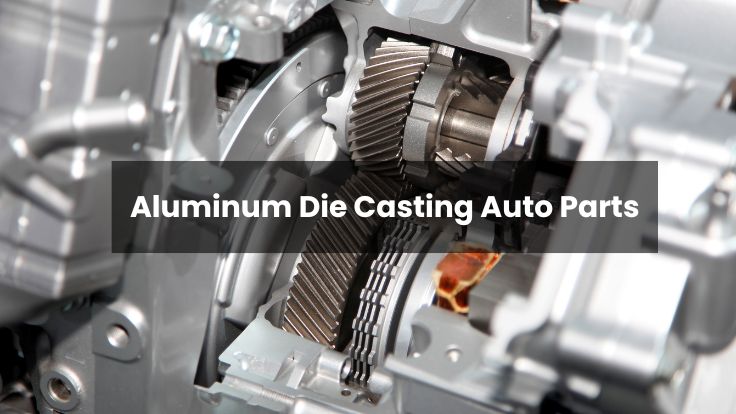
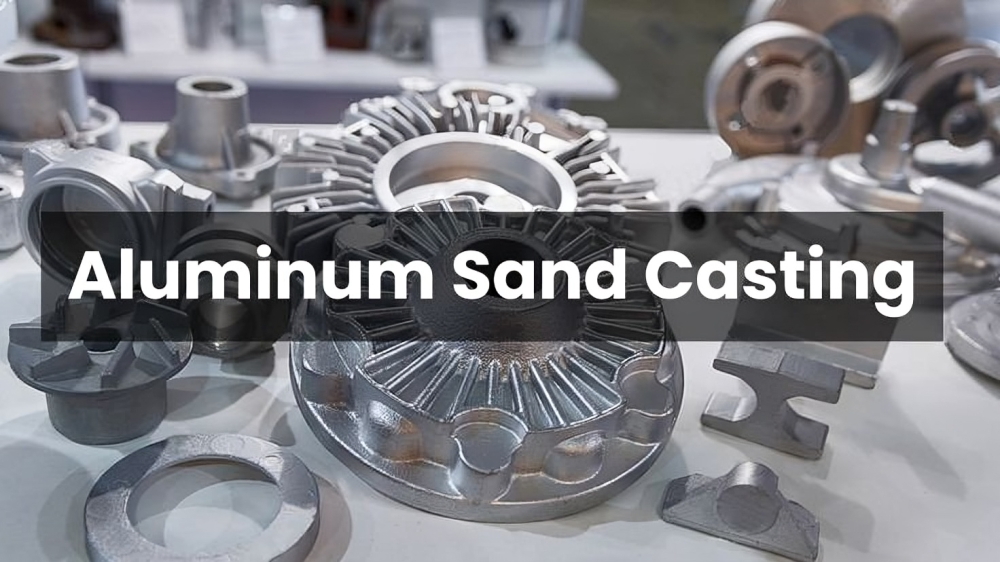
Aluminum Die Casting Auto Parts are now a common practice for industry-leading designs of engine blocks, transmission housings and a wide range of brackets. The method makes it possible to include complex designs and ensures both lightness and durability in parts crucial for strong performance and better fuel efficiency. Because it is fast and produces very little scrap waste, aluminum die casting is widely used by automakers everywhere. Auto diecasting is essential when building parts for modern cars. This manufacturing process melts aluminum into shapes required by dies, since the moulds are strong and reusable. The increasing emphasis on improved and more energy-efficient vehicles has caused companies to use more aluminum. Producing these parts dependably at a high level of accuracy often depends on aluminum die casting. The auto diecasting parts manufacturer is central to these manufacturing developments. Because electric vehicles and hybrids are getting more common, manufacturers will need more aluminum components that are both light and don’t rust or corrode easily. Because of these qualities, aluminum die casting is important to the development of transportation technology. In this article, we will cover the auto diecasting process, its advantages, common applications in automobiles and how leading die casting manufacturers make outstanding diecasting parts for today’s vehicles. What Exactly Is Aluminum Die Casting? Aluminum die casting happens when molten aluminum is pushed under high pressure into a cavity in a mould. Generally, the mould consists of hardened tool steel and shapes repeatable forms of high precision. As soon as the casting is solid and cool, the die is opened so the cast can be removed. Key Features: What Makes Die Casting With Aluminium Useful? Aluminum die casting enables producers to make high-quality components at reasonable and flexible costs. Main Benefits: When several features are present, numerous components can be assembled together into one unit. What is Auto DieCasting? Auto diecasting is the process of forcing liquid aluminum into special die or mold to shape automotive components. Many consider it known for producing extremely detailed and correct parts to tight tolerances. Because it is faster, cleaner and less costly, “auto diecasting” is now used instead of other approaches to make many vehicle components. High quality Steel dies or die casting molds are used in the manufacturing process, allowing them to handle the heat used over and over again. The cooling and ejection of the demolded aluminum part are simple, so very little finishing is needed. Therefore, the process achieves greater efficiency than machining and similar metal-forming techniques. The need for using auto die casting increases as auto designers and engineers try to build lighter, more efficient vehicles with aluminum. Uses of Aluminum Die Casting The reason aluminum die casting is important in several sectors is that it creates parts that are both strong, light and very precise. Since it performs very well mechanically, aluminum is highly appreciated in fields that demand top performance, lasting use and unique geometry. You’ll find ceramics in cars, planes, electronics, appliances and other equipment, and these applications are always increasing. Automotive Industry Aluminum die-cast parts are used most by the automotive industry. The use of this method grows as it helps manufacturers cut vehicle weight, improve mileage and fulfil tight environmental rules. Part of any auto engine, transmission, cylinder head, suspension unit or support structure may be made of aluminium. Increasing numbers of electric vehicles make die casting in aluminum necessary, since lightweight components help prolong battery life and make driving more enjoyable. Good dimensional accuracy in parts allows several components to be shaped into complex shapes, which then saves on costs by needing fewer processes and pieces. Aerospace Industry In aerospace, aluminum die casting is chosen because it gives the best strength and weight reduction. Customers turn to die-cast aluminium for aircraft frames, flight systems, gearbox coverings and engines. They are subjected to tough loads and various oil field conditions while staying the same size and remaining safe. Because of the process, parts for aerospace can be fully customized to meet high standards, all within a quicker timeframe and while working more efficiently. Because commercial and defence aviation is advancing, more demand for advanced aluminium parts is appearing. Consumer Electronics Aluminum die casting is popular in the consumer electronics industry for making parts that are both attractive, durable and good at handling heat. Internal parts of many laptops, tablets, smartphones, and camera bodies are commonly protected by die-cast aluminium housings which also give them an elegant appearance. Apart from how it lookaluminiumnum is great at conducting heat, so it’s often used in heat sinks and cooling systems. Because of die casting, small and complex designs can be manufactured, answering the industry’s desire for gadgets that use less power and take up less space. Lighting Industry There would be no excellent outdoors or industrial lighting without die-cast aluminum. Because of its advantages, aluminum is used to create street lights, LED covers and floodlight covers. That’s why lighting components can last a long time in all sorts of weather conditions. As a result, die casting makes it possible to put detailed features into a single part, so manufacturers may not have to add additional items or assemble different parts, saving them further money. Industrial machinery and equipment Aluminum die-cast parts are frequently employed in machines and equipment in industry because they last, offer high accuracy and protect against environmental damage. Examples of applications include pump housings, valve bases, gearboxes, motor cases and different structural components. Using this type of process allows the production of powerful parts that must function reliably in tough conditions.  Different Types of Aluminum Die Casting Different types of aluminum die casting are chosen based on what type of part, how many and the desired quality. Every process comes with specific pros, and one is picked depending on what the product requires. Die casting that uses high pressure (HPDC) Most of the time, high-pressure die casting is the process used. The aluminium is poured into the mould when pressured at a very high

Pièces automobiles en zinc moulé sous pression pour véhicules haute performance

pièces moulées sous pression

In automotive manufacturing, it is important to have precision, solid components, and cost efficiency to produce top-performance parts. Meeting these demands can be done reliably with zinc die casting. Many manufacturers now use zinc die casting for automotive parts to obtain tough parts, exactly the right size, and protected against corrosion. Because they cast well, zinc alloys work great in large-scale automotive production. Owing to their easy melting and good flow, these alloys can be formed inside detailed molds with tight levels of accuracy. Zinc alloy casting is vital for building die-cast zinc parts in automobiles, such as housings for locks, brackets, door handles, and many under-the-hood fittings. Apart from needing mechanical power, these parts should also resist changes in temperature, vibration, and outside influences. Because the auto zinc-alloy die-cast process provides a better finish, manufacturers can also reduce or cancel out the need for extra finishing operations such as machining or polishing. What’s more, zinc can be used with many types of plating and coating, which boosts both how useful and attractive the parts become. Because zinc alloys are recyclable, manufacturing with them fits well with the industry’s move toward eco-efficiency. The following sections will focus on understanding the main features, weaknesses, areas of application, and related topics of zinc die casting in the automotive industry, underscoring the trend of greater interest in zinc die casting for mobility by examining a series of auto zinc alloy case studies. What is zinc die casting?  Zinc alloy is injected into a steel mold at high pressure in order to make accurate metal parts through zinc die casting. Because complex parts are produced with stability and top-quality smoothness, and exact fits, EBM is seen as particularly valued. What Are the Important Features of Zinc Die Casting? 1. When working with high-pressure injection, molten zinc is introduced quickly into a precise mold at high pressure, so that every part of the mold is filled. 2. Zinc cools and hardens very fast, which is why the process is suited to mass manufacturing. 3. Made of durably hardened steel, the dies are designed for many uses and are therefore suitable for large-volume production. Why Zinc? Because of its properties, zinc is frequently employed in die casting. Zinc Alloys: What Makes Them Unique? Zinc alloys include important mechanical and physical features required for good automotive performance. These include: The reasons behind these properties mean that zinc alloys are a common pick for brackets, housings, handles, lock components, and trim parts placed inside or outside a car. A strong benefit of automotive parts zinc die casting is that you can build many useful functions into a single, detailed part, which makes assembly less necessary and drops the product cost. What is the Die Casting Process? In die casting, the mold or die holds molten metal that is pressed under high pressure. For every part, a mold is made that ensures parts are produced quickly, exactly the same, and accurately. The most important parts of zinc die casting are: Great attention is paid to these stages to guarantee that zinc-cast vehicle parts are top quality. Zinc Die Casting Process and Its Characteristics Parameter Typical Value / Range Unit Description Injection Pressure 35 – 120 MPa High pressure ensures complete mold filling and detail replication. Injection Time 0.02 – 0.15 seconds Fast cycle times are possible due to zinc’s excellent fluidity. Die Temperature 150 – 250 °C Optimal temperature for mold longevity and casting quality. Melting Point of Zinc Alloy 380 – 390 °C Low melting point reduces energy consumption and tool wear. Solidification Time 0.1 – 1.0 seconds Zinc solidifies quickly, allowing short cycle times. Density 6.6 – 6.9 g/cm³ Zinc is denser than aluminum, offering better damping and strength. Tensile Strength (Zamak 3) ~280 MPa Sufficient for structural and mechanical automotive parts. Elongation at Break 10 – 15 % Indicates ductility; zinc alloys can absorb impact without cracking. Surface Finish Quality Excellent – Zinc supports high cosmetic quality with minimal post-processing. Tolerance Control ±0.02 – ±0.05 mm Tight tolerances are achievable, reducing the need for secondary machining. Reasons to Use Zinc Alloys Excellent Castability Zinc alloys are valued for their excellent ability to be cast. Because zinc melts at a low temperature and has great flow, it fills complex mold shapes perfectly. Therefore, zinc alloys are best for precise designs, as found in automotive zinc die casting parts, where getting consistent detail and form is important. Thin-walled sections and intricate forms, available with minimal porosity, are highly desirable in mass production. High levels of accurate matching Because of zinc alloys, it becomes very simple for manufacturers to achieve accurate dimensions. This matters a lot in industries such as automotive and electronics, since components should be accurate and barely vary. Because zinc die-cast components usually do not need post-machining, manufacturing costs are reduced. Thanks to their consistency, zinc alloys help keep quality high and the products reliable throughout massive production. Superb surface finish Zinc alloys are valuable because their superior surface finish is possible to obtain directly during molding. Reduced requirements for finishers’ operations come from the natural surface finish of the parts. Polishing, painting, or chrome or nickel plating zinc alloy parts is easy, so they serve well in places where both how they look and how they perform are important. In both consumer goods and automotive interiors, things like handles and buttons benefit a lot from this type of coating. Good Performance for Mechanical Strength and Toughness Zinc alloys bring together solid strength, a high resistance to being bent or broken, and a limited tendency to be malleable. As a result, we use metals with these properties wherever mechanical stress or strong wear occurs. Because they are impact resistant, zinc alloy components are strong and last a long time. Because they are strong, most structural and working parts, such as brackets, housings, and locking pieces, are built from plastics. Corrosion Resistance Because a zinc oxide layer forms on them, zinc alloys do not easily corrode.

L'avenir de la fabrication : Explorer le moulage sous pression de l'aluminium dans l'automobile

L'avenir de la fabrication : Explorer le moulage sous pression de l'aluminium dans l'automobile

fonte d'aluminium, moulage sous pression de l'aluminium

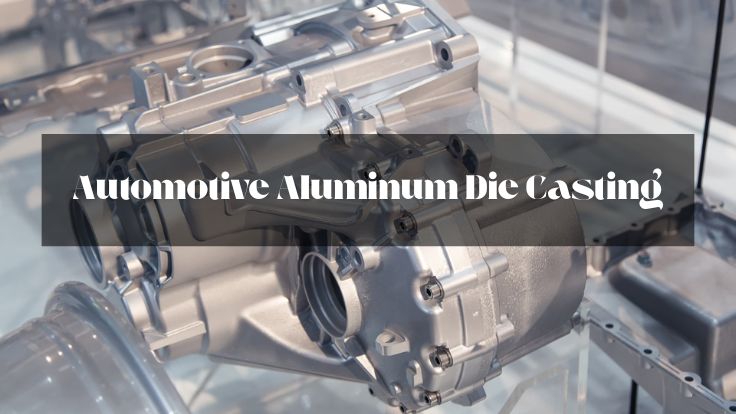
The rapid changes in the automotive industry mean car companies always need to build vehicles that are lighter, safer, and save energy. One key technology behind this change is automotive aluminum die casting. Thanks to this process, manufacturers can form metal parts that are both strong and light, maintaining the necessary complex figures and precision needed today in automotive work. As there is growing interest in EVs, improved security, and fuel savings, automotive die casting is now used more than ever. In die casting, aluminum is poured into a small, highly accurate steel mold at considerable force. The process allows for quick and regularly repeatable results and the parts have precise dimensions and look great. Right now, many die casting products are put to great use in important parts of cars such as engine blocks, transmission housings, car suspensions and battery enclosures. The construction must be solid, but it also has to meet high standards for heat and stress. Because people are choosing aluminum more than steel, many makers are turning to automotive aluminum die casting since it helps lower vehicle weight without hurting strength. Modern advances in machines, materials and sustainability make it possible for manufacturers to produce aluminium die casting parts for vehicles that satisfy modern regulations and please the environment. We go over the main ideas in automotive die casting which include materials, machines, design criteria and examples of their use. No matter if you work in the industry or not, understanding automotive die casting helps you see the evolution of manufacturing and the future of vehicles. What is the process known as automotive aluminum die casting? Automotive aluminum die casting takes place by injecting melting aluminum into steel dies using tremendous pressure. As soon as the aluminum becomes solid, it establishes a part that is both precise and tough, with a fine surface finish and good dimensions. Because safety, performance, and efficiency matter most in the automotive sector, these features are vital. This way of manufacturing helps produce complex designs that cannot be achieved with traditional production. Because it is light, using aluminum helps vehicles shed weight without becoming weaker. Design Engineering All automotive casting starts with a complete design and engineering phase. With 3D CAD software, engineers can make a model and test it to predict its actions in reality. The molding simulations show how molten metal is shaped inside the mold, how it will set, and where possible problems with air pockets or shrinkage could happen. The goal is to enhance the performance, strength, and ease of manufacturing of the part. The team also figures out the end joining process and the aluminum alloy suitable for the application. The process of making a Die (Mold) The design is followed by creating the die, which will shape the molten material in the process. These dies are expertly made to measure with tight tolerances and resist many casting attempts. Whether the job is complex or produced in high volume, the die may be made to work with more than one cavity. The die will also hold special channels for cooling and pins that will eject the part as soon as it is done solidifying. A well-designed die helps ensure the product is dimensionally accurate, has a good surface, and the tools last a long time. Adjust the Metal After that, aluminum ingots are melted further in industrial furnaces that work beyond 660°C (1220°F), the melting point for aluminum. The molten material is held at a constant temperature and is often freed from hydrogen, which might otherwise cause empty spaces inside. Sometimes chemicals are combined to provide extra strength, increased flexibility, or less susceptibility to corrosion of the aluminum. Since impurities in the molten metal may create flaws in the final item, the metal needs to be clean. Injection and Casting High-pressure die casting is a key process since the molten aluminum is shot into the mold at super-fast and extremely high pressure. Fast filling the metal into all corners of the die catches the tiny details from the part design. All the stress involved helps to reduce air pockets inside the components, which makes them powerful and solid. Just after the die is filled, the aluminum starts to cool and harden in only a few seconds. A fast initial cooling allows for a good grain structure and a perfect surface finish. Finished air tanks are sent through cooling and then ejected The air in the die is released and, with automated pins, the molded part is ejected after the aluminum has solidified. Throughout the die, temperature is controlled, and cycle times are cut down because of the cooling channels. The process at this phase requires attention because crooked cooling may result in either cracks or warping. Even after being ejected, the casting keeps its warmth and may undergo more treatment before entering the next step. The trimmers and finishers are part of this, too Often, in the casting process, some runner and flash pieces are left that have to be cut off. Trimming or machining the ends is how this is done. Sometimes, drilling, threading, surface grinding, or applying a coating is needed to finish the item accurately for its purpose. Sometimes, shops apply heat treatments to help increase a metal’s strength and ability to resist fatigue. After everything is finished, the parts are inspected for both inside and outside problems with measurements, X-rays, or ultrasonic machines. The assembly or shipping of objects is accomplished in stages A thorough check and finish mean the casting can either go to the customer or be carried forward for assembly systems. Before going into vehicles, the housing, brackets, and mounts are assembled with many other mechanical or electronic elements. Castings are best protected during transportation, and the supply chain moves smoothly if logistics and packing are effective. Benefits of Automotive Die Casting in the Automotive Industry More automakers are adopting aluminum components because of the benefits made possible by automotive die casting. The main benefit is that vehicles

Les 10 meilleurs services de moulage sous pression en Chine

Les 10 meilleurs services de moulage sous pression en Chine

Machines d'ingénierie chinoises, entreprises de moulage sous pression, Fabricant de pièces moulées sous pression

La Chine est connue pour sa position de leader mondial dans le secteur manufacturier, qui comprend l'industrie du moulage sous pression, qui dessert les secteurs de l'automobile, de l'aérospatiale, de l'électronique, des biens de consommation et de la machinerie industrielle. Toutes ces industries ont besoin de composants métalliques de haute qualité. De toutes les techniques de formage des métaux, le moulage sous pression est la plus reconnue individuellement pour sa capacité à atteindre des niveaux de précision élevés en matière de façonnage complexe, de finition de surface, de résistance et de rentabilité. En Chine, l'industrie des services de moulage sous pression sur mesure est en train d'acquérir un statut de classe mondiale grâce au marketing de précision et à l'accent mis sur la technologie par les entreprises les plus performantes. La création de prototypes pour les startups et les solutions de production évolutives pour les multinationales sont adaptées aux services offerts par les fournisseurs de services de moulage sous pression en Chine. Ils disposent de l'équipement et des capacités d'ingénierie nécessaires pour transformer les concepts en réalité. Nous allons maintenant nous pencher plus en détail sur les meilleurs d'entre eux et sur ce qui les distingue des autres concurrents mondiaux. Le choix d'un partenaire approprié pour le moulage sous pression en Chine peut avoir un impact stratégique sur la qualité, la rentabilité et la fiabilité de vos produits. Les principaux fabricants de moules sous pression en Chine offrent des services à valeur ajoutée qui vont au-delà du simple moulage sous pression. Ces services comprennent la consultation en matière de conception, la fabrication de moules, l'usinage CNC, la finition de surface, le contrôle de la qualité et même l'assemblage, tous réalisés en interne. Ils ont acquis une clientèle internationale grâce à leur capacité à produire régulièrement de gros volumes. Nous avons établi pour vous une liste des 10 meilleurs services de moulage sous pression en Chine en fonction de la sophistication de leurs équipements, de leur capacité de production et de leurs certifications (ISO 9001 et IATF 16949), ainsi que du retour d'information de leurs clients et de leur exposition aux affaires à l'étranger. Ces leaders de l'industrie s'engagent à améliorer l'efficacité des processus de production tout en répondant aux demandes en constante évolution des clients. Sincere Tech Année de création : 2005Nombre d'employés : 100-500Type d'entreprise : Fabrication de moules pour l'injection de plastique, moulage sous pression, usinage CNC, services d'assemblage Site Web et contact : Site Web : plasticmold.netEmail : info@plasticmold.netPhone : +86 135 30801277Adresse : Building 1, No. 30 Huan Zhen Rd, Shang Dong village, Qi Shi Town, Dongguan City, Guangdong province, China, 523000 Profil de l'entreprise Sincere Tech est l'un des leaders du moulage sous pression en Chine. Son siège est situé à Dongguan City, dans la province de Guangdong, et est équipé d'usines et d'une main-d'œuvre allant de 100 à 500 employés. Outre le moulage sous pression, les compétences de Sincere Tech comprennent le moulage par injection de plastique et l'usinage CNC, entre autres. Au fil des décennies, Sincere Tech s'est forgé une réputation de précision et de fiabilité en tant que fabricant sous contrat auprès de clients multinationaux dans les secteurs de l'automobile, de l'électronique, du médical, de l'industrie et de l'IAT. Engagements en matière de qualité Sincere Tech est certifiée ISO 9001 et, à ce titre, ses protocoles et ses contrôles internes sont soumis à des normes strictes. Cette certification garantit également que l'organisation s'aligne sur les normes internationales des systèmes de gestion de la qualité. Sincere Tech apporte une valeur ajoutée à ses clients en intégrant la qualité à chaque étape de la production, y compris la sélection des matières premières, l'outillage et la production, qui utilisent toutes des MMT et des projecteurs à la pointe de la technologie pour garantir des mesures précises. Pourquoi choisir Sincere Tech ? GC Precision Mould Co, Ltd Année de création : 1999Nombre d'employés : 100-200+Type d'activité : Moulage sous pression de l'aluminium, du zinc et du magnésium, usinage CNC, moulage par injection de plastique Site Web et contact : Site Web : aludiecasting.comEmail : info@aludiecasting.comPhone : +86 131 4886 5556Address : No. 30 Huan Zhen Rd, Qi Shi Town, Dongguan City, Guangdong province China, 523516 Profil de l'entreprise Fondée en 1999, GC Precision Mould Co. est basée à Dongguan City, Guangdong Province, China. Elle est spécialisée dans le moulage sous pression sur mesure et emploie entre 100 et 200 personnes. Elle propose des services de moulage sous pression de l'aluminium, du zinc et du magnésium, d'usinage CNC et de moulage par injection de plastique. Avec GC Precision, les clients peuvent obtenir des services complets, de la conception du moule à la production, que le projet soit simple ou complexe. Engagements en matière de qualité GC Precision maintient des prix compétitifs tout en offrant à ses clients des solutions de moulage sous pression personnalisées de haute qualité. L'entreprise suit les directives ISO 9001 et ses procédures de qualité, telles que l'inspection des moules, l'inspection du premier article, les inspections en cours de fabrication et l'inspection finale, garantissent que les exigences des clients sont toujours respectées. Pourquoi choisir GC Precision Mould ? CNM Tech Co. Année de création : il y a plus de 20 ansNombre d'employés : 100-400Type d'entreprise : Moulage sous pression de précision, usinage CNC, services d'assemblage Site Web et contact : Site Web : diecastingschina.comEmail : info@diecastingschina.comPhone : +86 130 4589 8002Address : Rm 101, No.40, Donghu road, Jinglian, Qiaotou town, Dongguan city, Guangdong Province, China. 523520. Profil de l'entreprise Peu après l'enregistrement de l'entreprise dans la ville de Dongguan, province de Guangdong, CNM Tech Co. s'est fait connaître dans l'industrie du moulage sous pression. Avec un effectif de 100 à 400 personnes, l'entreprise est spécialisée dans le moulage sous pression de l'aluminium, l'usinage CNC et l'assemblage à service complet. Elle s'adresse aux secteurs de l'automobile, de l'électronique, de la médecine et des produits de consommation. Engagements en matière de qualité Certifiée ISO 9001, CNM Tech garantit la qualité à chaque étape du processus. L'entreprise utilise des testeurs à ultrasons, des scanners 3D et des MMT pour effectuer des inspections approfondies à tous les stades de la production afin de garantir la précision et la qualité. Pourquoi choisir CNM Tech ? Sunrise Metal Technology Co. Année de création : 2010Nombre d'employés : 100-300Type d'entreprise : Fabricant de pièces moulées sur mesure en aluminium de haute précision, fournisseur de services d'usinage CNC et d'assemblage de produits. Site Web et contact : Site Web : sunrise-metal.comEmail : sales@sunrise-metal.comPhone : (+86)139 1265 1818Address : No 1456, Fushikang Road, Kunshan, Jiangsu, China (215300) Profil de l'entreprise Sunrise Metal Technology Co. Ltd. a commencé ses activités en 2010 et est basée à Shenzhen. L'entreprise se concentre sur des secteurs tels que le moulage sous pression de l'aluminium, le prototypage rapide, l'usinage CNC, la finition de surface, et est un fournisseur pour les industries médicales, automobiles, de télécommunication et de fabrication d'équipements industriels. Engagements en matière de qualité Sunrise Metal opère selon les normes ISO 9001:2015 et IATF 16949:2016. L'adhésion aux réglementations marque une vigilance stricte sur la précision des mesures. Des contrôles de qualité avancés tels que la simulation du flux des moules, les inspections aux rayons X, les mesures CMM et l'inspection du premier article (FAI) sont effectués. Pourquoi choisir Sunrise Metal Technology ? EMP Tech Co. Année de création : 1990Nombre d'employés : 500+Type d'entreprise : Fabricant professionnel de pièces moulées sous pression, spécialisé dans le moulage sous pression de l'aluminium, l'usinage CNC et l'assemblage de produits. Site Web et contact : Site Web : empcasting.comEmail : info@empcasting.comPhone : +86 180 3316 3576Address : NO.38 Duanzhou 3rd Road, Zhaoqing(526060), Guangdong, Chine. Profil de l'entreprise Créée en 1990, l'entreprise EMP Tech Co. est réputée pour ses services de moulage sous pression de l'aluminium de haute précision et ses services d'usinage CNC. EMP

Corps de lampadaire en aluminium moulé sous pression

Corps de lampadaire en aluminium moulé sous pression : Eclairage longue durée

moulage sous pression de l'aluminium

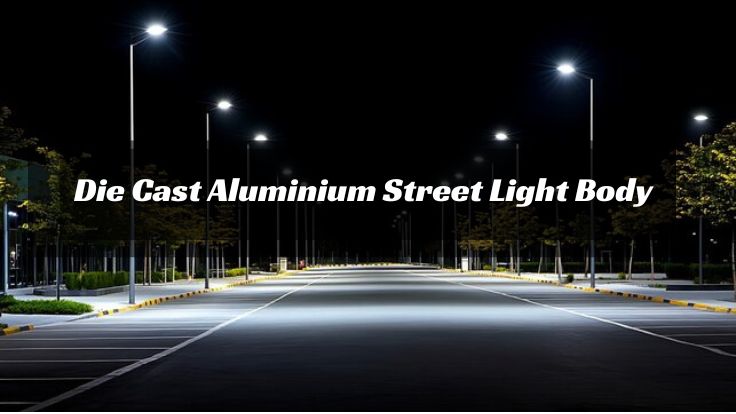
Because of modern, energy-saving technology, it is crucial nowadays for lighting products to be strong and reliable. Almost all modern outdoor lighting systems include a die cast aluminium body for their street lights. Because it is highly thermal, corrosion-resistant, and strong, this housing lasts long despite harsh events in the environment. It shields the LED’s circuits and also lets heat escape, which maintains their life. The aluminum LED street light casings are designed to ensure safety and quality on a global level. Because they are well-built and versatile, you can often see these enclosures along streets, highways, in industries, and in parks. Thanks to design progress, many kinds of LED street lights die cast aluminum bodies are being made now to suit numerous needs and preferences in light fixtures. While LED street light housing was formerly designed for efficiency, it now offers modular designs, smart features, and pleasing looks. This article discusses the features, types, series, specifications, and benefits of using die-cast aluminium in street lighting for those who plan, design, and select street lighting fixtures. This article covers how important, advantageous and in-demand die cast aluminium street light bodies are, as well as the steps involved in making them and modern trends in the market. What is meant by a die-cast aluminum Street Light Body? Die-cast aluminium is the process used to make the protective and supporting body of LED street lights. Within this body are placed all the important things in the lighting unit, like the LED driver, circuit board and lens and they are all protected from things like dust, water and hot or cold temperatures. Die-casting aluminum allows manufacturers to create LED street light housings that are strong, uniform, precise, and lightweight. The item that results is durable and also looks stylish, usually including smooth, stylish lines. The Steps Involved in the Die Casting Process In die casting, molten aluminium is pushed by high pressure into a shape cavity in the mold. Once the procedure is finished and the metal has fully solidified, it forms to the shape of the mold and is afterward pulled out, trimmed, cleaned up and polished. A major reason to use this process in LED street lighting is the ability to produce pieces with precise accuracy, the same features every time, and excellent surface and physical qualities. Here is a simple outline of what you have to do: It allows manufacturers to make many products at a low cost since it minimizes waste. Why You Should Use Die-Cast Aluminium for Street Light Housings? There are many benefits to using a die-cast aluminium body for a street light. 1. Heat Dissipation Aluminium is excellent at transferring heat. Heat generated by the LEDs is dispersed by the body and stops the components from overheating and ultimately damaging them. By using this feature, the vehicle is able to handle stable performance in different kinds of weather. 2. Toughness and Sturdiness The material does not add weight, but it’s durable enough to face harsh weather conditions. 3. Corrosion Resistance Applying coating or anodizing to aluminium makes it very resistant to corrosion, so the housing for LED street lights lasts for a long time in rough places, including by the sea or around factories. 4. Design Flexibility With die casting, it is possible to create objects with extra features and shapes, meaning the need for other types of assembly is reduced. 5. Aesthetic Appeal Nowadays, modern city planners prefer fixtures that are clean and sleek. Both the purpose and appearance of a city can be shaped by LED street lights with a die cast aluminum body. Tools for Use in Urban and Industrial Areas The body of a die-cast aluminium street light is found in places such as: This kind of housing can be used with LEDs that draw light at all levels, from lighting to smart controls. Why Die Casting Aluminum LED Street Light Housing is Favorable in the Market? In the last several years, more and more companies have switched to aluminum die-cast LED street light housing. It is influenced by a variety of different aspects. The trend will continue since many cities invest in updating their infrastructure and prefer energy-saving lighting systems. The Quality Control and Standards function Manufacturers of LED street light housing must strictly follow industry rules to ensure it operates safely, works properly, and lasts long. Businesses should check the following qualities: To gain worldwide approval and trust from buyers, a high-quality LED street light should pass CE, RoHS and ISO certifications. Production of a Series of Die-Cast Aluminium Street Light Bodies Many manufacturers separate their products into series based on how they look, their output, where they are used, and their technical attributes. Thanks to the street light body series, buyers can easily select a product that suits their needs. The following are the most common types of TV series seen: 1. Miniseries 20W–50W The Mini Series has compact housing units for LED street lights that are meant for narrow roads, walkways and homes. Because they’re all very light and efficient, these models are common in locations that do not need much light. 2. Standard Series (60- 120W) This is the group of literature that most people read. The LED street lighting housings in this series are both strong and save on costs. It is perfect for driving on roads, parking lots, and guarding plants and factories. 3. The range covers from 150W to 250W As they are meant for highways, broad streets and expansive outdoor areas, these products have LED street lights in sturdy aluminum casting with extra heat dissipation. Many such phones include smart features and higher levels of dust and water resistance. 4. Smart/Intelligent Series These hosts are configured to support motion sensors, IoT modules, or smart drivers. In the series, aluminium street lights are equipped with wireless technology, allowing them to respond to remote control for new smart city technology. 5. Designer or Architectural series The series joins music with the beauty of art.

Qu'est-ce que la coulée sous pression par gravité ? Principales informations pour les fabricants

Qu'est-ce que la coulée par gravité ? Points clés pour les fabricants

Coulée par gravité, Fabricant de pièces moulées sous pression

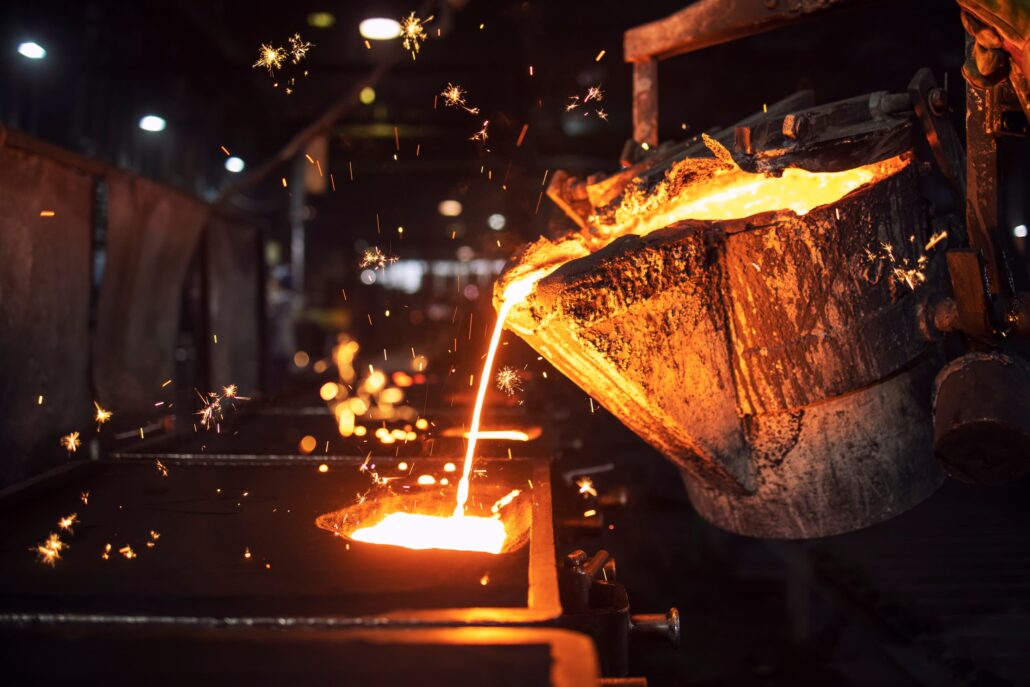
In the modern days of manufacturing, metal casting is very crucial when it comes to producing components with complex geometries of high quality. Among the most efficient ways of doing this is the gravity die casting. This process is a combination of precision, efficiency, and cost effectiveness; hence is a preferred solution to industries like automotive, aerospace, and industrial equipment. In essence, gravity die casting involves using the force of gravity to fill up a mold of metal without having to use high-pressure equipment, thus making the process not complex in its setup. If you are a student of engineering, a production manager, or just interested in casting technologies, then learning about gravity casting is crucial to adopt a general view of metal production. The basic principles of aluminum gravity die casting, how it is done, important factors like the temperature and time, the type of materials used, as well as its advantages and disadvantages, along with common applications, are covered in this article. How Aluminum Gravity Die Casting Works? Aluminum gravity die casting is a process of permanent mold casting that is commonly applied for manufacturing non-ferrous aluminum metal parts. The aluminum gravity die casting involves molten aluminum metal pouring into a reusable metal mold by the influence of gravity only. Doing away with high-pressure die casting that uses pressure of thousands of psi to squeeze metal in the mold, gravity casting uses natural gravitational forces alone, allowing molten metal alloy to flow into the cavities of the die without restriction. The following is the typical process involving this activity: Since the process involves the use of gravity and not mechanical pressure, the setup of equipment is simplifie,d and maintenance as well as tooling costs are usually lower. Step-by-Step Process of Gravity Die Casting Gravity die casting technique is popular for its ease of repeatability and is also able to produce high-quality metal with tight tolerances. Unlike high-pressure die casting, it applies the force of gravity alone and fills the mold cavity, thus making the whole process more cost-efficient and mechanically less cumbersome. Below is a step-by-step guide on how aluminum gravity die casting is done in an ordinary setup: 1. Mold Preparation The initial process in aluminum Gravity casting uses in preparing the mold, or otherwise known as die. Steel or cast iron is usually used in making these dies which are meant for repeated uses. The mold is cleaned properly after any metal can be poured so as to remove any residues left by previous castings. After cleaning, the mold is preheated at a temperature between 150°C and 300 300°C. Preheating means that the molten aluminum alloy does not get cooled too fast on contact, leading to such defects as cold shuts or inadequate filling. A release agent, usually a graphite or ceramic-based coating, is applied to the internal surface of the mold. This serves two functions: ensuring that the molten aluminum alloy does not stick on the die, and assisting in getting a smoother finish on the final product. 2. Aluminum alloy Melting The preparation of the mold is followed by melting the selected metal alloy. The amounts of metal alloys are placed in furnace and melted to the pouring temperature that depends on alloy. For instance, melting points of aluminum alloys are usually in the range of 650°C-750°C, while the copper-based alloys may require melting points between 900°C and 1100°С. It is of extreme importance to provide precise control over the melting temperature. Over heating could require increased oxidation or gas absorption, whereas under heating could result to incomplete filling of the molds or poor mechanical properties. 3. Pouring the Molten Metal alloy When the right melt temperature is reached, molten metal is poured into the preheated mould. In gravity die casting, there is no application of any mechanical force or even pressure. Gravity causes the aluminum alloys to flow by natural means into the mold cavity entrance through a set of sprues and gates. This step will need a slow, controlled pour so as not to create turbulence, which can trap gases and lead to porosity in the casting. In some advanced systems, there is the possibility of tilting the mold very slowly while pouring it – the tilting gravity die casting to create a smooth and even metal flow. 4. Filling the Mold Cavity Once the molten metal penetrates the mold, it fills all portions of the cavity under the shape of the die. Mold design is very important at this point. Properly designed gating systems will distribute the metal to avoid turbulence, cold spots, or areas with possible shrinkage. As the gravity alone is used for the metal flow, it is necessary that metal should be poured at the proper speed and temperature. Lack of flow control may cause such defects as incomplete fills or cold shuts – places where two metal fronts touch but do not melt together. 5. Solidification and Cooling After the cavity if filled, the molten metal alloy begins to cool and become solid. Cooling time is dependent on casting size and complexity as well as the kind of metal used. For instance, small aluminum parts can solidify as early as in 20–30 seconds, while large or thicker parts may take 60–90 seconds and more. The die is in most cases water-cooled in order to assist in controlling the rate of cooling. Controlled cooling enhances an improvement of grain structure and internal stresses, and reduces them thus making stronger and reliable castings. 6. Die Opening and Part Removal The die is opened after solidification of the aluminum alloy. Depending on the design, the casting can be manually removed or ejected through the pressure provided by the mechanical ejector pins incorporated into the mold. As grade casting utilizes a metallic die, the mold can be reused for thousands of cycles, and hence, the process is cost-effective for medium to high volume runs. As much as part removal has to be done, care should be taken to ensure that

Retour en haut

Obtenir un devis