fabricant de pièces moulées sous pression

Principales entreprises de moulage sous pression de véhicules automobiles en Chine et dans le monde 

moulage sous pression de l'aluminium, entreprises de moulage sous pression, société de moulage sous pression, Fabricant de pièces moulées sous pression

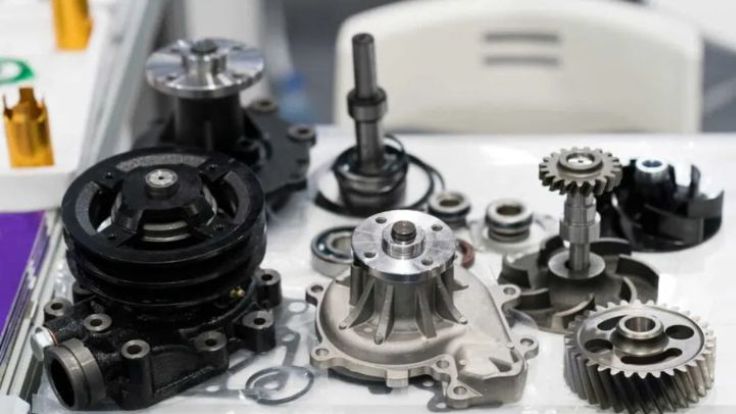
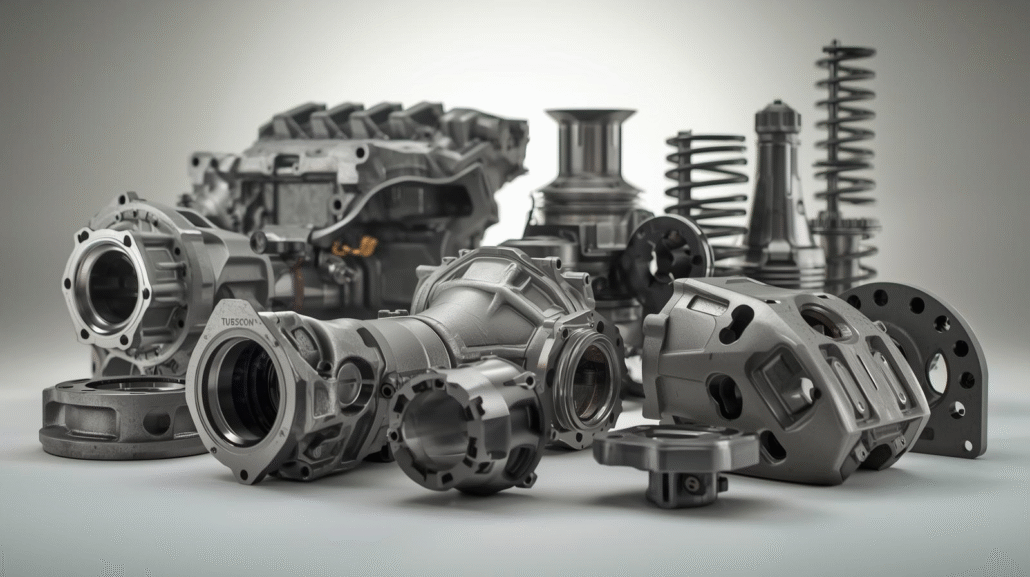
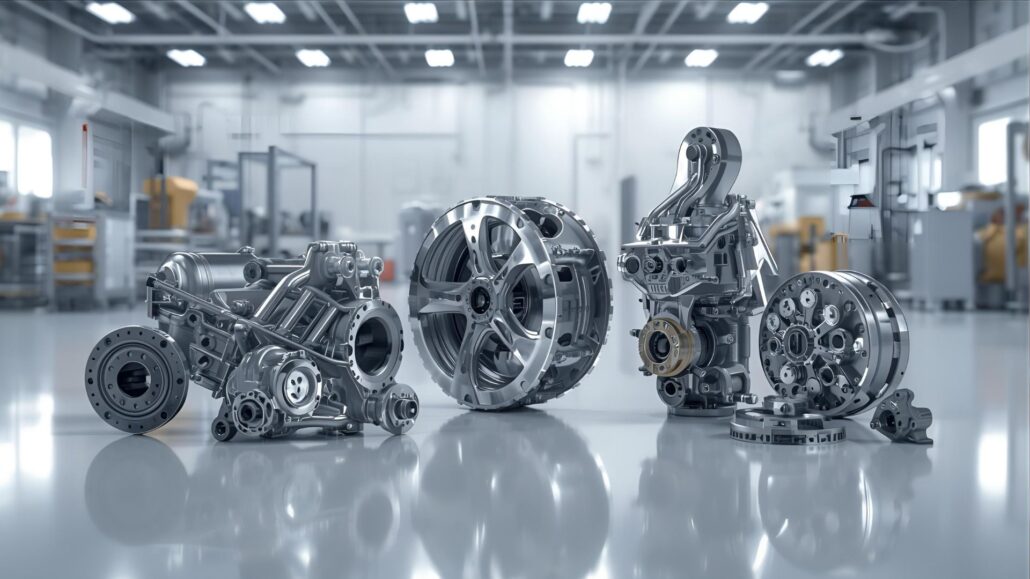
Le moulage sous pression de l'aluminium est l'un des procédés de fabrication les plus fiables et les plus rentables de l'industrie contemporaine. Il s'agit de l'injection sous haute pression d'aluminium fondu à haute température dans un moule précis afin de créer des pièces puissantes, légères et précises sur le plan dimensionnel. Il est particulièrement utile pour la production de formes très complexes avec des finitions de surface élevées, et c'est donc un processus privilégié dans les secteurs de l'automobile, de l'aérospatiale, de l'électronique, des produits de consommation et de la machinerie industrielle. Le moulage sous pression de l'aluminium a fait l'objet d'une forte demande ces dernières années. La tendance mondiale aux voitures électriques, aux constructions légères et à l'efficacité énergétique a placé les alliages d'aluminium en première ligne de l'innovation. Les fabricants ont désormais mis au point des composants de haute technologie tels que des blocs moteurs, des boîtiers de transmission, des boîtiers de batterie et des dissipateurs thermiques qui sont à la fois durables et légers. La recyclabilité et la résistance à la corrosion font que l'aluminium est également utile dans les tendances mondiales de production durable et respectueuse de l'environnement. Les États-Unis d'Amérique et la Chine sont deux des principaux centres de moulage sous pression de l'aluminium. Les entreprises américaines sont connues pour être innovantes, avoir des normes de qualité élevées et utiliser des niveaux élevés d'automatisation. Elles peuvent être considérées comme un bon investissement dans les industries de haute précision. À l'inverse, les fabricants chinois ont acquis une grande compétitivité sur le marché mondial, ont fourni une solution rentable, une capacité de production élevée et des technologies plus avancées. Cet article présente quelques-unes des industries de moulage sous pression de l'aluminium les plus performantes aux États-Unis et en Chine, leurs forces, leurs capacités et les facteurs qui font d'elles les partenaires les plus fiables des entreprises du monde entier en tant que fournisseurs privilégiés de l'industrie manufacturière. Qu'est-ce que le moulage sous pression automobile ? Le moulage sous pression est un processus de production par lequel un métal en fusion, généralement de l'aluminium, du magnésium ou du zinc, est injecté sous forte pression dans un moule dont l'espace est ouvert. Ce procédé permet de produire en masse des composants très résistants aux fonctions complexes, avec une bonne finition de surface et une grande précision dimensionnelle. Le moulage sous pression dans l'industrie automobile permet de produire des composants qui sont : L'utilisation du moulage sous pression a révolutionné la construction des véhicules contemporains, qui peuvent ainsi gagner du poids tout en restant performants. La demande a contribué au taux élevé de développement des principales entreprises de moulage sous pression en Chine, en Europe, en Amérique et au Japon. Pourquoi la Chine est le leader du moulage sous pression automobile La Chine est l'un des plus grands fabricants mondiaux de pièces moulées sous pression pour l'automobile en raison de sa situation géographique : Cet ensemble d'atouts a permis aux entreprises chinoises de moulage sous pression pour l'industrie automobile de devenir des centrales non seulement sur le marché local, mais aussi à l'échelle internationale dans la chaîne d'approvisionnement. CNM Tech Diecasting Company est un producteur de premier plan de produits moulés sous pression en aluminium de qualité supérieure. Elle offre à plusieurs secteurs tels que l'automobile, l'électronique et les télécommunications des composants conçus avec précision et visant à maintenir les normes de qualité les plus élevées. Elle peut produire des pièces légères et solides grâce à ses processus de production avancés, tels que le moulage sous pression et l'usinage CNC. La société Diecasting croit au pouvoir de l'innovation constante et investit donc dans des machines modernes, des lignes de production automatisées et, plus important encore, des systèmes de contrôle de la qualité qui permettent d'obtenir les mêmes résultats à tout moment. Les équipementiers et les fournisseurs de niveau 1 font également partie de sa clientèle mondiale, ce qui en fait un partenaire fiable pour répondre aux besoins de production complexes et en grandes quantités. Site web : https://www.thediecasting.com/ Pourquoi les choisir The Diecasting Company est préférée par les entreprises parce qu'elle se concentre sur la qualité, la précision et l'innovation. L'application de technologies de moulage sous pression de pointe, un contrôle de qualité rigoureux et la livraison dans les délais garantissent à leurs clients des composants conformes aux normes internationales et font d'eux le choix préféré des équipementiers automobiles et des fabricants qui souhaitent trouver un fournisseur fiable de solutions de moulage sous pression. Industries desservies Sincere Tech Sincere Tech est l'un des producteurs de moules de haute précision pour l'injection plastique et le moulage sous pression. Elle possède une expérience dans la conception de moules, le prototypage et la fabrication du produit final, ce qui lui permet d'offrir une solution unique à ses clients dans le monde entier. Ils utilisent des logiciels de CAO/FAO et d'usinage automatisé pour que tous les moules fabriqués soient très précis. Plastic Mold peut se prévaloir d'années d'expérience dans la satisfaction des besoins des secteurs de l'automobile, de l'électronique grand public et des appareils médicaux, avec la capacité de fournir des moules complexes avec efficacité. Ils se distinguent par leur innovation, leur contrôle de la qualité et leur rapidité de livraison, ce qui en fait un fournisseur de confiance pour les entreprises qui souhaitent une solution de moulage personnalisée. Site Web : https://www.plasticmold.net/ Pourquoi les choisir Plastic Mold est choisi en raison de ses systèmes complets de fabrication de moules, de ses compétences techniques et de sa capacité à s'adapter à des délais de production limités. Leurs moules de qualité supérieure minimisent les erreurs, améliorent la productivité et aident les clients à obtenir des produits moulés sous pression ou par injection précis et fiables. Industries desservies GC Precision Mould GC Precision Mould est un producteur de moules sous pression en Chine qui fournit des moules sous pression en aluminium, en zinc et en magnésium. Il a la réputation de fabriquer des pièces de haute qualité, rentables et légères dans les secteurs de l'automobile, de l'électronique et de l'éclairage. Elle est capable de réaliser des moulages sous pression, des usinages CNC et des opérations de finition secondaire. Alu Diecasting se concentre sur la précision, la longévité et la productivité. Elle répond toujours aux normes internationales grâce à l'utilisation d'installations modernes, de lignes automatisées et d'ingénieurs qualifiés. Elle s'adresse à des clients locaux et internationaux, tels que les équipementiers et les fournisseurs de niveau 1, et se positionne comme l'un des principaux fabricants chinois de pièces moulées sous pression pour l'industrie automobile. Site web : https://aludiecasting.com/ Pourquoi les choisir Ils utilisent Alu Diecasting car ils offrent une combinaison de prix compétitifs, de normes de haute qualité et de technologie. Ils ont des antécédents en matière d'alliages divers, d'usinage de précision et de production dans les délais, ce qui permet d'obtenir des pièces fiables, durables et légères qui satisfont aux exigences de l'industrie automobile mondiale. Industries desservies Get It Made Get It Made est un producteur d'usinage CNC, d'impression 3D, de moulage sous pression et de formage des métaux basé au Royaume-Uni. L'entreprise prend en charge à la fois le prototypage et la production de faibles volumes,

Qu'est-ce que le moulage sous pression ?

fonte d'aluminium

One of the most important metal processes, which is used today, is high pressure die casting. It is characterized by the capability to manufacture high-precision components. It is a process that manufacturers resort to when they require quality parts in large quantities. The process is achieved by placing a lot of pressure on molten metal and forcing it into a steel mold, referred to as a die. The pressure is used to maintain the flow of the metal to all corners of the mold. It produces components of small details, narrow walls and smooth surfaces. Because of this, the high pressure die casting would be a convenient choice in the case of an industry that has to be precise and uniform. Examples of the metals that are usually utilized during the process are aluminum, zinc, and magnesium. The materials have their own advantages. Die casting Aluminum is light and undergoes no corrosion. The reason is that Zinc die casting can be cast in thin and intricate designs. The strength of magnesium die casting is very light. High pressure die casting serves most industries. It provides vital parts in automotive, aerospace, electronic and consumer goods manufacturing industries.  This process provides durability and performance in engine housings, and in electronics cases, among other things. This article will discuss the functionality of high-pressure die casting, the material used, its advantages, constraints and its numerous applications. High Pressure Die Casting Die casting under high pressure has a history of over 100 years. Its creation dates back to the 19th century when it was used to create printing type. With time, technology was enhanced and became an essential procedure in the automotive and aerospace industries. One of the most effective methods of producing composite metal parts nowadays is high pressure die casting. It can be employed in cases where accuracy, durability, and speed are needed. This process has been adopted by manufacturers because it provides substantial production which is regular in quality, smooth, and detailed shapes which are in line with the requirements of modern engineering. The Die Casting Process of High Pressure High-pressure die casting is a rapid process that is accurate and applicable in mass production. It is a combination of high machines with molten metal that makes accurate and detailed parts. This is made efficient as the whole process enables the manufacturers to produce thousands of components of similar quality. Die Preparation It starts with the preparation of the die. The steel mold or die is meticulously washed and sprayed with a lubricant. This is to regulate the temperature and ensure that the metal does not adhere to the die surface. It should be properly prepared since it is the way to a smooth ejection of the final casting. Metal Melting After reading a die, the preferred material- aluminum, zinc or magnesium is molten down in a furnace. The metal should be heated to the right degree of temperature to attain a complete liquid state. The strength and the finish of the final casting largely depend on the quality of the melting. Metal Injection The molten metal is then forced into the die under a very high pressure. This pressure presses the metal in all corners of the mold cavity. It enables the process to make thin walls, sharp edges and complex shapes which are hard to make in other casting processes. Cooling and Solidification The metal freezes quickly within the steel mold after injection. Cooling periods are also extremely short; they may take only a few seconds. Quick cooling provides the part with its strength and assists in keeping the part at the proper size. Ejection from the Die When the solidification of the metal is done, the die is opened. The casting is forced out of the mold by ejector pins. The part is shaped at this phase except that it still contains additional material that must be eliminated. Trimming and Finishing The last phase is finishing and preparing. The metal that is kept in excess is removed, known as flash. Depending on the needs, the part can then be machined, polished, painted or coated. This will guarantee that the component is prepared to be used. Automation in Modern Factories The high pressure die casting is completely automated in modern factories. The steps of injection, cooling and ejection are performed with accuracy by robots. Automation enhances consistency, lowers labour expenses, and makes it an ideal way of undertaking mass production. Raw Materials of High Pressure Die Casting High pressure die casting is ideal for non-ferrous metals that have relatively low melting points. The most frequent are: Aluminum The most popular one is aluminum die casting. It is a low-weight, high-strength combination. Aluminum products are also resistant to corrosion, thus suitable for cars, aeroplanes and electronics. Zinc Small parts that are fine and precise are best cast with zinc. Zinc is of good toughness and strength. Thin walls and fine details are also enabled. That is why it is suitable for connectors, housings and decorative parts. Magnesium Magnesium is the lightest structural die cast metal. It possesses a good strength-to-weight ratio. It is commonly applied in aerospace, automobile, and consumer electronics in areas where a lightweight is a factor. Copper Alloys Alloys can also be made of copper, but this is not common. They are very hard, have high wear resistance and high electrical conductivity. All the materials possess their strengths depending on the usage. Aluminum is selected as a strong and corrosion-resistant material, zinc as an accurate one, and magnesium as a lightweight component. High Pressure Die Casting Tooling and Dies The most important aspect of the process is the die, or the mold. Hardened tool steel is used in making dies, and it is constructed to resist excessive heat and pressure. Dies are of two major types: It is also possible to design a die that will transfer the creation of a variety of parts in a single cycle, a combination die. The tooling costs are also expensive,

Qu'est-ce qu'un ustensile de cuisine en fonte d'aluminium ?

Qu'est-ce qu'une batterie de cuisine en fonte d'aluminium ? Un guide complet

Aluminium, fonte d'aluminium

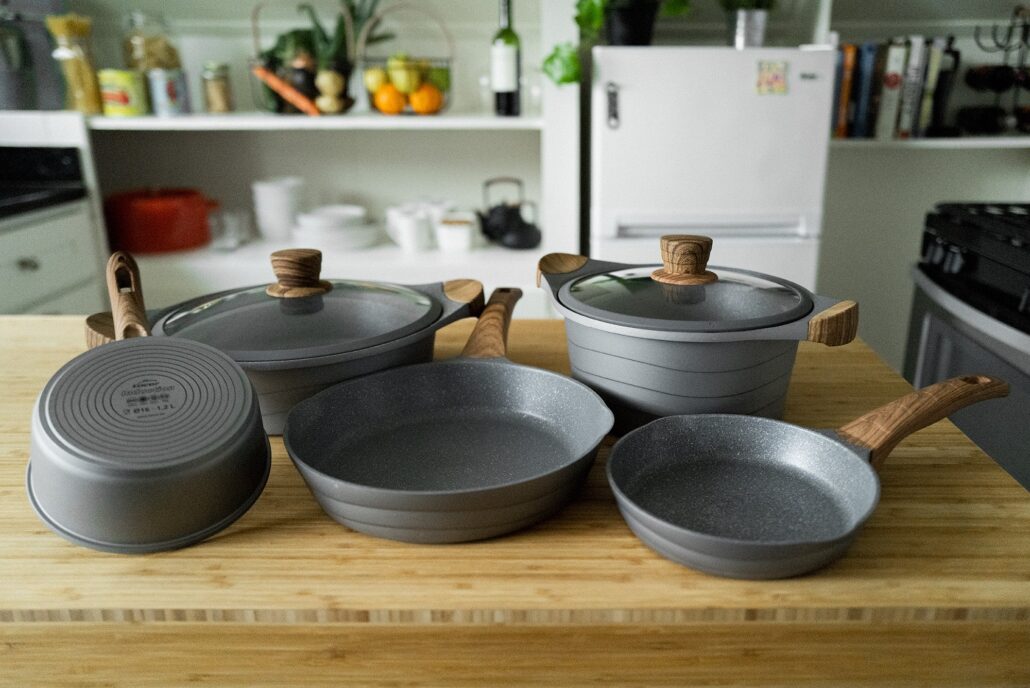
Cast aluminum cookware is becoming popular in kitchens worldwide. It is lightweight, inexpensive, and easy to use. The food can have a different taste depending on the cookware that is used, including the easy cooking process. Cookware is also time-saving and long-lasting. The cast aluminum is made by pouring molten aluminum into a mold. The method gives the cookware both a concrete structure and consistency in the thickness. It allows the pan or the pot to warm up quickly and evenly spread the heat. This simplifies and reduces the time spent preparing day-to-day meals. Cast aluminum is another relatively lightweight material that many people have been using since it is relatively inexpensive when compared to stainless steel. It may also be prepared in different shapes and sizes; therefore, it may be fried, baked, and boiled. However, cast aluminum has its negative sides. It is not as tough as stainless steel nor as tough as cast iron. There are also some types of cooking utensils that need a non-stick or anodized coating so that the food does not stick or is not in contact with acidic foods. In this article, all of these will be expounded using simple language. You will be introduced to the advantages, disadvantages, security, and treatment of cast aluminum cookware. How Cast Aluminum Cookware is Made? Cast aluminum cooking utensils are produced as a result of pouring the melted aluminum into a mold. The metal (aluminum) will then be in the shape of a pan, pot, or baking dish after cooling down. The process makes the cookware tougher and heavier than the traditional pressed or rolled aluminum. The two big stages of the process are: Such casting makes the coocooklightlightut strong enough that it can be used daily. Others are non-stick envelopings on them to prevent the sticking of food, and to facilitate their cleaning. Cast Aluminum Process of Cookware Preparing the Aluminum The initial step entails the selection of aluminum. Pure aluminum or recycled aluminum can be used by manufacturers. This is put into large furnaces where it is heated to over 660 °Cuntil it melts to form a liquid. This stage is where purification of the aluminum is done to determine that it will be strong and safe in the final product. Creating the Mold Once the aluminum is on hand, the mold is created. The form is determined by the mould, and it may be a frying pan, a pot, or a baking pan. These moulds are mostly sandy or steely. The thinness, balance, and durability of the copopotterarere dare be determined by the type of mold and the level of exquisiteness. Pouring the Molten Aluminum The mold is then filled with liquid aluminum. It is filled to the very brim in every crevice of design. It is the process that also causes cast aluminum cookware to be heavier and stronger than pressed aluminum cookware. Cooling and Solidifying After being poured, the aluminum is expected to cool down. It is stiffening and depressing when it comes to cooling and acquires the shape of the mold. The cooling is required as it removes cracks, air bubbles, or weak areas that can jeopardize the quality of the cookware. Trimming and Finishing Once hardened, cookware is removed from the mold. Such is where a crude surface gets cut and polished. Other features are also incorporated, such as handles and bases. This is to ensure that the cook’s uniform is smooth, safe, and ready to be coated. Surface Coating and Finishing Most cast aluminum cooking utensils are surface-treated. They have most of them supplied with non-sticky surfaces, such that the food does not stick on the surfaces,, and the cleaning does not take much time. They can be anodized by others, and this increases their resistance to corrosion and scratches. These finishes are also resistant to the reactivity with acidic food. Quality Testing The quality control is the last one. All of the works are inspected on balance, durability, and coating safety. Cookware that has been carefully checked is packed and only sent into the market. It will ensure the customers receive durable, quality, and safe cookware. Cast Aluminum Cookware advantages What is the reason not to use other materials, to use cast aluminum? Here are the key benefits: Lightweight In comparison to cast iron, it is very light in cast aluminum. It does not take much time tocleanna, and it is more so when one has a cook who prepares meals regularly for the elderly. Superb Heat Distribution Aluminium is a thermal conductor. Cast aluminum utensils are quick to cook and evenly cook. This means that there would be fewer hot spots and even cooking. Affordable It is normally cheaper than stainless steel or copper cookware. It has decent performance at an affordable price. Versatile Cast aluminum may be fried, baked, boiled, or simmered. Some are even oven-safe. Quick Heating The aluminum makes food cook more quickly since it reacts to heat faster. This saves time and energy. Disadvantages of Cast Aluminum Cookware Despite several advantages of cast aluminum cookware, it also possesses several limitations: Durability Issues The cast aluminum is softer than the cast iron or stainless steel. Eventually,, it is likely to be dented or scratched, especially when it is not handled properly. Reactivity with Food The uncoated aluminium can react with acids such as tomatoes or vinegar. This may either render it metallic or discoloured. The majority of modern cast aluminium pans are coated to such effects. Coating Problems The non-stick film on the pan may be of poor quality, and thus, it may wear away with time. It can be scrubbed with hard sponges or metal utensils, and this decreases its life span. Aluminum Cast And Other Cookware The choice of cookware is more of a choice. The cast Aluminum performance when compared with the popular substitutes stands as follows: Cast Aluminum and Stainless steel The first distinguishable difference in the case of the cast aluminum and stainless steel is the heat

Sociétés de moulage sous pression d'aluminium aux États-Unis

Sociétés de moulage sous pression d'aluminium aux États-Unis

moulage sous pression de l'aluminium, entreprises de moulage sous pression, société de moulage sous pression

Le moulage sous pression de l'aluminium est aujourd'hui l'une des procédures de production les plus sûres et les plus économiques aux États-Unis d'Amérique, en particulier pour les fabricants qui ont besoin de robustesse, de longévité et de précision. Il s'agit d'injecter sous haute pression de l'aluminium en fusion dans des pièces moulées en acier, ce qui permet d'obtenir des pièces non seulement légères, mais également précises sur le plan dimensionnel et durables. C'est cette résistance et ce faible poids qui font du moulage sous pression de l'aluminium le matériau de prédilection de l'industrie automobile et aérospatiale, de l'électronique, des machines industrielles et des biens de consommation. Le marché américain s'enorgueillit de posséder l'une des industries de moulage sous pression de l'aluminium les mieux établies au monde, qu'il s'agisse de grands fabricants présents dans le monde entier ou de petites entreprises spécialisées dans les pièces sur mesure et les applications de niche. Ces entreprises jouent un rôle crucial dans le maintien de l'industrie clé en fournissant des segments de l'industrie tels que les blocs moteurs, les boîtiers de transmission, les boîtiers électroniques et les pièces structurelles. Les fabricants américains ont acquis leur réputation de fiabilité et de produits innovants dans le monde entier grâce à leurs technologies de haute qualité, à leur certification et à l'importance qu'ils accordent à la qualité de leurs produits. Au cours des dernières années, la demande de pièces en aluminium moulé sous pression a fortement augmenté en raison des récents développements en matière d'allègement des véhicules, de la production de véhicules électriques et de la volonté de produire de l'énergie de manière efficace. Les entreprises américaines adoptent l'automatisation, les moulages durables et les alliages supérieurs afin d'obtenir des résultats élevés pour répondre à ces exigences. Cet article présente quelques-uns des meilleurs fabricants de pièces moulées sous pression en aluminium aux États-Unis, ainsi que leurs réalisations, leur potentiel et leurs contributions à l'industrie contemporaine. Que vous obteniez des pièces pour un processus de fabrication à grande échelle ou pour une application hautement technique, ces fabricants sont l'incarnation de la meilleure technologie américaine en matière de moulage sous pression de l'aluminium. Qu'est-ce que le moulage sous pression d'aluminium ? Le moulage sous pression de l'aluminium est une technique de production dans laquelle l'aluminium en fusion est injecté sous haute pression dans un moule en acier, également appelé filière. Lorsque le métal refroidit et se solidifie, le moule est ouvert et la pièce terminée est éjectée. C'est grâce à ce processus que les fabricants peuvent créer des composants solides, légers et très détaillés, avec une grande précision dimensionnelle et des finitions de surface lisses. Le fait que le moulage sous pression de l'aluminium puisse produire des formes complexes qui seraient autrement difficiles ou coûteuses à produire à l'aide d'autres procédés de fabrication est son principal avantage. Il trouve de nombreuses applications dans la fabrication de pièces telles que les blocs moteurs, les boîtiers de transmission, les boîtiers électroniques, les dissipateurs thermiques et les composants structurels. Le moulage sous pression de l'aluminium présente plusieurs avantages majeurs : Grâce à ces atouts, le moulage sous pression de l'aluminium s'est imposé comme une meilleure alternative dans les industries qui ont besoin de composants fiables et efficaces de haute qualité pour répondre à leurs besoins techniques et économiques. Principales entreprises américaines de moulage sous pression d'aluminium 1. Dynacast International Dynacast International est l'une des entreprises les plus connues dans le domaine du moulage sous pression de précision au niveau mondial. L'entreprise a des décennies d'expérience dans la production de petits composants complexes en utilisant des alliages d'aluminium, de zinc et de magnésium. Elle sait produire des composants présentant des tolérances strictes et des caractéristiques complexes, dont ont besoin les secteurs de l'automobile, de l'électronique grand public, des télécommunications et des appareils médicaux. Le fait d'être une entreprise mondiale signifie également que Dynacast est en mesure de servir les petites entreprises et les multinationales avec une flexibilité, des innovations et une qualité qui ne varient pas d'un projet à l'autre. 2. Pace Industries Devenue la plus grande entreprise de moulage sous pression d'Amérique du Nord, Pace Industries s'est forgé une bonne réputation en proposant des solutions globales. Leur gamme de services comprend la conception et l'assistance technique, le moulage sous pression, l'usinage, la finition de surface et l'assemblage final ; ils offrent une solution unique aux clients des secteurs de l'automobile, de l'industrie et de la consommation. La taille de l'entreprise lui permet de traiter des projets à grand volume et des projets sur mesure. Pace suit également la culture qui consiste à investir dans les technologies modernes et les pratiques durables afin de pouvoir rester compétitif dans un secteur en évolution rapide. 3. Ryobi Die Casting (USA), Inc. Ryobi est une marque renommée dans le segment mondial du moulage sous pression, et elle est très présente aux États-Unis. Ses activités aux États-Unis sont centrées sur les composants en aluminium moulés sous pression à moyenne et grande échelle, principalement pour le secteur automobile. Ryobi fabrique des blocs moteurs, des boîtiers de transmission et des pièces structurelles qui doivent être durables et précises. L'entreprise a utilisé une technologie de pointe et une gestion de la qualité qui lui ont permis de devenir un fournisseur de choix pour les principaux constructeurs automobiles dans le monde. 4. Gibbs Die Casting Gibbs Die Casting, l'autre leader du marché américain, est basé à Henderson, dans le Kentucky. L'entreprise est spécialisée dans les pièces moulées sous pression en aluminium et en magnésium pour l'industrie automobile, en particulier les boîtiers de transmission et les pièces du groupe motopropulseur. Gibbs met fortement l'accent sur l'innovation, l'automatisation et les techniques de fabrication sophistiquées étant utilisées pour garantir des normes élevées d'efficacité et de qualité du travail. L'entreprise intègre également le concept de durabilité dans ses activités en réduisant le gaspillage et en encourageant des pratiques commerciales respectueuses de l'environnement. 5. Apex Aluminum Die Casting Co, inc. Apex Aluminum Die Casting est située dans l'Ohio et est utilisée dans les secteurs de l'automobile, de l'électronique et de l'électroménager. L'entreprise est réputée pour travailler avec des lots de production de volume moyen, ce qui en fait l'option idéale pour les entreprises qui ont besoin d'une qualité de production constante mais qui n'ont pas besoin des énormes pouvoirs des grands importateurs. L'équipe d'Apex se préoccupe de la satisfaction du client, de la fiabilité du service, de l'ingénierie et de la précision de la fabrication. Elle s'est imposée comme un partenaire fiable auprès d'un certain nombre d'entreprises américaines en raison de sa bonne réputation à fournir des résultats constants. 6. KenWalt Die Casting Company KenWalt Die Casting est basée en Californie et possède plusieurs décennies d'expérience dans la production de pièces moulées sous pression en aluminium et en zinc. L'entreprise se concentre également sur les travaux sur mesure et dessert les secteurs de l'équipement industriel et des biens de consommation. KenWalt se distingue par son étroite collaboration avec le client pendant toute la durée du projet.

Moulage sous pression d'aluminium pour l'industrie automobile en Chine

Moulage sous pression d'aluminium pour l'industrie automobile en Chine

moulage sous pression de l'aluminium, pièces moulées sous pression

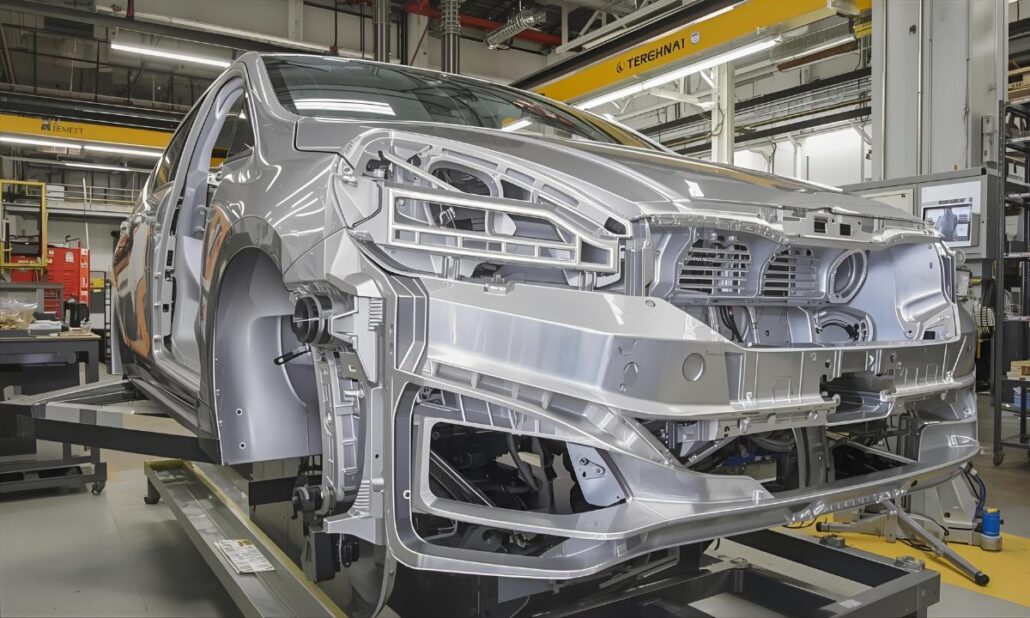
Aluminium automotive die casting in China has become an essential process within the international automotive supply chain that contributes to efficiency, sustainability, and innovation in vehicle production. Lightweight and strong, aluminium provides a special balance between mechanical performance and fuel consumption, which contemporary car manufacturers require. Through minimised vehicle weight, aluminium die-cast components have a direct impact on reducing fuel consumption, longer battery range in electric vehicles (EVs), and carbon emissions. This not only renders the technology significant to the manufacturers, but also to environmental regulations across the world. This domination in the automotive industry of China is a natural extension of aluminium die casting. Being the largest producer, the country with huge production rates, with its large supply chain and the support of the government through industrial policy, China has already established itself as the largest producer and one of the greatest innovators in the area. The die casting sector of the country serves both local car manufacturing industries and foreign brands, and it provides engine blocks and transmission housings, as well as high-tech giga castings, applied to the body of EVs. The development of lightweight materials and more environmentally friendly production technologies has become even faster. This congruence between industrial competency and the world sustainability targets will keep China on the frontline of the technology of aluminium die casting, which is the future of automotive engineering. What is Die Casting of Aluminium? Aluminium die casting is the production technique where molten aluminium is pressurized and injected into a high-pressure steel mold (die). Upon cooling and solidification, the metal produces complex and precise components with very favourable strength-to-weight ratios. The automotive parts that are commonly manufactured are engine blocks, transmission housings, wheels, brackets, and structural body parts. Why China Leads in Aluminium Die Casting? Aluminium Die Casting Process Aluminium die casting is one of the most specialized manufacturing techniques that allows the creation of complex and accurate automotive components with great mechanical properties. It does include several well-regulated phases, and each of them can be seen as a step toward the quality, strength, and durability of a final product. The following is a discussion of each of the stages: 1. Mold Preparation The steel mold, usually of hardened tool steel, is completely cleaned and checked before production starts and should be free of wear or damage. Then the release agent or lubricant is applied to the cavity of the mold, which has a variety of significant purposes. It avoids the sticking of the molten aluminium to the die, provides smooth part ejection and assists in maintaining mold temperature in successive casting cycles. It is important to prepare the mold properly, as this has a direct relation to the surface quality and dimensional accuracy of the finished component. 2. Melting & Alloy Preparation It begins with the melting of aluminium ingots or recycled scrap in a high-temperature furnace that can be either gas-powered, electrically powered or induced. At this phase, molten aluminium is observed keenly to maintain an optimal temperature range of around 660 to 700 °C to provide a fluid mass and reduce defects. Elements like silicon, magnesium, and copper are alloyed in order to improve certain properties such as strength, corrosion resistance, or thermal conductivity. It is important to keep the chemical composition accurate since a slight change in it might greatly affect the functionality of automotive elements. 3. High-Pressure Die Casting (injection) After the molten aluminium attains the desired state, it is poured into the prepared steel casting mould by a high-pressure die casting (HPDC) machine. The pressure of injection is usually between 110 and 175 MPa, and this makes the liquid metal fill even in the most complex molding cavities with accuracy. High pressure also aids in reducing porosity and shrinkage flaws to produce high-strength and dense parts. This is regarded as the centre point of the process since it determines the quality of the casting and whether complicated shapes can be produced without breaking the structural integrity. 4. Cooling & Solidification The molten aluminium is then injected and quickly cools down and hardens in the steel mould. The rate of cooling is maintained throughout to make sure that the crystallization is uniform and internal stresses or warping are minimized. Cooling time varies greatly with the thickness and intricacy of the component being cast; a thin-walled component could be solidified in a matter of seconds, whereas a more complex part could take a longer cycle to solidify. Well-organised cooling circuits (water channels or oil circuits built into the die) are commonplace with the aim of ensuring consistency throughout the production runs. It is essential to attain a balance of strength, ductility, and dimensional accuracy by proper solidification. 5. Ejection After the part has hardened, ejector pins in the mold force the casting out. In this step, accuracy is needed to prevent burning sensitive areas or thin walls of the part. Large-scale automotive manufacturing often relies on automated ejection systems, which guarantee the consistency of cycle times and minimize manual work. The process of ejection may appear to be easy, yet with improper application, it might cause surface defects, cracks or misalignment, which will adversely affect the usability of the final product. 6. Trimming & Finishing Raw casting may contain large quantities of extraneous material, such as flash, runners or even gates, after ejection, and this needs to be removed. A hydraulic press or a CNC machine is usually used in trimming to attain an accurate edge line. Other finishing processes like shot blasting enhance the texture of the surface, and machining provides the high dimensional tolerance needed by engine or transmission components. They can be heat-treated to increase strength and hardness, and coating or anodizing may increase corrosion resistance. These are the necessary secondary processes because through them the raw casting is taken to the next level, where it is turned into a functional and reliable automotive component. 7. Inspection & Quality Control The last step is the intensive inspection, whereby all castings will be

Pièces automobiles fabriquées par moulage :

Pièces automobiles fabriquées par moulage : Sélection des matériaux et des procédés

pièces moulées sous pression

The modern automobile is a sophisticated machine that consists of thousands of separate parts with their own purpose to provide safety, performance, and reliability. Casting is one of the various manufacturing processes that are employed in the automotive industry. Casting is now an irreversible procedure where major parts of a vehicle are formed by shaping molten metal into extremely detailed and strong parts. The engines, transmissions, and braking systems of most vehicles are among the most significant systems that require parts made by casting. Indeed, when designers and builders discuss efficiency, durability, and cost-effectiveness in the production, casting of automobile parts are often at the centre stage of the debate. The art of casting is not new; it was invented thousands of years ago. However, its application in the motor industry has undergone a revolutionary shift to harness hi-tech technologies and the most recent alloys that can fit the high demands of the modern car. Casting has been instrumental in enabling cars to maintain high-performance standards at a relatively low cost through lightweight aluminum engine blocks that are tough and, resilient cast-iron brake components. The article will review the history of the automobile casting parts, processes, advantages, and future trends of automobile casting parts and reveal the reasons why the automobile casting parts continue to be a pillar in the automotive manufacturing industry. History  of Casting It was actually the aluminum casting process that penetrated the sphere in the middle of the 20th century. Casting has been in use in vehicles since the late 19th and early 20th centuries, when the automobile was first developed to replace the horse-drawn carriage. Early engines demanded powerful but inexpensive parts, and casting was the right way to go. One of the first methods to make engine blocks, crankshafts, and housings was iron casting. With the increase in the automobile industry, casting techniques increased and became advanced. The automobile manufacturers learned that they could increase fuel efficiency without reducing the lifetime of the vehicles due to lighter engines and structural parts. Casting is applied to different systems of vehicles in accordance with their application and importance. Finally, the automobile casting parts have the important role of giving strength, accuracy, and cost-effectiveness to reduce the cost, which is why automobile parts are the giants of the automotive industry. What are Automobile Casting Parts? Automobile Casting Parts can be defined as parts of a vehicle that are produced through pouring molten metal into a mold, and the resulting molten metal hardens into a desired shape. This has enabled the manufacture of robust, sturdy, and intricate components that are utilized in automobiles, including engine blocks, cylinder heads, transmission housings, brake drums, and wheels. They are very popular since casting offers: Taking the case of an engine block, the block has various chambers and coolant passages with threaded openings that can be cast correctly. What is Casting? The process of casting is a type of manufacturing where molten metal is poured into a mold and allowed to cool in the shape of the mold. After cooling, the casting is removed, machined (where needed),, and fitted into the finished product. It is an operation in which it is possible to produce both strong and geometrically complex parts. The reason why automobile manufacturers like to use casting is that they can produce large quantities of complicated parts of uniform quality. The proper melting temperature should also be maintained to remove defects such as porosity or underfill We are discussing not only structurally significant parts of automobiles, but also those that must be precise and durable under severe conditions of high temperatures, pressures, and constant wear. Process of Casting in Automobile Parts High-volume production also automates machines or high-pressure systems to ensure a high level of accuracy and consistency. 1. Pattern Making It starts with the production of a pattern, an imitation of the finished part. Patterns tend to be made of wood, metal, or plastic. They also determine the accurate shape and size of the mold cavity into which the molten metal will be poured. 2. Mold Preparation Sand, metal, or ceramic materials are used to form a mold. The two halves of the mold make the cavity to shape the part. Hollows can also be introduced within the mold,, such as internal passages within an engine block. 3. Melting the Metal In a furnace, a controlled temperature is used to melt the selected metal or alloy (cast iron, aluminum, or magnesium). This is to bring mechanical properties to high-performance applications such as engines or gearboxes. 4. Pouring When the metal is melted, it is filled into the mold. The proper sizes and finishes are ensured during drilling, milling, and turning. 5. Solidification and Cooling The heated material is left to cool and harden within the mold, assuming the shape of the mold. The part should avoid a shrinkage defect or crack due to uncontrolled cooling rates. 6. Mold Removal When solidifying, the mold is broken (in sand casting) or the mold is opened (in permanent and die casting). A raw casting is then removed and processed further as a casting blank. 7. Fettling and Cleaning Unneeded material, including sprues, risers, or flash, is eliminated. The casting could be shot blasted or ground to clean up the surface to make it easy to machine. 8. Heat Treatment (if required) Cast parts can be heat-treated to enhance their strength, hardness, or toughness. Sand Casting – Sand casting is one of the oldest and most common ways in which a mold of sand is molded into a more complicated shape. 9. Machining and Finishing Despite the fact that casting generates near-net shapes, a lot of automobile parts have to be machined to be precise. It is used with the engine block, cylinder head, and manifold. 10. Inspection and Testing Lastly, quality checks are done on the cast part. Non-destructive testing (NDT), dimensional testing, and material inspection are conducted to ensure that the part is up to industry standards before assembly into

Pourquoi l'aluminium forgé est-il meilleur que le métal coulé ?

Pourquoi l'aluminium forgé est-il meilleur que le métal coulé ?

Aluminium forgé

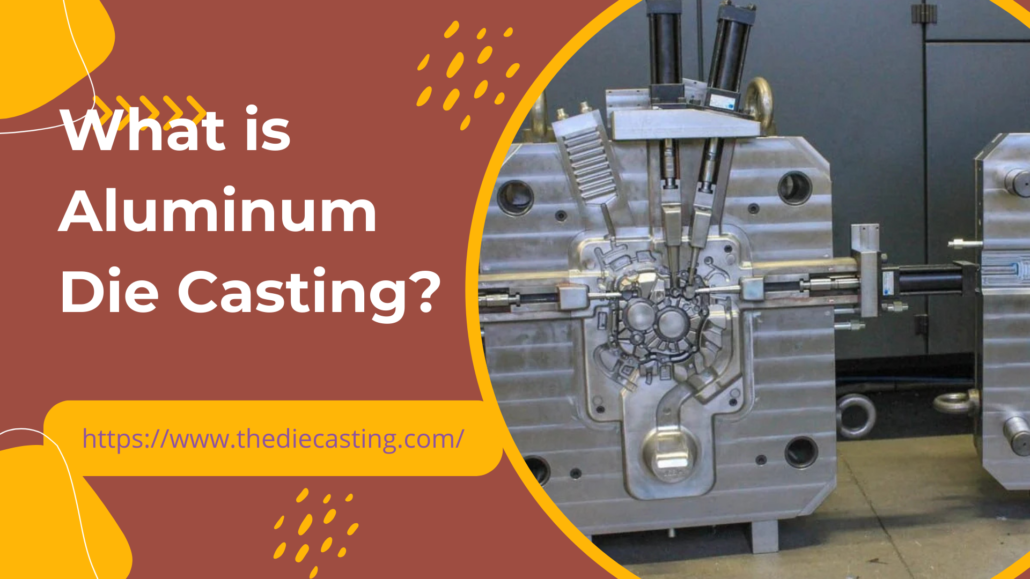
Forged aluminum is among the most trusted materials in contemporary engineering practice. It is formed by pressing solid aluminum with a high amount of heat and pressure. It alters the internal structure of the metal and makes it stronger and tougher than cast aluminum. Due to this, industries that require safety and durability use forged aluminum. Aluminum in itself is already rated as lightweight, resistant to corrosion and versatile. It is present in vehicles, aircraft, buildings, electronics and even in common tools. Not everything that is made of aluminum is the same, though. The performance of the metal is directly affected by how the metal is formed. Aluminium is melted and poured into molds when it is cast. This may cause flaws such as air bubbles and holes. Forging eliminates those issues. Rather than melting, the aluminum is pressed into form so that the grain is forced to conform to the design of the part. This yields a very powerful and homogeneous material. Forged aluminum has become popular now that industries are shifting to lighter, safer and more efficient solutions. This paper tells us why it is better than cast metal, the process involved in forging metals, where it is applied and the future of forging of aluminum. What Is Forged Aluminum? Forged aluminum is done by pressing solid aluminum under high pressure. The metal is not melted all the way as in casting. Rather, it is heated till it turns soft and malleable. After being softened, the aluminum is stamped or beaten into the required shape by means of heavy forging machines. This stress flattens the metal and also perfects its internal grains. The grain is oriented in the shape direction, and it contributes to the part’s better strength and toughness. Such a fine structure also removes numerous defects present in cast aluminum, including pores or cracks. Consequently, forged aluminum is safer, more durable and stronger. How an Aluminum Forge Works? Forging is done in an aluminum forge. There are a few steps involved in the process: This process ends up with a thick, solid, and homogeneous portion. It does not have weak spots or air bubbles like casting. Benefits of Forged Aluminum Cast metal and other materials cannot do what forged aluminum can do. It has become the tool of preference in industries where we cannot afford to compromise on performance and safety. Superior Strength Forged aluminum is very strong, and this is one of the key benefits of forged aluminum. The grain structure of the metal is refined through the forging process. The tensile and fatigue strength are enhanced by this alignment. False components can bear heavy loads as well as stresses and strains repeatedly without failure. This also positions them very well in high-performance activities like plane landing gear, suspension systems, and industrial machinery. Lightweight but Tough Aluminum is inherently lighter than steel, and forging goes even deeper with it. Forged aluminum is very strong for its weight. This enables engineers to ensure that they make lighter machines and vehicles that are still safe and strong. The weight loss makes cars and aeroplanes more fuel efficient, but also gives them durability. Increased Resistance to Fatigue Cast parts wear out much more than forged aluminum. Fatigue is a condition in which a part has worn out due to multiple stress cycles. Due to weak grain structure, cast parts tend to crack. Aluminum that has been forged does not crack easily, and thus parts made with this material will survive long in the hands of those who use them. Uniform Grain Structure The forging process is used to match the part shape with the grain in the metal. Such homogeneous graining makes it harder and harder to strike. Quite the contrary, casting gives arbitrary grain structures that create weak positions. Safety and Reliability Safety is the first priority in high-pressure industries like aerospace, automotive and defense. Forged aluminum is reliable as it provides power, hardness and steadiness over time, even in extreme circumstances. Aluminum Forging uses Aluminum forging has made an impression in the world where weightless, powerful and enduring parts are required. Forged aluminum parts are believed to be safe and, therefore, are commonly trusted in critical applications related to safety. Automotive Industry Modern automobiles are involved in fraudulent aluminum. A very common application is in wheels. Compared to cast wheels, forged wheels are lighter, more durable and safer. This type of weight loss improves manoeuvrability and fuel efficiency. Suspension parts are another significant use that should resist heavy loads, impact, and vibration on the road. The aluminum used is forged, so they are not stressed. Moreover, most engine parts, including connecting rods and pistons, are forged. These sections can withstand high pressure and hot temperatures with long durability. Concisely, forged aluminum improves the automobile’s performance and safety. Aerospace Industry Aircraft require components that are lightweight in nature and strong. Forged aluminum fits this specification. It applies to landing gears, which are supposed to withstand high levels of impact during landing and takeoff. It also occurs in wing structures where efficiency depends on lightness. Forged aluminum parts deal with pressure, heat and vibration in aircraft engines. Failure is not an option in flight; this is why the aerospace industry relies on forging. Military and Defense Defense applications require forged aluminum. Forged parts of tanks, aircraft, and naval ships have to endure the extreme conditions of combat. Forging guarantees maximum toughness, strength and reliability even in the most strenuous conditions. Industrial Machinery Major equipment is usually operated at full load. Forged aluminum products are wear-resistant and minimize downtime. This makes them cost-effective and long-term solutions for manufacturers. Sports and Lifestyle The sports and lifestyle items also use forged aluminum. Forged components are used to manufacture high-end bicycles, climbing gear and sports equipment. Such objects need to be lightweight and durable over a long period of time, which is why forging is the best method. The Reason Why Industries use forging rather than casting? Forging is the option

L'avenir des pièces moulées pour l'automobile

L'avenir des pièces moulées pour l'automobile : Innovation, efficacité et performance

Fabricant de pièces moulées sous pression, moulage sous pression

Automobiles have never been left behind in technological development. Since the first steel framing in automobile manufacturing up to the latest lightweight alloys, each part of a car has been improved through innovation to enhance safety, durability and performance. One of the most significant areas of progress lies in the world of automotive castings. This has helped in the designing, production, and optimization of vehicles. In plain terms, the term automotive castings can be defined as the process through which the molten metal is measured and poured into the moulds to shape intricate parts of the vehicle. The method is precise, cost-efficient and can be scaled to mass production. These processes are important in the industry because almost all vehicles on the road today have several parts that have been cast. This article examines the history, manufacturing, advantages, and future of the so-called automotive castings, and also takes a look at how the so-called automotive casting, die casting automotive parts, and cast automotive parts contributed to the shaping of the modern automobile. The History of Automotive Castings The methods of casting date back several thousand years, although it was not until the end of the 19th and very early 20th centuries that they were used in the automotive industry. The first automobiles were ineffective and weighed a lot, with mostly forged steel components. With the increased need to produce in large quantities, manufacturers were required to find a cheaper and quicker solution. Then is the period when the techniques of automotive casting started to substitute traditional ones. Through casting, car manufacturers would be able to create numerous of the same parts in large quantities with less wastage of materials. This brought about mass production, one of the reasons why automobiles became affordable to ordinary people in the industrial boom. Modern automotive castings today use state-of-the-art alloys, accurate moulds, and automation to satisfy the high standards of the international automotive standards.  What is Automotive Casting? Automotive casting is a manufacturing process that is applied in automobile manufacturing to make parts of their vehicles through pouring of molten metal into the moulds, where it solidifies and hardens into the desired shape. This is a technique that enables manufacturers to make complex, long-lasting and accurate parts cost-effectively and with less effort as compared to traditional machining or forging. It finds application in engine block parts, cylinder head parts, transmission housing parts, brake parts, and suspension parts. Through various alloys such as aluminum, cast iron, steel, and magnesium, the automotive casting offers the strength, lightweight design, and durability needed in modern automobiles. This technique is popular because: Common Automotive Parts Made by Casting: Types of Automotive Casting Concisely, automotive casting is necessary since it assists automakers in developing dependable, lightweight, and cost-effective components on a mass basis. Modern cars cannot be produced in mass without it. Materials in the automotive castings Aluminum A lightweight and corrosion-resistant glass, aluminum is among the most favoured materials in the field of automotive castings. It makes huge savings in the total weight of cars, enhancing fuel efficiency and manoeuvrability. Aluminum is also a good thermal conductor and therefore it is good on engine blocks, cylinder heads and transmission housings. Aluminum is used to create many die-casting automotive parts since it enables manufacturers to create high-precision and lightweight components without losing strength. With its flexibility and stability, aluminum is one of the best materials in contemporary automobile manufacturing. Cast Iron Other popular materials in automotive castings are cast iron because the material has high strength, heat resistance, and wear properties. Cast iron is heavier than aluminum, and it is suitable for structural and heavy-duty applications as engine blocks, brake drums and other parts of the suspension. The structure is very durable, which means that such parts can resist the pressures of long-term service and high-temperature conditions, making it vital to vehicles that need strong and reliable performance. Steel In the automotive castings, steel has been preferred due to its high strength and flexibility. Heat-treatment of steel parts increases toughness, so they are ideal in chassis parts, brackets, and structural frames. Although steel weighs more than aluminum, it offers the strength and carrying capacity to some of the safety-critical parts of the car. It is flexible, and engineers can come up with components that satisfy both the performance and regulatory requirements. Magnesium Alloys Magnesium alloys are finding increased applications in so-called automotive castings where weight loss is a priority. These alloys are very light, yet offer sufficient strength to non-structural parts. Magnesium parts may be used in interior fittings, engine covers, and certain structural parts, especially in high-performance vehicles and electric vehicles, where minimizing total weight is important to performance and handling. Copper Alloys Copper alloys are sometimes made into so-called automotive castings due to their high electrical and thermal conductivity. These are resistant to corrosion and strong materials that can be applied to certain electrical components or heat-sensitive parts of the modern vehicle. Copper alloys are not as widely used as aluminum or steel, but have niche uses, such as where performance and conductivity are important. Composite Materials Some manufacturers are experimenting with composite materials in cast automotive parts with the development of automotive technology. These materials are developed to save weight and still offer strength, and can be very handy in electric and hybrid vehicles. Composites also have better thermal regulation and corrosion resistance, and are a new technology in the next-generation car parts. Types of Automotive Casting Processes The automotive industry employs a number of casting techniques, each with its own parts and materials. We will consider the most popular ones: Sand Casting One of the oldest techniques is sand casting, in which large, intricate components are made by means of sand moulds. It is most suitable for prototypes and heavy parts such as engine blocks. Die Casting Die casting is the process that requires high-pressure injection of molten metal into reusable steel moulds. It is a technique that is especially relevant in fabricating light but

Qu'est-ce que le processus d'extrusion de l'aluminium ? 

fonte d'aluminium, moulage sous pression de l'aluminium

Aluminum extrusion has not only been appreciated in the respect that it makes a strong, yet lightweight part, but also its flexible and cost-effective designs are a factor. It is used in construction, aerospace, automotive and electronic industries, and nearly everywhere in between. Aluminium extrusion is among the processes that indicate an equalization between innovative designs and effective production, which is just about to become one of the dominating procedures of the manufacturing industry. Aluminum is one of the most popular metals in the modern industries, being appreciated because of its light weight, strength, durability and also its capacity to resist corrosion. Aluminum is more conspicuous in our lives; in the construction of skyscrapers in our cities, the cars we drive and other gadgets that we use in our daily lives. One of the most vital processes of manufacturing that has ensured the versatility is the aluminum extrusion process. Extrusion refers broadly to methods of metal deformation whereby metal is pushed or squeezed through a die in a similar fashion to toothpaste. In aluminum, longer continuous sections of final, predetermined cross-sectional shapes are formed by ramming solid block-like objects (known as billets) through an already heated die. These profiles may be plain rods, tubes or highly complex and specially made to the extent that they will meet the demands of a given industry. In this article, we will learn everything about the aluminium extrusion process; its history, the extrusion process, types, applications, advantages and limitations and its rising capabilities in future of manufacturing. Historical Background The idea of extrusion as a manufacturing process has been traced back to the late 18th century. The first well-known extrusion was that of the British inventor Joseph Bramah, who patented his exactly in 1797. Instead, he used a process that involved pushing pliable metals such as lead through a die to shape long, identical-looking pieces and primarily pipes. The preconditioning of the process of extrusion was an invention. Until much of the 19th century, the extrusion of softer metals had been inhibited by technology. The real breakthrough came about in the early 220thcenturies when economical ways of producing aluminium were discovered. The acquisition of aluminium was brought to lower prices and large-scale production by the invention in 1886 by Charles Martin Hall in the United States and separately by Paul H. Roult in France of the Hall-Heroult process. After the invention of aluminum, it did not take long before scientists and manufacturers saw the potential extrusion had to offer. The use of aluminum extrusion technology began gaining steam in the 20s, especially coming into force in Europe and North America. It was on a large scale utilized in the Second World War when the industries required a lightweight but durable material in aircraft, vehicles used by the military, and buildings. Since then, the line-casting technology has been invented and has been extended far farther than the aluminum extrusion that first emerged in the military sectors. What is Aluminum extruded? Aluminum extrusion is the commercial physical method that is used in plasticizing solid aluminum into shapes that are long with specific cross-sections. The idea is simple: a block of aluminum (a billet) is heated to a malleable stage and forced under intense pressure of a die made of steel. In pressing through the die, the aluminum takes on the shape of the opening, either straight, hollow, or solid, or in a highly complicated profile. The analogy that is best applied in extrusion is the extrusion of a toothpaste tube. Same as the toothpaste- it takes the shape of the nozzle, and similarly, the extruded aluminum takes the shape of the die. The advantage of aluminium extrusion is the ability to manufacture lightweight yet strong components of the exact shape. The resultant extruded profiles can be strippable to various lengths and are also subjected to further finishing, including anodising, powder coating, and finishing. All these upgrades raise performance, wear and look. Due to its flexibility, it has become one of the extrusion processes whose scope has been resorted to within different discourses like the construction industry, the aviation industry, the electronic industry, the transport and even the consumer products industry. It is not just the process but a vital bridge between the native stainless steel and absorbed functionality that defines the current engineering and high-construction. Aluminium Extrusion Process in Steps Characterise the Profile & Select the Alloy Cast and Christen the Billet Scalp or Saw Inspect Billet Heat the Billet Make the Die & Tooling Lubricate and Prepare the Press Load the Billet and QC Start the Press Breakthrough Extrusion, Steady Chinking on the Table Fast Cooling (Immediate Quenching) Handling temperature for cooling Profiles cool on the table after quenching until they are able to be handled without imprint or warping. Soft, controlled cooling minimises residual stress. Stretching / Straightening Cutting Back to Length Heat Treatment (Where Necessary) Surface Finish (Optional) Machining & Fabrication (As required) Profiles are CNC-machined, punched, drilled, tapped or bent. Jigs/ fixtures provide repeatability of tolerance control on thin or complex sections. Test and On-Quality Control Die Tuning & Maintenance When dimension control or surface finish is out of control, the length of the bearings and flow balance can be modified; dies may be polished and, when absolutely not required, nitrided; dies are polished and cleaned. Packing & Logistics Why every step counts The Components Used in Aluminum Extrusion Aluminum extrusion draws on choosing the correct aluminum alloy to suit the mechanical, thermal, and corrosion requirements. The properties required by different industries differ, thus selection of alloys is determined by strength, ductility, corrosion resistance and heat-treatability. 1000 Series (Practically Pure Aluminum) 3000 Series (Al-Mn Alloys) 5000 Series (Al-Mg Alloys) 6000 Series (Al-Mg-Si Alloys) 7000 Series (Al-Zn-Mg-Cu Alloys) Allothers Speciality Alloys To keep composition similarity, recyclable aluminum scrap containing the same alloy is frequently reused. Aluminum Extrusion Materials Quick Reference Table A technical table of probable common aluminum alloys used in extrusions, major properties and established extrusion parameters as follows: Alloy Series

Retour en haut

Obtenir un devis