moulage sous pression du zinc

Sociétés de moulage sous pression d'aluminium aux États-Unis

Sociétés de moulage sous pression d'aluminium aux États-Unis

moulage sous pression de l'aluminium, entreprises de moulage sous pression, société de moulage sous pression

Le moulage sous pression de l'aluminium est aujourd'hui l'une des procédures de production les plus sûres et les plus économiques aux États-Unis d'Amérique, en particulier pour les fabricants qui ont besoin de robustesse, de longévité et de précision. Il s'agit d'injecter sous haute pression de l'aluminium en fusion dans des pièces moulées en acier, ce qui permet d'obtenir des pièces non seulement légères, mais également précises sur le plan dimensionnel et durables. C'est cette résistance et ce faible poids qui font du moulage sous pression de l'aluminium le matériau de prédilection de l'industrie automobile et aérospatiale, de l'électronique, des machines industrielles et des biens de consommation. Le marché américain s'enorgueillit de posséder l'une des industries de moulage sous pression de l'aluminium les mieux établies au monde, qu'il s'agisse de grands fabricants présents dans le monde entier ou de petites entreprises spécialisées dans les pièces sur mesure et les applications de niche. Ces entreprises jouent un rôle crucial dans le maintien de l'industrie clé en fournissant des segments de l'industrie tels que les blocs moteurs, les boîtiers de transmission, les boîtiers électroniques et les pièces structurelles. Les fabricants américains ont acquis leur réputation de fiabilité et de produits innovants dans le monde entier grâce à leurs technologies de haute qualité, à leur certification et à l'importance qu'ils accordent à la qualité de leurs produits. Au cours des dernières années, la demande de pièces en aluminium moulé sous pression a fortement augmenté en raison des récents développements en matière d'allègement des véhicules, de la production de véhicules électriques et de la volonté de produire de l'énergie de manière efficace. Les entreprises américaines adoptent l'automatisation, les moulages durables et les alliages supérieurs afin d'obtenir des résultats élevés pour répondre à ces exigences. Cet article présente quelques-uns des meilleurs fabricants de pièces moulées sous pression en aluminium aux États-Unis, ainsi que leurs réalisations, leur potentiel et leurs contributions à l'industrie contemporaine. Que vous obteniez des pièces pour un processus de fabrication à grande échelle ou pour une application hautement technique, ces fabricants sont l'incarnation de la meilleure technologie américaine en matière de moulage sous pression de l'aluminium. Qu'est-ce que le moulage sous pression d'aluminium ? Le moulage sous pression de l'aluminium est une technique de production dans laquelle l'aluminium en fusion est injecté sous haute pression dans un moule en acier, également appelé filière. Lorsque le métal refroidit et se solidifie, le moule est ouvert et la pièce terminée est éjectée. C'est grâce à ce processus que les fabricants peuvent créer des composants solides, légers et très détaillés, avec une grande précision dimensionnelle et des finitions de surface lisses. Le fait que le moulage sous pression de l'aluminium puisse produire des formes complexes qui seraient autrement difficiles ou coûteuses à produire à l'aide d'autres procédés de fabrication est son principal avantage. Il trouve de nombreuses applications dans la fabrication de pièces telles que les blocs moteurs, les boîtiers de transmission, les boîtiers électroniques, les dissipateurs thermiques et les composants structurels. Le moulage sous pression de l'aluminium présente plusieurs avantages majeurs : Grâce à ces atouts, le moulage sous pression de l'aluminium s'est imposé comme une meilleure alternative dans les industries qui ont besoin de composants fiables et efficaces de haute qualité pour répondre à leurs besoins techniques et économiques. Principales entreprises américaines de moulage sous pression d'aluminium 1. Dynacast International Dynacast International est l'une des entreprises les plus connues dans le domaine du moulage sous pression de précision au niveau mondial. L'entreprise a des décennies d'expérience dans la production de petits composants complexes en utilisant des alliages d'aluminium, de zinc et de magnésium. Elle sait produire des composants présentant des tolérances strictes et des caractéristiques complexes, dont ont besoin les secteurs de l'automobile, de l'électronique grand public, des télécommunications et des appareils médicaux. Le fait d'être une entreprise mondiale signifie également que Dynacast est en mesure de servir les petites entreprises et les multinationales avec une flexibilité, des innovations et une qualité qui ne varient pas d'un projet à l'autre. 2. Pace Industries Devenue la plus grande entreprise de moulage sous pression d'Amérique du Nord, Pace Industries s'est forgé une bonne réputation en proposant des solutions globales. Leur gamme de services comprend la conception et l'assistance technique, le moulage sous pression, l'usinage, la finition de surface et l'assemblage final ; ils offrent une solution unique aux clients des secteurs de l'automobile, de l'industrie et de la consommation. La taille de l'entreprise lui permet de traiter des projets à grand volume et des projets sur mesure. Pace suit également la culture qui consiste à investir dans les technologies modernes et les pratiques durables afin de pouvoir rester compétitif dans un secteur en évolution rapide. 3. Ryobi Die Casting (USA), Inc. Ryobi est une marque renommée dans le segment mondial du moulage sous pression, et elle est très présente aux États-Unis. Ses activités aux États-Unis sont centrées sur les composants en aluminium moulés sous pression à moyenne et grande échelle, principalement pour le secteur automobile. Ryobi fabrique des blocs moteurs, des boîtiers de transmission et des pièces structurelles qui doivent être durables et précises. L'entreprise a utilisé une technologie de pointe et une gestion de la qualité qui lui ont permis de devenir un fournisseur de choix pour les principaux constructeurs automobiles dans le monde. 4. Gibbs Die Casting Gibbs Die Casting, l'autre leader du marché américain, est basé à Henderson, dans le Kentucky. L'entreprise est spécialisée dans les pièces moulées sous pression en aluminium et en magnésium pour l'industrie automobile, en particulier les boîtiers de transmission et les pièces du groupe motopropulseur. Gibbs met fortement l'accent sur l'innovation, l'automatisation et les techniques de fabrication sophistiquées étant utilisées pour garantir des normes élevées d'efficacité et de qualité du travail. L'entreprise intègre également le concept de durabilité dans ses activités en réduisant le gaspillage et en encourageant des pratiques commerciales respectueuses de l'environnement. 5. Apex Aluminum Die Casting Co, inc. Apex Aluminum Die Casting est située dans l'Ohio et est utilisée dans les secteurs de l'automobile, de l'électronique et de l'électroménager. L'entreprise est réputée pour travailler avec des lots de production de volume moyen, ce qui en fait l'option idéale pour les entreprises qui ont besoin d'une qualité de production constante mais qui n'ont pas besoin des énormes pouvoirs des grands importateurs. L'équipe d'Apex se préoccupe de la satisfaction du client, de la fiabilité du service, de l'ingénierie et de la précision de la fabrication. Elle s'est imposée comme un partenaire fiable auprès d'un certain nombre d'entreprises américaines en raison de sa bonne réputation à fournir des résultats constants. 6. KenWalt Die Casting Company KenWalt Die Casting est basée en Californie et possède plusieurs décennies d'expérience dans la production de pièces moulées sous pression en aluminium et en zinc. L'entreprise se concentre également sur les travaux sur mesure et dessert les secteurs de l'équipement industriel et des biens de consommation. KenWalt se distingue par son étroite collaboration avec le client pendant toute la durée du projet.
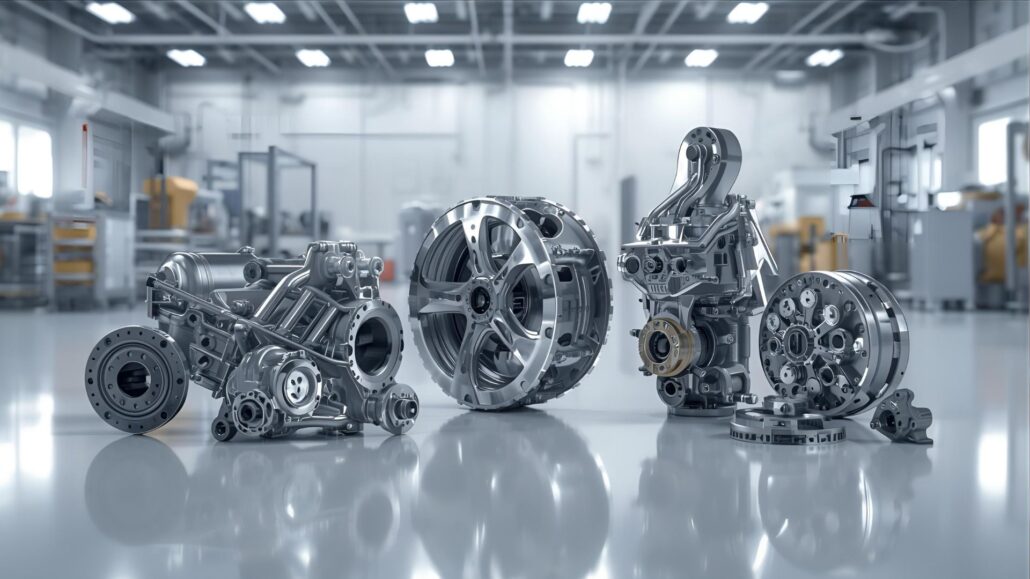
Pièces automobiles moulées sous pression en aluminium

Pièces automobiles moulées sous pression en aluminium : Durables et efficaces

moulage sous pression de l'aluminium, moulage sous pression

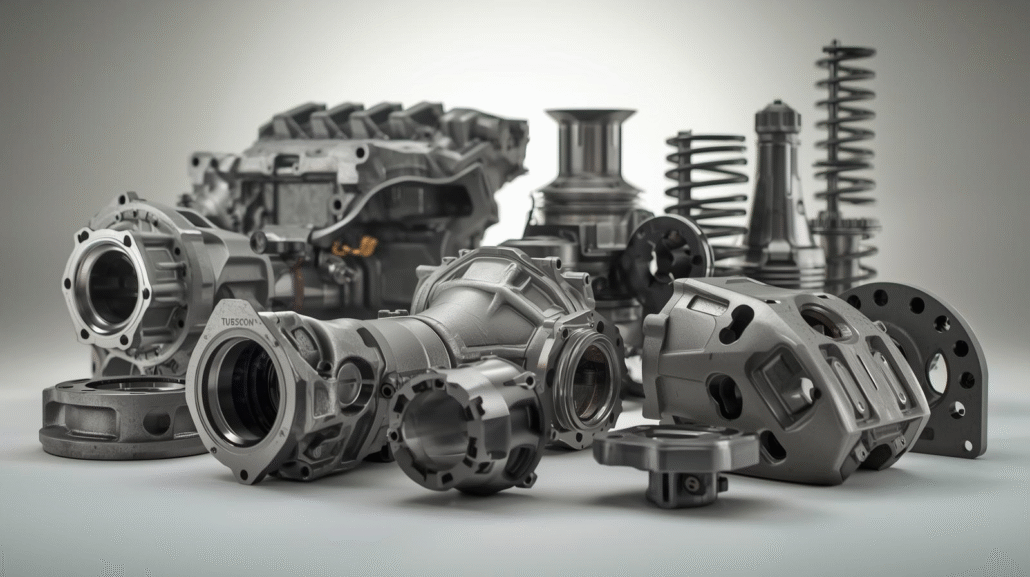
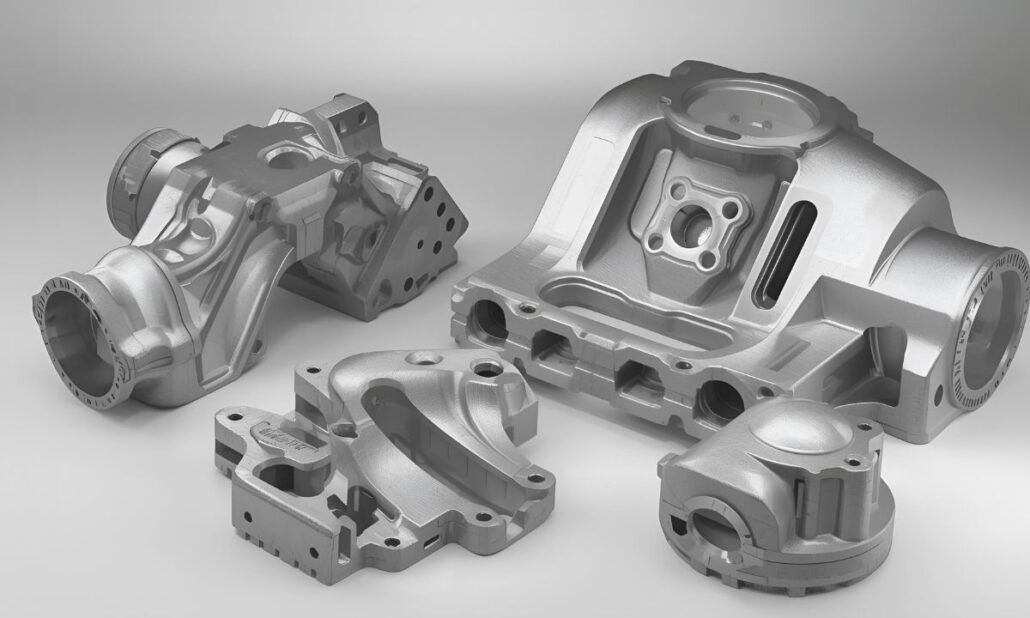
L'industrie automobile évolue grâce à l'utilisation de pièces automobiles en aluminium moulées sous haute pression. Elles permettent aux constructeurs de concevoir des voitures plus légères, plus solides et plus efficaces. Grâce à cette technologie, les constructeurs automobiles peuvent gagner en poids, en efficacité énergétique et en mobilité verte, sans compromettre la durabilité de la voiture. Le moulage sous pression de pièces automobiles est le processus par lequel de l'aluminium fondu est injecté dans un moule en acier à une pression très élevée. On obtient ainsi une forme solide, lisse et nette. Cette méthode permet une production plus rapide, un usinage réduit et une qualité constante. Le moulage sous pression des pièces automobiles permet aux entreprises de concevoir des composants complexes en une seule étape, ce qui leur fait gagner du temps et de l'argent. Les pièces automobiles fabriquées en aluminium moulé sous pression sont aujourd'hui très demandées dans les véhicules modernes. Il s'agit d'une méthode fréquente de production de blocs moteurs, de boîtiers de transmission, de pièces de freinage et de boîtiers de batterie pour les voitures électriques. Ces pièces sont légères, mais robustes, résistantes à la corrosion et conçues pour répondre aux conditions difficiles de la route. La demande de pièces automobiles fabriquées par moulage sous pression d'aluminium augmente rapidement, en particulier à mesure que nous passons aux voitures électriques et hybrides. La perte de poids total des voitures augmente la durée de vie de la batterie, les performances et réduit les émissions. Le moulage sous pression de l'aluminium est donc un élément majeur de la production écologique. En bref, l'utilisation de pièces automobiles moulées sous pression en aluminium dans la construction automobile n'est plus un choix. Elles ont joué un rôle clé dans la création des véhicules modernes, qui seront non seulement conformes aux normes de performance actuelles, mais aussi écologiques. Puissantes, efficaces et stables, elles seront également au cœur de la conception automobile de demain. Qu'est-ce que le moulage sous pression de l'aluminium ? Le moulage sous pression est un procédé de moulage du métal. L'aluminium en fusion est injecté sous très haute pression dans une cavité d'un moule en acier. Une fois refroidi, le métal durcit et prend la même forme que le moule. Le résultat est lisse, précis et durable. C'est pourquoi le moulage sous pression est devenu l'un des moyens les plus populaires de produire des pièces automobiles modernes. Par rapport à la technique traditionnelle, le moulage sous pression permet de fabriquer des pièces complexes en une seule fois. Cela permet aux fabricants de gagner du temps, de réduire les besoins d'usinage et d'économiser des coûts. Pourquoi l'aluminium pour les pièces automobiles ? La raison pour laquelle les pièces automobiles en aluminium moulées sous haute pression sont si populaires est qu'il n'y a pas d'autre matériau qui possède une combinaison de qualités aussi importante que l'aluminium. Il est vert et rugueux ; il est donc léger et peut donc être utilisé dans l'industrie automobile. Les exigences croissantes en matière d'efficacité et d'environnement ont fait de l'aluminium le matériau de prédilection pour le moulage sous pression des pièces automobiles. La perte de poids est l'un des principaux avantages. L'acier est beaucoup plus lourd que l'aluminium. Les constructeurs automobiles peuvent alléger l'ensemble du véhicule en incorporant des pièces automobiles moulées sous pression produites à partir d'aluminium. Plus une voiture est légère, plus sa consommation de carburant, ses émissions et ses performances sont élevées. Cet aspect est important à la fois pour un véhicule conventionnel et pour un véhicule électrique. Par ailleurs, l'aluminium ne perd pas sa résistance. Il présente un bon rapport résistance/poids, ce qui est une bonne chose car même lorsque la pièce est soumise à des contraintes, elle ne devient pas molle. C'est ce qui rend les pièces automobiles moulées sous pression en aluminium si utiles dans les moteurs, les transmissions et les pièces de châssis. L'autre avantage important est la résistance à la corrosion. L'aluminium ne rouille pas et ne s'use pas comme les autres métaux. Cela prolonge la durée de vie des pièces automobiles en aluminium moulé sous pression et réduit les frais d'entretien pour les propriétaires de véhicules. Les principales pièces automobiles sont produites par moulage sous pression Les constructeurs automobiles moulent la plupart de leurs composants en utilisant le moulage sous pression de l'aluminium. Il s'agit de pièces légères mais puissantes qui peuvent être utilisées dans les voitures conventionnelles et électriques. Blocs moteurs Les blocs moteurs doivent faire face à la chaleur, aux vibrations et à la pression. Lorsqu'il s'agit de pièces automobiles moulées sous pression, les blocs en aluminium pèsent moins lourd mais sont suffisamment solides pour fonctionner dans des conditions très difficiles. Cela permet de réduire le poids total du moteur et la consommation de carburant. Boîtiers de transmission Les boîtiers de transmission doivent être précis et durables. Des pièces automobiles moulées sous pression sont utilisées pour obtenir la précision d'engrenages fonctionnant sans à-coups. Cela garantit une grande fiabilité dans le temps et un minimum d'usinage est nécessaire. Composants de freinage Les freins sont soumis à des contraintes constantes. Les fabricants produisent des composants solides qui ne sont pas lourds puisqu'ils utilisent des pièces automobiles moulées sous pression en aluminium. Cet équilibre permet d'augmenter la force de freinage et de réduire le poids du véhicule. Pièces du châssis Les pièces du châssis sont utilisées pour assurer la sécurité et la stabilité. Elles sont solides mais peu encombrantes lorsqu'elles sont fabriquées à partir de pièces automobiles en aluminium moulé sous pression. Cela permet d'améliorer la gestion et la productivité. Les pièces automobiles qui protègent les moteurs et les batteries sont fabriquées en utilisant le moulage sous pression de l'aluminium dans les véhicules électriques. Les boîtiers protègent les systèmes délicats tout en offrant un cadre léger, ce qui permet d'augmenter la distance parcourue pendant la conduite. Collectivement, ces éléments mettent en évidence le rôle du moulage sous pression de pièces automobiles dans la conception de nouvelles voitures. Le moulage sous pression de l'aluminium a permis aux moteurs, aux batteries des véhicules électriques et à d'autres éléments de fonctionner efficacement, de durer plus longtemps et d'être durables. Processus de moulage sous pression de l'aluminium 1. Préparation des moules La préparation des moules commence. Le moule en acier est soigneusement lavé afin d'éliminer toutes les impuretés et chauffé à la température appropriée. Un revêtement protecteur est appliqué à la surface pour empêcher l'aluminium fondu d'y adhérer et pour aider à contrôler la vitesse de refroidissement. Cela permet d'améliorer la circulation des métaux, de prolonger la durée de vie des moules et d'assurer l'uniformité des pièces par cycle de production. 2. Fusion de l'aluminium Ces alliages d'aluminium sont fondus dans un four à des températures spécifiques contrôlées. Une température suffisante est également nécessaire, car elle empêche l'oxydation et le métal en fusion s'écoule facilement dans la cavité du moule. Les éventuelles impuretés sont éliminées par affinage des agents ou des filtres. Cela permet de garantir que les pièces automobiles moulées sous pression en aluminium ne présentent aucun défaut et ont des propriétés bonnes et constantes. 3. Injection sous haute pression. L'aluminium en fusion est ensuite injecté dans le moule.

Pièces automobiles fabriquées par moulage :

Pièces automobiles fabriquées par moulage : Sélection des matériaux et des procédés

pièces moulées sous pression

L'automobile moderne est une machine sophistiquée composée de milliers de pièces distinctes dont la fonction propre est d'assurer la sécurité, les performances et la fiabilité. Le moulage est l'un des divers procédés de fabrication utilisés dans l'industrie automobile. Le moulage est aujourd'hui une procédure irréversible dans laquelle les principales pièces d'un véhicule sont formées en façonnant du métal en fusion pour obtenir des pièces extrêmement détaillées et résistantes. Les moteurs, les transmissions et les systèmes de freinage de la plupart des véhicules comptent parmi les systèmes les plus importants qui nécessitent des pièces fabriquées par moulage. En effet, lorsque les concepteurs et les constructeurs discutent de l'efficacité, de la durabilité et de la rentabilité de la production, le moulage de pièces automobiles est souvent au cœur du débat. L'art du moulage n'est pas nouveau ; il a été inventé il y a des milliers d'années. Toutefois, son application dans l'industrie automobile a connu une évolution révolutionnaire pour exploiter les technologies de pointe et les alliages les plus récents qui peuvent répondre aux exigences élevées de la voiture moderne. Le moulage a contribué à permettre aux voitures de maintenir des normes de haute performance à un coût relativement faible grâce à des blocs moteurs légers en aluminium qui sont robustes et à des composants de freinage en fonte résistants. Cet article passe en revue l'histoire des pièces de fonderie automobile, les processus, les avantages et les tendances futures des pièces de fonderie automobile et révèle les raisons pour lesquelles les pièces de fonderie automobile continuent d'être un pilier de l'industrie de la construction automobile. Histoire du moulage C'est en fait le processus de moulage de l'aluminium qui a pénétré la sphère au milieu du 20e siècle. Le moulage est utilisé dans les véhicules depuis la fin du XIXe siècle et le début du XXe siècle, lorsque l'automobile a été mise au point pour remplacer les voitures tirées par des chevaux. Les premiers moteurs exigeaient des pièces puissantes mais peu coûteuses, et le moulage était la solution idéale. L'une des premières méthodes de fabrication des blocs moteurs, des vilebrequins et des carters était le moulage en fonte. Avec l'essor de l'industrie automobile, les techniques de moulage se sont développées et perfectionnées. Les constructeurs automobiles ont appris qu'ils pouvaient augmenter la consommation de carburant sans réduire la durée de vie des véhicules grâce à des moteurs et des pièces structurelles plus légers. Le moulage est appliqué à différents systèmes des véhicules en fonction de leur application et de leur importance. Enfin, les pièces de fonderie automobile jouent un rôle important en termes de résistance, de précision et de rentabilité afin de réduire les coûts, ce qui explique pourquoi les pièces automobiles sont les géants de l'industrie automobile. Qu'est-ce qu'une pièce de fonderie automobile ? Les pièces automobiles moulées peuvent être définies comme des pièces d'un véhicule qui sont produites en versant du métal fondu dans un moule, et le métal fondu qui en résulte durcit pour prendre la forme souhaitée. Cela a permis de fabriquer des composants robustes, solides et complexes qui sont utilisés dans les automobiles, notamment les blocs moteurs, les culasses, les boîtiers de transmission, les tambours de frein et les roues. Ils sont très populaires depuis que le moulage est possible : Dans le cas d'un bloc moteur, celui-ci comporte plusieurs chambres et passages de liquide de refroidissement avec des ouvertures filetées qui peuvent être coulées correctement. Qu'est-ce que le moulage ? Le processus de moulage est un type de fabrication dans lequel le métal en fusion est versé dans un moule et laissé à refroidir dans la forme du moule. Après refroidissement, le moulage est retiré, usiné (si nécessaire) et adapté au produit fini. Il s'agit d'une opération qui permet de produire des pièces à la fois solides et géométriquement complexes. La raison pour laquelle les constructeurs automobiles aiment utiliser le moulage est qu'ils peuvent produire de grandes quantités de pièces compliquées de qualité uniforme. Nous parlons ici non seulement des pièces importantes pour la structure des automobiles, mais aussi de celles qui doivent être précises et durables dans des conditions sévères de températures élevées, de pressions et d'usure constante. Processus de moulage des pièces automobiles La production en grande série fait également appel à des machines automatisées ou à des systèmes à haute pression pour garantir un niveau élevé de précision et d'uniformité. 1. Fabrication du modèle Elle commence par la production d'un modèle, une imitation de la pièce finie. Les modèles sont généralement en bois, en métal ou en plastique. Ils déterminent également la forme et la taille exactes de la cavité du moule dans laquelle le métal en fusion sera coulé. 2. Préparation du moule Le sable, le métal ou les matériaux céramiques sont utilisés pour former un moule. Les deux moitiés du moule forment la cavité qui servira à façonner la pièce. Des creux peuvent également être introduits dans le moule, comme les passages internes d'un bloc moteur. 3. Fusion du métal Dans un four, une température contrôlée est utilisée pour faire fondre le métal ou l'alliage sélectionné (fonte, aluminium ou magnésium). Il s'agit d'apporter des propriétés mécaniques à des applications de haute performance telles que les moteurs ou les boîtes de vitesses. 4. Coulée Lorsque le métal est fondu, il est versé dans le moule. Le perçage, le fraisage et le tournage permettent d'obtenir les dimensions et les finitions adéquates. 5. Solidification et refroidissement Le matériau chauffé est laissé à refroidir et à durcir à l'intérieur du moule, prenant la forme de ce dernier. La pièce doit éviter les défauts de retrait ou les fissures dus à des vitesses de refroidissement incontrôlées. 6. Démoulage Lors de la solidification, le moule est cassé (dans le cas du moulage en sable) ou le moule est ouvert (dans le cas du moulage permanent et du moulage sous pression). Une pièce brute est alors retirée et transformée en ébauche de coulée. 7. Ebarbage et nettoyage Les matériaux inutiles, y compris les carottes, les rehausses ou les bavures, sont éliminés. La pièce moulée peut être grenaillée ou meulée pour nettoyer la surface et faciliter l'usinage. 8. Traitement thermique (si nécessaire) Les pièces moulées peuvent être traitées thermiquement pour améliorer leur résistance, leur dureté ou leur ténacité. Moulage au sable - Le moulage au sable est l'une des méthodes les plus anciennes et les plus courantes pour donner une forme plus complexe à un moule de sable. 9. Usinage et finition Malgré le fait que le moulage génère des formes presque nettes, de nombreuses pièces automobiles doivent être usinées pour être précises. Il est utilisé pour le bloc moteur, la culasse et le collecteur. 10. Inspection et essais Enfin, des contrôles de qualité sont effectués sur la pièce moulée. Les essais non destructifs (END), les essais dimensionnels et l'inspection des matériaux sont effectués pour s'assurer que la pièce est conforme aux normes industrielles avant d'être assemblée.

Pourquoi l'aluminium forgé est-il meilleur que le métal coulé ?

Pourquoi l'aluminium forgé est-il meilleur que le métal coulé ?

Aluminium forgé

Forged aluminum is among the most trusted materials in contemporary engineering practice. It is formed by pressing solid aluminum with a high amount of heat and pressure. It alters the internal structure of the metal and makes it stronger and tougher than cast aluminum. Due to this, industries that require safety and durability use forged aluminum. Aluminum in itself is already rated as lightweight, resistant to corrosion and versatile. It is present in vehicles, aircraft, buildings, electronics and even in common tools. Not everything that is made of aluminum is the same, though. The performance of the metal is directly affected by how the metal is formed. Aluminium is melted and poured into molds when it is cast. This may cause flaws such as air bubbles and holes. Forging eliminates those issues. Rather than melting, the aluminum is pressed into form so that the grain is forced to conform to the design of the part. This yields a very powerful and homogeneous material. Forged aluminum has become popular now that industries are shifting to lighter, safer and more efficient solutions. This paper tells us why it is better than cast metal, the process involved in forging metals, where it is applied and the future of forging of aluminum. What Is Forged Aluminum? Forged aluminum is done by pressing solid aluminum under high pressure. The metal is not melted all the way as in casting. Rather, it is heated till it turns soft and malleable. After being softened, the aluminum is stamped or beaten into the required shape by means of heavy forging machines. This stress flattens the metal and also perfects its internal grains. The grain is oriented in the shape direction, and it contributes to the part’s better strength and toughness. Such a fine structure also removes numerous defects present in cast aluminum, including pores or cracks. Consequently, forged aluminum is safer, more durable and stronger. How an Aluminum Forge Works? Forging is done in an aluminum forge. There are a few steps involved in the process: This process ends up with a thick, solid, and homogeneous portion. It does not have weak spots or air bubbles like casting. Benefits of Forged Aluminum Cast metal and other materials cannot do what forged aluminum can do. It has become the tool of preference in industries where we cannot afford to compromise on performance and safety. Superior Strength Forged aluminum is very strong, and this is one of the key benefits of forged aluminum. The grain structure of the metal is refined through the forging process. The tensile and fatigue strength are enhanced by this alignment. False components can bear heavy loads as well as stresses and strains repeatedly without failure. This also positions them very well in high-performance activities like plane landing gear, suspension systems, and industrial machinery. Lightweight but Tough Aluminum is inherently lighter than steel, and forging goes even deeper with it. Forged aluminum is very strong for its weight. This enables engineers to ensure that they make lighter machines and vehicles that are still safe and strong. The weight loss makes cars and aeroplanes more fuel efficient, but also gives them durability. Increased Resistance to Fatigue Cast parts wear out much more than forged aluminum. Fatigue is a condition in which a part has worn out due to multiple stress cycles. Due to weak grain structure, cast parts tend to crack. Aluminum that has been forged does not crack easily, and thus parts made with this material will survive long in the hands of those who use them. Uniform Grain Structure The forging process is used to match the part shape with the grain in the metal. Such homogeneous graining makes it harder and harder to strike. Quite the contrary, casting gives arbitrary grain structures that create weak positions. Safety and Reliability Safety is the first priority in high-pressure industries like aerospace, automotive and defense. Forged aluminum is reliable as it provides power, hardness and steadiness over time, even in extreme circumstances. Aluminum Forging uses Aluminum forging has made an impression in the world where weightless, powerful and enduring parts are required. Forged aluminum parts are believed to be safe and, therefore, are commonly trusted in critical applications related to safety. Automotive Industry Modern automobiles are involved in fraudulent aluminum. A very common application is in wheels. Compared to cast wheels, forged wheels are lighter, more durable and safer. This type of weight loss improves manoeuvrability and fuel efficiency. Suspension parts are another significant use that should resist heavy loads, impact, and vibration on the road. The aluminum used is forged, so they are not stressed. Moreover, most engine parts, including connecting rods and pistons, are forged. These sections can withstand high pressure and hot temperatures with long durability. Concisely, forged aluminum improves the automobile’s performance and safety. Aerospace Industry Aircraft require components that are lightweight in nature and strong. Forged aluminum fits this specification. It applies to landing gears, which are supposed to withstand high levels of impact during landing and takeoff. It also occurs in wing structures where efficiency depends on lightness. Forged aluminum parts deal with pressure, heat and vibration in aircraft engines. Failure is not an option in flight; this is why the aerospace industry relies on forging. Military and Defense Defense applications require forged aluminum. Forged parts of tanks, aircraft, and naval ships have to endure the extreme conditions of combat. Forging guarantees maximum toughness, strength and reliability even in the most strenuous conditions. Industrial Machinery Major equipment is usually operated at full load. Forged aluminum products are wear-resistant and minimize downtime. This makes them cost-effective and long-term solutions for manufacturers. Sports and Lifestyle The sports and lifestyle items also use forged aluminum. Forged components are used to manufacture high-end bicycles, climbing gear and sports equipment. Such objects need to be lightweight and durable over a long period of time, which is why forging is the best method. The Reason Why Industries use forging rather than casting? Forging is the option

L'avenir des pièces moulées pour l'automobile

L'avenir des pièces moulées pour l'automobile : Innovation, efficacité et performance

Fabricant de pièces moulées sous pression, moulage sous pression

Automobiles have never been left behind in technological development. Since the first steel framing in automobile manufacturing up to the latest lightweight alloys, each part of a car has been improved through innovation to enhance safety, durability and performance. One of the most significant areas of progress lies in the world of automotive castings. This has helped in the designing, production, and optimization of vehicles. In plain terms, the term automotive castings can be defined as the process through which the molten metal is measured and poured into the moulds to shape intricate parts of the vehicle. The method is precise, cost-efficient and can be scaled to mass production. These processes are important in the industry because almost all vehicles on the road today have several parts that have been cast. This article examines the history, manufacturing, advantages, and future of the so-called automotive castings, and also takes a look at how the so-called automotive casting, die casting automotive parts, and cast automotive parts contributed to the shaping of the modern automobile. The History of Automotive Castings The methods of casting date back several thousand years, although it was not until the end of the 19th and very early 20th centuries that they were used in the automotive industry. The first automobiles were ineffective and weighed a lot, with mostly forged steel components. With the increased need to produce in large quantities, manufacturers were required to find a cheaper and quicker solution. Then is the period when the techniques of automotive casting started to substitute traditional ones. Through casting, car manufacturers would be able to create numerous of the same parts in large quantities with less wastage of materials. This brought about mass production, one of the reasons why automobiles became affordable to ordinary people in the industrial boom. Modern automotive castings today use state-of-the-art alloys, accurate moulds, and automation to satisfy the high standards of the international automotive standards.  What is Automotive Casting? Automotive casting is a manufacturing process that is applied in automobile manufacturing to make parts of their vehicles through pouring of molten metal into the moulds, where it solidifies and hardens into the desired shape. This is a technique that enables manufacturers to make complex, long-lasting and accurate parts cost-effectively and with less effort as compared to traditional machining or forging. It finds application in engine block parts, cylinder head parts, transmission housing parts, brake parts, and suspension parts. Through various alloys such as aluminum, cast iron, steel, and magnesium, the automotive casting offers the strength, lightweight design, and durability needed in modern automobiles. This technique is popular because: Common Automotive Parts Made by Casting: Types of Automotive Casting Concisely, automotive casting is necessary since it assists automakers in developing dependable, lightweight, and cost-effective components on a mass basis. Modern cars cannot be produced in mass without it. Materials in the automotive castings Aluminum A lightweight and corrosion-resistant glass, aluminum is among the most favoured materials in the field of automotive castings. It makes huge savings in the total weight of cars, enhancing fuel efficiency and manoeuvrability. Aluminum is also a good thermal conductor and therefore it is good on engine blocks, cylinder heads and transmission housings. Aluminum is used to create many die-casting automotive parts since it enables manufacturers to create high-precision and lightweight components without losing strength. With its flexibility and stability, aluminum is one of the best materials in contemporary automobile manufacturing. Cast Iron Other popular materials in automotive castings are cast iron because the material has high strength, heat resistance, and wear properties. Cast iron is heavier than aluminum, and it is suitable for structural and heavy-duty applications as engine blocks, brake drums and other parts of the suspension. The structure is very durable, which means that such parts can resist the pressures of long-term service and high-temperature conditions, making it vital to vehicles that need strong and reliable performance. Steel In the automotive castings, steel has been preferred due to its high strength and flexibility. Heat-treatment of steel parts increases toughness, so they are ideal in chassis parts, brackets, and structural frames. Although steel weighs more than aluminum, it offers the strength and carrying capacity to some of the safety-critical parts of the car. It is flexible, and engineers can come up with components that satisfy both the performance and regulatory requirements. Magnesium Alloys Magnesium alloys are finding increased applications in so-called automotive castings where weight loss is a priority. These alloys are very light, yet offer sufficient strength to non-structural parts. Magnesium parts may be used in interior fittings, engine covers, and certain structural parts, especially in high-performance vehicles and electric vehicles, where minimizing total weight is important to performance and handling. Copper Alloys Copper alloys are sometimes made into so-called automotive castings due to their high electrical and thermal conductivity. These are resistant to corrosion and strong materials that can be applied to certain electrical components or heat-sensitive parts of the modern vehicle. Copper alloys are not as widely used as aluminum or steel, but have niche uses, such as where performance and conductivity are important. Composite Materials Some manufacturers are experimenting with composite materials in cast automotive parts with the development of automotive technology. These materials are developed to save weight and still offer strength, and can be very handy in electric and hybrid vehicles. Composites also have better thermal regulation and corrosion resistance, and are a new technology in the next-generation car parts. Types of Automotive Casting Processes The automotive industry employs a number of casting techniques, each with its own parts and materials. We will consider the most popular ones: Sand Casting One of the oldest techniques is sand casting, in which large, intricate components are made by means of sand moulds. It is most suitable for prototypes and heavy parts such as engine blocks. Die Casting Die casting is the process that requires high-pressure injection of molten metal into reusable steel moulds. It is a technique that is especially relevant in fabricating light but

Placage Zinc Die Casting :

Placage du zinc moulé sous pression : Techniques, avantages et applications industrielles

Moulage sous pression du zinc

Zinc die casting is a common method of production commonly applied in industries where speed, accuracy, strength, and affordability really matter. Zinc alloys are used in automotive, aerospace, consumer electronics applications and more because of their high casting properties, dimensional control, strength and versatility. They can be used to make complicated shapes with smooth surfaces, and it makes they highly demanded to be used in mass production. Bare zinc surfaces tend to be easily corroded, tarnished and generally worn with exposure to adverse environments, necessitating the need to apply a protective finish. It is here that plating becomes one of the most important steps, both in the usability and the lifetime of the products, as well as in the attractiveness and professional appearance of the products in the market. When addressing such as surface finishing, plating zinc die cast parts guarantees enhanced resistance to ageing environments, appearance and durability. The more common processes in the manufacturing industry across the world are chrome plating, zinc die casting, and nickel plating on zinc die cast. Besides lifespan, plating also creates commercial value because customers always want products that are strong yet possess a lustrous, high-quality finish. This renders plating to be a fundamental activity in the current industries. In this article, I will give a detailed extrapolation of arguments as to why plating is necessary, how the technical process works, challenges, and the industrial benefits attached to the process. What is Zinc Plating Die Casting? Zinc die casting is the process used to evenly coat a protective and decorative metal coating on components that were cast using zinc die casting. Given that zinc alloys are strong and cost-effective, but corrosive and wear-dependent, plating extends the durability, appearance and operation. Put simply, zinc die casting is the process that produces the real part or component, whereas plating applies an extra layer, which places a protective coating on the surface and provides the needed finishing. Plating and plating zinc die cast products to achieve a mirror finish through chrome plating zinc die casting, or a protective, up-market finish through nickel plating, zinc die cast. This composite leads to the plated zinc die casting finding a wide range of applications in automotive trim, electronic housings, household and industrial equipment, where good appearance and strength are potential requirements. What is plating? Plating is the addition of a thin layer of metal over the surface of another material, either by electroplating (use of electric current) or by chemical plating (not using electric current). Plating is done to enhance the aesthetic, abrasion resistance, corrosion resistance, conductivity and wear resistance of the substrate. An example is when we use nickel or chrome over zinc die cast parts to add protection and lustre to the base zinc, which offers the strength and shape. The glossy surface of a car’s shiny chrome handle or a bathroom feature is a direct result of plating. In brief, plating is a similar process of providing a product with a shield and a beautiful finish to make things appear more lasting and attractive. The Reason Why Zinc Die Casting need Plating Despite the strengths of zinc alloys that may be used in a variety of applications, there are some limitations when they are raw. Uncoated zinc is subject to tarnishing or corrosive attack by moisture, chemicals and thermal change. The plain, uncoated part is not sufficient in many industries to use long-term reliability. Surface finishes by plating not only serve the cosmetic purpose they also bring about various advantages in engineering. Manufacturers increase the precautionary measures against corrosion, abrasion, and oxidation by the use of the so-called plating zinc die cast techniques. This guarantees the durability of the product in terms of both the integrity of its structure and its aesthetic appeal in the long run. Besides, special coatings such as chrome plating, zinc die casting, which provides a high gloss finish best suited to consumer product components, as well as nickel plating on zinc die cast, which is both protective as well as a decorative coating, are possible. The Process of Plating on Zinc Die Castings Plating is a complicated process that takes delicate preparation and implementation. Unlike aluminium and steel, zinc alloys pose unusual challenges because of the reactivity of zinc. As such, plating on zinc presupposes special treatment in order to guarantee a good adhesion. Surfacing 1: Surface Preparation The initial process is degreasing, where oil, lubricant and impurities are removed from the casting. Without strict cleansing, peeling or flaking would occur, which means a poor adhesion on the use of zinc die cast parts. Step 2: Selecting The castings are deoxidised and cleaned off by immersion in acid. This makes the surface clean, active and capable of accepting plating layers. Step 3: Apply Strike Layer The zinc alloys are very reactive; thus, a thin strike coat of copper or nickel is normally used to enhance the adhesion before finishing. This is a crucial step to both the chrome plating, zinc die casting, and nickel plating on zinc die cast. Step 4, final plating layer Non-resistant metals, chrome, nickel or other alloys are electroplated to cover the surface. Durability and appearance of the finished product are dependent on this layer and its thickness and quality. Chrome Plating of Zinc Die Castings The most appreciated finishing technique applied to zinc die casting is called chrome plating; this type of finishing is used in order to increase the durability of the zinc part, its functionality, as well as its beauty. Chrome plating refers to the adherence of a very thin film of chromium metal on the surface of zinc die-cast objects through an electroplating process. The outcome is a shiny, mirror-like coating that can enhance the aesthetics of it but also reinforces the part against corrosion, scratches, and day-in, day-out wear. Origins have been found that chrome-plated objects will protect a raw zinc surface that has the propensity to tarnish quickly in more difficult conditions, and the products are durable. Important Advantages of

Peut-on revêtir l'aluminium d'une peinture en poudre ?

Peut-on revêtir l'aluminium d'une peinture en poudre ?

Aluminium

Aluminum is one of the most significant materials in the industry. It has become essential in everything from construction to the automotive industry, aerospace to consumer goods, because of the combination of its light weight, its resistance to corrosion, and its strength. However, in cases where the customers desire a more stable, colored, and protective finish, one single question is always raised: Can you powder coat aluminum? The brief response is: yes. There is no doubt that to increase the durability, corrosion resistance, as well as overall appearance, one may powder coat aluminum. Aluminum, however, has a natural layer of oxide that causes proper preparation to be important, as sufficient adhesion is concerned. Otherwise, without going through the correct steps, your finish can peel off or rather come out early. Here we go in depth on what exactly powder coating is, why it works so well on aluminum, the process, advantages, uses, and maintenance advice, including that of the differences between powder coating and anodizing. At the end, you will already know about the effective powder coating of aluminum. What is Powder Coating? Powder coating is a finishing procedure that entails the use of a dry powder (derived from finely ground resin, pigments, and additives) on a metal surface with the help of electrostatic attraction. One then heats the coated section in an oven where the melted powder flows and cures into a solid, hard protective material. Powder coating is devoid of solvents and emits few volatile organic compounds (VOCs) as compared to liquid paint. In the case of aluminum, a more wear-resistant, UV-resistant and decorative option is known as powder coated aluminum. Why Powder Coated Aluminium? Manufacturers decide to undergo the process of coating called powder coating aluminum for several reasons: As compared with the traditional painting, powder coating aluminum has the advantage of being able to provide a more uniform coverage and generally thicker, more reliable and durable coating. Learning about Aluminum as a Coating Surface Talking about coating, but first, we should know about the physical and chemical properties of aluminum: Though this oxide coating acts as a defensive mechanism, it may impose difficulties on coating procedures. The key point of great aluminum powder coating is to prepare the surface well to make the powder stick well to the surface. The Step by Step Procedure of Powder Coating Aluminum 1. Surface Preparation Powder coating of aluminum starts with surface preparation, which is the most important step. Relevant cleaning will guarantee that the powder sticks well and gives a lasting finish. Dirt and grease, oils, and oxidations must not be present on the aluminum surface. This is normally attained through detergents, solvents, or alkaline cleaners. In certain situations, there is chemical and ultrasonic cleaning done in order to remove any microscopic residues. It is also possible to perform surface etching to roughen the aluminum a bit, to increase adhesion. Once the cleaning has been done, the aluminum is then rinsed and dried to eliminate any defects on the coating. 2. Pretreatment Metallic pretreatment: Chemical Aluminum may be chemically pretreated to increase its resistance to corrosion and to provide appropriate bonding of powders. One of the common techniques is conversion coating that provides a thin protective film on the surface of the aluminum. This can be carried out with chromate or non-chromate treatments. Besides enhancing adhesion, these pretreatments will prolong the lifetime of the coating since aluminum will not be exposed to the elements. Phosphate coating is also an option on some applications, but less so than on steel since at least chromium would have to be used in a multi-coat procedure. 3. Powder Application The powder coating is then applied after the aluminum has been made ready and treated. The most common method is electrostatic spraying. In this technique, aluminum components are grounded and dust particles become charged due to electrodynamics with the help of a spray gun. The positively charged particles are drawn towards the aluminum surface resulting in a level and smooth coating. Another technique is known as the fluidized bed method: here the parts can be aluminum, heated and placed into a bath of powder, which melts when contacted and forms a coating. This provides one hundred percent coverage even on complicated shapes and corners. 4. Curing Coating formed by using the powder needs to be cured after which a durable finish is obtained. Aluminum components are then placed in a curing oven and baked between 180200 o C in 1020 minutes, depending on the powder employed. The powder particles melt, flow and chemically cross link into a uniform and hard coating due to the heat. When the cure is complete, the parts are cooled slowly down to room temperature, hence the coating is even and without defects. 5. Quality Inspection Every aluminum part is then tested to make sure the coating is of a quality nature after curing. Eye examination is done to verify consistency of color and smoothness free of sags, runs, and uncovered spots. This coating thickness is checked, which is between 50 and 150 microns generally. Examination of durability of the coating is done through adhesion and hardness tests like tape test or impact test. Corrosion resistance tests will also be conducted where tests like salt spray tests will be conducted, in critical applications in order to ascertain long-term protection. 6. Optional Final Finishing Sometimes further finishing is done to the coated parts of aluminum. This could be in the form of polishing, embossing or laser marking to either enhance decorative or practical purposes. Lastly, the parts are packed and cushioned well to store or ship and the finish is not damaged until the end user receives the product. Benefits of Aluminum Powder Coated There are numerous advantages of using powder coated aluminum that would make it very attractive to most industries. Its major plus is superb corrosion resistance. It offers protection in that the coating is done in the powder form, and it becomes a shield, and this protects

Galvanisation de l'aluminium

Placage électrolytique de l'aluminium : Améliorer la durabilité et l'esthétique

Aluminium

Electroplating has become an important process in many sectors, providing a way of improving metal properties. Electroplating offers numerous advantages when it comes to aluminum; it offers better corrosion resistance, greater hardness of its surface hardness, as well as a better appearance. Electroplating aluminum enables the manufacturers to overcome several wear and tear issues, hence it is a vital process to use in most applications, whether automotive or electronics. This paper is going to discuss the process of electroplating aluminum, the advantages of aluminum electroplating, and some hints on how to electroplate aluminum. The role of electroplated aluminum cannot possibly be overemphasized because it is vital in the enhancement of efficiency and durability of the components that are based on aluminum. Aluminum in itself is a lightweight and flexible metal, though it is usually susceptible to staining and wear, given the fact that it has a comparatively soft surface. Metallization of aluminum with plating metals such as nickel, chrome, or gold will provide a strong corrosion-resistant finish, which greatly increases the lifespan of aluminum components and makes it a finer material to work in harsh conditions. Besides, it is aesthetically pleasing; electroplating improves the appearance of aluminum in addition to its functional benefits. It has a bright metallic appearance due to a special technique called aluminum electroplating; this could enhance the product’s appearance and is therefore common in industries where the product’s appearance and performance are important. Be it on an automotive component, a piece of consumer electronic product, or even an ornament, the procedure of electroplating aluminum provides a package of protection, durability, and aesthetics, which is why it is a ready-made solution to numerous manufacturing problems in the market. What is Electroplating Aluminum? Electroplating aluminium is the process where a metal film is deposited onto aluminium using an electrochemical reaction that deposits a thin film of metal on the aluminium. In the process, components made of aluminum are put in an electrolytic solution that contains metal ions. By running an electric current through the solution, these ions are reduced and deposited on the aluminum surface, forming a metal coating. The method improves the physical characteristics of the aluminum metal, including its chemical resistance, wear resistance, and cosmetic appeal. Aluminum electroplating is a very widely applicable and versatile process for many applications in industries such as the automotive industry and the electronics industry. Why Electroplate Aluminum? Typical Applications History of Electroplating Electroplating in its early form originated in the 19thcentury when the aspect of electrochemical reactions was discovered. The initial methods of electroplating were mostly applied about gold and silver coating, but with time, aluminum electroplating got to be introduced because of the lightweight and flexible character of the used material. It made aluminum a favourite attraction to be electroplated into many different industries, including manufacturing and even decorating items. History of Aluminum Electroplating Such developments in Electroplating Technology The second was that the process was made more efficient and reliable through the advancements of the electroplating techniques in the 20th century. Major events are: The process of electroplating aluminum has been made efficient and scalable using these innovations as an efficient solution to enhance aluminum parts in contemporary manufacturing industries without departing from the core values that were developed a century earlier. Electroplating Aluminum Process The process is denoted as electroplating aluminum, whereby a thin coating of metal is applied to the surface of aluminum by passing an electrochemical reaction. The method improves the properties of the aluminum, as it makes the metal more corrosion-resistant, durable on the surface, and more attractive. This process is indispensable in manufacturing different industries, such as cars to electronic appliances, to enhance the durability and performance of aluminum components. 1. Surface Treatment of Aluminum Cleaning / Surface Preparation Surface preparation of the aluminum is the initial process in the procedure of electroplating aluminum. Aluminum also develops a natural oxide coating that has to be removed to facilitate proper binding of the metal being electroplated. Mechanical cleaning of the surface is also done by either sanding or using chemicals to eliminate any grease marks, stubborn dirt, or otherwise. Etching Once the aluminum is cleaned, it is put through a process of dissolving the oxide layer in an acidic solution, in this case, etching. This will be one of the most important steps that can be taken in regard to firmly making the electroplated metal adhere to the aluminum substrate. 2. The Electrolyte Solution Preparationon Formulation of electrolyte solutions: Electrolyte solutions Electroplating of aluminum is dependent on the electrolyte solution. It has metal ions of the metal to be plated, e.g., nickel, chromium, or gold, and chemicals to enhance the quality of the coating. These additions contribute to the regulation of plating thickness, uniformity, and smoothness, and produce high quality finish. Electrolyte used Types In the case of the term electroplated aluminum, some of the most used metals are nickel in terms of corrosion resistance and chrome to provide an aesthetic value. The composition of the electrolyte is adjusted to suit a particular metal and finish. 3. The process of Electroplating Electroplating Setup To plate the cleaned aluminum component, the process begins by immersing it in the electroplating solution. The aluminum is the cathode (negative) electrode, and the plating metal forms the anode (positive) electrode. Applying the electric current, ions of metal are deposited on the surface of the aluminum since ions of metal within the electrolyte are being reduced. Thickness Control of Plating The thickness of the electroless aluminum layer is determined by the time spent on the plating of this metal and also by the strength of the current. It may take only a few minutes or hours, depending on the thickness of the coating required. The outcome is a uniform and smooth finish, which improves the properties of aluminum. 4. Post-Plating Treatments Rinsing and Drying Following the electroplating procedure, the section of the aluminum that has received electroplating is thoroughly rinsed of any remaining electrolyte. The component piece is then

Boîtier de thermostat en aluminium

Boîtier de thermostat en aluminium : Précision et durabilité des composants du moteur

Aluminium

The aluminum thermostat housing is extremely important for the effective working and the endurance of automobile and industrial engines. The necessity to keep the engine at an optimum temperature to avoid the risk of overheating, which can lead to serious engine damage, is necessitated by engine cooling systems. Consequently, the structure and materials employed to make up parts like the thermostat housing are vital to the entire efficiency of the cooling system. Aluminum has evolved to be a popular material because of its light weight, strength, and excellent heat dissipation qualities; therefore, aluminum is a popular choice of material when demanded under the circumstance known as an aluminum thermostat housing. Aluminum thermostat housing has gained increased popularity in a number of trade verticals as many industries demand high-performance and cost-effective parts. Motorcycles, heavy machinery, and marine engine aluminum thermostat housings also enjoy the value of resistance to high temperatures and other elements that the material has demonstrated in its application in automotive engines as well. The concept of the significant aluminum thermostat housing, its use, advantages, fabrication, and application in the engine cooling system will be discussed in this article. We shall also explore the option of custom thermostat housing and how thermostat housing manufacturing is a crucial element when it comes to manufacturing high-quality and long-lasting components. What is an Aluminum Thermostat Housing? A thermostat housing, most often made of aluminum, is a very important part of the cooling system of an internal combustion engine, especially an automotive engine. Its major role is to accommodate the thermostat, which regulates the flow of coolant in the engine and the radiator. The thermostat controls the temperature of the engine, shutting down and opening up depending on the temperature of the coolant, and the temperature of the engine is at optimum. Housing usually is composed of aluminum due to its lightweight attributes, ability to resist corrosion and thermal conductivity. It is made to be able to resist high-pressure coolant systems and rough operating environments, and cause no degradation after several years. Not only is an aluminum thermostat housing light in weight, but it is also highly temperature resistant, which is critical to ensuring proper engine cooling system. Why should thermostat housing be made of aluminum? The selection of aluminum in the production of thermostat housing has tremendously been in favour, as it comes with numerous benefits, namely: a. Light and Strong The lightweight nature of aluminum has seen this material being extensively used in automotive parts that require reduced weight without compromising the strength and performance of the parts. The lower weight will lead to more fuel efficiency, which is important among current vehicles. b. Corrosion Resistance Aluminum is naturally unaffected by corrosion, which is quite essential in automotive engines where there is always exposure to coolants, water, and chemicals. The presence of corrosion resistance makes the housing of the aluminum thermostat structurally stable and gives it the capacity to endure with reliable performance during its lifetime. c. Dissipation of Heat Aluminum has been a great heat conductor. It allows cooling of the engine away, making the thermostat have an optimum temperature. This conductivity of thermal energy assists in adjusting the engine temperatures and avoids overheating, which will lead to the destruction of engine parts. d. Cost-Effective Aluminum is a cheap metal when compared to other metals, hence it is a cost-effective alternative when mass production is involved. Furthermore, it can be lightly machined and cast, enabling affordable production procedures; therefore, it has reduced the production cost of offering a solution of a custom thermostat housing. The Aluminum Thermostat Housing Materials Aluminum thermostat housing materials are important in performance, durability and resistance to harsh engine operating conditions. Synthetic alloys that are common are: 1. Aluminum 356 Alloy Aluminum 356 is famously known to be an incomparable castable, sturdy, corrosion-resistant metal that makes it a favourite medium in thermostat housing due to its admirable qualities. It is durably performing in extreme hot climate conditions. 2. Aluminum 6061 Alloy This alloy has a good strength-to-weight ratio and corrosion resistance, which are suitable traits to be used as a custom thermostat housing for PMFMI automotives or industries. 3. Aluminum 7075 Alloy Aluminum 7075, a super-strong alloy that fits on high-performance components, is ideal as a custom housing for a thermostat in engines where stress and temperatures are extremely high. 4. Alloy 319 Aluminum With superior casting properties, Aluminum 319 is used in aluminum thermostat housings on automobiles and industrial engines where long-term wear resistance must be achieved. 5. Alloy 5083 Aluminum The aluminum 5083 has good corrosion resistance, which makes it highly useful in the marine industry and heavy machinery industries, where it has to deal with corrosive factors due to moisture and harsh conditions. These materials guarantee that thermostat housing manufacturing will generate durable, light and efficient engine cooling parts. Aluminum Thermostat Housing Types Aluminum thermostat housing is also of various types, depending on the manufacturing process, design requirement and the nature of the engine application in question. The typical automotive and industrial materials are listed below: 1. Sand Casting Thermostat Enclosure The creation of larger and more complex parts is usually done through a process known as aerospace sand casting, where an aluminum thermostat housing is determined. Here, a sand mold is cast over the pattern of the thermostat housing, and molten aluminum is poured into the mold so as to create the part. The technique is best suited for manufacturing elaborate patterns and low to medium volume of production. 2. Die Cast Thermostat Housing In die casting, molten aluminum is repeatedly forcefully injected into a steel mold, forming an aluminum thermostat housing of usually accurate dimensions and smooth surface finishes. This process is most suited to large volume manufacturing and is normally employed in instances where specific, strict tolerances and uniformity must be met. 3. Thermostat Housing Permanent Mold Casting Permeant mold casting employs the use of metal molds in thermostat housing production, and parts manufactured in this form have very

Aluminium moulé

Qu'est-ce que la fonte d'aluminium ? Le métal polyvalent utilisé dans la fabrication moderne

Aluminium, fonte d'aluminium

Aluminium castings are one of the most adaptable and common materials in contemporary manufacturing. It is used to melt and pour molten aluminum into moulds to adopt desired shapes, and in this process, complex and intricate parts can be constructed that would otherwise have a tough time coming out using alternative techniques, and hence, the process can generate a lot of such parts at a relatively lower cost. The cast aluminum products have found their value through various purposes that stretch to auto engine parts, aerospace, coffee pots, cookware and even household. The incredible weightlessness, plus concurrent strengths and resistances against corrosion and good thermal conductivity, make it the best supplier to numerous industries. Cast aluminum also provides the manufacturer with a lot of design flexibility, allowing the creation of complex geometries that can optimise performance without using a lot of material.  The process of casting is also very efficient and economically viable, particularly when mass production of parts is involved. Moreover, aluminium is one of the categories of metal that is easy to recycle, which means it can decrease the ecological costs of production. Although cast aluminum has a lot of advantages, it also has some shortfalls, such as its brittle nature when compared to wrought aluminum and that it is difficult to weld. These factors have to be taken into consideration when choosing cast aluminum for particular applications. This article will give a broad perspective of the properties, advantages and applications of cast aluminum, one of the most common substances in the contemporary world. What is Aluminium Cast? Cast aluminum consists of the quite liquid appearance of aluminum that has been remoulded into a shape that forms a product. This process, or casting, is a very old manufacturing process adapted to present-day practices. Unlike wrought aluminum, which is cast using the rolling process or extrusion, aluminum is poured into the mould as molten metal, after which it is left to harden. Casting provides more complex, hollow and even three dimensional shapes that could not be readily or cost within easy reach to form by machining or forging, since it begins as a liquid. It is this versatility that makes cast aluminum products so widely used right across our spectrum of products; that is, engine parts, as well as electronic equipment and cookware, to name a few. Simple Cast Aluminum Composition Aluminum, most of the time, is not pure aluminum. Instead, it is an alloy, i.e. a mixture of aluminum and other materials in order to improve strength or fluidity, or both. The most frequent aspect of the alloy is The combination is particular, which is dependent on use. To illustrate, alloys with high heat conductivity and corrosion resistance would be used on high-temperature equipment like automotive parts, and cookware would take the one with the high silicon-aluminium content that has high thermal performance and wear resistance. History and Development of Cast Aluminum Casting of metals has a history in the order of thousands of years since the early societies were known to cast bronze and cast iron to produce tools and weapons. Aluminum was not extracted until the early 19th century, and it was uneconomical to do so until the creation of the Hall-Héoult process late in the 19th century. The casting of aluminum became one of the processes of the aviation and cookware industries by the beginning of the 20th century. It is during the World War II era that aluminum demand was at its highest because of its strength-to-weight ratio that made it most suitable in aeroplanes. After the war, aluminum casting had more commercial applications in consumer products, automobile manufacturing and architecture.Due to the advancement of the design engineering of moulds, metallurgy, and castings, cast aluminum is part of the present-day production. Process of Cast Aluminum  Cast aluminum is a process which requires a number of major steps to turn melted aluminum into parts that can be used in the form of specific shapes. The work of the basic explanation of the process goes in the following way: 1. Mould Preparation The initial procedure of casting is making a mould in which molten aluminum will be cast. Depending on the casting method, the mould may consist of such materials as sand, metal or ceramic, among others. It is also designed with a good mould to have the desired shape to ensure that the aluminum solidifies in the right shape. 2. Melting Aluminum When the mould is ready, some scraps of aluminum or aluminum ingots are placed in a furnace where they are melted at a temperature range of 660 to 750 °C (1220 to 1382 o F). The molten aluminum is also continuously watched with the aim of obtaining the right pouring temperature and quality. 3. Pouring the Molten Aluminum into its Mold Once the melted aluminium is poured into the cavity of the mould, the molten metal is poured into the cavity of the mould. The pouring is done, depending on the kind of casting, i.e. die casting, sand casting or investment casting. Some of the techniques used include die casting, where molten aluminum is injected under pressure, whereas in other techniques, the molten aluminum is just poured into the mould and left to cool. 4. Cooling and Solidification Building and Overseeing: Having too thick or complicated a part will take a long time to cool. At this stage, the melted-down aluminum cools into the required shape and expels internal pressure. 5. Installation and Inspection After the aluminum is cooled down and solidified, the mould is then released, and the cast part remains. The separation in some cases is done by breaking the mould piece, particularly with casting in sand, and with other techniques such as die casting, mould opening and the part is ejected. 6. Finishing and Inspection After cutting the part, it is usually processed further using finishing operations such as grinding, polishing, machining, etc., in order to smooth the surface or attain closer tolerances. With the part, it is then checked

Retour en haut

Obtenir un devis