Alumínium

Alumínium vagy alumínium

alumínium öntvény

Rugalmas fém A modern világ divatja Az alumínium az egyik legfontosabb anyag, amely hozzájárul a modern civilizációhoz. A csúcstechnológiás űrhajózástól és az elektromos autóktól kezdve az olyan egyszerű dolgokig, mint az élelmiszercsomagolás és a szórakoztató elektronika, ez az ezüstös-fehér metalloid valószínűleg a modern élet szinte minden területén megtalálható. Az alumínium egy kémiai anyag, amelynek kémiai jele Al, atomi száma pedig 13. Kiváló könnyű súlya, szilárdsága, korrózióállósága, elektromos és hővezető képessége, valamint teljes újrahasznosíthatósága miatt tartják nagyra. Az alumínium vagy alumínium csak abban különbözik, hogy képes megfelelni a világ megnövekedett igényének az olyan anyagok iránt, amelyek nemcsak jól teljesítenek, hanem környezetbarátok is. Mivel az iparágak a fenntarthatóság, a könnyűszerkezetes tervezés és a csökkentett energiafogyasztás irányába mozdultak el, az alumínium a 21. század egyik gerincfémjévé vált. Ez a tanulmány részletesen ismerteti az alumínium és az alumínium nómenklatúráját, fizikai és kémiai jellemzőit, az alumínium történetét, előállításának módját, ipari felhasználását, ötvözetrendszereit, fenntarthatóságát, valamint a jövőjének trendjeit egy gyorsan változó világban. A lingvisztikai dilemma: alumínium vs. alumínium A fém kétféle írásmódja, azaz az alumínium vagy az alumínium, az egyik legszélesebb körben megfigyelt sajátossága. Mindkét kifejezés ugyanazt jelenti, bár a regionális nyelvi szokások és a tudományos világ történelmi fejlődése magyarázza használatukat. Aspektus Alumínium Alumínium Kémiai jel Al Al Atomszám 13 13 Eredeti használt kifejezés Alumínium Alumínium Alumínium A kifejezést használó régiók Egyesült Államok Brit szótár Előny Amerikai szótárak Brit szótárak Tudományos használat U.S. kiadványok Európai kiadványok Ipari szabványok ASTM szabványok ISO szabványok Nyelvi hatások Amerikai angol Brit angol Kapcsolódó kémiai kifejezések Al₂O₃, Al₄C₃ Al₂O₃, Al₄C₃ Elnevezési egyezmény Eredetileg a következő A név maga a 19. század elejére vezethető vissza, és erősen kapcsolódik Sir Humphry Davy brit kémikushoz, aki segített azonosítani és megnevezni számos kémiai elemet. A timfölddel (alumínium-oxiddal) végzett egyik kísérlete során Davy javasolta először az alumínium elnevezést. Hamarosan ezt alumíniumra módosította. Davy egyes kortársai azonban azt állították, hogy az elnevezésnek szigorúbbnak kellene lennie, a klasszikus latin elnevezési stílusnak megfelelően, amelyet más elemekre, például a nátriumra és a káliumra alkalmaztak. Ennek következtében az alumínium elnevezés vált általánossá, különösen Nagy-Britanniában és Európában. Helyi ízlések és egységesítés A regionális ízlések idővel Észak-Amerikában meggyökereztek. Az alumínium helyesírást az Amerikai Kémiai Társaság (ACS) 1925-ben hivatalosan is elfogadta és egységesítette. Másrészt 1990-ben az International Union of Pure and Applied Chemistry (IUPAC) hivatalosan is elfogadta az alumínium helyesírást, mint egységes nemzetközi tudományos helyesírást. Az alumínium még ma is elterjedtebb az Egyesült Államokban és Kanadában, míg a legtöbb más régióban, beleértve az Egyesült Királyságot, Európát és Ausztráliát, az alumínium az elterjedtebb. A globális kommunikációra gyakorolt hatás Bár kettős írásmód létezik, a tudományos, műszaki vagy ipari kommunikáció egyáltalán nem félreérthető. A két kifejezés általánosan alkalmazható, és a nemzetközi szabványok, termékleírások és kereskedelmi dokumentációk rutinszerűen figyelembe veszik ezt a nyelvi eltérést, de nincs operatív hatása. Az alumínium fizikai és kémiai tulajdonságai Az alumínium vagy alumínium népszerűsége kivételes fizikai és kémiai tulajdonságaiban rejlik. A földkéregben a leggyakoribb fémes elem, mintegy 8,1%-t tesz ki, de tiszta fémes formában soha nem fordul elő. Főbb fizikai tulajdonságok Az alumínium rendelkezik a legérdekesebb fizikai tulajdonságokkal, amelyek a következők: Az alumínium kiváló anyag hőcserélőkhöz, radiátorokhoz és elektronikai rendszerek hűtéséhez, mivel kiváló hőelvezető képességgel rendelkezik. Formálhatóság és alakíthatóság Az alumíniumot 0,01 mm-nél kisebb vastagságú fóliává lehet verni, és nagyon finom drótokká lehet húzni anélkül, hogy eltörne. Ez teszi az alumíniumot ideális anyaggá a keretek és termékek széles skálájához az iparágakban. Kémiai viselkedés és korrózióállóság A korrózióállóság szintén az alumínium természetes tulajdonsága, ami nagyon kívánatos. A levegő jelenlétében az alumíniumon azonnal sűrű, tapadó alumínium-oxid (Al2O3) réteg képződik. Ez a bevonat megakadályozza a további oxidációt, és megvédi az alatta lévő fémet a környezeti károsodástól. Ezenkívül az alumínium: Az alumínium vagy alumínium felfedezésének története Korai izolálási erőfeszítések Bár az alumíniumvegyületeket már az ókor óta használják, a tiszta fém izolálása nem volt könnyű feladat. 1825-ben Hans Christian Oersted dán fizikusnak sikerült kis mennyiségű alumínium-kloridot redukálnia, és így kis mennyiségű alumíniumot előállítania. Ezt hamarosan követte Friedrich Woehler 1827-es fejlesztése, de a termelés továbbra is költséges és alacsony maradt. Az alumínium ebben az időben drága anyag volt, drágább, mint az arany, és tulajdonképpen a Washington-emlékmű tetejére használták, mint technológiai bemutatót. A Hall-Héroult áttörés 1886-ban áttörést hozott, amikor az akkor még az Egyesült Államokban élő Charles Martin Hall és az akkor már Franciaországban élő Paul Heroult egymástól függetlenül kifejlesztette az alumínium kinyerésére szolgáló elektrolitikus redukciós eljárást. Az eljárást Hall-Héroult-eljárásnak nevezték el, és lényege, hogy alumínium-dioxidot oldanak fel olvadt kriolitoldatban, majd az oldaton elektromos áramot vezetnek át, hogy olvadt alumíniumot kapjanak. Ez a találmány a Bayer-eljárást (amelyet 1887-ben találtak fel a bauxit timfölddé történő feldolgozására) kiegészítve jelentősen csökkentette a termelési költségeket, és lehetővé tette a nagyüzemi iparosodást. A tömegtermelésre való áttérés A 20. század elején az alumíniumgyártás gyorsan növekedett. Stratégiai jelentősége az I. és II. világháború alatt teljes mértékben megvalósult, különösen a repülőgépgyártásban. Azóta az alumínium nyomóöntés megszűnt ritka újdonságnak lenni, és az ipar nélkülözhetetlen részévé vált. Kortárs termelési folyamatok Elsődleges termelés: A bauxitból fémmé válás A bauxitbányászat az elsődleges alumíniumgyártás kiindulópontja, az ércek általában 30-60 százalék timföldet tartalmaznak ). Két fő fázisból áll: Bayer-folyamat E folyamat révén a bauxitot nátrium-hidroxiddal timfölddé tisztítják. Hall-Héroult-folyamat A timföldet elektrolitikus redukcióval olvadt alumíniummá alakítják, ami kilogrammonként körülbelül 13-15 kWh villamos energiát igényel. A világtermelés és a főbb gyártók 2024-re a világ állandó, mintegy 72 millió tonna alumíniumtermeléssel rendelkezett. A főbb gyártók közé tartoznak: Másodlagos
alumínium öntvény

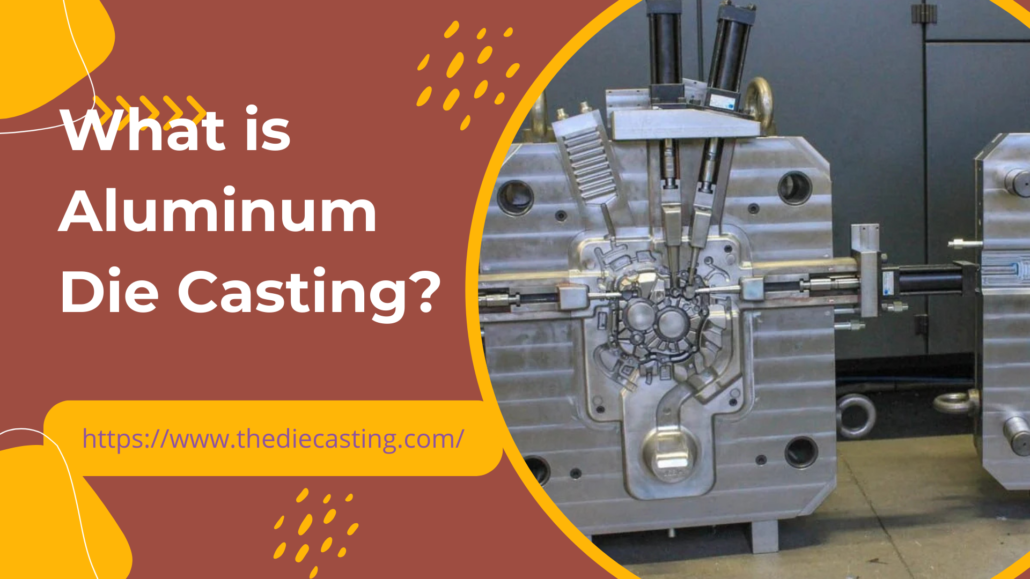
Mi az alumínium öntés?

alumínium öntvény

A nagy pontosságú fémalkatrészek nagyméretű előállításának egyik legnépszerűbb gyártási eljárása az alumínium öntvény. Ez fontos a mai iparágakban, amelyek nagy pontosságú méreteket, mechanikai szilárdságot, kis súlyt és költséghatékonyságot igényelnek.

cink öntvény

Cink Die Casting Defekt hibaelhárítás és minőségbiztosítási tippek

zamak szerszámöntés, Cink öntés

Zinc die casting is a very efficient process of manufacturing, which is widely used in automobile parts, electronic housing, fittings, hardware, medical equipment, and consumer goods. It is appreciated for its ability to create complex geometries with high-quality dimensional accuracy, clean surface finishes, and high production rates. Despite these benefits, zinc die casting is not a technology immune to quality issues. The defects may occur due to irregularities in the materials used, tool capacity, lack of process control, or design. Good defect prevention, problem shooting, and quality control are critical to ensuring uniform quality in production, reducing scrap rates, and enhancing the overall efficiency of the manufacturing process. This paper will provide an in-depth discussion of the most common defects in zinc die casting, their causes, effective corrective actions, and profile best practices to ensure quality in each production cycle. Quality Problems in Zinc Die Casting The process of zinc die casting involves injecting molten zinc alloy under high pressure into a highly machined steel die. The metal’s solidification rate is fast, resulting in short cycle times and high repeatability. Nevertheless, the high pressure and high speed at which the process operates are the same factors that contribute to both its effectiveness and its susceptibility to defects when the parameters are not monitored. Quality control issues in zinc die casting are often associated with mechanical performance, dimensional quality, surface appearance, corrosion resistance, or assembly fit. Most defects are interconnected, as a single root cause can lead to multiple quality issues. It is important to understand the relationships among material behavior, die design, and processing parameters to enable efficient troubleshooting. Zinc Die Casting Defects Most common defects in zinc die casting can be classified by appearance and their effect on part performance. An overview of common defects and their overall effect is given in the following table. Defect type Appearance Impact Porosity Voids or pinhole internally It will reduce the strength It may cause leakage Cold shuts Visible lines and seams This will result in weak bonding between the flow. Shrinkage Cavities and sink marks The dimensions of the parts change. This will lead to measurement inaccuracies. Incomplete filling Missing or thin sections This will cause the functional failure. Soldering Metal adhering to the die This will cause tool damage Cracks Internal or surface fractures This appearance indicates structural damage or failure. Blistering Bubble-like appearance on the surface Poor surface finish Flash Excess of metal at parting lines The aesthetic appearance will be damaged Porosity in Die Castings Zinc Porosity refers to the presence of empty spaces or gas bubbles in the casting. These cavities can be located on the surface or within the body; they are very difficult to detect without sophisticated inspection techniques. Porosity breaks the mechanical integrity of the casting and may result in leakage in pressure-containing components. Porosity type Description Origin Gas Porosity Smooth rounded voids Gas or air gets trapped Shrinkage Porosity Irregular cavities Inadequate feeding Micro Porosity Very fine void Rapid solidification Etiology and Prophylaxis The porosity may result from trapped air during injection, high turbulence in the molten metal flow, or poor die-cavity venting. Gas formation may also be due to high moisture content on die surfaces or due to inappropriate melt temperature. The porosity reduction is achieved by closely controlling injection speed and pressure, venting the dies, and efficiently utilizing vacuum systems where necessary. Maintaining an optimal melt temperature and keeping die surfaces clean and dry will also reduce gas entrapment. In most cases, reconstructing the gating system to facilitate smooth metal flow can go a long way toward minimizing porosity. Cold Shuts and Flow Line Defects Description and Impact Cold shut: This happens when two molten zinc streams meet and do not fuse correctly, leaving a visible seam or line on the casting surface. Such flaws reduce structural integrity and can cause early collapse under mechanical pressure. Root Causes and Solutions Low melt temperature, inadequate injection speed, or long flow paths can lead to premature solidification and cold shuts. Poor positioning of gates and thin wall sections also worsens the matter. To prevent cold shuts, it is necessary to improve the metal’s flow characteristics. These may be accomplished by raising the melt and die temperatures within reasonable ranges, optimizing injection velocity, and redesigning the gates to allow balanced filling. Flow continuity is also enhanced by changing part geometry to eradicate thin sections and acute angles. Zinc Die Casting Defects of Shrinkage Knowledge about Shrinkage Behavior When molten zinc solidifies, it contracts, causing shrinkage. Unless more molten metal is added to offset this contraction, internal cavities or surface sink marks can form. The zinc defects in the form of shrinkage usually arise in the areas of casting that are thick and can be ascertained to have solidified last. Reasons and Remedial Measures Insufficient holding pressure, inadequate feeding system design, or sudden changes in wall thickness are often the causes of shrinkage defects. Uneven cooling rates can also cause localized shrinkage. To prevent it, it is important to design the runners and gates to maintain a constant metal feed throughout the solidification process. By applying higher holding pressure and increasing the time under pressure, molten metal can compensate for shrinkage. Maintaining uniform wall thickness and enhancing thermal balance in the die also minimizes the risk of shrinkage-related defects. Flash Formation and Its Control Description of Flash Flash is in the form of thin layers of excess metal along the die parting line, ejector pin, or in the form of vents. Even though the flash does not necessarily compromise the part’s functionality, it often requires secondary trimming processes and can affect the appearance. Causes and Prevention Flash formation has often been linked to high injection pressure, die component wear, or even die misalignment. Die surfaces can also not seal properly due to foreign material on them. To avoid flash, it is necessary to maintain the correct amount of injection pressure, adequate clamping force, and routine die maintenance. Wearing and damage checking of dies, and

cink öntvény

A legjobb cink öntvény termékek dekoratív hardverekhez

Cink öntés

Zinc die casting is considered one of the preferred production processes for decorative hardware because it can produce complex, high-quality finishes at a cost-effective rate. This is done by forcing molten zinc alloy under high pressure into a precision steel mould to produce parts with superior surface finish, tight tolerances, and intricate geometries. Decorative hardware comprises door handles, cabinet knobs, pulls, hinges, scutcheons, and decorative accents for residential, commercial, and architectural applications. The low melting point (380-390 °C) and high fluidity of zinc allow for finely detailed thin walls (down to 0.5 mm), extended tool life (typically over 1 million shots), and large dimensions. These features make it suitable for decorative works that need to be both appealing and functional in the long term. Finishes such as chrome, nickel, brass imitation, or antique bronze enhance visual luxury and offer corrosion resistance. Ordinary Zinc Die Casting Decorative Hardware Alloys The choice of the right zinc alloy in the production of decorative hardware is critical to the performance, stability, appearance, and overall cost-effectiveness of the products. Zinc alloys are popular because they offer a good compromise between castability, strength, and finish. Alloy Composition Hardness Tensile strength (Mpa) Elongation % Applications Zamak 3 Zn 96% Al 4% Mg 0.03% 82   283   10   Doorknobs, escutcheons, ornamental plates Zamak 5 Zn 95% Al 4% Cu 1% 91   331   7   Cabinet pulls, hinges, locksets. Zamak 7 Zn 95.9% Al 4% Ni 0.02% 80   285   13   Intricate finials, decorative brackets ZA-8 Zn 91% Al 8.4% Cu 1% 103   372   6-10   Heavy-duty hardware like gate latches Zamak 3 The most common decorative hardware application is Zamak 3. It offers great castability, dimensional stability and a smooth as-cast surface. These characteristics make it suitable for door handles, cabinet knobs, rosettes, and other parts exposed to view. Zamak 3 also offers good compatibility with plating, painting, and powder coating, enabling manufacturers to achieve high-quality decorative finishes with minimal surface preparation. Zamak 5 Zamak 5 is enhanced with a small amount of copper, which enhances hardness and creep resistance. The alloy is typically used to make load-bearing decorative hardware, including hinges, locks, latches, and structural fittings. The increased mechanical strength enables the parts to withstand repeated stress and prolonged use, maintain good surface condition, and maintain good dimensions. Zamak 7 Zamak 7 is appreciated for its purity and fluidity. These features make it particularly appropriate for intricate, thin-walled, and ornate designs. It is frequently employed with complex hardware components that require sharp edges, fine finishes, and a high-quality surface appearance. ZA-8 ZA-8 has greater wear resistance and strength than standard Zamak alloys. Its application is commonly referred to as decorative hardware that is higher stress or mechanical load, and both durability and appearance are needed. Best Zinc Die Casting Products of Decorative Hardware Zinc die casting is critical in the manufacture of decorative hardware, as it provides a perfect blend of strength, accuracy, surface quality, and cost-effectiveness. Ornamental hardware accents are not merely useful; they also play a major role in the appearance of doors, furniture, and architectural interiors. Zinc die casting enables manufacturers to form complex shapes with tight tolerances and surface features, making it the choice for both high-end and mass-market decorative hardware. Zinc die-cast products, whether door handles and cabinet pulls, hinges, or ornamental accessories, are designed to withstand heavy use while retaining their beauty. Door Handles and Levers Decorative hardware products, such as zinc die-cast door handles and levers, are widely used for their flexibility in design, mechanical performance, and ergonomic comfort. These parts are typically designed with wall thicknesses of 1 to 2mm, making them very lightweight yet structurally sound. Draft angles of 1 to 2 degrees are commonly used to ensure easy ejection and maintain fine surface detailing. In fact, modern zinc die-cast lever designs are frequently designed with internal springs and mounting provisions. This integration reduces assembly complexity and enhances its smooth operation. These handles are made from high-quality zinc alloys to ensure tensile strengths up to 300 MPa and long-term resistance to bending and deformation. Well-designed zinc levers can withstand 500,000 or more cycles and are therefore used in entry doors, interior passages, and busy commercial settings. Cabinet Knobs and Pulls One of the most economical uses of zinc die casting is for cabinet knobs and pulls, as well as small, very delicate parts. Zinc also has great fluidity, which enables the manufacture of small designs with fine textures, impressed logos, and fine threading. Common cabinet knobs are about 1-1.5 inches in diameter, and common pulls have a 3-12-inch centre-to-centre spacing, all with high dimensional accuracy. Zinc die-cast cabinet hardware is so lightweight (typically 50-150 grams) that it is simple to install and use daily. The texture of the grips and the contour design promote comfortable handling, whereas the inner hardness of the zinc alloys provides resistance to scratches, fingerprints, and wear. Popular finishes include brushed antique brass, satin nickel, and oil-rubbed bronze, which are timeless and will fit both modern and antique furniture designs. Furniture and Door Hinges Hinges made by zinc die casting are appreciated for their smooth operation, consistent dimensions, and ability to incorporate functional features. The typical hinge types are hinges, concealed hinges, and pie-cut corner hinges. These hinges usually have loads of 20-50 kg, depending on the use. Zinc die casting enables the addition of self-lubricating properties, built-in stops, and accurate pivot points, thereby enabling smooth, quiet operation. Close dimensional tolerances of 0.05 mm ensure a tight fit between the doors and frames. Zinc hinges can be used in both the residential and light commercial markets, with nickel plating and other protective coatings providing up to 500 hours of corrosion protection. Keyhole Covers and Escutcheons Escutcheons and keyhole covers can be used to protect as well as be decorative. Zinc die casting allows making thin sections as small as 1 mm, while also enabling high-resolution details of 0.1 mm. Such accuracy enables manufacturers to create

cink öntvény

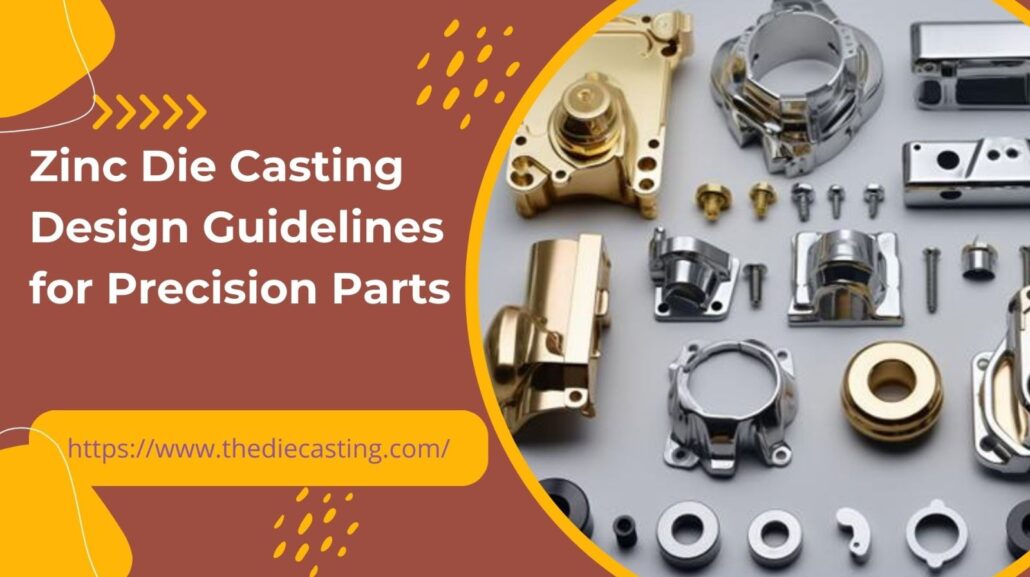
Cink nyomásos öntés tervezési útmutató precíziós alkatrészekhez

zamak 5, Cink öntés

Zinc die casting is a flexible production method which entails an injection of zinc alloy molten matter into a specially designed mold with high pressure in order to create complex and high-precision parts. Such an approach is especially appropriate for precision parts because zinc has high fluidity, a low melting point, and can be machined to tight tolerances without much post-processing. Zamak die casting is used in industries such as automotive, electronics, consumer goods, and medical devices for parts, including connectors, gears, housings, and complex mechanisms that require dimensional tolerances and longevity. Most zinc alloys are processed using hot-chamber machines, which enable quick cycle times and a steady quality. Accurate parts benefit from zinc’s ability to produce thin walls, complex geometries, and net-shape parts, reducing material waste and assembly time. Nevertheless, high success rates are achieved when specific design rules are followed, and material properties, shape, form, and processing parameters are considered. These rules help reduce defects, improve manufacturability, and enhance precision. This article identifies major guidelines supported by industry standards set by organizations to help engineers design zinc die-cast precision parts. Advantages of Zinc Die Casting of Precision Parts The use of zinc die casting offers several benefits, making it one of the best materials for precision applications. Selection Material: Zinc Alloys Selecting the correct zinc alloy is important for precision parts because it affects mechanical properties, castability, and tolerances. The Zamak die-casting series (2, 3, 5, 7) and the ZA series (8, 12, 27) have specific compositions and performance properties. The table below will summarize the kinds of zinc alloy used in the manufacture of precision parts: Types of Zinc Alloy Tensile strength (ksi/MPa) Elongation % Hardness (BHN)   Density g/cm³   Yield strength (MPa) Melting point °C Zamak 2 52/359 7 100 6.6 283 379-390 Zamak 3 41/283 10 82 6.6 269 381-387 Zamak 5 48/328 7 91 6.6 283-269 380-386 Zamak 7 41/283 13 80 6.6 310-331 381-387 ZA 8 54/372 6-10 100-106 6.3 359-379 375-404 ZA-12 59/400 4-7 95-105 6.03 145 377-432 ZA-27 62/426 2.0-3.5 116-122 5.3 N/A 372-484 These properties can be used to ensure that zinc alloys meet precision specifications and that complex parts have high fluidity scores (1-2 on a 1-4 scale; 1 best). To be more exact, manufacturers would want to choose alloys such as Zamak 3 or ZA-8 due to their stability and ability to withstand tight tolerances. Key Design Guidelines Good zinc die casting is designed to facilitate flow and ejection while maintaining strength at minimal cost. Wall Thickness The wall thickness should be uniform to avoid porosity and distortion. For precision parts, keep it within +/-10% and use a minimum thickness of 0.040 inches (1 mm) for a good surface finish, and as fine as 0.020 inches (0.5 mm) in miniature models. Ratios of thick to thin sections should be kept to less than 3:1 to minimize the chance of porosity; preferably the inscribed sphere diameter ratios should not exceed 6:1. Thickening walls enhances flow but raises the cycle time and consumption. To distances away from the ingate, minimum thickness changes: below 0.5 mm in areas less than 50 mm, up to 2 mm at 200 mm. Different simulations can be used to check designs. In zinc casting, specify a minimum of 0.025 inches (0.635 mm) in selected locations, but 0.040 inches (1.016 mm) in best-as-cast locations. Draft Angles Draft angles help eject parts and prevent damage to the die. For zinc, the minimum drafts are 0.5 ° -1 on outside surfaces, 1- -1 on internal surfaces, and 0.1 ° -1 on round holes. Short features that use moving parts (die elements) can be printed in zero, but it is more expensive. For ribs, a 5-10 taper is used when it is not parallel to the shrinkage. Different standards give draft calculations: standard tolerances are 50 (draft angle approximately 1.9 degrees at a 1-inch depth) for inside walls and 100 for outside walls. There are also precision tolerances that permit 60 and 120 constant drafts. Fillets and Radii Fillets and radii should always be added since sharp edges lead to stress concentrations and die erosion. Minimum radius of inside fillet is 0.016 inches (0.4 mm), and outside 0.031 inches (0.8 mm). Radii of larger size (up to 0.063 inches or 1.6 mm) enhance flow and strength. Minimum radii should be used (0.060 inches (1.5 mm) for bosses and ribs). Radius at high stress should not be less than 1 mm; standards suggest ±0.08/±0.04 inches (±2/±1 mm) in fillets. This improves the part’s life and reduces cracking. Ribs and Bosses Ribs enhance reinforcement without adding bulk. Create shallow, rounded ribs (height-to-thickness ratio no more than 3:1) and evenly space them so they are not distorted. Adhesion ribs to walls with fillets to avoid porosity in the intersection. The height of bosses used to mount or thread must be equal to their diameter, and when the diameter is large, they must have ribs. Keep 0.25 inches (6.5 mm) distance between bosses. Tolerances of critical heights can be contained in ribs, such as in the precision designs of ±0.001 inches (±0.025 mm) ribs. Cored Holes and Threads Holes made in the core make it lighter and allow elements such as threads. Maximum depths are around 3 mm diameter, 9 mm blind or 24 mm through; up to 12 mm diameter with larger openings. At least 0.25 inches (6 mm) in diameter, L/D ratio not more than 4:1 in small holes. Parting Line Considerations It is best to place the parting line in the largest section possible to produce the least amount of flash and to allow easy trimming. Vertical or complicated lines should be avoided; die motion plane right angles are best. Tolerances on parting lines are the sum of linear ones, by projected area. Projected area Tolerance (+in) Upto 10 +0.0045 11-20 +0.005 21-50 +0.006 51-100 +0.009 Tolerances of Precision Parts Zinc die casting has even higher precision tolerances than standard, and sometimes 65% of those special controls are

cink öntvény

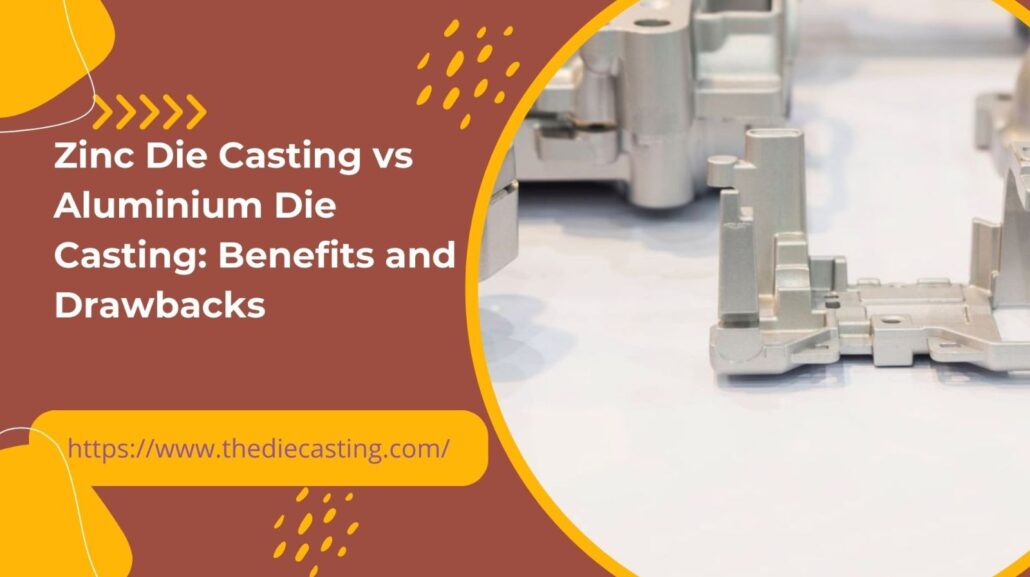
Cink öntés vs. alumínium öntés: öntés: Előnyök és hátrányok

alumínium öntvény, Cink öntés

Az öntés a gyártási ágazatban is életképes és sokoldalú eljárás a nagy pontosságú fémtermékek előállítására. Az alumínium és a cink a legelterjedtebb öntvény ötvözetek közé tartozik. Tegyük fel, hogy Ön egy termék gyártásával, mérnöki tevékenységgel vagy az összetevők felkutatásával foglalkozik, akkor fel kell ismernie a különbséget a cink- és az alumínium-öntés között. Az útmutató segít a gyártóknak kiválasztani a legmegfelelőbb ötvözetet a projektjükhöz, legyen szó autóalkatrészekről, elektronikáról vagy fogyasztási cikkekről. A szerszámöntés olyan eljárás, amelynek során forró olvadt fémet öntünk egy öntőformába nagy nyomás alatt, hogy bonyolult formákat állítsunk elő magas szintű felületi kiképzéssel. Mind a cink-, mind az alumínium nyomóöntésnek megvannak a maga előnyei és hátrányai. Alapos összehasonlításokat, táblázatos, gyors áttekintést és szakmai kommentárokat is nyújtunk, hogy segítsük Önt a megalapozott döntés meghozatalában. A végén világosan megérti majd, mi a különbség a cink- és az alumínium-nyomóöntés között, és mikor érdemes bármelyiket használni. Vizsgáljuk meg a legfontosabb tényezőket. Mi is az öntvényöntés? Gyors áttekintés A cink- és az alumíniumöntés összehasonlítása előtt elengedhetetlenül fontos megérteni a nyomásos öntési folyamatot. A szerszámöntés egy olyan eljárás, amely során az olvadt fémet nagy nyomás (1000-20 000 psi) alatt egy formaüregbe nyomják. Az edzett acél öntőforma vagy szerszám jellemzően több ezer hasonló alkatrész előállítására képes, szoros tűrésekkel. Nyomdai öntési típusok Forró kamrás nyomdai öntés Alacsony olvadáspontú fémeknél, például cinknél alkalmazzák. A fröccsöntőrendszert olvadt fémbe mártják. Hidegkamrás öntés Ez akkor a legjobb, ha a fém magasabb olvadási hőmérsékletű, mint például az alumínium. Az olvadt fém kamrába történő betöltése a gép károsodásának megelőzése érdekében történik. A gyorsasága, pontossága és az összetett minták létrehozásának képessége miatt előnyös, kiterjedt utófeldolgozás nélkül. Ezen a ponton összehasonlítjuk a két sztárötvözetet: a cinket és az alumíniumot. A cink és az alumínium nyomásos öntés elsődleges tulajdonságai A cink és az alumínium nyomásos öntés közötti döntés gyakran az anyagjellemzőkre redukálódik. A cink (és általában Zamak néven ötvözött) és az alumínium (például ADC12 vagy A380) nem azonos szilárdsággal, tömeggel, korrózióállósággal stb. rendelkezik. Szilárdság és tartósság A cinkötvözetek a jelentések szerint nagy ütésállósággal és alakíthatósággal rendelkeznek. Jelentős igénybevételeket képesek elviselni törés nélkül, ami alkalmassá teszi őket olyan alkatrészekhez, amelyeket az öntés után hajlítani vagy alakítani kell. Az alumíniumötvözetek viszont szakítószilárdságban és keménységben felülmúlják őket, különösen a szerkezetekben. Súly és sűrűség A cinkhez képest, amelynek sűrűsége 6,6 g/cm 3, az alumínium könnyebb (d = 2,7 g/cm 3). Ez hozzájárul ahhoz, hogy az alumíniumot olyan iparágakban használják, amelyek kis súlyt igényelnek, például a repülőgépiparban. Olvadáspont és önthetőség A cink körülbelül 380-390 °C-on olvad, ami lehetővé teszi a melegkamrás gépek gyorsabb működését. Az alumínium csak 660 °C-on olvad, ami hidegkamrás eljárásokat jelent, amelyek lassíthatják a termelést, de lehetővé teszik a vékonyabb falakat. Korrózióállóság Mindkettő jó ellenálló képességgel rendelkezik; az alumínium azonban jobban teljesít zord körülmények között, mivel természetes módon védő oxidbevonatot képez. A cink kültéri használata bevonatot igényel. Jellemzők Cink nyomóöntés Alumínium nyomóöntés Olvadáspont 380-390 fok 660 fok Szakítószilárdság 280-400 200-300 Sűrűség 6,6 2,7 Hővezető képesség 109 100-140 Elektromos vezetőképesség Magas Nagyon magas Ütésállóság Duktilis Törékeny Törékeny Korrózióállóság Jó A cink nyomóöntés legjobb előnyei A cink nyomóöntés sokoldalúsága több mint száz éve megbízható megoldássá teszi a cink nyomóöntést. Ezért kedvelik a gyártók: Kiemelkedő méretpontosság A cink 0,05 mm-es vagy annál kisebb pontossággal sértetlen marad, így nincs szükség másodlagos megmunkálásra. A gyártó rendkívüli méretpontosságot érhet el a cink öntőformákkal. Kiváló kivitel A nyersanyag maga is kiváló minőségű kivitelű. Az alkatrészek tisztán jönnek ki, és gyakran nincs szükség további polírozásra a bevonás vagy festés előtt. Hosszabb szerszámélettartam A cink könnyen olvad, így a szerszámok kevésbé kopnak, ami hosszú távon alacsonyabb szerszámköltségeket eredményez. A termékek korrózió- és kopásállóak, ami hosszabb élettartamot eredményez. Gyors gyártási sebesség Az olvadt anyag 15-30 másodperc alatt megszilárdul. Ez teszi alkalmassá a cink szerszámöntést a nagy volumenű gyártásra. A nagyipar a termelés javítására és növelésére használja. Megfizethető kis alkatrészekhez A cink ideális az összetett, kis méretű alkatrészekhez, például zárakhoz, fogaskerekekhez és vasalatokhoz. A súlyérzékeny alkalmazásoknál azonban a cink nagyobb sűrűsége miatt kevésbé kívánatos lehet. A szabványos ötvözetek közé tartozik például a Zamak 3 (általános célú) és a Zamak 5 (nagyobb szilárdságú). Alkalmazások Más iparágakban, például az autóiparban a cinket ajtókilincsekben és konzolokban használják. Az elektronika esetében előnyben részesítik az összeköttetésben, mert képes árnyékolni az EMI ellen. Az alumínium nyomásos öntés előnyei A nagyobb és szerkezeti alkatrészeknél az alumínium nyomásos öntés vezető szerepet tölt be. Előnyei közé tartoznak: Könnyű és erős Az alumínium alkatrészek 50 százalékkal csökkenthetik a termék összsúlyát az acélhoz vagy a cinkhez képest. Az alumínium könnyű, de erős. Ez teszi az alumínium nyomóöntést ideálisvá a nagy szilárdságú alkalmazásokhoz alkalmas termékek előállításához. Kiváló korrózióállóság A legtöbb esetben nincs szükség további bevonatra, ami idő- és költségtakarékos. Az alumínium öntvényből készült termékek hosszabb élettartamúak és sértetlenek maradnak. Jó hő- és elektromos vezetőképesség Az alumíniumot az elektromosság és a hő vezetésére való képessége miatt számos alkalmazáshoz ideális. Tökéletesen használható hűtőbordákhoz, motorblokkokhoz és elektromos házakhoz. Újrahasznosíthatóság Az alumínium nyomásos öntési eljárás a legjobb, mert nagymértékben újrahasznosítható - 100 százalékban újrahasznosított alumínium, összhangban a fenntartható gyártási trendekkel. Vékonyfalú képesség Az alumínium nyomásos öntés akár 0,5 mm vékony falakat is képes előállítani, ami lehetővé teszi az összetett formatervezést. Hátrányok Ellentétek és hátrányok Egyetlen anyag sem tökéletes. A cink nyomásos öntés esetében az alumínium nyomásos öntéssel szemben ezek a hátrányok: Cink nyomásos öntés Korlátozások Alumínium nyomásos öntés Korlátozások Költségek összehasonlítása: Cink szerszámöntés vs. alumínium szerszámöntés A cink szerszámöntés vs. alumínium szerszámöntés jelentős tényezője a költség. A nyersanyagok általában olcsóbbak, a cink (2-3/kg) megszerzése az alumíniummal (2-4/kg) szemben, mégis a szerszámozás és a gyártás

cink öntvény

Vélemények az autóipari alkatrészek cink öntési szolgáltatóiról

Cink öntés

Introduction In the automotive industry, zinc has been a pillar raw material for die casting because it has a remarkable mixture of precision, strength, durability and cost-effectiveness. Automakers are also turning to the use of zinc alloys in those parts that demand tight tolerances, thin walls, high surface finishes, wear and corrosion resistance. This is used in common applications such as door handles, lock housings, seat belt mechanisms, gears, brackets, sensor housings and inner trim pieces. The technology is to inject high-pressure molten zinc into steel moulds, which can be of complex geometry and volumes with limited secondary machining. Chinese Mold Manufacturer has already dominated the world of zinc die casting by being able to offer tailor-made prices, facilities and the necessary certification, such as the IATF 16949, that is required by automobile suppliers. This paper summarizes the top zinc die casting service companies focusing on automotive parts, based on the capabilities of the companies, customer reviews and industry reputation. We are targeting the Chinese manufacturers, who are the major source of worldwide provision of low-priced yet high-quality motor parts. Key Advantages of Zinc Die Casting With the latest development of vehicles towards electrification and lightweighting, zinc die casting services are important to making dependable, high-performance components. The Zinc Die Casting Process Zinc die casting is a very efficient production process that is accurate in making complex metal parts that have superior surface finishes. It is especially well used in the auto industry with parts that have thin wall requirements, are high strength and have better plating compatibility. Just like aluminum die casting, zinc employs the hot-chamber process because it melts at a lower temperature (approximately 420 °C), providing it with short cycle times and extended tool life. Principles of the Zinc Die Casting Process Mold Preparation To ease ejection and temperature control, the steel die (mold) is sprayed with lubricant. The mold is made from strengthen material like steel that contains all the details of the automotive parts. Melting and Injection Zinc alloy (usually Zamak 3, 5 or ZA-8) is melted in a furnace that is connected to the machine. A gooseneck plunger is inserted into the molten metal and forces the final under high pressure (as much as 30 MPa) into the die cavity. Solidification The metal solidifies (a few seconds) in the water-cooled die, and the metal is solidified in its form of choice. Ejection The die is cast, and ejector pins push out the casting. The final shape of the product is solidified. Trimming and Finishing Flash (runners) is removed. The secondary processes, such as machining, plating or powder coating, are included. Trimming the unwanted part of the zinc automotive product is the final step. Why Zinc Die Casting is Superior in Automotive Applications Zinc alloys (i.e., Zamak 3, 5, and ZA-8) have distinct advantages compared to such alternatives as aluminum: High Quality Finish and Surface Finish Zinc fluidity allows adding thinner walls (down to 0.5mm) and finer details to minimize the post-processing. The automotive parts made from zinc have thinner walls and greater strength. Increased Strength and Impact Resistance Suited to components with safety-critical functions such as seat belt retractors and locks. The automakers preferred using these products. Extended Tool Life Due to the low melting point, zinc die casting products’ life is increased, and high-volume runs have reduced costs. Outstanding Plating Compatibility The process of zinc die casting is ideal for exterior or interior parts, as these are chrome-plated. Economical with Medium Volumes The automotive parts made by zinc diecasting use hot-chamber processes and have faster cycle times than aluminum. Zinc vs. Aluminum Die Casting Comparison for Automotive Parts Automotive parts could be made from zinc or aluminum. Here is the comparison table for the users to make the best decision according to their need of product. Features Zinc die casting Aluminum die casting Wall thickness Thinner (0.5-1.5mm) Thicker (2-5mm) Weight Higher High Melting point Low High Thermal conductivity High Low Corrosion resistance Higher Low Impact/strength High impact resistance Greater ductility Tool life Longer Shorter Cost Better for smaller parts Better for larger parts Applications Auto marine Power steering system Fuel system Engine system Automotive components Aerospace House appliances Medical automotive Best Die Casting Providers of Zinc                                                                                      Die Castings China (CNM Tech) This is a company that deals with zinc die casting and aluminum in the automotive parts industry in Dongguan, which is a die-casting hub. They have machines ranging from 120 to 1600 tons and in-house machining, deburring, plating, and powder coating. Strengths full service (one-stop), IATF 16949-certified, high concentration on automotive (e.g., brackets, housings). High-quality deburring provides parts without an accent. Customer Reviews Compliments on consistency, speedy delivery and competitive prices. Plated finishes are ideal for OEMs. Rating 4.8/5 -Dependable when using on mid-to-high volume automotive runs. GC Precision Mold Co., Ltd. GC, a zinc die casting manufacturer, was founded in 1999 in Dongguan, and it provides IATF 16949 certified zinc, aluminum and magnesium die cast. They cover the automotive, electronics and hardware industries. Strengths Large assortment of alloys, integration of CNC machining, and extreme care to tight tolerances. Verified in automotive components such as gears and housings. Customer Reviews Customer satisfaction rating (transparency, responsiveness, and consistency of quality) was high. Customers report about superior English communication. Rating 4.9/5 -Best selection of precision automotive parts. Sincere Tech (Dongguan Sincere Tech Co., Ltd.) Although its major operations are plastic injection and general die casting, Sincere Tech also offers zinc die casting services, together with machining and assembly. They refer to die cast of metal components, including the automobile. Strengths All-in-one services (design to assembly), ISO 9001:2015, 18 plus years of experience. DFM and fluent English assistance. Customer Reviews Favorable response towards project management and problem-solving. Excellent in problem-solving according to foreign clients. Rating 4.7/5: Strong on combined projects of zinc and plastic parts. PHB Inc. PHB is a hundred-year-old American company that deals with aluminum and zinc die casting. They work with large car manufacturers, making components such as drilling, milling

Milyen előnyei vannak a magnézium nyomásos öntésnek az autóipari alkalmazásokban?

Milyen előnyei vannak a magnézium nyomásos öntésnek az autóipari alkalmazásokban?

Magnézium Die Casting

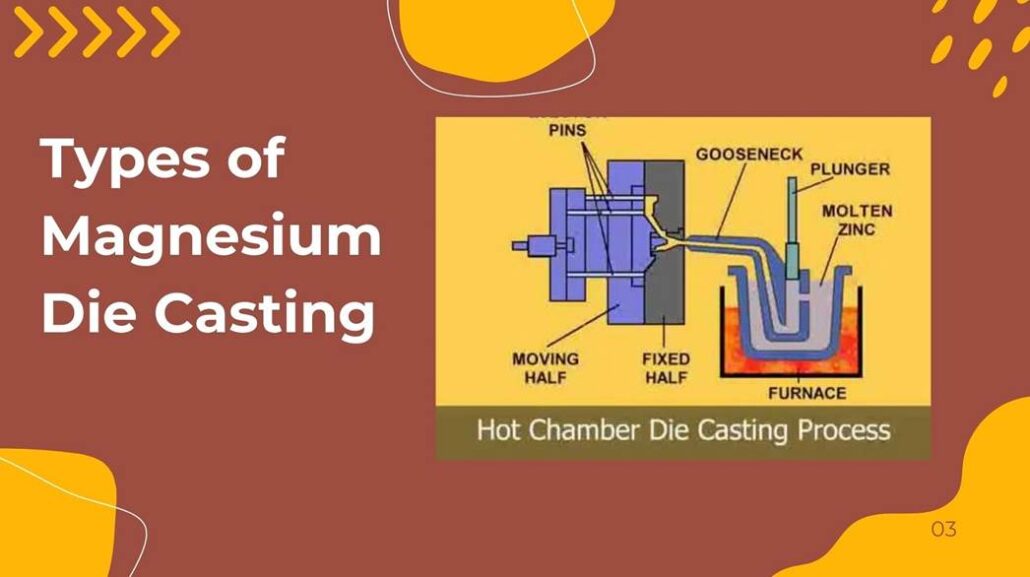
The basic function of die casting is to manufacture automotive parts that are lightweight and have high efficiency. All these requirements have fulfilled with the use of magnesium die casting. Different parts castings are manufactured by using the magnesium die for making automotive parts. All the manufacturers are focusing on making the automotive parts that have great efficiency, and they must be economical. As the world is advancing, the automotive industry is under constant pressure of manufacturing the innovative products. The magnesium alloy die casting has gained popularity over the years. The evolution in the automotive industry, with the increase in production of electric vehicles (EVs), has led to great use of magnesium alloy in parts manufacturing. Some other materials could be used in the production, but magnesium is the lightest. Its use offers great advantages in the automotive industry when it is processed through high-pressure die casting. The article explores the ideas of magnesium die casting, its benefits in the automotive industry and applications as well. In the end, we will provide the information about the future use of the magnesium alloy in die casting in the automotive industry for automakers. What is Magnesium Die Casting? Before getting into the details of the applications and advantages of magnesium alloy die casting in the automotive industry, it is important to understand what magnesium die casting is. Here are the steps involved in the process. Melting the magnesium at 650degC that convert it into a liquid form. Preparing the Mould The initial step in the process of die casting magnesium is the preparation of the mould. The mould is made of a high-strength material. It is lined with the released agent that helps in preventing sticking molten magnesium to the mould. The final release of the automotive parts depends on this step of easy release of the products. It is very important to have a flawless mould to avoid any defects in the final product. Injecting Molten Magnesium The next step is the injection of the molten magnesium into the die. The automakers make sure that the alloy reaches every complex geometry of the mould to get perfect results. The pressure is maintained at around 1500 to 3000 psi during the process. This step is highly precise yet very fast to avoid hardening of the magnesium alloy. Cooling After the magnesium is injected into the mould, the next step is the cooling. It is important to remove the die from the material after cooling and setting. Like any other material, if the structure is complex and have bigger size, it took longer period to cool. In contrast, smaller and thin sized automobiles parts got cooled more easily. Monitored and efficient cooling is required to avoid any cracks in the magnesium die casting product. Ejection and Finishing After the cooling of the magnesium in the die, the ejection from the die is the last step. The process of removing the finished product from the die is known as the ejection. Once the automotive parts are ejected carefully it need some further detailing, like removing and drilling the unwanted parts form final product for finishing. The process of magnesium alloy die casting is essential in making complex and thin-walled automotive parts. Automakers use magnesium because it is the lightest material in the die casting industry for making innovative automotive parts for EV and modern vehicles. Types of Magnesium Die Casting For making different automotive parts, there are basically two types of magnesium diecasting processes. Those are as follows; Hot Chamber Die Casting In the hot chamber, magnesium diecasting is ideal for the low melting point of magnesium. In this process, the die is submerged in the molten chamber and forced into the die. Cold Chamber Die Casting The typical method of magnesium die casting is cold chamber die casting. In this process, the molten magnesium is injected into the unheated moulds in the automotive industry. Why Magnesium is Best in Automotive Applications The combination of physical and mechanical characteristics of magnesium is very special and is very much demanded in the production of vehicles. Advantages of Magnesium Die Casting Substantial Weight Reduction on Vehicles One of the most significant objectives of automotive engineering is weight reduction. Lightweight cars use less fuel, produce fewer emissions and provide improved performance. Magnesium die casting helps automakers to substitute the heavier parts made of steel or aluminum with magnesium without affecting their functionality. The slightest weight cut in each element could produce an enormous weight cut when summed up in a complete car. This benefit is especially important in electric cars that require decreasing the weight of the body to directly affect the range of the battery and its efficiency. Better Fuel Economy and Reduced Emissions Fuel economy is directly influenced by the reduction of vehicle weight. Research continually demonstrates that fuel efficiency increases by 5-7% as the weight of the vehicle decreases by 10%. With magnesium die-cast parts, automakers would find it easier to comply with the tough global emission standards. This becomes particularly significant when the governments of the countries impose the rules intended to minimize carbon emissions and develop sustainable transportation. Magnesium die casting, hence, favors economic and environmental goals. Large strength-to-weight ratio The myth that surrounds lightweight metals is that it reduces strength. Magnesium alloys disprove this assumption. Recent magnesium alloys in die casting have adequate mechanical strength to be applied in automotive parts like steering columns, seat frames, gearbox housings, and structural brackets. These components should be able to withstand the stress, vibration, and thermal changes in the long term. The manufacturers get components that are durable and lightweight through the proper choice of alloys and efficient die-casting processes. Dimensional Accuracy and Design Flexibility Complex and tight geometries can be produced using magnesium die casting. It is possible to make thin walls, complex forms, ribs, bosses and in-built features in one casting. This design allows flexibility, eliminates the secondary machining and assembly, decreasing the cost of production and minimum points of

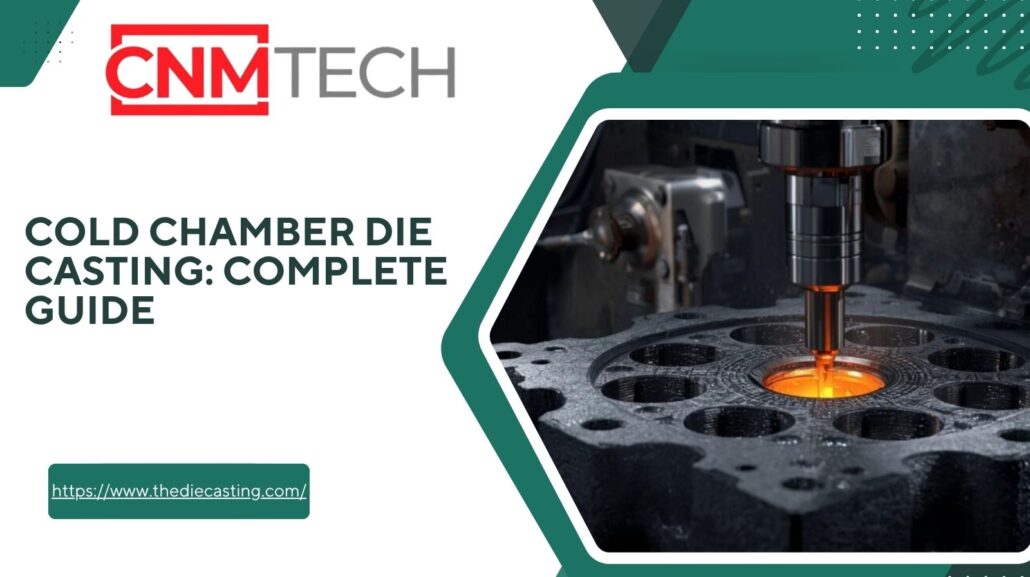
Hidegkamrás öntés: öntvények: Teljes útmutató

öntvényöntés, Die Casting gyártó, öntvény alkatrészek

The cold chamber die casting process is initiated by first ladling molten metal into a separate injection chamber and then forcing it out into a steel mould. This process deals with high melting alloys such as aluminium, copper and magnesium. It is a tight-tolerance, high-pressure production process found in the automotive, electronics, and industrial parts production.  What is cold chamber die casting is and when to use it? Cold chamber die casting is a high-pressure moulding of metals, which would ruin or corrode a hot-chamber system. Practically, the operators melt the metal in a different furnace. Then they pour the molten metal into an unheated shot sleeve. The metal is forced into the closed mould by a hydraulic plunger with extreme pressure. The section hardens very rapidly, and the die is opened to spurt out the casting. This can be used when the alloy is of high melting temperature or where the alloy would corrode injection components, such as aluminium and copper alloys. The process sacrifices speed of the cycle for the scale and flexibility of the alloy.  Cold Chamber Die Casting Process Step-by-Step Cold chamber die casting is one of the most reliable techniques for making high-quality metal parts. Every process must be monitored in terms of temperature, pressure and time. Minor variations can impact the surface finish, strength and dimensional accuracy of the end product. Melting the Metal It starts by melting the metal in a separate furnace. Mostly used are aluminium, magnesium and copper alloys. In the case of aluminium, it is typically 650degC and 750degC. It is necessary to keep the melt clean. The impurities are eliminated by the operator with the help of fluxing agents and skimming tools. In case some oxide or gas is left, it may introduce defects such as porosity or inclusions in the future. In high-tech furnaces, a dosing system is the direct connection between the furnace and a die casting machine of China Cold. This guarantees that the temperature and composition of the molten metal are uniform in each shot. Molten Metal to the Shot Chamber Then molten metal is poured into the shot chamber or shot sleeve. This may be done manually or automatically. Manual ladling is easy, less fast and has more chances of entraping air. Automatic ladling systems, in their turn, provide the accurate amounts of metal with low turbulence. Oxidation and gas inclusion can be prevented by controlling the ladling speed and temperature. Others preheat the shot sleeve a little so that it will not suddenly drop in temperature, to allow the fluidity of injection. 3. Injection into the Die Cavity A hydraulic plunger is used to inject the high-pressure molten metal into the die cavity once it is in the shot sleeve. This is the fundamental phase of the cold chamber die casting. Injection pressure varies between 3,000 psi and more than 20,000 psi, depending on the size of the part and the alloy. The injection cycle normally contains two stages: The timeliness of these phases is critical. Recent China cold chamber die casting machinery, servo-hydraulic systems automatically regulate pressure and speed of every shot and guarantee homogeneity. Solidification and Cooling Opening and Part Ejection Die Once the metal has solidified, the die is opened by the machine, after which ejector pins or robotic arms take the casting out. It should be ejected only when fully solidified; otherwise, it is distorted. In complex shapes, there is more than one ejector pin, which guarantees the clean release of the die cavity. Robots take the parts on the automated lines and place them on conveyors to be trimmed and cooled. This increases handling damage reduction and accelerates production. Trimming and Finishing Inspection and Quality Control The last one is inspection and quality control. Every casting is inspected to guarantee that it has the necessary tolerances and quality standards. Popular types of inspection are: The machinery of modern China cold chamber die casting is usually equipped with sensors and software which keep track of all the parameters – Melt temperature, injection pressure, and die temperature, which enables quality monitoring in real time. Optimisation of process and control The quality of outcomes must rely on controlled quality at each step. Safety and Environmental Factors Usually used materials and alloys. The use of a cold chamber is preferred in alloys which cannot be utilised in hot-chamber machines. Most common materials used include aluminium alloys, magnesium, copper and a few combinations of zinc andaluminiumm where corrosion of the injection mechanism should be prevented at all costs. In the automotive structural parts, aluminium alloys prevail. Magnesium is applicable in situations where very lightness is an issue. Both alloys have their own melting point, fluidity and shrinkage behaviour, which need to be handled in mould design and process parameters.  Machinery and features – such as the China cold chamber die casting machine choice. Die casting machines: The Cold chamber die casting machines are made of a robust frame, high pressure injection unit, a hydraulic system and the control electronics. The modern machines provide servo-hydraulics to save energy and enhance control, computer controls to make the shot profiles programmable and integrated auxiliary systems such as die temperature controllers and automatic ladling systems. It is also possible to find China cold chamber die casting machine suppliers that offer a large variety of models and different price ranges in case you are sourcing machines. There are compact models of Chinese manufacturers that fit small shops and large tonnage machines that are appropriate to high-volume production. Chinese constructors tend to package melting and handling equipment to provide a turnkey line as well. Compare machines in terms of check maximum clamping force (tons), volume in the shot, speed control in an injection, die size, and automation.  Essentials of tooling and die design The hardened tool steel is normally die (mould. The design of the die should permit a controlled flow of metals and escaping gaseous air,  and gating and runners geometry and cooling channels in order to

Fekete nikkel galvanizálás: Fémezés: Teljes útmutató

Fekete nikkel galvanizálás: Fémezés: Teljes útmutató

Nikkelezés

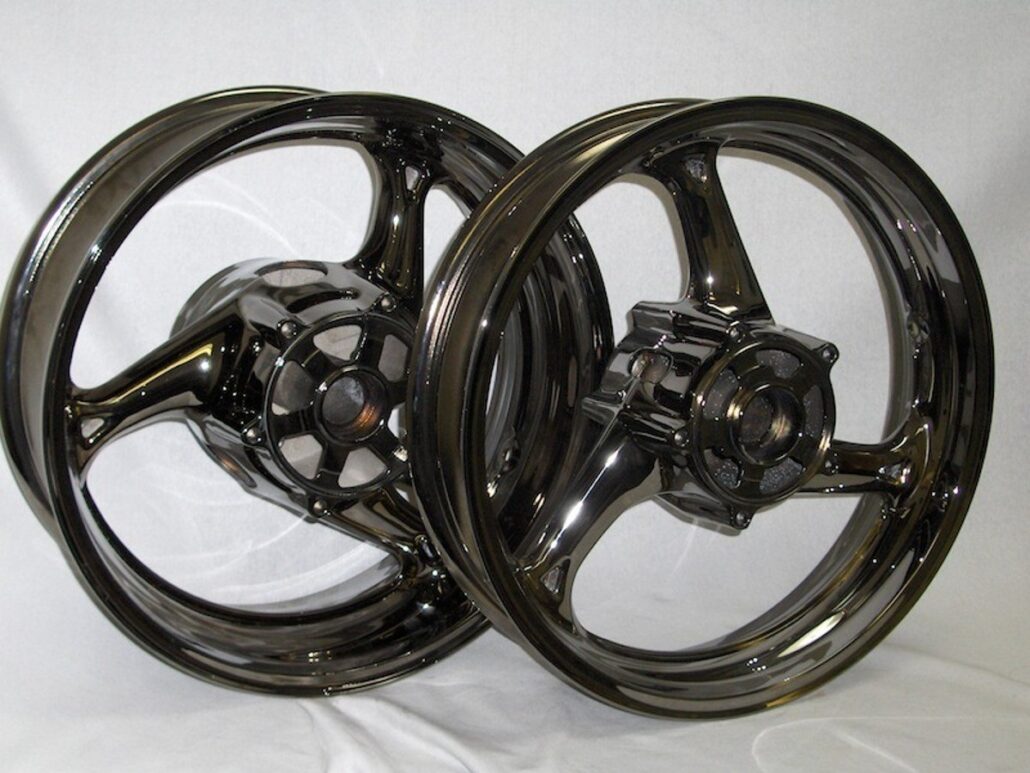
Black nickel electroplating is one of the common ways of finishing, which enhances the appearance and longevity of metal pieces. It gives it a smooth dark appearance and enhances corrosion resistance and hardness of the surface. This has made it popular in most sectors, such as the automotive industry, electronics, jewelry, and ornamental hardware. The question of nickel plating aluminum has been a subject of debate among many novices and experts, as the natural oxide layer on aluminum makes it harder to plate. The nickel layer can fail to stick on efficiently without proper preparation, whereby it can peel or result in an uneven outcome. The other question that is frequently asked is whether black nickel electroplating is possible at home or in a small workshop. Small-scale arrangements can be made, but professional processes result in more reliable and stable outcomes. Black electroplated nickel is a valuable material because it has a protective value as well as an aesthetic value. The black finish gives a modern and sophisticated appearance to the tools, trims, jewelry, and industrial parts. In this manual, we shall discuss the entire process of black nickel electroplating. You will get to know the preparation of the surfaces, the plating process, the post-treatment process, and typical pitfalls. At the end, you will know why black nickel is the most used finish in comparison to other finishes and the way it is both functional and decorative. What does Black Nickel Electroplating mean? The black nickel electroplating is an electrochemical process whereby an alloy of nickel is deposited onto a metal surface. In contrast to conventional nickel plating, the final finish is a dark, matte, or semi-gloss finish. This renders it very much sought after as a decoration. The process also makes the metal surface strong, which makes it less susceptible to scratches, wear, and corrosion. During aluminum plating, it is more complicated. Naturally, metallic oxide is formed on aluminum, which inhibits the adhesion of the metal. This is the reason why the nickel plating of aluminum must be specially cleaned and pre-treated before applying the black nickel layer. Nevertheless, black electroplated nickel has great protective qualities and a dark appearance as well. Benefits of Black Nickel Electroplating Corrosion Resistance Corrosion protection is one of the primary reasons why electroplating black nickel would be chosen. The nickel layer protects the underlying metal against the environmental factors, including moisture, salt, and chemicals. This is especially crucial concerning car components, hardware devices, and factory equipment. Enhanced Surface Hardness Nickel electroplating black enhances the hardness of surfaces. This enhances wear resistance and reduces scratches on the parts. This additional durability is highly valuable to tools, machine components, and hardware. Aesthetic Appeal The black nickel is dark and classy, and the finish is appealing to the eyes. It finds extensive application in decoration, jewelry, car interiors, and electrical casing. Although the conventional nickel plating results in a bright silver appearance, black nickel creates a modern and high-quality appearance. A Longer Life and Economy Black nickel plating increases the life of parts by coating them so that they do not corrode or wear out. This lowers the maintenance and replacement expenses and is therefore an affordable solution for both the industries and hobbyists. Versatility Black nickel plating may be done on metal, such as aluminum, steel, and brass. This flexibility makes it suitable for a large variety of applications. Nickel Plating Aluminum Problems Although nickel plating of aluminum can be done, there are difficulties with it. The natural oxide layer of aluminum is an obstacle to the adhesion of the nickel layer. It is important to clean, etch, and activate the pre-treatment steps to get successful plating. Lack of proper preparation will result in peeling, uneven coverage, or flawed quality of the finish. The other difficulty is the ability to control the final color. Black nickel electroplating may be darker or uneven when the parameters of the plating are not optimized. It is due to this reason that professional setups are usually suggested for industrial-grade output. Black Nickel Electroplating Process Step-by-Step Surface Preparation Surface preparation must be done properly. Wash the aluminum or other metal to eliminate grease, dirt, and oxidation. In the case of aluminum, the zinc casting step is regularly carried out. This forms a thin layer of zinc, which enhances the adhesion of the nickel. Wash it after cleaning and activation. Electroplating Setup Warm the black nickel bath using the suggested chemicals and temperature levels. Power supply is needed to deliver the current needed. The workpiece should then be connected as the anode and a cathode material (usually lead or stainless steel) to complete the circuit. Electroplating Process Add the metal piece to the black nickel solution. Connect the electric current according to the specifications of the bath. The nickel ions get deposited on the metal surface, forming a dark colored and uniform, and protective coating. Temperature, current, and plating time are to be closely observed. Rinsing and Drying Plate. Rinse the part under clean water to cleanse the part of the remaining chemicals. Wipe to avoid water spots or areas that which is unevenly finished. Post-Treatment Heat curing or sealing may be done after treatment in order to enhance corrosion resistance and hardness. This is done to ensure that the plated layer is long-lasting and tough. Uses of Black Nickel Electroplating Jewelry and Accessories Jewelry is made to look smooth and modern with the help of black nickel. Both rings, bracelets, and watches enjoy the advantage of being aesthetically appealing as well as corrosion-resistant. Automotive Industry Trims and handles on the car, as well as decorative pieces, are usually black nickel-plated. This offers durability and a high-quality look. Electronics and Hardware Electroplating black nickel on electronic housings, switches, and connectors is also aimed at preventing wear and making them more aesthetically attractive. Industrial Tools Black electroplated nickel is useful in parts and tools of machines as it enhances the hardness and longevity of the machinery. Mistakes in Black Nickel Electroplating

Görgessen a tetejére

Kérjen árajánlatot