Egyedi alumínium gyártás Minden, amit tudni kell

Egyedi alumínium gyártás: Alumíniumgyártás: Minden, amit tudni kell

Alumínium gyártás

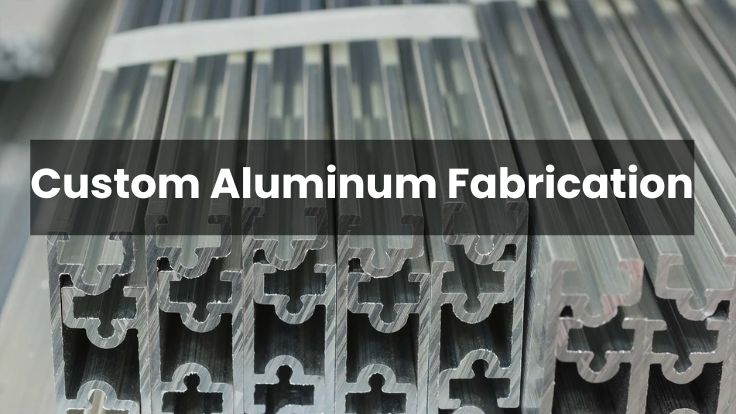
Az egyedi alumíniumgyártás számos iparág pillére lett az innováció és a tervezés mai korszakában. Akár repülőgép-alkatrészekben, épületekben vagy hidakban használják, az alumíniumot ereje, alakíthatósága és korrózióállósága miatt használják. Ez nem csak az alumínium beszerzésére vonatkozik, hanem annak speciális követelményekhez való alakítására. És ez az, ahol az egyedi alumíniumgyártás fogalma a csúcson van, amely személyre szabott megközelítést nyújt az ipari szerkezetek, valamint az otthoni belső és külső terek igényeihez. A szénacél azért ideális, mert az egyedi gyártás során ilyen rugalmasságot kaphat, hogy nagyon különleges igényekre szabhassa, ellentétben a szabványos fémalkatrészekkel, amelyek tömeggyártása korlátozott rugalmassággal történik. Építészeti hangsúlyok, gépházak vagy egyedi bútorok tervezésénél és létrehozásánál az alumínium az erő és a megmunkálhatóság optimális kombinációját képviseli. A lépések közé tartozik az alumíniumból készült elemek vágása, alakítása, hegesztése és összeszerelése olyan termékekké, amelyek jól néznek ki és célt szolgálnak. Ahogy a gyártástechnológia fejlődik, és ahogy a személyre szabottabb problémák megoldásának igénye növekszik, a polgárok kifejezetten a következő kifejezést keresik: egyedi alumíniumgyártás a területemen, hogy megvalósítsák ötleteiket. Megbízható üzleti jelzést kereső vállalatként vagy tervezői szándékkal rendelkező lakástulajdonosként egy tapasztalt egyedi alumíniumgyártó garantálja, hogy olyan megoldást kapjon a projektjére, amely megfelel az elképzeléseinek és évekig tart. Ez a cikk részletesen beszél a teljes egyedi alumíniumgyártási folyamatról, annak előnyeiről, alkalmazásairól és arról, hogyan találja meg a megfelelő partnert a következő projektjéhez. És itt az ideje, hogy belépjen a fantázia a fém készen áll, hogy megfeleljen az Ön egyedi megoldásának. Mi az egyedi alumíniumgyártás? A legegyszerűbben fogalmazva, az egyedi alumíniumgyártás egyszerűen az alumínium tervezése, vágása és alakítása, hegesztése és összeszerelése egy teljes termékké, amely megfelelhet az ügyfél egyedi igényeinek. Ez lehet olyan egyszerű konzol vagy akár olyan bonyolult, mint a gépdarabok. Az alumíniumot ezekben a műveletekben használják, mivel könnyű, de erős, és nem rozsdásodik vagy korrodál. Az alumíniumot az teszi naggyá, hogy megmunkálható. Formálható, hegeszthető és megmunkálható, valamint könnyen hajlítható. Lehetővé teszi a kreativitást a szerkezeti és az esztétikai felhasználás terén egyaránt. A tapasztalt személyzet különböző szerszámokat és gépeket kezel, hogy az alumíniumlemezeket vagy extrudálásokat hasznos termékekké alakítsa. Miért alumínium? Az is a legjobb, ha tudjuk, miért alumíniumot széles körben használják az egyéni fémipari munkák előtt megvitatása mélyebben a:. gyenge, mégis stabil: Az alumíniumnak nagyszerű az erő és a súly aránya. Ezek az előnyök tették az alumínium egyedi gyártás kifejezést az egyik lehetőségként számos iparágban. Mit jelent a Custom szó jelentése? Az egyéni kifejezés az, amit egy egyén vagy egy cél érdekében gyártanak vagy hoznak létre, szemben valamivel, ami általában tömeggyártott vagy szabványos. Másképpen fogalmazva, ha valami egyedi, akkor azt úgy készítenék, hogy éppen az Ön igényeihez igazodjon, vagy amit Ön szeretne, vagy amit kifejezetten Ön szeretne, hogy elkészüljön. Példák: Így amikor egyedi alumíniumgyártásról beszélünk, akkor az egyedi kifejezés azt a tényt hangsúlyozza, hogy az alumíniumból készült darabok vagy termékek egyedileg készülnek egy adott ügyfél vagy alkalmazás, vagy tervezés számára, ezért specifikusak és testre szabottak. A gyártási folyamat Egyedi alumínium kialakítás több különböző létfontosságú folyamatot foglal magába: 1. Tervezés és tervezés Az ügyfelek jönnek az ötletükkel vagy rajzukkal, vagy alkalmazásukkal. A gyártó elemzi a specifikációkat, és ajánlja a legmegfelelőbb alumíniumformát és az alkalmazandó eljárást. 2. Vágás és alakítás Az alumíniumot fűrész, lézer vagy CNC-gépek segítségével vágják a kívánt formára. Van hajlítás, alakítás, hogy a kívánt pontos szerkezetet vagy kontúrt előállítsák. 3. Összeszerelés és hegesztés A darabok összekapcsolására speciális alumíniumhegesztési módszereket, például a TIG hegesztési technikát alkalmazzák. A szoros felépítés garantálja a stabilitást és a szépséget. 4. Befejező simítások A darabot végül csiszolják, polírozzák, festik vagy eloxálják ,a kívánt megjelenéstől és védettségtől függően. Ezek a kezelések hozzáadott értéket képviselnek, különösen azoknál az alumínium termékeknél, amelyek ki vannak téve az elemeknek vagy ki vannak állítva, amelyeket egyedi alumíniumból készült termékekként márkáznának. Gyakori alkalmazások Alig van korlátja annak, hogy mit lehet előállítani az egyedi alumíniumból készült termékek segítségével: Amikor az egyének keresni fognak a keresőmotoron az egyéni alumíniumgyártás a közelemben, akkor általában szükségük van egy képzett helyi gépműhelyre, hogy ezeket az elképzeléseket végrehajtsák és valósággá tegyék. A megfelelő gyártó kiválasztása Nem minden alkalommal könnyű dönteni az egyéni alumíniumgyártók kiválasztásának alternatívái között. Olyan sok üzlet van, amelyek fagyasztó üzletekként határoznák meg magukat, hogy nagyon fontos, hogy keressenek néhány tulajdonságot: Amikor meglátogat egy keresőmotort, és beírja az egyéni alumíniumgyártás a közelemben, nem szabad csak a távolságot figyelembe venni. Ellenőrizze egy üzlet képességeit, visszajelzéseit és korábbi munkáit, hogy megbizonyosodjon arról, hogy minden megfelel. Az egyéni gyártás előnyei A nem általános jelleg nem az egyetlen célja az egyéni gyártásnak; nagyon is valós, gyakorlati előnyei vannak: Ezért a számos iparágban az egyéni alumíniumgyártás fogalmai a pénzt a szükséges alkatrészekbe és berendezésekbe helyezik. Alumínium vs. más fémek az egyedi gyártásban Az anyagok kiválasztásához egy gyártási projektben fontos, hogy legyen háttérismerete arról, hogy melyik fém jobb a többiekhez képest, és az alumínium sem kivétel. A fémek sajátos tulajdonságokkal rendelkeznek, amelyek befolyásolják alkalmazásukat a súly, a szilárdság, a költségek és a felhasználás szempontjából, amelyre alkalmasak. Ez egy bontás: Alumínium Az alumínium könnyű anyag, ellenáll a rozsdásodásnak és erős. Általában olyan gyártási munkáknál alkalmazzák, amelyek tartósságot igényelnek, de nem akarják a túlsúlyt. Ez is könnyen vágható, hajlítható és hegeszthető, és ez teszi ideális anyaggá az egyéni alumíniumgyártásban. Emellett az alumínium teljesen újrahasznosítható, és ez is
Hogyan találjuk meg a legjobb alumíniumgyártók a közelemben

Hogyan találjuk meg a legjobb alumíniumgyártók a közelemben

Alumínium gyártás

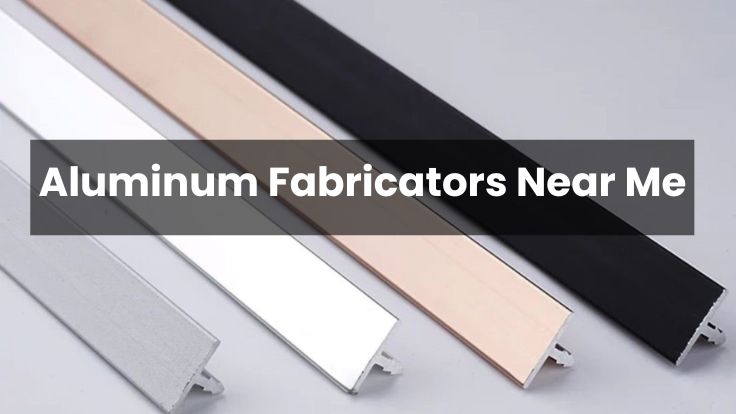
Az alumíniumgyártás fontos része a mai építőiparnak, gyártásnak és tervezésnek. Egyedi kapukban, gépkeretekben vagy ipari panelekben az alumínium tartós, könnyű és korrózióálló. Ez a létező legsokoldalúbb fém, és ez a rugalmasság alkalmassá teszi arra, hogy több ezer felhasználási célra alkalmazzák - a kis lakóépületektől a nagy kereskedelmi projektekig. Amikor valaki az internetet használja, hogy megtalálja a dolgokat, mint például hol lehet alumíniumgyártást vásárolni a közelemben, az ember valószínűleg helyi, tehát helyi szakembereken keresztül megy, akik vágni, formázni és kézműves alumíniumot úgy, hogy az illeszkedjen egy adott projekthez. Ezek a létesítmények kínálnak, mint a teljes, mint a lemez vágás, extrudálás a hegesztés, befejező és telepítés. A sífelvonó gyártók nagyon jól képzettek a különböző minőségű és vastagságú alumíniummal történő munkavégzés módszerében, hogy a végtermékben pontosság és erő legyen. A kivitelezés nagy választéka is lehetséges (power coating vagy eloxálás), hogy a gyártási folyamat során fokozzák az esztétikát és a teljesítményt. Függetlenül attól, hogy a funkcionalitás, a szépség vagy mindkettő érdekli, a megoldás könnyen megtalálható, ha a helyi találatok böngészésével a hozzám közeli alumíniumgyártók lehetőségeinek keresésével keres. Ez a cikk végigvezeti Önt mindazon, amit az alumíniumgyártásról, a helyi szakértelem fontosságáról és arról, hogyan válassza ki a tökéletes alumíniumgyártókat az Ön közelében a projekt vagy koncepció megvalósításakor. Mi az a gyártás? A modern építés és a termékek fejlesztése megköveteli a gyártás művészetét. Ez az az eljárás, amely a nyersanyagokat, különösen a fémeket, hasznos és testre szabott részekké és szerkezetekké alakítja át. Betekintés a Fabrication szóba Alapvetően a gyártás úgy írható le, mint a nyersanyag vágásának, alakításának, összeszerelésének és végső termékké történő befejezésének művelete. Mindazonáltal a tömeggyártással ellentétben, ahol minden esetben ugyanazt a terméket állítják elő, a gyártás nagyon egyéni és projektorientált lehet. Ez különösen igaz az alumíniumgyártó vállalkozásra, ahol minden egyes darabot személyre szabottan kell kialakítani a szilárdság, az esztétikum és a felszereltség tekintetében. Az okok, amiért az alumínium tökéletes a gyártáshoz Az alumíniumot széles körben használják a gyártásban alacsony súlya, szilárdsága, korrózióálló jellege és sokoldalúsága miatt. Összetett mintázatokká alakítható, és mégis tartós. Ezért van az, hogy amikor az emberek alumíniumgyártást szeretnének találni, akkor a keresőben beírhatnak egy olyan kérést, mint az alumíniumgyártás a közelemben. Az emberek pedig általában az egyedi gyártás iránt érdeklődnek, hogy építészeti, ipari vagy akár művészeti igényekkel foglalkozzanak. Az alumíniumgyártás fontos folyamatai Az alumíniumgyártás magában foglal néhány elsődleges technikát, amelyek a következők: Hegesztés: A darabok összekapcsolása hő segítségévelVágás: A vágás globálisan lézerrel, impulzusfúvókával vagy homokkal történik.Formázás: Az alumínium hajlítása/hengerlése a kedvező formák elérése érdekébenKikészítés: megjelenés, homokfúvás, festés, bevonat és védelem. A befejezés befejezésének befejezéséhez olyan befejező eljárások alkalmazása, mint a homokfúvás, festés vagy bevonat. Ezek az eljárások szakértelmet igényelnek, különösen az alumíniumot használók, mint az alumíniumgyártók, akik jól ismerik az alumínium különleges tulajdonságait. Bármilyen hibás technika tönkreteheti a szilárdságot vagy a megjelenést. A helyi alumínium szakemberek része A helyi szakemberek által nyújtott szolgáltatások közelsége azzal az előnnyel jár, hogy felelősségre vonható és helyszíni kiszolgálással jár. Ha időérzékeny vagy személyre szabott feladatot kell megoldania, akkor a keresés segítségével a következő szavakra való keresés segítségével offline is találhat időt az együttműködésre: alumíniumgyártók a közelemben, mivel így megbeszélheti a tervezési változásokat, vagy akár meg is látogathatja az üzletet. Ez segíti Önt a gyorsabb szállításban, a jobb kommunikációban és a személyre szabott eredményekben. Mit jelent az alumíniumgyártás? Mielőtt rátérnénk a tippekre, hogyan szerezzen szolgáltatásokat a helyi területen, fontos, hogy világos képet kapjunk arról, hogy mit jelent az alumíniumgyártás kifejezés. Egyszerűen fogalmazva, az alumíniumgyártás magában foglalja az alumínium alakítását, vágását és összekapcsolását a késztermékek vagy alkatrészek készítésének befejezéséhez. Ezek közé tartozhatnak az ablakkeretek és a táblák az ipari berendezések kifinomult részeihez. Az általános fémmegmunkálással ellentétben az alumíniumgyártás folyamatában egy személynek különleges tudásra és eszközökre van szüksége. Az alumínium nem olyan, mint az acél vagy a réz; lágy, és érzékeny a hőre. Ez azt jelenti, hogy bárki nem tud vele megfelelően dolgozni. A tapasztalt alumíniumgyártók pontosan tudják, hogyan kell kezelni ezeket a tulajdonságokat, hogy hosszú távú eredményeket garantáljanak. Az ok, hogy válassza ki a helyi alumíniumgyártók Near Me. A keresés a kifejezés alumínium fabricators near me, akkor nem csak keres kényelmet, ez is a munka minősége, a kommunikáció és a bizalom. A helyi szakértőkkel való együttműködésnek számos egyedi előnye van. 1. Személyes kommunikáció: Egyszerűbb szemtől-szemben leírni, hogy mire van szüksége, és megnézheti a referenciákat vagy a korábbi munkák példáit. 2. Csökkentett átfutási idő: A helyi üzletek kiküszöbölik a szállítási időt és a késedelmeket. 3. Kényelem a közös munkában: Könnyebb utólagos változtatásokat, módosításokat vagy nyomon követést végezni a gyártóval, amíg Ön a közelben van. Mindenekelőtt, valami, amit a hozzám közeli alumíniumgyártók megértik, az az Ön helyi szabályozása és éghajlati viszonyai, ami azt jelenti, hogy képesek tanácsot adni arról, hogy milyen kivitelben vagy szerkezeti megoldásban a legjobb, tekintettel arra, hogy mi szükséges ott, ahol él. Fontos alumíniumgyártási technikák Az alumíniumgyártási folyamat magában foglalja az alumínium korpa gyakorlati szerkezetté vagy alkatrésszé alakításának technikai és precíz műveleteinek sorát. Ha rákeres a kifejezésre, alumíniumgyártás a közelemben, valószínűleg olyan szakértőket keres, akik egy helyen nyújtanak különféle ilyen szolgáltatásokat. Most megismerkedhetünk az iparág által napjainkban alkalmazott legjelentősebb eljárásokkal. 1. Vágás A gyártási folyamat kezdeti szakasza a vágás, amely az alumíniumlemezek, -csövek vagy -rudak kívánt méretre való csökkentését jelenti. A lézer, a vízsugarak, a plazmavágók és a fűrészek azok közé az eszközök közé tartoznak, amelyek lehetővé teszik a feldolgozók számára a tiszta és pontos vágások elérését. A pontosság ebben a fázisban a projekt sikerének kulcsának tekinthető, és ez alól a professzionális alumíniumgyártók megközelítése sem kivétel. 2. Formázás

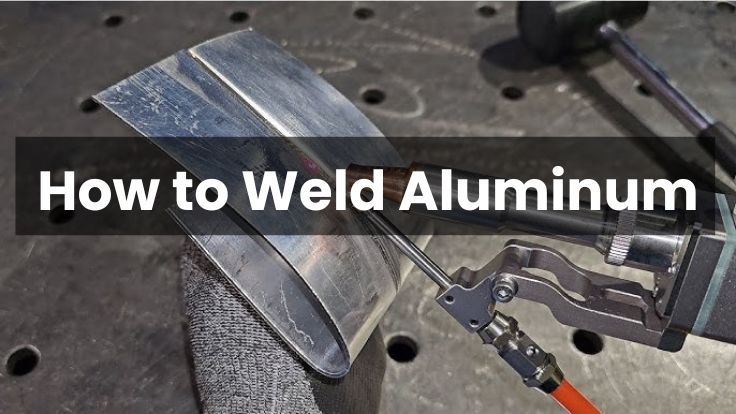
Hogyan kell alumíniumot hegeszteni: Tippek, eszközök és technikák

Hogyan kell alumíniumot hegeszteni: Tippek, eszközök és technikák

Alumínium hegesztés

Az alumínium egy olyan gyakori fém, amelyet könnyű súlya, korrózióállósága és szilárdsági tulajdonságai miatt az évek során használtak, és így létfontosságú az olyan iparágakban, mint az autóipar, a repülőgépipar és az építőipar. Mindazonáltal az alumínium hegesztésének tanulási folyamata nem olyan lecsupaszított, mint az acél vagy vas hegesztésekor. Az alumínium olyan érdekes tulajdonságai, mint a nagy hővezető képesség és a könnyen kialakuló védő oxidbevonat különleges modus operandi-t és finom tapintást követelnek. Az alumíniumhegesztés még egy kezdő számára is könnyen elvégezhető, amennyiben ismeri a megfelelő technikákat, felszereléseket és biztonsági intézkedéseket. Ehhez tiszta munkafelületekre és megfelelő töltőanyagra van szükség, míg a berendezések beállítása létfontosságú. Az alumínium az acéllal ellentétben nem színeződik el az olvadás előtt a helyzete, ami megnehezíti a szükséges hőmennyiség megbecsülését. Ráadásul lágy, ezért gyorsan elhajolhat vagy leéghet, ha nem megfelelően manipulálják. Az emberek gyakran felmerül a kérdés, hogy lehet-e alumíniumot hegeszteni a hegesztéshez kapcsolódó egyszerű, hétköznapi elemek között. Igen, de az eredmény az Ön felkészültségén, gyakorlatán és módszereinek beállításán fog alapulni. A TIG- és MIG-hegesztéssel a ritkább módszerekig, mint a pálcika- vagy az oxigénüzemű hegesztés, minden feladatra és munkára van megfelelő módszer. Ebben az útmutatóban tippeket, szerszámokat és a leggyakoribb hibákat találja, hogy biztos lábakon álljon az alumínium biztonságos és hatékony hegesztésében. Ahogy időt és tapasztalatot szerez, tiszta, jó hegesztési varratokat készíthet alumíniumból, akár otthon, egy műhelyben is. Mi az alumínium hegesztése? A hegesztési folyamat két vagy több alumínium fémdarab összekapcsolása hő és esetlegesen töltőanyag segítségével. Általában egy autóipari vállalathoz, a repülőgépiparhoz, a tengeri iparhoz és az építőiparhoz igazodik, mivel az alumínium csontkönnyű és nem karcolódik el könnyen Mindazonáltal az alumínium hegesztésének témája bonyolultabb, mint az acél hegesztése. Ez azért van így, mert az alumínium: Miben különbözik az alumínium hegesztése? Az alumínium, mint fém, egészen más, és mielőtt belevágnánk abba, hogyan kell alumíniumot hegeszteni, fontos megállapítani, hogy mi teszi egyedivé. Az acéllal ellentétben az alumínium is lényegesen alacsonyabb hőmérsékleten olvad (körülbelül 660 C vagy 1220 F), és az olvadás előtt nem változik a színe. Ez azt jelenti, hogy hajlamos a túlmelegedésre és az égésre, ha nem jól kezelik. Ráadásul, ha az alumínium a levegőn van, azonnal kialakul egy vékony oxidfilm. Ez az oxidréteg 2000-nél nagyobb hőmérsékleten (közel 3700 ) megolvad, így a hegesztőanyag nehezen hatol be a varratba. Ezért az alumíniumhegesztést általában gondosan elő kell készíteni és fel kell szerelni. Javaslatok egy új hegesztő alumínium TIG hegesztéssel Az alumínium hegesztése TIG hegesztéssel jó készség, és megtévesztő lehet egy amatőr számára. A megfelelő eljárással és előkészítéssel tiszta, szilárd hegesztési varratokat érhet el. Az alábbiakban öt fontos tipp következik, amelyek a helyes útra terelhetik Önt. 1. A fémet alaposan meg kell tisztítani A hegesztés előtti időben győződjön meg arról, hogy az alumínium tiszta. Az oxidréteget egy speciális rozsdamentes acél drótkefével kell eltávolítani, majd acetonnal letörölni, hogy az olajok vagy a nedvesség eltűnjön. Az alumínium rendkívül érzékeny a szennyeződésekre, és egyetlen szennyeződés- vagy zsírfolt is jól tönkreteheti a hegesztést. A tiszta felületek jobb ívstabilitást és szilárd kötéseket garantálnak. 2. Állítsa a gépét váltóáramra és egyensúlyozza ki Alumínium hegesztésénél mindig előnyösebb, ha a folyamatot váltóárammal (AC) befolyásolja. A váltakozó áram egyszerre kínálja az alapfém behatolását és az oxidfilm tisztítását. Hangolja be az ilyen tisztító hatást a TIG egyensúlyszabályozó beállításával. A legtöbb alumínium munkánál előnyös, ha a beállítást az elektródák körülbelül 65-70 százalékos negatív értékénél kezdjük. A helyes egyensúly javítja a minőségi hegesztést és a kevesebb szennyeződést. 3. Alkalmazza a megfelelő volfrámot és alakítsa a megfelelő módon Az alumínium TIG-hegesztéséhez a legjobb elektródák a tiszta volfrám vagy a 2% lantanált volfrám. Az acélhoz képest az alumínium hegesztéséhez lekerekített vagy gömbölyített hegyre van szükség a stabil ív fenntartásához, ellentétben az acél esetében, amely éles volfrámhegyet alkalmaz. Abban az esetben, ha az ív instabillá válik vagy vándorolni kezd, akkor lehet, hogy itt az ideje a volfrám újracsiszolásának vagy cseréjének. A jól csiszolt elektróda kulcsfontosságú tényező a hegesztések megkönnyítésében és pontosságában. 4. Lábpedál vezérelt hő Az alumínium gyorsan felmelegszik és tovább tartja a meleget az acélhoz képest. Túlzásba vitt hő átégést vagy torzulást eredményez. 1- A lábpedál lehetővé teszi az áramerősség szabályozását a hegesztési folyamat során, ahol forrón kezd, hogy tócsát képezzen, majd visszavesz, amennyit csak akar. Ez lehetővé teszi, hogy jobban ellenőrizze a hegesztési tócsát, és kisebb a túlmelegedés kockázata, mivel ez vékonyabb anyagokkal történik. 5. Gyakoroljon selejteken, mielőtt hegeszti a projektet Gyakoroljon a tényleges projektben használt alumíniumhulladékon, ugyanolyan típusú és méretű alumíniumhulladékon, mint amilyet a tényleges projektben használnak, mielőtt elkezdene dolgozni a projekten. Ezáltal megszokja a hőszabályozást, a töltőpálcatechnikát és a fáklya mozgását a tiszta hegesztési varratok elérése érdekében. Emellett a gyakorlás magabiztossá teszi Önt, és kevésbé valószínű, hogy drága hibákat követ el a végdarabon. 6. A kéz helyzete is számít A hegesztő kezét a munkapadon vagy a felületen kell pihentetnie, hogy jobban tudja irányítani azt. Tartsa a fáklyát egyenesen valamilyen hátsó irányba, hogy jól lássa az utat. Ne dőljön túlságosan, mert a hegesztőmedence kifolyik és túlmelegíti a fémet. A töltőpálcát az egyik kezével adagolja, a másikkal irányítja a fáklyát, mindkettőt megállás nélkül, de egymás közreműködése nélkül. 7.

Hidegkamrás öntés

Modern trendek a hidegkamrás öntési technológiában

öntvényöntés, Die Casting gyártó, öntvény alkatrészek

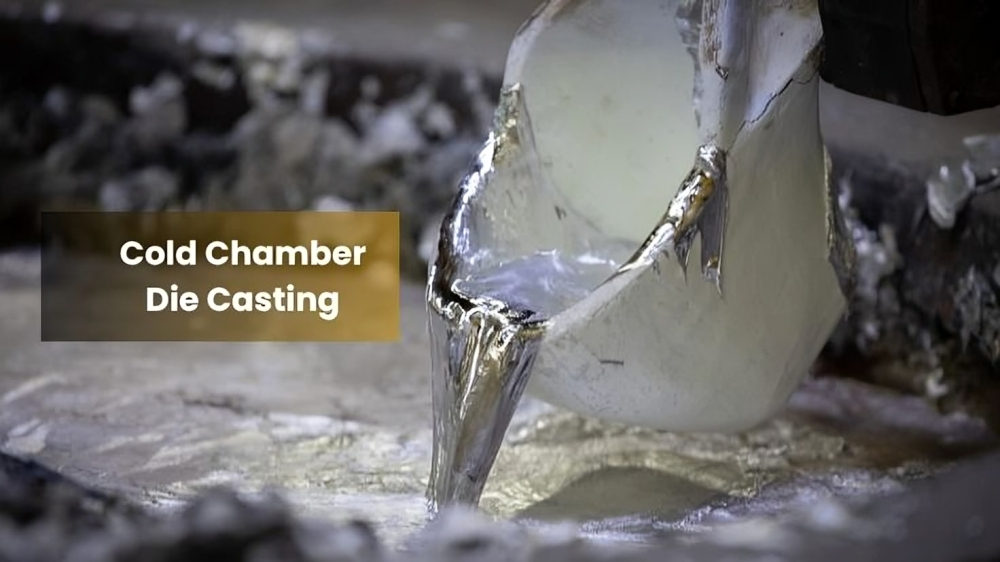
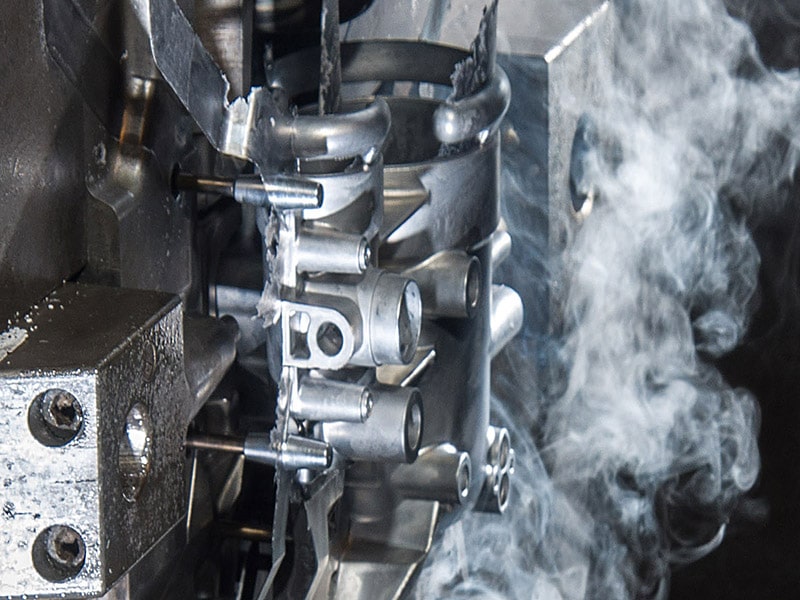
Cold Chamber Die Casting is a precision type of manufacturing technique applied in the manufacture of complicated metal components characterized by high levels of strength and precision. This process can best be used in metals having a high threshold of the melting point, like aluminum, brass, and copper alloys. Cold chamber die casting systems are not placed into molten metal like a hot chamber die casting system; instead, the metal is put into the cold chamber die casting machine by manually ladling metal into the cold chamber die casting machine after it is melted in another furnace. The arrangement wears less on the machine and uses alloys that are tougher. Among the important factors that make companies opt to use this method are the special cold chamber die casting advantages and disadvantages. It has top dimensional accuracy, smooth surface finishes, as well as long cycle times. Nevertheless, its strength and durability of the constituents are its favorites in the automotive, aerospace, and electronic markets. The difference between hot and cold chamber die casting is crucial to make the right choice of the process. Hot chamber die casting is more rapid and applied to metals of low-melting point, such as zinc, whereas the cold chamber die casting system is designed to handle higher temperatures and stronger metals. Manufacturers will also be able to manufacture long-lasting and reliable parts with this process that have a high degree of precision in their specifications. In the present article, we are going to discuss the principle of operation of cold chamber die casting, its main parts, the nature of the metal employed, and technological parameters of cold chamber die casting, including clamping force and cycle time. The cold chamber die casting advantages and disadvantages will also be considered to provide you with a full picture of this important manufacturing process. What is the Cold Chamber Die Casting? Cold Chamber Die Casting: A cold chamber die casting process is a metal casting process where molten metal is ladled either manually or automatically into a separate cold chamber outside the injection system. Thereafter, the metal is pushed with high pressure into a mold cavity, which causes the metal to cool and crystallize in the desired shape. It is usually applied to metal with a large melting point, like brass, aluminum, and copper alloys. The purpose of avoiding corrosion and thermal fatigue that can result in improper working of components of the injection system, unlike in the hot chamber die casting process, where the injection mechanism is suspended in molten metal, the cold chamber process keeps the injection facilities segregated. The application of the practice of the latter, i.e., Cold Chamber Die Casting, is especially advantageous, where the metals used would harm the components, contacting them. High pressure can be used in the injection process itself, and denser, stronger components with a brilliant surface finish and dimensional stability would be possible. Die Casting Process- Step by Step The object of the Cold Chamber Die Casting technique is to make highly accurate and hard metal parts that are frequently composed of alloys that have melt-points that are at high temperatures, such as aluminum and brass. Let us have a step-by-step breakdown of how it works: 1. The External Furnace is used to melt the Metal The process is similar to that of hot chamber casting except that the melting of metal is done in a separate furnace outside. This is required in that the molten metal in the cold chamber casting will cause a high level of heat to be experienced internally that cannot be handled. The metal is melted, after which it is able to be transferred into the casting machine. 2. Pouring the molten metal into the Shot Sleeve Thereafter, the molten metal is ladled into the shot sleeve in the die casting machine. This is manually done or arm-driven. The shot sleeve is a strong, resistant to heat tube into which the metal rests and is later injected. This should be taken very fast to prevent premature solidification. 3. Plunger forces the metal into the die. A steel plunger travels into the shot sleeve and presses the molten metal at high pressure in the die cavities. The force makes sure that the metal fills the mold even in any complicated pattern or with a very thin wall, and decreases the chances of any flaws, such as air pockets. 4. There is the Solidification of Metal within the Die When the mold is filled, the metal starts cooling and solidifying within the die. This solidification step is very important in coming up with a good and precise part. The cooling time is dependent on the part metal, part thickness, and die temperature. 5. The Brass Die and Ejector Pins Force-Out the Casting When the part has solidified, the clamping unit of the machine opens the die, and ejection pins force the casting out of the mold cavity. The portion is then moved to a cooler station or a trimming station. 6. Removal of Flash (Removal of Excess Metal) There is some over metal on the sides called flash that is around the edges of the casting where the halves of the die come together. This is then removed by mechanical trimming, grinding, or machining, depending on what the finish requires. This will prevent the final works from being below the intended shape and tolerance. 7. Die cycle reset and Lubrication The die is washed and greased before entering the next cycle in order to be of good quality and avoid sticking. When the oiling is done, the die is again clamped, and the machine is switched to reset for more cycles. 8. Quality Inspection and finishing This is a complete part that is checked to ensure quality defects do not exist, like cracks, shrinkage, or abnormalities on the surface. Depending on the end-use requirement of the part, it can be subjected to additional machining, surface treatment, or assembled (if required). Metals to be used in the

Forró kamrás öntés

Forró kamrás öntés: A Deep Dive egy kulcsfontosságú gyártási folyamatba

öntvényöntés

Hot Chamber Die Casting is a very effective manufacturing process which is used very widely to produce metal parts to very high precision and an excellent finish on the surface. It is particularly suitable for casting metals with low melting points like zinc, magnesium and some alloys containing lead. It is typified by the fact that the injection system is immersed in molten metal, and so, high-speed cycle times and economy of mass manufacturing are possible. One similar place of comparison always pops up when the castings are considered regarding cold chamber die casting versus hot chamber. Although they are both variations of pressure die casting, they differ so much in terms of design, applications, and compatibility of materials used. An example is the hot chamber die casting, which is high-speed die casting where the furnace has been replaced with a machine. That comes with the limitation of the lower-melting-point metals. Conversely, the cold chamber type of machines is more aptly used with those liquids of a high melting point, such as aluminium and brass, since the hot metal does not come in direct contact with the equipment. Hot Chamber Die Casting process is characterised by minimal waste of material, low costs of labour, and complex shapes manufacture with high tolerances. It is popular in such industries as automotive, electronics, plumbing and consumer products. Nevertheless, the decision on whether to use cold chamber die casting or hot chamber is also dependent on the type of material used and the part design aspect. The article examines the important details of Hot Chamber Die Casting, its parts, materials, process description, constraints, and reasons as to why it is an essential process in the contemporary manufacturing industry. What is Hot Chamber Die Casting? Hot Chamber Die Casting is a metal casting technique where the molten metal is injected into a mould cavity at high pressure. The unique part of the given method is where the injection mechanism is placed: It goes directly to the molten metal. Cycle times and production efficiency are high with this setup, especially in metals of low melting point like zinc, magnesium and some lead alloys. Hot chamber. The name describes the system’s hot chamber as the injection mechanism (a plunger and gooseneck) is in constant contact (filled) with the molten metal area. As the plunger descends, it compresses the molten metal through the gooseneck and into the die cavity. As the metal sets, the mould opens, and the part is ejected, and this process is repeated innumerable times. Hot Chamber Die Casting Process Hot Chamber Die Casting Process is a process of high-precision and speed manufacturing technology utilised in the manufacture of metal parts, where the accuracy of the tool is very important, with great surface finishing. It is most appropriate in the alloys of low melting points; zinc, magnesium, and lead are examples of low melting point alloys. Its main characteristics are short cycle times and great material efficiency. The process is extensive in the manufacturing of a variety of products mainly found in the automotive, electronic, appliance, and hardware industry because of its capability to create complicated ends easily at an affordable per-piece price. The hot chamber die casting process is listed below in a stepwise manner: Hot Chamber Die Casting Process- Step by Step Overview 1. The Metal is melted It starts with the molten moulding of the metal (which is usually zinc or magnesium), in an incorporated furnace of the die casting machine. The molten metal is kept at a constant temperature within the metal pot that is directly connected to the casting machine. This unending heat provision ensures that the casting processes are continuous. 2. The process of filling the Injection System In hot chamber systems, there is a portion of the molten metal with a part of a component known as the gooseneck submerged. The plunger, which runs inside the cylinder of injection, is pulled backwards to a position where the molten metal may gush down to the gooseneck into the inlet hole of injection. The next step will involve injecting this metal into the die cavity. 3. Molten Metal injection When the gooseneck is filled, the plunger is either pushed forward by hydraulic or pneumatic pressure, which forces the molten metal through the gooseneck channel into the mould cavity (also called the die). This is done at a high rate and pressure to make sure that the cavity is totally filled before the metal begins to harden. 4. Casting and solidifying in the mould This hot metal in the die is quickly cooled down by the comparatively cold steel of the mould. Solidification takes several seconds, based on the size and complexity of the part. In this step, die cooling channels assist in the removal of heat to ensure that the cycle speed is not reduced and defects such as shrinkage or porosity are avoided. 5. Ejecting and opening of the mould Once the metal has been solidified, the die halves are opened. The ejector system is placed on the movable half of the mould, and it operates under force via the use of ejector pins and forces the completed casting out of the cavity. It is ensured that the part can come out without being damaged during ejection. 6. Secondary operation and Trimming After it is ejected, the piece might contain an extra material called flash, runners or sprues. These are either hand-trimmed or auto-trimmed. The part can be processed further depending on the application, like surface finishing, machining or coating. 7. Repeat Cycle The machine clears and cleans up to be used again. Hot chamber die casting is characterised by having such a quick cycle time, sometimes creating a few finished parts in just 10 to 20seconds according to the complexity and size of the part. Cycle Time and Efficiency The speed is the greatest advantage of the process of hot chamber process. Hot chamber machines. Unlike cold chamber die casting, where the metal has to be ladled

Egyedi fémlemez gyártás a modern iparágakban

Egyedi fémlemez gyártás a modern iparágakban

alumínium öntvény

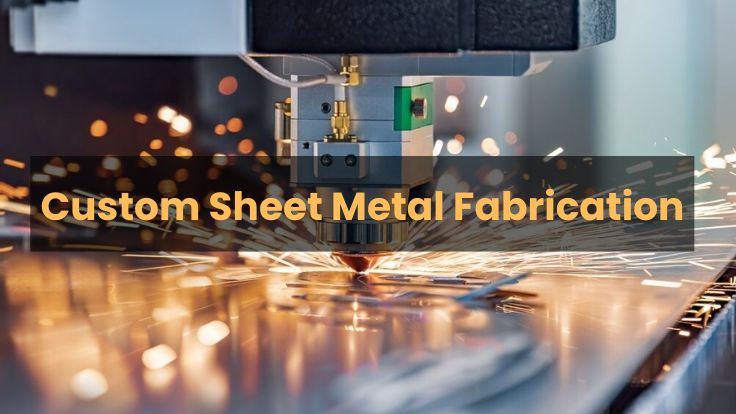
Custom sheet metal fabrication is now an activity that has established manufacturing industries in a variety of categories in the modern face of manufacturing. Whether in the form of cars and electronics, construction and healthcare, fabricated metal components play an essential role in the design, operation and durability of the enormous variety of products. It entails the sheet metal being cut, bent, shaped and assembled, based on specifications to fit the match, and manufacturers can make highly customised, durable and efficient parts. Among the most important industries that depend on this capacity is the automotive industry, in cases where the so-called custom automotive sheet metal fabrication will guarantee the production of high-performance body panels, supporting structure, and engine components. Such components should also have high standards in terms of weight, strength, and safety; hence, precision and customisation are essential. More and more foreign companies are resorting to the services provided by more advanced manufacturers like the car sheet metal fabrication in China because of favourable cost rates. Chinese manufacturers provide comprehensive services using advanced CNC equipment and short production schedules, which makes they useful partners in the global supply chain. Along with cars, the fabrication of sheet metal is a vital aspect in such areas as the aerospace industry, electronics, medical equipment, and the food processing industry. Such industries require great tolerances, corrosion resistance, and customised surface finishes, all of which can be provided by sheet metal fabrication. In this article, we are going to look at the complete range of this discipline, beginning with classic methods to the state of the art automation, mainly concentrating on automotive uses and the contribution of leading world actors, such as China. What is Custom Sheet metal fabrication? The term custom sheet metal fabrication is used when it comes to designing and manufacturing metal members or structures that can meet the specific needs of a particular project. In contrast to the mass-produced components, custom fabrications take unique solutions to specific sizes, materials and applications. This fabrication incorporates laser cutting, water jet cutting, punching, welding, forming and finishing of the surface. The most common ones are stainless steel, aluminum, galvanized steel, copper, and brass, among others, all selected due to their strength, conductivity, corrosion, and weight requirements. Manufacturers and engineers work hand in hand to make sure that all specifications are followed to the micrometre. Main Items in the Process 1. Design and Prototyping: A digital blueprint is sketched with the aid of CAD (Computer-Aided Design) software. Prototypes are frequently manufactured in order to run tests on how they work before large-scale production can commence. 2. Cutting and Shaping: The metal sheet is precisely shaped by using high-precision cutting tools to give very little tolerance. 3. Bending and Forming: The Sheet is curved to form complex shapes by bending and forming equipment, which includes press brakes. 4. Welding and Assembly: There are various parts which are assembled through TIG welding, MIG welding or spot welding. 5. Finishing: Finishing processes such as powder coating, polishing or anodising increase strength and aesthetics. Custom Automotive Sheet Metal Fabrication Rise  The Rise of custom automotive sheet metal fabrication began in the late nineteenth century, which saw the birth of the automobile industry. This period saw many people lose their lives and even more become injured by automobile accidents. This again led to the production and use of automobile insurance as a solution to automobile accidents. Precision and customization are vital in the car manufacturing business.  The custom automotive sheet metal fabrication is a significant element in the production of car body panels, chassis parts, heat shields, as well as engine enclosures. Such parts should be of high safety rating, aerodynamic, and aesthetically pleasing. Customisation gains significant relevance in the performance car, restoration car, electric car, and luxury vehicle production. The engineers may also need some special structural bracing or a project in terms of aerodynamic panels, which cannot be produced by general mass production. The benefits of the exercise of best sheet metal car fabrication are that: Common Materials in Sheet Metal Fabrication One most crucial decisions of the custom sheet metal fabrication is the choice of material. Whether it is carbon steel or stainless steel, it traverses all the aspects, including strength and corrosion resistance and even weight and workability. Knowing the nature of widely used metals enables an engineer to make a wise decision to maximise the efficiency and economic gains. Aluminium: Extremely Light and Non-Corrosive Aluminum is the most common material that is used in fabrication custom sheet metal. It is perfect for aerospace, electronic, and transport application materials because of its inherent corrosion resistance, easy weight, and good formability. It is also a highly conductive material, such that it can be used in enclosures and parts that radiate heat. As per the custom automotive sheet metal fabrication, aluminium is frequently used in the body parts and as a heat deflector to lighten the weight of the vehicle, without compromising its strength. Stainless Steel: Strong and Clean Stainless Steel  The strength of stainless and the fact that stainless is non-corrosive an attributes of the material. It is mainly utilized in food grade, medical and architectural applications where cleanliness and strength are important. Stainless steel may be specified in use of products that are under severe conditions of weather or that need a high-end finish in the custom sheet metal fabrication services. It is resistant to the effects of chemicals, water or high temperatures, hence its common use in many industries. Cold Rolled Steel: Versatile, Tough and Economical In the field of sheet metal custom fabrication, cold rolled steel (CRS) can be a common decision in construction when tight tolerances and a smooth surface are needed. It is cheap to weld or machine. Although it is likely to rust when not coated, it can be applied in buildings or painted. CSR is mostly applied in the cabinet, brackets, as well as enclosures in numerous industries such as the automotive industry, the construction industry and consumer

Alumínium homoköntés

Az alumínium homoköntés átfogó műszaki elemzése a modern gyártásban

alumínium öntvény

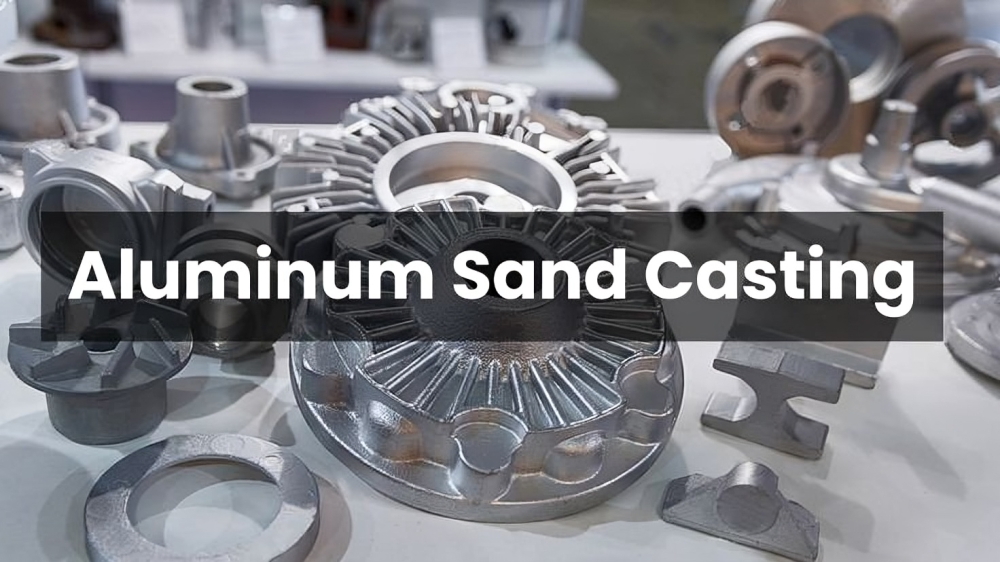
Aluminum sand casting is one of the oldest and most versatile metal casting processes, widely used in modern manufacturing to produce complex, durable, and cost-effective components. Aluminum Sand casting Manufacturers can generate complex geometries with intricate features that would have otherwise been either impractical or unprofitable to machine out of solid material through pouring molten aluminum into prepared sand molds. This method is especially suitable in low to medium-volume production, prototyping, and high structural castings on applications spanning the aerospace, automotive, defence, and energy industries. The most interesting about the sand-casting aluminum is that it is both flexible and functional. Aluminum has a very good strength versus weight, corrosion resistance, and recyclability, and thus makes it an excellent casting material. Together with the thermal resistance of sand and its high moulding capability, the process provides scalable production capability with excellent dimensional accuracy. Pattern design, the makeup of the mold, the quality of the melt, and gating design are key factors to the success of every casting. An excellent foundry of aluminum sand castings has to control not only the classic facts in metal technology but also touch on innovations in the processes. The current facilities apply the latest technology to prevent defects and ensure the best performance of the casting by using 3D sand printing, simulation software, and real-time process monitoring. Precision-engineered and casting aluminum parts are now capable of meeting stringent engineering standards for safety, tolerance, and durability. As demand grows for complex components with faster lead times and lower environmental impact, professional aluminum sand casting services must continue evolving. This article goes into the technical ins and outs of the process itself, its engineering workflow, materials, challenges, innovations, and so on. The Fundamentals of Aluminum Sand Casting At its core, aluminum sand casting involves pouring molten aluminum into a sand mold cavity, which is shaped by a pattern that replicates the final part’s geometry. When the aluminum solidifies, the sand mold is shaken off, leaving the cast piece. The process also has an outstanding dimensional flexibility and scalability capability in high-mix low-volume manufacturing conditions. The process is based on the use of a non-permanent mould, sand, that may be recycled and re-utilized, minimizing the waste of materials and expenses. Sand molds most commonly consist of silica sand with a binder added, and the nature of the binder system generally influences considerably the resulting surface finish, dimensional accuracy, and rate of cooling. The process of Flow in the Engineering of Sand Casting Aluminum Sand casting aluminum is an engineering process that consists of a set of accurately calibrated activities that aim at transforming raw aluminum into specific, well-built, and accurately dimensioned parts. Both the material and mechanical expertise are required to be in-depth to make all of the stages of the process successful. The following is a step-by-step analysis of the way in which sand casting of aluminum is implemented professionally and technically. 1. Pattern Design and making In the sand casting aluminum process, the initial step is designing and manufacturing the pattern, a physical copy of the final casting. The allowances that must be included in patterns are rather critical, such as shrinkage, draft, and machining stock. As aluminum contracts, during cooling patterns are laid out a little bigger than the finished component. The shrinkage rate of aluminum alloys is normally applied at 1.3 per cent; however, depending upon the alloy and the conditions of cooling, it may vary. Vertical portions of moulds are given draft angles, normally a few degrees between 1 and 3, to ensure that the pattern can be removed easily in the sand mold, being careful not to destroy the cavity. Additional allowances (machining allowances) are included such that there is no adverse interaction between the post-processing and the final part. Patterns may be made out of wood, metal, resin, or even 3D-printed polymer materials, depending on the accuracy demands and the needs of the production volume. 2. Mold Making (Molding and Core Setting) After preparing the pattern, the mold is to be prepared. For the sand cast, aluminum mold, there are two separate halves: the cope (upper half) and the drag (lower half). They are produced by stuffing the sand around the mold in a flask. Depending on the application, the sand is generally silica-based and is amalgamated with binders such as clay (green sand) or chemical resins (no-bake sand). In case the part design has internal space and hollow parts, it necessitates the use of sand cores. They are placed in the mold cavity, after which the metal is poured. Cores can be fabricated using core boxes, and in precision production, they can be printed with greater precision using 3D sand printing. The exact footprint of the core is very important in order to have a rigid structure and adherence to the final part dimension. 3. The Design of the Gating System The timeliness and effectiveness of the gating system formed are significant towards the success of the process of sand casting aluminum. This system consists of a pouring basin, sprue, runners, and gates, which coerce the impounded aluminum into the involvement of the mold. Adequate gating will prevent a lot of turbulence, minimize airlock, and also make sure that there is an even fill. Risers (alternatively called feeders) are also required, and these can be seen as a reservoir of molten metal that offsets the direction of shrinkage that comes after solidification. Casting simulation software is usually utilized by engineers to study and optimize the gating and riser systems. Prediction takes place by using simulation tools such as MAGMASoft or ProCAST so that typical defects such as cold shuts, misruns, and shrinkage porosity can all be corrected virtually before any production takes place. 4. Cu Melting and Metal Treating Aluminum is usually melted by a reverberatory furnace, a crucible furnace, or an induction furnace, and the choice depends on the batch volume, alloy needs, and the amount of energy needed. The melting temperature of pure aluminum is about 660 degrees

TIG hegesztés alumínium

TIG hegesztés alumínium: A Comprehensive Technical Guide

alumínium öntvény

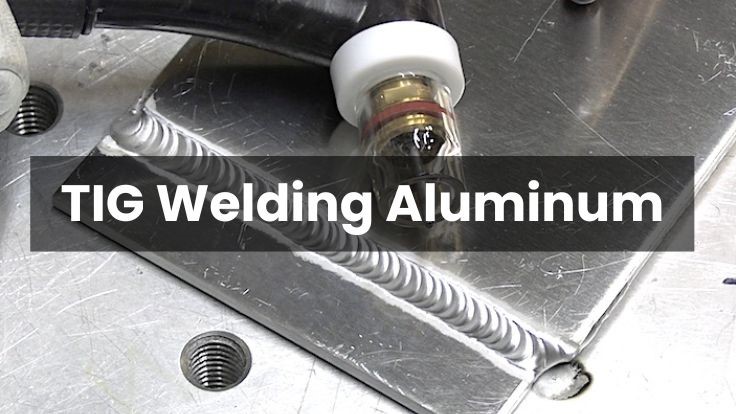
TIG Welding Aluminum is widely regarded as one of the most technically demanding processes in the field of welding. When working with aluminium, the metal that is characterised by its light weight, corrosion resistance, and high conductivity, a set of unprecedented problems emerges, which distinguishes it so much in terms of steel or stainless steel. Poor handling of aluminum can cause the natural oxide layer to provide a weak, porous, or otherwise structurally undesirable weld due to its natural oxide level, low melting point and its ability to absorb hydrogen gas. Thus, the TIG (Tungsten Inert Gas) process, or the Gas Tungsten Arc Welding (GTAW) process, is the process of choice by the industry to use in instances when precision, aesthetics, and weld integrity are the main factors. These will cover the behaviour of materials, selection of equipment, choice of shielding gas, joint preparation and troubleshooting methods, although much emphasis will be placed on quality control and repeatability. Additionally, the article will detail how to correctly select and operate an aluminum tig welder, manage various types of aluminum welding parts, and produce consistent, defect-free joints when attempting to weld aluminium TIG. By the end, the reader will have a thorough knowledge of how to create a good, clean, structurally good-looking tig-welded aluminium assembly as per the industry standard in the aerospace, automotive industry, marine industry, as well as the manufacturing industry.  This article discusses the science, methods as well and practical aspects of TIG welding on aluminium. It is meant to be used by experts and technically trained people who want to extend their knowledge about the welding of aluminium in high-performance or industrial processes. What is TIG Welding Aluminum? TIG Welding Aluminum refers to the process of joining aluminium components using Tungsten Inert Gas (TIG) welding, also known as Gas Tungsten Arc Welding (GTAW). Here, an electric arc is generated by a non-consumable tungsten electrode and aluminium base metal and a filler rod are melted in a protective cover of inert gas, usually argon. Since aluminium has high thermal conductivity, low melting point and a high melting oxide layer, welding aluminium has unique colouring, and drying must be done carefully. TIG welding has a situated control of heat input and weld puddle, which means it is perfect in thin materials, advanced assemblies and other high-performance applications. The aerospace, automotive, and marine industries, among others, use TIG welding to manufacture resistant, non-corrosive, and neat-looking welding video. Successful “TIG Welding Aluminum” requires skilled technique, proper equipment, and careful surface preparation to ensure weld integrity and strength. Why Aluminum TIG Welding? Gas Tungsten Arc Welding (GTAW), which is also known as Tungsten Inert Gas (TIG), is the ideal technique to use where precision, control and a fine look are requisite. It offers unparalleled control in the amount of input heat so that welders have the opportunity to control the fluidity of the weld pool of the aluminum. The TIG welding, when utilized with aluminum is quite convenient mainly because: Welding aluminum involves a better understanding of its physical and chemical properties and which are much different compared to other widely used metals. Below are the key challenges associated with TIG Welding Aluminum. 1. Very High Thermal Conductivity Aluminum carries heat 5 times than steel. This means that heat dissipates quickly from the weld zone, requiring higher amperage when attempting to weld aluminium TIG, especially with thick materials. When not done best can end up in gap fusion or irregular weld penetration. 2. Oxide Layer Problems When aluminum surfaces are exposed to air, a layer of oxide (reliably adherent) forms instantly, and it is thin. This layer is melted at approximately 2050 °C, which is well above the base metal melting point of aluminium, which is 660 °C. TIG welding, when AC mode is used, assists in breaking this layer, but it is also important that pre-cleaning is done to produce high-quality TIG-welded aluminium. 3. Hydrogen Porosity Susceptibility Hydrogen readily absorbs in molten aluminum, and this can create porosity or cause cracks during cooling. Oil, moisture, or dirty filler rods acted as a source of contaminants that caused the hydrogen to get into the weld pool. Proper cleaning and using dry filler rods are essential to avoid defects in aluminum welding parts. Technical Summary Table for TIG Welding Aluminum Here is a comprehensive technical table summarising the key aspects of TIG Welding Aluminum, including welding parameters, joint types, common defects, and how to manage them. In this table, you combine the ideas of your article, and it is original and highly technical. Category Technical Detail Recommendations / Parameters Base Material 1xxx to 6xxx aluminum alloys are most commonly TIG welded Clean all surfaces before welding; avoid 7xxx for high-crack sensitivity Main Process TIG Welding Aluminum using alternating current (AC) Use an inverter TIG with AC balance, high-frequency start, and stable arc control Primary Keyword Weld aluminum tig Use appropriate AC balance and amperage; optimize puddle control and filler deposition Electrode Type 2% Lanthanated or Ceriated Tungsten (1/16″, 3/32″, or 1/8″) Sharpen to a truncated point or ball tip (for AC), depending on application Shielding Gas High-purity Argon (99.99%) Flow rate: 15–20 CFH; add Helium for thicker materials or deeper penetration Filler Rods ER4043, ER5356 Match filler to base alloy and application (ER5356 for strength, ER4043 for crack resistance) Joint Types Butt, Lap, T, Corner Design with small gaps (~1/16”) and allow for thermal expansion Weld Preparation Degrease + stainless steel wire brush No touching after cleaning; remove the oxide layer before welding Torch Technique Short arc length (<1/8”), 10–15° travel angle Keep filler outside the arc cone to prevent oxidation Amperage Settings 1 amp per 0.001” thickness baseline 60–130 amps for most thin-to-mid aluminium applications AC Frequency Controls the arc focus 120–200 Hz for clean, narrow arc on thin aluminum welding parts AC Balance 70% EN / 30% EP typical Adjust toward more EN for deeper penetration; more EP for cleaning oxide Tip: Make sure to calibrate your aluminum tig welder properly

Alumínium nagynyomású öntvény

Alumínium nagynyomású öntvény gyártó és IATF 16949

alumínium öntvény

Modern manufacturing uses aluminium high-pressure die casting to make parts that are strong, light, and have many complex shapes. The reason automotive, aerospace, telecommunications, and consumer electronics all use it is that it can do both mass production and create very accurate pieces. Because the demand for quality aluminium high-pressure die-cast parts keeps increasing, it is important to deal with a well-known and certified supplier. In this area, the IATF 16949 certification is very important because it is a respected quality management standard used worldwide in the automotive industry. Such certification guarantees that quality control, proper risk handling, and continuous improvement are used during every stage of manufacturing. A certified aluminum die-casting and ISO 16949 company demonstrates its commitment to consistent product quality and customer satisfaction. Being a high precision die casting manufacturer and ITAF 16949 means meeting rigorous international standards and having the processes in place to minimize defects, enhance production efficiency, and ensure complete traceability of components. They can meet Tier 1 suppliers and OEMs by delivering components that exactly follow the business’s specifications. In addition, complying with aluminum die casting and 16949 standards means a manufacturer can meet expectations worldwide, mainly in areas where it is important to focus on safety and secure performance. Working with a suitable aluminium die casing partner that has IATF 16949 certification benefits your products, helps cut costs in the future, and strengthens the links in your supply chain. This article looks into how an aluminium high-pressure die casting manufacturer follows the IATF 16949 standard and its role. Aluminium High Pressure Die Casting  Aluminium high-pressure die casting helps make metal parts that are accurate in shape and have a perfect non-porous surface. When molten aluminium is injected into a steel mold at high pressure, it makes it possible to quickly fabricate complex parts and reduces later processing steps. Because it is strong and light, aluminium is widely used in many industries. The products made from this process are commonly seen in cars’ engines, housings, and brackets. For any aluminum die-casting and ITAF 16949 certified operation, maintaining the integrity of this process is vital to both quality and compliance. How IATF 16949 Helps in Die Casting? IATF 16949 is an international standard made for cars, and it uses quality management to ensure the reliability of products and their processes. Continuous development, prevention of quality issues, and lowering waste in the supply chain are the main elements of the system, which was created by the International Automotive Task Force. For manufacturers engaged in aluminum die-casting and ISO 16949 certification, certification is not just a regulatory requirement; it’s a badge of trust. It guarantees that the manufacturer follows quality rules that are respected everywhere. Besides, since IATF 16949 matches ISO 9001, it ensures full and proper quality management. Why is aluminium used in High Pressure Die Casting? Die casting benefits a lot from aluminium due to its ability to resist corrosion, its strong thermal conductivity, and being lighter than other metals like steel and brass. Because of these qualities, this material is suitable for cars since both light weight and performance depend on fuel efficiency. An IATF 16949 certification shows that all of these benefits are achieved by the business. For instance, manufacturers focusing on “high precision die casting manufacturer and ISO 16949 standards can assure customers of consistent product performance and minimal variance in production. What Makes an Aluminium Die Casting Manufacturer Reliable? Selecting a competent manufacturer is very important for firms doing aluminium die casting. A manufacturer should not only have the necessary know-how but also follow all quality standards. These are some of the essential traits you should notice: Using Precision in Die Casting Good die casting depends mostly on precise engineering. It confirms that components follow the tight guidelines of both dimensions and performance. Manufacturers who identify as high precision die casting manufacturers and ITA 16949 go to great lengths to implement exacting standards across the design and production cycle. Because of CAD/CAM software, quality inspection, and automated processes, production is kept as close as possible to the specific requirements. For applications like transmission housings, electronic enclosures, and important car components, the exactness needed is very important. Why Managing Quality Is Important? A well-structured quality management system (QMS) makes it possible to produce the same quality goods all the time. In the aluminium die casting industry, following the principles of IATF 16949 gives a way to control processes, reduce risks, and improve constantly. By following IATF 16949, a high precision die casting manufacturer and itaf 16949 ensures not only quality but also traceability and accountability. Everything is checked and confirmed along the supply chain to lower the chances of issues and defects. Below is a detailed and professional table that outlines key aspects of Aluminium High Pressure Die Casting Manufacturer and IATF 16949, integrating relevant information across different categories such as process, benefits, certification, and industry relevance. This table is ideal for use on a website, brochure, or presentation. Aluminium High Pressure Die Casting & IATF 16949 – Comprehensive Overview Category Details Manufacturing Process Aluminium is melted and injected into a steel mold under high pressure, producing complex shapes with excellent dimensional accuracy. Key Material Used Aluminium alloys (e.g., A380, ADC12, AlSi10Mg) are known for their strength, light weight, and thermal conductivity. Application Industries Automotive, Aerospace, Electronics, Industrial Equipment, Telecommunications, Consumer Goods. Advantages of Aluminium Die Casting – Lightweight components- High strength-to-weight ratio- Excellent surface finish- High-volume efficiency- Corrosion resistance Importance of Precision Tight tolerances and fine details can be achieved, ideal for engine parts, housings, connectors, brackets, and structural components. What is IATF 16949? A global quality management standard for the automotive industry, based on ISO 9001 with additional requirements specific to auto manufacturing. Benefits of IATF 16949 Certification – Consistent product quality- Risk-based thinking- Defect prevention- Better customer satisfaction- Competitive advantage Why Certification Matters Ensures traceability, standardized procedures, regulatory compliance, and ongoing performance improvement. Target Clients OEMs, Tier 1 & Tier 2 automotive suppliers, industrial system designers, and

Orsó nedvesítő oszloptartó John Deere gyapotszedőhöz

alumínium öntvény

In the world of modern agriculture, efficiency and reliability are crucial. For cotton growers using John Deere cotton pickers, one often overlooked yet vital component is the spindle moistener column holder. This small but essential part plays a critical role in ensuring high picking efficiency, reduced wear on spindles, and consistent cotton quality. What Is a Spindle Moistener Column Holder? The spindle moistener column holder is a structural support component designed to secure the spindle moistening system in place. In cotton pickers like the John Deere 9976, 9996, and newer CP690 models, the spindle moistener system ensures that the rotating spindles are continuously lubricated and cleaned during operation. The column holder keeps the moistening pads and spray nozzles aligned properly, allowing for precise spindle contact. Key Functions: Why It Matters in Cotton Harvesting Cotton pickers operate in demanding environments. Dust, plant debris, and sticky sap can quickly reduce spindle performance. The spindle moistener system combats this by applying water or a moistening solution to the spindles, keeping them clean and cool. A worn or misaligned column holder can lead to: Replacing or upgrading the spindle moistener column holder as part of regular maintenance is a simple way to avoid these issues. OEM vs Aftermarket Spindle Moistener Column Holders Farmers and equipment maintenance teams can choose between OEM (Original Equipment Manufacturer) parts or aftermarket alternatives. OEM parts from John Deere guarantee compatibility and long-term durability. However, high-quality aftermarket options often offer: When selecting a replacement, always verify the part number and ensure it matches your picker model. Compatibility with John Deere Cotton Pickers The spindle moistener column holder is typically used in models such as: Always consult your equipment manual or supplier to confirm fitment. Maintenance Tips for Long-Term Performance To maximize the lifespan of your spindle moistener system: Proactive maintenance can extend the life of the entire moistening system and reduce costly downtime during peak harvest season. Where to Buy Spindle Moistener Column Holders Quality spindle moistener column holders for John Deere cotton pickers are available from: For international buyers, ensure your supplier provides ISO-certified parts, offers reliable shipping options, and supports bulk orders if needed. Final Thoughts Though small in size, the spindle moistener column holder is a critical component in your cotton harvesting system. Keeping it in good condition ensures your John Deere cotton picker operates at peak efficiency, delivering high-quality cotton with less downtime and maintenance cost. Whether you’re replacing a damaged unit or stocking spares for the next season, choosing the right holder can make a measurable difference in your harvest results. If you are looking for Spindle Moistener Column Holder for your cotton machine, you are welcome to contact us.

Görgessen a tetejére

Kérjen árajánlatot