
alumínium öntő cégek

Top 10 alumínium öntvény gyártó Kínában és az USA-ban

alumínium öntvény

Because it is lightweight, strong, and durable, aluminum casting is widely used throughout different industries from automotive to aerospace, electronics to consumer goods. The manufacturing process calls for aluminum parts to be made by pouring molten metal into molds for the production of highly detailed and precise components. Aluminum is a very versatile metal as it is easily recyclable and corrosion resistant and hence provides an excellent option for many applications. China and the USA, in recent years, are the two major global hubs for aluminum casting production and they both have a wide manufacturer range in the various industries and sectors. Mass production is the hallmark of China, which can then deliver reasonable prices and a variety of casting solutions for large production. However, the USA boasts a great number of top-tier companies that specialize in high quality, precision casting, advanced technology, and ecofriendly approaches, working with those industries that require sophisticated and custom-made aluminum cast components. In this article, we will overview the top 10 aluminum casting companies in China and the USA describing their capabilities, experience in the industry, and something unique to help the companies choose the right aluminum casting manufacturing partner. 1.  GC Precision Mold Co., Ltd. Year of Establishment: 1999Number of Employees: 100-200Business Type: Serving industries such as the auto, aero, and electronics industries, the company has gained international market trust. Website and Contact: Website: https://aludiecasting.com/Contact: +86 131 4886 5556Email: info@aludiecasting.comAddress: Factory Address 1: No. 30 Huan Zhen Rd, Qi Shi Town, Dongguan City, Guangdong Province China, 523516 Company Profile Founded in 1999, GC Precision Mold Co., Ltd. is a global leader in high-quality aluminum die casting and nonferrous metal products. It has two special properties plants located in Dongguan, China, and offers services including high-pressure die casting, sand casting, and forging. As a result of over two decades of experience, the company delivers precision, consistent quality, and flexible material offerings to a variety of industries such as automotive, aerospace, and electronics. Both client satisfaction and GC Precision Mold commit to honorable words and behavior in providing the best product. Their Quality Commitments Its various certificates are proof that GC Precision Mold Co., Ltd. adheres to the highest standards of quality and operational excellence. The company possesses certificates from ISO 9001 on Quality Management Systems, which demonstrates the company’s ability to provide the product according to customer requirements at all stages and to enhance quality systematically. Why Choose GC Precision Mold Co., Ltd.? When you are choosing a company in pursuit of top-grade die casting and metal products, there are many benefits to choosing GC Precision Mold Co., Ltd. 2.  CNM Tech Co., Ltd. Year of Establishment: 20+Number of Employees: 100-200Business Type: CNM Tech is focused on aluminum, magnesium, and zinc die casting, CNC machining, surface finishing, and assembly. Website and Contact: Website: https://www.thediecasting.com/Contact: +86 13045898002Email: sales@thediecasting.comAddress: Factory Address: Rm 101, No.40, Donghu Road, Jinglian, Qiaotou town, Dongguan city, Guangdong Province, China. 523520. Company Profile Founded over 20 years ago, CNM Tech Co., Ltd., is one of the leading Chinese manufacturers of die-casting solutions. The company is based in Dongguan, China, where it provides a thorough assortment of services including aluminum, magnesium, and zinc die casting, precision CNC machining, surface finishing, and assembly. They have expertise in automobile, electronics, aerospace, and hospitality appliance markets, to name a few.  Their Quality Commitments CNM Tech is dedicated to providing high-quality, low-cost products while abiding by extremely tight quality control standards under the auspices of ISO 9001. They take a customer-centric approach, providing personalized services from the time of initial consultation and beyond, from availability to post-production support services to maintain long-term partnerships all over the world.  Why Choose CNM Casting? As a name known in the die-casting industry, CNM Tech specializes in providing high-quality manufacturing solutions with advanced technology, and a customer-oriented approach. These are reasons why CNM Tech is your number one reason. The choice of CNM Tech guarantees a reliable manufacturing partner that implements innovations and focuses on quality and customer success. 3. Delron Industrial Co., ltd Year of Establishment: 1990Number of Employees: 300+Business Type: Delron Industrial Co., Ltd. provides die casting, CNC machining, precision forging, assembly, and automotive, LED lighting solutions. Website and Contact: Website: https://www.delron.com.cn/Contact: +86-574-88106850Email: info@delron.com.cnAddress: South Building, No. 1299, East Yinxian Avenue, Ningbo, China, 315100. Company Profile Founded in 1990, Delron Industrial Co., Ltd. is recognized as one of the top die-casting and precision machining service providers in China (Ningbo). With subsidiary activities including CNC machining, die casting, turning, milling, forging, etc., the company serves diverse industries like automotive, LED lighting, aviation, etc. Delron emphasizes a high-quality product, and on-time delivery, at a competitive price. Using the most advanced technology to provide a variety of services such as heat treatment, chrome plating, and assembling.  Their Quality Commitments Delron Industrial Co., Ltd. strives to supply high-quality merchandise utilizing advanced manufacturing know-how while following rigorous standards. As the company is customer-oriented and as the company puts very much emphasis on precision and reliability, it has strict quality control procedures in place for all products. They aim to always keep and satisfy customer expectations, all in a cost-efficient and timely manner. Why Choose Delron industrial Co., ltd Casting? 4.  American Precision Die Casting Year of Establishment: 2006Number of Employees: 150-300Business Type: Suppliers of high-impact components for the automotive, military, industrial, and consumer business sectors. Website and Contact: Website: https://apdiecasting.com/Contact: (573) 885-0018Email: lhoffman@apdiecasting.comAddress: 100 American Way, Cuba, MO 65453 Company Profile American Precision Die Casting (APDC), started in 2006 in Cuba, Missouri (USA), is a leading aluminum die casting maker. APDC has over 200 years of combined expertise serving these industries, automotive, military, and consumer products. Precision Aluminum die-cast parts formed by the company are durable, lightweight, and precise components using tight tolerances. APDC carries out high-volume as well as low-quantity specialized projects using advanced technology which provides cost efficiency quality and customer satisfaction. Their Quality Commitments APDC strictly practices to guarantee that each product exceeds customer expectations and exceeds or matches standards.
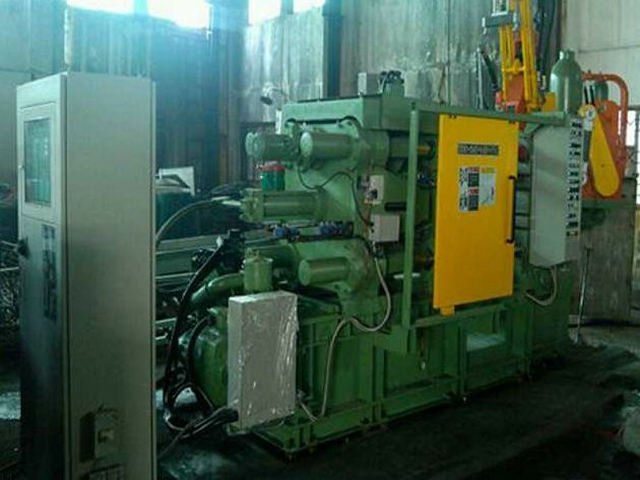
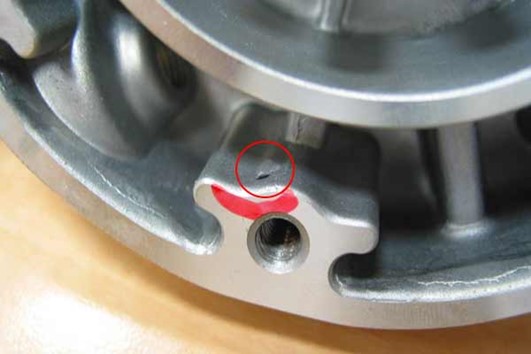
Cink Die Casting Company

Áttekintés a Cink Die Casting vállalatok ipar

alumínium öntvény

Zinc die casting is a manufacturing process that involves the production of intricate and strong metal parts using molten zinc. This is one of the most economical and efficient ways of making high-quality components with high dimensional accuracy. It is a process of injecting molten zinc into a steel mold under high pressure to create parts that are strong, lightweight, and corrosion-resistant. The characteristics of zinc die casting make it suitable for use in industries like automotive, electronics, aerospace, consumer goods and industrial equipment. In today’s manufacturing world, zinc die casting companies are critical because they provide high-quality precision-engineered components specifically what industries need. The majority of these kinds of companies specialize in creating parts with sophisticated shapes, fine surfaces, and tight tolerances. Besides producing high-performance die-cast components, most zinc die casting manufacturers also provide value-added services like designing, tooling, machining and finishing to satisfy customer’s requirements. The zinc die-casting market is spread wide across the globe, from North America to Asia and Europe, and companies are bringing their expertise, technological advancements and manufacturing capabilities to the table. The companies in these regions are known for their innovation, quality and sustainability in the manufacturing process. Using state-of-the-art equipment and advanced technologies they guarantee that each product will be of the highest standard in terms of strength, durability and precision. Zinc die casting is of utmost importance as it is the central process of producing components that enable the functionality of many products we use daily. Zinc die casting companies are important suppliers for industries that need automotive parts such as gears and engine components, electronic housings and medical devices. The demand for high-quality, low-cost components is expected to continue to rise and these zinc die casting companies are expected to be the leaders in innovation, product development and sustainability practices of the die-casting industry. The following sections will cover some of the major players in the zinc die-casting industry, their capabilities and how they contribute to the zinc die-casting market. What is Zinc Die Casting? The manufacturing process of zinc die casting is to inject molten zinc or a zinc alloy under high pressure into pre pre-designed steel mold or die. It quickly solidifies into a metal part that is detailed and uniform without much post-processing. The process, which is very fast, precise, and able to produce lightweight metal parts that are strong enough, is called this. Because of zinc’s unusual properties, such as its low melting point and high fluidity, intricate designs that are difficult to produce with other metals can be made using zinc. Zinc Die Casting Key Characteristics: Because it is repeatable and can produce large amounts of identical parts with very little variation, the process is widely used in mass production. The History and Evolution of Zinc Die Casting The history of zinc die casting goes back to the early 19th century. With the evolution over time, the process has gone through a lot of evolution with the move of the advancement in the materials, machinery and the manufacturing techniques. Early Developments (19th Century) The first die-casting processes occurred in the 1830s and were used to make movable type for printing presses. Although an important printing industry has existed since ancient times, the introduction of die casting substantially changed the printing industry by making the manufacture of metal parts more rapid and more exact. Growth in the 20th Century By the early 1900s, die casting had grown beyond printing to other industries such as automotive and consumer goods. Stronger, more versatile die-cast products were invented in the 1920s when zinc and aluminium alloys were invented. Zinc die casting was all the more essential in World War II since manufacturers required lightweight, tough and high-precision components for military and aircraft production. After the war, the technologies of die casting grew with the expansion of post-war industrial growth. Modern Advancements (21st Century) Today, cutting-edge innovations like automated machines, computer-aided design (CAD) and 3D printing for mod development exist in the use of zinc die casting. The use of recycled zinc has also increased sustainability efforts, which has made die-casting more environmentally friendly. However, due to Industry 4.0, manufacturers are joining robotics, AI autonomous quality control and real-time data monitoring to boost the efficiency of production and decrease defects. This is what has made zinc die casting such an important part of modern manufacturing. Importance of Zinc Die Casting in Modern Manufacturing Zinc die casting is an important part of many industries as it offers manufacturers a dependable, efficient and cost-effective way of producing precision-engineered parts. As such, it becomes increasingly important as industries require lighter, stronger and more complex components for modern applications. 1. Automotive Industry In the automotive sector, zinc die casting is widely used to manufacture: Zinc’s durability, lightweight properties and corrosion resistance make these parts more efficient and more durable, which in turn makes vehicles more efficient and more durable. 2. Electronics and Telecommunications Zinc is a preferred material for electronic devices due to its excellent thermal and electrical conductivity. The following uses zinc die-cast parts: 3. Consumer Goods and Home Appliances Zinc die-cast components are used in many everyday household products such as: Manufacturers can produce durable and aesthetically pleasing components having smooth surface finish using zinc die casting. 4. Industrial and Aerospace Applications Zinc die casting also leads to the production of high precision, lightweight parts that can withstand harsh environments and extreme temperatures and find its use in industrial and aerospace applications. These parts are critical parts for safety and reliability in the critical area. 5. Environmental and Sustainability Benefits Zinc is a fully recyclable metal, so there is less waste produced and reduced manufacturing and sustainability costs. Zinc die casting requires lower energy consumption than other metals and is therefore an eco-friendly option for mass production. The Zinc Die Casting Process There are several critical steps in zinc die casting: 1. The steel mold is coated with a lubricant to ease the release of cast parts during mold preparation. 2. Molten zinc is injected into the

A nagynyomású öntvények szokásos gyártási hibái: Megoldások: okok, megelőzés és megoldások

alumínium öntvény, öntvényöntés, nagynyomású öntés

High-pressure die Casting (HPDC) is one of the most frequently utilized metal casting processes in current manufacturing. Manufacturers choose HPDC because it enables the production of complex metal parts that achieve both high precision and rapid production rates superior dimensional accuracy and smooth finishes. HPDC enables automotive and aerospace industries and the production of electronics components and consumer goods to manufacture lightweight durable parts for applications like engines and housings, structural elements, and mechanical assemblies. The manufacturing process of high-pressure die casting faces numerous risks that create substantial defects that decrease product quality while shortening the lifespan and compromising performance. Various defects form from improper mold design, turbulent molten metal flow, trapped gases, inconsistent cooling rates, and thermal stress during the production process. HPDC technology encounters seven primary defects which include porosity, cold shuts, shrinkage defects, flash formation, surface defects, misruns, die erosion, and soldering. These types of manufacturing defects cause deterioration of material strength while producing irregular dimensions and undesirable visual effects which can instigate component breakdown. Manufacturers combat production problems through the optimization of processing parameters and better-undermining methods along with controlled temperature systems and vacuum-assisted casting procedures. Real-time monitoring and simulation software are advanced quality control methods with further efficiency and reliability in the die-casting process. This article provides a comprehensive analysis of standard manufacturing issues during high-pressure die-casting technology with explanations of root causes and solution strategies to decrease these defects. It is only by understanding these challenges and applying best practices that manufacturers can improve the quality, longevity, and, of course, the performance of their die-cast components and simultaneously cut down on waste, and production costs. Proficiency in these manufacturing defects will assist die-casting engineers, production managers, and quality control specialists to optimize their processes for the best die-casting outcomes. 1. Porosity Porosity is defined by small holes or gas inclusions found within the metal matrix, and as a result, affects the mechanical properties, decreasing the strength, including allowing for air and gasses to pass through the structure, and leading to visible surface defects in die-casted products. Causes: Prevention & Solutions: 2. Cold Shut A cold shut is created when two streams of molten metal do not fuse properly and form weak bonding areas or visible seams in the casting. This defect not only decreases the mechanical strength but also increases the risk of a fracture, as well as negatively affects the component’s durability and appearance. Causes: Prevention & Solutions: 3. Shrinkage Defects Shrinkage defects occur due to shrinkage of metal during cooling which leads to internal voids or cavities, which deteriorate the structural integrity of casting. As a result, these defects reduce the mechanical strength of the final product, cause potential failure under stress, and cause poor surface quality, thus affecting both the functionality and aesthetics of the final products. Causes: Prevention & Solutions: 4. Flash Formation Excess thin metal layers formed at the parting line or die gap due to high-pressure metal escape are referred to as flash. Although flash can be trimmed off post-casting, over-flash leads to increased material waste, tool wear, and associated production costs and thus reduces the overall efficiency of the die-casting process. Causes: Prevention & Solutions: 5. Inspection of Surface Defects (Blisters, Crack and Wrinkles) A variety of surface defects, blisters, cracks, and wrinkles, degrade the visual appearance and mechanical strength of the casting and need to be prevented and eliminated. It causes weld defects that reduce the durability of the product, increase the rejection rate, and make the product stick poorly after post-casting treatments such as painting or coating. Causes: Prevention & Solutions: 6. Inclusions and Contamination Unwanted foreign particles, such as slag, oxide films, dirt, or other impurities, which are trapped in a final casting, create poor mechanical properties, weak structural integrity, and surface defects and are called inclusions. The presence of these contaminants can reduce die-cast component performance and durability so that they are not suitable for high-precision applications. Causes: Prevention & Solutions: 7. Misruns and Incomplete Fill A misrun occurs where there is a short filling of the mold cavity, which causes missing sections, thin walls, and weak points in the final component. Negative effects on the structural integrity and functionality of the part and in this way unsuitable for performance applications. Causes: Prevention & Solutions: 8. Die Erosion and Wear Molten erosion dies wear is the loss of the mold surfaces due to the high-speed metal continuously wearing the mold part surfaces until the required dimensions are achieved, which results in poor surface finish and short mold tool life. If this defect occurs, die replacement is common and consequently, production costs increase while casting quality varies. Causes: Prevention & Solutions: 9. Hot Cracking Cracks that occur during the semi-solid state of the metal, is due to high thermal stress and excessive shrinkage are known as hot cracking. These cracks degrade the mechanical integrity of the casting that is increase the chance of failure of the casting at the place where the cracks are present under stress or load. Causes: Prevention & Solutions: 10. Soldering The molten metal adheres to the die surface, which is difficult to remove with casting, causing surface defects, die wear as well as prolonged production downtime. Dimensional inaccuracies and poor surface finish are also caused by this defect, as it results in the overall compromised quality of the final product. Causes: Prevention & Solutions: Conclusion The high-pressure die casting is a powerful manufacturing process that creates complex metal parts at high accuracy at maximum efficiency. However, different kinds of defects arise using improper process parameters, material issues, and/or mold design flaws. Manufacturers can take preventive measures, e.g. optimal process control mold, properly selected material, etc., after understanding these usual manufacturing defects. A company can improve product quality, lower production costs, and achieve higher production efficiency in die-casting operations by emphasizing continuous process improvement as well as defect prevention strategies. Frequently Asked Questions (FAQs) 1. What are the major reasons for defects in high-pressure die casting? The main causes

A fémöntési szolgáltatásokról

alumínium öntvény, öntvénygyártó cégek, öntvény alkatrészek, nagynyomású öntés, Magnézium öntés, Magnézium Die Casting, Cink öntés

A fémöntési szolgáltatások a szabadon áramló folyékony fémek formázását foglalják magukban szerszámok, formák vagy minták segítségével. Az öntvények előállításuk jellegéből adódóan általában durván megmunkáltak. Sok esetben az öntési folyamat során keletkezett görcsök és egyéb maradványok eltávolításához további utómunkára van szükség. A fémöntési szolgáltatásokat alkatrészek és késztermékek széles skálájának kialakítására használják. Az egyszerű szögektől és kötőelemektől kezdve a motorblokkokig minden gyártható fémöntési szolgáltatások segítségével. A gyakori fémöntési eljárások közé tartozik a homoköntés, a szerszámöntés, a tartós formaöntés, a beruházási öntés, a centrifugális öntés és az elveszett haböntés. Homoköntés A homoköntést nagyméretű alkatrészek (jellemzően vas, de bronz, sárgaréz, alumínium is) előállítására használják. Az olvadt fémet egy homokból (természetes vagy szintetikus) kialakított formaüregbe öntik. A homoköntvények általában érdes felületűek, néha felületi szennyeződésekkel és felületi eltérésekkel. A szerszámöntés számos olyan eljárást foglal magában, amelyekben újrafelhasználható szerszámokat vagy öntőformákat használnak az öntvények előállításához. A szerszám tartalmazza a késztermék lenyomatát a futó-, adagoló- és szellőzőrendszerrel együtt. A szerszám képes a rendszeres ciklusra és a beleöntött fém hőjének (gyors) elvezetésére. Amint a folyékony fém kellőképpen lehűlt, a formát kinyitják, és az öntvény kivehető és befejezhető. Állandó formaöntés Az állandó formaöntés során az olvadt fémet öntöttvas formákba öntik, amelyeket kerámia formamosószerrel vonnak be. A magok lehetnek fém, homok, homokhéj vagy más anyagok. Amikor elkészült, az öntőformákat kinyitják, és az öntvényeket kilökik. A beruházási öntési szolgáltatások során a mintákat egy speciális viasznak egy fémszerszámba történő befecskendezésével öntik. A mintákat egy viaszcsatornarendszer köré csoportosítják. A minták ‘fáját’ ezután 8-10 réteg tűzálló anyaggal vonják be. Az összeszerelést a viasz eltávolítása érdekében felmelegítik. A forró formát kiöntik, és amikor kihűlt, a formaanyagot ütéssel, vibrációval, szemcseszórással, nagynyomású vízfúvással vagy kémiai oldással eltávolítják, így maradnak az öntvények, amelyeket aztán eltávolítanak a futórendszerből. Centrifugális öntés A centrifugális öntési szolgáltatásokat hengeres alakú öntvények előállítására használják. A centrifugális öntés során egy állandó öntőformát nagy sebességgel forgatnak a tengelye körül, miközben az olvadt fémet kiöntik. Az olvadt fémet centrifugálisan a belső formafal felé dobják, ahol az megszilárdul. Az öntvény általában finomszemcsés, nagyon finom szemcsés külső átmérőjű öntvény, amely ellenáll a légköri korróziónak, ami tipikus igény a csöveknél. A belső átmérő több szennyeződést és zárványt tartalmaz, amelyek megmunkálással eltávolíthatók. Elveszett haböntés Az elveszett haböntés (LFC) olyan fémöntési szolgáltatás, amely habgal töltött mintákat használ az öntvények előállításához. A habot egy mintába fecskendezik, kitöltve minden területet, nem hagyva üregeket. Amikor az olvadt fémet a mintába fecskendezik, a hab kiég, így az öntvény formát ölthet. Szerszámöntés A szerszámöntés és a fémöntés számos olyan eljárást foglal magában, amelyekben újrafelhasználható szerszámokat vagy formákat használnak az öntvények előállításához. A szerszám rendszeres ciklusra képes, és képes (gyorsan) elvezetni a beleöntött fém hőjét. Amint a folyékony fém kellőképpen lehűlt, a szerszámot vagy kinyitják, és az öntvény eltávolítható és befejezhető. A szerszámöntési eljárás során az olvadt fémet nyomás alatt egy újrafelhasználható formába vagy szerszámba fecskendezik. A szerszám tartalmazza az öntvény lenyomatát a futó-, adagoló- és szellőzőrendszerrel együtt. A szerszám képes a rendszeres ciklusra és a beléjük öntött fém hőjének (gyors) elvezetésére. Amint a folyékony fém kellőképpen lehűlt, a szerszámot vagy a formát kinyitják, és a fémöntvény eltávolítható és befejezhető. nagynyomású öntés A nagynyomású öntési eljárás a legszélesebb körben alkalmazott, az összes könnyűfém öntvénygyártás mintegy 50%-jét teszi ki. Az alacsony nyomású nyomásos öntés jelenleg a termelés mintegy 20%-jét teszi ki, és használata egyre növekszik. A többi a gravitációs öntés, kivéve a nemrégiben bevezetett vákuum- és présöntési eljárás csekély, de növekvő hozzájárulását. az alacsony nyomású és gravitációs öntőszerszámok kialakítása a jobb szerszámkitöltés, az optimalizált megszilárdulási minta és a maximális hozam érdekében. A gravitációs öntés alkalmas tömeggyártásra és teljesen gépesített öntésre. Az alacsonynyomású öntés különösen alkalmas a forgástengely körül szimmetrikus alkatrészek gyártására. A könnyű gépjárművek kerekeit általában ezzel a technikával gyártják. A szerszámöntéses fémek széles skálán mozoghatnak, és a különböző szerszámöntő cégek képesek lehetnek bárkivel vagy bármennyi fémmel dolgozni. A leggyakoribb fémöntési típusok közé tartozik az alumínium szerszámöntés, a sárgaréz szerszámöntés, az ólom szerszámöntés (a legnépszerűbb modell szerszámöntés), a magnézium szerszámöntés és a cink szerszámöntés. Remélem, hogy az összes információ elegendő az Ön számára, de ha további információkat szeretne megtudni, akkor szívesen vesszük, ha telefonon vagy e-mailben kapcsolatba lép velünk.

Mi a gravitációs öntés

alumínium öntvény, alumínium öntőformák, alumínium öntvény, öntvényöntés, alumínium öntvény, öntvénygyártó cégek, öntőforma, öntvény alkatrészek, Gravitációs öntés, porcelán fröccsöntő szerszám, fröccsöntőforma-készítés

Különbség az alumínium öntés és a gravitációs öntés között Az alumínium öntés több, mint egy ürügy arra, hogy az olvadt fémmel játsszon, valójában egy nagyszerű módja annak, hogy művészeti és bonyolult gépeket vagy más olyan tárgyakat hozzon létre, amelyek egyébként szinte lehetetlenek lennének. Az alumínium szerszámöntés valóban nagyszerű módja annak, hogy pénzt takarítson meg... miközben az olvadt fémmel játszik. Az ok, amiért az alumínium szerszámöntés túlélte az idők próbáját, a hatékonyság kérdése. A legkorábbi öntési példák közül néhányat Kínában találtak több ezer és ezer éves múltra visszamenőleg. Valójában az egyiptomiaktól a rómaiakig minden nagyobb civilizáció gyakorolt alumíniumöntést. Ez a készség a reneszánsz idején jött újra divatba, és onnantól kezdve folyamatosan fejlődött és fejlődik. Bár a homoköntés a legnépszerűbb öntési eljárás, sok-sok további eljárás áll a háztáji öntödék rendelkezésére. Nem mindenki fog nehéz darabokat, például motoralkatrészeket önteni, vagy saját motorkerékpárokat önteni. Tehát azok számára, akik csak dekoratív darabokat szeretnének készíteni, nem ugyanazt az öntési eljárást fogják használni, mint ezek a nagy teherbírású öntők. A művészek számára, akik kis méretű szobrokat vagy díszítéseket készítenek, és a hobbisták számára, akiknek szükségük van egy dekoratív érintésre a modell repülőgépükhöz vagy hajójukhoz, érdemes megfontolniuk a gravitációs öntést az igényeikhez. Mi a gravitációs öntés A gravitációs öntés különösen hasznosnak tűnik, ha alumíniummal és más könnyű ötvözetekkel foglalkozik. Ennek az öntési eljárásnak az alapötlete nagyjából pontosan az, amit a neve sugall. A fémet a gravitáció ereje juttatja a formába. A legtöbb más öntési eljárás vagy természetes nyomáskülönbséget használ, mint például bizonyos homoköntési eljárásokban, vagy kényszerített nyomást alkalmaz, mint a centrifugális öntésnél, hogy az olvadt fémet a formába juttassa. A gravitációs öntés egyik leggyakoribb felhasználási módja, amikor állandó öntőformákat használnak. Az állandó öntőforma, amelyet szerszámnak is neveznek, valóban csak azok számára gazdaságos, akik ugyanazt a szerszámot számos alkalommal tervezik használni, és állandó szinten kell tartaniuk a minőséget. Míg egyes ideiglenes öntőformák többször is használhatók, a késztermék minősége idővel szenvedni kezd. A szerszámformák esetében a minőség változatlan marad. A szerszámokat befektetésnek kell tekinteni. Igen, drágábbak, mint más öntőformák, azonban túlélnek az olcsóbb öntőformáknál. Az állandó öntőformák öntöttvas, acél és más fémek felhasználásával készülnek. Az állandó öntési folyamathoz a gravitációs öntést használják, kellemes eredménnyel. A gravitációs öntést általában akkor használják, ha a késztermék inkább vizuális alapú, mint szerkezeti alapú, ezért ez a módszer a művészek és még néhány ékszerész kedvence. A szilárdságvesztés az ebben az eljárásban alkalmazott nyomás hiánya miatt következik be. Azok számára, akiknek szükségük van az erőre, de mégis a gravitációs öntést szeretnék használni, több olvadt fémet kell felhasználni, ami növeli a súlyt. go to https://www.aludiecasting.com/ to know more about gravity casting A gravitációs öntésre való támaszkodás türelmet igényel, bár nagyobb termékeknél szükség lesz rá. Ha szüksége van gravitációs öntésre vagy alumínium öntésre, magnézium öntésre vagy cink öntési szolgáltatásra az Ön vállalkozása számára. Üdvözöljük, hogy küldje el nekünk a követelményeket árajánlatért, csak el kell küldenie nekünk a 3D-s résztervezést és a követelményeket, majd hátradőlhet, és mi megtesszük a többit az Ön számára, hogy velünk dolgozzon, csak a piacról kell gondoskodnia az Ön oldalán, és mi leszünk a háttértámogatás, hogy gondoskodjon az átfutási időről, a szállításról, a minőségről és a technikai.

Nyomdai öntés

alumínium öntvény, alumínium öntőformák, alumínium öntvény, öntvényöntés, alumínium öntvény, öntvénygyártó cégek, öntőforma, öntvény alkatrészek

Find Right Aluminum Die Casting Sources Are you looking for the high quality and ultimate die casting services for your business? Well, you better need to hire the right service provider who must be experienced in the very same domain. Yes, it is highly necessary to invest some time who can offer very high-quality results and that is by paying the very affordable amount. Before we talk about how to find the right company, it is highly necessary to know more about Die casting. Well, this is the most important manufacturing technology which is used by many industries which are looking for all sorts of parts to commence the work and for that it is necessary to go with the aluminum die casting process. With the help of die casting mold, it will help in molding the complexity of the metal substance exactly in the same manner as you are looking to have. Yes, the final product can have virtually any size depending on what designer desires, thus there is nothing impossible for the best and great service providers at all. When it comes to finding a right service provider for aluminum casting parts, you better invest time over the net and find out the most experienced, reliable and friendly service provider to meet the exact requirements without any fail. Also, you better find out someone who can easily work on any customized requirements of the clients as well as they must possess great goodwill in the market. Also, you can investigate their previous projects and check how best they are in the die casting and how they have helped other companies to complete their requirements. Not only this, even, you need to disclose them the complete information about your project requirements and check how well they are in offering you the correct guidance as well as what price they are quoting you up. Even, you can do this with different sources and go up with the best one who offers great services at the best prices. Moving up with the pro means they will consider mechanical properties, including tensile strength, yield, impact, hardness, and other various specifications in advance to offer you the best solutions. Not only this, pros will help in picking up the right metal which they perform by checking out the physical properties of the metal. Yes, before going up with the aluminum die casting, it is very important to know more about its conductivity or how it behaves under extreme stress or heat. Pros also determine the composition of different alloys, check what are the common uses for the primary element, they also check out a complete list of die-cast alloys, check out the needed properties, and everything to offer you something the best to meet your exact requirements. Why don’t you check out to go to the suggested source? Well, it will offer you the best services by offering you the casting of metal in the shortest possible of time, will make everything from the scratch and the best part is everything will be done in a budget-friendly manner.   Technology is improving day by day and we are the one enjoying it up fully. Today, we can have every possible thing to make our work the best as well as offer us full convenience and complete peace of mind. Apart from others, talking about Die casting, it is a manufacturing process that can produce geometrically unique and impossible metal parts with the best use of reusable molds, called dies. The die casting process is very important and pros always make sure to use all the necessary things, called- furnace, metal, die casting machine, die and other various materials. The metal which is used here is always non-ferrous alloy, like- Zinc and aluminum, later it is melted in the furnace and then injected into the dies in the die casting machine for producing very complex metal parts. It is always better to approach the right company for aluminum casting parts as they always go with the best and authentic procedures in order to produce something the best. They may use different types of die casting machines, called – hot chamber machines and cold chamber machines for a perfect die casting solution. Hot chamber machines are used for those alloys which have low melting temperatures, such as zinc. And Cold chamber machines are used for those alloys with high melting temperatures, such as aluminum. Both machines work the same and once they are done with the molten metal, they inject the same into the dies, wait for cooling it down and solidify into the final part, called the casting. Aluminum die casting tooling is also known as dies, is here just for alloying the steel. The dies are finished from at least two sections to allow casting elimination. To do so, there is a special need of the efficient approach of die casting and some go with the portable slides, with certain sections that can be done without difficulty to build the ideal shape as demanded by clients from die casters. In the procedure, die casting tooling goes with the simple production of the holes through the predetermined die half. Once we have the molten metal, it is then dispensed into the hole in order to dry in the cavity and this is the best way to get the specific dimensions contoured in the plating. Dies may also have to lock pins, which are utilized in order to stick together two halves and to take away the cast part. Always find the best and reliable service provider for aluminum die casting as well as who can easily manufacture miniature to large precision components using the broad range of zinc die casting, aluminum and magnesium die casting alloys. It is important to know that each and every alloy has unique physical characteristics to match your specific application. However, it is highly necessary to find out the right experts who can help you to meet your requirements by picking up the ideal material to manufacture your precision component.

Alumínium öntvény

Alumínium Die Casting

alumínium öntvény, alumínium öntőformák, alumínium öntvény, öntvényöntés, alumínium öntvény, öntvénygyártó cégek, öntőforma, öntvény alkatrészek, nagynyomású öntés, Magnézium Die Casting, nyomásos öntés

Mi az alumínium öntés Az alumínium öntés egy folyékony öntési folyadékot tartalmazó kovácsolási módszer. Az öntési folyamat egyfajta speciális, nagynyomású öntőgép a folyamat elvégzéséhez. Az alapvető technológiai folyamat a következő: először fém vagy alumíniumötvözet folyadék alacsony vagy nagy sebességű öntés töltés a szerszám üregébe, meghalni egy mozgatható típusú üreg felülete. Ez a folyékony alumíniumötvözet hűtési folyamat nyomás kovácsolás üres, mind a megszüntetése zsugorodás hibák is, hogy a durva belső alumínium Die Casting szervezet kovácsolni a törött kristály. Durva átfogó mechanikai tulajdonságok jelentősen javulnak. Az alumínium öntvény előnyei Az alumínium öntéssel kapcsolatos fémek és óvintézkedések. Különböző típusú alumíniumötvözetek használhatók a die Casting és alumínium öntőformák, típusú módszerek használják az alumínium öntőformák, cink öntés, alumínium öntés és még sok más típusú öntési folyamat Az öntés az a folyamat, amelynek során az alumínium alkalmas különböző típusú termékek előállítására. Ez egy egyszerű és olcsó módja az alumíniumtermékek széles választékának biztosításának. Néhány példa erre a Washington Monument, az autómotorok és az erőátviteli rendszerek stb., amelyeket mind alumínium öntési ötvözetek folyamatával állítottak elő. Az alumínium öntés 3 módon történhet: - Alumínium öntés öntőforma öntés Homoköntés DIE CASTING Az öntés öntés egy gyártási folyamat fém alkatrészek előállítására. A szerszámöntés során a szerszám- vagy formaüregeket olyan edzett szerszámacéllal hozzák létre, amelyet előzőleg egy adott alakra megmunkáltak. Itt a szerszámöntés során az alumíniumot először megolvasztják, majd nagy nyomás alatt erővel egy acélszerszámba öntik. Ezt a gyártási technikát általában nagy volumenű gyártáshoz használják, a folyamatot általában nagynyomású szerszámöntésnek vagy nyomásos szerszámöntési eljárásnak nevezzük SZERKEZETI öntés A szerszámöntésről szólva a szerszám és a magok lehetnek acélból vagy bármilyen más fémből. Itt is az alumíniumot először megolvasztják, és a megadott formába öntik. Néha vákuumot is alkalmaznak. Bizonyos helyzetekben a tartós öntés erősebbnek tűnik, mint a szerszámöntés és a homoköntés módszerei. A félig állandó öntési technikákat akkor alkalmazzák, amikor a tartós magokat lehetetlen eltávolítani a kész alkatrészből. HOMOKÖNTÉS: A homoköntés az alumíniumtermékek gyártásának legsokoldalúbb módszere. Általában az olvasztott alumíniumot egy formába öntik, amelyet gyakorlatilag finom homokkeverékbe nyomnak. A minta alig lesz nagyobb, mint amekkora az alumínium megszilárdulás és lehűlés során bekövetkező zsugorodásához szükséges. A homoköntés általában lassabb folyamat, mint mind a szerszámöntés, mind a szerszámöntés. Általában kis mennyiségű termékekhez használják. Alumínium öntési ötvözetek A legfontosabb öntött alumínium öntési ötvözetek rendszere az Al-Si. Itt a magas szilíciumtartalom hozzájárul a jó öntési tulajdonságok eléréséhez. az alumínium öntési ötvözeteket széles körben használják olyan műszaki szerkezetekben és alkatrészekben, ahol könnyű vagy korrózióálló anyagokra van szükség. Az alumínium öntés módszerei és előnyei Az alumínium öntéssel kapcsolatos fémek és óvintézkedések Az alumínium öntéshez különböző típusú alumíniumokat lehet használni az öntéshez, az alumínium öntés gyártója és az alumínium öntés különböző típusú fémek különböző típusú módszerek alkalmazásával történő lefedése érdekében. Számos módszert használnak az alumínium öntéshez és különböző típusú előnyöket kapnak. Az alumíniumöntés és az alumínium szerszámöntés segítségével növelhető a fémek élettartama, és ezek hosszú ideig használhatók a fém csodálatos megjelenésével és varázsával. Módszerek Különböző típusú módszereket használnak az alumínium öntéshez. A legfontosabb dolog az alumínium megolvasztása. Az alumínium megolvasztásához magas hőmérsékletre van szükség. Az alumínium megolvasztásához speciális szerkezeteket használnak. Amikor az alumíniumöntvényt megolvasztják, akkor azt a célfémekre öntik. Ezután az olvadt alumíniumöntvényt hagyják megkeményedni, és bizonyos idő elteltével felhasználhatóvá válik. Vannak speciális tartályok, amelyeket az alumínium megolvasztásához használnak. Ezek a szerkezetek különböző formákban és méretekben kaphatók a piacon. Ön is képes arra, hogy ezeket a szerkezeteket otthon készítse el a kívánt összetevők felhasználásával. Számos lehetősége van ezeknek a struktúráknak az elkészítésére. Ha ezt a szerkezetet a piacról vásárolja meg, akkor a méret és a formák kiválasztását kell elvégeznie. Sok lehetőség van a méretek és formák tekintetében, és a készítők különböző típusú árakat számítanak fel. Ezeknek a szerkezeteknek a működése is eltérő, mivel egyesek üzemanyagokat használnak, és néhányan kézi erőfeszítéseket használnak a hő megszerzéséhez, hogy az alumíniumöntvényt hatékonyan fel lehessen melegíteni és megolvasztani. Ezekben a szerkezetekben magas hőmérsékletet érnek el, majd az alumíniumöntést megolvasztják, majd a célfémekre használják az öntési folyamathoz. Előnyök Alumínium szerszámöntés Sokféle előnye van az alumínium szerszámöntésnek. Elsősorban ez a fajta öntés azért történik, hogy a fém biztonságban maradhasson a korróziótól. A légköri körülmények és a nedvesség rossz a vas számára, és az öntés segíthet a vas védelmében és a hasznos élettartamának növelésében. az alumínium szerszámöntés képes ellenállni a nedvességnek és a környezet egyéb káros hatásainak, ami miatt öntéssel fémekre lehet használni. A védőpajzsot vasra készítik, hogy biztosítsák, hogy hosszú ideig használható legyen. az alumínium szerszámöntő cégek vasra önthetnek és védőlemezt készíthetnek. Ez a védelem egy fényes réteg formájában van, amelyet magas hőmérséklet alkalmazásával érnek el. Ez a réteg tartós és jól néz ki, valamint növeli a fém szilárdságát és hasznos élettartamát. Legtöbbször a vasat alumínium segítségével öntik. Ez egy olcsó eljárás, és a felhasználó képes előnyökhöz jutni, mivel a vas élettartama megnő. Következtetés Az alumínium öntőforma használható vas és más fémek öntésére. Számos módszer áll rendelkezésre ehhez a folyamathoz. Bármely megbízható módszer segítségével a felhasználó képes előnyökhöz jutni, mivel a fém megmenekül a korróziótól és más, a fémek által okozott károktól.

Görgessen a tetejére

Kérjen árajánlatot