alumínium öntvény

mi az öntött alumínium edények

Mi az öntött alumínium főzőedény?

Alumínium

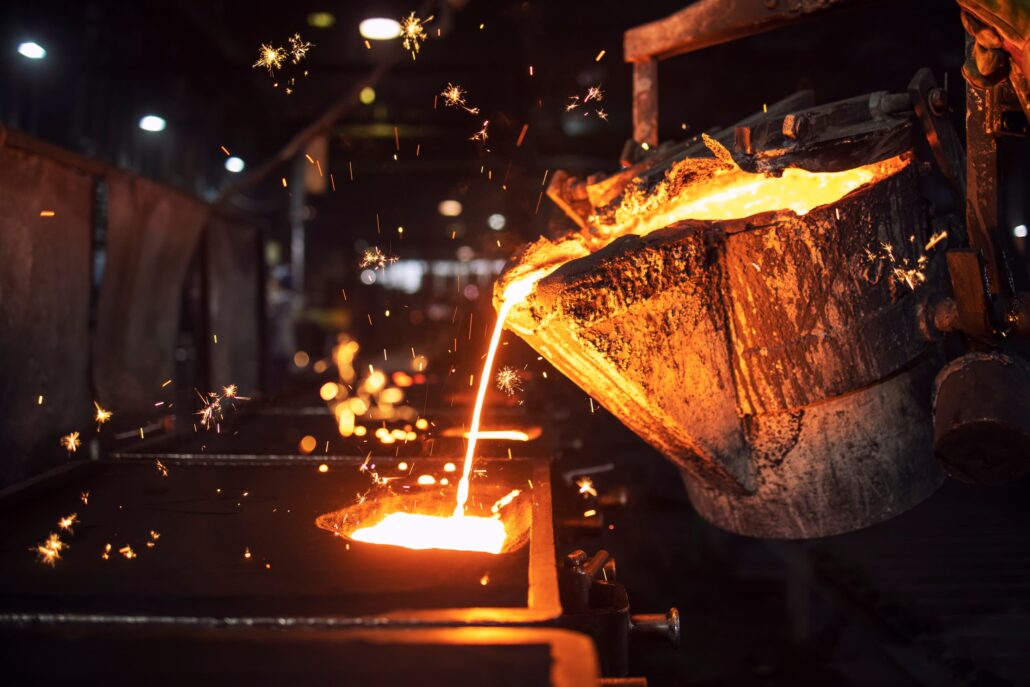
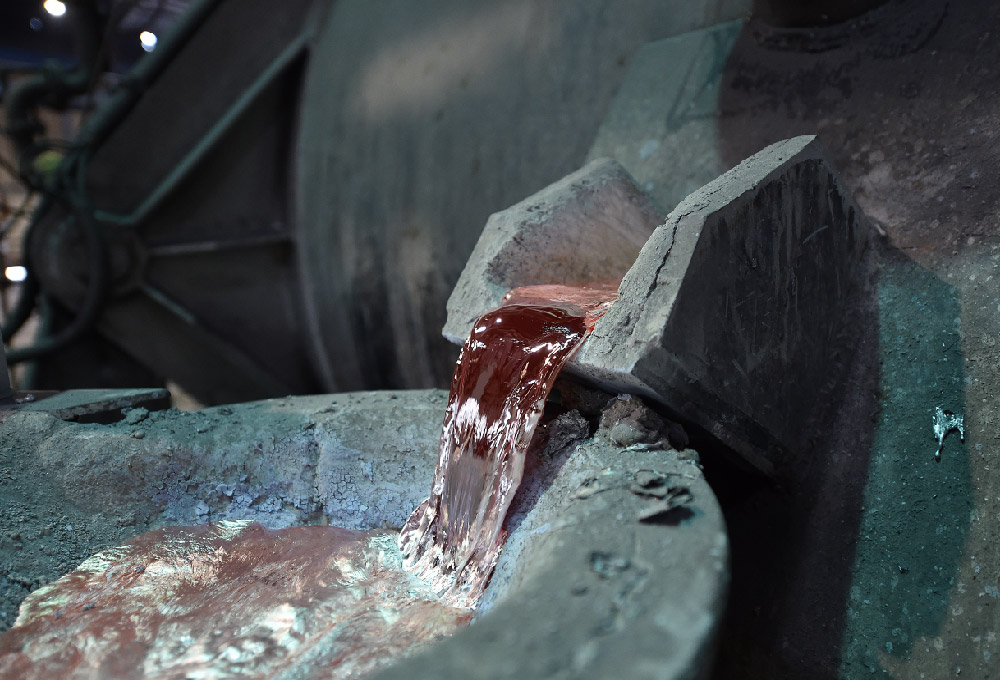
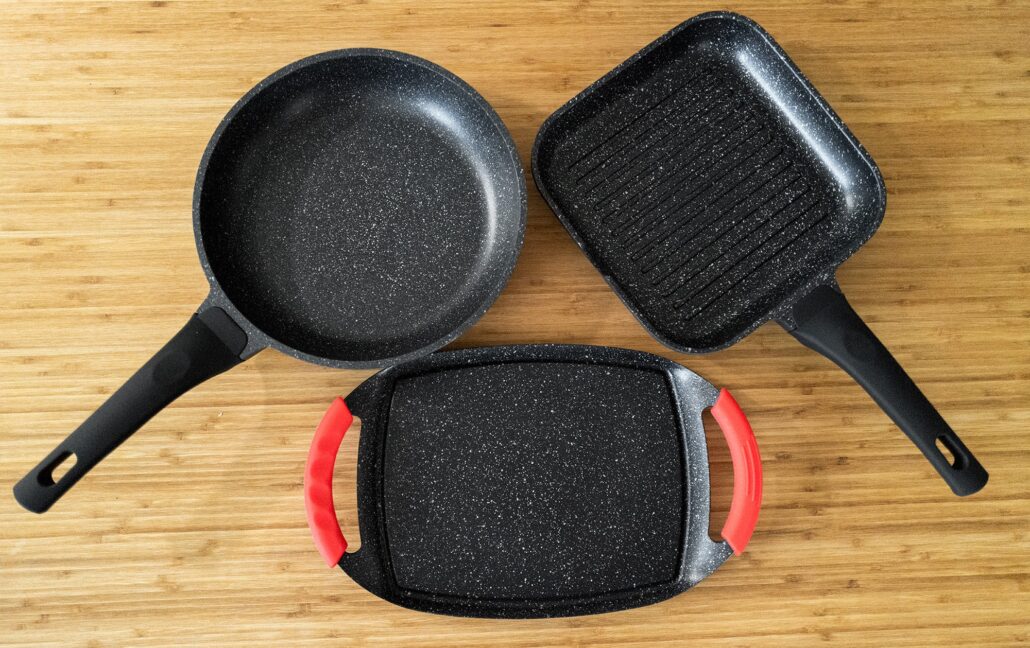
Az öntött alumínium főzőedényeket gyakran használják az otthoni szakácsok és a profi szakácsok, és azért ismert és kedvelt, mert egyszerre tartós és könnyű, és nagy hőeloszlással rendelkezik. Az öntött alumínium főzőedényeket olvasztott alumínium öntvényekbe öntésével állítják elő; az ilyen főzőedények fő célja, hogy egyenletes melegítést adjanak, ne vetemedjenek, és hosszú ideig bírják. Alkalmazása révén a konyha univerzális elemévé vált, mivel a legtöbb főzési módnál alkalmazható, például sütésnél és párolásnál, sütésnél és sütésnél. az öntött alumínium főzőedények legjelentősebb előnyei közé tartozik, hogy gyorsan és egyenletesen melegszik fel. Az öntött alumínium főzőedényekről is elmondható, hogy vastagabbak, mint vékonyabb társaik, például a préselt alumínium, ami miatt jó vastagsággal rendelkeznek a homogén főzési hőmérséklet fenntartásához. Általában úgy is gyártják, hogy tapadásmentes réteggel rendelkezik, és így csökkenti a felhasznált olaj mennyiségét is, és a tisztítás is könnyebbé válik. idővel az öntött alumínium főzőedények gyártói új anyagok, környezetbarát bevonatok és más tapadásmentes technológiák révén fejlődtek és tették kivételessé. Ezek a fejlesztések még népszerűbbé is teszik, és hatékonyabb, egészségesebb és fenntarthatóbb főzési folyamatot biztosítanak vásárlóinak. Meghívja a barátait, éppen egy egyszerű vagy bonyolult ételt állít össze; az öntött alumínium főzőedények jól jönnek a munka elvégzéséhez, ez azért van, mert teljesítménye megbízható, és együtt működik a modern konyha követelményeivel. Az öntött alumínium főzőedények megértése Az öntött alumínium főzőedények az edényekre, serpenyőkre és serpenyőkre, valamint a helyi szinten gyártott egyéb konyhai felszerelésekre utalnak, amelyeket olvasztott alumínium öntőformákba történő öntésével állítanak elő. A főzőedények öntése meglehetősen robosztus szerkezetűvé teszi azokat, ami ezért a közönséges alumíniumhoz képest jelentősen erősebbé teszi őket. A préselt alumíniumhoz képest (amely vékony lemezeken készül) az öntött alumínium főzőedények sokkal vastagabbak, így nagyobb hőtartást és hőeloszlást biztosítanak. A vetemedési tényező az idő múlásával az egyik elsődleges tényező, hogy az emberek szeretik az öntött alumínium főzőedényeket használni, mivel ez a probléma a vékony anyagoknál gyakori. Ez segíti az egyenletes főzési hőmérsékletet is, így a különböző ételek főzése valószínűleg hasonlóbb eredményt ad. Öntött alumínium főzőedények Az öntött alumínium főzőedények az öntött alumínium használatát követik, amely átesik az öntési eljáráson. Ez úgy történik, hogy az olvadt és nyomás alatt lévő alumíniumot egy üregbe öntik. Így a főzőedény alakja és vastagsága pontosan szabályozható. Az öntött alumínium főzőedények általában kifinomultabbak a hagyományos öntött alumíniumhoz képest, mivel kifinomult textúrával és sima felülettel rendelkeznek.Az öntött alumínium főzőedények előnye, hogy nem olyan nehezek, mint néhány más anyag, például az öntöttvas. Ez sokkal kényelmesebb a főzés és a takarítás során, így ideális a főzési választásnál, különösen akkor, ha jó minőségű, de nem nehéz főzőedényeket igényel.A másik tulajdonsága az öntött alumínium főzőedényeknek az, hogy sokoldalú. Számos eljárásra, például sütésre, sütésre és párolásra alkalmazható. Általában tapadásmentes bevonattal is ellátják, ami hozzájárul ahhoz, hogy könnyen használható és tisztítható legyen. Mindazonáltal szem előtt kell tartani, hogy a tapadásmentes bevonat idővel elhasználódhat, hacsak nem gondosan karbantartják. Mi az a főzőedény? A főzőedényeket úgy is definiálhatjuk, mint az ételek elkészítéséhez használt különféle edényeket, serpenyőket és egyéb főzőeszközöket. Az ilyen tárgyakat gyakran olyan anyagokból gyártják, mint a rozsdamentes acél, az alumínium, az öntöttvas, a kerámia, a tapadásmentes bevonatú tárgyak és a réz. A főzőedények elsődleges célja, hogy segítsék az élelmiszer-alapanyagok elkészítését és főzését különböző módszerekkel, azaz forralással, sütéssel, párolással, párolással, sütéssel vagy grillezéssel. A főzőedények fajtái: 1. Főzőedények és serpenyők: A főzés a két legalapvetőbb főzőedény segítségével történik. Ezek különböző formájúak és méretűek, például serpenyők, lábasok, főzőedények és serpenyők. 2. Sütőedények: Ebbe a kategóriába tartoznak a tálcák, piteformák és tortaformák, amelyeket csak sütésre használnak.3. Speciális főzőedények: Ezek a wokok, grillezők, holland sütők és gyorsfőzők. A főzőedényekben használt anyagok Az öntött alumínium főzőedények gyártási folyamata Az öntött alumínium főzőedények gyártása a következő lépésekből áll, amelyek magukban foglalják az alumínium megolvasztását, az öntést, a befejezést és a bevonatot. Az öntött alumínium főzőedények gyártási eljárását az alábbiakban a lehető legtöbb lépésben ismertetjük: 1. Az alumínium megolvasztása Az alumínium fémet az előkészítéshez meg kell olvasztani, és ez az öntött alumínium főzőedények gyártásának első szakasza. A homok, a fém vagy a kerámia tipikus anyagok, amelyekből ez a fajta forma készül. A hőmérséklet szabályozása pontosan történik, hogy az alumínium elérje a megfelelő viszkozitást, amellyel önteni lehet. 2. Az öntőforma előkészítése Az alumínium megolvasztása után egy formát indítanak el, hogy a főzőedény kívánt formájára alakítsák. Az alumíniumot alumínium formájában öntik. Ahol magát az öntött alumíniumot használják, ott a formákat gyakran homokba öntik, és kifejezetten egy-egy főzőedény (serpenyő, fazék, serpenyő stb.) elkészítésére tervezik őket.Miután a formát elkészítették, az olvadt alumíniumot a forma üregébe kell önteni. Ez a mélyedés veszi fel az elkészítendő főzőedény formáját. Fémformák: Vannak olyan fémformák, amelyek újrafelhasználhatók, amelyeket újra felhasználnak, és nagyobb hőmérsékleten is képesek megtartani a hőt. 3. Az olvadt alumínium kiöntése Miután az alumíniumot a formába öntötték, azt lehűtik. A folyékony fém a forma minden területére kerül, és felveszi a főzőedény formáját. Ennek az öntési folyamatnak pontosnak kell lennie, hogy a főzőedény is megfelelően és hibátlanul formázott legyen. ebben a fázisban az alumínium öntése a formába kézzel vagy automatikusan történik (a nagyságrendtől függően).
Eloxált alumínium: A folyamat megértése és számos előnye

Eloxált alumínium: A folyamat megértése és számos előnye

Alumínium

Az eloxált alumínium egy rendkívül rugalmas és korrózióálló anyagtípus, amelyet elektrokémiai eljárással alakítanak ki, amely az alumíniumban rejlő oxidréteget továbbfejleszti. Ez úgy történik, hogy az alumíniumot elektrolitba, azaz kénsavba mártják, és elektromos áramot vezetnek át rajta. Ez egy olyan alumínium-oxidot eredményez, amely vastagabb, és az anyagban belül kötődik, nem pedig egyszerűen az anyag felületén. Ezáltal az eloxált alumínium erősebbé, kopás- és korrózióállóbbá vált, és képes túlélni a zord időjárási körülményeket. az eloxálás során az alumínium néhány olyan tulajdonsága, amely használhatóvá teszi, javul, és emellett esztétikailag is testre szabható. Az eloxálással kialakított porózus oxidrétegbe felszívódó festékanyagokkal tiszta és stabil színeket lehet elérni. Ez a tulajdonság lehetővé teszi az eloxált alumínium felhasználását az építészetben, az autóiparban és a szórakoztatóelektronikai alkalmazásokban, ahol a tartósság és a jó megjelenés egyensúlyára van szükség. a korrózióállóság az eloxált alumínium egyik legnagyobb előnye. Ez az alumínium-oxid réteg védi az alumíniumot a nedvesség, a só és a vegyi anyagok ellen, és mint ilyen, az alumínium a legjobban működik kültéri és tengeri körülmények között is. Emellett az eloxált alumínium rendkívül kopásálló, ami azt jelenti, hogy a szükséges anyagot úgy tervezték, hogy sokáig kitartson egy olyan terméken, amely kopásnak van kitéve, mint például az autóipari alkatrészek, ipari szerszámok vagy akár konyhai eszközök. Mi az eloxálás? Az alumínium természetes oxidrétegét megvastagító, anodizálásnak nevezett eljárás egy elektrokémiai folyamat. Az alumíniumot egy elektrolitoldatba, általában kénsavas oldatba helyezik, és elektromos áramot alkalmaznak rá, ezáltal erős korrózióálló bevonatot kap. Ez az eljárás növeli a fém szilárdságát és kopásállóságát, valamint lehetővé teszi a színek festését. A végtermék az eloxált alumínium, amely erősebb és tartósabb, mint a kezeletlen alumínium. Mi az eloxált alumínium? Az eloxált alumínium olyan alumíniumot jelent, amelyet már feldolgoztak egy úgynevezett eloxálási eljárással. Ezt úgy érik el, hogy az alumínium felületét egy vastag, ellenálló oxidréteg kialakításával módosítják. A normál bevonatok csak fekszenek a felületen, az eloxált alumíniumon kialakult oxidréteg pedig magának az alumíniumnak a részévé válik. Ennek hatására egy tartósabb, korrózióállóbb és karcállóbb anyag jön létre. Az eloxálás tipikus folyamatában az alumínium szuszpenziót elektrolitikus mártásba helyezik, ami általában kénsav, és a folyamat során elektromos áramot vezetnek át. Ennek eredményeképpen a fém felületén alumínium-oxid képződik. Az oxidréteg változhat, más esetekben pedig színezéket adhatunk a folyamathoz, hogy színes oxidot nyerjünk. Az eloxált alumínium főbb paraméterei a következők: Az előállítás módjától függően az eloxált alumínium meglehetősen gyakori a repülőgépiparban, az autóiparban, az építészetben és az elektronikai iparban, mivel az erő, a funkcionalitás és az esztétikum szinergiáját kínálja. Az alumínium eloxálása gyakorlati és esztétikai előnyökkel jár, akár nagy teljesítményű alkatrészeknél, dekoratív alumínium alkalmazásoknál, akár szélsőséges környezetnek kitett termékeknél alkalmazzák. Az alumínium eloxálás folyamata Eloxálás: Elektrokémiai kikészítési módszer, amelynek során az alumínium felületét egy nagyon erős és korrózióálló oxidréteggé alakítják át. A folyamatnak számos fontos lépése van, és mindezek a lépések hozzájárulnak a késztermékhez a funkcionális és esztétikai igények szempontjából. Ez az alumínium eloxálási folyamatának vázlata: Első lépés: Az alumínium előkészítése Az alumínium előkészítése során a következőkre kerülhet sor: Az alumíniumot az eloxálás előtt először megtisztítjuk, hogy eltávolítsuk a szennyeződéseket, az olajat és a szennyeződéseket. Ez általában lúgos oldat vagy kémiai tisztítószer alkalmazásával történhet. Fontos, hogy a felületet megtisztítsuk, mivel minden szennyeződés bejut az eloxálásba, és nehézségeket okoz az oxidréteg minőségében. 2. lépés: elektrolitikus fürdő A tisztítás után az alumíniumot elektrolitikus oldatba mártjuk, amely lehet kénsav, és elektromos áramot vezetünk rajta keresztül. Ennek az elektrokémiai reakciónak az eredménye az alumínium oxidációja; egy merev oxidréteg borítja az elem felületét, vastag védőréteget képezve rajta, és az alumínium oxidálódik. A feszültség, a hőmérséklet és a fürdőben töltött idő eredményezi az oxidréteg vastagságát. 3. lépés: Ellenőrzés E lépés során az eloxált alumíniumot színpigmenttel lehet megfesteni, hogy elérje azt. A festék felszívódása a porózus oxidrétegben történő felszívódásához vezet, így alakulnak ki a szép színek. A festék az alumínium felületének eloxálása után használható, és a szín beépül az oxidrétegbe, így az tartós és nem fakulásra hajlamos. 4. lépés: Tömítés A színezett alumíniumot az eloxálás és a festés után tömítik, hogy az oxidrétegben lévő pórusokat lezárják. Ez teljesen fontos a korrózióállóság fokozásában és a szín megtartásában. Ehhez az eljáráshoz nikkel-acetát vagy akár forrásban lévő vízzel történő tömítőanyagokat használnak. Az anyag pecsételve is tartós, így sokféleképpen alkalmazható. 5. lépés: Ellenőrzés Az alumínium minőségi ellenőrzése az eloxálási, színezési és tömítési folyamatok elvégzése után történik, és minőségi alkatrészeket kapunk. Ebben az ellenőrzésben az oxidréteg vastagságának, színének és a teljes felület egyenletességét ellenőrzik. Minden károsodást vagy eltérést kezelnek, majd az alumíniumot elszállítják, hogy az elégedett alkalmazásokba kerüljön. Az eloxált alumínium típusai Az eloxált alumíniumnak fajtái vannak attól függően, hogy mire van szükség, és az alkalmazástól függően. A legtöbb variáció az eloxált réteg vastagságán, a kivitelen és a végrehajtott elektrolitikus eljáráson alapul. Az eloxált alumínium fő formái a következők: 1. I. típus: Schulze-féle krómsavas eloxálás Az alumínium eloxálásának egyik legrégebbi technikája a krómsavas eloxálási technika. Itt a krómsavfürdő

Öntött alumínium sütőedények

Miért melegszik jobban és tart tovább az öntött alumínium sütőedény?

alumínium öntvény

A könnyű súly, az erő és a sűrű hőelosztás jellemzői miatt az öntött alumínium sütőedények egyre népszerűbbek a pékek körében, különösen azoknál, akik első osztályú és tartós termékeket szeretnének. Az öntött alumínium a teljesítmény és a könnyed használat megfelelő egyensúlyát jelenti, ellentétben más hagyományos sütőedényekkel, mint például az öntöttvas és a rozsdamentes acél. Az olvasztott alumíniumformákban öntik, és egy erős, tartós és kényelmes használatú, még egy amatőr pék számára is. Az öntött alumínium kiváló hővezető képességgel rendelkezik, ami garantálja az ehető ételek, különösen a pékáruk egyenletes sütését, hogy megakadályozza a túlsütést és a nem egyenletes barnulást. Az öntött alumínium sütőedények előnyei közül a nagyszerű a hőmérséklet állandósága, ami a kifogástalan sütés kulcsfontosságú eleme. Gyorsabban felmelegszik, mint mások; ezért hamarabb elkészül, és könnyű súlya miatt könnyebb kezelni a konyhában. Az öntött alumínium sütőedények legtöbb darabja tapadásmentes bevonattal is rendelkezik, ami még könnyebbé teszi az ételek kioldódását és a sütés utáni takarítást. Az öntött alumínium sütőedények az üveghez és a rozsdamentes acélhoz képest nagyobb tartósságot és szilárdságot is biztosítanak, ellenállva a vetemedésnek. Bár az öntöttvas hőmegtartás tekintetében páratlan, az öntött alumínium közel ugyanolyan mértékű hőeloszlással rendelkezik, de kisebb súly mellett. Az öntött alumínium sütőedények nagy kedvencei a profi pékek és az otthon főző emberek körében is, mindezt a hatékony és tartós sütőeszközök iránti vágy miatt. Mi az öntött alumínium sütőedény? A sütőedények öntési módszere, az öntött alumínium alapján, ez a már előkészített formákba öntött olvadt alumínium felhasználásával készül, sütőformák, tortaformák, piteformák és különböző más sütési szükségletek előállításához. Az eljárás révén a sütőedények erősek, de könnyűek, így a sütés és a tálalás során a sütőedények hatékonyan kezelhetők. Az úgynevezett öntött alumínium sütőedények legjobb tulajdonságai közé tartozik, hogy egyenletes hővezető tulajdonságokkal rendelkeznek. Ez azt jelenti, hogy a sütött termékek, például a sütemények, a kekszek és a kenyerek jól átsülnek, nincsenek forró területek vagy megégett oldalak. További előnyökkel jár a fém gyors felmelegedése és kihűlése, ami viszont némi időt takarít meg a sütés során, és ez az elfoglalt pékek számára előnyös. Az anyag olyan erős, és nem rozsdásodik vagy korrodálódik könnyen, ezért ez hosszabb ideig tartana a konyhában. Ezenkívül nem jár sok karbantartással és kopással, szemben néhány más anyaggal, amelyek idővel elhasználódnak, mivel sok használat lesz. Az öntött alumínium sütőedények előnyei 1. Tartósság A sütőedények öntött alumíniumból készülnek, így hosszú ideig tartanak. Az alumínium szinte immunis a kopással szemben, azaz a gyakori használat mellett sem repedezik vagy vetemedik. Sütőedényei akkor is tartósak lesznek, ha naponta vagy rendszertelenül használja őket. 2. Egyenletes hőeloszlás Az öntött alumínium sütőedény kifejezés legmeglepőbb tulajdonságai közé tartozik, hogy a hőt az egész felületen átadja. Ez csökkenti az inkonzisztens sütést, mivel a végtermék textúrája és színe szabályos. Ideális azon pékek körében, akik arra törekszenek, hogy egyenletes teljesítményt hozzanak. 3. Könnyű súly Az öntött alumínium sütőedények sokkal könnyebbek más, terjedelmesebb anyagokhoz, például az öntöttvashoz képest, ezért könnyen kezelhetőek. A nagy teherbírású sütőlemezek vagy tortaformák nagyon könnyen felemelhetők, áthelyezhetők és tárolhatók, és ez ideális minden pék számára, akár profi, akár nem. 4. Tapadásmentes tulajdonságok Az “öntött alumínium sütőedények” legtöbb terméke szintén tapadásmentes bevonattal van ellátva, ami még kényelmesebbé teszi a használatukat. Ennek a tulajdonságnak a jelenléte megkönnyíti a sütemények elkészítését; ezért kevesebb olajat vagy spray-t kell használni. A takarítást is könnyebbé teszi, mivel kevés maradvány marad a sütés után. 5. Korrózióállóság A legtöbb fémmel ellentétben az öntött alumínium sütőedények nem rozsdásodnak könnyen. Nem korrodál, ezért ideális anyag, ha valaki hosszú távon szeretné használni. Ez a szempont különösen olyan területeken jön jól, ahol különböző mértékű páratartalom és hőmérséklet uralkodik. Öntött alumínium sütőedények: Az öntött alumínium sütőedények gyártása gondos és nagyon következetes, a minőség és a teljesítmény fenntartása érdekében kidolgozott gyártást jelent. A legfontosabbak a következők: 1. Szerszámöntés A folyamat első szakasza a szerszámöntés lesz, azaz az olvadt alumíniumot nagy nyomáson acélformákba fecskendezik. Ez a technika biztosítja, hogy a sütőedényt nagyon pontosan és következetesen formázzák és öntik. Az olvadt fém a forma összes üregének terébe bejut, ami a különböző sütőedények, köztük a tortaformák, muffinformák és kenyérsütőformák összetett formáit és apró részleteit eredményezi. 1. Megszilárdulás és hűtés Miután az olvadt alumíniumot a formába fecskendezték, hagyják kihűlni és megkeményedni. A hűtést is úgy szabályozzák, hogy az alumíniumnak a kívánt tulajdonságai, például szilárdsága és hőállósága meglegyen. Ahogy a sütőforma megszilárdul, lassan felveszi végleges formáját, és ez általában csak néhány perctől néhány óráig tart, attól függően, hogy milyen vastag és kidolgozott a forma. 2. Kiemelés és ellenőrzés Miután az alumíniumdarabok teljesen kihűltek, kivesszük őket, és kinyitjuk a formát, ezzel kiszabadítva az öntött alumínium sütőedényt. A második eljárás a hiba teljes ellenőrzéséből áll, például a légbuborékok és repedések jelenlétéből vagy az érdességből. A hibás sütőedényeket vagy kijavítják, vagy kidobják, és csak a jó minőségű sütőedények jutnak tovább a gyártási folyamatba. 3. Felületkikészítés Az ellenőrzés befejezése után a sütőedényeket felületkikészítő kezelésekkel látják el. Ezek olyan dolgokat foglalhatnak magukban, mint az eloxálás, a felület érdesebbé tétele, hogy ellenálljon a korróziónak és a kopásnak, vagy tapadásmentes anyaggal való bevonása, hogy könnyebb legyen a sütött ételek kiszabadítása és a sütés utáni tisztítás. A felületkezelés a

Egyedi alumínium gyártás Minden, amit tudni kell

Egyedi alumínium gyártás: Alumíniumgyártás: Minden, amit tudni kell

Alumínium gyártás

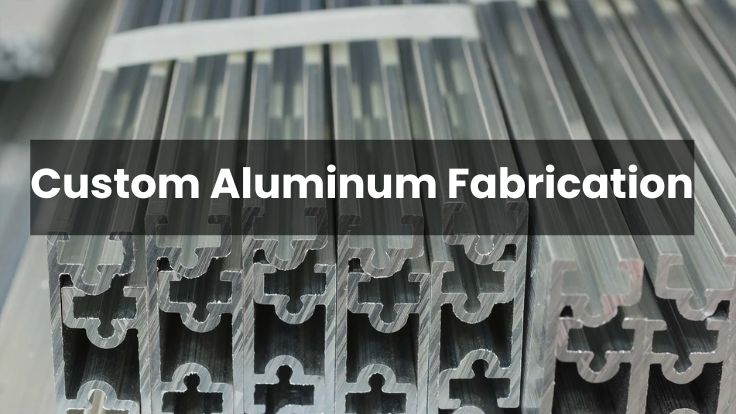
Az egyedi alumíniumgyártás számos iparág pillére lett az innováció és a tervezés mai korszakában. Akár repülőgép-alkatrészekben, épületekben vagy hidakban használják, az alumíniumot ereje, alakíthatósága és korrózióállósága miatt használják. Ez nem csak az alumínium beszerzésére vonatkozik, hanem annak speciális követelményekhez való alakítására. És ez az, ahol az egyedi alumíniumgyártás fogalma a csúcson van, amely személyre szabott megközelítést nyújt az ipari szerkezetek, valamint az otthoni belső és külső terek igényeihez. A szénacél azért ideális, mert az egyedi gyártás során ilyen rugalmasságot kaphat, hogy nagyon különleges igényekre szabhassa, ellentétben a szabványos fémalkatrészekkel, amelyek tömeggyártása korlátozott rugalmassággal történik. Építészeti hangsúlyok, gépházak vagy egyedi bútorok tervezésénél és létrehozásánál az alumínium az erő és a megmunkálhatóság optimális kombinációját képviseli. A lépések közé tartozik az alumíniumból készült elemek vágása, alakítása, hegesztése és összeszerelése olyan termékekké, amelyek jól néznek ki és célt szolgálnak. Ahogy a gyártástechnológia fejlődik, és ahogy a személyre szabottabb problémák megoldásának igénye növekszik, a polgárok kifejezetten a következő kifejezést keresik: egyedi alumíniumgyártás a területemen, hogy megvalósítsák ötleteiket. Megbízható üzleti jelzést kereső vállalatként vagy tervezői szándékkal rendelkező lakástulajdonosként egy tapasztalt egyedi alumíniumgyártó garantálja, hogy olyan megoldást kapjon a projektjére, amely megfelel az elképzeléseinek és évekig tart. Ez a cikk részletesen beszél a teljes egyedi alumíniumgyártási folyamatról, annak előnyeiről, alkalmazásairól és arról, hogyan találja meg a megfelelő partnert a következő projektjéhez. És itt az ideje, hogy belépjen a fantázia a fém készen áll, hogy megfeleljen az Ön egyedi megoldásának. Mi az egyedi alumíniumgyártás? A legegyszerűbben fogalmazva, az egyedi alumíniumgyártás egyszerűen az alumínium tervezése, vágása és alakítása, hegesztése és összeszerelése egy teljes termékké, amely megfelelhet az ügyfél egyedi igényeinek. Ez lehet olyan egyszerű konzol vagy akár olyan bonyolult, mint a gépdarabok. Az alumíniumot ezekben a műveletekben használják, mivel könnyű, de erős, és nem rozsdásodik vagy korrodál. Az alumíniumot az teszi naggyá, hogy megmunkálható. Formálható, hegeszthető és megmunkálható, valamint könnyen hajlítható. Lehetővé teszi a kreativitást a szerkezeti és az esztétikai felhasználás terén egyaránt. A tapasztalt személyzet különböző szerszámokat és gépeket kezel, hogy az alumíniumlemezeket vagy extrudálásokat hasznos termékekké alakítsa. Miért alumínium? Az is a legjobb, ha tudjuk, miért alumíniumot széles körben használják az egyéni fémipari munkák előtt megvitatása mélyebben a:. gyenge, mégis stabil: Az alumíniumnak nagyszerű az erő és a súly aránya. Ezek az előnyök tették az alumínium egyedi gyártás kifejezést az egyik lehetőségként számos iparágban. Mit jelent a Custom szó jelentése? Az egyéni kifejezés az, amit egy egyén vagy egy cél érdekében gyártanak vagy hoznak létre, szemben valamivel, ami általában tömeggyártott vagy szabványos. Másképpen fogalmazva, ha valami egyedi, akkor azt úgy készítenék, hogy éppen az Ön igényeihez igazodjon, vagy amit Ön szeretne, vagy amit kifejezetten Ön szeretne, hogy elkészüljön. Példák: Így amikor egyedi alumíniumgyártásról beszélünk, akkor az egyedi kifejezés azt a tényt hangsúlyozza, hogy az alumíniumból készült darabok vagy termékek egyedileg készülnek egy adott ügyfél vagy alkalmazás, vagy tervezés számára, ezért specifikusak és testre szabottak. A gyártási folyamat Egyedi alumínium kialakítás több különböző létfontosságú folyamatot foglal magába: 1. Tervezés és tervezés Az ügyfelek jönnek az ötletükkel vagy rajzukkal, vagy alkalmazásukkal. A gyártó elemzi a specifikációkat, és ajánlja a legmegfelelőbb alumíniumformát és az alkalmazandó eljárást. 2. Vágás és alakítás Az alumíniumot fűrész, lézer vagy CNC-gépek segítségével vágják a kívánt formára. Van hajlítás, alakítás, hogy a kívánt pontos szerkezetet vagy kontúrt előállítsák. 3. Összeszerelés és hegesztés A darabok összekapcsolására speciális alumíniumhegesztési módszereket, például a TIG hegesztési technikát alkalmazzák. A szoros felépítés garantálja a stabilitást és a szépséget. 4. Befejező simítások A darabot végül csiszolják, polírozzák, festik vagy eloxálják ,a kívánt megjelenéstől és védettségtől függően. Ezek a kezelések hozzáadott értéket képviselnek, különösen azoknál az alumínium termékeknél, amelyek ki vannak téve az elemeknek vagy ki vannak állítva, amelyeket egyedi alumíniumból készült termékekként márkáznának. Gyakori alkalmazások Alig van korlátja annak, hogy mit lehet előállítani az egyedi alumíniumból készült termékek segítségével: Amikor az egyének keresni fognak a keresőmotoron az egyéni alumíniumgyártás a közelemben, akkor általában szükségük van egy képzett helyi gépműhelyre, hogy ezeket az elképzeléseket végrehajtsák és valósággá tegyék. A megfelelő gyártó kiválasztása Nem minden alkalommal könnyű dönteni az egyéni alumíniumgyártók kiválasztásának alternatívái között. Olyan sok üzlet van, amelyek fagyasztó üzletekként határoznák meg magukat, hogy nagyon fontos, hogy keressenek néhány tulajdonságot: Amikor meglátogat egy keresőmotort, és beírja az egyéni alumíniumgyártás a közelemben, nem szabad csak a távolságot figyelembe venni. Ellenőrizze egy üzlet képességeit, visszajelzéseit és korábbi munkáit, hogy megbizonyosodjon arról, hogy minden megfelel. Az egyéni gyártás előnyei A nem általános jelleg nem az egyetlen célja az egyéni gyártásnak; nagyon is valós, gyakorlati előnyei vannak: Ezért a számos iparágban az egyéni alumíniumgyártás fogalmai a pénzt a szükséges alkatrészekbe és berendezésekbe helyezik. Alumínium vs. más fémek az egyedi gyártásban Az anyagok kiválasztásához egy gyártási projektben fontos, hogy legyen háttérismerete arról, hogy melyik fém jobb a többiekhez képest, és az alumínium sem kivétel. A fémek sajátos tulajdonságokkal rendelkeznek, amelyek befolyásolják alkalmazásukat a súly, a szilárdság, a költségek és a felhasználás szempontjából, amelyre alkalmasak. Ez egy bontás: Alumínium Az alumínium könnyű anyag, ellenáll a rozsdásodásnak és erős. Általában olyan gyártási munkáknál alkalmazzák, amelyek tartósságot igényelnek, de nem akarják a túlsúlyt. Ez is könnyen vágható, hajlítható és hegeszthető, és ez teszi ideális anyaggá az egyéni alumíniumgyártásban. Emellett az alumínium teljesen újrahasznosítható, és ez is

Hidegkamrás öntés

Modern trendek a hidegkamrás öntési technológiában

öntvényöntés, Die Casting gyártó, öntvény alkatrészek

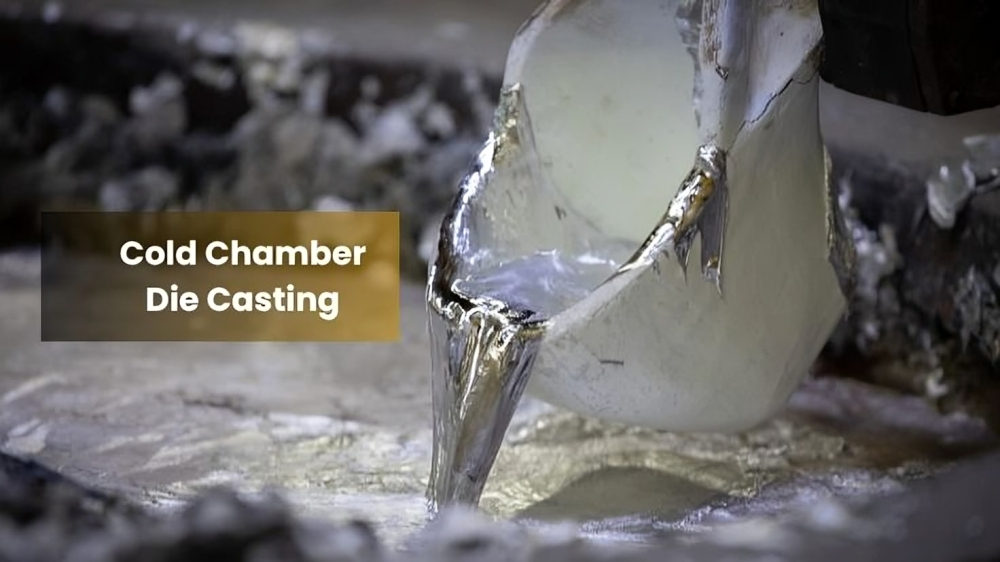
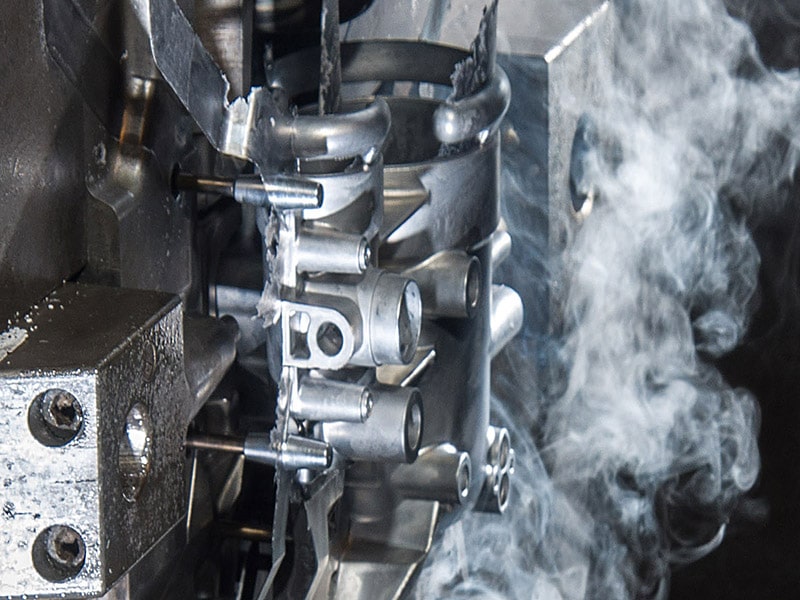
Cold Chamber Die Casting is a precision type of manufacturing technique applied in the manufacture of complicated metal components characterized by high levels of strength and precision. This process can best be used in metals having a high threshold of the melting point, like aluminum, brass, and copper alloys. Cold chamber die casting systems are not placed into molten metal like a hot chamber die casting system; instead, the metal is put into the cold chamber die casting machine by manually ladling metal into the cold chamber die casting machine after it is melted in another furnace. The arrangement wears less on the machine and uses alloys that are tougher. Among the important factors that make companies opt to use this method are the special cold chamber die casting advantages and disadvantages. It has top dimensional accuracy, smooth surface finishes, as well as long cycle times. Nevertheless, its strength and durability of the constituents are its favorites in the automotive, aerospace, and electronic markets. The difference between hot and cold chamber die casting is crucial to make the right choice of the process. Hot chamber die casting is more rapid and applied to metals of low-melting point, such as zinc, whereas the cold chamber die casting system is designed to handle higher temperatures and stronger metals. Manufacturers will also be able to manufacture long-lasting and reliable parts with this process that have a high degree of precision in their specifications. In the present article, we are going to discuss the principle of operation of cold chamber die casting, its main parts, the nature of the metal employed, and technological parameters of cold chamber die casting, including clamping force and cycle time. The cold chamber die casting advantages and disadvantages will also be considered to provide you with a full picture of this important manufacturing process. What is the Cold Chamber Die Casting? Cold Chamber Die Casting: A cold chamber die casting process is a metal casting process where molten metal is ladled either manually or automatically into a separate cold chamber outside the injection system. Thereafter, the metal is pushed with high pressure into a mold cavity, which causes the metal to cool and crystallize in the desired shape. It is usually applied to metal with a large melting point, like brass, aluminum, and copper alloys. The purpose of avoiding corrosion and thermal fatigue that can result in improper working of components of the injection system, unlike in the hot chamber die casting process, where the injection mechanism is suspended in molten metal, the cold chamber process keeps the injection facilities segregated. The application of the practice of the latter, i.e., Cold Chamber Die Casting, is especially advantageous, where the metals used would harm the components, contacting them. High pressure can be used in the injection process itself, and denser, stronger components with a brilliant surface finish and dimensional stability would be possible. Die Casting Process- Step by Step The object of the Cold Chamber Die Casting technique is to make highly accurate and hard metal parts that are frequently composed of alloys that have melt-points that are at high temperatures, such as aluminum and brass. Let us have a step-by-step breakdown of how it works: 1. The External Furnace is used to melt the Metal The process is similar to that of hot chamber casting except that the melting of metal is done in a separate furnace outside. This is required in that the molten metal in the cold chamber casting will cause a high level of heat to be experienced internally that cannot be handled. The metal is melted, after which it is able to be transferred into the casting machine. 2. Pouring the molten metal into the Shot Sleeve Thereafter, the molten metal is ladled into the shot sleeve in the die casting machine. This is manually done or arm-driven. The shot sleeve is a strong, resistant to heat tube into which the metal rests and is later injected. This should be taken very fast to prevent premature solidification. 3. Plunger forces the metal into the die. A steel plunger travels into the shot sleeve and presses the molten metal at high pressure in the die cavities. The force makes sure that the metal fills the mold even in any complicated pattern or with a very thin wall, and decreases the chances of any flaws, such as air pockets. 4. There is the Solidification of Metal within the Die When the mold is filled, the metal starts cooling and solidifying within the die. This solidification step is very important in coming up with a good and precise part. The cooling time is dependent on the part metal, part thickness, and die temperature. 5. The Brass Die and Ejector Pins Force-Out the Casting When the part has solidified, the clamping unit of the machine opens the die, and ejection pins force the casting out of the mold cavity. The portion is then moved to a cooler station or a trimming station. 6. Removal of Flash (Removal of Excess Metal) There is some over metal on the sides called flash that is around the edges of the casting where the halves of the die come together. This is then removed by mechanical trimming, grinding, or machining, depending on what the finish requires. This will prevent the final works from being below the intended shape and tolerance. 7. Die cycle reset and Lubrication The die is washed and greased before entering the next cycle in order to be of good quality and avoid sticking. When the oiling is done, the die is again clamped, and the machine is switched to reset for more cycles. 8. Quality Inspection and finishing This is a complete part that is checked to ensure quality defects do not exist, like cracks, shrinkage, or abnormalities on the surface. Depending on the end-use requirement of the part, it can be subjected to additional machining, surface treatment, or assembled (if required). Metals to be used in the

Alumínium homoköntés

Az alumínium homoköntés átfogó műszaki elemzése a modern gyártásban

alumínium öntvény

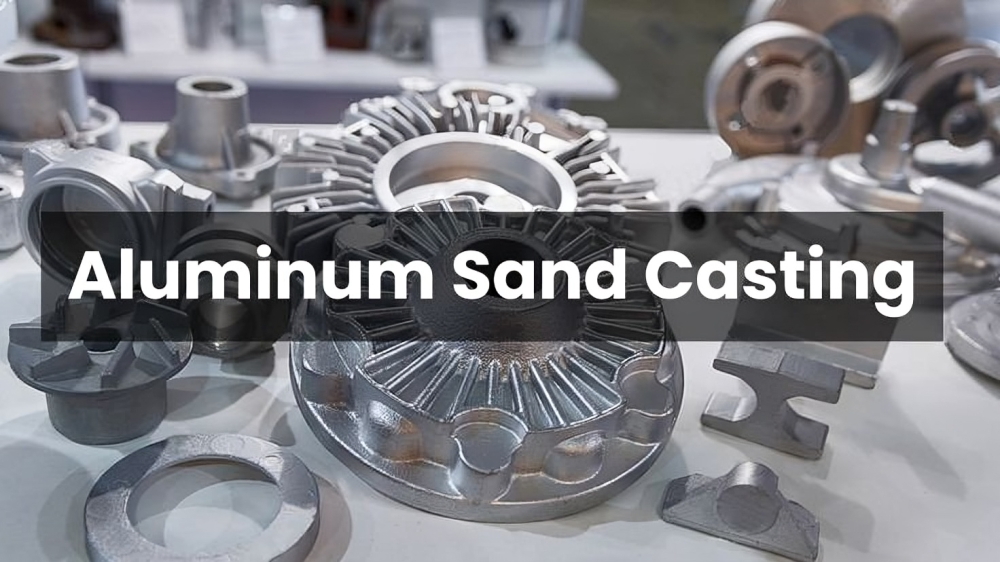
Aluminum sand casting is one of the oldest and most versatile metal casting processes, widely used in modern manufacturing to produce complex, durable, and cost-effective components. Aluminum Sand casting Manufacturers can generate complex geometries with intricate features that would have otherwise been either impractical or unprofitable to machine out of solid material through pouring molten aluminum into prepared sand molds. This method is especially suitable in low to medium-volume production, prototyping, and high structural castings on applications spanning the aerospace, automotive, defence, and energy industries. The most interesting about the sand-casting aluminum is that it is both flexible and functional. Aluminum has a very good strength versus weight, corrosion resistance, and recyclability, and thus makes it an excellent casting material. Together with the thermal resistance of sand and its high moulding capability, the process provides scalable production capability with excellent dimensional accuracy. Pattern design, the makeup of the mold, the quality of the melt, and gating design are key factors to the success of every casting. An excellent foundry of aluminum sand castings has to control not only the classic facts in metal technology but also touch on innovations in the processes. The current facilities apply the latest technology to prevent defects and ensure the best performance of the casting by using 3D sand printing, simulation software, and real-time process monitoring. Precision-engineered and casting aluminum parts are now capable of meeting stringent engineering standards for safety, tolerance, and durability. As demand grows for complex components with faster lead times and lower environmental impact, professional aluminum sand casting services must continue evolving. This article goes into the technical ins and outs of the process itself, its engineering workflow, materials, challenges, innovations, and so on. The Fundamentals of Aluminum Sand Casting At its core, aluminum sand casting involves pouring molten aluminum into a sand mold cavity, which is shaped by a pattern that replicates the final part’s geometry. When the aluminum solidifies, the sand mold is shaken off, leaving the cast piece. The process also has an outstanding dimensional flexibility and scalability capability in high-mix low-volume manufacturing conditions. The process is based on the use of a non-permanent mould, sand, that may be recycled and re-utilized, minimizing the waste of materials and expenses. Sand molds most commonly consist of silica sand with a binder added, and the nature of the binder system generally influences considerably the resulting surface finish, dimensional accuracy, and rate of cooling. The process of Flow in the Engineering of Sand Casting Aluminum Sand casting aluminum is an engineering process that consists of a set of accurately calibrated activities that aim at transforming raw aluminum into specific, well-built, and accurately dimensioned parts. Both the material and mechanical expertise are required to be in-depth to make all of the stages of the process successful. The following is a step-by-step analysis of the way in which sand casting of aluminum is implemented professionally and technically. 1. Pattern Design and making In the sand casting aluminum process, the initial step is designing and manufacturing the pattern, a physical copy of the final casting. The allowances that must be included in patterns are rather critical, such as shrinkage, draft, and machining stock. As aluminum contracts, during cooling patterns are laid out a little bigger than the finished component. The shrinkage rate of aluminum alloys is normally applied at 1.3 per cent; however, depending upon the alloy and the conditions of cooling, it may vary. Vertical portions of moulds are given draft angles, normally a few degrees between 1 and 3, to ensure that the pattern can be removed easily in the sand mold, being careful not to destroy the cavity. Additional allowances (machining allowances) are included such that there is no adverse interaction between the post-processing and the final part. Patterns may be made out of wood, metal, resin, or even 3D-printed polymer materials, depending on the accuracy demands and the needs of the production volume. 2. Mold Making (Molding and Core Setting) After preparing the pattern, the mold is to be prepared. For the sand cast, aluminum mold, there are two separate halves: the cope (upper half) and the drag (lower half). They are produced by stuffing the sand around the mold in a flask. Depending on the application, the sand is generally silica-based and is amalgamated with binders such as clay (green sand) or chemical resins (no-bake sand). In case the part design has internal space and hollow parts, it necessitates the use of sand cores. They are placed in the mold cavity, after which the metal is poured. Cores can be fabricated using core boxes, and in precision production, they can be printed with greater precision using 3D sand printing. The exact footprint of the core is very important in order to have a rigid structure and adherence to the final part dimension. 3. The Design of the Gating System The timeliness and effectiveness of the gating system formed are significant towards the success of the process of sand casting aluminum. This system consists of a pouring basin, sprue, runners, and gates, which coerce the impounded aluminum into the involvement of the mold. Adequate gating will prevent a lot of turbulence, minimize airlock, and also make sure that there is an even fill. Risers (alternatively called feeders) are also required, and these can be seen as a reservoir of molten metal that offsets the direction of shrinkage that comes after solidification. Casting simulation software is usually utilized by engineers to study and optimize the gating and riser systems. Prediction takes place by using simulation tools such as MAGMASoft or ProCAST so that typical defects such as cold shuts, misruns, and shrinkage porosity can all be corrected virtually before any production takes place. 4. Cu Melting and Metal Treating Aluminum is usually melted by a reverberatory furnace, a crucible furnace, or an induction furnace, and the choice depends on the batch volume, alloy needs, and the amount of energy needed. The melting temperature of pure aluminum is about 660 degrees

TIG hegesztés alumínium

TIG hegesztés alumínium: A Comprehensive Technical Guide

alumínium öntvény

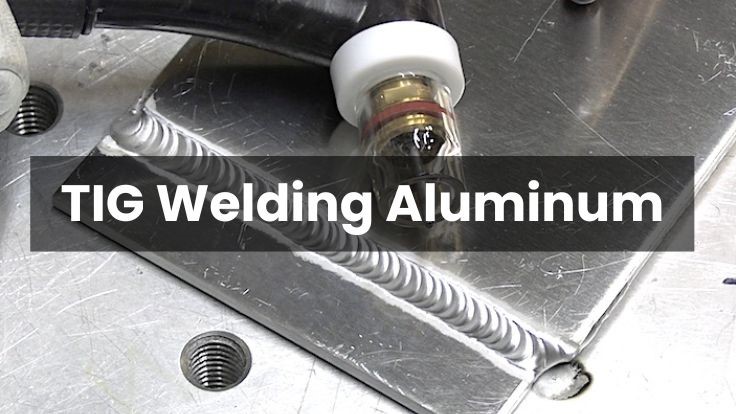
TIG Welding Aluminum is widely regarded as one of the most technically demanding processes in the field of welding. When working with aluminium, the metal that is characterised by its light weight, corrosion resistance, and high conductivity, a set of unprecedented problems emerges, which distinguishes it so much in terms of steel or stainless steel. Poor handling of aluminum can cause the natural oxide layer to provide a weak, porous, or otherwise structurally undesirable weld due to its natural oxide level, low melting point and its ability to absorb hydrogen gas. Thus, the TIG (Tungsten Inert Gas) process, or the Gas Tungsten Arc Welding (GTAW) process, is the process of choice by the industry to use in instances when precision, aesthetics, and weld integrity are the main factors. These will cover the behaviour of materials, selection of equipment, choice of shielding gas, joint preparation and troubleshooting methods, although much emphasis will be placed on quality control and repeatability. Additionally, the article will detail how to correctly select and operate an aluminum tig welder, manage various types of aluminum welding parts, and produce consistent, defect-free joints when attempting to weld aluminium TIG. By the end, the reader will have a thorough knowledge of how to create a good, clean, structurally good-looking tig-welded aluminium assembly as per the industry standard in the aerospace, automotive industry, marine industry, as well as the manufacturing industry.  This article discusses the science, methods as well and practical aspects of TIG welding on aluminium. It is meant to be used by experts and technically trained people who want to extend their knowledge about the welding of aluminium in high-performance or industrial processes. What is TIG Welding Aluminum? TIG Welding Aluminum refers to the process of joining aluminium components using Tungsten Inert Gas (TIG) welding, also known as Gas Tungsten Arc Welding (GTAW). Here, an electric arc is generated by a non-consumable tungsten electrode and aluminium base metal and a filler rod are melted in a protective cover of inert gas, usually argon. Since aluminium has high thermal conductivity, low melting point and a high melting oxide layer, welding aluminium has unique colouring, and drying must be done carefully. TIG welding has a situated control of heat input and weld puddle, which means it is perfect in thin materials, advanced assemblies and other high-performance applications. The aerospace, automotive, and marine industries, among others, use TIG welding to manufacture resistant, non-corrosive, and neat-looking welding video. Successful “TIG Welding Aluminum” requires skilled technique, proper equipment, and careful surface preparation to ensure weld integrity and strength. Why Aluminum TIG Welding? Gas Tungsten Arc Welding (GTAW), which is also known as Tungsten Inert Gas (TIG), is the ideal technique to use where precision, control and a fine look are requisite. It offers unparalleled control in the amount of input heat so that welders have the opportunity to control the fluidity of the weld pool of the aluminum. The TIG welding, when utilized with aluminum is quite convenient mainly because: Welding aluminum involves a better understanding of its physical and chemical properties and which are much different compared to other widely used metals. Below are the key challenges associated with TIG Welding Aluminum. 1. Very High Thermal Conductivity Aluminum carries heat 5 times than steel. This means that heat dissipates quickly from the weld zone, requiring higher amperage when attempting to weld aluminium TIG, especially with thick materials. When not done best can end up in gap fusion or irregular weld penetration. 2. Oxide Layer Problems When aluminum surfaces are exposed to air, a layer of oxide (reliably adherent) forms instantly, and it is thin. This layer is melted at approximately 2050 °C, which is well above the base metal melting point of aluminium, which is 660 °C. TIG welding, when AC mode is used, assists in breaking this layer, but it is also important that pre-cleaning is done to produce high-quality TIG-welded aluminium. 3. Hydrogen Porosity Susceptibility Hydrogen readily absorbs in molten aluminum, and this can create porosity or cause cracks during cooling. Oil, moisture, or dirty filler rods acted as a source of contaminants that caused the hydrogen to get into the weld pool. Proper cleaning and using dry filler rods are essential to avoid defects in aluminum welding parts. Technical Summary Table for TIG Welding Aluminum Here is a comprehensive technical table summarising the key aspects of TIG Welding Aluminum, including welding parameters, joint types, common defects, and how to manage them. In this table, you combine the ideas of your article, and it is original and highly technical. Category Technical Detail Recommendations / Parameters Base Material 1xxx to 6xxx aluminum alloys are most commonly TIG welded Clean all surfaces before welding; avoid 7xxx for high-crack sensitivity Main Process TIG Welding Aluminum using alternating current (AC) Use an inverter TIG with AC balance, high-frequency start, and stable arc control Primary Keyword Weld aluminum tig Use appropriate AC balance and amperage; optimize puddle control and filler deposition Electrode Type 2% Lanthanated or Ceriated Tungsten (1/16″, 3/32″, or 1/8″) Sharpen to a truncated point or ball tip (for AC), depending on application Shielding Gas High-purity Argon (99.99%) Flow rate: 15–20 CFH; add Helium for thicker materials or deeper penetration Filler Rods ER4043, ER5356 Match filler to base alloy and application (ER5356 for strength, ER4043 for crack resistance) Joint Types Butt, Lap, T, Corner Design with small gaps (~1/16”) and allow for thermal expansion Weld Preparation Degrease + stainless steel wire brush No touching after cleaning; remove the oxide layer before welding Torch Technique Short arc length (<1/8”), 10–15° travel angle Keep filler outside the arc cone to prevent oxidation Amperage Settings 1 amp per 0.001” thickness baseline 60–130 amps for most thin-to-mid aluminium applications AC Frequency Controls the arc focus 120–200 Hz for clean, narrow arc on thin aluminum welding parts AC Balance 70% EN / 30% EP typical Adjust toward more EN for deeper penetration; more EP for cleaning oxide Tip: Make sure to calibrate your aluminum tig welder properly

Alumínium nagynyomású öntvény

Alumínium nagynyomású öntvény gyártó és IATF 16949

alumínium öntvény

Modern manufacturing uses aluminium high-pressure die casting to make parts that are strong, light, and have many complex shapes. The reason automotive, aerospace, telecommunications, and consumer electronics all use it is that it can do both mass production and create very accurate pieces. Because the demand for quality aluminium high-pressure die-cast parts keeps increasing, it is important to deal with a well-known and certified supplier. In this area, the IATF 16949 certification is very important because it is a respected quality management standard used worldwide in the automotive industry. Such certification guarantees that quality control, proper risk handling, and continuous improvement are used during every stage of manufacturing. A certified aluminum die-casting and ISO 16949 company demonstrates its commitment to consistent product quality and customer satisfaction. Being a high precision die casting manufacturer and ITAF 16949 means meeting rigorous international standards and having the processes in place to minimize defects, enhance production efficiency, and ensure complete traceability of components. They can meet Tier 1 suppliers and OEMs by delivering components that exactly follow the business’s specifications. In addition, complying with aluminum die casting and 16949 standards means a manufacturer can meet expectations worldwide, mainly in areas where it is important to focus on safety and secure performance. Working with a suitable aluminium die casing partner that has IATF 16949 certification benefits your products, helps cut costs in the future, and strengthens the links in your supply chain. This article looks into how an aluminium high-pressure die casting manufacturer follows the IATF 16949 standard and its role. Aluminium High Pressure Die Casting  Aluminium high-pressure die casting helps make metal parts that are accurate in shape and have a perfect non-porous surface. When molten aluminium is injected into a steel mold at high pressure, it makes it possible to quickly fabricate complex parts and reduces later processing steps. Because it is strong and light, aluminium is widely used in many industries. The products made from this process are commonly seen in cars’ engines, housings, and brackets. For any aluminum die-casting and ITAF 16949 certified operation, maintaining the integrity of this process is vital to both quality and compliance. How IATF 16949 Helps in Die Casting? IATF 16949 is an international standard made for cars, and it uses quality management to ensure the reliability of products and their processes. Continuous development, prevention of quality issues, and lowering waste in the supply chain are the main elements of the system, which was created by the International Automotive Task Force. For manufacturers engaged in aluminum die-casting and ISO 16949 certification, certification is not just a regulatory requirement; it’s a badge of trust. It guarantees that the manufacturer follows quality rules that are respected everywhere. Besides, since IATF 16949 matches ISO 9001, it ensures full and proper quality management. Why is aluminium used in High Pressure Die Casting? Die casting benefits a lot from aluminium due to its ability to resist corrosion, its strong thermal conductivity, and being lighter than other metals like steel and brass. Because of these qualities, this material is suitable for cars since both light weight and performance depend on fuel efficiency. An IATF 16949 certification shows that all of these benefits are achieved by the business. For instance, manufacturers focusing on “high precision die casting manufacturer and ISO 16949 standards can assure customers of consistent product performance and minimal variance in production. What Makes an Aluminium Die Casting Manufacturer Reliable? Selecting a competent manufacturer is very important for firms doing aluminium die casting. A manufacturer should not only have the necessary know-how but also follow all quality standards. These are some of the essential traits you should notice: Using Precision in Die Casting Good die casting depends mostly on precise engineering. It confirms that components follow the tight guidelines of both dimensions and performance. Manufacturers who identify as high precision die casting manufacturers and ITA 16949 go to great lengths to implement exacting standards across the design and production cycle. Because of CAD/CAM software, quality inspection, and automated processes, production is kept as close as possible to the specific requirements. For applications like transmission housings, electronic enclosures, and important car components, the exactness needed is very important. Why Managing Quality Is Important? A well-structured quality management system (QMS) makes it possible to produce the same quality goods all the time. In the aluminium die casting industry, following the principles of IATF 16949 gives a way to control processes, reduce risks, and improve constantly. By following IATF 16949, a high precision die casting manufacturer and itaf 16949 ensures not only quality but also traceability and accountability. Everything is checked and confirmed along the supply chain to lower the chances of issues and defects. Below is a detailed and professional table that outlines key aspects of Aluminium High Pressure Die Casting Manufacturer and IATF 16949, integrating relevant information across different categories such as process, benefits, certification, and industry relevance. This table is ideal for use on a website, brochure, or presentation. Aluminium High Pressure Die Casting & IATF 16949 – Comprehensive Overview Category Details Manufacturing Process Aluminium is melted and injected into a steel mold under high pressure, producing complex shapes with excellent dimensional accuracy. Key Material Used Aluminium alloys (e.g., A380, ADC12, AlSi10Mg) are known for their strength, light weight, and thermal conductivity. Application Industries Automotive, Aerospace, Electronics, Industrial Equipment, Telecommunications, Consumer Goods. Advantages of Aluminium Die Casting – Lightweight components- High strength-to-weight ratio- Excellent surface finish- High-volume efficiency- Corrosion resistance Importance of Precision Tight tolerances and fine details can be achieved, ideal for engine parts, housings, connectors, brackets, and structural components. What is IATF 16949? A global quality management standard for the automotive industry, based on ISO 9001 with additional requirements specific to auto manufacturing. Benefits of IATF 16949 Certification – Consistent product quality- Risk-based thinking- Defect prevention- Better customer satisfaction- Competitive advantage Why Certification Matters Ensures traceability, standardized procedures, regulatory compliance, and ongoing performance improvement. Target Clients OEMs, Tier 1 & Tier 2 automotive suppliers, industrial system designers, and

Autóipari öntvénygyártó vállalatok Kínában és a világon

Autóipari öntvénygyártó vállalatok Kínában és a világon

alumínium öntvény, öntvénygyártó cégek

The future of the automotive industry is being influenced a great deal by the rise of die casting. Engine components, battery cases for EVs and other parts made by die casting are key to getting strong, precise and lighter vehicles. Because people are buying electric and fuel-saving vehicles in greater numbers, companies in die casting are at the forefront of progress and large-scale solutions in this area. China, more than any other country, has become a top player in die casting because of advanced tools, skilled workforce and affordable manufacturing. Leading companies in this area are Sincere Tech, CNM Tech Co., Ltd. and GC Precision Mould Co., Ltd., which handle mould design as well as CNC machining and surface finishing. Using both quality checks and fast prototyping, these companies make large numbers of parts, which attracts both local and global car manufacturers as partners.  Present in different nations are companies like Wisconsin Aluminium Foundry (USA), Get It Made (UK), and MES Inc. (USA), which are changing the industry. Decades of experience, certifications from ISO 9001 and IATF 16949 and a focus on being green and innovative ensure these firms can support the improved expectations of automakers for accuracy, dependability and caring for the environment. The article points out some key players leading changes in the automotive die casting industry. Because of trends such as electrification, digitalization and the use of sustainable methods, die casting companies globally, including in China, are seen as main players in achieving excellence in cars. 1. Sincere Tech Year of Establishment: 2005Number of Employees: 100-200Business Type: Sincere Tech is one of China’s largest plastic injection mould manufacturers, die-casting producers, machining providers and assembly providers. Website and Contact Website: https://plas.co/Phone: +86 135 30801277Email: steve@sincere-tech.comAddress: Rm101, N041, Donghu road, JingLian cun, Qiaotou town, Dongguan City, Guangdong Province, China. 523000. Company Profile Chinese supplier of plastic injection moulds and moulding services, Sincere Tech, is among the foremost companies in China. From 2005, this company resulted from the combination of stamping metal and plastic, precision plastic injection moulds, CNC machining, die casting and silicone moulding. Advanced machines, protection of information with NDAs, fair pricing and almost two decades in excellent production await our customers at Sincere Tech. Injection moulding is used for 60-1800 ton machines to serve industries such as electronics, medical, auto or cosmetics and its parts range from less than a gram to 8 kilograms in weight. Their top-quality commitments As per ISO 9001:2015 and ISO 9000:2015, Sincere Tech aims to build products that are accepted worldwide. Caring about quality has allowed the company to create a huge demand, so it exports its products to Finland and a number of other countries. Being amongst businesses that give similar services, Sincere Tech is recognized as a trustworthy and innovative partner for plastic injection moulding. Why Choose Us? 2.  CNM Tech Co., Ltd. Year of Establishment: 20+Number of Employees: 100-200Business Type: CNM Tech Co., Ltd. is a precision manufacturing company focused on die casting, CNC machining and assembly services. Website and Contact Website: https://www.thediecasting.com/Contact: +86 13045898002Email: sales@thediecasting.comAddress: Factory Address: Rm 101, No.40, Donghu Road, Jinglian, Qiaotou town, Dongguan city, Guangdong Province, China. 523520. Company Profile Thediecasting.com is the official domain that CNM Tech Co., Ltd. operates under, which is an outstanding Chinese manufacturer of die-casting solutions. The company is a China-based aluminium, magnesium, and zinc die casting; CNC machining; surface finishing, and assembly business headquartered in Dongguan, China. CNM Tech has more than 20 years of experience in the fields of automotive, aerospace, electronics, etc. Due to the high precision manufacturing, their in-house tooling shop and advanced CNC machines also ensure. CNM Tech provides all types of polishing, sandblasting, powder coating, oil painting, etc., with high-quality finish products matching the needs of users worldwide. Their Quality Commitments CNM Tech Co., Ltd. provides ISO 9001:2008, TS16949, and ISO 14001:2015 documents. In most cases, these will provide you with the assurance that the management of your company is top-notch and also will guarantee compliance with automotive industry standards and environmentally friendly activities undertaken by the company involved. As a result of strictly following quality and environmental regulations, CNM Tech provides great die-casting solutions with a minimal environmental impact, with its excellent reputation in the market. Why Choose Us? 3.  GC Precision Mould Co., Ltd. Year of Establishment: 1999Number of Employees: 100-200Business Type: Our company, GC Precision Mould Co., Ltd., do aluminium, zinc and magnesium die casting, CNC machining, and plastic injection moulding. Website and Contact Website: https://aludiecasting.com/Contact: +86 131 4886 5556Email: info@aludiecasting.comAddress: Factory Address 1: No. 30 Huan Zhen Rd, Qi Shi Town, Dongguan City, Guangdong Province, China, 523516 Company Profile GC Precision Mold Co., Ltd., operates under Aludiecasting.com, is a die casting and precision machining manufacturing site that is one of the leading Chinese manufacturers. The company was founded in 1999, and the services include aluminium, zinc, and magnesium die casting, plastic injection moulding, and CNC machining and surface finishing. They have state-of-the-art machinery such as high-pressure die casting machines (120 – 1600 tons) and injection moulding machines (80 – 2800 tons connected to industries like automotive, aerospace and electronics. They have a very strict quality to provide the exact, durable and cheaper manufacturing solutions throughout the world. Their Quality Commitments GC Precision Mold Co., Ltd provides the best die casting and machining solutions as specified in the ISO 9001 certification. Their quality control is so strict that they test for precision, CMM machines, X-rays and spectrometers to ensure a reliable product. Through strict adherence to international standards, the company ensures delivery of consistent, high-quality components with minimum customer complaints due to the reliability aspect, for the reasons indicated in every project. Why choose GC Precision Mould Co., Ltd.? 4. Get It Made Year of Establishment: 2011Number of Employees: 50-100Business Type: Manufacturer and supplier of automotive die casting parts. Website and Contact  Website: https://get-it-made.co.uk/  Email: team@get-it-made.co.ukContact: +44 (0)20 3286 6002Address: Get It Made Ltd, Unit 1 Southbrook Mews, London SE12 8LG. Company Profile  Get It Made was set up in London,

Alloy Die Casting Company Kínában és a világon 

Alloy Die Casting Company Kínában és a világon 

öntvényöntés, öntvénygyártó cégek, öntvénygyártó vállalat

Alloy die casting is used to produce complicated metal pieces that require tight tolerances and have a very good finish. Among others, it has a major role in the automotive, aerospace, electronics, defence, medical device, and consumer product industries. All over the world, manufacturers work together, and China leads this industry because it has strong infrastructure, well-trained people, and good pricing. CNM Tech Co., Ltd., Sincere Tech, and GC Precision Mould Co., Ltd. are well-known companies in China’s die casting sector, and all of them handle mould design, CNC machining, and final assembly. These manufacturers make use of the very latest technology and follow worldwide quality standards such as ISO 9001. Most of their services support international customers, which gives them a major role in worldwide supply networks. Companies such as Nemak (Mexico), MRT Castings Ltd and Haworth Castings (UK), and PHB Inc. (USA) are good examples of advanced die casting technology outside Asia. Innovation, sustainability, and precision production are central to these companies, which deliver to the aerospace, medical, and electric vehicle sectors, which have strict regulations. Both these firms differ from others by being highly skilled and also placing a strong emphasis on quality, customer care, and green changes. The article discusses several leading die casting companies in China and around the world, highlighting their main qualities, strengths, and why they do well in this business market. Regardless of which part of the world you are looking to outsource to, the given profiles give you useful advice on your best choices. Alloy Die Casting In alloy die casting, liquid metal alloy is pressed with great force into dies made from steel, which can be reused many times. This production method helps create metal parts that are very accurate in their dimensions, smooth, and can be produced very efficiently. Main Characteristics of Alloy Die Casting: 1. Alloys Used: Most of these processes rely on non-ferrous metal alloys, for instance aluminum, zinc, and magnesium, which have their important advantages related to weight, how strong they are, corrosion resistance, and heat conductivity. 2. Process Overview: Melting the alloy happens next, done by putting the material in a furnace. A hardened steel mould receives the molten metal, which enters through a die casting machine. 3. Types of Die Casting are: Here are the main strengths of Alloy Die Casting: Common Applications: 1. CNM Tech Co., Ltd. Year of Establishment: 20+Number of Employees: 100-200Business Type: CNM Tech Co., Ltd. is a precision manufacturing company focused on die casting, CNC machining, and assembly services. Website and Contact Website: https://www.thediecasting.com/Contact: +86 13045898002Email: sales@thediecasting.comAddress: Factory Address: Rm 101, No.40, Donghu Road, Jinglian, Qiaotou town, Dongguan City, Guangdong Province, China. 523520. Company Profile  Making precision aluminum and zinc die-cast components is what The Die Casting Company is best known for. The company offers complete casting services by having the abilities needed for mould design, tooling, CNC machining, surface finishing, and quality testing all in-house. Serving the industries of automotive, electrical, and industrial machinery, it brings together engineering knowledge and ISO 9001 certificates. With aid from modern technology and a customer-friendly approach, The Die Casting Company offers high-performance, low-cost output and unchanging quality. Having its headquarters in India, Codeplay provides custom support and on-time deliveries to clients around the world. Quality Commitment  High quality is important to every task at The Die Casting Company. Starting with checking raw materials, the company uses strict quality control procedures all the way to the testing of finished products. Because it is ISO 9001 compliant, its facilities use the latest equipment and have a team of trained workers. Every single casting is carefully checked for measurements, strength, and appearance to meet what the client needs and what the industry requires. Because of this commitment, customers are happy, products perform reliably, and trust is built for the long run. Why Our Company? 2. Sincere Tech Year of Establishment: 2005Number of Employees: 100-200Business Type: Sincere Tech is one of China’s largest plastic injection mould manufacturers, die-casting producers, machining providers, and assembly providers. Website and Contact Website: https://plas.co/Phone: +86 135 30801277Email: steve@sincere-tech.comAddress: Rm101, N041, Donghu road, JingLian cun, qiaotou town, Dongguan City, Guangdong Province, China. 523000. Company Profile  In 2005, Sincere Tech (plas.co) was founded, and it has become a major Chinese provider of custom plastic injection molds and moulding services. Because of its 18 years in this field, the company is capable of providing extensive solutions such as mould design, CNC machining, die casting, silicone moulding, and assembly. Working in electronics, cars, medicine, and home appliances, Sincere Tech depends on high-tech machines such as 5-axis CNC and CMMs for accuracy and quality. Following international standards, the company observes ISO 9001:2015 and QS 9000:2015 certifications, making sure clients receive quality products within budget. Quality Commitment  At Sincere Tech, everything must be done with quality in mind. The company uses ISO 9001:2015 and QS 9000:2015 standards while making all its products. Through modern tools and strict regulations, Sincere Tech guarantees all its products are made exactly to spec. All processes, from laying out the design to completing assembly, are closely monitored to ensure certain parts are strong, precise, and make the customers happy, which is why it is respected by the industry. Why Our Company? 3.  GC Precision Mould Co., Ltd. Year of Establishment: 1999Number of Employees: 100-200Business Type: Our company, GC PrecisionMould Co., Ltd, does aluminium, zinc, and magnesium die casting, CNC machining, and plastic injection moulding Website and Contact Website: https://aludiecasting.com/Contact: +86 131 4886 5556Email: info@aludiecasting.comAddress: Factory Address 1: No. 30 Huan Zhen Rd, Qi Shi Town, Dongguan City, Guangdong Province, China, 523516 Company Profile  GC PrecisioMould Co., Ltd. began in 1999 and has now become one of the top worldwide suppliers of oddie-casting arts and machined products from nonferrous metals. Fireray Precision Equipment has been in the industry for over two decades and primarily does aluminum die casting, zinc die casting, bronze sand casting, aluminum gravity casting, and CNC precision machining. Based in Dongguan City, Guangdong Province, China, GC PrecisionMould Co., Ltd.

Görgessen a tetejére

Kérjen árajánlatot