alumínium öntvény

Öntött autóalkatrészek:

Öntött autóalkatrészek: Anyag és eljárás kiválasztása

öntvény alkatrészek

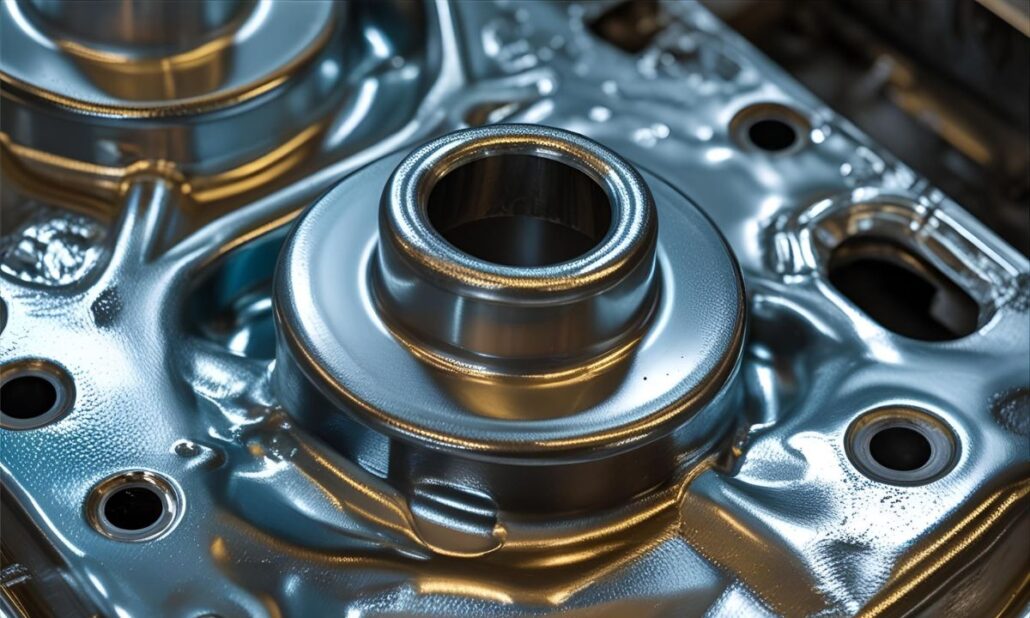
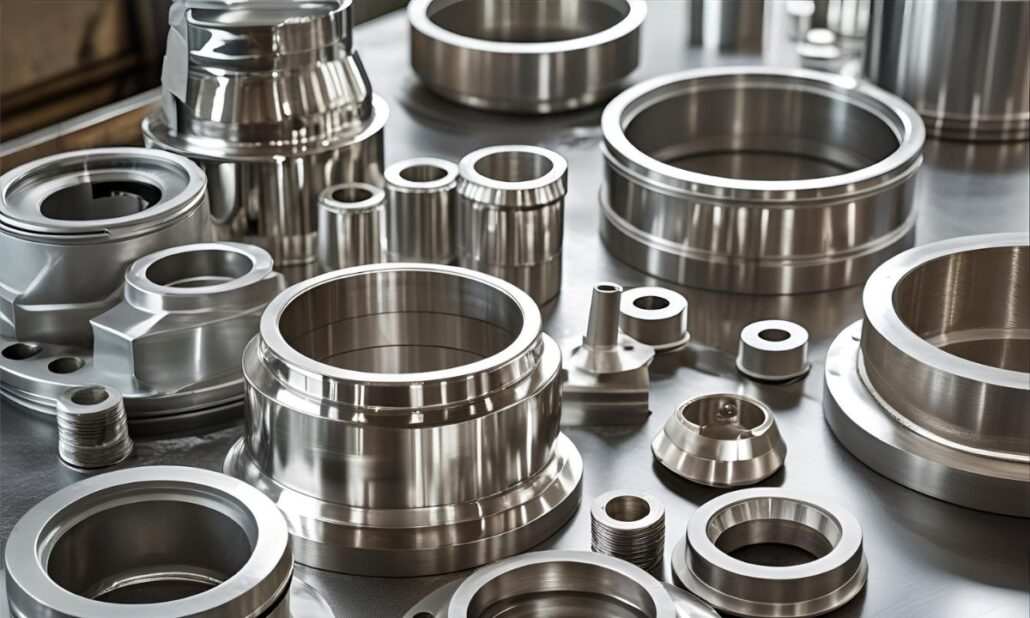
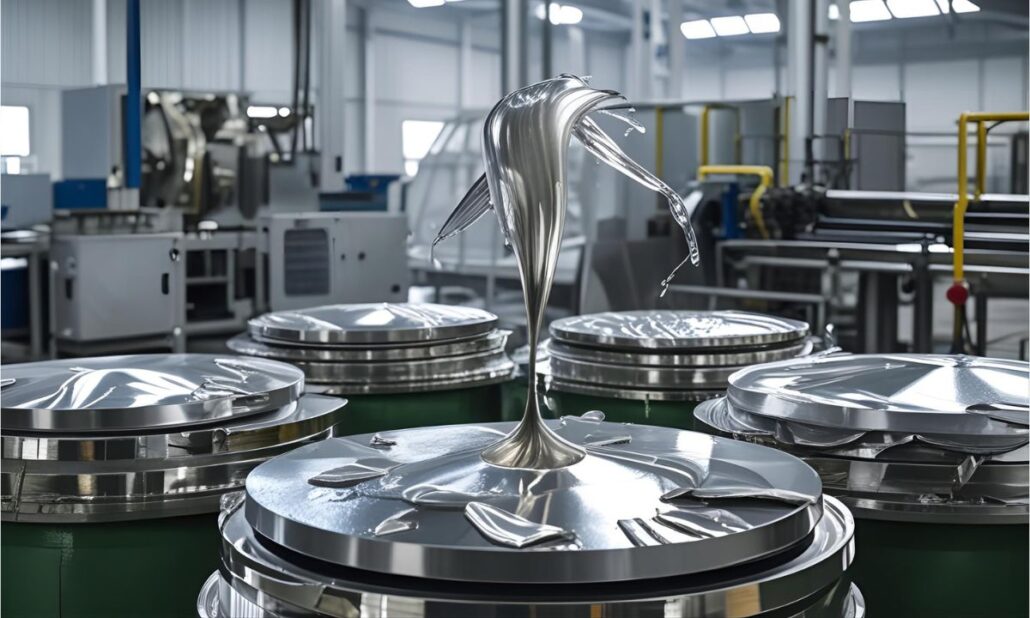
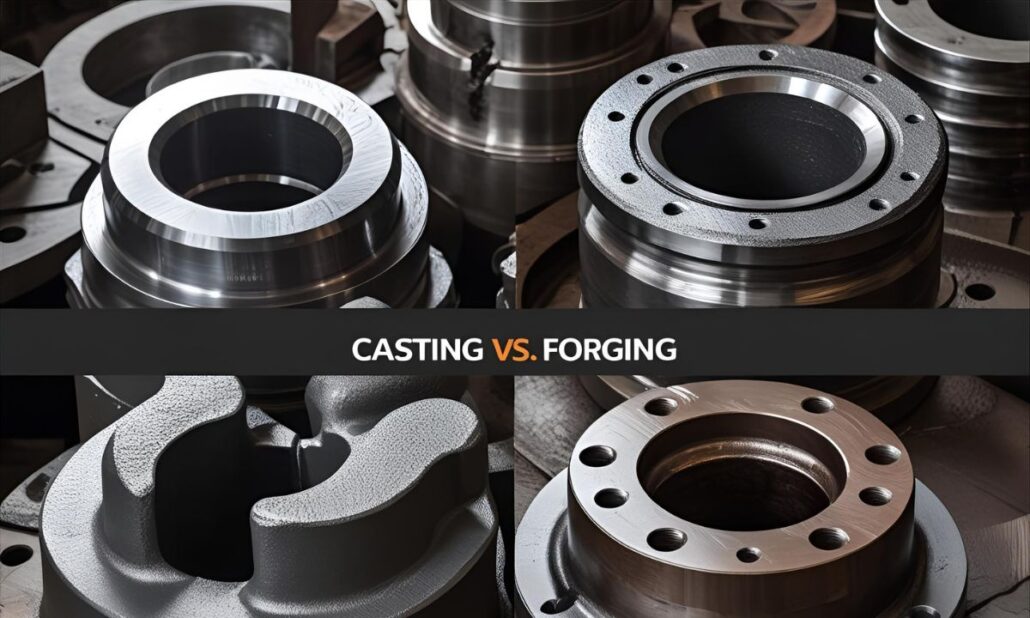
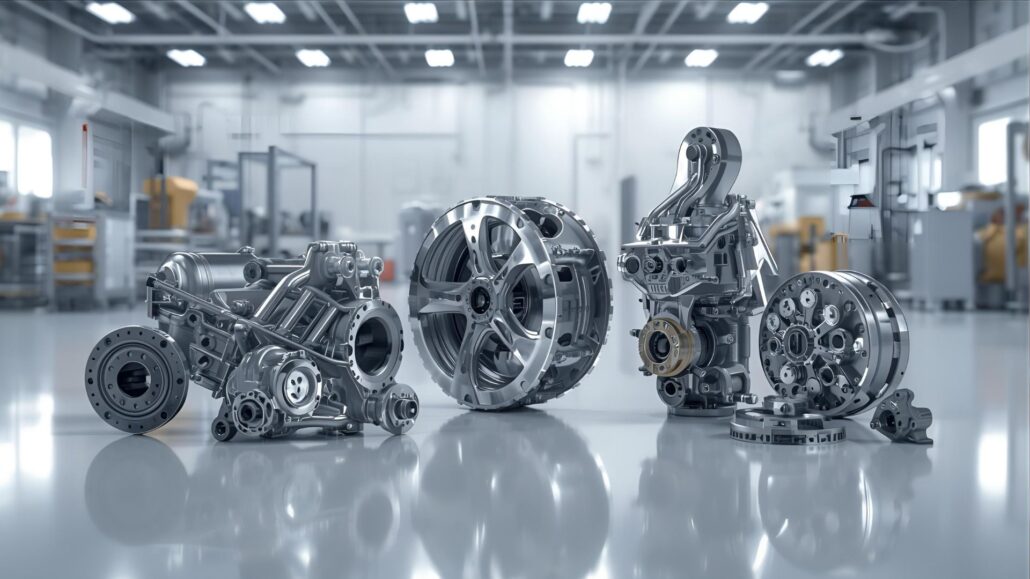
A modern autó egy kifinomult gépezet, amely több ezer különálló alkatrészből áll, amelyeknek megvan a maguk célja, hogy biztonságot, teljesítményt és megbízhatóságot nyújtsanak. Az öntés az autóiparban alkalmazott különböző gyártási eljárások egyike. Az öntés ma már visszafordíthatatlan eljárás, amelynek során a jármű főbb alkatrészeit olvadt fém rendkívül részletes és erős alkatrészekké alakítják. A legtöbb jármű motorja, sebességváltója és fékrendszere a legjelentősebb rendszerek közé tartozik, amelyekhez öntéssel készült alkatrészekre van szükség. Valóban, amikor a tervezők és az építők a gyártás hatékonyságáról, tartósságáról és költséghatékonyságáról vitatkoznak, az autóalkatrészek öntése gyakran a vita középpontjában áll. Az öntés művészete nem új keletű, már évezredekkel ezelőtt feltalálták. Alkalmazása az autóiparban azonban forradalmi változáson ment keresztül, hogy a hi-tech technológiákat és a legmodernebb ötvözeteket, amelyek megfelelnek a modern autók magas követelményeinek, hasznosítani lehessen. Az öntésnek nagy szerepe volt abban, hogy az autók viszonylag alacsony költségek mellett képesek legyenek fenntartani a nagy teljesítményű szabványokat a könnyű alumínium motorblokkok révén, amelyek szívósak és rugalmas öntöttvas fékalkatrészek. A cikk áttekinti az autóipari öntvény alkatrészek történetét, a folyamatokat, az előnyöket és az autóipari öntvény alkatrészek jövőbeli trendjeit, és feltárja azokat az okokat, amelyek miatt az autóipari öntvény alkatrészek továbbra is az autóipar egyik pillérét képezik. Az öntés története Valójában az alumíniumöntési eljárás volt az, amely a 20. század közepén hatolt be a szférába. Az öntést már a 19. század vége és a 20. század eleje óta használják a járművekben, amikor a lóvontatású kocsik felváltására először fejlesztették ki az automobilt. A korai motorok erős, de olcsó alkatrészeket igényeltek, és az öntés volt a megfelelő megoldás. A motorblokkok, forgattyútengelyek és házak gyártásának egyik első módszere a vasöntés volt. Az autóipar növekedésével az öntési technikák is fejlődtek, és egyre fejlettebbé váltak. Az autógyártók megtanulták, hogy a könnyebb motorok és szerkezeti elemek révén növelhetik az üzemanyag-hatékonyságot anélkül, hogy a járművek élettartama csökkenne. Az öntést a járművek különböző rendszereinél alkalmazzák, azok alkalmazásának és fontosságának megfelelően. Végül az autóipari öntvény alkatrészek fontos szerepe, hogy szilárdságot, pontosságot és költséghatékonyságot adjanak a költségek csökkentése érdekében, ezért az autóipari alkatrészek az autóipar óriásai. Mik azok az autóipari öntött alkatrészek? Az autóipari öntött alkatrészek olyan járműalkatrészekként határozhatók meg, amelyeket olvasztott fém öntésével állítanak elő egy formába, és az így kapott olvadt fém a kívánt alakra keményedik. Ez lehetővé tette az autókban használt robusztus, erős és bonyolult alkatrészek gyártását, beleértve a motorblokkokat, hengerfejeket, sebességváltóházakat, fékdobokat és kerekeket. Ezek nagyon népszerűek, mivel az öntés kínál: Ha egy motorblokk esetét vesszük, a blokk különböző kamrákkal és hűtőfolyadék-járatokkal rendelkezik, amelyek menetes nyílásokkal rendelkeznek, és amelyek megfelelően önthetők. Mi az öntés? Az öntés egy olyan gyártási folyamat, ahol az olvadt fémet egy formába öntik, és hagyják, hogy a forma alakjában lehűljön. A lehűlés után az öntvényt eltávolítják, megmunkálják (ahol szükséges), és a késztermékbe illesztik. Ez egy olyan művelet, amellyel erős és geometriailag összetett alkatrészek is előállíthatók. Az autógyártók azért szeretik az öntést alkalmazni, mert így nagy mennyiségben és egyenletes minőségben tudnak bonyolult alkatrészeket előállítani. A megfelelő olvadási hőmérsékletet is fenn kell tartani, hogy az olyan hibákat, mint a porozitás vagy az alultöltés eltávolítsák Nemcsak az autók szerkezeti szempontból jelentős alkatrészeiről beszélünk, hanem olyanokról is, amelyeknek a magas hőmérséklet, a nyomás és az állandó kopás szigorú körülményei között is pontosnak és tartósnak kell lenniük. Az autóalkatrészek öntési folyamata A nagy volumenű gyártás során gépeket vagy nagynyomású rendszereket is automatizálnak a nagyfokú pontosság és következetesség biztosítása érdekében. 1. Mintakészítés A minta, a kész alkatrész utánzatának előállításával kezdődik. A minták általában fából, fémből vagy műanyagból készülnek. Ezek határozzák meg a formaüreg pontos alakját és méretét is, amelybe az olvadt fémet öntik. 2. Formakészítés Homok, fém vagy kerámia anyagokat használnak a forma kialakításához. A forma két fele alkotja az üreget az alkatrész formázásához. A formába üregeket is be lehet vezetni, például belső járatokat egy motorblokkban. 3. A fém megolvasztása Egy kemencében szabályozott hőmérsékleten megolvasztják a kiválasztott fémet vagy ötvözetet (öntöttvas, alumínium vagy magnézium). Ennek célja, hogy a mechanikai tulajdonságokat nagy teljesítményű alkalmazásokhoz, például motorokhoz vagy sebességváltókhoz juttassa. 4. Öntés Amikor a fém megolvadt, azt a formába töltik. A megfelelő méreteket és felületeket a fúrás, marás és esztergálás során biztosítják. 5. Megszilárdulás és hűtés A felmelegített anyagot hagyják kihűlni és megkeményedni a szerszámban, felvéve a szerszám alakját. Az alkatrésznek el kell kerülnie a zsugorodási hibát vagy repedést a szabályozatlan hűtési sebesség miatt. 6. A forma eltávolítása Megszilárduláskor a formát megtörik (homoköntésnél) vagy a formát kinyitják (tartós- és nyomóöntésnél). A nyers öntvényt ezután eltávolítják, és öntvény-nyersdarabként dolgozzák tovább. 7. Üvegezés és tisztítás A nem szükséges anyagokat, beleértve a hurkokat, az emelkedőket vagy a hevedereket, eltávolítják. Az öntvényt lövedékfúvással vagy csiszolással lehet tisztítani a felületet, hogy könnyen megmunkálható legyen. 8. Hőkezelés (ha szükséges) Az öntött alkatrészek hőkezelhetők szilárdságuk, keménységük vagy szívósságuk növelése érdekében. Homoköntés - A homoköntés az egyik legrégebbi és legelterjedtebb módszer, amelynek során egy homokból készült öntőformából egy bonyolultabb alakot formáznak. 9. Megmunkálás és utómunka Annak ellenére, hogy az öntéssel közel nettó formák jönnek létre, sok autóalkatrészt meg kell gépelni, hogy pontos legyen. Ezt a motorblokk, a hengerfej és a szívócső esetében alkalmazzák. 10. Ellenőrzés és tesztelés Végül az öntött alkatrészen minőségi ellenőrzéseket végeznek. Roncsolásmentes vizsgálatot (NDT), méretvizsgálatot és anyagvizsgálatot végeznek annak biztosítása érdekében, hogy az alkatrész megfeleljen az ipari szabványoknak, mielőtt összeszerelik a

Miért jobb a kovácsolt alumínium, mint az öntött fém?

Miért jobb a kovácsolt alumínium, mint az öntött fém?

Kovácsolt alumínium

A kovácsolt alumínium a kortárs mérnöki gyakorlatban a legmegbízhatóbb anyagok közé tartozik. Tömör alumínium nagy mennyiségű hővel és nyomással történő préselésével alakítják ki. Ez megváltoztatja a fém belső szerkezetét, és erősebbé és szívósabbá teszi, mint az öntött alumínium. Ennek köszönhetően a biztonságot és tartósságot igénylő iparágak kovácsolt alumíniumot használnak. Az alumínium már önmagában is könnyűnek, korrózióállónak és sokoldalúnak minősül. Jelen van a járművekben, repülőgépekben, épületekben, elektronikában és még a közönséges szerszámokban is. Nem minden alumíniumból készült termék azonban egyforma. A fém teljesítményét közvetlenül befolyásolja, hogy hogyan alakítják ki. Az alumíniumot megolvasztják és öntéskor formákba öntik. Ez olyan hibákat okozhat, mint a légbuborékok és lyukak. A kovácsolás kiküszöböli ezeket a problémákat. Olvasztás helyett az alumíniumot formába préselik, így a szemcsék kénytelenek alkalmazkodni az alkatrész kialakításához. Ez egy nagyon erős és homogén anyagot eredményez. A kovácsolt alumínium most vált népszerűvé, hogy az iparágak a könnyebb, biztonságosabb és hatékonyabb megoldások felé mozdultak el. Ebből a cikkből megtudhatjuk, miért jobb, mint az öntött fém, a fémek kovácsolásánál alkalmazott folyamatot, hol alkalmazzák, és az alumínium kovácsolásának jövőjét. Mi a kovácsolt alumínium? A kovácsolt alumíniumot szilárd alumínium nagy nyomás alatt történő préselésével végzik. A fémet nem olvasztják meg teljesen, mint az öntésnél. Inkább addig melegítik, amíg lágy és formálható nem lesz. Miután megpuhult, az alumíniumot nehéz kovácsológépek segítségével a kívánt formára préselik vagy verik. Ez a feszültség ellapítja a fémet, és tökéletessé teszi a belső szemcséket is. A szemcsék a forma irányába orientálódnak, és ez hozzájárul az alkatrész jobb szilárdságához és szívósságához. Az ilyen finom szerkezet az öntött alumíniumban jelenlévő számos hibát, például pórusokat vagy repedéseket is eltávolít. Következésképpen a kovácsolt alumínium biztonságosabb, tartósabb és erősebb. Hogyan működik az alumínium kovácsolás? A kovácsolás alumínium kovácsműhelyben történik. A folyamatnak néhány lépése van: Ez a folyamat végül egy vastag, szilárd és homogén részhez vezet. Nincsenek gyenge pontjai vagy légbuborékai, mint az öntésnek. A kovácsolt alumínium előnyei Az öntött fém és más anyagok nem képesek arra, amire a kovácsolt alumínium képes. Olyan iparágakban vált az előnyben részesített eszközzé, ahol nem engedhetjük meg magunknak, hogy kompromisszumot kössünk a teljesítmény és a biztonság terén. Kiváló szilárdság A kovácsolt alumínium nagyon erős, és ez a kovácsolt alumínium egyik legfontosabb előnye. A fém szemcseszerkezete a kovácsolási folyamat során finomodik. A szakító- és fáradási szilárdságot ez az összehangolás fokozza. A hamisított alkatrészek meghibásodás nélkül ismételten elviselik a nagy terhelést, valamint a feszültségeket és igénybevételeket. Ez szintén nagyon jól pozícionálja őket az olyan nagy teljesítményű tevékenységekben, mint a repülőgépek futóművei, felfüggesztési rendszerek és ipari gépek. Könnyű, de szívós Az alumínium eleve könnyebb, mint az acél, és a kovácsolás még mélyebbre megy vele. A kovácsolt alumínium a súlyához képest nagyon erős. Ez lehetővé teszi a mérnökök számára, hogy könnyebb gépeket és járműveket készítsenek, amelyek mégis biztonságosak és erősek. A súlycsökkenésnek köszönhetően az autók és a repülőgépek üzemanyag-takarékosabbak lesznek, ugyanakkor tartósságot is biztosítanak számukra. Fokozott fáradási ellenállás Az öntött alkatrészek sokkal jobban elhasználódnak, mint a kovácsolt alumínium. A fáradás olyan állapot, amikor egy alkatrész a többszörös igénybevétel miatt elhasználódik. A gyenge szemcseszerkezet miatt az öntött alkatrészek hajlamosak a repedésre. A kovácsolt alumínium nem reped meg könnyen, ezért az ilyen anyagból készült alkatrészek sokáig megmaradnak azok kezében, akik használják őket. Egységes szemcseszerkezet A kovácsolási folyamatot arra használják, hogy az alkatrész alakja illeszkedjen a fém szemcseszerkezetéhez. Az ilyen homogén szemcsézettség egyre keményebbé és ütésállóbbá teszi a fémet. Ezzel szemben az öntés önkényes szemcseszerkezetet ad, amely gyenge pozíciókat hoz létre. Biztonság és megbízhatóság A biztonság az első számú prioritás a nagy nyomású iparágakban, mint például a repülőgépiparban, az autóiparban és a védelmi iparban. A kovácsolt alumínium megbízható, mivel még szélsőséges körülmények között is hosszú időn keresztül erőt, keménységet és állandóságot biztosít. Az alumínium kovácsolás felhasználási területei Az alumínium kovácsolás benyomást keltett a világban, ahol súlytalan, erős és tartós alkatrészekre van szükség. A kovácsolt alumínium alkatrészekről úgy vélik, hogy biztonságosak, ezért általában megbíznak bennük a biztonsággal kapcsolatos kritikus alkalmazásokban. Autóipar A modern autókban csalárd alumíniumot használnak. Egy nagyon gyakori alkalmazás a kerekekben. Az öntött kerekekhez képest a kovácsolt kerekek könnyebbek, tartósabbak és biztonságosabbak. Ez a fajta súlycsökkenés javítja a manőverezhetőséget és az üzemanyag-hatékonyságot. A felfüggesztés alkatrészei egy másik jelentős felhasználási terület, amelyeknek ellen kell állniuk a nagy terhelésnek, az ütődéseknek és az út menti rezgéseknek. A felhasznált alumíniumot kovácsolták, így nem terhelődnek. Ezenkívül a legtöbb motoralkatrész, beleértve a csatlakozó rudakat és a dugattyúkat is, kovácsolt. Ezek a részek hosszú élettartammal bírják a nagy nyomást és a forró hőmérsékletet. Röviden, a kovácsolt alumínium javítja az autó teljesítményét és biztonságát. Repülőgépipar A repülőgépek olyan alkatrészeket igényelnek, amelyek könnyűek és erősek. A kovácsolt alumínium megfelel ennek a specifikációnak. Ez a futóművekre vonatkozik, amelyeknek nagyfokú ütéseket kell elviselniük a leszállás és felszállás során. Előfordul a szárnyszerkezeteknél is, ahol a hatékonyság a könnyűségtől függ. A kovácsolt alumínium alkatrészek a repülőgépmotorokban a nyomást, a hőt és a rezgést kezelik. A repülés során a meghibásodás nem jöhet szóba; ezért támaszkodik a repülőgépipar a kovácsolásra. Katonai és védelmi védelmi alkalmazások A védelmi alkalmazások kovácsolt alumíniumot igényelnek. A harckocsik, repülőgépek és hadihajók kovácsolt alkatrészeinek ki kell állniuk a harcok szélsőséges körülményeit. A kovácsolás garantálja a maximális szívósságot, szilárdságot és megbízhatóságot még a legkeményebb körülmények között is. Ipari gépek A nagyberendezéseket általában teljes terheléssel működtetik. A kovácsolt alumíniumtermékek kopásállóak és minimalizálják az állásidőt. Ez teszi őket költséghatékony és hosszú távú megoldássá a gyártók számára. Sport és életmód A sport- és életmódcikkek szintén kovácsolt alumíniumot használnak. A kovácsolt alkatrészeket csúcskategóriás kerékpárok, hegymászó felszerelések és sporteszközök gyártásához használják. Az ilyen tárgyaknak könnyűnek és hosszú ideig tartónak kell lenniük, ezért a kovácsolás a legjobb módszer. Az ok, amiért az iparágak inkább kovácsolást használnak, mint öntést? A kovácsolás a lehetőség

Az autóipari öntvények jövője

Az autóipari öntvények jövője: Innováció, hatékonyság és teljesítmény

Die Casting gyártó, öntvényöntés

Az autók soha nem maradtak le a technológiai fejlődésben. Az első acélkeretezéstől kezdve az autógyártásban a legújabb könnyűfém ötvözetekig az autó minden egyes alkatrésze az innováció révén a biztonság, a tartósság és a teljesítmény fokozása érdekében továbbfejlesztésre került. A fejlődés egyik legjelentősebb területe az autóipari öntvények világa. Ez segített a járművek tervezésében, gyártásában és optimalizálásában. Egyszerűbben fogalmazva, az autóipari öntvények kifejezés úgy határozható meg, mint az a folyamat, amelynek során az olvadt fémet kimérik és öntik a formákba, hogy a jármű bonyolult részeit alakítsák ki. A módszer precíz, költséghatékony és tömeggyártásra méretezhető. Ezek az eljárások azért fontosak az iparágban, mert a ma forgalomban lévő szinte minden járműnek több olyan alkatrésze van, amelyet öntöttek. Ez a cikk az úgynevezett autóipari öntvények történetét, gyártását, előnyeit és jövőjét vizsgálja, és azt is áttekinti, hogy az úgynevezett autóipari öntvények, az autóipari öntvény alkatrészek és az öntött autóipari alkatrészek hogyan járultak hozzá a modern autó kialakításához. Az autóipari öntvények története Az öntési módszerek több ezer éves múltra tekintenek vissza, bár csak a 19. század végén és a 20. század legelején kezdték el alkalmazni őket az autóiparban. Az első autók hatástalanok voltak és nagy súlyúak, és többnyire kovácsolt acél alkatrészekből álltak. Mivel egyre nagyobb mennyiségben kellett gyártani, a gyártóknak olcsóbb és gyorsabb megoldást kellett találniuk. Ekkor kezdődött az az időszak, amikor az autóipari öntési technikák kezdték felváltani a hagyományosakat. Az öntés révén az autógyártók képesek lettek volna nagy mennyiségben, kevesebb anyagpazarlással számos azonos alkatrészt előállítani. Ez hozta meg a tömeggyártást, ami az egyik oka annak, hogy az ipari fellendülés idején az átlagemberek számára is megfizethetővé váltak az autók. A modern autóipari öntvények ma a legkorszerűbb ötvözeteket, pontos öntőformákat és automatizálást használnak, hogy megfeleljenek a nemzetközi autóipari szabványok magas szintű követelményeinek. Mi az autóipari öntés? Az autóipari öntés egy olyan gyártási folyamat, amelyet az autógyártásban alkalmaznak a járműveik alkatrészeinek előállítására az olvadt fémnek a formákba történő öntésével, ahol az megszilárdul és a kívánt formára keményedik. Ez egy olyan technika, amely lehetővé teszi a gyártók számára, hogy a hagyományos megmunkálással vagy kovácsolással szemben költséghatékonyan és kisebb erőfeszítéssel készítsenek összetett, tartós és pontos alkatrészeket. Alkalmazásra kerül a motorblokk alkatrészek, hengerfej alkatrészek, sebességváltóház alkatrészek, fékalkatrészek és felfüggesztés alkatrészek esetében. A különböző ötvözetek, például az alumínium, az öntöttvas, az acél és a magnézium révén az autóipari öntvények biztosítják a modern autókban szükséges szilárdságot, könnyűszerkezetes kialakítást és tartósságot. Ez a technika azért népszerű, mert: Az öntéssel készült gyakori autóipari alkatrészek: Az autóipari öntvények típusai Röviden összefoglalva, az autóipari öntvényekre azért van szükség, mert segíti az autógyártókat a megbízható, könnyű és költséghatékony alkatrészek tömeges kifejlesztésében. A modern autókat enélkül nem lehet tömegesen gyártani. Anyagok az autóipari öntvényekben Alumínium Az alumínium könnyű és korrózióálló üveg, az alumínium a legkedveltebb anyagok közé tartozik az autóipari öntvények területén. Hatalmas megtakarítást eredményez az autók össztömegében, javítja az üzemanyag-hatékonyságot és a manőverezhetőséget. Az alumínium emellett jó hővezető, ezért a motorblokkok, hengerfejek és sebességváltóházak esetében is jól használható. Az alumíniumot számos autóipari alkatrész nyomásos öntéséhez használják, mivel lehetővé teszi a gyártók számára, hogy nagy pontosságú és könnyű alkatrészeket hozzanak létre anélkül, hogy veszítenének a szilárdságukból. Rugalmasságával és stabilitásával az alumínium az egyik legjobb anyag a mai autógyártásban. Öntöttvas Az autóipari öntvények egyéb népszerű anyaga az öntöttvas, mivel az anyag nagy szilárdsággal, hőállósággal és kopási tulajdonságokkal rendelkezik. Az öntöttvas nehezebb, mint az alumínium, és alkalmas szerkezeti és nagy teherbírású alkalmazásokhoz, mint a motorblokkok, fékdobok és a felfüggesztés egyéb részei. Szerkezete nagyon tartós, ami azt jelenti, hogy az ilyen alkatrészek ellenállnak a hosszú távú használat és a magas hőmérsékletű körülmények nyomásának, így létfontosságú az erős és megbízható teljesítményt igénylő járművek számára. Acél Az autóipari öntvényeknél az acélt nagy szilárdsága és rugalmassága miatt részesítették előnyben. Az acél alkatrészek hőkezelése növeli a szívósságot, így ideálisak az alvázrészekben, konzolokban és szerkezeti vázakban. Bár az acél súlya nagyobb, mint az alumíniumé, az autó néhány biztonságkritikus alkatrészének szilárdságát és teherbírását biztosítja. Rugalmas, és a mérnökök olyan alkatrészeket találhatnak ki, amelyek mind a teljesítményi, mind a szabályozási követelményeknek megfelelnek. Magnéziumötvözetek A magnéziumötvözetek egyre több alkalmazást találnak az úgynevezett autóipari öntvényekben, ahol a súlycsökkentés elsődleges szempont. Ezek az ötvözetek nagyon könnyűek, mégis elegendő szilárdságot biztosítanak a nem szerkezeti alkatrészek számára. A magnézium alkatrészek belső szerelvényekben, motorburkolatokban és bizonyos szerkezeti részekben használhatók, különösen a nagy teljesítményű járművekben és az elektromos járművekben, ahol a teljes tömeg minimalizálása fontos a teljesítmény és a kezelhetőség szempontjából. Rézötvözetek A rézötvözetekből nagy elektromos és hővezető képességük miatt néha úgynevezett autóipari öntvényeket készítenek. Ezek korrózióálló és erős anyagok, amelyeket a modern járművek bizonyos elektromos alkatrészeinél vagy hőérzékeny részeinél lehet alkalmazni. A rézötvözeteket nem használják olyan széles körben, mint az alumíniumot vagy az acélt, de vannak hiánypótló felhasználási területeik, például ott, ahol a teljesítmény és a vezetőképesség fontos. Kompozit anyagok Az autóipari technológia fejlődésével néhány gyártó kísérletezik a kompozit anyagokkal az öntött autóalkatrészekben. Ezeket az anyagokat úgy fejlesztették ki, hogy súlyt takarítsanak meg, mégis szilárdságot kínáljanak, és nagyon hasznosak lehetnek az elektromos és hibrid járművekben. A kompozitok emellett jobb hőszabályozással és korrózióállósággal rendelkeznek, és a következő generációs autóalkatrészek új technológiáját jelentik. Az autóipari öntési eljárások típusai Az autóiparban számos öntési eljárást alkalmaznak, mindegyiknek megvannak a maga alkatrészei és anyagai. Mi a legnépszerűbbeket vesszük sorra: Homoköntés Az egyik legrégebbi technika a homoköntés, amely során a nagyméretű, bonyolult alkatrészek homokformák segítségével készülnek. Ez a legmegfelelőbb prototípusok és nehéz alkatrészek, például motorblokkok készítéséhez. Nyomóöntés A nyomóöntés az az eljárás, amely során olvadt fémet kell nagynyomású injektálással újrafelhasználható acélformákba juttatni. Ez egy olyan technika, amely különösen fontos a könnyű, de

Mi az alumínium extrudálási folyamat? 

alumínium öntvény, alumínium öntvény

Aluminum extrusion has not only been appreciated in the respect that it makes a strong, yet lightweight part, but also its flexible and cost-effective designs are a factor. It is used in construction, aerospace, automotive and electronic industries, and nearly everywhere in between. Aluminium extrusion is among the processes that indicate an equalization between innovative designs and effective production, which is just about to become one of the dominating procedures of the manufacturing industry. Aluminum is one of the most popular metals in the modern industries, being appreciated because of its light weight, strength, durability and also its capacity to resist corrosion. Aluminum is more conspicuous in our lives; in the construction of skyscrapers in our cities, the cars we drive and other gadgets that we use in our daily lives. One of the most vital processes of manufacturing that has ensured the versatility is the aluminum extrusion process. Extrusion refers broadly to methods of metal deformation whereby metal is pushed or squeezed through a die in a similar fashion to toothpaste. In aluminum, longer continuous sections of final, predetermined cross-sectional shapes are formed by ramming solid block-like objects (known as billets) through an already heated die. These profiles may be plain rods, tubes or highly complex and specially made to the extent that they will meet the demands of a given industry. In this article, we will learn everything about the aluminium extrusion process; its history, the extrusion process, types, applications, advantages and limitations and its rising capabilities in future of manufacturing. Historical Background The idea of extrusion as a manufacturing process has been traced back to the late 18th century. The first well-known extrusion was that of the British inventor Joseph Bramah, who patented his exactly in 1797. Instead, he used a process that involved pushing pliable metals such as lead through a die to shape long, identical-looking pieces and primarily pipes. The preconditioning of the process of extrusion was an invention. Until much of the 19th century, the extrusion of softer metals had been inhibited by technology. The real breakthrough came about in the early 220thcenturies when economical ways of producing aluminium were discovered. The acquisition of aluminium was brought to lower prices and large-scale production by the invention in 1886 by Charles Martin Hall in the United States and separately by Paul H. Roult in France of the Hall-Heroult process. After the invention of aluminum, it did not take long before scientists and manufacturers saw the potential extrusion had to offer. The use of aluminum extrusion technology began gaining steam in the 20s, especially coming into force in Europe and North America. It was on a large scale utilized in the Second World War when the industries required a lightweight but durable material in aircraft, vehicles used by the military, and buildings. Since then, the line-casting technology has been invented and has been extended far farther than the aluminum extrusion that first emerged in the military sectors. What is Aluminum extruded? Aluminum extrusion is the commercial physical method that is used in plasticizing solid aluminum into shapes that are long with specific cross-sections. The idea is simple: a block of aluminum (a billet) is heated to a malleable stage and forced under intense pressure of a die made of steel. In pressing through the die, the aluminum takes on the shape of the opening, either straight, hollow, or solid, or in a highly complicated profile. The analogy that is best applied in extrusion is the extrusion of a toothpaste tube. Same as the toothpaste- it takes the shape of the nozzle, and similarly, the extruded aluminum takes the shape of the die. The advantage of aluminium extrusion is the ability to manufacture lightweight yet strong components of the exact shape. The resultant extruded profiles can be strippable to various lengths and are also subjected to further finishing, including anodising, powder coating, and finishing. All these upgrades raise performance, wear and look. Due to its flexibility, it has become one of the extrusion processes whose scope has been resorted to within different discourses like the construction industry, the aviation industry, the electronic industry, the transport and even the consumer products industry. It is not just the process but a vital bridge between the native stainless steel and absorbed functionality that defines the current engineering and high-construction. Aluminium Extrusion Process in Steps Characterise the Profile & Select the Alloy Cast and Christen the Billet Scalp or Saw Inspect Billet Heat the Billet Make the Die & Tooling Lubricate and Prepare the Press Load the Billet and QC Start the Press Breakthrough Extrusion, Steady Chinking on the Table Fast Cooling (Immediate Quenching) Handling temperature for cooling Profiles cool on the table after quenching until they are able to be handled without imprint or warping. Soft, controlled cooling minimises residual stress. Stretching / Straightening Cutting Back to Length Heat Treatment (Where Necessary) Surface Finish (Optional) Machining & Fabrication (As required) Profiles are CNC-machined, punched, drilled, tapped or bent. Jigs/ fixtures provide repeatability of tolerance control on thin or complex sections. Test and On-Quality Control Die Tuning & Maintenance When dimension control or surface finish is out of control, the length of the bearings and flow balance can be modified; dies may be polished and, when absolutely not required, nitrided; dies are polished and cleaned. Packing & Logistics Why every step counts The Components Used in Aluminum Extrusion Aluminum extrusion draws on choosing the correct aluminum alloy to suit the mechanical, thermal, and corrosion requirements. The properties required by different industries differ, thus selection of alloys is determined by strength, ductility, corrosion resistance and heat-treatability. 1000 Series (Practically Pure Aluminum) 3000 Series (Al-Mn Alloys) 5000 Series (Al-Mg Alloys) 6000 Series (Al-Mg-Si Alloys) 7000 Series (Al-Zn-Mg-Cu Alloys) Allothers Speciality Alloys To keep composition similarity, recyclable aluminum scrap containing the same alloy is frequently reused. Aluminum Extrusion Materials Quick Reference Table A technical table of probable common aluminum alloys used in extrusions, major properties and established extrusion parameters as follows: Alloy Series

Galvanizáló cink öntés:

Galvanizáló cink öntés: Technika, előnyök és ipari alkalmazások

Cink öntés

Zinc die casting is a common method of production commonly applied in industries where speed, accuracy, strength, and affordability really matter. Zinc alloys are used in automotive, aerospace, consumer electronics applications and more because of their high casting properties, dimensional control, strength and versatility. They can be used to make complicated shapes with smooth surfaces, and it makes they highly demanded to be used in mass production. Bare zinc surfaces tend to be easily corroded, tarnished and generally worn with exposure to adverse environments, necessitating the need to apply a protective finish. It is here that plating becomes one of the most important steps, both in the usability and the lifetime of the products, as well as in the attractiveness and professional appearance of the products in the market. When addressing such as surface finishing, plating zinc die cast parts guarantees enhanced resistance to ageing environments, appearance and durability. The more common processes in the manufacturing industry across the world are chrome plating, zinc die casting, and nickel plating on zinc die cast. Besides lifespan, plating also creates commercial value because customers always want products that are strong yet possess a lustrous, high-quality finish. This renders plating to be a fundamental activity in the current industries. In this article, I will give a detailed extrapolation of arguments as to why plating is necessary, how the technical process works, challenges, and the industrial benefits attached to the process. What is Zinc Plating Die Casting? Zinc die casting is the process used to evenly coat a protective and decorative metal coating on components that were cast using zinc die casting. Given that zinc alloys are strong and cost-effective, but corrosive and wear-dependent, plating extends the durability, appearance and operation. Put simply, zinc die casting is the process that produces the real part or component, whereas plating applies an extra layer, which places a protective coating on the surface and provides the needed finishing. Plating and plating zinc die cast products to achieve a mirror finish through chrome plating zinc die casting, or a protective, up-market finish through nickel plating, zinc die cast. This composite leads to the plated zinc die casting finding a wide range of applications in automotive trim, electronic housings, household and industrial equipment, where good appearance and strength are potential requirements. What is plating? Plating is the addition of a thin layer of metal over the surface of another material, either by electroplating (use of electric current) or by chemical plating (not using electric current). Plating is done to enhance the aesthetic, abrasion resistance, corrosion resistance, conductivity and wear resistance of the substrate. An example is when we use nickel or chrome over zinc die cast parts to add protection and lustre to the base zinc, which offers the strength and shape. The glossy surface of a car’s shiny chrome handle or a bathroom feature is a direct result of plating. In brief, plating is a similar process of providing a product with a shield and a beautiful finish to make things appear more lasting and attractive. The Reason Why Zinc Die Casting need Plating Despite the strengths of zinc alloys that may be used in a variety of applications, there are some limitations when they are raw. Uncoated zinc is subject to tarnishing or corrosive attack by moisture, chemicals and thermal change. The plain, uncoated part is not sufficient in many industries to use long-term reliability. Surface finishes by plating not only serve the cosmetic purpose they also bring about various advantages in engineering. Manufacturers increase the precautionary measures against corrosion, abrasion, and oxidation by the use of the so-called plating zinc die cast techniques. This guarantees the durability of the product in terms of both the integrity of its structure and its aesthetic appeal in the long run. Besides, special coatings such as chrome plating, zinc die casting, which provides a high gloss finish best suited to consumer product components, as well as nickel plating on zinc die cast, which is both protective as well as a decorative coating, are possible. The Process of Plating on Zinc Die Castings Plating is a complicated process that takes delicate preparation and implementation. Unlike aluminium and steel, zinc alloys pose unusual challenges because of the reactivity of zinc. As such, plating on zinc presupposes special treatment in order to guarantee a good adhesion. Surfacing 1: Surface Preparation The initial process is degreasing, where oil, lubricant and impurities are removed from the casting. Without strict cleansing, peeling or flaking would occur, which means a poor adhesion on the use of zinc die cast parts. Step 2: Selecting The castings are deoxidised and cleaned off by immersion in acid. This makes the surface clean, active and capable of accepting plating layers. Step 3: Apply Strike Layer The zinc alloys are very reactive; thus, a thin strike coat of copper or nickel is normally used to enhance the adhesion before finishing. This is a crucial step to both the chrome plating, zinc die casting, and nickel plating on zinc die cast. Step 4, final plating layer Non-resistant metals, chrome, nickel or other alloys are electroplated to cover the surface. Durability and appearance of the finished product are dependent on this layer and its thickness and quality. Chrome Plating of Zinc Die Castings The most appreciated finishing technique applied to zinc die casting is called chrome plating; this type of finishing is used in order to increase the durability of the zinc part, its functionality, as well as its beauty. Chrome plating refers to the adherence of a very thin film of chromium metal on the surface of zinc die-cast objects through an electroplating process. The outcome is a shiny, mirror-like coating that can enhance the aesthetics of it but also reinforces the part against corrosion, scratches, and day-in, day-out wear. Origins have been found that chrome-plated objects will protect a raw zinc surface that has the propensity to tarnish quickly in more difficult conditions, and the products are durable. Important Advantages of

Elektrolízis nélküli nikkelezés

Elektrolízis nélküli nikkelezés: Védőfémezés: Teljes műszaki útmutató

Nikkelezés

Electroless nickel plating can be considered one of the most accurate, versatile, and reliable processes in the field of surface engineering and metal finishing, which allows improving the surface properties of numerous materials. This, contrary to ordinary electroplating, does not need an outside electric current. It depends instead on a controlled chemical reaction that deposits a uniform film of nickel-phosphorus or nickel-boron by alloying them evenly on a surface. This process provides the best corrosion resistance, wear factor, and consistent thickness, even on intricate shapes. Electroless coating has often been selected by manufacturers, engineers, and designers instead of other coating procedures due to its performance and cosmetic benefits. Regardless, whether they are aerospace, automotive parts, molds, or industrial machinery, the process provides repeatable results capable of prolonging the life of a component and cutting down on the expenses of its maintenance. In this tutorial, we shall delve into the ins and outs of the Electroless nickel plating, its positive attributes, uses, the steps involved, and how it compares with other processes such as the nickel plating, the hard anodizing of die cast aluminum, and nickel chrome plating used in contemporary production. What is Electroless Nickel Plating? Electroless nickel plating refers to the deposition of a nickel alloy onto a metallic or non-metallic surface, since an autocatalytic reaction takes place. The chemical bath includes nickel salts and a reducing agent, usually sodium hypophosphite, which converts the nickel ions to metal, and they are able to adhere to the substrate. In contrast to the electroplating process of deposition called nickel plating, where nickel has to be deposited through the use of electric current, in electroless nickel, the process does not need any outside power supply. This results in uniformity of the thickness of the coating in even recessed sections, threads, or internal cavities. The outcome is a non-porous, hard finish and corrosion-resistant resistant applies to challenging industrial conditions. Major Advantages of Nickel Plating without Electroless 1. Even Coating Thickness The deposition is the same regardless of the part shape or the complexity. 2. Better Corrosion Property The layer of nickel-phosphorus alloy offers superior protection against oxidation and attack by chemicals. 3. Better Hardness and Wear Upon heat-treatment, electroless nickel can hit a hardness very similar to that of hard chrome. 4. Dimensional Precision The uniformity in thickness is small, hence usable in precision engineering applications. 5. Ability to be Compatible with Other Materials It can be used on steel, copper, aluminum, brass, and must be used on some plastics with only a minor surface preparation.  Electroless Nickel Plating Types Electroless nickel plating is commonly classified by the amount of phosphorus in the alloy of nickel and phosphorus. Every type has varied requirements in the case of hardness, corrosion resistance, and wear, hence apt usage in individual applications. 1. Low-phosphorus electroless nickel plating (2 to 5 per cent phosphorus) 2. Med-Phos Electroless Nickel Plating (6-9 percent phosphorus ) 3. High-Phosphorus Electroless Nickel Plating (10 13-per cent phosphorus) Uses Of Electroless Nickel Plating Electroless nickel plating is popular throughout industries because it gives a thick, uniform coating, corrosion resistance, and wear protection. It is all versatile and can serve in numerous engineering and painting needs. 1. Aerospace Industry 2. Automotive Industry 3. Electronics Industry 4. Oil and gas sector 5. Mold & Tooling Industry 6. Marine Applications Electroless Nickel Plating Process Step by Step Comparisons to Nickel chrome plating Nickel chrome plating is effectively a step electroplating, i.e., first depositing a nickel layer and then chromium on top. This forms a great mirror-like finish and is very good in resistance to corrosion. Electroless nickel plating, in contrast, lays down a uniform nickel-phosphorus layer by a non-electric process. This enables the metallization of intricate structures, recessed areas, and fine tolerance and may not be covered uniformly when using nickel chrome plating. Though nickel chrome plating offers better aesthetics, electroless nickel plating has better thickness uniformity, superior wear resistance, and wider substrate compatibility. Electroless nickel plating is widely used in so many industries on those pieces that are critical to performance, but nickel chrome plating is used on decorative items. Electroless Nickel Plating vs Electrolytic Nickel Plating Although both of these processes are categorized to coat a surface using nickel, their working principles exhibit a big difference: Feature Electroless Nickel Plating Electrolytic “nickel plating” Power Source None (autocatalytic) External electric current Coating Uniformity Excellent Less uniform on complex shapes Cost Higher chemical cost Lower chemical cost Precision High Moderate Table of Comparisons Hard Anodizing As has been stated about aluminum parts, in particular, nickel plating is frequently viewed as a substitute for the hard anodizing die cast aluminum. Nevertheless, anodizing forms an oxide layer instead of a deposit. Feature Electroless Nickel Plating “hard anodizing die cast aluminum” Material Compatibility Multiple metals & plastics Only aluminum & titanium Corrosion Resistance Excellent Excellent, but specific to aluminum Wear Resistance High (after heat treatment) High Coating Type Nickel alloy layer Aluminum oxide layer Comparison against Nickel Chrome Plating The process of nickel chrome plating is a two-step electroplating treatment, where the first layer is nickel to prevent corrosion, and a secondary protective finish is a thin layer of chrome. Feature Electroless Nickel Plating Nickel chrome plating Appearance Satin to bright finish Bright, mirror-like finish Corrosion Resistance Excellent Very high Thickness Uniformity Perfect Moderate Durability High High Influences on Plating Quality There are a number of factors that will have an immediate impact on the quality of the performance, appearance, and durability of an electroless nickel coating. Regulation of such parameters will lead to steady results and a lower number of defects. Electroless Nickel Plating Materials Nickel Source A nickel salt, either nickel sulfate or nickel chloride, is present in the plating bath. These give the nickel Ions, which will compose the coating in the reaction. Reducing Agent The most popular reducing agent is the hypophosphite. It also reduces nickel ions to metallic nickel chemically, but does not require electricity. Stabilizers Very little of metallic salts or organic stabilizers

Galvanizáló alumínium

Alumínium galvanizálása: A tartósság és az esztétika fokozása

Alumínium

Electroplating has become an important process in many sectors, providing a way of improving metal properties. Electroplating offers numerous advantages when it comes to aluminum; it offers better corrosion resistance, greater hardness of its surface hardness, as well as a better appearance. Electroplating aluminum enables the manufacturers to overcome several wear and tear issues, hence it is a vital process to use in most applications, whether automotive or electronics. This paper is going to discuss the process of electroplating aluminum, the advantages of aluminum electroplating, and some hints on how to electroplate aluminum. The role of electroplated aluminum cannot possibly be overemphasized because it is vital in the enhancement of efficiency and durability of the components that are based on aluminum. Aluminum in itself is a lightweight and flexible metal, though it is usually susceptible to staining and wear, given the fact that it has a comparatively soft surface. Metallization of aluminum with plating metals such as nickel, chrome, or gold will provide a strong corrosion-resistant finish, which greatly increases the lifespan of aluminum components and makes it a finer material to work in harsh conditions. Besides, it is aesthetically pleasing; electroplating improves the appearance of aluminum in addition to its functional benefits. It has a bright metallic appearance due to a special technique called aluminum electroplating; this could enhance the product’s appearance and is therefore common in industries where the product’s appearance and performance are important. Be it on an automotive component, a piece of consumer electronic product, or even an ornament, the procedure of electroplating aluminum provides a package of protection, durability, and aesthetics, which is why it is a ready-made solution to numerous manufacturing problems in the market. What is Electroplating Aluminum? Electroplating aluminium is the process where a metal film is deposited onto aluminium using an electrochemical reaction that deposits a thin film of metal on the aluminium. In the process, components made of aluminum are put in an electrolytic solution that contains metal ions. By running an electric current through the solution, these ions are reduced and deposited on the aluminum surface, forming a metal coating. The method improves the physical characteristics of the aluminum metal, including its chemical resistance, wear resistance, and cosmetic appeal. Aluminum electroplating is a very widely applicable and versatile process for many applications in industries such as the automotive industry and the electronics industry. Why Electroplate Aluminum? Typical Applications History of Electroplating Electroplating in its early form originated in the 19thcentury when the aspect of electrochemical reactions was discovered. The initial methods of electroplating were mostly applied about gold and silver coating, but with time, aluminum electroplating got to be introduced because of the lightweight and flexible character of the used material. It made aluminum a favourite attraction to be electroplated into many different industries, including manufacturing and even decorating items. History of Aluminum Electroplating Such developments in Electroplating Technology The second was that the process was made more efficient and reliable through the advancements of the electroplating techniques in the 20th century. Major events are: The process of electroplating aluminum has been made efficient and scalable using these innovations as an efficient solution to enhance aluminum parts in contemporary manufacturing industries without departing from the core values that were developed a century earlier. Electroplating Aluminum Process The process is denoted as electroplating aluminum, whereby a thin coating of metal is applied to the surface of aluminum by passing an electrochemical reaction. The method improves the properties of the aluminum, as it makes the metal more corrosion-resistant, durable on the surface, and more attractive. This process is indispensable in manufacturing different industries, such as cars to electronic appliances, to enhance the durability and performance of aluminum components. 1. Surface Treatment of Aluminum Cleaning / Surface Preparation Surface preparation of the aluminum is the initial process in the procedure of electroplating aluminum. Aluminum also develops a natural oxide coating that has to be removed to facilitate proper binding of the metal being electroplated. Mechanical cleaning of the surface is also done by either sanding or using chemicals to eliminate any grease marks, stubborn dirt, or otherwise. Etching Once the aluminum is cleaned, it is put through a process of dissolving the oxide layer in an acidic solution, in this case, etching. This will be one of the most important steps that can be taken in regard to firmly making the electroplated metal adhere to the aluminum substrate. 2. The Electrolyte Solution Preparationon Formulation of electrolyte solutions: Electrolyte solutions Electroplating of aluminum is dependent on the electrolyte solution. It has metal ions of the metal to be plated, e.g., nickel, chromium, or gold, and chemicals to enhance the quality of the coating. These additions contribute to the regulation of plating thickness, uniformity, and smoothness, and produce high quality finish. Electrolyte used Types In the case of the term electroplated aluminum, some of the most used metals are nickel in terms of corrosion resistance and chrome to provide an aesthetic value. The composition of the electrolyte is adjusted to suit a particular metal and finish. 3. The process of Electroplating Electroplating Setup To plate the cleaned aluminum component, the process begins by immersing it in the electroplating solution. The aluminum is the cathode (negative) electrode, and the plating metal forms the anode (positive) electrode. Applying the electric current, ions of metal are deposited on the surface of the aluminum since ions of metal within the electrolyte are being reduced. Thickness Control of Plating The thickness of the electroless aluminum layer is determined by the time spent on the plating of this metal and also by the strength of the current. It may take only a few minutes or hours, depending on the thickness of the coating required. The outcome is a uniform and smooth finish, which improves the properties of aluminum. 4. Post-Plating Treatments Rinsing and Drying Following the electroplating procedure, the section of the aluminum that has received electroplating is thoroughly rinsed of any remaining electrolyte. The component piece is then

Öntés vs. kovácsolás

Öntés vs. kovácsolás: A legfontosabb gyártási folyamatok megértése

alumínium öntvény

Casting and forging are two of the most commonly used metalworking methods, both of which have different applications in the manufacturing sector. Such techniques are essential in the manufacture of metal parts that diversify in automotive, aerospace, defence, and goliath machinery industries. Although both of them look to create functional parts by shaping metal, they ultimately achieve that goal in definitively different ways, creating different material properties and uses. Casting makes use of processes of melting down metal and pouring it into a mold, where it takes on a permanent shape. It is most suitable for the production of intricate and complicated shapes that would otherwise be difficult to acquire through other machinery. It works very well in mass production, particularly where large volumes of identical parts are manufactured. Casting is very flexible and can use a vast number of metals and alloys, thus casting can be used in industries where fine quality designs matter, aerospace, automotive and art. Forging, on the other hand, is a process of shaping metal through compressive forces, usually when the material is at a high temperature. This process makes the metal stronger by straightening up its grain structure, thus making the parts stronger and durable. The particular benefit of forging is that it is highly applicable in the manufacturing of parts that have to be hardened or exposed to extreme conditions, including high stresses, as in the automotive, aerospace, and defence industries. This article will discuss the main differences concerning casting and forging, the benefits and drawbacks of each, and the areas of application in modern manufacturing and what role each process holds in these processes. What is Casting? A manufacturing process preserved in casting involves pouring a liquid material, typically metallic, into a mold to set and acquire the shape of the mold cavity. It starts as the material is melted, poured into a special shape, and cooled. After this material hardens, the mold is removed, and a solid object is left, which is an almost perfect copy of the mold shape. What is Forging? Forging is a metalworking process that makes use of compressive force, with the metal typically heated to high temperatures. The metal is either beaten, pressed into shape or rolled to the required shape. Forging is commonly done at high temperatures, at which point in time the metal becomes malleable and a lot easier to work with. It is a process that is mostly employed to create robust, wearable components and is widely employed in such industries as automotive, aerospace, as well as heavy machinery. Casting Process The casting involves some major steps: Forging Process Forging is less complicated in the manufacturing process; however, one has to have greater control over temperature and pressure: The Pros of Casting and Forging Casting Advantages: Forging Advantages: Cons of Casting and Forging Casting Disadvantages: Forging Disadvantages: Casting and Forging Materials Casting Materials This casting process is a diverse process that may be conducted using a wide range of materials in relation to the needs of the application. Metals commonly used in casting are aluminum, steel, iron, bronze and brass, which are characterised by unique properties which qualify them to be utilized in various industries. As another example, aluminum is lightweight and has good resistance to corrosion, which will be ideal in automotive and aerospace markets. Steel and iron are more preferred due to their durability and strength, and are usually put to use in components of heavy machinery and industries. Bronze and brass can be seen in the use of metal when the element of strength is needed, but also the need for resistance to corrosion and appealing to the eye has to be considered, like decorative pieces or equipment on ships. Besides these common metals, casting may also entail specialized alloys, such as magnesium, zinc alloys and copper base alloys that are selected to fit certain applications because they possess specific functioning properties. An example of magnesium alloys is employed in the industries that need lightweight components, another example being the zinc alloys that might be applied in various industries where there is a need to cast certain parts that should not be vulnerable to wear and tear. Such copper alloys are dominant in electrical and plumbing works because of their high resistance to corrosion and electrical conductivity. Casting can use different metals and alloys, which means that manufacturers can modify the parts to best suit that application. Forging Materials Materials used to make forgings are usually chosen because of their strength in terms of stress and pressure-resistant properties. Steel alloys comprising carbon steel, stainless steel and tool steel are the most frequently used materials in forging. Carbon steel is strong and hard, and as a result, it is used when building structures and heavy machinery components. The advantage of stainless steel is that it cannot be easily corroded, thus it is ideal in places where parts are inhospitable, like the automotive and medical industries. Tool steel is particularly made and works well against wear and is hence applicable in tools, dies, and other parts of high-performance machines. Uses of Casting and Forging The casting and forging have more similar applications in different industries, and every type is specialized to suit the needs of the end product. The type of casting or forging is determined by strength, complexity, properties of the used material, and end use. The main applications of the processes are the following. Uses of Casting Casting has also proved to come in handy in the production of parts of complex shapes or large volumes. Some of the most important applications in industries are as follows: Uses of Forging Forging. In cases where high strength, durability and material integrity are demanded of the end product, the process is carried out by forging. These are common industries and parts in which forging is important: The Major Distinctions between Forging and Casting Although casting and forging are quite similar manufacturing techniques, it is important to realize the main peculiarities of

Alumínium termosztát ház

Alumínium termosztátház: Motoralkatrészek precizitása és tartóssága

Alumínium

The aluminum thermostat housing is extremely important for the effective working and the endurance of automobile and industrial engines. The necessity to keep the engine at an optimum temperature to avoid the risk of overheating, which can lead to serious engine damage, is necessitated by engine cooling systems. Consequently, the structure and materials employed to make up parts like the thermostat housing are vital to the entire efficiency of the cooling system. Aluminum has evolved to be a popular material because of its light weight, strength, and excellent heat dissipation qualities; therefore, aluminum is a popular choice of material when demanded under the circumstance known as an aluminum thermostat housing. Aluminum thermostat housing has gained increased popularity in a number of trade verticals as many industries demand high-performance and cost-effective parts. Motorcycles, heavy machinery, and marine engine aluminum thermostat housings also enjoy the value of resistance to high temperatures and other elements that the material has demonstrated in its application in automotive engines as well. The concept of the significant aluminum thermostat housing, its use, advantages, fabrication, and application in the engine cooling system will be discussed in this article. We shall also explore the option of custom thermostat housing and how thermostat housing manufacturing is a crucial element when it comes to manufacturing high-quality and long-lasting components. What is an Aluminum Thermostat Housing? A thermostat housing, most often made of aluminum, is a very important part of the cooling system of an internal combustion engine, especially an automotive engine. Its major role is to accommodate the thermostat, which regulates the flow of coolant in the engine and the radiator. The thermostat controls the temperature of the engine, shutting down and opening up depending on the temperature of the coolant, and the temperature of the engine is at optimum. Housing usually is composed of aluminum due to its lightweight attributes, ability to resist corrosion and thermal conductivity. It is made to be able to resist high-pressure coolant systems and rough operating environments, and cause no degradation after several years. Not only is an aluminum thermostat housing light in weight, but it is also highly temperature resistant, which is critical to ensuring proper engine cooling system. Why should thermostat housing be made of aluminum? The selection of aluminum in the production of thermostat housing has tremendously been in favour, as it comes with numerous benefits, namely: a. Light and Strong The lightweight nature of aluminum has seen this material being extensively used in automotive parts that require reduced weight without compromising the strength and performance of the parts. The lower weight will lead to more fuel efficiency, which is important among current vehicles. b. Corrosion Resistance Aluminum is naturally unaffected by corrosion, which is quite essential in automotive engines where there is always exposure to coolants, water, and chemicals. The presence of corrosion resistance makes the housing of the aluminum thermostat structurally stable and gives it the capacity to endure with reliable performance during its lifetime. c. Dissipation of Heat Aluminum has been a great heat conductor. It allows cooling of the engine away, making the thermostat have an optimum temperature. This conductivity of thermal energy assists in adjusting the engine temperatures and avoids overheating, which will lead to the destruction of engine parts. d. Cost-Effective Aluminum is a cheap metal when compared to other metals, hence it is a cost-effective alternative when mass production is involved. Furthermore, it can be lightly machined and cast, enabling affordable production procedures; therefore, it has reduced the production cost of offering a solution of a custom thermostat housing. The Aluminum Thermostat Housing Materials Aluminum thermostat housing materials are important in performance, durability and resistance to harsh engine operating conditions. Synthetic alloys that are common are: 1. Aluminum 356 Alloy Aluminum 356 is famously known to be an incomparable castable, sturdy, corrosion-resistant metal that makes it a favourite medium in thermostat housing due to its admirable qualities. It is durably performing in extreme hot climate conditions. 2. Aluminum 6061 Alloy This alloy has a good strength-to-weight ratio and corrosion resistance, which are suitable traits to be used as a custom thermostat housing for PMFMI automotives or industries. 3. Aluminum 7075 Alloy Aluminum 7075, a super-strong alloy that fits on high-performance components, is ideal as a custom housing for a thermostat in engines where stress and temperatures are extremely high. 4. Alloy 319 Aluminum With superior casting properties, Aluminum 319 is used in aluminum thermostat housings on automobiles and industrial engines where long-term wear resistance must be achieved. 5. Alloy 5083 Aluminum The aluminum 5083 has good corrosion resistance, which makes it highly useful in the marine industry and heavy machinery industries, where it has to deal with corrosive factors due to moisture and harsh conditions. These materials guarantee that thermostat housing manufacturing will generate durable, light and efficient engine cooling parts. Aluminum Thermostat Housing Types Aluminum thermostat housing is also of various types, depending on the manufacturing process, design requirement and the nature of the engine application in question. The typical automotive and industrial materials are listed below: 1. Sand Casting Thermostat Enclosure The creation of larger and more complex parts is usually done through a process known as aerospace sand casting, where an aluminum thermostat housing is determined. Here, a sand mold is cast over the pattern of the thermostat housing, and molten aluminum is poured into the mold so as to create the part. The technique is best suited for manufacturing elaborate patterns and low to medium volume of production. 2. Die Cast Thermostat Housing In die casting, molten aluminum is repeatedly forcefully injected into a steel mold, forming an aluminum thermostat housing of usually accurate dimensions and smooth surface finishes. This process is most suited to large volume manufacturing and is normally employed in instances where specific, strict tolerances and uniformity must be met. 3. Thermostat Housing Permanent Mold Casting Permeant mold casting employs the use of metal molds in thermostat housing production, and parts manufactured in this form have very

Öntött alumínium

Mi az öntött alumínium? A modern gyártásban használt sokoldalú fém

Alumínium, alumínium öntvény

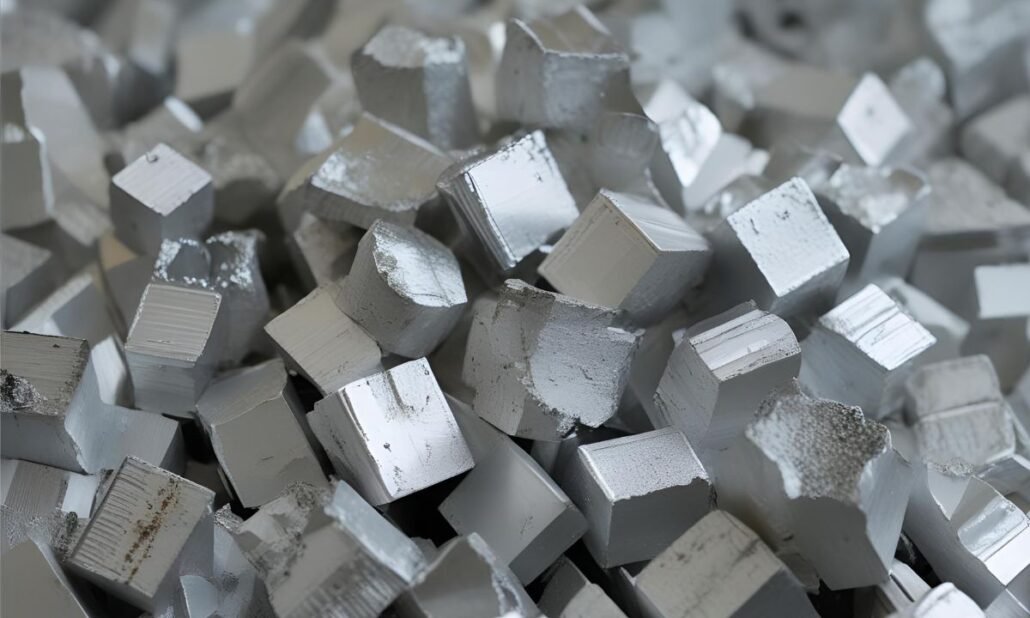
Az alumíniumöntvény az egyik legjobban alkalmazkodó és legelterjedtebb anyag a mai gyártásban. Az olvadt alumíniumot olvasztják és öntik formákba a kívánt formák elfogadásához, és ebben a folyamatban olyan összetett és bonyolult alkatrészek építhetők, amelyek egyébként alternatív technikák alkalmazásával nehezen jönnének ki, és ezért a folyamat sok ilyen alkatrészt viszonylag alacsonyabb költséggel tud létrehozni. Az öntött alumíniumtermékek különböző célokra találták meg értéküket, amelyek az autómotorok alkatrészeire, a repülőgépiparra, a kávéfazekakra, a főzőedényekre és még a háztartásra is kiterjednek. A hihetetlen súlytalanság, valamint az egyidejű szilárdság és a korrózióval szembeni ellenállóképesség és a jó hővezető képesség számos iparág legjobb beszállítójává teszi. Az öntött alumínium emellett nagy tervezési rugalmasságot biztosít a gyártó számára, lehetővé téve olyan összetett geometriák létrehozását, amelyek sok anyag felhasználása nélkül optimalizálhatják a teljesítményt. Az öntési folyamat emellett nagyon hatékony és gazdaságos, különösen akkor, ha az alkatrészek tömeggyártásáról van szó. Ráadásul az alumínium az egyik olyan fémkategória, amely könnyen újrahasznosítható, ami azt jelenti, hogy csökkentheti a gyártás ökológiai költségeit. Bár az öntött alumíniumnak sok előnye van, vannak hiányosságai is, például a kovácsolt alumíniummal összehasonlítva törékeny, és nehezen hegeszthető. Ezeket a tényezőket figyelembe kell venni, amikor az öntött alumíniumot bizonyos alkalmazásokhoz választjuk. Ez a cikk átfogó képet ad az öntött alumínium, a mai világ egyik legelterjedtebb anyagának tulajdonságairól, előnyeiről és alkalmazásairól. Mi az öntött alumínium? Az öntött alumínium a meglehetősen folyékony megjelenésű alumíniumból áll, amelyet újra formába öntöttek, hogy egy terméket formáljon. Ez a folyamat, vagyis az öntés egy nagyon régi gyártási eljárás, amelyet a mai gyakorlathoz igazítottak. A kovácsolt alumíniummal ellentétben, amelyet hengerléssel vagy extrudálással öntenek, az alumíniumot olvadt fémként öntik a formába, majd hagyják megkeményedni. Az öntés olyan összetettebb, üreges, sőt háromdimenziós formákat biztosít, amelyek megmunkálással vagy kovácsolással nem lennének könnyen vagy költséghatékonyan elérhetőek, mivel folyékony halmazállapotban kezdődik. Ez a sokoldalúság az, ami miatt az öntött alumínium termékeket olyan széles körben használják a termékek teljes spektrumában; azaz motoralkatrészek, valamint elektronikus berendezések és főzőedények, hogy csak néhányat említsünk. Egyszerű öntött alumínium összetétel Az alumínium, a legtöbbször, nem tiszta alumínium. Ehelyett ötvözet, azaz alumínium és más anyagok keveréke a szilárdság vagy a folyékonyság, vagy mindkettő javítása érdekében. Az ötvözet leggyakoribb szempontja A kombináció sajátos, ami a felhasználástól függ. Példaként a magas hővezető képességű és korrózióállóságú ötvözeteket használnák a magas hőmérsékletű berendezésekhez, például autóipari alkatrészekhez, a főzőedények pedig a magas szilícium-alumínium tartalmú ötvözetet vennék, amely nagy hőteljesítménnyel és kopásállósággal rendelkezik. Az öntött alumínium története és fejlődése A fémek öntése több ezer éves múltra tekint vissza, mivel a korai társadalmak már ismerték a bronz és az öntöttvas öntését szerszámok és fegyverek előállításához. Az alumíniumot a 19. század elejéig nem nyerték ki, és a 19. század végéig, a Hall-Héoult-eljárás megalkotásáig nem is volt gazdaságos. Az alumíniumöntés a 20. század elejére a repülőgépipar és a főzőedénygyártás egyik eljárása lett. A II. világháború idején volt a legnagyobb az alumínium iránti kereslet, mivel szilárdság/tömeg aránya miatt a repülőgépekben volt a legmegfelelőbb. A háború után az alumíniumöntésnek több kereskedelmi alkalmazása volt a fogyasztási cikkekben, az autógyártásban és az építészetben. a szerszámok, a kohászat és az öntvények tervezőmérnöki fejlődésének köszönhetően az öntött alumínium a mai gyártás része. Az öntött alumínium folyamata Az alumíniumöntés olyan folyamat, amely számos fontos lépést igényel ahhoz, hogy az olvasztott alumíniumból olyan alkatrészekké váljon, amelyek meghatározott alakzatok formájában felhasználhatók. A folyamat alapvető magyarázatának munkája a következőképpen zajlik: 1. Formakészítés Az öntés kezdeti eljárása egy öntőforma készítése, amelybe az olvadt alumíniumot önteni fogják. Az öntési módszertől függően a forma többek között olyan anyagokból állhat, mint a homok, fém vagy kerámia. Egy jó öntőformával is megtervezik a kívánt alakot, hogy az alumínium a megfelelő alakban szilárduljon meg. 2. Az alumínium megolvasztása Amikor a forma készen van, néhány alumíniumdarabot vagy alumíniumtömböt egy kemencébe helyeznek, ahol 660 és 750 °C (1220 és 1382 o F) közötti hőmérsékleten megolvasztják. Az olvadt alumíniumot is folyamatosan figyelik a megfelelő öntési hőmérséklet és minőség elérése érdekében. 3. Az olvadt alumínium öntése a formába Miután az olvadt alumíniumot a forma üregébe öntötték, az olvadt fémet a forma üregébe öntik. Az öntés az öntés fajtájától függően történik, azaz a szerszámöntés, a homoköntés vagy a beruházási öntés. Az alkalmazott technikák közül néhány a szerszámöntés, ahol az olvadt alumíniumot nyomás alatt fecskendezik be, míg más technikáknál az olvadt alumíniumot csak beleöntik a formába, és hagyják kihűlni. 4. Hűtés és megszilárdulás Építés és felügyelet: Ha túl vastag vagy bonyolult alkatrészről van szó, akkor hosszú időbe telik a lehűlés. Ebben a szakaszban az olvasztott alumínium a kívánt formára hűl, és a belső nyomás kiürül. 5. Beépítés és ellenőrzés Miután az alumínium lehűlt és megszilárdult, a szerszámot felszabadítják, és az öntött alkatrész megmarad. A leválasztás egyes esetekben a szerszámdarab megtörésével történik, különösen a homokba öntésnél, más technikáknál, például a szerszámöntésnél pedig a szerszám felnyílik és az alkatrész kilökődik. 6. Befejezés és ellenőrzés Az alkatrészt a vágás után általában befejező műveletekkel, például csiszolással, polírozással, megmunkálással stb. dolgozzák tovább, hogy a felületet kisimítsák, illetve hogy szorosabb tűréseket érjenek el. Az alkatrészt ezután ellenőrzik

Görgessen a tetejére

Kérjen árajánlatot