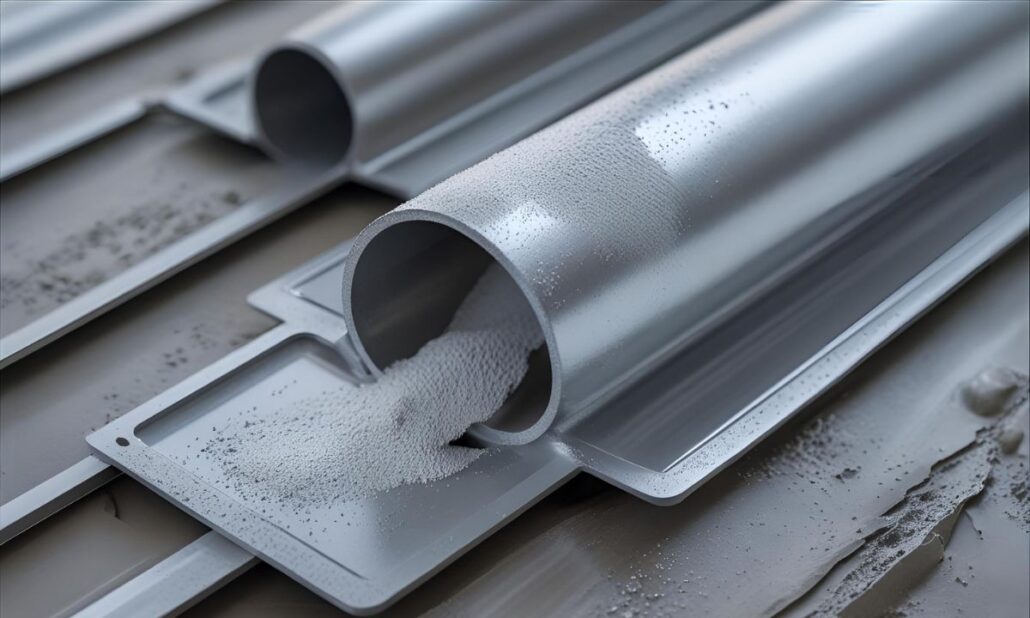
aziende di pressofusione di alluminio

Pressofusione di alluminio

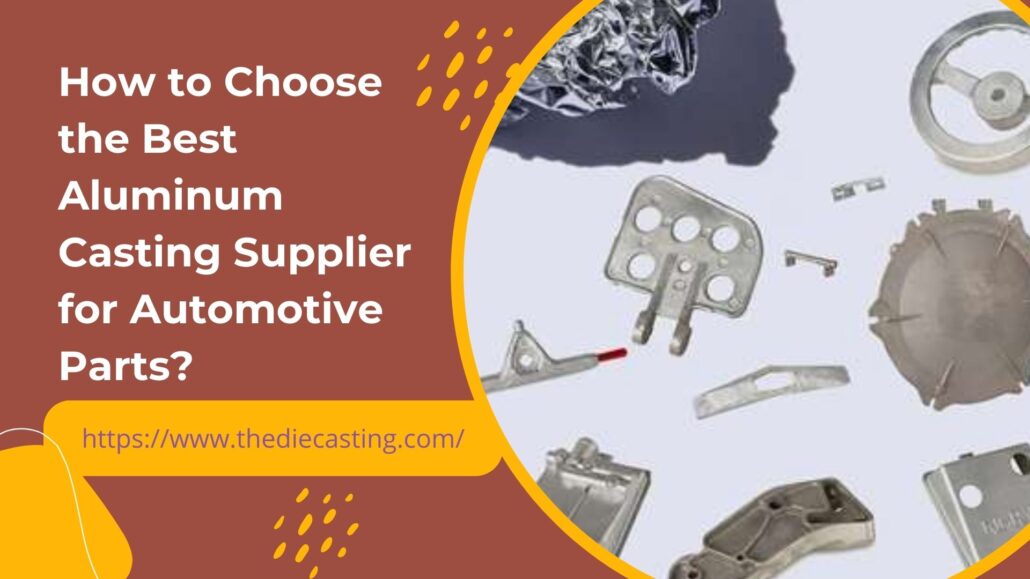
Come scegliere il miglior fornitore di fusioni in alluminio per le parti automobilistiche?

colata di alluminio

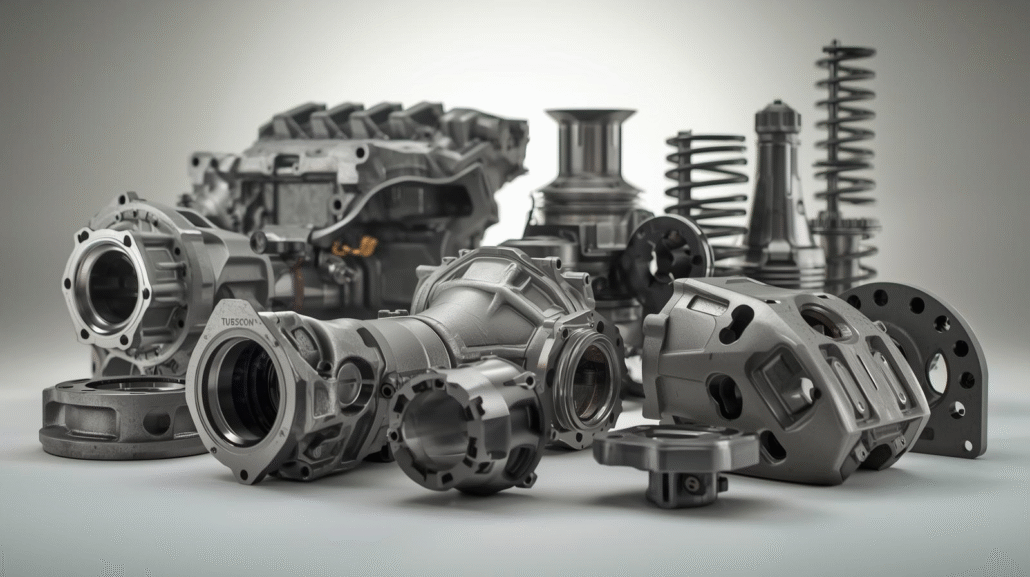
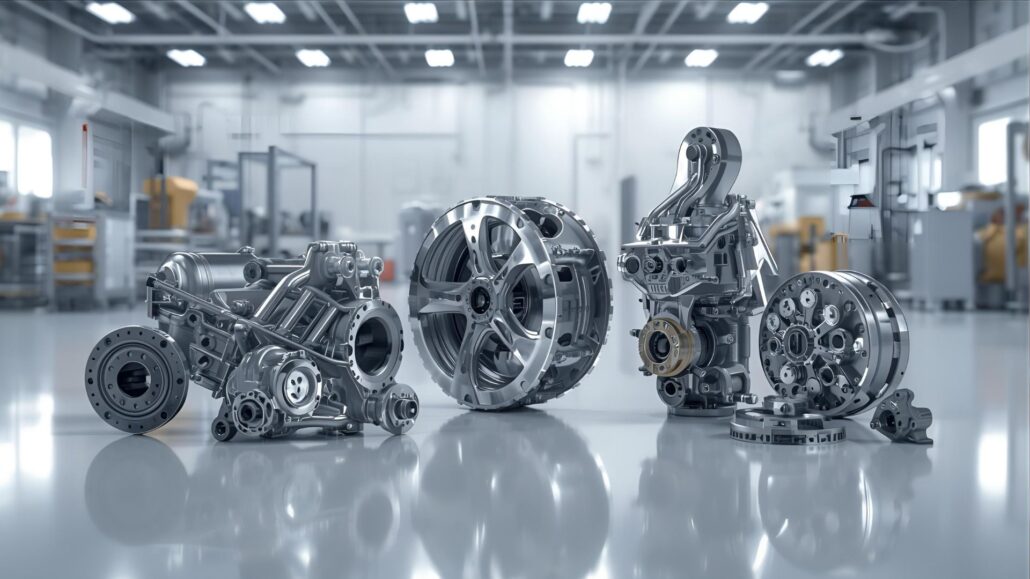
The automotive industry in the world is developing fast due to the need for lightweight cars, better fuel efficiency, lower emissions, and high-performance parts. Aluminum die casting has emerged as one of the most important manufacturing processes, which has been amazingly supportive of this transformation. In the electric car design, aluminum die-cast components are crucial in the modern automotive design, including engine housings and transmission cases, as well as structural components of the car. The selection of an appropriate automotive parts aluminum casting supplier is no longer an easy-purchasing choice. It is a strategic alliance that influences the quality of products, production efficiency, cost control, and business success in the long run. This paper describes the steps involved in identifying the most optimal aluminum die-casting supplier, as well as identifies some of the leading manufacturers of aluminum die-casting auto parts in China and globally. Why Automotive Manufacturing Requires Aluminum Die Casting Through aluminum die casting, manufacturers are able to develop complicated, high-precision components at massive volumes with high surface finish and dimensional accuracy. Aluminum has a better strength-to-weight ratio, resistance to corrosion, and thermal conductivity than conventional materials, it is the perfect material to be used in automobiles. Aluminum die casting is becoming even more significant with the emergence of electric vehicles. Die-casting technology is important in battery casings, motor frames, inverter casings, and massive structural parts. With the increased complexity of the automotive designs, the suppliers have to provide casting services along with the engineering services, machining, surface finishing, and quality control. Essential Factors to be Considered When Selecting an Aluminum Casting Supplier Car and Automotive Knowledge and Experience The experience of the aluminum die casting supplier in automotive die casting is one of the first factors that should be considered. Car parts have to be of high safety, durability, and compliance with regulations. A supplier who has been long term in experience in automotive projects knows the choice of materials, control of tolerances, and process stability. The suppliers who have engaged in partnership with automotive OEMs, with Tier-1 or Tier-2 suppliers, tend to produce steady quality and handle complicated production specifications. Production Facilities and Resources A trusted aluminum die-casting company must possess up-to-date production facilities such as high-pressure die-casting machines of different tonnages, CNC machining centres, and surface finishing. It is a great strength to be able to deal with small precision castings as well as large structural castings. Automation, robotics, and digital monitoring are other technologies that are also frequently used by advanced suppliers to attain repeatability and minimize defects in mass production. Quality Control and Certifications In car production, quality control plays a key role. The most effective suppliers have been developed on internationally recognized systems of quality like ISO 9001, IATF 16949 (previously TS 16949), and ISO 14001. These certifications are an indication of quality management, process control, and environmental responsibility. The inspections are also checked in-house by CMM machines, X-ray tests, spectrometers, and pressure leak testing systems, which also ensure that the product has high reliability. Engineering Customisation and Support Automotive projects are normally customized as opposed to off-the-shelf products. An effective supplier of aluminum die-casting must be able to provide engineering services to the initial design phase, such as design of the mould, optimization of materials, and design-for-manufacturing (DFM) analysis. Aluminum die casting suppliers are the ones where customers can find prototyping, rapid tooling, and design validation services, which would reduce the development time and eliminate expensive redesigns. International Supply Chain and Delivery Performance World and China Leaders of Auto Parts Suppliers: Aluminum Die Casting CNM Tech Co., Ltd Company Overview CNM Tech Co., Ltd. is an experienced manufacturer of aluminum die-casting auto parts with over 20 years of working experience in the industry, based in Dongguan, China. The firm deals with aluminum, magnesium, and zinc die casting, CNC machining, surface finishing, and assembly. CNM Tech manufactures components of aluminum, zinc, and some magnesium that weigh not more than 12 kg, 2 kg, and others, respectively. Its vertically integrated production system includes sourcing of raw materials, tooling, casting, machining, finishing, and final packaging. Why Choose CNM Tech CNM Tech has the advantage of end-to-end capabilities of manufacturing. The company has retained tooling, machining, and surface finishing, resulting in complete control of quality and lead times. The company works on the basis of ISO 9001, TS 16949, and ISO 14001 quality systems, which guarantee high-quality production with automotive standards. CNM Tech provides aluminum die-casting auto parts at competitive prices; therefore, it offers its customers a reliable partner in supplying high-precision parts worldwide. Industries Served CNM Tech also deals with the medical equipment, home appliances, LED electronics, power tools, and mechanical equipment segments in the automotive industry. Sincere Tech Company Overview Sincere Tech is a full-service manufacturing firm with its headquarters located in Dongguan, China, and was established in 2005. The company is a specialist in die castings in aluminum, plastic injection molding, CNC machining, silicone rubber components, and entire assembly solutions. Sincere Tech offers small-tolerance parts to the high-pressure industries with highly modernized production equipment like CNC machines, EDM systems, and CMM inspection equipment. Why Choose Sincere Tech Sincere Tech has a real one-stop point of manufacture. All processes are handled in a single location, starting with product designing, prototyping, mould making, die casting, machining, and packaging. This combined solution will minimize the risk of coordination and enhance efficiency in production. The company has excellent project management, English-speaking abilities, and experience in delivering world domination, making it a good partner to automotive customers who want consistency and cost-efficient production. Industries Served Sincere Tech is a manufacturer of die-cast parts made of aluminum and sold to automotive manufacturers, electronic manufacturers, medical equipment manufacturers, home appliances manufacturers, and industrial machinery manufacturers. GC Precision Mould Co., Ltd Company Overview Aludiecasting, the Chinese company is called GC Precision Mould Co. Ltd., a major manufacturer of auto parts under die-casting of aluminum, and is based in Dongguan, Guangdong, China. The company is over 20 years old, ISO 9001
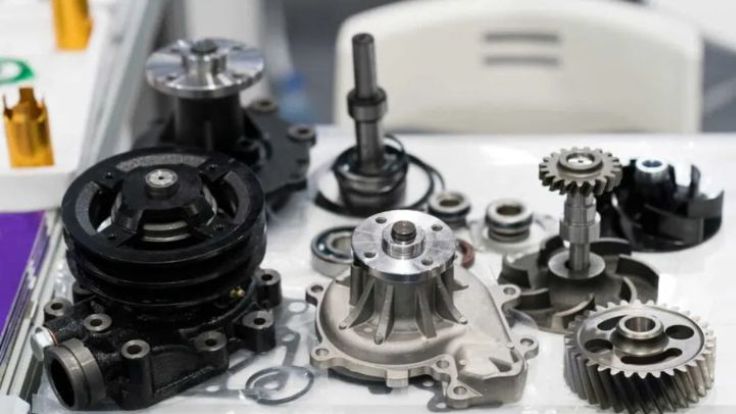
pressofusione di alluminio

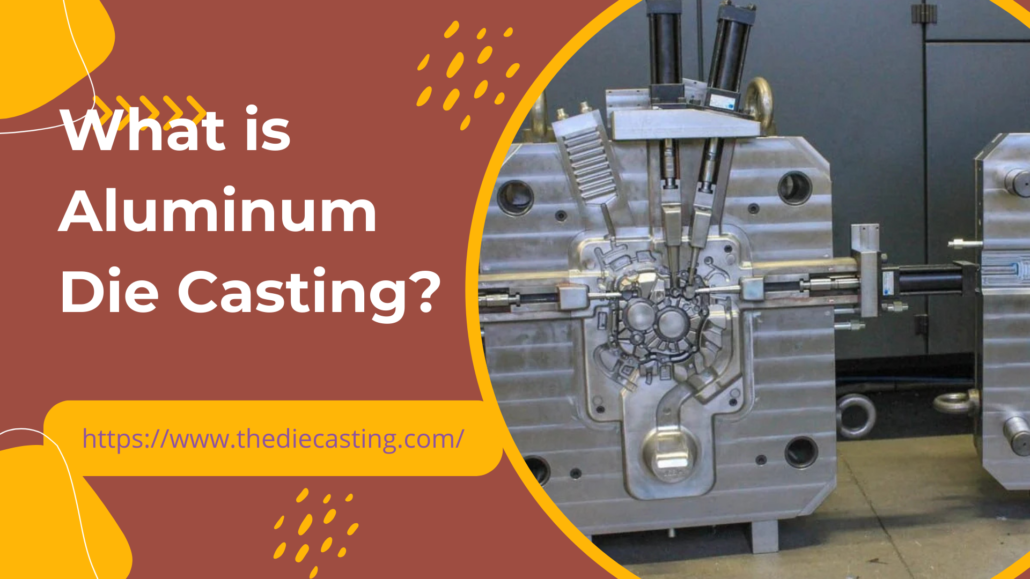
Che cos'è la pressofusione di alluminio?

colata di alluminio

One of the most popular manufacturing processes for producing high-precision metal parts on a large scale is aluminum die casting. It is important in contemporary industries that require high precision in dimensions, mechanical strength, light weight, and cost-effectiveness.

Le migliori aziende di pressofusione automobilistica in Cina e nel mondo 

pressofusione di alluminio, aziende di pressofusione, azienda di pressofusione, Produttore di pressofusioni

La pressofusione di alluminio è uno dei processi produttivi più affidabili e convenienti dell'industria contemporanea. Si tratta di un processo di iniezione ad alta pressione di alluminio fuso ad alta temperatura in uno stampo preciso per creare parti potenti, leggere e dimensionalmente precise. È particolarmente utile per la produzione di forme altamente complesse con finiture superficiali elevate ed è quindi un processo favorito nei settori automobilistico, aerospaziale, elettronico, dei prodotti di consumo e dei macchinari industriali. Negli ultimi anni la pressofusione di alluminio è stata molto richiesta. La tendenza del mondo verso le auto elettriche, le costruzioni leggere e l'efficienza energetica ha messo le leghe di alluminio in prima linea nell'innovazione. I produttori hanno sviluppato componenti ad alta tecnologia, come blocchi motore, case di trasmissione, alloggiamenti per batterie e dissipatori di calore, che sono allo stesso tempo resistenti e leggeri. La riciclabilità e la resistenza alla corrosione rendono l'alluminio utile anche nella tendenza mondiale a produrre in modo sostenibile ed ecologico. Due dei principali centri di pressofusione di alluminio sono gli Stati Uniti d'America e la Cina. Le aziende statunitensi sono note per la loro capacità di innovazione, gli elevati standard qualitativi e l'utilizzo di alti livelli di automazione e possono essere considerate un buon investimento nelle industrie di alta precisione. Al contrario, i produttori cinesi hanno guadagnato molta competitività sul mercato mondiale, hanno fornito una soluzione conveniente, un'elevata capacità produttiva e tecnologie più avanzate. In questo articolo verranno discusse alcune delle industrie di pressofusione di alluminio di maggior successo negli Stati Uniti e in Cina, i loro punti di forza, le loro capacità e i fattori che le rendono i partner più affidabili per le aziende di tutto il mondo come fornitori preferiti nell'industria manifatturiera. Che cos'è la pressofusione nel settore automobilistico? La pressofusione è un processo di produzione in cui il metallo fuso, di solito alluminio, magnesio o zinco, viene forzato a grande pressione in uno stampo con uno spazio aperto. Ciò consente la produzione di massa di componenti ad alta resistenza con funzioni complesse e con una buona finitura superficiale e precisione dimensionale. La pressofusione nell'industria automobilistica consente la produzione di componenti che sono: L'uso della pressofusione ha rivoluzionato la costruzione dei veicoli contemporanei, consentendo di risparmiare peso e di ottenere allo stesso tempo prestazioni elevate. La domanda ha contribuito all'elevato tasso di sviluppo delle principali aziende di pressofusione automobilistica in Cina, Europa, America e Giappone. Perché la Cina è leader nella pressofusione automobilistica La Cina è uno dei maggiori produttori al mondo di pressofusioni automobilistiche grazie alla sua posizione di forza: Questo insieme di punti di forza ha permesso alle aziende cinesi di pressofusione per il settore automobilistico di essere le più potenti non solo nel mercato locale, ma anche a livello internazionale nella catena di fornitura. CNM Tech Diecasting Company è un produttore leader di prodotti pressofusi in alluminio di qualità superiore. Offre a diversi settori, come quello automobilistico, elettronico e delle telecomunicazioni, componenti di precisione che mirano a mantenere i più alti standard di qualità. È in grado di produrre componenti leggeri e resistenti utilizzando i suoi processi produttivi avanzati, come la pressofusione ad alta pressione e la lavorazione CNC. La pressofusione crede nel potere dell'innovazione costante e per questo investe in macchinari moderni, linee di produzione automatizzate e soprattutto sistemi di controllo della qualità che contribuiscono a fornire sempre gli stessi risultati. I suoi clienti globali sono sia OEM che fornitori di primo livello, per cui è un partner affidabile per soddisfare esigenze di produzione complesse e in grandi volumi. Sito Web: https://www.thediecasting.com/ Perché sceglierli La Diecasting Company è preferita dalle aziende perché si concentra su qualità, precisione e innovazione. L'applicazione di tecnologie di pressofusione all'avanguardia, il forte controllo della qualità e la puntualità delle consegne fanno sì che i clienti ottengano componenti in grado di soddisfare gli standard internazionali e li rendono la scelta preferita quando si tratta di OEM e produttori automobilistici che desiderano trovare un fornitore affidabile di soluzioni di pressofusione. Industrie servite Sincere Tech Sincere Tech è uno dei produttori di stampi ad alta precisione per l'iniezione di plastica e la pressofusione. Ha un background nella progettazione di stampi, nella prototipazione e nella fabbricazione del prodotto finale, che fornisce una soluzione unica ai suoi clienti in tutto il mondo. Utilizzano software CAD/CAM computerizzati e lavorazioni automatizzate in modo che tutti gli stampi prodotti siano molto precisi. Plastic Mold può vantare anni di esperienza nel soddisfare le esigenze dell'industria automobilistica, dell'elettronica di consumo e dei dispositivi medici, con la capacità di fornire stampi complessi con efficienza. Si distinguono per l'innovazione, il controllo della qualità e la velocità di consegna, che li rende un fornitore di fiducia per le aziende che desiderano una soluzione di stampi personalizzata. Sito web: https://www.plasticmold.net/ Perché sceglierli Plastic Mold viene scelta per i suoi sistemi completi di costruzione di stampi, le sue competenze tecniche e la sua capacità di adattarsi a tempi di produzione limitati. I loro stampi di qualità superiore riducono al minimo gli errori, aumentano la produttività e aiutano i clienti ad avere prodotti pressofusi o stampati a iniezione accurati e affidabili. Industrie servite GC Precision Mould GC Precision Mould è un produttore di pressofusioni in Cina che fornisce pressofusioni in alluminio, zinco e magnesio. Ha la reputazione di produrre componenti di alta qualità, economici e leggeri nei settori automobilistico, elettronico e dell'illuminazione. Dispone di capacità di pressofusione ad alta pressione, lavorazione CNC e operazioni di finitura secondaria. Alu Diecasting si concentra su precisione, longevità e produttività. Sono sempre all'altezza degli standard internazionali grazie all'uso di strutture moderne, linee automatizzate e ingegneri qualificati. Si rivolge a clienti sia locali che internazionali, come OEM e fornitori Tier-1, e si posiziona come uno dei principali produttori cinesi di pressofusioni per l'industria automobilistica. Sito web: https://aludiecasting.com/ Perché sceglierli Utilizzano Alu Diecasting in quanto offrono una combinazione di prezzi competitivi, standard di alta qualità e tecnologia. Hanno un track record di varie leghe, lavorazioni di precisione e produzione puntuale che mantiene parti affidabili, di lunga durata e leggere che soddisfano le richieste dell'industria automobilistica mondiale. Get It Made Get It Made è un produttore di lavorazioni CNC, stampa 3D, pressofusione e formatura dei metalli con sede nel Regno Unito. Supporta sia la prototipazione che la produzione di bassi volumi,

Ferramenta per armadi in ottone: Una guida completa allo stile, alla funzione e alla durevolezza

Ferramenta per armadi in ottone: Una guida completa allo stile, alla funzione e alla durevolezza

Ferramenta per armadi in ottone

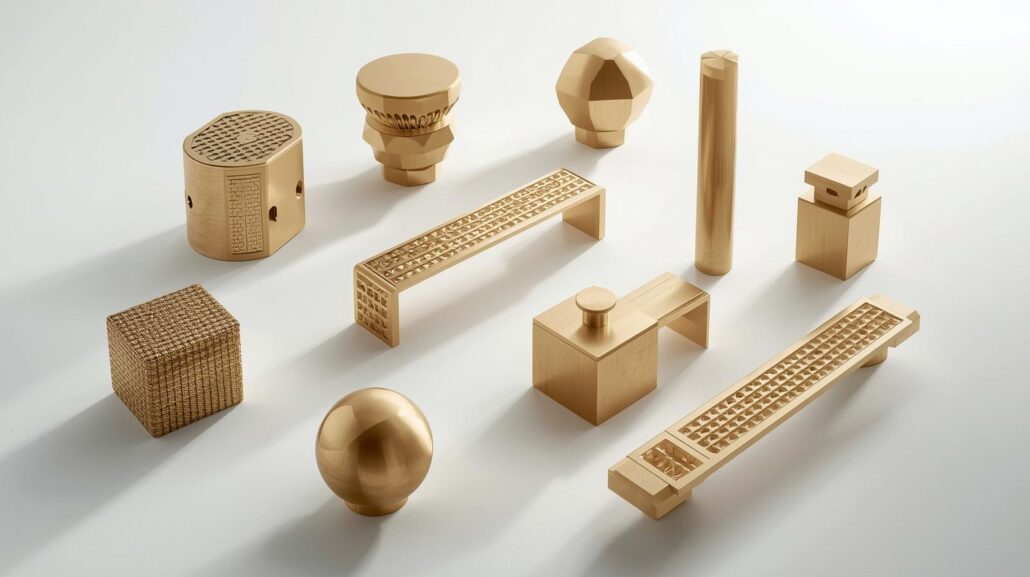
La ferramenta per armadi può essere considerata un dettaglio minore, ma può cambiare l'aspetto e la funzionalità di una stanza. Tra le numerose finiture che si possono utilizzare, la ferramenta per armadi in ottone è una prova del tempo in termini di bellezza, resistenza e versatilità. Se si pensa di ristrutturare la cucina, di rinnovare il mobile del bagno o di rinnovare il mobile contenitore, la finitura in ottone è quella che si rivela durevole e, allo stesso tempo, molto elegante. Sia i designer che i proprietari di casa continuano a preferire l'uso della ferramenta in ottone, che ha aggiunto significato agli interni moderni e tradizionali. Le sue tonalità calde, che sono quelle dell'oro, si abbinano bene anche a mobili in legno, pietra o verniciati, rendendola una delle finiture più adatte. Sia che si tratti di semplici e moderne maniglie che di pomelli vintage, la ferramenta per armadi in ottone è un elemento che conferisce all'intero design di uno spazio un aspetto raffinato. L'ottone, a differenza di altri metalli, è un articolo di bell'aspetto, ma offre un valore duraturo. La qualità della ferramenta per cucina in ottone e della ferramenta in ottone spazzolato resiste alla corrosione, può essere utilizzata nella vita quotidiana e acquisisce lo status di intramontabile. Questo mix di stile e prestazioni rende l'ottone un investimento che migliora l'aspetto e la funzionalità degli armadietti in modo da renderli raffinati negli anni a venire. Storia e popolarità dell'ottone nel design L'ottone è una lega di rame e zinco che da secoli viene utilizzata in varie strutture, mobili e ornamenti. Un tempo l'ottone era un elemento decorativo comune, poiché era considerato molto bello ed elegante. La ferramenta in ottone viene utilizzata anche al giorno d'oggi grazie al suo aspetto, alla sua durata e alla sua resistenza, e viene utilizzata anche negli interni attuali grazie alla praticità del suo utilizzo e al suo aspetto, che è più che impressionante. La qualità senza tempo della ferramenta per armadi in ottone è la sua flessibilità. Può essere brillante e riflettente come uno specchio, oppure può avere un aspetto più discreto ed essere rifinito con colori tenui. Da quando l'arredamento si è spostato verso i colori metallici più caldi, l'ottone rimane una delle finiture che può essere abbinata a mobili chiari e scuri. Cosa significa ferramenta per armadi in ottone? La ferramenta per armadi in ottone è costituita da pomelli, tiranti, cerniere, maniglie e altri accessori realizzati in una lega di rame e zinco, nota come ottone. Questa ferramenta è molto diffusa in cucina, in bagno e nei mobili perché è robusta, durevole e non passa di moda. Rispetto ai metalli più economici, l'ottone non si corrode e invecchia naturalmente con una patina; può essere lucidato, lasciato satinato, anticato o lasciato nella cosiddetta ferramenta in ottone spazzolato. I progettisti e i proprietari di case preferiscono l'uso della ferramenta in ottone per la sua diversità. In particolare, la ferramenta per cucina in ottone è funzionale ed elegante, ed è diventata una delle opzioni più popolari per aggiornare gli armadietti. Tipi di ferramenta in ottone Gli accessori per armadi sono disponibili in una serie di forme diverse realizzate in ottone, ognuna delle quali viene utilizzata in modo diverso. I più popolari sono: In qualsiasi progetto di design, la ferramenta per armadi in ottone, indipendentemente dal tipo, è un'aggiunta utile in termini di scopi decorativi e funzionali. La produzione di ferramenta per armadi in ottone La produzione della cosiddetta ferramenta per armadi in ottone è un processo di fabbricazione di prodotti a lungo termine basato sui requisiti di durata, utilità e bellezza. Si tratta di un processo che utilizza una miscela di tecniche tradizionali e moderne di finitura dei metalli. Preparazione della lega Si inizia con la fusione di una miscela di rame e zinco per formare l'ottone. Si possono aggiungere altri elementi a seconda della finitura desiderata. In questo modo si ottiene la ferramenta in ottone con la giusta resistenza, lavorabilità e colore. Fusione o forgiatura Dopo la preparazione della lega di ottone, si procede alla fusione (ottone fuso versato in getti) o alla forgiatura (ottone pressato e riscaldato compresso in getti). Le copie di ferramenta da cucina in ottone sono più potenti e robuste. Lavorazione e sagomatura Vengono poi trasformati in forme precise, pomelli, tiretti, maniglie o cerniere. Le macchine CNC e i torni vecchio stile tendono a creare uniformità nella cosiddetta ferramenta per armadi in ottone. Finitura della superficie Una volta sagomati, i pezzi vengono automaticamente rettificati e lucidati fino a ottenere una finitura liscia. Le finiture applicate in questa fase comprendono ferramenta in ottone lucidato, anticato, satinato o spazzolato per conferire l'aspetto desiderato. Placcatura o rivestimento (opzionale) In altri casi, per aumentare la resistenza alla corrosione, si applica un rivestimento protettivo di lacca o un'ulteriore placcatura. È comune lasciare l'ottone massiccio non laccato, in stile patina naturale. Assemblaggio meccanico e controllo qualità Infine, vengono controllati la qualità, l'adattamento e la finitura di ogni elemento della ferramenta per armadi in ottone. L'assemblaggio di viti e raccordi e l'imballaggio vengono effettuati prima della distribuzione. Vantaggi della ferramenta per armadi in ottone Durata L'ottone è un materiale noto per la sua forza e resistenza. L'ottone massiccio, a differenza delle leghe più economiche, non si piega e non si rompe, il che significa che i vostri armadietti saranno utili nel tempo. È particolarmente significativo che la ferramenta per cucina in ottone debba resistere all'usura quotidiana. Estetica senza tempo Gli interni sono resi caldi e ricchi dalle tonalità dorate dell'ottone. Le finiture lisce e la lucidatura sono eleganti, mentre la ferramenta in ottone spazzolato conferisce un aspetto moderno e discreto. Resistenza alla corrosione La natura intrinseca dell'ottone è tale da renderlo resistente all'appannamento e alla corrosione, pertanto dovrebbe essere utilizzato in cucina e in bagno dove l'umidità è abbondante. Versatilità Dalla cucina rustica al bagno moderno, la ferramenta in ottone si abbina a tutti gli stili. È stato flessibile, ed è per questo che viene ancora utilizzato dai designer in vari progetti di ferramenta in ottone. Utilizzo nei bagni e nelle cucine Uno dei dettagli più evidenti nelle cucine e nei bagni è la ferramenta per armadietti, dove funzionalità e design devono essere in armonia. La ferramenta in ottone per armadietti offre la resistenza necessaria in aree molto frequentate, oltre a fungere da elemento decorativo centrale. Cucine Gli stili di cucina contemporanei sono più che soddisfatti della

Aziende di pressofusione di alluminio negli USA

Aziende di pressofusione di alluminio negli USA

pressofusione di alluminio, aziende di pressofusione, azienda di pressofusione

La pressofusione di alluminio è oggi una delle procedure di produzione più sicure ed economiche negli Stati Uniti d'America, in particolare per i produttori che richiedono robustezza, longevità e precisione. L'iniezione ad alta pressione di alluminio fuso in getti d'acciaio consente di ottenere pezzi non solo leggeri, ma anche dimensionalmente precisi e durevoli. Questa resistenza e il peso ridotto rendono la pressofusione di alluminio il materiale preferito dall'industria automobilistica e aerospaziale, dall'elettronica, dai macchinari industriali e dai beni di consumo. Il mercato statunitense vanta un'industria della pressofusione di alluminio tra le più affermate a livello mondiale, sotto forma di produttori su larga scala con presenza globale e di piccole imprese specializzate in parti personalizzate e applicazioni di nicchia. Queste aziende sono molto importanti per il sostentamento dell'industria chiave, in quanto forniscono segmenti del settore come blocchi motore, alloggiamenti per trasmissioni, involucri elettronici e parti strutturali. I produttori statunitensi si sono guadagnati la reputazione di affidabilità e di prodotti innovativi nel mondo grazie alle loro tecnologie di alta qualità, alla certificazione e all'attenzione per i prodotti di qualità. Negli ultimi anni si è assistito a una massiccia impennata della domanda di componenti in alluminio pressofuso a causa dei recenti sviluppi nell'alleggerimento dei veicoli, della produzione di veicoli elettrici e della spinta a produrre in modo efficiente. Le aziende americane stanno abbracciando l'automazione, le fusioni sostenibili e le leghe di qualità superiore in modo da ottenere risultati elevati per soddisfare questi requisiti. Questo articolo elenca alcuni dei migliori produttori di pressofusione di alluminio negli Stati Uniti e i loro risultati, potenzialità e contributi all'industria contemporanea. Non importa se si tratta di pezzi per un processo di produzione su larga scala o per un'applicazione altamente tecnica, questi produttori sono l'incarnazione della migliore tecnologia americana nella pressofusione di alluminio. Che cos'è la pressofusione di alluminio? La pressofusione di alluminio è una tecnica di produzione in cui l'alluminio fuso viene forzato ad alta pressione in uno stampo di acciaio, detto anche matrice. Quando il metallo si raffredda e si solidifica, lo stampo viene aperto e il pezzo completato viene espulso. Questo è il processo grazie al quale i produttori possono creare componenti resistenti, leggeri e altamente dettagliati, con un elevato livello di precisione dimensionale e finiture superficiali uniformi. Il vantaggio principale è che la pressofusione di alluminio può produrre forme complesse che altrimenti sarebbero difficili o costose da realizzare con altri processi produttivi. Trova ampia applicazione nella produzione di parti come blocchi motore, alloggiamenti per trasmissioni, involucri elettronici, dissipatori di calore e componenti strutturali. La pressofusione di alluminio presenta numerosi vantaggi: Grazie a questi punti di forza, la pressofusione di alluminio è emersa come un'alternativa migliore nelle industrie che richiedono componenti affidabili ed efficienti di alta qualità per soddisfare le proprie esigenze tecniche ed economiche. Le migliori aziende USA di pressofusione di alluminio 1. Dynacast International Dynacast International è una delle aziende più note nel settore della pressofusione di precisione a livello globale. L'azienda vanta decenni di esperienza nella produzione di componenti piccoli e complessi con l'uso di leghe di alluminio, zinco e magnesio. È in grado di produrre componenti con tolleranze rigorose e caratteristiche complesse, necessarie per i settori automobilistico, dell'elettronica di consumo, delle telecomunicazioni e dei dispositivi medici. Essere globale significa anche che Dynacast è in grado di servire piccole imprese e multinazionali con la flessibilità, le innovazioni e la qualità che non variano da un progetto all'altro. 2. Pace Industries Diventata la più grande azienda di pressofusione del Nord America, Pace Industries si è guadagnata una buona reputazione offrendo soluzioni complete. La loro gamma di servizi comprende progettazione e supporto ingegneristico, pressofusione, lavorazione, finitura superficiale e assemblaggio finale; hanno fornito una soluzione unica ai clienti dei settori automobilistico, industriale e di consumo. Grazie alle dimensioni delle sue attività, Pace è in grado di gestire progetti ad alto volume e progetti personalizzati. Pace segue inoltre la cultura di investire in tecnologie moderne e in pratiche sostenibili, in modo da poter rimanere competitiva in un settore in rapida evoluzione. 3. Ryobi Die Casting (USA), Inc. Ryobi è un marchio rinomato nel segmento mondiale della pressofusione e ha una presenza importante negli Stati Uniti. Le sue attività negli Stati Uniti sono incentrate su componenti in alluminio pressofuso di medie e grandi dimensioni, soprattutto per il settore automobilistico. Ryobi produce blocchi motore, scatole di trasmissione e parti strutturali che devono essere resistenti e precise. L'azienda si è avvalsa di tecnologie all'avanguardia e di una gestione della qualità che l'ha portata a diventare un fornitore di riferimento per le principali case automobilistiche del mondo. 4. Gibbs Die Casting Gibbs Die Casting, l'altro leader del mercato statunitense, ha sede a Henderson, nel Kentucky. L'azienda è specializzata nella pressofusione di alluminio e magnesio per l'industria automobilistica, in particolare per gli alloggiamenti delle trasmissioni e le parti della catena cinematica. Gibbs pone una forte enfasi sull'innovazione, dove l'automazione e le sofisticate tecniche di produzione vengono utilizzate per garantire elevati standard di efficienza e qualità del lavoro. L'azienda incorpora anche il concetto di sostenibilità nelle sue attività, riducendo gli sprechi e incoraggiando pratiche commerciali rispettose dell'ambiente. 5. Apex Aluminum Die Casting Co. Apex Aluminum Die Casting è situata in Ohio e viene utilizzata nell'industria automobilistica, elettronica e degli elettrodomestici. L'azienda è rinomata nel lavorare con lotti di produzione di medio volume, il che la rende l'opzione perfetta per le aziende che richiedono una qualità di produzione costante, ma che non hanno bisogno delle enormi potenze degli importatori più grandi. Il team di Apex si preoccupa della soddisfazione del cliente, dell'affidabilità del servizio, della progettazione e dell'accuratezza della produzione. Si è affermata come partner affidabile di numerose aziende statunitensi grazie alla sua buona reputazione di fornire risultati costanti. 6. KenWalt Die Casting Company KenWalt Die Casting ha sede in California e vanta un'esperienza pluridecennale nella produzione di getti in alluminio e zinco. L'azienda si concentra anche su lavori su misura e serve i settori delle attrezzature industriali e dei beni di consumo. KenWalt si distingue per essere un'azienda che collabora strettamente con il cliente durante la fase di produzione.

Parti di automobili realizzate per fusione:

Parti di automobili prodotte per fusione: Selezione del materiale e del processo

parti in pressofusione

The modern automobile is a sophisticated machine that consists of thousands of separate parts with their own purpose to provide safety, performance, and reliability. Casting is one of the various manufacturing processes that are employed in the automotive industry. Casting is now an irreversible procedure where major parts of a vehicle are formed by shaping molten metal into extremely detailed and strong parts. The engines, transmissions, and braking systems of most vehicles are among the most significant systems that require parts made by casting. Indeed, when designers and builders discuss efficiency, durability, and cost-effectiveness in the production, casting of automobile parts are often at the centre stage of the debate. The art of casting is not new; it was invented thousands of years ago. However, its application in the motor industry has undergone a revolutionary shift to harness hi-tech technologies and the most recent alloys that can fit the high demands of the modern car. Casting has been instrumental in enabling cars to maintain high-performance standards at a relatively low cost through lightweight aluminum engine blocks that are tough and, resilient cast-iron brake components. The article will review the history of the automobile casting parts, processes, advantages, and future trends of automobile casting parts and reveal the reasons why the automobile casting parts continue to be a pillar in the automotive manufacturing industry. History  of Casting It was actually the aluminum casting process that penetrated the sphere in the middle of the 20th century. Casting has been in use in vehicles since the late 19th and early 20th centuries, when the automobile was first developed to replace the horse-drawn carriage. Early engines demanded powerful but inexpensive parts, and casting was the right way to go. One of the first methods to make engine blocks, crankshafts, and housings was iron casting. With the increase in the automobile industry, casting techniques increased and became advanced. The automobile manufacturers learned that they could increase fuel efficiency without reducing the lifetime of the vehicles due to lighter engines and structural parts. Casting is applied to different systems of vehicles in accordance with their application and importance. Finally, the automobile casting parts have the important role of giving strength, accuracy, and cost-effectiveness to reduce the cost, which is why automobile parts are the giants of the automotive industry. What are Automobile Casting Parts? Automobile Casting Parts can be defined as parts of a vehicle that are produced through pouring molten metal into a mold, and the resulting molten metal hardens into a desired shape. This has enabled the manufacture of robust, sturdy, and intricate components that are utilized in automobiles, including engine blocks, cylinder heads, transmission housings, brake drums, and wheels. They are very popular since casting offers: Taking the case of an engine block, the block has various chambers and coolant passages with threaded openings that can be cast correctly. What is Casting? The process of casting is a type of manufacturing where molten metal is poured into a mold and allowed to cool in the shape of the mold. After cooling, the casting is removed, machined (where needed),, and fitted into the finished product. It is an operation in which it is possible to produce both strong and geometrically complex parts. The reason why automobile manufacturers like to use casting is that they can produce large quantities of complicated parts of uniform quality. The proper melting temperature should also be maintained to remove defects such as porosity or underfill We are discussing not only structurally significant parts of automobiles, but also those that must be precise and durable under severe conditions of high temperatures, pressures, and constant wear. Process of Casting in Automobile Parts High-volume production also automates machines or high-pressure systems to ensure a high level of accuracy and consistency. 1. Pattern Making It starts with the production of a pattern, an imitation of the finished part. Patterns tend to be made of wood, metal, or plastic. They also determine the accurate shape and size of the mold cavity into which the molten metal will be poured. 2. Mold Preparation Sand, metal, or ceramic materials are used to form a mold. The two halves of the mold make the cavity to shape the part. Hollows can also be introduced within the mold,, such as internal passages within an engine block. 3. Melting the Metal In a furnace, a controlled temperature is used to melt the selected metal or alloy (cast iron, aluminum, or magnesium). This is to bring mechanical properties to high-performance applications such as engines or gearboxes. 4. Pouring When the metal is melted, it is filled into the mold. The proper sizes and finishes are ensured during drilling, milling, and turning. 5. Solidification and Cooling The heated material is left to cool and harden within the mold, assuming the shape of the mold. The part should avoid a shrinkage defect or crack due to uncontrolled cooling rates. 6. Mold Removal When solidifying, the mold is broken (in sand casting) or the mold is opened (in permanent and die casting). A raw casting is then removed and processed further as a casting blank. 7. Fettling and Cleaning Unneeded material, including sprues, risers, or flash, is eliminated. The casting could be shot blasted or ground to clean up the surface to make it easy to machine. 8. Heat Treatment (if required) Cast parts can be heat-treated to enhance their strength, hardness, or toughness. Sand Casting – Sand casting is one of the oldest and most common ways in which a mold of sand is molded into a more complicated shape. 9. Machining and Finishing Despite the fact that casting generates near-net shapes, a lot of automobile parts have to be machined to be precise. It is used with the engine block, cylinder head, and manifold. 10. Inspection and Testing Lastly, quality checks are done on the cast part. Non-destructive testing (NDT), dimensional testing, and material inspection are conducted to ensure that the part is up to industry standards before assembly into

Perché l'alluminio forgiato è migliore del metallo fuso?

Perché l'alluminio forgiato è migliore del metallo fuso?

Alluminio forgiato

Forged aluminum is among the most trusted materials in contemporary engineering practice. It is formed by pressing solid aluminum with a high amount of heat and pressure. It alters the internal structure of the metal and makes it stronger and tougher than cast aluminum. Due to this, industries that require safety and durability use forged aluminum. Aluminum in itself is already rated as lightweight, resistant to corrosion and versatile. It is present in vehicles, aircraft, buildings, electronics and even in common tools. Not everything that is made of aluminum is the same, though. The performance of the metal is directly affected by how the metal is formed. Aluminium is melted and poured into molds when it is cast. This may cause flaws such as air bubbles and holes. Forging eliminates those issues. Rather than melting, the aluminum is pressed into form so that the grain is forced to conform to the design of the part. This yields a very powerful and homogeneous material. Forged aluminum has become popular now that industries are shifting to lighter, safer and more efficient solutions. This paper tells us why it is better than cast metal, the process involved in forging metals, where it is applied and the future of forging of aluminum. What Is Forged Aluminum? Forged aluminum is done by pressing solid aluminum under high pressure. The metal is not melted all the way as in casting. Rather, it is heated till it turns soft and malleable. After being softened, the aluminum is stamped or beaten into the required shape by means of heavy forging machines. This stress flattens the metal and also perfects its internal grains. The grain is oriented in the shape direction, and it contributes to the part’s better strength and toughness. Such a fine structure also removes numerous defects present in cast aluminum, including pores or cracks. Consequently, forged aluminum is safer, more durable and stronger. How an Aluminum Forge Works? Forging is done in an aluminum forge. There are a few steps involved in the process: This process ends up with a thick, solid, and homogeneous portion. It does not have weak spots or air bubbles like casting. Benefits of Forged Aluminum Cast metal and other materials cannot do what forged aluminum can do. It has become the tool of preference in industries where we cannot afford to compromise on performance and safety. Superior Strength Forged aluminum is very strong, and this is one of the key benefits of forged aluminum. The grain structure of the metal is refined through the forging process. The tensile and fatigue strength are enhanced by this alignment. False components can bear heavy loads as well as stresses and strains repeatedly without failure. This also positions them very well in high-performance activities like plane landing gear, suspension systems, and industrial machinery. Lightweight but Tough Aluminum is inherently lighter than steel, and forging goes even deeper with it. Forged aluminum is very strong for its weight. This enables engineers to ensure that they make lighter machines and vehicles that are still safe and strong. The weight loss makes cars and aeroplanes more fuel efficient, but also gives them durability. Increased Resistance to Fatigue Cast parts wear out much more than forged aluminum. Fatigue is a condition in which a part has worn out due to multiple stress cycles. Due to weak grain structure, cast parts tend to crack. Aluminum that has been forged does not crack easily, and thus parts made with this material will survive long in the hands of those who use them. Uniform Grain Structure The forging process is used to match the part shape with the grain in the metal. Such homogeneous graining makes it harder and harder to strike. Quite the contrary, casting gives arbitrary grain structures that create weak positions. Safety and Reliability Safety is the first priority in high-pressure industries like aerospace, automotive and defense. Forged aluminum is reliable as it provides power, hardness and steadiness over time, even in extreme circumstances. Aluminum Forging uses Aluminum forging has made an impression in the world where weightless, powerful and enduring parts are required. Forged aluminum parts are believed to be safe and, therefore, are commonly trusted in critical applications related to safety. Automotive Industry Modern automobiles are involved in fraudulent aluminum. A very common application is in wheels. Compared to cast wheels, forged wheels are lighter, more durable and safer. This type of weight loss improves manoeuvrability and fuel efficiency. Suspension parts are another significant use that should resist heavy loads, impact, and vibration on the road. The aluminum used is forged, so they are not stressed. Moreover, most engine parts, including connecting rods and pistons, are forged. These sections can withstand high pressure and hot temperatures with long durability. Concisely, forged aluminum improves the automobile’s performance and safety. Aerospace Industry Aircraft require components that are lightweight in nature and strong. Forged aluminum fits this specification. It applies to landing gears, which are supposed to withstand high levels of impact during landing and takeoff. It also occurs in wing structures where efficiency depends on lightness. Forged aluminum parts deal with pressure, heat and vibration in aircraft engines. Failure is not an option in flight; this is why the aerospace industry relies on forging. Military and Defense Defense applications require forged aluminum. Forged parts of tanks, aircraft, and naval ships have to endure the extreme conditions of combat. Forging guarantees maximum toughness, strength and reliability even in the most strenuous conditions. Industrial Machinery Major equipment is usually operated at full load. Forged aluminum products are wear-resistant and minimize downtime. This makes them cost-effective and long-term solutions for manufacturers. Sports and Lifestyle The sports and lifestyle items also use forged aluminum. Forged components are used to manufacture high-end bicycles, climbing gear and sports equipment. Such objects need to be lightweight and durable over a long period of time, which is why forging is the best method. The Reason Why Industries use forging rather than casting? Forging is the option

Il futuro delle fusioni automobilistiche

Il futuro delle fusioni automobilistiche: Innovazione, efficienza e prestazioni

Produttore di pressofusioni, pressofusione

Automobiles have never been left behind in technological development. Since the first steel framing in automobile manufacturing up to the latest lightweight alloys, each part of a car has been improved through innovation to enhance safety, durability and performance. One of the most significant areas of progress lies in the world of automotive castings. This has helped in the designing, production, and optimization of vehicles. In plain terms, the term automotive castings can be defined as the process through which the molten metal is measured and poured into the moulds to shape intricate parts of the vehicle. The method is precise, cost-efficient and can be scaled to mass production. These processes are important in the industry because almost all vehicles on the road today have several parts that have been cast. This article examines the history, manufacturing, advantages, and future of the so-called automotive castings, and also takes a look at how the so-called automotive casting, die casting automotive parts, and cast automotive parts contributed to the shaping of the modern automobile. The History of Automotive Castings The methods of casting date back several thousand years, although it was not until the end of the 19th and very early 20th centuries that they were used in the automotive industry. The first automobiles were ineffective and weighed a lot, with mostly forged steel components. With the increased need to produce in large quantities, manufacturers were required to find a cheaper and quicker solution. Then is the period when the techniques of automotive casting started to substitute traditional ones. Through casting, car manufacturers would be able to create numerous of the same parts in large quantities with less wastage of materials. This brought about mass production, one of the reasons why automobiles became affordable to ordinary people in the industrial boom. Modern automotive castings today use state-of-the-art alloys, accurate moulds, and automation to satisfy the high standards of the international automotive standards.  What is Automotive Casting? Automotive casting is a manufacturing process that is applied in automobile manufacturing to make parts of their vehicles through pouring of molten metal into the moulds, where it solidifies and hardens into the desired shape. This is a technique that enables manufacturers to make complex, long-lasting and accurate parts cost-effectively and with less effort as compared to traditional machining or forging. It finds application in engine block parts, cylinder head parts, transmission housing parts, brake parts, and suspension parts. Through various alloys such as aluminum, cast iron, steel, and magnesium, the automotive casting offers the strength, lightweight design, and durability needed in modern automobiles. This technique is popular because: Common Automotive Parts Made by Casting: Types of Automotive Casting Concisely, automotive casting is necessary since it assists automakers in developing dependable, lightweight, and cost-effective components on a mass basis. Modern cars cannot be produced in mass without it. Materials in the automotive castings Aluminum A lightweight and corrosion-resistant glass, aluminum is among the most favoured materials in the field of automotive castings. It makes huge savings in the total weight of cars, enhancing fuel efficiency and manoeuvrability. Aluminum is also a good thermal conductor and therefore it is good on engine blocks, cylinder heads and transmission housings. Aluminum is used to create many die-casting automotive parts since it enables manufacturers to create high-precision and lightweight components without losing strength. With its flexibility and stability, aluminum is one of the best materials in contemporary automobile manufacturing. Cast Iron Other popular materials in automotive castings are cast iron because the material has high strength, heat resistance, and wear properties. Cast iron is heavier than aluminum, and it is suitable for structural and heavy-duty applications as engine blocks, brake drums and other parts of the suspension. The structure is very durable, which means that such parts can resist the pressures of long-term service and high-temperature conditions, making it vital to vehicles that need strong and reliable performance. Steel In the automotive castings, steel has been preferred due to its high strength and flexibility. Heat-treatment of steel parts increases toughness, so they are ideal in chassis parts, brackets, and structural frames. Although steel weighs more than aluminum, it offers the strength and carrying capacity to some of the safety-critical parts of the car. It is flexible, and engineers can come up with components that satisfy both the performance and regulatory requirements. Magnesium Alloys Magnesium alloys are finding increased applications in so-called automotive castings where weight loss is a priority. These alloys are very light, yet offer sufficient strength to non-structural parts. Magnesium parts may be used in interior fittings, engine covers, and certain structural parts, especially in high-performance vehicles and electric vehicles, where minimizing total weight is important to performance and handling. Copper Alloys Copper alloys are sometimes made into so-called automotive castings due to their high electrical and thermal conductivity. These are resistant to corrosion and strong materials that can be applied to certain electrical components or heat-sensitive parts of the modern vehicle. Copper alloys are not as widely used as aluminum or steel, but have niche uses, such as where performance and conductivity are important. Composite Materials Some manufacturers are experimenting with composite materials in cast automotive parts with the development of automotive technology. These materials are developed to save weight and still offer strength, and can be very handy in electric and hybrid vehicles. Composites also have better thermal regulation and corrosion resistance, and are a new technology in the next-generation car parts. Types of Automotive Casting Processes The automotive industry employs a number of casting techniques, each with its own parts and materials. We will consider the most popular ones: Sand Casting One of the oldest techniques is sand casting, in which large, intricate components are made by means of sand moulds. It is most suitable for prototypes and heavy parts such as engine blocks. Die Casting Die casting is the process that requires high-pressure injection of molten metal into reusable steel moulds. It is a technique that is especially relevant in fabricating light but

Che cos'è il processo di estrusione dell'alluminio? 

colata di alluminio, pressofusione di alluminio

Aluminum extrusion has not only been appreciated in the respect that it makes a strong, yet lightweight part, but also its flexible and cost-effective designs are a factor. It is used in construction, aerospace, automotive and electronic industries, and nearly everywhere in between. Aluminium extrusion is among the processes that indicate an equalization between innovative designs and effective production, which is just about to become one of the dominating procedures of the manufacturing industry. Aluminum is one of the most popular metals in the modern industries, being appreciated because of its light weight, strength, durability and also its capacity to resist corrosion. Aluminum is more conspicuous in our lives; in the construction of skyscrapers in our cities, the cars we drive and other gadgets that we use in our daily lives. One of the most vital processes of manufacturing that has ensured the versatility is the aluminum extrusion process. Extrusion refers broadly to methods of metal deformation whereby metal is pushed or squeezed through a die in a similar fashion to toothpaste. In aluminum, longer continuous sections of final, predetermined cross-sectional shapes are formed by ramming solid block-like objects (known as billets) through an already heated die. These profiles may be plain rods, tubes or highly complex and specially made to the extent that they will meet the demands of a given industry. In this article, we will learn everything about the aluminium extrusion process; its history, the extrusion process, types, applications, advantages and limitations and its rising capabilities in future of manufacturing. Historical Background The idea of extrusion as a manufacturing process has been traced back to the late 18th century. The first well-known extrusion was that of the British inventor Joseph Bramah, who patented his exactly in 1797. Instead, he used a process that involved pushing pliable metals such as lead through a die to shape long, identical-looking pieces and primarily pipes. The preconditioning of the process of extrusion was an invention. Until much of the 19th century, the extrusion of softer metals had been inhibited by technology. The real breakthrough came about in the early 220thcenturies when economical ways of producing aluminium were discovered. The acquisition of aluminium was brought to lower prices and large-scale production by the invention in 1886 by Charles Martin Hall in the United States and separately by Paul H. Roult in France of the Hall-Heroult process. After the invention of aluminum, it did not take long before scientists and manufacturers saw the potential extrusion had to offer. The use of aluminum extrusion technology began gaining steam in the 20s, especially coming into force in Europe and North America. It was on a large scale utilized in the Second World War when the industries required a lightweight but durable material in aircraft, vehicles used by the military, and buildings. Since then, the line-casting technology has been invented and has been extended far farther than the aluminum extrusion that first emerged in the military sectors. What is Aluminum extruded? Aluminum extrusion is the commercial physical method that is used in plasticizing solid aluminum into shapes that are long with specific cross-sections. The idea is simple: a block of aluminum (a billet) is heated to a malleable stage and forced under intense pressure of a die made of steel. In pressing through the die, the aluminum takes on the shape of the opening, either straight, hollow, or solid, or in a highly complicated profile. The analogy that is best applied in extrusion is the extrusion of a toothpaste tube. Same as the toothpaste- it takes the shape of the nozzle, and similarly, the extruded aluminum takes the shape of the die. The advantage of aluminium extrusion is the ability to manufacture lightweight yet strong components of the exact shape. The resultant extruded profiles can be strippable to various lengths and are also subjected to further finishing, including anodising, powder coating, and finishing. All these upgrades raise performance, wear and look. Due to its flexibility, it has become one of the extrusion processes whose scope has been resorted to within different discourses like the construction industry, the aviation industry, the electronic industry, the transport and even the consumer products industry. It is not just the process but a vital bridge between the native stainless steel and absorbed functionality that defines the current engineering and high-construction. Aluminium Extrusion Process in Steps Characterise the Profile & Select the Alloy Cast and Christen the Billet Scalp or Saw Inspect Billet Heat the Billet Make the Die & Tooling Lubricate and Prepare the Press Load the Billet and QC Start the Press Breakthrough Extrusion, Steady Chinking on the Table Fast Cooling (Immediate Quenching) Handling temperature for cooling Profiles cool on the table after quenching until they are able to be handled without imprint or warping. Soft, controlled cooling minimises residual stress. Stretching / Straightening Cutting Back to Length Heat Treatment (Where Necessary) Surface Finish (Optional) Machining & Fabrication (As required) Profiles are CNC-machined, punched, drilled, tapped or bent. Jigs/ fixtures provide repeatability of tolerance control on thin or complex sections. Test and On-Quality Control Die Tuning & Maintenance When dimension control or surface finish is out of control, the length of the bearings and flow balance can be modified; dies may be polished and, when absolutely not required, nitrided; dies are polished and cleaned. Packing & Logistics Why every step counts The Components Used in Aluminum Extrusion Aluminum extrusion draws on choosing the correct aluminum alloy to suit the mechanical, thermal, and corrosion requirements. The properties required by different industries differ, thus selection of alloys is determined by strength, ductility, corrosion resistance and heat-treatability. 1000 Series (Practically Pure Aluminum) 3000 Series (Al-Mn Alloys) 5000 Series (Al-Mg Alloys) 6000 Series (Al-Mg-Si Alloys) 7000 Series (Al-Zn-Mg-Cu Alloys) Allothers Speciality Alloys To keep composition similarity, recyclable aluminum scrap containing the same alloy is frequently reused. Aluminum Extrusion Materials Quick Reference Table A technical table of probable common aluminum alloys used in extrusions, major properties and established extrusion parameters as follows: Alloy Series

Si può verniciare a polvere l'alluminio?

Si può verniciare a polvere l'alluminio?

Alluminio

L'alluminio è uno dei materiali più importanti dell'industria. È diventato essenziale in ogni settore, dall'edilizia all'industria automobilistica, dall'aerospaziale ai beni di consumo, grazie alla combinazione di leggerezza, resistenza alla corrosione e robustezza. Tuttavia, nei casi in cui i clienti desiderano una finitura più stabile, colorata e protettiva, si pone sempre un'unica domanda: Si può verniciare l'alluminio a polvere? La risposta è breve: sì. Non c'è dubbio che per aumentare la durata, la resistenza alla corrosione e l'aspetto generale, si può verniciare l'alluminio a polvere. L'alluminio, tuttavia, presenta uno strato naturale di ossido che rende importante una preparazione adeguata, per garantire una sufficiente adesione. In caso contrario, se non si seguono le fasi corrette, la finitura può staccarsi o piuttosto staccarsi prima del tempo. Qui approfondiamo cos'è esattamente la verniciatura a polvere, perché funziona così bene sull'alluminio, il processo, i vantaggi, gli usi e i consigli per la manutenzione, comprese le differenze tra verniciatura a polvere e anodizzazione. Alla fine, conoscerete già l'efficacia della verniciatura a polvere dell'alluminio. Che cos'è la verniciatura a polvere? La verniciatura a polvere è una procedura di finitura che prevede l'uso di una polvere secca (derivata da resina finemente macinata, pigmenti e additivi) su una superficie metallica con l'aiuto dell'attrazione elettrostatica. La sezione rivestita viene quindi riscaldata in un forno dove la polvere fusa fluisce e si indurisce in un materiale protettivo solido e duro. La verniciatura a polvere è priva di solventi ed emette pochi composti organici volatili (VOC) rispetto alle vernici liquide. Nel caso dell'alluminio, un'opzione più resistente all'usura, ai raggi UV e decorativa è nota come alluminio verniciato a polvere. Perché l'alluminio verniciato a polvere? I produttori decidono di sottoporre l'alluminio al processo di verniciatura a polvere per diversi motivi: Rispetto alla verniciatura tradizionale, la verniciatura a polvere dell'alluminio ha il vantaggio di poter fornire una copertura più uniforme e un rivestimento generalmente più spesso, affidabile e duraturo. Parlare di alluminio come superficie di rivestimento, ma prima dobbiamo conoscere le proprietà fisiche e chimiche dell'alluminio: Sebbene questo rivestimento di ossido agisca come meccanismo difensivo, può imporre difficoltà alle procedure di rivestimento. Il punto chiave di un ottimo rivestimento in polvere di alluminio è preparare bene la superficie per far aderire bene la polvere alla superficie. Procedura passo per passo per il rivestimento in polvere dell'alluminio 1. Preparazione della superficie La verniciatura a polvere dell'alluminio inizia con la preparazione della superficie, che è la fase più importante. Una pulizia accurata garantisce che la polvere aderisca bene e dia una finitura duratura. Sporco e grasso, oli e ossidazioni non devono essere presenti sulla superficie dell'alluminio. Questo si ottiene normalmente con detergenti, solventi o detergenti alcalini. In alcune situazioni, si effettua una pulizia chimica e a ultrasuoni per rimuovere eventuali residui microscopici. È anche possibile eseguire un'incisione superficiale per irruvidire un po' l'alluminio e aumentare l'adesione. Una volta effettuata la pulizia, l'alluminio viene risciacquato e asciugato per eliminare eventuali difetti del rivestimento. 2. Pretrattamento Pretrattamento metallico: L'alluminio può essere pretrattato chimicamente per aumentarne la resistenza alla corrosione e per garantire un'adeguata adesione delle polveri. Una delle tecniche più comuni è il rivestimento di conversione che fornisce una sottile pellicola protettiva sulla superficie dell'alluminio. Questo trattamento può essere effettuato con cromati o non cromati. Oltre a migliorare l'adesione, questi pretrattamenti prolungano la durata del rivestimento, poiché l'alluminio non è esposto agli agenti atmosferici. Anche il rivestimento fosfatico è un'opzione per alcune applicazioni, ma meno che per l'acciaio, poiché in una procedura a più strati si dovrebbe usare almeno il cromo. 3. Applicazione in polvere Il rivestimento in polvere viene applicato dopo che l'alluminio è stato preparato e trattato. Il metodo più comune è la spruzzatura elettrostatica. In questa tecnica, i componenti in alluminio vengono messi a terra e le particelle di polvere si caricano per effetto dell'elettrodinamica con l'aiuto di una pistola a spruzzo. Le particelle caricate positivamente vengono attirate verso la superficie di alluminio, ottenendo un rivestimento uniforme e liscio. Un'altra tecnica è nota come metodo a letto fluido: in questo caso le parti possono essere in alluminio, riscaldate e poste in un bagno di polvere, che si scioglie al contatto e forma un rivestimento. In questo modo si ottiene una copertura al cento per cento anche su forme e angoli complicati. 4. Polimerizzazione Il rivestimento formato con la polvere deve essere polimerizzato, dopo di che si ottiene una finitura durevole. I componenti in alluminio vengono quindi collocati in un forno di polimerizzazione e cotti a 180200 o C in 1020 minuti, a seconda della polvere utilizzata. Grazie al calore, le particelle di polvere si fondono, fluiscono e si incrociano chimicamente in un rivestimento uniforme e duro. Al termine della polimerizzazione, i pezzi vengono raffreddati lentamente a temperatura ambiente, in modo che il rivestimento risulti uniforme e senza difetti. 5. Ispezione della qualità Ogni pezzo in alluminio viene poi testato per assicurarsi che il rivestimento sia di qualità dopo la polimerizzazione. L'esame visivo viene effettuato per verificare la consistenza del colore e la levigatezza priva di cedimenti, colature e punti scoperti. Si controlla lo spessore del rivestimento, che in genere è compreso tra 50 e 150 micron. L'esame della durata del rivestimento viene effettuato mediante prove di adesione e di durezza, come la prova del nastro o la prova d'urto. Si effettuano anche test di resistenza alla corrosione, come quelli in nebbia salina, in applicazioni critiche, al fine di accertare la protezione a lungo termine. 6. Finitura finale opzionale A volte le parti in alluminio rivestite vengono sottoposte a un'ulteriore finitura. Può trattarsi di lucidatura, goffratura o marcatura laser per migliorare gli aspetti decorativi o pratici. Infine, i pezzi vengono imballati e imbottiti bene per essere immagazzinati o spediti e la finitura non viene danneggiata finché l'utente finale non riceve il prodotto. Vantaggi dell'alluminio verniciato a polvere I vantaggi dell'utilizzo dell'alluminio verniciato a polvere sono numerosi e lo rendono molto interessante per la maggior parte delle industrie. Il suo principale vantaggio è la superba resistenza alla corrosione. Offre protezione in quanto il rivestimento in polvere si trasforma in uno scudo che protegge il prodotto.

Torna in alto

Richiedi un preventivo