trykkstøping av aluminium

Høytrykksstøping av aluminium

Aluminium høytrykksstøping produsent og IATF 16949

trykkstøping av aluminium

Modern manufacturing uses aluminium high-pressure die casting to make parts that are strong, light, and have many complex shapes. The reason automotive, aerospace, telecommunications, and consumer electronics all use it is that it can do both mass production and create very accurate pieces. Because the demand for quality aluminium high-pressure die-cast parts keeps increasing, it is important to deal with a well-known and certified supplier. In this area, the IATF 16949 certification is very important because it is a respected quality management standard used worldwide in the automotive industry. Such certification guarantees that quality control, proper risk handling, and continuous improvement are used during every stage of manufacturing. A certified aluminum die-casting and ISO 16949 company demonstrates its commitment to consistent product quality and customer satisfaction. Being a high precision die casting manufacturer and ITAF 16949 means meeting rigorous international standards and having the processes in place to minimize defects, enhance production efficiency, and ensure complete traceability of components. They can meet Tier 1 suppliers and OEMs by delivering components that exactly follow the business’s specifications. In addition, complying with aluminum die casting and 16949 standards means a manufacturer can meet expectations worldwide, mainly in areas where it is important to focus on safety and secure performance. Working with a suitable aluminium die casing partner that has IATF 16949 certification benefits your products, helps cut costs in the future, and strengthens the links in your supply chain. This article looks into how an aluminium high-pressure die casting manufacturer follows the IATF 16949 standard and its role. Aluminium High Pressure Die Casting  Aluminium high-pressure die casting helps make metal parts that are accurate in shape and have a perfect non-porous surface. When molten aluminium is injected into a steel mold at high pressure, it makes it possible to quickly fabricate complex parts and reduces later processing steps. Because it is strong and light, aluminium is widely used in many industries. The products made from this process are commonly seen in cars’ engines, housings, and brackets. For any aluminum die-casting and ITAF 16949 certified operation, maintaining the integrity of this process is vital to both quality and compliance. How IATF 16949 Helps in Die Casting? IATF 16949 is an international standard made for cars, and it uses quality management to ensure the reliability of products and their processes. Continuous development, prevention of quality issues, and lowering waste in the supply chain are the main elements of the system, which was created by the International Automotive Task Force. For manufacturers engaged in aluminum die-casting and ISO 16949 certification, certification is not just a regulatory requirement; it’s a badge of trust. It guarantees that the manufacturer follows quality rules that are respected everywhere. Besides, since IATF 16949 matches ISO 9001, it ensures full and proper quality management. Why is aluminium used in High Pressure Die Casting? Die casting benefits a lot from aluminium due to its ability to resist corrosion, its strong thermal conductivity, and being lighter than other metals like steel and brass. Because of these qualities, this material is suitable for cars since both light weight and performance depend on fuel efficiency. An IATF 16949 certification shows that all of these benefits are achieved by the business. For instance, manufacturers focusing on “high precision die casting manufacturer and ISO 16949 standards can assure customers of consistent product performance and minimal variance in production. What Makes an Aluminium Die Casting Manufacturer Reliable? Selecting a competent manufacturer is very important for firms doing aluminium die casting. A manufacturer should not only have the necessary know-how but also follow all quality standards. These are some of the essential traits you should notice: Using Precision in Die Casting Good die casting depends mostly on precise engineering. It confirms that components follow the tight guidelines of both dimensions and performance. Manufacturers who identify as high precision die casting manufacturers and ITA 16949 go to great lengths to implement exacting standards across the design and production cycle. Because of CAD/CAM software, quality inspection, and automated processes, production is kept as close as possible to the specific requirements. For applications like transmission housings, electronic enclosures, and important car components, the exactness needed is very important. Why Managing Quality Is Important? A well-structured quality management system (QMS) makes it possible to produce the same quality goods all the time. In the aluminium die casting industry, following the principles of IATF 16949 gives a way to control processes, reduce risks, and improve constantly. By following IATF 16949, a high precision die casting manufacturer and itaf 16949 ensures not only quality but also traceability and accountability. Everything is checked and confirmed along the supply chain to lower the chances of issues and defects. Below is a detailed and professional table that outlines key aspects of Aluminium High Pressure Die Casting Manufacturer and IATF 16949, integrating relevant information across different categories such as process, benefits, certification, and industry relevance. This table is ideal for use on a website, brochure, or presentation. Aluminium High Pressure Die Casting & IATF 16949 – Comprehensive Overview Category Details Manufacturing Process Aluminium is melted and injected into a steel mold under high pressure, producing complex shapes with excellent dimensional accuracy. Key Material Used Aluminium alloys (e.g., A380, ADC12, AlSi10Mg) are known for their strength, light weight, and thermal conductivity. Application Industries Automotive, Aerospace, Electronics, Industrial Equipment, Telecommunications, Consumer Goods. Advantages of Aluminium Die Casting – Lightweight components- High strength-to-weight ratio- Excellent surface finish- High-volume efficiency- Corrosion resistance Importance of Precision Tight tolerances and fine details can be achieved, ideal for engine parts, housings, connectors, brackets, and structural components. What is IATF 16949? A global quality management standard for the automotive industry, based on ISO 9001 with additional requirements specific to auto manufacturing. Benefits of IATF 16949 Certification – Consistent product quality- Risk-based thinking- Defect prevention- Better customer satisfaction- Competitive advantage Why Certification Matters Ensures traceability, standardized procedures, regulatory compliance, and ongoing performance improvement. Target Clients OEMs, Tier 1 & Tier 2 automotive suppliers, industrial system designers, and
Hvorfor ledende produsenter foretrekker bildeler av aluminiumsstøping

Støping av bildeler i aluminium: Hvorfor ledende produsenter foretrekker

trykkstøping av aluminium

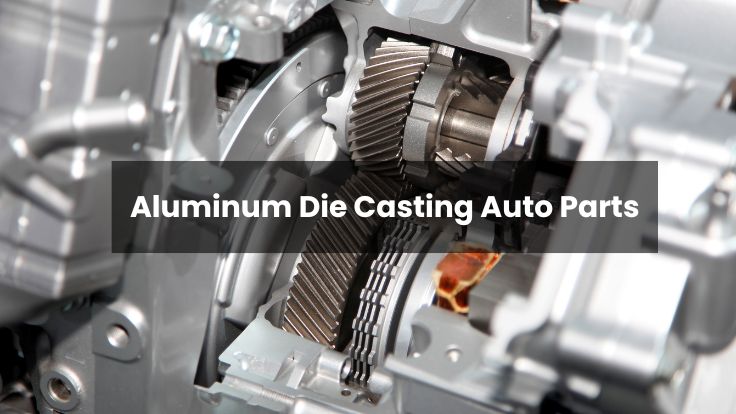
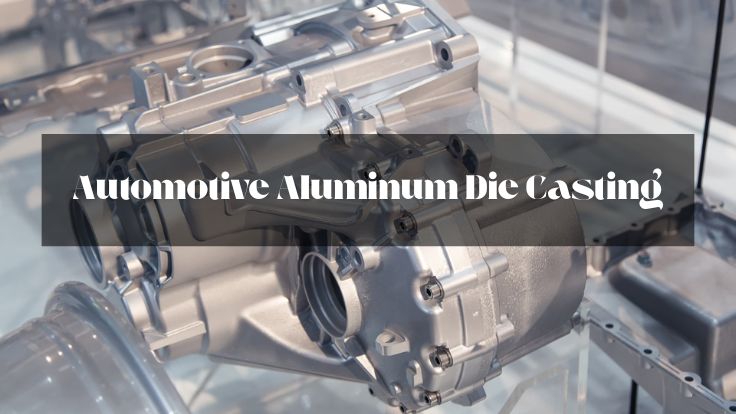
Aluminiumsstøpte bildeler er nå vanlig praksis for bransjeledende design av motorblokker, girkasser og et bredt spekter av braketter. Metoden gjør det mulig å inkludere komplekse konstruksjoner og sikrer både letthet og holdbarhet i deler som er avgjørende for sterk ytelse og bedre drivstoffeffektivitet. Fordi den er rask og produserer svært lite skrapavfall, er pressstøping av aluminium mye brukt av bilprodusenter over hele verden. Pressstøping er avgjørende når man skal bygge deler til moderne biler. Denne produksjonsprosessen smelter aluminium til de formene som kreves av støpeformene, siden formene er sterke og gjenbrukbare. Det økende fokuset på forbedrede og mer energieffektive kjøretøy har ført til at selskapene bruker mer aluminium. For å kunne produsere disse delene på en pålitelig måte og med høy nøyaktighet, er man ofte avhengig av pressstøping av aluminium. Produsenter av pressstøpte bildeler er sentrale i denne produksjonsutviklingen. Fordi elbiler og hybrider blir stadig vanligere, vil produsentene trenge flere aluminiumskomponenter som både er lette og som ikke ruster eller korroderer lett. På grunn av disse egenskapene er pressstøping av aluminium viktig for utviklingen av transportteknologi. I denne artikkelen vil vi ta for oss pressstøpeprosessen for biler, fordelene med den, vanlige bruksområder i biler og hvordan ledende produsenter av pressstøpegods lager fremragende pressstøpte deler til dagens kjøretøy. Hva er egentlig aluminiumsstøping? Aluminiumstøping skjer når smeltet aluminium presses under høyt trykk inn i et hulrom i en støpeform. Formen består vanligvis av herdet verktøystål og former repeterbare former med høy presisjon. Så snart støpegodset er fast og avkjølt, åpnes formen slik at støpegodset kan fjernes. Viktige funksjoner: Hvorfor er det nyttig å støpe med aluminium? Aluminiumstøping gjør det mulig for produsenter å lage komponenter av høy kvalitet til rimelige og fleksible kostnader. De viktigste fordelene: Når flere funksjoner er til stede, kan mange komponenter settes sammen til én enhet. Hva er Auto DieCasting? Auto diecasting er prosessen med å tvinge flytende aluminium inn i en spesiell dyse eller form for å forme bilkomponenter. Mange anser den som kjent for å produsere ekstremt detaljerte og korrekte deler med små toleranser. Fordi det er raskere, renere og billigere, brukes “auto diecasting” nå i stedet for andre tilnærminger for å lage mange kjøretøykomponenter. I produksjonsprosessen brukes støpeformer av stål av høy kvalitet, slik at de kan håndtere varmen som brukes om og om igjen. Avkjølingen og utstøpingen av den avstøpte aluminiumsdelen er enkel, så det trengs svært lite etterbehandling. Derfor oppnår prosessen større effektivitet enn maskinering og lignende metallformingsteknikker. Behovet for å bruke pressstøping øker i takt med at bildesignere og ingeniører prøver å bygge lettere og mer effektive kjøretøy med aluminium. Bruksområder for pressstøping av aluminium Grunnen til at pressstøping av aluminium er viktig i flere sektorer, er at det skaper deler som er både sterke, lette og svært presise. Siden det fungerer svært godt mekanisk, er aluminium høyt verdsatt innen felt som krever topp ytelse, varig bruk og unik geometri. Du finner keramikk i biler, fly, elektronikk, hvitevarer og annet utstyr, og disse bruksområdene blir stadig flere. Bilindustrien Aluminiumstøpte deler brukes mest av bilindustrien. Bruken av denne metoden øker i takt med at den hjelper produsentene med å redusere vekten på kjøretøyene, forbedre kjørelengden og oppfylle strenge miljøregler. En del av en bilmotor, girkasse, topplokk, fjæringsenhet eller støttestruktur kan være laget av aluminium. Det økende antallet elektriske biler gjør det nødvendig med pressstøping i aluminium, siden lette komponenter bidrar til å forlenge batteriets levetid og gjøre kjøringen mer behagelig. God dimensjonsnøyaktighet i delene gjør det mulig å forme flere komponenter til komplekse former, noe som gir kostnadsbesparelser ved at det trengs færre prosesser og deler. Luft- og romfartsindustrien I luft- og romfartsindustrien velger man pressstøping av aluminium fordi det gir best styrke og vektreduksjon. Kundene bruker trykkstøpt aluminium til flyrammer, flysystemer, girkassedeksler og motorer. De utsettes for tøffe belastninger og ulike oljefeltforhold, samtidig som de beholder samme størrelse og er trygge. På grunn av prosessen kan deler til luft- og romfart skreddersys for å oppfylle høye standarder, og alt dette kan gjøres raskere og mer effektivt. Ettersom den kommersielle luftfarten og forsvarsflygingen er på fremmarsj, øker også etterspørselen etter avanserte aluminiumsdeler. Forbrukerelektronikk Aluminiumstøping er populært i forbrukerelektronikkbransjen for å lage deler som både er attraktive, slitesterke og tåler varme. Innvendige deler i mange bærbare datamaskiner, nettbrett, smarttelefoner og kamerahus er ofte beskyttet av trykkstøpte aluminiumshus som også gir dem et elegant utseende. I tillegg til utseendet er aluminium en god varmeleder, og det brukes derfor ofte i kjøleribber og kjølesystemer. På grunn av trykkstøpingen kan små og komplekse konstruksjoner produseres, noe som imøtekommer industriens ønske om gadgets som bruker mindre strøm og tar mindre plass. Belysningsindustrien Det ville ikke vært noen utmerket utendørs- eller industribelysning uten trykkstøpt aluminium. På grunn av sine fordeler brukes aluminium til å lage gatelys, LED-deksler og lyskasterdeksler. Det er derfor belysningskomponenter kan vare lenge under alle slags værforhold. Pressstøping gjør det mulig å sette inn detaljerte funksjoner i én enkelt del, slik at produsentene slipper å legge til flere elementer eller montere ulike deler, noe som sparer dem for ytterligere kostnader. Industrimaskiner og -utstyr Pressstøpte aluminiumsdeler brukes ofte i maskiner og utstyr i industrien fordi de holder lenge, gir høy nøyaktighet og beskytter mot miljøskader. Eksempler på bruksområder er pumpehus, ventilbunner, girkasser, motorhus og ulike strukturelle komponenter. Ved hjelp av denne typen prosess kan man produsere kraftige deler som må fungere pålitelig under tøffe forhold. Ulike typer aluminiumstøping Ulike typer aluminiumstøping velges ut fra hvilken type del, hvor mange og hvilken kvalitet man ønsker. Hver prosess har sine spesifikke fordeler, og man velger en av dem avhengig av hva produktet krever. Støping under høyt trykk (HPDC) Som oftest er det høytrykksstøping som brukes. Aluminiumet helles i formen under et meget høyt trykk, og støpeformen

Fremtidens produksjon: Utforsking av støping av aluminium til bilindustrien

Fremtidens produksjon: Utforsking av støping av aluminium til bilindustrien

aluminiumsstøping, trykkstøping av aluminium

De raske endringene i bilindustrien gjør at bilprodusentene hele tiden må bygge biler som er lettere, tryggere og mer energisparende. En av nøkkelteknologiene bak denne endringen er støping av aluminium til bilindustrien. Takket være denne prosessen kan produsentene støpe metalldeler som er både sterke og lette, samtidig som de komplekse figurene og presisjonen som er nødvendig i dagens bilindustri, opprettholdes. I takt med den økende interessen for elbiler, økt sikkerhet og drivstoffbesparelser brukes støping av bildeler nå mer enn noen gang. Ved pressstøping helles aluminium inn i en liten, svært nøyaktig stålform med betydelig kraft. Prosessen gir raske og regelmessig repeterbare resultater, og delene har nøyaktige dimensjoner og ser flotte ut. Akkurat nå er det mange pressstøpte produkter som brukes i viktige bildeler som motorblokker, girhus, hjuloppheng og batterikapslinger. Konstruksjonen må være solid, men den må også oppfylle høye krav til varme og stress. Fordi folk velger aluminium fremfor stål, velger mange bilprodusenter å støpe aluminium i bilindustrien, siden det bidrar til å redusere bilens vekt uten at det går ut over styrken. Moderne fremskritt innen maskiner, materialer og bærekraft gjør det mulig for produsentene å produsere pressstøpte aluminiumsdeler til kjøretøy som tilfredsstiller moderne forskrifter og skåner miljøet. Vi går gjennom de viktigste ideene innen pressstøping for bilindustrien, inkludert materialer, maskiner, designkriterier og eksempler på hvordan de brukes. Uansett om du jobber i bransjen eller ikke, hjelper det å forstå støping av bildeler deg med å se utviklingen i produksjonen og kjøretøyenes fremtid. Hva er prosessen som kalles støping av aluminium til bilindustrien? Støping av aluminium til bilindustrien foregår ved at smeltende aluminium sprøytes inn i stålformer ved hjelp av et enormt trykk. Så snart aluminiumet blir fast, oppstår det en del som er både presis og robust, med en fin overflatefinish og gode dimensjoner. Fordi sikkerhet, ytelse og effektivitet er viktigst i bilindustrien, er disse egenskapene helt avgjørende. Denne produksjonsmetoden gjør det mulig å produsere komplekse konstruksjoner som ikke kan oppnås med tradisjonell produksjon. Fordi aluminium er lett, bidrar det til at kjøretøyene blir lettere uten å bli svakere. Design Engineering All støping av biler starter med en komplett design- og konstruksjonsfase. Med 3D CAD-programvare kan ingeniørene lage en modell og teste den for å forutsi hvordan den vil fungere i virkeligheten. Støpesimuleringene viser hvordan smeltet metall formes inne i formen, hvordan det vil stivne, og hvor det kan oppstå problemer med luftlommer eller krymping. Målet er å forbedre ytelsen, styrken og produksjonsvennligheten til delen. Teamet finner også ut hvilken sammenføyningsprosess og aluminiumslegering som egner seg for applikasjonen. Prosessen med å lage en matrise (støpeform) Etter designen lages støpeformen, som skal forme det smeltede materialet i prosessen. Disse formene er fagmessig laget etter mål med tette toleranser og tåler mange støpeforsøk. Enten jobben er kompleks eller skal produseres i store volumer, kan støpeformen lages for å fungere med mer enn ett hulrom. Formen kan også inneholde spesielle kanaler for kjøling og pinner som skyver ut delen så snart den er ferdig størknet. En godt utformet matrise bidrar til å sikre at produktet er nøyaktig i dimensjonene, har en god overflate og at verktøyene varer lenge. Juster metallet Deretter smeltes aluminiumsbarren videre i industriovner som arbeider over 660 °C (1220 °F), smeltepunktet for aluminium. Det smeltede materialet holdes på en konstant temperatur og frigjøres ofte fra hydrogen, som ellers kan forårsake tomme rom inni. Noen ganger kombineres kjemikalier for å gi ekstra styrke, økt fleksibilitet eller mindre følsomhet for korrosjon av aluminiumet. Siden urenheter i det smeltede metallet kan skape feil i det endelige produktet, må metallet være rent. Injeksjon og støping Høytrykksstøping er en nøkkelprosess siden det smeltede aluminiumet skytes inn i formen med ekstremt høyt trykk. Når metallet raskt fylles i alle hjørner av formen, fanger man opp de minste detaljene fra emnedesignet. Alt stresset som oppstår bidrar til å redusere luftlommer inne i komponentene, noe som gjør dem kraftige og solide. Like etter at matrisen er fylt, begynner aluminiumet å avkjøles og herdes på bare noen få sekunder. En rask første avkjøling gir en god kornstruktur og en perfekt overflatefinish. Luften i matrisen slippes ut, og med automatiserte pinner støpes den støpte delen ut etter at aluminiumet har stivnet. Temperaturen kontrolleres gjennom hele støpeformen, og syklustidene reduseres på grunn av kjølekanalene. Prosessen i denne fasen krever oppmerksomhet fordi skjev avkjøling kan føre til enten sprekker eller skjevheter. Selv etter at støpegodset er støpt ut, holder det på varmen og kan gjennomgå mer behandling før det går videre til neste trinn. Trimmere og etterbehandlere er også en del av dette. I støpeprosessen blir det ofte igjen noen støpestykker som må skjæres av. Dette gjøres ved å trimme eller maskinbearbeide endene. Noen ganger er det nødvendig med boring, gjenging, overflatesliping eller påføring av et belegg for å gjøre emnet nøyaktig ferdig til sitt formål. Noen ganger utfører verkstedene varmebehandlinger for å øke metallets styrke og evne til å motstå utmatting. Etter at alt er ferdig, inspiseres delene for både innvendige og utvendige problemer ved hjelp av målinger, røntgen eller ultralydmaskiner. En grundig kontroll og etterbehandling betyr at støpegodset enten kan sendes til kunden eller videre til monteringssystemer. Før de settes inn i kjøretøyene, monteres huset, brakettene og festene sammen med mange andre mekaniske eller elektroniske elementer. Støpegods er best beskyttet under transport, og forsyningskjeden går som smurt hvis logistikken og pakkingen er effektiv. Fordelene med støpegods til biler i bilindustrien Flere bilprodusenter tar i bruk aluminiumskomponenter på grunn av fordelene som støpegods til biler gir. Den største fordelen er at kjøretøyene

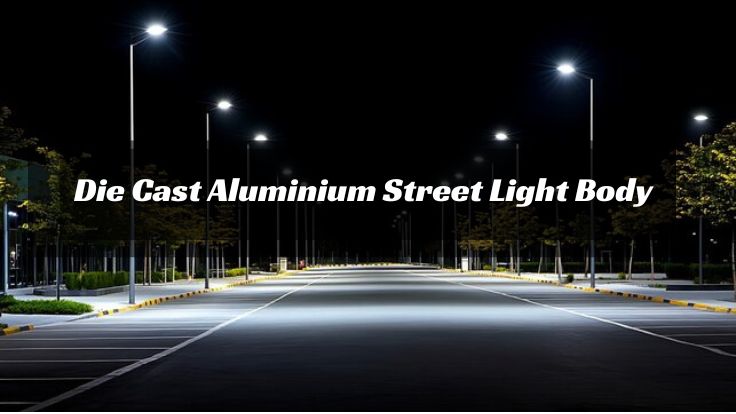
Gatelykthus i støpt aluminium

Gatelyshus i støpt aluminium: Langvarig belysning

trykkstøping av aluminium

På grunn av moderne, energisparende teknologi er det i dag avgjørende at belysningsproduktene er sterke og pålitelige. Nesten alle moderne utendørsbelysningssystemer har gatelys i støpt aluminium. Fordi det er svært termisk, korrosjonsbestandig og sterkt, varer dette huset lenge til tross for tøffe hendelser i omgivelsene. Det beskytter LED-kretsene og slipper også ut varme, noe som opprettholder levetiden. LED-gatelyshusene i aluminium er designet for å sikre sikkerhet og kvalitet på et globalt nivå. Fordi de er velbygde og allsidige, kan du ofte se disse kabinettene langs gater, motorveier, i industrier og i parker. Takket være designfremgang lages det nå mange typer LED-gatelys støpte aluminiumskropper som passer til mange behov og preferanser i lysarmaturer. Mens LED-gatelyshus tidligere var designet for effektivitet, tilbyr det nå modulære design, smarte funksjoner og tiltalende utseende. Denne artikkelen tar for seg funksjoner, typer, serier, spesifikasjoner og fordeler ved bruk av trykkstøpt aluminium i gatebelysning for dem som planlegger, designer og velger ut gatelysarmaturer. Artikkelen tar for seg hvor viktige, fordelaktige og etterspurte gatelyshus i støpt aluminium er, samt trinnene som er involvert i produksjonen av dem og moderne trender i markedet. Hva menes med et gatelyshus i støpt aluminium? Støpt aluminium er prosessen som brukes til å lage det beskyttende og støttende huset til LED-gatelys. I dette huset er alle de viktige delene i lysenheten plassert, som LED-driveren, kretskortet og linsen, og de er alle beskyttet mot ting som støv, vann og varme eller kalde temperaturer. Trykkstøpt aluminium gjør det mulig for produsentene å skape LED-gatelyshus som er sterke, ensartede, presise og lette. Resultatet er et holdbart produkt som også ser stilig ut, vanligvis med glatte, elegante linjer. Trinnene som inngår i støpeprosessen Ved pressstøping presses smeltet aluminium ved hjelp av høyt trykk inn i et hulrom i støpeformen. Når prosessen er ferdig og metallet har størknet helt, formes det til formen og trekkes deretter ut, trimmes, rengjøres og poleres. En viktig grunn til å bruke denne prosessen i LED-gatebelysning er muligheten til å produsere deler med presis nøyaktighet, de samme egenskapene hver gang, og utmerkede overflate- og fysiske kvaliteter. Her er en enkel oversikt over hva du må gjøre: Den gjør det mulig for produsentene å lage mange produkter til en lav kostnad, siden den minimerer avfallet. Hvorfor bør du bruke pressstøpt aluminium til gatelyshus? Det er mange fordeler med å bruke et støpt aluminiumshus til gatelys. 1. Varmespredning Aluminium er utmerket til å overføre varme. Varmen som genereres av LED-lampene spres av huset og hindrer komponentene i å bli overopphetet og til slutt bli skadet. Denne egenskapen gjør at kjøretøyet kan fungere stabilt i ulike typer vær. 2. Robusthet og soliditet Materialet øker ikke vekten, men det er slitesterkt nok til å tåle tøffe værforhold. 3. Korrosjonsbestandighet Påføring av belegg eller anodisering på aluminium gjør det svært motstandsdyktig mot korrosjon, slik at huset til LED-gatelys varer lenge på røffe steder, inkludert ved sjøen eller rundt fabrikker. 4. Designfleksibilitet Med pressstøping er det mulig å skape objekter med ekstra funksjoner og former, noe som betyr at behovet for andre typer montering reduseres. 5. Estetisk appell I dag foretrekker moderne byplanleggere inventar som er rent og elegant. Både formålet med og utseendet til en by kan formes av LED-gatelys med en støpt aluminiumskropp. Verktøy for bruk i by- og industriområder Kroppen til et gatelys i støpt aluminium finnes på steder som: Denne typen hus kan brukes med lysdioder som trekker lys på alle nivåer, fra belysning til smarte kontroller. Hvorfor Die Casting Aluminium LED Street Light Housing er gunstig i markedet? I løpet av de siste årene har flere og flere selskaper byttet til aluminiumsstøpte LED-gatelyshus. Det er påvirket av en rekke forskjellige aspekter. Trenden vil fortsette siden mange byer investerer i å oppdatere infrastrukturen og foretrekker energisparende belysningssystemer. Kvalitetskontroll- og standardfunksjonen Produsenter av LED-gatelyshus må strengt følge bransjereglene for å sikre at den fungerer trygt, fungerer som den skal og varer lenge. Bedrifter bør sjekke følgende kvaliteter: For å få verdensomspennende godkjenning og tillit fra kjøpere, bør et LED-gatelys av høy kvalitet bestå CE-, RoHS- og ISO-sertifiseringer. Produksjon av en serie gatelyshus i støpt aluminium Mange produsenter deler produktene sine inn i serier basert på hvordan de ser ut, deres produksjon, hvor de brukes og deres tekniske egenskaper. Takket være seriene med gatelyshus kan kjøperne enkelt velge et produkt som passer deres behov. Følgende er de vanligste seriene vi ser: 1. Miniserier 20W-50W Miniserien har kompakte husenheter for LED-gatelys som er beregnet for smale veier, gangveier og boliger. Fordi de alle er svært lette og effektive, er disse modellene vanlige på steder som ikke trenger mye lys. 2. Standard Series (60- 120W) Dette er den gruppen av litteratur som folk flest leser. LED-gatebelysningshusene i denne serien er både sterke og kostnadsbesparende. Den er perfekt for kjøring på veier, parkeringsplasser og vaktanlegg og fabrikker. 3. Utvalget dekker fra 150W til 250W Siden de er ment for motorveier, brede gater og ekspansive uteområder, har disse produktene LED-gatelys i robust aluminiumstøping med ekstra varmespredning. Mange av dem har smarte funksjoner og høyere nivåer av støv- og vanntetthet. 4. Smart/Intelligent-serien Disse vertene er konfigurert for å støtte bevegelsessensorer, IoT-moduler eller smarte drivere. I serien er gatelys i aluminium utstyrt med trådløs teknologi, slik at de kan reagere på fjernkontroll for ny smart byteknologi. 5. Designer- eller arkitektonisk serie Serien forener musikk med kunstens skjønnhet.

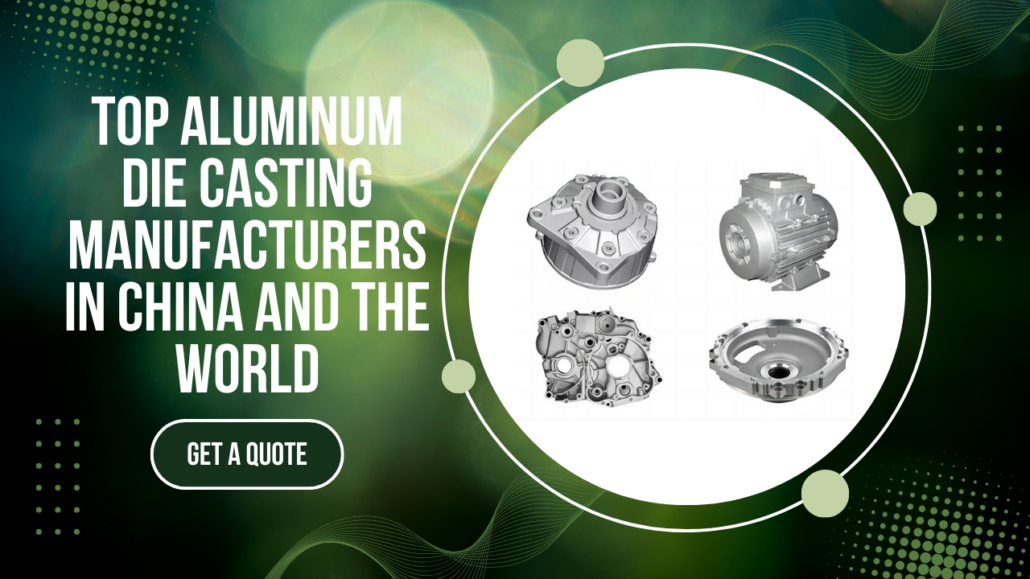
De beste produsentene av aluminiumsstøping i Kina og verden

De beste produsentene av aluminiumsstøping i Kina og verden

trykkstøping av aluminium

I dag spiller trykkstøping av aluminium en sentral rolle i moderne produksjon. Aluminiumstøpeprosessen er kjent for sin presisjon, styrke og evne til å produsere komplekse former med små toleranser, noe som gjør den til en integrert prosess for bransjer som bil- og romfart, forbruksvarer og elektronikk, medisinsk utstyr osv. Denne dynamiske utviklingen skaper stadig etterspørsel etter høytytende og kostnadseffektive komponenter, noe som har ført til at det er viktigere enn noensinne å samarbeide med produsenter av støpeverktøy i aluminium. Verktøy og kvalitet gir høyere effektivitet og skalerbarhet, og har blitt hjulpet på vei av utviklingen innen automatisering. Disse selskapene tilbyr vanligvis helhetlige tjenester, fra design og prototyping til masseproduksjon og overflatebehandling, som dekker alle prosessene som skal implementeres i henhold til kundens krav. Etter hvert som bærekraftsstandardene blir stadig viktigere, tar mange pressstøperier i bruk miljøvennlige arbeidsmetoder, inkludert materialgjenvinning, energieffektive tiltak og grønne sertifiseringer. Artikkelen tar for seg noen av de beste produsentene av aluminiumstøpegods som opererer rundt om i verden, for eksempel i USA, Europa og andre land der slike bedrifter skaper et forsprang på andre på grunn av den merverdien de tilfører gjennom sin innovasjon og kundesentrerte tilnærming. Disse selskapene står høyt og stolt i verdenen for produksjon av bildeler, og de kan være perfekte for deg som er på utkikk etter bildeler i store volumer, medisinske presisjonskomponenter eller nye ideer for å løse uklare problemer i nisjeapplikasjoner. I dette blogginnlegget vil vi gå gjennom selskapets profiler, kvalitetsforpliktelser, sertifiseringer og hvordan de skiller seg ut som et fascinerende inconel-støpeselskap i en så konkurranseutsatt verden. Denne guiden er din komplette start for å finne en pålitelig produsent av aluminiumsstøping for ditt neste prosjekt. Hva er støping av aluminium? Maskiner bruker aluminiumstøping for å lage sofistikerte deler med presis definisjon ved å tvinge smeltet aluminium inn i en dyse under betydelig trykk for å produsere komplekse former. Industrien er avhengig av denne metoden for å produsere slitesterke, lette komponenter med presise dimensjoner og mulighet for jevn overflatestruktur. Det tar bare en brøkdel av tiden før det smeltede aluminiumet fylles og størkner i formhulen, før det automatisk fjernes fra formen og etterbehandles. Både bil- og romfartsindustrien, elektronikk- og forbruksvarebransjen benytter seg av pressstøping av aluminium fordi denne prosessen gir sterke deler med lav vekt, utmerket korrosjonsbestandighet og gode termiske egenskaper. Produsentene velger trykkstøping av aluminium på grunn av effektiviteten og den automatiske driften, som gjør det mulig å lage mange motorhus, kjøleribber, braketter og kabinetter raskt og i store serier. Denne prosessen gjør det mer økonomisk å produsere store volumer fordi den reduserer maskinens arbeidsbelastning og garanterer et jevnt kvalitetsnivå. Sincere Tech Etableringsår: 2005Antall ansatte: 100-500Virksomhetstype: Sincere Tech er en av Kinas største produsenter av plastsprøytestøpeformer, aluminiumstøpegods, CNC-maskiner og produktmonteringstjenester. Nettsted og kontakt: Nettsted: plasticmold.netEmail: info@plasticmold.netPhone: +86 135 30801277Adresse: Building 1, No. 30 Huan Zhen Rd, Shang Dong village, Qi Shi Town, Dongguan City, Guangdong-provinsen, Kina, 523000 Company Profile Sincere Tech er medlem av det ledende aluminiumstøpeforetaket i Kina, Dongguan City, Guangdong-provinsen, grunnlagt i 2005. Selskapet har over 100 ansatte, over 20 års erfaring med sprøytestøping av plast, støping, presisjons CNC-maskinering og full produktmontering. Sincere Tech arbeider med flere bransjer, blant annet bilindustrien, elektronikk og forbrukerprodukter. Selskapet har etablert seg som en ledende leverandør av presisjonsstøpte aluminiumsdeler og komplekse verktøyløsninger ved hjelp av avansert teknologi og håndverkernes ekspertise. Takket være sine vertikalt integrerte tjenester kan selskapet tilby overlegen kvalitet, levering til rett tid og produksjon til lave kostnader. Kvalitetsforpliktelser Vi (Sincere Tech) tar alle rimelige skritt innenfor vår kontroll for å kunne tilby kundene våre støpegodsdeler i aluminium, feilfrie og av høy kvalitet, gjennom streng prosesskontroll og kontinuerlig forbedring. Dette omfatter toppmoderne utstyr, ISO-sertifiserte prosesser, fullstendige inspeksjonsrapporter og intern testing. Hvert eneste prosjekt oppfyller de nøyaktige spesifikasjonene og har stort fokus på kundetilfredshet. Sincere Tech følger internasjonale kvalitetsstandarder, investerer kontinuerlig i opplæring av ansatte og innovasjon for å kunne levere pålitelige og holdbare produkter til kunder over hele verden. Hvorfor velge Sincere Tech? GC Precision Mould Etableringsår: 1999Antall ansatte: 100-200+ Virksomhetstype: Plastsprøytestøping, CNC-maskinering, pressstøping av aluminium, sink og magnesium. Nettsted og kontakt: Nettsted: aludiecasting.comE-post: info@aludiecasting.comPhone: +86 131 4886 5556Adresse: Nr. 30 Huan Zhen Rd, Qi Shi Town, Dongguan City, Guangdong-provinsen Kina, 523516 Bedriftsprofil GC Precision Mould Co, Ltd. (lokalisert i Dongguan by, Guangdong-provinsen, Kina) ble grunnlagt i 1999, og det har et rykte som en produsent av aluminiumstøping. Selskapet gjør aluminium, sink, magnesiumstøping og CNC-bearbeiding og sprøytestøping av plast. Vi er et team på mer enn 100 fagpersoner innen høyytelseskomponenter og samlinger for bilindustrien, industrielt utstyr, telekommunikasjon og elektronikkindustri. Selskapet har rykte på seg for å være en presisjonsverktøymaskin og en oppfinner som er dedikert til innovasjon innen ingeniørarbeid for å tilby en tilpasset løsning basert på komplekse tekniske prosjektkrav og effektiv, pålitelig og kvalitetsproduksjon i hvert trinn. Kvalitetsforpliktelser GC Precision Mould har et sterkt kvalitetsstyringssystem, dedikert til den høyeste produktkvaliteten. Selskapet bruker avansert utstyr og avanserte testmetoder for innkommende råmaterialer og produktleveranser, og implementerer svært strenge inspeksjonsprosedyrer. De er sertifisert i henhold til ISO-standarder og fokuserer på nullfeilproduksjon og kontinuerlig forbedring. Kundene er deres kunder, og ingeniør- og kvalitetssikringsteamene samarbeider tett med dem for å avverge alle tekniske spesifikasjoner og gi dem omfattende kvalitetsdokumentasjon, som er fullt sporbar helt til slutten av produksjonssyklusen. Hvorfor velge GC Precision Mould? CNM Tech Etableringsår: 20+ årAntall ansatte: 100-400Virksomhetstype: Spesialiserer seg på pressstøping, CNC-maskinering og produktmontering Nettsted og kontakt:

Sveising av støpt aluminium: En omfattende guide

aluminiumsstøping, trykkstøping av aluminium

There are very few places one can go to learn about welding cast aluminum, and the skill set needed to do so is highly specialized. However, cast aluminum is a material created by pouring molten aluminum into a mold, which results in a porous material with impurities. This does not occur with standard aluminum alloys. Because of these characteristics, welding is more difficult, and preparing carefully, keeping the heat precisely in check, and using the appropriate techniques is necessary to produce strong, robust welds. Oxidation is one of the greatest hurdles when welding cast aluminum. This thin oxide layer, formed when exposed to air is much thicker than what naturally forms on aluminum, and it melts at a much higher temperature than aluminum itself, making fusion difficult. Furthermore, the presence of impurities and trapped gases in the cast aluminum can result in porosity, which provides weak welds if not properly cleaned and preheated. TIG (Tungsten Inert Gas) is the method of choice for precision and cleanliness, while MIG (Metal Inert Gas) is useful for speed and thicker material. To obtain a strong and defect-free weld, it is necessary to use the correct filler metal (such as 4045, 5356, or 4047) and shielding gas combination (of pure argon or argon-helium mixtures). Good preparation includes adequately cleaning and preheating as far as possible to minimize cracking, porosity and lack of fusion. Endurance and life of the welded joints is further improved by post-weld treatments like stress relief, grinding and corrosion protection after welding. While the majority of cast aluminum welders are welded steel, welders can successfully work with cast aluminum using the right techniques, tools, and attention to detail so long as lightweight, high strength components are required in industries. This is a masterable process that leads to further development of aluminum welding applications and to a reliable and predictable performance of aluminum structures in critical environments. Understanding Cast Aluminum  However, before proceeding with the welding techniques needed for cast aluminum, it is crucial to have a firm understanding of what constitutes cast aluminum and what makes it unique from other metals. Cast aluminum differs from wrought aluminum, which is mechanically shaped by using rolling or extruding, in that cast aluminum can be formed in complex shapes of high precision by melting aluminum and pouring this molten form into a mold. The unique internal structure so produced, usually characterized by porosity, impurities and varying alloy composition, has an important effect on weldability. To be able to weld cast aluminum successfully, one should know its chemical and physical properties, its pros and cons as well as the different types of cast aluminium alloys from various industries. These factors will be taken into consideration for the determining the necessary welding method, selection of filler material and preweld preparation techniques to make strong and defect free welds. Cast aluminum properties: What makes a cast different? Another important consideration that use of cast aluminum has several properties that make it light weight, anti- corrosive and very flexible. However, the same properties also pose some difficulties when welding is being done, provided that proper measures are not taken. 1. Porosity: The Hidden Challenge Possibly one of the biggest concerns about welding cast aluminum is porosity; it is known as the small bubbles of gas that get trapped in the metal when it is being cast. These eight are resulted from the entrapment of gases such as hydrogen, formation of small pores as a result of shrinkage during cooling of the aluminum metal and impurities. ???? How Porosity Affects Welding ???? How to Minimize Porosity During Welding 2. Oxidation: The Barrier to Clean Welds It is an element that reacts with other elements particularly oxygen found in the space surrounding the metal. This oxidation generates a very thin but extremely hard skin of aluminum oxide (Al₂O₃) through which the further corrosion of aluminum is prevented. Nevertheless, oxide layer is a critical issue when welding since its melting temperature is around 3700°F (2037°C), which is much higher than that of aluminum, 1221°F (660°C). Investigation on Why Oxidation is a Problem in Welding ???? Different Techniques of Removing and Controlling Oxidation 3. Heat Sensitivity: Managing Thermal Conductivity Different from steel, aluminum has high thermal conductivity and it can easily absorb and emit heat. This has always been a problem in maintaining a standard welding temperature; this tends to cause the following: ???? How to Overcome Heat Sensitivity Challenges Common Types of Cast Aluminum Alloys Various types of cast aluminum alloys can be cast according to their chemical composition and mechanical properties. Here are a few of the advantages and disadvantages of each type, as well as applications where they would be most useful. 1. A356 Cast Aluminum: The High-Strength Alloy  Its composition: Mainly encompasses aluminum (Al), silicon (Si) and magnesium (Mg). ???? Key Features ???? Common Applications 2. 319 Cast Aluminum: The Wear-Resistant Allo Composition: Contains higher levels of silicon (Si) and copper (Cu) than A356. ???? Key Features ???? Common Applications 3. 535 Cast Aluminum: The Marine-Grade Alloy Composition: Contains a high percentage of magnesium (Mg) for corrosion resistance. ???? Key Features ???? Common Applications Why Understanding Cast Aluminum Matters for Welding Starting with cast aluminum welding mastery is all about determining what cast aluminum is made of, its properties, and associated challenges. Therefore, as cast aluminum is used extensively in automotive, aerospace and marine engineering, welders require strategies for casting porosity, oxidation and sensitivity to heat. Different types of cast aluminum alloys respond to welding differently, and you should choose the correct filler materials, shielding gas and welding technique means the difference between a strong, reliable weld or a weak, porous joint. With preparation of the material, using the correct cleaning procedures, and regulating heat input, welders can address the issues associated with cast aluminum and generate powerful, long lasting welds that comply with harsh applications. Challenges in Welding Cast Aluminum  Welding of cast aluminum is notoriously difficult because of the unique physical and chemical properties of

Anodisert aluminiummateriale: Egenskaper, fordeler og bruksområder

Anodisert aluminiummateriale: Egenskaper, fordeler og bruksområder

trykkstøping av aluminium, Overflatebehandling av aluminium

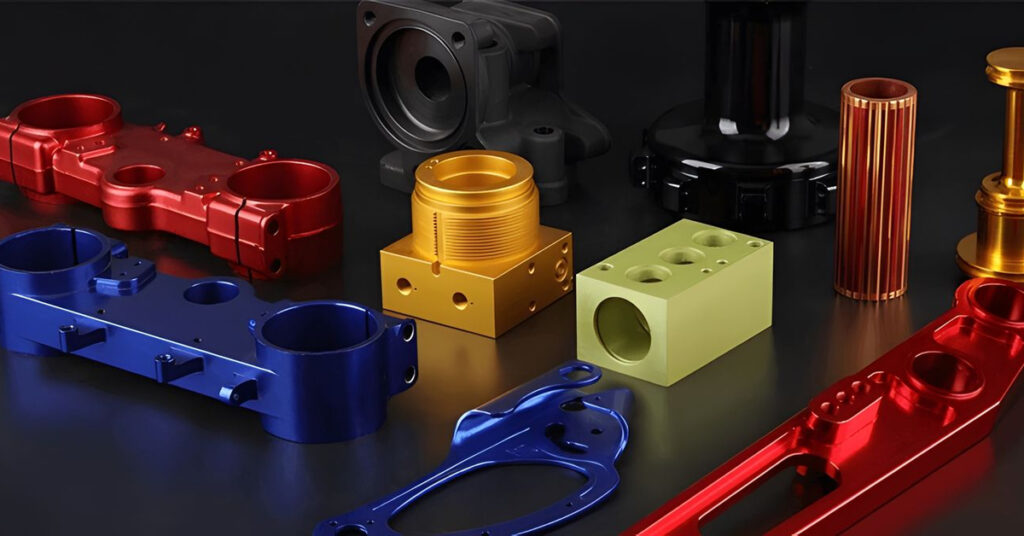
Anodized aluminum material is used mainly because it is light, strong, and corrosion-resistant. While raw aluminum does offer a certain amount of durability and scratch resistance, it is prone to oxidation, dents, and scratches, which can change it in the long term and keep it looking good. To make the aluminum stronger and more durable, it is then anodized to form a protective oxide layer on its surface. The reason for this layer is that it hardens the metal, giving it a more noncorroding and nonwear surface and a more pleasant appearance. Anodized aluminum is preferred due to these factors and is used widely across aerospace, automotive, construction, and consumer electronics industries. The anodization consists of several steps cleaning of the surface, immersion into an electrolyte bath, oxidation using electric current, and sealing. Besides making the material stronger, this treatment can be colored in different shades and finishes. Electrolytic coloring, Dip coloring, Integral coloring, and Interference coloring are different common coloring techniques. Ordinary anodizing and hard anodizing are the two main types of anodizing. Typically there are two processes available: ordinary anodizing, used primarily for finish and low-weight applications, and hard anodizing which gives excellent durability, wearer, and strength for military, industrial, and aerospace applications. In addition to anodization, aluminum can be processed through other surface treatments such as electroplating, powder coating, chromate conversion coating, PVD coating, ceramic coatings, or hot dip galvanizing. Anodized aluminum does not possess these properties uniformly and thus is used as a versatile and reliable material in many industries, with each method providing the material with specific enhanced properties—corrosion resistance, hardness, conductivity, etc. In this article, we’ll discuss what properties, benefits, applications, and maintenance of anodized aluminum involve, and why it is a better alternative to other metals and treatments. If we know these aspects we can understand which material to use for a particular industry and the consumer. What is Anodized Aluminum? Aluminum that has been anodized is an aluminum that has been run through an electrochemical process to produce a thicker, more durable oxide layer on its surface. The presence of this anodic oxide layer increases the resistance of the metal to corrosion, improves the surface hardness, and increases the ability of the metal to adhere to dyes and coatings. The Anodization Process In other words, the anodization process includes several key steps. Anodized Aluminum Material Key Properties 1. Enhanced Corrosion Resistance Anodized aluminum is one of the most resistant to corrosion. This makes it practically useless outdoors or when submerged in water, as the oxide layer protects the metal from moisture and our environment. 2. Increased Surface Hardness Anodization improves the hardness of aluminum significantly and aluminum becomes more resistant to scratch, dent, and wear. One such hard anodized aluminum is highly durable and is indeed used in high-performance applications. 3. Aesthetic Appeal and Color Variety Also, anodized aluminum is offered in black, gold, bronze, silver, etc. without changing the natural texture of the metal. This is why it is a preferred choice for architectural as well as decorative applications. 4. Lightweight Yet Strong While the oxide layer is put on top of the aluminum, this doesn’t make the aluminum significantly heavier, and it is still lighter than heavier materials such as stainless steel. 5. Electrical Insulation Because anodized aluminum is a poor conductor of electricity as compared to untreated aluminum, it is an attractive material to use in applications where insulation is needed for electrical or electronic purposes. 6. Environmentally Friendly and Sustainable Anodized aluminum is completely non-toxic, is recyclable, and does not out-gas dangerous and health-harming VOCs (volatile organic compounds), so it is eco-friendly. How to Add Color to Anodized Aluminum Parts? Anodizing aluminum is well known to be able to hold colors very vibrantly. Electrolytic coloring and dip coloring are the two of the many techniques used to color anodized aluminum. 1. Electrolytic Coloring One popular way to beautify anodized aluminum is with electrolytic coloring whereby anodized aluminum is colored with durable and UV-resistant shades. Once the aluminum has gone through the anodizing process, it is placed in a bath with metallic salts. In the last few years metalized salts have been developed whereby, when an electric current is applied, they settle into the open pores of the anodized surface permanently creating a metal-colored surface. Finally, the color depends on the type of metal salts involved. Copper salts ,for instance, make the solution reddish in tone, and other metals can make it in other hues. It is widely used because colors done this way last long and don’t fade, which makes it great for outdoor or high-exposure uses. 2. Dip Coloring Another color method is ‘dip coloring’ which gives one a large variety of color choices. During this kind of processing, the porous layer is submerged in a dye solution where the anodized aluminum absorbs the pigment. Once a shade is reached, the aluminum is sealed in water to stop reactions from continuing. Dip coloring offers much more vibrant and customizable contrasted shades, but they are not UV resistant and the colors will fade to a much lesser extent when exposed to sunlight. However, this lack of durability is the main reason why it is not commonly used in applications where the durability of parts is an important factor. 3. Integral Coloring (One-Step Process) An integral coloring is a unique process that incorporates anodizing and coloring into one process which is more efficient than in multi-step methods. Unlike some other techniques, the electrolytes, which react with the surface of the aluminum and are quick to dry, create deep, rich metallic tones including black, gold, or bronze. The color is formed in the very oxide layer, and due to that, it is very durable and doesn’t scratch, isn’t prone to corrosion, and doesn’t fade away. While integral coloring yields quality finishes, it is rare because of the cost and complexity. Architectural components, high-end electronics, and industrial equipment in which the parts must be able to withstand demanding conditions where

Støpematerialer av aluminium: En omfattende guide

Støpematerialer av aluminium: En omfattende guide 

aluminiumsstøping, trykkstøping av aluminium

The role of aluminum die casting is a widely used, highly efficient manufacturing process capable of producing complex, high-strength, and lightweight components with good dimensional accuracy. It is the mass production of durable and precise parts and is based on the principle of injecting molten aluminum into MOULD under high pressure. In these industries where performance or longevity depends on material properties, this technique is used in a wide variety. Aluminum alloy is a key factor in choosing what the final product is going to be, which includes strength, corrosion resistance, thermal properties, and machinability. The characteristics of different aluminum alloys are different some of which include A380, the balance of strength and castability; A383, superior fluidity for complex parts; and A360, high corrosion resistance. Moreover, copper, manganese, magnesium, and silicon elements can also further increase mechanical properties. Besides alloy selection, manufacturers may also strengthen aluminum die-casting parts through surface treatment such as anodizing, plating, or powder coating to achieve higher wear resistance, corrosion protection, and hardness. Additionally, uniform wall thickness, draft angles, and reinforcement ribs do reduce high-quality and defect-free components at low cost. Through the right selection of the right aluminum alloy, through suitable strengthening techniques and in consideration of aluminum diecast part design sizing, manufacturers of high-performance aluminum die-cast parts can be tailored specifically to the required industrial issues. In this guide, we explore the best materials, alloy properties, and methods for strengthening and considering the design of aluminum die-casting components that will improve their durability and efficiency. This article explains about aluminum die casting materials, properties of alloys used in die casting processes, strengthen methods and surface treatments, as well as design considerations to improve the performance, durability and operation efficiency of die cast components. What is Aluminum die casting?   Aluminum die casting is the process of injecting molten aluminum at high pressure into a steel mould (die) to produce precision moulded complex and durable metal parts. The lightweight properties it has, strength, corrosion resistance, and excellent thermal conductivity make it commonly used in automotive, aerospace, electronics, and industrial applications. High-speed production, good cost efficiency and good dimensional accuracy are possible as it is a process. Aluminum Die Casting Parts Design 3 Factors to Consider  To achieve high quality, tough and economical aluminum die casting parts, careful planning is necessary. An appropriate design can increase manufacturing efficiency, reduce defects and augment the overall performance. Aluminum die casting parts have three parameters, among which the key factors are given below as. 1. Wall Thickness and Uniformity Why It Matters: Proper mold filling, cooling, and solidification are maintained with consistent wall thickness. Thickness changes can occur suddenly and produce warping, shrinkage and porosity in the final part. Best Practices Example As with automotive engine brackets, the wall thickness must be constant to maintain strength and thermal stability in all materials. 2. Draft Angles and Fillets Why It Matters Simple draft angles assist in the removal of the part from the die mould, preventing sticking, surface defects. Fillets (rounded edges) avoid stress concentration and are more durable in the mold. Best Practices Example Various types of electronic enclosures use rounded edges, draft angles, etc. for manufacturability and strength. 3. Ribs and Reinforcements  Why It Matters By adding ribs the weight remains light but the strength is gained. Such reinforcement also maintains shape and strength under pressure. Best Practices Example Ribs are used to maintain lightweight strength for automotive transmission cases while reducing the amount of material needed. The Primary Attributes of Aluminum Die Casting Alloys The material properties of aluminum die-casting alloys consist of high strength along with low weight and excellent corrosion protection. Every aluminum alloy maintains distinct material properties which determine its practical usage. Table 1 displays the Aluminum die casting which includes their essential material attributes. Property    Description Impact on Die Casting Lightweight  Aluminum weighs only one-third as much as steel does.        Reduces overall component weight High Strength-to-Weight Ratio  Being lightweight, it offers good mechanical strength.  Applications are used in the automotive and aerospace industries.  Corrosion Resistance   Is naturally formed to form an oxide layer for protection    Ideal for marine and outdoor applications  Excellent Thermal Conductivity Distributes heat efficiently They are used in engine components and electronics.  Good Machinability Easily processed and shaped    Reduces manufacturing costs          . Products created through Aluminum die casting demonstrate higher strength than those made by sand casting because their production method results in rapid cooling and refined grain arrangement. Common Aluminum Alloys Used indie-casting Several aluminium alloys are commonly used in die-casting operations, each providing certain unique properties, which ultimately define the performance and durability of the product. The Aluminum casting alloys that are most widely used are: 1. A380 Aluminum Alloy  Properties: A380 is one of the most widely used aluminum die casting alloys because of its excellent ‘strength, corrosion resistance and thermal conductivity’. Additionally, it has good fluidly, which allows it to be cast into complex shapes. Applications: The automotive parts, electronic housings, gear cases and engine brackets are widely used this alloy. 2. A383 Aluminum Alloy  A383 properties: Similar to A380 but better resistance to hot cracking and improved die-filling properties. This offers benefits when the final components are intricate and require powerful precision. Applications: In thin-walled and complex parts it is used; in detailed electronic casings and appliance components. 3. A360 Aluminum Alloy Properties: A380 has better ductility and higher corrosion resistance and pressure tightness than this alloy. It is, however, more difficult to cast. Applications: Suitable for high-performance applications such as aerospace components and marine equipment. 4. ADC12 Aluminum Alloy  Properties: Widely used in Japan, and other Asian markets with good casting characteristics, good thermal stability, and high strength. It also offers good machinability. Applications: Used in automotive engine components, bicycle parts, and power tools. 5. AlSi10Mg Aluminum Alloy  Properties: A high strength and good combination of mechanical properties, good thermal and wear properties. In 3D printing and die-casting applications, this one is often used. Applications: Common in aerospace,

Å velge riktig støpefirma for legeringer: En komplett guide

Å velge riktig støpefirma for legeringer: En komplett guide

trykkstøping av aluminium, trykkstøpefirmaer

Alloy die casting is essential to the manufacturing industry because it relies heavily on high precision, durable, and cost-effective metal components. In a revolutionary impact on modern manufacturing, this process has made possible the mass production of intricate metal parts to a very high standard of accuracy and consistency. By specialized companies which as alloy die casting companies, in service industries which as automotive, aerospace, electronics, medical, and heavy machines for building tailor resultant metal components in their specific areas of needs. A professional alloy die casting company makes use of the latest technologies and high-quality materials coupled with a strict quality control process to deliver your products that suit industry standards. If choosing the right company matters, you may choose, one way or another, between a truly reliable product that will last for years and a faulty component that will fail early. The article gives you a detailed overview of Alloy die casting, emphasizing its importance, benefits and the most essential factors to consider when choosing the best Alloy die casting company. Alloy die casting knowledge is essential if you’re a manufacturer seeking the manufacture of precisely engineered parts or a business in search of economic manufacturing options. What is Alloy Die Casting? The metal manufacturing process in which molten metal is injected into a mold (die) under high pressure is called alloy die casting. Implementation of this method is widely used for the production of complex shapes with tight tolerances. The common use of various metal alloys, such as aluminium, zinc, and magnesium, in die casting is because of their good strength properties and corrosion resistance. Types of Alloys Used in Die Casting Alloys used in die casting have a great effect on the selections in the process of die casting, it leads directly to the strength and weight, corrosion resistance and overall performance of the final product. Alloys that differ vary by different industries based on their mechanical properties, durability, and the end use necessary to them. The most commonly used alloys in die casting are mentioned below. 1. Aluminum Alloys A good thermal conductivity, combined with corrosion resistance and lightweight strength, means aluminium die casting is preferred by researchers and manufacturers the world over. In industries that require durable and relatively light components, this alloy type is used. Key Features: Applications: 2. Zinc Alloys Since it has high strength, low melting point and excellent precision, zinc is another commonly used alloy in die casting. For manufacturing small, detailed parts it is ideal. Key Features: Applications: 3. Magnesium Alloys Its lightness makes it extremely suitable to be used for industries seeking to cut weight without compromising on strength, hence this metal is named magnesium. Key Features: Applications: 4. Copper-Based Alloys Brass and bronze are examples of copper-based alloys which are high electrical conductors, corrosion resistant, and good wear resistors. Such alloys are used for applications where the electrical and thermal performance have to be superb. Key Features: Applications: Benefits of Working with a Reliable Alloy Die Casting Company The right alloy die company allows you to select high-quality products that follow industry standards. Here are the key benefits: 1. High Precision and Consistency A top die-casting company has good machinery and rigorous quality control measures to produce the dimensions with very few defects. 2. Cost-Effectiveness Die casting is a very efficient process that also reduces the material and energy costs of the final product significantly compared to other metal-forming processes. 3. Customization and Versatility A custom solution-based casting company is a reputable company that provides custom solutions that are based on particular industry necessities and provides different alloy options. 4. Faster Production and Short Lead Times Automated systems are used in modern die-casting companies to increase their speed of production and meet strict deadlines. 5. Durability and Strength Alloy die-cast parts are well known to be very durable, and thus suitable for use under demanding conditions. How to Choose the Best Alloy Die Casting Company When you select a die-casting manufacturer, you should consider the following: 1. Experience and Industry Expertise Check with the company’s track record, if it had experienced years doing alloy die casting, if its attempt in your industry was proven. 2. Quality Certifications and Standards Make sure the business follows the codec of the industry which might be: 3. Advanced Technology and Equipment To maintain accuracy and reduce the need for physical labor, a modern die-casting company will employ such equipment as a CNC machine, vacuum cast, and robotic automation. 4. Material Selection and Customization Have a company with multiple alloy options and customization so you can find the specific design that your company offers. 5. Strong Supply Chain and On-Time Delivery Efficient logistics and speedy delivery of products are brought about by reliable suppliers. 6. Prototyping and Testing Capabilities Very critical is to prototype and with rigorous quality testing (X-ray inspection and tensile strength) on the product. 7. Competitive Pricing Although price must not be the only consideration, a good die-casting firm can offer competitive prices without sacrificing quality. Industries That Rely on Alloy Die Casting 1. Automotive Industry 2. Aerospace Industry 3. Electronics Industry 4. Medical Equipment 5. Consumer Products Challenges in Alloy Die Casting and How Companies Overcome Them Alloy die casting is a well-known manufacturing process, which faces some challenges and that have an impact on quality, cost and sustainability. Innovative solutions are also implemented by leading alloy die-casting companies to overcome these problems resulting in high-quality production, optimized costs as well and minimized impact on the environment. 1. Managing Porosity and Defects Porosity is one of the most common problems encountered in die casting where gas bubbles or shrinkage cavities occur inside the metal. It can also reduce the structural integrity of the part and impact functionality. This would be addressed by manufacturers using the use of vacuum-assisted die casting, entrapping a minimum amount of air and improved metal density. Moreover, the porosity can be reduced by using pressure-tight casting techniques, design of the mold and proper

trykkstøping i sink vs. trykkstøping i aluminium

Hvordan finne en god støpeprodusent i Kina

trykkstøping av aluminium

China has become a world manufacturer been 20 years, that every one wants to buy things from China, Once you have a project that need to make some die casting products, then you need China die casting manufacturer supplier. If you are looking for a good die casting manufacturer in China, there are a few steps you can take to ensure that you find a reputable and reliable company: Research the market: It is important to have a good understanding of the die casting industry in China before starting your search. This will allow you to identify potential manufacturers and evaluate their capabilities. You can do this by reading industry reports, attending trade shows, and speaking with industry experts. Define your needs: Clearly define your requirements for the die casting manufacturer, including the type of die casting process you need (such as aluminum die casting, zinc die casting, etc.), the size and complexity of the parts you need, and your budget. This will help you narrow down your options and find a manufacturer that can meet your needs. Get quotes from multiple manufacturers: Once you have a list of potential manufacturers, request quotes from each of them. This will allow you to compare prices and services offered by different manufacturers. Review the manufacturer’s capabilities: Check the manufacturer’s website and marketing materials to get an idea of their capabilities. Look for information about their equipment, experience, and capacity. You can also request samples of their work to get a sense of their quality. Visit the manufacturer: If possible, visit the manufacturer’s facility to get a firsthand look at their operations. This will allow you to see their equipment and facilities, meet their team, and get a sense of their culture and values. Check references: Ask the manufacturer for references from their previous customers and follow up with those references to get an idea of the manufacturer’s reliability and quality. By following these steps, you can find a good die casting manufacturer in China that is able to meet your needs and deliver high-quality products. Why your should buy die casting products from China supplier? There are a few reasons why you might consider buying die casting parts from China: Cost: China is known for its competitive manufacturing costs, and die casting is no exception. By sourcing die casting parts from China, you may be able to save on material and labor costs, resulting in lower production costs overall. Quality: While there is a common perception that Chinese-made products are of lower quality, this is not always the case. Many Chinese die casting manufacturers have implemented advanced quality control processes and have achieved certifications such as ISO 9001. Experience: China has a long history of manufacturing and a well-developed supply chain. As a result, Chinese die casting manufacturers often have a wealth of experience and can offer a range of manufacturing capabilities. Wide range of suppliers: There are many die casting manufacturers in China, which means you have a wide range of options to choose from. This can make it easier to find a manufacturer that meets your specific needs and requirements. Strong export infrastructure: China has a strong export infrastructure, making it easier to ship products to other countries. This can be especially beneficial if you are located far from China and need to import the parts. Overall, buying die casting parts from China can offer a number of benefits, including cost savings, quality products, and a wide range of supplier options. However, it is important to do your due diligence and carefully research potential suppliers to ensure that you find a reputable and reliable manufacturer.  

Skroll til toppen

Få et tilbud