zamak 5

trykkstøping av sink

Retningslinjer for design av presisjonsdeler i sinkstøpegods

zamak 5, Pressstøping av sink

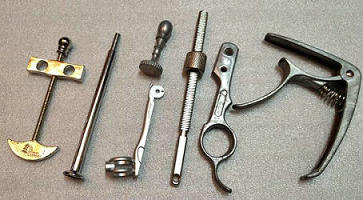
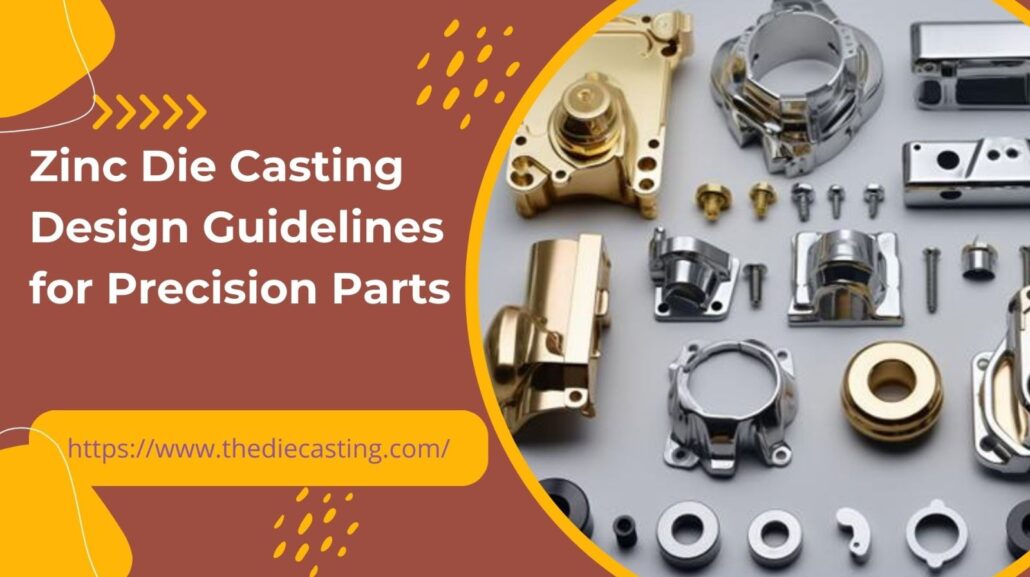
Zinc die casting is a flexible production method which entails an injection of zinc alloy molten matter into a specially designed mold with high pressure in order to create complex and high-precision parts. Such an approach is especially appropriate for precision parts because zinc has high fluidity, a low melting point, and can be machined to tight tolerances without much post-processing. Zamak die casting is used in industries such as automotive, electronics, consumer goods, and medical devices for parts, including connectors, gears, housings, and complex mechanisms that require dimensional tolerances and longevity. Most zinc alloys are processed using hot-chamber machines, which enable quick cycle times and a steady quality. Accurate parts benefit from zinc’s ability to produce thin walls, complex geometries, and net-shape parts, reducing material waste and assembly time. Nevertheless, high success rates are achieved when specific design rules are followed, and material properties, shape, form, and processing parameters are considered. These rules help reduce defects, improve manufacturability, and enhance precision. This article identifies major guidelines supported by industry standards set by organizations to help engineers design zinc die-cast precision parts. Advantages of Zinc Die Casting of Precision Parts The use of zinc die casting offers several benefits, making it one of the best materials for precision applications. Selection Material: Zinc Alloys Selecting the correct zinc alloy is important for precision parts because it affects mechanical properties, castability, and tolerances. The Zamak die-casting series (2, 3, 5, 7) and the ZA series (8, 12, 27) have specific compositions and performance properties. The table below will summarize the kinds of zinc alloy used in the manufacture of precision parts: Types of Zinc Alloy Tensile strength (ksi/MPa) Elongation % Hardness (BHN)   Density g/cm³   Yield strength (MPa) Melting point °C Zamak 2 52/359 7 100 6.6 283 379-390 Zamak 3 41/283 10 82 6.6 269 381-387 Zamak 5 48/328 7 91 6.6 283-269 380-386 Zamak 7 41/283 13 80 6.6 310-331 381-387 ZA 8 54/372 6-10 100-106 6.3 359-379 375-404 ZA-12 59/400 4-7 95-105 6.03 145 377-432 ZA-27 62/426 2.0-3.5 116-122 5.3 N/A 372-484 These properties can be used to ensure that zinc alloys meet precision specifications and that complex parts have high fluidity scores (1-2 on a 1-4 scale; 1 best). To be more exact, manufacturers would want to choose alloys such as Zamak 3 or ZA-8 due to their stability and ability to withstand tight tolerances. Key Design Guidelines Good zinc die casting is designed to facilitate flow and ejection while maintaining strength at minimal cost. Wall Thickness The wall thickness should be uniform to avoid porosity and distortion. For precision parts, keep it within +/-10% and use a minimum thickness of 0.040 inches (1 mm) for a good surface finish, and as fine as 0.020 inches (0.5 mm) in miniature models. Ratios of thick to thin sections should be kept to less than 3:1 to minimize the chance of porosity; preferably the inscribed sphere diameter ratios should not exceed 6:1. Thickening walls enhances flow but raises the cycle time and consumption. To distances away from the ingate, minimum thickness changes: below 0.5 mm in areas less than 50 mm, up to 2 mm at 200 mm. Different simulations can be used to check designs. In zinc casting, specify a minimum of 0.025 inches (0.635 mm) in selected locations, but 0.040 inches (1.016 mm) in best-as-cast locations. Draft Angles Draft angles help eject parts and prevent damage to the die. For zinc, the minimum drafts are 0.5 ° -1 on outside surfaces, 1- -1 on internal surfaces, and 0.1 ° -1 on round holes. Short features that use moving parts (die elements) can be printed in zero, but it is more expensive. For ribs, a 5-10 taper is used when it is not parallel to the shrinkage. Different standards give draft calculations: standard tolerances are 50 (draft angle approximately 1.9 degrees at a 1-inch depth) for inside walls and 100 for outside walls. There are also precision tolerances that permit 60 and 120 constant drafts. Fillets and Radii Fillets and radii should always be added since sharp edges lead to stress concentrations and die erosion. Minimum radius of inside fillet is 0.016 inches (0.4 mm), and outside 0.031 inches (0.8 mm). Radii of larger size (up to 0.063 inches or 1.6 mm) enhance flow and strength. Minimum radii should be used (0.060 inches (1.5 mm) for bosses and ribs). Radius at high stress should not be less than 1 mm; standards suggest ±0.08/±0.04 inches (±2/±1 mm) in fillets. This improves the part’s life and reduces cracking. Ribs and Bosses Ribs enhance reinforcement without adding bulk. Create shallow, rounded ribs (height-to-thickness ratio no more than 3:1) and evenly space them so they are not distorted. Adhesion ribs to walls with fillets to avoid porosity in the intersection. The height of bosses used to mount or thread must be equal to their diameter, and when the diameter is large, they must have ribs. Keep 0.25 inches (6.5 mm) distance between bosses. Tolerances of critical heights can be contained in ribs, such as in the precision designs of ±0.001 inches (±0.025 mm) ribs. Cored Holes and Threads Holes made in the core make it lighter and allow elements such as threads. Maximum depths are around 3 mm diameter, 9 mm blind or 24 mm through; up to 12 mm diameter with larger openings. At least 0.25 inches (6 mm) in diameter, L/D ratio not more than 4:1 in small holes. Parting Line Considerations It is best to place the parting line in the largest section possible to produce the least amount of flash and to allow easy trimming. Vertical or complicated lines should be avoided; die motion plane right angles are best. Tolerances on parting lines are the sum of linear ones, by projected area. Projected area Tolerance (+in) Upto 10 +0.0045 11-20 +0.005 21-50 +0.006 51-100 +0.009 Tolerances of Precision Parts Zinc die casting has even higher precision tolerances than standard, and sometimes 65% of those special controls are
Hva er Zamak? Hva det er og hvorfor det er mye brukt i produksjonen

Hva er Zamak? Hva det er og hvorfor det er mye brukt i produksjonen

zamak 5, zamak 2 pressstøping, zamak 3, zamak 3 pressstøping, Zamak 3 sinkstøping

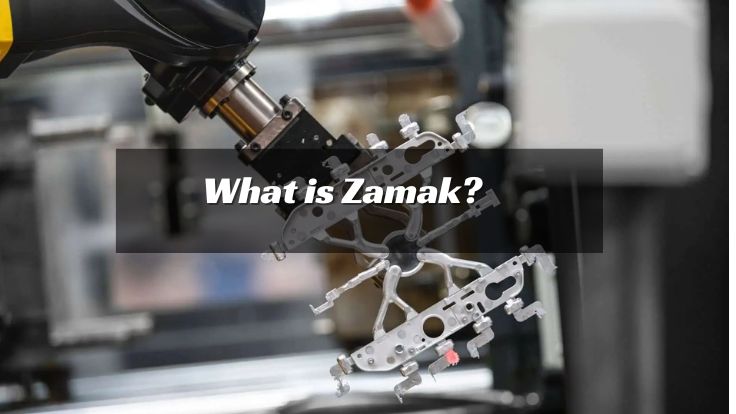
Legeringer bidrar i betydelig grad til utviklingen av ømfintlige elektroniske deler så vel som tunge deler som brukes i kjøretøy. Zamak-metall har for eksempel i det stille endret måten mange bransjer opererer på. Dette metallet er kjent fordi det er sterkt, lett å støpe og allsidig. Ordet Zamak stammer fra tysk og står for sink, aluminium, magnesium og kobber. I løpet av de første årene av 1900-tallet begynte man å produsere messinglegeringer for å forbedre sprøheten som tidligere sinkbaserte produkter hadde. I dag brukes zamak i stor utstrekning i produksjon av kjøretøy, elektroniske enheter og maskinvare. Den er verdsatt både for sin robuste struktur og for at den kan etterbehandles jevnt med bare litt arbeid. Å produsere aluminium krever mindre energi enn andre materialer siden det smelter lett, og det er også attraktivt fordi det kan resirkuleres. De ulike zamak-kvalitetene passer til ulike behov, for eksempel er zamak 3 mykere enn zamak 5, som igjen er sterkere enn zamak 12. De fleste husholdningsartikler og industriprodukter laget av zamak-metall oppfyller de økende behovene i industrien fordi de er praktiske og av god kvalitet. Her vil vi forklare hva zamakmetall er laget av, typer som zamak 3, zamak 5 og zamak 12, dets funksjoner, pluss de positive og negative sidene. Zamak er en type sinklegering Zamak er laget av sink, blandet med en liten mengde aluminium, magnesium og kobber. Ordet Zamak står for Zink, Aluminium, Magnesium og Kupfer, som er de tyske navnene på de involverte metallene. På grunn av sin høye støpekvalitet og sitt utseende er zamak-metall populært i produksjon av bil-, elektronikk-, møbel- og forbruksvarer. Ved hjelp av en prosess som kalles pressstøping, kan Zamak-metall brukes til å forme komplekse, sterke og kostnadseffektive deler. Zamak bøyes til stålformer som er formet som de ferdige varene, og dette gjøres under høyt trykk, noe som gjør det mulig å produsere mange komplekse former svært raskt, samtidig som det krever minimalt med maskinering. Fordi smeltetemperaturen (ca. 385 °C) er lavere, kan sink formes mer effektivt enn metaller som stål eller aluminium i et støperi. Hva er Zamak, og hvordan lages det? Zamak er et navn som er dannet av de tyske ordene for de viktigste metallene: Zink (sink), Aluminium (aluminium), Magnesium og Kupfer (kobber). På 1920-tallet skapte New Jersey Zinc Company zamak for å få bukt med sprøheten som rammet enkelte sinklegeringer. Det anses som en sinktype av høy kvalitet som gir bedre støpeegenskaper enn de fleste andre materialer. De vanlige elementene i zamak-metall er 96% sink, 4% aluminium, litt magnesium og litt kobber. Som et resultat av denne blandingen er metallproduktet veldig sterkt, varer lenge og kan formes til eksakte former med høy presisjon. Viktige punkter om Zamak-metall Et høydepunkt med Zamak-metall er at det er svært enkelt å støpe. Produsenter kan lage former med tynne vegger av aluminium som vanligvis ville vært dyre eller vanskelige å produsere med andre materialer. I tillegg har zamak en polert overflate, noe som gjør det egnet til bruk i deler som må lakkeres eller pletteres. En annen fordel er at stålet beholder sin form. Fordi zamak ikke endrer form så lett, brukes det ofte i bil- og elektronikkproduksjon. Materialet er sterkt i forhold til vekten, noe som gjør det attraktivt. I motsetning til aluminium veier zamak ikke veldig lite, men det har en god holdbarhet som gjør det nyttig for gjenstander som må være håndterbare. Bruksområder for Zamak-metall Fordi det har gode mekaniske egenskaper, brukes Zamak-metall i mange produkter. I denne bransjen finner man rustfritt stål i dørhåndtak, speil og flere interiørdeler. En rekke elektroniske deler bruker Zamak fordi det både er presist og tåler varme. Møbelindustrien bruker zamak fordi det er så allsidig og passer inn i hengsler, braketter og andre dekorasjoner. Mange moteplagg er laget av zamak fordi det er blankt og ikke så lett får flekker. Prosessen med å lage Zamak-metall ved støping 1. Legeringsforberedelse For å produsere Zamak-metall må du kombinere sink, aluminium, magnesium og kobber i de riktige forholdene. For å trekke ut metaller fra disse smeltes råvarene ved moderate temperaturer. De riktige forholdstallene er nødvendige for å sikre at zamak 3, zamak 5 og zamak 12 gir de ønskede kvalitetene. 2. Smelting Materialblandingen legges i en smelteovn og bringes opp til zamakens smeltepunkt på 385 °C (725 °F). I dette trinnet flyter legeringen svært godt og egner seg derfor utmerket til høytrykksstøping. 3. Pressstøping Zamaken smeltes og legges deretter i en pressstøpemaskin for å bli sprøytet inn i en metallform. Takket være denne prosessen blir gjenstandene formet til svært detaljerte og robuste former. Avhengig av hvordan støpegodset skal brukes, velger produsentene mellom produkter klassifisert som zamak 3, zamak 5 eller zamak 12, siden hver av dem er ment for ulike formål. 4. Injeksjon og utstrømning Så snart zamak er injisert, avkjøles formen slik at metallet herder raskt. Etter at delen er tatt ut av formen, er det ikke sikkert at den trenger bearbeiding fordi legeringen har en ren finish. 5. Etterbehandling og plettering Når modellen er støpt, kan den poleres, males eller galvaniseres i materialer som nikkel eller krom. Disse prosessene forbedrer utseendet og korrosjonsbestandigheten til det ferdige produktet, særlig når det brukes utendørs. Bruksområder for Zamak-metall Zamak-metall brukes i flere bransjer på grunn av sin overlegne støpeevne, sine sterke egenskaper og attraktive glatthet. Selv i bilindustrien spiller Zamak-metall en nøkkelrolle ved å være nyttig og attraktivt. 1. Bilindustrien Mange dørhåndtak, emblemer, speilhus og interiørdetaljer i motorkjøretøyer produseres ved hjelp av zamak-metall. Fordi det kan utformes intrikat og holdes til små mål, er det nyttig i deler som enten er merkbare eller ikke. Grunnen til at Zamak 5 brukes oftest her, er at det er mer slitesterkt og slites mindre lett. 2. Forbrukerelektronikk De stabile dimensjonene og det glatte utseendet

trykkstøpte deler

Forskjeller mellom Zamak 3 og Zamak 5 Alloy

zamak 3, zamak 5

Zamak alloys used commonly in die casting have attractive characteristics which include versatility, strength, and durability. Of all the Zinc die-casting alloys, Zamak3 and Zamak5 are the most prevalent due to their special characteristics and the versatility of the application areas. To avoid compromising its functions, it is important for manufacturers and engineers who make choices to learn and distinguish the various qualities of those alloys. This guide discusses all the differences and similarities between Zamak 3 and Zamak 5 as well as their use in multiple settings and their capabilities. What is Zamak? Zamak, a term that is an acronym for Zinc, Aluminum, Magnesium, and Kupfer, (original German for copper), denotes a group of zinc-based alloys widely used for die casting. Some of the properties that make these alloys desirable is; polished appearance, precise dimension, and high corrosion resistance. The Zamak type of alloy varies depending on the proportion of aluminum, magnesium, and copper it contains. The two common forms are Zamak 3 and Zamak 5, which have Different settings of parameters for different industries. Chemical Composition of Zamak 3 and Zamak 5 This is because the performance of Zamak 3 and Zamak 5 depends on the chemical composition. These two alloys contain major proportions of zinc but they differ in secondary elements which result in different properties. Element Zamak 3 Composition (%) Zamak 5 Composition (%)   Zinc (Zn) ~96 ~95.5 Aluminum (Al) ~3.9 ~3.9 Magnesium (Mg) ~0.04 ~0.04 Copper (Cu) 0 ~0.75 Key Differences Zamak 3 lacks copper, giving it slightly better corrosion resistance in specific environments. Zamak 5 contains about 0.75% copper, enhancing its strength and hardness. Mechanical Properties Comparison It is for this reason that Zamak 3 and Zamak 5 have some variations of the mechanical properties, which are a result of the differences in their formulation. This affects their usage as well as working efficiency under different circumstances. Table: Mechanical Properties of Zamak 3 vs. Zamak 5 Property Zamak 3 Zamak 5   Density (g/cm³) 6.6 6.7 Yield Strength (Mpa) 220 250 Elongation (%) 10 7 Hardness (Brinell) 82 90 Impact Strength (J) Higher than Zamak 5 Lower than Zamak 3 Analysis Strength: Zamak 5 has higher tensile and yield strength, making it more robust for demanding applications. Ductility: Zamak 3 exhibits better elongation and impact resistance, suitable for parts requiring flexibility. Hardness: Zamak 5’s higher hardness ensures better wear resistance. Applications of Zamak 3 and Zamak 5 die casting products Namely, the properties of Zamak 3 and Zamak 5 make them suitable for particular uses. Zamak 3 casting Applications Consumer Goods: Commonly seen on die-cast end products such as car door handles, zippers, and other small ornamental parts. Electronics: Zamak 3 die casting parts can also maintain a more stable dimension than other die-cast alloys, especially for housing or enclosure applications. Toys: Otherwise known for its good surface finish and easy-to-machine material, many die cast toys made with zamak 3 die casting process Zamak 5 die casting Applications Automotive Industry: Owing to high strength, Zamak 5 alloy die casting parts are used in the structural and functional parts of a variety of apparatus. Hardware: Writing instrument parts – zinc die casting hinges, brackets, locks, benefit from its increased hardness. Industrial Equipment: Zamak 5 die casting parts are the choice for all the zinc alloy parts experiencing high stresses. Table: Applications by Industry Industry Zamak 3 die casting   Zamak 5 die casting Consumer Goods Small decorative items Heavy-duty functional parts Automotive Low-stress interior parts High-stress structural parts Electronics Precision housings Heat-resistant components Advantages and Limitations Advantages of Zamak 3 die casting products Cost-Effective: Lower material cost compared to Zamak 5 alloys. Corrosion Resistance: Excellent in environments where copper would accelerate corrosion. Ease of Casting: Offers better fluidity during zinc die casting manufacturing process. Advantages of Zamak 5 die casting products Strength and Hardness: Higher mechanical strength and wear resistance. Durability: Better suited for high-stress applications. Surface Treatment: Enhanced suitability for plating and finishing. Limitations Zamak 3:      Maintenance of limited power when required to operate under high stress conditions. Zamak 5: This is another reason for a slightly lower corrosion resistance at higher concentrations of                                        copper present in the alloy. Die Casting Zamak 3 vs. Die Casting Zamak 5                Die casting is a process of forcing a metal at high pressure into a mold cavity. Both die-casting Zamak 3 and die-casting Zamak 5 excel in producing intricate shapes with tight tolerances, but there are notable differences: Parameter Die Casting Zamak 3 Die Casting Zamak 5 Fluidity Superior Slightly lower Shrinkage Minimal Slightly higher Casting Temperature Lower (~380°C) Slightly higher (~385°C) Machinability Excellent Good Die Casting Process Overview  Key Considerations: Ease of Use: Zamak 3 die casting also has drawing advantages over the other because of its comparatively lower casting temperature and better fluidity. Stress Tolerance: Therefore, Zamak 5 die casting can be used in an application with robust parts and components. Choosing the Right Alloy Factors to Consider Application Requirements: For applications that need high dimensional stability, corrosion resistance, and low-stress bearing: the Zamak 3 alloy material should be used. When selecting for strength and hardness choose Zamak 5 alloy for parts that require high levels of durability, and lower stress tolerance. Cost: It is observed that Zamak 3 alloy is slightly cheaper than Zamak 5 alloy. Environment: Zamak 3 may do better in corrosive circumstances because of a lack of copper in the alloy. Decision Table: Zamak 3 vs. Zamak 5 Requirement Recommended Alloy   High strength Zamak 5 alloy Cost efficiency Zamak 3 alloy Corrosion resistance Zamak 3 alloy Wear resistance Zamak 5 alloy Practical Use Cases for Zamak 3 and Zamak 5 Thus, we will investigate how adopted scenarios of Zamak 3 and Zamak 5 work in practice. This will also make clear to them the benefits and the nature of their applicability to certain functions. Zamak 3 in Practice  Electronics Industry: Zamak 3 die casting is used predominantly for applications in

Pressstøping av sink

Betydningen av sinkstøping i bilindustrien

trykkstøping av aluminium, trykkstøpefirmaer, trykkstøpefirma, Produsent av støpegods, trykkstøpte deler, zamak 3 pressstøping, Zamak 3 sinkstøping, zamak 5, zamak 5 pressstøping, zamak pressstøping, trykkstøping av sinklegering, Pressstøping av sink

Hva er pressstøping? Pressstøping er en metallstøpeprosess som kjennetegnes ved at smeltet metall presses inn i formhulrommet. Formhulen lages ved hjelp av to herdede verktøystålformer som bearbeides under prosessen og fungerer på samme måte som sprøytestøpeformer. De fleste støpeformene er laget av ikke-jernholdige metaller, spesielt sink, kobber, aluminium, magnesium, tinn, bly og tinnbaserte legeringer. Avhengig av hvilken type metall som skal støpes, brukes en termisk eller kald motor. Sinkstøpeprosessen er svært populær for å lage deler innen bygg og industri, men den vanligste anvendelsen er i bilindustrien. Biler har faktisk forskjellige deler som kan lages ved hjelp av pressstøping, slik at den moderne prosessen med pressstøping opprinnelig ble startet for bilindustrien. Med støpeprosessen er det ofte ikke behov for ytterligere bearbeiding etter støping: ikke bare er nøyaktigheten opp til 99,8%, men de støpte produktene kan også brukes rå fordi de har en behagelig finish. Bruken av sinkstøping er nesten 28% i bilindustrien, etterfulgt av bygg- og maskinvaresektoren. Sink har blitt et av de viktigste metallene i bilindustrien, spesielt for produkter som dørlåshus, sperre, tannhjul og opptrekksskiver i sikkerhetsbeltesystemer, men også for kamaksler og sensorkomponenter. Ved å bruke dette metallet og dets legeringer er det mulig å oppnå styrke, duktilitet og fleksibilitet som ikke ville vært mulig med andre materialer. I tillegg kan sink være det rette valget for å få estetiske komponenter av høy kvalitet, med trange toleranser som ikke er mulig med andre materialer, og for å få preging og riller til mekaniske komponenter eller tannhjul. Sinkstøpemekanismer i bilindustrien Som nevnt tidligere er bilindustrien det vanligste bruksområdet for trykkstøping: Bruk av sink og sinklegeringer gjør det mulig å produsere komponenter som kan oppnå høy estetisk kvalitet, med trange og smale toleranser for formmorfologi. Sinklegeringer brukes også til belegg på grunn av de mange fordelene, som for eksempel å forbedre sinkens korrosjonshindrende egenskaper, som allerede er imponerende. Nedenfor finner du en rekke mulige eksempler på sinkbelegg: Interiørestetisk seksjon Soltak Seksjon Mekaniske deler Motor og andre komponenter under panseret Servostyringssystem Deler og bremsesystem Klimaanleggskomponenter og -systemer Chassismaskinvare Deler i setebeltesystemet Komponenter i klimakontroll Drivstoffsystem Fordeler for sinkstøping: En effektiv og økonomisk prosess som gir mulighet for ulike former og utførelser. Høyhastighetsproduksjon Dimensjonsnøyaktighet og stabilitet Styrke og vekt Flere etterbehandlingsteknikker er tilgjengelige Enkel montering Pressstøpeprosessen begynte med bruk av bly og blylegeringer, magnesium- og kobberlegeringer som raskt ble etterfulgt, og på 1930-tallet var mange moderne legeringer som fortsatt er i bruk i dag, tilgjengelige. Denne prosessen utviklet seg fra lavtrykksstøping til moderne høytrykksstøping med et trykk på 4 500 pund per kvadrattomme. Den moderne prosessen er i stand til å produsere rene støpeformer med høy integritet og utmerket overflatefinish. Sinkstøpelegeringer er et sterkt, slitesterkt og kostnadseffektivt teknisk materiale. De mekaniske egenskapene er konkurransedyktige og er vanligvis høyere enn støpt aluminium, magnesium, bronse, plast og det meste av støpejern.

Zamak 3 sinkstøping

Zamak 3 Støping

aluminiumsstøping, zamak 3, zamak 3 pressstøping, Zamak 3 sinkstøping, zamak 5, zamak pressstøping, trykkstøping av sinklegering, Pressstøping av sink

We offer ZAMAK 3 die casting for manufacturing ZAMAK 3 products. Our ZAMAK 3 products, productions capabilities, and warehousing facilities will give you quality parts at competitive prices. ZAMAK 3 is the most popular of the ZAMAK series of alloys for zinc die casting due to its castability and dimensional stability. ZAMAK 3 Properties: Ultimate Tensile Strength: psi x 103 (MPa) 41 (283) Yield Strength – 0.2% Offset: psi x 103 (MPa) 32 (221) Elongation: % in 2″ 10 Shear Strength: psi x 103 (MPa) 31 (214) Hardness: Brinell 82 Impact Strength: ft-lb (J) 432 (58) Fatigue Strength Rotary Bend – 5×10⁸ cycles: psi x 103 (MPa) 6.9 (48) Compressive Yield Strength 0.1% Offset: psi x 103 (MPa) 604 (414) Modulus of Elasticity – psi x 106 (MPa x 103) 12.46 (85.5) Poisson¡¯s Ratio 0.27 Density: lb/cu in (g/cm3) .24 (6.6) Melting Range: ¡ãF (¡ãC) 718-728 (381-387) Electrical Conductivity: %IACS 27 Thermal Conductivity: BTU/ft/hr/¡ãF (W/m/hr/¡ãC) 65.3 (113.0 Coefficient of Thermal Expansion: 68-212¡ãF µin/in/¡ãF (100-200¡ãC µm/mm/¡ãC) 15.2 (27.4) Specific Heat: BTU/lb/¡ãF (J/kg/¡ãC) .10 (419) Pattern of Die Shrinkage: in/in .007 Zinc Die Castings Applications Sporting Goods – Cost-saving approaches to machined components; – Coatings to match mating zinc parts; – Strength for tough applications; Medical – Innovative capabilities; – Precision designs as cast; – For use in many difficult applications; Switch – Multiple cavities for cost savings; – Multislide; Fasteners – Many sizes of panel nuts already tooled; – High speed tapping capabilities; Connector – Four slide technology to eliminate costly secondary; – Barrel plating for electroless nickel offers cost-effective protection and aesthetics; – Excellent conductive alloys; Fiber Optics – Capable of casting complex designs; – Close tolerance, as cast, components; – Equipment and experience to provide small components; Appliances – Thin wall castings with the strength to hold up in applications; – Surface finishes provide wear resistance ; – Alloys designed for application specifics ; Automotive – Capability to incorporate multiple components into a single zinc casting ; – Corrosion-resistant castings and platings ; – Secondary tapping capabilities ; – Zinc is an excellent dampening material ; The Detail of Zamak 3 zinc casting  Model No: Zamak 3 zinc casting ProductName: Zamak 3 or 5 die casting Product Origin: China Brand Name: CNM TECH Price Terms: FOB SZ Payment Terms: T/T CIF L/C Supply Ability:  300,000-400,000sets/month Delivery Lead Time: around 30 days If you want to purchase or know more information about Zamak 3 zinc casting,

Pressstøpte deler i sink

Støpegods av sinklegering Zamak 3 Zamak 5

aluminiumsstøping, zamak 2 pressstøping, zamak 3, zamak 3 pressstøping, zamak 5, zamak 5 pressstøping, zamak pressstøping, trykkstøping av sinklegering, Pressstøping av sink

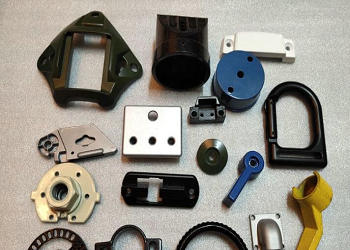
Zinc Die Casting Description : We use four top-quality zinc alloys for our zinc die casting parts – Zamak 3, Zamak 5, ZA-8 and Zamak 2 — because they offer unique advantages for creating high-precision die castings. Zamak 3: As the most popular zinc alloy, Zamak 3 features exceptional ductility and impact strength. It works very well with multiple plating and finishing options, Zamak 5: Typically used in automotive and small engine applications, Zamak 5 exhibits excellent creep resistance, hardness, and strength. Zamak 3 or 5 die casting parts? For all our zinc die castings we use either Zamak-3 or Zamak-5 Zinc Alloy. Special. The Alloying is done in our fully automatic In-house Zinc Alloying section where we manufacture all kinds of Zinc Alloys for Die Casting. Our daily Zinc Alloying capacity is 16 Metric Tonnes. Every  Alloy Heat is tested by a computerized Spectrometer for metallurgical composition. We would be happy to quote for your requirements of low-cost high volume small precision  Zinc Die Casting components weighing in the range of 0.25 gms to 125 gms. We specialize in a rare combination of both – Accurate Sizes & Decorative Surface Finish ZA-8: Even stronger than Zamak 3 and 5, ZA-zamak8 is the ideal choice for hot chamber casting projects. It also works well with multiple plating and finishing options. Zamak 2: Compared to other Zamak alloys, Zamak 2 offers higher creep performance and long-term strength and hardness. It serves as an excellent bearing material and has been known to eliminate the need for bushings and wear inserts in die-casting components. Zamak 3, Zamak 5, ZA-8, and Zamak 2 is well suited for the die casting process due to their ability to: – Produce very thin walls and near net shapes – Achieve high levels of accuracy – Offer temperature flexibility up to 150° F – Provide reliability with superior bearing properties – Exhibit increased wear resistance Please send us either your samples, drawing and other details and we will send you our quote immediately.

Skroll til toppen

Få et tilbud