Aluminium

Aluminium eller Aluminium

aluminiumsstøping

Fleksibelt metall som former den moderne verden Et av de viktigste materialene som bidrar til den moderne sivilisasjonen, er aluminium. Fra høyteknologisk romfart og elektriske biler til enkle ting som matemballasje og forbrukerelektronikk - dette sølvhvite metalloidet finnes sannsynligvis i nesten alle sfærer av det moderne livet. Aluminium er et kjemisk stoff med det kjemiske symbolet Al og atomnummer 13. Det er verdsatt for sin enestående lette vekt, styrke, korrosjonsbestandighet, elektriske og termiske ledningsevne og fullstendige resirkulerbarhet. Den eneste forskjellen mellom aluminium og aluminium er at det er i stand til å svare på den økte etterspørselen i verden etter materialer som ikke bare har god ytelse, men som også er miljøvennlige. I takt med at industrien går i retning av bærekraft, lettvektsdesign og redusert energiforbruk, har aluminium blitt et av de viktigste metallene i det 21. århundret. Denne artikkelen gir en grundig beskrivelse av nomenklaturen for aluminium og aluminium, fysiske og kjemiske egenskaper, aluminiums historie, hvordan det lages, hvordan det brukes i industrien, legeringssystemer, bærekraft og fremtidstrender i en verden i rask endring. Det lingvistiske dilemmaet: Aluminium vs. aluminium Blant de mest observerte særegenhetene ved dette metallet er de to stavemåtene det har, dvs. aluminium eller aluminium. Begge betegnelsene betyr det samme, selv om regionale språkskikker og den historiske utviklingen i den vitenskapelige verden forklarer bruken av dem. Aspekt Aluminium Aluminium Kjemisk symbol Al Al atomnummer 13 13 Opprinnelig term brukt Aluminium Aluminium Aluminium Regioner som bruker termen USA Britisk ordbok Preferanse Amerikanske ordbøker Britiske ordbøker Vitenskapelig bruk Amerikanske publikasjoner Europeiske publikasjoner Industrielle standarder ASTM-standarder ISO-standarder Språkpåvirkning Amerikansk engelsk Britisk engelsk Beslektede kjemiske termer Al₂O₃, Al₄C₃ Al₂O₃, Al₄C₃ Navnekonvensjon Oppsto med følgende Selve navnet kan spores tilbake til begynnelsen av 1800-tallet, og det er sterkt knyttet til Sir Humphry Davy, en britisk kjemiker som bidro til å identifisere og navngi flere kjemiske elementer. Under et av sine eksperimenter med alumina (aluminiumoksid) foreslo Davy først navnet alumium. Snart endret han det til aluminium. Noen av Davys samtidige mente imidlertid at navnet burde være strengere, i tråd med den klassiske latinske navngivningen av andre grunnstoffer, som for eksempel natrium og kalium. Følgelig ble navnet aluminium vanlig, særlig i Storbritannia og Europa. Lokal smak og ensretting I Nord-Amerika ble de regionale smakene etter hvert befestet. Stavemåten aluminium ble offisielt vedtatt og gjort enhetlig av American Chemical Society (ACS) i 1925. I 1990 aksepterte derimot International Union of Pure and Applied Chemistry (IUPAC) formelt stavemåten aluminium som den internasjonale vitenskapelige standardstavemåten. Selv i dag er aluminium mer vanlig i USA og Canada, mens aluminium er mer vanlig i de fleste andre regioner, inkludert Storbritannia, Europa og Australia. Konsekvenser for global kommunikasjon Selv om det finnes to stavemåter, er ikke vitenskapelig, teknisk eller industriell kommunikasjon tvetydig i det hele tatt. De to termene er universelt anvendelige, og internasjonale standarder, produktspesifikasjoner og handelsdokumentasjon tar rutinemessig hensyn til denne språklige variasjonen, uten at det har noen operativ effekt. Aluminiums fysiske og kjemiske egenskaper Aluminiums popularitet skyldes dets eksepsjonelle fysiske og kjemiske egenskaper. Det er det vanligste metalliske grunnstoffet i jordskorpen, og utgjør omtrent 8,1%, men det finnes aldri i ren metallisk form. De viktigste fysiske egenskapene Aluminium har noen av de mest interessante fysiske egenskapene, blant annet Aluminium er et utmerket materiale for varmevekslere, radiatorer og elektroniske kjølesystemer på grunn av sin utmerkede varmespredning. Aluminium kan bankes til folier som er mindre enn 0,01 mm tykke, og trekkes til svært fine tråder uten å gå i stykker. Dette gjør aluminium til et ideelt materiale for et bredt spekter av rammer og produkter på tvers av bransjer. Kjemisk oppførsel og motstand mot korrosjon Korrosjonsbestandighet er også en naturlig egenskap ved aluminium, noe som er svært ønskelig. Når aluminium utsettes for luft, dannes det umiddelbart et tett, vedheftende lag av aluminiumoksid (Al2O3) på aluminium. Dette laget forhindrer videre oksidasjon og beskytter det underliggende metallet mot miljøpåvirkning. I tillegg er aluminium: Historien om oppdagelsen av aluminium eller aluminium Tidlige isoleringsforsøk Selv om aluminiumforbindelser har vært i bruk siden antikken, var det ingen enkel oppgave å isolere det rene metallet. I 1825 klarte den danske fysikeren Hans Christian Oersted å redusere små mengder aluminiumklorid, noe som ga små mengder aluminium. Det ble snart etterfulgt av en forbedring av Friedrich Woehler i 1827, men produksjonen var fortsatt kostbar og lav. Aluminium var et kostbart materiale på denne tiden, mer verdifullt enn gull, og ble faktisk brukt til å toppe Washington-monumentet som et teknologisk utstillingsvindu. Gjennombrudd med Hall-Héroult I 1886 kom gjennombruddet da Charles Martin Hall, den gang i USA, og Paul Heroult, den gang i Frankrike, uavhengig av hverandre utviklet den elektrolytiske reduksjonsprosessen for aluminiumutvinning. Prosessen kalles Hall-Héroult-prosessen, og går ut på å løse opp aluminiumoksid i en smeltet kryolittløsning og sende elektrisk strøm gjennom løsningen for å få smeltet aluminium. Denne oppfinnelsen, som ble lagt til Bayer-prosessen (oppfunnet i 1887 for å omdanne bauksitt til alumina), reduserte produksjonskostnadene betydelig og muliggjorde industrialisering i stor skala. Utviklingen til masseproduksjon På begynnelsen av 1900-tallet økte aluminiumproduksjonen raskt. Aluminiumets strategiske betydning ble for alvor realisert under første og andre verdenskrig, særlig i flyproduksjonen. Siden den gang har trykkstøping av aluminium ikke lenger vært en sjelden nyhet, men har blitt en viktig del av industrien. Moderne produksjonsprosesser Primærproduksjon: Fra bauksitt til metall Utvinning av bauksitt er utgangspunktet for primærproduksjon av aluminium, og malmen inneholder vanligvis 30-60 prosent aluminiumoksid.) Den består av to hovedfaser: Bayer-prosessen Gjennom denne prosessen renses bauksitt til alumina ved hjelp av natriumhydroksid. Hall-Héroult-prosessen Alumina gjennomgår elektrolytisk reduksjon til smeltet aluminium, noe som krever omtrent 13-15 kWh strøm per kilo. Verdensproduksjonen og de viktigste produsentene I 2024 hadde verden en jevn produksjon på rundt 72 millioner tonn aluminium. De største produsentene inkluderer Sekundær
trykkstøping av aluminium

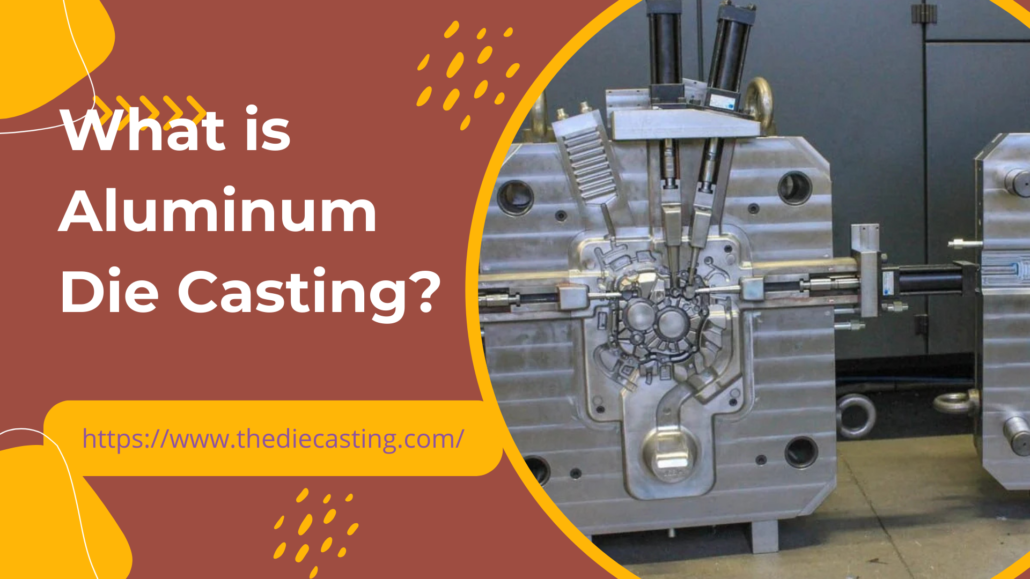
Hva er pressstøping av aluminium?

aluminiumsstøping

En av de mest populære produksjonsprosessene for produksjon av metalldeler med høy presisjon i stor skala er støping av aluminium. Det er viktig i moderne industrier som krever høy presisjon i dimensjonene, mekanisk styrke, lav vekt og kostnadseffektivitet.

trykkstøping av sink

Tips om feilsøking og kvalitetssikring ved støping av sink

zamak pressstøping, Pressstøping av sink

Zinc die casting is a very efficient process of manufacturing, which is widely used in automobile parts, electronic housing, fittings, hardware, medical equipment, and consumer goods. It is appreciated for its ability to create complex geometries with high-quality dimensional accuracy, clean surface finishes, and high production rates. Despite these benefits, zinc die casting is not a technology immune to quality issues. The defects may occur due to irregularities in the materials used, tool capacity, lack of process control, or design. Good defect prevention, problem shooting, and quality control are critical to ensuring uniform quality in production, reducing scrap rates, and enhancing the overall efficiency of the manufacturing process. This paper will provide an in-depth discussion of the most common defects in zinc die casting, their causes, effective corrective actions, and profile best practices to ensure quality in each production cycle. Quality Problems in Zinc Die Casting The process of zinc die casting involves injecting molten zinc alloy under high pressure into a highly machined steel die. The metal’s solidification rate is fast, resulting in short cycle times and high repeatability. Nevertheless, the high pressure and high speed at which the process operates are the same factors that contribute to both its effectiveness and its susceptibility to defects when the parameters are not monitored. Quality control issues in zinc die casting are often associated with mechanical performance, dimensional quality, surface appearance, corrosion resistance, or assembly fit. Most defects are interconnected, as a single root cause can lead to multiple quality issues. It is important to understand the relationships among material behavior, die design, and processing parameters to enable efficient troubleshooting. Zinc Die Casting Defects Most common defects in zinc die casting can be classified by appearance and their effect on part performance. An overview of common defects and their overall effect is given in the following table. Defect type Appearance Impact Porosity Voids or pinhole internally It will reduce the strength It may cause leakage Cold shuts Visible lines and seams This will result in weak bonding between the flow. Shrinkage Cavities and sink marks The dimensions of the parts change. This will lead to measurement inaccuracies. Incomplete filling Missing or thin sections This will cause the functional failure. Soldering Metal adhering to the die This will cause tool damage Cracks Internal or surface fractures This appearance indicates structural damage or failure. Blistering Bubble-like appearance on the surface Poor surface finish Flash Excess of metal at parting lines The aesthetic appearance will be damaged Porosity in Die Castings Zinc Porosity refers to the presence of empty spaces or gas bubbles in the casting. These cavities can be located on the surface or within the body; they are very difficult to detect without sophisticated inspection techniques. Porosity breaks the mechanical integrity of the casting and may result in leakage in pressure-containing components. Porosity type Description Origin Gas Porosity Smooth rounded voids Gas or air gets trapped Shrinkage Porosity Irregular cavities Inadequate feeding Micro Porosity Very fine void Rapid solidification Etiology and Prophylaxis The porosity may result from trapped air during injection, high turbulence in the molten metal flow, or poor die-cavity venting. Gas formation may also be due to high moisture content on die surfaces or due to inappropriate melt temperature. The porosity reduction is achieved by closely controlling injection speed and pressure, venting the dies, and efficiently utilizing vacuum systems where necessary. Maintaining an optimal melt temperature and keeping die surfaces clean and dry will also reduce gas entrapment. In most cases, reconstructing the gating system to facilitate smooth metal flow can go a long way toward minimizing porosity. Cold Shuts and Flow Line Defects Description and Impact Cold shut: This happens when two molten zinc streams meet and do not fuse correctly, leaving a visible seam or line on the casting surface. Such flaws reduce structural integrity and can cause early collapse under mechanical pressure. Root Causes and Solutions Low melt temperature, inadequate injection speed, or long flow paths can lead to premature solidification and cold shuts. Poor positioning of gates and thin wall sections also worsens the matter. To prevent cold shuts, it is necessary to improve the metal’s flow characteristics. These may be accomplished by raising the melt and die temperatures within reasonable ranges, optimizing injection velocity, and redesigning the gates to allow balanced filling. Flow continuity is also enhanced by changing part geometry to eradicate thin sections and acute angles. Zinc Die Casting Defects of Shrinkage Knowledge about Shrinkage Behavior When molten zinc solidifies, it contracts, causing shrinkage. Unless more molten metal is added to offset this contraction, internal cavities or surface sink marks can form. The zinc defects in the form of shrinkage usually arise in the areas of casting that are thick and can be ascertained to have solidified last. Reasons and Remedial Measures Insufficient holding pressure, inadequate feeding system design, or sudden changes in wall thickness are often the causes of shrinkage defects. Uneven cooling rates can also cause localized shrinkage. To prevent it, it is important to design the runners and gates to maintain a constant metal feed throughout the solidification process. By applying higher holding pressure and increasing the time under pressure, molten metal can compensate for shrinkage. Maintaining uniform wall thickness and enhancing thermal balance in the die also minimizes the risk of shrinkage-related defects. Flash Formation and Its Control Description of Flash Flash is in the form of thin layers of excess metal along the die parting line, ejector pin, or in the form of vents. Even though the flash does not necessarily compromise the part’s functionality, it often requires secondary trimming processes and can affect the appearance. Causes and Prevention Flash formation has often been linked to high injection pressure, die component wear, or even die misalignment. Die surfaces can also not seal properly due to foreign material on them. To avoid flash, it is necessary to maintain the correct amount of injection pressure, adequate clamping force, and routine die maintenance. Wearing and damage checking of dies, and

trykkstøping av sink

De beste sinkstøpeproduktene for dekorativ maskinvare

Pressstøping av sink

Zinc die casting is considered one of the preferred production processes for decorative hardware because it can produce complex, high-quality finishes at a cost-effective rate. This is done by forcing molten zinc alloy under high pressure into a precision steel mould to produce parts with superior surface finish, tight tolerances, and intricate geometries. Decorative hardware comprises door handles, cabinet knobs, pulls, hinges, scutcheons, and decorative accents for residential, commercial, and architectural applications. The low melting point (380-390 °C) and high fluidity of zinc allow for finely detailed thin walls (down to 0.5 mm), extended tool life (typically over 1 million shots), and large dimensions. These features make it suitable for decorative works that need to be both appealing and functional in the long term. Finishes such as chrome, nickel, brass imitation, or antique bronze enhance visual luxury and offer corrosion resistance. Ordinary Zinc Die Casting Decorative Hardware Alloys The choice of the right zinc alloy in the production of decorative hardware is critical to the performance, stability, appearance, and overall cost-effectiveness of the products. Zinc alloys are popular because they offer a good compromise between castability, strength, and finish. Alloy Composition Hardness Tensile strength (Mpa) Elongation % Applications Zamak 3 Zn 96% Al 4% Mg 0.03% 82   283   10   Doorknobs, escutcheons, ornamental plates Zamak 5 Zn 95% Al 4% Cu 1% 91   331   7   Cabinet pulls, hinges, locksets. Zamak 7 Zn 95.9% Al 4% Ni 0.02% 80   285   13   Intricate finials, decorative brackets ZA-8 Zn 91% Al 8.4% Cu 1% 103   372   6-10   Heavy-duty hardware like gate latches Zamak 3 The most common decorative hardware application is Zamak 3. It offers great castability, dimensional stability and a smooth as-cast surface. These characteristics make it suitable for door handles, cabinet knobs, rosettes, and other parts exposed to view. Zamak 3 also offers good compatibility with plating, painting, and powder coating, enabling manufacturers to achieve high-quality decorative finishes with minimal surface preparation. Zamak 5 Zamak 5 is enhanced with a small amount of copper, which enhances hardness and creep resistance. The alloy is typically used to make load-bearing decorative hardware, including hinges, locks, latches, and structural fittings. The increased mechanical strength enables the parts to withstand repeated stress and prolonged use, maintain good surface condition, and maintain good dimensions. Zamak 7 Zamak 7 is appreciated for its purity and fluidity. These features make it particularly appropriate for intricate, thin-walled, and ornate designs. It is frequently employed with complex hardware components that require sharp edges, fine finishes, and a high-quality surface appearance. ZA-8 ZA-8 has greater wear resistance and strength than standard Zamak alloys. Its application is commonly referred to as decorative hardware that is higher stress or mechanical load, and both durability and appearance are needed. Best Zinc Die Casting Products of Decorative Hardware Zinc die casting is critical in the manufacture of decorative hardware, as it provides a perfect blend of strength, accuracy, surface quality, and cost-effectiveness. Ornamental hardware accents are not merely useful; they also play a major role in the appearance of doors, furniture, and architectural interiors. Zinc die casting enables manufacturers to form complex shapes with tight tolerances and surface features, making it the choice for both high-end and mass-market decorative hardware. Zinc die-cast products, whether door handles and cabinet pulls, hinges, or ornamental accessories, are designed to withstand heavy use while retaining their beauty. Door Handles and Levers Decorative hardware products, such as zinc die-cast door handles and levers, are widely used for their flexibility in design, mechanical performance, and ergonomic comfort. These parts are typically designed with wall thicknesses of 1 to 2mm, making them very lightweight yet structurally sound. Draft angles of 1 to 2 degrees are commonly used to ensure easy ejection and maintain fine surface detailing. In fact, modern zinc die-cast lever designs are frequently designed with internal springs and mounting provisions. This integration reduces assembly complexity and enhances its smooth operation. These handles are made from high-quality zinc alloys to ensure tensile strengths up to 300 MPa and long-term resistance to bending and deformation. Well-designed zinc levers can withstand 500,000 or more cycles and are therefore used in entry doors, interior passages, and busy commercial settings. Cabinet Knobs and Pulls One of the most economical uses of zinc die casting is for cabinet knobs and pulls, as well as small, very delicate parts. Zinc also has great fluidity, which enables the manufacture of small designs with fine textures, impressed logos, and fine threading. Common cabinet knobs are about 1-1.5 inches in diameter, and common pulls have a 3-12-inch centre-to-centre spacing, all with high dimensional accuracy. Zinc die-cast cabinet hardware is so lightweight (typically 50-150 grams) that it is simple to install and use daily. The texture of the grips and the contour design promote comfortable handling, whereas the inner hardness of the zinc alloys provides resistance to scratches, fingerprints, and wear. Popular finishes include brushed antique brass, satin nickel, and oil-rubbed bronze, which are timeless and will fit both modern and antique furniture designs. Furniture and Door Hinges Hinges made by zinc die casting are appreciated for their smooth operation, consistent dimensions, and ability to incorporate functional features. The typical hinge types are hinges, concealed hinges, and pie-cut corner hinges. These hinges usually have loads of 20-50 kg, depending on the use. Zinc die casting enables the addition of self-lubricating properties, built-in stops, and accurate pivot points, thereby enabling smooth, quiet operation. Close dimensional tolerances of 0.05 mm ensure a tight fit between the doors and frames. Zinc hinges can be used in both the residential and light commercial markets, with nickel plating and other protective coatings providing up to 500 hours of corrosion protection. Keyhole Covers and Escutcheons Escutcheons and keyhole covers can be used to protect as well as be decorative. Zinc die casting allows making thin sections as small as 1 mm, while also enabling high-resolution details of 0.1 mm. Such accuracy enables manufacturers to create

trykkstøping av sink

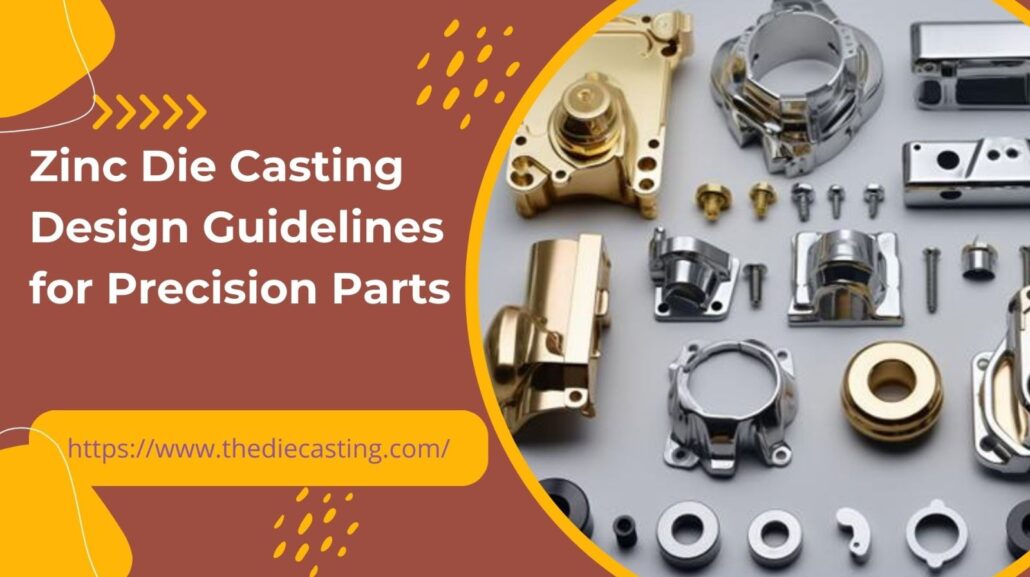
Retningslinjer for design av presisjonsdeler i sinkstøpegods

zamak 5, Pressstøping av sink

Zinc die casting is a flexible production method which entails an injection of zinc alloy molten matter into a specially designed mold with high pressure in order to create complex and high-precision parts. Such an approach is especially appropriate for precision parts because zinc has high fluidity, a low melting point, and can be machined to tight tolerances without much post-processing. Zamak die casting is used in industries such as automotive, electronics, consumer goods, and medical devices for parts, including connectors, gears, housings, and complex mechanisms that require dimensional tolerances and longevity. Most zinc alloys are processed using hot-chamber machines, which enable quick cycle times and a steady quality. Accurate parts benefit from zinc’s ability to produce thin walls, complex geometries, and net-shape parts, reducing material waste and assembly time. Nevertheless, high success rates are achieved when specific design rules are followed, and material properties, shape, form, and processing parameters are considered. These rules help reduce defects, improve manufacturability, and enhance precision. This article identifies major guidelines supported by industry standards set by organizations to help engineers design zinc die-cast precision parts. Advantages of Zinc Die Casting of Precision Parts The use of zinc die casting offers several benefits, making it one of the best materials for precision applications. Selection Material: Zinc Alloys Selecting the correct zinc alloy is important for precision parts because it affects mechanical properties, castability, and tolerances. The Zamak die-casting series (2, 3, 5, 7) and the ZA series (8, 12, 27) have specific compositions and performance properties. The table below will summarize the kinds of zinc alloy used in the manufacture of precision parts: Types of Zinc Alloy Tensile strength (ksi/MPa) Elongation % Hardness (BHN)   Density g/cm³   Yield strength (MPa) Melting point °C Zamak 2 52/359 7 100 6.6 283 379-390 Zamak 3 41/283 10 82 6.6 269 381-387 Zamak 5 48/328 7 91 6.6 283-269 380-386 Zamak 7 41/283 13 80 6.6 310-331 381-387 ZA 8 54/372 6-10 100-106 6.3 359-379 375-404 ZA-12 59/400 4-7 95-105 6.03 145 377-432 ZA-27 62/426 2.0-3.5 116-122 5.3 N/A 372-484 These properties can be used to ensure that zinc alloys meet precision specifications and that complex parts have high fluidity scores (1-2 on a 1-4 scale; 1 best). To be more exact, manufacturers would want to choose alloys such as Zamak 3 or ZA-8 due to their stability and ability to withstand tight tolerances. Key Design Guidelines Good zinc die casting is designed to facilitate flow and ejection while maintaining strength at minimal cost. Wall Thickness The wall thickness should be uniform to avoid porosity and distortion. For precision parts, keep it within +/-10% and use a minimum thickness of 0.040 inches (1 mm) for a good surface finish, and as fine as 0.020 inches (0.5 mm) in miniature models. Ratios of thick to thin sections should be kept to less than 3:1 to minimize the chance of porosity; preferably the inscribed sphere diameter ratios should not exceed 6:1. Thickening walls enhances flow but raises the cycle time and consumption. To distances away from the ingate, minimum thickness changes: below 0.5 mm in areas less than 50 mm, up to 2 mm at 200 mm. Different simulations can be used to check designs. In zinc casting, specify a minimum of 0.025 inches (0.635 mm) in selected locations, but 0.040 inches (1.016 mm) in best-as-cast locations. Draft Angles Draft angles help eject parts and prevent damage to the die. For zinc, the minimum drafts are 0.5 ° -1 on outside surfaces, 1- -1 on internal surfaces, and 0.1 ° -1 on round holes. Short features that use moving parts (die elements) can be printed in zero, but it is more expensive. For ribs, a 5-10 taper is used when it is not parallel to the shrinkage. Different standards give draft calculations: standard tolerances are 50 (draft angle approximately 1.9 degrees at a 1-inch depth) for inside walls and 100 for outside walls. There are also precision tolerances that permit 60 and 120 constant drafts. Fillets and Radii Fillets and radii should always be added since sharp edges lead to stress concentrations and die erosion. Minimum radius of inside fillet is 0.016 inches (0.4 mm), and outside 0.031 inches (0.8 mm). Radii of larger size (up to 0.063 inches or 1.6 mm) enhance flow and strength. Minimum radii should be used (0.060 inches (1.5 mm) for bosses and ribs). Radius at high stress should not be less than 1 mm; standards suggest ±0.08/±0.04 inches (±2/±1 mm) in fillets. This improves the part’s life and reduces cracking. Ribs and Bosses Ribs enhance reinforcement without adding bulk. Create shallow, rounded ribs (height-to-thickness ratio no more than 3:1) and evenly space them so they are not distorted. Adhesion ribs to walls with fillets to avoid porosity in the intersection. The height of bosses used to mount or thread must be equal to their diameter, and when the diameter is large, they must have ribs. Keep 0.25 inches (6.5 mm) distance between bosses. Tolerances of critical heights can be contained in ribs, such as in the precision designs of ±0.001 inches (±0.025 mm) ribs. Cored Holes and Threads Holes made in the core make it lighter and allow elements such as threads. Maximum depths are around 3 mm diameter, 9 mm blind or 24 mm through; up to 12 mm diameter with larger openings. At least 0.25 inches (6 mm) in diameter, L/D ratio not more than 4:1 in small holes. Parting Line Considerations It is best to place the parting line in the largest section possible to produce the least amount of flash and to allow easy trimming. Vertical or complicated lines should be avoided; die motion plane right angles are best. Tolerances on parting lines are the sum of linear ones, by projected area. Projected area Tolerance (+in) Upto 10 +0.0045 11-20 +0.005 21-50 +0.006 51-100 +0.009 Tolerances of Precision Parts Zinc die casting has even higher precision tolerances than standard, and sometimes 65% of those special controls are

trykkstøping av sink

Støping i sink vs. støping i aluminium: Fordeler og ulemper

aluminiumsstøping, Pressstøping av sink

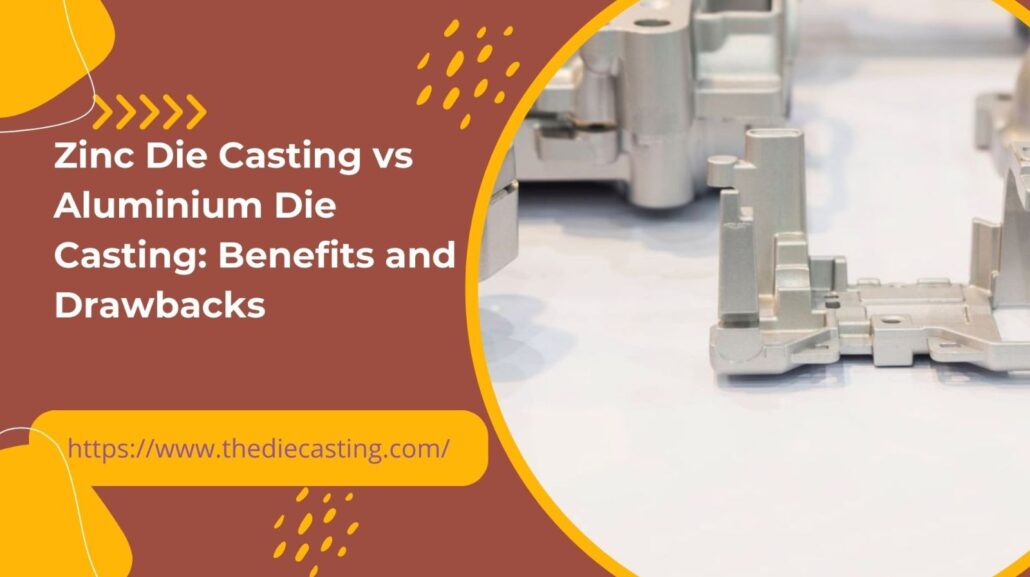
Trykkstøping har også vært en levedyktig og allsidig prosess i produksjonssektoren for produksjon av metallprodukter med høy presisjon. Aluminium og sink er blant de vanligste legeringene for trykkstøping. Hvis du er engasjert i produksjon av et produkt, prosjektering eller lokalisering av ingrediensene, må du innse forskjellen mellom støping av sink og støping av aluminium. Guiden vil hjelpe produsenter med å velge den mest passende legeringen for prosjektet sitt, enten det er bildeler, elektronikk eller forbruksvarer. Pressstøping er en prosess der varmt, smeltet metall helles i en form under høyt trykk for å produsere intrikate former med høy overflatefinish. Både støping i sink og aluminium har sine egne fordeler og ulemper. Vi vil også gi deg grundige sammenligninger, en tabellarisk oversikt og profesjonelle kommentarer for å hjelpe deg med å ta en informert beslutning. Til slutt vil du forstå forskjellen mellom sinkstøping og aluminiumstøping, og når du bør bruke en av dem. La oss utforske nøkkelfaktorene. Hva er pressstøping? En rask oversikt Det er viktig å forstå støpeprosessen før du sammenligner sinkstøping og aluminiumstøping. Pressstøping er en prosess der smeltet metall presses inn i et formhulrom under høyt trykk (1 000 til 20 000 psi). Formen eller matrisen av herdet stål kan vanligvis produsere tusenvis av lignende deler med små toleranser. Støpetyper Varmkammerstøping Det brukes i metaller med lavt smeltepunkt, for eksempel sink. Injeksjonssystemet dyppes i smeltet metall. Kaldkammerstøping Det er best når metallet har en høyere smeltetemperatur, for eksempel aluminium. Lading av smeltet metall inn i kammeret gjøres for å forhindre skade på maskinen. Den foretrekkes på grunn av sin hastighet, nøyaktighet og evne til å skape komplekse design uten omfattende etterbehandling. På dette punktet vil vi sammenligne de to stjernelegeringene: sink og aluminium. Primære egenskaper ved sink- og aluminiumstøping Valget mellom sink- og aluminiumstøping reduseres ofte til materialegenskaper. Sink (og er ofte legert som Zamak) og aluminium (for eksempel ADC12 eller A380) deler ikke samme styrke, vekt, korrosjonsbestandighet osv. Styrke og holdbarhet Sinklegeringer er rapportert å ha stor slagfasthet og duktilitet. De tåler store påkjenninger uten å gå i stykker, noe som gjør dem velegnet til komponenter som skal bøyes eller formes etter støping. Aluminiumslegeringer er derimot overlegne når det gjelder strekkfasthet og hardhet, særlig i konstruksjoner. Vekt og tetthet Sammenlignet med sink, som har en tetthet på 6,6 g/cm 3, er aluminium lettere (d = 2,7 g/cm 3). Dette bidrar til at aluminium brukes i bransjer som krever lav vekt, for eksempel romfartsindustrien. Smeltepunkt og støpbarhet Sink smelter ved ca. 380-390 °C, noe som gjør det mulig å kjøre varmkammermaskiner raskere. Aluminium smelter kun ved 660 °C, noe som betyr at kaldkammerprosesser kan forsinke produksjonen, men gjør det mulig å støpe tynnere vegger. Korrosjonsbestandighet Begge har god motstandskraft, men aluminium klarer seg bedre under tøffe forhold fordi det naturlig danner et beskyttende oksidbelegg. Utendørs bruk av sink krever belegg. Egenskaper Trykkstøping av sink Trykkstøping av aluminium Smeltepunkt 380-390 grader 660 grader Strekkfasthet 280-400 200-300 Tetthet 6,6 2,7 Varmeledningsevne 109 100-140 Elektrisk ledningsevne Høy Svært høy Slagfasthet Duktil Skjør Korrosjonsbestandighet God Beste fordelene med trykkstøping av sink Allsidigheten ved trykkstøping av sink har gjort det til et pålitelig alternativ i mer enn hundre år. Det er derfor produsenter er glad i det: Enestående dimensjonsnøyaktighet Sink forblir intakt ned til 0,05 mm eller mindre, noe som eliminerer behovet for sekundær maskinering. Produsenten kan oppnå ekstrem dimensjonsnøyaktighet med støpeformer i sink. Høy finish Råmaterialet i seg selv har en finish av høy kvalitet. Delene kommer rene ut og trenger ofte ikke ytterligere polering før de blir belagt eller malt. Lang levetid for verktøy Sink smelter lett, slik at formene slites mindre, noe som gir lavere verktøykostnader på lang sikt. Produktene er korrosjons- og slitesterke, noe som gir lengre levetid. Rask produksjonshastighet Det smeltede materialet størkner i løpet av 15-30 sekunder. Det gjør sinkstøping egnet for produksjon av store volumer. Storindustrien bruker det for å forbedre og øke produksjonen. Rimelig for små komponenter Sink er ideelt for komplekse, små deler som låser, tannhjul og maskinvare. Men vektfølsomme bruksområder kan gjøre sink mindre ønskelig på grunn av den høyere tettheten. Eksempler på standardlegeringer er Zamak 3 (generell bruk) og Zamak 5 (høyere styrke). Bruksområder I andre bransjer, for eksempel bilindustrien, brukes sink i dørhåndtak og braketter. I elektronikkbransjen foretrekkes sink i forbindelse med tilkoblinger fordi det kan skjerme mot EMI. Fordeler med aluminiumstøping Når det gjelder større og strukturelle komponenter, er aluminiumstøping ledende. Fordelene inkluderer: Lette og sterke Aluminiumskomponenter kan redusere produktets totalvekt med 50 prosent sammenlignet med stål eller sink. Aluminium er lett, men sterkt. Det gjør trykkstøping av aluminium ideelt for produksjon av produkter som egner seg for høystyrkeapplikasjoner. Utmerket korrosjonsbestandighet I de fleste tilfeller er det ikke nødvendig med ytterligere overflatebehandling, noe som er tids- og kostnadsbesparende. Produkter som er laget av støpt aluminium har lengre levetid og forblir intakte. God termisk og elektrisk ledningsevne Aluminiums evne til å lede elektrisitet og varme gjør det ideelt for et bredt spekter av bruksområder. Det er perfekt til bruk i kjøleribber, motorblokker og elektriske hus. Resirkulerbarhet Aluminiumstøpeprosessen er best på grunn av den høye resirkulerbarheten - 100 prosent resirkulering av aluminium, i tråd med trendene innen bærekraftig produksjon. Tynne vegger Aluminiumstøping kan produsere så tynne vegger som 0,5 mm, noe som muliggjør komplekse design. Ulemper Motsetninger og ulemper Ikke noe materiale er perfekt. Når det gjelder sinkstøping sammenlignet med støping av aluminium, er dette ulempene: Begrensninger ved sinkstøping Begrensninger ved aluminiumsstøping Sammenligning av kostnader: Zink Die Casting vs Aluminium Die Casting En viktig faktor i sinkstøping kontra aluminiumsstøping er kostnadene. Råvarer er vanligvis billigere, å få sink (2-3 / kg) sammenlignet med aluminium (2-4 / kg), men likevel verktøy og produksjon

trykkstøping av sink

Anmeldelser av leverandører av støpetjenester for bildeler av sink

Pressstøping av sink

Introduction In the automotive industry, zinc has been a pillar raw material for die casting because it has a remarkable mixture of precision, strength, durability and cost-effectiveness. Automakers are also turning to the use of zinc alloys in those parts that demand tight tolerances, thin walls, high surface finishes, wear and corrosion resistance. This is used in common applications such as door handles, lock housings, seat belt mechanisms, gears, brackets, sensor housings and inner trim pieces. The technology is to inject high-pressure molten zinc into steel moulds, which can be of complex geometry and volumes with limited secondary machining. Chinese Mold Manufacturer has already dominated the world of zinc die casting by being able to offer tailor-made prices, facilities and the necessary certification, such as the IATF 16949, that is required by automobile suppliers. This paper summarizes the top zinc die casting service companies focusing on automotive parts, based on the capabilities of the companies, customer reviews and industry reputation. We are targeting the Chinese manufacturers, who are the major source of worldwide provision of low-priced yet high-quality motor parts. Key Advantages of Zinc Die Casting With the latest development of vehicles towards electrification and lightweighting, zinc die casting services are important to making dependable, high-performance components. The Zinc Die Casting Process Zinc die casting is a very efficient production process that is accurate in making complex metal parts that have superior surface finishes. It is especially well used in the auto industry with parts that have thin wall requirements, are high strength and have better plating compatibility. Just like aluminum die casting, zinc employs the hot-chamber process because it melts at a lower temperature (approximately 420 °C), providing it with short cycle times and extended tool life. Principles of the Zinc Die Casting Process Mold Preparation To ease ejection and temperature control, the steel die (mold) is sprayed with lubricant. The mold is made from strengthen material like steel that contains all the details of the automotive parts. Melting and Injection Zinc alloy (usually Zamak 3, 5 or ZA-8) is melted in a furnace that is connected to the machine. A gooseneck plunger is inserted into the molten metal and forces the final under high pressure (as much as 30 MPa) into the die cavity. Solidification The metal solidifies (a few seconds) in the water-cooled die, and the metal is solidified in its form of choice. Ejection The die is cast, and ejector pins push out the casting. The final shape of the product is solidified. Trimming and Finishing Flash (runners) is removed. The secondary processes, such as machining, plating or powder coating, are included. Trimming the unwanted part of the zinc automotive product is the final step. Why Zinc Die Casting is Superior in Automotive Applications Zinc alloys (i.e., Zamak 3, 5, and ZA-8) have distinct advantages compared to such alternatives as aluminum: High Quality Finish and Surface Finish Zinc fluidity allows adding thinner walls (down to 0.5mm) and finer details to minimize the post-processing. The automotive parts made from zinc have thinner walls and greater strength. Increased Strength and Impact Resistance Suited to components with safety-critical functions such as seat belt retractors and locks. The automakers preferred using these products. Extended Tool Life Due to the low melting point, zinc die casting products’ life is increased, and high-volume runs have reduced costs. Outstanding Plating Compatibility The process of zinc die casting is ideal for exterior or interior parts, as these are chrome-plated. Economical with Medium Volumes The automotive parts made by zinc diecasting use hot-chamber processes and have faster cycle times than aluminum. Zinc vs. Aluminum Die Casting Comparison for Automotive Parts Automotive parts could be made from zinc or aluminum. Here is the comparison table for the users to make the best decision according to their need of product. Features Zinc die casting Aluminum die casting Wall thickness Thinner (0.5-1.5mm) Thicker (2-5mm) Weight Higher High Melting point Low High Thermal conductivity High Low Corrosion resistance Higher Low Impact/strength High impact resistance Greater ductility Tool life Longer Shorter Cost Better for smaller parts Better for larger parts Applications Auto marine Power steering system Fuel system Engine system Automotive components Aerospace House appliances Medical automotive Best Die Casting Providers of Zinc                                                                                      Die Castings China (CNM Tech) This is a company that deals with zinc die casting and aluminum in the automotive parts industry in Dongguan, which is a die-casting hub. They have machines ranging from 120 to 1600 tons and in-house machining, deburring, plating, and powder coating. Strengths full service (one-stop), IATF 16949-certified, high concentration on automotive (e.g., brackets, housings). High-quality deburring provides parts without an accent. Customer Reviews Compliments on consistency, speedy delivery and competitive prices. Plated finishes are ideal for OEMs. Rating 4.8/5 -Dependable when using on mid-to-high volume automotive runs. GC Precision Mold Co., Ltd. GC, a zinc die casting manufacturer, was founded in 1999 in Dongguan, and it provides IATF 16949 certified zinc, aluminum and magnesium die cast. They cover the automotive, electronics and hardware industries. Strengths Large assortment of alloys, integration of CNC machining, and extreme care to tight tolerances. Verified in automotive components such as gears and housings. Customer Reviews Customer satisfaction rating (transparency, responsiveness, and consistency of quality) was high. Customers report about superior English communication. Rating 4.9/5 -Best selection of precision automotive parts. Sincere Tech (Dongguan Sincere Tech Co., Ltd.) Although its major operations are plastic injection and general die casting, Sincere Tech also offers zinc die casting services, together with machining and assembly. They refer to die cast of metal components, including the automobile. Strengths All-in-one services (design to assembly), ISO 9001:2015, 18 plus years of experience. DFM and fluent English assistance. Customer Reviews Favorable response towards project management and problem-solving. Excellent in problem-solving according to foreign clients. Rating 4.7/5: Strong on combined projects of zinc and plastic parts. PHB Inc. PHB is a hundred-year-old American company that deals with aluminum and zinc die casting. They work with large car manufacturers, making components such as drilling, milling

Hva er fordelene med pressstøping av magnesium i bilindustrien?

Hva er fordelene med pressstøping av magnesium i bilindustrien?

Pressstøping av magnesium

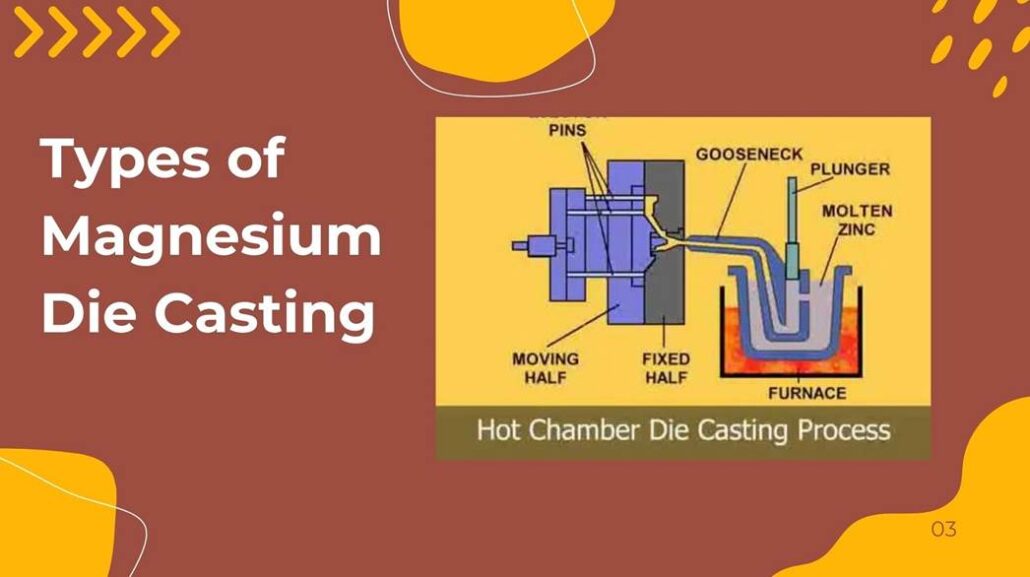
The basic function of die casting is to manufacture automotive parts that are lightweight and have high efficiency. All these requirements have fulfilled with the use of magnesium die casting. Different parts castings are manufactured by using the magnesium die for making automotive parts. All the manufacturers are focusing on making the automotive parts that have great efficiency, and they must be economical. As the world is advancing, the automotive industry is under constant pressure of manufacturing the innovative products. The magnesium alloy die casting has gained popularity over the years. The evolution in the automotive industry, with the increase in production of electric vehicles (EVs), has led to great use of magnesium alloy in parts manufacturing. Some other materials could be used in the production, but magnesium is the lightest. Its use offers great advantages in the automotive industry when it is processed through high-pressure die casting. The article explores the ideas of magnesium die casting, its benefits in the automotive industry and applications as well. In the end, we will provide the information about the future use of the magnesium alloy in die casting in the automotive industry for automakers. What is Magnesium Die Casting? Before getting into the details of the applications and advantages of magnesium alloy die casting in the automotive industry, it is important to understand what magnesium die casting is. Here are the steps involved in the process. Melting the magnesium at 650degC that convert it into a liquid form. Preparing the Mould The initial step in the process of die casting magnesium is the preparation of the mould. The mould is made of a high-strength material. It is lined with the released agent that helps in preventing sticking molten magnesium to the mould. The final release of the automotive parts depends on this step of easy release of the products. It is very important to have a flawless mould to avoid any defects in the final product. Injecting Molten Magnesium The next step is the injection of the molten magnesium into the die. The automakers make sure that the alloy reaches every complex geometry of the mould to get perfect results. The pressure is maintained at around 1500 to 3000 psi during the process. This step is highly precise yet very fast to avoid hardening of the magnesium alloy. Cooling After the magnesium is injected into the mould, the next step is the cooling. It is important to remove the die from the material after cooling and setting. Like any other material, if the structure is complex and have bigger size, it took longer period to cool. In contrast, smaller and thin sized automobiles parts got cooled more easily. Monitored and efficient cooling is required to avoid any cracks in the magnesium die casting product. Ejection and Finishing After the cooling of the magnesium in the die, the ejection from the die is the last step. The process of removing the finished product from the die is known as the ejection. Once the automotive parts are ejected carefully it need some further detailing, like removing and drilling the unwanted parts form final product for finishing. The process of magnesium alloy die casting is essential in making complex and thin-walled automotive parts. Automakers use magnesium because it is the lightest material in the die casting industry for making innovative automotive parts for EV and modern vehicles. Types of Magnesium Die Casting For making different automotive parts, there are basically two types of magnesium diecasting processes. Those are as follows; Hot Chamber Die Casting In the hot chamber, magnesium diecasting is ideal for the low melting point of magnesium. In this process, the die is submerged in the molten chamber and forced into the die. Cold Chamber Die Casting The typical method of magnesium die casting is cold chamber die casting. In this process, the molten magnesium is injected into the unheated moulds in the automotive industry. Why Magnesium is Best in Automotive Applications The combination of physical and mechanical characteristics of magnesium is very special and is very much demanded in the production of vehicles. Advantages of Magnesium Die Casting Substantial Weight Reduction on Vehicles One of the most significant objectives of automotive engineering is weight reduction. Lightweight cars use less fuel, produce fewer emissions and provide improved performance. Magnesium die casting helps automakers to substitute the heavier parts made of steel or aluminum with magnesium without affecting their functionality. The slightest weight cut in each element could produce an enormous weight cut when summed up in a complete car. This benefit is especially important in electric cars that require decreasing the weight of the body to directly affect the range of the battery and its efficiency. Better Fuel Economy and Reduced Emissions Fuel economy is directly influenced by the reduction of vehicle weight. Research continually demonstrates that fuel efficiency increases by 5-7% as the weight of the vehicle decreases by 10%. With magnesium die-cast parts, automakers would find it easier to comply with the tough global emission standards. This becomes particularly significant when the governments of the countries impose the rules intended to minimize carbon emissions and develop sustainable transportation. Magnesium die casting, hence, favors economic and environmental goals. Large strength-to-weight ratio The myth that surrounds lightweight metals is that it reduces strength. Magnesium alloys disprove this assumption. Recent magnesium alloys in die casting have adequate mechanical strength to be applied in automotive parts like steering columns, seat frames, gearbox housings, and structural brackets. These components should be able to withstand the stress, vibration, and thermal changes in the long term. The manufacturers get components that are durable and lightweight through the proper choice of alloys and efficient die-casting processes. Dimensional Accuracy and Design Flexibility Complex and tight geometries can be produced using magnesium die casting. It is possible to make thin walls, complex forms, ribs, bosses and in-built features in one casting. This design allows flexibility, eliminates the secondary machining and assembly, decreasing the cost of production and minimum points of

Støping i kaldt kammer: Komplett guide

pressstøping, Produsent av støpegods, trykkstøpte deler

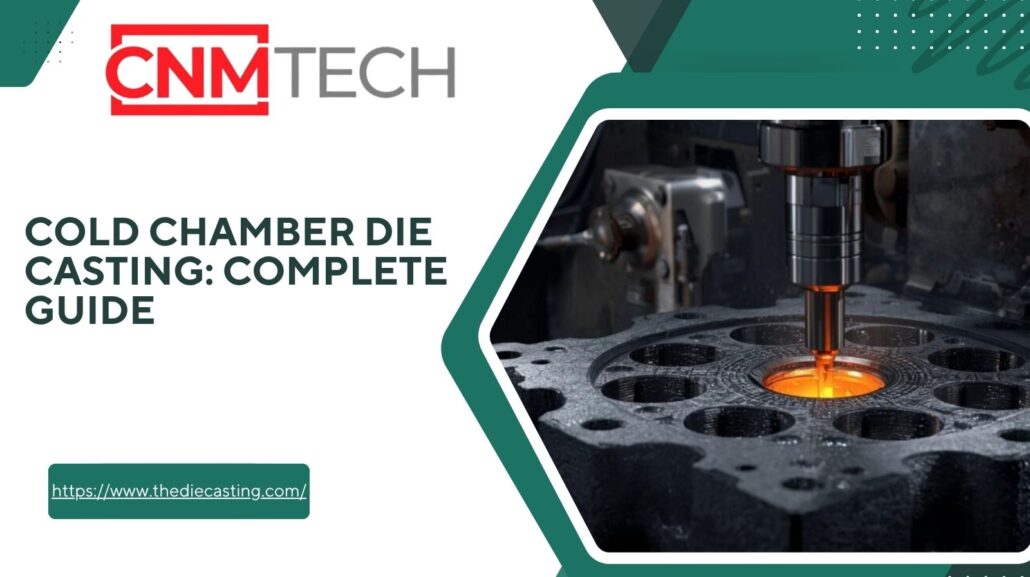
Trykkstøpeprosessen i kaldt kammer starter ved at man først øser smeltet metall inn i et separat injeksjonskammer og deretter presser det ut i en stålform. Denne prosessen brukes for høysmeltende legeringer som aluminium, kobber og magnesium. Det er en produksjonsprosess med høy toleranse og høyt trykk som brukes i bil-, elektronikk- og industriproduksjon. Hva er kaldkammerstøping og når skal man bruke det? Kaldkammerstøping er en høytrykksstøping av metaller, som ville ødelagt eller korrodert et varmkammersystem. I praksis smelter operatørene metallet i en annen ovn. Deretter helles det smeltede metallet inn i en uoppvarmet støpehylse. Metallet presses inn i den lukkede formen ved hjelp av et hydraulisk stempel med ekstremt trykk. Snittet herder svært raskt, og formen åpnes for å sprute ut støpegodset. Denne prosessen kan brukes når legeringen har høy smeltetemperatur, eller når legeringen vil korrodere injeksjonskomponenter, som for eksempel aluminium- og kobberlegeringer. Prosessen går på bekostning av syklusens hastighet og legeringens skala og fleksibilitet. Kaldkammerstøpeprosessen trinn for trinn Kaldkammerstøping er en av de mest pålitelige teknikkene for å lage metalldeler av høy kvalitet. Hver prosess må overvåkes med hensyn til temperatur, trykk og tid. Små variasjoner kan påvirke overflatefinishen, styrken og dimensjonsnøyaktigheten til sluttproduktet. Smelting av metallet Det starter med at metallet smeltes i en separat ovn. De mest brukte legeringene er aluminium, magnesium og kobber. For aluminium er temperaturen vanligvis 650 °C og 750 °C. Det er nødvendig å holde smelten ren. Urenhetene fjernes av operatøren ved hjelp av flussmidler og avstrykningsverktøy. Hvis det blir igjen noe oksid eller gass, kan det føre til defekter som porøsitet eller inneslutninger i fremtiden. I høyteknologiske ovner er et doseringssystem den direkte forbindelsen mellom ovnen og en støpemaskin fra China Cold. Dette garanterer at temperaturen og sammensetningen av det smeltede metallet er jevn i hvert skudd. Smeltet metall til skuddkammeret Deretter helles smeltet metall i skuddkammeret eller skuddhylsen. Dette kan gjøres manuelt eller automatisk. Manuell øsing er enkelt, mindre raskt og har større sjanse for å fange inn luft. Automatiske øsesystemer gir på sin side nøyaktige mengder metall med lav turbulens. Oksidasjon og gassinnblanding kan forhindres ved å kontrollere øsehastigheten og temperaturen. Andre forvarmer sprøytehylsen litt slik at den ikke plutselig faller i temperatur, slik at injeksjonen blir mer flytende. 3. Innsprøyting i formhulen Et hydraulisk stempel brukes til å sprøyte det smeltede metallet under høyt trykk inn i formhulen når det først er i sprøytehylsen. Dette er den grunnleggende fasen i kaldkammerstøpingen. Injeksjonstrykket varierer mellom 3000 psi og mer enn 20 000 psi, avhengig av størrelsen på delen og legeringen. Injeksjonssyklusen består normalt av to faser: Aktualiteten til disse fasene er kritisk. I de nyeste kaldkammerstøpemaskinene i Kina regulerer servohydrauliske systemer automatisk trykk og hastighet for hvert skudd og garanterer homogenitet. Størkning og avkjøling Åpning og utstøting av deler Når metallet har størknet, åpnes matrisen av maskinen, hvoretter utstøtingspinner eller robotarmer tar støpegodset ut. Den skal bare skytes ut når den er helt størknet, ellers blir den forvrengt. I komplekse former er det mer enn én utkasterpinne, noe som garanterer en ren frigjøring av formhulen. Roboter tar delene på de automatiserte linjene og plasserer dem på transportbånd for trimming og nedkjøling. Dette reduserer håndteringsskadene og øker produksjonshastigheten. Inspeksjon og kvalitetskontroll av trimming og etterbehandling Det siste punktet er inspeksjon og kvalitetskontroll. Hvert eneste støpegods inspiseres for å garantere at det holder de nødvendige toleransene og kvalitetsstandardene. Populære typer inspeksjon er: Moderne maskiner for kaldkammerstøping i Kina er vanligvis utstyrt med sensorer og programvare som holder styr på alle parametere - smeltetemperatur, injeksjonstrykk og formtemperatur, noe som gjør det mulig å overvåke kvaliteten i sanntid. Optimalisering av prosess og kontroll Kvaliteten på resultatet er avhengig av kontrollert kvalitet i hvert trinn. Sikkerhets- og miljøfaktorer Vanligvis brukte materialer og legeringer. Bruk av et kaldt kammer er å foretrekke for legeringer som ikke kan brukes i varmkammermaskiner. De vanligste materialene som brukes, er aluminiumslegeringer, magnesium, kobber og noen få kombinasjoner av sink og aluminium, der korrosjon av injeksjonsmekanismen bør forhindres for enhver pris. I bilindustrien er det aluminiumslegeringer som dominerer. Magnesium kan brukes i situasjoner der det er viktig med svært lav vekt. Begge legeringene har sine egne smeltepunkter, flyteegenskaper og krympeegenskaper, noe som må tas hensyn til i formutforming og prosessparametere. Maskiner og funksjoner - for eksempel valg av støpemaskin med kaldt kammer i Kina. Die støpemaskiner: Kaldkammerstøpemaskinene er laget av en robust ramme, høytrykksinnsprøytningsenhet, et hydraulisk system og kontrollelektronikken. De moderne maskinene har servohydraulikk for å spare energi og forbedre kontrollen, datastyringer for å gjøre skuddprofilene programmerbare og integrerte hjelpesystemer som temperaturregulatorer og automatiske øsesystemer. Det er også mulig å finne leverandører av kaldkammerstøpemaskiner i Kina som tilbyr et stort utvalg av modeller og forskjellige prisklasser i tilfelle du kjøper maskiner. Det finnes kompakte modeller fra kinesiske produsenter som passer til små butikker og store tonnasjemaskiner som passer til høyvolumproduksjon. Kinesiske produsenter har en tendens til å pakke sammen smelte- og håndteringsutstyr for å tilby en nøkkelferdig linje. Sammenlign maskinene med hensyn til maksimal klemmekraft (tonn), volum i skuddet, hastighetskontroll i en injeksjon, formstørrelse og automatisering. Grunnleggende om verktøy- og matrisedesign Det herdede verktøystålet er normalt matrisen (formen). Munnstykkets utforming bør tillate en kontrollert strøm av metaller og utstrømmende gassformig luft, og det bør være mulig å kontrollere geometri og kjølekanaler for å

Galvanisering av svart nikkel: En komplett guide

Galvanisering av svart nikkel: En komplett guide

Nikkelbelegg

Black nickel electroplating is one of the common ways of finishing, which enhances the appearance and longevity of metal pieces. It gives it a smooth dark appearance and enhances corrosion resistance and hardness of the surface. This has made it popular in most sectors, such as the automotive industry, electronics, jewelry, and ornamental hardware. The question of nickel plating aluminum has been a subject of debate among many novices and experts, as the natural oxide layer on aluminum makes it harder to plate. The nickel layer can fail to stick on efficiently without proper preparation, whereby it can peel or result in an uneven outcome. The other question that is frequently asked is whether black nickel electroplating is possible at home or in a small workshop. Small-scale arrangements can be made, but professional processes result in more reliable and stable outcomes. Black electroplated nickel is a valuable material because it has a protective value as well as an aesthetic value. The black finish gives a modern and sophisticated appearance to the tools, trims, jewelry, and industrial parts. In this manual, we shall discuss the entire process of black nickel electroplating. You will get to know the preparation of the surfaces, the plating process, the post-treatment process, and typical pitfalls. At the end, you will know why black nickel is the most used finish in comparison to other finishes and the way it is both functional and decorative. What does Black Nickel Electroplating mean? The black nickel electroplating is an electrochemical process whereby an alloy of nickel is deposited onto a metal surface. In contrast to conventional nickel plating, the final finish is a dark, matte, or semi-gloss finish. This renders it very much sought after as a decoration. The process also makes the metal surface strong, which makes it less susceptible to scratches, wear, and corrosion. During aluminum plating, it is more complicated. Naturally, metallic oxide is formed on aluminum, which inhibits the adhesion of the metal. This is the reason why the nickel plating of aluminum must be specially cleaned and pre-treated before applying the black nickel layer. Nevertheless, black electroplated nickel has great protective qualities and a dark appearance as well. Benefits of Black Nickel Electroplating Corrosion Resistance Corrosion protection is one of the primary reasons why electroplating black nickel would be chosen. The nickel layer protects the underlying metal against the environmental factors, including moisture, salt, and chemicals. This is especially crucial concerning car components, hardware devices, and factory equipment. Enhanced Surface Hardness Nickel electroplating black enhances the hardness of surfaces. This enhances wear resistance and reduces scratches on the parts. This additional durability is highly valuable to tools, machine components, and hardware. Aesthetic Appeal The black nickel is dark and classy, and the finish is appealing to the eyes. It finds extensive application in decoration, jewelry, car interiors, and electrical casing. Although the conventional nickel plating results in a bright silver appearance, black nickel creates a modern and high-quality appearance. A Longer Life and Economy Black nickel plating increases the life of parts by coating them so that they do not corrode or wear out. This lowers the maintenance and replacement expenses and is therefore an affordable solution for both the industries and hobbyists. Versatility Black nickel plating may be done on metal, such as aluminum, steel, and brass. This flexibility makes it suitable for a large variety of applications. Nickel Plating Aluminum Problems Although nickel plating of aluminum can be done, there are difficulties with it. The natural oxide layer of aluminum is an obstacle to the adhesion of the nickel layer. It is important to clean, etch, and activate the pre-treatment steps to get successful plating. Lack of proper preparation will result in peeling, uneven coverage, or flawed quality of the finish. The other difficulty is the ability to control the final color. Black nickel electroplating may be darker or uneven when the parameters of the plating are not optimized. It is due to this reason that professional setups are usually suggested for industrial-grade output. Black Nickel Electroplating Process Step-by-Step Surface Preparation Surface preparation must be done properly. Wash the aluminum or other metal to eliminate grease, dirt, and oxidation. In the case of aluminum, the zinc casting step is regularly carried out. This forms a thin layer of zinc, which enhances the adhesion of the nickel. Wash it after cleaning and activation. Electroplating Setup Warm the black nickel bath using the suggested chemicals and temperature levels. Power supply is needed to deliver the current needed. The workpiece should then be connected as the anode and a cathode material (usually lead or stainless steel) to complete the circuit. Electroplating Process Add the metal piece to the black nickel solution. Connect the electric current according to the specifications of the bath. The nickel ions get deposited on the metal surface, forming a dark colored and uniform, and protective coating. Temperature, current, and plating time are to be closely observed. Rinsing and Drying Plate. Rinse the part under clean water to cleanse the part of the remaining chemicals. Wipe to avoid water spots or areas that which is unevenly finished. Post-Treatment Heat curing or sealing may be done after treatment in order to enhance corrosion resistance and hardness. This is done to ensure that the plated layer is long-lasting and tough. Uses of Black Nickel Electroplating Jewelry and Accessories Jewelry is made to look smooth and modern with the help of black nickel. Both rings, bracelets, and watches enjoy the advantage of being aesthetically appealing as well as corrosion-resistant. Automotive Industry Trims and handles on the car, as well as decorative pieces, are usually black nickel-plated. This offers durability and a high-quality look. Electronics and Hardware Electroplating black nickel on electronic housings, switches, and connectors is also aimed at preventing wear and making them more aesthetically attractive. Industrial Tools Black electroplated nickel is useful in parts and tools of machines as it enhances the hardness and longevity of the machinery. Mistakes in Black Nickel Electroplating

Skroll til toppen

Få et tilbud