odlew aluminiowy

Wysokociśnieniowy odlew aluminiowy

Producent aluminiowych odlewów wysokociśnieniowych i IATF 16949

odlew aluminiowy

Modern manufacturing uses aluminium high-pressure die casting to make parts that are strong, light, and have many complex shapes. The reason automotive, aerospace, telecommunications, and consumer electronics all use it is that it can do both mass production and create very accurate pieces. Because the demand for quality aluminium high-pressure die-cast parts keeps increasing, it is important to deal with a well-known and certified supplier. In this area, the IATF 16949 certification is very important because it is a respected quality management standard used worldwide in the automotive industry. Such certification guarantees that quality control, proper risk handling, and continuous improvement are used during every stage of manufacturing. A certified aluminum die-casting and ISO 16949 company demonstrates its commitment to consistent product quality and customer satisfaction. Being a high precision die casting manufacturer and ITAF 16949 means meeting rigorous international standards and having the processes in place to minimize defects, enhance production efficiency, and ensure complete traceability of components. They can meet Tier 1 suppliers and OEMs by delivering components that exactly follow the business’s specifications. In addition, complying with aluminum die casting and 16949 standards means a manufacturer can meet expectations worldwide, mainly in areas where it is important to focus on safety and secure performance. Working with a suitable aluminium die casing partner that has IATF 16949 certification benefits your products, helps cut costs in the future, and strengthens the links in your supply chain. This article looks into how an aluminium high-pressure die casting manufacturer follows the IATF 16949 standard and its role. Aluminium High Pressure Die Casting  Aluminium high-pressure die casting helps make metal parts that are accurate in shape and have a perfect non-porous surface. When molten aluminium is injected into a steel mold at high pressure, it makes it possible to quickly fabricate complex parts and reduces later processing steps. Because it is strong and light, aluminium is widely used in many industries. The products made from this process are commonly seen in cars’ engines, housings, and brackets. For any aluminum die-casting and ITAF 16949 certified operation, maintaining the integrity of this process is vital to both quality and compliance. How IATF 16949 Helps in Die Casting? IATF 16949 is an international standard made for cars, and it uses quality management to ensure the reliability of products and their processes. Continuous development, prevention of quality issues, and lowering waste in the supply chain are the main elements of the system, which was created by the International Automotive Task Force. For manufacturers engaged in aluminum die-casting and ISO 16949 certification, certification is not just a regulatory requirement; it’s a badge of trust. It guarantees that the manufacturer follows quality rules that are respected everywhere. Besides, since IATF 16949 matches ISO 9001, it ensures full and proper quality management. Why is aluminium used in High Pressure Die Casting? Die casting benefits a lot from aluminium due to its ability to resist corrosion, its strong thermal conductivity, and being lighter than other metals like steel and brass. Because of these qualities, this material is suitable for cars since both light weight and performance depend on fuel efficiency. An IATF 16949 certification shows that all of these benefits are achieved by the business. For instance, manufacturers focusing on “high precision die casting manufacturer and ISO 16949 standards can assure customers of consistent product performance and minimal variance in production. What Makes an Aluminium Die Casting Manufacturer Reliable? Selecting a competent manufacturer is very important for firms doing aluminium die casting. A manufacturer should not only have the necessary know-how but also follow all quality standards. These are some of the essential traits you should notice: Using Precision in Die Casting Good die casting depends mostly on precise engineering. It confirms that components follow the tight guidelines of both dimensions and performance. Manufacturers who identify as high precision die casting manufacturers and ITA 16949 go to great lengths to implement exacting standards across the design and production cycle. Because of CAD/CAM software, quality inspection, and automated processes, production is kept as close as possible to the specific requirements. For applications like transmission housings, electronic enclosures, and important car components, the exactness needed is very important. Why Managing Quality Is Important? A well-structured quality management system (QMS) makes it possible to produce the same quality goods all the time. In the aluminium die casting industry, following the principles of IATF 16949 gives a way to control processes, reduce risks, and improve constantly. By following IATF 16949, a high precision die casting manufacturer and itaf 16949 ensures not only quality but also traceability and accountability. Everything is checked and confirmed along the supply chain to lower the chances of issues and defects. Below is a detailed and professional table that outlines key aspects of Aluminium High Pressure Die Casting Manufacturer and IATF 16949, integrating relevant information across different categories such as process, benefits, certification, and industry relevance. This table is ideal for use on a website, brochure, or presentation. Aluminium High Pressure Die Casting & IATF 16949 – Comprehensive Overview Category Details Manufacturing Process Aluminium is melted and injected into a steel mold under high pressure, producing complex shapes with excellent dimensional accuracy. Key Material Used Aluminium alloys (e.g., A380, ADC12, AlSi10Mg) are known for their strength, light weight, and thermal conductivity. Application Industries Automotive, Aerospace, Electronics, Industrial Equipment, Telecommunications, Consumer Goods. Advantages of Aluminium Die Casting – Lightweight components- High strength-to-weight ratio- Excellent surface finish- High-volume efficiency- Corrosion resistance Importance of Precision Tight tolerances and fine details can be achieved, ideal for engine parts, housings, connectors, brackets, and structural components. What is IATF 16949? A global quality management standard for the automotive industry, based on ISO 9001 with additional requirements specific to auto manufacturing. Benefits of IATF 16949 Certification – Consistent product quality- Risk-based thinking- Defect prevention- Better customer satisfaction- Competitive advantage Why Certification Matters Ensures traceability, standardized procedures, regulatory compliance, and ongoing performance improvement. Target Clients OEMs, Tier 1 & Tier 2 automotive suppliers, industrial system designers, and
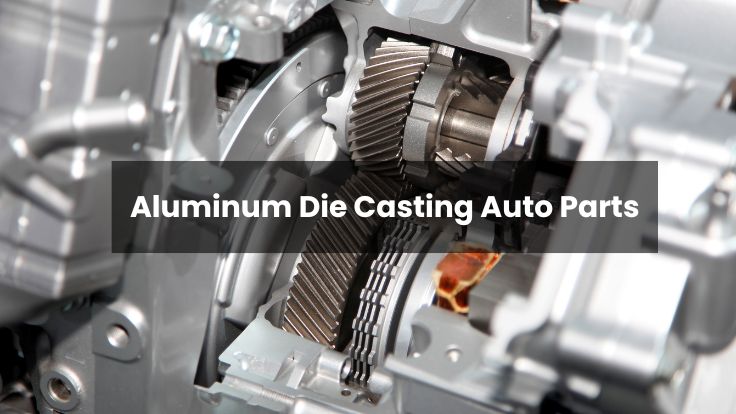
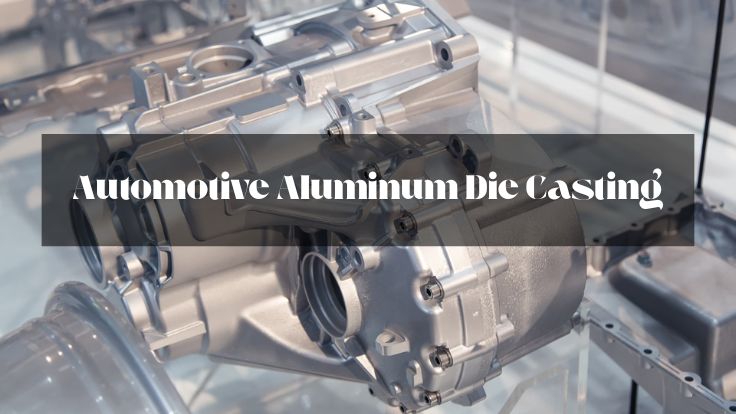
Dlaczego wiodący producenci preferują części samochodowe odlewane ciśnieniowo z aluminium?

Części samochodowe odlewane ciśnieniowo z aluminium: Dlaczego wiodący producenci preferują

odlew aluminiowy

Aluminum Die Casting Auto Parts are now a common practice for industry-leading designs of engine blocks, transmission housings and a wide range of brackets. The method makes it possible to include complex designs and ensures both lightness and durability in parts crucial for strong performance and better fuel efficiency. Because it is fast and produces very little scrap waste, aluminum die casting is widely used by automakers everywhere. Auto diecasting is essential when building parts for modern cars. This manufacturing process melts aluminum into shapes required by dies, since the moulds are strong and reusable. The increasing emphasis on improved and more energy-efficient vehicles has caused companies to use more aluminum. Producing these parts dependably at a high level of accuracy often depends on aluminum die casting. The auto diecasting parts manufacturer is central to these manufacturing developments. Because electric vehicles and hybrids are getting more common, manufacturers will need more aluminum components that are both light and don’t rust or corrode easily. Because of these qualities, aluminum die casting is important to the development of transportation technology. In this article, we will cover the auto diecasting process, its advantages, common applications in automobiles and how leading die casting manufacturers make outstanding diecasting parts for today’s vehicles. What Exactly Is Aluminum Die Casting? Aluminum die casting happens when molten aluminum is pushed under high pressure into a cavity in a mould. Generally, the mould consists of hardened tool steel and shapes repeatable forms of high precision. As soon as the casting is solid and cool, the die is opened so the cast can be removed. Key Features: What Makes Die Casting With Aluminium Useful? Aluminum die casting enables producers to make high-quality components at reasonable and flexible costs. Main Benefits: When several features are present, numerous components can be assembled together into one unit. What is Auto DieCasting? Auto diecasting is the process of forcing liquid aluminum into special die or mold to shape automotive components. Many consider it known for producing extremely detailed and correct parts to tight tolerances. Because it is faster, cleaner and less costly, “auto diecasting” is now used instead of other approaches to make many vehicle components. High quality Steel dies or die casting molds are used in the manufacturing process, allowing them to handle the heat used over and over again. The cooling and ejection of the demolded aluminum part are simple, so very little finishing is needed. Therefore, the process achieves greater efficiency than machining and similar metal-forming techniques. The need for using auto die casting increases as auto designers and engineers try to build lighter, more efficient vehicles with aluminum. Uses of Aluminum Die Casting The reason aluminum die casting is important in several sectors is that it creates parts that are both strong, light and very precise. Since it performs very well mechanically, aluminum is highly appreciated in fields that demand top performance, lasting use and unique geometry. You’ll find ceramics in cars, planes, electronics, appliances and other equipment, and these applications are always increasing. Automotive Industry Aluminum die-cast parts are used most by the automotive industry. The use of this method grows as it helps manufacturers cut vehicle weight, improve mileage and fulfil tight environmental rules. Part of any auto engine, transmission, cylinder head, suspension unit or support structure may be made of aluminium. Increasing numbers of electric vehicles make die casting in aluminum necessary, since lightweight components help prolong battery life and make driving more enjoyable. Good dimensional accuracy in parts allows several components to be shaped into complex shapes, which then saves on costs by needing fewer processes and pieces. Aerospace Industry In aerospace, aluminum die casting is chosen because it gives the best strength and weight reduction. Customers turn to die-cast aluminium for aircraft frames, flight systems, gearbox coverings and engines. They are subjected to tough loads and various oil field conditions while staying the same size and remaining safe. Because of the process, parts for aerospace can be fully customized to meet high standards, all within a quicker timeframe and while working more efficiently. Because commercial and defence aviation is advancing, more demand for advanced aluminium parts is appearing. Consumer Electronics Aluminum die casting is popular in the consumer electronics industry for making parts that are both attractive, durable and good at handling heat. Internal parts of many laptops, tablets, smartphones, and camera bodies are commonly protected by die-cast aluminium housings which also give them an elegant appearance. Apart from how it lookaluminiumnum is great at conducting heat, so it’s often used in heat sinks and cooling systems. Because of die casting, small and complex designs can be manufactured, answering the industry’s desire for gadgets that use less power and take up less space. Lighting Industry There would be no excellent outdoors or industrial lighting without die-cast aluminum. Because of its advantages, aluminum is used to create street lights, LED covers and floodlight covers. That’s why lighting components can last a long time in all sorts of weather conditions. As a result, die casting makes it possible to put detailed features into a single part, so manufacturers may not have to add additional items or assemble different parts, saving them further money. Industrial machinery and equipment Aluminum die-cast parts are frequently employed in machines and equipment in industry because they last, offer high accuracy and protect against environmental damage. Examples of applications include pump housings, valve bases, gearboxes, motor cases and different structural components. Using this type of process allows the production of powerful parts that must function reliably in tough conditions.  Different Types of Aluminum Die Casting Different types of aluminum die casting are chosen based on what type of part, how many and the desired quality. Every process comes with specific pros, and one is picked depending on what the product requires. Die casting that uses high pressure (HPDC) Most of the time, high-pressure die casting is the process used. The aluminium is poured into the mould when pressured at a very high

Przyszłość produkcji: Odlewanie ciśnieniowe aluminium dla przemysłu motoryzacyjnego

Przyszłość produkcji: Odlewanie ciśnieniowe aluminium dla przemysłu motoryzacyjnego

odlew aluminiowy, odlew aluminiowy

Szybkie zmiany w przemyśle motoryzacyjnym oznaczają, że firmy motoryzacyjne zawsze muszą budować pojazdy, które są lżejsze, bezpieczniejsze i oszczędzają energię. Jedną z kluczowych technologii stojących za tą zmianą jest odlewanie ciśnieniowe aluminium dla przemysłu motoryzacyjnego. Dzięki temu procesowi producenci mogą formować metalowe części, które są zarówno wytrzymałe, jak i lekkie, zachowując niezbędne złożone figury i precyzję wymaganą obecnie w pracy motoryzacyjnej. Wraz z rosnącym zainteresowaniem pojazdami elektrycznymi, poprawą bezpieczeństwa i oszczędnością paliwa, odlewanie ciśnieniowe w przemyśle motoryzacyjnym jest obecnie stosowane częściej niż kiedykolwiek. W procesie odlewania ciśnieniowego aluminium jest wlewane do małej, bardzo dokładnej stalowej formy ze znaczną siłą. Proces ten pozwala na szybkie i regularnie powtarzalne wyniki, a części mają precyzyjne wymiary i świetnie wyglądają. Obecnie wiele produktów odlewanych ciśnieniowo jest wykorzystywanych w ważnych częściach samochodów, takich jak bloki silnika, obudowy skrzyni biegów, zawieszenia samochodowe i obudowy akumulatorów. Konstrukcja musi być solidna, ale musi także spełniać wysokie standardy dotyczące ciepła i naprężeń. Ponieważ ludzie częściej wybierają aluminium niż stal, wielu producentów zwraca się ku odlewaniu ciśnieniowemu aluminium dla przemysłu motoryzacyjnego, ponieważ pomaga to obniżyć wagę pojazdu bez uszczerbku dla jego wytrzymałości. Nowoczesne postępy w dziedzinie maszyn, materiałów i zrównoważonego rozwoju umożliwiają producentom wytwarzanie aluminiowych części odlewanych ciśnieniowo do pojazdów, które spełniają nowoczesne przepisy i są przyjazne dla środowiska. Omawiamy główne idee odlewania ciśnieniowego w branży motoryzacyjnej, w tym materiały, maszyny, kryteria projektowe i przykłady ich zastosowania. Bez względu na to, czy pracujesz w branży, czy nie, zrozumienie odlewania ciśnieniowego w przemyśle motoryzacyjnym pomaga dostrzec ewolucję produkcji i przyszłość pojazdów. Na czym polega proces znany jako odlewanie ciśnieniowe aluminium dla przemysłu motoryzacyjnego? Samochodowe odlewanie ciśnieniowe aluminium odbywa się poprzez wtryskiwanie stopionego aluminium do stalowych matryc przy użyciu ogromnego ciśnienia. Gdy tylko aluminium staje się stałe, tworzy część, która jest zarówno precyzyjna, jak i wytrzymała, z drobnym wykończeniem powierzchni i dobrymi wymiarami. Ponieważ bezpieczeństwo, wydajność i efektywność mają największe znaczenie w sektorze motoryzacyjnym, cechy te są kluczowe. Ten sposób produkcji pomaga tworzyć złożone projekty, których nie można osiągnąć przy tradycyjnej produkcji. Ponieważ aluminium jest lekkie, pomaga pojazdom zmniejszyć wagę bez osłabiania ich. Inżynieria projektowa Wszystkie odlewy motoryzacyjne rozpoczynają się od kompletnej fazy projektowania i inżynierii. Dzięki oprogramowaniu 3D CAD inżynierowie mogą stworzyć model i przetestować go, aby przewidzieć jego działanie w rzeczywistości. Symulacje formowania pokazują, w jaki sposób stopiony metal jest kształtowany wewnątrz formy, w jaki sposób zastyga i gdzie mogą wystąpić ewentualne problemy z kieszeniami powietrznymi lub skurczem. Celem jest zwiększenie wydajności, wytrzymałości i łatwości produkcji części. Zespół określa również proces łączenia końcowego i stop aluminium odpowiedni do danego zastosowania. Proces tworzenia matrycy (formy) Po zaprojektowaniu następuje tworzenie matrycy, która będzie kształtować stopiony materiał w procesie. Te matryce są fachowo wykonane z zachowaniem ścisłych tolerancji i są odporne na wiele prób odlewania. Niezależnie od tego, czy zadanie jest złożone, czy produkowane w dużych ilościach, matryca może być wykonana do pracy z więcej niż jednym wgłębieniem. W matrycy znajdują się również specjalne kanały do chłodzenia i sworznie, które wyrzucają część, gdy tylko się zestali. Dobrze zaprojektowana matryca pomaga zapewnić, że produkt jest dokładny wymiarowo, ma dobrą powierzchnię, a narzędzia działają przez długi czas. Następnie wlewki aluminiowe są dalej topione w piecach przemysłowych, których temperatura przekracza 660°C (1220°F), czyli temperaturę topnienia aluminium. Stopiony materiał jest utrzymywany w stałej temperaturze i często jest uwalniany od wodoru, który w przeciwnym razie mógłby spowodować powstanie pustych przestrzeni wewnątrz. Czasami chemikalia są łączone w celu zapewnienia dodatkowej wytrzymałości, zwiększonej elastyczności lub mniejszej podatności na korozję aluminium. Ponieważ zanieczyszczenia w stopionym metalu mogą powodować wady w końcowym produkcie, metal musi być czysty. Wtryskiwanie i odlewanie Wysokociśnieniowe odlewanie ciśnieniowe jest kluczowym procesem, ponieważ stopione aluminium jest wtryskiwane do formy z bardzo dużą prędkością i pod bardzo wysokim ciśnieniem. Szybkie napełnianie metalu we wszystkich rogach matrycy wychwytuje drobne szczegóły z projektu części. Wszystkie związane z tym naprężenia pomagają zredukować kieszenie powietrzne wewnątrz komponentów, co czyni je mocnymi i solidnymi. Tuż po napełnieniu matrycy aluminium zaczyna stygnąć i twardnieć w ciągu zaledwie kilku sekund. Szybkie początkowe chłodzenie pozwala uzyskać dobrą strukturę ziarna i doskonałe wykończenie powierzchni. Gotowe zbiorniki powietrza są poddawane chłodzeniu, a następnie wyrzucane Powietrze w matrycy jest uwalniane, a za pomocą zautomatyzowanych sworzni uformowana część jest wyrzucana po zestaleniu się aluminium. W całej matrycy temperatura jest kontrolowana, a czasy cykli są skracane dzięki kanałom chłodzącym. Proces na tym etapie wymaga uwagi, ponieważ nieprawidłowe chłodzenie może skutkować pęknięciami lub wypaczeniami. Nawet po wyrzuceniu odlew zachowuje ciepło i może zostać poddany dalszej obróbce przed przejściem do następnego etapu. Przycinarki i wykańczarki są również częścią tego procesu Często w procesie odlewania pozostają pewne kawałki wlewu i wypływki, które należy odciąć. Odbywa się to poprzez przycinanie lub obróbkę końców. Czasami konieczne jest wiercenie, gwintowanie, szlifowanie powierzchni lub nakładanie powłoki, aby wykończyć element dokładnie zgodnie z jego przeznaczeniem. Czasami warsztaty stosują obróbkę cieplną, aby zwiększyć wytrzymałość metalu i jego odporność na zmęczenie. Po zakończeniu wszystkich czynności części są sprawdzane pod kątem problemów wewnętrznych i zewnętrznych za pomocą pomiarów, promieni rentgenowskich lub maszyn ultradźwiękowych. Montaż lub wysyłka przedmiotów odbywa się etapami Dokładna kontrola i wykończenie oznaczają, że odlew może albo trafić do klienta, albo zostać przeniesiony do systemów montażowych. Zanim trafią do pojazdów, obudowa, wsporniki i mocowania są montowane z wieloma innymi elementami mechanicznymi lub elektronicznymi. Odlewy są najlepiej chronione podczas transportu, a łańcuch dostaw przebiega sprawnie, jeśli logistyka i pakowanie są skuteczne. Korzyści płynące z odlewania ciśnieniowego w przemyśle motoryzacyjnym Coraz więcej producentów samochodów stosuje komponenty aluminiowe ze względu na korzyści płynące z odlewania ciśnieniowego w przemyśle motoryzacyjnym. Główną korzyścią jest to, że pojazdy

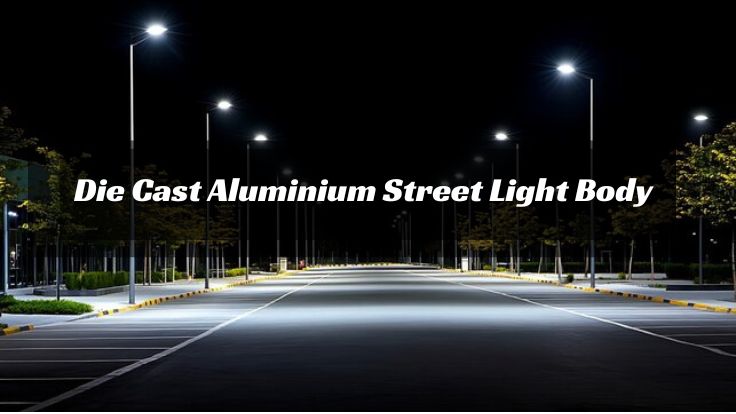
Odlewany ciśnieniowo aluminiowy korpus oświetlenia ulicznego

Korpus oświetlenia ulicznego z odlewanego ciśnieniowo aluminium: Długotrwałe oświetlenie

odlew aluminiowy

Because of modern, energy-saving technology, it is crucial nowadays for lighting products to be strong and reliable. Almost all modern outdoor lighting systems include a die cast aluminium body for their street lights. Because it is highly thermal, corrosion-resistant, and strong, this housing lasts long despite harsh events in the environment. It shields the LED’s circuits and also lets heat escape, which maintains their life. The aluminum LED street light casings are designed to ensure safety and quality on a global level. Because they are well-built and versatile, you can often see these enclosures along streets, highways, in industries, and in parks. Thanks to design progress, many kinds of LED street lights die cast aluminum bodies are being made now to suit numerous needs and preferences in light fixtures. While LED street light housing was formerly designed for efficiency, it now offers modular designs, smart features, and pleasing looks. This article discusses the features, types, series, specifications, and benefits of using die-cast aluminium in street lighting for those who plan, design, and select street lighting fixtures. This article covers how important, advantageous and in-demand die cast aluminium street light bodies are, as well as the steps involved in making them and modern trends in the market. What is meant by a die-cast aluminum Street Light Body? Die-cast aluminium is the process used to make the protective and supporting body of LED street lights. Within this body are placed all the important things in the lighting unit, like the LED driver, circuit board and lens and they are all protected from things like dust, water and hot or cold temperatures. Die-casting aluminum allows manufacturers to create LED street light housings that are strong, uniform, precise, and lightweight. The item that results is durable and also looks stylish, usually including smooth, stylish lines. The Steps Involved in the Die Casting Process In die casting, molten aluminium is pushed by high pressure into a shape cavity in the mold. Once the procedure is finished and the metal has fully solidified, it forms to the shape of the mold and is afterward pulled out, trimmed, cleaned up and polished. A major reason to use this process in LED street lighting is the ability to produce pieces with precise accuracy, the same features every time, and excellent surface and physical qualities. Here is a simple outline of what you have to do: It allows manufacturers to make many products at a low cost since it minimizes waste. Why You Should Use Die-Cast Aluminium for Street Light Housings? There are many benefits to using a die-cast aluminium body for a street light. 1. Heat Dissipation Aluminium is excellent at transferring heat. Heat generated by the LEDs is dispersed by the body and stops the components from overheating and ultimately damaging them. By using this feature, the vehicle is able to handle stable performance in different kinds of weather. 2. Toughness and Sturdiness The material does not add weight, but it’s durable enough to face harsh weather conditions. 3. Corrosion Resistance Applying coating or anodizing to aluminium makes it very resistant to corrosion, so the housing for LED street lights lasts for a long time in rough places, including by the sea or around factories. 4. Design Flexibility With die casting, it is possible to create objects with extra features and shapes, meaning the need for other types of assembly is reduced. 5. Aesthetic Appeal Nowadays, modern city planners prefer fixtures that are clean and sleek. Both the purpose and appearance of a city can be shaped by LED street lights with a die cast aluminum body. Tools for Use in Urban and Industrial Areas The body of a die-cast aluminium street light is found in places such as: This kind of housing can be used with LEDs that draw light at all levels, from lighting to smart controls. Why Die Casting Aluminum LED Street Light Housing is Favorable in the Market? In the last several years, more and more companies have switched to aluminum die-cast LED street light housing. It is influenced by a variety of different aspects. The trend will continue since many cities invest in updating their infrastructure and prefer energy-saving lighting systems. The Quality Control and Standards function Manufacturers of LED street light housing must strictly follow industry rules to ensure it operates safely, works properly, and lasts long. Businesses should check the following qualities: To gain worldwide approval and trust from buyers, a high-quality LED street light should pass CE, RoHS and ISO certifications. Production of a Series of Die-Cast Aluminium Street Light Bodies Many manufacturers separate their products into series based on how they look, their output, where they are used, and their technical attributes. Thanks to the street light body series, buyers can easily select a product that suits their needs. The following are the most common types of TV series seen: 1. Miniseries 20W–50W The Mini Series has compact housing units for LED street lights that are meant for narrow roads, walkways and homes. Because they’re all very light and efficient, these models are common in locations that do not need much light. 2. Standard Series (60- 120W) This is the group of literature that most people read. The LED street lighting housings in this series are both strong and save on costs. It is perfect for driving on roads, parking lots, and guarding plants and factories. 3. The range covers from 150W to 250W As they are meant for highways, broad streets and expansive outdoor areas, these products have LED street lights in sturdy aluminum casting with extra heat dissipation. Many such phones include smart features and higher levels of dust and water resistance. 4. Smart/Intelligent Series These hosts are configured to support motion sensors, IoT modules, or smart drivers. In the series, aluminium street lights are equipped with wireless technology, allowing them to respond to remote control for new smart city technology. 5. Designer or Architectural series The series joins music with the beauty of art.

Najlepsi producenci odlewów aluminiowych w Chinach i na świecie

Najlepsi producenci odlewów aluminiowych w Chinach i na świecie

odlew aluminiowy

Odlewanie ciśnieniowe aluminium odgrywa dziś kluczową rolę w nowoczesnej produkcji. Proces odlewania ciśnieniowego aluminium jest znany ze swojej precyzji, wytrzymałości i zdolności do wytwarzania złożonych kształtów o wąskich tolerancjach, co czyni go integralnym procesem dla branż takich jak motoryzacja i lotnictwo, towary konsumpcyjne i elektronika, urządzenia medyczne itp. Ten bardzo dynamiczny scenariusz nadal tworzy popyt na wysokowydajne i opłacalne komponenty i doprowadził do tego, że znaczenie partnerów producentów odlewów aluminiowych stało się bardziej krytyczne niż kiedykolwiek. Oprzyrządowanie i jakość zapewniają wyższą wydajność, a jednocześnie skalowalność i są wspierane przez postęp automatyzacji. Firmy te zazwyczaj zapewniają kompleksowe usługi, od początku projektowania i prototypowania po masową produkcję i wykończenie powierzchni, które płynnie obejmują wszystkie procesy do wdrożenia zgodnie z wymaganiami klienta. Co więcej, wraz ze wzrostem znaczenia standardów zrównoważonego rozwoju, wiele firm zajmujących się odlewaniem ciśnieniowym stosuje przyjazne dla środowiska sposoby pracy, w tym recykling materiałów, przyjmowanie energooszczędnych środków i uzyskiwanie zielonych certyfikatów. W artykule dokonano przeglądu niektórych z najlepszych producentów odlewów aluminiowych działających na całym świecie, na przykład w Stanach Zjednoczonych, Europie i innych krajach, w których taka firma tworzy przewagę nad innymi ze względu na wartość dodaną dzięki innowacjom i podejściu zorientowanemu na klienta. Firmy te stoją wysoko i dumnie w świecie produkcji części samochodowych i mogą doskonale służyć Ci, jeśli szukasz wysokonakładowych części samochodowych, precyzyjnych komponentów medycznych lub nowych pomysłów na rozwiązanie niejasnych problemów w niszowych zastosowaniach. W tym wpisie na blogu omówimy profile ich firm, zobowiązania jakościowe, certyfikaty i sposób, w jaki wyróżniają się jako fascynująca firma odlewnicza inconel w tak konkurencyjnym świecie. Ten przewodnik jest kompletnym początkiem do znalezienia zaufanego producenta odlewów aluminiowych do następnego projektu. Czym jest odlewanie ciśnieniowe aluminium? Maszyny wykorzystują odlewanie ciśnieniowe aluminium do tworzenia wyrafinowanych części o precyzyjnej definicji poprzez wtłaczanie stopionego aluminium do matrycy pod znacznym ciśnieniem w celu uzyskania złożonych kształtów. Operacje przemysłowe polegają na tej metodzie produkcji trwałych, lekkich komponentów o precyzyjnych wymiarach i gładkiej powierzchni. Stopione aluminium potrzebuje tylko ułamka czasu, aby wypełnić i zestalić się we wnęce matrycy przed automatycznym usunięciem z matrycy i kolejnymi operacjami wykończeniowymi. Przemysł motoryzacyjny i lotniczy, a także sektor elektroniczny i dóbr konsumpcyjnych, stosują odlewanie ciśnieniowe aluminium do swoich wymagań materiałowych, ponieważ proces ten zapewnia mocne części o niskiej wadze, wraz z doskonałą odpornością na korozję i znaczną wydajnością termiczną. Producenci wybierają odlewanie ciśnieniowe aluminium ze względu na jego wydajność i automatyczną zdolność do szybkiego i powtarzalnego tworzenia wielu obudów silników, a także radiatorów i wsporników oraz obudów. Produkcja w dużych ilościach staje się bardziej ekonomiczna dzięki temu procesowi, ponieważ zmniejsza obciążenie maszyny i gwarantuje jednolity poziom jakości. Sincere Tech Rok założenia: 2005Liczba pracowników: 100-500Typ działalności: Jest to jeden z największych chińskich producentów form wtryskowych z tworzyw sztucznych, producentów odlewów aluminiowych, dostawców usług obróbki CNC i dostawców usług montażu produktów. Strona internetowa i kontakt: Strona internetowa: plasticmold.netEmail: info@plasticmold.netPhone: +86 135 30801277Adres: Building 1, No. 30 Huan Zhen Rd, Shang Dong village, Qi Shi Town, Dongguan City, Guangdong province, China, 523000 Profil firmy Sincere Tech jest członkiem wiodącego przedsiębiorstwa odlewniczego aluminium w Chinach, Dongguan City, Guangdong Province, założonego w 2005 roku. Firma zatrudnia ponad 100 pracowników, ma ponad 20-letnie doświadczenie w formowaniu wtryskowym tworzyw sztucznych, odlewaniu ciśnieniowym, precyzyjnej obróbce CNC i pełnym montażu produktów. Sincere Tech współpracuje z kilkoma branżami, w tym motoryzacyjną, elektroniczną i produktów konsumenckich. Firma stała się liderem w dziedzinie precyzyjnych odlewów aluminiowych i złożonych rozwiązań narzędziowych, wykorzystując zaawansowane technologie i doświadczenie rzemieślników. Dzięki pionowo zintegrowanym usługom firma zapewnia najwyższą jakość, terminowość dostaw i niskie koszty produkcji. Ich zobowiązania dotyczące jakości My (Sincere Tech) podejmujemy wszelkie rozsądne kroki w ramach naszej kontroli, aby zapewnić naszym klientom bezobsługowe części odlewane ciśnieniowo z aluminium, wolne od wad i wysokiej jakości, poprzez ścisłą kontrolę procesu i ciągłe doskonalenie. Obejmują one najnowocześniejszy sprzęt, procesy z certyfikatem ISO, pełne raporty z inspekcji i wewnętrzne testy. Każdy ich projekt spełnia dokładne specyfikacje i koncentruje się na zadowoleniu klienta. Sincere Tech przestrzega międzynarodowych standardów jakości, stale inwestuje w szkolenia pracowników i innowacje, aby dostarczać niezawodne i trwałe produkty klientom na całym świecie. Dlaczego warto wybrać Sincere Tech? GC Precision Mould Rok założenia: 1999Liczba pracowników: 100-200+Typ działalności: Formowanie wtryskowe tworzyw sztucznych, obróbka CNC, odlewanie ciśnieniowe aluminium, cynku i magnezu. Strona internetowa i kontakt: Strona internetowa: aludiecasting.comEmail: info@aludiecasting.comPhone: +86 131 4886 5556Adres: No. 30 Huan Zhen Rd, Qi Shi Town, Dongguan City, Guangdong province China, 523516 Profil firmy GC Precision Mould Co, Ltd. Ltd. (z siedzibą w mieście Dongguan, prowincja Guangdong, Chiny) została założona w 1999 roku i ma reputację producenta odlewów aluminiowych. Firma zajmuje się odlewaniem ciśnieniowym aluminium, cynku i magnezu oraz obróbką CNC i formowaniem wtryskowym tworzyw sztucznych. Jesteśmy zespołem ponad 100 profesjonalistów zajmujących się wysokowydajnymi komponentami i zespołami dla przemysłu motoryzacyjnego, urządzeń przemysłowych, telekomunikacji i elektroniki. Firma ma reputację precyzyjnej maszyny narzędziowej i wynalazcy, który poświęca się innowacjom w inżynierii, aby zapewnić niestandardowe rozwiązanie oparte na złożonych wymaganiach projektu inżynieryjnego oraz wydajną, niezawodną i wysokiej jakości produkcję na każdym etapie. GC Precision Mould posiada silny system zarządzania jakością, który zapewnia najwyższą jakość produktów. Firma wykorzystuje zaawansowany sprzęt i metody testowania przychodzących surowców i dostarczanych produktów oraz wdraża bardzo rygorystyczne procedury kontroli. Posiada certyfikat zgodności z normami ISO i opiera się na produkcji bez wad i ciągłym doskonaleniu. Klienci są ich klientami, a ich zespoły inżynieryjne i QA ściśle z nimi współpracują, aby odeprzeć wszystkie ich specyfikacje techniczne i zapewnić im naprawdę kompleksową dokumentację jakości, którą można w pełni prześledzić do końca cyklu produkcyjnego. Dlaczego warto wybrać GC Precision Mould? CNM Tech Rok założenia: 20+ latLiczba pracowników: 100-400Typ działalności: Specjalizuje się w odlewaniu ciśnieniowym, obróbce CNC i montażu produktów Strona internetowa i kontakt:

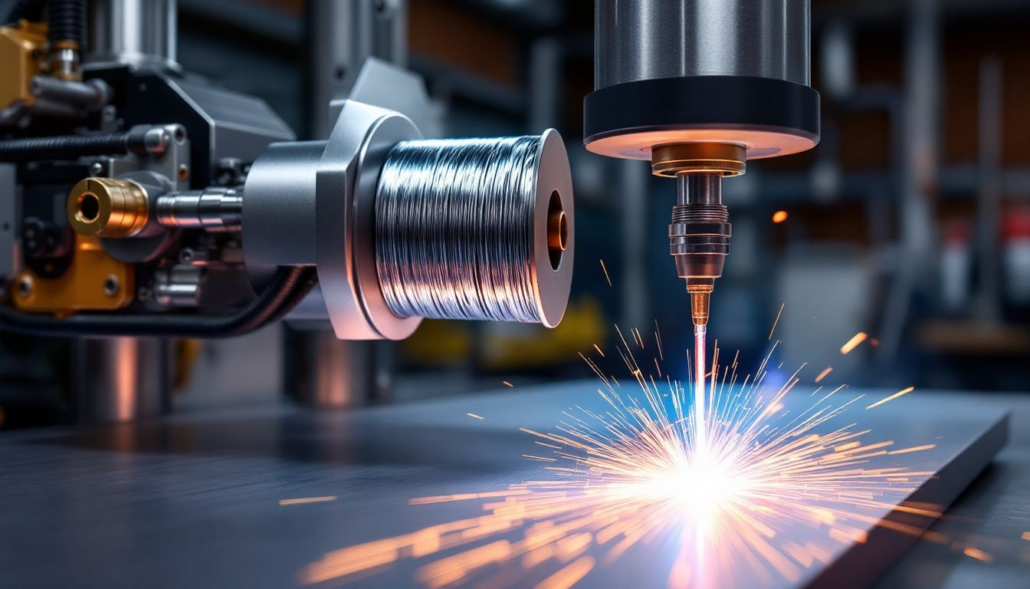
Spawanie odlewów aluminiowych: Kompleksowy przewodnik

odlew aluminiowy, odlew aluminiowy

There are very few places one can go to learn about welding cast aluminum, and the skill set needed to do so is highly specialized. However, cast aluminum is a material created by pouring molten aluminum into a mold, which results in a porous material with impurities. This does not occur with standard aluminum alloys. Because of these characteristics, welding is more difficult, and preparing carefully, keeping the heat precisely in check, and using the appropriate techniques is necessary to produce strong, robust welds. Oxidation is one of the greatest hurdles when welding cast aluminum. This thin oxide layer, formed when exposed to air is much thicker than what naturally forms on aluminum, and it melts at a much higher temperature than aluminum itself, making fusion difficult. Furthermore, the presence of impurities and trapped gases in the cast aluminum can result in porosity, which provides weak welds if not properly cleaned and preheated. TIG (Tungsten Inert Gas) is the method of choice for precision and cleanliness, while MIG (Metal Inert Gas) is useful for speed and thicker material. To obtain a strong and defect-free weld, it is necessary to use the correct filler metal (such as 4045, 5356, or 4047) and shielding gas combination (of pure argon or argon-helium mixtures). Good preparation includes adequately cleaning and preheating as far as possible to minimize cracking, porosity and lack of fusion. Endurance and life of the welded joints is further improved by post-weld treatments like stress relief, grinding and corrosion protection after welding. While the majority of cast aluminum welders are welded steel, welders can successfully work with cast aluminum using the right techniques, tools, and attention to detail so long as lightweight, high strength components are required in industries. This is a masterable process that leads to further development of aluminum welding applications and to a reliable and predictable performance of aluminum structures in critical environments. Understanding Cast Aluminum  However, before proceeding with the welding techniques needed for cast aluminum, it is crucial to have a firm understanding of what constitutes cast aluminum and what makes it unique from other metals. Cast aluminum differs from wrought aluminum, which is mechanically shaped by using rolling or extruding, in that cast aluminum can be formed in complex shapes of high precision by melting aluminum and pouring this molten form into a mold. The unique internal structure so produced, usually characterized by porosity, impurities and varying alloy composition, has an important effect on weldability. To be able to weld cast aluminum successfully, one should know its chemical and physical properties, its pros and cons as well as the different types of cast aluminium alloys from various industries. These factors will be taken into consideration for the determining the necessary welding method, selection of filler material and preweld preparation techniques to make strong and defect free welds. Cast aluminum properties: What makes a cast different? Another important consideration that use of cast aluminum has several properties that make it light weight, anti- corrosive and very flexible. However, the same properties also pose some difficulties when welding is being done, provided that proper measures are not taken. 1. Porosity: The Hidden Challenge Possibly one of the biggest concerns about welding cast aluminum is porosity; it is known as the small bubbles of gas that get trapped in the metal when it is being cast. These eight are resulted from the entrapment of gases such as hydrogen, formation of small pores as a result of shrinkage during cooling of the aluminum metal and impurities. ???? How Porosity Affects Welding ???? How to Minimize Porosity During Welding 2. Oxidation: The Barrier to Clean Welds It is an element that reacts with other elements particularly oxygen found in the space surrounding the metal. This oxidation generates a very thin but extremely hard skin of aluminum oxide (Al₂O₃) through which the further corrosion of aluminum is prevented. Nevertheless, oxide layer is a critical issue when welding since its melting temperature is around 3700°F (2037°C), which is much higher than that of aluminum, 1221°F (660°C). Investigation on Why Oxidation is a Problem in Welding ???? Different Techniques of Removing and Controlling Oxidation 3. Heat Sensitivity: Managing Thermal Conductivity Different from steel, aluminum has high thermal conductivity and it can easily absorb and emit heat. This has always been a problem in maintaining a standard welding temperature; this tends to cause the following: ???? How to Overcome Heat Sensitivity Challenges Common Types of Cast Aluminum Alloys Various types of cast aluminum alloys can be cast according to their chemical composition and mechanical properties. Here are a few of the advantages and disadvantages of each type, as well as applications where they would be most useful. 1. A356 Cast Aluminum: The High-Strength Alloy  Its composition: Mainly encompasses aluminum (Al), silicon (Si) and magnesium (Mg). ???? Key Features ???? Common Applications 2. 319 Cast Aluminum: The Wear-Resistant Allo Composition: Contains higher levels of silicon (Si) and copper (Cu) than A356. ???? Key Features ???? Common Applications 3. 535 Cast Aluminum: The Marine-Grade Alloy Composition: Contains a high percentage of magnesium (Mg) for corrosion resistance. ???? Key Features ???? Common Applications Why Understanding Cast Aluminum Matters for Welding Starting with cast aluminum welding mastery is all about determining what cast aluminum is made of, its properties, and associated challenges. Therefore, as cast aluminum is used extensively in automotive, aerospace and marine engineering, welders require strategies for casting porosity, oxidation and sensitivity to heat. Different types of cast aluminum alloys respond to welding differently, and you should choose the correct filler materials, shielding gas and welding technique means the difference between a strong, reliable weld or a weak, porous joint. With preparation of the material, using the correct cleaning procedures, and regulating heat input, welders can address the issues associated with cast aluminum and generate powerful, long lasting welds that comply with harsh applications. Challenges in Welding Cast Aluminum  Welding of cast aluminum is notoriously difficult because of the unique physical and chemical properties of

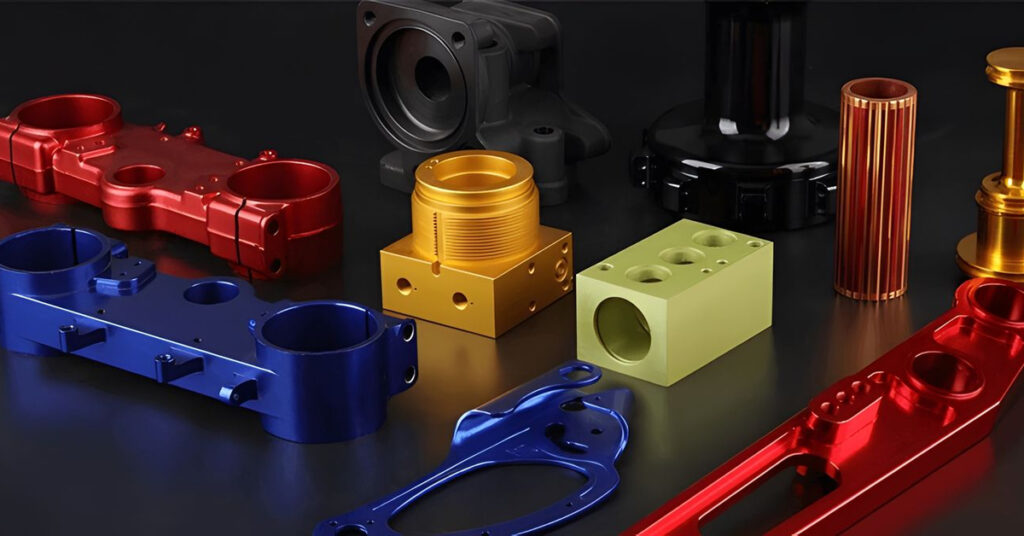
Anodyzowany materiał aluminiowy: Właściwości, zalety i zastosowania

Anodyzowany materiał aluminiowy: Właściwości, zalety i zastosowania

odlew aluminiowy, Wykończenie powierzchni aluminium

Anodized aluminum material is used mainly because it is light, strong, and corrosion-resistant. While raw aluminum does offer a certain amount of durability and scratch resistance, it is prone to oxidation, dents, and scratches, which can change it in the long term and keep it looking good. To make the aluminum stronger and more durable, it is then anodized to form a protective oxide layer on its surface. The reason for this layer is that it hardens the metal, giving it a more noncorroding and nonwear surface and a more pleasant appearance. Anodized aluminum is preferred due to these factors and is used widely across aerospace, automotive, construction, and consumer electronics industries. The anodization consists of several steps cleaning of the surface, immersion into an electrolyte bath, oxidation using electric current, and sealing. Besides making the material stronger, this treatment can be colored in different shades and finishes. Electrolytic coloring, Dip coloring, Integral coloring, and Interference coloring are different common coloring techniques. Ordinary anodizing and hard anodizing are the two main types of anodizing. Typically there are two processes available: ordinary anodizing, used primarily for finish and low-weight applications, and hard anodizing which gives excellent durability, wearer, and strength for military, industrial, and aerospace applications. In addition to anodization, aluminum can be processed through other surface treatments such as electroplating, powder coating, chromate conversion coating, PVD coating, ceramic coatings, or hot dip galvanizing. Anodized aluminum does not possess these properties uniformly and thus is used as a versatile and reliable material in many industries, with each method providing the material with specific enhanced properties—corrosion resistance, hardness, conductivity, etc. In this article, we’ll discuss what properties, benefits, applications, and maintenance of anodized aluminum involve, and why it is a better alternative to other metals and treatments. If we know these aspects we can understand which material to use for a particular industry and the consumer. What is Anodized Aluminum? Aluminum that has been anodized is an aluminum that has been run through an electrochemical process to produce a thicker, more durable oxide layer on its surface. The presence of this anodic oxide layer increases the resistance of the metal to corrosion, improves the surface hardness, and increases the ability of the metal to adhere to dyes and coatings. The Anodization Process In other words, the anodization process includes several key steps. Anodized Aluminum Material Key Properties 1. Enhanced Corrosion Resistance Anodized aluminum is one of the most resistant to corrosion. This makes it practically useless outdoors or when submerged in water, as the oxide layer protects the metal from moisture and our environment. 2. Increased Surface Hardness Anodization improves the hardness of aluminum significantly and aluminum becomes more resistant to scratch, dent, and wear. One such hard anodized aluminum is highly durable and is indeed used in high-performance applications. 3. Aesthetic Appeal and Color Variety Also, anodized aluminum is offered in black, gold, bronze, silver, etc. without changing the natural texture of the metal. This is why it is a preferred choice for architectural as well as decorative applications. 4. Lightweight Yet Strong While the oxide layer is put on top of the aluminum, this doesn’t make the aluminum significantly heavier, and it is still lighter than heavier materials such as stainless steel. 5. Electrical Insulation Because anodized aluminum is a poor conductor of electricity as compared to untreated aluminum, it is an attractive material to use in applications where insulation is needed for electrical or electronic purposes. 6. Environmentally Friendly and Sustainable Anodized aluminum is completely non-toxic, is recyclable, and does not out-gas dangerous and health-harming VOCs (volatile organic compounds), so it is eco-friendly. How to Add Color to Anodized Aluminum Parts? Anodizing aluminum is well known to be able to hold colors very vibrantly. Electrolytic coloring and dip coloring are the two of the many techniques used to color anodized aluminum. 1. Electrolytic Coloring One popular way to beautify anodized aluminum is with electrolytic coloring whereby anodized aluminum is colored with durable and UV-resistant shades. Once the aluminum has gone through the anodizing process, it is placed in a bath with metallic salts. In the last few years metalized salts have been developed whereby, when an electric current is applied, they settle into the open pores of the anodized surface permanently creating a metal-colored surface. Finally, the color depends on the type of metal salts involved. Copper salts ,for instance, make the solution reddish in tone, and other metals can make it in other hues. It is widely used because colors done this way last long and don’t fade, which makes it great for outdoor or high-exposure uses. 2. Dip Coloring Another color method is ‘dip coloring’ which gives one a large variety of color choices. During this kind of processing, the porous layer is submerged in a dye solution where the anodized aluminum absorbs the pigment. Once a shade is reached, the aluminum is sealed in water to stop reactions from continuing. Dip coloring offers much more vibrant and customizable contrasted shades, but they are not UV resistant and the colors will fade to a much lesser extent when exposed to sunlight. However, this lack of durability is the main reason why it is not commonly used in applications where the durability of parts is an important factor. 3. Integral Coloring (One-Step Process) An integral coloring is a unique process that incorporates anodizing and coloring into one process which is more efficient than in multi-step methods. Unlike some other techniques, the electrolytes, which react with the surface of the aluminum and are quick to dry, create deep, rich metallic tones including black, gold, or bronze. The color is formed in the very oxide layer, and due to that, it is very durable and doesn’t scratch, isn’t prone to corrosion, and doesn’t fade away. While integral coloring yields quality finishes, it is rare because of the cost and complexity. Architectural components, high-end electronics, and industrial equipment in which the parts must be able to withstand demanding conditions where

Materiały do odlewania ciśnieniowego aluminium: Kompleksowy przewodnik

Materiały do odlewania ciśnieniowego aluminium: Kompleksowy przewodnik 

odlew aluminiowy, odlew aluminiowy

The role of aluminum die casting is a widely used, highly efficient manufacturing process capable of producing complex, high-strength, and lightweight components with good dimensional accuracy. It is the mass production of durable and precise parts and is based on the principle of injecting molten aluminum into MOULD under high pressure. In these industries where performance or longevity depends on material properties, this technique is used in a wide variety. Aluminum alloy is a key factor in choosing what the final product is going to be, which includes strength, corrosion resistance, thermal properties, and machinability. The characteristics of different aluminum alloys are different some of which include A380, the balance of strength and castability; A383, superior fluidity for complex parts; and A360, high corrosion resistance. Moreover, copper, manganese, magnesium, and silicon elements can also further increase mechanical properties. Besides alloy selection, manufacturers may also strengthen aluminum die-casting parts through surface treatment such as anodizing, plating, or powder coating to achieve higher wear resistance, corrosion protection, and hardness. Additionally, uniform wall thickness, draft angles, and reinforcement ribs do reduce high-quality and defect-free components at low cost. Through the right selection of the right aluminum alloy, through suitable strengthening techniques and in consideration of aluminum diecast part design sizing, manufacturers of high-performance aluminum die-cast parts can be tailored specifically to the required industrial issues. In this guide, we explore the best materials, alloy properties, and methods for strengthening and considering the design of aluminum die-casting components that will improve their durability and efficiency. This article explains about aluminum die casting materials, properties of alloys used in die casting processes, strengthen methods and surface treatments, as well as design considerations to improve the performance, durability and operation efficiency of die cast components. What is Aluminum die casting?   Aluminum die casting is the process of injecting molten aluminum at high pressure into a steel mould (die) to produce precision moulded complex and durable metal parts. The lightweight properties it has, strength, corrosion resistance, and excellent thermal conductivity make it commonly used in automotive, aerospace, electronics, and industrial applications. High-speed production, good cost efficiency and good dimensional accuracy are possible as it is a process. Aluminum Die Casting Parts Design 3 Factors to Consider  To achieve high quality, tough and economical aluminum die casting parts, careful planning is necessary. An appropriate design can increase manufacturing efficiency, reduce defects and augment the overall performance. Aluminum die casting parts have three parameters, among which the key factors are given below as. 1. Wall Thickness and Uniformity Why It Matters: Proper mold filling, cooling, and solidification are maintained with consistent wall thickness. Thickness changes can occur suddenly and produce warping, shrinkage and porosity in the final part. Best Practices Example As with automotive engine brackets, the wall thickness must be constant to maintain strength and thermal stability in all materials. 2. Draft Angles and Fillets Why It Matters Simple draft angles assist in the removal of the part from the die mould, preventing sticking, surface defects. Fillets (rounded edges) avoid stress concentration and are more durable in the mold. Best Practices Example Various types of electronic enclosures use rounded edges, draft angles, etc. for manufacturability and strength. 3. Ribs and Reinforcements  Why It Matters By adding ribs the weight remains light but the strength is gained. Such reinforcement also maintains shape and strength under pressure. Best Practices Example Ribs are used to maintain lightweight strength for automotive transmission cases while reducing the amount of material needed. The Primary Attributes of Aluminum Die Casting Alloys The material properties of aluminum die-casting alloys consist of high strength along with low weight and excellent corrosion protection. Every aluminum alloy maintains distinct material properties which determine its practical usage. Table 1 displays the Aluminum die casting which includes their essential material attributes. Property    Description Impact on Die Casting Lightweight  Aluminum weighs only one-third as much as steel does.        Reduces overall component weight High Strength-to-Weight Ratio  Being lightweight, it offers good mechanical strength.  Applications are used in the automotive and aerospace industries.  Corrosion Resistance   Is naturally formed to form an oxide layer for protection    Ideal for marine and outdoor applications  Excellent Thermal Conductivity Distributes heat efficiently They are used in engine components and electronics.  Good Machinability Easily processed and shaped    Reduces manufacturing costs          . Products created through Aluminum die casting demonstrate higher strength than those made by sand casting because their production method results in rapid cooling and refined grain arrangement. Common Aluminum Alloys Used indie-casting Several aluminium alloys are commonly used in die-casting operations, each providing certain unique properties, which ultimately define the performance and durability of the product. The Aluminum casting alloys that are most widely used are: 1. A380 Aluminum Alloy  Properties: A380 is one of the most widely used aluminum die casting alloys because of its excellent ‘strength, corrosion resistance and thermal conductivity’. Additionally, it has good fluidly, which allows it to be cast into complex shapes. Applications: The automotive parts, electronic housings, gear cases and engine brackets are widely used this alloy. 2. A383 Aluminum Alloy  A383 properties: Similar to A380 but better resistance to hot cracking and improved die-filling properties. This offers benefits when the final components are intricate and require powerful precision. Applications: In thin-walled and complex parts it is used; in detailed electronic casings and appliance components. 3. A360 Aluminum Alloy Properties: A380 has better ductility and higher corrosion resistance and pressure tightness than this alloy. It is, however, more difficult to cast. Applications: Suitable for high-performance applications such as aerospace components and marine equipment. 4. ADC12 Aluminum Alloy  Properties: Widely used in Japan, and other Asian markets with good casting characteristics, good thermal stability, and high strength. It also offers good machinability. Applications: Used in automotive engine components, bicycle parts, and power tools. 5. AlSi10Mg Aluminum Alloy  Properties: A high strength and good combination of mechanical properties, good thermal and wear properties. In 3D printing and die-casting applications, this one is often used. Applications: Common in aerospace,

Wybór odpowiedniej firmy odlewniczej: Kompletny przewodnik

Wybór odpowiedniej firmy odlewniczej: Kompletny przewodnik

odlew aluminiowy, firmy odlewnicze

Alloy die casting is essential to the manufacturing industry because it relies heavily on high precision, durable, and cost-effective metal components. In a revolutionary impact on modern manufacturing, this process has made possible the mass production of intricate metal parts to a very high standard of accuracy and consistency. By specialized companies which as alloy die casting companies, in service industries which as automotive, aerospace, electronics, medical, and heavy machines for building tailor resultant metal components in their specific areas of needs. A professional alloy die casting company makes use of the latest technologies and high-quality materials coupled with a strict quality control process to deliver your products that suit industry standards. If choosing the right company matters, you may choose, one way or another, between a truly reliable product that will last for years and a faulty component that will fail early. The article gives you a detailed overview of Alloy die casting, emphasizing its importance, benefits and the most essential factors to consider when choosing the best Alloy die casting company. Alloy die casting knowledge is essential if you’re a manufacturer seeking the manufacture of precisely engineered parts or a business in search of economic manufacturing options. What is Alloy Die Casting? The metal manufacturing process in which molten metal is injected into a mold (die) under high pressure is called alloy die casting. Implementation of this method is widely used for the production of complex shapes with tight tolerances. The common use of various metal alloys, such as aluminium, zinc, and magnesium, in die casting is because of their good strength properties and corrosion resistance. Types of Alloys Used in Die Casting Alloys used in die casting have a great effect on the selections in the process of die casting, it leads directly to the strength and weight, corrosion resistance and overall performance of the final product. Alloys that differ vary by different industries based on their mechanical properties, durability, and the end use necessary to them. The most commonly used alloys in die casting are mentioned below. 1. Aluminum Alloys A good thermal conductivity, combined with corrosion resistance and lightweight strength, means aluminium die casting is preferred by researchers and manufacturers the world over. In industries that require durable and relatively light components, this alloy type is used. Key Features: Applications: 2. Zinc Alloys Since it has high strength, low melting point and excellent precision, zinc is another commonly used alloy in die casting. For manufacturing small, detailed parts it is ideal. Key Features: Applications: 3. Magnesium Alloys Its lightness makes it extremely suitable to be used for industries seeking to cut weight without compromising on strength, hence this metal is named magnesium. Key Features: Applications: 4. Copper-Based Alloys Brass and bronze are examples of copper-based alloys which are high electrical conductors, corrosion resistant, and good wear resistors. Such alloys are used for applications where the electrical and thermal performance have to be superb. Key Features: Applications: Benefits of Working with a Reliable Alloy Die Casting Company The right alloy die company allows you to select high-quality products that follow industry standards. Here are the key benefits: 1. High Precision and Consistency A top die-casting company has good machinery and rigorous quality control measures to produce the dimensions with very few defects. 2. Cost-Effectiveness Die casting is a very efficient process that also reduces the material and energy costs of the final product significantly compared to other metal-forming processes. 3. Customization and Versatility A custom solution-based casting company is a reputable company that provides custom solutions that are based on particular industry necessities and provides different alloy options. 4. Faster Production and Short Lead Times Automated systems are used in modern die-casting companies to increase their speed of production and meet strict deadlines. 5. Durability and Strength Alloy die-cast parts are well known to be very durable, and thus suitable for use under demanding conditions. How to Choose the Best Alloy Die Casting Company When you select a die-casting manufacturer, you should consider the following: 1. Experience and Industry Expertise Check with the company’s track record, if it had experienced years doing alloy die casting, if its attempt in your industry was proven. 2. Quality Certifications and Standards Make sure the business follows the codec of the industry which might be: 3. Advanced Technology and Equipment To maintain accuracy and reduce the need for physical labor, a modern die-casting company will employ such equipment as a CNC machine, vacuum cast, and robotic automation. 4. Material Selection and Customization Have a company with multiple alloy options and customization so you can find the specific design that your company offers. 5. Strong Supply Chain and On-Time Delivery Efficient logistics and speedy delivery of products are brought about by reliable suppliers. 6. Prototyping and Testing Capabilities Very critical is to prototype and with rigorous quality testing (X-ray inspection and tensile strength) on the product. 7. Competitive Pricing Although price must not be the only consideration, a good die-casting firm can offer competitive prices without sacrificing quality. Industries That Rely on Alloy Die Casting 1. Automotive Industry 2. Aerospace Industry 3. Electronics Industry 4. Medical Equipment 5. Consumer Products Challenges in Alloy Die Casting and How Companies Overcome Them Alloy die casting is a well-known manufacturing process, which faces some challenges and that have an impact on quality, cost and sustainability. Innovative solutions are also implemented by leading alloy die-casting companies to overcome these problems resulting in high-quality production, optimized costs as well and minimized impact on the environment. 1. Managing Porosity and Defects Porosity is one of the most common problems encountered in die casting where gas bubbles or shrinkage cavities occur inside the metal. It can also reduce the structural integrity of the part and impact functionality. This would be addressed by manufacturers using the use of vacuum-assisted die casting, entrapping a minimum amount of air and improved metal density. Moreover, the porosity can be reduced by using pressure-tight casting techniques, design of the mold and proper

Odlewanie ciśnieniowe cynku a odlewanie ciśnieniowe aluminium

Jak znaleźć dobrego producenta odlewów ciśnieniowych w Chinach?

odlew aluminiowy

China has become a world manufacturer been 20 years, that every one wants to buy things from China, Once you have a project that need to make some die casting products, then you need China die casting manufacturer supplier. If you are looking for a good die casting manufacturer in China, there are a few steps you can take to ensure that you find a reputable and reliable company: Research the market: It is important to have a good understanding of the die casting industry in China before starting your search. This will allow you to identify potential manufacturers and evaluate their capabilities. You can do this by reading industry reports, attending trade shows, and speaking with industry experts. Define your needs: Clearly define your requirements for the die casting manufacturer, including the type of die casting process you need (such as aluminum die casting, zinc die casting, etc.), the size and complexity of the parts you need, and your budget. This will help you narrow down your options and find a manufacturer that can meet your needs. Get quotes from multiple manufacturers: Once you have a list of potential manufacturers, request quotes from each of them. This will allow you to compare prices and services offered by different manufacturers. Review the manufacturer’s capabilities: Check the manufacturer’s website and marketing materials to get an idea of their capabilities. Look for information about their equipment, experience, and capacity. You can also request samples of their work to get a sense of their quality. Visit the manufacturer: If possible, visit the manufacturer’s facility to get a firsthand look at their operations. This will allow you to see their equipment and facilities, meet their team, and get a sense of their culture and values. Check references: Ask the manufacturer for references from their previous customers and follow up with those references to get an idea of the manufacturer’s reliability and quality. By following these steps, you can find a good die casting manufacturer in China that is able to meet your needs and deliver high-quality products. Why your should buy die casting products from China supplier? There are a few reasons why you might consider buying die casting parts from China: Cost: China is known for its competitive manufacturing costs, and die casting is no exception. By sourcing die casting parts from China, you may be able to save on material and labor costs, resulting in lower production costs overall. Quality: While there is a common perception that Chinese-made products are of lower quality, this is not always the case. Many Chinese die casting manufacturers have implemented advanced quality control processes and have achieved certifications such as ISO 9001. Experience: China has a long history of manufacturing and a well-developed supply chain. As a result, Chinese die casting manufacturers often have a wealth of experience and can offer a range of manufacturing capabilities. Wide range of suppliers: There are many die casting manufacturers in China, which means you have a wide range of options to choose from. This can make it easier to find a manufacturer that meets your specific needs and requirements. Strong export infrastructure: China has a strong export infrastructure, making it easier to ship products to other countries. This can be especially beneficial if you are located far from China and need to import the parts. Overall, buying die casting parts from China can offer a number of benefits, including cost savings, quality products, and a wide range of supplier options. However, it is important to do your due diligence and carefully research potential suppliers to ensure that you find a reputable and reliable manufacturer.  

Przewiń do góry

Wycena