odlew aluminiowy

Firma odlewnicza cynku

Przegląd branży odlewniczej cynku

odlew aluminiowy

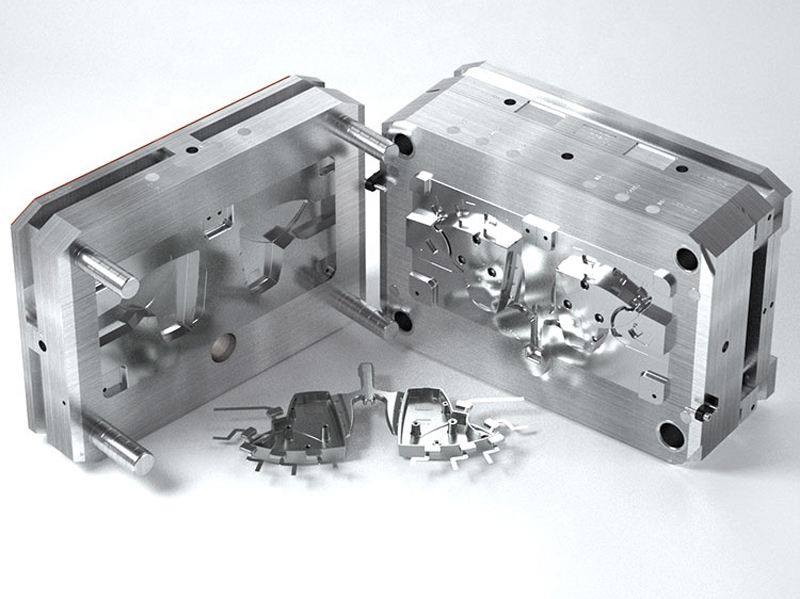
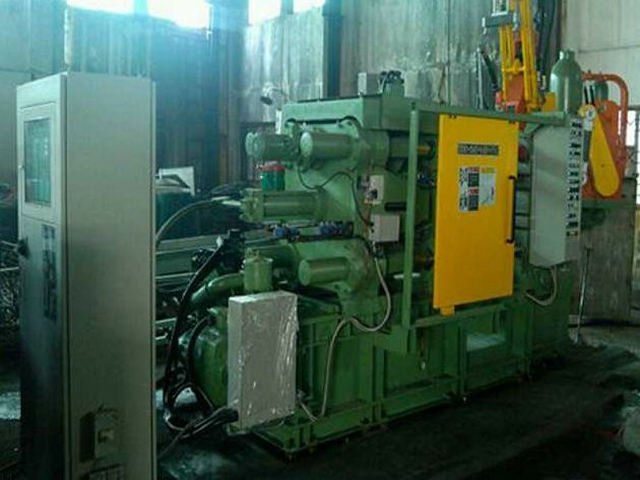
Zinc die casting is a manufacturing process that involves the production of intricate and strong metal parts using molten zinc. This is one of the most economical and efficient ways of making high-quality components with high dimensional accuracy. It is a process of injecting molten zinc into a steel mold under high pressure to create parts that are strong, lightweight, and corrosion-resistant. The characteristics of zinc die casting make it suitable for use in industries like automotive, electronics, aerospace, consumer goods and industrial equipment. In today’s manufacturing world, zinc die casting companies are critical because they provide high-quality precision-engineered components specifically what industries need. The majority of these kinds of companies specialize in creating parts with sophisticated shapes, fine surfaces, and tight tolerances. Besides producing high-performance die-cast components, most zinc die casting manufacturers also provide value-added services like designing, tooling, machining and finishing to satisfy customer’s requirements. The zinc die-casting market is spread wide across the globe, from North America to Asia and Europe, and companies are bringing their expertise, technological advancements and manufacturing capabilities to the table. The companies in these regions are known for their innovation, quality and sustainability in the manufacturing process. Using state-of-the-art equipment and advanced technologies they guarantee that each product will be of the highest standard in terms of strength, durability and precision. Zinc die casting is of utmost importance as it is the central process of producing components that enable the functionality of many products we use daily. Zinc die casting companies are important suppliers for industries that need automotive parts such as gears and engine components, electronic housings and medical devices. The demand for high-quality, low-cost components is expected to continue to rise and these zinc die casting companies are expected to be the leaders in innovation, product development and sustainability practices of the die-casting industry. The following sections will cover some of the major players in the zinc die-casting industry, their capabilities and how they contribute to the zinc die-casting market. What is Zinc Die Casting? The manufacturing process of zinc die casting is to inject molten zinc or a zinc alloy under high pressure into pre pre-designed steel mold or die. It quickly solidifies into a metal part that is detailed and uniform without much post-processing. The process, which is very fast, precise, and able to produce lightweight metal parts that are strong enough, is called this. Because of zinc’s unusual properties, such as its low melting point and high fluidity, intricate designs that are difficult to produce with other metals can be made using zinc. Zinc Die Casting Key Characteristics: Because it is repeatable and can produce large amounts of identical parts with very little variation, the process is widely used in mass production. The History and Evolution of Zinc Die Casting The history of zinc die casting goes back to the early 19th century. With the evolution over time, the process has gone through a lot of evolution with the move of the advancement in the materials, machinery and the manufacturing techniques. Early Developments (19th Century) The first die-casting processes occurred in the 1830s and were used to make movable type for printing presses. Although an important printing industry has existed since ancient times, the introduction of die casting substantially changed the printing industry by making the manufacture of metal parts more rapid and more exact. Growth in the 20th Century By the early 1900s, die casting had grown beyond printing to other industries such as automotive and consumer goods. Stronger, more versatile die-cast products were invented in the 1920s when zinc and aluminium alloys were invented. Zinc die casting was all the more essential in World War II since manufacturers required lightweight, tough and high-precision components for military and aircraft production. After the war, the technologies of die casting grew with the expansion of post-war industrial growth. Modern Advancements (21st Century) Today, cutting-edge innovations like automated machines, computer-aided design (CAD) and 3D printing for mod development exist in the use of zinc die casting. The use of recycled zinc has also increased sustainability efforts, which has made die-casting more environmentally friendly. However, due to Industry 4.0, manufacturers are joining robotics, AI autonomous quality control and real-time data monitoring to boost the efficiency of production and decrease defects. This is what has made zinc die casting such an important part of modern manufacturing. Importance of Zinc Die Casting in Modern Manufacturing Zinc die casting is an important part of many industries as it offers manufacturers a dependable, efficient and cost-effective way of producing precision-engineered parts. As such, it becomes increasingly important as industries require lighter, stronger and more complex components for modern applications. 1. Automotive Industry In the automotive sector, zinc die casting is widely used to manufacture: Zinc’s durability, lightweight properties and corrosion resistance make these parts more efficient and more durable, which in turn makes vehicles more efficient and more durable. 2. Electronics and Telecommunications Zinc is a preferred material for electronic devices due to its excellent thermal and electrical conductivity. The following uses zinc die-cast parts: 3. Consumer Goods and Home Appliances Zinc die-cast components are used in many everyday household products such as: Manufacturers can produce durable and aesthetically pleasing components having smooth surface finish using zinc die casting. 4. Industrial and Aerospace Applications Zinc die casting also leads to the production of high precision, lightweight parts that can withstand harsh environments and extreme temperatures and find its use in industrial and aerospace applications. These parts are critical parts for safety and reliability in the critical area. 5. Environmental and Sustainability Benefits Zinc is a fully recyclable metal, so there is less waste produced and reduced manufacturing and sustainability costs. Zinc die casting requires lower energy consumption than other metals and is therefore an eco-friendly option for mass production. The Zinc Die Casting Process There are several critical steps in zinc die casting: 1. The steel mold is coated with a lubricant to ease the release of cast parts during mold preparation. 2. Molten zinc is injected into the
Zwykłe wady produkcyjne w wysokociśnieniowym odlewaniu ciśnieniowym: Przyczyny, zapobieganie i rozwiązania

odlew aluminiowy, odlewanie ciśnieniowe, odlewanie wysokociśnieniowe

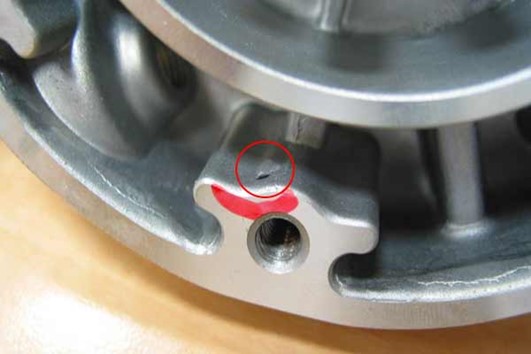
High-pressure die Casting (HPDC) is one of the most frequently utilized metal casting processes in current manufacturing. Manufacturers choose HPDC because it enables the production of complex metal parts that achieve both high precision and rapid production rates superior dimensional accuracy and smooth finishes. HPDC enables automotive and aerospace industries and the production of electronics components and consumer goods to manufacture lightweight durable parts for applications like engines and housings, structural elements, and mechanical assemblies. The manufacturing process of high-pressure die casting faces numerous risks that create substantial defects that decrease product quality while shortening the lifespan and compromising performance. Various defects form from improper mold design, turbulent molten metal flow, trapped gases, inconsistent cooling rates, and thermal stress during the production process. HPDC technology encounters seven primary defects which include porosity, cold shuts, shrinkage defects, flash formation, surface defects, misruns, die erosion, and soldering. These types of manufacturing defects cause deterioration of material strength while producing irregular dimensions and undesirable visual effects which can instigate component breakdown. Manufacturers combat production problems through the optimization of processing parameters and better-undermining methods along with controlled temperature systems and vacuum-assisted casting procedures. Real-time monitoring and simulation software are advanced quality control methods with further efficiency and reliability in the die-casting process. This article provides a comprehensive analysis of standard manufacturing issues during high-pressure die-casting technology with explanations of root causes and solution strategies to decrease these defects. It is only by understanding these challenges and applying best practices that manufacturers can improve the quality, longevity, and, of course, the performance of their die-cast components and simultaneously cut down on waste, and production costs. Proficiency in these manufacturing defects will assist die-casting engineers, production managers, and quality control specialists to optimize their processes for the best die-casting outcomes. 1. Porosity Porosity is defined by small holes or gas inclusions found within the metal matrix, and as a result, affects the mechanical properties, decreasing the strength, including allowing for air and gasses to pass through the structure, and leading to visible surface defects in die-casted products. Causes: Prevention & Solutions: 2. Cold Shut A cold shut is created when two streams of molten metal do not fuse properly and form weak bonding areas or visible seams in the casting. This defect not only decreases the mechanical strength but also increases the risk of a fracture, as well as negatively affects the component’s durability and appearance. Causes: Prevention & Solutions: 3. Shrinkage Defects Shrinkage defects occur due to shrinkage of metal during cooling which leads to internal voids or cavities, which deteriorate the structural integrity of casting. As a result, these defects reduce the mechanical strength of the final product, cause potential failure under stress, and cause poor surface quality, thus affecting both the functionality and aesthetics of the final products. Causes: Prevention & Solutions: 4. Flash Formation Excess thin metal layers formed at the parting line or die gap due to high-pressure metal escape are referred to as flash. Although flash can be trimmed off post-casting, over-flash leads to increased material waste, tool wear, and associated production costs and thus reduces the overall efficiency of the die-casting process. Causes: Prevention & Solutions: 5. Inspection of Surface Defects (Blisters, Crack and Wrinkles) A variety of surface defects, blisters, cracks, and wrinkles, degrade the visual appearance and mechanical strength of the casting and need to be prevented and eliminated. It causes weld defects that reduce the durability of the product, increase the rejection rate, and make the product stick poorly after post-casting treatments such as painting or coating. Causes: Prevention & Solutions: 6. Inclusions and Contamination Unwanted foreign particles, such as slag, oxide films, dirt, or other impurities, which are trapped in a final casting, create poor mechanical properties, weak structural integrity, and surface defects and are called inclusions. The presence of these contaminants can reduce die-cast component performance and durability so that they are not suitable for high-precision applications. Causes: Prevention & Solutions: 7. Misruns and Incomplete Fill A misrun occurs where there is a short filling of the mold cavity, which causes missing sections, thin walls, and weak points in the final component. Negative effects on the structural integrity and functionality of the part and in this way unsuitable for performance applications. Causes: Prevention & Solutions: 8. Die Erosion and Wear Molten erosion dies wear is the loss of the mold surfaces due to the high-speed metal continuously wearing the mold part surfaces until the required dimensions are achieved, which results in poor surface finish and short mold tool life. If this defect occurs, die replacement is common and consequently, production costs increase while casting quality varies. Causes: Prevention & Solutions: 9. Hot Cracking Cracks that occur during the semi-solid state of the metal, is due to high thermal stress and excessive shrinkage are known as hot cracking. These cracks degrade the mechanical integrity of the casting that is increase the chance of failure of the casting at the place where the cracks are present under stress or load. Causes: Prevention & Solutions: 10. Soldering The molten metal adheres to the die surface, which is difficult to remove with casting, causing surface defects, die wear as well as prolonged production downtime. Dimensional inaccuracies and poor surface finish are also caused by this defect, as it results in the overall compromised quality of the final product. Causes: Prevention & Solutions: Conclusion The high-pressure die casting is a powerful manufacturing process that creates complex metal parts at high accuracy at maximum efficiency. However, different kinds of defects arise using improper process parameters, material issues, and/or mold design flaws. Manufacturers can take preventive measures, e.g. optimal process control mold, properly selected material, etc., after understanding these usual manufacturing defects. A company can improve product quality, lower production costs, and achieve higher production efficiency in die-casting operations by emphasizing continuous process improvement as well as defect prevention strategies. Frequently Asked Questions (FAQs) 1. What are the major reasons for defects in high-pressure die casting? The main causes

Oprzyrządowanie odlewnicze: Kamień węgielny produkcji precyzyjnej

Oprzyrządowanie odlewnicze: Kamień węgielny produkcji precyzyjnej

odlew aluminiowy

Since the modern manufacturing world is surrounded by die-cast tooling, it is no wonder that die-cast tooling has become a critical step in manufacturing precise and reliable metal components. Whether it be automotive parts or consumer electronics, the aim is that the products are of the highest quality standards as regards durability, function, and appearance. It is this comprehensive guide of every part of die-cast tooling from the types to its advantages and disadvantages to the applications that you will find extremely helpful if you are fully into manufacturing.Although the cost of producing parts out of die-cast tooling is higher initially, on the other hand, it provides you with reduced material waste, faster production cycle time, and being ability to make complex designs with very little post-processing if any at all. Not only did advances in cooling systems and more efficient substitution parts like replacement inserts, surface coatings, and the like increase efficiency and durability but also less worn grids and better purge for the electrical system helped. What is Die Cast Tooling? Die-casting tooling means the tools and processes for die-cast tooling. These dies (molds) also shape molten metal into complex and accurate components under high pressure. The engineering of advanced die-cast tooling requires materials and meticulous design practice, as well as advanced engineering skills to facilitate the production of consistently produced defect-free parts.First, metal (usually aluminium, zinc, or magnesium) is melted and passed under high pressure into the die. The quality of the final product is dependent on the precision of the tooling, and that is why die-cast tooling is vital to industrial manufacturing. Components of Die Cast Tooling The process of die casting is a precision manufacturing process that greatly relies on the array of tools needed to produce high-quality metal parts. The combination of these tools is such that they are accurate, durable and efficient. The most common tools used in die casting are listed below. 1. Dies (Molds) The most critical tool in the process is the die, also called the mold. It consists of two halves: •             The cover die; stays stationary and aligned to the injection system. •             If it is an ejector Die, it moves to release the solidified casting. Hardened steel is used to make dies to withstand extreme pressures and high temperatures. They set what dimensions they will build, the complexity the final product will have and how precise it will be.  2. Cavity Inserts The internal shape of the die is formed by cavity inserts to create the intricate ones. Because of this, these inserts are replaceable, facilitating changing the die for different components without having to fabricate a new tool. 3. Core Pins To manufacture internal holes, slots, or intricate recesses, an internal feature is created with a core pin. To get the finished product or product of the finest quality possible, they are necessary. 4. Ejector Pins The completed casting is removed from the die cavity without damaging it by ejector pins. These pins are used for the ejection system, given for smooth and easy part removal. 5. Cooling Channels The die includes cooling channels to allow for regulating the respective temperature during casting. Because uniform cooling avoids defects like warping, cracking, or shrinkage, it also provides for constant quality. 6. Vents and Overflow Wells Trapped air is released from vents when molten metal is injected into the die and overflow wells are used to collect excess material. The final product is free of voids or air pockets, and both tools lend to that. 7. Trim Dies Trim dies are specialized tools to remove excess material i.e. flash from castings. Clean edges and accurate dimensions for the final product are assured because they promise it. 8. Lubrication Systems The die is lubricated with some aqueous lubricants to minimize wear, reduce friction, and also facilitate the removal of the part. Lubrication in its proper form improves die lifespan, prevents die shutoff and ensures smooth casting operations. 9. Shot Sleeves  Guides to the injection system are shot sleeves that guide the molten metal to the die cavity. The way they are designed to handle extreme heat and pressure means they work to smooth metal flow. 10. Sprayers Release agents are coated in the die using sprayers to prevent the molten metal from sticking to the die and making part removal easier. In order words, these tools work together to deliver consistent parts, high quality and without defects – indispensable for industries such as automotive, aerospace, electronics, etc. Types of Die Cast Tooling From die-cast tooling, there is nothing one size fits all. Depending on production requirements, various types of tooling are designed. Single-Cavity Tooling: This type of tooling produces one part per cycle. A low-volume production or prototyping system will suit. Multi-Cavity Tooling: Multi-cavity tooling enables the simultaneous production of multiple identical parts improving production efficiency. For high volume manufacturing it is very commonly used. Family Tooling: The entire tooling method is innovative, it produces many different parts in one cycle. It is particularly appropriate when assembling components that are to be manufactured together. Unit Die Tooling: Modular unit dies can substitute insert types or portions of the dies without redrawing the entire die. This reduces costs and downtime. Trim Dies: They are used to get rid of excess material (flash) from the finished part, making sure that the finished part meets the exact specifications. Benefits of Die-Cast Tooling Nowadays, die-cast tooling is indispensable because of its many advantages: Precision and Accuracy: High dimensional accuracy is achieved of course with die casting, part production with relatively tight tolerances, and intricate designs. Durability: These tools are from hard steel and are well capable of withstanding the rigours of high-pressure casting and increased use. Efficiency: The process gives a quick, economical way to produce identical parts without much scrap and is thus economical for large-scale production. Design Flexibility: With die-cast tooling, there are complex shapes, thin walls, and intricate details that are not possible under other manufacturing methods. Material Savings:

Aluminium malowane proszkowo: Wszystko, co musisz wiedzieć!

odlew aluminiowy

Aluminum Powder Coating provides parts with strong protection against corrosion and durability. It is perfect for both residential and commercial-scale projects.  The coating process makes it possible for manufacturers to arrive at reliability and longevity results. Powder coating improves the look of the parts/products, as well as their performance in different situations. Further, it does not wear out easily, peel, or rust. This makes it appropriate for use in areas where it comes into contact with the elements. This is largely due to the flexibility that is associated with powder coated aluminum in different uses. In many potentials, it merges fashion and the necessity to serve as a utility object in various contexts. What is the Aluminium Powder Coating Process? Aluminum powder coating is a process of applying a smooth and tough layer. It is relatively effective and takes several important phases for surface preparation for implementing the coating and curing of the applied coating material for maximizing durability. In the subsequent sections, let’s discuss its detailed process in a few steps:  1. Surface preparation: To appropriately apply powder coat aluminum​, it’s crucial to clean the aluminum surface prior. You can use abrasive blasting and can go with chemical cleaning to rid the surface of oils, grease, dirt, or oxidation. The preparation is imperative. Because all the contaminants can benefit from the adhesive characteristic aluminum powder coated parts. 2. Electrostatic Powder Application: After cleaning, and drying the material, the appropriate powder coating is applied. Operators apply an electrostatic gun to create an electrical discharge using a fine and dry powder on the aluminum surface. The particles of the powder are charged to enable them to cling to the aluminum. So, that the even distribution will give a uniform end to the surface. 3. Final Curing in a High Temperature: After applying the powder the aluminum piece is taken to a curing oven. Here, the fine/accomplishment powder melts and goes into the surface to be coated. While it hardens to form a surface of the coat. Temperature and time are the two most important factors in deciding how hard the coating is and how smooth the surface is after the coating cures. 4. Cooling and Quality inspection: Imperfections that may have occurred after the process. The final product obtained after curing is required to be checked for high quality before it is brought to the market. So, overall from start to end, every stage in the process plays a vital role in establishing a long-lasting, eye-catching layer to the aluminum. In addition, it helps it fight corrosion, scratches, and degradation. Therefore,  powder coated aluminum is suitable for use in different fields, be it in households, outdoors such as in decks and patio sets, or marine industries. Powder Coat Aluminum: What Benefits It Brings For Manufacturers Aluminum powder coating has numerous advantages for manufacturers other than enhancing appearance and performance. It can be highlighted that this type of heating is effective, durable, and very flexible. Now let me highlight the major advantages of the aluminum coat process. 1. Durability and Corrosion Protection: The powder coat used is made of aluminum hence providing a hard-wearing surface layer. This layer is more scratch-resistant, chip-resistant, and abrasion-resistant than any other normal paint. But it does not last for decades! This material also has high performances under different climates and water which leads to corrosion and fading respectively. 2. Eco-Friendly and Safe:  As for the liquid coatings, they contain liquid, solvent, and volatile hazardous components while in the powder coating, there is no one of them. Second, it produces little pollution and does not emit/release toxic gases. Further, the process lessens the blow of harming the environment, thereby the process is relatively safe for the workers handling it. 3. Customizable Finishes: Being a good conductor of heat, powder coat aluminum allows for a wide variety of colors and textures for consumers. No matter whether you like shiny, satin, or perhaps even trowel finish, powder coating provides the latter. Additionally, the coating can be adjusted to meet specific design needs or brand specifications. 4. Cost-Effective Solution: Aluminum is a popular material that can be powder coated at a relatively low rate of cost for large-scale jobs. It is fast, needs less retouching, and has a longer life span compared to the general paints. All these features make it easy to maintain and long lasting for instance ideal for commercial and residential use. What Are The Drawbacks of Powder Coated Aluminum: Although powder coating aluminum has its benefits it also has some demerits. Both options should be considered before concluding. Here are some of the usual ones: 1. Restricted Repair Possibility: The first limitation that comes alongside powder coating is the number of ways to repair a coated surface is relatively small. In general, if the coating is damaged, or says scratched, it is difficult to repair it without making it quite noticeable. The problem with paint is that you cannot go and spot-paint a small area without the texture and color looking different. 2. Initial Cost and Equipment: Another disadvantage involves the major initial cost of powder coating equipment. High-speed electrostatic guns and curing ovens are necessary. However, these tend to incur costlier compared to simple painting methods, especially for moderate or small-scale painting. 3. Complexity Of Surface Preparation: Surface preparation is a critical factor in the application of powder coatings. If the aluminum surface is not well cleaned and prepared well the coating will not stick well to the aluminum surface. The preliminary make-ups took more, and therefore more tiresome and thus took a lot of time to complete the task. 4. Suitable for Some Uses: Aluminum powder coating is only suitable for use on aluminum alloys. However, it may not be beneficial for any other types of material, and complex pattern to be used in the construction of the screen. At very detailed or small parts, the process may not work as intended and often needs further steps. What Does Powder Coating Mean for

produkty odlewnicze ze stopów aluminium

Odlewanie ciśnieniowe stopów aluminium 101

odlew aluminiowy

Aluminum alloy die casting is a die casting process that is a widely used process in manufacturing that involves producing accurate and intricate parts of metal with efficiency. In this case, we can list metals that have a variety of applications due to their capacity to be very strong and light simultaneously. Besides this, we can list that practically corrosion-resistant, i.e., aluminum alloys are particularly popular with car manufacturing. This article also looks into such areas as processes, properties, challenges, and applications of aluminum alloy die casting. We will get deep insights into its complete process, types, and differences from other processes. What is Die Casting? It is a manufacturing process that utilizes high pressure to force a molten metal to fill a mold cavity. It also allows the generation of excellent models with near-net shaping, accurate dimensions surface finish, and complicated shapes. Different Types of Die Casting Die-casting has many types. Let’s discuss these types in detail; 1. Hot Chamber Die Casting It is mostly suitable for zinc and magnesium alloys. This process takes submergence of the injection system in the molten metal to facilitate rapid casting. It is ideal for use in a large production but unadapted for utilization in high-melting-point alloys. you can go to zinc die casting to know more detail 2. Cold Chamber Die Casting It is a best fit for metals such as aluminum and brass having high melting points. Here we transfer the molten into a cold chamber and then inject it into the mold. It saves on the heat hazard to the equipment but has longer operating cycles. Got aluminum die casting services page to know more about this process. 3. Low-Pressure Die Casting The low-pressure die casting use with Used with aluminum and magnesium alloys. It causes minimal porosity but good structural quality. Besides this, it is time-consuming but suitable for creating the stronger part of the product. 4. High-Pressure Die Casting (HPDC) Common in aluminum, zinc, and magnesium alloys. Here we inject the molten metal at very high pressure into complicated shapes and fine surface textures. So, it is highly suitable for applications that need parts with large production quantities, and areas with large cross-sections may be porous. Go to high pressure die casting page to know more detail. 5. Gravity Die Casting Standing pressure is used to cast molten metal into a mold thus yielding strong and low porosity objects. It is used in production lines where we need to produce less number of parts at a time but it is comparatively slower than pressure-based processes. 7. Squeeze Die Casting Here we make semi-finished products by the pressure forging method where molten metal is high pressure and can also prevent casting porosity. This is suitable for the structure of a part; however, it has a higher cost and slow cycle time. Define Aluminum Alloy die casting Aluminum alloy die casting is a process in which molten aluminum alloy materials are forced under pressure into molds or dies. So, it can form the desired shape and a very smooth surface finish. It is employed in component manufacturing with complicated shapes that require high strength, stiffness, and low density integrated with good surface finish and accurate dimensions. The aluminum alloy has all the favorable characteristics of high corrosion and heat transfer coefficients and hardness-to-weight ratio. One of the benefits of this process is that die casting is suitable for large-scale production processes. Selecting the Right Material for Aluminium alloy Die Casting Materials used are very vital in the aluminum alloy die-casting business since they determine the efficiency, quality, reliability, and cost of the final product. Properly chosen alloys ensure: Aluminum alloys in die casting Die-casting aluminum alloys are common to many industries because these materials possess qualities that are desirable in dies such as lightweight, high strength, and corrosion resistance. Alloy Key Properties Applications Values A380 Strong, corrosion-resistant Engine blocks, housings Strength: 320 MPa A383 Crack-resistant, castable Electronics, thin parts Strength: 290 MPa A360 Corrosion-resistant, durable Marine, aerospace Strength: 330 MPa ADC12 Castable, corrosion-resistant Automotive, machinery Strength: 310 MPa AlSi9Cu3 Strong, wear-resistant Structural components Strength: 250–280 MPa Complete Process for Aluminum Alloy Die Casting Aluminum die casting entails the formation of elaborate and accurate first parts by the application of pressure on molten aluminum alloys. Below are the key stages: 1. Mold Preparation 2. Melting and Alloy Selection The aluminum alloys are brazed at a temperature of about 660 centigrade (1220 Fahrenheit) in a furnace. This aluminum is then kept at a relatively constant temperature to retain the material properties of the metal. 3. Injection When high pressure is used, it ensures that the molten aluminum flows right to the small crevices resulting in excellent finishes. 4. Cooling and Solidification It is the process during which the obtained molten aluminum cools and solidifies inside the given mold. Cooling minimizes defects such as shrinkage or warping that are brought about by dryness in the cast iron. 5. Ejection Finally when the casting is fully formed its mold is ejected from the casting using the ejector pins. The mold is then ready for the next cycle of use with the Epicor software. 6. Trimming and Finishing If necessary, runners, gates, and flash are removed from the casting leaving only the necessary shape and form of the object. Some of the operations include giving the required surface finishes such as sandblasting, polishing, or coating. Die Casting Aluminum Alloy Properties So, let’s discuss some of the important mechanical, chemical, and thermal properties of Aluminum alloy Diecasting; I. Mechanical Properties These may include; II. Thermal Properties The following are some thermal properties of diecasting aluminum alloy; III. Chemical Resistance: These are generally; These characteristics make aluminum alloys a premium material for die casting whose products are effective in different sectors. Design Guide for Aluminum Alloy Die Casting Design guide and material selection, both features play an important role in aluminum diecasting. So, let’s discuss the design guide properly; Design Factor Guideline Reasoning Wall Thickness Keep

producent komponentów toczonych

Czym jest polerowanie aluminium

odlew aluminiowy, Wykończenie powierzchni

Aluminum Polishing is a process that makes aluminum look shiny and new. There are two main ways to polish aluminum: mechanical polishing and chemical polishing. Both methods can be done by hand or with machines. Aluminum polishing is often used in automotive and aerospace factories. This guide will teach you how to turn dull aluminum into a mirror-like finish. We’ll cover surface prep, tools, and techniques. Get ready to make your aluminum shine. Importance of Surface Preparation The surface preparation of items results in flawless aluminum polish. Skipping this step is not beneficial. Because it may result in uneven, dull, or inconsistent finishes. Discover key factors, why they matter, and how to do it right. Why Surface Preparation is important Ensures a Smooth Finish Prevents Damage Enhances Effectiveness Ensures a Smooth Finish Proper preparation removes contaminants and imperfections. This step helps achieve a mirror-like shine. Prevents Damage Properly preparing the surface prevents further damage during polishing. It avoids scratching and maintains the aluminum’s integrity. Enhances Effectiveness A clean, well-prepared surface allows aluminum polishing compounds to work efficiently. It ensures even application and better results. Impact of Poor Preparation Uneven Finish Increased Effort Reduced Longevity Uneven Finish Dust, grime, or old coatings can create a blotchy appearance. This uneven surface leads to a lackluster shine. Increased Effort Inadequate preparation forces you to work harder during the polishing stage. That can result in an inconsistent finish. Reduced Longevity The polish may only last briefly with proper cleaning and sanding. Preparation can prevent the finish from degrading faster. Preparation Before Aluminum Polishing Getting ready before polishing is crucial for the best results. Follow these steps to prepare your aluminum surface. Tools and Materials Required Cleaners Sandpapers Scouring Pads Cleaning Rags Metal Polish Microfiber Cloths Buckets and Clean Water Cleaners Use degreasing cleaners to remove grease and dirt. It ensures no contaminants impact the polishing process. Sandpapers Smooth the surfaces of parts using different grits of sandpaper. They will help you effectively remove scratches and old coatings.  Sanding Blocks Sanding blocks or pads help achieve an even sanding pressure. They ensure a uniform surface by conforming to the shape of the aluminum. Scouring Pads Use non-metallic pads for oxidation and corrosion. They are effective for preparing larger, flat areas. Cleaning Rags Use lint-free rags to wipe down the surface and remove any remaining residues after cleaning and sanding. Metal Polish The metal polish is also technically part of the polishing stage. It is used to check the surface condition during preparation. Microfiber Cloths Microfiber will not scratch the aluminum surface. Soft and practical, these clothes work best for cleaning and drying.  Buckets and Clean Water Fill a bucket with clean water for rinsing. Use fresh water to avoid reapplying dirt to the surface. Surface Inspection Check for Imperfections Identify Problem Areas Test the Surface Check for Imperfections Check the surface for dents, scratches, or areas of oxidation. Use a bright light to see minor imperfections. Identify Problem Areas Mark any imperfections that need attention. Plan to sand or clean these areas more thoroughly. Test the Surface Run your hand over the aluminum. Check for any rough surfaces or raised areas that need extra work. Types of Aluminum Polishes Choosing the suitable aluminum polish is essential to getting the right finish. Below is an overview of various types of polishes. Cream Polishes Cream polishes are thick and easy to apply. They provide a deep shine and are ideal for small areas. Use them to remove minor scratches and oxidation. Liquid Polishes Liquid polishes are versatile and quick to apply. They cover large surfaces well and dry fast. Choose liquid polishes for regular maintenance and a glossy finish. Paste Polishes Paste polishes are dense and long-lasting. They offer superior shine and protection. Apply them for heavy-duty polishing on stubborn tarnish. Spray Polishes Spray polishes are convenient and fast. They reach tight spots easily and leave a smooth, even coat. You can use sprays for minor adjustments and hard-to-reach areas. Polishing Waxes Polishing waxes combine polishing and protection. They provide a durable shine and a protective layer. Apply them for a lasting finish that resists dirt and moisture. Metal Polishing Kits Metal polishing kits include all the essentials for a complete polishing process. They offer a combination of tools and polishes for different needs. Use kits for comprehensive care and achieving a professional-grade finish. Choosing the Right Polish Selecting the appropriate polish depends on your specific application. Here’s a comparison to help you choose: Types of Polish Best Use Application Method Pros Cons Cream Polishes Heavy oxidation and deep cleaning Use a cloth or pad to apply. Long-lasting shine, deep clean It requires more effort to buff out Liquid Polishes Regular maintenance Apply it with a soft cloth. Easy to apply, quick results It may require frequent application. Paste Polishes Tough stains and oxidation Apply using a pad or brush. Strong cleaning power It can be abrasive and more challenging to work with. Spray Polishes Large surfaces, quick touch-ups Spray directly and wipe. Fast application, even coverage It provides a lighter finish. Polishing Waxes Protection and shine Apply with a cloth or pad. Polishes and protects in one step It may not remove heavy oxidation. Metal polishing kits Comprehensive polishing Follow the kit Instructions. All-in-one solution, versatile It is more expensive and requires multiple steps. Commercial vs. Homemade Polishes Factor Commercial Polishes Homemade Polishes Ingredients Specially formulated for specific results Made from household items like baking soda, vinegar, or lemon juice Ease of Use Ready-to-use, consistent results Requires preparation, and results may vary. Cost It can be expensive but often highly effective. Usually cheaper and more cost-effective for small tasks Performance Designed for maximum shine and protection It works well for minor cleaning but only lasts for a short time. Availability Widely available in stores and online. It requires making or mixing at home. Environmental Impact Some may contain harsh chemicals. Usually made from eco-friendly, natural components Versatility There is an extensive choice of products for

Aluminium lub aluminium

Obróbka wytłaczania aluminium

odlew aluminiowy

Understanding the Aluminum Extrusion Process Aluminium extrusion machining is a process of manufacturing products with a cross-sectional profile by forcing the material through a die. This process can be likened to putting toothpaste in a tube, in this case, the toothpaste is the heated cylindrical aluminum bar also called an ingot and the tube is the die. Here’s a step-by-step breakdown: Heating and Pressing: The aluminum ingot is then heated and passed through the die which gives it the required profile of the product. Cooling: After the shaped material has come out of the die it is cooled by air or water. Stretching: Although not fully set, the profiles are pulled to relieve internal stresses and achieve the proper dimensions. Cutting and Aging: The profiles are cut and then aged – hot or cold to reach their final strength. Finishing and Surface Treatment: The last processes include polishing or other treatments meant to improve the looks and protect against corrosion. What is an Aluminum Extrusion Machining Center? An extrusion machining center is a specific type of machining center that is used to accurately process extruded aluminium profiles into the final required parts. Sawing, deburring, drilling, turning, milling, and tapping are some of the techniques used to give the required shape with features such as pockets and holes. At CNM, we have different types of extrusion machining centers that are highly accurate, fast, and very reliable. These machines are very efficient in cutting down production time and minimizing wastage during the processing of the products and are thus very suitable for use by manufacturers. CNM’s extrusion machining centers facilitate the manufacturing process and produce quality work that guarantees the aluminum extrusions are cut and profiled to the required specifications. Factors Consideration For Machining Aluminium and Aluminium Alloys The below-mentioned factors greatly influence the cnc extrusion machining of aluminum alloys. Cutting Force The cutting force needed when machining aluminum alloys is much less compared to the force needed when machining steel. For instance, the force required to machine aluminum is about one-third of that required for low-carbon steel thus chip removal is three times more efficient. For instance, aluminum alloy 2017A has the same cutting force as low-carbon steel but has similar mechanical properties as the latter. Tooling The cutting tools used in the machining of aluminium alloys must have a certain geometry. The cutting edges should be as sharp as possible and the tool faces must be smooth so that they can shed the swarf and not stick to it. The cutting angles are different according to the type of alloy, but the rake angle should be more than 6° and can be even 12°. In the case of alloys with up to 7% silicon content, it is suggested to use the tools with the application of TiN or TiCN coatings using PVD deposition. For diamond coated carbide tools and polycrystalline diamond (PCD) tools, the recommended rake angle is 15 degrees. It is much longer than the ones used for machining steel due to the proper tools being used in this process. In the special machines, the high-speed spindles can attain the machining speed of 2000 to 3000 m/min for the 2000 and 7000 series alloys. For instance, a 12 mm diameter tool can reach 50,000 rpm of cutting speed with a feed rate of 10 m/min, which results in very thin sheets and lightweight components. Cutting Speed and Feed Rate Because of the low modulus of elasticity of aluminium alloys, it is recommended to avoid high rates of advance even in roughing operations. The feed rate should be limited to 0. 3 mm per revolution. For finishing operations, the feed rate will be affected by the required surface finish. The depth of cut will be influenced by the level of accuracy that is needed on the final product. Lubrication Lubrication is crucial in machining aluminium alloys for several reasons: it reduces the temperature of the cutting area, keeps the swarf from sticking to the tools, and clears the swarf from the machining area. There are three primary types of lubrication: The three types of cutting fluids are spray mists, full cutting oil, and oil emulsions, of which the oil emulsions are most frequently used because of the heat dissipation of approximately 200 kg/J. Coolants help in reducing friction and also in tapping operations. Spray mists are not very effective when there is high heat involved. The cutting fluid composition should not react with aluminum alloys, cause stains or corrosion, contain anti-bacterial agents to discourage fungal growth, and be environmentally friendly. Benefits of Aluminum Extrusion Machining: The following are the benefits of machined aluminum extrusion: Aluminum extrusion is a process that is commonly practiced in the present generation due to the following benefits associated with aluminum extrusion. It also allows one to achieve complex and accurate forms of the needed shapes and also to produce them in a way that they will fit the intended use, thus increasing productivity and saving money. The outcome is strong and light structures that are suitable for industries that require light structures such as the aeronautics, automobile, and construction industries. Also, it is an efficient technique, which does not require a lot of material and energy and generates a small amount of waste. In conclusion, machined aluminum extrusion is cost-efficient and sustainable which improves the quality of the end product and production process. Suitability of Aluminum for Cold Extrusion Cold extrusion is a process of extruding aluminum through a mold at a temperature of not more than 150°C (300°F). The aluminum remains rigid and thin-walled parts can be fabricated as in the case of radiators, windows, and door frames. This process is slower than hot extrusion but the surface quality is high and the shapes are more accurate therefore less post-processing is required. Warm Aluminum Extrusion Warm extrusion is done at moderate temperatures while the rate of hot extrusion and the accuracy of cold extrusion are intermediate. The exact temperature is therefore arrived at

obróbka odlewów aluminiowych

Obrabiane odlewy

odlew aluminiowy

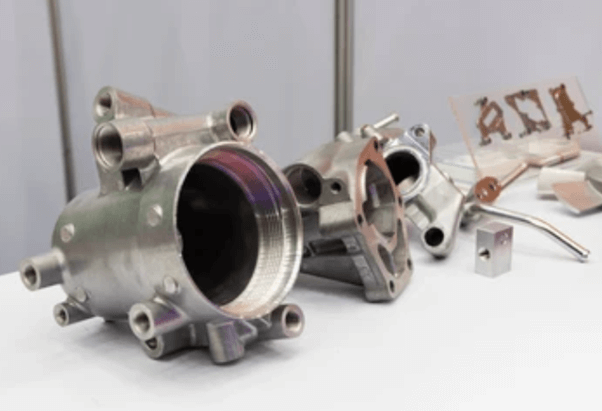
For fabricators, metal machining and casting operations are sometimes shown as binary alternatives. However, there are many circumstances in which using both casting and machining is the most efficient in terms of production, as the recent essay on casting vs. machining made clear. The advantages of machining castings are covered in this article, and the application of these production techniques to your next project is discussed. What Is Casting CNC Machining? Machined castings are components that is initially manufactured through casting and subsequently refined through CNC machining. Die casting, investment casting, or sand casting may be implemented to generate the initial casting. Every casting process has drawbacks, such as poor surface finish or restricted design. CNC machining solves the above problems by improving the quality of products and adding more complex designs. Some possible machining operations include Computer Numerical Control Milling, Turning, Drilling, Sawing, and other non-conventional castings machined operations to get a premium surface. Machining of Casting Parts Advantages. There are several benefits to machine-castable parts. Some of the commonest include; 1. Modifying As-Cast Parts Those casting machined parts produced directly from their casting molds are known as “as-cast” These parts contain extra material from the gating system, parting lines, and other casting features. To increase the quality, the fabricators have to get rid of this unwanted material, which can be done by a simple hacksaw for roughing or by using CNC for accuracy. For example, in the case of aluminum casting machining, aluminum CNC machining helps achieve high dimensions and accuracy. Casting flaws can be easily camouflaged through CNC machining, and the quality of the final product can be significantly improved. Also, it allows the development of features that cannot be created using casting only, such as the curved fins of a turbine. Some of the design issues can be solved by techniques like investment casting, but in most cases, the holes, grooves, and threads produced by machining are of better quality. 2. Improving Finished Quality However, if casting and machining do not need extra features and the material that has to be removed is easily removable, it is still important to use precision CNC machining to obtain high-quality parts. Some processes, such as die casting, can deliver relatively smooth surfaces that only require slight machining. However, the parts produced through sand casting or investment casting require a significant amount of machining to achieve a flat surface. CNC machining also improves the quality of the parts that have tight tolerances. Casting can be economical when the production is significant, and CNC machining guarantees that every part is correctly shaped. Machining allowances have to be taken into consideration during the casting stage to have a smooth integration. It is wise to incorporate sheet metal fabrication services into your production line. The main benefit is the capacity to rapidly and precisely create lightweight parts from numerous materials employing various techniques. Knowledge of these techniques and their specific use is vital in attaining the best outcomes and shortening production time. How To Machine Casting Parts? During machining, useless material is removed from casting to make it more accurate in size. This process is beneficial in removing excess material on cast parts after casting and before finishing. Machining is helpful because it is almost impossible to get tiny variations in a complex casting, and thus, the final product has to be machined to the required specifications. It is usually done after the heat treatment but before the final surface treatment, like painting, anodizing, or plating. As for the current world, the application of technology in machining castings has adopted computer numerical control (CNC). Machining can be classified into many subcategories, which include the following: Drilling Drilling is the creation of holes in the cast parts with the help of a drill bit. Lathes and cutting machines can also be used, but drill presses are the main tools used in this process. This process is crucial in the casting process since it assists in the making of holes in the casting. Milling A cutter, a fixture, an object, and a milling machine are all things that are used for milling. The piece of work is clamped down during this cutting process, and the milling machine’s cutter takes off the extra material. It can be said that it is one of the most frequently applied methods in the subsequent adjustment of the shape and size of the cast parts. Turning In turning, the workpiece rotates on its axis while the cutting tool is stationary or does not move. The most critical equipment employed in this process is the lathe machine. Turning is appropriate for generating the internal and external profiles of cast parts and is very precise. Other Machining Processes In addition to drilling, milling, and turning, several other machining processes are used for refining cast parts: Besides drilling, milling, and turning, several other machining processes are used in the finishing of cast parts: Boring: It enlarges and increases the accuracy of a part’s pre-drilled holes. It is useful in attaining the correct dimensional and positional tolerances for parts that require high precision and polished surface textures. Broaching: Broaching is a process of cutting shapes and designs on cast parts with the help of a cutting tool with teeth. The broach has progressive teeth that shave the material and can make internal and external shapes. Therefore, it is ideal for keyways, splines, and other shapes. Grinding: Grinding employs an abrasive wheel that rotates and brings the part’s surface to the required actual position. This process is helpful in offering high surface quality and near tolerance. The cutting points of the grinding wheel abrade the surface, shave off the unevenness, and provide a polished surface. All these machining methods are important in ensuring that cast parts are of the right quality and size for use or other processes. Benefits of Machining After Casting Machined casting parts offer numerous advantages, such as Machined casting parts, therefore, have the following benefits: Enhancing Precision The die-casting and

Koszt paletyzacji niklu

Ile kosztuje chromowanie galwaniczne?

odlew aluminiowy

Ile kosztuje chromowanie Różne części są stosowane w kompleksach przemysłowych i produkcyjnych, aby struktury działały optymalnie. Głównie aluminium, stal nierdzewna i części miedziane są odpowiednie do zaspokojenia potrzeb obróbki. Branże takie jak motoryzacyjna, lotnicza i elektroniczna wykorzystują twarde materiały metalowe do formowania części wewnętrznych i zewnętrznych. Nie można ich jednak używać w czystej, obrobionej formie. W tym miejscu wkracza chromowanie. Chromowane pręty są szczególnie ważne ze względu na ich funkcję. Powyższe pręty są dostępne w Indiach, a ich koszt różni się w zależności od materiału, wymiarów, kształtu, długości i jakości powłoki galwanicznej. Te twarde chromowane pręty są stosowane w wielu dziedzinach ze względu na ich wysoką wytrzymałość, elastyczność, odporność na ścieranie i korozję. Fakt, że można je dodatkowo dostosować, czyni je jeszcze bardziej wartościowymi, zwłaszcza w wielu branżach, które są uważane za ciężkie. Pręty te są szeroko stosowane w pneumatyce, przemyśle samochodowym, hydraulicznym, drukarskim, tekstylnym i wielu innych. Wiele organizacji preferuje je, ponieważ są wytrzymałe i mogą być stosowane w każdym klimacie. CNM posiada ogromne zdolności produkcyjne dla wszystkich swoich produktów i działa zgodnie z indyjskimi i międzynarodowymi normami i przepisami. Umożliwia to produkcję wysokiej jakości twardych chromowanych prętów, które spełniają wymagania klientów, a jednocześnie są stosunkowo tańsze. W tym artykule omówimy ile kosztuje chromowanie, czynniki na nie wpływające oraz techniki chromowania. Czynniki wpływające na koszt chromowania Koszt chromowania danego elementu zależy od następujących ważnych czynników. Pierwszym z nich jest rozmiar i poziom złożoności przedmiotu, który ma zostać przetransportowany. Duże przedmioty zwykle wymagają więcej materiału i czasu, co sprawia, że chromowanie jest kosztowne. Co więcej, przedmioty o złożonej lub asymetrycznej konstrukcji mogą wymagać dodatkowej pracy na etapie przygotowania i podczas procesu galwanizacji, co zwiększy koszty. Kolejnym czynnikiem, który należy wziąć pod uwagę, jest rodzaj wykonywanego chromowania. Istnieją dwa główne rodzaje: chromowanie dekoracyjne i chromowanie twarde. Ten rodzaj chromowania jest nakładany w cieńszych warstwach i jest bardziej ozdobny, stosowany między innymi na wykończeniach samochodów i sprzęcie AGD. Ten rodzaj chromowania jest stosunkowo tańszy w porównaniu do twardego chromowania, gdzie grubsza warstwa chromu jest nakładana w celu stworzenia twardej i bardziej odpornej na korozję powierzchni. Twarde chromowanie jest często stosowane w przemyśle i może kosztować więcej ze względu na złożoną procedurę i rodzaj użytych materiałów. Na koszt może mieć również wpływ jakość chromu użytego w procesie galwanizacji zaworu. Chrom wyższej jakości może być bardziej czysty i mieć lepsze wykończenie, co może kosztować więcej na początkowym etapie. Jednak może to mieć zalety, które obejmują zwiększoną żywotność produktu, lepszy wygląd i mniejszą podatność na blaknięcie lub pękanie. Zastosowanie lepszej jakości chromowania zapewni produktowi lepsze i trwalsze wykończenie w porównaniu do chromowania niskiej jakości. Jednak przed faktycznym procesem galwanizacji istnieje potrzeba przygotowania powierzchni przedmiotu, który ma być galwanizowany. Przygotowanie to zwykle obejmuje usunięcie starych warstw, wygładzenie powierzchni w celu usunięcia wszelkich wad, a następnie umycie powierzchni, aby zapewnić odpowiednią powierzchnię do przylegania warstwy chromu. Stan powierzchni określa również stopień przygotowania, które należy wykonać ze względu na istniejące pęknięcia lub rdzewienie. Produkty w złym stanie mogą wymagać więcej przygotowań niż te w dobrym stanie. W związku z tym koszt chromowania może być wysoki. Ilość galwanizowanych artykułów i wielkość partii może również wpływać na koszt. Gdy wiele elementów jest galwanizowanych w tym samym czasie ze względu na zamówienie partii, koszt na element jest zwykle tańszy niż w przypadku galwanizacji pojedynczego elementu. Ponieważ dostawcy usług chromowania mogą być w stanie zakupić materiały eksploatacyjne luzem, mogą być w stanie zaoferować je po niższych cenach. Wymagana ilość powinna być brana pod uwagę przy wyszukiwaniu ofert na usługi chromowania. Kolejnym wyznacznikiem ceny jest miejsce, w którym usługa chromowania ma zostać wykonana oraz wiarygodność usługodawcy. Ceny mogą się różnić w zależności od stawek płac, przepisów dotyczących ochrony środowiska i innych kosztów ogólnych w regionach działalności. Warto również zrozumieć, że wyższa jakość pracy i dłuższe doświadczenie usługodawcy może skutkować wyższymi cenami usług. W miarę możliwości zaleca się porównanie różnych dostawców usług chromowania, aby lepiej zrozumieć jakość usług, które mogą zaoferować w stosunku do kosztów usług. Istnieją jednak inne usługi, które mogą być oferowane przez usługodawców i mogą one wpływać na koszt całego procesu chromowania. Takie usługi mogą obejmować selektywne maskowanie, nakładanie folii ochronnych lub obróbkę po powlekaniu w celu poprawy twardości, wyglądu itp. Usługi te mogą zwiększyć całkowity koszt, ale mogą być przydatne w zależności od charakteru projektu i zamierzonego rezultatu. Aby uzyskać jasną i rozsądną wycenę chromowania, konieczne jest jak najdokładniejsze opisanie projektu potencjalnym wykonawcom. Obejmuje to rodzaj przedmiotu, wymiary, rodzaj wykończenia, ilość i wszelkie specjalne potrzeby lub życzenia, które klient może mieć. Dzięki takiej komunikacji i porównaniu ofert w oparciu o dostarczone szczegóły, można uzyskać najlepszą wartość za pieniądze, które mają zostać wydane na chromowanie. Rodzaje chromowania Koszt zależy również od rzeczywistego rodzaju powłoki; Twarde chromowanie Twarde chromowanie jest bardziej złożoną procedurą powlekania, która jest wykonywana poprzez przepuszczanie prądu elektrycznego przez roztwór i jest stosowana w wielu przypadkach.

precyzyjny odlew ciśnieniowy

Obróbka CNC aluminium

odlew aluminiowy, Obróbka CNC

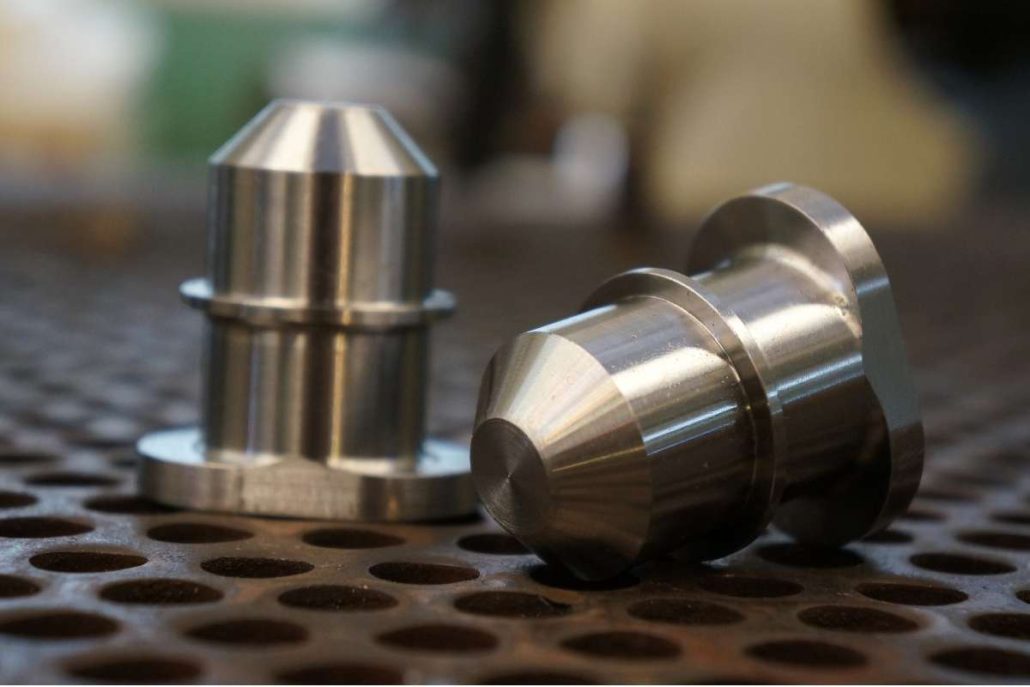
Aluminum is widely used in CNC machining because of the advantages of machined parts in different industries. This article is devoted to cnc aluminum parts machining and its characteristics, types of alloys, machining methods, tools, and uses. Aluminum in CNC Machining Machining aluminum through CNC is preferred because aluminum is highly machinable; it is among the most machined materials in the world after steel. Some properties include soft, ductile, and non-magnetic, and its pure form is silvery white in color. However, the real beauty of aluminum is that it can be alloyed with other elements like manganese, copper, and magnesium to create a series of aluminum alloys with improved characteristics. Aluminum CNC Machining: Getting the Most The benefits include; 1. Machinability: Aluminum is relatively easy to machine because it is soft and can be made to chip easily therefore, it can be machined faster and with less power than steel at a cheaper price. It also makes it easier to deform during the machining process, making it easier for CNC machines to produce highly accurate parts with closer tolerances. 2. Strength-to-Weight Ratio: Aluminum is lighter than steel by one-third and has a strength of one-tenth of steel. Thus, it is suitable for use in parts that need a high strength-to-weight ratio. Some of the industries that benefit a lot from aluminum are by producing cnc machined aluminum parts for the automotive and aerospace industries because it is light but extremely strong. 3. Corrosion Resistance: Aluminum has an inherent characteristic of not corroding in normal environmental conditions, and it can be further protected by anodizing hence the material can be used in environments that are exposed to marine or atmospheric conditions. 4. Performance in Low Temperatures: There are some materials that undergo a change in their mechanical properties and become as strong as paper at low temperatures, but this is not the case with aluminum. 5. Electrical Conductivity: While pure aluminum has high electrical conductivity, aluminum alloys also have adequate conductivity for electrical use, meeting the needs of different industries. 6. Recyclability and Environmental Friendliness: Aluminum is a recyclable material hence the conservation of the environment through the reduction of waste and energy used in the machining process. 7. Anodization Potential: The fact that anodization can be done on the aluminum surfaces also enhances the wear and corrosion resistance of the machined aluminum parts. The ability to anodize aluminum in different bright colors addresses the aesthetic aspect. Applications Galore Aluminum is popular in CNC machining because of its versatility and other suitable properties in many industries. From car parts to airplane parts, electrical parts, and even complex mechanical parts, the durability and performance of aluminum in different uses are apparent, which leads to creativity. Therefore, the popularity of aluminum in CNC machining is not accidental – it is due to the benefits, possibilities, and perspectives that this material offers in the sphere of manufacturing. Aluminum is still widely used for machined parts due to its performance, eco-friendliness, and flexibility as industries evolve. Typical Aluminum Alloys Used in CNC Machining Aluminum alloys are the most preferred materials in CNC machining because of their flexibility and good mechanical characteristics. Below are some frequently used aluminum grades in CNC machining processes: 1. EN AW-2007 / 3.1645 / AlCuMgPb This alloy contains copper in a range of 4-5% and is famous for its strength, lightweight, and high utility. It is mainly applied in the manufacturing of machine parts, bolts, rivets, nuts, screws, and threaded bars. It is also relatively brittle, has low weldability and corrosion resistance, and therefore requires anodizing after machining. 2. EN AW-5083 / 3.3547 / Al-Mg4,5Mn This alloy is well known for performing exceptionally well in extreme conditions; it has magnesium, chromium, and manga Itboaa has high corrosion resistance and maintains its strength even when welded. It uses cryogenic equipment, marine structures, pressure equipment, chemical applications, and many others. 3. EN AW 5754 / 3. 3535 / Al-Mg3 This wrought aluminum-magnesium alloy has good corrosion and high strength, it is used in welded structures, floorings, vehicle bodies, and food processing equipment. 4. EN AW-6060 / 3. 3206 / Al-MgSi This alloy is heat-treatable and has good formability. It is widely used in the construction, medical equipment, and automotive engineering industries. 5. EN AW-7075 / 3.4365 / Al-Zn6MgCu While this alloy is only average in terms of machinability, it has a high strength-to-density ratio, and good resistance to atmospheric conditions and is used in aerospace, weaponry, and mold tool industries. 6. EN AW-6061 / 3. 3211 / Al-Mg1SiCu This alloy has very high tensile strength and is used for structures that are heavily loaded like rail coaches, machine parts, and aerospace structures. 7. EN AW-6082 / 3. 2315 / Al-Si1Mg This alloy has medium strength and good weldability and is used in offshore structures and containers because it resists stress corrosion cracking. These aluminum alloys provide a variety of mechanical properties. They are selected according to the demands of the CNC machining applications to guarantee the best performance and longevity in the intended use. Common Techniques To CNC Machine Aluminum In aluminum CNC machining, there are several techniques that can be used in order to get high accuracy and precision in the aluminum parts. These processes are intended to meet various needs and demands, which would provide the best outcome in terms of quality and performance. CNC Turning remains one of the basic operations in aluminum machining. In this operation, the workpiece turns around its axis, and the cutting tool remains fixed. Thus, the removal of material and shaping of the workpiece are enabled. This method is widely applied in producing cylindrical or conical shapes in aluminum parts. Another common technique is CNC Milling aluminum, in which the tool is held stationary while the cutting tool is rotated to cut the workpiece. This process enables cutting actions in different directions and is ideal for cutting shapes and designs in aluminum parts. Pocketing or pocket milling is a particular type of CNC aluminum

Przewiń do góry

Wycena