firmy odlewnicze aluminium

Odlewanie aluminium w piasku

Kompleksowa analiza techniczna odlewania aluminium w nowoczesnej produkcji

odlew aluminiowy

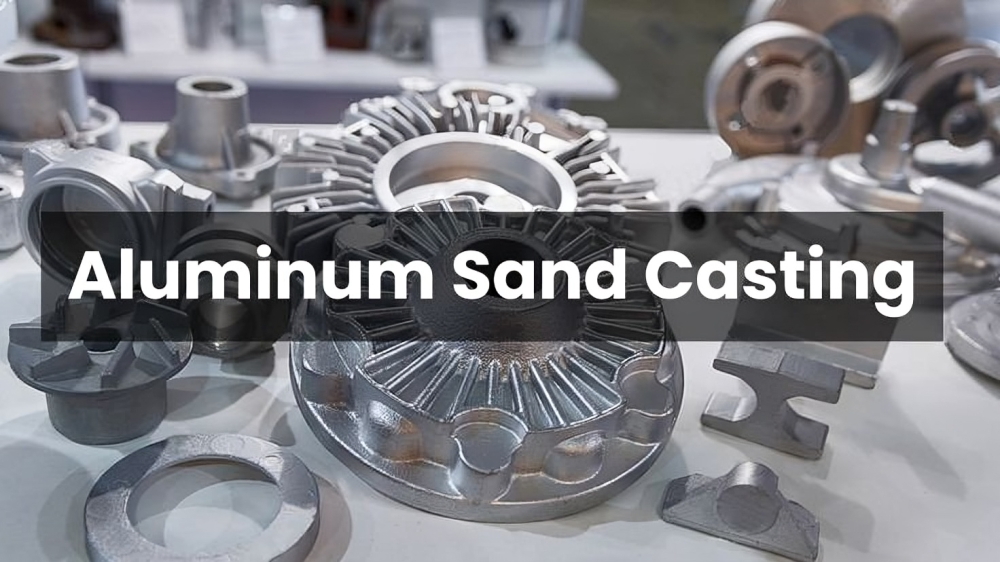
Aluminum sand casting is one of the oldest and most versatile metal casting processes, widely used in modern manufacturing to produce complex, durable, and cost-effective components. Aluminum Sand casting Manufacturers can generate complex geometries with intricate features that would have otherwise been either impractical or unprofitable to machine out of solid material through pouring molten aluminum into prepared sand molds. This method is especially suitable in low to medium-volume production, prototyping, and high structural castings on applications spanning the aerospace, automotive, defence, and energy industries. The most interesting about the sand-casting aluminum is that it is both flexible and functional. Aluminum has a very good strength versus weight, corrosion resistance, and recyclability, and thus makes it an excellent casting material. Together with the thermal resistance of sand and its high moulding capability, the process provides scalable production capability with excellent dimensional accuracy. Pattern design, the makeup of the mold, the quality of the melt, and gating design are key factors to the success of every casting. An excellent foundry of aluminum sand castings has to control not only the classic facts in metal technology but also touch on innovations in the processes. The current facilities apply the latest technology to prevent defects and ensure the best performance of the casting by using 3D sand printing, simulation software, and real-time process monitoring. Precision-engineered and casting aluminum parts are now capable of meeting stringent engineering standards for safety, tolerance, and durability. As demand grows for complex components with faster lead times and lower environmental impact, professional aluminum sand casting services must continue evolving. This article goes into the technical ins and outs of the process itself, its engineering workflow, materials, challenges, innovations, and so on. The Fundamentals of Aluminum Sand Casting At its core, aluminum sand casting involves pouring molten aluminum into a sand mold cavity, which is shaped by a pattern that replicates the final part’s geometry. When the aluminum solidifies, the sand mold is shaken off, leaving the cast piece. The process also has an outstanding dimensional flexibility and scalability capability in high-mix low-volume manufacturing conditions. The process is based on the use of a non-permanent mould, sand, that may be recycled and re-utilized, minimizing the waste of materials and expenses. Sand molds most commonly consist of silica sand with a binder added, and the nature of the binder system generally influences considerably the resulting surface finish, dimensional accuracy, and rate of cooling. The process of Flow in the Engineering of Sand Casting Aluminum Sand casting aluminum is an engineering process that consists of a set of accurately calibrated activities that aim at transforming raw aluminum into specific, well-built, and accurately dimensioned parts. Both the material and mechanical expertise are required to be in-depth to make all of the stages of the process successful. The following is a step-by-step analysis of the way in which sand casting of aluminum is implemented professionally and technically. 1. Pattern Design and making In the sand casting aluminum process, the initial step is designing and manufacturing the pattern, a physical copy of the final casting. The allowances that must be included in patterns are rather critical, such as shrinkage, draft, and machining stock. As aluminum contracts, during cooling patterns are laid out a little bigger than the finished component. The shrinkage rate of aluminum alloys is normally applied at 1.3 per cent; however, depending upon the alloy and the conditions of cooling, it may vary. Vertical portions of moulds are given draft angles, normally a few degrees between 1 and 3, to ensure that the pattern can be removed easily in the sand mold, being careful not to destroy the cavity. Additional allowances (machining allowances) are included such that there is no adverse interaction between the post-processing and the final part. Patterns may be made out of wood, metal, resin, or even 3D-printed polymer materials, depending on the accuracy demands and the needs of the production volume. 2. Mold Making (Molding and Core Setting) After preparing the pattern, the mold is to be prepared. For the sand cast, aluminum mold, there are two separate halves: the cope (upper half) and the drag (lower half). They are produced by stuffing the sand around the mold in a flask. Depending on the application, the sand is generally silica-based and is amalgamated with binders such as clay (green sand) or chemical resins (no-bake sand). In case the part design has internal space and hollow parts, it necessitates the use of sand cores. They are placed in the mold cavity, after which the metal is poured. Cores can be fabricated using core boxes, and in precision production, they can be printed with greater precision using 3D sand printing. The exact footprint of the core is very important in order to have a rigid structure and adherence to the final part dimension. 3. The Design of the Gating System The timeliness and effectiveness of the gating system formed are significant towards the success of the process of sand casting aluminum. This system consists of a pouring basin, sprue, runners, and gates, which coerce the impounded aluminum into the involvement of the mold. Adequate gating will prevent a lot of turbulence, minimize airlock, and also make sure that there is an even fill. Risers (alternatively called feeders) are also required, and these can be seen as a reservoir of molten metal that offsets the direction of shrinkage that comes after solidification. Casting simulation software is usually utilized by engineers to study and optimize the gating and riser systems. Prediction takes place by using simulation tools such as MAGMASoft or ProCAST so that typical defects such as cold shuts, misruns, and shrinkage porosity can all be corrected virtually before any production takes place. 4. Cu Melting and Metal Treating Aluminum is usually melted by a reverberatory furnace, a crucible furnace, or an induction furnace, and the choice depends on the batch volume, alloy needs, and the amount of energy needed. The melting temperature of pure aluminum is about 660 degrees
Spawanie aluminium metodą TIG

Spawanie aluminium metodą TIG: Kompleksowy przewodnik techniczny

odlew aluminiowy

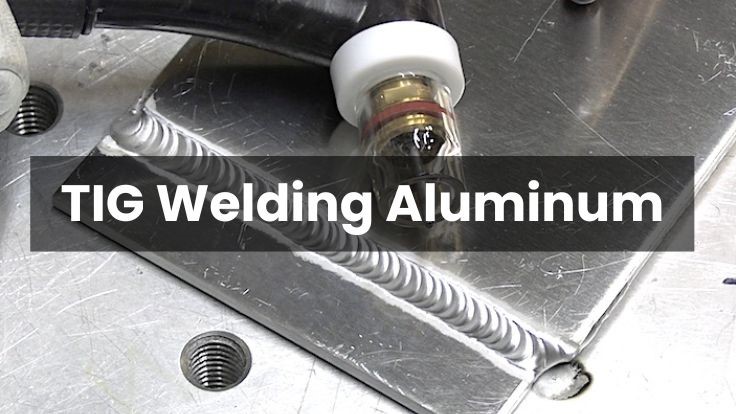
Spawanie aluminium metodą TIG jest powszechnie uważane za jeden z najbardziej wymagających technicznie procesów w dziedzinie spawania. Podczas pracy z aluminium, metalem charakteryzującym się niewielką wagą, odpornością na korozję i wysoką przewodnością, pojawia się zestaw niespotykanych dotąd problemów, które tak bardzo odróżniają go od stali czy stali nierdzewnej. Niewłaściwe obchodzenie się z aluminium może spowodować, że naturalna warstwa tlenku zapewni słabą, porowatą lub w inny sposób niepożądaną strukturalnie spoinę ze względu na naturalny poziom tlenku, niską temperaturę topnienia i zdolność do pochłaniania wodoru. Dlatego też proces TIG (Tungsten Inert Gas) lub proces spawania łukiem wolframowym (GTAW) jest procesem wybieranym przez przemysł w przypadkach, gdy precyzja, estetyka i integralność spoiny są głównymi czynnikami. Obejmuje to zachowanie materiałów, wybór sprzętu, wybór gazu osłonowego, przygotowanie złącza i metody rozwiązywania problemów, choć duży nacisk zostanie położony na kontrolę jakości i powtarzalność. Ponadto w artykule szczegółowo opisano, jak prawidłowo wybrać i obsługiwać spawarkę tig do aluminium, zarządzać różnymi rodzajami spawanych części aluminiowych i tworzyć spójne, wolne od wad złącza podczas próby spawania aluminium TIG. Na koniec czytelnik będzie miał dogłębną wiedzę na temat tego, jak stworzyć dobry, czysty, strukturalnie dobrze wyglądający aluminiowy zespół spawany metodą tig, zgodnie ze standardami branżowymi w przemyśle lotniczym, motoryzacyjnym, morskim, a także w przemyśle wytwórczym. Niniejszy artykuł omawia naukę, metody i praktyczne aspekty spawania aluminium metodą TIG. Jest on przeznaczony dla ekspertów i osób przeszkolonych technicznie, które chcą poszerzyć swoją wiedzę na temat spawania aluminium w procesach wysokowydajnych lub przemysłowych. Czym jest spawanie aluminium metodą TIG? Spawanie aluminium metodą TIG odnosi się do procesu łączenia elementów aluminiowych za pomocą spawania gazem obojętnym wolframu (TIG), znanego również jako spawanie łukiem wolframu gazowego (GTAW). W tym przypadku łuk elektryczny jest generowany przez nietopliwą elektrodę wolframową, a aluminiowy metal podstawowy i pręt wypełniający są topione w osłonie gazu obojętnego, zwykle argonu. Ponieważ aluminium ma wysoką przewodność cieplną, niską temperaturę topnienia i warstwę tlenku o wysokiej temperaturze topnienia, spawanie aluminium ma unikalne zabarwienie, a suszenie musi być wykonywane ostrożnie. Spawanie metodą TIG umożliwia kontrolę ilości wprowadzanego ciepła i jeziorka spawalniczego, co oznacza, że doskonale sprawdza się w przypadku cienkich materiałów, zaawansowanych podzespołów i innych wysokowydajnych zastosowań. Między innymi przemysł lotniczy, motoryzacyjny i morski wykorzystuje spawanie TIG do produkcji odpornych, niekorozyjnych i estetycznie wyglądających filmów spawalniczych. Skuteczne “spawanie aluminium metodą TIG” wymaga umiejętnej techniki, odpowiedniego sprzętu i starannego przygotowania powierzchni, aby zapewnić integralność i wytrzymałość spoiny. Dlaczego spawanie aluminium metodą TIG? Spawanie łukiem wolframowym (GTAW), znane również jako spawanie metodą TIG (Tungsten Inert Gas), jest idealną techniką do stosowania tam, gdzie wymagana jest precyzja, kontrola i doskonały wygląd. Oferuje niezrównaną kontrolę nad ilością ciepła wejściowego, dzięki czemu spawacze mają możliwość kontrolowania płynności jeziorka spawalniczego aluminium. Spawanie TIG, gdy jest stosowane z aluminium, jest dość wygodne głównie dlatego, że: Spawanie aluminium wymaga lepszego zrozumienia jego właściwości fizycznych i chemicznych, które znacznie różnią się od innych powszechnie stosowanych metali. Poniżej przedstawiono kluczowe wyzwania związane ze spawaniem aluminium metodą TIG. 1. Bardzo wysoka przewodność cieplna Aluminium przewodzi ciepło 5 razy lepiej niż stal. Oznacza to, że ciepło szybko rozprasza się ze strefy spawania, wymagając wyższego natężenia prądu podczas próby spawania aluminium metodą TIG, zwłaszcza w przypadku grubych materiałów. Jeśli nie zostanie to zrobione najlepiej, może skończyć się wtopieniem szczeliny lub nieregularnym wtopieniem spoiny. 2. Problemy z warstwą tlenku Gdy powierzchnie aluminiowe są wystawione na działanie powietrza, warstwa tlenku (niezawodnie przylegająca) tworzy się natychmiast i jest cienka. Warstwa ta topi się w temperaturze około 2050 °C, czyli znacznie powyżej temperatury topnienia aluminium, która wynosi 660 °C. Spawanie metodą TIG, gdy używany jest tryb AC, pomaga w rozbiciu tej warstwy, ale ważne jest również, aby wykonać wstępne czyszczenie w celu uzyskania wysokiej jakości aluminium spawanego metodą TIG. 3. Podatność na porowatość wodorową Wodór łatwo absorbuje się w stopionym aluminium, co może powodować porowatość lub pęknięcia podczas chłodzenia. Olej, wilgoć lub brudne pręty wypełniające były źródłem zanieczyszczeń, które powodowały przedostawanie się wodoru do jeziorka spawalniczego. Prawidłowe czyszczenie i stosowanie suchych prętów wypełniających są niezbędne, aby uniknąć wad w spawanych elementach aluminiowych. Techniczna tabela podsumowująca spawanie aluminium metodą TIG Oto kompleksowa tabela techniczna podsumowująca kluczowe aspekty spawania aluminium metodą TIG, w tym parametry spawania, rodzaje spoin, typowe wady i sposoby radzenia sobie z nimi. Tabela ta łączy w sobie pomysły zawarte w artykule, jest oryginalna i wysoce techniczna. Kategoria Szczegóły techniczne Zalecenia / parametry Materiał podstawowy Stopy aluminium od 1xxx do 6xxx są najczęściej spawane metodą TIG Oczyść wszystkie powierzchnie przed spawaniem; unikaj 7xxx ze względu na wysoką wrażliwość na pękanie Główny proces Spawanie aluminium metodą TIG prądem przemiennym (AC) Użyj inwertorowej metody TIG z balansem prądu przemiennego, startem wysokiej częstotliwości i stabilną kontrolą łuku Główne słowo kluczowe Spawanie aluminium metodą tig Użyj odpowiedniego balansu prądu przemiennego i natężenia; Zoptymalizuj kontrolę kałuży i osadzanie wypełniacza Typ elektrody 2% Lantanowany lub cerowany wolfram (1/16″, 3/32″ lub 1/8″) Zaostrz do ściętego czubka lub końcówki kulistej (dla AC), w zależności od zastosowania Gaz osłonowy Argon o wysokiej czystości (99.99%) Natężenie przepływu: 15-20 CFH; dodaj hel w przypadku grubszych materiałów lub głębszego wtopienia Pręty wypełniające ER4043, ER5356 Dopasuj wypełniacz do stopu bazowego i zastosowania (ER5356 dla wytrzymałości, ER4043 dla odporności na pękanie) Rodzaje spoin Doczołowa, Zakładkowa, T, Narożna Konstrukcja z małymi szczelinami (~1/16”) i pozwalająca na rozszerzalność cieplną Przygotowanie spoiny Odtłuścić + szczotka druciana ze stali nierdzewnej Bez dotykania po czyszczeniu; Usunąć warstwę tlenku przed spawaniem Technika palnika Krótka długość łuku (<1/8”), kąt przesuwu 10-15° Utrzymywać spoiwo poza stożkiem łuku, aby zapobiec utlenianiu Ustawienia natężenia 1 amper na 0.001” dla większości zastosowań z cienkim i średnim aluminium Częstotliwość AC Kontroluje skupienie łuku 120-200 Hz dla czystego, wąskiego łuku przy spawaniu cienkich części aluminiowych Balans AC 70% EN / 30% EP typowy Dostosuj w kierunku więcej EN dla głębszej penetracji; więcej EP dla czyszczenia tlenku Wskazówka: Należy upewnić się, że spawarka tig do aluminium jest prawidłowo skalibrowana.

Wysokociśnieniowy odlew aluminiowy

Producent aluminiowych odlewów wysokociśnieniowych i IATF 16949

odlew aluminiowy

Modern manufacturing uses aluminium high-pressure die casting to make parts that are strong, light, and have many complex shapes. The reason automotive, aerospace, telecommunications, and consumer electronics all use it is that it can do both mass production and create very accurate pieces. Because the demand for quality aluminium high-pressure die-cast parts keeps increasing, it is important to deal with a well-known and certified supplier. In this area, the IATF 16949 certification is very important because it is a respected quality management standard used worldwide in the automotive industry. Such certification guarantees that quality control, proper risk handling, and continuous improvement are used during every stage of manufacturing. A certified aluminum die-casting and ISO 16949 company demonstrates its commitment to consistent product quality and customer satisfaction. Being a high precision die casting manufacturer and ITAF 16949 means meeting rigorous international standards and having the processes in place to minimize defects, enhance production efficiency, and ensure complete traceability of components. They can meet Tier 1 suppliers and OEMs by delivering components that exactly follow the business’s specifications. In addition, complying with aluminum die casting and 16949 standards means a manufacturer can meet expectations worldwide, mainly in areas where it is important to focus on safety and secure performance. Working with a suitable aluminium die casing partner that has IATF 16949 certification benefits your products, helps cut costs in the future, and strengthens the links in your supply chain. This article looks into how an aluminium high-pressure die casting manufacturer follows the IATF 16949 standard and its role. Aluminium High Pressure Die Casting  Aluminium high-pressure die casting helps make metal parts that are accurate in shape and have a perfect non-porous surface. When molten aluminium is injected into a steel mold at high pressure, it makes it possible to quickly fabricate complex parts and reduces later processing steps. Because it is strong and light, aluminium is widely used in many industries. The products made from this process are commonly seen in cars’ engines, housings, and brackets. For any aluminum die-casting and ITAF 16949 certified operation, maintaining the integrity of this process is vital to both quality and compliance. How IATF 16949 Helps in Die Casting? IATF 16949 is an international standard made for cars, and it uses quality management to ensure the reliability of products and their processes. Continuous development, prevention of quality issues, and lowering waste in the supply chain are the main elements of the system, which was created by the International Automotive Task Force. For manufacturers engaged in aluminum die-casting and ISO 16949 certification, certification is not just a regulatory requirement; it’s a badge of trust. It guarantees that the manufacturer follows quality rules that are respected everywhere. Besides, since IATF 16949 matches ISO 9001, it ensures full and proper quality management. Why is aluminium used in High Pressure Die Casting? Die casting benefits a lot from aluminium due to its ability to resist corrosion, its strong thermal conductivity, and being lighter than other metals like steel and brass. Because of these qualities, this material is suitable for cars since both light weight and performance depend on fuel efficiency. An IATF 16949 certification shows that all of these benefits are achieved by the business. For instance, manufacturers focusing on “high precision die casting manufacturer and ISO 16949 standards can assure customers of consistent product performance and minimal variance in production. What Makes an Aluminium Die Casting Manufacturer Reliable? Selecting a competent manufacturer is very important for firms doing aluminium die casting. A manufacturer should not only have the necessary know-how but also follow all quality standards. These are some of the essential traits you should notice: Using Precision in Die Casting Good die casting depends mostly on precise engineering. It confirms that components follow the tight guidelines of both dimensions and performance. Manufacturers who identify as high precision die casting manufacturers and ITA 16949 go to great lengths to implement exacting standards across the design and production cycle. Because of CAD/CAM software, quality inspection, and automated processes, production is kept as close as possible to the specific requirements. For applications like transmission housings, electronic enclosures, and important car components, the exactness needed is very important. Why Managing Quality Is Important? A well-structured quality management system (QMS) makes it possible to produce the same quality goods all the time. In the aluminium die casting industry, following the principles of IATF 16949 gives a way to control processes, reduce risks, and improve constantly. By following IATF 16949, a high precision die casting manufacturer and itaf 16949 ensures not only quality but also traceability and accountability. Everything is checked and confirmed along the supply chain to lower the chances of issues and defects. Below is a detailed and professional table that outlines key aspects of Aluminium High Pressure Die Casting Manufacturer and IATF 16949, integrating relevant information across different categories such as process, benefits, certification, and industry relevance. This table is ideal for use on a website, brochure, or presentation. Aluminium High Pressure Die Casting & IATF 16949 – Comprehensive Overview Category Details Manufacturing Process Aluminium is melted and injected into a steel mold under high pressure, producing complex shapes with excellent dimensional accuracy. Key Material Used Aluminium alloys (e.g., A380, ADC12, AlSi10Mg) are known for their strength, light weight, and thermal conductivity. Application Industries Automotive, Aerospace, Electronics, Industrial Equipment, Telecommunications, Consumer Goods. Advantages of Aluminium Die Casting – Lightweight components- High strength-to-weight ratio- Excellent surface finish- High-volume efficiency- Corrosion resistance Importance of Precision Tight tolerances and fine details can be achieved, ideal for engine parts, housings, connectors, brackets, and structural components. What is IATF 16949? A global quality management standard for the automotive industry, based on ISO 9001 with additional requirements specific to auto manufacturing. Benefits of IATF 16949 Certification – Consistent product quality- Risk-based thinking- Defect prevention- Better customer satisfaction- Competitive advantage Why Certification Matters Ensures traceability, standardized procedures, regulatory compliance, and ongoing performance improvement. Target Clients OEMs, Tier 1 & Tier 2 automotive suppliers, industrial system designers, and

Firmy odlewnicze z branży motoryzacyjnej w Chinach i na świecie

Firmy odlewnicze z branży motoryzacyjnej w Chinach i na świecie

odlew aluminiowy, firmy odlewnicze

Rozwój odlewnictwa ciśnieniowego ma ogromny wpływ na przyszłość przemysłu motoryzacyjnego. Komponenty silników, obudowy akumulatorów do pojazdów elektrycznych i inne części wykonane metodą odlewania ciśnieniowego są kluczem do uzyskania mocnych, precyzyjnych i lżejszych pojazdów. Ponieważ ludzie coraz częściej kupują pojazdy elektryczne i paliwooszczędne, firmy zajmujące się odlewaniem ciśnieniowym są w czołówce postępu i rozwiązań na dużą skalę w tej dziedzinie. Chiny, bardziej niż jakikolwiek inny kraj, stały się czołowym graczem w dziedzinie odlewania ciśnieniowego dzięki zaawansowanym narzędziom, wykwalifikowanej sile roboczej i przystępnej cenie produkcji. Wiodącymi firmami w tej dziedzinie są Sincere Tech, CNM Tech Co., Ltd. i GC Precision Mould Co., Ltd., które zajmują się projektowaniem form, a także obróbką CNC i wykańczaniem powierzchni. Korzystając zarówno z kontroli jakości, jak i szybkiego prototypowania, firmy te wytwarzają dużą liczbę części, co przyciąga zarówno lokalnych, jak i globalnych producentów samochodów jako partnerów. W różnych krajach obecne są takie firmy jak Wisconsin Aluminium Foundry (USA), Get It Made (Wielka Brytania) i MES Inc. (USA), które zmieniają branżę. Dziesięciolecia doświadczenia, certyfikaty ISO 9001 i IATF 16949 oraz skupienie się na ekologiczności i innowacyjności sprawiają, że firmy te mogą sprostać rosnącym oczekiwaniom producentów samochodów w zakresie dokładności, niezawodności i dbałości o środowisko. W artykule wskazano kilku kluczowych graczy prowadzących zmiany w branży odlewów ciśnieniowych dla przemysłu motoryzacyjnego. Ze względu na trendy takie jak elektryfikacja, cyfryzacja i stosowanie zrównoważonych metod, firmy odlewnicze na całym świecie, w tym w Chinach, są postrzegane jako główni gracze w osiąganiu doskonałości w samochodach. 1. Sincere Tech Rok założenia: 2005Liczba pracowników: 100-200Typ działalności: Sincere Tech jest jednym z największych chińskich producentów form wtryskowych z tworzyw sztucznych, producentów odlewów ciśnieniowych, dostawców usług obróbki skrawaniem i montażu. Strona internetowa i kontakt: https://plas.co/Phone: +86 135 30801277Email: steve@sincere-tech.comAddress: Rm101, N041, Donghu road, JingLian cun, Qiaotou town, Dongguan City, Guangdong Province, China. 523000. Profil firmy Chiński dostawca form wtryskowych z tworzyw sztucznych i usług formowania, Sincere Tech, jest jedną z wiodących firm w Chinach. Od 2005 roku firma ta powstała z połączenia tłoczenia metalu i plastiku, precyzyjnych form wtryskowych z tworzyw sztucznych, obróbki CNC, odlewania ciśnieniowego i formowania silikonu. Zaawansowane maszyny, ochrona informacji za pomocą umów NDA, uczciwe ceny i prawie dwie dekady doskonałej produkcji czekają na naszych klientów w Sincere Tech. Formowanie wtryskowe jest stosowane w maszynach o masie 60-1800 ton w takich branżach jak elektronika, medycyna, motoryzacja czy kosmetyka, a jego części mają wagę od mniej niż grama do 8 kilogramów. Zgodnie z normami ISO 9001:2015 i ISO 9000:2015, Sincere Tech dąży do tworzenia produktów, które są akceptowane na całym świecie. Dbałość o jakość pozwoliła firmie stworzyć ogromny popyt, dzięki czemu eksportuje swoje produkty do Finlandii i wielu innych krajów. Będąc wśród firm świadczących podobne usługi, Sincere Tech jest uznawany za godnego zaufania i innowacyjnego partnera w zakresie formowania wtryskowego tworzyw sztucznych. Dlaczego warto wybrać właśnie nas? 2. CNM Tech Co, Ltd. Rok założenia: 20+Liczba pracowników: 100-200Typ działalności: CNM Tech Co., Ltd. jest precyzyjną firmą produkcyjną koncentrującą się na odlewaniu ciśnieniowym, obróbce CNC i usługach montażowych. Strona internetowa i kontakt: https://www.thediecasting.com/Contact: +86 13045898002Email: sales@thediecasting.comAddress: Adres fabryki: Rm 101, No.40, Donghu Road, Jinglian, Qiaotou town, Dongguan city, Guangdong Province, China. 523520. Profil firmy Thediecasting.com to oficjalna domena, pod którą działa CNM Tech Co., Ltd., który jest wybitnym chińskim producentem rozwiązań do odlewania ciśnieniowego. Firma zajmuje się odlewaniem ciśnieniowym aluminium, magnezu i cynku, obróbką CNC, wykańczaniem powierzchni i montażem z siedzibą w Dongguan w Chinach. CNM Tech posiada ponad 20-letnie doświadczenie w branży motoryzacyjnej, lotniczej, elektronicznej itp. Ze względu na wysoką precyzję produkcji, ich własna narzędziownia i zaawansowane maszyny CNC również zapewniają. CNM Tech zapewnia wszystkie rodzaje polerowania, piaskowania, malowania proszkowego, malowania olejnego itp., z wysokiej jakości produktami wykończeniowymi odpowiadającymi potrzebom użytkowników na całym świecie. CNM Tech Co., Ltd. zapewnia dokumenty ISO 9001:2008, TS16949 i ISO 14001:2015. W większości przypadków dają one pewność, że zarządzanie firmą jest na najwyższym poziomie, a także gwarantują zgodność ze standardami branży motoryzacyjnej i działaniami przyjaznymi dla środowiska podejmowanymi przez firmę. W wyniku ścisłego przestrzegania przepisów dotyczących jakości i ochrony środowiska, CNM Tech zapewnia doskonałe rozwiązania w zakresie odlewania ciśnieniowego o minimalnym wpływie na środowisko, ciesząc się doskonałą reputacją na rynku. Dlaczego warto nas wybrać? 3. GC Precision Mould Co., Ltd. Rok założenia: 1999Liczba pracowników: 100-200Typ działalności: Nasza firma, GC Precision Mould Co., Ltd., zajmuje się odlewaniem ciśnieniowym aluminium, cynku i magnezu, obróbką CNC i formowaniem wtryskowym tworzyw sztucznych. Strona internetowa i kontakt: https://aludiecasting.com/Contact: +86 131 4886 5556Email: info@aludiecasting.comAddress: Adres fabryki 1: No. 30 Huan Zhen Rd, Qi Shi Town, Dongguan City, Guangdong Province, China, 523516 Profil firmy GC Precision Mold Co., Ltd., działa pod Aludiecasting.com, jest zakładem produkującym odlewy ciśnieniowe i precyzyjną obróbkę skrawaniem, który jest jednym z wiodących chińskich producentów. Firma została założona w 1999 roku, a jej usługi obejmują odlewanie ciśnieniowe aluminium, cynku i magnezu, formowanie wtryskowe tworzyw sztucznych oraz obróbkę CNC i wykańczanie powierzchni. Dysponuje najnowocześniejszymi maszynami, takimi jak wysokociśnieniowe maszyny do odlewania ciśnieniowego (120 - 1600 ton) i wtryskarki (80 - 2800 ton), połączonymi z branżami takimi jak motoryzacja, lotnictwo i elektronika. Mają bardzo rygorystyczną jakość, aby zapewnić dokładne, trwałe i tańsze rozwiązania produkcyjne na całym świecie. GC Precision Mold Co., Ltd zapewnia najlepsze rozwiązania w zakresie odlewania ciśnieniowego i obróbki skrawaniem zgodnie z certyfikatem ISO 9001. Ich kontrola jakości jest tak rygorystyczna, że testują precyzję, maszyny CMM, promieniowanie rentgenowskie i spektrometry, aby zapewnić niezawodny produkt. Dzięki ścisłemu przestrzeganiu międzynarodowych standardów, firma zapewnia dostawę spójnych, wysokiej jakości komponentów przy minimalnej liczbie skarg klientów ze względu na aspekt niezawodności, z powodów wskazanych w każdym projekcie. Dlaczego warto wybrać GC Precision Mould Co., Ltd.? 4. Get It Made Rok założenia: 2011Liczba pracowników: 50-100Typ działalności: Producent i dostawca części odlewniczych dla przemysłu motoryzacyjnego. Strona internetowa i kontakt Strona internetowa: https://get-it-made.co.uk/ Email: team@get-it-made.co.ukContact: +44 (0)20 3286 6002Adres: Get It Made Ltd, Unit 1 Southbrook Mews, London SE12 8LG. Profil firmy Get It Made została założona w Londynie,

Odlewnia ciśnieniowa stopów w Chinach i na świecie 

Odlewnia ciśnieniowa stopów w Chinach i na świecie 

odlewanie ciśnieniowe, firmy odlewnicze, firma odlewnicza

Alloy die casting is used to produce complicated metal pieces that require tight tolerances and have a very good finish. Among others, it has a major role in the automotive, aerospace, electronics, defence, medical device, and consumer product industries. All over the world, manufacturers work together, and China leads this industry because it has strong infrastructure, well-trained people, and good pricing. CNM Tech Co., Ltd., Sincere Tech, and GC Precision Mould Co., Ltd. are well-known companies in China’s die casting sector, and all of them handle mould design, CNC machining, and final assembly. These manufacturers make use of the very latest technology and follow worldwide quality standards such as ISO 9001. Most of their services support international customers, which gives them a major role in worldwide supply networks. Companies such as Nemak (Mexico), MRT Castings Ltd and Haworth Castings (UK), and PHB Inc. (USA) are good examples of advanced die casting technology outside Asia. Innovation, sustainability, and precision production are central to these companies, which deliver to the aerospace, medical, and electric vehicle sectors, which have strict regulations. Both these firms differ from others by being highly skilled and also placing a strong emphasis on quality, customer care, and green changes. The article discusses several leading die casting companies in China and around the world, highlighting their main qualities, strengths, and why they do well in this business market. Regardless of which part of the world you are looking to outsource to, the given profiles give you useful advice on your best choices. Alloy Die Casting In alloy die casting, liquid metal alloy is pressed with great force into dies made from steel, which can be reused many times. This production method helps create metal parts that are very accurate in their dimensions, smooth, and can be produced very efficiently. Main Characteristics of Alloy Die Casting: 1. Alloys Used: Most of these processes rely on non-ferrous metal alloys, for instance aluminum, zinc, and magnesium, which have their important advantages related to weight, how strong they are, corrosion resistance, and heat conductivity. 2. Process Overview: Melting the alloy happens next, done by putting the material in a furnace. A hardened steel mould receives the molten metal, which enters through a die casting machine. 3. Types of Die Casting are: Here are the main strengths of Alloy Die Casting: Common Applications: 1. CNM Tech Co., Ltd. Year of Establishment: 20+Number of Employees: 100-200Business Type: CNM Tech Co., Ltd. is a precision manufacturing company focused on die casting, CNC machining, and assembly services. Website and Contact Website: https://www.thediecasting.com/Contact: +86 13045898002Email: sales@thediecasting.comAddress: Factory Address: Rm 101, No.40, Donghu Road, Jinglian, Qiaotou town, Dongguan City, Guangdong Province, China. 523520. Company Profile  Making precision aluminum and zinc die-cast components is what The Die Casting Company is best known for. The company offers complete casting services by having the abilities needed for mould design, tooling, CNC machining, surface finishing, and quality testing all in-house. Serving the industries of automotive, electrical, and industrial machinery, it brings together engineering knowledge and ISO 9001 certificates. With aid from modern technology and a customer-friendly approach, The Die Casting Company offers high-performance, low-cost output and unchanging quality. Having its headquarters in India, Codeplay provides custom support and on-time deliveries to clients around the world. Quality Commitment  High quality is important to every task at The Die Casting Company. Starting with checking raw materials, the company uses strict quality control procedures all the way to the testing of finished products. Because it is ISO 9001 compliant, its facilities use the latest equipment and have a team of trained workers. Every single casting is carefully checked for measurements, strength, and appearance to meet what the client needs and what the industry requires. Because of this commitment, customers are happy, products perform reliably, and trust is built for the long run. Why Our Company? 2. Sincere Tech Year of Establishment: 2005Number of Employees: 100-200Business Type: Sincere Tech is one of China’s largest plastic injection mould manufacturers, die-casting producers, machining providers, and assembly providers. Website and Contact Website: https://plas.co/Phone: +86 135 30801277Email: steve@sincere-tech.comAddress: Rm101, N041, Donghu road, JingLian cun, qiaotou town, Dongguan City, Guangdong Province, China. 523000. Company Profile  In 2005, Sincere Tech (plas.co) was founded, and it has become a major Chinese provider of custom plastic injection molds and moulding services. Because of its 18 years in this field, the company is capable of providing extensive solutions such as mould design, CNC machining, die casting, silicone moulding, and assembly. Working in electronics, cars, medicine, and home appliances, Sincere Tech depends on high-tech machines such as 5-axis CNC and CMMs for accuracy and quality. Following international standards, the company observes ISO 9001:2015 and QS 9000:2015 certifications, making sure clients receive quality products within budget. Quality Commitment  At Sincere Tech, everything must be done with quality in mind. The company uses ISO 9001:2015 and QS 9000:2015 standards while making all its products. Through modern tools and strict regulations, Sincere Tech guarantees all its products are made exactly to spec. All processes, from laying out the design to completing assembly, are closely monitored to ensure certain parts are strong, precise, and make the customers happy, which is why it is respected by the industry. Why Our Company? 3.  GC Precision Mould Co., Ltd. Year of Establishment: 1999Number of Employees: 100-200Business Type: Our company, GC PrecisionMould Co., Ltd, does aluminium, zinc, and magnesium die casting, CNC machining, and plastic injection moulding Website and Contact Website: https://aludiecasting.com/Contact: +86 131 4886 5556Email: info@aludiecasting.comAddress: Factory Address 1: No. 30 Huan Zhen Rd, Qi Shi Town, Dongguan City, Guangdong Province, China, 523516 Company Profile  GC PrecisioMould Co., Ltd. began in 1999 and has now become one of the top worldwide suppliers of oddie-casting arts and machined products from nonferrous metals. Fireray Precision Equipment has been in the industry for over two decades and primarily does aluminum die casting, zinc die casting, bronze sand casting, aluminum gravity casting, and CNC precision machining. Based in Dongguan City, Guangdong Province, China, GC PrecisionMould Co., Ltd.

Przyszłość produkcji: Odlewanie ciśnieniowe aluminium dla przemysłu motoryzacyjnego

Przyszłość produkcji: Odlewanie ciśnieniowe aluminium dla przemysłu motoryzacyjnego

odlew aluminiowy, odlew aluminiowy

Szybkie zmiany w przemyśle motoryzacyjnym oznaczają, że firmy motoryzacyjne zawsze muszą budować pojazdy, które są lżejsze, bezpieczniejsze i oszczędzają energię. Jedną z kluczowych technologii stojących za tą zmianą jest odlewanie ciśnieniowe aluminium dla przemysłu motoryzacyjnego. Dzięki temu procesowi producenci mogą formować metalowe części, które są zarówno wytrzymałe, jak i lekkie, zachowując niezbędne złożone figury i precyzję wymaganą obecnie w pracy motoryzacyjnej. Wraz z rosnącym zainteresowaniem pojazdami elektrycznymi, poprawą bezpieczeństwa i oszczędnością paliwa, odlewanie ciśnieniowe w przemyśle motoryzacyjnym jest obecnie stosowane częściej niż kiedykolwiek. W procesie odlewania ciśnieniowego aluminium jest wlewane do małej, bardzo dokładnej stalowej formy ze znaczną siłą. Proces ten pozwala na szybkie i regularnie powtarzalne wyniki, a części mają precyzyjne wymiary i świetnie wyglądają. Obecnie wiele produktów odlewanych ciśnieniowo jest wykorzystywanych w ważnych częściach samochodów, takich jak bloki silnika, obudowy skrzyni biegów, zawieszenia samochodowe i obudowy akumulatorów. Konstrukcja musi być solidna, ale musi także spełniać wysokie standardy dotyczące ciepła i naprężeń. Ponieważ ludzie częściej wybierają aluminium niż stal, wielu producentów zwraca się ku odlewaniu ciśnieniowemu aluminium dla przemysłu motoryzacyjnego, ponieważ pomaga to obniżyć wagę pojazdu bez uszczerbku dla jego wytrzymałości. Nowoczesne postępy w dziedzinie maszyn, materiałów i zrównoważonego rozwoju umożliwiają producentom wytwarzanie aluminiowych części odlewanych ciśnieniowo do pojazdów, które spełniają nowoczesne przepisy i są przyjazne dla środowiska. Omawiamy główne idee odlewania ciśnieniowego w branży motoryzacyjnej, w tym materiały, maszyny, kryteria projektowe i przykłady ich zastosowania. Bez względu na to, czy pracujesz w branży, czy nie, zrozumienie odlewania ciśnieniowego w przemyśle motoryzacyjnym pomaga dostrzec ewolucję produkcji i przyszłość pojazdów. Na czym polega proces znany jako odlewanie ciśnieniowe aluminium dla przemysłu motoryzacyjnego? Samochodowe odlewanie ciśnieniowe aluminium odbywa się poprzez wtryskiwanie stopionego aluminium do stalowych matryc przy użyciu ogromnego ciśnienia. Gdy tylko aluminium staje się stałe, tworzy część, która jest zarówno precyzyjna, jak i wytrzymała, z drobnym wykończeniem powierzchni i dobrymi wymiarami. Ponieważ bezpieczeństwo, wydajność i efektywność mają największe znaczenie w sektorze motoryzacyjnym, cechy te są kluczowe. Ten sposób produkcji pomaga tworzyć złożone projekty, których nie można osiągnąć przy tradycyjnej produkcji. Ponieważ aluminium jest lekkie, pomaga pojazdom zmniejszyć wagę bez osłabiania ich. Inżynieria projektowa Wszystkie odlewy motoryzacyjne rozpoczynają się od kompletnej fazy projektowania i inżynierii. Dzięki oprogramowaniu 3D CAD inżynierowie mogą stworzyć model i przetestować go, aby przewidzieć jego działanie w rzeczywistości. Symulacje formowania pokazują, w jaki sposób stopiony metal jest kształtowany wewnątrz formy, w jaki sposób zastyga i gdzie mogą wystąpić ewentualne problemy z kieszeniami powietrznymi lub skurczem. Celem jest zwiększenie wydajności, wytrzymałości i łatwości produkcji części. Zespół określa również proces łączenia końcowego i stop aluminium odpowiedni do danego zastosowania. Proces tworzenia matrycy (formy) Po zaprojektowaniu następuje tworzenie matrycy, która będzie kształtować stopiony materiał w procesie. Te matryce są fachowo wykonane z zachowaniem ścisłych tolerancji i są odporne na wiele prób odlewania. Niezależnie od tego, czy zadanie jest złożone, czy produkowane w dużych ilościach, matryca może być wykonana do pracy z więcej niż jednym wgłębieniem. W matrycy znajdują się również specjalne kanały do chłodzenia i sworznie, które wyrzucają część, gdy tylko się zestali. Dobrze zaprojektowana matryca pomaga zapewnić, że produkt jest dokładny wymiarowo, ma dobrą powierzchnię, a narzędzia działają przez długi czas. Następnie wlewki aluminiowe są dalej topione w piecach przemysłowych, których temperatura przekracza 660°C (1220°F), czyli temperaturę topnienia aluminium. Stopiony materiał jest utrzymywany w stałej temperaturze i często jest uwalniany od wodoru, który w przeciwnym razie mógłby spowodować powstanie pustych przestrzeni wewnątrz. Czasami chemikalia są łączone w celu zapewnienia dodatkowej wytrzymałości, zwiększonej elastyczności lub mniejszej podatności na korozję aluminium. Ponieważ zanieczyszczenia w stopionym metalu mogą powodować wady w końcowym produkcie, metal musi być czysty. Wtryskiwanie i odlewanie Wysokociśnieniowe odlewanie ciśnieniowe jest kluczowym procesem, ponieważ stopione aluminium jest wtryskiwane do formy z bardzo dużą prędkością i pod bardzo wysokim ciśnieniem. Szybkie napełnianie metalu we wszystkich rogach matrycy wychwytuje drobne szczegóły z projektu części. Wszystkie związane z tym naprężenia pomagają zredukować kieszenie powietrzne wewnątrz komponentów, co czyni je mocnymi i solidnymi. Tuż po napełnieniu matrycy aluminium zaczyna stygnąć i twardnieć w ciągu zaledwie kilku sekund. Szybkie początkowe chłodzenie pozwala uzyskać dobrą strukturę ziarna i doskonałe wykończenie powierzchni. Gotowe zbiorniki powietrza są poddawane chłodzeniu, a następnie wyrzucane Powietrze w matrycy jest uwalniane, a za pomocą zautomatyzowanych sworzni uformowana część jest wyrzucana po zestaleniu się aluminium. W całej matrycy temperatura jest kontrolowana, a czasy cykli są skracane dzięki kanałom chłodzącym. Proces na tym etapie wymaga uwagi, ponieważ nieprawidłowe chłodzenie może skutkować pęknięciami lub wypaczeniami. Nawet po wyrzuceniu odlew zachowuje ciepło i może zostać poddany dalszej obróbce przed przejściem do następnego etapu. Przycinarki i wykańczarki są również częścią tego procesu Często w procesie odlewania pozostają pewne kawałki wlewu i wypływki, które należy odciąć. Odbywa się to poprzez przycinanie lub obróbkę końców. Czasami konieczne jest wiercenie, gwintowanie, szlifowanie powierzchni lub nakładanie powłoki, aby wykończyć element dokładnie zgodnie z jego przeznaczeniem. Czasami warsztaty stosują obróbkę cieplną, aby zwiększyć wytrzymałość metalu i jego odporność na zmęczenie. Po zakończeniu wszystkich czynności części są sprawdzane pod kątem problemów wewnętrznych i zewnętrznych za pomocą pomiarów, promieni rentgenowskich lub maszyn ultradźwiękowych. Montaż lub wysyłka przedmiotów odbywa się etapami Dokładna kontrola i wykończenie oznaczają, że odlew może albo trafić do klienta, albo zostać przeniesiony do systemów montażowych. Zanim trafią do pojazdów, obudowa, wsporniki i mocowania są montowane z wieloma innymi elementami mechanicznymi lub elektronicznymi. Odlewy są najlepiej chronione podczas transportu, a łańcuch dostaw przebiega sprawnie, jeśli logistyka i pakowanie są skuteczne. Korzyści płynące z odlewania ciśnieniowego w przemyśle motoryzacyjnym Coraz więcej producentów samochodów stosuje komponenty aluminiowe ze względu na korzyści płynące z odlewania ciśnieniowego w przemyśle motoryzacyjnym. Główną korzyścią jest to, że pojazdy

10 najlepszych niestandardowych usług odlewania ciśnieniowego w Chinach

10 najlepszych niestandardowych usług odlewania ciśnieniowego w Chinach

Chińskie maszyny inżynieryjne, firmy odlewnicze, Producent odlewów ciśnieniowych

China is known for its global leadership position in manufacturing, which includes the die casting industry that serves the automobile, aerospace, electronics, consumer goods, and industrial machinery industries. All of these industries require high-quality metal components. Out of all the techniques of metal forming, die casting is the most individually recognized for being able to achieve high precision levels of intricate shaping, surface finishing, strength, and cost effectiveness. In China, the custom die casting service industry is emerging to world-class status because of the high achievers’ precision marketing and focus on technology.   Prototype creation for startups and scalable production solutions for multinationals are tailored to the services offered by the die casting service providers in China. They have the equipment and engineering ability to convert concepts into reality. Now let’s delve deeper into the best of the best and what distinguishes them from the other global competitors. Choosing an appropriate die casting partner based in China can strategically impact the quality, cost efficiency, and reliability of your products. The major die casting manufacturers in China offer value-added services that extend beyond mere die casting. These services include design consultation, mold making, CNC machining, surface finishing, quality control, and even assembly, all done in-house. They have gained international clientele due to their ability to achieve high-volume production consistently. We have prepared a list of the Top 10 Custom Die Casting Services in China for you based on their equipement sophistication, production capacity, and certifications— ISO 9001 and IATF 16949, together with customer feedback and exposure to foreign business. These industry leaders are committed to improving efficient production processes while meeting customers’ ever-changing demands. Sincere Tech   Year of Establishment: 2005Number of Employees: 100-500Business Type: Plastic Injection Mold Manufacturing, Die Casting, CNC Machining, Assembly Services Website and Contact: Website: plasticmold.netEmail: info@plasticmold.netPhone: +86 135 30801277Address: Building 1, No. 30 Huan Zhen Rd, Shang Dong village, Qi Shi Town, Dongguan City, Guangdong province, China, 523000 Business Profile Sincere Tech is one of the custom die casting leaders in China. Their headquarters are located in Dongguan City, Guangdong Province, and are equipped with factories and a workforce that ranges from 100 to 500 employees. In addition to die casting, Sincere Tech’s proficiencies include plastic injection molding and CNC machining, among others. Throughout the decades, Sincere Tech has built a reputation for accuracy and reliability as a contract manufacturer among multinational clients in the automotive, electronics, medical, industrial, and IAT sectors.   Quality Commitments   Sincere Tech is ISO 9001 certified, and as such, its protocols and internal controls are held to strict standards. This certification also ensures that the organization aligns with international standards of quality management systems. Sincere Tech does add value to its clients by integrating quality in each production stage, including: selection of raw materials, tooling, and production, all of which use state-of-the-art CMMs and projectors to ensure precise measurements.   Why Choose Sincere Tech?   GC Precision Mould Co., Ltd Year of Establishment: 1999Number of Employees: 100-200+Business Type: Aluminum, Zinc, Magnesium Die Casting, CNC Machining, Plastic Injection Molding Website and Contact: Website: aludiecasting.comEmail: info@aludiecasting.comPhone: +86 131 4886 5556Address: No. 30 Huan Zhen Rd, Qi Shi Town, Dongguan City, Guangdong province China, 523516 Business Profile Established in 1999, GC Precision Mould Co., Ltd. is based in Dongguan City, Guangdong Province, China. It specializes in custom die casting and has a workforce of about 100 to 200 employees. The company offers aluminium, zinc, and magnesium die casting, CNC machining, and plastic injection molding services. With GC Precision, customers can obtain complete services from mold design to production regardless of how simple or complex the project is.   Quality Commitments   GC Precision maintains competitive prices while offering high-quality custom die casting solutions to their customers. The company follows ISO 9001 guidelines, thus their quality procedures such as inspection of molds, first article inspection, in-process inspections, and final inspection ensure that the customer requirements are always met.   Why Choose GC Precision Mould?   CNM Tech Co., Ltd. Year of Establishment: 20+ years agoNumber of Employees: 100-400Business Type: Precision Die Casting, CNC Machining, Assembly Services Website and Contact: Website: diecastingschina.comEmail: info@diecastingschina.comPhone: +86 130 4589 8002Address: Rm 101, No.40, Donghu road, Jinglian, Qiaotou town, Dongguan city, Guangdong Province, China. 523520. Company Profile Soon after completing the business registration in Dongguan City, Guangdong Province, CNM Tech Co., Ltd., became known in the custom die casting industry. With a strength of 100 – 400 employees, the company specializes in aluminum die casting with CNC machining and full-service assembly. They cater to the automotive, electronics, medical, and consumer product industries. Quality Commitments   With an ISO 9001 certification, CNM Tech guarantees quality in every step of the process. The company employs ultrasonic testers, 3D scanners, and CMMs to conduct thorough inspections during all stages of production to ensure precision and quality.   Why Choose CNM Tech?   Sunrise Metal Technology Co., Ltd.   Year of Establishment: 2010No of Employees: 100–300Business Type: High-precision aluminum custom die casting manufacturer, CNC machining, and product assembly service provider. Website and Contact: Website: sunrise-metal.comEmail: sales@sunrise-metal.comPhone: (+86)139 1265 1818Address: No 1456, Fushikang Road, Kunshan, Jiangsu, China (215300) Company Profile Sunrise Metal Technology Co., Ltd. began operations in 2010 and is based in Shenzhen. The company focuses on sectors such as aluminum die casting, rapid prototyping, CNC machining, surface finishing, and is a supplier for medical, automotive, telecommunication, and industrial equipment manufacturing industries.   Quality Commitments   Sunrise Metal operates under ISO 9001:2015 and IATF 16949:2016. Adherence to the regulations marks strict vigilance on accuracy in measurements. Advanced quality controls such as Mold flow simulation, X-ray inspections, CMM measurements, and first article inspection (FAI) are performed.   Why Choose Sunrise Metal Technology?   EMP Tech Co., Ltd. Year of Establishment: 1990No of Employees: 500+Business Type: Professional custom die casting manufacturer specializing in aluminum die casting, CNC machining, and product assembly. Website and Contact: Website: empcasting.comEmail: info@empcasting.comPhone: +86 180 3316 3576Address: NO.38 Duanzhou 3rd Road, Zhaoqing(526060), Guangdong, China. Company Profile Starting in 1990, EMP Tech Co., Ltd. has a reputation for offering high-precision aluminum die casting along with CNC machining services. EMP

Odlewany ciśnieniowo aluminiowy korpus oświetlenia ulicznego

Korpus oświetlenia ulicznego z odlewanego ciśnieniowo aluminium: Długotrwałe oświetlenie

odlew aluminiowy

Because of modern, energy-saving technology, it is crucial nowadays for lighting products to be strong and reliable. Almost all modern outdoor lighting systems include a die cast aluminium body for their street lights. Because it is highly thermal, corrosion-resistant, and strong, this housing lasts long despite harsh events in the environment. It shields the LED’s circuits and also lets heat escape, which maintains their life. The aluminum LED street light casings are designed to ensure safety and quality on a global level. Because they are well-built and versatile, you can often see these enclosures along streets, highways, in industries, and in parks. Thanks to design progress, many kinds of LED street lights die cast aluminum bodies are being made now to suit numerous needs and preferences in light fixtures. While LED street light housing was formerly designed for efficiency, it now offers modular designs, smart features, and pleasing looks. This article discusses the features, types, series, specifications, and benefits of using die-cast aluminium in street lighting for those who plan, design, and select street lighting fixtures. This article covers how important, advantageous and in-demand die cast aluminium street light bodies are, as well as the steps involved in making them and modern trends in the market. What is meant by a die-cast aluminum Street Light Body? Die-cast aluminium is the process used to make the protective and supporting body of LED street lights. Within this body are placed all the important things in the lighting unit, like the LED driver, circuit board and lens and they are all protected from things like dust, water and hot or cold temperatures. Die-casting aluminum allows manufacturers to create LED street light housings that are strong, uniform, precise, and lightweight. The item that results is durable and also looks stylish, usually including smooth, stylish lines. The Steps Involved in the Die Casting Process In die casting, molten aluminium is pushed by high pressure into a shape cavity in the mold. Once the procedure is finished and the metal has fully solidified, it forms to the shape of the mold and is afterward pulled out, trimmed, cleaned up and polished. A major reason to use this process in LED street lighting is the ability to produce pieces with precise accuracy, the same features every time, and excellent surface and physical qualities. Here is a simple outline of what you have to do: It allows manufacturers to make many products at a low cost since it minimizes waste. Why You Should Use Die-Cast Aluminium for Street Light Housings? There are many benefits to using a die-cast aluminium body for a street light. 1. Heat Dissipation Aluminium is excellent at transferring heat. Heat generated by the LEDs is dispersed by the body and stops the components from overheating and ultimately damaging them. By using this feature, the vehicle is able to handle stable performance in different kinds of weather. 2. Toughness and Sturdiness The material does not add weight, but it’s durable enough to face harsh weather conditions. 3. Corrosion Resistance Applying coating or anodizing to aluminium makes it very resistant to corrosion, so the housing for LED street lights lasts for a long time in rough places, including by the sea or around factories. 4. Design Flexibility With die casting, it is possible to create objects with extra features and shapes, meaning the need for other types of assembly is reduced. 5. Aesthetic Appeal Nowadays, modern city planners prefer fixtures that are clean and sleek. Both the purpose and appearance of a city can be shaped by LED street lights with a die cast aluminum body. Tools for Use in Urban and Industrial Areas The body of a die-cast aluminium street light is found in places such as: This kind of housing can be used with LEDs that draw light at all levels, from lighting to smart controls. Why Die Casting Aluminum LED Street Light Housing is Favorable in the Market? In the last several years, more and more companies have switched to aluminum die-cast LED street light housing. It is influenced by a variety of different aspects. The trend will continue since many cities invest in updating their infrastructure and prefer energy-saving lighting systems. The Quality Control and Standards function Manufacturers of LED street light housing must strictly follow industry rules to ensure it operates safely, works properly, and lasts long. Businesses should check the following qualities: To gain worldwide approval and trust from buyers, a high-quality LED street light should pass CE, RoHS and ISO certifications. Production of a Series of Die-Cast Aluminium Street Light Bodies Many manufacturers separate their products into series based on how they look, their output, where they are used, and their technical attributes. Thanks to the street light body series, buyers can easily select a product that suits their needs. The following are the most common types of TV series seen: 1. Miniseries 20W–50W The Mini Series has compact housing units for LED street lights that are meant for narrow roads, walkways and homes. Because they’re all very light and efficient, these models are common in locations that do not need much light. 2. Standard Series (60- 120W) This is the group of literature that most people read. The LED street lighting housings in this series are both strong and save on costs. It is perfect for driving on roads, parking lots, and guarding plants and factories. 3. The range covers from 150W to 250W As they are meant for highways, broad streets and expansive outdoor areas, these products have LED street lights in sturdy aluminum casting with extra heat dissipation. Many such phones include smart features and higher levels of dust and water resistance. 4. Smart/Intelligent Series These hosts are configured to support motion sensors, IoT modules, or smart drivers. In the series, aluminium street lights are equipped with wireless technology, allowing them to respond to remote control for new smart city technology. 5. Designer or Architectural series The series joins music with the beauty of art.

Czym jest odlewanie grawitacyjne? Kluczowe informacje dla producentów

Czym jest odlewanie grawitacyjne? Kluczowe informacje dla producentów

Odlewanie grawitacyjne, Producent odlewów ciśnieniowych

In the modern days of manufacturing, metal casting is very crucial when it comes to producing components with complex geometries of high quality. Among the most efficient ways of doing this is the gravity die casting. This process is a combination of precision, efficiency, and cost effectiveness; hence is a preferred solution to industries like automotive, aerospace, and industrial equipment. In essence, gravity die casting involves using the force of gravity to fill up a mold of metal without having to use high-pressure equipment, thus making the process not complex in its setup. If you are a student of engineering, a production manager, or just interested in casting technologies, then learning about gravity casting is crucial to adopt a general view of metal production. The basic principles of aluminum gravity die casting, how it is done, important factors like the temperature and time, the type of materials used, as well as its advantages and disadvantages, along with common applications, are covered in this article. How Aluminum Gravity Die Casting Works? Aluminum gravity die casting is a process of permanent mold casting that is commonly applied for manufacturing non-ferrous aluminum metal parts. The aluminum gravity die casting involves molten aluminum metal pouring into a reusable metal mold by the influence of gravity only. Doing away with high-pressure die casting that uses pressure of thousands of psi to squeeze metal in the mold, gravity casting uses natural gravitational forces alone, allowing molten metal alloy to flow into the cavities of the die without restriction. The following is the typical process involving this activity: Since the process involves the use of gravity and not mechanical pressure, the setup of equipment is simplifie,d and maintenance as well as tooling costs are usually lower. Step-by-Step Process of Gravity Die Casting Gravity die casting technique is popular for its ease of repeatability and is also able to produce high-quality metal with tight tolerances. Unlike high-pressure die casting, it applies the force of gravity alone and fills the mold cavity, thus making the whole process more cost-efficient and mechanically less cumbersome. Below is a step-by-step guide on how aluminum gravity die casting is done in an ordinary setup: 1. Mold Preparation The initial process in aluminum Gravity casting uses in preparing the mold, or otherwise known as die. Steel or cast iron is usually used in making these dies which are meant for repeated uses. The mold is cleaned properly after any metal can be poured so as to remove any residues left by previous castings. After cleaning, the mold is preheated at a temperature between 150°C and 300 300°C. Preheating means that the molten aluminum alloy does not get cooled too fast on contact, leading to such defects as cold shuts or inadequate filling. A release agent, usually a graphite or ceramic-based coating, is applied to the internal surface of the mold. This serves two functions: ensuring that the molten aluminum alloy does not stick on the die, and assisting in getting a smoother finish on the final product. 2. Aluminum alloy Melting The preparation of the mold is followed by melting the selected metal alloy. The amounts of metal alloys are placed in furnace and melted to the pouring temperature that depends on alloy. For instance, melting points of aluminum alloys are usually in the range of 650°C-750°C, while the copper-based alloys may require melting points between 900°C and 1100°С. It is of extreme importance to provide precise control over the melting temperature. Over heating could require increased oxidation or gas absorption, whereas under heating could result to incomplete filling of the molds or poor mechanical properties. 3. Pouring the Molten Metal alloy When the right melt temperature is reached, molten metal is poured into the preheated mould. In gravity die casting, there is no application of any mechanical force or even pressure. Gravity causes the aluminum alloys to flow by natural means into the mold cavity entrance through a set of sprues and gates. This step will need a slow, controlled pour so as not to create turbulence, which can trap gases and lead to porosity in the casting. In some advanced systems, there is the possibility of tilting the mold very slowly while pouring it – the tilting gravity die casting to create a smooth and even metal flow. 4. Filling the Mold Cavity Once the molten metal penetrates the mold, it fills all portions of the cavity under the shape of the die. Mold design is very important at this point. Properly designed gating systems will distribute the metal to avoid turbulence, cold spots, or areas with possible shrinkage. As the gravity alone is used for the metal flow, it is necessary that metal should be poured at the proper speed and temperature. Lack of flow control may cause such defects as incomplete fills or cold shuts – places where two metal fronts touch but do not melt together. 5. Solidification and Cooling After the cavity if filled, the molten metal alloy begins to cool and become solid. Cooling time is dependent on casting size and complexity as well as the kind of metal used. For instance, small aluminum parts can solidify as early as in 20–30 seconds, while large or thicker parts may take 60–90 seconds and more. The die is in most cases water-cooled in order to assist in controlling the rate of cooling. Controlled cooling enhances an improvement of grain structure and internal stresses, and reduces them thus making stronger and reliable castings. 6. Die Opening and Part Removal The die is opened after solidification of the aluminum alloy. Depending on the design, the casting can be manually removed or ejected through the pressure provided by the mechanical ejector pins incorporated into the mold. As grade casting utilizes a metallic die, the mold can be reused for thousands of cycles, and hence, the process is cost-effective for medium to high volume runs. As much as part removal has to be done, care should be taken to ensure that

10 najlepszych niestandardowych usług odlewania ciśnieniowego w Chinach

firmy odlewnicze, Producent odlewów ciśnieniowych, forma odlewnicza

The manufacturing industry is ever changing, and one of the most important processes to have to efficiently produce exacting and top-quality metal parts is custom die casting. In particular, several companies in China, a global center of excellence in manufacturing, are just leading the way with top-notch service of custom die casting. These providers are fast becoming an industry expert in cleanroom precision aluminum die casting and more for clients in a variety of industries. Die casting involves the use of high pressure forcing molten metal into an area called dies, which allows for highly accurate, smooth, or textured shapes to be cast. Chinese custom die casting manufacturers have been able to further perfect this art and add competitiveness of pricing, rapid prototyping, precision tooling, and full production capability. In addition, they work with global clients to achieve international quality standards such as ISO 9001, TS16949, and AS9100. Apart from die casting production, a large number of companies not only function as die casting production but also as die casting mold suppliers to gain complete control over design, prototyping, tooling, and mass production phases. In this article, Sincere Tech, GC Precision Mould, and CNM Tech, these industry leaders from China, are listed among the Top 10 Custom Die Casting Services in China. We will also bring you to some of the other renowned companies outside China that have also made a great impact in the die-casting industry. These are the best companies for high-pressure die casting, zinc die casting, and custom aluminum die casting services. It’s time to take a look at the leading names in changing the world of the custom die casting industry right now! 1. Sincere Tech Year of Establishment: 2005Number of Employees: 100-500Business Type: Plastic Injection Mold Manufacturing, Die Casting, CNC Machining, Assembly Services Website and Contact: Website: plasticmold.netEmail: info@plasticmold.netPhone: +86 135 30801277Address: Building 1, No. 30 Huan Zhen Rd, Shang Dong village, Qi Shi Town, Dongguan City, Guangdong province, China, 523000 Company Profile With years of practice since its foundation, Sincere Tech has developed to be one of the leading companies in Custom Die Casting in China. The place of operation is Dongguan City, Guangdong Province, with more than 100 to 500 employees based in a comprehensive facility. Besides that, the company also has experience in plastic injection molding, CNC machining, and professional applications. For decades, they have churned out precision, consistency, and inexpensive solutions to multinational brands in IAT, automotive, electronics, medical, and industrial segments. Sincere Tech, known to handle the whole life cycle of production, including die casting mold suppliers to finished product assembly, guarantees consistent quality control, which is exerted at each stage. Having provided advanced machinery with strict quality standards to every customer is what makes their services a top priority for businesses when it comes to getting a custom die casting manufacturer in China. Their Quality Commitments Quality is built into every one of the product processes at Sincere Tech. Under strict quality management of ISO 9001, they provide the best custom die casting services. Raw materials, toolings, die casting molds, and final products are rigorously inspected by their quality assurance team using advanced measuring equipment such as CMMs and projectors. The quality of every project is checked over and over against dimensions, smooth surfaces, and long-term durability. Moreover, Sincere Tech is also engaged in balancing between customer feedback and continuous improvement to satisfy evolving industry standards. The commitment is simple: deliver precision-engineered parts that meet the client’s expectations every time. Why Choose Sincere Tech? 2. GC Precision Mould Year of Establishment: 1999Number of Employees: 100-200+Business Type: Aluminum, Zinc, Magnesium Die Casting, CNC Machining, Plastic Injection Molding Website and Contact: Website: aludiecasting.comEmail: info@aludiecasting.comPhone: +86 131 4886 5556Address: No. 30 Huan Zhen Rd, Qi Shi Town, Dongguan City, Guangdong province China, 523516 Company Profile Based in Dongguan City, Guangdong Province of China, GC Precision Mould Co., Ltd. was founded in 1999, and it is a custom die casting services specialist. GC Precision has more than 100–200 skilled employees serving the custom aluminum die casting, zinc die casting, magnesium die casting, CNC machining, and plastic injection molding. As a registered company, it prides itself on the fact that it can handle all types of projects of different complexity and much scaled size, and provides full support from the design of the initial mold until mass production. As a company that serves industries like automotive, aerospace, medical, and consumer electronics, GC Precision pledges to supply high-precision, durable parts to international standards. This is where die casting mold suppliers, such as them, stick to a policy of innovation, quality, and customer satisfaction. Their customers around the world depend on their engineering skills, modern equipment, and highly trained staff to accomplish demanding projects in a timely and adequate manner. Their Quality Commitments Quality assurance is always the key for custom die casting services that GC Precision Mould can provide at very affordable prices. Every project is implemented by them as per the ISO 9001 quality management system, which ensures that every project meets or exceeds customer expectations. The in-depth mold inspection, first article testing, in-process monitoring, and final inspection are the quality control processes. For their die-cast components, GC Precision Mould uses high precision equipment like CMMs, spectrometers, and tensile testing machines, with which it is ensured that die-cast components are of much better mechanical properties and provide flawless finishes too. Part of the reason is that their team is continually working to make manufacturing processes more refined and, as a result, also investing in its employee training programs. Quality is their commitment, and they ensure that clients get all the products with reliability, performance, and excellent value. Why Choose GC Precision Mould? 3. CNM Tech Year of Establishment: 20+ years agoNumber of Employees: 100-400Business Type: Precision Die Casting, CNC Machining, Assembly Services Website and Contact: Website: diecastingschina.comEmail: info@diecastingschina.comPhone: +86 130 4589 8002Address: Rm 101, No.40, Donghu road, Jinglian, Qiaotou town, Dongguan city, Guangdong Province, China. 523520. Company Profile CNM Tech Co., Ltd is

Przewiń do góry

Wycena