odlew aluminiowy

Dlaczego wiodący producenci preferują części samochodowe odlewane ciśnieniowo z aluminium?

Części samochodowe odlewane ciśnieniowo z aluminium: Dlaczego wiodący producenci preferują

odlew aluminiowy

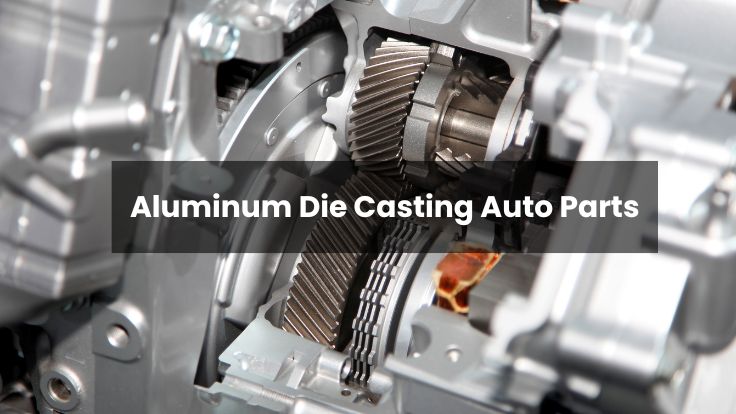
Aluminum Die Casting Auto Parts are now a common practice for industry-leading designs of engine blocks, transmission housings and a wide range of brackets. The method makes it possible to include complex designs and ensures both lightness and durability in parts crucial for strong performance and better fuel efficiency. Because it is fast and produces very little scrap waste, aluminum die casting is widely used by automakers everywhere. Auto diecasting is essential when building parts for modern cars. This manufacturing process melts aluminum into shapes required by dies, since the moulds are strong and reusable. The increasing emphasis on improved and more energy-efficient vehicles has caused companies to use more aluminum. Producing these parts dependably at a high level of accuracy often depends on aluminum die casting. The auto diecasting parts manufacturer is central to these manufacturing developments. Because electric vehicles and hybrids are getting more common, manufacturers will need more aluminum components that are both light and don’t rust or corrode easily. Because of these qualities, aluminum die casting is important to the development of transportation technology. In this article, we will cover the auto diecasting process, its advantages, common applications in automobiles and how leading die casting manufacturers make outstanding diecasting parts for today’s vehicles. What Exactly Is Aluminum Die Casting? Aluminum die casting happens when molten aluminum is pushed under high pressure into a cavity in a mould. Generally, the mould consists of hardened tool steel and shapes repeatable forms of high precision. As soon as the casting is solid and cool, the die is opened so the cast can be removed. Key Features: What Makes Die Casting With Aluminium Useful? Aluminum die casting enables producers to make high-quality components at reasonable and flexible costs. Main Benefits: When several features are present, numerous components can be assembled together into one unit. What is Auto DieCasting? Auto diecasting is the process of forcing liquid aluminum into special die or mold to shape automotive components. Many consider it known for producing extremely detailed and correct parts to tight tolerances. Because it is faster, cleaner and less costly, “auto diecasting” is now used instead of other approaches to make many vehicle components. High quality Steel dies or die casting molds are used in the manufacturing process, allowing them to handle the heat used over and over again. The cooling and ejection of the demolded aluminum part are simple, so very little finishing is needed. Therefore, the process achieves greater efficiency than machining and similar metal-forming techniques. The need for using auto die casting increases as auto designers and engineers try to build lighter, more efficient vehicles with aluminum. Uses of Aluminum Die Casting The reason aluminum die casting is important in several sectors is that it creates parts that are both strong, light and very precise. Since it performs very well mechanically, aluminum is highly appreciated in fields that demand top performance, lasting use and unique geometry. You’ll find ceramics in cars, planes, electronics, appliances and other equipment, and these applications are always increasing. Automotive Industry Aluminum die-cast parts are used most by the automotive industry. The use of this method grows as it helps manufacturers cut vehicle weight, improve mileage and fulfil tight environmental rules. Part of any auto engine, transmission, cylinder head, suspension unit or support structure may be made of aluminium. Increasing numbers of electric vehicles make die casting in aluminum necessary, since lightweight components help prolong battery life and make driving more enjoyable. Good dimensional accuracy in parts allows several components to be shaped into complex shapes, which then saves on costs by needing fewer processes and pieces. Aerospace Industry In aerospace, aluminum die casting is chosen because it gives the best strength and weight reduction. Customers turn to die-cast aluminium for aircraft frames, flight systems, gearbox coverings and engines. They are subjected to tough loads and various oil field conditions while staying the same size and remaining safe. Because of the process, parts for aerospace can be fully customized to meet high standards, all within a quicker timeframe and while working more efficiently. Because commercial and defence aviation is advancing, more demand for advanced aluminium parts is appearing. Consumer Electronics Aluminum die casting is popular in the consumer electronics industry for making parts that are both attractive, durable and good at handling heat. Internal parts of many laptops, tablets, smartphones, and camera bodies are commonly protected by die-cast aluminium housings which also give them an elegant appearance. Apart from how it lookaluminiumnum is great at conducting heat, so it’s often used in heat sinks and cooling systems. Because of die casting, small and complex designs can be manufactured, answering the industry’s desire for gadgets that use less power and take up less space. Lighting Industry There would be no excellent outdoors or industrial lighting without die-cast aluminum. Because of its advantages, aluminum is used to create street lights, LED covers and floodlight covers. That’s why lighting components can last a long time in all sorts of weather conditions. As a result, die casting makes it possible to put detailed features into a single part, so manufacturers may not have to add additional items or assemble different parts, saving them further money. Industrial machinery and equipment Aluminum die-cast parts are frequently employed in machines and equipment in industry because they last, offer high accuracy and protect against environmental damage. Examples of applications include pump housings, valve bases, gearboxes, motor cases and different structural components. Using this type of process allows the production of powerful parts that must function reliably in tough conditions.  Different Types of Aluminum Die Casting Different types of aluminum die casting are chosen based on what type of part, how many and the desired quality. Every process comes with specific pros, and one is picked depending on what the product requires. Die casting that uses high pressure (HPDC) Most of the time, high-pressure die casting is the process used. The aluminium is poured into the mould when pressured at a very high
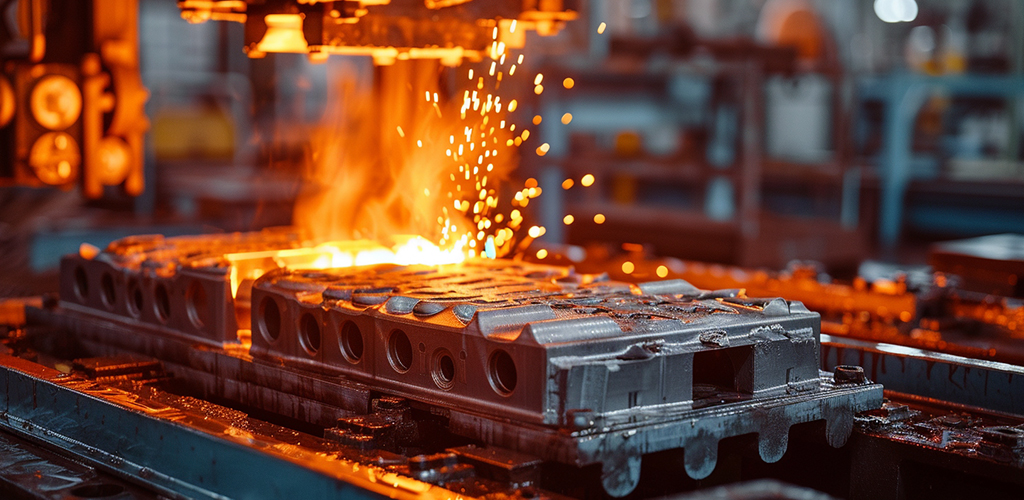
Przyszłość produkcji: Odlewanie ciśnieniowe aluminium dla przemysłu motoryzacyjnego

Przyszłość produkcji: Odlewanie ciśnieniowe aluminium dla przemysłu motoryzacyjnego

odlew aluminiowy, odlew aluminiowy

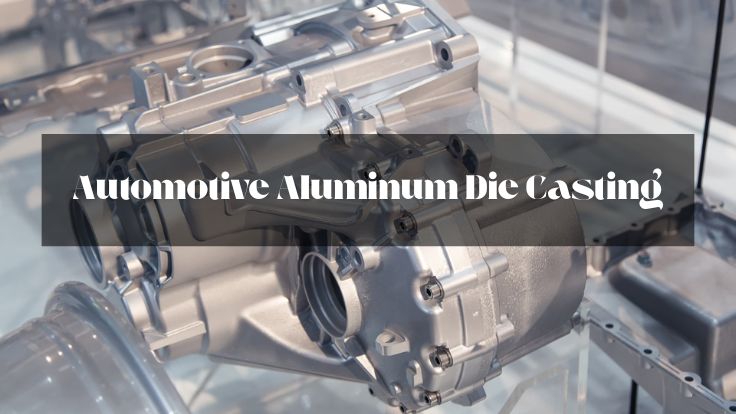
Szybkie zmiany w przemyśle motoryzacyjnym oznaczają, że firmy motoryzacyjne zawsze muszą budować pojazdy, które są lżejsze, bezpieczniejsze i oszczędzają energię. Jedną z kluczowych technologii stojących za tą zmianą jest odlewanie ciśnieniowe aluminium dla przemysłu motoryzacyjnego. Dzięki temu procesowi producenci mogą formować metalowe części, które są zarówno wytrzymałe, jak i lekkie, zachowując niezbędne złożone figury i precyzję wymaganą obecnie w pracy motoryzacyjnej. Wraz z rosnącym zainteresowaniem pojazdami elektrycznymi, poprawą bezpieczeństwa i oszczędnością paliwa, odlewanie ciśnieniowe w przemyśle motoryzacyjnym jest obecnie stosowane częściej niż kiedykolwiek. W procesie odlewania ciśnieniowego aluminium jest wlewane do małej, bardzo dokładnej stalowej formy ze znaczną siłą. Proces ten pozwala na szybkie i regularnie powtarzalne wyniki, a części mają precyzyjne wymiary i świetnie wyglądają. Obecnie wiele produktów odlewanych ciśnieniowo jest wykorzystywanych w ważnych częściach samochodów, takich jak bloki silnika, obudowy skrzyni biegów, zawieszenia samochodowe i obudowy akumulatorów. Konstrukcja musi być solidna, ale musi także spełniać wysokie standardy dotyczące ciepła i naprężeń. Ponieważ ludzie częściej wybierają aluminium niż stal, wielu producentów zwraca się ku odlewaniu ciśnieniowemu aluminium dla przemysłu motoryzacyjnego, ponieważ pomaga to obniżyć wagę pojazdu bez uszczerbku dla jego wytrzymałości. Nowoczesne postępy w dziedzinie maszyn, materiałów i zrównoważonego rozwoju umożliwiają producentom wytwarzanie aluminiowych części odlewanych ciśnieniowo do pojazdów, które spełniają nowoczesne przepisy i są przyjazne dla środowiska. Omawiamy główne idee odlewania ciśnieniowego w branży motoryzacyjnej, w tym materiały, maszyny, kryteria projektowe i przykłady ich zastosowania. Bez względu na to, czy pracujesz w branży, czy nie, zrozumienie odlewania ciśnieniowego w przemyśle motoryzacyjnym pomaga dostrzec ewolucję produkcji i przyszłość pojazdów. Na czym polega proces znany jako odlewanie ciśnieniowe aluminium dla przemysłu motoryzacyjnego? Samochodowe odlewanie ciśnieniowe aluminium odbywa się poprzez wtryskiwanie stopionego aluminium do stalowych matryc przy użyciu ogromnego ciśnienia. Gdy tylko aluminium staje się stałe, tworzy część, która jest zarówno precyzyjna, jak i wytrzymała, z drobnym wykończeniem powierzchni i dobrymi wymiarami. Ponieważ bezpieczeństwo, wydajność i efektywność mają największe znaczenie w sektorze motoryzacyjnym, cechy te są kluczowe. Ten sposób produkcji pomaga tworzyć złożone projekty, których nie można osiągnąć przy tradycyjnej produkcji. Ponieważ aluminium jest lekkie, pomaga pojazdom zmniejszyć wagę bez osłabiania ich. Inżynieria projektowa Wszystkie odlewy motoryzacyjne rozpoczynają się od kompletnej fazy projektowania i inżynierii. Dzięki oprogramowaniu 3D CAD inżynierowie mogą stworzyć model i przetestować go, aby przewidzieć jego działanie w rzeczywistości. Symulacje formowania pokazują, w jaki sposób stopiony metal jest kształtowany wewnątrz formy, w jaki sposób zastyga i gdzie mogą wystąpić ewentualne problemy z kieszeniami powietrznymi lub skurczem. Celem jest zwiększenie wydajności, wytrzymałości i łatwości produkcji części. Zespół określa również proces łączenia końcowego i stop aluminium odpowiedni do danego zastosowania. Proces tworzenia matrycy (formy) Po zaprojektowaniu następuje tworzenie matrycy, która będzie kształtować stopiony materiał w procesie. Te matryce są fachowo wykonane z zachowaniem ścisłych tolerancji i są odporne na wiele prób odlewania. Niezależnie od tego, czy zadanie jest złożone, czy produkowane w dużych ilościach, matryca może być wykonana do pracy z więcej niż jednym wgłębieniem. W matrycy znajdują się również specjalne kanały do chłodzenia i sworznie, które wyrzucają część, gdy tylko się zestali. Dobrze zaprojektowana matryca pomaga zapewnić, że produkt jest dokładny wymiarowo, ma dobrą powierzchnię, a narzędzia działają przez długi czas. Następnie wlewki aluminiowe są dalej topione w piecach przemysłowych, których temperatura przekracza 660°C (1220°F), czyli temperaturę topnienia aluminium. Stopiony materiał jest utrzymywany w stałej temperaturze i często jest uwalniany od wodoru, który w przeciwnym razie mógłby spowodować powstanie pustych przestrzeni wewnątrz. Czasami chemikalia są łączone w celu zapewnienia dodatkowej wytrzymałości, zwiększonej elastyczności lub mniejszej podatności na korozję aluminium. Ponieważ zanieczyszczenia w stopionym metalu mogą powodować wady w końcowym produkcie, metal musi być czysty. Wtryskiwanie i odlewanie Wysokociśnieniowe odlewanie ciśnieniowe jest kluczowym procesem, ponieważ stopione aluminium jest wtryskiwane do formy z bardzo dużą prędkością i pod bardzo wysokim ciśnieniem. Szybkie napełnianie metalu we wszystkich rogach matrycy wychwytuje drobne szczegóły z projektu części. Wszystkie związane z tym naprężenia pomagają zredukować kieszenie powietrzne wewnątrz komponentów, co czyni je mocnymi i solidnymi. Tuż po napełnieniu matrycy aluminium zaczyna stygnąć i twardnieć w ciągu zaledwie kilku sekund. Szybkie początkowe chłodzenie pozwala uzyskać dobrą strukturę ziarna i doskonałe wykończenie powierzchni. Gotowe zbiorniki powietrza są poddawane chłodzeniu, a następnie wyrzucane Powietrze w matrycy jest uwalniane, a za pomocą zautomatyzowanych sworzni uformowana część jest wyrzucana po zestaleniu się aluminium. W całej matrycy temperatura jest kontrolowana, a czasy cykli są skracane dzięki kanałom chłodzącym. Proces na tym etapie wymaga uwagi, ponieważ nieprawidłowe chłodzenie może skutkować pęknięciami lub wypaczeniami. Nawet po wyrzuceniu odlew zachowuje ciepło i może zostać poddany dalszej obróbce przed przejściem do następnego etapu. Przycinarki i wykańczarki są również częścią tego procesu Często w procesie odlewania pozostają pewne kawałki wlewu i wypływki, które należy odciąć. Odbywa się to poprzez przycinanie lub obróbkę końców. Czasami konieczne jest wiercenie, gwintowanie, szlifowanie powierzchni lub nakładanie powłoki, aby wykończyć element dokładnie zgodnie z jego przeznaczeniem. Czasami warsztaty stosują obróbkę cieplną, aby zwiększyć wytrzymałość metalu i jego odporność na zmęczenie. Po zakończeniu wszystkich czynności części są sprawdzane pod kątem problemów wewnętrznych i zewnętrznych za pomocą pomiarów, promieni rentgenowskich lub maszyn ultradźwiękowych. Montaż lub wysyłka przedmiotów odbywa się etapami Dokładna kontrola i wykończenie oznaczają, że odlew może albo trafić do klienta, albo zostać przeniesiony do systemów montażowych. Zanim trafią do pojazdów, obudowa, wsporniki i mocowania są montowane z wieloma innymi elementami mechanicznymi lub elektronicznymi. Odlewy są najlepiej chronione podczas transportu, a łańcuch dostaw przebiega sprawnie, jeśli logistyka i pakowanie są skuteczne. Korzyści płynące z odlewania ciśnieniowego w przemyśle motoryzacyjnym Coraz więcej producentów samochodów stosuje komponenty aluminiowe ze względu na korzyści płynące z odlewania ciśnieniowego w przemyśle motoryzacyjnym. Główną korzyścią jest to, że pojazdy

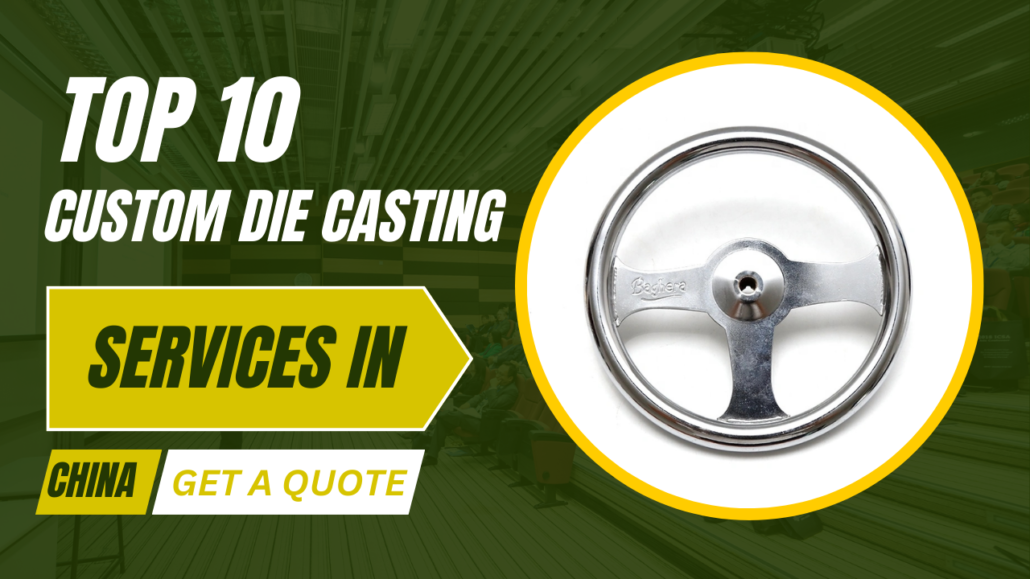
10 najlepszych niestandardowych usług odlewania ciśnieniowego w Chinach

10 najlepszych niestandardowych usług odlewania ciśnieniowego w Chinach

Chińskie maszyny inżynieryjne, firmy odlewnicze, Producent odlewów ciśnieniowych

China is known for its global leadership position in manufacturing, which includes the die casting industry that serves the automobile, aerospace, electronics, consumer goods, and industrial machinery industries. All of these industries require high-quality metal components. Out of all the techniques of metal forming, die casting is the most individually recognized for being able to achieve high precision levels of intricate shaping, surface finishing, strength, and cost effectiveness. In China, the custom die casting service industry is emerging to world-class status because of the high achievers’ precision marketing and focus on technology.   Prototype creation for startups and scalable production solutions for multinationals are tailored to the services offered by the die casting service providers in China. They have the equipment and engineering ability to convert concepts into reality. Now let’s delve deeper into the best of the best and what distinguishes them from the other global competitors. Choosing an appropriate die casting partner based in China can strategically impact the quality, cost efficiency, and reliability of your products. The major die casting manufacturers in China offer value-added services that extend beyond mere die casting. These services include design consultation, mold making, CNC machining, surface finishing, quality control, and even assembly, all done in-house. They have gained international clientele due to their ability to achieve high-volume production consistently. We have prepared a list of the Top 10 Custom Die Casting Services in China for you based on their equipement sophistication, production capacity, and certifications— ISO 9001 and IATF 16949, together with customer feedback and exposure to foreign business. These industry leaders are committed to improving efficient production processes while meeting customers’ ever-changing demands. Sincere Tech   Year of Establishment: 2005Number of Employees: 100-500Business Type: Plastic Injection Mold Manufacturing, Die Casting, CNC Machining, Assembly Services Website and Contact: Website: plasticmold.netEmail: info@plasticmold.netPhone: +86 135 30801277Address: Building 1, No. 30 Huan Zhen Rd, Shang Dong village, Qi Shi Town, Dongguan City, Guangdong province, China, 523000 Business Profile Sincere Tech is one of the custom die casting leaders in China. Their headquarters are located in Dongguan City, Guangdong Province, and are equipped with factories and a workforce that ranges from 100 to 500 employees. In addition to die casting, Sincere Tech’s proficiencies include plastic injection molding and CNC machining, among others. Throughout the decades, Sincere Tech has built a reputation for accuracy and reliability as a contract manufacturer among multinational clients in the automotive, electronics, medical, industrial, and IAT sectors.   Quality Commitments   Sincere Tech is ISO 9001 certified, and as such, its protocols and internal controls are held to strict standards. This certification also ensures that the organization aligns with international standards of quality management systems. Sincere Tech does add value to its clients by integrating quality in each production stage, including: selection of raw materials, tooling, and production, all of which use state-of-the-art CMMs and projectors to ensure precise measurements.   Why Choose Sincere Tech?   GC Precision Mould Co., Ltd Year of Establishment: 1999Number of Employees: 100-200+Business Type: Aluminum, Zinc, Magnesium Die Casting, CNC Machining, Plastic Injection Molding Website and Contact: Website: aludiecasting.comEmail: info@aludiecasting.comPhone: +86 131 4886 5556Address: No. 30 Huan Zhen Rd, Qi Shi Town, Dongguan City, Guangdong province China, 523516 Business Profile Established in 1999, GC Precision Mould Co., Ltd. is based in Dongguan City, Guangdong Province, China. It specializes in custom die casting and has a workforce of about 100 to 200 employees. The company offers aluminium, zinc, and magnesium die casting, CNC machining, and plastic injection molding services. With GC Precision, customers can obtain complete services from mold design to production regardless of how simple or complex the project is.   Quality Commitments   GC Precision maintains competitive prices while offering high-quality custom die casting solutions to their customers. The company follows ISO 9001 guidelines, thus their quality procedures such as inspection of molds, first article inspection, in-process inspections, and final inspection ensure that the customer requirements are always met.   Why Choose GC Precision Mould?   CNM Tech Co., Ltd. Year of Establishment: 20+ years agoNumber of Employees: 100-400Business Type: Precision Die Casting, CNC Machining, Assembly Services Website and Contact: Website: diecastingschina.comEmail: info@diecastingschina.comPhone: +86 130 4589 8002Address: Rm 101, No.40, Donghu road, Jinglian, Qiaotou town, Dongguan city, Guangdong Province, China. 523520. Company Profile Soon after completing the business registration in Dongguan City, Guangdong Province, CNM Tech Co., Ltd., became known in the custom die casting industry. With a strength of 100 – 400 employees, the company specializes in aluminum die casting with CNC machining and full-service assembly. They cater to the automotive, electronics, medical, and consumer product industries. Quality Commitments   With an ISO 9001 certification, CNM Tech guarantees quality in every step of the process. The company employs ultrasonic testers, 3D scanners, and CMMs to conduct thorough inspections during all stages of production to ensure precision and quality.   Why Choose CNM Tech?   Sunrise Metal Technology Co., Ltd.   Year of Establishment: 2010No of Employees: 100–300Business Type: High-precision aluminum custom die casting manufacturer, CNC machining, and product assembly service provider. Website and Contact: Website: sunrise-metal.comEmail: sales@sunrise-metal.comPhone: (+86)139 1265 1818Address: No 1456, Fushikang Road, Kunshan, Jiangsu, China (215300) Company Profile Sunrise Metal Technology Co., Ltd. began operations in 2010 and is based in Shenzhen. The company focuses on sectors such as aluminum die casting, rapid prototyping, CNC machining, surface finishing, and is a supplier for medical, automotive, telecommunication, and industrial equipment manufacturing industries.   Quality Commitments   Sunrise Metal operates under ISO 9001:2015 and IATF 16949:2016. Adherence to the regulations marks strict vigilance on accuracy in measurements. Advanced quality controls such as Mold flow simulation, X-ray inspections, CMM measurements, and first article inspection (FAI) are performed.   Why Choose Sunrise Metal Technology?   EMP Tech Co., Ltd. Year of Establishment: 1990No of Employees: 500+Business Type: Professional custom die casting manufacturer specializing in aluminum die casting, CNC machining, and product assembly. Website and Contact: Website: empcasting.comEmail: info@empcasting.comPhone: +86 180 3316 3576Address: NO.38 Duanzhou 3rd Road, Zhaoqing(526060), Guangdong, China. Company Profile Starting in 1990, EMP Tech Co., Ltd. has a reputation for offering high-precision aluminum die casting along with CNC machining services. EMP

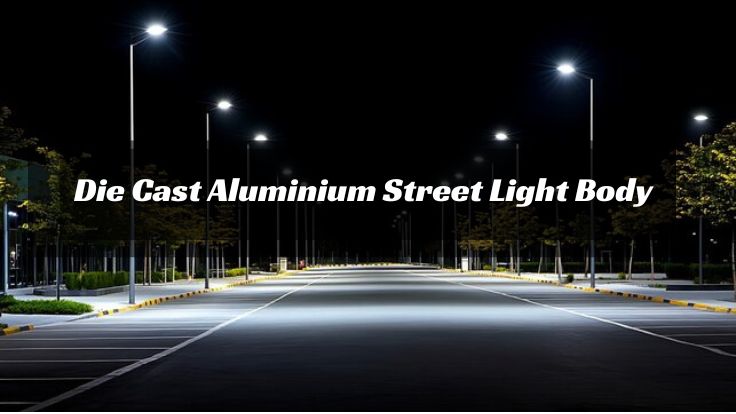
Odlewany ciśnieniowo aluminiowy korpus oświetlenia ulicznego

Korpus oświetlenia ulicznego z odlewanego ciśnieniowo aluminium: Długotrwałe oświetlenie

odlew aluminiowy

Because of modern, energy-saving technology, it is crucial nowadays for lighting products to be strong and reliable. Almost all modern outdoor lighting systems include a die cast aluminium body for their street lights. Because it is highly thermal, corrosion-resistant, and strong, this housing lasts long despite harsh events in the environment. It shields the LED’s circuits and also lets heat escape, which maintains their life. The aluminum LED street light casings are designed to ensure safety and quality on a global level. Because they are well-built and versatile, you can often see these enclosures along streets, highways, in industries, and in parks. Thanks to design progress, many kinds of LED street lights die cast aluminum bodies are being made now to suit numerous needs and preferences in light fixtures. While LED street light housing was formerly designed for efficiency, it now offers modular designs, smart features, and pleasing looks. This article discusses the features, types, series, specifications, and benefits of using die-cast aluminium in street lighting for those who plan, design, and select street lighting fixtures. This article covers how important, advantageous and in-demand die cast aluminium street light bodies are, as well as the steps involved in making them and modern trends in the market. What is meant by a die-cast aluminum Street Light Body? Die-cast aluminium is the process used to make the protective and supporting body of LED street lights. Within this body are placed all the important things in the lighting unit, like the LED driver, circuit board and lens and they are all protected from things like dust, water and hot or cold temperatures. Die-casting aluminum allows manufacturers to create LED street light housings that are strong, uniform, precise, and lightweight. The item that results is durable and also looks stylish, usually including smooth, stylish lines. The Steps Involved in the Die Casting Process In die casting, molten aluminium is pushed by high pressure into a shape cavity in the mold. Once the procedure is finished and the metal has fully solidified, it forms to the shape of the mold and is afterward pulled out, trimmed, cleaned up and polished. A major reason to use this process in LED street lighting is the ability to produce pieces with precise accuracy, the same features every time, and excellent surface and physical qualities. Here is a simple outline of what you have to do: It allows manufacturers to make many products at a low cost since it minimizes waste. Why You Should Use Die-Cast Aluminium for Street Light Housings? There are many benefits to using a die-cast aluminium body for a street light. 1. Heat Dissipation Aluminium is excellent at transferring heat. Heat generated by the LEDs is dispersed by the body and stops the components from overheating and ultimately damaging them. By using this feature, the vehicle is able to handle stable performance in different kinds of weather. 2. Toughness and Sturdiness The material does not add weight, but it’s durable enough to face harsh weather conditions. 3. Corrosion Resistance Applying coating or anodizing to aluminium makes it very resistant to corrosion, so the housing for LED street lights lasts for a long time in rough places, including by the sea or around factories. 4. Design Flexibility With die casting, it is possible to create objects with extra features and shapes, meaning the need for other types of assembly is reduced. 5. Aesthetic Appeal Nowadays, modern city planners prefer fixtures that are clean and sleek. Both the purpose and appearance of a city can be shaped by LED street lights with a die cast aluminum body. Tools for Use in Urban and Industrial Areas The body of a die-cast aluminium street light is found in places such as: This kind of housing can be used with LEDs that draw light at all levels, from lighting to smart controls. Why Die Casting Aluminum LED Street Light Housing is Favorable in the Market? In the last several years, more and more companies have switched to aluminum die-cast LED street light housing. It is influenced by a variety of different aspects. The trend will continue since many cities invest in updating their infrastructure and prefer energy-saving lighting systems. The Quality Control and Standards function Manufacturers of LED street light housing must strictly follow industry rules to ensure it operates safely, works properly, and lasts long. Businesses should check the following qualities: To gain worldwide approval and trust from buyers, a high-quality LED street light should pass CE, RoHS and ISO certifications. Production of a Series of Die-Cast Aluminium Street Light Bodies Many manufacturers separate their products into series based on how they look, their output, where they are used, and their technical attributes. Thanks to the street light body series, buyers can easily select a product that suits their needs. The following are the most common types of TV series seen: 1. Miniseries 20W–50W The Mini Series has compact housing units for LED street lights that are meant for narrow roads, walkways and homes. Because they’re all very light and efficient, these models are common in locations that do not need much light. 2. Standard Series (60- 120W) This is the group of literature that most people read. The LED street lighting housings in this series are both strong and save on costs. It is perfect for driving on roads, parking lots, and guarding plants and factories. 3. The range covers from 150W to 250W As they are meant for highways, broad streets and expansive outdoor areas, these products have LED street lights in sturdy aluminum casting with extra heat dissipation. Many such phones include smart features and higher levels of dust and water resistance. 4. Smart/Intelligent Series These hosts are configured to support motion sensors, IoT modules, or smart drivers. In the series, aluminium street lights are equipped with wireless technology, allowing them to respond to remote control for new smart city technology. 5. Designer or Architectural series The series joins music with the beauty of art.

Czym jest odlewanie grawitacyjne? Kluczowe informacje dla producentów

Czym jest odlewanie grawitacyjne? Kluczowe informacje dla producentów

Odlewanie grawitacyjne, Producent odlewów ciśnieniowych

In the modern days of manufacturing, metal casting is very crucial when it comes to producing components with complex geometries of high quality. Among the most efficient ways of doing this is the gravity die casting. This process is a combination of precision, efficiency, and cost effectiveness; hence is a preferred solution to industries like automotive, aerospace, and industrial equipment. In essence, gravity die casting involves using the force of gravity to fill up a mold of metal without having to use high-pressure equipment, thus making the process not complex in its setup. If you are a student of engineering, a production manager, or just interested in casting technologies, then learning about gravity casting is crucial to adopt a general view of metal production. The basic principles of aluminum gravity die casting, how it is done, important factors like the temperature and time, the type of materials used, as well as its advantages and disadvantages, along with common applications, are covered in this article. How Aluminum Gravity Die Casting Works? Aluminum gravity die casting is a process of permanent mold casting that is commonly applied for manufacturing non-ferrous aluminum metal parts. The aluminum gravity die casting involves molten aluminum metal pouring into a reusable metal mold by the influence of gravity only. Doing away with high-pressure die casting that uses pressure of thousands of psi to squeeze metal in the mold, gravity casting uses natural gravitational forces alone, allowing molten metal alloy to flow into the cavities of the die without restriction. The following is the typical process involving this activity: Since the process involves the use of gravity and not mechanical pressure, the setup of equipment is simplifie,d and maintenance as well as tooling costs are usually lower. Step-by-Step Process of Gravity Die Casting Gravity die casting technique is popular for its ease of repeatability and is also able to produce high-quality metal with tight tolerances. Unlike high-pressure die casting, it applies the force of gravity alone and fills the mold cavity, thus making the whole process more cost-efficient and mechanically less cumbersome. Below is a step-by-step guide on how aluminum gravity die casting is done in an ordinary setup: 1. Mold Preparation The initial process in aluminum Gravity casting uses in preparing the mold, or otherwise known as die. Steel or cast iron is usually used in making these dies which are meant for repeated uses. The mold is cleaned properly after any metal can be poured so as to remove any residues left by previous castings. After cleaning, the mold is preheated at a temperature between 150°C and 300 300°C. Preheating means that the molten aluminum alloy does not get cooled too fast on contact, leading to such defects as cold shuts or inadequate filling. A release agent, usually a graphite or ceramic-based coating, is applied to the internal surface of the mold. This serves two functions: ensuring that the molten aluminum alloy does not stick on the die, and assisting in getting a smoother finish on the final product. 2. Aluminum alloy Melting The preparation of the mold is followed by melting the selected metal alloy. The amounts of metal alloys are placed in furnace and melted to the pouring temperature that depends on alloy. For instance, melting points of aluminum alloys are usually in the range of 650°C-750°C, while the copper-based alloys may require melting points between 900°C and 1100°С. It is of extreme importance to provide precise control over the melting temperature. Over heating could require increased oxidation or gas absorption, whereas under heating could result to incomplete filling of the molds or poor mechanical properties. 3. Pouring the Molten Metal alloy When the right melt temperature is reached, molten metal is poured into the preheated mould. In gravity die casting, there is no application of any mechanical force or even pressure. Gravity causes the aluminum alloys to flow by natural means into the mold cavity entrance through a set of sprues and gates. This step will need a slow, controlled pour so as not to create turbulence, which can trap gases and lead to porosity in the casting. In some advanced systems, there is the possibility of tilting the mold very slowly while pouring it – the tilting gravity die casting to create a smooth and even metal flow. 4. Filling the Mold Cavity Once the molten metal penetrates the mold, it fills all portions of the cavity under the shape of the die. Mold design is very important at this point. Properly designed gating systems will distribute the metal to avoid turbulence, cold spots, or areas with possible shrinkage. As the gravity alone is used for the metal flow, it is necessary that metal should be poured at the proper speed and temperature. Lack of flow control may cause such defects as incomplete fills or cold shuts – places where two metal fronts touch but do not melt together. 5. Solidification and Cooling After the cavity if filled, the molten metal alloy begins to cool and become solid. Cooling time is dependent on casting size and complexity as well as the kind of metal used. For instance, small aluminum parts can solidify as early as in 20–30 seconds, while large or thicker parts may take 60–90 seconds and more. The die is in most cases water-cooled in order to assist in controlling the rate of cooling. Controlled cooling enhances an improvement of grain structure and internal stresses, and reduces them thus making stronger and reliable castings. 6. Die Opening and Part Removal The die is opened after solidification of the aluminum alloy. Depending on the design, the casting can be manually removed or ejected through the pressure provided by the mechanical ejector pins incorporated into the mold. As grade casting utilizes a metallic die, the mold can be reused for thousands of cycles, and hence, the process is cost-effective for medium to high volume runs. As much as part removal has to be done, care should be taken to ensure that

10 najlepszych niestandardowych usług odlewania ciśnieniowego w Chinach

firmy odlewnicze, Producent odlewów ciśnieniowych, forma odlewnicza

The manufacturing industry is ever changing, and one of the most important processes to have to efficiently produce exacting and top-quality metal parts is custom die casting. In particular, several companies in China, a global center of excellence in manufacturing, are just leading the way with top-notch service of custom die casting. These providers are fast becoming an industry expert in cleanroom precision aluminum die casting and more for clients in a variety of industries. Die casting involves the use of high pressure forcing molten metal into an area called dies, which allows for highly accurate, smooth, or textured shapes to be cast. Chinese custom die casting manufacturers have been able to further perfect this art and add competitiveness of pricing, rapid prototyping, precision tooling, and full production capability. In addition, they work with global clients to achieve international quality standards such as ISO 9001, TS16949, and AS9100. Apart from die casting production, a large number of companies not only function as die casting production but also as die casting mold suppliers to gain complete control over design, prototyping, tooling, and mass production phases. In this article, Sincere Tech, GC Precision Mould, and CNM Tech, these industry leaders from China, are listed among the Top 10 Custom Die Casting Services in China. We will also bring you to some of the other renowned companies outside China that have also made a great impact in the die-casting industry. These are the best companies for high-pressure die casting, zinc die casting, and custom aluminum die casting services. It’s time to take a look at the leading names in changing the world of the custom die casting industry right now! 1. Sincere Tech Year of Establishment: 2005Number of Employees: 100-500Business Type: Plastic Injection Mold Manufacturing, Die Casting, CNC Machining, Assembly Services Website and Contact: Website: plasticmold.netEmail: info@plasticmold.netPhone: +86 135 30801277Address: Building 1, No. 30 Huan Zhen Rd, Shang Dong village, Qi Shi Town, Dongguan City, Guangdong province, China, 523000 Company Profile With years of practice since its foundation, Sincere Tech has developed to be one of the leading companies in Custom Die Casting in China. The place of operation is Dongguan City, Guangdong Province, with more than 100 to 500 employees based in a comprehensive facility. Besides that, the company also has experience in plastic injection molding, CNC machining, and professional applications. For decades, they have churned out precision, consistency, and inexpensive solutions to multinational brands in IAT, automotive, electronics, medical, and industrial segments. Sincere Tech, known to handle the whole life cycle of production, including die casting mold suppliers to finished product assembly, guarantees consistent quality control, which is exerted at each stage. Having provided advanced machinery with strict quality standards to every customer is what makes their services a top priority for businesses when it comes to getting a custom die casting manufacturer in China. Their Quality Commitments Quality is built into every one of the product processes at Sincere Tech. Under strict quality management of ISO 9001, they provide the best custom die casting services. Raw materials, toolings, die casting molds, and final products are rigorously inspected by their quality assurance team using advanced measuring equipment such as CMMs and projectors. The quality of every project is checked over and over against dimensions, smooth surfaces, and long-term durability. Moreover, Sincere Tech is also engaged in balancing between customer feedback and continuous improvement to satisfy evolving industry standards. The commitment is simple: deliver precision-engineered parts that meet the client’s expectations every time. Why Choose Sincere Tech? 2. GC Precision Mould Year of Establishment: 1999Number of Employees: 100-200+Business Type: Aluminum, Zinc, Magnesium Die Casting, CNC Machining, Plastic Injection Molding Website and Contact: Website: aludiecasting.comEmail: info@aludiecasting.comPhone: +86 131 4886 5556Address: No. 30 Huan Zhen Rd, Qi Shi Town, Dongguan City, Guangdong province China, 523516 Company Profile Based in Dongguan City, Guangdong Province of China, GC Precision Mould Co., Ltd. was founded in 1999, and it is a custom die casting services specialist. GC Precision has more than 100–200 skilled employees serving the custom aluminum die casting, zinc die casting, magnesium die casting, CNC machining, and plastic injection molding. As a registered company, it prides itself on the fact that it can handle all types of projects of different complexity and much scaled size, and provides full support from the design of the initial mold until mass production. As a company that serves industries like automotive, aerospace, medical, and consumer electronics, GC Precision pledges to supply high-precision, durable parts to international standards. This is where die casting mold suppliers, such as them, stick to a policy of innovation, quality, and customer satisfaction. Their customers around the world depend on their engineering skills, modern equipment, and highly trained staff to accomplish demanding projects in a timely and adequate manner. Their Quality Commitments Quality assurance is always the key for custom die casting services that GC Precision Mould can provide at very affordable prices. Every project is implemented by them as per the ISO 9001 quality management system, which ensures that every project meets or exceeds customer expectations. The in-depth mold inspection, first article testing, in-process monitoring, and final inspection are the quality control processes. For their die-cast components, GC Precision Mould uses high precision equipment like CMMs, spectrometers, and tensile testing machines, with which it is ensured that die-cast components are of much better mechanical properties and provide flawless finishes too. Part of the reason is that their team is continually working to make manufacturing processes more refined and, as a result, also investing in its employee training programs. Quality is their commitment, and they ensure that clients get all the products with reliability, performance, and excellent value. Why Choose GC Precision Mould? 3. CNM Tech Year of Establishment: 20+ years agoNumber of Employees: 100-400Business Type: Precision Die Casting, CNC Machining, Assembly Services Website and Contact: Website: diecastingschina.comEmail: info@diecastingschina.comPhone: +86 130 4589 8002Address: Rm 101, No.40, Donghu road, Jinglian, Qiaotou town, Dongguan city, Guangdong Province, China. 523520. Company Profile CNM Tech Co., Ltd is

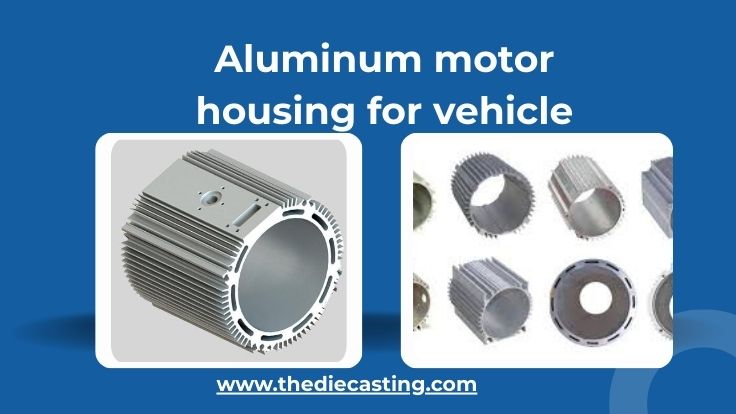
Aluminiowa obudowa silnika do pojazdu

Aluminiowa obudowa silnika do pojazdu

odlew aluminiowy

Ze względu na utrzymywanie się aluminiowej obudowy silnika jako krytycznego elementu w projektowaniu pojazdów elektrycznych i hybrydowych, zrozumienie jej zachowania jest ważne dla cyklu życia produktu. Jako obudowa ochronna silnika, chroni go przed zanieczyszczeniami środowiskowymi, uderzeniami mechanicznymi i nagrzewaniem. To zastosowanie jest powodem, dla którego aluminium jest złotym standardem w jego wyborze. Lekkość aluminium jest jedną z głównych zalet stosowania tego materiału. Na przykład, w przypadku aluminiowych obudów silników w pojazdach elektrycznych (EV), waga zmniejsza się bezpośrednio wraz z zasięgiem i wydajnością dzięki akumulatorom. Co więcej, przewodność cieplna aluminium jest doskonała, ponieważ ma to znaczenie dla rozpraszania ciepła wytwarzanego podczas pracy silnika. Pomaga to utrzymać optymalną wydajność silnika, zapobiegając jego przegrzaniu. Aluminium jest nie tylko naturalnie odporne na korozję, ale jest to ważne w przypadku zastosowań w pojazdach, które doświadczają dużych wahań od gorących do zimnych, mokrych lub suchych warunków. Jest to materiał nadający się do obróbki skrawaniem, co ma znaczenie przy stosowaniu różnych metod produkcji, takich jak odlewanie ciśnieniowe, odlewanie piaskowe i obróbka CNC. W oparciu o te metody możliwe jest zintegrowanie złożonych elementów, takich jak żebra chłodzące, wsporniki montażowe i kanały dla układu chłodzenia cieczą. Często w zakresie doboru materiałów stosowane są popularne stopy aluminium, takie jak A356, 6061-T6 i AlSi10Mg. Dlatego każdy z nich zapewnia dobrą równowagę między wytrzymałością, trwałością i łatwością produkcji. W elektrycznych układach napędowych, cechy tłumienia drgań i zakłóceń elektromagnetycznych (EMI) mogą być również brane pod uwagę przy projektowaniu aluminiowej obudowy silnika. Aluminiowa obudowa silnika jest w sumie lepsza, aby zwiększyć wydajność, niezawodność i trwałość silnika pojazdu. Podczas gdy przemysł motoryzacyjny zmierza w kierunku elektryfikacji i lekkich materiałów, aluminium jest wybierane, ponieważ jego zdolność do działania i zdolność adaptacji do nowoczesnych technologii produkcyjnych już okazały się preferowanym wyborem. Zrozumienie aluminiowej obudowy silnika Aluminiowa obudowa silnika to obudowa ochronna silnika, która chroni wewnętrzne elementy silnika, tj. wirnik, stojan i łożyska. Obudowy silników są zaprojektowane tak, aby zapewnić zarówno ochronę mechaniczną, jak i zarządzanie termiczne, i odgrywają kluczową rolę w zapewnieniu długoterminowej niezawodności silnika. Ze względu na swoje doskonałe właściwości, aluminium zyskało już udział w rynku jako materiał wybierany do produkcji obudów silników w głównych gałęziach przemysłu, takich jak motoryzacja, lotnictwo, produkcja, a także energia odnawialna. Kolejną wielką zaletą stosowania aluminium jest jego lekkość i wyjątkowa wytrzymałość. W przeciwieństwie do tradycyjnych materiałów, takich jak stal, aluminium znacznie zmniejsza całkowitą wagę silnika bez utraty jego trwałości. Szczególnie w branżach takich jak pojazdy elektryczne (EV), redukcja masy jest ważna ze względu na potrzebę efektywności energetycznej i zasięgu. Kolejnym istotnym czynnikiem jest przewodność cieplna. Ciepło generowane podczas pracy silników jest znaczne, a aluminiowa obudowa służy jako wydajny radiator, umożliwiając szybkie odprowadzanie ciepła, co pozwala uniknąć przegrzania silnika i oszczędza wytwarzaną w ten sposób energię. Ponadto aluminium jest materiałem naturalnie odpornym na korozję, co oznacza, że obudowa będzie w stanie poradzić sobie z najmniej odpornymi tendencjami. W wielu przypadkach firmy wymagają konkretnych projektów, które zostały zoptymalizowane pod kątem danego zastosowania. Ale niestandardowe odlewy aluminiowe są właśnie tym, czego producenci potrzebują w takich sytuacjach, umożliwiając tworzenie części obudowy silnika o złożonych kształtach i zintegrowanych żebrach chłodzących w jednym procesie, a także dodatkowych funkcji do montażu. Co więcej, współpraca z producentem niestandardowych odlewów ciśnieniowych gwarantuje również, że obudowa spełnia standardy jakości, wytrzymałości i precyzji. Dalsze udoskonalanie za pomocą niestandardowych części aluminiowych może być wykonane w razie potrzeby i zapewnia idealne dopasowanie i wykończenie, poprawiając wygląd silnika przy jednoczesnym dodaniu funkcjonalności. Aluminiowa obudowa silnika Aluminiowa obudowa silnika pojazdu ma za zadanie obudować i podtrzymywać silnik elektryczny lub spalinowy oraz chronić go. Jest ona powszechnie stosowana w pojazdach elektrycznych (EV) i hybrydowych lub innych rodzajach samochodowych układów napędowych: Aluminium ma wiele kluczowych zalet dla obudowy silnika 1. Lekkość: Zmniejsza to całkowitą masę pojazdu, co z kolei zwiększa oszczędność paliwa lub zasięg akumulatora. 2. Przewodność cieplna: Skutecznie rozprasza ciepło wytwarzane przez silnik. 3. Odporność na korozję: Sięga głębiej do wód gruntowych, dzięki czemu wydłuża żywotność, zwłaszcza w trudnych warunkach. 4. Obrabialność: Możliwość obróbki CNC i łatwego odlewania lub odlewania ciśnieniowego w przypadku złożonych geometrii. 5. Stosunek wytrzymałości do masy: Oferuje integralność strukturalną bez dużej masy. Powszechnie stosowane stopy aluminium: AlSi10Mg (do odlewania ciśnieniowego): Doskonałe właściwości termiczne i mechaniczne. 6061-T6: Zwykle stosowany w obudowach obrabianych CNC, zapewnia dobrą wytrzymałość i odporność na korozję. A356: Ze względu na dobrą płynność i wytrzymałość jest często używany do odlewania. Uwagi projektowe: Integracja chłodzenia: Często są to żeberka, kanały lub płaszcz chłodzący do aktywnego/pasywnego chłodzenia. Tłumienie drgań: Tuleje lub mocowania mogą być wymagane w celu zmniejszenia hałasu lub wibracji. Ekranowanie EMI: Elektryczne układy napędowe mogą wymagać blokowania zakłóceń elektromagnetycznych. Metody produkcji: Odlewanie ciśnieniowe: Opłacalne w przypadku produkcji wielkoseryjnej. Odlewanie piaskowe: Produkcja na małą i średnią skalę, może być również stosowana w produkcji prototypów.Obróbka CNC: Przy jej użyciu wykonuje się bardzo dokładne cięcie, zwłaszcza gdy przy produkcji części wymagane są wąskie tolerancje. Dlaczego aluminium do produkcji obudów silników? Aluminium przewyższa wszystkie inne alternatywne materiały, takie jak stal, tworzywa sztuczne i kompozyty, przy podejmowaniu decyzji, jaki materiał powinien być użyty do produkcji obudów silników. Najlepsze cechy miedzi sprawiają, że jest to materiał wybierany do zastosowań wymagających wydajności, trwałości i opłacalności. Drugim powodem stosowania aluminium jest jego lekkość. Silniki, zwłaszcza pojazdy elektryczne, urządzenia przemysłowe i silniki lotnicze, muszą być tak lekkie, jak to tylko możliwe, bez uszczerbku dla ich wytrzymałości. Te właściwości niskiej gęstości aluminium znacznie zmniejszają całkowitą masę zespołu silnika, zwiększając wydajność, zużywając mniej energii i umożliwiając projektowanie bardziej elastycznych rozwiązań. Kolejną istotną zaletą aluminium jest jego doskonała przewodność cieplna. Wszystko, co generuje ciepło, na przykład wewnątrz silnika, ugotuje się, jeśli ciepło nie zostanie rozproszone.

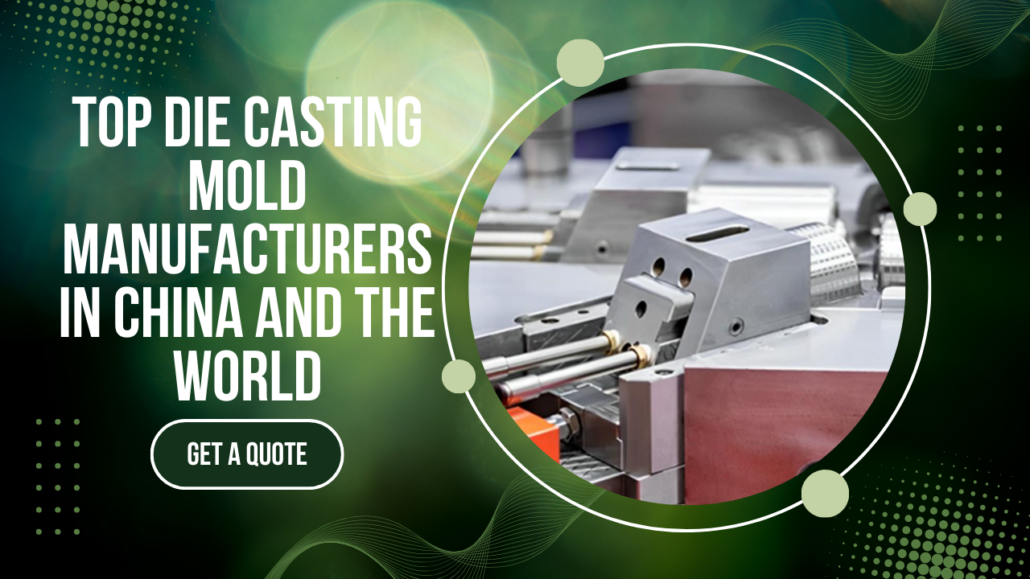
Najlepsi producenci form odlewniczych w Chinach i na świecie

Najlepsi producenci form odlewniczych w Chinach i na świecie

Producent odlewów ciśnieniowych

The worldwide die-casting business involves the manufacturing process by manufacturing strong precision parts required by the automotive, aerospace, electronics, and consumer product sectors. When die-casting mold makers create specialized tools for making detailed metal parts of specific measurements and logical measurements with polished results, they are part of the network that leads the manufacturing. Due to the growing market need for lightweight aluminum and magnesium materials, there is much demand for these specialized magnesium die-casting suppliers and die-casting mold makers. With its solid infrastructure and quality workers producing faster die casting mold-making results, the world now turns to China. Currently, the best die-casting mold suppliers in China can provide worldwide services, and they’re good at producing tools and CNC machining, surface solutions, and fast prototyping. Due to their smart solutions, top work, and successful international projects, companies Sincere Tech, GC Precision Mould, and CNM Tech have gained top reputations. Apart from China, companies worldwide are constantly progressing in the development of die-casting tooling and automation systems while keeping pace with environmental standards. Research on new materials includes the focus mentioned above. Companies worldwide that lead die casting mold production stress new and green manufacturing methods. Complete service options such as mold design creation, simulation tests, setup evaluation, and output processing are provided. This paper studies China and the international die-casting mold producers’ specific strengths and service lines. This guide will help you find any kind of die-casting expert, from global die-casting mold service providers to magnesium die-casting supplies suppliers. What Are Die Casting Mold Manufacturers? Die-casting mold manufacturer companies are also known as die-casting mold manufacturers are special companies that design, engineer, and produce the precision mould (also known as dies) used in the die casting process. Under high pressure, complex metal parts with high accuracy, smooth surface finish, and stability of dimensions are produced by injection of aluminum, zinc, or magnesium molten metal into a steel mold cavity. The die casting mold manufacturers are an essential part because the quality of the mold (in many degrees) determines to a large extent the quality of the outcome, namely the performance of the final product, the accuracy, and durability. Such manufacturers closely collaborate with clients of numerous industries, including automotive, aerospace, electronics, medical devices, and consumer goods, to provide custom mold solutions matching the requirements of specific products. Mold design, computer-aided engineering (CAE) simulation, CNC machining, surface treatment, mold testing, and maintenance or upgrade operations in the target range of its services are offered. Some others are being provided with value-added services such as prototyping, assembly, and post-casting machining. Advanced die casting mold suppliers use H13 or SKD61 steel as it is durable and offers heat resistance, and develop molds with ejection pin systems, vacuum casting, and thermal regulation systems incorporated. Internationally recognized best die-casting mold manufacturers both in China and around the world follow international standards (for example, ISO 9001, IATF 16949) to provide consistency and make it safe and productive. For manufacturers worldwide, their expertise helps to mass produce high-precision components, bring down the production cost, and beat time to market. In a nutshell, die casting mold manufacturers are the lifeblood of these ventures of precision metal casting, fusing engineering expertise, state of the art machine set up, and an extensive understanding of industry to produce those tools that make everyday products possible. Sincere Tech Year of Establishment: 2005No. of Employees: 100–500Business Type: Plastic injection mold manufacturing, die-casting, CNC machining, and assembly services Website and Contact: Website: plasticmold.netEmail: info@plasticmold.netPhone: +86 135 30801277Address: Building 1, No. 30 Huan Zhen Rd, Shang Dong village, Qi Shi Town, Dongguan City, Guangdong, China, 523000 Company Profile Sincere Tech is a die-casting mold manufacturer and plastic injection mold provider that has had a relatively international style since its establishment in 2005. Sincere Tech has a workforce of 100–500 skilled professionals and a manufacturing base in Dongguan, Guangdong province, which provides services of die casting, mold making, plastic injection molds, precision machining, complete product assembly, and so on. From the automotive, electronics, medical, and industrial sectors, the company serves its clients. Sincere Tech is a full-service supplier, engaging in projects from the gleam of a concept to the final IMO in place. Additionally, their international client base extends to North America, Europe, and Southeast Asia, and their commitment to timely delivery and rich industry experience has led them to use advanced equipment. Sincere Tech has a strong engineering team and in-house mold tooling capabilities, and constantly tops the market as one of the most distinguished die casting mold China and magnesium die casting suppliers. Their Quality Commitments Sincere Tech stresses quality at all stages of the die casting mold-making process. The entire mold company follows ISO 9001 standards and has reached a level of rigor in inspection to make sure that every mold is exactly to its client’s exact specifications. As the scarring is usually complicated, smoothed graphics computer-aided morphology manufacturing calculation (CAD/CAM/CAE) software is applied. Hardness testing, dimensional accuracy, and surface finish evaluation are all carried out on every component. They have a trained quality control team with the skill set of root cause analysis and continuous improvement methodologies, which helps reduce defects and maintain a high level of customer satisfaction. For this reason, Sincere Tech is a reliable die casting mold supplier. Why Choose Sincere Tech? GC Precision Mould Year of Establishment: 1999No. of Employees: 100–200+Business Type: Aluminum, zinc, and magnesium die casting, plastic injection molding, CNC machining Website and Contact: Website: aludiecasting.comEmail: info@aludiecasting.comPhone: +86 131 4886 5556Address: No. 30 Huan Zhen Rd, Qi Shi Town, Dongguan City, Guangdong province China, 523516 Company Profile GC Precision Mold Co., Ltd, founded in 1999, is one of the largest names in the die-casting mold industry, serving aluminum, zinc, and magnesium die-casting. The company boasts over two decades of experience with a team of 100–200 skilled professionals in Dongguan City, Guangdong Province, China, the center for high-precision manufacturing. Hammercast has products that can accurately cast, shape, and mold any special shape. Beyond just the casting

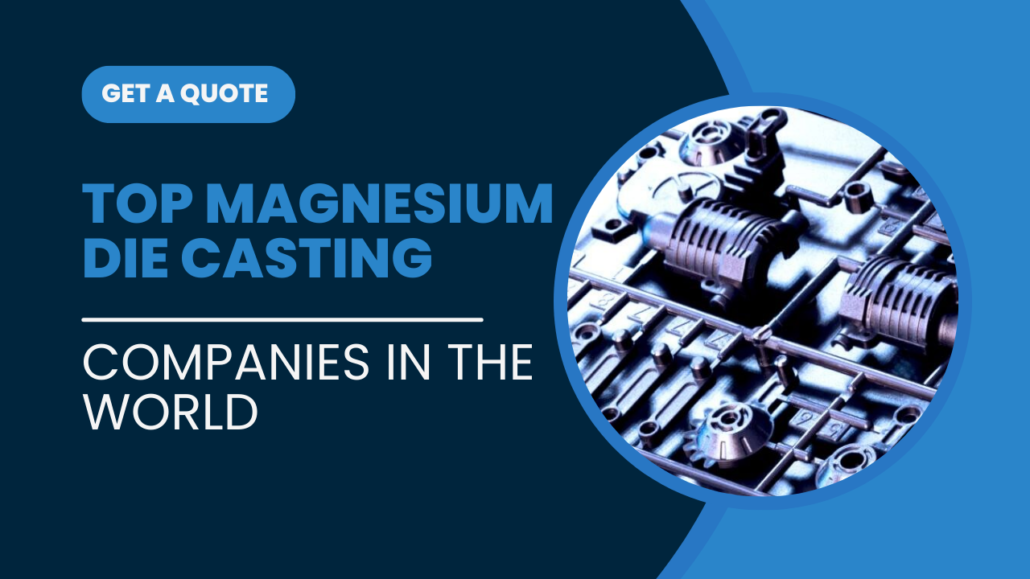
Najlepsze firmy odlewnicze magnezu na świecie

Najlepsze firmy odlewnicze magnezu na świecie

Odlewanie ciśnieniowe magnezu

Today, magnesium die casting firms play a major or key role in manufacturing; the firms manufacture light and strong as well as affordable components which are utilized for various applications in the aerospace, automotive, electronics as well and medical sectors. Magnesium is the lightest structural metal and is a strong material with the best strength-weight combinations, combined with high dimensional accuracy and high characteristics of heat removal, needed for advanced performance components. Since industries have an increasing market requirement for fuel-efficient components with miniature designs as well as sustainable manufacturing practices, it pushes them to look for specialised companies that offer precision magnesium die-casting components at production levels. Magnesium die casting process continues to evolve through the stages from prototype to full mass manufacturing runs. Other than magnesium die casting competence, these premier global companies also boast zinc die casting and aluminium casting, and CNC machining and finishing services. Staying ahead in operation, these magnesium die casting suppliers perform operations in so traditional but modern style by utilising high-pressure die casting machines with a contemporary system of real-time quality checks and work on powerful simulation programs for precise and repeatable production of the parts. This article reviews the leading China-based magnesium die casting companies as well as other principal manufacturers in the United States and Canada, and Europe. Sincere Tech, GC Precision Mould, and CNM Tech make up a Chinese industry trio that embodies international standards on product costs and reliability, and manufacturing flexibility. Dynacast and Bühler Group, and Meridian Lightweight Technologies have all been able to come up with innovations at a global level through research and development of their technology in collaboration with automated casting line development. The carefully chosen business is the leading source for finding all trusted magnesium die casting organisations and their technology leaders working globally in the die casting market. What is Magnesium Die Casting? The magnesium die casting is called the process of precision manufacturing, where molten magnesium is injected at high pressure within a steel mould or die to make very complicated and lightweight metal parts. Magnesium is a highly machinable, lightweight, strong metal that is widely used in all of those applications, so this technique is widely used in all of those industries. Magnesium is the lightest structural metal and hence contributes to the important weight saving without compromising durability and performance. This casting process will produce fine details, smooth surface finish and high tolerance parts for high volume. In addition, it allows several components to be fashioned into one element, thus lowering the demand for assembly or welding. In addition, magnesium die casting is a greener manufacturing process as it is an energy-efficient, recyclable process. Yet, magnesium die casting has always, and will continue to play, a vital role in everything that comprises modern product design and engineering, as new tooling and material technology are always being developed. Sincere Tech Year of Establishment: 2005No. of Employees: 100–500Business Type: Plastic injection mould manufacturing, magnesium die casting, CNC machining, and assembly Website and Contact: Website: plasticmold.netEmail: info@plasticmold.netPhone: +86 135 30801277Address: Building 1, No. 30 Huan Zhen Rd, Shang Dong village, Qi Shi Town, Dongguan City, Guangdong, China, 523000 Company Profile As a leading manufacturer in China’s die and plastic injection moulding industry, Sincere Tech is based in Dongguan City, Guangdong Province. The company originated in 2005 and has developed into one of the reliable magnesium die casting manufacturers with a committed labour force of 100–500 labourers. Sincere Tech is an expert in plastic injection moulds, magnesium and zinc die casting parts, CNC machining and complete product assembly. As a producer of state-of-the-art equipment and advanced production capabilities, Sincere Tech supplies global clients in automotive, electronics, Medicare and consumer goods. They have an experienced engineering team that makes sure the part designs are optimised, tooling is efficient, and mass production is high quality. Sincere Tech maintains a commitment to precision, customer satisfaction, as well as the production of cost-effective, affordable pricing with innovative manufacturing processes and provides value-driven solutions to customers all over the world. Their Quality Commitments Being a sincere tech are very dedicated to producing high-quality premium products up to or above international standards. Throughout the manufacturing cycle, we (including raw material inspection and final product delivery) implement a rigorous quality control process. Dimensional accuracy is assured using CMMS and 3d scanners, as the company is certified ISO9001. Continuous training of quality assurance personnel in concert with strict process documentation and traceability guarantees that every product delivered meets customer specifications. Defect prevention is also created in Sincere Tech through simulation-based mould design and real-time production monitoring. They boast a lifelong zero-defect goal and proactive customer service, making them a go-to name among magnesium die casting companies. Why Choose DyCast Specialities Corporation? GC Precision Mould Year of Establishment: 1999No. of Employees: 100–200+Business Type: Die casting (magnesium, zinc, aluminium), CNC machining, and plastic moulding Website and Contact: Website: aludiecasting.comEmail: info@aludiecasting.comPhone: +86 131 4886 5556Address: No. 30 Huan Zhen Rd, Qi Shi Town, Dongguan City, Guangdong, China, 523516 Company Profile GC Precision Mould Co., Ltd was established in 1999, located at Dongguan city of Guangdong province in China and is now a prominent manufacturer of die casting. The company specialises in aluminium, zinc, magnesium die casting and also deals in plastic injection moulding, CNC machining and surface finishing. A hydraulic press that utilises digital technology allows it to rapidly adjust its functions and create designs involving threaded cavities. GC Precision Mould has over two decades in the industry, and serves clients from the automotive, electronics, aerospace and consumer goods sectors. With high-pressure die-casting machines ranging from 120 to 1650 tons being used at the state-of-the-art facilities, the company can produce complex and high-precision components. The commitment of GC Precision Mould to quality, innovation and customer satisfaction has ensured the company is a trusted partner to clients looking for dependable and efficient die casting solutions. Their Quality Commitments  As for the products provided by GC Precision Mould, they are fully committed to providing the

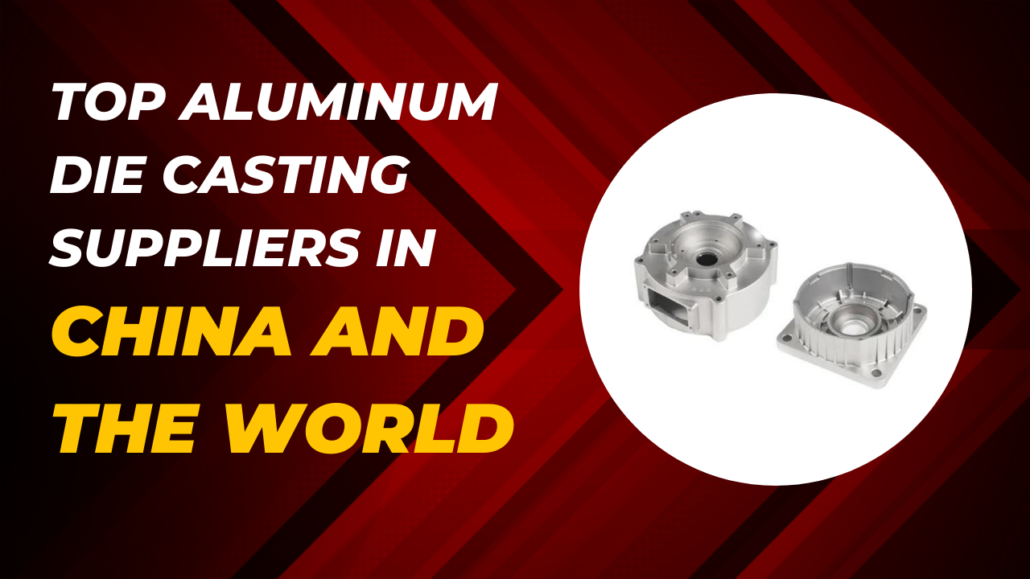
Najlepsi dostawcy odlewów aluminiowych w Chinach i na świecie

Najlepsi dostawcy odlewów aluminiowych w Chinach i na świecie

odlew aluminiowy

Rynek precyzyjnych elementów metalowych odnotowuje szybki wzrost na całym świecie w sektorach technologii lotniczej i kosmicznej oraz w przemyśle, w tym w motoryzacji, elektronice i urządzeniach medycznych oraz maszynach przemysłowych. Zaawansowane części metalowe produkowane przemysłowo do zastosowań o niskiej wadze wymagają metody odlewania wysokociśnieniowego. Najwyższą pozycję wśród technik odlewania ciśnieniowego zajmuje aluminium, ponieważ łączy w sobie trwałą wydajność z potencjałem redukcji masy przy jednoczesnej ochronie przed korozją, a także wydajnymi możliwościami wymiany ciepła i elastycznością kształtowania projektów. Organizacje dążą do wydajnej produkcji, wybierając doświadczonych dostawców odlewów ciśnieniowych zlokalizowanych na całym świecie. Firmy dokonują wyboru dostawców w oparciu o ocenę kompetencji inżynieryjnych, w połączeniu z kontrolą jakości i możliwościami rozwoju operacyjnego oraz możliwościami zarządzania materiałami, a także szybkością i dostawą narzędzi. Warunki te służą jako podstawowe czynniki pozwalające zachować zgodność z przepisami branżowymi przy jednoczesnym utrzymaniu spójnych, wielkoskalowych produktów. Dostawcy wyłaniają się jako najlepsze opcje w zależności od ich zaawansowanych maszyn CNC, a także możliwości opracowywania form i wykańczania powierzchni. Operacje odlewania ciśnieniowego aluminium w Chinach łączą ludzi z całego świata, aby utrzymać niskie koszty produkcji i spójny system dostaw. Wydajność. Dostawcy odlewów aluminiowych Sincere Tech i GC Precision Mould oraz CNM Tech osiągnęli swoją pozycję dzięki imponującym innowacjom produkcyjnym i akredytacjom branżowym, które łączą ze spersonalizowaną obsługą klienta. Globalne firmy mogą uzyskać dostęp do dostawców form odlewniczych, którzy zapewniają taką samą użyteczność poprzez operacje w USA, Europie, Indiach i Meksyku, w tym producentów, którzy optymalizują postęp technologiczny w celu osiągnięcia najwyższych standardów jakości. Poniższy artykuł analizuje dostawców z Chin wraz z międzynarodowymi dostawcami usług odlewania ciśnieniowego. Firmy znajdujące się na tej liście zostały poddane dokładnej ocenie w oparciu o charakterystykę operacyjną, a także biorąc pod uwagę ich historię udanych projektów oraz opinie klientów na temat wysokiej jakości usług odlewania ciśnieniowego aluminium i opracowywania narzędzi. Czym jest odlewanie ciśnieniowe aluminium? Stopione aluminium jest wtryskiwane pod wysokim ciśnieniem do formy podczas odlewania ciśnieniowego aluminium w celu stworzenia precyzyjnych elementów aluminiowych. Ta metoda produkcji służy wielu sektorom produkcyjnym, ponieważ tworzy trwałe elementy metalowe o złożonych kształtach i zapewnia najwyższą jakość wykończenia. Produkcja części metalowych poprzez odlewanie ciśnieniowe aluminium przyciąga duże zapotrzebowanie ze strony przemysłu motoryzacyjnego i lotniczego, a także producentów elektroniki użytkowej, ze względu na swoje istotne zalety. Proces rozpoczyna się od stopienia aluminium w piecu aż do upłynnienia, a następnie umieszczenia go w stalowej formie za pomocą maszyny do odlewania ciśnieniowego. Aluminium zestala się wewnątrz formy, gdy ostygnie, ponieważ forma zawiera dokładne odwzorowanie projektu części. Po zakończeniu odlewania operator wyjmuje część przez otwór formy. Dzięki tej technice producenci uzyskują części o złożonej i precyzyjnej geometrii, których nie mogą stworzyć za pomocą konwencjonalnych narzędzi produkcyjnych. HPDC i niskociśnieniowe odlewanie ciśnieniowe reprezentują dwie główne formy w procesie odlewania ciśnieniowego. HPDC wymaga wysokich ciśnień od 1500 do 20 000 psi do wtryskiwania stopionego metalu do formy, co generuje drobne szczegóły powierzchni i produkty o gładkim wykończeniu. Do wytwarzania produktów na dużą skalę eksperci stosują niskociśnieniową technologię odlewania ciśnieniowego, ponieważ dostarcza ona metal pod zmniejszonym ciśnieniem, dzięki czemu uzyskuje się mniej wadliwych wyników. Zalety odlewania ciśnieniowego aluminium Podstawowym powodem preferowania aluminium jako materiału do odlewania ciśnieniowego jest połączenie lekkości i doskonałego stosunku wytrzymałości do masy ze względu na właściwości aluminium do produkcji przedmiotów, które muszą być trwałe i lekkie. Dobra przewodność cieplna i elektryczna, odporność na korozję i łatwość obróbki sprawiają, że aluminium jest również popularne w branżach takich jak motoryzacja, lotnictwo i elektronika. Dodatkowo, odlewane ciśnieniowo części aluminiowe są znane ze swojej dokładności wymiarowej i gładkiego wykończenia powierzchni, gdzie często ich potrzeba sprawia, że obróbka wtórna jest zbędna, oszczędzając czas i koszty. Oprócz metody wtrysku pod wysokim ciśnieniem, gwarantuje ona również, że wszystkie elementy mają taką samą grubość, co zmniejsza możliwość wystąpienia słabych punktów lub wad w gotowej części. Zastosowania odlewania ciśnieniowego aluminium Przemysł motoryzacyjny kształtuje komponenty, takie jak bloki silnika i obudowy skrzyni biegów, a także głowice cylindrów, przy użyciu technologii odlewania ciśnieniowego aluminium. Przemysł lotniczy wykorzystuje odlewanie ciśnieniowe aluminium do produkcji lekkich, wytrzymałych komponentów, które służą poprawie wytrzymałości produktu, wraz z obniżonym zużyciem paliwa i poziomem bezpieczeństwa. Proces ten znajduje wielu zwolenników w produkcji obudów elektronicznych, a także radiatorów i różnych złożonych elementów, które wymagają wyjątkowej niezawodności i wytrzymałości. Odlewanie ciśnieniowe aluminium działa jako elastyczna technika produkcji, która umożliwia konstruowanie złożonych, skomplikowanych produktów o doskonałych właściwościach jakościowych. Aby uzyskać trwałe komponenty i precyzyjne specyfikacje produktu, producenci muszą wykorzystywać spiczaste aluminium ze stanu stopionego. Wymóg ten wynika z zapotrzebowania biznesowego na części o najwyższej jakości. Sincere Tech Rok założenia: 2005Liczba pracowników: 100-500Typ działalności: Produkcja form wtryskowych z tworzyw sztucznych, odlewanie ciśnieniowe aluminium, obróbka CNC i montaż. Strona internetowa i kontakt: Strona internetowa: plasticmold.netEmail: info@plasticmold.netPhone: +86 135 30801277Adres: Building 1, No. 30 Huan Zhen Rd, Shang Dong village, Qi Shi Town, Dongguan City, Guangdong, China, 523000 Profil firmy Sincere Tech jest jednym z czołowych chińskich producentów zajmujących się opracowywaniem form z tworzyw sztucznych, odlewaniem ciśnieniowym aluminium, precyzyjną obróbką CNC i pełnym montażem. Zlokalizowana w mieście Dongguan, w chińskiej prowincji Guangdong, firma zatrudnia od 100 do 500 wykwalifikowanych specjalistów, którzy są w stanie zapewnić kompletne rozwiązania w zakresie rozwoju produktu, od początkowej koncepcji do produktu końcowego. W oparciu o podejście zorientowane na klienta i najnowocześniejszy sprzęt, Sincere Tech zapewnia precyzyjne toczenie odlewanych ciśnieniowo części aluminiowych, aby spełnić rygorystyczne wymagania przemysłu motoryzacyjnego, elektronicznego, medycznego i produktów konsumenckich. Oprócz bycia uznanym dostawcą form odlewniczych, firma zapewnia klientom wartość dodaną, oferując usługi takie jak wykańczanie powierzchni, prototypowanie, a także testy jakości. W Ameryce Północnej, Europie i Azji Południowo-Wschodniej klienci polegali na szczerej technologii, aby budować długoterminowe partnerstwa z najlepszymi dostawcami odlewów aluminiowych. Ich zobowiązania jakościowe W całym procesie produkcyjnym sincere tech dąży do zadowalającej jakości bez kompromisów. Firma przestrzega międzynarodowych standardów, takich jak ISO 9001 i zapewnia metody jakości, takie jak kontrola w trakcie procesu, analiza przepływu formy i końcowa walidacja wymiarów. Sincere Tech gwarantuje, że

Przewiń do góry

Wycena