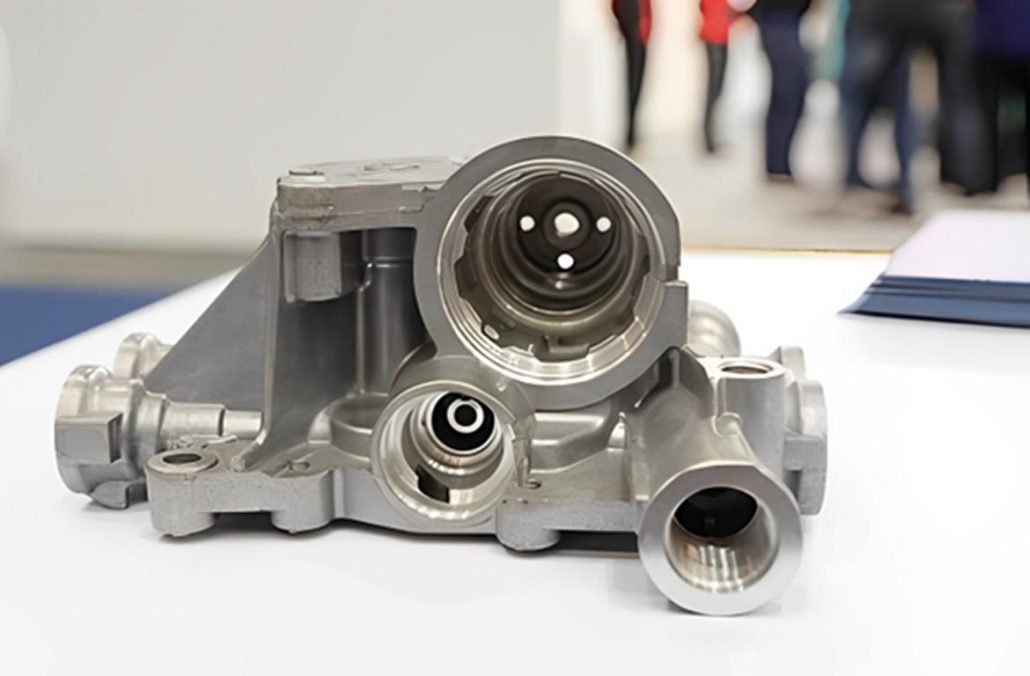
odlew aluminiowy

10 najlepszych producentów wyrobów aluminiowych w Chinach i USA

10 najlepszych producentów wyrobów aluminiowych w Chinach i USA

odlew aluminiowy

Aluminum Product Manufacturers are crucial in the industries of automotive, aerospace, electronics, packaging, etc. Therefore, many top-tier aluminum product manufacturers have risen in China and the USA due to the growing demand for lightweight, durable, and recyclable materials. Innovative, with high-quality standards, and dedicated to sustainability, these companies are known for their innovation.   Other leading metal manufacturing countries include China and the USA, where the most important players have been developing new methods of manufacturing aluminum. Some of the companies that have aluminum die casting, CNC machining, and precision molding’ are CNM Tech Co., Ltd., GC Precision Mold Co., Ltd., and Sincere Tech in China. With the industry demanding strict quality for high-performance aluminum components, these firms focus on various industries.Major manufacturers such as United Aluminum Corporation, Arconic Corporation, Kaiser Aluminum, and JW Aluminum have stood out as pioneers in aluminum rolling, extrusion, and fabrication in the USA. These companies operate in the field of cutting-edge aluminum solutions for aerospace, automotive, and industrial applications. This article presents 10 of the top aluminum product manufacturers based on innovation, sustainability, and excellent quality of their wares in different worlds 1.  CNM Tech Co., Ltd. Year of Establishment: 20+Number of Employees: 100-200Business Type: CNM Tech is focused on aluminum, magnesium, and zinc die casting, CNC machining, surface finishing, and assembly. Website and Contact Website: https://www.thediecasting.com/Contact: +86 13045898002Email: sales@thediecasting.comAddress: Factory Address: Rm 101, No.40, Donghu Road, Jinglian, Qiaotou town, Dongguan city, Guangdong Province, China. 523520. Company Profile Founded over 20 years ago, CNM Tech Co., Ltd., is one of the leading Chinese manufacturers of die-casting solutions. The company is based in Dongguan, China, where it provides a thorough assortment of services including aluminum, magnesium, and zinc die casting, precision CNC machining, surface finishing, and assembly. They have expertise in automobile, electronics, aerospace, and hospitality appliance markets, to name a few.  Their Quality Commitments CNM Tech is dedicated to providing high-quality, low-cost products while abiding by extremely tight quality control standards under the auspices of ISO 9001. They take a customer-centric approach, providing personalized services from the time of initial consultation and beyond, from availability to post-production support services to maintain long-term partnerships all over the world.  Why Choose CNM Casting? As a name known in the die-casting industry, CNM Tech specializes in providing high-quality manufacturing solutions with advanced technology, and a customer-oriented approach. These are reasons why CNM Tech is your number one reason. The choice of CNM Tech guarantees a reliable manufacturing partner that implements innovations and focuses on quality and customer success. 2.  GC Precision Mold Co., Ltd. Year of Establishment: 1999Number of Employees: 100-200Business Type: Serving industries such as the auto, aero, and electronics industries, the company has gained international market trust. Website and Contact: Website: https://aludiecasting.com/Contact: +86 131 4886 5556Email: info@aludiecasting.comAddress: Factory Address 1: No. 30 Huan Zhen Rd, Qi Shi Town, Dongguan City, Guangdong Province China, 523516 Company Profile Founded in 1999, GC Precision Mold Co., Ltd. is a global leader in high-quality aluminum die casting and nonferrous metal products. It has two special properties plants located in Dongguan, China, and offers services including high-pressure die casting, sand casting, and forging. As a result of over two decades of experience, the company delivers precision, consistent quality, and flexible material offerings to a variety of industries such as automotive, aerospace, and electronics. Both client satisfaction and GC Precision Mold commit to honorable words and behavior in providing the best product. Their Quality Commitments Its various certificates are proof that GC Precision Mold Co., Ltd. adheres to the highest standards of quality and operational excellence. The company possesses certificates from ISO 9001 on Quality Management Systems, which demonstrates the company’s ability to provide the product according to customer requirements at all stages and to enhance quality systematically. Why Choose GC Precision Mold Co., Ltd.? When you are choosing a company in pursuit of top-grade die casting and metal products, there are many benefits to choosing GC Precision Mold Co., Ltd. 3. Sincere Tech Year of Establishment: 2005Number of Employees: 100-200Business Type: Sincere Tech, is a leading Chinese manufacturer of custom plastic injection molds and aluminum product manufacturer. Website and Contact Website: https://plas.co/Phone: +86 135 30801277Email: steve@sincere-tech.comAddress: Rm101, N041, Donghu road, JingLian cun, qiaotou town, Donggguan City, Guangdong Province, China. 523000. Company Profile We are Sincere Tech, a world-renowned leading Chinese manufacturer of custom plastic injection molds and aluminum die-casting solution Injection Molding services. The company was founded in 2005 and has successfully established itself as a professional and highly reliable, high-precision, cost-effective, and high-quality production service provider to the world. From automotive, medical, electronics, home appliances, food packaging, cosmetics, etc. industries, Sincere Tech is equipped with state-of-the-art technology, expert engineering, and strict quality control. Their Quality Commitments ISO 9001:2015 and QS 9000:2015 standards are the only hallmarks we take seriously to maintain high-quality standards for our products and services since Sincere Tech. Their investment in advanced technologies, such as 5-axis CNC machines and FANUC systems, underscores their commitment to precision and efficiency. Confidentiality is also a company standard, promising Non-Disclosure Agreements (NDAs) for the protection of client projects. Why Choose Sincere Tech? 4. United Aluminum Corporation Year of Establishment: 1981Number of Employees: 1000+Business Type: Custom Rolled® Aluminum Coil Manufacturer and Supplier, Precision Slitting, Annealing, Surface Finishing. Website and Contact Website: https://unitedaluminum.com/Phone: 800-243-2515 / 203-239-5881Email: Sales@UnitedAluminum.comAddress: 100 United Drive, PO Box 215 North Haven, CT 06473 Company Profile United Aluminum (founded in 1891) is a leading supplier of Custom Rolled® Aluminum Coil to industries such as automotive, aerospace, medical, and packaging. These alloys are 3003, 2024, and 7075 and these guys offer precision slitting, annealing, and surface finishing. They have advanced facilities in which they produce high quality at very cheap rates. Additionally, United Aluminum supplies an Aluminum Coil Calculator resource to help its clients make educated choices. Their Quality Commitments Commitment to Quality and Customer Satisfaction a very high standard of quality is maintained by United Aluminum and the company is ISO 9001:2015 certified. Other than this, they concentrate

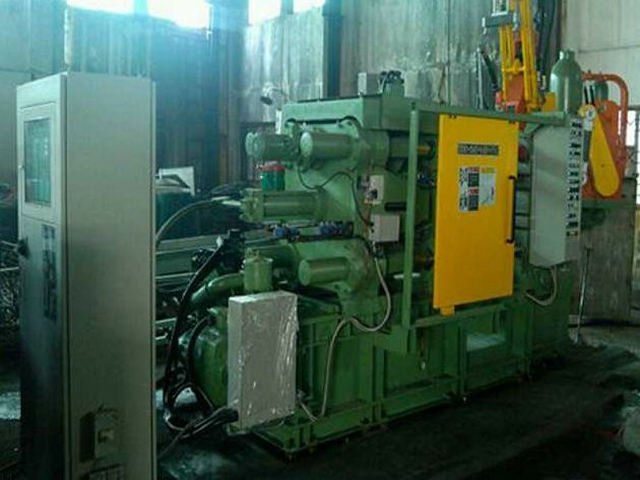
10 najlepszych producentów odlewów aluminiowych w Chinach i USA

odlew aluminiowy

Because it is lightweight, strong, and durable, aluminum casting is widely used throughout different industries from automotive to aerospace, electronics to consumer goods. The manufacturing process calls for aluminum parts to be made by pouring molten metal into molds for the production of highly detailed and precise components. Aluminum is a very versatile metal as it is easily recyclable and corrosion resistant and hence provides an excellent option for many applications. China and the USA, in recent years, are the two major global hubs for aluminum casting production and they both have a wide manufacturer range in the various industries and sectors. Mass production is the hallmark of China, which can then deliver reasonable prices and a variety of casting solutions for large production. However, the USA boasts a great number of top-tier companies that specialize in high quality, precision casting, advanced technology, and ecofriendly approaches, working with those industries that require sophisticated and custom-made aluminum cast components. In this article, we will overview the top 10 aluminum casting companies in China and the USA describing their capabilities, experience in the industry, and something unique to help the companies choose the right aluminum casting manufacturing partner. 1.  GC Precision Mold Co., Ltd. Year of Establishment: 1999Number of Employees: 100-200Business Type: Serving industries such as the auto, aero, and electronics industries, the company has gained international market trust. Website and Contact: Website: https://aludiecasting.com/Contact: +86 131 4886 5556Email: info@aludiecasting.comAddress: Factory Address 1: No. 30 Huan Zhen Rd, Qi Shi Town, Dongguan City, Guangdong Province China, 523516 Company Profile Founded in 1999, GC Precision Mold Co., Ltd. is a global leader in high-quality aluminum die casting and nonferrous metal products. It has two special properties plants located in Dongguan, China, and offers services including high-pressure die casting, sand casting, and forging. As a result of over two decades of experience, the company delivers precision, consistent quality, and flexible material offerings to a variety of industries such as automotive, aerospace, and electronics. Both client satisfaction and GC Precision Mold commit to honorable words and behavior in providing the best product. Their Quality Commitments Its various certificates are proof that GC Precision Mold Co., Ltd. adheres to the highest standards of quality and operational excellence. The company possesses certificates from ISO 9001 on Quality Management Systems, which demonstrates the company’s ability to provide the product according to customer requirements at all stages and to enhance quality systematically. Why Choose GC Precision Mold Co., Ltd.? When you are choosing a company in pursuit of top-grade die casting and metal products, there are many benefits to choosing GC Precision Mold Co., Ltd. 2.  CNM Tech Co., Ltd. Year of Establishment: 20+Number of Employees: 100-200Business Type: CNM Tech is focused on aluminum, magnesium, and zinc die casting, CNC machining, surface finishing, and assembly. Website and Contact: Website: https://www.thediecasting.com/Contact: +86 13045898002Email: sales@thediecasting.comAddress: Factory Address: Rm 101, No.40, Donghu Road, Jinglian, Qiaotou town, Dongguan city, Guangdong Province, China. 523520. Company Profile Founded over 20 years ago, CNM Tech Co., Ltd., is one of the leading Chinese manufacturers of die-casting solutions. The company is based in Dongguan, China, where it provides a thorough assortment of services including aluminum, magnesium, and zinc die casting, precision CNC machining, surface finishing, and assembly. They have expertise in automobile, electronics, aerospace, and hospitality appliance markets, to name a few.  Their Quality Commitments CNM Tech is dedicated to providing high-quality, low-cost products while abiding by extremely tight quality control standards under the auspices of ISO 9001. They take a customer-centric approach, providing personalized services from the time of initial consultation and beyond, from availability to post-production support services to maintain long-term partnerships all over the world.  Why Choose CNM Casting? As a name known in the die-casting industry, CNM Tech specializes in providing high-quality manufacturing solutions with advanced technology, and a customer-oriented approach. These are reasons why CNM Tech is your number one reason. The choice of CNM Tech guarantees a reliable manufacturing partner that implements innovations and focuses on quality and customer success. 3. Delron Industrial Co., ltd Year of Establishment: 1990Number of Employees: 300+Business Type: Delron Industrial Co., Ltd. provides die casting, CNC machining, precision forging, assembly, and automotive, LED lighting solutions. Website and Contact: Website: https://www.delron.com.cn/Contact: +86-574-88106850Email: info@delron.com.cnAddress: South Building, No. 1299, East Yinxian Avenue, Ningbo, China, 315100. Company Profile Founded in 1990, Delron Industrial Co., Ltd. is recognized as one of the top die-casting and precision machining service providers in China (Ningbo). With subsidiary activities including CNC machining, die casting, turning, milling, forging, etc., the company serves diverse industries like automotive, LED lighting, aviation, etc. Delron emphasizes a high-quality product, and on-time delivery, at a competitive price. Using the most advanced technology to provide a variety of services such as heat treatment, chrome plating, and assembling.  Their Quality Commitments Delron Industrial Co., Ltd. strives to supply high-quality merchandise utilizing advanced manufacturing know-how while following rigorous standards. As the company is customer-oriented and as the company puts very much emphasis on precision and reliability, it has strict quality control procedures in place for all products. They aim to always keep and satisfy customer expectations, all in a cost-efficient and timely manner. Why Choose Delron industrial Co., ltd Casting? 4.  American Precision Die Casting Year of Establishment: 2006Number of Employees: 150-300Business Type: Suppliers of high-impact components for the automotive, military, industrial, and consumer business sectors. Website and Contact: Website: https://apdiecasting.com/Contact: (573) 885-0018Email: lhoffman@apdiecasting.comAddress: 100 American Way, Cuba, MO 65453 Company Profile American Precision Die Casting (APDC), started in 2006 in Cuba, Missouri (USA), is a leading aluminum die casting maker. APDC has over 200 years of combined expertise serving these industries, automotive, military, and consumer products. Precision Aluminum die-cast parts formed by the company are durable, lightweight, and precise components using tight tolerances. APDC carries out high-volume as well as low-quantity specialized projects using advanced technology which provides cost efficiency quality and customer satisfaction. Their Quality Commitments APDC strictly practices to guarantee that each product exceeds customer expectations and exceeds or matches standards.

Firma odlewnicza cynku

Przegląd branży odlewniczej cynku

odlew aluminiowy

Zinc die casting is a manufacturing process that involves the production of intricate and strong metal parts using molten zinc. This is one of the most economical and efficient ways of making high-quality components with high dimensional accuracy. It is a process of injecting molten zinc into a steel mold under high pressure to create parts that are strong, lightweight, and corrosion-resistant. The characteristics of zinc die casting make it suitable for use in industries like automotive, electronics, aerospace, consumer goods and industrial equipment. In today’s manufacturing world, zinc die casting companies are critical because they provide high-quality precision-engineered components specifically what industries need. The majority of these kinds of companies specialize in creating parts with sophisticated shapes, fine surfaces, and tight tolerances. Besides producing high-performance die-cast components, most zinc die casting manufacturers also provide value-added services like designing, tooling, machining and finishing to satisfy customer’s requirements. The zinc die-casting market is spread wide across the globe, from North America to Asia and Europe, and companies are bringing their expertise, technological advancements and manufacturing capabilities to the table. The companies in these regions are known for their innovation, quality and sustainability in the manufacturing process. Using state-of-the-art equipment and advanced technologies they guarantee that each product will be of the highest standard in terms of strength, durability and precision. Zinc die casting is of utmost importance as it is the central process of producing components that enable the functionality of many products we use daily. Zinc die casting companies are important suppliers for industries that need automotive parts such as gears and engine components, electronic housings and medical devices. The demand for high-quality, low-cost components is expected to continue to rise and these zinc die casting companies are expected to be the leaders in innovation, product development and sustainability practices of the die-casting industry. The following sections will cover some of the major players in the zinc die-casting industry, their capabilities and how they contribute to the zinc die-casting market. What is Zinc Die Casting? The manufacturing process of zinc die casting is to inject molten zinc or a zinc alloy under high pressure into pre pre-designed steel mold or die. It quickly solidifies into a metal part that is detailed and uniform without much post-processing. The process, which is very fast, precise, and able to produce lightweight metal parts that are strong enough, is called this. Because of zinc’s unusual properties, such as its low melting point and high fluidity, intricate designs that are difficult to produce with other metals can be made using zinc. Zinc Die Casting Key Characteristics: Because it is repeatable and can produce large amounts of identical parts with very little variation, the process is widely used in mass production. The History and Evolution of Zinc Die Casting The history of zinc die casting goes back to the early 19th century. With the evolution over time, the process has gone through a lot of evolution with the move of the advancement in the materials, machinery and the manufacturing techniques. Early Developments (19th Century) The first die-casting processes occurred in the 1830s and were used to make movable type for printing presses. Although an important printing industry has existed since ancient times, the introduction of die casting substantially changed the printing industry by making the manufacture of metal parts more rapid and more exact. Growth in the 20th Century By the early 1900s, die casting had grown beyond printing to other industries such as automotive and consumer goods. Stronger, more versatile die-cast products were invented in the 1920s when zinc and aluminium alloys were invented. Zinc die casting was all the more essential in World War II since manufacturers required lightweight, tough and high-precision components for military and aircraft production. After the war, the technologies of die casting grew with the expansion of post-war industrial growth. Modern Advancements (21st Century) Today, cutting-edge innovations like automated machines, computer-aided design (CAD) and 3D printing for mod development exist in the use of zinc die casting. The use of recycled zinc has also increased sustainability efforts, which has made die-casting more environmentally friendly. However, due to Industry 4.0, manufacturers are joining robotics, AI autonomous quality control and real-time data monitoring to boost the efficiency of production and decrease defects. This is what has made zinc die casting such an important part of modern manufacturing. Importance of Zinc Die Casting in Modern Manufacturing Zinc die casting is an important part of many industries as it offers manufacturers a dependable, efficient and cost-effective way of producing precision-engineered parts. As such, it becomes increasingly important as industries require lighter, stronger and more complex components for modern applications. 1. Automotive Industry In the automotive sector, zinc die casting is widely used to manufacture: Zinc’s durability, lightweight properties and corrosion resistance make these parts more efficient and more durable, which in turn makes vehicles more efficient and more durable. 2. Electronics and Telecommunications Zinc is a preferred material for electronic devices due to its excellent thermal and electrical conductivity. The following uses zinc die-cast parts: 3. Consumer Goods and Home Appliances Zinc die-cast components are used in many everyday household products such as: Manufacturers can produce durable and aesthetically pleasing components having smooth surface finish using zinc die casting. 4. Industrial and Aerospace Applications Zinc die casting also leads to the production of high precision, lightweight parts that can withstand harsh environments and extreme temperatures and find its use in industrial and aerospace applications. These parts are critical parts for safety and reliability in the critical area. 5. Environmental and Sustainability Benefits Zinc is a fully recyclable metal, so there is less waste produced and reduced manufacturing and sustainability costs. Zinc die casting requires lower energy consumption than other metals and is therefore an eco-friendly option for mass production. The Zinc Die Casting Process There are several critical steps in zinc die casting: 1. The steel mold is coated with a lubricant to ease the release of cast parts during mold preparation. 2. Molten zinc is injected into the

Czym jest odlewanie ciśnieniowe? Wszystko, co musisz wiedzieć o odlewaniu metali

Czym jest odlewanie ciśnieniowe? Wszystko, co musisz wiedzieć o odlewaniu metali

odlewanie ciśnieniowe

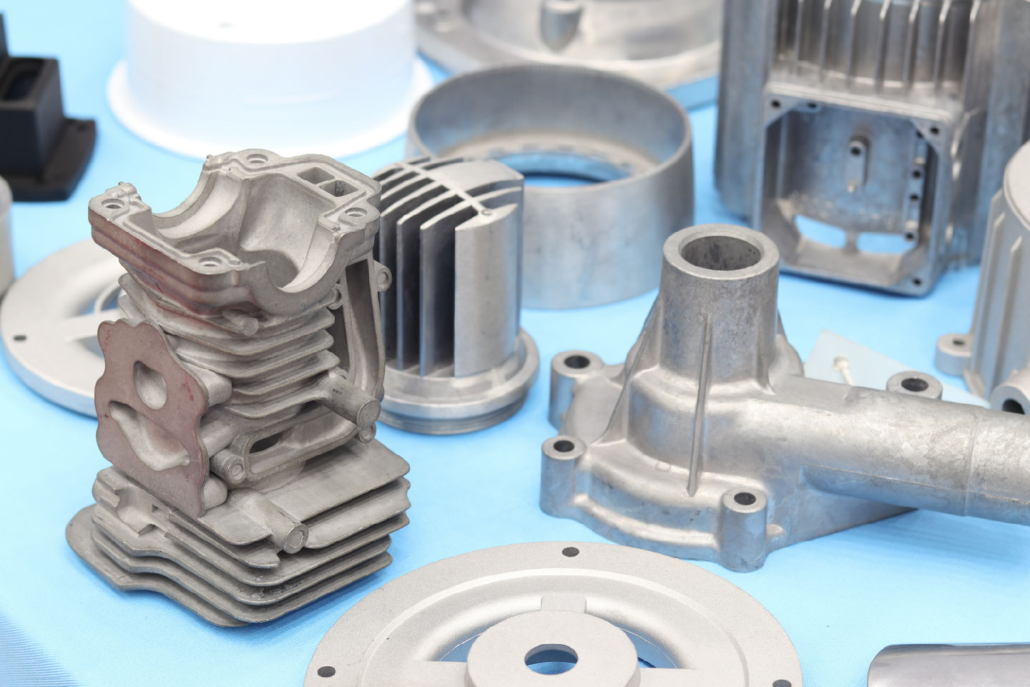
This is a manufacturing process in which molten metal is forced using pressure to fill a mold cavity also known as die casting. The mold is usually of high-quality steel and hence the part can be produced in large quantities the term is used to mean the manufacture of many parts. The finished part is then produced by opening the mold after the molten metal is cooled and forms a solid layer. This kind of use of the process is mostly applied in making intricate metal used in the production of different parts that require high accuracy in measurement and polished surfaces. Die casting can be done on aluminium, zinc, and magnesium but other metals can also be used on a case depending on application and other requirements. Die casting is considered to be one of the expert manufacturing techniques in the conception of mass production of small to medium-sized components out of metals. The popularity of the method has been spread across automotive, aerospace, electronics, and industrial machines due to its ability to produce durable lightweight intricately tailored parts. However, this process is widely recognized for its ability to manufacture products with complex geometry that would be very hard to make using conventional techniques. How Die Casting Works Molding is the first part of the die-casting process. On one side of the mold, there is a half, and it is a half of a particular design to make the mold shaped like the final product. Cavities and cores are designed for the molds that are usually custom-made so that the part can be replicated as closely as possible. 1. Molten Metal Injection: Then the molten metal is injected into the mold cavity under high pressure to form the desired shape. The metal is usually heated to one degree above the melting strain to make it fluid. In die casting, the pressure that the molten metal is pushed into the mold can be from several thousand to tens of thousands of psi (pounds per square inch), to be sure that the molten metal gets into every detail of the mold. 2. Solidification: This occurs when the metal is injected into the casing cavity whereby it cools and the metal hardens. The quality of the casting depends upon the cooling rate. Additional modes of failure (shear, climb, and glide) come into play in this case and result in faster cooling higher strength better surface finish, and slower cooling which could result in more internal defects and lower mechanical properties. Water-cooling systems built into the mold are usually used to assist the cooling process. 3. Ejection: Following this, the metal is allowed to cool and solidify and it is then easy to remove the mold from the larger casting and eject the part. Then most of the time is used in the pushing out part from the mold using a mechanical ejector system. This depends on the complexity of the part that requires other extra steps, namely trimming and machining to deliver the final shape and dimension. 4. Quality Control: A quality check is then performed on a part after ejection. It can involve dimensional verification, visual inspection, and mechanical testing to confirm that the part is equal to or better than the requirements. High precision and repeatability are theoretically achieved in die casting. Types of Die Casting There are two types of Die casting, they are hot chamber die casting and cold chamber die casting. These are all good and have their advantages, limitations and ideal applications. 1. Hot Chamber Die Casting The process most suitable for metals such as zinc, magnesium, and lead is a hot chamber die casting since the process is done at high temperatures, and melting points. The injection system is installed inside the melting furnace in this way, the metal is always in contact with the chamber. Advantages: Disadvantages: 2. Cold Chamber Die Casting The metals that have higher melting points like aluminium, brass and copper are cast in cold chamber die casting. In this case, the molten metal is tapped from a second furnace injected into the cold chamber then into the mold cavity. Advantages: Disadvantages: The Comparison of Die Casting Methods: Hot Chamber vs. Cold Chamber Here is a comparison of the most common types of two die-casting methods, Feature Hot Chamber Die Casting Cold Chamber Die Casting Metal Compatibility Best for low-melting-point metals (e.g., zinc, lead) Best for high-melting-point metals (e.g., aluminium, brass) Cycle Time Faster cycle times Slower cycle times Mold Wear Higher mold wear due to direct contact with molten metal Lower mold wear Cost Lower cost for high-volume production Higher initial cost, but better for high-strength metals Complexity of Parts Good for simpler parts Better for more complex, larger parts Advantages of Die Casting It is one of the largest advantages that die casting is one of the main preferred methods of large-scale production of products from metal alloys. 1. High Precision and Accuracy There are many advantages of die casting, which makes it convenient to offer high die precision. This method of production is also widely used for the production of parts, which requires good dimensional accuracy which is very crucial as it defines tolerance levels required in a specific job. One should note that die casting is the only manufacturing technique that can produce given parts with the utmost complexities such as the intricacies of its geometries.  2. High Production Rates In terms of large volumes, die casting is very efficient. Parts are quickly and cheaply produced once the first mold is created with very little labor involved. The demand for simulated powders is particularly high in industries like automotive and electronics where large volumes of the same parts are required. 3. Complex Designs and Thin Walls Complex design can be achieved by die casting, which would be difficult or impossible to achieve by traditional manufacturing methods. The process can make parts with thin walls, and complex internal structures, and can accommodate undercuts; thus making it the

Zwykłe wady produkcyjne w wysokociśnieniowym odlewaniu ciśnieniowym: Przyczyny, zapobieganie i rozwiązania

odlew aluminiowy, odlewanie ciśnieniowe, odlewanie wysokociśnieniowe

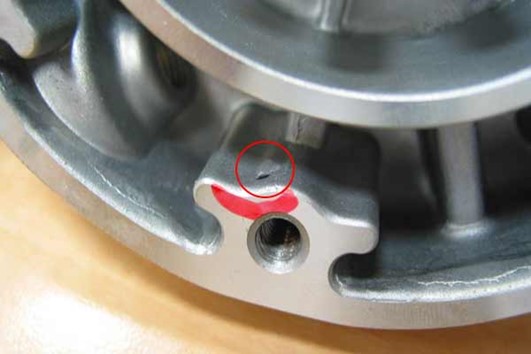
High-pressure die Casting (HPDC) is one of the most frequently utilized metal casting processes in current manufacturing. Manufacturers choose HPDC because it enables the production of complex metal parts that achieve both high precision and rapid production rates superior dimensional accuracy and smooth finishes. HPDC enables automotive and aerospace industries and the production of electronics components and consumer goods to manufacture lightweight durable parts for applications like engines and housings, structural elements, and mechanical assemblies. The manufacturing process of high-pressure die casting faces numerous risks that create substantial defects that decrease product quality while shortening the lifespan and compromising performance. Various defects form from improper mold design, turbulent molten metal flow, trapped gases, inconsistent cooling rates, and thermal stress during the production process. HPDC technology encounters seven primary defects which include porosity, cold shuts, shrinkage defects, flash formation, surface defects, misruns, die erosion, and soldering. These types of manufacturing defects cause deterioration of material strength while producing irregular dimensions and undesirable visual effects which can instigate component breakdown. Manufacturers combat production problems through the optimization of processing parameters and better-undermining methods along with controlled temperature systems and vacuum-assisted casting procedures. Real-time monitoring and simulation software are advanced quality control methods with further efficiency and reliability in the die-casting process. This article provides a comprehensive analysis of standard manufacturing issues during high-pressure die-casting technology with explanations of root causes and solution strategies to decrease these defects. It is only by understanding these challenges and applying best practices that manufacturers can improve the quality, longevity, and, of course, the performance of their die-cast components and simultaneously cut down on waste, and production costs. Proficiency in these manufacturing defects will assist die-casting engineers, production managers, and quality control specialists to optimize their processes for the best die-casting outcomes. 1. Porosity Porosity is defined by small holes or gas inclusions found within the metal matrix, and as a result, affects the mechanical properties, decreasing the strength, including allowing for air and gasses to pass through the structure, and leading to visible surface defects in die-casted products. Causes: Prevention & Solutions: 2. Cold Shut A cold shut is created when two streams of molten metal do not fuse properly and form weak bonding areas or visible seams in the casting. This defect not only decreases the mechanical strength but also increases the risk of a fracture, as well as negatively affects the component’s durability and appearance. Causes: Prevention & Solutions: 3. Shrinkage Defects Shrinkage defects occur due to shrinkage of metal during cooling which leads to internal voids or cavities, which deteriorate the structural integrity of casting. As a result, these defects reduce the mechanical strength of the final product, cause potential failure under stress, and cause poor surface quality, thus affecting both the functionality and aesthetics of the final products. Causes: Prevention & Solutions: 4. Flash Formation Excess thin metal layers formed at the parting line or die gap due to high-pressure metal escape are referred to as flash. Although flash can be trimmed off post-casting, over-flash leads to increased material waste, tool wear, and associated production costs and thus reduces the overall efficiency of the die-casting process. Causes: Prevention & Solutions: 5. Inspection of Surface Defects (Blisters, Crack and Wrinkles) A variety of surface defects, blisters, cracks, and wrinkles, degrade the visual appearance and mechanical strength of the casting and need to be prevented and eliminated. It causes weld defects that reduce the durability of the product, increase the rejection rate, and make the product stick poorly after post-casting treatments such as painting or coating. Causes: Prevention & Solutions: 6. Inclusions and Contamination Unwanted foreign particles, such as slag, oxide films, dirt, or other impurities, which are trapped in a final casting, create poor mechanical properties, weak structural integrity, and surface defects and are called inclusions. The presence of these contaminants can reduce die-cast component performance and durability so that they are not suitable for high-precision applications. Causes: Prevention & Solutions: 7. Misruns and Incomplete Fill A misrun occurs where there is a short filling of the mold cavity, which causes missing sections, thin walls, and weak points in the final component. Negative effects on the structural integrity and functionality of the part and in this way unsuitable for performance applications. Causes: Prevention & Solutions: 8. Die Erosion and Wear Molten erosion dies wear is the loss of the mold surfaces due to the high-speed metal continuously wearing the mold part surfaces until the required dimensions are achieved, which results in poor surface finish and short mold tool life. If this defect occurs, die replacement is common and consequently, production costs increase while casting quality varies. Causes: Prevention & Solutions: 9. Hot Cracking Cracks that occur during the semi-solid state of the metal, is due to high thermal stress and excessive shrinkage are known as hot cracking. These cracks degrade the mechanical integrity of the casting that is increase the chance of failure of the casting at the place where the cracks are present under stress or load. Causes: Prevention & Solutions: 10. Soldering The molten metal adheres to the die surface, which is difficult to remove with casting, causing surface defects, die wear as well as prolonged production downtime. Dimensional inaccuracies and poor surface finish are also caused by this defect, as it results in the overall compromised quality of the final product. Causes: Prevention & Solutions: Conclusion The high-pressure die casting is a powerful manufacturing process that creates complex metal parts at high accuracy at maximum efficiency. However, different kinds of defects arise using improper process parameters, material issues, and/or mold design flaws. Manufacturers can take preventive measures, e.g. optimal process control mold, properly selected material, etc., after understanding these usual manufacturing defects. A company can improve product quality, lower production costs, and achieve higher production efficiency in die-casting operations by emphasizing continuous process improvement as well as defect prevention strategies. Frequently Asked Questions (FAQs) 1. What are the major reasons for defects in high-pressure die casting? The main causes

Wybór odpowiedniej firmy odlewniczej: Kompletny przewodnik

Wybór odpowiedniej firmy odlewniczej: Kompletny przewodnik

odlew aluminiowy, firmy odlewnicze

Alloy die casting is essential to the manufacturing industry because it relies heavily on high precision, durable, and cost-effective metal components. In a revolutionary impact on modern manufacturing, this process has made possible the mass production of intricate metal parts to a very high standard of accuracy and consistency. By specialized companies which as alloy die casting companies, in service industries which as automotive, aerospace, electronics, medical, and heavy machines for building tailor resultant metal components in their specific areas of needs. A professional alloy die casting company makes use of the latest technologies and high-quality materials coupled with a strict quality control process to deliver your products that suit industry standards. If choosing the right company matters, you may choose, one way or another, between a truly reliable product that will last for years and a faulty component that will fail early. The article gives you a detailed overview of Alloy die casting, emphasizing its importance, benefits and the most essential factors to consider when choosing the best Alloy die casting company. Alloy die casting knowledge is essential if you’re a manufacturer seeking the manufacture of precisely engineered parts or a business in search of economic manufacturing options. What is Alloy Die Casting? The metal manufacturing process in which molten metal is injected into a mold (die) under high pressure is called alloy die casting. Implementation of this method is widely used for the production of complex shapes with tight tolerances. The common use of various metal alloys, such as aluminium, zinc, and magnesium, in die casting is because of their good strength properties and corrosion resistance. Types of Alloys Used in Die Casting Alloys used in die casting have a great effect on the selections in the process of die casting, it leads directly to the strength and weight, corrosion resistance and overall performance of the final product. Alloys that differ vary by different industries based on their mechanical properties, durability, and the end use necessary to them. The most commonly used alloys in die casting are mentioned below. 1. Aluminum Alloys A good thermal conductivity, combined with corrosion resistance and lightweight strength, means aluminium die casting is preferred by researchers and manufacturers the world over. In industries that require durable and relatively light components, this alloy type is used. Key Features: Applications: 2. Zinc Alloys Since it has high strength, low melting point and excellent precision, zinc is another commonly used alloy in die casting. For manufacturing small, detailed parts it is ideal. Key Features: Applications: 3. Magnesium Alloys Its lightness makes it extremely suitable to be used for industries seeking to cut weight without compromising on strength, hence this metal is named magnesium. Key Features: Applications: 4. Copper-Based Alloys Brass and bronze are examples of copper-based alloys which are high electrical conductors, corrosion resistant, and good wear resistors. Such alloys are used for applications where the electrical and thermal performance have to be superb. Key Features: Applications: Benefits of Working with a Reliable Alloy Die Casting Company The right alloy die company allows you to select high-quality products that follow industry standards. Here are the key benefits: 1. High Precision and Consistency A top die-casting company has good machinery and rigorous quality control measures to produce the dimensions with very few defects. 2. Cost-Effectiveness Die casting is a very efficient process that also reduces the material and energy costs of the final product significantly compared to other metal-forming processes. 3. Customization and Versatility A custom solution-based casting company is a reputable company that provides custom solutions that are based on particular industry necessities and provides different alloy options. 4. Faster Production and Short Lead Times Automated systems are used in modern die-casting companies to increase their speed of production and meet strict deadlines. 5. Durability and Strength Alloy die-cast parts are well known to be very durable, and thus suitable for use under demanding conditions. How to Choose the Best Alloy Die Casting Company When you select a die-casting manufacturer, you should consider the following: 1. Experience and Industry Expertise Check with the company’s track record, if it had experienced years doing alloy die casting, if its attempt in your industry was proven. 2. Quality Certifications and Standards Make sure the business follows the codec of the industry which might be: 3. Advanced Technology and Equipment To maintain accuracy and reduce the need for physical labor, a modern die-casting company will employ such equipment as a CNC machine, vacuum cast, and robotic automation. 4. Material Selection and Customization Have a company with multiple alloy options and customization so you can find the specific design that your company offers. 5. Strong Supply Chain and On-Time Delivery Efficient logistics and speedy delivery of products are brought about by reliable suppliers. 6. Prototyping and Testing Capabilities Very critical is to prototype and with rigorous quality testing (X-ray inspection and tensile strength) on the product. 7. Competitive Pricing Although price must not be the only consideration, a good die-casting firm can offer competitive prices without sacrificing quality. Industries That Rely on Alloy Die Casting 1. Automotive Industry 2. Aerospace Industry 3. Electronics Industry 4. Medical Equipment 5. Consumer Products Challenges in Alloy Die Casting and How Companies Overcome Them Alloy die casting is a well-known manufacturing process, which faces some challenges and that have an impact on quality, cost and sustainability. Innovative solutions are also implemented by leading alloy die-casting companies to overcome these problems resulting in high-quality production, optimized costs as well and minimized impact on the environment. 1. Managing Porosity and Defects Porosity is one of the most common problems encountered in die casting where gas bubbles or shrinkage cavities occur inside the metal. It can also reduce the structural integrity of the part and impact functionality. This would be addressed by manufacturers using the use of vacuum-assisted die casting, entrapping a minimum amount of air and improved metal density. Moreover, the porosity can be reduced by using pressure-tight casting techniques, design of the mold and proper

Dostawca odlewów ciśnieniowych: Proces, zastosowania i kluczowe kwestie

Dostawca odlewów ciśnieniowych: Proces, zastosowania i kluczowe kwestie

Producent odlewów ciśnieniowych, proces odlewania ciśnieniowego

It is one of the widely used metal manufacturing processes, and it is highly efficient: producing high precision, durable, and complex components for many Industries. It injects molten metal, like aluminium, Zinc, or magnesium, inside of a steel mold (die) at very high pressure. It provides uniformity, internal strength and smashing surface finishes making it the right choice for use in automotive, aerospace, electronics, medical equipment, as well as consumer goods. A die-casting supplier is a very important company for the manufacture of high-quality parts that satisfy the industry requirements. They are suppliers, who are especially involved in designing, manufacturing and finishing the components or parts utilizing metal with strict tolerances and intricate geometries. Choosing the right supplier matters a lot for the success of any die-casting project as a good supplier should possess adequate expertise, state-of-the-art technology, and a history of successfully delivering precise and low-cost parts.Die casting is efficient in mass production and produces lightweight, yet strong parts, and as a result, the demand for die casting is increasing worldwide. Examples include reducing the weight of a vehicle, and enhancing fuel efficiency, through the use of die-cast aluminum and magnesium components in the automotive industry. In the same way, the electronics industry employs die casting to make heat sinks, enclosures and structural parts that are prone to high durability and electrical conductivity. When looking for a die-casting supplier, one should consider not only manufacturing capabilities but, more importantly, their quality control process, material expertise, and anything that may be left up to the supplier, such as machining, coating, and finishing. This provides a well-established supplier, therefore, reducing lead times, minimal defects and cost-effective production.  In this article, the die-casting process, materials used, the applications, advantages and important considerations of choosing a die-casting supplier are covered. Metal parts required to meet industrial applications need high performance and a reliable supplier fulfils this criterion for both small-batch production and large-scale production. The Die Casting Process: Step-by-Step Guide 1. Mold Preparation Mold (die) preparation and design accompany the initial step of this process. The two-part steel dies consist of a stationary cover die section and the movable ejector die section. Applied lubrication helps the molded flow metallic material smoothly while stopping the material from clinging. 2. Molten Metal Injection The chosen metals aluminum and zinc along with magnesium undergo high-temperature melting. Due to high pressure between 1,500 to 25,000 psi the molten metal enters the mold cavity. High injection pressure produces both accurate and even parts with low levels of flaws. 3. Cooling and Solidification The molten metal quickly reaches solid form during this process when forming parts to their designated shape. The components achieve superior high-strength properties because of the fast cooling process. 4. Ejection of the Part After metal solidification, the mold opens while ejector pins extract the completed part from its chamber. One mold cycle ends when it closes before starting another round of production. 5. Trimming and Finishing Machinists remove all undesirable remnants including flash and both sprees and runners from the part. The component requires supplementary finishing actions which involve sandblasting together with powder coating and anodizing operations to develop superior looks alongside functionality. Differences between Hot Chamber and Cold Chamber die-casting The die-casting process operates in either hot chamber die-casting or cold chamber die-casting formats. The main difference exists in how molten metal receives treatment before mould injection during these two techniques. The two methods differ in specific strengths together with restrictions which make them suitable for particular materials and production needs. The following section provides an elaborate comparison between hot chamber die-casting systems along cold chamber die-casting systems. 1. Process Overview Hot Chamber Die Casting • It requires a built-in furnace, which keeps the metal in a molten state. • Injection system is immersed in the molten metal, sucking it through the injection of a center and supplying it to the mold cavity. • The process is faster since there is no need to convey the metal from an independent melting station as in other processes. Cold Chamber Die Casting • Utilizes an external furnace for heating the metal to produce the required change in its state. • The molten metal is either ladled manually or automatically into the injection system and then it is injected into the mold. • The process is slower than the hot chamber one because the extra step of transferring molten metal takes time. 2. Suitable Metals Hot Chamber Die Casting • Like metals that melt below this temperature such as those that are not suitable to erode the injection system. • Common raw materials include: zinc, magnesium, lead and tin. Cold Chamber Die Casting • Applied to work with metals that have high a melting point which tends to deform the hot chamber system. • Common materials: aluminum, brass, copper, and magnesium alloys. 3. Production Speed Hot Chamber Die Casting • Higher speed of operations normally ranging between 5 to 15 operation cycles per minute. • The direct metal feed helps in avoiding the use of the ladling process in the making of the product. Cold Chamber Die Casting • Some of the disadvantages are the slow cycle times because of manual or fully automated metal transfer. • Other factors may take longer in the cooling and solidification process in this case with some of the alloys. 4. Equipment Durability Hot Chamber Die Casting • The submerged injection system has short service life since it deals with low-melting-point metals. • Longer equipment lifespan with proper maintenance. Cold Chamber Die Casting • Wear and tear increases with the rise in high temperatures especially in the case of aluminum and copper alloys. • Furniture and equipment may last for a shorter time and, therefore, may need constant replacement and maintenance. 5. Cost and Efficiency Hot Chamber Die Casting • High production since the time taken to complete a production cycle is short. • Lower operational costs because of integrated metal handling. Cold Chamber Die Casting • Increased energy costs by

Informacje o usługach odlewania metali

odlew aluminiowy, firmy odlewnicze, części odlewane ciśnieniowo, odlewanie wysokociśnieniowe, Odlewanie magnezu, Odlewanie ciśnieniowe magnezu, Odlew cynkowy

Usługi odlewania metali obejmują kształtowanie swobodnie płynących ciekłych metali za pomocą matryc, form lub wzorów. Odlewy są zazwyczaj z grubsza wykończone ze względu na charakter ich produkcji. W wielu przypadkach wymagane jest dodatkowe wykończenie w celu usunięcia zadziorów i innych artefaktów procesu odlewania. Usługi odlewania metali są wykorzystywane do projektowania szerokiej gamy komponentów i gotowych produktów. Wszystko, od prostych gwoździ i elementów złącznych po bloki silników, może być wytwarzane przy użyciu usług odlewania metali. Typowe procesy odlewania metali obejmują odlewanie piaskowe, odlewanie ciśnieniowe, odlewanie w formach stałych, odlewanie inwestycyjne, odlewanie odśrodkowe i odlewanie metodą traconej piany. Odlewanie piaskowe Odlewanie piaskowe jest wykorzystywane do produkcji dużych części (zazwyczaj z żelaza, ale także z brązu, mosiądzu i aluminium). Roztopiony metal wlewany jest do wnęki formy uformowanej z piasku (naturalnego lub syntetycznego). Odlewy piaskowe mają zazwyczaj chropowatą powierzchnię, czasami z zanieczyszczeniami powierzchniowymi i różnicami powierzchni. Odlewanie ciśnieniowe obejmuje szereg procesów, w których do produkcji odlewów wykorzystywane są matryce lub formy wielokrotnego użytku. Matryca zawiera odcisk gotowego produktu wraz z układem bieżnym, zasilającym i odpowietrzającym. Matryca jest zdolna do regularnego cyklu i (szybkiego) rozpraszania ciepła wlewanego do niej metalu. Gdy ciekły metal wystarczająco ostygnie, forma jest otwierana, a odlew może zostać usunięty i wykończony. Odlewanie w formach stałych W przypadku odlewania w formach stałych, roztopiony metal jest wlewany do żeliwnych form pokrytych ceramiczną powłoką. Rdzenie mogą być metalowe, piaskowe, piaskowe lub wykonane z innych materiałów. Po zakończeniu procesu formy są otwierane, a odlewy wyrzucane. Usługi odlewania inwestycyjnego obejmują formowanie wzorów poprzez wtryskiwanie specjalnego wosku do metalowej matrycy. Wzory są łączone w klaster wokół systemu prowadnic woskowych. ‘Drzewo’ wzorów jest następnie pokrywane 8-10 warstwami materiału ogniotrwałego. Zespół jest podgrzewany w celu usunięcia wosku. Gorąca forma jest odlewana, a po ostygnięciu materiał formy jest usuwany przez uderzenie, wibracje, piaskowanie, piaskowanie wodą pod wysokim ciśnieniem lub rozpuszczanie chemiczne, pozostawiając odlewy, które są następnie usuwane z systemu kanałów. Odlewanie odśrodkowe Usługi odlewania odśrodkowego są wykorzystywane do produkcji odlewów o kształcie cylindrycznym. W przypadku odlewania odśrodkowego, stała forma jest obracana wokół własnej osi z dużą prędkością podczas wlewania stopionego metalu. Stopiony metal jest wyrzucany odśrodkowo w kierunku wewnętrznej ściany formy, gdzie ulega zestaleniu. Odlew jest zwykle odlewem drobnoziarnistym o bardzo drobnoziarnistej średnicy zewnętrznej, która jest odporna na korozję atmosferyczną, co jest typową potrzebą w przypadku rur. Średnica wewnętrzna zawiera więcej zanieczyszczeń i wtrąceń, które można usunąć mechanicznie. Odlewanie piankowe Odlewanie piankowe (LFC) to usługa odlewania metali, w której do produkcji odlewów wykorzystuje się wzory wypełnione pianką. Pianka jest wtryskiwana do wzoru, wypełniając wszystkie obszary, nie pozostawiając pustych przestrzeni. Gdy stopiony metal jest wtryskiwany do wzoru, pianka jest wypalana, umożliwiając nadanie odlewowi kształtu. Odlewanie ciśnieniowe Odlewanie ciśnieniowe i odlewanie metali obejmuje szereg procesów, w których do produkcji odlewów wykorzystywane są matryce lub formy wielokrotnego użytku. Matryca jest zdolna do regularnego cyklu i (szybkiego) rozpraszania ciepła wlewanego do niej metalu. Gdy ciekły metal wystarczająco ostygnie, forma lub jest otwierana, a odlew może zostać usunięty i wykończony. W procesie odlewania ciśnieniowego stopiony metal jest wtryskiwany pod ciśnieniem do formy lub matrycy wielokrotnego użytku. Matryca zawiera odcisk odlewu wraz z układem bieżnym, zasilającym i odpowietrzającym. Matryca jest zdolna do regularnego cyklu i (szybkiego) rozpraszania ciepła wlanego do niej metalu. Gdy ciekły metal wystarczająco ostygnie, forma lub jest otwierana, a metalowy odlew może zostać usunięty i wykończony. wysokociśnieniowe odlewanie ciśnieniowe Proces wysokociśnieniowego odlewania ciśnieniowego jest najczęściej stosowany, stanowiąc około 50% całej produkcji odlewów ze stopów lekkich. Niskociśnieniowe odlewanie ciśnieniowe stanowi obecnie około 20% produkcji, a jego wykorzystanie rośnie. Odlewanie grawitacyjne odpowiada za resztę, z wyjątkiem niewielkiego, ale rosnącego wkładu niedawno wprowadzonego odlewania próżniowego i procesu wyciskania. Konstrukcja matryc do odlewania niskociśnieniowego i grawitacyjnego zapewnia lepsze wypełnienie matrycy, zoptymalizowany wzór krzepnięcia i maksymalną wydajność. Odlewanie grawitacyjne nadaje się do produkcji masowej i w pełni zmechanizowanego odlewania. Niskociśnieniowe odlewanie ciśnieniowe jest szczególnie odpowiednie do produkcji komponentów, które są symetryczne względem osi obrotu. Lekkie koła samochodowe są zwykle produkowane przy użyciu tej techniki. Metale odlewnicze mogą się znacznie różnić, a różne firmy odlewnicze mogą mieć możliwość pracy z dowolnym lub wieloma z nich. Niektóre z najpopularniejszych rodzajów odlewów metalowych obejmują odlewanie ciśnieniowe aluminium, odlewanie ciśnieniowe mosiądzu, odlewanie ciśnieniowe ołowiu (najpopularniejsze w przypadku odlewania ciśnieniowego modeli), odlewanie ciśnieniowe magnezu i odlewanie ciśnieniowe cynku. Mamy nadzieję, że wszystkie te informacje są wystarczające, ale jeśli chcesz dowiedzieć się więcej, skontaktuj się z nami telefonicznie lub mailowo.

część odlewana pod wysokim ciśnieniem

Czym jest odlewanie ciśnieniowe

odlewanie ciśnieniowe

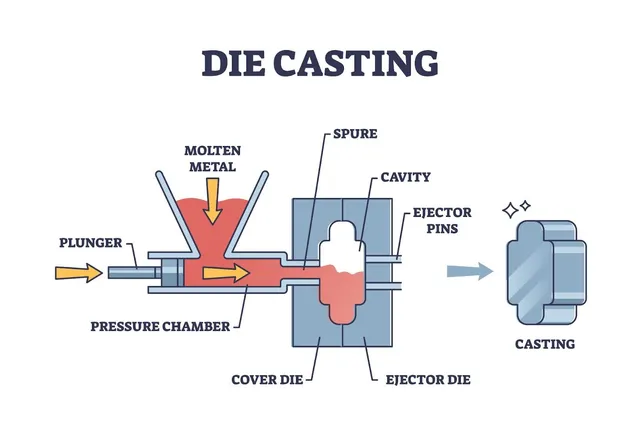
Czym jest odlewanie ciśnieniowe Odlewanie ciśnieniowe jest procesem produkcyjnym służącym do wytwarzania precyzyjnie zwymiarowanych, ostro zdefiniowanych, gładkich lub teksturowanych części metalowych. Jest on realizowany poprzez wtłaczanie stopionego metalu pod wysokim ciśnieniem do metalowych matryc wielokrotnego użytku. Proces ten jest często opisywany jako najkrótsza droga między surowcem a gotowym produktem. Termin “odlewanie ciśnieniowe” jest również używany do opisania gotowej części. Termin “odlewanie grawitacyjne” odnosi się do odlewów wykonywanych w metalowych formach pod głowicą grawitacyjną. W USA i Kanadzie jest to znane jako odlewanie w formach stałych. To, co tutaj nazywamy “odlewaniem ciśnieniowym”, w Europie znane jest jako “odlewanie wysokociśnieniowe”. Po pierwsze, stalowa forma zdolna do produkcji dziesiątek tysięcy odlewów w krótkim czasie musi być wykonana w co najmniej dwóch sekcjach, aby umożliwić usuwanie odlewów. Sekcje te są bezpiecznie zamontowane w maszynie i ustawione w taki sposób, że jedna jest nieruchoma (stała połowa matrycy), podczas gdy druga jest ruchoma (połowa matrycy wtryskowej). Aby rozpocząć cykl odlewania, dwie połówki matrycy są mocno zaciśnięte razem przez maszynę odlewniczą. Stopiony metal jest wtryskiwany do wnęki matrycy, gdzie szybko się zestala. Połówki matrycy są rozsuwane, a odlew jest wyrzucany. Matryce odlewnicze mogą być proste lub złożone, z ruchomymi prowadnicami, rdzeniami lub innymi sekcjami w zależności od złożoności odlewu. Pełny cykl procesu odlewania ciśnieniowego jest zdecydowanie najszybszym znanym procesem produkcji precyzyjnych części z metali nieżelaznych. Jest to wyraźne przeciwieństwo odlewania piaskowego, które wymaga nowej formy piaskowej dla każdego odlewu. Podczas gdy proces formowania stałego wykorzystuje formy żelazne lub stalowe zamiast piasku, jest on znacznie wolniejszy i nie tak precyzyjny jak odlewanie ciśnieniowe. Rodzaje maszyn do odlewania ciśnieniowego Niezależnie od rodzaju używanej maszyny, istotne jest, aby połówki matrycy, rdzenie i/lub inne ruchome sekcje były bezpiecznie zablokowane w miejscu podczas cyklu odlewania. Ogólnie rzecz biorąc, siła zacisku maszyny zależy od (a) przewidywanej powierzchni odlewu (mierzonej na linii podziału matrycy) i (b) ciśnienia stosowanego do wtryskiwania metalu do matrycy. Większość maszyn wykorzystuje mechanizmy przełączające uruchamiane siłownikami hydraulicznymi (czasami ciśnieniem powietrza) w celu uzyskania blokady. Inne wykorzystują bezpośrednio działające ciśnienie hydrauliczne. Systemy blokad bezpieczeństwa są stosowane, aby zapobiec otwarciu matrycy podczas cykli odlewania. Maszyny do odlewania ciśnieniowego, duże lub małe, zasadniczo różnią się tylko metodą stosowaną do wtryskiwania stopionego metalu do matrycy. Są one klasyfikowane i opisywane jako maszyny do odlewania ciśnieniowego z gorącą lub zimną komorą. Maszyny gorącokomorowe Maszyny gorącokomorowe (rys. 1) są stosowane głównie do cynku i stopów o niskiej temperaturze topnienia, które nie atakują łatwo i nie erodują metalowych garnków, cylindrów i tłoków. Zaawansowana technologia i rozwój nowych materiałów o wyższej temperaturze rozszerzyły zastosowanie tego sprzętu do odlewania ciśnieniowego stopów magnezu. Rysunek 1: Maszyna z gorącą komorą. Schemat ilustruje mechanizm tłoka, który jest zanurzony w stopionym metalu. Nowoczesne maszyny są sterowane hydraulicznie i wyposażone w automatyczne sterowanie cyklem i urządzenia zabezpieczające. W maszynie z gorącą komorą mechanizm wtryskowy jest zanurzony w stopionym metalu w piecu przymocowanym do maszyny. Gdy tłok jest podnoszony, otwiera się otwór umożliwiający napełnienie cylindra stopionym metalem. Gdy tłok porusza się w dół, uszczelniając port, wtłacza stopiony metal przez gęsią szyję i dyszę do matrycy. Po zestaleniu się metalu tłok jest wycofywany, matryca otwiera się, a powstały odlew jest wyrzucany. Maszyny z gorącą komorą są szybkie w działaniu. Czasy cykli wahają się od mniej niż jednej sekundy dla małych elementów ważących mniej niż jedną uncję do trzydziestu sekund dla odlewów o wadze kilku funtów. Matryce są napełniane szybko (zwykle od pięciu do czterdziestu milisekund), a metal jest wtryskiwany pod wysokim ciśnieniem (od 1500 do ponad 4500 psi). Niemniej jednak, nowoczesna technologia zapewnia ścisłą kontrolę nad tymi wartościami, umożliwiając produkcję odlewów o drobnych szczegółach, wąskich tolerancjach i wysokiej wytrzymałości. Maszyny zimnokomorowe Maszyny zimnokomorowe (rys. 2) różnią się od maszyn gorącokomorowych przede wszystkim pod jednym względem: tłok wtryskowy i cylinder nie są zanurzone w stopionym metalu. Stopiony metal jest wlewany do “zimnej komory” przez port lub szczelinę wlewową za pomocą ręcznej lub automatycznej kadzi. Hydraulicznie sterowany tłok, przesuwając się do przodu, uszczelnia port, wtłaczając metal do zablokowanej matrycy pod wysokim ciśnieniem. Ciśnienie wtrysku wynosi od 3000 do ponad 10000 psi dla stopów aluminium i magnezu oraz od 6000 do ponad 15000 psi dla stopów miedzi. Rysunek 2: Maszyna z zimną komorą. Schemat przedstawia matrycę, zimną komorę i poziomy siłownik lub tłok (w pozycji ładowania). Odlewanie ciśnieniowe zapewnia skomplikowane kształty w ramach ściślejszych tolerancji niż wiele innych procesów produkcji masowej. W maszynie zimnokomorowej do komory wlewana jest większa ilość stopionego metalu, która jest potrzebna do wypełnienia wnęki matrycy. Pomaga to utrzymać ciśnienie wystarczające do solidnego wypełnienia wnęki stopem odlewniczym. Nadmiar metalu jest wyrzucany wraz z odlewem i stanowi część całego odlewu. Działanie maszyny “zimnokomorowej” jest nieco wolniejsze niż maszyny “gorącokomorowej” ze względu na operację kadziowania. Maszyna zimnokomorowa jest używana do odlewania ciśnieniowego stopów o wysokiej temperaturze topnienia, ponieważ zespoły tłoka i cylindra są mniej podatne na atak, ponieważ nie są zanurzone w stopionym metalu. Odlewanie ciśnieniowe i ich konstrukcja Matryce odlewnicze (rys. 3) są wykonane ze stali narzędziowej stopowej w co najmniej dwóch sekcjach zwanych stałą połową matrycy i połową wypychacza. Stała połówka matrycy jest zamontowana z boku w kierunku systemu wtrysku stopionego metalu. Połowa matrycy wypychającej, do której przylega odlew i z której jest wyrzucany po otwarciu matrycy, jest zamontowana na ruchomej płycie maszyny. Stała połowa matrycy jest zaprojektowana tak, aby zawierała otwór wlewowy, przez który stopiony metal wchodzi do matrycy. Połowa wyrzutnika zwykle zawiera prowadnice (przejścia) i bramy (wloty), które kierują stopiony metal do wnęki (lub wnęk) matrycy. Wyrzutnik

Czym jest odlewanie grawitacyjne

odlew aluminiowy, aluminiowe formy odlewnicze, odlew aluminiowy, odlewanie ciśnieniowe, odlewanie ciśnieniowe aluminium, firmy odlewnicze, forma odlewnicza, części odlewane ciśnieniowo, Odlewanie grawitacyjne, chińska forma wtryskowa, produkcja form wtryskowych

Różnice między odlewaniem ciśnieniowym aluminium a odlewaniem grawitacyjnym Odlewanie ciśnieniowe aluminium to coś więcej niż tylko pretekst do zabawy ze stopionym metalem, to w rzeczywistości świetny sposób na tworzenie sztuki i skomplikowanych elementów maszyn lub innych przedmiotów, które w innym przypadku byłyby prawie niemożliwe do wykonania. Odlewanie ciśnieniowe aluminium to naprawdę świetny sposób na zaoszczędzenie pieniędzy... podczas zabawy ze stopionym metalem. Powodem, dla którego odlewanie ciśnieniowe aluminium przetrwało próbę czasu, jest kwestia wydajności. Niektóre z najwcześniejszych przykładów odlewów zostały znalezione w Chinach tysiące lat temu. W rzeczywistości każda większa cywilizacja, od Egipcjan po Rzymian, praktykowała odlewanie aluminium. Umiejętność ta powróciła do mody w okresie renesansu i od tego czasu wciąż się rozwija i ewoluuje. Podczas gdy odlewanie piaskowe jest najpopularniejszym procesem odlewniczym, istnieje wiele, wiele innych procesów dostępnych dla odlewni przydomowych. Nie każdy będzie odlewał ciężkie elementy, takie jak części silnika lub odlewał własne motocykle. Tak więc dla tych, którzy chcą po prostu wykonać elementy dekoracyjne, nie będziesz używać tego samego procesu odlewania, co te ciężkie odlewy. Artyści tworzący małe rzeźby lub ozdoby oraz hobbyści, którzy potrzebują dekoracyjnego akcentu do swojego modelu samolotu lub łodzi, mogą rozważyć zastosowanie odlewu grawitacyjnego do swoich potrzeb. Czym jest odlewanie grawitacyjne Odlewanie grawitacyjne wydaje się być szczególnie przydatne w przypadku aluminium i innych lekkich stopów. Podstawową ideą tego procesu odlewania jest dokładnie to, co sugeruje nazwa. Metal jest wprowadzany do formy za pomocą siły grawitacji. Większość innych procesów odlewania wykorzystuje naturalną różnicę ciśnień, taką jak w niektórych procedurach odlewania w piasku, lub wykorzystuje wymuszone ciśnienie, takie jak w odlewaniu odśrodkowym, aby wprowadzić stopiony metal do formy. Jednym z najczęstszych zastosowań odlewania grawitacyjnego jest użycie stałych form. Nazywana również matrycą, stała forma jest naprawdę ekonomiczna tylko dla tych, którzy planują używać tej samej formy wiele razy i będą musieli utrzymywać jakość na stałym poziomie. Podczas gdy niektóre tymczasowe formy mogą być wielokrotnie używane, jakość gotowego produktu zacznie z czasem spadać. W przypadku form matrycowych jakość pozostanie taka sama. Formy matrycowe powinny być postrzegane jako inwestycja. Tak, będą one droższe niż inne formy, jednak przetrwają tańsze opcje form. W przypadku form stałych są one tworzone przy użyciu żeliwa, stali i innych metali. Odlewanie grawitacyjne jest stosowane w procesie trwałego formowania z zadowalającymi wynikami. Odlewanie grawitacyjne jest zwykle stosowane, gdy gotowy produkt jest bardziej wizualny niż strukturalny, dlatego metoda ta jest ulubioną metodą artystów, a nawet niektórych jubilerów. Utrata wytrzymałości wynika z braku ciśnienia stosowanego w tym procesie. Dla tych, którzy potrzebują wytrzymałości, ale nadal chcą korzystać z odlewania grawitacyjnego, konieczne będzie użycie większej ilości stopionego metalu, co zwiększy wagę. przejdź do https://www.aludiecasting.com/, aby dowiedzieć się więcej o odlewaniu grawitacyjnym Poleganie na grawitacji wymaga cierpliwości, chociaż będzie to konieczne w przypadku większych produktów. Jeśli potrzebujesz usługi odlewania grawitacyjnego lub odlewania ciśnieniowego aluminium, odlewania ciśnieniowego magnezu lub odlewania ciśnieniowego cynku dla swojej firmy. Zapraszamy do przesłania nam swoich wymagań dotyczących wyceny, wystarczy przesłać nam projekt części 3D i wymagania, a następnie usiąść wygodnie, a my zajmiemy się resztą, aby z nami współpracować, wystarczy zadbać o rynek po swojej stronie, a my będziemy Twoim wsparciem, aby zadbać o czas realizacji, wysyłkę, jakość i kwestie techniczne.

Przewiń do góry

Wycena