
Finisaj suprafață aluminiu

Placare cu zinc vs placare cu nichel: Pe care ar trebui să o alegeți?

Placare cu zinc vs placare cu nichel: Pe care ar trebui să o alegeți?

matrițe de turnare din aluminiu, aluminiu turnat sub presiune, Finisaj suprafață aluminiu

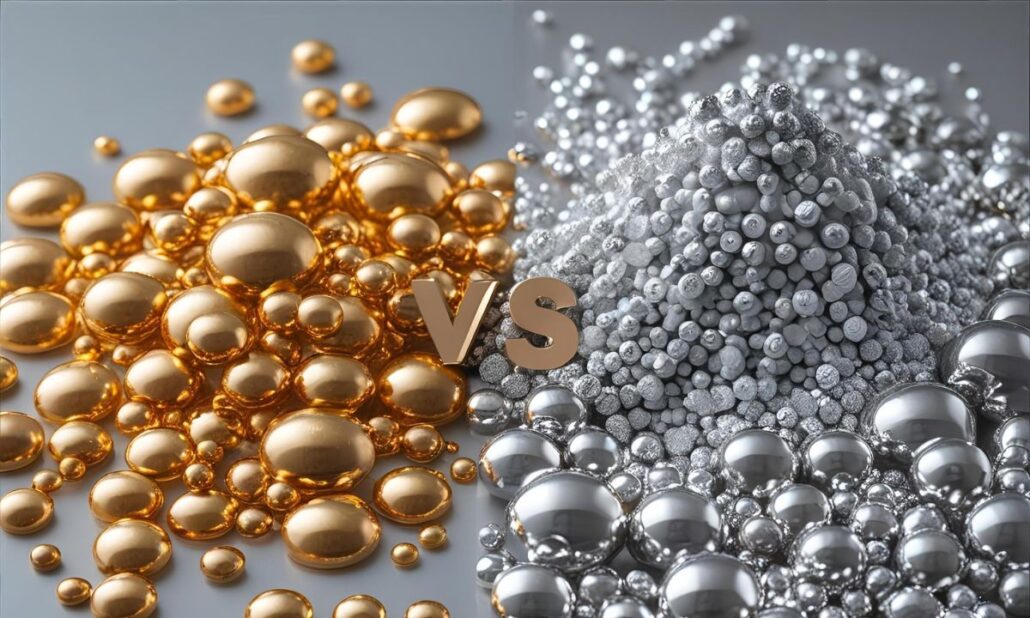
Zinc Plating vs Nickel plating is a frequent point of reference in terms of metal finishing. These two methods are applied to safeguard the metals, enhance their performance, and cause their products to last longer. The differences between these two types depend on cost, durability, and appearance. Surface finishing is not all about appearances. It is concerned with the accuracy with which a product can counter rust, wear, and damage. Even strong metals can be defeated where there is no appropriate coating. This is the reason why plating has been an important process in the automotive, aerospace, construction, and electronic industries. Zinc plating is well known to be cheap and effective. It forms a thin and workable protective coating that resists rust damage on the metal underneath. This gives it preference in fasteners, nuts, bolts, and many other small product elements used in day-to-day items. Nickel plating is stronger and durable, on the other hand. It cannot be worn out easily, and it resists acid. Nickel plating is also a bright, attractive finish, so it is ideal when it is needed on decorative or visible parts such as car trims and appliance fittings or on electronic casings. And when considering Zinc Plating vs Nickel Plating, it becomes the question: which works better in your situation? Depending on the location where the part will find application, how much safeguarding it needs, and how much you are ready to part with, determines the answer. In the current blog, we will unravel both the processes, their advantages, limitations, and major areas where they can be best used to help you make the most appropriate decision. What is Zinc Plating? Zinc plating is a widely used and cost-efficient technique of coating. It is done by depositing a thin coat of zinc on the surface of metal, most commonly steel or iron, by a process known as electroplating. In the process, a zinc salt solution is used to immerse the base metal, and an electrical current is passed. Zinc solutions travel to the surface of the piece leaving an even and thin coating. Benefits of Zinc Plating Limitations of Zinc Plating What is Nickel Plating? Nickel plating is also a common finishing technique, but compared with zinc, it offers a harder, more durable, and aesthetically pleasing surface. The process is achieved in either of two major ways: Electrolytic Nickel Plating (Electroplating) – Much like the zinc plating process, the raw metal is placed into a nickel salt solution, and the nickel is deposited on the surface by applying an electric current to the metal. Electroless Nickel Plating is a method that does not need electricity. Rather, it uses a chemical process to capably deposit nickel to cover the surface evenly, including in complex structures or otherwise inaccessible places. Benefits of Nickel Plating Limitations of Nickel Plating The Plating Process Zinc Plating Process Surface preparation is very meticulous in the case of zinc plating. Before a plate can be done, the surface, which is in most cases metal, normally steel or iron, must be cleaned of oil, dirt, rust, and oxides. To accomplish this, components are either cleaned in acid or alkaline fluids and then rinsed so that no residues remain. After cleaning, the component is inserted into an electrolytic bath that has a zinc salt solution, mostly zinc sulfate or zinc chloride. Electricity is then charged through the bath.. This movement results in zinc ions in the medium to move and being deposited on the surface of the base metal. The effect is a very thin, even coating of zinc covering the zinc below it. A post-step processing of the plated component is often carried out, which can give a more corrosion-resistant effect, also able to change the appearance of the coating, providing a yellow, black, or clear finish. Zinc plating is comparatively quick, price low, and highly applicable in the mass production of hardware and vehicle parts. Nickel Plating Process Nickel plating is prepared in almost a similar manner, with the initial step being cleaning. Part surfaces are well-treated and made clean to ensure adhesion is not compromised by residues. Electrolytic nickel plating: The part enters a bath of solutions of nickel salts, e.g., nickel sulfate, and an electric current is applied. This makes the nickel ions deposit on the surface, forming a hard and protective layer. Another approach, which is nickel plating and does not require power, is electroless nickel plating. Rather, the part is immersed in some chemicals under nickel salts and a reducing solution such as sodium hypophosphite. A plated chemical reaction also occurs, the nickel being deposited uniformly onto the part. This process has an advantage over electrolytic plating in that it will cover with uniformity even in recesses, grooves, and other complex geometries. Electroless nickel deposits are noted to be highly hard and resistant to corrosion, but this process is costlier than the electroplating method and demands much more care over the bath chemistry, pH level, and temperature. Zinc Plating vs Nickel Plating: Key Differences With the choice between zinc plating and nickel plating, cost, durability, appearance, corrosion resistance, and the appropriateness of application are all aspects that may come into consideration. Let us look at them one by one. 1.     Corrosion Resistance Winner: Nickel Plating to serve long-term corrosion protection. 2. Endurance / Wearability Winner: Nickel Plating; Hardness, wear resistance. 3. Cost  Winner: Zinc Plating to cost-effective solutions. 4. Appearance  Winner: Nickel Plating- to look good. 5. Environmental Impact  Winner: Zinc Plating on its greenness. Quick Comparison Table Feature Zinc Plating Nickel Plating Corrosion Resistance Good, but limited in harsh conditions Excellent, especially electroless nickel Durability Moderate – wears faster High – scratch & wear-resistant Cost Low (budget-friendly) Higher (premium option) Appearance Shiny, but basic finish Smooth, mirror-like decorative finish Environmental Impact Easier waste treatment Stricter environmental controls are needed Best For Fasteners, bolts, general hardware Aerospace, electronics, decorative uses Industry Applications of Zinc and Nickel Plating Both plating techniques are very common in industries;
Material din aluminiu anodizat: Proprietăți, beneficii și aplicații

Material din aluminiu anodizat: Proprietăți, beneficii și aplicații

aluminiu turnat sub presiune, Finisaj suprafață aluminiu

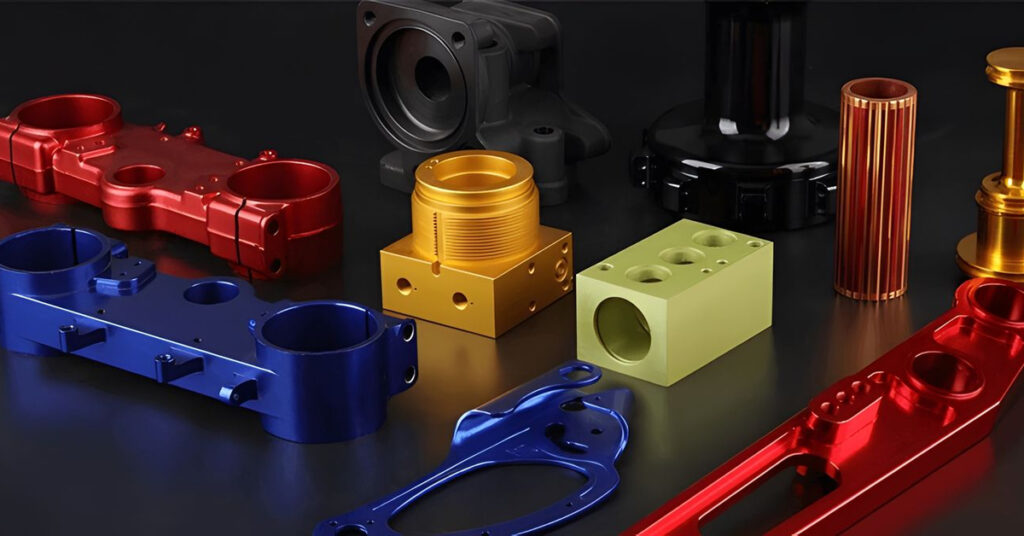
Materialul din aluminiu anodizat este utilizat în principal pentru că este ușor, puternic și rezistent la coroziune. În timp ce aluminiul brut oferă o anumită durabilitate și rezistență la zgârieturi, acesta este predispus la oxidare, lovituri și zgârieturi, care îl pot modifica pe termen lung și îi pot păstra aspectul plăcut. Pentru a face aluminiul mai puternic și mai durabil, acesta este apoi anodizat pentru a forma un strat protector de oxid pe suprafața sa. Motivul pentru acest strat este că întărește metalul, oferindu-i o suprafață mai necorozivă și care nu se uzează și un aspect mai plăcut. Aluminiul anodizat este preferat datorită acestor factori și este utilizat pe scară largă în industria aerospațială, auto, construcții și electronice de consum. Anodizarea constă în mai multe etape de curățare a suprafeței, imersie într-o baie de electrolit, oxidare cu ajutorul curentului electric și etanșare. Pe lângă faptul că face materialul mai rezistent, acest tratament poate fi colorat în diferite nuanțe și finisaje. Colorarea electrolitică, colorarea prin imersie, colorarea integrală și colorarea prin interferență sunt diferite tehnici comune de colorare. Anodizarea obișnuită și anodizarea dură sunt cele două tipuri principale de anodizare. De obicei, există două procese disponibile: anodizarea obișnuită, utilizată în principal pentru finisaje și aplicații cu greutate redusă, și anodizarea dură, care oferă o durabilitate, uzură și rezistență excelente pentru aplicații militare, industriale și aerospațiale. În plus față de anodizare, aluminiul poate fi prelucrat prin alte tratamente de suprafață, cum ar fi galvanoplastia, acoperirea cu pulbere, acoperirea prin conversie cu cromat, acoperirea PVD, acoperiri ceramice sau galvanizarea la cald. Aluminiul anodizat nu posedă aceste proprietăți în mod uniform și, prin urmare, este utilizat ca un material versatil și fiabil în multe industrii, fiecare metodă oferind materialului proprietăți îmbunătățite specifice - rezistență la coroziune, duritate, conductivitate etc. În acest articol, vom discuta despre ce implică proprietățile, beneficiile, aplicațiile și întreținerea aluminiului anodizat și de ce este o alternativă mai bună la alte metale și tratamente. Dacă cunoaștem aceste aspecte, putem înțelege ce material să folosim pentru o anumită industrie și pentru consumator. Ce este aluminiul anodizat? Aluminiul care a fost anodizat este un aluminiu care a fost trecut printr-un proces electrochimic pentru a produce un strat de oxid mai gros și mai durabil pe suprafața sa. Prezența acestui strat de oxid anodic crește rezistența metalului la coroziune, îmbunătățește duritatea suprafeței și crește capacitatea metalului de a adera la vopsele și acoperiri. Procesul de anodizare Cu alte cuvinte, procesul de anodizare include mai multe etape-cheie. Proprietăți cheie ale materialelor din aluminiu anodizat 1. Rezistență sporită la coroziune Aluminiul anodizat este unul dintre cele mai rezistente la coroziune. Acest lucru îl face practic inutil în aer liber sau atunci când este scufundat în apă, deoarece stratul de oxid protejează metalul de umiditate și de mediul nostru. 2. Creșterea durității suprafeței Anodizarea îmbunătățește semnificativ duritatea aluminiului și aluminiul devine mai rezistent la zgârieturi, lovituri și uzură. Un astfel de aluminiu anodizat dur este foarte durabil și este într-adevăr utilizat în aplicații de înaltă performanță. 3. Atracție estetică și varietate de culori De asemenea, aluminiul anodizat este oferit în negru, auriu, bronz, argintiu etc. fără a schimba textura naturală a metalului. Acesta este motivul pentru care este o alegere preferată pentru aplicații arhitecturale, precum și decorative. 4. Ușor, dar puternic În timp ce stratul de oxid este pus pe partea de sus a aluminiului, acest lucru nu face aluminiul semnificativ mai greu și este încă mai ușor decât materialele mai grele, cum ar fi oțelul inoxidabil. 5. Izolare electrică Deoarece aluminiul anodizat este un conductor slab de electricitate în comparație cu aluminiul netratat, este un material atractiv de utilizat în aplicații în care este necesară izolarea în scopuri electrice sau electronice. 6. Ecologic și durabil Aluminiul anodizat este complet netoxic, este reciclabil și nu emite COV (compuși organici volatili) periculoși și dăunători sănătății, deci este ecologic. Cum să adăugați culoare pieselor din aluminiu anodizat? Aluminiul anodizat este bine cunoscut pentru capacitatea sa de a reține culori foarte vibrante. Colorarea electrolitică și colorarea prin imersie sunt două dintre numeroasele tehnici utilizate pentru colorarea aluminiului anodizat. 1. Colorarea electrolitică O modalitate populară de a înfrumuseța aluminiul anodizat este colorarea electrolitică prin care aluminiul anodizat este colorat cu nuanțe durabile și rezistente la UV. Odată ce aluminiul a trecut prin procesul de anodizare, acesta este plasat într-o baie cu săruri metalice. În ultimii ani au fost dezvoltate săruri metalizate prin care, atunci când se aplică un curent electric, acestea se depun în porii deschiși ai suprafeței anodizate, creând permanent o suprafață colorată în metal. În cele din urmă, culoarea depinde de tipul de săruri metalice implicate. Sărurile de cupru ,de exemplu, fac ca soluția să aibă un ton roșiatic, iar alte metale o pot face în alte nuanțe. Este utilizat pe scară largă deoarece culorile realizate în acest fel durează mult și nu se decolorează, ceea ce îl face excelent pentru utilizări în aer liber sau la expunere ridicată. 2. Colorarea prin imersie O altă metodă de colorare este ‘colorarea prin imersie’, care oferă o mare varietate de opțiuni de culoare. În timpul acestui tip de procesare, stratul poros este scufundat într-o soluție de colorant în care aluminiul anodizat absoarbe pigmentul. Odată ce este atinsă o nuanță, aluminiul este sigilat în apă pentru a opri reacțiile să continue. Colorarea prin imersie oferă nuanțe contrastate mult mai vibrante și personalizabile, dar nu sunt rezistente la UV și culorile se vor decolora într-o măsură mult mai mică atunci când sunt expuse la lumina soarelui. Cu toate acestea, această lipsă de durabilitate este principalul motiv pentru care nu este utilizată în mod obișnuit în aplicații în care durabilitatea pieselor este un factor important. 3. Colorarea integrală (proces într-un singur pas) O colorare integrală este un proces unic care încorporează anodizarea și colorarea într-un singur proces, care este mai eficient decât în metodele cu mai mulți pași. Spre deosebire de alte tehnici, electroliții, care reacționează cu suprafața aluminiului și se usucă rapid, creează tonuri metalice profunde și bogate, inclusiv negru, auriu sau bronz. Culoarea se formează chiar în stratul de oxid și, datorită acestui fapt, este foarte durabilă și nu se zgârie, nu este predispusă la coroziune și nu se decolorează. Deși colorarea integrală produce finisaje de calitate, aceasta este rară din cauza costurilor și a complexității. Componentele arhitecturale, electronicele high-end și echipamentele industriale în care piesele trebuie să fie capabile să reziste la condiții solicitante în care

piese din aluminiu anodizat

Aluminiu anodizat negru

Finisaj suprafață aluminiu

What is black anodized aluminum Black anodized aluminum is basically the aluminum which went through anodizing process and then subsequently dyed into black color. The natural and porous oxide layer on the surface of the aluminum part is increased by an electrochemical process called anodizing. In this way this layer becomes durable, thicker and harder. This oxide layer is achieved by dipping aluminum part in an electrolytic bath and passing electric current through it. Anodized aluminum black is considered important because of its corrosion resistance, durability and aesthetics attraction and uniqueness. Aluminum has prominent properties such as light weight, high strength to weight ratio, corrosion resistance and thermal conductivity. All of these properties remain intact and a sleek black finish is provided as well. This finish is more durable and is less likely to chip off or peel off as compared to finish which is achieved by plating or coating. This is extensively used in automotive parts, aerospace industry, household components and electronics parts. How aluminum is anodized? This includes a method in which a decorative as well as protective layer is produced on the aluminum part surface. Many important factors need to be considered in this process which is the following: Equipment and Material Anodizing tank Aluminum objects Sodium Hydroxide Distilled water Electric current source Nitric acid or sulfuric acid Degreaser Anodizing black dye Cathode material i.e. lead or aluminum Protective gears How to prepare Aluminum Part Surface? Surface preparation is a prominent factor before carrying out anodizing process. It comprises of various steps including cleaning, etching and desmutting. First of all surface of the aluminum object is completely cleaned by using acidic or alkaline cleaners. This will thoroughly remove all kinds of contaminations such as dirt, grease or oil. Now the cleaned aluminum object is subjected to etching process. During this process the aluminum part is etched in sodium hydroxide solution. Etching process will remove the natural oxide layer and will create a smooth surface finish. Etching process often leaves residual particles on the surface. In order to remove those residues, desmutting process is carried out. In this process aluminum part after the etching process is dipped in an acidic solution i.e. nitric acid. How to carry out black anodizing aluminum process? This process is carried out in an electrolytic cell which comprises of an anode, cathode and an electrolytic solution in the bath. This bath most of the times contains sulfuric acid however phosphoric acid and chromic acid are also used. The aluminum object whose preparation is completed is dipped in the bath. In the electrolytic cell positive electrode is the aluminum object which will act as anode. The negative electrode which is made of stainless steel or lead will act as cathode. This will complete the circuit and an electric current is passed through this circuit. During this process oxygen ions from the electrolytic bath combine with the aluminum atoms on the surface area of the aluminum object and will form aluminum oxide. This process continues and thickness of this oxide layer keeps increasing. It is important to note that growth of this oxide layer takes place inward and outward from the aluminum surface and ultimately this will result in the formation of a porous structure. Factors which affects the formation of Oxide layer The thickness of the oxide layer is controlled by the following factors. The temperature of the electrolyte The duration of the process Current density The type of the acid which is used How to dye aluminum black? This process is carried out after the anodizing of aluminum object. At the end of anodizing process a porous oxide layer is formed on the aluminum object which is able to absorb and accept dyes. During the dyeing process the aluminum object is immersed in a dye bath. This dye bath contains the black dye. The black dye penetrates into the pores of the porous oxide layer which was formed from anodizing process. In order to achieve the required black shade and uniform dyeing the immersion time and temperature must be carefully controlled. After achieving the desired color and its shade the sealing process is carried out. In this process the absorbed dye is locked by closing the pores of the oxide layer and aluminum object is sealed. Following materials are generally used for sealing purpose. Nickel acetate solution Ionized water Steam The aluminum object is subjected to thorough rinsing to remove any residues. After that the part is completely dried. Subsequently this will increase the corrosion resistance, durability and the surface finish. Defining the black anodized aluminum pipe This is a hollow and cylindrical tube made from aluminum and is in shape of a pipe. This aluminum pipe is first subjected to anodizing process in which oxide layer is increased in thickness and after that it is dyed into black color to get a better finish. Anodized aluminum black pipe have the combination of aluminum properties such as corrosion resistance, light weight, durability and advantages of anodization along with black finishing. These pipes find their applications extensively in construction sector, marine applications, automotive industry and for decoration purposes. Definition of the aluminum anodized black sheet An aluminum sheet is a flat and thin aluminum metal piece which possesses the prominent properties such as corrosion resistance, light weight and high strength. This aluminum sheet undergoes anodizing process which ultimately enhances the surface hardness and corrosion resistance of the aluminum sheet. Additionally this process also increases the ability of the sheet to absorb dyes and coatings. After that this sheet is dyed into black color. Subsequently this will provide aesthetics and protection against wear and corrosion. Major applications of these sheets include areas where durability and appearance are of prime importance such as architecture, electronics, signage and decorative needs. Advantages of Black Anodized Aluminum Black anodized aluminum provides many advantages making it suitable to be utilized in numerous applications. Some benefits are as follows. Improved Mechanical Properties: Black anodized aluminum offers better wear resistance and

Derulați la început

Obțineți o ofertă