tlakové lití hliníku

Vysokotlaké lití hliníku

Výrobce vysokotlakých hliníkových odlitků a IATF 16949

tlakové lití hliníku

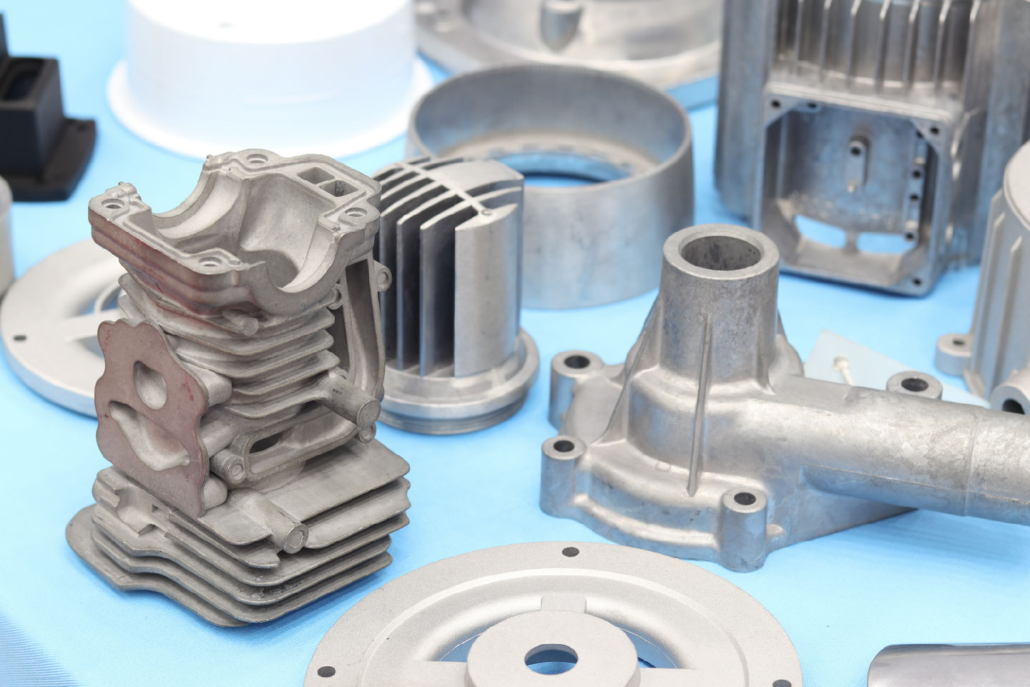
Moderní výroba využívá vysokotlaké lití hliníku k výrobě dílů, které jsou pevné, lehké a mají mnoho složitých tvarů. Automobilový průmysl, letecký průmysl, telekomunikace a spotřební elektronika jej používají proto, že umožňují jak hromadnou výrobu, tak i vytváření velmi přesných kusů. Protože poptávka po kvalitních dílech z hliníkových vysokotlakých odlitků neustále roste, je důležité jednat se známým a certifikovaným dodavatelem. V této oblasti je velmi důležitá certifikace IATF 16949, protože se jedná o uznávaný standard řízení kvality, který se používá po celém světě v automobilovém průmyslu. Tato certifikace zaručuje, že se v každé fázi výroby používá kontrola kvality, správné zacházení s riziky a neustálé zlepšování. Certifikovaná společnost zabývající se tlakovým litím hliníku a ISO 16949 prokazuje svůj závazek k trvalé kvalitě výrobků a spokojenosti zákazníků. Být výrobcem vysoce přesného tlakového lití a ITAF 16949 znamená splňovat přísné mezinárodní normy a mít zavedené procesy pro minimalizaci vad, zvýšení efektivity výroby a zajištění úplné sledovatelnosti komponent. Dokáží vyhovět dodavatelům Tier 1 a výrobcům OEM tím, že dodávají komponenty, které přesně odpovídají specifikacím podniku. Dodržování norem pro tlakové lití hliníku a 16949 navíc znamená, že výrobce může splnit očekávání po celém světě, a to především v oblastech, kde je důležité zaměřit se na bezpečnost a bezpečný výkon. Spolupráce s vhodným partnerem v oblasti tlakového lití hliníku, který má certifikaci IATF 16949, je pro vaše výrobky přínosem, pomáhá snižovat náklady v budoucnu a posiluje články vašeho dodavatelského řetězce. Tento článek se zabývá tím, jak výrobce vysokotlakých hliníkových odlitků dodržuje normu IATF 16949 a jakou roli hraje. Vysokotlaké lití hliníku Vysokotlaké lití hliníku pomáhá vyrábět kovové díly, které mají přesný tvar a dokonalý neporézní povrch. Když se roztavený hliník vstřikuje do ocelové formy pod vysokým tlakem, umožňuje to rychlou výrobu složitých dílů a omezuje pozdější kroky zpracování. Protože je hliník pevný a lehký, je široce používán v mnoha průmyslových odvětvích. Výrobky vyrobené tímto postupem se běžně vyskytují v motorech, skříních a držácích automobilů. Pro každý provoz, který se zabývá tlakovým litím hliníku a je certifikován podle normy ITAF 16949, je zachování integrity tohoto procesu zásadní pro kvalitu i shodu s předpisy. Jak IATF 16949 pomáhá při tlakovém lití? IATF 16949 je mezinárodní norma vytvořená pro automobily a využívá řízení kvality k zajištění spolehlivosti výrobků a jejich procesů. Hlavními prvky systému, který vytvořila Mezinárodní pracovní skupina pro automobilový průmysl, jsou neustálý vývoj, prevence problémů s kvalitou a snižování plýtvání v dodavatelském řetězci. Pro výrobce zabývající se tlakovým litím hliníku a certifikací podle normy ISO 16949 není certifikace jen předpisovým požadavkem, je to odznak důvěry. Zaručuje, že výrobce dodržuje pravidla kvality, která jsou všude respektována. Kromě toho, protože norma IATF 16949 odpovídá normě ISO 9001, zajišťuje úplné a řádné řízení kvality. Proč se hliník používá při vysokotlakém tlakovém lití? Tlakové lití má z hliníku velké výhody díky jeho schopnosti odolávat korozi, silné tepelné vodivosti a tomu, že je lehčí než jiné kovy, například ocel a mosaz. Díky těmto vlastnostem je tento materiál vhodný pro automobily, protože na nízké hmotnosti i výkonu závisí úspora paliva. Certifikát IATF 16949 ukazuje, že všechny tyto výhody jsou v podniku dosaženy. Například výrobci, kteří se zaměřují na ’výrobce vysoce přesného tlakového lití a normy ISO 16949, mohou zákazníkům zajistit konzistentní výkonnost výrobků a minimální odchylky ve výrobě. Co dělá výrobce tlakového lití hliníku spolehlivým? Výběr kompetentního výrobce je pro firmy provádějící tlakové lití hliníku velmi důležitý. Výrobce by měl mít nejen potřebné know-how, ale také dodržovat všechny normy kvality. Toto jsou některé ze základních vlastností, kterých byste si měli všimnout: Dobré tlakové lití závisí především na přesném inženýrství. Potvrzuje, že součásti dodržují přísné směrnice týkající se rozměrů i výkonu. Výrobci, kteří se označují jako výrobci vysoce přesného tlakového lití a podle normy ITA 16949, vynakládají velké úsilí na zavedení přísných norem v celém konstrukčním a výrobním cyklu. Díky softwaru CAD/CAM, kontrole kvality a automatizovaným procesům se výroba co nejvíce blíží konkrétním požadavkům. U aplikací, jako jsou skříně převodovek, elektronické skříně a důležité automobilové komponenty, je potřebná přesnost velmi důležitá. Proč je řízení kvality důležité? Dobře strukturovaný systém řízení kvality (QMS) umožňuje vyrábět stále stejně kvalitní zboží. V oboru tlakového lití hliníku poskytuje dodržování zásad IATF 16949 způsob, jak řídit procesy, snižovat rizika a neustále se zlepšovat. Dodržováním standardu IATF 16949 zajišťuje výrobce vysoce přesného tlakového lití a itaf 16949 nejen kvalitu, ale také sledovatelnost a odpovědnost. Vše je kontrolováno a potvrzováno v celém dodavatelském řetězci, aby se snížila pravděpodobnost problémů a závad. Níže je uvedena podrobná a odborná tabulka, která popisuje klíčové aspekty výrobce vysokotlakého lití hliníku a IATF 16949 a integruje relevantní informace napříč různými kategoriemi, jako je proces, výhody, certifikace a význam pro odvětví. Tato tabulka je ideální pro použití na webových stránkách, v brožuře nebo prezentaci. Vysokotlaké lití hliníku a IATF 16949 - komplexní přehled Podrobnosti o kategorii Výrobní proces Hliník se taví a vstřikuje do ocelové formy pod vysokým tlakem, čímž vznikají složité tvary s vynikající rozměrovou přesností. Klíčové použité materiály Slitiny hliníku (např. A380, ADC12, AlSi10Mg) jsou známé svou pevností, nízkou hmotností a tepelnou vodivostí. Odvětví použití Automobilový průmysl, letecký průmysl, elektronika, průmyslová zařízení, telekomunikace, spotřební zboží. Výhody tlakového lití hliníku - Lehké součásti- Vysoký poměr pevnosti a hmotnosti- Vynikající povrchová úprava- Vysoká objemová účinnost- Odolnost proti korozi Důležitost přesnosti Lze dosáhnout těsných tolerancí a jemných detailů, což je ideální pro díly motorů, skříně, konektory, držáky a konstrukční součásti. Co je to IATF 16949? Globální norma řízení kvality pro automobilový průmysl, založená na ISO 9001 s dalšími požadavky specifickými pro automobilovou výrobu. Výhody certifikace IATF 16949 - konzistentní kvalita výrobků- myšlení založené na rizicích- prevence vad- lepší spokojenost zákazníků- konkurenční výhoda Proč je certifikace důležitá Zajišťuje sledovatelnost, standardizované postupy, shodu s předpisy a neustálé zlepšování výkonnosti. Cíloví zákazníci Výrobci OEM, dodavatelé automobilového průmyslu úrovně 1 a 2, konstruktéři průmyslových systémů, a
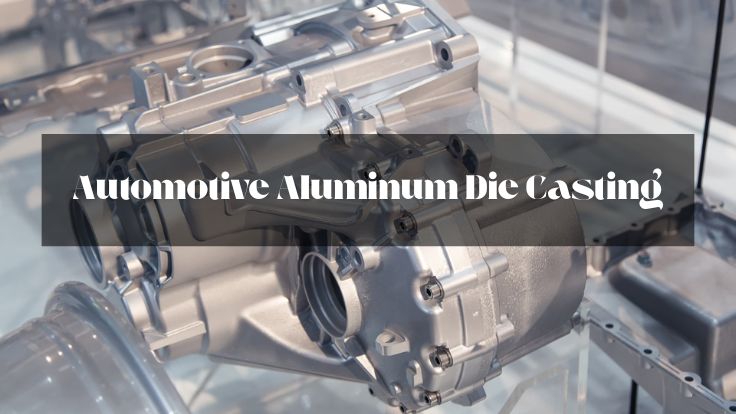
Proč přední výrobci dávají přednost hliníkovému tlakovému lití autodílů

Hliníkové tlakové lití autodílů: Proč přední výrobci dávají přednost

tlakové lití hliníku

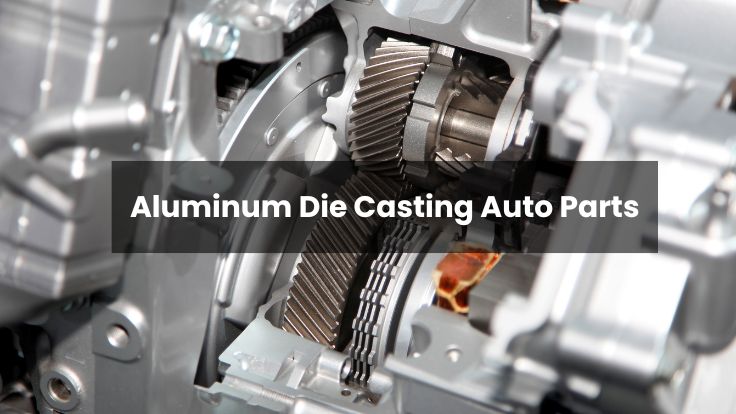
Hliníkové tlakové lití autodílů je dnes běžnou praxí pro špičkové konstrukce bloků motorů, skříní převodovek a široké škály držáků. Tato metoda umožňuje zahrnout složité konstrukce a zajišťuje jak lehkost, tak odolnost dílů, které mají zásadní význam pro vysoký výkon a lepší spotřebu paliva. Protože je rychlá a vzniká při ní jen velmi málo odpadu, je tlakové lití hliníku hojně využíváno výrobci automobilů po celém světě. Automobilové tlakové lití je nezbytné při výrobě dílů pro moderní automobily. Tento výrobní proces roztaví hliník do tvarů požadovaných zápustkami, protože formy jsou pevné a opakovaně použitelné. Rostoucí důraz na zdokonalená a energeticky úspornější vozidla způsobil, že společnosti používají více hliníku. Spolehlivá výroba těchto dílů s vysokou úrovní přesnosti často závisí na tlakovém lití hliníku. Výrobce dílů pro tlakové lití automobilů má pro tento vývoj výroby zásadní význam. Vzhledem k tomu, že elektromobily a hybridy jsou stále běžnější, budou výrobci potřebovat více hliníkových dílů, které jsou jednak lehké, jednak snadno nerezaví a nekorodují. Díky těmto vlastnostem je tlakové lití hliníku důležité pro rozvoj dopravní techniky. V tomto článku se budeme zabývat procesem tlakového lití automobilů, jeho výhodami, běžnými aplikacemi v automobilech a tím, jak přední výrobci tlakového lití vyrábějí vynikající díly pro dnešní vozidla. Co přesně je tlakové lití hliníku? Tlakové lití hliníku probíhá tak, že se roztavený hliník pod vysokým tlakem vtlačí do dutiny ve formě. Forma se obvykle skládá z kalené nástrojové oceli a tvaruje opakovatelné formy s vysokou přesností. Jakmile je odlitek pevný a vychladlý, forma se otevře, aby bylo možné odlitek vyjmout. Klíčové vlastnosti: Co dělá tlakové lití hliníku užitečným? Tlakové lití hliníku umožňuje výrobcům vyrábět vysoce kvalitní součásti za rozumné a flexibilní náklady. Hlavní výhody: Pokud je přítomno několik prvků, lze sestavit mnoho součástí do jednoho celku. Co je to automatické tlakové lití? Automobilové tlakové lití je proces vtlačování tekutého hliníku do speciální formy nebo kokily pro tvarování automobilových součástí. Mnozí jej považují za známý pro výrobu extrémně detailních a správných dílů s přísnými tolerancemi. Protože je rychlejší, čistší a méně nákladný, používá se dnes “auto diecasting” místo jiných přístupů k výrobě mnoha automobilových komponent. Ve výrobním procesu se používají vysoce kvalitní ocelové formy nebo formy pro tlakové lití, které umožňují zvládnout opakovaně používané teplo. Chlazení a vyhazování odlitého hliníkového dílu je jednoduché, takže je zapotřebí jen velmi málo povrchových úprav. Proces proto dosahuje vyšší účinnosti než obrábění a podobné techniky tváření kovů. Potřeba používání tlakového lití roste s tím, jak se konstruktéři a inženýři automobilů snaží z hliníku vyrábět lehčí a účinnější vozidla. Použití tlakového lití hliníku Důvodem, proč je tlakové lití hliníku důležité v několika odvětvích, je skutečnost, že vytváří díly, které jsou pevné, lehké a zároveň velmi přesné. Vzhledem k tomu, že se velmi dobře mechanicky osvědčuje, je hliník vysoce ceněn v oborech, které vyžadují špičkový výkon, dlouhodobé použití a jedinečnou geometrii. S keramikou se setkáte v automobilech, letadlech, elektronice, spotřebičích a dalších zařízeních a těchto aplikací stále přibývá. Automobilový průmysl Hliníkové tlakové odlitky se nejvíce používají v automobilovém průmyslu. Využití této metody roste, protože pomáhá výrobcům snižovat hmotnost vozidel, zvyšovat jejich kilometrový výkon a plnit přísná ekologická pravidla. Z hliníku může být vyrobena část jakéhokoli automobilového motoru, převodovky, hlavy válců, jednotky zavěšení nebo nosné konstrukce. Rostoucí počet elektromobilů vyžaduje tlakové lití hliníku, protože lehké komponenty pomáhají prodloužit životnost baterií a zpříjemňují jízdu. Dobrá rozměrová přesnost dílů umožňuje tvarovat několik součástí do složitých tvarů, což pak šetří náklady, protože je zapotřebí méně procesů a kusů. Letecký průmysl V leteckém průmyslu se volí tlakové lití hliníku, protože poskytuje nejlepší pevnost a snížení hmotnosti. Zákazníci se obracejí na tlakové lití hliníku pro rámy letadel, letové systémy, kryty převodovek a motory. Ty jsou vystaveny velkému zatížení a různým podmínkám v ropném poli, přičemž zůstávají stejně velké a bezpečné. Díky tomuto procesu lze díly pro letecký průmysl plně přizpůsobit tak, aby splňovaly vysoké standardy, a to vše v kratším časovém horizontu a při efektivnější práci. Vzhledem k tomu, že komerční a obranné letectví postupuje vpřed, objevuje se stále větší poptávka po pokročilých hliníkových dílech. Spotřební elektronika Hliníkové tlakové lití je v průmyslu spotřební elektroniky oblíbené pro výrobu dílů, které jsou atraktivní, odolné a dobře snášejí teplo. Vnitřní části mnoha notebooků, tabletů, chytrých telefonů a těl fotoaparátů jsou běžně chráněny hliníkovými tlakově litými kryty, které jim zároveň dodávají elegantní vzhled. Kromě toho, jak vypadá, hliník skvěle vede teplo, takže se často používá v chladičích a chladicích systémech. Díky tlakovému lití lze vyrábět malé a složité konstrukce, což odpovídá na přání průmyslu po gadgetech, které spotřebovávají méně energie a zabírají méně místa. Osvětlovací průmysl Bez tlakového odlévání hliníku by neexistovalo žádné vynikající venkovní nebo průmyslové osvětlení. Díky svým výhodám se hliník používá k výrobě pouličních svítidel, krytů LED a krytů reflektorů. Proto mohou osvětlovací komponenty dlouho vydržet v nejrůznějších povětrnostních podmínkách. Díky tlakovému lití je možné do jediného dílu umístit detailní prvky, takže výrobci nemusí přidávat další položky nebo montovat různé díly, což jim dále šetří peníze. Průmyslové stroje a zařízení Hliníkové tlakové odlitky se často používají ve strojích a zařízeních v průmyslu, protože mají dlouhou životnost, vysokou přesnost a chrání před poškozením životního prostředí. Příklady použití zahrnují skříně čerpadel, základny ventilů, převodovky, skříně motorů a různé konstrukční prvky. Použití tohoto typu procesu umožňuje výrobu výkonných dílů, které musí spolehlivě fungovat v náročných podmínkách. Různé typy tlakového lití hliníku Různé typy tlakového lití hliníku se volí podle toho, o jaký typ dílu se jedná, kolik kusů a jaká je požadovaná kvalita. Každý proces má specifické klady a jeden z nich se vybírá podle toho, co výrobek vyžaduje. Tlakové lití, které využívá vysoký tlak (HPDC) Většinou se používá vysokotlaké tlakové lití. Hliník se do formy lije pod velmi vysokým tlakem, který se projevuje na

Budoucnost výroby: Zkoumání tlakového lití hliníku pro automobilový průmysl

Budoucnost výroby: Zkoumání tlakového lití hliníku pro automobilový průmysl

hliníkové odlitky, tlakové lití hliníku

Rychlé změny v automobilovém průmyslu znamenají, že automobilky musí neustále vyrábět lehčí, bezpečnější a energeticky úspornější vozidla. Jednou z klíčových technologií, která stojí za těmito změnami, je tlakové lití hliníku pro automobilový průmysl. Díky tomuto procesu mohou výrobci tvarovat kovové díly, které jsou pevné a lehké zároveň, při zachování potřebných složitých figur a přesnosti, které jsou dnes v automobilovém průmyslu potřeba. S rostoucím zájmem o elektromobily, lepší bezpečnost a úsporu paliva se v současnosti automobilové tlakové lití používá více než kdy jindy. Při tlakovém lití se hliník značnou silou vlévá do malé, velmi přesné ocelové formy. Tento proces umožňuje rychlé a pravidelně opakovatelné výsledky a díly mají přesné rozměry a skvěle vypadají. Právě nyní se mnoho produktů tlakového lití skvěle využívá v důležitých částech automobilů, jako jsou bloky motorů, skříně převodovek, závěsy automobilů a kryty akumulátorů. Konstrukce musí být pevná, ale musí také splňovat vysoké normy pro teplo a namáhání. Protože lidé dávají přednost hliníku před ocelí, mnoho výrobců se obrací k tlakovému lití hliníku pro automobilový průmysl, protože pomáhá snižovat hmotnost vozidel, aniž by to bylo na úkor pevnosti. Moderní pokroky v oblasti strojů, materiálů a udržitelnosti umožňují výrobcům vyrábět hliníkové tlakové odlitky pro vozidla, které vyhovují moderním předpisům a potěší životní prostředí. Projdeme si hlavní myšlenky v oblasti tlakového lití pro automobilový průmysl, které zahrnují materiály, stroje, konstrukční kritéria a příklady jejich použití. Nezáleží na tom, zda v tomto odvětví pracujete, či nikoli, pochopení automobilového tlakového lití vám pomůže nahlédnout do vývoje výroby a budoucnosti vozidel. Co je proces známý jako tlakové lití hliníku pro automobilový průmysl? Automobilové tlakové lití hliníku probíhá vstřikováním roztaveného hliníku do ocelových forem za použití obrovského tlaku. Jakmile hliník ztuhne, vznikne díl, který je přesný a houževnatý, s jemnou povrchovou úpravou a dobrými rozměry. Protože v automobilovém průmyslu záleží především na bezpečnosti, výkonu a účinnosti, jsou tyto vlastnosti zásadní. Tento způsob výroby pomáhá vyrábět složité konstrukce, kterých nelze dosáhnout tradiční výrobou. Protože je hliník lehký, pomáhá snižovat hmotnost vozidel, aniž by byla slabší. Konstrukční inženýrství Všechny odlitky pro automobilový průmysl začínají kompletní konstrukční a inženýrskou fází. Pomocí softwaru 3D CAD mohou konstruktéři vytvořit model a otestovat jej, aby předpověděli jeho působení ve skutečnosti. Simulace odlévání ukazují, jak se roztavený kov uvnitř formy tvaruje, jak bude tuhnout a kde by mohly nastat případné problémy se vzduchovými kapsami nebo smršťováním. Cílem je zvýšit výkon, pevnost a snadnost výroby dílu. Tým také zjistí, jaký bude konečný proces spojování a jaká hliníková slitina je pro danou aplikaci vhodná. Proces výroby matrice (formy) Po návrhu následuje vytvoření matrice, která bude v procesu tvarovat roztavený materiál. Tyto matrice jsou odborně vyrobeny na míru s přísnými tolerancemi a odolávají mnoha pokusům o odlití. Ať už se jedná o složitou úlohu nebo o výrobu ve velkém objemu, může být matrice vyrobena tak, aby pracovala s více než jednou dutinou. V zápustce se také nacházejí speciální kanálky pro chlazení a čepy, které vyrazí díl, jakmile skončí tuhnutí. Dobře navržená zápustka pomáhá zajistit, aby byl výrobek rozměrově přesný, měl dobrý povrch a nástroje dlouho vydržely. Úprava kovu Poté se hliníkové ingoty dále taví v průmyslových pecích, které pracují při teplotách vyšších než 660 °C, což je bod tání hliníku. Roztavený materiál se udržuje při konstantní teplotě a často se zbavuje vodíku, který by jinak mohl způsobit prázdná místa uvnitř. Někdy se kombinují chemické látky, které zajišťují dodatečnou pevnost, větší pružnost nebo menší náchylnost hliníku ke korozi. Protože nečistoty v roztaveném kovu mohou způsobit vady konečného předmětu, musí být kov čistý. Vstřikování a lití Vysokotlaké lití je klíčovým procesem, protože roztavený hliník je do formy vstřikován při superrychlém a extrémně vysokém tlaku. Rychlé plnění kovu do všech rohů formy zachytí drobné detaily z návrhu dílu. Veškeré související napětí pomáhá redukovat vzduchové kapsy uvnitř součástí, díky čemuž jsou tyto součásti výkonné a pevné. Hned po naplnění formy začne hliník chladnout a tvrdnout během pouhých několika sekund. Rychlé počáteční ochlazení umožňuje dosáhnout dobré struktury zrna a dokonalé povrchové úpravy. Hotové vzduchové nádrže projdou chlazením a poté jsou vyhozeny Vzduch v matrici se uvolní a pomocí automatických čepů se po ztuhnutí hliníku vylisovaný díl vysune. V celé zápustce je řízena teplota a díky chladicím kanálům se zkracuje doba cyklu. Proces v této fázi vyžaduje pozornost, protože křivé chlazení může mít za následek buď praskliny, nebo deformace. I po vyhození si odlitek zachovává teplo a před vstupem do další fáze může projít další úpravou. Součástí jsou i ořezávače a dokončovací stroje Často v procesu odlévání zůstávají některé běžce a otřepy, které je třeba odříznout. K tomu slouží ořezávání nebo opracování konců. Někdy je zapotřebí vrtání, řezání závitů, broušení povrchu nebo nanášení povlaku, aby byl předmět dokončen přesně pro svůj účel. Někdy dílny aplikují tepelné úpravy, které pomáhají zvýšit pevnost kovu a jeho schopnost odolávat únavě. Poté, co je vše hotovo, jsou díly zkontrolovány na vnitřní i vnější problémy pomocí měření, rentgenů nebo ultrazvukových přístrojů. Montáž nebo expedice předmětů probíhá v několika fázích Důkladná kontrola a dokončení znamená, že odlitek může jít buď k zákazníkovi, nebo může být převezen k montážním systémům. Předtím, než putují do vozidel, jsou skříně, držáky a úchyty smontovány s mnoha dalšími mechanickými nebo elektronickými prvky. Odlitky jsou nejlépe chráněny během přepravy a dodavatelský řetězec se pohybuje hladce, pokud je logistika a balení efektivní. Výhody tlakového lití v automobilovém průmyslu Stále více výrobců automobilů zavádí hliníkové komponenty kvůli výhodám, které umožňuje tlakové lití v automobilovém průmyslu. Hlavní výhodou je, že vozidla

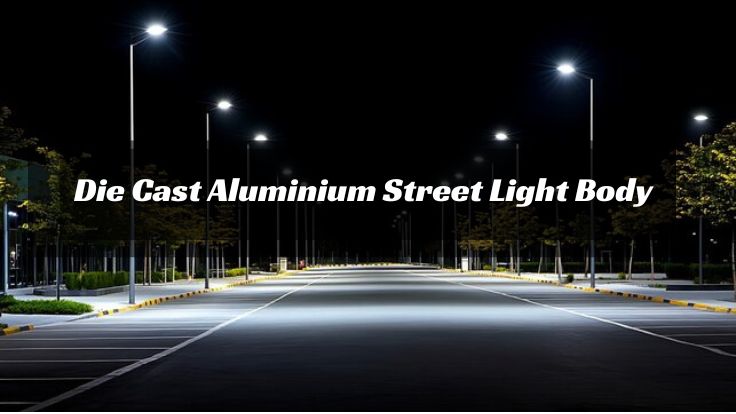
Tlakově lité hliníkové tělo pouličního osvětlení

Těleso pouličního osvětlení z tlakově litého hliníku: Dlouhodobé osvětlení

tlakové lití hliníku

Because of modern, energy-saving technology, it is crucial nowadays for lighting products to be strong and reliable. Almost all modern outdoor lighting systems include a die cast aluminium body for their street lights. Because it is highly thermal, corrosion-resistant, and strong, this housing lasts long despite harsh events in the environment. It shields the LED’s circuits and also lets heat escape, which maintains their life. The aluminum LED street light casings are designed to ensure safety and quality on a global level. Because they are well-built and versatile, you can often see these enclosures along streets, highways, in industries, and in parks. Thanks to design progress, many kinds of LED street lights die cast aluminum bodies are being made now to suit numerous needs and preferences in light fixtures. While LED street light housing was formerly designed for efficiency, it now offers modular designs, smart features, and pleasing looks. This article discusses the features, types, series, specifications, and benefits of using die-cast aluminium in street lighting for those who plan, design, and select street lighting fixtures. This article covers how important, advantageous and in-demand die cast aluminium street light bodies are, as well as the steps involved in making them and modern trends in the market. What is meant by a die-cast aluminum Street Light Body? Die-cast aluminium is the process used to make the protective and supporting body of LED street lights. Within this body are placed all the important things in the lighting unit, like the LED driver, circuit board and lens and they are all protected from things like dust, water and hot or cold temperatures. Die-casting aluminum allows manufacturers to create LED street light housings that are strong, uniform, precise, and lightweight. The item that results is durable and also looks stylish, usually including smooth, stylish lines. The Steps Involved in the Die Casting Process In die casting, molten aluminium is pushed by high pressure into a shape cavity in the mold. Once the procedure is finished and the metal has fully solidified, it forms to the shape of the mold and is afterward pulled out, trimmed, cleaned up and polished. A major reason to use this process in LED street lighting is the ability to produce pieces with precise accuracy, the same features every time, and excellent surface and physical qualities. Here is a simple outline of what you have to do: It allows manufacturers to make many products at a low cost since it minimizes waste. Why You Should Use Die-Cast Aluminium for Street Light Housings? There are many benefits to using a die-cast aluminium body for a street light. 1. Heat Dissipation Aluminium is excellent at transferring heat. Heat generated by the LEDs is dispersed by the body and stops the components from overheating and ultimately damaging them. By using this feature, the vehicle is able to handle stable performance in different kinds of weather. 2. Toughness and Sturdiness The material does not add weight, but it’s durable enough to face harsh weather conditions. 3. Corrosion Resistance Applying coating or anodizing to aluminium makes it very resistant to corrosion, so the housing for LED street lights lasts for a long time in rough places, including by the sea or around factories. 4. Design Flexibility With die casting, it is possible to create objects with extra features and shapes, meaning the need for other types of assembly is reduced. 5. Aesthetic Appeal Nowadays, modern city planners prefer fixtures that are clean and sleek. Both the purpose and appearance of a city can be shaped by LED street lights with a die cast aluminum body. Tools for Use in Urban and Industrial Areas The body of a die-cast aluminium street light is found in places such as: This kind of housing can be used with LEDs that draw light at all levels, from lighting to smart controls. Why Die Casting Aluminum LED Street Light Housing is Favorable in the Market? In the last several years, more and more companies have switched to aluminum die-cast LED street light housing. It is influenced by a variety of different aspects. The trend will continue since many cities invest in updating their infrastructure and prefer energy-saving lighting systems. The Quality Control and Standards function Manufacturers of LED street light housing must strictly follow industry rules to ensure it operates safely, works properly, and lasts long. Businesses should check the following qualities: To gain worldwide approval and trust from buyers, a high-quality LED street light should pass CE, RoHS and ISO certifications. Production of a Series of Die-Cast Aluminium Street Light Bodies Many manufacturers separate their products into series based on how they look, their output, where they are used, and their technical attributes. Thanks to the street light body series, buyers can easily select a product that suits their needs. The following are the most common types of TV series seen: 1. Miniseries 20W–50W The Mini Series has compact housing units for LED street lights that are meant for narrow roads, walkways and homes. Because they’re all very light and efficient, these models are common in locations that do not need much light. 2. Standard Series (60- 120W) This is the group of literature that most people read. The LED street lighting housings in this series are both strong and save on costs. It is perfect for driving on roads, parking lots, and guarding plants and factories. 3. The range covers from 150W to 250W As they are meant for highways, broad streets and expansive outdoor areas, these products have LED street lights in sturdy aluminum casting with extra heat dissipation. Many such phones include smart features and higher levels of dust and water resistance. 4. Smart/Intelligent Series These hosts are configured to support motion sensors, IoT modules, or smart drivers. In the series, aluminium street lights are equipped with wireless technology, allowing them to respond to remote control for new smart city technology. 5. Designer or Architectural series The series joins music with the beauty of art.

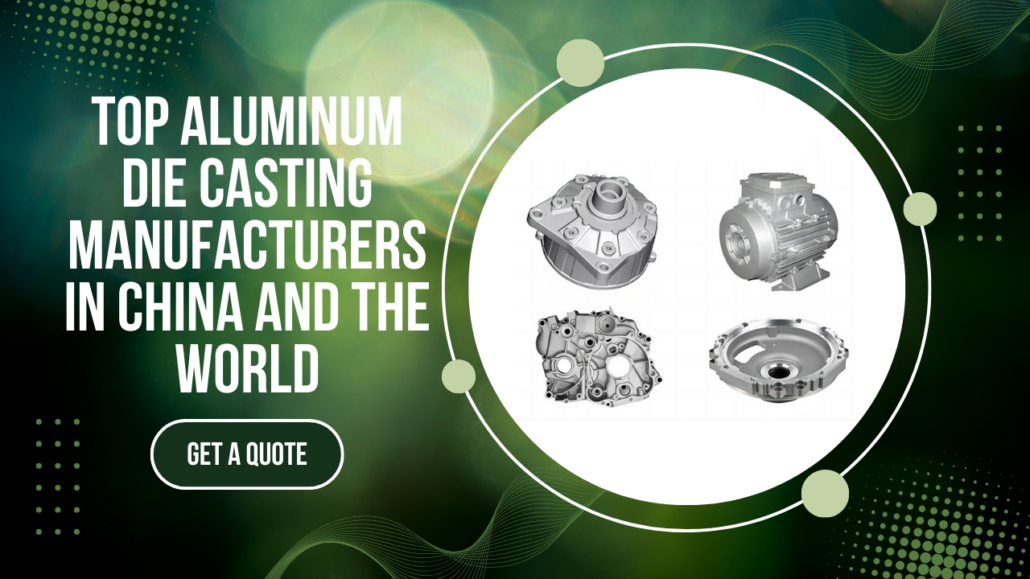
Nejlepší výrobci hliníkových odlitků v Číně a na světě

Nejlepší výrobci hliníkových odlitků v Číně a na světě

tlakové lití hliníku

Today, aluminum die casting plays a central role in modern manufacturing. The aluminum die casting process is known for its precision, strength, and ability to produce complex shapes with tight tolerances, making it an integral process for industries such as automotive and aerospace, consumer goods and electronics, medical devices, etc. This very dynamic scenario continues to create demand for high-performance and cost-effective components and has led to the importance of aluminum die casting manufacturer partners becoming more critical than ever. Tooling and quality provide higher efficiency, at the same time as scalability, and have been helped along by the advancement of automation. These companies usually provide end-to-end services, from the beginning design and prototyping to mass production and surface finishing, which smoothly cover all the processes to implement according to the demands of the customer. On top of that, as the sustainability standards gain in importance, many die-casting companies take up environmentally friendly ways of working, including material recycling, adopting energy-efficient measures, and getting green certifications. The article reviews some of the best aluminum die casting manufacturers operating around the globe, such as in the US of Europe, and other countries where such a business creates an edge over others due to the value added through their innovation and customer-centric approach. These companies stand high and proud in the automotive parts manufacturing world, and could perfectly serve you if you are looking for high-volume automotive parts, precision medical components, or new ideas to solve the obscure problems in niche applications. In this blog post, we will go over their company profiles, quality commitments, certifications, and how they stand out as a fascinating inconel casting company in such a competitive world. This guide is your complete start to finding a trusted aluminium die casting manufacturer for your next project. What is Aluminum Die Casting? Machines use aluminum die casting to create sophisticated parts of precise definition by forcing molten aluminum into a die under substantial pressure to produce complex shapes. Industrial operations depend upon this method to produce durable, lightweight components having precise dimensions alongside smooth surface texture possibilities. Molten aluminum takes only a fraction of time to fill and solidify in the die cavity before automatic removal from the die and subsequent finishing operations. The automotive as well as aerospace industries, together with electronics and consumer goods sectors, adopt aluminum die casting for their material requirements because this process delivers strong parts with low weight, together with excellent resistance to corrosion and significant thermal performance. Manufacturers choose aluminum die casting because of its efficiency and automatic operation capability to create speedily and repetitively many engine housings as well as heat sinks and brackets, and enclosures. Manufacturing at high volumes becomes more economical through this process because it decreases machine workload and guarantees uniform quality levels. Sincere Tech Year of Establishment: 2005No of Employees: 100-500Business Type: It is one of China’s largest plastic injection mold makers, aluminum die casting producers, CNC machining machine service providers, and product assembly service providers. Website and Contact: Website: plasticmold.netEmail: info@plasticmold.netPhone: +86 135 30801277Address: Building 1, No. 30 Huan Zhen Rd, Shang Dong village, Qi Shi Town, Dongguan City, Guangdong province, China, 523000 Company Profile  Sincere Tech is a member of the leading aluminum die casting enterprise in China, Dongguan City, Guangdong Province, founded in 2005. The company has over 100 employees, over 20 years of plastic injection molding, die casting, precision CNC machining, and full product assembly experience. Sincere Tech works with several industries, including automotive, electronics, and consumer products. The company has established itself as a leader in high precision aluminium die casting parts and complex tool solutions by using advanced technologies and the expertise of craftsmen. Due to its vertically integrated services, the company provides superior quality, timely delivery, and low-cost manufacturing. Their Quality Commitments We (Sincere Tech) take all reasonable steps within our control to provide our customers with unattended aluminium die casting parts, ddefect-freeand and of high quality, through strict process control and continuous improvement. These include state-of-the-art equipment, ISO certified processes, full inspection reports, and in-house testing. Each project of theirs meets exact specifications and receives a good focus on customer satisfaction. Sincere Tech follows the international quality standards, constantly invests in employee training and innovation to supply reliable and durable products to worldwide clients. Why Choose Sincere Tech? GC Precision Mould Year of Establishment: 1999No of Employees: 100-200+Business Type: Plastic injection molding, CNC machining, die casting of aluminium, zinc, and magnesium. Website and Contact: Website: aludiecasting.comEmail: info@aludiecasting.comPhone: +86 131 4886 5556Address: No. 30 Huan Zhen Rd, Qi Shi Town, Dongguan City, Guangdong province China, 523516 Company Profile GC Precision Mould Co., Ltd. (located in Dongguan city, Guangdong province, China) was founded in 1999, and it has a reputation as an aluminum die casting manufacturer. The company does aluminum, zinc, magnesium die casting, and CNC machining, and plastic injection molding. We are a team of more than 100 professionals in the high-performance components and assemblies for automotive, industrial equipment, telecommunications, and electronics industries. The company has a reputation for being a precision tooling machine and an inventor who is dedicated to innovation in engineering to provide a customized solution based on complex engineering project demands and efficient, reliable, and quality production at each stage. Their Quality Commitments GC Precision Mould has a strong quality management system, dedicated to the highest product quality. The company uses advanced equipment and testing methods for incoming raw materials the product delivery, and it implements very strict inspection procedures. They are certified to ISO standards and base their zero-defect manufacturing and continuous improvement focus. Clients are their clients, and their engineering and QA teams work with them closely to fend off all of their technical specifications and provide them with really comprehensive quality documentation, which is fully traceable through to the end of the production cycle. Why Choose GC Precision Mould? CNM Tech Year of Establishment: 20+ yearsNo of Employees: 100-400Business Type: Specializes in die casting, CNC machining, and product assembly Website and Contact:

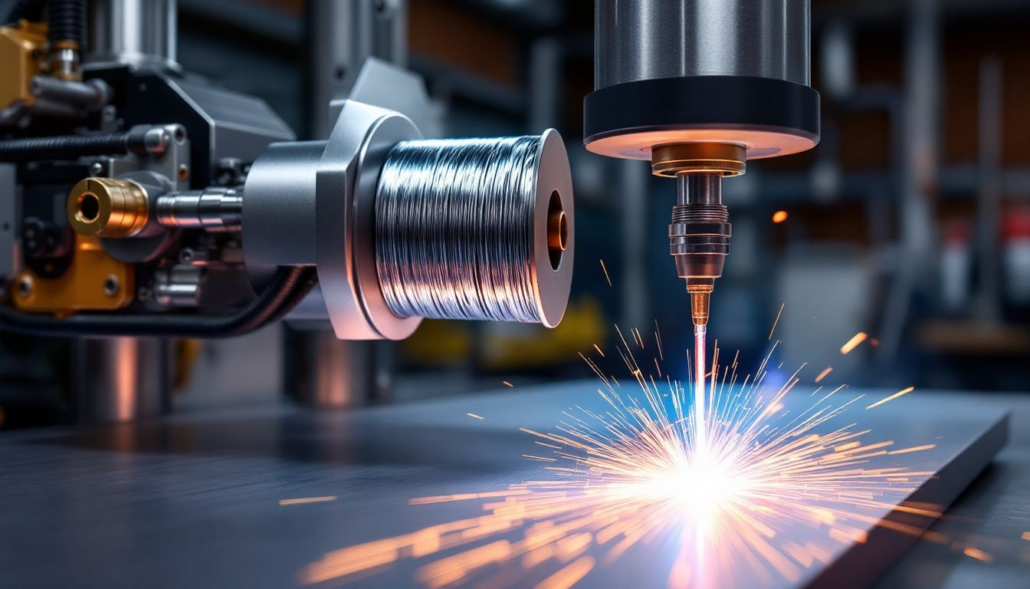
Svařování hliníkových odlitků: Komplexní průvodce

hliníkové odlitky, tlakové lití hliníku

There are very few places one can go to learn about welding cast aluminum, and the skill set needed to do so is highly specialized. However, cast aluminum is a material created by pouring molten aluminum into a mold, which results in a porous material with impurities. This does not occur with standard aluminum alloys. Because of these characteristics, welding is more difficult, and preparing carefully, keeping the heat precisely in check, and using the appropriate techniques is necessary to produce strong, robust welds. Oxidation is one of the greatest hurdles when welding cast aluminum. This thin oxide layer, formed when exposed to air is much thicker than what naturally forms on aluminum, and it melts at a much higher temperature than aluminum itself, making fusion difficult. Furthermore, the presence of impurities and trapped gases in the cast aluminum can result in porosity, which provides weak welds if not properly cleaned and preheated. TIG (Tungsten Inert Gas) is the method of choice for precision and cleanliness, while MIG (Metal Inert Gas) is useful for speed and thicker material. To obtain a strong and defect-free weld, it is necessary to use the correct filler metal (such as 4045, 5356, or 4047) and shielding gas combination (of pure argon or argon-helium mixtures). Good preparation includes adequately cleaning and preheating as far as possible to minimize cracking, porosity and lack of fusion. Endurance and life of the welded joints is further improved by post-weld treatments like stress relief, grinding and corrosion protection after welding. While the majority of cast aluminum welders are welded steel, welders can successfully work with cast aluminum using the right techniques, tools, and attention to detail so long as lightweight, high strength components are required in industries. This is a masterable process that leads to further development of aluminum welding applications and to a reliable and predictable performance of aluminum structures in critical environments. Understanding Cast Aluminum  However, before proceeding with the welding techniques needed for cast aluminum, it is crucial to have a firm understanding of what constitutes cast aluminum and what makes it unique from other metals. Cast aluminum differs from wrought aluminum, which is mechanically shaped by using rolling or extruding, in that cast aluminum can be formed in complex shapes of high precision by melting aluminum and pouring this molten form into a mold. The unique internal structure so produced, usually characterized by porosity, impurities and varying alloy composition, has an important effect on weldability. To be able to weld cast aluminum successfully, one should know its chemical and physical properties, its pros and cons as well as the different types of cast aluminium alloys from various industries. These factors will be taken into consideration for the determining the necessary welding method, selection of filler material and preweld preparation techniques to make strong and defect free welds. Cast aluminum properties: What makes a cast different? Another important consideration that use of cast aluminum has several properties that make it light weight, anti- corrosive and very flexible. However, the same properties also pose some difficulties when welding is being done, provided that proper measures are not taken. 1. Porosity: The Hidden Challenge Possibly one of the biggest concerns about welding cast aluminum is porosity; it is known as the small bubbles of gas that get trapped in the metal when it is being cast. These eight are resulted from the entrapment of gases such as hydrogen, formation of small pores as a result of shrinkage during cooling of the aluminum metal and impurities. ???? How Porosity Affects Welding ???? How to Minimize Porosity During Welding 2. Oxidation: The Barrier to Clean Welds It is an element that reacts with other elements particularly oxygen found in the space surrounding the metal. This oxidation generates a very thin but extremely hard skin of aluminum oxide (Al₂O₃) through which the further corrosion of aluminum is prevented. Nevertheless, oxide layer is a critical issue when welding since its melting temperature is around 3700°F (2037°C), which is much higher than that of aluminum, 1221°F (660°C). Investigation on Why Oxidation is a Problem in Welding ???? Different Techniques of Removing and Controlling Oxidation 3. Heat Sensitivity: Managing Thermal Conductivity Different from steel, aluminum has high thermal conductivity and it can easily absorb and emit heat. This has always been a problem in maintaining a standard welding temperature; this tends to cause the following: ???? How to Overcome Heat Sensitivity Challenges Common Types of Cast Aluminum Alloys Various types of cast aluminum alloys can be cast according to their chemical composition and mechanical properties. Here are a few of the advantages and disadvantages of each type, as well as applications where they would be most useful. 1. A356 Cast Aluminum: The High-Strength Alloy  Its composition: Mainly encompasses aluminum (Al), silicon (Si) and magnesium (Mg). ???? Key Features ???? Common Applications 2. 319 Cast Aluminum: The Wear-Resistant Allo Composition: Contains higher levels of silicon (Si) and copper (Cu) than A356. ???? Key Features ???? Common Applications 3. 535 Cast Aluminum: The Marine-Grade Alloy Composition: Contains a high percentage of magnesium (Mg) for corrosion resistance. ???? Key Features ???? Common Applications Why Understanding Cast Aluminum Matters for Welding Starting with cast aluminum welding mastery is all about determining what cast aluminum is made of, its properties, and associated challenges. Therefore, as cast aluminum is used extensively in automotive, aerospace and marine engineering, welders require strategies for casting porosity, oxidation and sensitivity to heat. Different types of cast aluminum alloys respond to welding differently, and you should choose the correct filler materials, shielding gas and welding technique means the difference between a strong, reliable weld or a weak, porous joint. With preparation of the material, using the correct cleaning procedures, and regulating heat input, welders can address the issues associated with cast aluminum and generate powerful, long lasting welds that comply with harsh applications. Challenges in Welding Cast Aluminum  Welding of cast aluminum is notoriously difficult because of the unique physical and chemical properties of

Materiál eloxovaný hliník: Vlastnosti, výhody a aplikace

Materiál eloxovaný hliník: Vlastnosti, výhody a aplikace

tlakové lití hliníku, Povrchová úprava hliníku

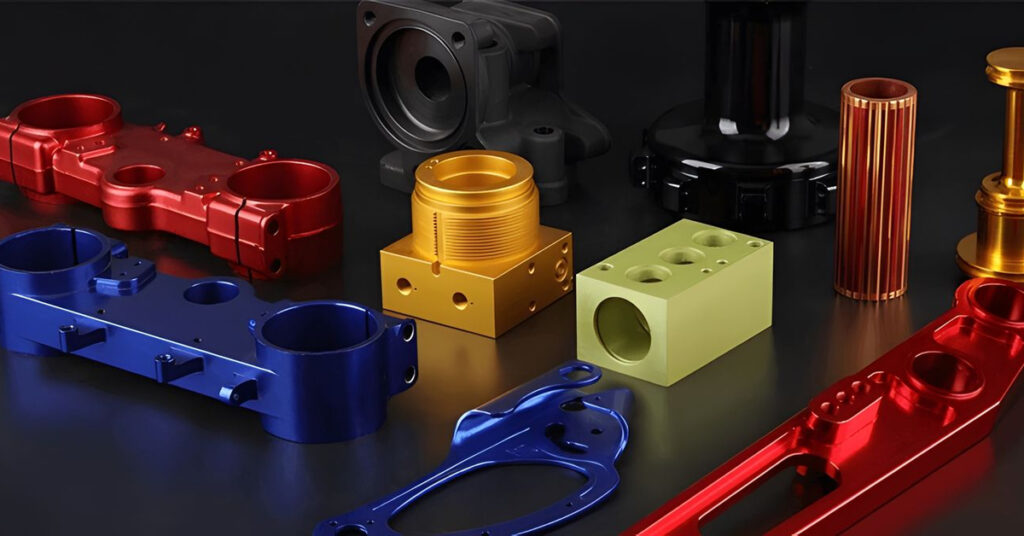
Anodized aluminum material is used mainly because it is light, strong, and corrosion-resistant. While raw aluminum does offer a certain amount of durability and scratch resistance, it is prone to oxidation, dents, and scratches, which can change it in the long term and keep it looking good. To make the aluminum stronger and more durable, it is then anodized to form a protective oxide layer on its surface. The reason for this layer is that it hardens the metal, giving it a more noncorroding and nonwear surface and a more pleasant appearance. Anodized aluminum is preferred due to these factors and is used widely across aerospace, automotive, construction, and consumer electronics industries. The anodization consists of several steps cleaning of the surface, immersion into an electrolyte bath, oxidation using electric current, and sealing. Besides making the material stronger, this treatment can be colored in different shades and finishes. Electrolytic coloring, Dip coloring, Integral coloring, and Interference coloring are different common coloring techniques. Ordinary anodizing and hard anodizing are the two main types of anodizing. Typically there are two processes available: ordinary anodizing, used primarily for finish and low-weight applications, and hard anodizing which gives excellent durability, wearer, and strength for military, industrial, and aerospace applications. In addition to anodization, aluminum can be processed through other surface treatments such as electroplating, powder coating, chromate conversion coating, PVD coating, ceramic coatings, or hot dip galvanizing. Anodized aluminum does not possess these properties uniformly and thus is used as a versatile and reliable material in many industries, with each method providing the material with specific enhanced properties—corrosion resistance, hardness, conductivity, etc. In this article, we’ll discuss what properties, benefits, applications, and maintenance of anodized aluminum involve, and why it is a better alternative to other metals and treatments. If we know these aspects we can understand which material to use for a particular industry and the consumer. What is Anodized Aluminum? Aluminum that has been anodized is an aluminum that has been run through an electrochemical process to produce a thicker, more durable oxide layer on its surface. The presence of this anodic oxide layer increases the resistance of the metal to corrosion, improves the surface hardness, and increases the ability of the metal to adhere to dyes and coatings. The Anodization Process In other words, the anodization process includes several key steps. Anodized Aluminum Material Key Properties 1. Enhanced Corrosion Resistance Anodized aluminum is one of the most resistant to corrosion. This makes it practically useless outdoors or when submerged in water, as the oxide layer protects the metal from moisture and our environment. 2. Increased Surface Hardness Anodization improves the hardness of aluminum significantly and aluminum becomes more resistant to scratch, dent, and wear. One such hard anodized aluminum is highly durable and is indeed used in high-performance applications. 3. Aesthetic Appeal and Color Variety Also, anodized aluminum is offered in black, gold, bronze, silver, etc. without changing the natural texture of the metal. This is why it is a preferred choice for architectural as well as decorative applications. 4. Lightweight Yet Strong While the oxide layer is put on top of the aluminum, this doesn’t make the aluminum significantly heavier, and it is still lighter than heavier materials such as stainless steel. 5. Electrical Insulation Because anodized aluminum is a poor conductor of electricity as compared to untreated aluminum, it is an attractive material to use in applications where insulation is needed for electrical or electronic purposes. 6. Environmentally Friendly and Sustainable Anodized aluminum is completely non-toxic, is recyclable, and does not out-gas dangerous and health-harming VOCs (volatile organic compounds), so it is eco-friendly. How to Add Color to Anodized Aluminum Parts? Anodizing aluminum is well known to be able to hold colors very vibrantly. Electrolytic coloring and dip coloring are the two of the many techniques used to color anodized aluminum. 1. Electrolytic Coloring One popular way to beautify anodized aluminum is with electrolytic coloring whereby anodized aluminum is colored with durable and UV-resistant shades. Once the aluminum has gone through the anodizing process, it is placed in a bath with metallic salts. In the last few years metalized salts have been developed whereby, when an electric current is applied, they settle into the open pores of the anodized surface permanently creating a metal-colored surface. Finally, the color depends on the type of metal salts involved. Copper salts ,for instance, make the solution reddish in tone, and other metals can make it in other hues. It is widely used because colors done this way last long and don’t fade, which makes it great for outdoor or high-exposure uses. 2. Dip Coloring Another color method is ‘dip coloring’ which gives one a large variety of color choices. During this kind of processing, the porous layer is submerged in a dye solution where the anodized aluminum absorbs the pigment. Once a shade is reached, the aluminum is sealed in water to stop reactions from continuing. Dip coloring offers much more vibrant and customizable contrasted shades, but they are not UV resistant and the colors will fade to a much lesser extent when exposed to sunlight. However, this lack of durability is the main reason why it is not commonly used in applications where the durability of parts is an important factor. 3. Integral Coloring (One-Step Process) An integral coloring is a unique process that incorporates anodizing and coloring into one process which is more efficient than in multi-step methods. Unlike some other techniques, the electrolytes, which react with the surface of the aluminum and are quick to dry, create deep, rich metallic tones including black, gold, or bronze. The color is formed in the very oxide layer, and due to that, it is very durable and doesn’t scratch, isn’t prone to corrosion, and doesn’t fade away. While integral coloring yields quality finishes, it is rare because of the cost and complexity. Architectural components, high-end electronics, and industrial equipment in which the parts must be able to withstand demanding conditions where

Hliníkové tlakové lití Materiály: Komplexní průvodce

Hliníkové tlakové lití Materiály: Komplexní průvodce 

hliníkové odlitky, tlakové lití hliníku

The role of aluminum die casting is a widely used, highly efficient manufacturing process capable of producing complex, high-strength, and lightweight components with good dimensional accuracy. It is the mass production of durable and precise parts and is based on the principle of injecting molten aluminum into MOULD under high pressure. In these industries where performance or longevity depends on material properties, this technique is used in a wide variety. Aluminum alloy is a key factor in choosing what the final product is going to be, which includes strength, corrosion resistance, thermal properties, and machinability. The characteristics of different aluminum alloys are different some of which include A380, the balance of strength and castability; A383, superior fluidity for complex parts; and A360, high corrosion resistance. Moreover, copper, manganese, magnesium, and silicon elements can also further increase mechanical properties. Besides alloy selection, manufacturers may also strengthen aluminum die-casting parts through surface treatment such as anodizing, plating, or powder coating to achieve higher wear resistance, corrosion protection, and hardness. Additionally, uniform wall thickness, draft angles, and reinforcement ribs do reduce high-quality and defect-free components at low cost. Through the right selection of the right aluminum alloy, through suitable strengthening techniques and in consideration of aluminum diecast part design sizing, manufacturers of high-performance aluminum die-cast parts can be tailored specifically to the required industrial issues. In this guide, we explore the best materials, alloy properties, and methods for strengthening and considering the design of aluminum die-casting components that will improve their durability and efficiency. This article explains about aluminum die casting materials, properties of alloys used in die casting processes, strengthen methods and surface treatments, as well as design considerations to improve the performance, durability and operation efficiency of die cast components. What is Aluminum die casting?   Aluminum die casting is the process of injecting molten aluminum at high pressure into a steel mould (die) to produce precision moulded complex and durable metal parts. The lightweight properties it has, strength, corrosion resistance, and excellent thermal conductivity make it commonly used in automotive, aerospace, electronics, and industrial applications. High-speed production, good cost efficiency and good dimensional accuracy are possible as it is a process. Aluminum Die Casting Parts Design 3 Factors to Consider  To achieve high quality, tough and economical aluminum die casting parts, careful planning is necessary. An appropriate design can increase manufacturing efficiency, reduce defects and augment the overall performance. Aluminum die casting parts have three parameters, among which the key factors are given below as. 1. Wall Thickness and Uniformity Why It Matters: Proper mold filling, cooling, and solidification are maintained with consistent wall thickness. Thickness changes can occur suddenly and produce warping, shrinkage and porosity in the final part. Best Practices Example As with automotive engine brackets, the wall thickness must be constant to maintain strength and thermal stability in all materials. 2. Draft Angles and Fillets Why It Matters Simple draft angles assist in the removal of the part from the die mould, preventing sticking, surface defects. Fillets (rounded edges) avoid stress concentration and are more durable in the mold. Best Practices Example Various types of electronic enclosures use rounded edges, draft angles, etc. for manufacturability and strength. 3. Ribs and Reinforcements  Why It Matters By adding ribs the weight remains light but the strength is gained. Such reinforcement also maintains shape and strength under pressure. Best Practices Example Ribs are used to maintain lightweight strength for automotive transmission cases while reducing the amount of material needed. The Primary Attributes of Aluminum Die Casting Alloys The material properties of aluminum die-casting alloys consist of high strength along with low weight and excellent corrosion protection. Every aluminum alloy maintains distinct material properties which determine its practical usage. Table 1 displays the Aluminum die casting which includes their essential material attributes. Property    Description Impact on Die Casting Lightweight  Aluminum weighs only one-third as much as steel does.        Reduces overall component weight High Strength-to-Weight Ratio  Being lightweight, it offers good mechanical strength.  Applications are used in the automotive and aerospace industries.  Corrosion Resistance   Is naturally formed to form an oxide layer for protection    Ideal for marine and outdoor applications  Excellent Thermal Conductivity Distributes heat efficiently They are used in engine components and electronics.  Good Machinability Easily processed and shaped    Reduces manufacturing costs          . Products created through Aluminum die casting demonstrate higher strength than those made by sand casting because their production method results in rapid cooling and refined grain arrangement. Common Aluminum Alloys Used indie-casting Several aluminium alloys are commonly used in die-casting operations, each providing certain unique properties, which ultimately define the performance and durability of the product. The Aluminum casting alloys that are most widely used are: 1. A380 Aluminum Alloy  Properties: A380 is one of the most widely used aluminum die casting alloys because of its excellent ‘strength, corrosion resistance and thermal conductivity’. Additionally, it has good fluidly, which allows it to be cast into complex shapes. Applications: The automotive parts, electronic housings, gear cases and engine brackets are widely used this alloy. 2. A383 Aluminum Alloy  A383 properties: Similar to A380 but better resistance to hot cracking and improved die-filling properties. This offers benefits when the final components are intricate and require powerful precision. Applications: In thin-walled and complex parts it is used; in detailed electronic casings and appliance components. 3. A360 Aluminum Alloy Properties: A380 has better ductility and higher corrosion resistance and pressure tightness than this alloy. It is, however, more difficult to cast. Applications: Suitable for high-performance applications such as aerospace components and marine equipment. 4. ADC12 Aluminum Alloy  Properties: Widely used in Japan, and other Asian markets with good casting characteristics, good thermal stability, and high strength. It also offers good machinability. Applications: Used in automotive engine components, bicycle parts, and power tools. 5. AlSi10Mg Aluminum Alloy  Properties: A high strength and good combination of mechanical properties, good thermal and wear properties. In 3D printing and die-casting applications, this one is often used. Applications: Common in aerospace,

Výběr správné společnosti pro tlakové lití slitin: Kompletní průvodce

Výběr správné společnosti pro tlakové lití slitin: Kompletní průvodce

tlakové lití hliníku, společnosti zabývající se tlakovým litím

Alloy die casting is essential to the manufacturing industry because it relies heavily on high precision, durable, and cost-effective metal components. In a revolutionary impact on modern manufacturing, this process has made possible the mass production of intricate metal parts to a very high standard of accuracy and consistency. By specialized companies which as alloy die casting companies, in service industries which as automotive, aerospace, electronics, medical, and heavy machines for building tailor resultant metal components in their specific areas of needs. A professional alloy die casting company makes use of the latest technologies and high-quality materials coupled with a strict quality control process to deliver your products that suit industry standards. If choosing the right company matters, you may choose, one way or another, between a truly reliable product that will last for years and a faulty component that will fail early. The article gives you a detailed overview of Alloy die casting, emphasizing its importance, benefits and the most essential factors to consider when choosing the best Alloy die casting company. Alloy die casting knowledge is essential if you’re a manufacturer seeking the manufacture of precisely engineered parts or a business in search of economic manufacturing options. What is Alloy Die Casting? The metal manufacturing process in which molten metal is injected into a mold (die) under high pressure is called alloy die casting. Implementation of this method is widely used for the production of complex shapes with tight tolerances. The common use of various metal alloys, such as aluminium, zinc, and magnesium, in die casting is because of their good strength properties and corrosion resistance. Types of Alloys Used in Die Casting Alloys used in die casting have a great effect on the selections in the process of die casting, it leads directly to the strength and weight, corrosion resistance and overall performance of the final product. Alloys that differ vary by different industries based on their mechanical properties, durability, and the end use necessary to them. The most commonly used alloys in die casting are mentioned below. 1. Aluminum Alloys A good thermal conductivity, combined with corrosion resistance and lightweight strength, means aluminium die casting is preferred by researchers and manufacturers the world over. In industries that require durable and relatively light components, this alloy type is used. Key Features: Applications: 2. Zinc Alloys Since it has high strength, low melting point and excellent precision, zinc is another commonly used alloy in die casting. For manufacturing small, detailed parts it is ideal. Key Features: Applications: 3. Magnesium Alloys Its lightness makes it extremely suitable to be used for industries seeking to cut weight without compromising on strength, hence this metal is named magnesium. Key Features: Applications: 4. Copper-Based Alloys Brass and bronze are examples of copper-based alloys which are high electrical conductors, corrosion resistant, and good wear resistors. Such alloys are used for applications where the electrical and thermal performance have to be superb. Key Features: Applications: Benefits of Working with a Reliable Alloy Die Casting Company The right alloy die company allows you to select high-quality products that follow industry standards. Here are the key benefits: 1. High Precision and Consistency A top die-casting company has good machinery and rigorous quality control measures to produce the dimensions with very few defects. 2. Cost-Effectiveness Die casting is a very efficient process that also reduces the material and energy costs of the final product significantly compared to other metal-forming processes. 3. Customization and Versatility A custom solution-based casting company is a reputable company that provides custom solutions that are based on particular industry necessities and provides different alloy options. 4. Faster Production and Short Lead Times Automated systems are used in modern die-casting companies to increase their speed of production and meet strict deadlines. 5. Durability and Strength Alloy die-cast parts are well known to be very durable, and thus suitable for use under demanding conditions. How to Choose the Best Alloy Die Casting Company When you select a die-casting manufacturer, you should consider the following: 1. Experience and Industry Expertise Check with the company’s track record, if it had experienced years doing alloy die casting, if its attempt in your industry was proven. 2. Quality Certifications and Standards Make sure the business follows the codec of the industry which might be: 3. Advanced Technology and Equipment To maintain accuracy and reduce the need for physical labor, a modern die-casting company will employ such equipment as a CNC machine, vacuum cast, and robotic automation. 4. Material Selection and Customization Have a company with multiple alloy options and customization so you can find the specific design that your company offers. 5. Strong Supply Chain and On-Time Delivery Efficient logistics and speedy delivery of products are brought about by reliable suppliers. 6. Prototyping and Testing Capabilities Very critical is to prototype and with rigorous quality testing (X-ray inspection and tensile strength) on the product. 7. Competitive Pricing Although price must not be the only consideration, a good die-casting firm can offer competitive prices without sacrificing quality. Industries That Rely on Alloy Die Casting 1. Automotive Industry 2. Aerospace Industry 3. Electronics Industry 4. Medical Equipment 5. Consumer Products Challenges in Alloy Die Casting and How Companies Overcome Them Alloy die casting is a well-known manufacturing process, which faces some challenges and that have an impact on quality, cost and sustainability. Innovative solutions are also implemented by leading alloy die-casting companies to overcome these problems resulting in high-quality production, optimized costs as well and minimized impact on the environment. 1. Managing Porosity and Defects Porosity is one of the most common problems encountered in die casting where gas bubbles or shrinkage cavities occur inside the metal. It can also reduce the structural integrity of the part and impact functionality. This would be addressed by manufacturers using the use of vacuum-assisted die casting, entrapping a minimum amount of air and improved metal density. Moreover, the porosity can be reduced by using pressure-tight casting techniques, design of the mold and proper

lití zinku vs. lití hliníku pod tlakem

Jak najít dobrého výrobce tlakových odlitků v Číně

tlakové lití hliníku

China has become a world manufacturer been 20 years, that every one wants to buy things from China, Once you have a project that need to make some die casting products, then you need China die casting manufacturer supplier. If you are looking for a good die casting manufacturer in China, there are a few steps you can take to ensure that you find a reputable and reliable company: Research the market: It is important to have a good understanding of the die casting industry in China before starting your search. This will allow you to identify potential manufacturers and evaluate their capabilities. You can do this by reading industry reports, attending trade shows, and speaking with industry experts. Define your needs: Clearly define your requirements for the die casting manufacturer, including the type of die casting process you need (such as aluminum die casting, zinc die casting, etc.), the size and complexity of the parts you need, and your budget. This will help you narrow down your options and find a manufacturer that can meet your needs. Get quotes from multiple manufacturers: Once you have a list of potential manufacturers, request quotes from each of them. This will allow you to compare prices and services offered by different manufacturers. Review the manufacturer’s capabilities: Check the manufacturer’s website and marketing materials to get an idea of their capabilities. Look for information about their equipment, experience, and capacity. You can also request samples of their work to get a sense of their quality. Visit the manufacturer: If possible, visit the manufacturer’s facility to get a firsthand look at their operations. This will allow you to see their equipment and facilities, meet their team, and get a sense of their culture and values. Check references: Ask the manufacturer for references from their previous customers and follow up with those references to get an idea of the manufacturer’s reliability and quality. By following these steps, you can find a good die casting manufacturer in China that is able to meet your needs and deliver high-quality products. Why your should buy die casting products from China supplier? There are a few reasons why you might consider buying die casting parts from China: Cost: China is known for its competitive manufacturing costs, and die casting is no exception. By sourcing die casting parts from China, you may be able to save on material and labor costs, resulting in lower production costs overall. Quality: While there is a common perception that Chinese-made products are of lower quality, this is not always the case. Many Chinese die casting manufacturers have implemented advanced quality control processes and have achieved certifications such as ISO 9001. Experience: China has a long history of manufacturing and a well-developed supply chain. As a result, Chinese die casting manufacturers often have a wealth of experience and can offer a range of manufacturing capabilities. Wide range of suppliers: There are many die casting manufacturers in China, which means you have a wide range of options to choose from. This can make it easier to find a manufacturer that meets your specific needs and requirements. Strong export infrastructure: China has a strong export infrastructure, making it easier to ship products to other countries. This can be especially beneficial if you are located far from China and need to import the parts. Overall, buying die casting parts from China can offer a number of benefits, including cost savings, quality products, and a wide range of supplier options. However, it is important to do your due diligence and carefully research potential suppliers to ensure that you find a reputable and reliable manufacturer.  

Přejít nahoru

Získat nabídku