tlakové lití hliníku

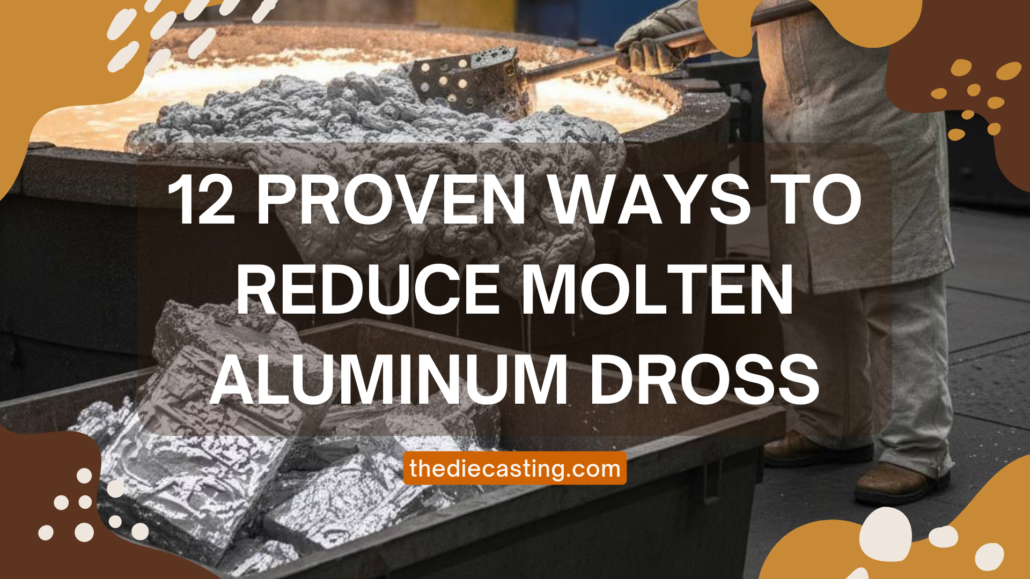
snížení množství roztavených hliníkových strusek

12 osvědčených způsobů, jak snížit množství roztaveného hliníku a zvýšit jeho využití

hliníkové odlitky

Dnes si vyhrneme rukávy a vydáme se do srdce slévárny, abychom se vypořádali s jednou z nejdražších bolestí v oboru: hliníkovým taveninovým odpadem. Pokud jste někdy nahlédli do typické reverzační pece na tavení pevného hliníku, víte, že to, co se děje na povrchu taveniny, může rozhodnout o vašich ziskových maržích. Aby si každý manažer slévárny udržel konkurenceschopnost, musí přesně vědět, jak snížit množství roztaveného hliníkového odpadu dříve, než mu sníží zisk. Když mluvíme o regeneraci hliníku, mluvíme ve skutečnosti o boji proti oxidaci. Každý kus hliníkového šrotu přiváděného do pece má velmi tenkou slupku oxidu hlinitého. Nezáleží na tom, zda jde o těžký ingot nebo lehký soustruh, tato slupka tam je. Když se šrot zahřívá v peci, vyšší teploty způsobují rychlejší růst slupky, zejména pokud se šrot zahřívá na vzduchu nebo v oxidačním prostředí. Pokud se tato oxidace nekontroluje, vede k masivnímu odpadu, a proto je velmi důležité zavést strategie, které snižují množství roztaveného hliníkového šrotu během tavicího cyklu. Tato příručka vám má pomoci snížit množství roztaveného hliníkového strusku a maximalizovat využití hliníku pomocí údržby založené na zdravém rozumu i pokročilých chemických strategiích. Pochopení strusky při tavení hliníku Chcete-li účinně snížit strusku z roztaveného hliníku, musíte nejprve přesně pochopit, co to je. Při tavení hliníku vyplave na povrch oxid hlinitý a vytvoří druhou fázi známou jako struska. Není to však jen “odpad”. Kvůli povrchovému napětí slupky oxidu je ve strusce od 15% do 80% zachycen také kovový hliník. Zamyslete se nad tím na chvíli: hlavním cílem každé slévárny je snížit množství roztaveného hliníkového odpadu, protože až 80% z tohoto “odpadu”, který odvádíte, může být ve skutečnosti dobrý, použitelný kov. Velké taveniny s velkým průřezem mají největší poměr hmotnosti k ploše povrchu a udržují minimální ztráty taveniny. Přetavení čistého šrotu ve vlastní režii však ztráty taveniny zvýší kvůli zvětšenému povrchu, což ještě více ztěžuje redukci roztaveného hliníkového šrotu. Pokud se chcete ponořit hlouběji do základů kvality taveniny, podívejte se na našeho průvodce rafinačními prostředky. Vysoké náklady na kontaminaci a plochu povrchu Jedním z nejrychlejších způsobů, jak přijít o peníze, je nabíjení “špinavého” materiálu, které téměř znemožňuje snížení strusky roztaveného hliníku. Na každých 1% organických látek a vlhkosti připadá 2% ztrát taveniny. Proto je používání čistých, suchých nabíjecích materiálů pravidlem číslo jedna, pokud chcete snížit množství roztavených hliníkových strusek a zlepšit výtěžnost hliníku. Dále záleží na tvaru vašeho šrotu. Nabíjení soustruhů, vývrtů a třísek při obrábění vede k tvorbě až 10% až 15% strusky. To je způsobeno obrovskou plochou povrchu vystavenou atmosféře pece. Pokud se potýkáte s vysokou mírou zmetků při obrábění tlakových odlitků, problém pravděpodobně začal právě zde, v peci, protože jste neměli plán na snížení tvorby roztaveného hliníkového strusku. Vliv teploty na tvorbu strusky Důležitým faktorem ve vašem úsilí o snížení strusky z roztaveného hliníku je teplota udržování taveniny. Možná si myslíte, že na několika stupních nezáleží, ale vliv zvýšení teploty o pouhých 25 až 55 °C může být poměrně významný. Vysoké teploty urychlují oxidační reakci, takže udržování chladné taveniny je nejjednodušší způsob, jak snížit množství roztaveného hliníkového strusku. Tloušťka vrstvy strusky nad taveninou navíc působí izolačně a vyžaduje zvýšení rychlosti výpalu hořákového systému. Je to začarovaný kruh: čím více strusky máte, tím silněji musíte hořáky vypalovat, což zase vytváří více strusky. Proto se v zájmu snížení množství roztaveného hliníkového šrotu nejčastěji udržuje tloušťka vrstvy na povrchu tavicí pece menší než 40 mm, aby se udržela účinnost pece. Jak správně odstranit strusku z hliníku Když přijde čas na odstranění strusky z hliníku, neměli byste ji jen tak seškrábat, dokud je “mokrá”. Pokud tak učiníte, vyhazujete svůj zisk. Správné použití správného složení tavidla vede k fyzikálnímu porušení slabě vázané vrstvy oxidu, což pomáhá snížit množství roztaveného hliníkového strusku tím, že zachytí čerstvý hliník a vrátí jej do lázně. To umožňuje koalescenci kapiček kovové kapalné slitiny, což je “tajná omáčka” pro úspěšné obnovení hliníku. Úspěšné použití tavidla ke snížení roztavených hliníkových strusek poznáte podle vzhledu materiálu. Struska bohatá na kovy se jeví jako jasná a lesklá, jistě s obsahem kovového hliníku, zatímco ošetřená struska bude vypadat matněji a práškovitěji. Chcete-li účinně odstranit strusku z hliníku, musíte mít tento práškovitý povrch. Obsah hliníku v neupravené strusce je v průměru 85 až 90%, ale úpravou v peci lze získat přibližně polovinu tohoto množství, což výrazně zvyšuje míru výtěžnosti hliníku. Deset rozumných postupů ke snížení tvorby hliníkových strusek Nejlepším způsobem, jak se zpočátku vypořádat s tvorbou strusek, je minimalizovat je. Toho lze dosáhnout řadou postupů zdravého rozumu a svědomité údržby: Pokročilé systémy pro regeneraci hliníku Kromě ručního odlučování je pro velkoobjemové slévárny, které chtějí snížit množství roztaveného hliníkového odpadu, naprostou změnou použití profesionálního systému pro regeneraci strusky. Tyto pokročilé systémy využívají mechanické působení a přesnou regulaci teploty k “vytlačení” zbývajícího kovového hliníku ze strusky z tavení hliníku dříve, než má šanci vychladnout a ztuhnout. Zpracováním materiálu ještě za horka lze dosáhnout mnohem vyšší úrovně využití hliníku než pouhými manuálními metodami. Kromě toho, abyste mohli důsledně snižovat roztavený hliníkový odpad, musíte zajistit, aby všechny termočlánky byly v dobrém stavu. Pokud jsou vaše snímače nefunkční, bude vaše udržovací teplota nepřesná a produkce taveniny hliníkových strusek se v důsledku nadměrného tepla prudce zvýší. Přesné sledování teploty je základem každé strategie snižování množství roztavené hliníkové strusky. Další informace o profesionálním vybavení a specializovaném zásobování naleznete na stránce China Die Casting Manufacturers. Nástroje
slitina hliníku

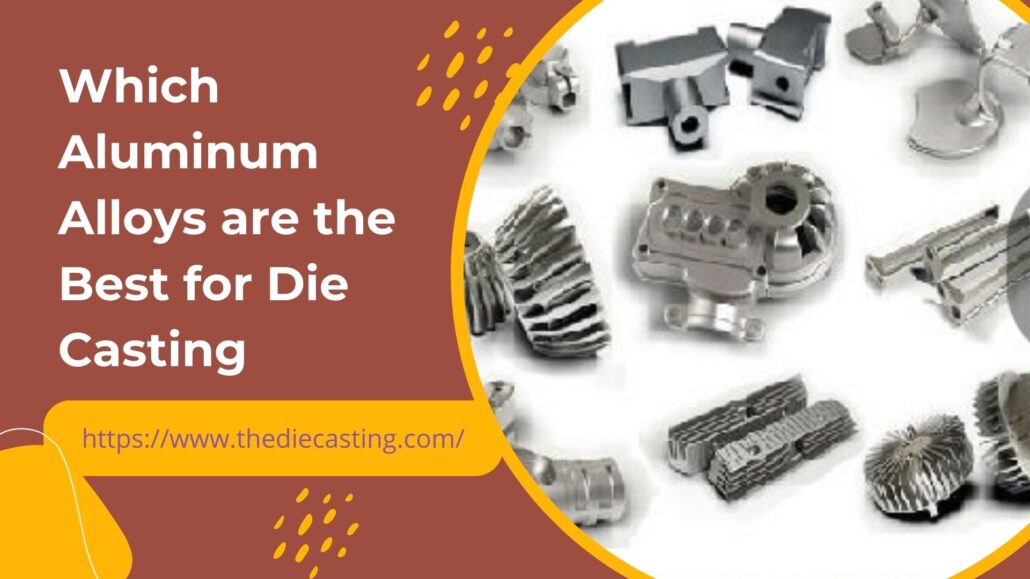
Které slitiny hliníku jsou nejlepší pro tlakové lití

Hliník, hliníkové odlitky, Slitiny AlZn10Si8Mg

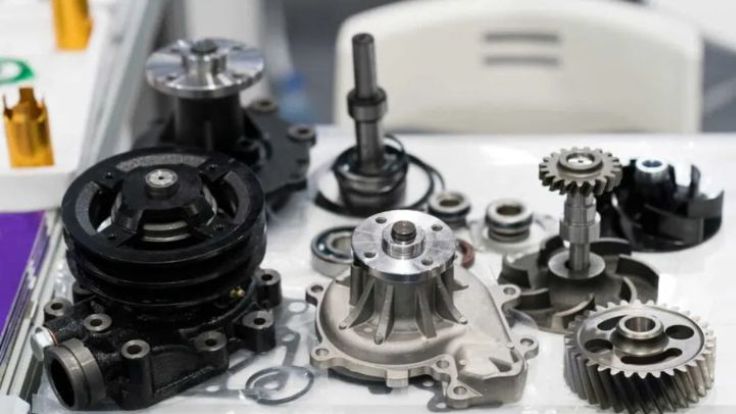
Úvod do tlakového lití hliníku Tlakové lití hliníkových slitin je vysoce účinný výrobní proces a používá se k výrobě složitých kovových součástí ve velkém objemu. Jedná se o proces vstřikování roztavené hliníkové slitiny do kalené ocelové formy (běžně nazývané kokila) pod vysokým tlakem. Tento proces je ceněn zejména v automobilovém průmyslu, elektronice, telekomunikacích a průmyslových zařízeních, protože se při něm vyrábějí lehké součásti s dobrou rozměrovou přesností a povrchovou úpravou. Vynikající poměr pevnosti a hmotnosti je hlavním důvodem, proč je hliník preferovaným kovem pro tlakové lití. Součásti ze slitin hliníku mohou poskytovat požadované mechanické vlastnosti pro konstrukční aplikace a nabízejí materiál s vysokou mírou snížení hmotnosti výrobku. Existuje také tlakové lití, které výrobcům umožňuje začlenit více funkcí do jediného dílu. Žebra, bosáže, montážní body a tenké stěny lze odlít v jediné operaci, čímž odpadá nutnost sekundárního obrábění a montáže. To zase snižuje výrobní náklady a zvyšuje konzistenci a opakovatelnost. Díky těmto přednostem se tlakové lití hliníku stalo jedním z nejoblíbenějších postupů tváření kovů pro středně- až velkosériovou výrobu. Proces tlakového lití hliníku Příprava a nastavení formy Začíná přípravou ocelové formy. Forma je dvoudílná: stacionární polovina a pohyblivá polovina. Dutina zápustky se po každém výstřelu nastříká a vyčistí. Tento nátěr umožňuje kontrolu teploty formy a usnadňuje vyhození odlitého tělesa, aniž by se přilepilo k povrchu formy nebo se poškodilo. Vstřikování roztaveného hliníku V peci se hliníková slitina roztaví a udržuje se při řízené teplotě, aby se dosáhlo správné tekutosti. Při vysokotlakém lití se do dutiny formy vstřikuje hydraulickým pístem pod vysokým tlakem určité množství roztaveného kovu. Tlak se může pohybovat v rozmezí od několika tisíc do více než 20 000 psi, což umožňuje, aby kov před ztuhnutím vyplnil malé plochy a složité geometrie. Tuhnutí a chlazení Tlak se udržuje po zaplnění dutiny, dokud hliník nevychladne a neztuhne. Rychlým ochlazením ocelové zápustky vzniká jemná mikrostruktura, která zlepšuje mechanické vlastnosti a povrchovou úpravu. Kanálové chlazení uvnitř zápustky reguluje teplotu a zajišťuje konzistentní dobu cyklu. Vyhazování a dokončovací práce Po vytvrzení formy se poloviny otevřou a forma se vysune z formy pomocí vyhazovacích kolíků. Veškerý nepotřebný materiál, včetně vtoků, vtokových bran a otřepů, je oříznut. V závislosti na použití se pak na dílu mohou provádět sekundární operace, jako je obrábění, povrchová úprava nebo tepelné zpracování. Výsledkem je hliníkový díl téměř síťového tvaru vhodný pro náročné průmyslové aplikace. Hliníkové slitiny v tlakovém lití Odlitky na bázi slitin: Slitiny hliníku pro tlakové lití jsou navrženy tak, aby vyvážily odlévatelnost, mechanickou pevnost, odolnost proti korozi a tepelné vlastnosti. Na rozdíl od čistého hliníku mají tyto slitiny řízený obsah křemíku, mědi, hořčíku, železa a dalších legujících prvků, které zlepšují tok kapaliny, tuhnutí a použitelnost roztaveného kovu. Výběr vhodné slitiny je zásadní, protože každé složení nabízí jedinečnou rovnováhu mezi pevností, trvanlivostí, hmotností, náklady a vyrobitelností. V tomto článku se blíže seznámíme s nejoblíbenějšími vysoce výkonnými slitinami pro tlakové lití hliníku a s tím, proč je každá z nich vhodná pro konkrétní aplikaci. Mechanické vlastnosti a pevnost hliníkové slitiny A380 Slitina A380 je označována jako pracovní kůň hliníkového tlakového lití. Má dobrou pevnost v tahu (přibližně 320 MPa) a mez kluzu (přibližně 160 MPa) ve stavu po odlití. Přestože není nejlepší hliníkovou slitinou na trhu, nabízí nejlepší kombinaci pevnosti a tažnosti pro konstrukční pouzdra, kryty a držáky. Výhody hliníkové slitiny A360 Mechanické vlastnosti a pevnost A360 nabízí stejnou pevnost v tahu jako A380 a má lepší vlastnosti při vyšších teplotách. Mez kluzu je obvykle 170 MPa a tato hliníková slitina je stabilní v podmínkách obrábění za tepla, například v motorových prostorech. Výhody Mechanické vlastnosti a pevnost hliníkové slitiny ADC12 (ekvivalent A383) Protějškem slitiny A383 je slitina ADC12, která má střední pevnost a její pevnost v tahu je běžně 180230 MPa. I když je o něco slabší než A380, stále postačuje pro konstrukční provedení mnoha průmyslových a automobilových součástí. Výhody mechanických vlastností a pevnosti hliníkové slitiny Al-Si11Cu3 Vyvážené mechanické vlastnosti charakterizují slitinu Al-Si11Cu3. Pevnost v tahu je obvykle vyšší než 300 MPa, s dobrou tvrdostí a mírnou tažností. Je pevnější než ADC12 a ve většině konstrukčních aplikací je podobná A380. Výhody Mechanické vlastnosti a pevnost hliníkové slitiny B390 B390 byla vyrobena tak, aby byla co nejtvrdší a nejodolnější proti opotřebení. Má neuvěřitelně vysokou mez kluzu (přibližně 240 MPa) a pevnost v tahu 350 MPa. Je dostatečně tvrdá, a to až do hodnoty 120 podle Brinella, což je na poměry většiny slitin pro tlakové lití velmi vysoká hodnota. Výhody Srovnávací shrnutí Slitiny hliníkového tlakového lití se používají následujícím způsobem: Výběr vhodné slitiny je dán konstrukčním faktorem, kterým může být pevnost, odolnost proti korozi, životnost při opotřebení, snížení hmotnosti nebo složitost odlitku. Přehled fyzikálních a chemických vlastností hliníkových slitin Slitina A380 A360 ADC12 / A383 Al-Si11Cu3 B390 Křemík % 7,5-9,5 9-10 9,5-11,5 9,6-12 16-18 Měď % 3-4 ≤0,6 2-3 1,5-3,5 4-5 Hořčík % ≤0.1 0,4-0,6 ≤0,3 ≤0,35 ≤0,1 Hustota (g/cm³) 2,71 2,63 2,70 2,70 2,75 Pevnost v tahu (MPa) ~324 ~317 180-230 ~300 320-360 Mez kluzu (MPa) ~160 ~170 ~150 ~140 240-250 Prodloužení (%) ~3,5 ~3.5 ~3 ~2-3 <1 Tvrdost ~80 ~75 ~75 ~85 ~120 Odolnost proti korozi Mírná Výborná Spravedlivá Mírná Spravedlivá Odlévatelnost Výborná Spravedlivá Výborná Velmi dobrá Mírná Odolnost proti opotřebení Dobrá Dobrá Mírná Dobrá Výborná Použití hliníkových slitin Automobilový průmysl Lehké konstrukční a hnací komponenty Automobilové hliníkové slitiny se široce používají při výrobě bloků automobilových motorů, skříní převodovek, součástí zavěšení a konstrukčních konzol. Jsou výkonné na jednotku hmotnosti, snižují celkovou hmotnost vozidla a zlepšují palivovou účinnost, čímž zvyšují dojezd elektromobilu. Tato hliníková slitina také zlepšuje odvod tepla v motorech a bateriových systémech, čímž zvyšuje výkon a životnost. Letecký a kosmický sektor Konstrukce draků letadel a vnitřní konstrukce Vlastnosti, díky nimž hliník

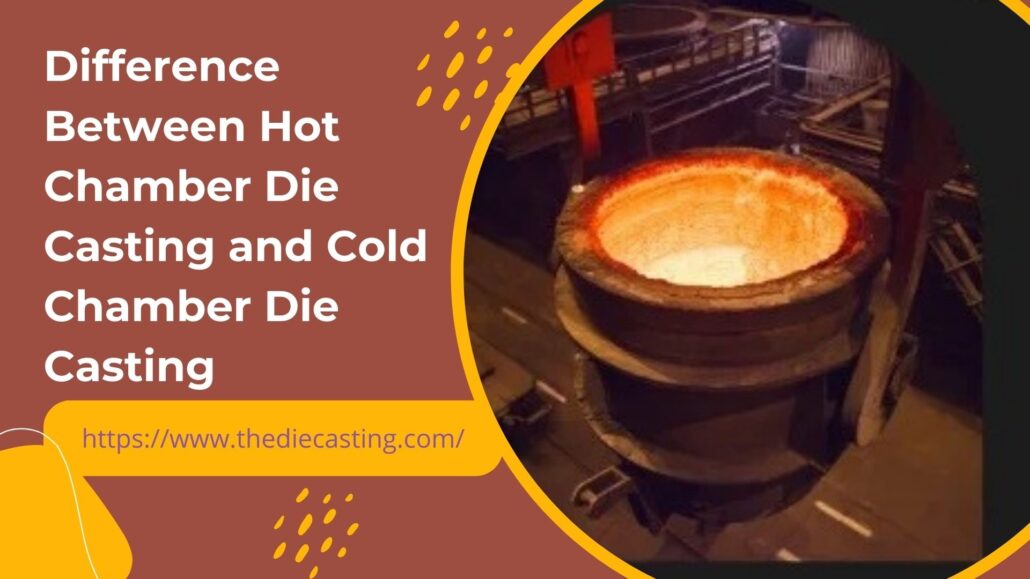
Hot Chamber Die Casting and Cold Chamber Die Casting

Difference Between Hot Chamber Die Casting and Cold Chamber Die Casting

hliníkové odlitky

Die casting is a metal casting process that uses high pressure to produce complex, high-volume, precise metal components with superior surface finish and dimensional accuracy. This is achieved by high-speed, high-pressure injection of molten metal into a hardened steel mold, known as a die. After the metal solidifies, the die is opened, and the completed component is ejected, trimmed, or lightly secondary processed. Due to its speed, reproducibility, and ability to produce thin-walled, detailed casts, die casting is widely used across the automotive, electronics, aerospace, appliance, and consumer products sectors. High-pressure die casting processes fall into two major types: hot-chamber and cold-chamber die casting. Although both processes use pressure to force molten metal into a die, the ways the metal is melted, manipulated, and injected differ markedly. The differences influence the type of metals used, cycle time, production cost, tooling life, and part size. Hot-chamber die casting integrates the melting furnace with the casting machine, enabling faster processing and improved suitability for low-melting-point alloys. In cold-chamber die casting, however, a separate furnace is used, and molten metal is poured into the machine each time. This arrangement is preferable when the alloy has a higher melting point, e.g., aluminum and copper. Knowledge of the differences between these two processes helps Die Castings China select the most effective, cost-effective, and technically viable method for the company’s application. Hot Chamber Die Casting: Process and Technical Knowledge Hot-chamber die casting is a high-pressure metal casting process primarily used for low-melting-point alloys. It has extensive applications in the automotive hardware, electronics, telecommunications, and consumer goods industries, as well as in sectors that require high production speeds, tight dimensional tolerances, and good surface finish. The key feature of this process is that the melting furnace is integrated into the casting machine. In this type of design, the molten metal is kept in a continuously ready-to-inject state, reducing handling time and resulting in production that is much more efficient than in other casting methods. Summary of the Process Process Explanation Melting Metal is maintained in a furnace inbuilt as molten at about 400 -450 °C in the case of zinc alloys and 600 °C in the case of some magnesium alloys. Filling the Gooseneck In this setup, a hydraulic plunger is used to withdraw until molten metal fills the gooseneck chamber. Injection The plunger moves forward and injects metal into the die cavity at rates up to 3060 m/s. Solidification The metal’s cooling and solidification take 2-10 seconds, depending on the part’s thickness. Ejection This is where the die opens, and the casting is removed by die ejection pins. Repeat The total cycle time is 3 to 15 seconds, enabling high production volumes. The Process of the Hot Chamber Die Casting In hot-chamber die casting, the molten metal is retained in an in-built furnace mounted on the machine. The molten metal submerges a component called a gooseneck. When the plunger is retracted, an intake port supplies molten metal to the injection chamber. The plunger is then hydraulically actuated, driving the metal through the gooseneck and into the die cavity at high velocity. The injection rates may reach 30-60 meters per second, filling the cavity before the metal solidifies. After being cast, the molten metal is pressurized and cooled. Solidification typically takes 2-10 seconds, depending on wall thickness and alloy. With the part already solid, the die is opened, and the ejector pins force the casting out. The machine thereafter shuts and initiates the subsequent cycle. Technical Parameters and the Operating Conditions The process is carried out within well-controlled temperature and high-pressure ranges to ensure tooling quality and safety. Zinc alloys can be cast at temperatures between 400 and 450 °C. In contrast, magnesium alloys can be cast at temperatures closer to 600 °C. The injection pressure is typically 7-35 MPa (approximately 1,000-5,000 psi). The die temperature is maintained between 150 and 250 °C to ensure consistent metal flow and controlled cooling. Due to the wide range of machine sizes, the clamping force typically ranges from 20 to 500 tons. Shot weights are usually less than 1 kilogram, but machines can handle up to 5 kilograms. This is one of the fastest metal-forming methods, with production rates often reaching 300-700 parts per hour due to its high cycle rate. Applicable Material Limits and Alloys Hot-chamber die casting applies only to alloys that do not attack iron at high temperatures. The most common are zinc alloys, including Zamak 3 and Zamak 5, which have melting points near 385 °C. It is also commonly used with magnesium alloys such as AZ91D, which melts at about 595 °C. It is also possible to process lead-tin alloys, but their industrial applications are more limited. This process cannot be applied to aluminum, which has a melting point of approximately 660 degrees Celsius, which can destroy the submerged injection elements. Performance Benefits and Practices Limitations Parameter Typical Range Metal Temperature 400–450°C (Zinc), up to 600°C (Magnesium) Injection Pressure 7–35 MPa (1,000–5,000 psi) Cycle Time 3–15 seconds Machine Tonnage 20–500 tons Production Rate 300–700 parts/hour Die Temperature 150–250°C Typical Part Weight 0.02–5 kg Cold Chamber Die Casting: Process and Technical Observations Cold-chamber die casting is a high-pressure metal casting process suitable for alloys with medium- to high-melting points. It is commonly used in industries such as automotive, aerospace, industrial machinery, and electronics that require strong, lightweight components with precise dimensions. This process uses a separate furnace to melt the metal, rather than a hot-chamber die casting. Each shot is moved into the casting machine with the molten metal, making the system suitable for materials that would harm a permanently submerged injection process. This geometric distinction characterizes the operating mode, production speed, and material range of the cold-chamber process. Process Overview During cold-chamber die casting, the metal is melted in an external furnace at the appropriate alloy-specific temperature. The melting temperature of aluminum alloys is generally in the range of 660- 700 °C, and copper-based alloys might be melted at temperatures exceeding 1,000 °C. After melting,

Hliník

Hliník nebo hliník

hliníkové odlitky

Flexible Metal Fashioning the Modern World One of the most important materials that contributes to modern civilization is aluminium. From high-tech aerospace and electric cars to simple things like food packaging and consumer electronics, this silvery-white metalloid is probably found in almost every sphere of modern life. Aluminium is a chemical with the chemical symbol Al and atomic number 13. It is prized for its outstanding light weight, strength, corrosion resistance, electrical and thermal conductivity, and complete recyclability. The only difference between Aluminum or aluminium is that it is able to respond to the increased world demand for materials that not only perform well but are also environmentally friendly. With industries shifting towards sustainability, lightweight design, and reduced energy consumption, aluminium has become one of the backbone metals of the 21st century.  This paper provides an in-depth description of the nomenclature of aluminum and aluminium, physical and chemical characteristics, history of aluminium, how it is made, its uses in industry, systems of alloys, its sustainability, and trends in its future in a fast-changing world. The Lingistic Dilemma: Aluminum vs. Aluminium Among the most widely observed peculiarities of this metal are the two spellings it has, i.e., aluminum or aluminium. Both terms mean the same thing, although regional language customs and the historical development of the scientific world explain their use. Aspect Aluminum Aluminium Chemical symbol Al Al Atomic number 13 13 Original term used Aluminum Aluminium Regions using the term United states British Dictionary Preference American dictionaries British dictionaries Scientific use U.S. publications European publications Industrial standards ASTM Standards ISO Standards Language influences American English British English Related Chemical Terms Al₂O₃, Al₄C₃ Al₂O₃, Al₄C₃ Naming Convention Originated with the Following The name itself can be traced back to the early 19th century, and it is strongly linked to Sir Humphry Davy, a British chemist who helped identify and name several chemical elements. During one of his experiments with alumina (aluminium oxide), Davy first suggested the name alumium. Soon, he amended it to aluminium. Nevertheless, certain contemporaries of Davy contended that the name ought to be stricter in accordance with the classical Latin style of naming as applied to other elements, e.g., sodium and potassium. Consequently, the name aluminum became common, especially in Britain and Europe. Local Tastes and Unification Regional tastes were, over time, entrenched in North America. The spelling aluminum was officially adopted and made uniform by the American Chemical Society (ACS) in 1925. In 1990, on the other hand, the International Union of Pure and Applied Chemistry (IUPAC) formally accepted the spelling aluminum as the standard international scientific spelling. Even today, aluminum is more common in the United States and Canada, whereas in most other regions, including the United Kingdom, Europe, and Australia, aluminium is more common. Implication on Global Communication Although there are dual spellings, scientific, technical, or industrial communication is not ambiguous at all. The two terms are universally applicable, and the international standards, product specifications and trade documentation routinely consider this linguistic variation but do not have an operational effect. Aluminium Physical and Chemical Properties The popularity of aluminium or aluminum lies in its exceptional physical and chemical properties. It is the most common metallic element in the Earth’s crust, accounting for approximately 8.1%, but it is never found in pure metallic form. Main Physical Characteristics Aluminum has some of the most interesting physical properties, which include: Aluminium is an excellent material for heat exchangers, radiators, and cooling electronic systems due to its excellent heat dissipation. Ductility and Malleability Aluminium can be beaten into foils less than 0.01 mm thick and pulled into very fine wires without breaking. This makes aluminium an ideal material for a wide range of frames and products acrossindustries. Chemical Behaviour and Resistance to Corrosion Corrosion resistance is also a natural characteristic of aluminium, which is very desirable. The presence of air leads to the immediate formation of a dense, adherent layer of aluminium oxide (Al2O3) on aluminium. This coated film prevents further oxidation and shields the underlying metal from environmental degradation. Additionally, aluminium is: History of the Discovery of Aluminum or Aluminium Early Isolation Efforts Although aluminium compounds have been in use since antiquity, isolating the pure metal was not an easy task. In 1825, Danish physicist Hans Christian Oersted was able to reduce small amounts of aluminium chloride, producing small amounts of aluminium. It was soon followed by an improvement by Friedrich Woehler in 1827, but production remained costly and low. Aluminum was an expensive material at this time, more precious than gold, and was actually used to top the Washington Monument as a technological showcase. Breakthrough in the Hall-Héroult In 1886, breakthroughs were made when Charles Martin Hall, then in the United States, and Paul Heroult, then in France, independently developed the electrolytic reduction process for aluminium extraction. The process is called the Hall-Héroult process, and it consists of dissolving alumina in a molten cryolite solution and passing an electric current through the solution to obtain molten aluminium. This invention, added to the Bayer process (invented in 1887 to process bauxite into alumina), significantly reduced production costs and enabled large-scale industrialisation. The Development into Mass Production At the beginning of the 20th century, aluminium production increased rapidly. Its strategic significance was fully realised during World War I and World War II, especially in aircraft production. Since then, aluminium die casting has ceased to be a rare novelty and has become an essential part of industry. Contemporary Processes of Production Primary Production: Bauxite to Metal Bauxite mining is the starting point of primary aluminium production, and the ores usually contain 30-60 per cent alumina ). It consists of two major phases: Bayer Process Through this process, bauxite is purified into alumina using sodium hydroxide. Hall-Héroult Process Alumina undergoes electrolytic reduction to molten aluminium, which requires about 13-15 kWh of electricity per kilogram. The World Production and Main manufacturers By 2024, the world had a steady output of about 72 million metric tons of aluminum. Major producers include: Secondary

tlakové lití hliníku

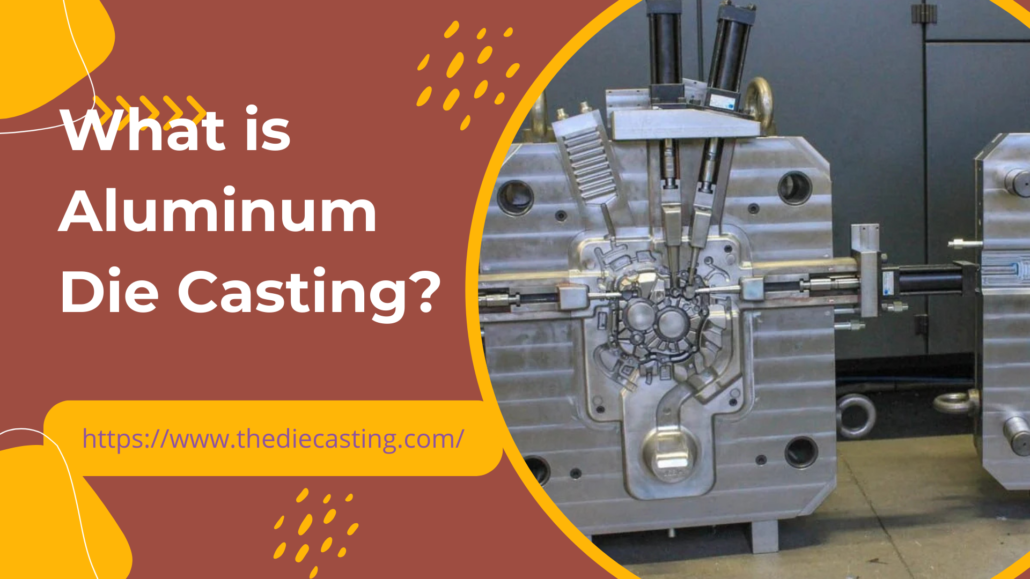
Co je tlakové lití hliníku?

hliníkové odlitky

One of the most popular manufacturing processes for producing high-precision metal parts on a large scale is aluminum die casting. It is important in contemporary industries that require high precision in dimensions, mechanical strength, light weight, and cost-effectiveness.

Nejlepší společnosti zabývající se tlakovým litím pro automobilový průmysl v Číně a ve světě 

tlakové lití hliníku, společnosti zabývající se tlakovým litím, společnost zabývající se tlakovým litím, Výrobce tlakových odlitků

Aluminum die casting is one of the most dependable and cost effective manufacturing processes in the contemporary industry. It is the process of high pressure injection of high temperature melted aluminum into an accurate mold to create powerful, lightweight as well as dimensionally precise parts. It is particularly useful in the production of highly complex shapes with high surface finishes, and thus it is a favored process in the automotive, aerospace, electronics, consumer products, and industrial machinery industries. The aluminum die casting has been on a high demand in the past years. The tendency of the world towards electric cars, lightweight constructions, and energy efficiency has put the aluminum alloys on the frontline of innovation. Manufacturers have now developed high-tech components like engine blocks, transmission houses, battery enclosures and heat sinks that are both durable and lightweight. Recyclability and resistance to corrosion make aluminum also helpful in the world-wide tendencies to produce sustainable and ecologically friendly. Two of the major aluminum die casting hubs are the United States of America and China. Campanies in the United States are known to be innovative, have high standards in quality, and use high levels of automation and can be considered as a good investment in high precision industries. Conversely, Chinese manufacturers have gained a lot of competitiveness over the world market, have provided a cost effective solution, high production capacity and more advanced technologies. This paper will discuss some of the most successful aluminum die casting industries in the USA and China, their strengths, abilities and the factors that make them the most reliable partners that businesses across the world as their preferred suppliers in the manufacturing industry. What is Automotive Die Casting? Die casting is a production process whereby molten metal, usually aluminum, magnesium, or zinc, is forced under great pressure into a mold that has an open space. This enables mass production of high-strength components of complex functions and with good surface finish and dimensional accuracy. Die casting in the automotive industry allows the production of components which are: The use of die casting has revolutionized the construction of contemporary vehicles whereby one can save weight and still manage to perform at the same time. The demand has contributed to the high rate of development of the major Automotive die casting firms in China, Europe, America and Japan. Why China is the leader in Automotive Die Casting China has some of the largest in the world of manufacturers of Automotive die castings because of its: Such a set of strengths has enabled Chinese auto-motive die casting firms to be the powerhouses not only in the local market but also internationally in the supply chain. CNM Tech Diecasting Company is a leading producer of superior aluminum die-cast products. They offer several sectors such as automotive, electronics and telecommunication with precision-engineered components that are aimed at maintaining the highest quality standards. They can produce light and strong parts utilizing their advanced production processes such as high-pressure die casting and CNC machining. The Diecasting Company believes in the power of constant innovation and therefore, it invests in modern machinery, automated production lines and more importantly quality control systems that help to deliver the same results at all times. Both OEMs and Tier-1 suppliers are also in their global client base, and therefore, they are a reliable partner in meet complex and large-volume production needs.  Website: https://www.thediecasting.com/ Why Choose Them  The Diecasting Company is preferred by businesses because it is focused on quality, precision, and innovation. Their application of state-of-the-art die casting technologies, strong quality control, and delivery on time makes sure that their clients get the components that could meet international standards and make them their favorite choice when it comes to automotive OEMs and manufacturers that want to find a reliable die-cast solutions provider. Industries Served  Sincere Tech  Sincere Tech is one of the producers of high-precise molds in plastic injection and die casts. They have a background in designing mold, prototyping, and manufacturing of the final product which provides a one-stop solution to their customers all over the world. They use computerized CAD/CAM software and automated machining so that all the molds manufactured are very accurate. Plastic Mold can be credited with years of experience in serving the needs of automotive, consumer electronics and medical device industries with the capacity of delivering complex molds with efficiency. They stand out in their innovation, quality control, and speed in delivery, thus making them a trusted supplier of companies that would like to have a personalized mold solution. Website: https://www.plasticmold.net/ Why Choose Them Plastic Mold is selected due to their complete mould making systems, technical skills and capability to fit into constrained production time. Their superior quality molds minimize errors, enhance productivity and aids clients to have accurate and dependable die-cast or injection-molded products. Industries Served  GC Precision Mould  GC Precision Mould is a producer of die casting in China which provides aluminum, zinc, and magnesium die casts. They have reputations of manufacturing high quality, cost effective, and lightweight parts in the automotive, electronic and lighting sectors. They have the abilities of high-pressure die casting, CNC machining and secondary finishing operations. Alu Diecasting is focused on accuracy, longevity and productivity. They are always up to the international standards with the use of modern facilities, automated lines, and skilled engineers. They cater to customers both locally as well as internationally such as OEMs and Tier-1 suppliers, and are positioned as a top Chinese manufacturer of die castings as an automotive industry. Website: https://aludiecasting.com/ Why Choose Them  They are using Alu Diecasting as they offer a combination of competitive prices, high-quality standards, and technology. They have a track record of various alloys, precision machining and on time production which maintains dependable, long life, and lightweight parts that satisfy the demands of the world automotive industry. Industries Served  Get It Made Get It Made is a producer of CNC machining, 3D printing, die casting, and metal forming based in UK. They support both prototyping and low-volume production,

Co je lité hliníkové nádobí?

Co je lité hliníkové nádobí? Kompletní průvodce

Hliník, hliníkové odlitky

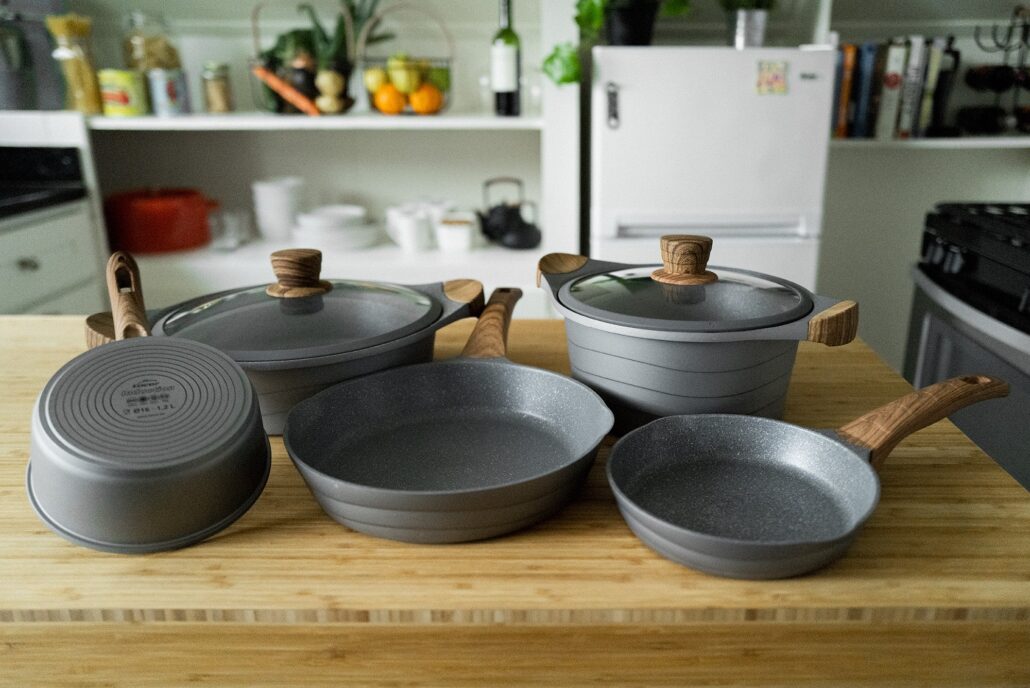
Cast aluminum cookware is becoming popular in kitchens worldwide. It is lightweight, inexpensive, and easy to use. The food can have a different taste depending on the cookware that is used, including the easy cooking process. Cookware is also time-saving and long-lasting. The cast aluminum is made by pouring molten aluminum into a mold. The method gives the cookware both a concrete structure and consistency in the thickness. It allows the pan or the pot to warm up quickly and evenly spread the heat. This simplifies and reduces the time spent preparing day-to-day meals. Cast aluminum is another relatively lightweight material that many people have been using since it is relatively inexpensive when compared to stainless steel. It may also be prepared in different shapes and sizes; therefore, it may be fried, baked, and boiled. However, cast aluminum has its negative sides. It is not as tough as stainless steel nor as tough as cast iron. There are also some types of cooking utensils that need a non-stick or anodized coating so that the food does not stick or is not in contact with acidic foods. In this article, all of these will be expounded using simple language. You will be introduced to the advantages, disadvantages, security, and treatment of cast aluminum cookware. How Cast Aluminum Cookware is Made? Cast aluminum cooking utensils are produced as a result of pouring the melted aluminum into a mold. The metal (aluminum) will then be in the shape of a pan, pot, or baking dish after cooling down. The process makes the cookware tougher and heavier than the traditional pressed or rolled aluminum. The two big stages of the process are: Such casting makes the coocooklightlightut strong enough that it can be used daily. Others are non-stick envelopings on them to prevent the sticking of food, and to facilitate their cleaning. Cast Aluminum Process of Cookware Preparing the Aluminum The initial step entails the selection of aluminum. Pure aluminum or recycled aluminum can be used by manufacturers. This is put into large furnaces where it is heated to over 660 °Cuntil it melts to form a liquid. This stage is where purification of the aluminum is done to determine that it will be strong and safe in the final product. Creating the Mold Once the aluminum is on hand, the mold is created. The form is determined by the mould, and it may be a frying pan, a pot, or a baking pan. These moulds are mostly sandy or steely. The thinness, balance, and durability of the copopotterarere dare be determined by the type of mold and the level of exquisiteness. Pouring the Molten Aluminum The mold is then filled with liquid aluminum. It is filled to the very brim in every crevice of design. It is the process that also causes cast aluminum cookware to be heavier and stronger than pressed aluminum cookware. Cooling and Solidifying After being poured, the aluminum is expected to cool down. It is stiffening and depressing when it comes to cooling and acquires the shape of the mold. The cooling is required as it removes cracks, air bubbles, or weak areas that can jeopardize the quality of the cookware. Trimming and Finishing Once hardened, cookware is removed from the mold. Such is where a crude surface gets cut and polished. Other features are also incorporated, such as handles and bases. This is to ensure that the cook’s uniform is smooth, safe, and ready to be coated. Surface Coating and Finishing Most cast aluminum cooking utensils are surface-treated. They have most of them supplied with non-sticky surfaces, such that the food does not stick on the surfaces,, and the cleaning does not take much time. They can be anodized by others, and this increases their resistance to corrosion and scratches. These finishes are also resistant to the reactivity with acidic food. Quality Testing The quality control is the last one. All of the works are inspected on balance, durability, and coating safety. Cookware that has been carefully checked is packed and only sent into the market. It will ensure the customers receive durable, quality, and safe cookware. Cast Aluminum Cookware advantages What is the reason not to use other materials, to use cast aluminum? Here are the key benefits: Lightweight In comparison to cast iron, it is very light in cast aluminum. It does not take much time tocleanna, and it is more so when one has a cook who prepares meals regularly for the elderly. Superb Heat Distribution Aluminium is a thermal conductor. Cast aluminum utensils are quick to cook and evenly cook. This means that there would be fewer hot spots and even cooking. Affordable It is normally cheaper than stainless steel or copper cookware. It has decent performance at an affordable price. Versatile Cast aluminum may be fried, baked, boiled, or simmered. Some are even oven-safe. Quick Heating The aluminum makes food cook more quickly since it reacts to heat faster. This saves time and energy. Disadvantages of Cast Aluminum Cookware Despite several advantages of cast aluminum cookware, it also possesses several limitations: Durability Issues The cast aluminum is softer than the cast iron or stainless steel. Eventually,, it is likely to be dented or scratched, especially when it is not handled properly. Reactivity with Food The uncoated aluminium can react with acids such as tomatoes or vinegar. This may either render it metallic or discoloured. The majority of modern cast aluminium pans are coated to such effects. Coating Problems The non-stick film on the pan may be of poor quality, and thus, it may wear away with time. It can be scrubbed with hard sponges or metal utensils, and this decreases its life span. Aluminum Cast And Other Cookware The choice of cookware is more of a choice. The cast Aluminum performance when compared with the popular substitutes stands as follows: Cast Aluminum and Stainless steel The first distinguishable difference in the case of the cast aluminum and stainless steel is the heat

Mosazný skříňový hardware: Kompletní průvodce stylem, funkčností a trvanlivostí: Mosazné mosazné nástroje: kompletní průvodce stylem, funkčností a trvanlivostí

Mosazný skříňový hardware: Kompletní průvodce stylem, funkčností a trvanlivostí: Mosazné mosazné nástroje: kompletní průvodce stylem, funkčností a trvanlivostí

Mosazný skříňový hardware

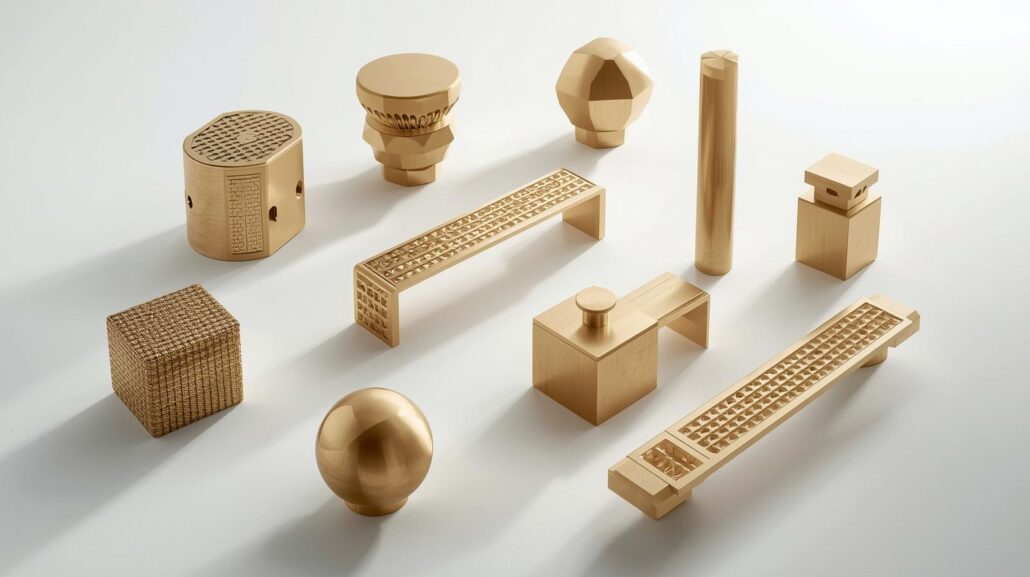
Cabinet hardware can be viewed as minor detail, yet it can change the appearance and functionality of a room. Of the numerous finishes that can be used, the brass cabinet hardware is a test of time in terms of beauty, strength, and versatility. Considering remodeling the kitchen, upgrading the bathroom vanity, or even refreshing the storage furniture, the brass finish is the one that will be durable and, at the same time, very stylish. Both designers and homeowners still prefer the useof brass hardware as it has added significance to modern and traditional interiors. Its warm tones, which are of gold, also match well with wood, stone, or painted cabinets, making it one of the most adaptive finishes. As simple, modern pulls as fancy, vintage knobs, brass cabinet hardware is a feature that gives the whole design of a space an upscale look. Brass, unlike other metals, is a good-looking item, but it provides long-lasting value. The quality of brass kitchen hardware and brushed brass hardware resists corrosion, can be used in everyday life, and acquiress the status of timeless. Such a blend of style and performance makes brass an investment that enhances the appearance and functionality of the cabinets so that they are refined over the years to come. History and popularity of Brass in Design Brass is a copper-zinc alloy and has been applied in various structures, furniture, and ornaments forcenturies. Brass used to be a common decorative fitting and fixtureas it was deemed highly beautiful and elegant once. The brass hardware is also still used in the present daydue to its appearance and its durability and strength, and it is also used in the current-day interiors due to the practicality in its usage and its appearance,, which is more than impressive. The timeless quality of the brass cabinet hardware is its flexibility. It may be shined brightly and reflective like a mirror, or it may have a more subdued look and be finished in muted colors. Since the shift of interior decor towards warmer metallics, brass remains one of the finishes that can be mixed with light and dark cabinets. What does Brass Cabinet Hardware mean? Brass cabinet hardware is knobs, pulls, hinges, handles, and other fittings manufactured out of the alloy of copper and zinc, known as brass. Such hardware is very common in the kitchen, bathroom, and furniture since it is strong, durable, and not out of fashion. Compared to cheaper metals, brass does not corrode and will naturally age with a patina, and it can be polished, left in a satin finish, or antique, or left in the so-called brushed brass hardware. The designers and owners of homes prefer the use of brass hardware due to its diversity. Specifically, brass kitchen hardware is functional and stylish, and it has become one of the most popular options to upgrade the cabinets. Types of Brass Hardware Cabinet accessories come in an array of different forms made out of brass, with each being used in a different way. The most popular ones are: In any design project, brass cabinet hardware, regardless of its type, is a useful addition in terms of decorative and functional purposes. The manufacturing of Brass Cabinet Hardware The production of so-called brass cabinet hardware is a long-stage product manufacturing process based on the requirements of durability, usefulness, and beauty. It is a process that uses a mixture of both traditional and modern metal finishing techniques. Alloy Preparation It starts with the melting of a mixture of copper and zinc to form brass. Additional elements can be added depending on what finish is desired. This makes the brass hardware with the correct strength, machinability, and color. Casting or Forging After preparation of the brass alloy, it is then cast (molten brass poured into castings) or forged (pressed and heated brass compressed into castings). Copies of brass kitchen hardware are more powerful and sturdier. Machining and Shaping These are then turned into accurate shapes, knobs, pulls, handles, or hinges. CNC machines and old-fashioned lathes tend to build uniformity in the so-called brass cabinet hardware. Surface Finishing When the pieces have been shaped, they are automatically ground and polished to a smooth finish. Finishes applied at this stage include polished, antique, satin, or brushed brass hardware to give it the desired appearance. Plating or Coating (Optional) In other instances, a protective coating of lacquer or further plating is made to increase resistance to corrosion. It is common to leave solid brass unlacquered in the natural patina style. Mechanical Assembly and Quality Control Lastly, the quality, fit, and finish of every item of the brass cabinet hardware are checked. Assembling screws and fittings and packaging them are done before distributing. Advantages of Brass Cabinet Hardware Durability Brass is a material that has been known to have strength and endurance. Solid brass, unlike cheaper alloys does not bend, bend, and break, meaning your cabinets will be useful over time. It is particularly significant that brass kitchen hardware has to stand up to daily wear. Timeless Aesthetics Interiors are made warm and rich with the golden hues of brass. It has smooth finishes and polishing that is elegant, and the hardware is brushed brass, giving it a modern, subtle look. Corrosion Resistance The inherent nature of brass is such that it is resistant to tarnish and corrosion and should therefore be used in the kitchen and bathroom where moisture is abundant. Versatility Ranging from coarse farmhouse kitchens to polished modern bathrooms, brass cabinet hardware goes well with all kinds of styles. It has been flexible, which is why it is still used in various projects of brass hardware by designers. Usage in Bathrooms and in Kitchens One of the most noticeable details in the kitchens and bathrooms is cabinet hardware, where functionality and design should be in harmony. Brass cabinet hardware offers the strength needed in busy areas, as well as serving as a decorative center stage. Kitchens The contemporary kitchen styles are more than pleased with the

Společnosti zabývající se tlakovým litím hliníku v USA

Společnosti zabývající se tlakovým litím hliníku v USA

tlakové lití hliníku, společnosti zabývající se tlakovým litím, společnost zabývající se tlakovým litím

Aluminum die casting is now one of the surest and most economical production procedures in the United States of America, particularly to manufacturers that require robustness, longevity and precision. This is done by high pressure injection of molten aluminum into steel castings and this produces parts which are not only lightweight but also dimensionally accurate and durable. It is this strength and low weight that makes aluminum die casting the material of choice in the automotive and aerospace industry, electronics, industrial machineries, and consumer goods. The U.S market boasts of some of the most established aluminum die casting industry worldwide in the form of large scale manufacturers with global presence to small and specialized firms, specializing in custom parts and niche applications. These firms are very crucial in the sustenance of the key industry by supplying such segments of the industry as engine blocks, transmission housings, electronic enclosures, and structural parts. The U.S. based manufacturers have earned their reputation of reliability and innovative products in the world through their high quality technologies, certification and focus on quality products. The trend in the last few years has seen a massive surge in demand of die-cast aluminum parts because of the recent developments in lightweighting of vehicles, the production of electric vehicles, and the drive to manufacture energy efficiently. American firms are embracing automation, sustainable castings, and superior alloys so as to achieve high results to meet these requirements. This article lists some of the best aluminum die casting manufacturers in the USA and their achievements, potential, and contributions to the contemporary industry. It does not matter whether you are getting parts to perform a large-scale manufacturing process or a highly-technical application, these manufacturers are the embodiment of the finest American technology in aluminum die casting. What Is Aluminum Die Casting? Aluminum die casting is a production technique where high pressure on a molten aluminum is forced into a steel mold also referred to as a die. When the metal cools and solidifies the mold is opened and the completed part is ejected. This is the process with the help of which the manufacturers can create strong, light and highly detailed components with high level of dimensional accuracy and smooth surface finishes. The fact that aluminum die casting can produce complex shapes that would otherwise be challenging or costly to produce using other manufacturing processes is the key benefit. It finds extensive application in the manufacture of such parts as engine blocks, transmission housings, electronic enclosures, heat sinks and structural components. The Aluminum Die Casting has several major advantages: Thanks to such strengths, aluminum die casting has emerged as a better alternative in industries, which require dependable and efficient components of high-quality to match its technical and economical necessities. Top USA Aluminum Die Casting Companies 1. Dynacast International Dynacast International has been one of the best known companies in the area of precision die casting globally. The company has decades of experience in the production of small, complex components with the use of aluminum, zinc and magnesium alloys. They are good at producing components that have stringent tolerances and that have complex features, which are needed by the automotive, consumer electronics, telecommunications, and medical devices industries. Being global also means that Dynacast is able to serve small businesses and multinational companies with the flexibility, innovations and quality that do not vary among projects. 2. Pace Industries Having become the largest die casting companies in North America, Pace industries have established a good reputation of offering to offer solutions in totality. Their service ranges include designs and engineering support, die castings, machining, surface finishing and final assembly; they have been providing a one-stop solution to clients in the automotive, industrial and consumer industries. High-volume projects and custom projects can be dealt with because of the scale of their operations. Pace also follows the culture of putting money in the modern technology and sustainable practices such that they can be able to remain competitive in the rapidly changing industry. 3. Ryobi Die Casting (USA), Inc. Ryobi is a renowned brand in the world die casting segment, and it has a major presence in the United States. Their operations in the U.S. are centered on medium to large scale aluminum die cast components, majorly to the automotive sector. Ryobi manufactures engine block, transmission housing, and structural parts that they need to be durable and precise. The firm has utilized cutting edge technology and quality management which has seen it become a supplier of choice to major automobile manufacturers in the world. 4. Gibbs Die Casting Gibbs Die Casting, the other leader in the U.S. market is based in Henderson, Kentucky. The company specializes in the aluminum and magnesium die castings in the automotive industry, especially the transmission housings and power train parts. Gibbs lays strong emphasis on innovation where automation and sophisticated manufacturing techniques are being used to ensure high standards of efficiency and quality of work. The company also incorporates the concept of sustainability in its business by curbing wastage and encouraging environmental friendliness business practices. 5. Apex Aluminum Die Casting Co., inc. Apex Aluminum Die Casting is situated in Ohio and it is used in automotive, electronic, and appliances industries. The business is reputable in working with mid-volume production lots, which makes it the perfect option with firms that require a steady output quality but does not require the enormous powers of bigger importers. The team of Apex is concerned with customer satisfaction, reliability of service, engineering and accuracy in manufacturing. They have established themselves as a reliable partner to a number of U.S. companies because of their good reputation to deliver consistent results. 6. KenWalt Die Casting Company KenWalt Die Casting is based in California and has over several decades of experience with producing die castings; aluminum and zinc. The firm also focuses on bespoke jobs and serves the industries of both industrial equipment and consumer goods. KenWalt stands out as a company that collaborates closely with the client during the

Tlakové lití hliníku pro automobilový průmysl v Číně

Tlakové lití hliníku pro automobilový průmysl v Číně

tlakové lití hliníku, díly pro tlakové lití

Aluminium automotive die casting in China has become an essential process within the international automotive supply chain that contributes to efficiency, sustainability, and innovation in vehicle production. Lightweight and strong, aluminium provides a special balance between mechanical performance and fuel consumption, which contemporary car manufacturers require. Through minimised vehicle weight, aluminium die-cast components have a direct impact on reducing fuel consumption, longer battery range in electric vehicles (EVs), and carbon emissions. This not only renders the technology significant to the manufacturers, but also to environmental regulations across the world. This domination in the automotive industry of China is a natural extension of aluminium die casting. Being the largest producer, the country with huge production rates, with its large supply chain and the support of the government through industrial policy, China has already established itself as the largest producer and one of the greatest innovators in the area. The die casting sector of the country serves both local car manufacturing industries and foreign brands, and it provides engine blocks and transmission housings, as well as high-tech giga castings, applied to the body of EVs. The development of lightweight materials and more environmentally friendly production technologies has become even faster. This congruence between industrial competency and the world sustainability targets will keep China on the frontline of the technology of aluminium die casting, which is the future of automotive engineering. What is Die Casting of Aluminium? Aluminium die casting is the production technique where molten aluminium is pressurized and injected into a high-pressure steel mold (die). Upon cooling and solidification, the metal produces complex and precise components with very favourable strength-to-weight ratios. The automotive parts that are commonly manufactured are engine blocks, transmission housings, wheels, brackets, and structural body parts. Why China Leads in Aluminium Die Casting? Aluminium Die Casting Process Aluminium die casting is one of the most specialized manufacturing techniques that allows the creation of complex and accurate automotive components with great mechanical properties. It does include several well-regulated phases, and each of them can be seen as a step toward the quality, strength, and durability of a final product. The following is a discussion of each of the stages: 1. Mold Preparation The steel mold, usually of hardened tool steel, is completely cleaned and checked before production starts and should be free of wear or damage. Then the release agent or lubricant is applied to the cavity of the mold, which has a variety of significant purposes. It avoids the sticking of the molten aluminium to the die, provides smooth part ejection and assists in maintaining mold temperature in successive casting cycles. It is important to prepare the mold properly, as this has a direct relation to the surface quality and dimensional accuracy of the finished component. 2. Melting & Alloy Preparation It begins with the melting of aluminium ingots or recycled scrap in a high-temperature furnace that can be either gas-powered, electrically powered or induced. At this phase, molten aluminium is observed keenly to maintain an optimal temperature range of around 660 to 700 °C to provide a fluid mass and reduce defects. Elements like silicon, magnesium, and copper are alloyed in order to improve certain properties such as strength, corrosion resistance, or thermal conductivity. It is important to keep the chemical composition accurate since a slight change in it might greatly affect the functionality of automotive elements. 3. High-Pressure Die Casting (injection) After the molten aluminium attains the desired state, it is poured into the prepared steel casting mould by a high-pressure die casting (HPDC) machine. The pressure of injection is usually between 110 and 175 MPa, and this makes the liquid metal fill even in the most complex molding cavities with accuracy. High pressure also aids in reducing porosity and shrinkage flaws to produce high-strength and dense parts. This is regarded as the centre point of the process since it determines the quality of the casting and whether complicated shapes can be produced without breaking the structural integrity. 4. Cooling & Solidification The molten aluminium is then injected and quickly cools down and hardens in the steel mould. The rate of cooling is maintained throughout to make sure that the crystallization is uniform and internal stresses or warping are minimized. Cooling time varies greatly with the thickness and intricacy of the component being cast; a thin-walled component could be solidified in a matter of seconds, whereas a more complex part could take a longer cycle to solidify. Well-organised cooling circuits (water channels or oil circuits built into the die) are commonplace with the aim of ensuring consistency throughout the production runs. It is essential to attain a balance of strength, ductility, and dimensional accuracy by proper solidification. 5. Ejection After the part has hardened, ejector pins in the mold force the casting out. In this step, accuracy is needed to prevent burning sensitive areas or thin walls of the part. Large-scale automotive manufacturing often relies on automated ejection systems, which guarantee the consistency of cycle times and minimize manual work. The process of ejection may appear to be easy, yet with improper application, it might cause surface defects, cracks or misalignment, which will adversely affect the usability of the final product. 6. Trimming & Finishing Raw casting may contain large quantities of extraneous material, such as flash, runners or even gates, after ejection, and this needs to be removed. A hydraulic press or a CNC machine is usually used in trimming to attain an accurate edge line. Other finishing processes like shot blasting enhance the texture of the surface, and machining provides the high dimensional tolerance needed by engine or transmission components. They can be heat-treated to increase strength and hardness, and coating or anodizing may increase corrosion resistance. These are the necessary secondary processes because through them the raw casting is taken to the next level, where it is turned into a functional and reliable automotive component. 7. Inspection & Quality Control The last step is the intensive inspection, whereby all castings will be

Přejít nahoru

Získat nabídku