
Overfladebehandling af aluminium

Forzinkning vs. nikkelbelægning: Hvilken skal du vælge?

Forzinkning vs. nikkelbelægning: Hvilken skal du vælge?

støbeforme af aluminium, trykstøbning af aluminium, Overfladebehandling af aluminium

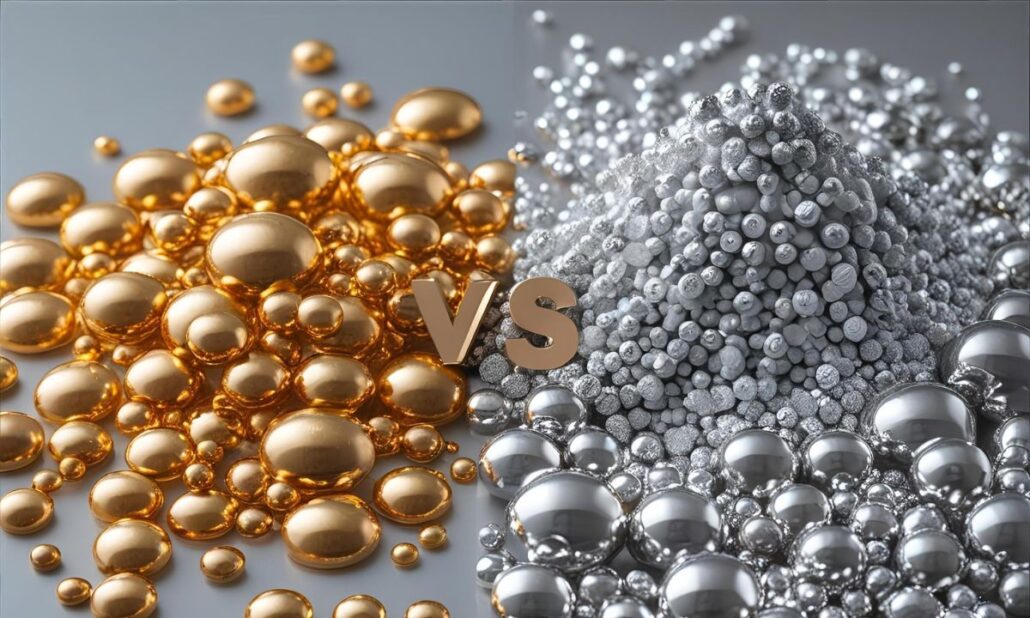
Forzinkning vs. fornikling er et hyppigt referencepunkt, når det gælder efterbehandling af metal. Disse to metoder anvendes for at beskytte metallerne, forbedre deres ydeevne og få deres produkter til at holde længere. Forskellene mellem disse to typer afhænger af omkostninger, holdbarhed og udseende. Overfladebehandling handler ikke kun om udseende. Det handler om den nøjagtighed, hvormed et produkt kan modstå rust, slid og skader. Selv stærke metaller kan blive besejret, hvis der ikke er en passende belægning. Det er grunden til, at plettering har været en vigtig proces i bil-, rumfarts-, bygge- og elektronikindustrien. Zinkbelægning er kendt for at være billig og effektiv. Den danner en tynd og brugbar beskyttende belægning, der modstår rustskader på metallet nedenunder. Det giver den fortrinsret i skruer, møtrikker, bolte og mange andre små produktelementer, der bruges i dagligdagen. Nikkelbelægning er på den anden side stærkere og mere holdbar. Den bliver ikke så let slidt, og den er modstandsdygtig over for syre. Nikkelbelægning er også en lys, attraktiv finish, så den er ideel, når der er brug for den på dekorative eller synlige dele som f.eks. bilbeklædning og apparatbeslag eller på elektroniske kabinetter. Og når man overvejer forzinkning vs. fornikling, bliver spørgsmålet: Hvad fungerer bedst i din situation? Svaret afhænger af, hvor delen skal bruges, hvor meget den skal beskyttes, og hvor meget du er klar til at skille dig af med. I denne blog vil vi gennemgå begge processer, deres fordele, begrænsninger og de vigtigste områder, hvor de bedst kan bruges, for at hjælpe dig med at træffe den mest hensigtsmæssige beslutning. Hvad er forzinkning? Forzinkning er en udbredt og omkostningseffektiv belægningsteknik. Den udføres ved at afsætte et tyndt lag zink på overfladen af metal, oftest stål eller jern, ved en proces, der kaldes galvanisering. I processen bruges en zinksaltopløsning til at nedsænke det uædle metal, og der sendes en elektrisk strøm. Zinkopløsningen bevæger sig til emnets overflade og efterlader en jævn og tynd belægning. Fordele ved zinkplettering Begrænsninger ved zinkplettering Hvad er nikkelplettering? Fornikling er også en almindelig efterbehandlingsteknik, men sammenlignet med zink giver den en hårdere, mere holdbar og æstetisk flot overflade. Processen opnås på en af to hovedmåder: Elektrolytisk nikkelbelægning (elektroplettering) - Ligesom ved zinkbelægning lægges det rå metal i en nikkelsaltopløsning, og nikkelen aflejres på overfladen ved at tilføre metallet en elektrisk strøm. Electroless Nickel Plating er en metode, der ikke kræver elektricitet. I stedet bruger den en kemisk proces til at aflejre nikkel, så det dækker overfladen jævnt, også i komplekse strukturer eller på ellers utilgængelige steder. Fordele ved nikkelbelægning Begrænsninger ved nikkelbelægning Belægningsprocessen Zinkbelægningsprocessen Overfladeforberedelsen er meget omhyggelig i forbindelse med zinkbelægning. Før en plettering kan udføres, skal overfladen, som i de fleste tilfælde er af metal, normalt stål eller jern, renses for olie, snavs, rust og oxider. For at opnå dette rengøres komponenterne enten i syre eller alkaliske væsker og skylles derefter, så der ikke er nogen rester tilbage. Efter rengøringen sættes komponenten ned i et elektrolytisk bad med en zinksaltopløsning, for det meste zinksulfat eller zinkklorid. Derefter ledes der elektricitet gennem badet. Denne bevægelse får zinkioner i mediet til at bevæge sig og blive aflejret på overfladen af det uædle metal. Effekten er en meget tynd, jævn belægning af zink, der dækker zinken nedenunder. Der udføres ofte en efterbehandling af den belagte komponent, som kan give en mere korrosionsbestandig effekt, og som også kan ændre belægningens udseende, så den får en gul, sort eller klar finish. Forzinkning er forholdsvis hurtig, prisen lav og meget anvendelig i masseproduktionen af hardware og køretøjsdele. Forniklingsprocessen Fornikling forberedes på næsten samme måde, idet det første trin er rengøring. Delens overflade behandles godt og gøres ren for at sikre, at vedhæftningen ikke forringes af rester. Elektrolytisk nikkelbelægning: Delen lægges i et bad med opløsninger af nikkelsalte, f.eks. nikkelsulfat, og der tilføres elektrisk strøm. Det får nikkelionerne til at aflejre sig på overfladen og danne et hårdt og beskyttende lag. En anden metode, som er nikkelbelægning og ikke kræver strøm, er kemisk nikkelbelægning. I stedet nedsænkes delen i nogle kemikalier under nikkelsalte og en reducerende opløsning som f.eks. natriumhypofosfit. Der sker også en kemisk reaktion, hvor nikkel aflejres ensartet på emnet. Denne proces har den fordel frem for elektrolytisk plettering, at den dækker ensartet selv i fordybninger, riller og andre komplekse geometrier. Kemiløse nikkelaflejringer er kendt for at være meget hårde og modstandsdygtige over for korrosion, men denne proces er dyrere end galvaniseringsmetoden og kræver meget mere omhu med hensyn til badets kemi, pH-niveau og temperatur. Forzinkning vs. fornikling: Vigtige forskelle I valget mellem forzinkning og fornikling er omkostninger, holdbarhed, udseende, korrosionsbestandighed og hensigtsmæssig anvendelse alle aspekter, der kan komme i betragtning. Lad os se på dem en for en. 1. Vinder af korrosionsbestandighed: Nikkelbelægning giver langvarig korrosionsbeskyttelse. 2. Udholdenhed / slidstyrke Vinder: Nikkelbelægning; hårdhed, slidstyrke. 3. Vinder af omkostninger: Forzinkning til omkostningseffektive løsninger. 4. Vinder af udseende: Nikkelbelægning - for at se godt ud. 5. Vinder af miljøpåvirkning: Forzinkning på grund af sin grønhed. Hurtig sammenligningstabel Egenskab Zinkbelægning Nikkelbelægning Korrosionsbestandighed God, men begrænset under barske forhold Fremragende, især kemisk nikkel Holdbarhed Moderat - slides hurtigere Høj - ridse- og slidstærk Omkostninger Lav (budgetvenlig) Højere (premium-mulighed) Udseende Skinnende, men grundlæggende finish Glat, spejllignende dekorativ finish Miljøpåvirkning Lettere affaldsbehandling Strengere miljøkontrol er nødvendig Bedst til Fastgørelseselementer, bolte, generel hardware Luft- og rumfart, elektronik, dekorative anvendelser Industrielle anvendelser af zink- og nikkelbelægning Begge belægningsteknikker er meget almindelige i industrien;
Anodiseret aluminiumsmateriale: Egenskaber, fordele og anvendelser

Anodiseret aluminiumsmateriale: Egenskaber, fordele og anvendelser

trykstøbning af aluminium, Overfladebehandling af aluminium

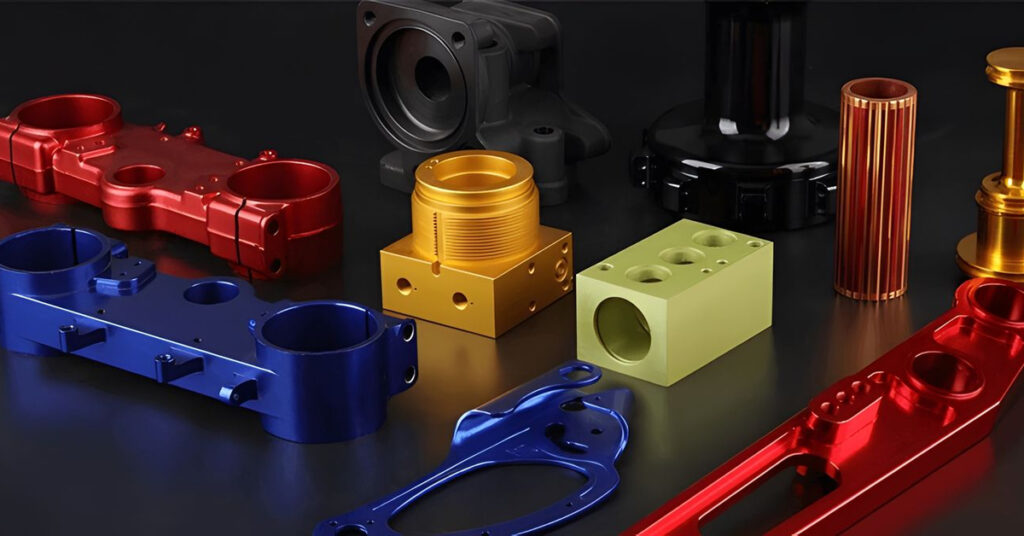
Anodized aluminum material is used mainly because it is light, strong, and corrosion-resistant. While raw aluminum does offer a certain amount of durability and scratch resistance, it is prone to oxidation, dents, and scratches, which can change it in the long term and keep it looking good. To make the aluminum stronger and more durable, it is then anodized to form a protective oxide layer on its surface. The reason for this layer is that it hardens the metal, giving it a more noncorroding and nonwear surface and a more pleasant appearance. Anodized aluminum is preferred due to these factors and is used widely across aerospace, automotive, construction, and consumer electronics industries. The anodization consists of several steps cleaning of the surface, immersion into an electrolyte bath, oxidation using electric current, and sealing. Besides making the material stronger, this treatment can be colored in different shades and finishes. Electrolytic coloring, Dip coloring, Integral coloring, and Interference coloring are different common coloring techniques. Ordinary anodizing and hard anodizing are the two main types of anodizing. Typically there are two processes available: ordinary anodizing, used primarily for finish and low-weight applications, and hard anodizing which gives excellent durability, wearer, and strength for military, industrial, and aerospace applications. In addition to anodization, aluminum can be processed through other surface treatments such as electroplating, powder coating, chromate conversion coating, PVD coating, ceramic coatings, or hot dip galvanizing. Anodized aluminum does not possess these properties uniformly and thus is used as a versatile and reliable material in many industries, with each method providing the material with specific enhanced properties—corrosion resistance, hardness, conductivity, etc. In this article, we’ll discuss what properties, benefits, applications, and maintenance of anodized aluminum involve, and why it is a better alternative to other metals and treatments. If we know these aspects we can understand which material to use for a particular industry and the consumer. What is Anodized Aluminum? Aluminum that has been anodized is an aluminum that has been run through an electrochemical process to produce a thicker, more durable oxide layer on its surface. The presence of this anodic oxide layer increases the resistance of the metal to corrosion, improves the surface hardness, and increases the ability of the metal to adhere to dyes and coatings. The Anodization Process In other words, the anodization process includes several key steps. Anodized Aluminum Material Key Properties 1. Enhanced Corrosion Resistance Anodized aluminum is one of the most resistant to corrosion. This makes it practically useless outdoors or when submerged in water, as the oxide layer protects the metal from moisture and our environment. 2. Increased Surface Hardness Anodization improves the hardness of aluminum significantly and aluminum becomes more resistant to scratch, dent, and wear. One such hard anodized aluminum is highly durable and is indeed used in high-performance applications. 3. Aesthetic Appeal and Color Variety Also, anodized aluminum is offered in black, gold, bronze, silver, etc. without changing the natural texture of the metal. This is why it is a preferred choice for architectural as well as decorative applications. 4. Lightweight Yet Strong While the oxide layer is put on top of the aluminum, this doesn’t make the aluminum significantly heavier, and it is still lighter than heavier materials such as stainless steel. 5. Electrical Insulation Because anodized aluminum is a poor conductor of electricity as compared to untreated aluminum, it is an attractive material to use in applications where insulation is needed for electrical or electronic purposes. 6. Environmentally Friendly and Sustainable Anodized aluminum is completely non-toxic, is recyclable, and does not out-gas dangerous and health-harming VOCs (volatile organic compounds), so it is eco-friendly. How to Add Color to Anodized Aluminum Parts? Anodizing aluminum is well known to be able to hold colors very vibrantly. Electrolytic coloring and dip coloring are the two of the many techniques used to color anodized aluminum. 1. Electrolytic Coloring One popular way to beautify anodized aluminum is with electrolytic coloring whereby anodized aluminum is colored with durable and UV-resistant shades. Once the aluminum has gone through the anodizing process, it is placed in a bath with metallic salts. In the last few years metalized salts have been developed whereby, when an electric current is applied, they settle into the open pores of the anodized surface permanently creating a metal-colored surface. Finally, the color depends on the type of metal salts involved. Copper salts ,for instance, make the solution reddish in tone, and other metals can make it in other hues. It is widely used because colors done this way last long and don’t fade, which makes it great for outdoor or high-exposure uses. 2. Dip Coloring Another color method is ‘dip coloring’ which gives one a large variety of color choices. During this kind of processing, the porous layer is submerged in a dye solution where the anodized aluminum absorbs the pigment. Once a shade is reached, the aluminum is sealed in water to stop reactions from continuing. Dip coloring offers much more vibrant and customizable contrasted shades, but they are not UV resistant and the colors will fade to a much lesser extent when exposed to sunlight. However, this lack of durability is the main reason why it is not commonly used in applications where the durability of parts is an important factor. 3. Integral Coloring (One-Step Process) An integral coloring is a unique process that incorporates anodizing and coloring into one process which is more efficient than in multi-step methods. Unlike some other techniques, the electrolytes, which react with the surface of the aluminum and are quick to dry, create deep, rich metallic tones including black, gold, or bronze. The color is formed in the very oxide layer, and due to that, it is very durable and doesn’t scratch, isn’t prone to corrosion, and doesn’t fade away. While integral coloring yields quality finishes, it is rare because of the cost and complexity. Architectural components, high-end electronics, and industrial equipment in which the parts must be able to withstand demanding conditions where

Anodiserede aluminiumsdele

Sort anodiseret aluminium

Overfladebehandling af aluminium

What is black anodized aluminum Black anodized aluminum is basically the aluminum which went through anodizing process and then subsequently dyed into black color. The natural and porous oxide layer on the surface of the aluminum part is increased by an electrochemical process called anodizing. In this way this layer becomes durable, thicker and harder. This oxide layer is achieved by dipping aluminum part in an electrolytic bath and passing electric current through it. Anodized aluminum black is considered important because of its corrosion resistance, durability and aesthetics attraction and uniqueness. Aluminum has prominent properties such as light weight, high strength to weight ratio, corrosion resistance and thermal conductivity. All of these properties remain intact and a sleek black finish is provided as well. This finish is more durable and is less likely to chip off or peel off as compared to finish which is achieved by plating or coating. This is extensively used in automotive parts, aerospace industry, household components and electronics parts. How aluminum is anodized? This includes a method in which a decorative as well as protective layer is produced on the aluminum part surface. Many important factors need to be considered in this process which is the following: Equipment and Material Anodizing tank Aluminum objects Sodium Hydroxide Distilled water Electric current source Nitric acid or sulfuric acid Degreaser Anodizing black dye Cathode material i.e. lead or aluminum Protective gears How to prepare Aluminum Part Surface? Surface preparation is a prominent factor before carrying out anodizing process. It comprises of various steps including cleaning, etching and desmutting. First of all surface of the aluminum object is completely cleaned by using acidic or alkaline cleaners. This will thoroughly remove all kinds of contaminations such as dirt, grease or oil. Now the cleaned aluminum object is subjected to etching process. During this process the aluminum part is etched in sodium hydroxide solution. Etching process will remove the natural oxide layer and will create a smooth surface finish. Etching process often leaves residual particles on the surface. In order to remove those residues, desmutting process is carried out. In this process aluminum part after the etching process is dipped in an acidic solution i.e. nitric acid. How to carry out black anodizing aluminum process? This process is carried out in an electrolytic cell which comprises of an anode, cathode and an electrolytic solution in the bath. This bath most of the times contains sulfuric acid however phosphoric acid and chromic acid are also used. The aluminum object whose preparation is completed is dipped in the bath. In the electrolytic cell positive electrode is the aluminum object which will act as anode. The negative electrode which is made of stainless steel or lead will act as cathode. This will complete the circuit and an electric current is passed through this circuit. During this process oxygen ions from the electrolytic bath combine with the aluminum atoms on the surface area of the aluminum object and will form aluminum oxide. This process continues and thickness of this oxide layer keeps increasing. It is important to note that growth of this oxide layer takes place inward and outward from the aluminum surface and ultimately this will result in the formation of a porous structure. Factors which affects the formation of Oxide layer The thickness of the oxide layer is controlled by the following factors. The temperature of the electrolyte The duration of the process Current density The type of the acid which is used How to dye aluminum black? This process is carried out after the anodizing of aluminum object. At the end of anodizing process a porous oxide layer is formed on the aluminum object which is able to absorb and accept dyes. During the dyeing process the aluminum object is immersed in a dye bath. This dye bath contains the black dye. The black dye penetrates into the pores of the porous oxide layer which was formed from anodizing process. In order to achieve the required black shade and uniform dyeing the immersion time and temperature must be carefully controlled. After achieving the desired color and its shade the sealing process is carried out. In this process the absorbed dye is locked by closing the pores of the oxide layer and aluminum object is sealed. Following materials are generally used for sealing purpose. Nickel acetate solution Ionized water Steam The aluminum object is subjected to thorough rinsing to remove any residues. After that the part is completely dried. Subsequently this will increase the corrosion resistance, durability and the surface finish. Defining the black anodized aluminum pipe This is a hollow and cylindrical tube made from aluminum and is in shape of a pipe. This aluminum pipe is first subjected to anodizing process in which oxide layer is increased in thickness and after that it is dyed into black color to get a better finish. Anodized aluminum black pipe have the combination of aluminum properties such as corrosion resistance, light weight, durability and advantages of anodization along with black finishing. These pipes find their applications extensively in construction sector, marine applications, automotive industry and for decoration purposes. Definition of the aluminum anodized black sheet An aluminum sheet is a flat and thin aluminum metal piece which possesses the prominent properties such as corrosion resistance, light weight and high strength. This aluminum sheet undergoes anodizing process which ultimately enhances the surface hardness and corrosion resistance of the aluminum sheet. Additionally this process also increases the ability of the sheet to absorb dyes and coatings. After that this sheet is dyed into black color. Subsequently this will provide aesthetics and protection against wear and corrosion. Major applications of these sheets include areas where durability and appearance are of prime importance such as architecture, electronics, signage and decorative needs. Advantages of Black Anodized Aluminum Black anodized aluminum provides many advantages making it suitable to be utilized in numerous applications. Some benefits are as follows. Improved Mechanical Properties: Black anodized aluminum offers better wear resistance and

Rul til toppen

Få et tilbud