trykstøbning af aluminium

Højtryksstøbning af aluminium

Producent af højtryksstøbning i aluminium og IATF 16949

trykstøbning af aluminium

Modern manufacturing uses aluminium high-pressure die casting to make parts that are strong, light, and have many complex shapes. The reason automotive, aerospace, telecommunications, and consumer electronics all use it is that it can do both mass production and create very accurate pieces. Because the demand for quality aluminium high-pressure die-cast parts keeps increasing, it is important to deal with a well-known and certified supplier. In this area, the IATF 16949 certification is very important because it is a respected quality management standard used worldwide in the automotive industry. Such certification guarantees that quality control, proper risk handling, and continuous improvement are used during every stage of manufacturing. A certified aluminum die-casting and ISO 16949 company demonstrates its commitment to consistent product quality and customer satisfaction. Being a high precision die casting manufacturer and ITAF 16949 means meeting rigorous international standards and having the processes in place to minimize defects, enhance production efficiency, and ensure complete traceability of components. They can meet Tier 1 suppliers and OEMs by delivering components that exactly follow the business’s specifications. In addition, complying with aluminum die casting and 16949 standards means a manufacturer can meet expectations worldwide, mainly in areas where it is important to focus on safety and secure performance. Working with a suitable aluminium die casing partner that has IATF 16949 certification benefits your products, helps cut costs in the future, and strengthens the links in your supply chain. This article looks into how an aluminium high-pressure die casting manufacturer follows the IATF 16949 standard and its role. Aluminium High Pressure Die Casting  Aluminium high-pressure die casting helps make metal parts that are accurate in shape and have a perfect non-porous surface. When molten aluminium is injected into a steel mold at high pressure, it makes it possible to quickly fabricate complex parts and reduces later processing steps. Because it is strong and light, aluminium is widely used in many industries. The products made from this process are commonly seen in cars’ engines, housings, and brackets. For any aluminum die-casting and ITAF 16949 certified operation, maintaining the integrity of this process is vital to both quality and compliance. How IATF 16949 Helps in Die Casting? IATF 16949 is an international standard made for cars, and it uses quality management to ensure the reliability of products and their processes. Continuous development, prevention of quality issues, and lowering waste in the supply chain are the main elements of the system, which was created by the International Automotive Task Force. For manufacturers engaged in aluminum die-casting and ISO 16949 certification, certification is not just a regulatory requirement; it’s a badge of trust. It guarantees that the manufacturer follows quality rules that are respected everywhere. Besides, since IATF 16949 matches ISO 9001, it ensures full and proper quality management. Why is aluminium used in High Pressure Die Casting? Die casting benefits a lot from aluminium due to its ability to resist corrosion, its strong thermal conductivity, and being lighter than other metals like steel and brass. Because of these qualities, this material is suitable for cars since both light weight and performance depend on fuel efficiency. An IATF 16949 certification shows that all of these benefits are achieved by the business. For instance, manufacturers focusing on “high precision die casting manufacturer and ISO 16949 standards can assure customers of consistent product performance and minimal variance in production. What Makes an Aluminium Die Casting Manufacturer Reliable? Selecting a competent manufacturer is very important for firms doing aluminium die casting. A manufacturer should not only have the necessary know-how but also follow all quality standards. These are some of the essential traits you should notice: Using Precision in Die Casting Good die casting depends mostly on precise engineering. It confirms that components follow the tight guidelines of both dimensions and performance. Manufacturers who identify as high precision die casting manufacturers and ITA 16949 go to great lengths to implement exacting standards across the design and production cycle. Because of CAD/CAM software, quality inspection, and automated processes, production is kept as close as possible to the specific requirements. For applications like transmission housings, electronic enclosures, and important car components, the exactness needed is very important. Why Managing Quality Is Important? A well-structured quality management system (QMS) makes it possible to produce the same quality goods all the time. In the aluminium die casting industry, following the principles of IATF 16949 gives a way to control processes, reduce risks, and improve constantly. By following IATF 16949, a high precision die casting manufacturer and itaf 16949 ensures not only quality but also traceability and accountability. Everything is checked and confirmed along the supply chain to lower the chances of issues and defects. Below is a detailed and professional table that outlines key aspects of Aluminium High Pressure Die Casting Manufacturer and IATF 16949, integrating relevant information across different categories such as process, benefits, certification, and industry relevance. This table is ideal for use on a website, brochure, or presentation. Aluminium High Pressure Die Casting & IATF 16949 – Comprehensive Overview Category Details Manufacturing Process Aluminium is melted and injected into a steel mold under high pressure, producing complex shapes with excellent dimensional accuracy. Key Material Used Aluminium alloys (e.g., A380, ADC12, AlSi10Mg) are known for their strength, light weight, and thermal conductivity. Application Industries Automotive, Aerospace, Electronics, Industrial Equipment, Telecommunications, Consumer Goods. Advantages of Aluminium Die Casting – Lightweight components- High strength-to-weight ratio- Excellent surface finish- High-volume efficiency- Corrosion resistance Importance of Precision Tight tolerances and fine details can be achieved, ideal for engine parts, housings, connectors, brackets, and structural components. What is IATF 16949? A global quality management standard for the automotive industry, based on ISO 9001 with additional requirements specific to auto manufacturing. Benefits of IATF 16949 Certification – Consistent product quality- Risk-based thinking- Defect prevention- Better customer satisfaction- Competitive advantage Why Certification Matters Ensures traceability, standardized procedures, regulatory compliance, and ongoing performance improvement. Target Clients OEMs, Tier 1 & Tier 2 automotive suppliers, industrial system designers, and
Hvorfor førende producenter foretrækker støbte bildele i aluminium

Støbning af bildele i aluminium: Hvorfor førende producenter foretrækker

trykstøbning af aluminium

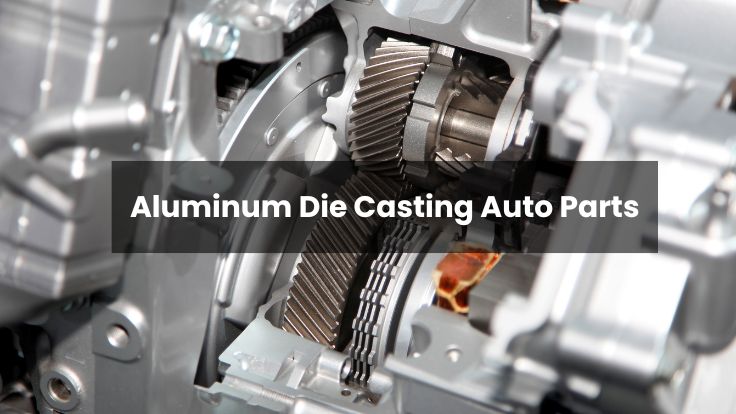
Aluminum Die Casting Auto Parts are now a common practice for industry-leading designs of engine blocks, transmission housings and a wide range of brackets. The method makes it possible to include complex designs and ensures both lightness and durability in parts crucial for strong performance and better fuel efficiency. Because it is fast and produces very little scrap waste, aluminum die casting is widely used by automakers everywhere. Auto diecasting is essential when building parts for modern cars. This manufacturing process melts aluminum into shapes required by dies, since the moulds are strong and reusable. The increasing emphasis on improved and more energy-efficient vehicles has caused companies to use more aluminum. Producing these parts dependably at a high level of accuracy often depends on aluminum die casting. The auto diecasting parts manufacturer is central to these manufacturing developments. Because electric vehicles and hybrids are getting more common, manufacturers will need more aluminum components that are both light and don’t rust or corrode easily. Because of these qualities, aluminum die casting is important to the development of transportation technology. In this article, we will cover the auto diecasting process, its advantages, common applications in automobiles and how leading die casting manufacturers make outstanding diecasting parts for today’s vehicles. What Exactly Is Aluminum Die Casting? Aluminum die casting happens when molten aluminum is pushed under high pressure into a cavity in a mould. Generally, the mould consists of hardened tool steel and shapes repeatable forms of high precision. As soon as the casting is solid and cool, the die is opened so the cast can be removed. Key Features: What Makes Die Casting With Aluminium Useful? Aluminum die casting enables producers to make high-quality components at reasonable and flexible costs. Main Benefits: When several features are present, numerous components can be assembled together into one unit. What is Auto DieCasting? Auto diecasting is the process of forcing liquid aluminum into special die or mold to shape automotive components. Many consider it known for producing extremely detailed and correct parts to tight tolerances. Because it is faster, cleaner and less costly, “auto diecasting” is now used instead of other approaches to make many vehicle components. High quality Steel dies or die casting molds are used in the manufacturing process, allowing them to handle the heat used over and over again. The cooling and ejection of the demolded aluminum part are simple, so very little finishing is needed. Therefore, the process achieves greater efficiency than machining and similar metal-forming techniques. The need for using auto die casting increases as auto designers and engineers try to build lighter, more efficient vehicles with aluminum. Uses of Aluminum Die Casting The reason aluminum die casting is important in several sectors is that it creates parts that are both strong, light and very precise. Since it performs very well mechanically, aluminum is highly appreciated in fields that demand top performance, lasting use and unique geometry. You’ll find ceramics in cars, planes, electronics, appliances and other equipment, and these applications are always increasing. Automotive Industry Aluminum die-cast parts are used most by the automotive industry. The use of this method grows as it helps manufacturers cut vehicle weight, improve mileage and fulfil tight environmental rules. Part of any auto engine, transmission, cylinder head, suspension unit or support structure may be made of aluminium. Increasing numbers of electric vehicles make die casting in aluminum necessary, since lightweight components help prolong battery life and make driving more enjoyable. Good dimensional accuracy in parts allows several components to be shaped into complex shapes, which then saves on costs by needing fewer processes and pieces. Aerospace Industry In aerospace, aluminum die casting is chosen because it gives the best strength and weight reduction. Customers turn to die-cast aluminium for aircraft frames, flight systems, gearbox coverings and engines. They are subjected to tough loads and various oil field conditions while staying the same size and remaining safe. Because of the process, parts for aerospace can be fully customized to meet high standards, all within a quicker timeframe and while working more efficiently. Because commercial and defence aviation is advancing, more demand for advanced aluminium parts is appearing. Consumer Electronics Aluminum die casting is popular in the consumer electronics industry for making parts that are both attractive, durable and good at handling heat. Internal parts of many laptops, tablets, smartphones, and camera bodies are commonly protected by die-cast aluminium housings which also give them an elegant appearance. Apart from how it lookaluminiumnum is great at conducting heat, so it’s often used in heat sinks and cooling systems. Because of die casting, small and complex designs can be manufactured, answering the industry’s desire for gadgets that use less power and take up less space. Lighting Industry There would be no excellent outdoors or industrial lighting without die-cast aluminum. Because of its advantages, aluminum is used to create street lights, LED covers and floodlight covers. That’s why lighting components can last a long time in all sorts of weather conditions. As a result, die casting makes it possible to put detailed features into a single part, so manufacturers may not have to add additional items or assemble different parts, saving them further money. Industrial machinery and equipment Aluminum die-cast parts are frequently employed in machines and equipment in industry because they last, offer high accuracy and protect against environmental damage. Examples of applications include pump housings, valve bases, gearboxes, motor cases and different structural components. Using this type of process allows the production of powerful parts that must function reliably in tough conditions.  Different Types of Aluminum Die Casting Different types of aluminum die casting are chosen based on what type of part, how many and the desired quality. Every process comes with specific pros, and one is picked depending on what the product requires. Die casting that uses high pressure (HPDC) Most of the time, high-pressure die casting is the process used. The aluminium is poured into the mould when pressured at a very high

Fremtidens produktion: Udforskning af trykstøbning af aluminium til biler

Fremtidens produktion: Udforskning af trykstøbning af aluminium til biler

Støbning af aluminium, trykstøbning af aluminium

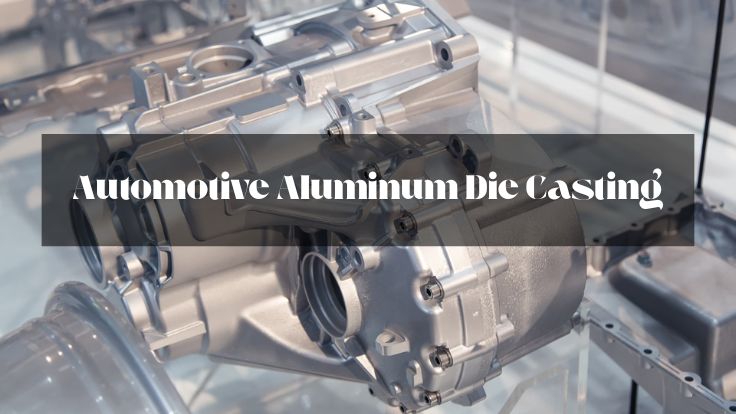
The rapid changes in the automotive industry mean car companies always need to build vehicles that are lighter, safer, and save energy. One key technology behind this change is automotive aluminum die casting. Thanks to this process, manufacturers can form metal parts that are both strong and light, maintaining the necessary complex figures and precision needed today in automotive work. As there is growing interest in EVs, improved security, and fuel savings, automotive die casting is now used more than ever. In die casting, aluminum is poured into a small, highly accurate steel mold at considerable force. The process allows for quick and regularly repeatable results and the parts have precise dimensions and look great. Right now, many die casting products are put to great use in important parts of cars such as engine blocks, transmission housings, car suspensions and battery enclosures. The construction must be solid, but it also has to meet high standards for heat and stress. Because people are choosing aluminum more than steel, many makers are turning to automotive aluminum die casting since it helps lower vehicle weight without hurting strength. Modern advances in machines, materials and sustainability make it possible for manufacturers to produce aluminium die casting parts for vehicles that satisfy modern regulations and please the environment. We go over the main ideas in automotive die casting which include materials, machines, design criteria and examples of their use. No matter if you work in the industry or not, understanding automotive die casting helps you see the evolution of manufacturing and the future of vehicles. What is the process known as automotive aluminum die casting? Automotive aluminum die casting takes place by injecting melting aluminum into steel dies using tremendous pressure. As soon as the aluminum becomes solid, it establishes a part that is both precise and tough, with a fine surface finish and good dimensions. Because safety, performance, and efficiency matter most in the automotive sector, these features are vital. This way of manufacturing helps produce complex designs that cannot be achieved with traditional production. Because it is light, using aluminum helps vehicles shed weight without becoming weaker. Design Engineering All automotive casting starts with a complete design and engineering phase. With 3D CAD software, engineers can make a model and test it to predict its actions in reality. The molding simulations show how molten metal is shaped inside the mold, how it will set, and where possible problems with air pockets or shrinkage could happen. The goal is to enhance the performance, strength, and ease of manufacturing of the part. The team also figures out the end joining process and the aluminum alloy suitable for the application. The process of making a Die (Mold) The design is followed by creating the die, which will shape the molten material in the process. These dies are expertly made to measure with tight tolerances and resist many casting attempts. Whether the job is complex or produced in high volume, the die may be made to work with more than one cavity. The die will also hold special channels for cooling and pins that will eject the part as soon as it is done solidifying. A well-designed die helps ensure the product is dimensionally accurate, has a good surface, and the tools last a long time. Adjust the Metal After that, aluminum ingots are melted further in industrial furnaces that work beyond 660°C (1220°F), the melting point for aluminum. The molten material is held at a constant temperature and is often freed from hydrogen, which might otherwise cause empty spaces inside. Sometimes chemicals are combined to provide extra strength, increased flexibility, or less susceptibility to corrosion of the aluminum. Since impurities in the molten metal may create flaws in the final item, the metal needs to be clean. Injection and Casting High-pressure die casting is a key process since the molten aluminum is shot into the mold at super-fast and extremely high pressure. Fast filling the metal into all corners of the die catches the tiny details from the part design. All the stress involved helps to reduce air pockets inside the components, which makes them powerful and solid. Just after the die is filled, the aluminum starts to cool and harden in only a few seconds. A fast initial cooling allows for a good grain structure and a perfect surface finish. Finished air tanks are sent through cooling and then ejected The air in the die is released and, with automated pins, the molded part is ejected after the aluminum has solidified. Throughout the die, temperature is controlled, and cycle times are cut down because of the cooling channels. The process at this phase requires attention because crooked cooling may result in either cracks or warping. Even after being ejected, the casting keeps its warmth and may undergo more treatment before entering the next step. The trimmers and finishers are part of this, too Often, in the casting process, some runner and flash pieces are left that have to be cut off. Trimming or machining the ends is how this is done. Sometimes, drilling, threading, surface grinding, or applying a coating is needed to finish the item accurately for its purpose. Sometimes, shops apply heat treatments to help increase a metal’s strength and ability to resist fatigue. After everything is finished, the parts are inspected for both inside and outside problems with measurements, X-rays, or ultrasonic machines. The assembly or shipping of objects is accomplished in stages A thorough check and finish mean the casting can either go to the customer or be carried forward for assembly systems. Before going into vehicles, the housing, brackets, and mounts are assembled with many other mechanical or electronic elements. Castings are best protected during transportation, and the supply chain moves smoothly if logistics and packing are effective. Benefits of Automotive Die Casting in the Automotive Industry More automakers are adopting aluminum components because of the benefits made possible by automotive die casting. The main benefit is that vehicles

Gadelygtehus i trykstøbt aluminium

Gadelygtehus i trykstøbt aluminium: Langvarig belysning

trykstøbning af aluminium

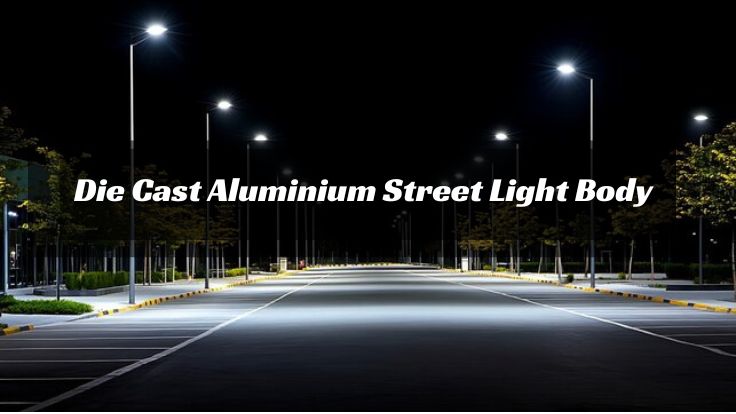
Because of modern, energy-saving technology, it is crucial nowadays for lighting products to be strong and reliable. Almost all modern outdoor lighting systems include a die cast aluminium body for their street lights. Because it is highly thermal, corrosion-resistant, and strong, this housing lasts long despite harsh events in the environment. It shields the LED’s circuits and also lets heat escape, which maintains their life. The aluminum LED street light casings are designed to ensure safety and quality on a global level. Because they are well-built and versatile, you can often see these enclosures along streets, highways, in industries, and in parks. Thanks to design progress, many kinds of LED street lights die cast aluminum bodies are being made now to suit numerous needs and preferences in light fixtures. While LED street light housing was formerly designed for efficiency, it now offers modular designs, smart features, and pleasing looks. This article discusses the features, types, series, specifications, and benefits of using die-cast aluminium in street lighting for those who plan, design, and select street lighting fixtures. This article covers how important, advantageous and in-demand die cast aluminium street light bodies are, as well as the steps involved in making them and modern trends in the market. What is meant by a die-cast aluminum Street Light Body? Die-cast aluminium is the process used to make the protective and supporting body of LED street lights. Within this body are placed all the important things in the lighting unit, like the LED driver, circuit board and lens and they are all protected from things like dust, water and hot or cold temperatures. Die-casting aluminum allows manufacturers to create LED street light housings that are strong, uniform, precise, and lightweight. The item that results is durable and also looks stylish, usually including smooth, stylish lines. The Steps Involved in the Die Casting Process In die casting, molten aluminium is pushed by high pressure into a shape cavity in the mold. Once the procedure is finished and the metal has fully solidified, it forms to the shape of the mold and is afterward pulled out, trimmed, cleaned up and polished. A major reason to use this process in LED street lighting is the ability to produce pieces with precise accuracy, the same features every time, and excellent surface and physical qualities. Here is a simple outline of what you have to do: It allows manufacturers to make many products at a low cost since it minimizes waste. Why You Should Use Die-Cast Aluminium for Street Light Housings? There are many benefits to using a die-cast aluminium body for a street light. 1. Heat Dissipation Aluminium is excellent at transferring heat. Heat generated by the LEDs is dispersed by the body and stops the components from overheating and ultimately damaging them. By using this feature, the vehicle is able to handle stable performance in different kinds of weather. 2. Toughness and Sturdiness The material does not add weight, but it’s durable enough to face harsh weather conditions. 3. Corrosion Resistance Applying coating or anodizing to aluminium makes it very resistant to corrosion, so the housing for LED street lights lasts for a long time in rough places, including by the sea or around factories. 4. Design Flexibility With die casting, it is possible to create objects with extra features and shapes, meaning the need for other types of assembly is reduced. 5. Aesthetic Appeal Nowadays, modern city planners prefer fixtures that are clean and sleek. Both the purpose and appearance of a city can be shaped by LED street lights with a die cast aluminum body. Tools for Use in Urban and Industrial Areas The body of a die-cast aluminium street light is found in places such as: This kind of housing can be used with LEDs that draw light at all levels, from lighting to smart controls. Why Die Casting Aluminum LED Street Light Housing is Favorable in the Market? In the last several years, more and more companies have switched to aluminum die-cast LED street light housing. It is influenced by a variety of different aspects. The trend will continue since many cities invest in updating their infrastructure and prefer energy-saving lighting systems. The Quality Control and Standards function Manufacturers of LED street light housing must strictly follow industry rules to ensure it operates safely, works properly, and lasts long. Businesses should check the following qualities: To gain worldwide approval and trust from buyers, a high-quality LED street light should pass CE, RoHS and ISO certifications. Production of a Series of Die-Cast Aluminium Street Light Bodies Many manufacturers separate their products into series based on how they look, their output, where they are used, and their technical attributes. Thanks to the street light body series, buyers can easily select a product that suits their needs. The following are the most common types of TV series seen: 1. Miniseries 20W–50W The Mini Series has compact housing units for LED street lights that are meant for narrow roads, walkways and homes. Because they’re all very light and efficient, these models are common in locations that do not need much light. 2. Standard Series (60- 120W) This is the group of literature that most people read. The LED street lighting housings in this series are both strong and save on costs. It is perfect for driving on roads, parking lots, and guarding plants and factories. 3. The range covers from 150W to 250W As they are meant for highways, broad streets and expansive outdoor areas, these products have LED street lights in sturdy aluminum casting with extra heat dissipation. Many such phones include smart features and higher levels of dust and water resistance. 4. Smart/Intelligent Series These hosts are configured to support motion sensors, IoT modules, or smart drivers. In the series, aluminium street lights are equipped with wireless technology, allowing them to respond to remote control for new smart city technology. 5. Designer or Architectural series The series joins music with the beauty of art.

De bedste producenter af trykstøbt aluminium i Kina og verden

De bedste producenter af trykstøbt aluminium i Kina og verden

trykstøbning af aluminium

Today, aluminum die casting plays a central role in modern manufacturing. The aluminum die casting process is known for its precision, strength, and ability to produce complex shapes with tight tolerances, making it an integral process for industries such as automotive and aerospace, consumer goods and electronics, medical devices, etc. This very dynamic scenario continues to create demand for high-performance and cost-effective components and has led to the importance of aluminum die casting manufacturer partners becoming more critical than ever. Tooling and quality provide higher efficiency, at the same time as scalability, and have been helped along by the advancement of automation. These companies usually provide end-to-end services, from the beginning design and prototyping to mass production and surface finishing, which smoothly cover all the processes to implement according to the demands of the customer. On top of that, as the sustainability standards gain in importance, many die-casting companies take up environmentally friendly ways of working, including material recycling, adopting energy-efficient measures, and getting green certifications. The article reviews some of the best aluminum die casting manufacturers operating around the globe, such as in the US of Europe, and other countries where such a business creates an edge over others due to the value added through their innovation and customer-centric approach. These companies stand high and proud in the automotive parts manufacturing world, and could perfectly serve you if you are looking for high-volume automotive parts, precision medical components, or new ideas to solve the obscure problems in niche applications. In this blog post, we will go over their company profiles, quality commitments, certifications, and how they stand out as a fascinating inconel casting company in such a competitive world. This guide is your complete start to finding a trusted aluminium die casting manufacturer for your next project. What is Aluminum Die Casting? Machines use aluminum die casting to create sophisticated parts of precise definition by forcing molten aluminum into a die under substantial pressure to produce complex shapes. Industrial operations depend upon this method to produce durable, lightweight components having precise dimensions alongside smooth surface texture possibilities. Molten aluminum takes only a fraction of time to fill and solidify in the die cavity before automatic removal from the die and subsequent finishing operations. The automotive as well as aerospace industries, together with electronics and consumer goods sectors, adopt aluminum die casting for their material requirements because this process delivers strong parts with low weight, together with excellent resistance to corrosion and significant thermal performance. Manufacturers choose aluminum die casting because of its efficiency and automatic operation capability to create speedily and repetitively many engine housings as well as heat sinks and brackets, and enclosures. Manufacturing at high volumes becomes more economical through this process because it decreases machine workload and guarantees uniform quality levels. Sincere Tech Year of Establishment: 2005No of Employees: 100-500Business Type: It is one of China’s largest plastic injection mold makers, aluminum die casting producers, CNC machining machine service providers, and product assembly service providers. Website and Contact: Website: plasticmold.netEmail: info@plasticmold.netPhone: +86 135 30801277Address: Building 1, No. 30 Huan Zhen Rd, Shang Dong village, Qi Shi Town, Dongguan City, Guangdong province, China, 523000 Company Profile  Sincere Tech is a member of the leading aluminum die casting enterprise in China, Dongguan City, Guangdong Province, founded in 2005. The company has over 100 employees, over 20 years of plastic injection molding, die casting, precision CNC machining, and full product assembly experience. Sincere Tech works with several industries, including automotive, electronics, and consumer products. The company has established itself as a leader in high precision aluminium die casting parts and complex tool solutions by using advanced technologies and the expertise of craftsmen. Due to its vertically integrated services, the company provides superior quality, timely delivery, and low-cost manufacturing. Their Quality Commitments We (Sincere Tech) take all reasonable steps within our control to provide our customers with unattended aluminium die casting parts, ddefect-freeand and of high quality, through strict process control and continuous improvement. These include state-of-the-art equipment, ISO certified processes, full inspection reports, and in-house testing. Each project of theirs meets exact specifications and receives a good focus on customer satisfaction. Sincere Tech follows the international quality standards, constantly invests in employee training and innovation to supply reliable and durable products to worldwide clients. Why Choose Sincere Tech? GC Precision Mould Year of Establishment: 1999No of Employees: 100-200+Business Type: Plastic injection molding, CNC machining, die casting of aluminium, zinc, and magnesium. Website and Contact: Website: aludiecasting.comEmail: info@aludiecasting.comPhone: +86 131 4886 5556Address: No. 30 Huan Zhen Rd, Qi Shi Town, Dongguan City, Guangdong province China, 523516 Company Profile GC Precision Mould Co., Ltd. (located in Dongguan city, Guangdong province, China) was founded in 1999, and it has a reputation as an aluminum die casting manufacturer. The company does aluminum, zinc, magnesium die casting, and CNC machining, and plastic injection molding. We are a team of more than 100 professionals in the high-performance components and assemblies for automotive, industrial equipment, telecommunications, and electronics industries. The company has a reputation for being a precision tooling machine and an inventor who is dedicated to innovation in engineering to provide a customized solution based on complex engineering project demands and efficient, reliable, and quality production at each stage. Their Quality Commitments GC Precision Mould has a strong quality management system, dedicated to the highest product quality. The company uses advanced equipment and testing methods for incoming raw materials the product delivery, and it implements very strict inspection procedures. They are certified to ISO standards and base their zero-defect manufacturing and continuous improvement focus. Clients are their clients, and their engineering and QA teams work with them closely to fend off all of their technical specifications and provide them with really comprehensive quality documentation, which is fully traceable through to the end of the production cycle. Why Choose GC Precision Mould? CNM Tech Year of Establishment: 20+ yearsNo of Employees: 100-400Business Type: Specializes in die casting, CNC machining, and product assembly Website and Contact:

Svejsning af støbt aluminium: En omfattende guide

Støbning af aluminium, trykstøbning af aluminium

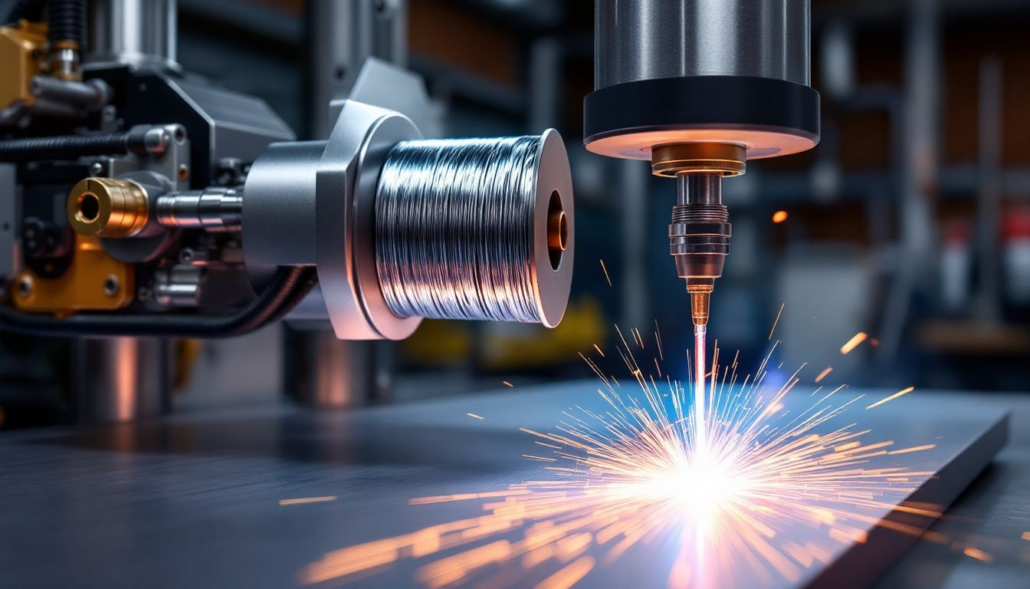
Der er meget få steder, man kan lære om svejsning af støbt aluminium, og de færdigheder, der er nødvendige for at gøre det, er meget specialiserede. Men støbt aluminium er et materiale, der skabes ved at hælde smeltet aluminium i en form, hvilket resulterer i et porøst materiale med urenheder. Det sker ikke med standardaluminiumlegeringer. På grund af disse egenskaber er det sværere at svejse, og det er nødvendigt at forberede sig omhyggeligt, holde styr på varmen og bruge de rette teknikker for at opnå stærke, robuste svejsninger. Oxidation er en af de største forhindringer ved svejsning af støbt aluminium. Dette tynde oxidlag, der dannes, når det udsættes for luft, er meget tykkere end det, der naturligt dannes på aluminium, og det smelter ved en meget højere temperatur end aluminium selv, hvilket gør sammensmeltningen vanskelig. Desuden kan tilstedeværelsen af urenheder og indesluttede gasser i det støbte aluminium resultere i porøsitet, som giver svage svejsninger, hvis de ikke rengøres og forvarmes ordentligt. TIG (Tungsten Inert Gas) er den foretrukne metode til præcision og renlighed, mens MIG (Metal Inert Gas) er nyttig til hastighed og tykkere materiale. For at opnå en stærk og fejlfri svejsning er det nødvendigt at bruge det korrekte tilsatsmateriale (f.eks. 4045, 5356 eller 4047) og den korrekte beskyttelsesgaskombination (ren argon eller argon-helium-blandinger). God forberedelse omfatter tilstrækkelig rensning og forvarmning så vidt muligt for at minimere revnedannelse, porøsitet og manglende sammensmeltning. Svejsesamlingernes udholdenhed og levetid forbedres yderligere af behandlinger efter svejsningen, såsom aflastning, slibning og korrosionsbeskyttelse efter svejsningen. Mens de fleste svejsere af støbt aluminium svejser stål, kan svejsere med succes arbejde med støbt aluminium ved hjælp af de rigtige teknikker, værktøjer og opmærksomhed på detaljer, så længe der er brug for lette komponenter med høj styrke i industrien. Det er en proces, man kan mestre, og som fører til yderligere udvikling af svejseapplikationer i aluminium og til en pålidelig og forudsigelig ydeevne for aluminiumstrukturer i kritiske miljøer. Forståelse af støbt aluminium Før man går videre med de svejseteknikker, der er nødvendige for støbt aluminium, er det imidlertid afgørende at have en god forståelse af, hvad der udgør støbt aluminium, og hvad der gør det unikt i forhold til andre metaller. Støbt aluminium adskiller sig fra smedet aluminium, som er mekanisk formet ved hjælp af valsning eller ekstrudering, ved at støbt aluminium kan formes i komplekse former med høj præcision ved at smelte aluminium og hælde denne smeltede form i en form. Den unikke indre struktur, der fremkommer på denne måde, og som normalt er kendetegnet ved porøsitet, urenheder og varierende legeringssammensætning, har en vigtig effekt på svejsbarheden. For at kunne svejse støbt aluminium med succes skal man kende dets kemiske og fysiske egenskaber, fordele og ulemper samt de forskellige typer af støbte aluminiumslegeringer fra forskellige industrier. Disse faktorer vil blive taget i betragtning ved fastlæggelsen af den nødvendige svejsemetode, valg af tilsatsmateriale og teknikker til forberedelse før svejsning for at lave stærke og fejlfri svejsninger. Egenskaber for støbt aluminium: Hvad gør en støbning anderledes? En anden vigtig overvejelse er, at brugen af støbt aluminium har flere egenskaber, der gør det let, anti-korrosivt og meget fleksibelt. De samme egenskaber giver dog også nogle vanskeligheder, når der svejses, hvis der ikke træffes de rette foranstaltninger. 1. Porøsitet: Den skjulte udfordring Muligvis er en af de største bekymringer ved svejsning af støbt aluminium porøsitet; det er kendt som de små gasbobler, der bliver fanget i metallet, når det bliver støbt. Disse otte skyldes indeslutning af gasser som brint, dannelse af små porer som følge af krympning under afkøling af aluminiummetallet og urenheder. ???? Hvordan porøsitet påvirker svejsning ???? Sådan minimeres porøsitet under svejsning 2. Oxidation: Barrieren for rene svejsninger Det er et element, der reagerer med andre elementer, især ilt, der findes i rummet omkring metallet. Denne oxidation skaber en meget tynd, men ekstremt hård hud af aluminiumoxid (Al₂O₃), som forhindrer yderligere korrosion af aluminium. Ikke desto mindre er oxidlaget et kritisk problem ved svejsning, da dets smeltetemperatur er omkring 2037 °C (3700 °F), hvilket er meget højere end aluminiums, 660 °C (1221 °F). Undersøgelse af, hvorfor oxidation er et problem ved svejsning ???? Forskellige teknikker til at fjerne og kontrollere oxidation 3. Varmefølsomhed: Styring af varmeledningsevne I modsætning til stål har aluminium en høj varmeledningsevne, og det kan let absorbere og afgive varme. Det har altid været et problem at opretholde en standard svejsetemperatur; det har en tendens til at forårsage følgende: ???? Sådan overvindes udfordringer med varmefølsomhed Almindelige typer af støbte aluminiumslegeringer Forskellige typer af støbte aluminiumslegeringer kan støbes i henhold til deres kemiske sammensætning og mekaniske egenskaber. Her er et par af fordelene og ulemperne ved hver type samt anvendelser, hvor de vil være mest nyttige. 1. A356 støbt aluminium: Højstyrkelegeringen Dens sammensætning: Består hovedsageligt af aluminium (Al), silicium (Si) og magnesium (Mg). ???? Nøglefunktioner ???? Almindelige anvendelser 2. 319 Støbt aluminium: Den slidstærke Allo-sammensætning: Indeholder højere niveauer af silicium (Si) og kobber (Cu) end A356. ???? Nøglefunktioner ???? Almindelige anvendelser 3. 535 Støbt aluminium: Legeringssammensætning til marinebrug: Indeholder en høj procentdel magnesium (Mg) for korrosionsbestandighed. ???? Nøglefunktioner ???? Almindelige anvendelser Hvorfor det er vigtigt at forstå støbt aluminium i forbindelse med svejsning At starte med at mestre svejsning i støbt aluminium handler om at finde ud af, hvad støbt aluminium er lavet af, dets egenskaber og tilknyttede udfordringer. Da støbt aluminium bruges meget i bil-, rumfarts- og skibsindustrien, har svejsere brug for strategier til at håndtere porøsitet, oxidering og varmefølsomhed. Forskellige typer af støbte aluminiumslegeringer reagerer forskelligt på svejsning, og du skal vælge de rigtige tilsatsmaterialer, beskyttelsesgas og svejseteknik, hvilket betyder forskellen mellem en stærk, pålidelig svejsning eller en svag, porøs samling. Ved at forberede materialet, bruge de rigtige rengøringsprocedurer og regulere varmetilførslen kan svejserne løse de problemer, der er forbundet med støbt aluminium, og skabe stærke, langtidsholdbare svejsninger, der kan klare krævende opgaver. Udfordringer ved svejsning af støbt aluminium Svejsning af støbt aluminium er notorisk vanskelig på grund af materialets unikke fysiske og kemiske egenskaber.

Anodiseret aluminiumsmateriale: Egenskaber, fordele og anvendelser

Anodiseret aluminiumsmateriale: Egenskaber, fordele og anvendelser

trykstøbning af aluminium, Overfladebehandling af aluminium

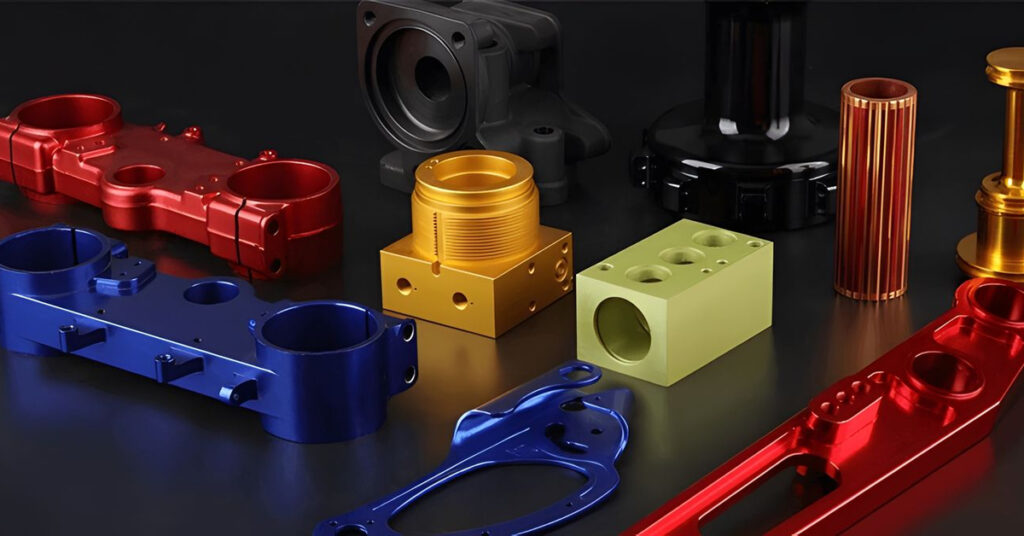
Anodized aluminum material is used mainly because it is light, strong, and corrosion-resistant. While raw aluminum does offer a certain amount of durability and scratch resistance, it is prone to oxidation, dents, and scratches, which can change it in the long term and keep it looking good. To make the aluminum stronger and more durable, it is then anodized to form a protective oxide layer on its surface. The reason for this layer is that it hardens the metal, giving it a more noncorroding and nonwear surface and a more pleasant appearance. Anodized aluminum is preferred due to these factors and is used widely across aerospace, automotive, construction, and consumer electronics industries. The anodization consists of several steps cleaning of the surface, immersion into an electrolyte bath, oxidation using electric current, and sealing. Besides making the material stronger, this treatment can be colored in different shades and finishes. Electrolytic coloring, Dip coloring, Integral coloring, and Interference coloring are different common coloring techniques. Ordinary anodizing and hard anodizing are the two main types of anodizing. Typically there are two processes available: ordinary anodizing, used primarily for finish and low-weight applications, and hard anodizing which gives excellent durability, wearer, and strength for military, industrial, and aerospace applications. In addition to anodization, aluminum can be processed through other surface treatments such as electroplating, powder coating, chromate conversion coating, PVD coating, ceramic coatings, or hot dip galvanizing. Anodized aluminum does not possess these properties uniformly and thus is used as a versatile and reliable material in many industries, with each method providing the material with specific enhanced properties—corrosion resistance, hardness, conductivity, etc. In this article, we’ll discuss what properties, benefits, applications, and maintenance of anodized aluminum involve, and why it is a better alternative to other metals and treatments. If we know these aspects we can understand which material to use for a particular industry and the consumer. What is Anodized Aluminum? Aluminum that has been anodized is an aluminum that has been run through an electrochemical process to produce a thicker, more durable oxide layer on its surface. The presence of this anodic oxide layer increases the resistance of the metal to corrosion, improves the surface hardness, and increases the ability of the metal to adhere to dyes and coatings. The Anodization Process In other words, the anodization process includes several key steps. Anodized Aluminum Material Key Properties 1. Enhanced Corrosion Resistance Anodized aluminum is one of the most resistant to corrosion. This makes it practically useless outdoors or when submerged in water, as the oxide layer protects the metal from moisture and our environment. 2. Increased Surface Hardness Anodization improves the hardness of aluminum significantly and aluminum becomes more resistant to scratch, dent, and wear. One such hard anodized aluminum is highly durable and is indeed used in high-performance applications. 3. Aesthetic Appeal and Color Variety Also, anodized aluminum is offered in black, gold, bronze, silver, etc. without changing the natural texture of the metal. This is why it is a preferred choice for architectural as well as decorative applications. 4. Lightweight Yet Strong While the oxide layer is put on top of the aluminum, this doesn’t make the aluminum significantly heavier, and it is still lighter than heavier materials such as stainless steel. 5. Electrical Insulation Because anodized aluminum is a poor conductor of electricity as compared to untreated aluminum, it is an attractive material to use in applications where insulation is needed for electrical or electronic purposes. 6. Environmentally Friendly and Sustainable Anodized aluminum is completely non-toxic, is recyclable, and does not out-gas dangerous and health-harming VOCs (volatile organic compounds), so it is eco-friendly. How to Add Color to Anodized Aluminum Parts? Anodizing aluminum is well known to be able to hold colors very vibrantly. Electrolytic coloring and dip coloring are the two of the many techniques used to color anodized aluminum. 1. Electrolytic Coloring One popular way to beautify anodized aluminum is with electrolytic coloring whereby anodized aluminum is colored with durable and UV-resistant shades. Once the aluminum has gone through the anodizing process, it is placed in a bath with metallic salts. In the last few years metalized salts have been developed whereby, when an electric current is applied, they settle into the open pores of the anodized surface permanently creating a metal-colored surface. Finally, the color depends on the type of metal salts involved. Copper salts ,for instance, make the solution reddish in tone, and other metals can make it in other hues. It is widely used because colors done this way last long and don’t fade, which makes it great for outdoor or high-exposure uses. 2. Dip Coloring Another color method is ‘dip coloring’ which gives one a large variety of color choices. During this kind of processing, the porous layer is submerged in a dye solution where the anodized aluminum absorbs the pigment. Once a shade is reached, the aluminum is sealed in water to stop reactions from continuing. Dip coloring offers much more vibrant and customizable contrasted shades, but they are not UV resistant and the colors will fade to a much lesser extent when exposed to sunlight. However, this lack of durability is the main reason why it is not commonly used in applications where the durability of parts is an important factor. 3. Integral Coloring (One-Step Process) An integral coloring is a unique process that incorporates anodizing and coloring into one process which is more efficient than in multi-step methods. Unlike some other techniques, the electrolytes, which react with the surface of the aluminum and are quick to dry, create deep, rich metallic tones including black, gold, or bronze. The color is formed in the very oxide layer, and due to that, it is very durable and doesn’t scratch, isn’t prone to corrosion, and doesn’t fade away. While integral coloring yields quality finishes, it is rare because of the cost and complexity. Architectural components, high-end electronics, and industrial equipment in which the parts must be able to withstand demanding conditions where

Materialer til trykstøbning af aluminium: En omfattende guide

Materialer til trykstøbning af aluminium: En omfattende guide 

Støbning af aluminium, trykstøbning af aluminium

Trykstøbning af aluminium er en meget udbredt og effektiv fremstillingsproces, der kan producere komplekse, højstyrke- og letvægtskomponenter med god målnøjagtighed. Det er masseproduktion af holdbare og præcise dele og er baseret på princippet om at sprøjte smeltet aluminium ind i MOULD under højt tryk. I disse industrier, hvor ydeevne eller levetid afhænger af materialeegenskaber, bruges denne teknik i en lang række tilfælde. Aluminiumslegeringen er en nøglefaktor i valget af det endelige produkt, som omfatter styrke, korrosionsbestandighed, termiske egenskaber og bearbejdelighed. Egenskaberne ved forskellige aluminiumslegeringer er forskellige, og nogle af dem omfatter A380, balancen mellem styrke og støbbarhed; A383, overlegen fluiditet til komplekse dele; og A360, høj korrosionsbestandighed. Desuden kan kobber-, mangan-, magnesium- og siliciumelementer også øge de mekaniske egenskaber yderligere. Ud over valg af legering kan producenter også styrke trykstøbte aluminiumsdele gennem overfladebehandling som anodisering, plettering eller pulverlakering for at opnå højere slidstyrke, korrosionsbeskyttelse og hårdhed. Derudover reducerer ensartet vægtykkelse, trækvinkler og forstærkningsribber komponenter af høj kvalitet og uden defekter til lave omkostninger. Gennem det rigtige valg af den rigtige aluminiumslegering, gennem passende forstærkningsteknikker og under hensyntagen til dimensionering af design af trykstøbte aluminiumsdele kan producenter af højtydende trykstøbte aluminiumsdele skræddersys specifikt til de nødvendige industrielle problemer. I denne vejledning udforsker vi de bedste materialer, legeringsegenskaber og metoder til at styrke og overveje designet af trykstøbte aluminiumskomponenter, der vil forbedre deres holdbarhed og effektivitet. Denne artikel forklarer om materialer til trykstøbning af aluminium, egenskaber ved legeringer, der bruges i trykstøbningsprocesser, forstærkningsmetoder og overfladebehandlinger samt designovervejelser for at forbedre trykstøbte komponenters ydeevne, holdbarhed og driftseffektivitet. Hvad er trykstøbning af aluminium? Trykstøbning af aluminium er processen med at sprøjte smeltet aluminium ved højt tryk ind i en stålform (matrice) for at producere præcisionsstøbte komplekse og holdbare metaldele. Aluminiums lette egenskaber, styrke, korrosionsbestandighed og fremragende varmeledningsevne gør det almindeligt anvendt i bilindustrien, rumfart, elektronik og industrielle applikationer. Højhastighedsproduktion, god omkostningseffektivitet og god dimensionel nøjagtighed er mulig, da det er en proces. Design af trykstøbte aluminiumsdele 3 faktorer at overveje For at opnå robuste og økonomiske trykstøbte aluminiumsdele af høj kvalitet er det nødvendigt med omhyggelig planlægning. Et passende design kan øge produktionseffektiviteten, reducere fejl og øge den samlede ydeevne. Aluminiumsstøbte dele har tre parametre, hvoraf de vigtigste faktorer er angivet nedenfor som. 1. Vægtykkelse og ensartethed Hvorfor det er vigtigt: Korrekt formfyldning, afkøling og størkning opretholdes med ensartet vægtykkelse. Tykkelsesændringer kan opstå pludseligt og give skævheder, krympning og porøsitet i den endelige del. Eksempel på bedste praksis Som med motorbeslag til biler skal vægtykkelsen være konstant for at opretholde styrke og termisk stabilitet i alle materialer. 2. Trækvinkler og fileter Hvorfor det er vigtigt Enkle trækvinkler hjælper med at fjerne emnet fra støbeformen og forhindrer, at det sætter sig fast og får overfladefejl. Fileter (afrundede kanter) undgår spændingskoncentration og er mere holdbare i formen. Eksempel på bedste praksis Forskellige typer elektroniske kabinetter bruger afrundede kanter, trækvinkler osv. af hensyn til fremstillingsmuligheder og styrke. 3. Ribber og forstærkninger Hvorfor det er vigtigt Ved at tilføje ribber forbliver vægten lav, men styrken øges. En sådan forstærkning opretholder også form og styrke under tryk. Eksempel på bedste praksis Ribber bruges til at bevare letvægtsstyrken i bilers gearkasser og samtidig reducere mængden af nødvendigt materiale. De primære egenskaber ved trykstøbte aluminiumslegeringer De materielle egenskaber ved trykstøbte aluminiumslegeringer består af høj styrke sammen med lav vægt og fremragende korrosionsbeskyttelse. Hver aluminiumslegering har forskellige materialeegenskaber, som bestemmer dens praktiske anvendelse. Tabel 1 viser trykstøbning af aluminium, som omfatter deres væsentlige materialeegenskaber. Egenskab Beskrivelse Indvirkning på trykstøbning Letvægt Aluminium vejer kun en tredjedel så meget som stål. Reducerer den samlede komponentvægt Højt styrke-til-vægt-forhold Da det er let, har det god mekanisk styrke. Anvendes i bil- og rumfartsindustrien. Korrosionsbestandighed Danner naturligt et oxidlag til beskyttelse Ideelt til marine og udendørs anvendelser Fremragende varmeledningsevne Fordeler varmen effektivt Anvendes i motorkomponenter og elektronik. God bearbejdelighed Let at bearbejde og forme Reducerer produktionsomkostningerne. Produkter fremstillet ved trykstøbning af aluminium har højere styrke end dem, der fremstilles ved sandstøbning, fordi deres produktionsmetode resulterer i hurtig afkøling og raffineret kornarrangement. Almindelige aluminiumslegeringer, der bruges til trykstøbning Flere aluminiumslegeringer bruges ofte til trykstøbning, og hver giver visse unikke egenskaber, som i sidste ende definerer produktets ydeevne og holdbarhed. De mest anvendte aluminiumslegeringer er: 1. A380 aluminiumslegeringens egenskaber: A380 er en af de mest anvendte aluminiumsstøbelegeringer på grund af dens fremragende ‘styrke, korrosionsbestandighed og varmeledningsevne’. Derudover har den en god flydeevne, som gør det muligt at støbe den i komplekse former. Anvendelser: Denne legering bruges i vid udstrækning til bildele, elektroniske huse, gearkasser og motorbeslag. 2. A383 Aluminiumslegering A383 egenskaber: Svarer til A380, men har bedre modstandsdygtighed over for varme revner og forbedrede egenskaber ved formfyldning. Det giver fordele, når de endelige komponenter er komplicerede og kræver stor præcision. Anvendelser: Den bruges til tyndvæggede og komplekse dele; i detaljerede elektroniske kabinetter og apparatkomponenter. 3. A360 Aluminiumslegering Egenskaber: A380 har bedre duktilitet og højere korrosionsbestandighed og tryktæthed end denne legering. Den er dog sværere at støbe. Anvendelser: Velegnet til højtydende anvendelser som f.eks. rumfartskomponenter og marineudstyr. 4. ADC12 Aluminiumslegering Egenskaber: Udbredt i Japan og andre asiatiske markeder med gode støbeegenskaber, god termisk stabilitet og høj styrke. Den har også gode bearbejdningsmuligheder. Anvendelser: Anvendes i motorkomponenter til biler, cykeldele og elværktøj. 5. AlSi10Mg aluminiumslegering Egenskaber: Høj styrke og god kombination af mekaniske egenskaber, gode varme- og slidegenskaber. Denne bruges ofte til 3D-printning og trykstøbning. Anvendelser: Almindelig i luft- og rumfart,

At vælge den rigtige legeringsstøbningsvirksomhed: En komplet guide

At vælge den rigtige legeringsstøbningsvirksomhed: En komplet guide

trykstøbning af aluminium, Trykstøbningsvirksomheder

Alloy die casting is essential to the manufacturing industry because it relies heavily on high precision, durable, and cost-effective metal components. In a revolutionary impact on modern manufacturing, this process has made possible the mass production of intricate metal parts to a very high standard of accuracy and consistency. By specialized companies which as alloy die casting companies, in service industries which as automotive, aerospace, electronics, medical, and heavy machines for building tailor resultant metal components in their specific areas of needs. A professional alloy die casting company makes use of the latest technologies and high-quality materials coupled with a strict quality control process to deliver your products that suit industry standards. If choosing the right company matters, you may choose, one way or another, between a truly reliable product that will last for years and a faulty component that will fail early. The article gives you a detailed overview of Alloy die casting, emphasizing its importance, benefits and the most essential factors to consider when choosing the best Alloy die casting company. Alloy die casting knowledge is essential if you’re a manufacturer seeking the manufacture of precisely engineered parts or a business in search of economic manufacturing options. What is Alloy Die Casting? The metal manufacturing process in which molten metal is injected into a mold (die) under high pressure is called alloy die casting. Implementation of this method is widely used for the production of complex shapes with tight tolerances. The common use of various metal alloys, such as aluminium, zinc, and magnesium, in die casting is because of their good strength properties and corrosion resistance. Types of Alloys Used in Die Casting Alloys used in die casting have a great effect on the selections in the process of die casting, it leads directly to the strength and weight, corrosion resistance and overall performance of the final product. Alloys that differ vary by different industries based on their mechanical properties, durability, and the end use necessary to them. The most commonly used alloys in die casting are mentioned below. 1. Aluminum Alloys A good thermal conductivity, combined with corrosion resistance and lightweight strength, means aluminium die casting is preferred by researchers and manufacturers the world over. In industries that require durable and relatively light components, this alloy type is used. Key Features: Applications: 2. Zinc Alloys Since it has high strength, low melting point and excellent precision, zinc is another commonly used alloy in die casting. For manufacturing small, detailed parts it is ideal. Key Features: Applications: 3. Magnesium Alloys Its lightness makes it extremely suitable to be used for industries seeking to cut weight without compromising on strength, hence this metal is named magnesium. Key Features: Applications: 4. Copper-Based Alloys Brass and bronze are examples of copper-based alloys which are high electrical conductors, corrosion resistant, and good wear resistors. Such alloys are used for applications where the electrical and thermal performance have to be superb. Key Features: Applications: Benefits of Working with a Reliable Alloy Die Casting Company The right alloy die company allows you to select high-quality products that follow industry standards. Here are the key benefits: 1. High Precision and Consistency A top die-casting company has good machinery and rigorous quality control measures to produce the dimensions with very few defects. 2. Cost-Effectiveness Die casting is a very efficient process that also reduces the material and energy costs of the final product significantly compared to other metal-forming processes. 3. Customization and Versatility A custom solution-based casting company is a reputable company that provides custom solutions that are based on particular industry necessities and provides different alloy options. 4. Faster Production and Short Lead Times Automated systems are used in modern die-casting companies to increase their speed of production and meet strict deadlines. 5. Durability and Strength Alloy die-cast parts are well known to be very durable, and thus suitable for use under demanding conditions. How to Choose the Best Alloy Die Casting Company When you select a die-casting manufacturer, you should consider the following: 1. Experience and Industry Expertise Check with the company’s track record, if it had experienced years doing alloy die casting, if its attempt in your industry was proven. 2. Quality Certifications and Standards Make sure the business follows the codec of the industry which might be: 3. Advanced Technology and Equipment To maintain accuracy and reduce the need for physical labor, a modern die-casting company will employ such equipment as a CNC machine, vacuum cast, and robotic automation. 4. Material Selection and Customization Have a company with multiple alloy options and customization so you can find the specific design that your company offers. 5. Strong Supply Chain and On-Time Delivery Efficient logistics and speedy delivery of products are brought about by reliable suppliers. 6. Prototyping and Testing Capabilities Very critical is to prototype and with rigorous quality testing (X-ray inspection and tensile strength) on the product. 7. Competitive Pricing Although price must not be the only consideration, a good die-casting firm can offer competitive prices without sacrificing quality. Industries That Rely on Alloy Die Casting 1. Automotive Industry 2. Aerospace Industry 3. Electronics Industry 4. Medical Equipment 5. Consumer Products Challenges in Alloy Die Casting and How Companies Overcome Them Alloy die casting is a well-known manufacturing process, which faces some challenges and that have an impact on quality, cost and sustainability. Innovative solutions are also implemented by leading alloy die-casting companies to overcome these problems resulting in high-quality production, optimized costs as well and minimized impact on the environment. 1. Managing Porosity and Defects Porosity is one of the most common problems encountered in die casting where gas bubbles or shrinkage cavities occur inside the metal. It can also reduce the structural integrity of the part and impact functionality. This would be addressed by manufacturers using the use of vacuum-assisted die casting, entrapping a minimum amount of air and improved metal density. Moreover, the porosity can be reduced by using pressure-tight casting techniques, design of the mold and proper

trykstøbning i zink vs trykstøbning i aluminium

Sådan finder du en god producent af trykstøbning i Kina

trykstøbning af aluminium

China has become a world manufacturer been 20 years, that every one wants to buy things from China, Once you have a project that need to make some die casting products, then you need China die casting manufacturer supplier. If you are looking for a good die casting manufacturer in China, there are a few steps you can take to ensure that you find a reputable and reliable company: Research the market: It is important to have a good understanding of the die casting industry in China before starting your search. This will allow you to identify potential manufacturers and evaluate their capabilities. You can do this by reading industry reports, attending trade shows, and speaking with industry experts. Define your needs: Clearly define your requirements for the die casting manufacturer, including the type of die casting process you need (such as aluminum die casting, zinc die casting, etc.), the size and complexity of the parts you need, and your budget. This will help you narrow down your options and find a manufacturer that can meet your needs. Get quotes from multiple manufacturers: Once you have a list of potential manufacturers, request quotes from each of them. This will allow you to compare prices and services offered by different manufacturers. Review the manufacturer’s capabilities: Check the manufacturer’s website and marketing materials to get an idea of their capabilities. Look for information about their equipment, experience, and capacity. You can also request samples of their work to get a sense of their quality. Visit the manufacturer: If possible, visit the manufacturer’s facility to get a firsthand look at their operations. This will allow you to see their equipment and facilities, meet their team, and get a sense of their culture and values. Check references: Ask the manufacturer for references from their previous customers and follow up with those references to get an idea of the manufacturer’s reliability and quality. By following these steps, you can find a good die casting manufacturer in China that is able to meet your needs and deliver high-quality products. Why your should buy die casting products from China supplier? There are a few reasons why you might consider buying die casting parts from China: Cost: China is known for its competitive manufacturing costs, and die casting is no exception. By sourcing die casting parts from China, you may be able to save on material and labor costs, resulting in lower production costs overall. Quality: While there is a common perception that Chinese-made products are of lower quality, this is not always the case. Many Chinese die casting manufacturers have implemented advanced quality control processes and have achieved certifications such as ISO 9001. Experience: China has a long history of manufacturing and a well-developed supply chain. As a result, Chinese die casting manufacturers often have a wealth of experience and can offer a range of manufacturing capabilities. Wide range of suppliers: There are many die casting manufacturers in China, which means you have a wide range of options to choose from. This can make it easier to find a manufacturer that meets your specific needs and requirements. Strong export infrastructure: China has a strong export infrastructure, making it easier to ship products to other countries. This can be especially beneficial if you are located far from China and need to import the parts. Overall, buying die casting parts from China can offer a number of benefits, including cost savings, quality products, and a wide range of supplier options. However, it is important to do your due diligence and carefully research potential suppliers to ensure that you find a reputable and reliable manufacturer.  

Rul til toppen

Få et tilbud