
Aluminium-Oberflächenbehandlung

Verzinkung vs. Vernickelung: Welche sollten Sie wählen?

Verzinkung vs. Vernickelung: Welche sollten Sie wählen?

Aluminiumgussformen, Aluminiumdruckguss, Aluminium-Oberflächenbehandlung

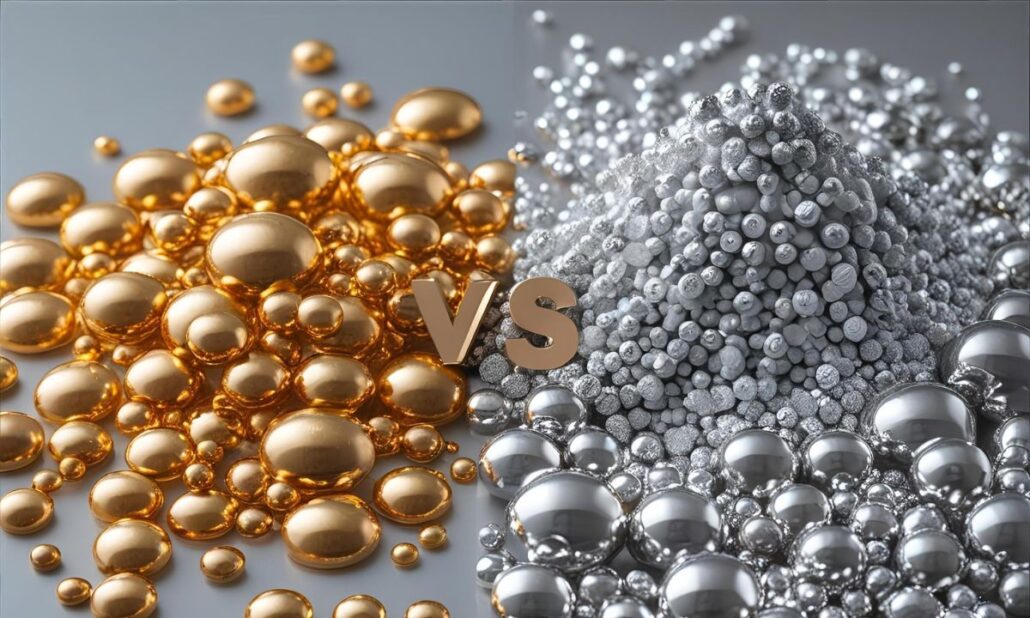
Zinc Plating vs Nickel plating is a frequent point of reference in terms of metal finishing. These two methods are applied to safeguard the metals, enhance their performance, and cause their products to last longer. The differences between these two types depend on cost, durability, and appearance. Surface finishing is not all about appearances. It is concerned with the accuracy with which a product can counter rust, wear, and damage. Even strong metals can be defeated where there is no appropriate coating. This is the reason why plating has been an important process in the automotive, aerospace, construction, and electronic industries. Zinc plating is well known to be cheap and effective. It forms a thin and workable protective coating that resists rust damage on the metal underneath. This gives it preference in fasteners, nuts, bolts, and many other small product elements used in day-to-day items. Nickel plating is stronger and durable, on the other hand. It cannot be worn out easily, and it resists acid. Nickel plating is also a bright, attractive finish, so it is ideal when it is needed on decorative or visible parts such as car trims and appliance fittings or on electronic casings. And when considering Zinc Plating vs Nickel Plating, it becomes the question: which works better in your situation? Depending on the location where the part will find application, how much safeguarding it needs, and how much you are ready to part with, determines the answer. In the current blog, we will unravel both the processes, their advantages, limitations, and major areas where they can be best used to help you make the most appropriate decision. What is Zinc Plating? Zinc plating is a widely used and cost-efficient technique of coating. It is done by depositing a thin coat of zinc on the surface of metal, most commonly steel or iron, by a process known as electroplating. In the process, a zinc salt solution is used to immerse the base metal, and an electrical current is passed. Zinc solutions travel to the surface of the piece leaving an even and thin coating. Benefits of Zinc Plating Limitations of Zinc Plating What is Nickel Plating? Nickel plating is also a common finishing technique, but compared with zinc, it offers a harder, more durable, and aesthetically pleasing surface. The process is achieved in either of two major ways: Electrolytic Nickel Plating (Electroplating) – Much like the zinc plating process, the raw metal is placed into a nickel salt solution, and the nickel is deposited on the surface by applying an electric current to the metal. Electroless Nickel Plating is a method that does not need electricity. Rather, it uses a chemical process to capably deposit nickel to cover the surface evenly, including in complex structures or otherwise inaccessible places. Benefits of Nickel Plating Limitations of Nickel Plating The Plating Process Zinc Plating Process Surface preparation is very meticulous in the case of zinc plating. Before a plate can be done, the surface, which is in most cases metal, normally steel or iron, must be cleaned of oil, dirt, rust, and oxides. To accomplish this, components are either cleaned in acid or alkaline fluids and then rinsed so that no residues remain. After cleaning, the component is inserted into an electrolytic bath that has a zinc salt solution, mostly zinc sulfate or zinc chloride. Electricity is then charged through the bath.. This movement results in zinc ions in the medium to move and being deposited on the surface of the base metal. The effect is a very thin, even coating of zinc covering the zinc below it. A post-step processing of the plated component is often carried out, which can give a more corrosion-resistant effect, also able to change the appearance of the coating, providing a yellow, black, or clear finish. Zinc plating is comparatively quick, price low, and highly applicable in the mass production of hardware and vehicle parts. Nickel Plating Process Nickel plating is prepared in almost a similar manner, with the initial step being cleaning. Part surfaces are well-treated and made clean to ensure adhesion is not compromised by residues. Electrolytic nickel plating: The part enters a bath of solutions of nickel salts, e.g., nickel sulfate, and an electric current is applied. This makes the nickel ions deposit on the surface, forming a hard and protective layer. Another approach, which is nickel plating and does not require power, is electroless nickel plating. Rather, the part is immersed in some chemicals under nickel salts and a reducing solution such as sodium hypophosphite. A plated chemical reaction also occurs, the nickel being deposited uniformly onto the part. This process has an advantage over electrolytic plating in that it will cover with uniformity even in recesses, grooves, and other complex geometries. Electroless nickel deposits are noted to be highly hard and resistant to corrosion, but this process is costlier than the electroplating method and demands much more care over the bath chemistry, pH level, and temperature. Zinc Plating vs Nickel Plating: Key Differences With the choice between zinc plating and nickel plating, cost, durability, appearance, corrosion resistance, and the appropriateness of application are all aspects that may come into consideration. Let us look at them one by one. 1.     Corrosion Resistance Winner: Nickel Plating to serve long-term corrosion protection. 2. Endurance / Wearability Winner: Nickel Plating; Hardness, wear resistance. 3. Cost  Winner: Zinc Plating to cost-effective solutions. 4. Appearance  Winner: Nickel Plating- to look good. 5. Environmental Impact  Winner: Zinc Plating on its greenness. Quick Comparison Table Feature Zinc Plating Nickel Plating Corrosion Resistance Good, but limited in harsh conditions Excellent, especially electroless nickel Durability Moderate – wears faster High – scratch & wear-resistant Cost Low (budget-friendly) Higher (premium option) Appearance Shiny, but basic finish Smooth, mirror-like decorative finish Environmental Impact Easier waste treatment Stricter environmental controls are needed Best For Fasteners, bolts, general hardware Aerospace, electronics, decorative uses Industry Applications of Zinc and Nickel Plating Both plating techniques are very common in industries;
Eloxierter Aluminiumwerkstoff: Eigenschaften, Vorteile und Anwendungen

Eloxierter Aluminiumwerkstoff: Eigenschaften, Vorteile und Anwendungen

Aluminiumdruckguss, Aluminium-Oberflächenbehandlung

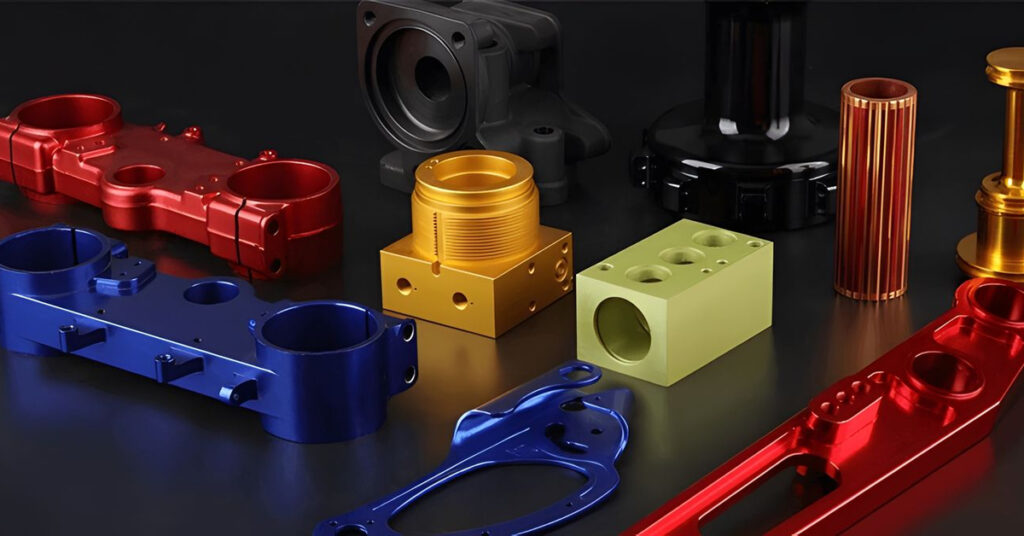
Eloxiertes Aluminium wird vor allem deshalb verwendet, weil es leicht, stabil und korrosionsbeständig ist. Rohes Aluminium bietet zwar ein gewisses Maß an Haltbarkeit und Kratzfestigkeit, ist aber anfällig für Oxidation, Dellen und Kratzer, die es auf Dauer verändern und sein Aussehen beeinträchtigen können. Um das Aluminium stärker und haltbarer zu machen, wird es anschließend eloxiert, um eine schützende Oxidschicht auf der Oberfläche zu bilden. Der Grund für diese Schicht ist, dass sie das Metall härtet und ihm eine korrosions- und verschleißfestere Oberfläche und ein angenehmeres Aussehen verleiht. Eloxiertes Aluminium wird aufgrund dieser Faktoren bevorzugt und findet in der Luft- und Raumfahrt, der Automobilindustrie, dem Bauwesen und der Unterhaltungselektronik breite Anwendung. Die Eloxierung besteht aus mehreren Schritten: Reinigung der Oberfläche, Eintauchen in ein Elektrolytbad, Oxidation durch elektrischen Strom und Versiegelung. Diese Behandlung macht das Material nicht nur widerstandsfähiger, sondern kann auch in verschiedenen Farbtönen und Ausführungen gefärbt werden. Elektrolytische Färbung, Tauchfärbung, Integralfärbung und Interferenzfärbung sind verschiedene gängige Färbetechniken. Gewöhnliches Eloxieren und Harteloxieren sind die beiden Hauptarten des Eloxierens. In der Regel gibt es zwei Verfahren: das gewöhnliche Eloxieren, das vor allem für Oberflächenbehandlungen und Anwendungen mit geringem Gewicht verwendet wird, und das Harteloxieren, das eine hervorragende Haltbarkeit, Strapazierfähigkeit und Festigkeit für militärische, industrielle und Raumfahrtanwendungen bietet. Neben dem Eloxieren kann Aluminium auch durch andere Oberflächenbehandlungen wie Galvanisieren, Pulverbeschichten, Chromatieren, PVD-Beschichten, Keramikbeschichtungen oder Feuerverzinken bearbeitet werden. Eloxiertes Aluminium weist diese Eigenschaften nicht einheitlich auf und wird daher als vielseitiges und zuverlässiges Material in vielen Branchen eingesetzt, wobei jedes Verfahren dem Material bestimmte verbesserte Eigenschaften verleiht - Korrosionsbeständigkeit, Härte, Leitfähigkeit usw. In diesem Artikel gehen wir auf die Eigenschaften, Vorteile, Anwendungen und Wartung von eloxiertem Aluminium ein und erläutern, warum es eine bessere Alternative zu anderen Metallen und Behandlungen ist. Wenn wir diese Aspekte kennen, können wir verstehen, welches Material für eine bestimmte Branche und den Verbraucher zu verwenden ist. Was ist eloxiertes Aluminium? Eloxiertes Aluminium ist ein Aluminium, das einen elektrochemischen Prozess durchlaufen hat, um eine dickere, haltbarere Oxidschicht auf seiner Oberfläche zu erzeugen. Das Vorhandensein dieser anodischen Oxidschicht erhöht die Korrosionsbeständigkeit des Metalls, verbessert die Oberflächenhärte und erhöht die Fähigkeit des Metalls, an Farbstoffen und Beschichtungen zu haften. Der Eloxierungsprozess Der Eloxierungsprozess umfasst also mehrere wichtige Schritte. Wichtige Eigenschaften von eloxiertem Aluminium 1. Erhöhte Korrosionsbeständigkeit Eloxiertes Aluminium ist eines der korrosionsbeständigsten Materialien. Dies macht es im Freien oder beim Eintauchen in Wasser praktisch unbrauchbar, da die Oxidschicht das Metall vor Feuchtigkeit und unserer Umwelt schützt. 2. Erhöhte Oberflächenhärte Durch die Eloxierung wird die Härte des Aluminiums deutlich erhöht und das Aluminium wird widerstandsfähiger gegen Kratzer, Dellen und Abnutzung. Ein solches hart anodisiertes Aluminium ist sehr haltbar und wird in der Tat in Hochleistungsanwendungen eingesetzt. 3. Ästhetik und Farbvielfalt Eloxiertes Aluminium wird auch in Schwarz, Gold, Bronze, Silber usw. angeboten, ohne die natürliche Textur des Metalls zu verändern. Aus diesem Grund ist es eine bevorzugte Wahl für architektonische und dekorative Anwendungen. 4. Leicht und doch stark Während die Oxidschicht auf das Aluminium aufgebracht wird, macht dies das Aluminium nicht wesentlich schwerer und es ist immer noch leichter als schwerere Materialien wie Edelstahl. 5. Elektrische Isolierung Da eloxiertes Aluminium im Vergleich zu unbehandeltem Aluminium ein schlechter Stromleiter ist, ist es ein attraktives Material für Anwendungen, bei denen eine Isolierung für elektrische oder elektronische Zwecke erforderlich ist. 6. Umweltfreundlich und nachhaltig Eloxiertes Aluminium ist völlig ungiftig, recycelbar und gibt keine gefährlichen und gesundheitsschädlichen VOCs (flüchtige organische Verbindungen) ab, ist also umweltfreundlich. Wie fügt man eloxierten Aluminiumteilen Farbe hinzu? Eloxiertes Aluminium ist dafür bekannt, dass es Farben sehr lebhaft halten kann. Elektrolytische Färbung und Tauchfärbung sind zwei der vielen Techniken, die zum Färben von eloxiertem Aluminium verwendet werden. 1. Elektrolytische Einfärbung Eine beliebte Methode zur Verschönerung von eloxiertem Aluminium ist die elektrolytische Einfärbung, bei der eloxiertes Aluminium mit haltbaren und UV-beständigen Farbtönen eingefärbt wird. Nachdem das Aluminium den Eloxierungsprozess durchlaufen hat, wird es in ein Bad mit Metallsalzen gelegt. In den letzten Jahren wurden Metallsalze entwickelt, die sich bei Anlegen eines elektrischen Stroms in die offenen Poren der eloxierten Oberfläche einlagern und dort dauerhaft eine metallfarbene Oberfläche erzeugen. Schließlich hängt die Farbe von der Art der Metallsalze ab. Kupfersalze beispielsweise verleihen der Lösung einen rötlichen Ton, andere Metalle können andere Farbtöne erzeugen. Diese Methode ist weit verbreitet, da die Farben auf diese Weise lange halten und nicht verblassen, was sie für den Einsatz im Freien oder bei starker Sonneneinstrahlung geeignet macht. 2. Tauchfärbung Eine andere Farbmethode ist die ‘Tauchfärbung’, die eine große Auswahl an Farben ermöglicht. Bei dieser Art der Verarbeitung wird die poröse Schicht in eine Farbstofflösung getaucht, in der das eloxierte Aluminium das Pigment absorbiert. Sobald ein bestimmter Farbton erreicht ist, wird das Aluminium mit Wasser versiegelt, um weitere Reaktionen zu verhindern. Die Tauchfärbung bietet viel lebendigere und individuell anpassbare, kontrastreiche Farbtöne, ist aber nicht UV-beständig und die Farben verblassen in geringerem Maße, wenn sie dem Sonnenlicht ausgesetzt werden. Diese mangelnde Beständigkeit ist jedoch der Hauptgrund dafür, dass sie in Anwendungen, bei denen die Haltbarkeit von Teilen ein wichtiger Faktor ist, nicht häufig verwendet wird. 3. Integrale Einfärbung (Ein-Schritt-Verfahren) Die integrale Einfärbung ist ein einzigartiges Verfahren, das Eloxieren und Einfärben in einem Prozess vereint, der effizienter ist als bei mehrstufigen Verfahren. Im Gegensatz zu anderen Verfahren erzeugen die Elektrolyte, die mit der Oberfläche des Aluminiums reagieren und schnell trocknen, tiefe, satte Metalltöne wie Schwarz, Gold oder Bronze. Die Farbe wird direkt in der Oxidschicht gebildet und ist daher sehr haltbar, kratzt nicht, ist nicht korrosionsanfällig und verblasst nicht. Die integrale Färbung führt zwar zu hochwertigen Oberflächen, ist aber aufgrund der Kosten und der Komplexität selten. Architektonische Komponenten, hochwertige Elektronik und Industrieanlagen, bei denen die Teile anspruchsvollen Bedingungen standhalten müssen, wo

Eloxierte Aluminiumteile

Schwarz eloxiertes Aluminium

Aluminium-Oberflächenbehandlung

What is black anodized aluminum Black anodized aluminum is basically the aluminum which went through anodizing process and then subsequently dyed into black color. The natural and porous oxide layer on the surface of the aluminum part is increased by an electrochemical process called anodizing. In this way this layer becomes durable, thicker and harder. This oxide layer is achieved by dipping aluminum part in an electrolytic bath and passing electric current through it. Anodized aluminum black is considered important because of its corrosion resistance, durability and aesthetics attraction and uniqueness. Aluminum has prominent properties such as light weight, high strength to weight ratio, corrosion resistance and thermal conductivity. All of these properties remain intact and a sleek black finish is provided as well. This finish is more durable and is less likely to chip off or peel off as compared to finish which is achieved by plating or coating. This is extensively used in automotive parts, aerospace industry, household components and electronics parts. How aluminum is anodized? This includes a method in which a decorative as well as protective layer is produced on the aluminum part surface. Many important factors need to be considered in this process which is the following: Equipment and Material Anodizing tank Aluminum objects Sodium Hydroxide Distilled water Electric current source Nitric acid or sulfuric acid Degreaser Anodizing black dye Cathode material i.e. lead or aluminum Protective gears How to prepare Aluminum Part Surface? Surface preparation is a prominent factor before carrying out anodizing process. It comprises of various steps including cleaning, etching and desmutting. First of all surface of the aluminum object is completely cleaned by using acidic or alkaline cleaners. This will thoroughly remove all kinds of contaminations such as dirt, grease or oil. Now the cleaned aluminum object is subjected to etching process. During this process the aluminum part is etched in sodium hydroxide solution. Etching process will remove the natural oxide layer and will create a smooth surface finish. Etching process often leaves residual particles on the surface. In order to remove those residues, desmutting process is carried out. In this process aluminum part after the etching process is dipped in an acidic solution i.e. nitric acid. How to carry out black anodizing aluminum process? This process is carried out in an electrolytic cell which comprises of an anode, cathode and an electrolytic solution in the bath. This bath most of the times contains sulfuric acid however phosphoric acid and chromic acid are also used. The aluminum object whose preparation is completed is dipped in the bath. In the electrolytic cell positive electrode is the aluminum object which will act as anode. The negative electrode which is made of stainless steel or lead will act as cathode. This will complete the circuit and an electric current is passed through this circuit. During this process oxygen ions from the electrolytic bath combine with the aluminum atoms on the surface area of the aluminum object and will form aluminum oxide. This process continues and thickness of this oxide layer keeps increasing. It is important to note that growth of this oxide layer takes place inward and outward from the aluminum surface and ultimately this will result in the formation of a porous structure. Factors which affects the formation of Oxide layer The thickness of the oxide layer is controlled by the following factors. The temperature of the electrolyte The duration of the process Current density The type of the acid which is used How to dye aluminum black? This process is carried out after the anodizing of aluminum object. At the end of anodizing process a porous oxide layer is formed on the aluminum object which is able to absorb and accept dyes. During the dyeing process the aluminum object is immersed in a dye bath. This dye bath contains the black dye. The black dye penetrates into the pores of the porous oxide layer which was formed from anodizing process. In order to achieve the required black shade and uniform dyeing the immersion time and temperature must be carefully controlled. After achieving the desired color and its shade the sealing process is carried out. In this process the absorbed dye is locked by closing the pores of the oxide layer and aluminum object is sealed. Following materials are generally used for sealing purpose. Nickel acetate solution Ionized water Steam The aluminum object is subjected to thorough rinsing to remove any residues. After that the part is completely dried. Subsequently this will increase the corrosion resistance, durability and the surface finish. Defining the black anodized aluminum pipe This is a hollow and cylindrical tube made from aluminum and is in shape of a pipe. This aluminum pipe is first subjected to anodizing process in which oxide layer is increased in thickness and after that it is dyed into black color to get a better finish. Anodized aluminum black pipe have the combination of aluminum properties such as corrosion resistance, light weight, durability and advantages of anodization along with black finishing. These pipes find their applications extensively in construction sector, marine applications, automotive industry and for decoration purposes. Definition of the aluminum anodized black sheet An aluminum sheet is a flat and thin aluminum metal piece which possesses the prominent properties such as corrosion resistance, light weight and high strength. This aluminum sheet undergoes anodizing process which ultimately enhances the surface hardness and corrosion resistance of the aluminum sheet. Additionally this process also increases the ability of the sheet to absorb dyes and coatings. After that this sheet is dyed into black color. Subsequently this will provide aesthetics and protection against wear and corrosion. Major applications of these sheets include areas where durability and appearance are of prime importance such as architecture, electronics, signage and decorative needs. Advantages of Black Anodized Aluminum Black anodized aluminum provides many advantages making it suitable to be utilized in numerous applications. Some benefits are as follows. Improved Mechanical Properties: Black anodized aluminum offers better wear resistance and

Nach oben scrollen

Angebot einholen