fundición de aluminio a presión

qué son los utensilios de cocina de aluminio fundido

¿Qué son los utensilios de cocina de aluminio fundido?

Aluminio

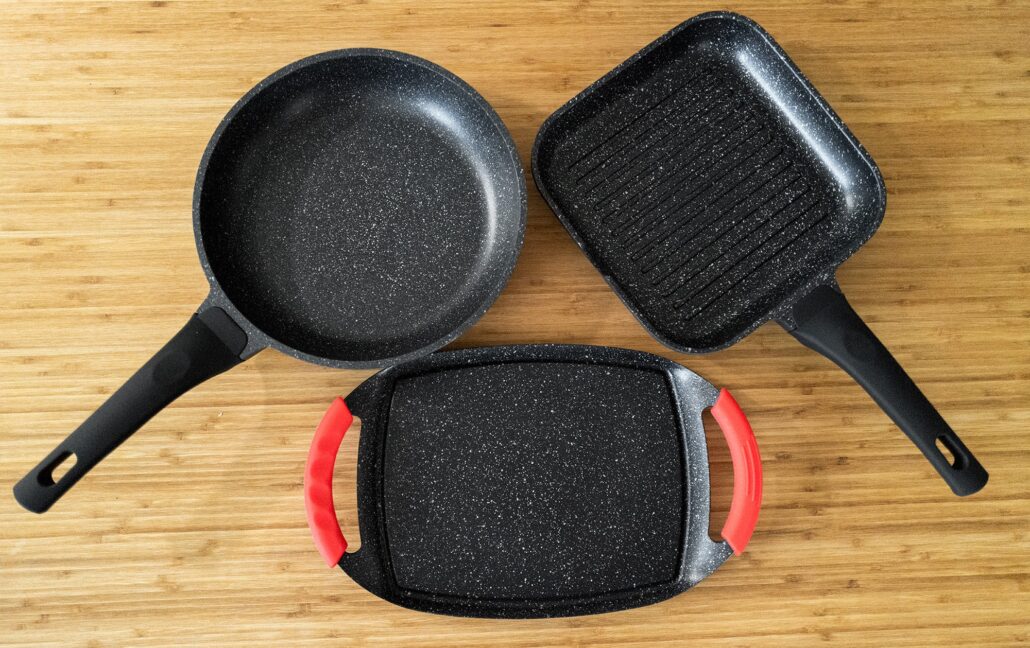
The cast aluminum cookware is often used by home cooks and professional chefs and is known and appreciated because it is durable and lightweight at the same time, with a high distribution of heat. Cast aluminum cookware is manufactured by pouring molten aluminum into moldings; the main aim of such cookware is to ensure that it gives even heating, it should not warp, and it should be able to last a long time. Its application has made it an all-purpose element in the kitchen since it is applicable in most of the cooking methods, such as frying and sauteing, baking and roasting.Among the most notable benefits of cast aluminum cookware is the fact that it warms up fast and equally. Cast aluminum cookware can also be said to be thicker than its thinner counterparts, such as the stamped aluminum, which makes them have good thickness to maintain a homogenous cooking temperature. It is also usually manufactured to have non-stick layers, and thus also lowers the amount of oil used, and cleaning becomes easier.Over time, cast aluminum cookware manufacturers have been advancing and making it exceptional through new materials, environmentally friendly coatings and other non-stick technologies. These developments also make it even more popular and provide its customers with a more efficient, healthier, and more sustainable process of cooking. You invite your friends over, you are in the process of putting together a simple meal or a complicated one; cast aluminum cookware comes in handy to do the job, this is because its performance is dependable and works in tandem with the demands of a modern kitchen.  Understanding Cast Aluminum Cookware Cast aluminum cookware refers to pots, pans and skillets, plus the other kitchen equipment manufactured at the local level by pouring molten aluminum into moulds. The casting of the cookware makes it quite robust in structure, which therefore makes it considerably stronger as compared to ordinary aluminum. In comparison to stamped aluminum (prepared on thin sheets), cast aluminum cookware is far thicker, hence offering more heat retention and distribution. The warp factor as time passes is one of the primary factors people love using cast aluminum cookware, as the problem is prevalent with thin material. This also assists in even cooking temperature, so that cooking of different dishes is likely to give more similar results.  Die-cast aluminum cookware Die-cast aluminum cookware follows the use of aluminum that undergoes the die-casting procedure. It is done through the pouring of molten and pressurised aluminium into a cavity. This way, the shape and the thickness of the cookware can be controlled accurately. The die-cast aluminum cookware is usually more sophisticated as compared to the regular cast aluminum since it has a refined texture and smooth surface.The advantage of the die-cast aluminum cookware is that it is not as heavy as some of the other materials, such as cast iron. This is more convenient when cooking and cleaning up, thus Ideal in cooking choice, especially when one requires cookware that is of good quality but not heavy.The other attribute of die-cast aluminum cookware is that it is versatile. It applies to a large number of procedures such as frying, baking and simmering. It also usually has a non-stick coating added to it, which contributes to it being easy to use and clean. Nevertheless, one should keep in mind that the non-stick coating may wear down over time, unless it is maintained carefully. What is Cookware? Cookware can also be defined as the different kinds of pots, pans and other cooking utensils that are employed in the preparation of food. Such objects are frequently produced with such materials as stainless steel, aluminum, cast iron, ceramic, non-stick covered items, and copper. The primary aim of cookware is to assist in preparing and cooking food materials by using different methods, i.e., boiling, frying, sauteing, baking, or grilling. The kind of cookware: 1. Cooking Pots and Pans: Cooking is done using the two most basic cooking pots. They are of different shapes and sizes, such as frying pans, saucepans, stockpots and saute pans.2. Baking Dishes: This category will be trays, pie dishes, and cake pans, which are only used to bake.3. Speciality Cookware: These are woks, grills, Dutch ovens and pressure cookers. Materials Used in Cookware The process of manufacturing cast aluminum cookware  Manufacturing of cast aluminum cookware consists of the following steps, which include melting of aluminium, molding, finishing and coating. The procedure of manufacturing cast aluminum cookware is described in as many steps as possible below: 1. Melting the Aluminum The aluminum metal has to be melted to prepare it, and that is the first stage of its production of cast aluminum cookware. Sand, metal, or ceramics are typical materials that make up this kind of mould. The temperature regulation is done with accuracy to ensure that the aluminum reaches the correct viscosity to be cast with. 2. Preparing the Mould After the aluminum has been melted, a form is initiated to shape it into the preferred form of cookware. Aluminum is poured in the form of Aluminum. Where cast aluminum itself is used, the moulds are often sandcast, and they are specifically designed to make an individual piece of cookware (a frying pan, a pot, a skillet, etc.).Once the mould is prepared, the molten aluminum is supposed to be poured into the mould cavity. This depression takes the form of the cookware to be produced. Metal Moulds: There are metal moulds that can be reused, which are reused and are able to hold the heat at greater temperatures. 3. Pouring the Molten Aluminum Once the aluminum has been poured into the mould, it is cooled down. The liquid metal is added to all the areas of the mould, and it assumes the form of the cookware. This pouring process should be accurate so that the cookware is also shaped properly and flawlessly.At this phase, the pouring of the aluminum into the mould is done either manually or automatically (depending on the magnitude of the
Aluminio anodizado: Comprender el proceso y sus numerosas ventajas

Aluminio anodizado: Comprender el proceso y sus numerosas ventajas

Aluminio

Anodized aluminum is an extremely resilient and resistant to corrosion type of material that is formed by a process of electrochemical engineering that advances the inherent oxide layer on aluminum. This is done by dipping aluminum into an electrolyte, i.e., sulfuric acid, and passing an electric current. This leads to an aluminum oxide that is thicker and bonds internally in the material and not simply upon the surface of the material. It has made anodized aluminum to be more strong, resistant to wear and corrosion, and able to survive in harsh weather conditions.During anodizing, some characteristics of aluminum that make it usable are enhanced, and in addition to this, they can be customized aesthetically. It is possible to obtain clear and stable colours by absorption of dyes into the porous oxide layer formed by anodizing. This characteristic enables the use of anodized aluminum in architecture, automobiles, and consumer electronics applications, where it is needed to balance durability with good looks.Corrosion resistance is one of the greatest advantages of anodized aluminum. This layer of aluminum oxide covers the aluminum against moisture, salt, and chemicals, and as such, the aluminum works best in outdoor conditions as well as in marine conditions. Also, aluminum anodized is highly abrasion resistant which means that the required matter is designed to last long on a product that is exposed to wear and tear, like automotive components, industrial tools, or even kitchenware. What is Anodizing? A process that thickens the natural oxide layer on aluminum and is known as anodizing, is an electrochemical process. The aluminum is placed in an electrolyte solution, generally a sulfuric acid solution, and an electric current is applied to it, thereby producing a strong corrosion-resistant finish. This procedure increases the strength of the metal and wear resistance, as well as enabling the dyeing of colors. The end product is anodized aluminum, and it is stronger and lasts longer than untreated aluminum. What is Aluminum Anodized? Anodized aluminum means aluminum that has already been processed using a so-called anodizing process. This is achieved by altering the surface of aluminum through the formation of a thick, resistant layer of oxide. Normal coats just lie on the surface, and the oxide layer formed on anodized aluminum becomes part of the aluminum itself. The effect of this is a more durable, corrosion-resistant, and scratch-resistant material. In a typical process of anodizing, a suspension of aluminum is placed in an electrolytic dip, which is usually sulfuric acid, and the process is made to pass an electric current. It results in the formation of the aluminum oxide on the metal surface. The oxide layer can be varied, and in other situations, you can add dyes to the process in order to gain a colored oxide. The major parameters of the Anodized Aluminum are the following: Depending on the method of its production, anodized aluminum is quite common in aerospace, automotive, architecture, and electronics industries, offering a synergy of strength, functionality, and aesthetics. Anodizing aluminum comes with practical and aesthetic benefits, whether it is used in high-performance components, decorative aluminum applications, or products that are subjected to environments that are extreme environments. Process of Aluminum Anodizing Anodizing: An electrochemical finishing method in which the aluminum surface is converted into a very strong and corrosion-resistant oxide layer. There are numerous important steps involved in the process, and all these steps contribute to the finished product in terms of functional and aesthetic needs. This is an outline of the anodizing of aluminum process: Step one: Preparation of Aluminum In the course of the preparation of aluminum, the following may be taken: The aluminum is first cleaned before anodizing to eliminate any dirt, oil, or contaminants. Usually, this can be done by making use of an alkaline solution or a chemical cleaner. It is important that the surface be cleaned, as any impurity will reach into the anodizing and create difficulties in the quality of the oxide layer. Step 2: Electrolytic Bath After cleaning, the aluminum is dipped into an electrolytic solution, which can be sulfuric acid, and an electric current is run through it. The result of this electrochemical reaction is the oxidation of the aluminum; a rigid layer of oxide covers the surface of this element, forming a thick protective layer over it, and the aluminum oxidizes. The voltage, temperature, and duration in the bath result in the thickness of the oxide layer. Step 3: Inspection During this step, the anodized aluminum can be stained with a color pigment to achieve it. The absorption of the dye leads to its absorption by the porous oxide layer to form the beautiful colors. The dye can be used after the surface of the aluminum has been anodized, and the color is built into the oxide film, making it long-lasting and not susceptible to fading. Step 4: Sealing The coloured aluminum is sealed after anodizing and dyeing to seal the pores in the oxide layer. This is totally important in enhancing corrosion resistance and in maintaining the color. Nickel acetate or even boiling water sealants are used in this procedure. The material is also durable when sealed and thus has a variety of applications. Step 5: Check-up Quality inspection of the aluminum is done after the anodizing, coloring, and sealing processes have been done, and quality parts have been achieved. In this inspection, uniformity of the oxide layer in thickness, color, and the overall finish is being checked. Any impairments or discrepancies are tackled, and then the aluminum is shipped out to be put in its contented applications. Types of Anodizing Aluminum Anodized aluminum comes in varieties depending on what is needed and depending on application. Most of the variations are based on the thickness of the anodized layer, the finish, and the electrolytic process that is implemented. The principal forms of anodized aluminum are the following: 1. Type I: Schulze chrome acid anodizing One of the oldest techniques in anodizing aluminum is the chromic acid anodizing technique. Here, chromic acid bath

Batería de aluminio fundido

¿Por qué los moldes de aluminio fundido calientan mejor y duran más?

fundición de aluminio

Due to the features of lightweight, strength, and dense heat distribution, cast aluminum bakeware has been getting popular among bakers, especially with those who want first-rate and durable products. Cast aluminum is the right balance of performance and effortless use, unlike other traditional bakeware materials such as cast iron and stainless steel. It is cast in molten aluminum molds and comes out as one strong, durable and convenient to use even to an amateur baker. Cast aluminum has excellent heat conductivity, which guarantees even cooking of edibles, especially baked goods, to prevent overcooking and non-uniform browning. The great one among the benefits of cast aluminum bakeware is the consistency of temperature, which is the key element of impeccable baking. It heats faster than others; therefore, it is available sooner, and its light weight makes it easier to handle around the kitchen. Most pieces of aluminum bakeware that are cast also possess a non-stick coating, which makes the release of food even easier and the after-baking clean up much easier. Cast aluminum bakeware also provides greater durability and strength with resistance to warping as compared to glass and stainless steel. Although cast iron is unparalleled in heat retention, cast aluminum has close to the same amount of heat distribution but with less weight. Cast Aluminum bakeware has been of great favourite among professional bakers, and also among people cooking at home, all because of the desire to have effective and durable baking tools. What is cast aluminum bakeware? Based on the bakeware molding method, casting aluminum, this is produced through the use of molten aluminum poured into already prepared molds to produce baking trays, cake moulds, pie dishes and various other cooking necessities. The process makes the bakeware strong but light in weight, such that there is efficient handling of the bakeware during baking and during serving. Among the best features of the so-called cast aluminum bakeware is its even heat-conducting properties. This implies that baked products like cakes, cookies and breads are well-cooked with no hot areas or burned sides. There are additional advantages to the speed at which the metal heats and cools off, which in turn saves some time in cooking, and this is a plus to busy bakers. The material is so strong and does not rust or corrode easily, hence this would make it last longer in the kitchen. In addition, it does not involve a lot of maintenance and wear and tear as compared to some of the other materials that will wear with time, as there will be a lot of usage. Advantages of Cast aluminum Bakeware 1. Durability Bakeware is made of cast aluminum, so it lasts a long time. The aluminum is almost immune to wear and tear, i.e. it will not crack or warp with frequent usage. Your bakeware will last even if you are using it on a daily basis or irregularly. 2. Uniform Distribution of heat Among the most striking properties of the term cast aluminum bakeware is that it transfers the heat all over the surface. This reduces inconsistent baking, as the end product is regular in texture and color. It is ideal among bakers who aspire to bring consistency in performance. 3. Lightweight The cast aluminum bakeware is much lighter as compared to other bulkier materials, such as cast iron and therefore easy to handle. The heavy-duty baking trays or cake pans can be lifted, transferred, and stored very easily, and that is ideal for any baker, whether they are professional or not. 4. Non-stick Properties Also, most products of the “cast aluminum bakeware” are equipped with a non-stick coating, which makes them even more convenient to use. The presence of this feature will make it easy to cook baked goods; therefore, less oil or spray will be used. It also makes cleanup effortless since there is little residue that stays after baking. 5. Corrosion Resistance Contrary to most metals, cast aluminum bakeware does not easily rust. It does not corrode, and therefore it is the ideal material to use when one wants to use it in the long term. This aspect comes in handy particularly in areas that experience different degrees of humidity and temperature. Cast aluminum bakeware: Making Process Manufacturing of cast aluminum bakeware entails careful and very consistent production devised to maintain quality and performance. The most important ones are: 1. Die Casting Die casting will be the first stage of the process, i.e. molten aluminum will be injected into steel molds at high pressure. This technique is a way of ensuring that the bakeware is shaped and molded in a very accurate and consistent manner. The molten metal enters all the mold cavity spaces, resulting in complex shapes and minute details of the various bakeware, including cake pans, muffin trays, and loaf pans. 1. Solidification and Cooling After the molten aluminum has been injected into the mold, it is left to cool and harden. The cooling is also regulated so as to have the desired properties of the aluminum, like strength and heat resistance. As the bakeware hardens, it slowly assumes its final form, and it normally requires only a few minutes to some hours, depending on how thick and elaborate the shape is. 2. Ejection and Inspection Once the aluminum pieces have cooled completely, they are removed and the mould is opened, releasing the cast aluminum bakeware. The second procedure consists of a complete inspection of the defect, such as the presence of air bubbles and cracks, or the presence of roughness. Any bakeware that is flawed is either repaired or discarded, and only good-quality bakeware would be passed further into the production process. 3. Surface Finishing After the inspection is over, the bakeware is provided with surface finishing treatments. These may involve such things as anodizing, making the surface rougher to resist corrosion and abrasion, or coating it with non-stick material so that it is easier to release baked goods and to clean up after baking. The finishing on the

Fabricación de aluminio a medida Todo lo que necesita saber

Fabricación de aluminio a medida: Todo lo que necesita saber

Fabricación de aluminio

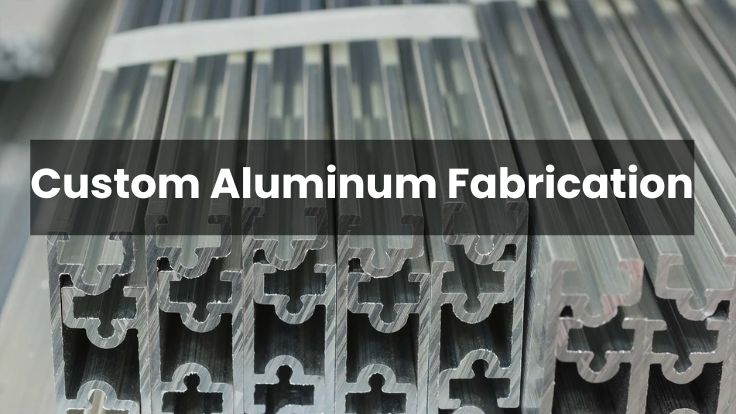
Custom aluminum fabrication has emerged to be a pillar of many industries in the contemporary era of innovation and design. Whether it is used in aircraft parts, buildings, or bridges, aluminum is utilized because of its power, ductility, and corrosion resistance. It does not just relate to getting aluminum but forming it to fit specific requirements. And that is where the notion of custom aluminum fabrication comes out on top, providing a tailor-made approach to the needs of industrial structures, as well as home interiors and exteriors.  Carbon steel is ideal because, in custom fabrication, you can get this kind of flexibility to customize it to address very particular needs, unlike standard metal parts, which are mass-produced with limited flexibility.  In the design and creation of architectural accents, machine enclosures, or custom furniture, aluminum represents the optimal combination of strength and workability. The steps include cutting, shaping, welding, and assembling items made of aluminum into products that look good and serve a purpose. As fabrication technology evolves and as the need to solve more personalized problems grows, citizens are specifically looking at the phrase: custom aluminum fabrication in my area to implement their ideas. As a company seeking reliable business signage or a homeowner with a design in mind, having an experienced custom aluminum fabricator will guarantee a solution to your project that fits your perception and lasts for years. This article talks in depth about the entire custom aluminum fabrication process, its advantages, its applications, and how to find the right partner for your next project. And it is time to enter the fantasy with metal is ready to meet your unique solution. What is Custom Aluminum Fabrication? In its simplest terms, custom aluminum fabrication is simply the design, cutting, and shaping of aluminum, its welding, and assembly into a complete product that can fit the specific needs of a client. This may be as simple bracket or even as complicated as machine pieces. Aluminum is used in these operations since it is light but strong, and does not rust or corrode. What makes aluminum great is that it is workable. It is malleable, can be welded and machined as well as bent easily. It makes it possible to be creative with structural as well as aesthetic use. Experienced personnel handle different tools and machinery to shape aluminum sheets or extrusions into useful products. Why Aluminum? It is also best to know why aluminum has been widely used in custom metalwork before discussing deeper into the:.Weak, yet Stable: Aluminum has a great ratio of strength and weight. These benefits have rendered the term aluminum custom fabrication as one of the options in many industries.  What is the meaning of the word Custom? The term custom is what is produced or created to suit an individual or a purpose, as opposed to something that is generally mass-produced or standard. Otherwise said, when something is custom, then it would be made in order to accommodate just what you require, or what you prefer, or what you would like to be made especially. Examples: Thus, when we speak of custom aluminum fabrication then the term custom underlines the fact that the pieces or products of aluminum are uniquely made to fit a specific customer or application, or design, hence being specific and tailor-made. The Fabricating Process Custom aluminum formation engulfs several distinct vital processes: 1. Design and Planning Clients will come with their idea or drawing, or applications. The fabricator analyses the specifications and recommends the most suitable form of aluminum and the procedure to be used. 2.  Cutting and Shaping Aluminum is cut into required shapes with the help of saws, lasers, or CNC machines. There is bending, forming so as to produce the precise structure or contour required. 3. Assembly and welding Special aluminum welding methods, such as the TIG welding technique, are used to join pieces. Close construction guarantees stability and beauty. 4. Finishing Touches The piece is finally sanded, polished, painted, or anodized ,depending on the look desired and protection. These treatments are value added, particularly to those aluminum products that were to be exposed to the elements or put on display, that would be branded as custom aluminum fabricated products. Common Applications There is hardly a limit to what may be produced using the help of custom aluminum fabricated products: When individuals are going to search on their search engine for custom aluminum fabrication near me, they are usually in need of a qualified local machine shop to execute these visions and turn them into a reality. Selecting The Right Fabricator Not every time is it easy to decide between the alternatives of choosing the custom aluminum fabricators. There are so many shops that would define themselves as freezing shops that it is very important to seek some qualities: Whenever you visit a search engine and type in custom aluminum fabrication near me, you should not consider only the distance. Check the abilities, feedback, and previous work of a shop to make sure that everything fits. Advantages of Going Custom Not being generic is not the only purpose of going custom; it has very real, practical benefits: That is why in the numerous industries, the concepts of custom aluminum fabrication put the money in the parts and installations that are needed. Aluminum vs. Other Metals in Custom Fabrication To select the materials in a fabrication project, it is important to have a background on which metal is better compared to others, and aluminum is not an exception. Metals bear specific characteristics that influence their applications in weight, strength, costs, and the usage they are suitable. This is a breakdown: Aluminum Aluminum is a lightweight material, resistant to rusting, and strong. It is commonly employed in fabrication works that require durability, but do not want the excess weight. It can also be easily cut, bent, and welde,d and this makes it an ideal material in custom aluminum fabrication. Besides, aluminum can be recycled completely and it also

Fundición a presión en cámara fría

Tendencias modernas en la tecnología de fundición a presión en cámara fría

fundición a presión, Fabricante de fundición a presión, piezas de fundición a presión

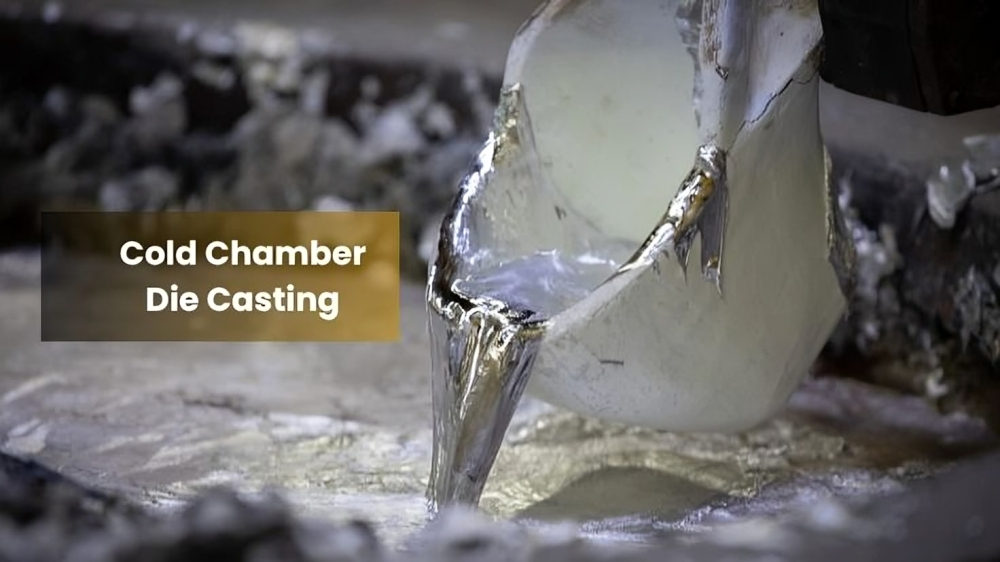
La fundición a presión en cámara fría es un tipo de técnica de fabricación de precisión que se aplica en la fabricación de componentes metálicos complicados caracterizados por altos niveles de resistencia y precisión. Este proceso puede utilizarse mejor en metales con un umbral alto del punto de fusión, como el aluminio, el latón y las aleaciones de cobre. Los sistemas de fundición a presión de cámara fría no se introducen en el metal fundido como un sistema de fundición a presión de cámara caliente; en su lugar, el metal se introduce en la máquina de fundición a presión de cámara fría vertiendo manualmente el metal en la máquina de fundición a presión de cámara fría después de fundirlo en otro horno. Este sistema desgasta menos la máquina y utiliza aleaciones más resistentes. Entre los factores importantes que hacen que las empresas opten por utilizar este método se encuentran las ventajas y desventajas especiales de la fundición a presión en cámara fría. Tiene una precisión dimensional máxima, acabados superficiales suaves, así como tiempos de ciclo largos. Sin embargo, la resistencia y durabilidad de los componentes son sus favoritos en los mercados de automoción, aeroespacial y electrónico. La diferencia entre la fundición a presión en cámara caliente y en cámara fría es crucial para elegir correctamente el proceso. La fundición a presión en cámara caliente es más rápida y se aplica a metales de bajo punto de fusión, como el zinc, mientras que el sistema de fundición a presión en cámara fría está diseñado para soportar temperaturas más altas y metales más resistentes. Con este proceso, los fabricantes también podrán fabricar piezas duraderas y fiables con un alto grado de precisión en sus especificaciones. En el presente artículo, vamos a tratar el principio de funcionamiento de la fundición a presión en cámara fría, sus partes principales, la naturaleza del metal empleado y los parámetros tecnológicos de la fundición a presión en cámara fría, incluida la fuerza de cierre y el tiempo de ciclo. También se considerarán las ventajas y desventajas de la fundición a presión en cámara fría para proporcionarle una visión completa de este importante proceso de fabricación. ¿Qué es la fundición a presión en cámara fría? Fundición a presión en cámara fría: Un proceso de fundición a presión en cámara fría es un proceso de fundición de metales en el que el metal fundido se vierte manual o automáticamente en una cámara fría separada fuera del sistema de inyección. A continuación, el metal se introduce a alta presión en la cavidad de un molde, lo que hace que el metal se enfríe y cristalice en la forma deseada. Suele aplicarse a metales con un punto de fusión elevado, como el latón, el aluminio y las aleaciones de cobre. Con el fin de evitar la corrosión y la fatiga térmica que pueden provocar un funcionamiento inadecuado de los componentes del sistema de inyección, a diferencia del proceso de fundición a presión en cámara caliente, en el que el mecanismo de inyección está suspendido en el metal fundido, el proceso en cámara fría mantiene las instalaciones de inyección segregadas. La aplicación de la práctica de este último, es decir, la fundición a presión en cámara fría, es especialmente ventajosa, cuando los metales utilizados dañarían los componentes, al entrar en contacto con ellos. Se puede utilizar alta presión en el propio proceso de inyección, y sería posible obtener componentes más densos y resistentes, con un acabado superficial brillante y estabilidad dimensional. Proceso de fundición a presión - Paso a paso El objetivo de la técnica de fundición a presión en cámara fría es fabricar piezas metálicas de gran precisión y dureza que suelen estar compuestas por aleaciones que tienen puntos de fusión a altas temperaturas, como el aluminio y el latón. Veamos paso a paso cómo funciona: 1. El horno exterior se utiliza para fundir el metal El proceso es similar al de la fundición en cámara caliente, salvo que la fusión del metal se realiza en un horno exterior separado. Esto es necesario porque el metal fundido en la fundición en cámara fría provocará internamente un alto nivel de calor que no se puede manipular. El metal se funde, después de lo cual es capaz de ser transferido a la máquina de fundición. 2. A continuación, el metal fundido se vierte en el manguito de inyección de la máquina de fundición a presión. Esto se hace manualmente o mediante un brazo. El manguito de inyección es un tubo fuerte y resistente al calor en el que se deposita el metal que posteriormente se inyectará. Esto debe hacerse muy rápido para evitar una solidificación prematura. 3. El émbolo fuerza la entrada del metal en la matriz. Un émbolo de acero se introduce en el manguito de inyección y presiona el metal fundido a alta presión en las cavidades de la matriz. La fuerza asegura que el metal llene el molde incluso en cualquier patrón complicado o con una pared muy fina, y disminuye las posibilidades de cualquier defecto, como bolsas de aire. 4. Cuando el molde está lleno, el metal empieza a enfriarse y solidificarse dentro de la matriz. Este paso de solidificación es muy importante para obtener una pieza buena y precisa. El tiempo de enfriamiento depende del metal de la pieza, del grosor de la pieza y de la temperatura de la matriz. 5. Cuando la pieza se ha solidificado, la unidad de sujeción de la máquina abre la matriz y los pasadores de expulsión fuerzan la pieza a salir de la cavidad del molde. A continuación, la pieza se traslada a una estación de enfriamiento o de recorte. 6. En los bordes de la pieza fundida, donde se juntan las mitades de la matriz, hay un exceso de metal que se denomina rebaba. Este exceso se elimina mediante recorte mecánico, esmerilado o mecanizado, en función del acabado deseado. Esto evitará que los trabajos finales queden por debajo de la forma y tolerancia previstas. 7. Reajuste del ciclo del troquel y lubricación El troquel se lava y engrasa antes de entrar en el siguiente ciclo para que sea de buena calidad y evitar que se pegue. Una vez realizado el engrase, el troquel se sujeta de nuevo y la máquina pasa a reajustarse para realizar más ciclos. 8. Calidad Inspección y acabado Se trata de una pieza completa que se comprueba para garantizar que no existen defectos de calidad, como grietas, contracciones o anomalías en la superficie. En función de los requisitos de uso final de la pieza, puede someterse a mecanizado adicional, tratamiento de superficie o ensamblaje (si es necesario). Metales que se utilizarán en la

Fundición de aluminio en arena

Análisis técnico exhaustivo de la fundición de aluminio en arena en la fabricación moderna

fundición de aluminio

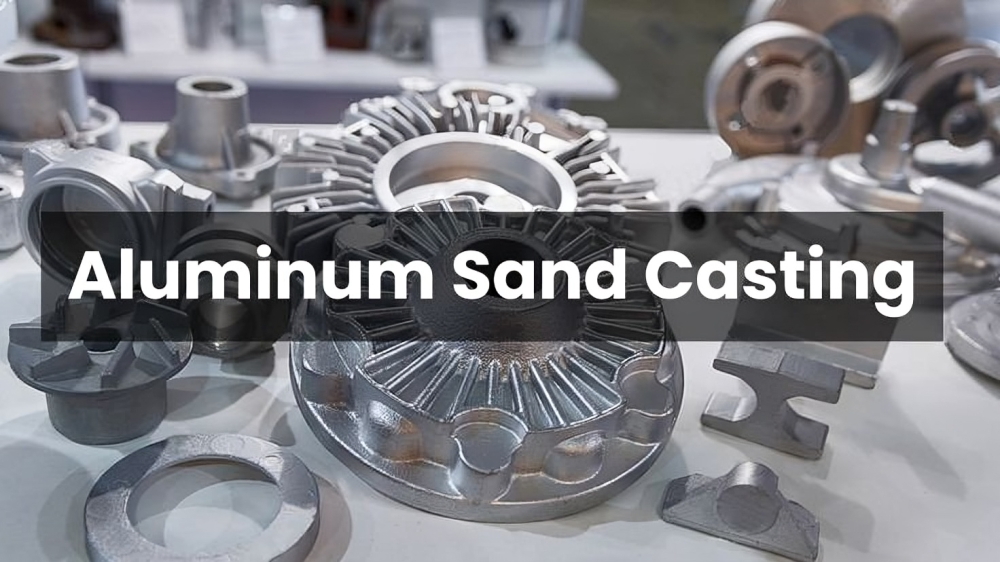
Aluminum sand casting is one of the oldest and most versatile metal casting processes, widely used in modern manufacturing to produce complex, durable, and cost-effective components. Aluminum Sand casting Manufacturers can generate complex geometries with intricate features that would have otherwise been either impractical or unprofitable to machine out of solid material through pouring molten aluminum into prepared sand molds. This method is especially suitable in low to medium-volume production, prototyping, and high structural castings on applications spanning the aerospace, automotive, defence, and energy industries. The most interesting about the sand-casting aluminum is that it is both flexible and functional. Aluminum has a very good strength versus weight, corrosion resistance, and recyclability, and thus makes it an excellent casting material. Together with the thermal resistance of sand and its high moulding capability, the process provides scalable production capability with excellent dimensional accuracy. Pattern design, the makeup of the mold, the quality of the melt, and gating design are key factors to the success of every casting. An excellent foundry of aluminum sand castings has to control not only the classic facts in metal technology but also touch on innovations in the processes. The current facilities apply the latest technology to prevent defects and ensure the best performance of the casting by using 3D sand printing, simulation software, and real-time process monitoring. Precision-engineered and casting aluminum parts are now capable of meeting stringent engineering standards for safety, tolerance, and durability. As demand grows for complex components with faster lead times and lower environmental impact, professional aluminum sand casting services must continue evolving. This article goes into the technical ins and outs of the process itself, its engineering workflow, materials, challenges, innovations, and so on. The Fundamentals of Aluminum Sand Casting At its core, aluminum sand casting involves pouring molten aluminum into a sand mold cavity, which is shaped by a pattern that replicates the final part’s geometry. When the aluminum solidifies, the sand mold is shaken off, leaving the cast piece. The process also has an outstanding dimensional flexibility and scalability capability in high-mix low-volume manufacturing conditions. The process is based on the use of a non-permanent mould, sand, that may be recycled and re-utilized, minimizing the waste of materials and expenses. Sand molds most commonly consist of silica sand with a binder added, and the nature of the binder system generally influences considerably the resulting surface finish, dimensional accuracy, and rate of cooling. The process of Flow in the Engineering of Sand Casting Aluminum Sand casting aluminum is an engineering process that consists of a set of accurately calibrated activities that aim at transforming raw aluminum into specific, well-built, and accurately dimensioned parts. Both the material and mechanical expertise are required to be in-depth to make all of the stages of the process successful. The following is a step-by-step analysis of the way in which sand casting of aluminum is implemented professionally and technically. 1. Pattern Design and making In the sand casting aluminum process, the initial step is designing and manufacturing the pattern, a physical copy of the final casting. The allowances that must be included in patterns are rather critical, such as shrinkage, draft, and machining stock. As aluminum contracts, during cooling patterns are laid out a little bigger than the finished component. The shrinkage rate of aluminum alloys is normally applied at 1.3 per cent; however, depending upon the alloy and the conditions of cooling, it may vary. Vertical portions of moulds are given draft angles, normally a few degrees between 1 and 3, to ensure that the pattern can be removed easily in the sand mold, being careful not to destroy the cavity. Additional allowances (machining allowances) are included such that there is no adverse interaction between the post-processing and the final part. Patterns may be made out of wood, metal, resin, or even 3D-printed polymer materials, depending on the accuracy demands and the needs of the production volume. 2. Mold Making (Molding and Core Setting) After preparing the pattern, the mold is to be prepared. For the sand cast, aluminum mold, there are two separate halves: the cope (upper half) and the drag (lower half). They are produced by stuffing the sand around the mold in a flask. Depending on the application, the sand is generally silica-based and is amalgamated with binders such as clay (green sand) or chemical resins (no-bake sand). In case the part design has internal space and hollow parts, it necessitates the use of sand cores. They are placed in the mold cavity, after which the metal is poured. Cores can be fabricated using core boxes, and in precision production, they can be printed with greater precision using 3D sand printing. The exact footprint of the core is very important in order to have a rigid structure and adherence to the final part dimension. 3. The Design of the Gating System The timeliness and effectiveness of the gating system formed are significant towards the success of the process of sand casting aluminum. This system consists of a pouring basin, sprue, runners, and gates, which coerce the impounded aluminum into the involvement of the mold. Adequate gating will prevent a lot of turbulence, minimize airlock, and also make sure that there is an even fill. Risers (alternatively called feeders) are also required, and these can be seen as a reservoir of molten metal that offsets the direction of shrinkage that comes after solidification. Casting simulation software is usually utilized by engineers to study and optimize the gating and riser systems. Prediction takes place by using simulation tools such as MAGMASoft or ProCAST so that typical defects such as cold shuts, misruns, and shrinkage porosity can all be corrected virtually before any production takes place. 4. Cu Melting and Metal Treating Aluminum is usually melted by a reverberatory furnace, a crucible furnace, or an induction furnace, and the choice depends on the batch volume, alloy needs, and the amount of energy needed. The melting temperature of pure aluminum is about 660 degrees

Soldadura TIG de aluminio

Soldadura TIG de Aluminio: Guía técnica completa

fundición de aluminio

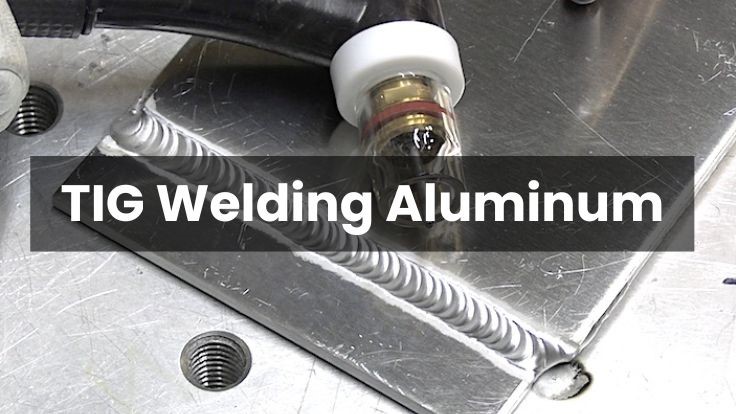
La soldadura TIG del aluminio se considera uno de los procesos técnicamente más exigentes en el campo de la soldadura. Cuando se trabaja con aluminio, metal que se caracteriza por su ligereza, resistencia a la corrosión y alta conductividad, surge un conjunto de problemas sin precedentes, que lo distinguen tanto del acero o el acero inoxidable. Una mala manipulación del aluminio puede hacer que la capa de óxido natural proporcione una soldadura débil, porosa o estructuralmente indeseable debido a su nivel de óxido natural, su bajo punto de fusión y su capacidad para absorber gas hidrógeno. Así pues, el proceso TIG (gas inerte de tungsteno), o el proceso de soldadura por arco de tungsteno con gas (GTAW), es el proceso elegido por la industria para utilizar en casos en los que la precisión, la estética y la integridad de la soldadura son los factores principales. El artículo abordará el comportamiento de los materiales, la selección del equipo, la elección del gas de protección, la preparación de las juntas y los métodos de resolución de problemas, aunque se hará mucho hincapié en el control de calidad y la repetibilidad. Además, el artículo detallará cómo seleccionar y manejar correctamente una soldadora TIG de aluminio, gestionar varios tipos de piezas de soldadura de aluminio y producir uniones consistentes y sin defectos cuando se intente soldar TIG de aluminio. Al final, el lector tendrá un conocimiento exhaustivo de cómo crear un ensamblaje de aluminio soldado con tig bueno, limpio y de buen aspecto estructural según la norma de la industria aeroespacial, automovilística, naval, así como de la industria manufacturera. Este artículo trata de la ciencia, los métodos y los aspectos prácticos de la soldadura TIG en aluminio. Está destinado a expertos y personas con formación técnica que deseen ampliar sus conocimientos sobre la soldadura de aluminio en procesos industriales o de alto rendimiento. ¿Qué es la soldadura TIG de aluminio? La soldadura TIG de aluminio hace referencia al proceso de unión de componentes de aluminio mediante soldadura con gas inerte de tungsteno (TIG), también conocida como soldadura por arco de tungsteno con gas (GTAW). Aquí, un electrodo de tungsteno no consumible genera un arco eléctrico y el metal base de aluminio y una varilla de relleno se funden en una cubierta protectora de gas inerte, normalmente argón. Como el aluminio tiene una alta conductividad térmica, un punto de fusión bajo y una capa de óxido de alta fusión, la soldadura de aluminio tiene una coloración única, y el secado debe hacerse con cuidado. La soldadura TIG tiene un control situado del aporte de calor y del charco de soldadura, por lo que es perfecta en materiales finos, montajes avanzados y otras aplicaciones de alto rendimiento. Las industrias aeroespacial, automovilística y naval, entre otras, utilizan la soldadura TIG para fabricar vídeos de soldadura resistentes, no corrosivos y de aspecto impecable. El éxito de la “Soldadura TIG de Aluminio” requiere una técnica experta, un equipo adecuado y una cuidadosa preparación de la superficie para garantizar la integridad y resistencia de la soldadura. ¿Por qué soldadura TIG de aluminio? La soldadura por arco de tungsteno con gas (GTAW), también conocida como soldadura por gas inerte de tungsteno (TIG), es la técnica ideal cuando se requiere precisión, control y un aspecto impecable. Ofrece un control inigualable de la cantidad de calor de entrada, de modo que los soldadores tienen la oportunidad de controlar la fluidez del baño de soldadura del aluminio. La soldadura TIG, cuando se utiliza con aluminio es muy conveniente principalmente porque: La soldadura de aluminio implica una mejor comprensión de sus propiedades físicas y químicas y que son muy diferentes en comparación con otros metales ampliamente utilizados. A continuación se presentan los principales desafíos asociados con la soldadura TIG de aluminio. 1. El aluminio transporta el calor 5 veces más que el acero. Esto significa que el calor se disipa rápidamente de la zona de soldadura, lo que requiere un mayor amperaje cuando se intenta soldar aluminio TIG, especialmente con materiales gruesos. Cuando no se hace lo mejor puede terminar en fusión gap o penetración irregular de la soldadura. 2. Problemas con la capa de óxido Cuando las superficies de aluminio se exponen al aire, se forma instantáneamente una capa de óxido (adherente fiable), que es delgada. Esta capa se funde a aproximadamente 2050 °C, que está muy por encima del punto de fusión del metal base del aluminio, que es de 660 °C. La soldadura TIG, cuando se utiliza el modo AC, ayuda a romper esta capa, pero también es importante que se realice una limpieza previa para producir aluminio soldado con TIG de alta calidad. 3. Susceptibilidad a la porosidad del hidrógeno El hidrógeno se absorbe fácilmente en el aluminio fundido, y esto puede crear porosidad o causar grietas durante el enfriamiento. El aceite, la humedad o las varillas de aportación sucias actuaron como fuente de contaminantes que provocaron la entrada de hidrógeno en el baño de soldadura. Una limpieza adecuada y el uso de varillas de aportación secas son esenciales para evitar defectos en las piezas de soldadura de aluminio. Tabla de resumen técnico para la soldadura TIG de aluminio A continuación se presenta una tabla técnica exhaustiva que resume los aspectos clave de la soldadura TIG de aluminio, incluidos los parámetros de soldadura, los tipos de unión, los defectos comunes y cómo gestionarlos. En esta tabla se combinan las ideas de su artículo, y es original y muy técnica. Categoría Detalle Técnico Recomendaciones / Parámetros Material base Las aleaciones de aluminio 1xxx a 6xxx son las más comúnmente soldadas con TIG Limpie todas las superficies antes de soldar; evite las 7xxx por su alta sensibilidad a las grietas Proceso principal Soldadura TIG de aluminio utilizando corriente alterna (CA) Utilice un TIG inverter con equilibrio de CA, arranque de alta frecuencia y control de arco estable Palabra clave principal Soldadura tig de aluminio Utilice el equilibrio y amperaje de CA adecuados; optimizar el control del charco y la deposición de relleno Tipo de electrodo 2% Tungsteno lantanado o ceriado (1/16″, 3/32″ o 1/8″) Afilar a punta truncada o punta esférica (para CA), según la aplicación Gas de protección Argón de gran pureza (99.99%) Caudal: 15-20 CFH; añadir Helio para materiales más gruesos o penetraciones más profundas Varillas de aportación ER4043, ER5356 Adaptar la aportación a la aleación base y a la aplicación (ER5356 para resistencia, ER4043 para resistencia a grietas) Tipos de unión A tope, Solapa, T, Esquina Diseñar con pequeños espacios (~1/16”) y permitir la expansión térmica Preparación de la soldadura Desengrasar + cepillo de alambre de acero inoxidable No tocar después de limpiar; Eliminar la capa de óxido antes de soldar Técnica del soplete Longitud de arco corta (<1/8”), ángulo de recorrido de 10-15° Mantener el relleno fuera del cono del arco para evitar la oxidación Ajustes de amperaje 1 amperio por 0.001” de espesor 60-130 amperios para la mayoría de las aplicaciones de aluminio fino a medio Frecuencia de CA Controla el enfoque del arco 120-200 Hz para un arco limpio y estrecho en piezas finas de soldadura de aluminio Equilibrio de CA 70% EN / 30% EP típico Ajustar hacia más EN para una penetración más profunda; más EP para limpiar el óxido Consejo: Asegúrese de calibrar correctamente su soldadora tig de aluminio

Fundición inyectada de aluminio a alta presión

Fabricante de fundición a presión de aluminio e IATF 16949

fundición de aluminio a presión

Modern manufacturing uses aluminium high-pressure die casting to make parts that are strong, light, and have many complex shapes. The reason automotive, aerospace, telecommunications, and consumer electronics all use it is that it can do both mass production and create very accurate pieces. Because the demand for quality aluminium high-pressure die-cast parts keeps increasing, it is important to deal with a well-known and certified supplier. In this area, the IATF 16949 certification is very important because it is a respected quality management standard used worldwide in the automotive industry. Such certification guarantees that quality control, proper risk handling, and continuous improvement are used during every stage of manufacturing. A certified aluminum die-casting and ISO 16949 company demonstrates its commitment to consistent product quality and customer satisfaction. Being a high precision die casting manufacturer and ITAF 16949 means meeting rigorous international standards and having the processes in place to minimize defects, enhance production efficiency, and ensure complete traceability of components. They can meet Tier 1 suppliers and OEMs by delivering components that exactly follow the business’s specifications. In addition, complying with aluminum die casting and 16949 standards means a manufacturer can meet expectations worldwide, mainly in areas where it is important to focus on safety and secure performance. Working with a suitable aluminium die casing partner that has IATF 16949 certification benefits your products, helps cut costs in the future, and strengthens the links in your supply chain. This article looks into how an aluminium high-pressure die casting manufacturer follows the IATF 16949 standard and its role. Aluminium High Pressure Die Casting  Aluminium high-pressure die casting helps make metal parts that are accurate in shape and have a perfect non-porous surface. When molten aluminium is injected into a steel mold at high pressure, it makes it possible to quickly fabricate complex parts and reduces later processing steps. Because it is strong and light, aluminium is widely used in many industries. The products made from this process are commonly seen in cars’ engines, housings, and brackets. For any aluminum die-casting and ITAF 16949 certified operation, maintaining the integrity of this process is vital to both quality and compliance. How IATF 16949 Helps in Die Casting? IATF 16949 is an international standard made for cars, and it uses quality management to ensure the reliability of products and their processes. Continuous development, prevention of quality issues, and lowering waste in the supply chain are the main elements of the system, which was created by the International Automotive Task Force. For manufacturers engaged in aluminum die-casting and ISO 16949 certification, certification is not just a regulatory requirement; it’s a badge of trust. It guarantees that the manufacturer follows quality rules that are respected everywhere. Besides, since IATF 16949 matches ISO 9001, it ensures full and proper quality management. Why is aluminium used in High Pressure Die Casting? Die casting benefits a lot from aluminium due to its ability to resist corrosion, its strong thermal conductivity, and being lighter than other metals like steel and brass. Because of these qualities, this material is suitable for cars since both light weight and performance depend on fuel efficiency. An IATF 16949 certification shows that all of these benefits are achieved by the business. For instance, manufacturers focusing on “high precision die casting manufacturer and ISO 16949 standards can assure customers of consistent product performance and minimal variance in production. What Makes an Aluminium Die Casting Manufacturer Reliable? Selecting a competent manufacturer is very important for firms doing aluminium die casting. A manufacturer should not only have the necessary know-how but also follow all quality standards. These are some of the essential traits you should notice: Using Precision in Die Casting Good die casting depends mostly on precise engineering. It confirms that components follow the tight guidelines of both dimensions and performance. Manufacturers who identify as high precision die casting manufacturers and ITA 16949 go to great lengths to implement exacting standards across the design and production cycle. Because of CAD/CAM software, quality inspection, and automated processes, production is kept as close as possible to the specific requirements. For applications like transmission housings, electronic enclosures, and important car components, the exactness needed is very important. Why Managing Quality Is Important? A well-structured quality management system (QMS) makes it possible to produce the same quality goods all the time. In the aluminium die casting industry, following the principles of IATF 16949 gives a way to control processes, reduce risks, and improve constantly. By following IATF 16949, a high precision die casting manufacturer and itaf 16949 ensures not only quality but also traceability and accountability. Everything is checked and confirmed along the supply chain to lower the chances of issues and defects. Below is a detailed and professional table that outlines key aspects of Aluminium High Pressure Die Casting Manufacturer and IATF 16949, integrating relevant information across different categories such as process, benefits, certification, and industry relevance. This table is ideal for use on a website, brochure, or presentation. Aluminium High Pressure Die Casting & IATF 16949 – Comprehensive Overview Category Details Manufacturing Process Aluminium is melted and injected into a steel mold under high pressure, producing complex shapes with excellent dimensional accuracy. Key Material Used Aluminium alloys (e.g., A380, ADC12, AlSi10Mg) are known for their strength, light weight, and thermal conductivity. Application Industries Automotive, Aerospace, Electronics, Industrial Equipment, Telecommunications, Consumer Goods. Advantages of Aluminium Die Casting – Lightweight components- High strength-to-weight ratio- Excellent surface finish- High-volume efficiency- Corrosion resistance Importance of Precision Tight tolerances and fine details can be achieved, ideal for engine parts, housings, connectors, brackets, and structural components. What is IATF 16949? A global quality management standard for the automotive industry, based on ISO 9001 with additional requirements specific to auto manufacturing. Benefits of IATF 16949 Certification – Consistent product quality- Risk-based thinking- Defect prevention- Better customer satisfaction- Competitive advantage Why Certification Matters Ensures traceability, standardized procedures, regulatory compliance, and ongoing performance improvement. Target Clients OEMs, Tier 1 & Tier 2 automotive suppliers, industrial system designers, and

Empresas de fundición a presión de automóviles en China y el mundo

Empresas de fundición a presión de automóviles en China y el mundo

fundición de aluminio, empresas de fundición a presión

El futuro de la industria automovilística está muy influenciado por el auge de la fundición a presión. Los componentes del motor, las carcasas de las baterías de los vehículos eléctricos y otras piezas fabricadas mediante fundición a presión son fundamentales para conseguir vehículos resistentes, precisos y más ligeros. Dado que la gente compra cada vez más vehículos eléctricos y de bajo consumo, las empresas de fundición a presión están a la vanguardia del progreso y de las soluciones a gran escala en este ámbito. China, más que ningún otro país, se ha convertido en uno de los principales actores de la fundición a presión gracias a sus herramientas avanzadas, mano de obra cualificada y fabricación asequible. Las empresas líderes en este campo son Sincere Tech, CNM Tech Co., Ltd. y GC Precision Mould Co., Ltd., que se encargan tanto del diseño de moldes como del mecanizado CNC y el acabado de superficies. Mediante controles de calidad y prototipos rápidos, estas empresas fabrican un gran número de piezas, lo que atrae como socios a fabricantes de automóviles locales y mundiales. En distintos países hay empresas como Wisconsin Aluminium Foundry (EE.UU.), Get It Made (Reino Unido) y MES Inc. (EE.UU.), que están cambiando el sector. Décadas de experiencia, certificaciones ISO 9001 e IATF 16949 y un enfoque ecológico e innovador garantizan que estas empresas puedan responder a las expectativas de los fabricantes de automóviles en cuanto a precisión, fiabilidad y respeto por el medio ambiente. El artículo señala algunos actores clave que lideran los cambios en el sector de la fundición a presión de automóviles. Debido a tendencias como la electrificación, la digitalización y el uso de métodos sostenibles, las empresas de fundición a presión de todo el mundo, incluida China, se consideran actores principales para lograr la excelencia en los automóviles. 1. Sincere Tech Año de creación: 2005Número de empleados: 100-200Tipo de empresa: Sincere Tech es uno de los mayores fabricantes de moldes de inyección de plástico, productores de fundición a presión, proveedores de mecanizado y proveedores de ensamblaje de China. Página web y contacto Página web: https://plas.co/Phone: +86 135 30801277Correo electrónico: steve@sincere-tech.comAddress: Rm101, N041, Donghu road, JingLian cun, ciudad de Qiaotou, ciudad de Dongguan, provincia de Guangdong, China. 523000. Perfil de la empresa El proveedor chino de moldes de inyección de plástico y servicios de moldeo, Sincere Tech, se encuentra entre las empresas más destacadas de China. Desde 2005, esta empresa es el resultado de la combinación de estampación de metal y plástico, moldes de inyección de plástico de precisión, mecanizado CNC, fundición a presión y moldeo de silicona. Máquinas avanzadas, protección de la información con acuerdos de confidencialidad, precios justos y casi dos décadas de excelente producción esperan a nuestros clientes en Sincere Tech. El moldeo por inyección se utiliza en máquinas de 60-1800 toneladas al servicio de industrias como la electrónica, la médica, la automovilística o la cosmética y sus piezas oscilan entre menos de un gramo y 8 kilogramos de peso. Sus compromisos de máxima calidad Según las normas ISO 9001:2015 e ISO 9000:2015, Sincere Tech tiene como objetivo fabricar productos aceptados en todo el mundo. Cuidar la calidad ha permitido a la empresa crear una gran demanda, por lo que exporta sus productos a Finlandia y a varios países más. Al estar entre empresas que prestan servicios similares, Sincere Tech es reconocida como un socio fiable e innovador para el moldeo por inyección de plástico. 1. ¿Por qué elegirnos? 2. CNM Tech Co., Ltd. Año de creación: 20+Número de empleados: 100-200Tipo de empresa: CNM Tech Co., Ltd. es una empresa de fabricación de precisión centrada en la fundición a presión, el mecanizado CNC y los servicios de montaje. Página web y contacto Página web: https://www.thediecasting.com/Contact: +86 13045898002Correo electrónico: sales@thediecasting.comAddress: Dirección de la fábrica: Rm 101, No.40, Donghu Road, Jinglian, Qiaotou town, ciudad de Dongguan, provincia de Guangdong, China. 523520. Perfil de la empresa Thediecasting.com es el dominio oficial bajo el que opera CNM Tech Co., Ltd., destacado fabricante chino de soluciones de fundición a presión. La empresa tiene su sede en Dongguan (China) y se dedica a la fundición a presión de aluminio, magnesio y zinc, el mecanizado CNC, el acabado de superficies y el montaje. CNM Tech cuenta con más de 20 años de experiencia en los campos de la automoción, aeroespacial, electrónica, etc. Debido a la fabricación de alta precisión, su taller de herramientas interno y máquinas CNC avanzadas también garantizan. CNM Tech ofrece todo tipo de pulido, chorro de arena, pintura en polvo, pintura al óleo, etc., con productos de acabado de alta calidad que satisfacen las necesidades de los usuarios de todo el mundo. Sus compromisos de calidad CNM Tech Co., Ltd. proporciona documentos ISO 9001:2008, TS16949 e ISO 14001:2015. En la mayoría de los casos, estos le proporcionarán la seguridad de que la gestión de su empresa es de primera categoría y también garantizarán el cumplimiento de las normas de la industria automotriz y las actividades respetuosas con el medio ambiente realizadas por la empresa en cuestión. Como resultado de seguir estrictamente las normativas de calidad y medio ambiente, CNM Tech proporciona grandes soluciones de fundición a presión con un impacto medioambiental mínimo, con su excelente reputación en el mercado. 2. ¿Por qué elegirnos? 3. GC Precision Mould Co., Ltd. Año de creación: 1999Número de empleados: 100-200Tipo de negocio: Nuestra empresa, GC Precision Mould Co., Ltd., se dedica a la fundición a presión de aluminio, zinc y magnesio, al mecanizado CNC y al moldeo por inyección de plástico. Página web y contacto Página web: https://aludiecasting.com/Contact: +86 131 4886 5556Correo electrónico: info@aludiecasting.comAddress: Dirección de la fábrica 1: No. 30 Huan Zhen Rd, Qi Shi Town, ciudad de Dongguan, provincia de Guangdong, China, 523516 Perfil de la empresa GC Precision Mold Co., Ltd., que opera bajo Aludiecasting.com, es un fabricante de fundición a presión y mecanizado de precisión que figura entre los principales fabricantes chinos. La empresa se fundó en 1999, y sus servicios incluyen fundición a presión de aluminio, zinc y magnesio, moldeo por inyección de plástico y mecanizado CNC y acabado de superficies. Disponen de maquinaria de última generación, como máquinas de fundición a presión de alta presión (120 - 1600 toneladas) y máquinas de moldeo por inyección (80 - 2800 toneladas conectadas a industrias como la automovilística, la aeroespacial y la electrónica. Tienen una calidad muy estricta para ofrecer soluciones de fabricación exactas, duraderas y más baratas en todo el mundo. Sus compromisos de calidad GC Precision Mold Co., Ltd proporciona las mejores soluciones de fundición a presión y mecanizado, tal y como se especifica en la certificación ISO 9001. Su control de calidad es tan estricto que realizan pruebas de precisión, máquinas CMM, rayos X y espectrómetros para garantizar un producto fiable. Gracias al estricto cumplimiento de las normas internacionales, la empresa garantiza la entrega de componentes uniformes y de alta calidad con un mínimo de quejas de los clientes debido al aspecto de la fiabilidad, por los motivos indicados en cada proyecto. 3. ¿Por qué elegir GC Precision Mould Co. 4. Get It Made Año de creación: 2011Número de empleados: 50-100Tipo de negocio: Fabricante y proveedor de piezas de fundición a presión para automóviles. Página web y contacto Página web: https://get-it-made.co.uk/ Correo electrónico: team@get-it-made.co.ukContact: +44 (0)20 3286 6002Dirección: Get It Made Ltd, Unit 1 Southbrook Mews, Londres SE12 8LG. Perfil de la empresa Get It Made se creó en Londres,

Empresa de fundición a presión de aleaciones en China y el mundo 

Empresa de fundición a presión de aleaciones en China y el mundo 

fundición a presión, empresas de fundición a presión, empresa de fundición a presión

La fundición a presión de aleaciones se utiliza para producir piezas metálicas complicadas que requieren tolerancias estrechas y tienen un acabado muy bueno. Entre otros, desempeña un papel importante en los sectores de automoción, aeroespacial, electrónica, defensa, dispositivos médicos y productos de consumo. En todo el mundo, los fabricantes colaboran entre sí, y China lidera esta industria porque cuenta con sólidas infraestructuras, personal bien formado y buenos precios. CNM Tech Co., Ltd., Sincere Tech y GC Precision Mould Co., Ltd. son empresas muy conocidas en el sector chino de la fundición a presión, y todas ellas se encargan del diseño de moldes, el mecanizado CNC y el montaje final. Estos fabricantes utilizan la tecnología más avanzada y siguen normas de calidad mundiales como la ISO 9001. La mayoría de sus servicios atienden a clientes internacionales, lo que les confiere un papel importante en las redes mundiales de suministro. Empresas como Nemak (México), MRT Castings Ltd y Haworth Castings (Reino Unido), y PHB Inc. (EE.UU.) son buenos ejemplos de tecnología avanzada de fundición a presión fuera de Asia. La innovación, la sostenibilidad y la producción de precisión son fundamentales para estas empresas, que suministran a los sectores aeroespacial, médico y de vehículos eléctricos, que tienen normativas estrictas. Estas dos empresas se diferencian de otras por estar altamente cualificadas y también por hacer mucho hincapié en la calidad, la atención al cliente y los cambios ecológicos. El artículo analiza varias empresas líderes de fundición a presión en China y en todo el mundo, destacando sus principales cualidades, puntos fuertes y por qué les va bien en este mercado empresarial. Independientemente de la parte del mundo a la que desee subcontratar sus servicios, los perfiles ofrecidos le darán consejos útiles sobre sus mejores opciones. Fundición a presión de aleaciones En la fundición a presión de aleaciones, una aleación metálica líquida se prensa con gran fuerza en matrices de acero, que pueden reutilizarse muchas veces. Este método de producción ayuda a crear piezas metálicas muy precisas en sus dimensiones, lisas y que pueden producirse con gran eficacia. Características principales de la fundición a presión de aleaciones: 1. 1. Aleaciones utilizadas: La mayoría de estos procesos se basan en aleaciones de metales no ferrosos, por ejemplo, aluminio, zinc y magnesio, que tienen sus importantes ventajas relacionadas con el peso, lo fuertes que son, la resistencia a la corrosión y la conductividad térmica. 2. Resumen del proceso: A continuación tiene lugar la fusión de la aleación, que se realiza introduciendo el material en un horno. Un molde de acero templado recibe el metal fundido, que entra a través de una máquina de fundición a presión. 3. Los tipos de fundición a presión son: Estos son los principales puntos fuertes de la fundición a presión de aleaciones: Aplicaciones comunes: 1. CNM Tech Co. Año de creación: 20+Número de empleados: 100-200Tipo de empresa: CNM Tech Co., Ltd. es una empresa de fabricación de precisión centrada en la fundición a presión, el mecanizado CNC y los servicios de montaje. Página web y contacto Página web: https://www.thediecasting.com/Contact: +86 13045898002Correo electrónico: sales@thediecasting.comAddress: Dirección de la fábrica: Rm 101, No.40, Donghu Road, Jinglian, Qiaotou town, Dongguan City, provincia de Guangdong, China. 523520. Perfil de la empresa The Die Casting Company es conocida por fabricar componentes de fundición a presión de precisión de aluminio y zinc. La empresa ofrece servicios completos de fundición al disponer de las capacidades necesarias para el diseño de moldes, utillaje, mecanizado CNC, acabado de superficies y pruebas de calidad, todo ello en sus propias instalaciones. Al servicio de los sectores de la automoción, la electricidad y la maquinaria industrial, aúna conocimientos de ingeniería y certificados ISO 9001. Con la ayuda de la tecnología moderna y un enfoque orientado al cliente, The Die Casting Company ofrece un alto rendimiento, una producción de bajo coste y una calidad inalterable. Con sede en la India, Codeplay ofrece asistencia personalizada y entregas puntuales a clientes de todo el mundo. Compromiso de calidad En The Die Casting Company, la alta calidad es importante en todas las tareas. Empezando por la comprobación de las materias primas, la empresa utiliza estrictos procedimientos de control de calidad hasta la prueba de los productos acabados. Dado que cumple la norma ISO 9001, sus instalaciones utilizan los equipos más modernos y cuentan con un equipo de trabajadores formados. Se comprueban minuciosamente las medidas, la resistencia y el aspecto de cada pieza fundida para satisfacer las necesidades del cliente y las exigencias del sector. Gracias a este compromiso, los clientes están satisfechos, los productos funcionan con fiabilidad y se genera confianza a largo plazo. 1. ¿Por qué nuestra empresa? 2. Año de creación: 2005Número de empleados: 100-200Tipo de negocio: Sincere Tech es uno de los mayores fabricantes de moldes de inyección de plástico, productores de fundición a presión, proveedores de mecanizado y proveedores de ensamblaje de China. Página web y contacto Página web: https://plas.co/Phone: +86 135 30801277Correo electrónico: steve@sincere-tech.comAddress: Rm101, N041, Donghu road, JingLian cun, qiaotou town, ciudad de Dongguan, provincia de Guangdong, China. 523000. Perfil de la empresa En 2005 se fundó Sincere Tech (plas.co), que se ha convertido en uno de los principales proveedores chinos de moldes de inyección de plástico personalizados y servicios de moldeo. Gracias a sus 18 años en este campo, la empresa es capaz de ofrecer amplias soluciones, como diseño de moldes, mecanizado CNC, fundición a presión, moldeo de silicona y montaje. Sincere Tech trabaja en los sectores de la electrónica, la automoción, la medicina y los electrodomésticos, y utiliza máquinas de alta tecnología, como CNC de 5 ejes y MMC, para garantizar la precisión y la calidad. Siguiendo las normas internacionales, la empresa observa las certificaciones ISO 9001:2015 y QS 9000:2015, asegurándose de que los clientes reciban productos de calidad dentro de su presupuesto. Compromiso de calidad En Sincere Tech, todo debe hacerse teniendo en cuenta la calidad. La empresa utiliza las normas ISO 9001:2015 y QS 9000:2015 mientras fabrica todos sus productos. A través de herramientas modernas y normas estrictas, Sincere Tech garantiza que todos sus productos se fabrican exactamente según las especificaciones. Todos los procesos, desde el trazado del diseño hasta completar el ensamblaje, son monitoreados de cerca para asegurar que ciertas partes sean fuertes, precisas y hagan felices a los clientes, razón por la cual es respetada por la industria. 2. ¿Por qué nuestra empresa? 3. GC Precision Mould Co., Ltd. Año de creación: 1999Número de empleados: 100-200Tipo de negocio: Nuestra empresa, GC PrecisionMould Co., Ltd, se dedica a la fundición a presión de aluminio, zinc y magnesio, al mecanizado CNC y al moldeo por inyección de plástico Página web y contacto Página web: https://aludiecasting.com/Contact: +86 131 4886 5556Correo electrónico: info@aludiecasting.comAddress: Dirección de la fábrica 1: No. 30 Huan Zhen Rd, Qi Shi Town, Dongguan City, provincia de Guangdong, China, 523516 Perfil de la empresa GC PrecisioMould Co., Ltd. comenzó su andadura en 1999 y ahora se ha convertido en uno de los principales proveedores mundiales de artes de fundición a presión y productos mecanizados de metales no férreos. Fireray Precision Equipment lleva más de dos décadas en el sector y se dedica principalmente a la fundición a presión de aluminio, la fundición a presión de zinc, la fundición en arena de bronce, la fundición por gravedad de aluminio y el mecanizado de precisión CNC. Con sede en la ciudad de Dongguan, provincia de Guangdong (China), GC PrecisionMould Co.

Scroll al inicio

Solicitar presupuesto