Principales empresas de fundición a presión de China y del mundo
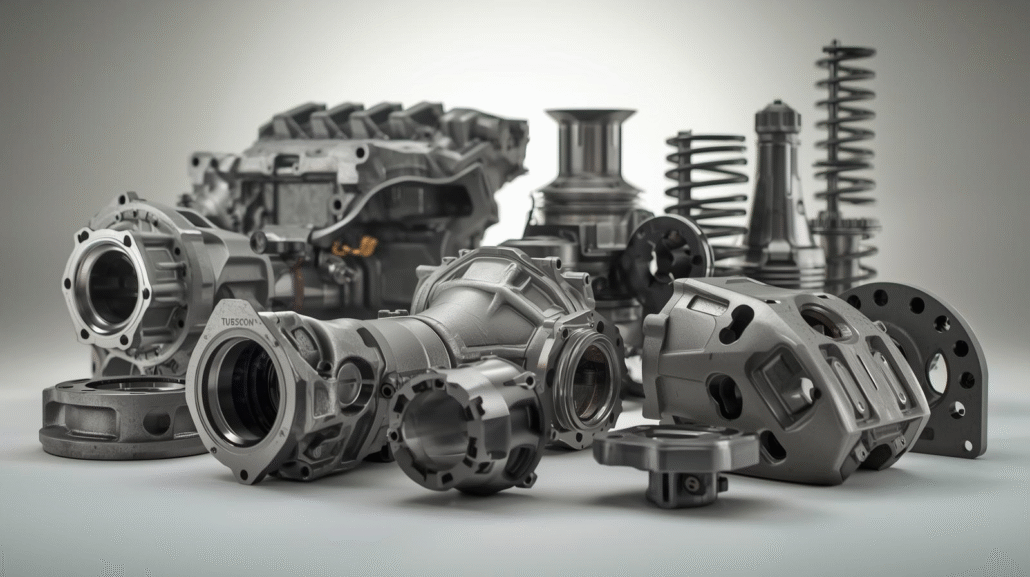
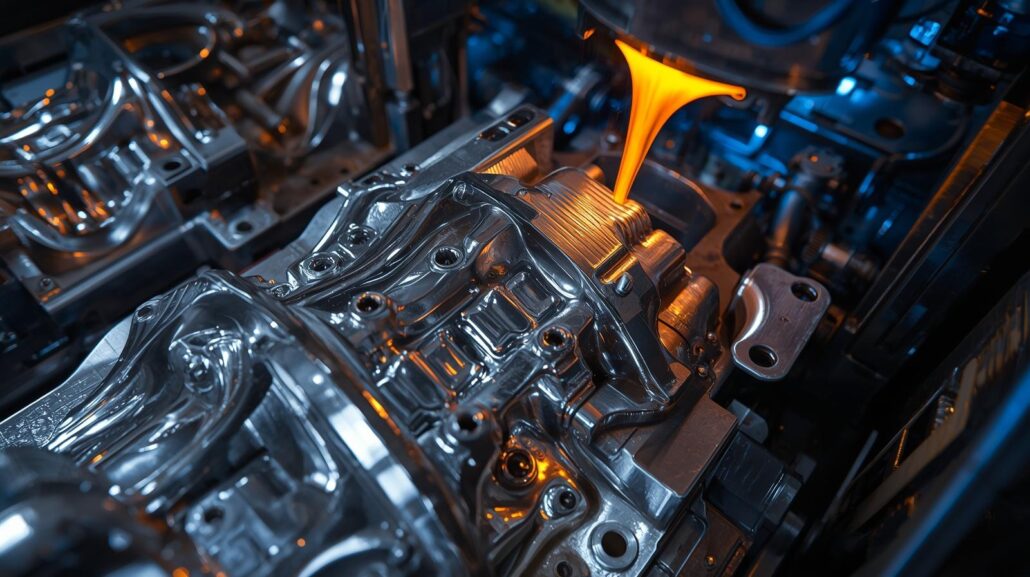
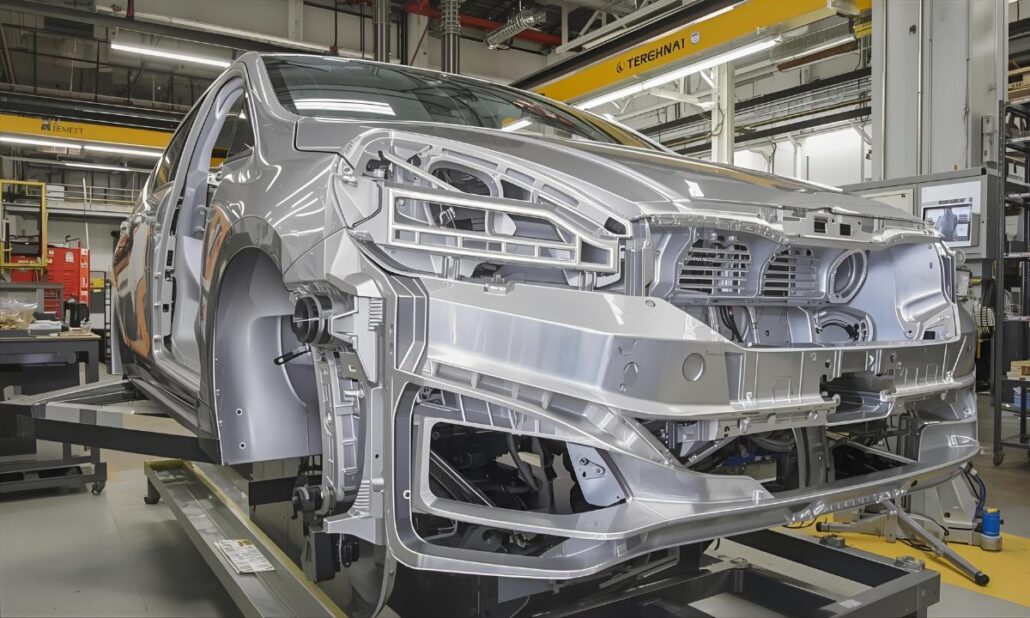
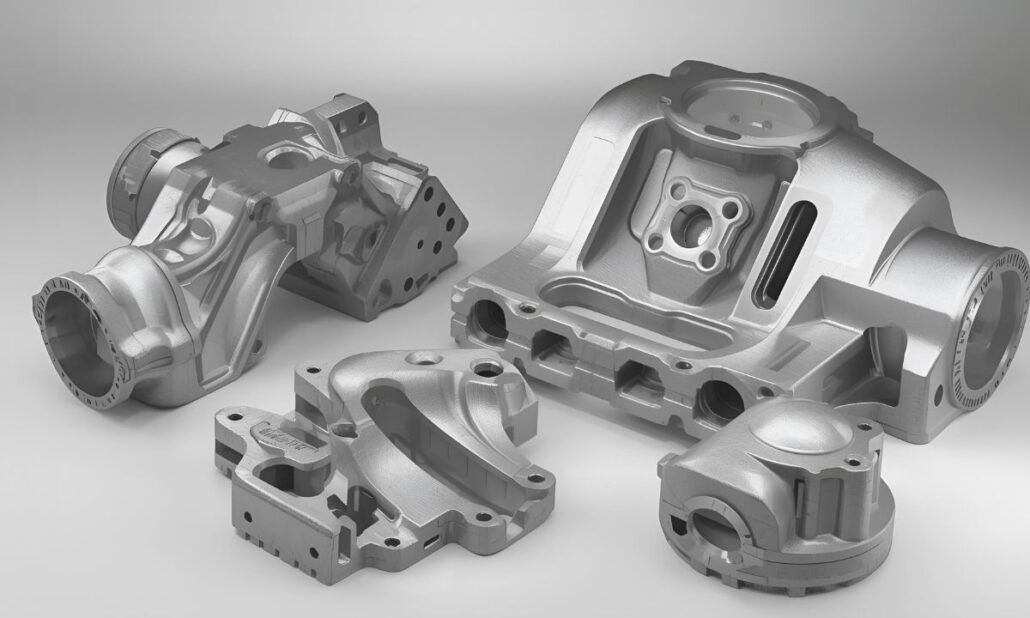
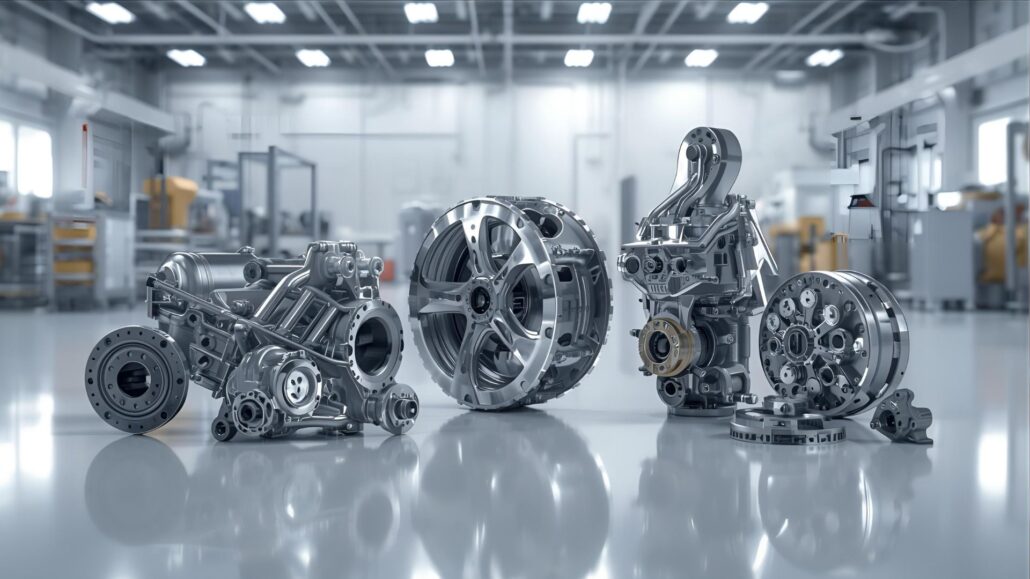
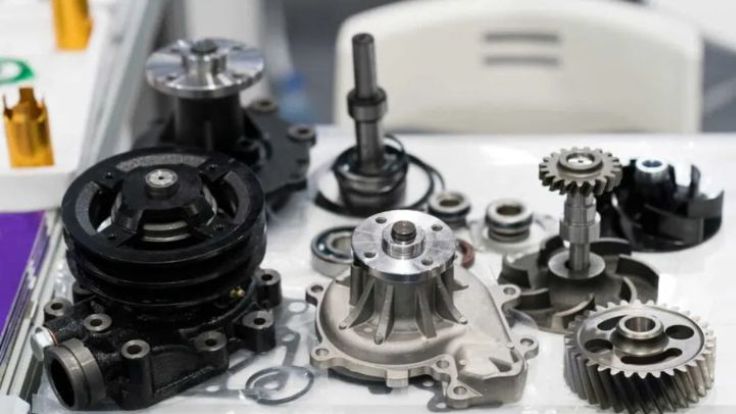
fundición de aluminio a presión, empresas de fundición a presión, empresa de fundición a presión, Fabricante de fundición a presiónLa fundición de aluminio a presión es uno de los procesos de fabricación más fiables y rentables de la industria contemporánea. Se trata del proceso de inyección a alta presión de aluminio fundido a alta temperatura en un molde preciso para crear piezas potentes, ligeras y dimensionalmente precisas. Es especialmente útil en la producción de formas muy complejas con acabados superficiales de gran calidad, por lo que es un proceso muy utilizado en la industria automovilística, aeroespacial, electrónica, de productos de consumo y de maquinaria industrial. La fundición a presión de aluminio ha tenido una gran demanda en los últimos años. La tendencia mundial hacia los coches eléctricos, las construcciones ligeras y la eficiencia energética ha situado a las aleaciones de aluminio en primera línea de la innovación. Los fabricantes han desarrollado componentes de alta tecnología como bloques de motor, cajas de transmisión, carcasas de baterías y disipadores térmicos que son duraderos y ligeros. La reciclabilidad y la resistencia a la corrosión hacen que el aluminio también sea útil en las tendencias mundiales de producción sostenible y respetuosa con el medio ambiente. Dos de los principales centros de fundición a presión de aluminio son Estados Unidos y China. Las empresas de Estados Unidos son conocidas por ser innovadoras, tener altos estándares de calidad y utilizar altos niveles de automatización, por lo que pueden considerarse una buena inversión en industrias de alta precisión. Por el contrario, los fabricantes chinos han ganado mucha competitividad en el mercado mundial, han aportado una solución rentable, una gran capacidad de producción y tecnologías más avanzadas. En este artículo se analizarán algunas de las industrias de fundición a presión de aluminio con más éxito en EE.UU. y China, sus puntos fuertes, sus capacidades y los factores que las convierten en los socios más fiables que las empresas de todo el mundo como sus proveedores preferidos en la industria manufacturera. ¿Qué es la fundición a presión para automoción? La fundición a presión es un proceso de producción en el que el metal fundido, normalmente aluminio, magnesio o zinc, se introduce a gran presión en un molde que tiene un espacio abierto. Esto permite la producción en serie de componentes de alta resistencia, de funciones complejas y con un buen acabado superficial y precisión dimensional. La fundición a presión en la industria del automóvil permite la producción de componentes: El uso de la fundición a presión ha revolucionado la construcción de los vehículos contemporáneos, ya que permite ahorrar peso y, al mismo tiempo, mantener las prestaciones. La demanda ha contribuido al elevado índice de desarrollo de las principales empresas de fundición a presión para automoción en China, Europa, América y Japón. Por qué China es líder en fundición a presión para automoción China es uno de los mayores fabricantes de fundición a presión para automoción del mundo: Este conjunto de puntos fuertes ha permitido a las empresas chinas de fundición a presión para automoción ser las potencias no sólo en el mercado local, sino también a nivel internacional en la cadena de suministro. CNM Tech Diecasting Company es uno de los principales productores de productos de fundición a presión de aluminio de calidad superior. Ofrecen a varios sectores, como el de la automoción, la electrónica y las telecomunicaciones, componentes de ingeniería de precisión destinados a mantener los más altos niveles de calidad. Pueden producir piezas ligeras y resistentes utilizando sus avanzados procesos de producción, como la fundición a alta presión y el mecanizado CNC. The Diecasting Company cree en el poder de la innovación constante y, por ello, invierte en maquinaria moderna, líneas de producción automatizadas y, lo que es más importante, sistemas de control de calidad que ayudan a ofrecer siempre los mismos resultados. Tanto los fabricantes de equipos originales como los proveedores de primer nivel forman parte de su base de clientes global, por lo que son un socio fiable a la hora de satisfacer necesidades de producción complejas y de gran volumen. Sitio web: https://www.thediecasting.com/ Por qué elegirlos The Diecasting Company es la empresa preferida por las empresas porque se centra en la calidad, la precisión y la innovación. Su aplicación de las tecnologías de fundición a presión más avanzadas, su estricto control de calidad y su puntualidad en las entregas garantizan que sus clientes obtengan componentes que cumplen las normas internacionales y los convierten en la opción preferida de los fabricantes y fabricantes de equipos originales de automoción que desean encontrar un proveedor fiable de soluciones de fundición a presión. Industrias atendidas Sincere Tech Sincere Tech es uno de los productores de moldes de alta precisión en inyección de plástico y fundición a presión. Tienen experiencia en el diseño de moldes, la creación de prototipos y la fabricación del producto final, lo que proporciona una solución integral a sus clientes de todo el mundo. Utilizan software CAD/CAM informatizado y mecanizado automatizado para que todos los moldes fabricados sean muy precisos. Plastic Mold puede acreditarse con años de experiencia en atender las necesidades de las industrias de automoción, electrónica de consumo y dispositivos médicos con la capacidad de entregar moldes complejos con eficiencia. Destacan por su innovación, control de calidad y rapidez de entrega, lo que les convierte en un proveedor de confianza para las empresas que desean una solución de moldes personalizada. Sitio web: https://www.plasticmold.net/ Por qué elegirlos Plastic Mold es seleccionada por sus completos sistemas de fabricación de moldes, sus conocimientos técnicos y su capacidad para ajustarse a tiempos de producción limitados. Sus moldes de calidad superior minimizan los errores, mejoran la productividad y ayudan a los clientes a obtener productos de fundición a presión o moldeados por inyección precisos y fiables. Industrias atendidas GC Precision Mould GC Precision Mould es un fabricante de moldes de fundición a presión en China que suministra moldes de fundición a presión de aluminio, zinc y magnesio. Tienen fama de fabricar piezas de alta calidad, rentables y ligeras en los sectores de la automoción, la electrónica y la iluminación. Disponen de las capacidades de fundición a presión de alta presión, mecanizado CNC y operaciones de acabado secundarias. Alu Diecasting se centra en la precisión, la longevidad y la productividad. Siempre están a la altura de las normas internacionales con el uso de modernas instalaciones, líneas automatizadas e ingenieros cualificados. Atienden a clientes tanto locales como internacionales, como fabricantes de equipos originales y proveedores de primer nivel, y están posicionados como uno de los principales fabricantes chinos de piezas de fundición a presión de la industria automovilística. Sitio web: https://aludiecasting.com/ Por qué elegirlos Utilizan Alu Diecasting porque ofrecen una combinación de precios competitivos, normas de alta calidad y tecnología. Tienen un historial de varias aleaciones, mecanizado de precisión y producción a tiempo que mantiene piezas fiables, de larga duración y ligeras que satisfacen las demandas de la industria automovilística mundial. Industrias atendidas Get It Made Get It Made es un productor de mecanizado CNC, impresión 3D, fundición a presión y conformado de metales con sede en el Reino Unido. Apoyan tanto la creación de prototipos como la producción de bajo volumen,