Fabricación de aluminio a medida Todo lo que necesita saber

Fabricación de aluminio a medida: Todo lo que necesita saber

Fabricación de aluminio

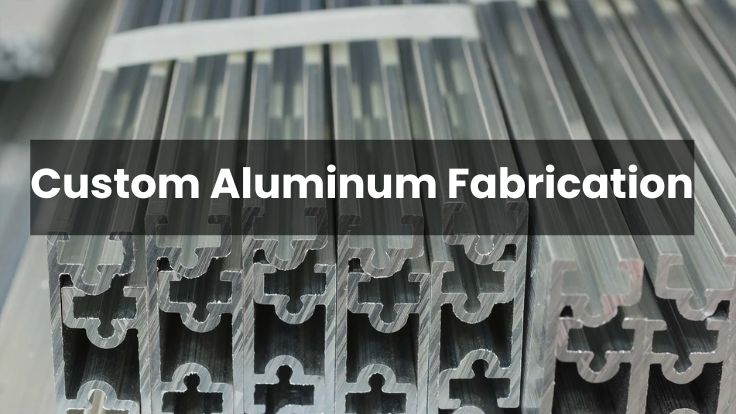
Custom aluminum fabrication has emerged to be a pillar of many industries in the contemporary era of innovation and design. Whether it is used in aircraft parts, buildings, or bridges, aluminum is utilized because of its power, ductility, and corrosion resistance. It does not just relate to getting aluminum but forming it to fit specific requirements. And that is where the notion of custom aluminum fabrication comes out on top, providing a tailor-made approach to the needs of industrial structures, as well as home interiors and exteriors.  Carbon steel is ideal because, in custom fabrication, you can get this kind of flexibility to customize it to address very particular needs, unlike standard metal parts, which are mass-produced with limited flexibility.  In the design and creation of architectural accents, machine enclosures, or custom furniture, aluminum represents the optimal combination of strength and workability. The steps include cutting, shaping, welding, and assembling items made of aluminum into products that look good and serve a purpose. As fabrication technology evolves and as the need to solve more personalized problems grows, citizens are specifically looking at the phrase: custom aluminum fabrication in my area to implement their ideas. As a company seeking reliable business signage or a homeowner with a design in mind, having an experienced custom aluminum fabricator will guarantee a solution to your project that fits your perception and lasts for years. This article talks in depth about the entire custom aluminum fabrication process, its advantages, its applications, and how to find the right partner for your next project. And it is time to enter the fantasy with metal is ready to meet your unique solution. What is Custom Aluminum Fabrication? In its simplest terms, custom aluminum fabrication is simply the design, cutting, and shaping of aluminum, its welding, and assembly into a complete product that can fit the specific needs of a client. This may be as simple bracket or even as complicated as machine pieces. Aluminum is used in these operations since it is light but strong, and does not rust or corrode. What makes aluminum great is that it is workable. It is malleable, can be welded and machined as well as bent easily. It makes it possible to be creative with structural as well as aesthetic use. Experienced personnel handle different tools and machinery to shape aluminum sheets or extrusions into useful products. Why Aluminum? It is also best to know why aluminum has been widely used in custom metalwork before discussing deeper into the:.Weak, yet Stable: Aluminum has a great ratio of strength and weight. These benefits have rendered the term aluminum custom fabrication as one of the options in many industries.  What is the meaning of the word Custom? The term custom is what is produced or created to suit an individual or a purpose, as opposed to something that is generally mass-produced or standard. Otherwise said, when something is custom, then it would be made in order to accommodate just what you require, or what you prefer, or what you would like to be made especially. Examples: Thus, when we speak of custom aluminum fabrication then the term custom underlines the fact that the pieces or products of aluminum are uniquely made to fit a specific customer or application, or design, hence being specific and tailor-made. The Fabricating Process Custom aluminum formation engulfs several distinct vital processes: 1. Design and Planning Clients will come with their idea or drawing, or applications. The fabricator analyses the specifications and recommends the most suitable form of aluminum and the procedure to be used. 2.  Cutting and Shaping Aluminum is cut into required shapes with the help of saws, lasers, or CNC machines. There is bending, forming so as to produce the precise structure or contour required. 3. Assembly and welding Special aluminum welding methods, such as the TIG welding technique, are used to join pieces. Close construction guarantees stability and beauty. 4. Finishing Touches The piece is finally sanded, polished, painted, or anodized ,depending on the look desired and protection. These treatments are value added, particularly to those aluminum products that were to be exposed to the elements or put on display, that would be branded as custom aluminum fabricated products. Common Applications There is hardly a limit to what may be produced using the help of custom aluminum fabricated products: When individuals are going to search on their search engine for custom aluminum fabrication near me, they are usually in need of a qualified local machine shop to execute these visions and turn them into a reality. Selecting The Right Fabricator Not every time is it easy to decide between the alternatives of choosing the custom aluminum fabricators. There are so many shops that would define themselves as freezing shops that it is very important to seek some qualities: Whenever you visit a search engine and type in custom aluminum fabrication near me, you should not consider only the distance. Check the abilities, feedback, and previous work of a shop to make sure that everything fits. Advantages of Going Custom Not being generic is not the only purpose of going custom; it has very real, practical benefits: That is why in the numerous industries, the concepts of custom aluminum fabrication put the money in the parts and installations that are needed. Aluminum vs. Other Metals in Custom Fabrication To select the materials in a fabrication project, it is important to have a background on which metal is better compared to others, and aluminum is not an exception. Metals bear specific characteristics that influence their applications in weight, strength, costs, and the usage they are suitable. This is a breakdown: Aluminum Aluminum is a lightweight material, resistant to rusting, and strong. It is commonly employed in fabrication works that require durability, but do not want the excess weight. It can also be easily cut, bent, and welde,d and this makes it an ideal material in custom aluminum fabrication. Besides, aluminum can be recycled completely and it also
Cómo encontrar los mejores fabricantes de aluminio cerca de mí

Cómo encontrar los mejores fabricantes de aluminio cerca de mí

Fabricación de aluminio

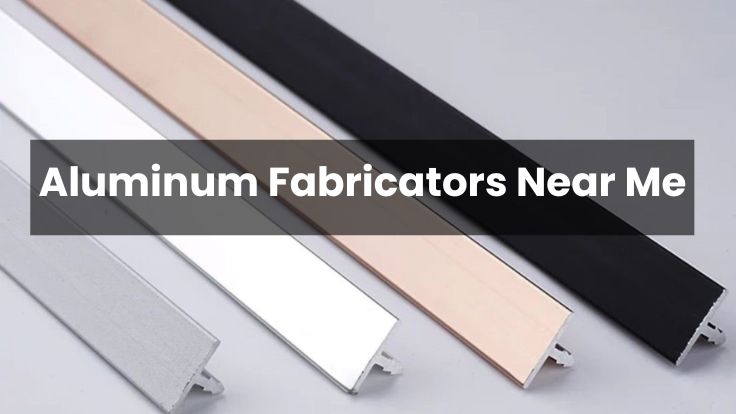
Aluminum fabrication is an important part of present-day construction, manufacturing, and design. In custom gates, machine frames or industrial panels, aluminium is durable, lightweight and resistant to corrosion. It is the most versatile metal in existence, and this flexibility qualifies it to be applied to thousands of uses- from small residential to large commercial projects. When someone uses the internet to find things like where to buy aluminum fabrication near me, one is likely going through local hence local professionals who can cut, form and craft an aluminum so that it fits a particular project. These facilities are offered as complete as the sheet cutting, extrusion to welding, finishing and installation. The ski lift manufacturers are very well trained in the method of working using various grades and thicknesses of aluminum so that there would be accuracy and strength in the end product. A great variety of finishes is also possible (power coating or anodising) to enhance aesthetics and performance in the fabrication process. Regardless of whether you are interested in functionality, beauty, or both, the solution is easy to find when browsing local results with a search for possibilities for aluminum fabricators near me. This article will guide you through all you ought to know about aluminum fabrication, the importance of local expertise and how to select the perfect aluminum fabricators near you when implementing your project or concept. What is Fabrication? Modern construction and development of products require the art of fabrication. It is the procedure that converts raw materials, particularly metals, into useful and tailor-made parts and structures. An insight into the Word Fabrication Fundamentally, fabrication can be described as the action of cutting, shaping, assembling and finishing raw material into a final product. Nevertheless, in contrast to mass production, where the same product is produced anyway, fabrication can be very individual and oriented towards a project. This is particularly so in the aluminum fabrication enterprise, where every piece may be required to be customised as far as strength, aesthetics, and fitting are concerned. The Reasons Aluminum Is Perfect for Fabrication The aluminum has been widely used in fabrication due to its low weight, strength, corrosion-resistant nature and versatility. It can be shaped into complex patterns, and yet it can be durable. This is why, when people want to find some aluminum fabrication, they may type in such a request as aluminum fabrication near me in a search. And people are usually interested in custom production to deal with architectural, industrial, or even artistic needs. The Important Processes in Aluminum Fabrication Aluminum fabrication involves some of the primary techniques, which are as follows: Welding: The joining of pieces with the help of heatCutting: Globally, cutting is done using lasers, pulsed jets or sand.Forming: Bending/rolling of aluminum to get favourable shapesFinishing: appearance, sandblasting, painting, coating, and protection. Apply finishing, such as sandblasting, painting, or coating, to complete the finishing. These procedures require skill, particularly those using aluminum, like aluminum fabricators who are well aware of the special characteristics of aluminum. Any faulty technique may ruin strength or appearance. The part of the local Aluminum specialists Proximity of services through local professionals has the advantage of being accountable and on-ground service. In case you have a time-sensitive or tailored task, you can find time to cooperate offline with the help of the search for the words: aluminum fabricators near me, as it will allow you to discuss the changes in design or even visit the shop. This helps you with faster delivery, enhanced communication and personalised outcomes. What Does Aluminium Fabrication Mean? Before proceeding to tips on how to get services in your local area, it is essential to get a clear picture of what the term aluminum fabrication means. In simple terms, aluminum fabrication involves forming, cutting and joining aluminum to complete the processing of making the finished goods or parts. These may include window frames and signs to sophisticated parts of industrial equipment. As opposed to generic metalwork, a person needs particular knowledge and tools to use in the process of aluminum fabrication. Aluminum is not the same as steel or copper; it is soft, and it is sensitive to heat. It implies that anyone cannot work with it properly. Experienced aluminum fabricators understand just how to manage these properties so as to guarantee long-term outcomes. The Reason to Select Local Aluminum Fabricators Near Me. On searching the term aluminum fabricators near me, you are not only seeking convenience, it is also the quality of work, communication and trust. There are various unique benefits of working with local experts. 1. Face-to-face communication: It is simpler to describe what you need face-to-face, and you can look at references or examples of the previous work.2. reduced turnaround: Local stores eliminate shipping time and delays.3. Convenience in working together: It is easier to make subsequent changes, modifications or follow-up with your fabricator so long as you are around. Above all, something that aluminum fabricators near me comprehend is your local regulations and climatic conditions that imply that they are able to advise on what finish or structural solution is best with regard to what is required where you live. Important Aluminum Fabrication Techniques An aluminum fabrication process encompasses a row of technical and precise operations of transforming aluminum dross into a practical structure or part. By searching the phrase, aluminum fabrication near me, you probably seek experts that provide a variety of such services at one location. Now, we can get acquainted with the most significant processes employed by the industry nowadays. 1. Cutting The initial stage in the fabrication process is cutting, which involves a reduction in aluminum sheets, tubes, or bars to the desired size. Laser, water jets, plasma cutters, and saws are some of the tools that enable fabricators to attain clean and precise cuts. Accuracy during this phase can be considered the key to success in the project, and there is no exception when it comes to the approach of professional aluminum fabricators. 2. Moulding

Cómo soldar aluminio: Consejos, herramientas y técnicas

Cómo soldar aluminio: Consejos, herramientas y técnicas

Soldadura del aluminio

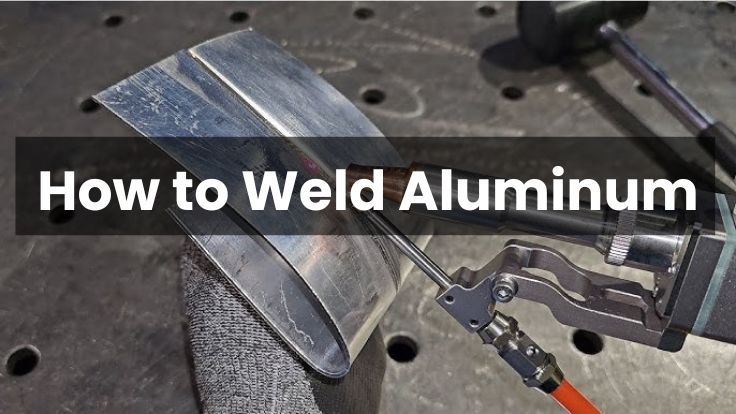
Aluminum is a common metal that has been used over the years due to its lightweight, resistance to corrosion, and strength properties and thus is vital in industries such as automobiles, aerospace, and construction. Nevertheless, the process of learning to weld aluminum is not as stripped down as when you are welding steel or iron. Interesting properties of aluminum like high thermal conductivity and easily formed protective oxide coating demand a special modus operandi and a delicate touch. Aluminum welding can be easily done, even by a novice, as long as you know the correct techniques, equipment, and safety measures.  This requires clean working surfaces, and suitable filler material, whereas the adjustment of equipment is vital.  Aluminum does not turn color before melting its position unlike steel, which makes it difficult to estimate the amount of heat needed. Moreover, it is soft, which is why it can bend or burn down fast unless manipulated properly. The question people frequently come up with is whether it is possible to weld aluminum amid simple, ordinary items associated with welding. Yes, but the result will be based on your preparation, practice, and adjusting of your ways. With TIG and MIG welding to more rare methods such as stick or oxy-fuel, there is a method fit for every task and job. You will find tips, tools, and the most common mistakes in this guide to help you get a firm footing in welding aluminum safely and efficiently. As you gain time and experience, you can make clear, good welds in aluminum no matter at a shop at home. What Is Welding Of Aluminum? A welding process is the joining together of two or more metal pieces of aluminum metal through heat and potentially filler material. It is generally adapted to an automotive company, aerospace industry, marine industry, and construction industries because aluminum is bone-light and does not easily scratch away Nevertheless, the subject of welding aluminum is more complicated as compared to welding steel. This is so because aluminum: What makes Welding Aluminum Different? Aluminum, as a metal, is quite different and before venturing into how to weld aluminum, it is important to establish what makes it unique. Unlike steel, aluminum also melts at a significantly lower temperature (approximately 660 C or 1220 F), and it does not alter in color before melting. This implies that it is prone to overheat and burn when not well handled. Moreover, when aluminum is out in the air, it instantly develops a thin film of oxide film. This layer of oxide melts at a temperature of greater than 2000 (close to 3700 ) so the weld has a hard time penetrating the weld. That is why aluminum welding usually should be carefully prepared and equipped.  Suggestions to a New Weld Aluminum by TIG Welding Welding aluminum using TIG welding is a good skill to have and it can be deceptive to an amateur. Through the proper procedure and preparation, you can achieve clean solid welds. Following are the five important tips, which can put you on the right path. 1. The Metal should be Cleaned Thoroughly During the time before welding, ensure the aluminum is clean. The oxide layer should be removed using a special stainless steel wire brush and then wiped down with acetone so as to clear oils or moisture. Aluminium is highly sensitive to contamination and a single spot of dirt or grease can well destroy your weld. Clean surfaces guarantee improved arc stability and firm bonds. 2. Put your machine in AC and balance it out When welding aluminum, it is always preferable to affect the process with alternating current (AC). AC offers penetration of the base metal and cleaning of the oxide film at the same time. Tune such a cleaning action by using your TIG balance control setting. Most aluminum work benefits by starting the setting at about 65 to 70 percent negative on the electrodes. The correct balance enhances the quality weld and less contamination. 3. Apply Proper Tungsten and Shape It in The Right Way To TIG weld aluminum the best electrodes are pure tungsten or lanthanated tungsten 2%. When compared to steel, the welding of aluminum needs a rounded or balled tip to sustain a stable arc unlike in the case of steel which employs a sharp tungsten tip. In the case where the arc becomes unstable or begins to wander, then it may be high time to regrind or change the tungsten. A well-ground electrode is a key factor in easing and precision of your welds. 4. Foot Pedal Controlled Heat Aluminum warms fast and retains warmth longer in comparison to steel. In excess, heat will result in burn-through or distortion. 1- A foot pedal will enable you to control the amperage during the welding process where you start hot to form a puddle and then back off as much as you want. This will allow you to have greater control of the weld pool and less risk of overheating because it happens to thinner materials. 5. Training on scrap before you weld your project Practice on scrap aluminum of the same type and size as used on the actual project before you start working on your project. This will make you accustomed to the heat control, filler rod technique, and the movement of the torch in order to achieve clean welds. Also, practice will make you confident and less likely to make expensive errors in your end piece.  6. The position of the hand counts as well You should rest your welding hand on the workbench or surface so that it has more control of it. Hold the torch straight in some backward direction in order to have a clear view of your journey. Do not angle too much as the welding pool will run and overheat the metal. The filler rod is fed with one hand; the torch is directed with the other, both without stopping but with no participation in each other. 7.

Fundición a presión en cámara fría

Tendencias modernas en la tecnología de fundición a presión en cámara fría

fundición a presión, Fabricante de fundición a presión, piezas de fundición a presión

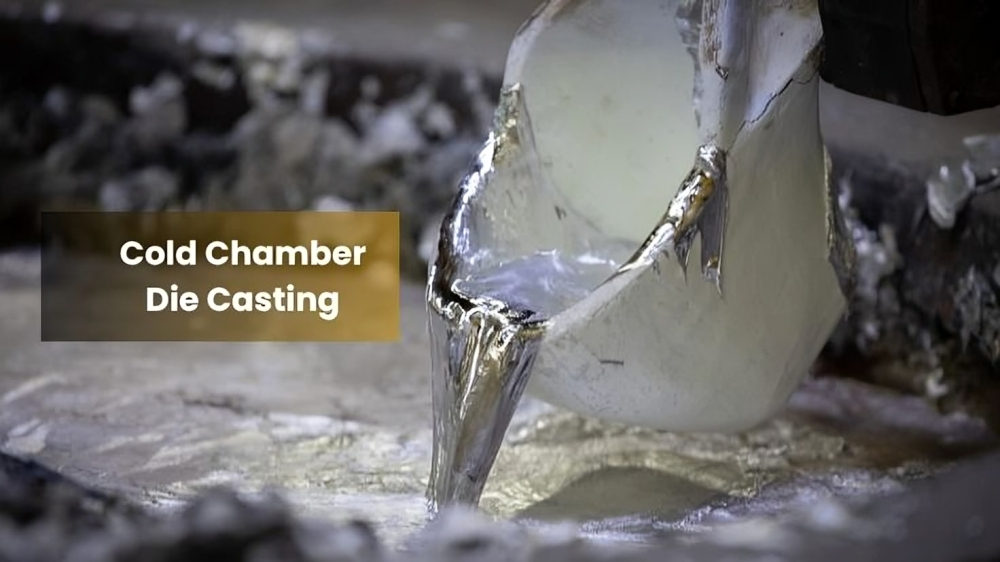
La fundición a presión en cámara fría es un tipo de técnica de fabricación de precisión que se aplica en la fabricación de componentes metálicos complicados caracterizados por altos niveles de resistencia y precisión. Este proceso puede utilizarse mejor en metales con un umbral alto del punto de fusión, como el aluminio, el latón y las aleaciones de cobre. Los sistemas de fundición a presión de cámara fría no se introducen en el metal fundido como un sistema de fundición a presión de cámara caliente; en su lugar, el metal se introduce en la máquina de fundición a presión de cámara fría vertiendo manualmente el metal en la máquina de fundición a presión de cámara fría después de fundirlo en otro horno. Este sistema desgasta menos la máquina y utiliza aleaciones más resistentes. Entre los factores importantes que hacen que las empresas opten por utilizar este método se encuentran las ventajas y desventajas especiales de la fundición a presión en cámara fría. Tiene una precisión dimensional máxima, acabados superficiales suaves, así como tiempos de ciclo largos. Sin embargo, la resistencia y durabilidad de los componentes son sus favoritos en los mercados de automoción, aeroespacial y electrónico. La diferencia entre la fundición a presión en cámara caliente y en cámara fría es crucial para elegir correctamente el proceso. La fundición a presión en cámara caliente es más rápida y se aplica a metales de bajo punto de fusión, como el zinc, mientras que el sistema de fundición a presión en cámara fría está diseñado para soportar temperaturas más altas y metales más resistentes. Con este proceso, los fabricantes también podrán fabricar piezas duraderas y fiables con un alto grado de precisión en sus especificaciones. En el presente artículo, vamos a tratar el principio de funcionamiento de la fundición a presión en cámara fría, sus partes principales, la naturaleza del metal empleado y los parámetros tecnológicos de la fundición a presión en cámara fría, incluida la fuerza de cierre y el tiempo de ciclo. También se considerarán las ventajas y desventajas de la fundición a presión en cámara fría para proporcionarle una visión completa de este importante proceso de fabricación. ¿Qué es la fundición a presión en cámara fría? Fundición a presión en cámara fría: Un proceso de fundición a presión en cámara fría es un proceso de fundición de metales en el que el metal fundido se vierte manual o automáticamente en una cámara fría separada fuera del sistema de inyección. A continuación, el metal se introduce a alta presión en la cavidad de un molde, lo que hace que el metal se enfríe y cristalice en la forma deseada. Suele aplicarse a metales con un punto de fusión elevado, como el latón, el aluminio y las aleaciones de cobre. Con el fin de evitar la corrosión y la fatiga térmica que pueden provocar un funcionamiento inadecuado de los componentes del sistema de inyección, a diferencia del proceso de fundición a presión en cámara caliente, en el que el mecanismo de inyección está suspendido en el metal fundido, el proceso en cámara fría mantiene las instalaciones de inyección segregadas. La aplicación de la práctica de este último, es decir, la fundición a presión en cámara fría, es especialmente ventajosa, cuando los metales utilizados dañarían los componentes, al entrar en contacto con ellos. Se puede utilizar alta presión en el propio proceso de inyección, y sería posible obtener componentes más densos y resistentes, con un acabado superficial brillante y estabilidad dimensional. Proceso de fundición a presión - Paso a paso El objetivo de la técnica de fundición a presión en cámara fría es fabricar piezas metálicas de gran precisión y dureza que suelen estar compuestas por aleaciones que tienen puntos de fusión a altas temperaturas, como el aluminio y el latón. Veamos paso a paso cómo funciona: 1. El horno exterior se utiliza para fundir el metal El proceso es similar al de la fundición en cámara caliente, salvo que la fusión del metal se realiza en un horno exterior separado. Esto es necesario porque el metal fundido en la fundición en cámara fría provocará internamente un alto nivel de calor que no se puede manipular. El metal se funde, después de lo cual es capaz de ser transferido a la máquina de fundición. 2. A continuación, el metal fundido se vierte en el manguito de inyección de la máquina de fundición a presión. Esto se hace manualmente o mediante un brazo. El manguito de inyección es un tubo fuerte y resistente al calor en el que se deposita el metal que posteriormente se inyectará. Esto debe hacerse muy rápido para evitar una solidificación prematura. 3. El émbolo fuerza la entrada del metal en la matriz. Un émbolo de acero se introduce en el manguito de inyección y presiona el metal fundido a alta presión en las cavidades de la matriz. La fuerza asegura que el metal llene el molde incluso en cualquier patrón complicado o con una pared muy fina, y disminuye las posibilidades de cualquier defecto, como bolsas de aire. 4. Cuando el molde está lleno, el metal empieza a enfriarse y solidificarse dentro de la matriz. Este paso de solidificación es muy importante para obtener una pieza buena y precisa. El tiempo de enfriamiento depende del metal de la pieza, del grosor de la pieza y de la temperatura de la matriz. 5. Cuando la pieza se ha solidificado, la unidad de sujeción de la máquina abre la matriz y los pasadores de expulsión fuerzan la pieza a salir de la cavidad del molde. A continuación, la pieza se traslada a una estación de enfriamiento o de recorte. 6. En los bordes de la pieza fundida, donde se juntan las mitades de la matriz, hay un exceso de metal que se denomina rebaba. Este exceso se elimina mediante recorte mecánico, esmerilado o mecanizado, en función del acabado deseado. Esto evitará que los trabajos finales queden por debajo de la forma y tolerancia previstas. 7. Reajuste del ciclo del troquel y lubricación El troquel se lava y engrasa antes de entrar en el siguiente ciclo para que sea de buena calidad y evitar que se pegue. Una vez realizado el engrase, el troquel se sujeta de nuevo y la máquina pasa a reajustarse para realizar más ciclos. 8. Calidad Inspección y acabado Se trata de una pieza completa que se comprueba para garantizar que no existen defectos de calidad, como grietas, contracciones o anomalías en la superficie. En función de los requisitos de uso final de la pieza, puede someterse a mecanizado adicional, tratamiento de superficie o ensamblaje (si es necesario). Metales que se utilizarán en la

Fundición en cámara caliente

Fundición en cámara caliente: Una inmersión profunda en un proceso de fabricación crucial

fundición a presión

Hot Chamber Die Casting is a very effective manufacturing process which is used very widely to produce metal parts to very high precision and an excellent finish on the surface. It is particularly suitable for casting metals with low melting points like zinc, magnesium and some alloys containing lead. It is typified by the fact that the injection system is immersed in molten metal, and so, high-speed cycle times and economy of mass manufacturing are possible. One similar place of comparison always pops up when the castings are considered regarding cold chamber die casting versus hot chamber. Although they are both variations of pressure die casting, they differ so much in terms of design, applications, and compatibility of materials used. An example is the hot chamber die casting, which is high-speed die casting where the furnace has been replaced with a machine. That comes with the limitation of the lower-melting-point metals. Conversely, the cold chamber type of machines is more aptly used with those liquids of a high melting point, such as aluminium and brass, since the hot metal does not come in direct contact with the equipment. Hot Chamber Die Casting process is characterised by minimal waste of material, low costs of labour, and complex shapes manufacture with high tolerances. It is popular in such industries as automotive, electronics, plumbing and consumer products. Nevertheless, the decision on whether to use cold chamber die casting or hot chamber is also dependent on the type of material used and the part design aspect. The article examines the important details of Hot Chamber Die Casting, its parts, materials, process description, constraints, and reasons as to why it is an essential process in the contemporary manufacturing industry. What is Hot Chamber Die Casting? Hot Chamber Die Casting is a metal casting technique where the molten metal is injected into a mould cavity at high pressure. The unique part of the given method is where the injection mechanism is placed: It goes directly to the molten metal. Cycle times and production efficiency are high with this setup, especially in metals of low melting point like zinc, magnesium and some lead alloys. Hot chamber. The name describes the system’s hot chamber as the injection mechanism (a plunger and gooseneck) is in constant contact (filled) with the molten metal area. As the plunger descends, it compresses the molten metal through the gooseneck and into the die cavity. As the metal sets, the mould opens, and the part is ejected, and this process is repeated innumerable times. Hot Chamber Die Casting Process Hot Chamber Die Casting Process is a process of high-precision and speed manufacturing technology utilised in the manufacture of metal parts, where the accuracy of the tool is very important, with great surface finishing. It is most appropriate in the alloys of low melting points; zinc, magnesium, and lead are examples of low melting point alloys. Its main characteristics are short cycle times and great material efficiency. The process is extensive in the manufacturing of a variety of products mainly found in the automotive, electronic, appliance, and hardware industry because of its capability to create complicated ends easily at an affordable per-piece price. The hot chamber die casting process is listed below in a stepwise manner: Hot Chamber Die Casting Process- Step by Step Overview 1. The Metal is melted It starts with the molten moulding of the metal (which is usually zinc or magnesium), in an incorporated furnace of the die casting machine. The molten metal is kept at a constant temperature within the metal pot that is directly connected to the casting machine. This unending heat provision ensures that the casting processes are continuous. 2. The process of filling the Injection System In hot chamber systems, there is a portion of the molten metal with a part of a component known as the gooseneck submerged. The plunger, which runs inside the cylinder of injection, is pulled backwards to a position where the molten metal may gush down to the gooseneck into the inlet hole of injection. The next step will involve injecting this metal into the die cavity. 3. Molten Metal injection When the gooseneck is filled, the plunger is either pushed forward by hydraulic or pneumatic pressure, which forces the molten metal through the gooseneck channel into the mould cavity (also called the die). This is done at a high rate and pressure to make sure that the cavity is totally filled before the metal begins to harden. 4. Casting and solidifying in the mould This hot metal in the die is quickly cooled down by the comparatively cold steel of the mould. Solidification takes several seconds, based on the size and complexity of the part. In this step, die cooling channels assist in the removal of heat to ensure that the cycle speed is not reduced and defects such as shrinkage or porosity are avoided. 5. Ejecting and opening of the mould Once the metal has been solidified, the die halves are opened. The ejector system is placed on the movable half of the mould, and it operates under force via the use of ejector pins and forces the completed casting out of the cavity. It is ensured that the part can come out without being damaged during ejection. 6. Secondary operation and Trimming After it is ejected, the piece might contain an extra material called flash, runners or sprues. These are either hand-trimmed or auto-trimmed. The part can be processed further depending on the application, like surface finishing, machining or coating. 7. Repeat Cycle The machine clears and cleans up to be used again. Hot chamber die casting is characterised by having such a quick cycle time, sometimes creating a few finished parts in just 10 to 20seconds according to the complexity and size of the part. Cycle Time and Efficiency The speed is the greatest advantage of the process of hot chamber process. Hot chamber machines. Unlike cold chamber die casting, where the metal has to be ladled

Fabricación de chapas metálicas a medida en la industria moderna

Fabricación de chapas metálicas a medida en la industria moderna

fundición de aluminio a presión

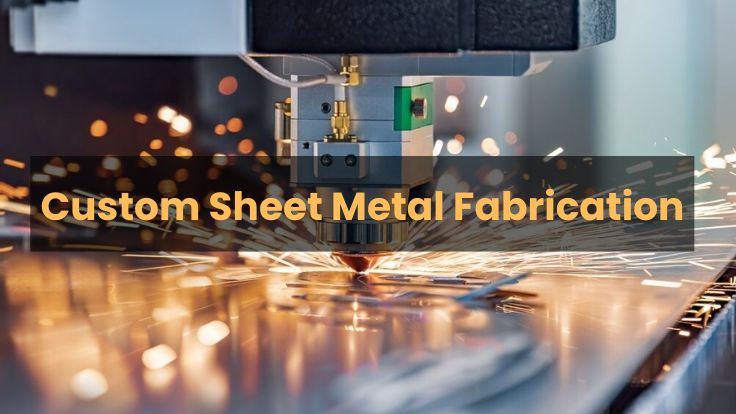
Custom sheet metal fabrication is now an activity that has established manufacturing industries in a variety of categories in the modern face of manufacturing. Whether in the form of cars and electronics, construction and healthcare, fabricated metal components play an essential role in the design, operation and durability of the enormous variety of products. It entails the sheet metal being cut, bent, shaped and assembled, based on specifications to fit the match, and manufacturers can make highly customised, durable and efficient parts. Among the most important industries that depend on this capacity is the automotive industry, in cases where the so-called custom automotive sheet metal fabrication will guarantee the production of high-performance body panels, supporting structure, and engine components. Such components should also have high standards in terms of weight, strength, and safety; hence, precision and customisation are essential. More and more foreign companies are resorting to the services provided by more advanced manufacturers like the car sheet metal fabrication in China because of favourable cost rates. Chinese manufacturers provide comprehensive services using advanced CNC equipment and short production schedules, which makes they useful partners in the global supply chain. Along with cars, the fabrication of sheet metal is a vital aspect in such areas as the aerospace industry, electronics, medical equipment, and the food processing industry. Such industries require great tolerances, corrosion resistance, and customised surface finishes, all of which can be provided by sheet metal fabrication. In this article, we are going to look at the complete range of this discipline, beginning with classic methods to the state of the art automation, mainly concentrating on automotive uses and the contribution of leading world actors, such as China. What is Custom Sheet metal fabrication? The term custom sheet metal fabrication is used when it comes to designing and manufacturing metal members or structures that can meet the specific needs of a particular project. In contrast to the mass-produced components, custom fabrications take unique solutions to specific sizes, materials and applications. This fabrication incorporates laser cutting, water jet cutting, punching, welding, forming and finishing of the surface. The most common ones are stainless steel, aluminum, galvanized steel, copper, and brass, among others, all selected due to their strength, conductivity, corrosion, and weight requirements. Manufacturers and engineers work hand in hand to make sure that all specifications are followed to the micrometre. Main Items in the Process 1. Design and Prototyping: A digital blueprint is sketched with the aid of CAD (Computer-Aided Design) software. Prototypes are frequently manufactured in order to run tests on how they work before large-scale production can commence. 2. Cutting and Shaping: The metal sheet is precisely shaped by using high-precision cutting tools to give very little tolerance. 3. Bending and Forming: The Sheet is curved to form complex shapes by bending and forming equipment, which includes press brakes. 4. Welding and Assembly: There are various parts which are assembled through TIG welding, MIG welding or spot welding. 5. Finishing: Finishing processes such as powder coating, polishing or anodising increase strength and aesthetics. Custom Automotive Sheet Metal Fabrication Rise  The Rise of custom automotive sheet metal fabrication began in the late nineteenth century, which saw the birth of the automobile industry. This period saw many people lose their lives and even more become injured by automobile accidents. This again led to the production and use of automobile insurance as a solution to automobile accidents. Precision and customization are vital in the car manufacturing business.  The custom automotive sheet metal fabrication is a significant element in the production of car body panels, chassis parts, heat shields, as well as engine enclosures. Such parts should be of high safety rating, aerodynamic, and aesthetically pleasing. Customisation gains significant relevance in the performance car, restoration car, electric car, and luxury vehicle production. The engineers may also need some special structural bracing or a project in terms of aerodynamic panels, which cannot be produced by general mass production. The benefits of the exercise of best sheet metal car fabrication are that: Common Materials in Sheet Metal Fabrication One most crucial decisions of the custom sheet metal fabrication is the choice of material. Whether it is carbon steel or stainless steel, it traverses all the aspects, including strength and corrosion resistance and even weight and workability. Knowing the nature of widely used metals enables an engineer to make a wise decision to maximise the efficiency and economic gains. Aluminium: Extremely Light and Non-Corrosive Aluminum is the most common material that is used in fabrication custom sheet metal. It is perfect for aerospace, electronic, and transport application materials because of its inherent corrosion resistance, easy weight, and good formability. It is also a highly conductive material, such that it can be used in enclosures and parts that radiate heat. As per the custom automotive sheet metal fabrication, aluminium is frequently used in the body parts and as a heat deflector to lighten the weight of the vehicle, without compromising its strength. Stainless Steel: Strong and Clean Stainless Steel  The strength of stainless and the fact that stainless is non-corrosive an attributes of the material. It is mainly utilized in food grade, medical and architectural applications where cleanliness and strength are important. Stainless steel may be specified in use of products that are under severe conditions of weather or that need a high-end finish in the custom sheet metal fabrication services. It is resistant to the effects of chemicals, water or high temperatures, hence its common use in many industries. Cold Rolled Steel: Versatile, Tough and Economical In the field of sheet metal custom fabrication, cold rolled steel (CRS) can be a common decision in construction when tight tolerances and a smooth surface are needed. It is cheap to weld or machine. Although it is likely to rust when not coated, it can be applied in buildings or painted. CSR is mostly applied in the cabinet, brackets, as well as enclosures in numerous industries such as the automotive industry, the construction industry and consumer

Fundición de aluminio en arena

Análisis técnico exhaustivo de la fundición de aluminio en arena en la fabricación moderna

fundición de aluminio

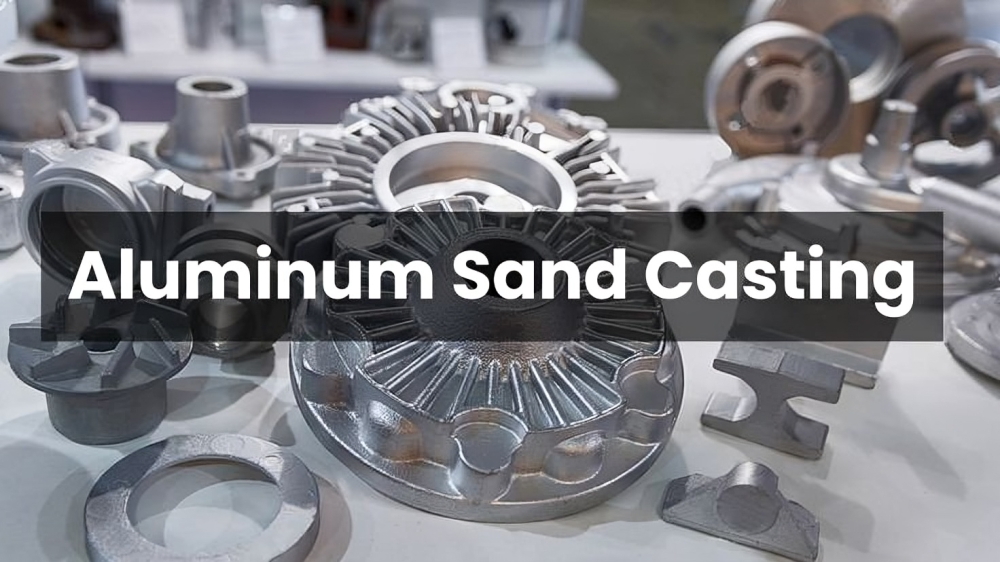
Aluminum sand casting is one of the oldest and most versatile metal casting processes, widely used in modern manufacturing to produce complex, durable, and cost-effective components. Aluminum Sand casting Manufacturers can generate complex geometries with intricate features that would have otherwise been either impractical or unprofitable to machine out of solid material through pouring molten aluminum into prepared sand molds. This method is especially suitable in low to medium-volume production, prototyping, and high structural castings on applications spanning the aerospace, automotive, defence, and energy industries. The most interesting about the sand-casting aluminum is that it is both flexible and functional. Aluminum has a very good strength versus weight, corrosion resistance, and recyclability, and thus makes it an excellent casting material. Together with the thermal resistance of sand and its high moulding capability, the process provides scalable production capability with excellent dimensional accuracy. Pattern design, the makeup of the mold, the quality of the melt, and gating design are key factors to the success of every casting. An excellent foundry of aluminum sand castings has to control not only the classic facts in metal technology but also touch on innovations in the processes. The current facilities apply the latest technology to prevent defects and ensure the best performance of the casting by using 3D sand printing, simulation software, and real-time process monitoring. Precision-engineered and casting aluminum parts are now capable of meeting stringent engineering standards for safety, tolerance, and durability. As demand grows for complex components with faster lead times and lower environmental impact, professional aluminum sand casting services must continue evolving. This article goes into the technical ins and outs of the process itself, its engineering workflow, materials, challenges, innovations, and so on. The Fundamentals of Aluminum Sand Casting At its core, aluminum sand casting involves pouring molten aluminum into a sand mold cavity, which is shaped by a pattern that replicates the final part’s geometry. When the aluminum solidifies, the sand mold is shaken off, leaving the cast piece. The process also has an outstanding dimensional flexibility and scalability capability in high-mix low-volume manufacturing conditions. The process is based on the use of a non-permanent mould, sand, that may be recycled and re-utilized, minimizing the waste of materials and expenses. Sand molds most commonly consist of silica sand with a binder added, and the nature of the binder system generally influences considerably the resulting surface finish, dimensional accuracy, and rate of cooling. The process of Flow in the Engineering of Sand Casting Aluminum Sand casting aluminum is an engineering process that consists of a set of accurately calibrated activities that aim at transforming raw aluminum into specific, well-built, and accurately dimensioned parts. Both the material and mechanical expertise are required to be in-depth to make all of the stages of the process successful. The following is a step-by-step analysis of the way in which sand casting of aluminum is implemented professionally and technically. 1. Pattern Design and making In the sand casting aluminum process, the initial step is designing and manufacturing the pattern, a physical copy of the final casting. The allowances that must be included in patterns are rather critical, such as shrinkage, draft, and machining stock. As aluminum contracts, during cooling patterns are laid out a little bigger than the finished component. The shrinkage rate of aluminum alloys is normally applied at 1.3 per cent; however, depending upon the alloy and the conditions of cooling, it may vary. Vertical portions of moulds are given draft angles, normally a few degrees between 1 and 3, to ensure that the pattern can be removed easily in the sand mold, being careful not to destroy the cavity. Additional allowances (machining allowances) are included such that there is no adverse interaction between the post-processing and the final part. Patterns may be made out of wood, metal, resin, or even 3D-printed polymer materials, depending on the accuracy demands and the needs of the production volume. 2. Mold Making (Molding and Core Setting) After preparing the pattern, the mold is to be prepared. For the sand cast, aluminum mold, there are two separate halves: the cope (upper half) and the drag (lower half). They are produced by stuffing the sand around the mold in a flask. Depending on the application, the sand is generally silica-based and is amalgamated with binders such as clay (green sand) or chemical resins (no-bake sand). In case the part design has internal space and hollow parts, it necessitates the use of sand cores. They are placed in the mold cavity, after which the metal is poured. Cores can be fabricated using core boxes, and in precision production, they can be printed with greater precision using 3D sand printing. The exact footprint of the core is very important in order to have a rigid structure and adherence to the final part dimension. 3. The Design of the Gating System The timeliness and effectiveness of the gating system formed are significant towards the success of the process of sand casting aluminum. This system consists of a pouring basin, sprue, runners, and gates, which coerce the impounded aluminum into the involvement of the mold. Adequate gating will prevent a lot of turbulence, minimize airlock, and also make sure that there is an even fill. Risers (alternatively called feeders) are also required, and these can be seen as a reservoir of molten metal that offsets the direction of shrinkage that comes after solidification. Casting simulation software is usually utilized by engineers to study and optimize the gating and riser systems. Prediction takes place by using simulation tools such as MAGMASoft or ProCAST so that typical defects such as cold shuts, misruns, and shrinkage porosity can all be corrected virtually before any production takes place. 4. Cu Melting and Metal Treating Aluminum is usually melted by a reverberatory furnace, a crucible furnace, or an induction furnace, and the choice depends on the batch volume, alloy needs, and the amount of energy needed. The melting temperature of pure aluminum is about 660 degrees

Soldadura TIG de aluminio

Soldadura TIG de Aluminio: Guía técnica completa

fundición de aluminio

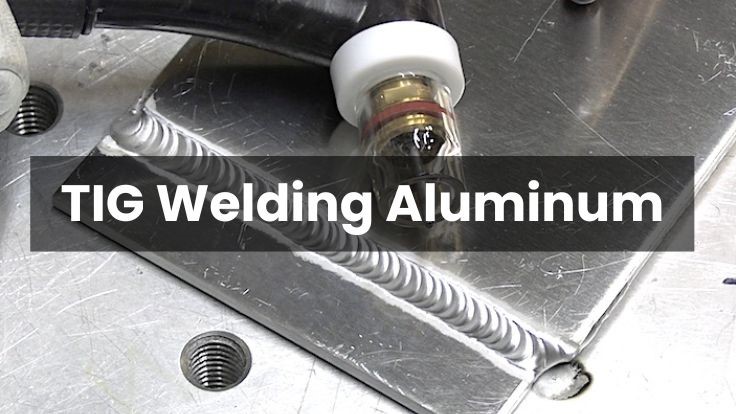
La soldadura TIG del aluminio se considera uno de los procesos técnicamente más exigentes en el campo de la soldadura. Cuando se trabaja con aluminio, metal que se caracteriza por su ligereza, resistencia a la corrosión y alta conductividad, surge un conjunto de problemas sin precedentes, que lo distinguen tanto del acero o el acero inoxidable. Una mala manipulación del aluminio puede hacer que la capa de óxido natural proporcione una soldadura débil, porosa o estructuralmente indeseable debido a su nivel de óxido natural, su bajo punto de fusión y su capacidad para absorber gas hidrógeno. Así pues, el proceso TIG (gas inerte de tungsteno), o el proceso de soldadura por arco de tungsteno con gas (GTAW), es el proceso elegido por la industria para utilizar en casos en los que la precisión, la estética y la integridad de la soldadura son los factores principales. El artículo abordará el comportamiento de los materiales, la selección del equipo, la elección del gas de protección, la preparación de las juntas y los métodos de resolución de problemas, aunque se hará mucho hincapié en el control de calidad y la repetibilidad. Además, el artículo detallará cómo seleccionar y manejar correctamente una soldadora TIG de aluminio, gestionar varios tipos de piezas de soldadura de aluminio y producir uniones consistentes y sin defectos cuando se intente soldar TIG de aluminio. Al final, el lector tendrá un conocimiento exhaustivo de cómo crear un ensamblaje de aluminio soldado con tig bueno, limpio y de buen aspecto estructural según la norma de la industria aeroespacial, automovilística, naval, así como de la industria manufacturera. Este artículo trata de la ciencia, los métodos y los aspectos prácticos de la soldadura TIG en aluminio. Está destinado a expertos y personas con formación técnica que deseen ampliar sus conocimientos sobre la soldadura de aluminio en procesos industriales o de alto rendimiento. ¿Qué es la soldadura TIG de aluminio? La soldadura TIG de aluminio hace referencia al proceso de unión de componentes de aluminio mediante soldadura con gas inerte de tungsteno (TIG), también conocida como soldadura por arco de tungsteno con gas (GTAW). Aquí, un electrodo de tungsteno no consumible genera un arco eléctrico y el metal base de aluminio y una varilla de relleno se funden en una cubierta protectora de gas inerte, normalmente argón. Como el aluminio tiene una alta conductividad térmica, un punto de fusión bajo y una capa de óxido de alta fusión, la soldadura de aluminio tiene una coloración única, y el secado debe hacerse con cuidado. La soldadura TIG tiene un control situado del aporte de calor y del charco de soldadura, por lo que es perfecta en materiales finos, montajes avanzados y otras aplicaciones de alto rendimiento. Las industrias aeroespacial, automovilística y naval, entre otras, utilizan la soldadura TIG para fabricar vídeos de soldadura resistentes, no corrosivos y de aspecto impecable. El éxito de la “Soldadura TIG de Aluminio” requiere una técnica experta, un equipo adecuado y una cuidadosa preparación de la superficie para garantizar la integridad y resistencia de la soldadura. ¿Por qué soldadura TIG de aluminio? La soldadura por arco de tungsteno con gas (GTAW), también conocida como soldadura por gas inerte de tungsteno (TIG), es la técnica ideal cuando se requiere precisión, control y un aspecto impecable. Ofrece un control inigualable de la cantidad de calor de entrada, de modo que los soldadores tienen la oportunidad de controlar la fluidez del baño de soldadura del aluminio. La soldadura TIG, cuando se utiliza con aluminio es muy conveniente principalmente porque: La soldadura de aluminio implica una mejor comprensión de sus propiedades físicas y químicas y que son muy diferentes en comparación con otros metales ampliamente utilizados. A continuación se presentan los principales desafíos asociados con la soldadura TIG de aluminio. 1. El aluminio transporta el calor 5 veces más que el acero. Esto significa que el calor se disipa rápidamente de la zona de soldadura, lo que requiere un mayor amperaje cuando se intenta soldar aluminio TIG, especialmente con materiales gruesos. Cuando no se hace lo mejor puede terminar en fusión gap o penetración irregular de la soldadura. 2. Problemas con la capa de óxido Cuando las superficies de aluminio se exponen al aire, se forma instantáneamente una capa de óxido (adherente fiable), que es delgada. Esta capa se funde a aproximadamente 2050 °C, que está muy por encima del punto de fusión del metal base del aluminio, que es de 660 °C. La soldadura TIG, cuando se utiliza el modo AC, ayuda a romper esta capa, pero también es importante que se realice una limpieza previa para producir aluminio soldado con TIG de alta calidad. 3. Susceptibilidad a la porosidad del hidrógeno El hidrógeno se absorbe fácilmente en el aluminio fundido, y esto puede crear porosidad o causar grietas durante el enfriamiento. El aceite, la humedad o las varillas de aportación sucias actuaron como fuente de contaminantes que provocaron la entrada de hidrógeno en el baño de soldadura. Una limpieza adecuada y el uso de varillas de aportación secas son esenciales para evitar defectos en las piezas de soldadura de aluminio. Tabla de resumen técnico para la soldadura TIG de aluminio A continuación se presenta una tabla técnica exhaustiva que resume los aspectos clave de la soldadura TIG de aluminio, incluidos los parámetros de soldadura, los tipos de unión, los defectos comunes y cómo gestionarlos. En esta tabla se combinan las ideas de su artículo, y es original y muy técnica. Categoría Detalle Técnico Recomendaciones / Parámetros Material base Las aleaciones de aluminio 1xxx a 6xxx son las más comúnmente soldadas con TIG Limpie todas las superficies antes de soldar; evite las 7xxx por su alta sensibilidad a las grietas Proceso principal Soldadura TIG de aluminio utilizando corriente alterna (CA) Utilice un TIG inverter con equilibrio de CA, arranque de alta frecuencia y control de arco estable Palabra clave principal Soldadura tig de aluminio Utilice el equilibrio y amperaje de CA adecuados; optimizar el control del charco y la deposición de relleno Tipo de electrodo 2% Tungsteno lantanado o ceriado (1/16″, 3/32″ o 1/8″) Afilar a punta truncada o punta esférica (para CA), según la aplicación Gas de protección Argón de gran pureza (99.99%) Caudal: 15-20 CFH; añadir Helio para materiales más gruesos o penetraciones más profundas Varillas de aportación ER4043, ER5356 Adaptar la aportación a la aleación base y a la aplicación (ER5356 para resistencia, ER4043 para resistencia a grietas) Tipos de unión A tope, Solapa, T, Esquina Diseñar con pequeños espacios (~1/16”) y permitir la expansión térmica Preparación de la soldadura Desengrasar + cepillo de alambre de acero inoxidable No tocar después de limpiar; Eliminar la capa de óxido antes de soldar Técnica del soplete Longitud de arco corta (<1/8”), ángulo de recorrido de 10-15° Mantener el relleno fuera del cono del arco para evitar la oxidación Ajustes de amperaje 1 amperio por 0.001” de espesor 60-130 amperios para la mayoría de las aplicaciones de aluminio fino a medio Frecuencia de CA Controla el enfoque del arco 120-200 Hz para un arco limpio y estrecho en piezas finas de soldadura de aluminio Equilibrio de CA 70% EN / 30% EP típico Ajustar hacia más EN para una penetración más profunda; más EP para limpiar el óxido Consejo: Asegúrese de calibrar correctamente su soldadora tig de aluminio

Fundición inyectada de aluminio a alta presión

Fabricante de fundición a presión de aluminio e IATF 16949

fundición de aluminio a presión

Modern manufacturing uses aluminium high-pressure die casting to make parts that are strong, light, and have many complex shapes. The reason automotive, aerospace, telecommunications, and consumer electronics all use it is that it can do both mass production and create very accurate pieces. Because the demand for quality aluminium high-pressure die-cast parts keeps increasing, it is important to deal with a well-known and certified supplier. In this area, the IATF 16949 certification is very important because it is a respected quality management standard used worldwide in the automotive industry. Such certification guarantees that quality control, proper risk handling, and continuous improvement are used during every stage of manufacturing. A certified aluminum die-casting and ISO 16949 company demonstrates its commitment to consistent product quality and customer satisfaction. Being a high precision die casting manufacturer and ITAF 16949 means meeting rigorous international standards and having the processes in place to minimize defects, enhance production efficiency, and ensure complete traceability of components. They can meet Tier 1 suppliers and OEMs by delivering components that exactly follow the business’s specifications. In addition, complying with aluminum die casting and 16949 standards means a manufacturer can meet expectations worldwide, mainly in areas where it is important to focus on safety and secure performance. Working with a suitable aluminium die casing partner that has IATF 16949 certification benefits your products, helps cut costs in the future, and strengthens the links in your supply chain. This article looks into how an aluminium high-pressure die casting manufacturer follows the IATF 16949 standard and its role. Aluminium High Pressure Die Casting  Aluminium high-pressure die casting helps make metal parts that are accurate in shape and have a perfect non-porous surface. When molten aluminium is injected into a steel mold at high pressure, it makes it possible to quickly fabricate complex parts and reduces later processing steps. Because it is strong and light, aluminium is widely used in many industries. The products made from this process are commonly seen in cars’ engines, housings, and brackets. For any aluminum die-casting and ITAF 16949 certified operation, maintaining the integrity of this process is vital to both quality and compliance. How IATF 16949 Helps in Die Casting? IATF 16949 is an international standard made for cars, and it uses quality management to ensure the reliability of products and their processes. Continuous development, prevention of quality issues, and lowering waste in the supply chain are the main elements of the system, which was created by the International Automotive Task Force. For manufacturers engaged in aluminum die-casting and ISO 16949 certification, certification is not just a regulatory requirement; it’s a badge of trust. It guarantees that the manufacturer follows quality rules that are respected everywhere. Besides, since IATF 16949 matches ISO 9001, it ensures full and proper quality management. Why is aluminium used in High Pressure Die Casting? Die casting benefits a lot from aluminium due to its ability to resist corrosion, its strong thermal conductivity, and being lighter than other metals like steel and brass. Because of these qualities, this material is suitable for cars since both light weight and performance depend on fuel efficiency. An IATF 16949 certification shows that all of these benefits are achieved by the business. For instance, manufacturers focusing on “high precision die casting manufacturer and ISO 16949 standards can assure customers of consistent product performance and minimal variance in production. What Makes an Aluminium Die Casting Manufacturer Reliable? Selecting a competent manufacturer is very important for firms doing aluminium die casting. A manufacturer should not only have the necessary know-how but also follow all quality standards. These are some of the essential traits you should notice: Using Precision in Die Casting Good die casting depends mostly on precise engineering. It confirms that components follow the tight guidelines of both dimensions and performance. Manufacturers who identify as high precision die casting manufacturers and ITA 16949 go to great lengths to implement exacting standards across the design and production cycle. Because of CAD/CAM software, quality inspection, and automated processes, production is kept as close as possible to the specific requirements. For applications like transmission housings, electronic enclosures, and important car components, the exactness needed is very important. Why Managing Quality Is Important? A well-structured quality management system (QMS) makes it possible to produce the same quality goods all the time. In the aluminium die casting industry, following the principles of IATF 16949 gives a way to control processes, reduce risks, and improve constantly. By following IATF 16949, a high precision die casting manufacturer and itaf 16949 ensures not only quality but also traceability and accountability. Everything is checked and confirmed along the supply chain to lower the chances of issues and defects. Below is a detailed and professional table that outlines key aspects of Aluminium High Pressure Die Casting Manufacturer and IATF 16949, integrating relevant information across different categories such as process, benefits, certification, and industry relevance. This table is ideal for use on a website, brochure, or presentation. Aluminium High Pressure Die Casting & IATF 16949 – Comprehensive Overview Category Details Manufacturing Process Aluminium is melted and injected into a steel mold under high pressure, producing complex shapes with excellent dimensional accuracy. Key Material Used Aluminium alloys (e.g., A380, ADC12, AlSi10Mg) are known for their strength, light weight, and thermal conductivity. Application Industries Automotive, Aerospace, Electronics, Industrial Equipment, Telecommunications, Consumer Goods. Advantages of Aluminium Die Casting – Lightweight components- High strength-to-weight ratio- Excellent surface finish- High-volume efficiency- Corrosion resistance Importance of Precision Tight tolerances and fine details can be achieved, ideal for engine parts, housings, connectors, brackets, and structural components. What is IATF 16949? A global quality management standard for the automotive industry, based on ISO 9001 with additional requirements specific to auto manufacturing. Benefits of IATF 16949 Certification – Consistent product quality- Risk-based thinking- Defect prevention- Better customer satisfaction- Competitive advantage Why Certification Matters Ensures traceability, standardized procedures, regulatory compliance, and ongoing performance improvement. Target Clients OEMs, Tier 1 & Tier 2 automotive suppliers, industrial system designers, and

Soporte de columna humectador de husillo para cosechadora de algodón John Deere

fundición de aluminio

En el mundo de la agricultura moderna, la eficiencia y la fiabilidad son cruciales. Para los cultivadores de algodón que utilizan cosechadoras de algodón John Deere, un componente vital que a menudo se pasa por alto es el soporte de la columna humectadora del huso. Esta pieza, pequeña pero esencial, desempeña un papel fundamental a la hora de garantizar una alta eficacia de recolección, un menor desgaste de los husos y una calidad constante del algodón. ¿Qué es un soporte de columna humectadora de husos? El soporte de la columna humectadora del huso es un componente de soporte estructural diseñado para asegurar el sistema humectador del huso en su lugar. En las cosechadoras de algodón como los modelos John Deere 9976, 9996 y CP690 más recientes, el sistema humectador de huso garantiza que los hilos giratorios estén continuamente lubricados y limpios durante el funcionamiento. El soporte de la columna mantiene las almohadillas humectantes y las boquillas pulverizadoras alineadas correctamente, lo que permite un contacto preciso con el husillo. Funciones clave: Por qué es importante en la recolección del algodón Las recolectoras de algodón trabajan en entornos exigentes. El polvo, los restos vegetales y la savia pegajosa pueden reducir rápidamente el rendimiento del huso. El sistema humidificador de husillos combate esta situación aplicando agua o una solución humidificadora a los husillos, manteniéndolos limpios y fríos. Un soporte de columna desgastado o desalineado puede provocar: Una forma sencilla de evitar estos problemas es sustituir o mejorar el soporte de la columna humectadora del husillo como parte del mantenimiento regular. Los agricultores y los equipos de mantenimiento de los equipos pueden elegir entre piezas OEM (Original Equipment Manufacturer) o alternativas del mercado de recambios. Las piezas OEM de John Deere garantizan compatibilidad y durabilidad a largo plazo. Sin embargo, las opciones de posventa de alta calidad suelen ofrecer: Al seleccionar un recambio, verifique siempre el número de pieza y asegúrese de que coincide con el modelo de su recogedora. Compatibilidad con las Recolectoras de Algodón John Deere El soporte de la columna humectadora del eje se utiliza normalmente en modelos como: Consulte siempre el manual de su equipo o a su proveedor para confirmar el ajuste. Consejos de mantenimiento para un rendimiento a largo plazo Para maximizar la vida útil de su sistema humectador de husillo: El mantenimiento proactivo puede prolongar la vida útil de todo el sistema humectador y reducir los costosos tiempos de inactividad durante la temporada alta de cosecha. Dónde comprar soportes de columna del humectador de huso Los soportes de columna del humectador de huso de calidad para las cosechadoras de algodón John Deere están disponibles en: Para los compradores internacionales, asegúrese de que su proveedor proporciona piezas con certificación ISO, ofrece opciones de envío fiables y admite pedidos al por mayor si es necesario. Reflexiones finales Aunque pequeño en tamaño, el soporte de la columna del humectador de husillo es un componente crítico en su sistema de recolección de algodón. Mantenerlo en buen estado garantiza que su cosechadora de algodón John Deere funcione con la máxima eficacia, entregando algodón de alta calidad con menos tiempo de inactividad y costes de mantenimiento. Tanto si va a sustituir una unidad dañada como si va a almacenar repuestos para la próxima temporada, la elección del soporte adecuado puede marcar una diferencia apreciable en los resultados de su cosecha. Si busca un soporte de columna humectador de huso para su máquina de algodón, no dude en ponerse en contacto con nosotros.

Scroll al inicio

Solicitar presupuesto