Cink öntés

cink öntvény

Egyedi cink öntés öntő cégek a közelemben

cinkötvözetből készült öntvény, Cink öntés

Introduction The worldwide manufacturing sector is increasingly relying on custom zinc die-casting firms to produce cost-effective, durable, and precision metal parts. Zinc die casting is also well known due to its capability to produce complex geometries, close tolerances, smooth surface finishes, and high mechanical strength, at a rather low cost of production. These benefits make zinc die casting a favorable manufacturing technique across sectors such as automobiles, electronics, medical devices, industrial equipment, consumer products, and telecommunications. When individuals enter the query “custom zinc die casting molding companies near me,” they may refer to manufacturers close to where they live. China is known as the largest die-casting center in the world, a trusted supplier to the international market that can effectively meet those markets’ demands. China’s manufacturing base remains a leading one, with well-developed production facilities, a highly skilled labor force, complete supply chains, and low prices. Meanwhile, there are some world-renowned zinc die-casting firms in the USA, Europe, and other markets that provide high-technology, automation, and stringent quality standards in high-end, controlled industries. This is a complete guide that is concerned with mentioning the largest and most efficient suppliers and manufacturers of zinc die casting products. Three Major Chinese Die-Casting Firms of Zinc Near China Nevertheless, it can be argued that the process is complex and expensive, requiring both machinery and labor costs to build a new brand. However, one can say that this is not an easy and cheap process, as it requires both equipment and labor expenditures when establishing a new brand. There are at least five major global manufacturers of zinc die-cast products. These companies are delivering high-end services to international markets. Every company will see the same organization, appropriate technical specifications, and useful data to help OEMs, product developers, and procurement professionals select the right long-term manufacturing partner. What is the Reason behind the Popularity of Custom Zinc Die Casting? The zinc die casting can be customized, which has several benefits that make it suitable for modern manufacturing: Dimensional stability Zinc alloys offer excellent dimensional stability, enabling manufacturers to produce parts with tight tolerances and high repeatability. The process aids in the production of thin-wall, intricate shapes and precise surface attributes, and minimizes secondary machining. Physical Properties High strength-to-weight ratio, corrosion resistance, and thermal/ electrical conductivity are also features of zinc that make it an appropriate material for both applied and decorative purposes. Cost and benefits Economically, zinc die casting facilitates high-volume production, low scrap rates, long mold life, and shorter cycle times compared to other casting methods. This combination of quality, efficiency, and lower cost is what makes industries worldwide use zinc die casting when they need precision components. Custom Zinc Die-Casting Companies Near China Sincere Tech (China) -Very close to China Website: https://plas.co Company Overview Sincere Tech is among the most stable custom zinc die-casting mold firms in the vicinity of China, known for its integrated manufacturing and engineering services. The company deals with zinc die castings, aluminum die castings, mold making, plastic injection molding, CNC machining, and full assembly services. Sincere Tech provides customers with technical assistance and mass-production equipment, supported by innovative production systems and professional teams. The manufacturing model of Sincere Tech is centered on precision tooling, efficient production workflows, and stringent quality control to maintain the consistency of part accuracy and surface quality. The company caters to car manufacturers, medical devices, electronics, industrial equipment, and consumer products industries. Capabilities and Services Sincere Tech also offers all-inclusive project services, including mold design, die-making, prototyping, high-volume die-casting, post-machinery, surface finishing, and product assembly. Their zinc die casting is streamlined for tight-tolerance parts, complex geometries, and volume production, thus meeting the requirements of OEMs seeking long-term production alliances. Why Choose Sincere Tech Sincere Tech would be best suited to companies looking for a Chinese zinc die-casting supplier that is economically viable, close to China, and offers strong technical support, quick lead times, and high-quality export services. They can accommodate various manufacturing processes within a single roof, which minimizes the project risk, cost, and production schedule. GC Precision (China) Website: https://www.aludiecasting.com Company Overview GC MOULD is one of the most reputable manufacturers of custom zinc die casting in the region near China, with a focus on precision engineering, sophisticated mould design, and multi-material die casting. The company supplies zinc, aluminum, and magnesium alloys to customers in the automotive, electronics, lighting, industrial machinery, and medical devices sectors. GC MOULD has built a reputation for high reproducibility, dimensional accuracy, and stable production quality over decades of experience. Their facilities accommodate both small-scale and mass production, making them applicable to start-ups and other international brands. Capabilities and Services GC MOULD is a full-cycle manufacturing company that provides services including mould design, high-pressure die casting, gravity casting, CNC machining, surface finishing, and assembly. Their operations in zinc die casting emphasize precision parts and high structural integrity as well as high surface finishes, which lowers the secondary processing. Why Choose GC MOULD GC MOULD is a good option for any company seeking a bespoke zinc die-casting moulding firm close to China with engineering expertise, as well as being cost-effective. They are a reliable long-term partner because of their ability to handle complex projects, maintain a consistent level of quality, and operate worldwide. CNM CASTING (China) Website: Company Overview CNM CASTING The company is among the oldest custom zinc die-casting firms located in China and provides comprehensive manufacturing services in zinc, aluminum, and magnesium die casting. The company has been noted for its good mold design, combined production systems, and consumer-oriented manufacturing strategy. CNM CASTING serves a range of industries, including automotive, electronics, telecommunications, home appliances, and industrial equipment. Their model of production focuses on durable tooling, large-volume efficiency, and uniform quality output. Capabilities and Services CNM CASTING offers mold design, die castings, zinc die castings, CNC machining, surface finishing, quality inspection, and final assembly. Their zinc casting is suitable for both functional and structural decorative components, and it is flexible across various product types. Why Choose CNM CASTING

cink öntvény

Cink Die Casting Defekt hibaelhárítás és minőségbiztosítási tippek

zamak szerszámöntés, Cink öntés

Zinc die casting is a very efficient process of manufacturing, which is widely used in automobile parts, electronic housing, fittings, hardware, medical equipment, and consumer goods. It is appreciated for its ability to create complex geometries with high-quality dimensional accuracy, clean surface finishes, and high production rates. Despite these benefits, zinc die casting is not a technology immune to quality issues. The defects may occur due to irregularities in the materials used, tool capacity, lack of process control, or design. Good defect prevention, problem shooting, and quality control are critical to ensuring uniform quality in production, reducing scrap rates, and enhancing the overall efficiency of the manufacturing process. This paper will provide an in-depth discussion of the most common defects in zinc die casting, their causes, effective corrective actions, and profile best practices to ensure quality in each production cycle. Quality Problems in Zinc Die Casting The process of zinc die casting involves injecting molten zinc alloy under high pressure into a highly machined steel die. The metal’s solidification rate is fast, resulting in short cycle times and high repeatability. Nevertheless, the high pressure and high speed at which the process operates are the same factors that contribute to both its effectiveness and its susceptibility to defects when the parameters are not monitored. Quality control issues in zinc die casting are often associated with mechanical performance, dimensional quality, surface appearance, corrosion resistance, or assembly fit. Most defects are interconnected, as a single root cause can lead to multiple quality issues. It is important to understand the relationships among material behavior, die design, and processing parameters to enable efficient troubleshooting. Zinc Die Casting Defects Most common defects in zinc die casting can be classified by appearance and their effect on part performance. An overview of common defects and their overall effect is given in the following table. Defect type Appearance Impact Porosity Voids or pinhole internally It will reduce the strength It may cause leakage Cold shuts Visible lines and seams This will result in weak bonding between the flow. Shrinkage Cavities and sink marks The dimensions of the parts change. This will lead to measurement inaccuracies. Incomplete filling Missing or thin sections This will cause the functional failure. Soldering Metal adhering to the die This will cause tool damage Cracks Internal or surface fractures This appearance indicates structural damage or failure. Blistering Bubble-like appearance on the surface Poor surface finish Flash Excess of metal at parting lines The aesthetic appearance will be damaged Porosity in Die Castings Zinc Porosity refers to the presence of empty spaces or gas bubbles in the casting. These cavities can be located on the surface or within the body; they are very difficult to detect without sophisticated inspection techniques. Porosity breaks the mechanical integrity of the casting and may result in leakage in pressure-containing components. Porosity type Description Origin Gas Porosity Smooth rounded voids Gas or air gets trapped Shrinkage Porosity Irregular cavities Inadequate feeding Micro Porosity Very fine void Rapid solidification Etiology and Prophylaxis The porosity may result from trapped air during injection, high turbulence in the molten metal flow, or poor die-cavity venting. Gas formation may also be due to high moisture content on die surfaces or due to inappropriate melt temperature. The porosity reduction is achieved by closely controlling injection speed and pressure, venting the dies, and efficiently utilizing vacuum systems where necessary. Maintaining an optimal melt temperature and keeping die surfaces clean and dry will also reduce gas entrapment. In most cases, reconstructing the gating system to facilitate smooth metal flow can go a long way toward minimizing porosity. Cold Shuts and Flow Line Defects Description and Impact Cold shut: This happens when two molten zinc streams meet and do not fuse correctly, leaving a visible seam or line on the casting surface. Such flaws reduce structural integrity and can cause early collapse under mechanical pressure. Root Causes and Solutions Low melt temperature, inadequate injection speed, or long flow paths can lead to premature solidification and cold shuts. Poor positioning of gates and thin wall sections also worsens the matter. To prevent cold shuts, it is necessary to improve the metal’s flow characteristics. These may be accomplished by raising the melt and die temperatures within reasonable ranges, optimizing injection velocity, and redesigning the gates to allow balanced filling. Flow continuity is also enhanced by changing part geometry to eradicate thin sections and acute angles. Zinc Die Casting Defects of Shrinkage Knowledge about Shrinkage Behavior When molten zinc solidifies, it contracts, causing shrinkage. Unless more molten metal is added to offset this contraction, internal cavities or surface sink marks can form. The zinc defects in the form of shrinkage usually arise in the areas of casting that are thick and can be ascertained to have solidified last. Reasons and Remedial Measures Insufficient holding pressure, inadequate feeding system design, or sudden changes in wall thickness are often the causes of shrinkage defects. Uneven cooling rates can also cause localized shrinkage. To prevent it, it is important to design the runners and gates to maintain a constant metal feed throughout the solidification process. By applying higher holding pressure and increasing the time under pressure, molten metal can compensate for shrinkage. Maintaining uniform wall thickness and enhancing thermal balance in the die also minimizes the risk of shrinkage-related defects. Flash Formation and Its Control Description of Flash Flash is in the form of thin layers of excess metal along the die parting line, ejector pin, or in the form of vents. Even though the flash does not necessarily compromise the part’s functionality, it often requires secondary trimming processes and can affect the appearance. Causes and Prevention Flash formation has often been linked to high injection pressure, die component wear, or even die misalignment. Die surfaces can also not seal properly due to foreign material on them. To avoid flash, it is necessary to maintain the correct amount of injection pressure, adequate clamping force, and routine die maintenance. Wearing and damage checking of dies, and

cink öntvény

A legjobb cink öntvény termékek dekoratív hardverekhez

Cink öntés

Zinc die casting is considered one of the preferred production processes for decorative hardware because it can produce complex, high-quality finishes at a cost-effective rate. This is done by forcing molten zinc alloy under high pressure into a precision steel mould to produce parts with superior surface finish, tight tolerances, and intricate geometries. Decorative hardware comprises door handles, cabinet knobs, pulls, hinges, scutcheons, and decorative accents for residential, commercial, and architectural applications. The low melting point (380-390 °C) and high fluidity of zinc allow for finely detailed thin walls (down to 0.5 mm), extended tool life (typically over 1 million shots), and large dimensions. These features make it suitable for decorative works that need to be both appealing and functional in the long term. Finishes such as chrome, nickel, brass imitation, or antique bronze enhance visual luxury and offer corrosion resistance. Ordinary Zinc Die Casting Decorative Hardware Alloys The choice of the right zinc alloy in the production of decorative hardware is critical to the performance, stability, appearance, and overall cost-effectiveness of the products. Zinc alloys are popular because they offer a good compromise between castability, strength, and finish. Alloy Composition Hardness Tensile strength (Mpa) Elongation % Applications Zamak 3 Zn 96% Al 4% Mg 0.03% 82   283   10   Doorknobs, escutcheons, ornamental plates Zamak 5 Zn 95% Al 4% Cu 1% 91   331   7   Cabinet pulls, hinges, locksets. Zamak 7 Zn 95.9% Al 4% Ni 0.02% 80   285   13   Intricate finials, decorative brackets ZA-8 Zn 91% Al 8.4% Cu 1% 103   372   6-10   Heavy-duty hardware like gate latches Zamak 3 The most common decorative hardware application is Zamak 3. It offers great castability, dimensional stability and a smooth as-cast surface. These characteristics make it suitable for door handles, cabinet knobs, rosettes, and other parts exposed to view. Zamak 3 also offers good compatibility with plating, painting, and powder coating, enabling manufacturers to achieve high-quality decorative finishes with minimal surface preparation. Zamak 5 Zamak 5 is enhanced with a small amount of copper, which enhances hardness and creep resistance. The alloy is typically used to make load-bearing decorative hardware, including hinges, locks, latches, and structural fittings. The increased mechanical strength enables the parts to withstand repeated stress and prolonged use, maintain good surface condition, and maintain good dimensions. Zamak 7 Zamak 7 is appreciated for its purity and fluidity. These features make it particularly appropriate for intricate, thin-walled, and ornate designs. It is frequently employed with complex hardware components that require sharp edges, fine finishes, and a high-quality surface appearance. ZA-8 ZA-8 has greater wear resistance and strength than standard Zamak alloys. Its application is commonly referred to as decorative hardware that is higher stress or mechanical load, and both durability and appearance are needed. Best Zinc Die Casting Products of Decorative Hardware Zinc die casting is critical in the manufacture of decorative hardware, as it provides a perfect blend of strength, accuracy, surface quality, and cost-effectiveness. Ornamental hardware accents are not merely useful; they also play a major role in the appearance of doors, furniture, and architectural interiors. Zinc die casting enables manufacturers to form complex shapes with tight tolerances and surface features, making it the choice for both high-end and mass-market decorative hardware. Zinc die-cast products, whether door handles and cabinet pulls, hinges, or ornamental accessories, are designed to withstand heavy use while retaining their beauty. Door Handles and Levers Decorative hardware products, such as zinc die-cast door handles and levers, are widely used for their flexibility in design, mechanical performance, and ergonomic comfort. These parts are typically designed with wall thicknesses of 1 to 2mm, making them very lightweight yet structurally sound. Draft angles of 1 to 2 degrees are commonly used to ensure easy ejection and maintain fine surface detailing. In fact, modern zinc die-cast lever designs are frequently designed with internal springs and mounting provisions. This integration reduces assembly complexity and enhances its smooth operation. These handles are made from high-quality zinc alloys to ensure tensile strengths up to 300 MPa and long-term resistance to bending and deformation. Well-designed zinc levers can withstand 500,000 or more cycles and are therefore used in entry doors, interior passages, and busy commercial settings. Cabinet Knobs and Pulls One of the most economical uses of zinc die casting is for cabinet knobs and pulls, as well as small, very delicate parts. Zinc also has great fluidity, which enables the manufacture of small designs with fine textures, impressed logos, and fine threading. Common cabinet knobs are about 1-1.5 inches in diameter, and common pulls have a 3-12-inch centre-to-centre spacing, all with high dimensional accuracy. Zinc die-cast cabinet hardware is so lightweight (typically 50-150 grams) that it is simple to install and use daily. The texture of the grips and the contour design promote comfortable handling, whereas the inner hardness of the zinc alloys provides resistance to scratches, fingerprints, and wear. Popular finishes include brushed antique brass, satin nickel, and oil-rubbed bronze, which are timeless and will fit both modern and antique furniture designs. Furniture and Door Hinges Hinges made by zinc die casting are appreciated for their smooth operation, consistent dimensions, and ability to incorporate functional features. The typical hinge types are hinges, concealed hinges, and pie-cut corner hinges. These hinges usually have loads of 20-50 kg, depending on the use. Zinc die casting enables the addition of self-lubricating properties, built-in stops, and accurate pivot points, thereby enabling smooth, quiet operation. Close dimensional tolerances of 0.05 mm ensure a tight fit between the doors and frames. Zinc hinges can be used in both the residential and light commercial markets, with nickel plating and other protective coatings providing up to 500 hours of corrosion protection. Keyhole Covers and Escutcheons Escutcheons and keyhole covers can be used to protect as well as be decorative. Zinc die casting allows making thin sections as small as 1 mm, while also enabling high-resolution details of 0.1 mm. Such accuracy enables manufacturers to create

cink öntvény

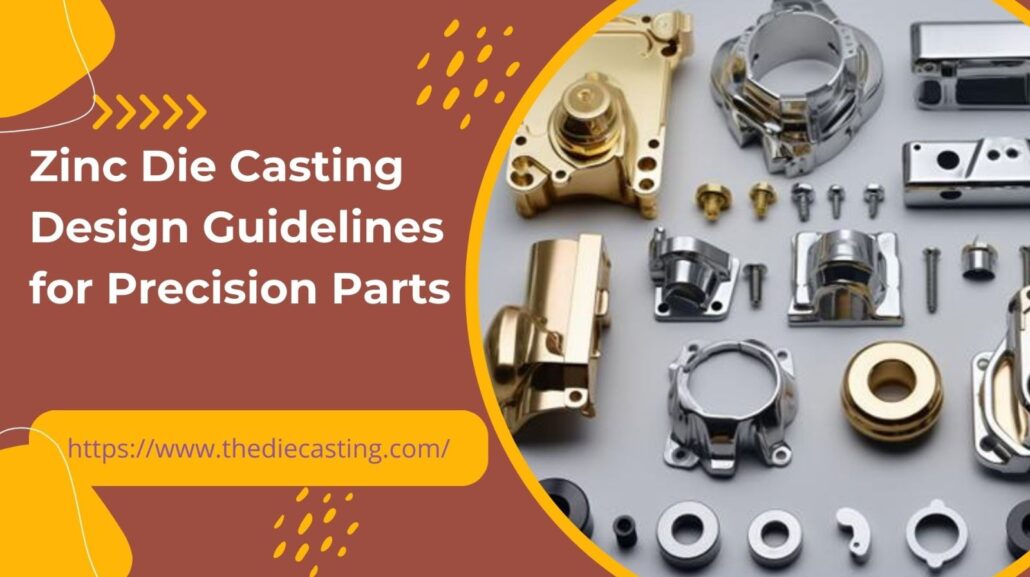
Cink nyomásos öntés tervezési útmutató precíziós alkatrészekhez

zamak 5, Cink öntés

Zinc die casting is a flexible production method which entails an injection of zinc alloy molten matter into a specially designed mold with high pressure in order to create complex and high-precision parts. Such an approach is especially appropriate for precision parts because zinc has high fluidity, a low melting point, and can be machined to tight tolerances without much post-processing. Zamak die casting is used in industries such as automotive, electronics, consumer goods, and medical devices for parts, including connectors, gears, housings, and complex mechanisms that require dimensional tolerances and longevity. Most zinc alloys are processed using hot-chamber machines, which enable quick cycle times and a steady quality. Accurate parts benefit from zinc’s ability to produce thin walls, complex geometries, and net-shape parts, reducing material waste and assembly time. Nevertheless, high success rates are achieved when specific design rules are followed, and material properties, shape, form, and processing parameters are considered. These rules help reduce defects, improve manufacturability, and enhance precision. This article identifies major guidelines supported by industry standards set by organizations to help engineers design zinc die-cast precision parts. Advantages of Zinc Die Casting of Precision Parts The use of zinc die casting offers several benefits, making it one of the best materials for precision applications. Selection Material: Zinc Alloys Selecting the correct zinc alloy is important for precision parts because it affects mechanical properties, castability, and tolerances. The Zamak die-casting series (2, 3, 5, 7) and the ZA series (8, 12, 27) have specific compositions and performance properties. The table below will summarize the kinds of zinc alloy used in the manufacture of precision parts: Types of Zinc Alloy Tensile strength (ksi/MPa) Elongation % Hardness (BHN)   Density g/cm³   Yield strength (MPa) Melting point °C Zamak 2 52/359 7 100 6.6 283 379-390 Zamak 3 41/283 10 82 6.6 269 381-387 Zamak 5 48/328 7 91 6.6 283-269 380-386 Zamak 7 41/283 13 80 6.6 310-331 381-387 ZA 8 54/372 6-10 100-106 6.3 359-379 375-404 ZA-12 59/400 4-7 95-105 6.03 145 377-432 ZA-27 62/426 2.0-3.5 116-122 5.3 N/A 372-484 These properties can be used to ensure that zinc alloys meet precision specifications and that complex parts have high fluidity scores (1-2 on a 1-4 scale; 1 best). To be more exact, manufacturers would want to choose alloys such as Zamak 3 or ZA-8 due to their stability and ability to withstand tight tolerances. Key Design Guidelines Good zinc die casting is designed to facilitate flow and ejection while maintaining strength at minimal cost. Wall Thickness The wall thickness should be uniform to avoid porosity and distortion. For precision parts, keep it within +/-10% and use a minimum thickness of 0.040 inches (1 mm) for a good surface finish, and as fine as 0.020 inches (0.5 mm) in miniature models. Ratios of thick to thin sections should be kept to less than 3:1 to minimize the chance of porosity; preferably the inscribed sphere diameter ratios should not exceed 6:1. Thickening walls enhances flow but raises the cycle time and consumption. To distances away from the ingate, minimum thickness changes: below 0.5 mm in areas less than 50 mm, up to 2 mm at 200 mm. Different simulations can be used to check designs. In zinc casting, specify a minimum of 0.025 inches (0.635 mm) in selected locations, but 0.040 inches (1.016 mm) in best-as-cast locations. Draft Angles Draft angles help eject parts and prevent damage to the die. For zinc, the minimum drafts are 0.5 ° -1 on outside surfaces, 1- -1 on internal surfaces, and 0.1 ° -1 on round holes. Short features that use moving parts (die elements) can be printed in zero, but it is more expensive. For ribs, a 5-10 taper is used when it is not parallel to the shrinkage. Different standards give draft calculations: standard tolerances are 50 (draft angle approximately 1.9 degrees at a 1-inch depth) for inside walls and 100 for outside walls. There are also precision tolerances that permit 60 and 120 constant drafts. Fillets and Radii Fillets and radii should always be added since sharp edges lead to stress concentrations and die erosion. Minimum radius of inside fillet is 0.016 inches (0.4 mm), and outside 0.031 inches (0.8 mm). Radii of larger size (up to 0.063 inches or 1.6 mm) enhance flow and strength. Minimum radii should be used (0.060 inches (1.5 mm) for bosses and ribs). Radius at high stress should not be less than 1 mm; standards suggest ±0.08/±0.04 inches (±2/±1 mm) in fillets. This improves the part’s life and reduces cracking. Ribs and Bosses Ribs enhance reinforcement without adding bulk. Create shallow, rounded ribs (height-to-thickness ratio no more than 3:1) and evenly space them so they are not distorted. Adhesion ribs to walls with fillets to avoid porosity in the intersection. The height of bosses used to mount or thread must be equal to their diameter, and when the diameter is large, they must have ribs. Keep 0.25 inches (6.5 mm) distance between bosses. Tolerances of critical heights can be contained in ribs, such as in the precision designs of ±0.001 inches (±0.025 mm) ribs. Cored Holes and Threads Holes made in the core make it lighter and allow elements such as threads. Maximum depths are around 3 mm diameter, 9 mm blind or 24 mm through; up to 12 mm diameter with larger openings. At least 0.25 inches (6 mm) in diameter, L/D ratio not more than 4:1 in small holes. Parting Line Considerations It is best to place the parting line in the largest section possible to produce the least amount of flash and to allow easy trimming. Vertical or complicated lines should be avoided; die motion plane right angles are best. Tolerances on parting lines are the sum of linear ones, by projected area. Projected area Tolerance (+in) Upto 10 +0.0045 11-20 +0.005 21-50 +0.006 51-100 +0.009 Tolerances of Precision Parts Zinc die casting has even higher precision tolerances than standard, and sometimes 65% of those special controls are

cink öntvény

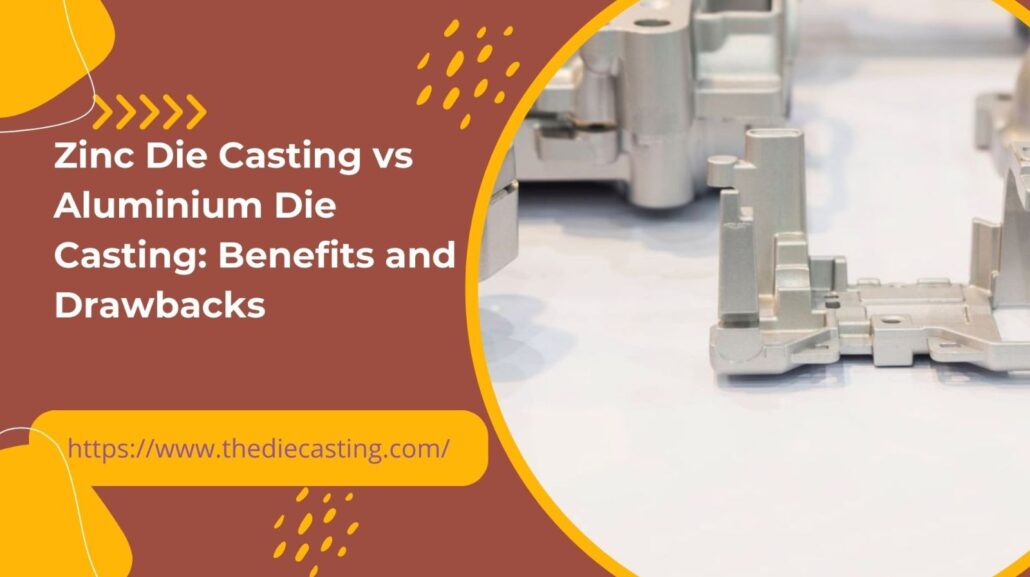
Cink öntés vs. alumínium öntés: öntés: Előnyök és hátrányok

alumínium öntvény, Cink öntés

Az öntés a gyártási ágazatban is életképes és sokoldalú eljárás a nagy pontosságú fémtermékek előállítására. Az alumínium és a cink a legelterjedtebb öntvény ötvözetek közé tartozik. Tegyük fel, hogy Ön egy termék gyártásával, mérnöki tevékenységgel vagy az összetevők felkutatásával foglalkozik, akkor fel kell ismernie a különbséget a cink- és az alumínium-öntés között. Az útmutató segít a gyártóknak kiválasztani a legmegfelelőbb ötvözetet a projektjükhöz, legyen szó autóalkatrészekről, elektronikáról vagy fogyasztási cikkekről. A szerszámöntés olyan eljárás, amelynek során forró olvadt fémet öntünk egy öntőformába nagy nyomás alatt, hogy bonyolult formákat állítsunk elő magas szintű felületi kiképzéssel. Mind a cink-, mind az alumínium nyomóöntésnek megvannak a maga előnyei és hátrányai. Alapos összehasonlításokat, táblázatos, gyors áttekintést és szakmai kommentárokat is nyújtunk, hogy segítsük Önt a megalapozott döntés meghozatalában. A végén világosan megérti majd, mi a különbség a cink- és az alumínium-nyomóöntés között, és mikor érdemes bármelyiket használni. Vizsgáljuk meg a legfontosabb tényezőket. Mi is az öntvényöntés? Gyors áttekintés A cink- és az alumíniumöntés összehasonlítása előtt elengedhetetlenül fontos megérteni a nyomásos öntési folyamatot. A szerszámöntés egy olyan eljárás, amely során az olvadt fémet nagy nyomás (1000-20 000 psi) alatt egy formaüregbe nyomják. Az edzett acél öntőforma vagy szerszám jellemzően több ezer hasonló alkatrész előállítására képes, szoros tűrésekkel. Nyomdai öntési típusok Forró kamrás nyomdai öntés Alacsony olvadáspontú fémeknél, például cinknél alkalmazzák. A fröccsöntőrendszert olvadt fémbe mártják. Hidegkamrás öntés Ez akkor a legjobb, ha a fém magasabb olvadási hőmérsékletű, mint például az alumínium. Az olvadt fém kamrába történő betöltése a gép károsodásának megelőzése érdekében történik. A gyorsasága, pontossága és az összetett minták létrehozásának képessége miatt előnyös, kiterjedt utófeldolgozás nélkül. Ezen a ponton összehasonlítjuk a két sztárötvözetet: a cinket és az alumíniumot. A cink és az alumínium nyomásos öntés elsődleges tulajdonságai A cink és az alumínium nyomásos öntés közötti döntés gyakran az anyagjellemzőkre redukálódik. A cink (és általában Zamak néven ötvözött) és az alumínium (például ADC12 vagy A380) nem azonos szilárdsággal, tömeggel, korrózióállósággal stb. rendelkezik. Szilárdság és tartósság A cinkötvözetek a jelentések szerint nagy ütésállósággal és alakíthatósággal rendelkeznek. Jelentős igénybevételeket képesek elviselni törés nélkül, ami alkalmassá teszi őket olyan alkatrészekhez, amelyeket az öntés után hajlítani vagy alakítani kell. Az alumíniumötvözetek viszont szakítószilárdságban és keménységben felülmúlják őket, különösen a szerkezetekben. Súly és sűrűség A cinkhez képest, amelynek sűrűsége 6,6 g/cm 3, az alumínium könnyebb (d = 2,7 g/cm 3). Ez hozzájárul ahhoz, hogy az alumíniumot olyan iparágakban használják, amelyek kis súlyt igényelnek, például a repülőgépiparban. Olvadáspont és önthetőség A cink körülbelül 380-390 °C-on olvad, ami lehetővé teszi a melegkamrás gépek gyorsabb működését. Az alumínium csak 660 °C-on olvad, ami hidegkamrás eljárásokat jelent, amelyek lassíthatják a termelést, de lehetővé teszik a vékonyabb falakat. Korrózióállóság Mindkettő jó ellenálló képességgel rendelkezik; az alumínium azonban jobban teljesít zord körülmények között, mivel természetes módon védő oxidbevonatot képez. A cink kültéri használata bevonatot igényel. Jellemzők Cink nyomóöntés Alumínium nyomóöntés Olvadáspont 380-390 fok 660 fok Szakítószilárdság 280-400 200-300 Sűrűség 6,6 2,7 Hővezető képesség 109 100-140 Elektromos vezetőképesség Magas Nagyon magas Ütésállóság Duktilis Törékeny Törékeny Korrózióállóság Jó A cink nyomóöntés legjobb előnyei A cink nyomóöntés sokoldalúsága több mint száz éve megbízható megoldássá teszi a cink nyomóöntést. Ezért kedvelik a gyártók: Kiemelkedő méretpontosság A cink 0,05 mm-es vagy annál kisebb pontossággal sértetlen marad, így nincs szükség másodlagos megmunkálásra. A gyártó rendkívüli méretpontosságot érhet el a cink öntőformákkal. Kiváló kivitel A nyersanyag maga is kiváló minőségű kivitelű. Az alkatrészek tisztán jönnek ki, és gyakran nincs szükség további polírozásra a bevonás vagy festés előtt. Hosszabb szerszámélettartam A cink könnyen olvad, így a szerszámok kevésbé kopnak, ami hosszú távon alacsonyabb szerszámköltségeket eredményez. A termékek korrózió- és kopásállóak, ami hosszabb élettartamot eredményez. Gyors gyártási sebesség Az olvadt anyag 15-30 másodperc alatt megszilárdul. Ez teszi alkalmassá a cink szerszámöntést a nagy volumenű gyártásra. A nagyipar a termelés javítására és növelésére használja. Megfizethető kis alkatrészekhez A cink ideális az összetett, kis méretű alkatrészekhez, például zárakhoz, fogaskerekekhez és vasalatokhoz. A súlyérzékeny alkalmazásoknál azonban a cink nagyobb sűrűsége miatt kevésbé kívánatos lehet. A szabványos ötvözetek közé tartozik például a Zamak 3 (általános célú) és a Zamak 5 (nagyobb szilárdságú). Alkalmazások Más iparágakban, például az autóiparban a cinket ajtókilincsekben és konzolokban használják. Az elektronika esetében előnyben részesítik az összeköttetésben, mert képes árnyékolni az EMI ellen. Az alumínium nyomásos öntés előnyei A nagyobb és szerkezeti alkatrészeknél az alumínium nyomásos öntés vezető szerepet tölt be. Előnyei közé tartoznak: Könnyű és erős Az alumínium alkatrészek 50 százalékkal csökkenthetik a termék összsúlyát az acélhoz vagy a cinkhez képest. Az alumínium könnyű, de erős. Ez teszi az alumínium nyomóöntést ideálisvá a nagy szilárdságú alkalmazásokhoz alkalmas termékek előállításához. Kiváló korrózióállóság A legtöbb esetben nincs szükség további bevonatra, ami idő- és költségtakarékos. Az alumínium öntvényből készült termékek hosszabb élettartamúak és sértetlenek maradnak. Jó hő- és elektromos vezetőképesség Az alumíniumot az elektromosság és a hő vezetésére való képessége miatt számos alkalmazáshoz ideális. Tökéletesen használható hűtőbordákhoz, motorblokkokhoz és elektromos házakhoz. Újrahasznosíthatóság Az alumínium nyomásos öntési eljárás a legjobb, mert nagymértékben újrahasznosítható - 100 százalékban újrahasznosított alumínium, összhangban a fenntartható gyártási trendekkel. Vékonyfalú képesség Az alumínium nyomásos öntés akár 0,5 mm vékony falakat is képes előállítani, ami lehetővé teszi az összetett formatervezést. Hátrányok Ellentétek és hátrányok Egyetlen anyag sem tökéletes. A cink nyomásos öntés esetében az alumínium nyomásos öntéssel szemben ezek a hátrányok: Cink nyomásos öntés Korlátozások Alumínium nyomásos öntés Korlátozások Költségek összehasonlítása: Cink szerszámöntés vs. alumínium szerszámöntés A cink szerszámöntés vs. alumínium szerszámöntés jelentős tényezője a költség. A nyersanyagok általában olcsóbbak, a cink (2-3/kg) megszerzése az alumíniummal (2-4/kg) szemben, mégis a szerszámozás és a gyártás

cink öntvény

Vélemények az autóipari alkatrészek cink öntési szolgáltatóiról

Cink öntés

Introduction In the automotive industry, zinc has been a pillar raw material for die casting because it has a remarkable mixture of precision, strength, durability and cost-effectiveness. Automakers are also turning to the use of zinc alloys in those parts that demand tight tolerances, thin walls, high surface finishes, wear and corrosion resistance. This is used in common applications such as door handles, lock housings, seat belt mechanisms, gears, brackets, sensor housings and inner trim pieces. The technology is to inject high-pressure molten zinc into steel moulds, which can be of complex geometry and volumes with limited secondary machining. Chinese Mold Manufacturer has already dominated the world of zinc die casting by being able to offer tailor-made prices, facilities and the necessary certification, such as the IATF 16949, that is required by automobile suppliers. This paper summarizes the top zinc die casting service companies focusing on automotive parts, based on the capabilities of the companies, customer reviews and industry reputation. We are targeting the Chinese manufacturers, who are the major source of worldwide provision of low-priced yet high-quality motor parts. Key Advantages of Zinc Die Casting With the latest development of vehicles towards electrification and lightweighting, zinc die casting services are important to making dependable, high-performance components. The Zinc Die Casting Process Zinc die casting is a very efficient production process that is accurate in making complex metal parts that have superior surface finishes. It is especially well used in the auto industry with parts that have thin wall requirements, are high strength and have better plating compatibility. Just like aluminum die casting, zinc employs the hot-chamber process because it melts at a lower temperature (approximately 420 °C), providing it with short cycle times and extended tool life. Principles of the Zinc Die Casting Process Mold Preparation To ease ejection and temperature control, the steel die (mold) is sprayed with lubricant. The mold is made from strengthen material like steel that contains all the details of the automotive parts. Melting and Injection Zinc alloy (usually Zamak 3, 5 or ZA-8) is melted in a furnace that is connected to the machine. A gooseneck plunger is inserted into the molten metal and forces the final under high pressure (as much as 30 MPa) into the die cavity. Solidification The metal solidifies (a few seconds) in the water-cooled die, and the metal is solidified in its form of choice. Ejection The die is cast, and ejector pins push out the casting. The final shape of the product is solidified. Trimming and Finishing Flash (runners) is removed. The secondary processes, such as machining, plating or powder coating, are included. Trimming the unwanted part of the zinc automotive product is the final step. Why Zinc Die Casting is Superior in Automotive Applications Zinc alloys (i.e., Zamak 3, 5, and ZA-8) have distinct advantages compared to such alternatives as aluminum: High Quality Finish and Surface Finish Zinc fluidity allows adding thinner walls (down to 0.5mm) and finer details to minimize the post-processing. The automotive parts made from zinc have thinner walls and greater strength. Increased Strength and Impact Resistance Suited to components with safety-critical functions such as seat belt retractors and locks. The automakers preferred using these products. Extended Tool Life Due to the low melting point, zinc die casting products’ life is increased, and high-volume runs have reduced costs. Outstanding Plating Compatibility The process of zinc die casting is ideal for exterior or interior parts, as these are chrome-plated. Economical with Medium Volumes The automotive parts made by zinc diecasting use hot-chamber processes and have faster cycle times than aluminum. Zinc vs. Aluminum Die Casting Comparison for Automotive Parts Automotive parts could be made from zinc or aluminum. Here is the comparison table for the users to make the best decision according to their need of product. Features Zinc die casting Aluminum die casting Wall thickness Thinner (0.5-1.5mm) Thicker (2-5mm) Weight Higher High Melting point Low High Thermal conductivity High Low Corrosion resistance Higher Low Impact/strength High impact resistance Greater ductility Tool life Longer Shorter Cost Better for smaller parts Better for larger parts Applications Auto marine Power steering system Fuel system Engine system Automotive components Aerospace House appliances Medical automotive Best Die Casting Providers of Zinc                                                                                      Die Castings China (CNM Tech) This is a company that deals with zinc die casting and aluminum in the automotive parts industry in Dongguan, which is a die-casting hub. They have machines ranging from 120 to 1600 tons and in-house machining, deburring, plating, and powder coating. Strengths full service (one-stop), IATF 16949-certified, high concentration on automotive (e.g., brackets, housings). High-quality deburring provides parts without an accent. Customer Reviews Compliments on consistency, speedy delivery and competitive prices. Plated finishes are ideal for OEMs. Rating 4.8/5 -Dependable when using on mid-to-high volume automotive runs. GC Precision Mold Co., Ltd. GC, a zinc die casting manufacturer, was founded in 1999 in Dongguan, and it provides IATF 16949 certified zinc, aluminum and magnesium die cast. They cover the automotive, electronics and hardware industries. Strengths Large assortment of alloys, integration of CNC machining, and extreme care to tight tolerances. Verified in automotive components such as gears and housings. Customer Reviews Customer satisfaction rating (transparency, responsiveness, and consistency of quality) was high. Customers report about superior English communication. Rating 4.9/5 -Best selection of precision automotive parts. Sincere Tech (Dongguan Sincere Tech Co., Ltd.) Although its major operations are plastic injection and general die casting, Sincere Tech also offers zinc die casting services, together with machining and assembly. They refer to die cast of metal components, including the automobile. Strengths All-in-one services (design to assembly), ISO 9001:2015, 18 plus years of experience. DFM and fluent English assistance. Customer Reviews Favorable response towards project management and problem-solving. Excellent in problem-solving according to foreign clients. Rating 4.7/5: Strong on combined projects of zinc and plastic parts. PHB Inc. PHB is a hundred-year-old American company that deals with aluminum and zinc die casting. They work with large car manufacturers, making components such as drilling, milling

Galvanizáló cink öntés:

Galvanizáló cink öntés: Technika, előnyök és ipari alkalmazások

Cink öntés

A cinknyomásos öntés egy gyakori gyártási módszer, amelyet általában olyan iparágakban alkalmaznak, ahol a sebesség, a pontosság, az erő és a megfizethetőség valóban számít. A cinkötvözeteket többek között az autóiparban, a repülőgépiparban és a szórakoztatóelektronikai alkalmazásokban használják magas öntési tulajdonságaik, méretellenőrzésük, szilárdságuk és sokoldalúságuk miatt. Bonyolult, sima felületű formák készítésére is alkalmasak, és ez teszi őket rendkívül keresetté a tömegtermelésben való felhasználás szempontjából. A csupasz cinkfelületek könnyen korrodálódnak, megkopnak és általában elhasználódnak a kedvezőtlen környezetnek való kitettség miatt, ami szükségessé teszi a védőbevonat alkalmazását. Itt válik a galvanizálás az egyik legfontosabb lépéssé, mind a termékek használhatósága és élettartama, mind pedig a termékek vonzereje és professzionális megjelenése szempontjából a piacon. Az ilyen jellegű felületkezelés során a cink nyomott öntött alkatrészek galvanizálása garantálja a fokozott ellenállást az öregedési környezetekkel szemben, a megjelenést és a tartósságot. A gyártóiparban világszerte elterjedtebb eljárások a krómozás, a cink nyomásos öntés és a nikkelezés cink nyomásos öntvényen. Az élettartam mellett a galvanizálás kereskedelmi értéket is teremt, mivel az ügyfelek mindig olyan termékeket szeretnének, amelyek erősek, ugyanakkor csillogó, kiváló minőségű felülettel rendelkeznek. Ez teszi a galvanizálást alapvető tevékenységgé a jelenlegi iparágakban. Ebben a cikkben részletesen kifejtem az érveket, hogy miért van szükség a galvanizálásra, hogyan működik a műszaki folyamat, a kihívások és a folyamathoz kapcsolódó ipari előnyök. Mi az a cinkbevonatos öntés? A horganyöntés az az eljárás, amelynek során a cink nyomóöntéssel öntött alkatrészekre egyenletes védő- és dekoratív fémbevonatot visznek fel. Tekintettel arra, hogy a cinkötvözetek erősek és költséghatékonyak, de korrózió- és kopásfüggők, a bevonatolás meghosszabbítja a tartósságot, a megjelenést és a működést. Egyszerűen fogalmazva, a cinknyomásos öntés az az eljárás, amely a valódi alkatrészt vagy alkatrészt előállítja, míg a galvanizálás egy további réteget visz fel, amely védőbevonatot helyez a felületre, és biztosítja a szükséges befejezést. A galvanizálás és a galvanizálás cink nyomásos öntvény termékek tükörfényes felület elérése érdekében krómozással cink nyomásos öntvény, vagy védő, igényes kivitelben nikkelezéssel, cink nyomásos öntvény. Ez az összetett eredményezi azt, hogy a galvanizált cink nyomásos öntvény széleskörű alkalmazásokat talál az autóipari kárpitozásban, az elektronikai házakban, a háztartási és ipari berendezésekben, ahol a jó megjelenés és a szilárdság potenciális követelmény. Mi a galvanizálás? A galvanizálás egy vékony fémréteg hozzáadása egy másik anyag felületéhez, akár galvanizálással (elektromos áram felhasználásával), akár kémiai galvanizálással (elektromos áram használata nélkül). A galvanizálás a hordozó esztétikai, kopásállósági, korrózióállósági, vezetőképességi és kopásállósági tulajdonságainak javítása érdekében történik. Példa erre, amikor nikkelt vagy krómot használunk a cink nyomott öntött alkatrészek fölé, hogy védelmet és fényt adjunk az alap cinknek, amely a szilárdságot és a formát biztosítja. Egy autó fényes krómozott fogantyújának vagy egy fürdőszobai elemnek a fényes felülete a galvanizálás közvetlen eredménye. Röviden, a galvanizálás egy hasonló folyamat, amely egy terméknek pajzsot és szép felületet ad, hogy a dolgok tartósabbnak és vonzóbbnak tűnjenek. Az ok, amiért a cink nyomóöntésnek szüksége van a galvanizálásra A különböző alkalmazásokban felhasználható cinkötvözetek erősségei ellenére vannak bizonyos korlátok, amikor nyersek. A bevonat nélküli cink kitéve a nedvesség, a vegyi anyagok és a hőváltozás okozta megtörésnek vagy korróziós támadásnak. A sima, bevonat nélküli rész sok iparágban nem elegendő a hosszú távú megbízhatósághoz. A galvanizálással történő felületkezelés nemcsak a kozmetikai célt szolgálja, hanem a mérnöki munkában is számos előnnyel jár. A gyártók a korrózió, a kopás és az oxidáció elleni óvintézkedéseket az úgynevezett galvanizáló cink nyomásos öntési technikák alkalmazásával növelik. Ez hosszú távon garantálja a termék tartósságát mind a szerkezet épségét, mind az esztétikai megjelenést illetően. Emellett olyan speciális bevonatok is lehetségesek, mint a krómozás, a cink nyomásos öntés, amely a fogyasztói termékek alkatrészeinek leginkább megfelelő magas fényű felületet biztosít, valamint a nikkelezés cink nyomásos öntésen, amely egyszerre védő és dekoratív bevonat. A cink nyomásos öntvényeken történő galvanizálás folyamata A galvanizálás bonyolult folyamat, amely finom előkészítést és kivitelezést igényel. Az alumíniummal és az acéllal ellentétben a cinkötvözetek szokatlan kihívást jelentenek a cink reakcióképessége miatt. Ezért a cinkre történő galvanizálás különleges kezelést igényel a jó tapadás biztosítása érdekében. Felületkezelés 1: Felület előkészítése A kezdeti folyamat a zsírtalanítás, amelynek során az öntvényből eltávolítják az olajat, a kenőanyagot és a szennyeződéseket. Szigorú tisztítás nélkül hámlás vagy lepattogzás lépne fel, ami rossz tapadást jelent a cink nyomásos öntött alkatrészek használatakor. 2. lépés: Kiválasztás Az öntvényeket savba merítéssel dezoxidálják és megtisztítják. Ezáltal a felület tiszta, aktív és a galvanizáló rétegek befogadására alkalmas lesz. 3. lépés: Súrlőréteg felvitele A cinkötvözetek nagyon reaktívak, ezért a felületkezelés előtt általában egy vékony réz- vagy nikkelsúrlőréteget alkalmaznak a tapadás fokozására. Ez egy döntő fontosságú lépés mind a krómozásnál, mind a cink nyomásos öntésnél, mind pedig a nikkelezésnél a cink nyomásos öntésnél. 4. lépés, végső galvanizáló réteg A felület bevonására nem ellenálló fémeket, krómot, nikkelt vagy más ötvözeteket galvanizálnak. A késztermék tartóssága és megjelenése ettől a rétegtől, annak vastagságától és minőségétől függ. A cink nyomásos öntvények krómozása A cink nyomásos öntvényeknél alkalmazott legelismertebb befejező technikát krómozásnak nevezik; ezt a fajta befejezést a cink alkatrész tartósságának, funkcionalitásának, valamint szépségének növelése érdekében alkalmazzák. A krómozás egy nagyon vékony krómfémréteg galvanizálással történő felragasztását jelenti a cink nyomásos öntött tárgyak felületére. Az eredmény egy fényes, tükörszerű bevonat, amely fokozhatja az esztétikát, ugyanakkor megerősíti az alkatrészt a korrózió, a karcolások és a mindennapos kopás ellen. Az Origo megállapította, hogy a krómozott tárgyak megvédik a nyers cink felületét, amely hajlamos arra, hogy nehezebb körülmények között gyorsan elszíneződjön, és a termékek tartósak. Fontos előnyei

cink öntvény gyártó Kínában

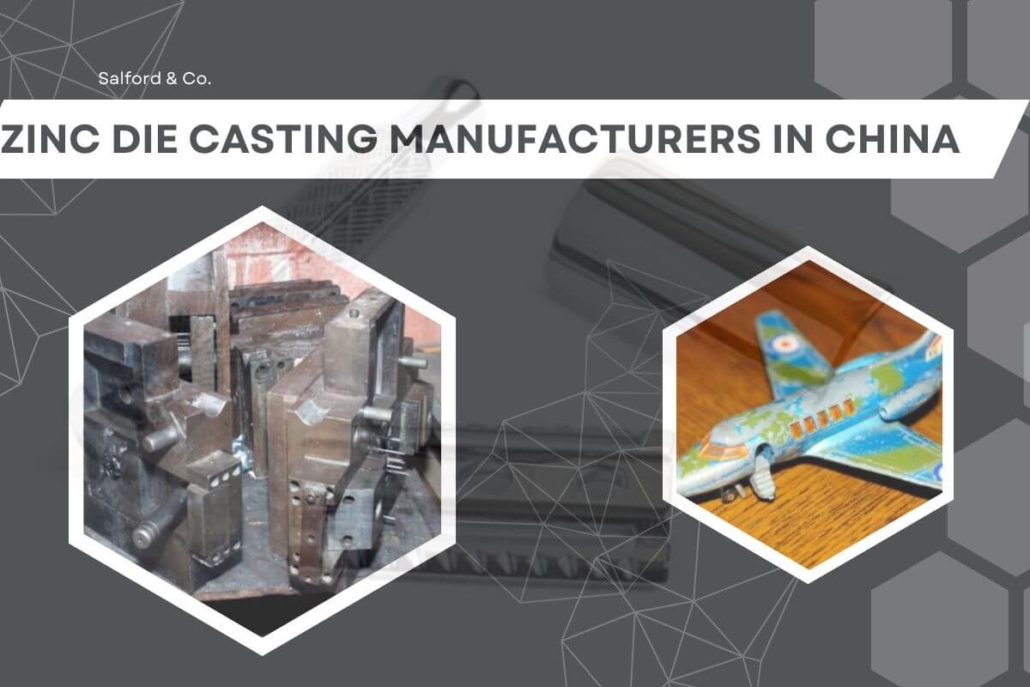
A legjobb 11 cink Die Casting cégek Kínában és az USA-ban

öntvény alkatrészek, Cink öntés

If you have metal alloy casting parts that require a high quality surface finish, such as polishing, plating, or electronic plating, then you should look for zinc die casting parts. Zinc or zamak die casting is frequently used in the production of precisely decorative parts, building accessories, door and window accessories, door hingers, die cast models, and other similar alloy products. The purpose of this article is to provide you with a concise introduction to the best 11 zinc die casting companies in China and the United States of America, as well as their casting capabilities and competitive advantages. With that in mind, let’s take a look at some of the most well-known businesses in this extensive guide. 1. Dongguan Sincere Tech Co., Ltd Dongguan Sincere Tech Co., Ltd is a mold manufacturer and zinc die casting company based in China. High-quality injection molds are the specialty of the company. It provides die-casting molds of aluminum, zinc, and magnesium along with the accuracy in plastic molding as well as molding. Services offered are for automotive, medical, and other sectors. The customers gain precision reliability and competitive charges for all the projects offered. The use of high-quality machines and equipment means that there is quality output with minimal deviations. Oversight of each project is left in the hands of skilled professionals to ensure that high standards are followed. The company has established a reputation as one of the leading companies because international clients have confidence in Dongguan Sincere Tech for success. Services Offered Dongguan Sincere Tech provides clients with a wide range of product development solutions. It ranges from the design process to the creation of prototypes, from production design to actual mass manufacturing. That is why mold creation and tooling services are considered to incorporate high precision of output product assembly, testing, and packaging. The company has immense experience in Die casting and plastic molding. Every move is performed with precision and clarity. The company makes sure that its products are according to the industry standards and values. Quick turnaround times and good results are guaranteed. Why Choose Dongguan Sincere Tech? Quality, precision, and reliability are the core values of Dongguan Sincere Tech Company. Quality assurance measures applied to the greatest level ensure the high quality and standards of the product. Raw materials of fine quality are used in the production of various products. The sophistication of manufacturing processes is used for better sturdiness. Every client is provided with high-performance and low-cost services. Accuracy and durability are the foremost aspects of designing the product. Professionals receive optimum levels of satisfaction in the services they offer to the customers as well as the products they manufacture. If you are seeking reliable and affordable molds, then Sincere Tech is a company you should look at. If you are looking for plastic injection molding, product assembly services China, and zinc die casting companies in China, you are welcome to contact with them for price. 2. GC Precision Mold Co., Ltd. GC Precision Mold Co., Ltd. is a leading Zinc die casting company in China offering vast experience of over two decades. Founded in 1999 and is primarily involved in the business of aluminum, zinc, and magnesium die-casting. In addition, they provide services for plastic molding, CNC machining, and surface finishing. GC Precision Mould works with different sectors of the economy such as automobile, electronics, and the healthcare sector. The company holds a reputation for its efficient production line. Its advanced machines are from 120 tons to 1650 tons. The services offered by the company include gravity casting, high-pressure die casting, and sand casting. They design and develop molds of specific interest. The accuracy and quality are ensured on every project to the maximum level. GC Precision Mould sells its products in the international market, specifically in North America and Europe. These companies provide efficient and convenient delivery and shipping for their customers in different parts of the globe. This has made them certified under the International Organization for Standardization (ISO) 9001 on quality. The company delivers customized solutions according to the client’s demand, thereby adding value. Core Services Provided GC Precision Mould Co., Ltd. provides a wide range of services: Die Casting: The materials used are aluminum, magnesium, zinc, and other custom alloys. Plastic Injection Molding: High precision in molding with a range of surface finishes. CNC Machining: CNC lathe turning and component manufacturing with high levels of accuracy. Surface Finish: Anodizing, powder coating, painting, and plating with chromium. Custom die casting Tooling: Equipment for difficult die casting and molding applications. Their die-casting services target the automotive, electronics, and consumer products industries. For every project, they employ modern tools and techniques, thus meeting the highest levels of production. They satisfy various customer needs since the machines used in manufacturing have a part-making capability of up to 50kg in weight. Why Choose GC Precision Mould Co. Ltd? GC Precision Mould is a reliable supplier of Zinc Die Casting Services. They provide steady and affordable services grounded on their many years of experience. The company emphasizes and assures a fast response time and works at a reasonable budget. GC Precision Mold offers a full spectrum of customer support starting from the time the project is initiated. From die casting, and CNC machining to plastic molding the company guarantees satisfaction to their customers. G.C Precision Mold Co., Ltd. focuses on constant innovation. They are always giving their best to advance their production systems and techniques. They are ISO 9001 certified and follow rigorous international standards for their products. They meet both small and big production needs in terms of service delivery. If you are looking for plastic injection molding, CNC machining, surface finish like anodzing, electronic plasting, 6063 or 6061 high pressure die casting, and zinc die casting manufacturers in China, you are welcome to contact with them for price. 3. CNM Casting CNM TECH is an advanced industrial zinc die casting company based in China, the CNM casting company is mainly involved in precision die-casting

Cink öntés

A cinknyomásos öntés jelentősége az autóiparban

alumínium öntvény, öntvénygyártó cégek, öntvénygyártó vállalat, Die Casting gyártó, öntvény alkatrészek, zamak 3 szerszámöntés, Zamak 3 cinköntvény, zamak 5, zamak 5 szerszámöntés, zamak szerszámöntés, cinkötvözetből készült öntvény, Cink öntés

Mi az öntés? A szerszámöntés olyan fémöntési eljárás, amelynek jellemzője, hogy az olvadt fémet a formaüregbe nyomják. Az öntőüreg két edzett szerszámacél-formával készül, amelyeket a feldolgozás során megmunkálnak, és a fröccsöntőformákhoz hasonlóan működnek. A legtöbb öntvény nemvasfémekből készül, különösen cink, réz, alumínium, magnézium, ón, ólom és ónalapú ötvözetekből. Az öntendő fém típusától függően hő- vagy hideggépet használnak. A cinknyomásos öntési eljárás nagyon népszerű az építőiparban és az iparban használt alkatrészek készítéséhez, de a leggyakoribb alkalmazás az autóiparban. Valójában az autóknak különböző alkatrészei vannak, amelyek öntéssel készíthetők, oly módon, hogy a modern öntési folyamatot eredetileg az autóipar számára indították el. Az öntési eljárással gyakran nincs szükség további megmunkálásra az öntés után: nemcsak a pontosság akár 99,8% is lehet, hanem az öntött termékek nyersen is felhasználhatók, mert kellemes felületűek. A cink nyomásos öntvények felhasználása szinte 28% az autóiparban, ezt követi az építőipar és a vasáruipar. A cink az autóalkatrész-ipar egyik legfontosabb fémévé vált, különösen az olyan termékek esetében, mint az ajtózárház, a mancs, a fogaskerekek és a biztonsági övrendszerek behúzó csigái, de a vezérműtengely és a szenzorok alkatrészei is. Ennek a fémnek és ötvözeteinek használatával olyan szilárdság, alakíthatóság és rugalmasság érhető el, amely más anyagokkal nem lenne lehetséges. Ezenkívül a cink megfelelő választás lehet kiváló minőségű esztétikai alkatrészek előállításához, olyan szűk tűrésekkel, amelyek más anyagokkal nem lehetségesek, valamint domborítások és hornyok kialakításához mechanikus alkatrészekhez vagy fogaskerekekhez. Cink nyomásos öntési mechanizmusok az autóiparban Mint már említettük, az autóipar a leggyakoribb nyomásos öntési alkalmazás: a cink és ötvözeteinek használata lehetővé teszi olyan alkatrészek gyártását, amelyekkel magas esztétikai minőséget lehet elérni, az alakmorfológia szoros és szűk tűréshatáraival. A cinkötvözeteket bevonatokhoz is használják, mivel számos előnye van, például a cink korróziógátló tulajdonságainak javítása, amelyek már most is lenyűgözőek. Az alábbiakban számos lehetséges példát talál a cinkbevonatokra: Belső esztétikai rész Napfénytetők rész Mechanikai alkatrészek Motor és egyéb motorház alatti alkatrészek Szervokormányrendszer alkatrészek és fékrendszer Klímaberendezés alkatrészei és rendszerei Futómű hardverek A biztonsági öv rendszer alkatrészei A klímaberendezés alkatrészei Üzemanyagrendszer A cink nyomóöntés előnyei: Hatékony és gazdaságos eljárás, amely különböző formákat és formákat kínál. Nagysebességű gyártás Méretpontosság és stabilitás Szilárdság és súly Számos befejező technika áll rendelkezésre Egyszerű összeszerelés Az öntési eljárás ólom és ólomötvözetek, magnézium és rézötvözetek használatával kezdődött, amelyeket gyorsan követtek, és az 1930-as években számos, ma is használatos modern ötvözet áll rendelkezésre. Ez a folyamat az alacsony nyomású öntéstől a modern nagynyomású, 4500 font/négyzet hüvelykenkénti injektálásig fejlődött. A modern eljárással nagy integritású, tiszta öntési formák állíthatók elő kiváló felületi felülettel. A cinköntvény ötvözet erős, tartós és költséghatékony műszaki anyag. Mechanikai tulajdonságai versenyképesek és általában magasabbak, mint az öntött alumínium, magnézium, bronz, műanyag és a legtöbb öntöttvas esetében.

Zamak 3 cinköntvény

Zamak 3 Szerszámöntés

alumínium öntvény, zamak 3, zamak 3 szerszámöntés, Zamak 3 cinköntvény, zamak 5, zamak szerszámöntés, cinkötvözetből készült öntvény, Cink öntés

A ZAMAK 3 termékek gyártásához ZAMAK 3 öntvényt kínálunk. ZAMAK 3 termékeink, gyártási kapacitásaink és raktározási lehetőségeink révén minőségi alkatrészeket kínálunk Önnek versenyképes áron. A ZAMAK 3 a legnépszerűbb a ZAMAK sorozatú ötvözetek közül a cink nyomóöntéshez, önthetőségének és méretstabilitásának köszönhetően. A ZAMAK 3 tulajdonságai: Szakítószilárdság: psi x 103 (MPa) 41 (283) folyáshatár - 0,2% Offset: psi x 103 (MPa) 32 (221) Nyúlás: Nyírószilárdság: psi x 103 (MPa) 31 (214) Keménység: % 2″ 10-ben: (J) 432 (58) Fáradási szilárdság Rotációs hajlítás - 5×10⁸ ciklus: psi x 103 (MPa) 6,9 (48) Nyomó folyáshatár 0,1% Offset: psi x 103 (MPa) 604 (414) Rugalmassági modulus - psi x 106 (MPa x 103) 12.46 (85,5) Poisson-tényező 0,27 Sűrűség: lb/cu in (g/cm3) .24 (6,6) Olvadási tartomány: ¡ãF (¡ãC) 718-728 (381-387) Elektromos vezetőképesség: %IACS 27 Hővezető képesség: BTU/ft/hr/¡ãF (W/m/hr/¡ãC) 65,3 (113,0) Hőtágulási együttható: 68-212¡ãF µin/in/¡ãF (100-200¡ãC µm/mm/¡ãC) 15,2 (27,4) Fajlagos hő: BTU/lb/¡ãF (J/kg/¡ãC) .10 (419) A szerszám zsugorodásának mintázata: in/in .007 Cink nyomásos öntvények Alkalmazások Sportcikkek - Költségkímélő megközelítések a megmunkált alkatrészekhez képest; - A cink alkatrészekhez illeszkedő bevonatok; - Szilárdság a kemény alkalmazásokhoz; Orvosi - Innovatív képességek; - Pontos kialakítás öntöttként; - Számos nehéz alkalmazáshoz; Kapcsolók - Több üreg a költségmegtakarítás érdekében; - Többcsúszó; Rögzítők - Számos méretű panelanya már megmunkálva; - Nagy sebességű csapolás; Csatlakozó - Négy csúszó technológia a költséges másodlagos kiküszöbölésére; - A henger bevonása elektornikkelhez költséghatékony védelmet és esztétikát kínál; - Kiváló vezető ötvözetek; Száloptika - Képes összetett minták öntésére; - Szűk tűréshatárú, öntött alkatrészek; - Kis alkatrészek előállításához szükséges berendezések és tapasztalat; Készülékek - Vékony falú öntvények, amelyek szilárdsága lehetővé teszi az alkalmazásokban való helytállást; - A felületi bevonatok kopásállóságot biztosítanak; - Az alkalmazás sajátosságaihoz tervezett ötvözetek; Autóipar - Képes több alkatrész egyetlen cinköntvénybe történő beépítésére; - Korrózióálló öntvények és lemezek; - Másodlagos csapolási lehetőségek; - A cink kiváló csillapító anyag; A Zamak 3 cinköntvény részletei Modellszám: CNM TECH Árfeltételek: Fizetési feltételek: FOB SZ: Ha szeretne vásárolni, vagy további információkat szeretne megtudni a Zamak 3 cink öntésről: T/T CIF L/C Supply Ability: 300,000-400,000sets/hónap Delivery Lead Time: körülbelül 30 nap Ha szeretne vásárolni, vagy több információt tudni a Zamak 3 cink öntésről,

Görgessen a tetejére

Kérjen árajánlatot