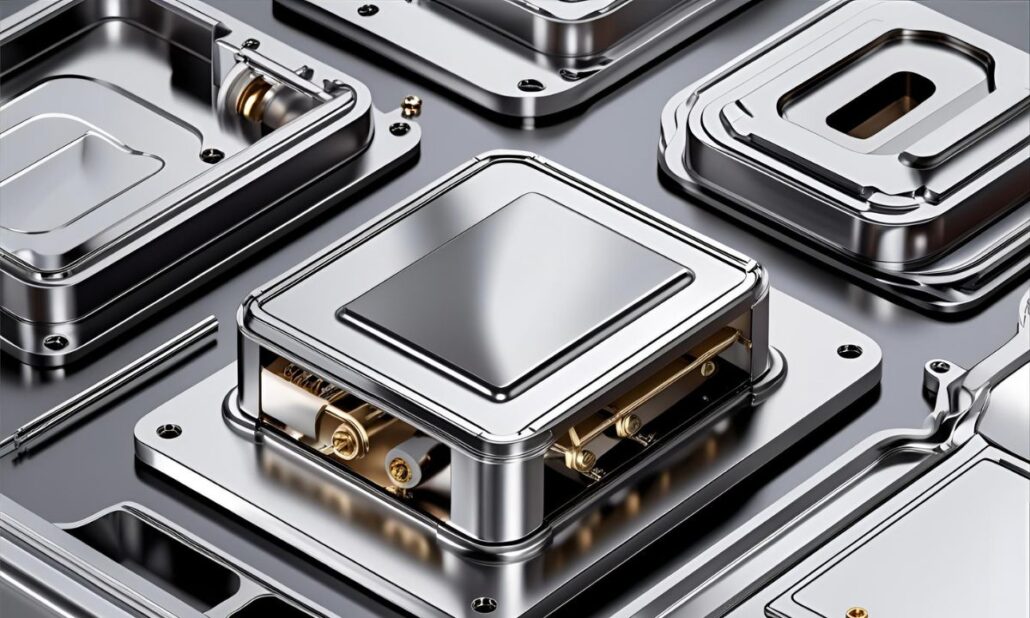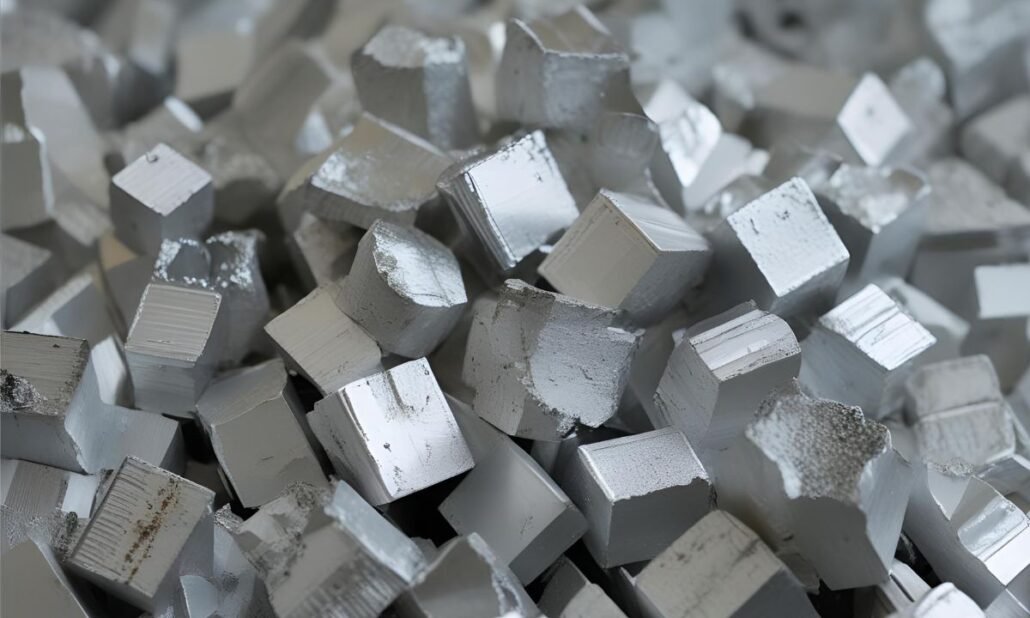
pressofusione di zinco

Aziende di pressofusione di alluminio negli USA

Aziende di pressofusione di alluminio negli USA

pressofusione di alluminio, aziende di pressofusione, azienda di pressofusione

La pressofusione di alluminio è oggi una delle procedure di produzione più sicure ed economiche negli Stati Uniti d'America, in particolare per i produttori che richiedono robustezza, longevità e precisione. L'iniezione ad alta pressione di alluminio fuso in getti d'acciaio consente di ottenere pezzi non solo leggeri, ma anche dimensionalmente precisi e durevoli. Questa resistenza e il peso ridotto rendono la pressofusione di alluminio il materiale preferito dall'industria automobilistica e aerospaziale, dall'elettronica, dai macchinari industriali e dai beni di consumo. Il mercato statunitense vanta un'industria della pressofusione di alluminio tra le più affermate a livello mondiale, sotto forma di produttori su larga scala con presenza globale e di piccole imprese specializzate in parti personalizzate e applicazioni di nicchia. Queste aziende sono molto importanti per il sostentamento dell'industria chiave, in quanto forniscono segmenti del settore come blocchi motore, alloggiamenti per trasmissioni, involucri elettronici e parti strutturali. I produttori statunitensi si sono guadagnati la reputazione di affidabilità e di prodotti innovativi nel mondo grazie alle loro tecnologie di alta qualità, alla certificazione e all'attenzione per i prodotti di qualità. Negli ultimi anni si è assistito a una massiccia impennata della domanda di componenti in alluminio pressofuso a causa dei recenti sviluppi nell'alleggerimento dei veicoli, della produzione di veicoli elettrici e della spinta a produrre in modo efficiente. Le aziende americane stanno abbracciando l'automazione, le fusioni sostenibili e le leghe di qualità superiore in modo da ottenere risultati elevati per soddisfare questi requisiti. Questo articolo elenca alcuni dei migliori produttori di pressofusione di alluminio negli Stati Uniti e i loro risultati, potenzialità e contributi all'industria contemporanea. Non importa se si tratta di pezzi per un processo di produzione su larga scala o per un'applicazione altamente tecnica, questi produttori sono l'incarnazione della migliore tecnologia americana nella pressofusione di alluminio. Che cos'è la pressofusione di alluminio? La pressofusione di alluminio è una tecnica di produzione in cui l'alluminio fuso viene forzato ad alta pressione in uno stampo di acciaio, detto anche matrice. Quando il metallo si raffredda e si solidifica, lo stampo viene aperto e il pezzo completato viene espulso. Questo è il processo grazie al quale i produttori possono creare componenti resistenti, leggeri e altamente dettagliati, con un elevato livello di precisione dimensionale e finiture superficiali uniformi. Il vantaggio principale è che la pressofusione di alluminio può produrre forme complesse che altrimenti sarebbero difficili o costose da realizzare con altri processi produttivi. Trova ampia applicazione nella produzione di parti come blocchi motore, alloggiamenti per trasmissioni, involucri elettronici, dissipatori di calore e componenti strutturali. La pressofusione di alluminio presenta numerosi vantaggi: Grazie a questi punti di forza, la pressofusione di alluminio è emersa come un'alternativa migliore nelle industrie che richiedono componenti affidabili ed efficienti di alta qualità per soddisfare le proprie esigenze tecniche ed economiche. Le migliori aziende USA di pressofusione di alluminio 1. Dynacast International Dynacast International è una delle aziende più note nel settore della pressofusione di precisione a livello globale. L'azienda vanta decenni di esperienza nella produzione di componenti piccoli e complessi con l'uso di leghe di alluminio, zinco e magnesio. È in grado di produrre componenti con tolleranze rigorose e caratteristiche complesse, necessarie per i settori automobilistico, dell'elettronica di consumo, delle telecomunicazioni e dei dispositivi medici. Essere globale significa anche che Dynacast è in grado di servire piccole imprese e multinazionali con la flessibilità, le innovazioni e la qualità che non variano da un progetto all'altro. 2. Pace Industries Diventata la più grande azienda di pressofusione del Nord America, Pace Industries si è guadagnata una buona reputazione offrendo soluzioni complete. La loro gamma di servizi comprende progettazione e supporto ingegneristico, pressofusione, lavorazione, finitura superficiale e assemblaggio finale; hanno fornito una soluzione unica ai clienti dei settori automobilistico, industriale e di consumo. Grazie alle dimensioni delle sue attività, Pace è in grado di gestire progetti ad alto volume e progetti personalizzati. Pace segue inoltre la cultura di investire in tecnologie moderne e in pratiche sostenibili, in modo da poter rimanere competitiva in un settore in rapida evoluzione. 3. Ryobi Die Casting (USA), Inc. Ryobi è un marchio rinomato nel segmento mondiale della pressofusione e ha una presenza importante negli Stati Uniti. Le sue attività negli Stati Uniti sono incentrate su componenti in alluminio pressofuso di medie e grandi dimensioni, soprattutto per il settore automobilistico. Ryobi produce blocchi motore, scatole di trasmissione e parti strutturali che devono essere resistenti e precise. L'azienda si è avvalsa di tecnologie all'avanguardia e di una gestione della qualità che l'ha portata a diventare un fornitore di riferimento per le principali case automobilistiche del mondo. 4. Gibbs Die Casting Gibbs Die Casting, l'altro leader del mercato statunitense, ha sede a Henderson, nel Kentucky. L'azienda è specializzata nella pressofusione di alluminio e magnesio per l'industria automobilistica, in particolare per gli alloggiamenti delle trasmissioni e le parti della catena cinematica. Gibbs pone una forte enfasi sull'innovazione, dove l'automazione e le sofisticate tecniche di produzione vengono utilizzate per garantire elevati standard di efficienza e qualità del lavoro. L'azienda incorpora anche il concetto di sostenibilità nelle sue attività, riducendo gli sprechi e incoraggiando pratiche commerciali rispettose dell'ambiente. 5. Apex Aluminum Die Casting Co. Apex Aluminum Die Casting è situata in Ohio e viene utilizzata nell'industria automobilistica, elettronica e degli elettrodomestici. L'azienda è rinomata nel lavorare con lotti di produzione di medio volume, il che la rende l'opzione perfetta per le aziende che richiedono una qualità di produzione costante, ma che non hanno bisogno delle enormi potenze degli importatori più grandi. Il team di Apex si preoccupa della soddisfazione del cliente, dell'affidabilità del servizio, della progettazione e dell'accuratezza della produzione. Si è affermata come partner affidabile di numerose aziende statunitensi grazie alla sua buona reputazione di fornire risultati costanti. 6. KenWalt Die Casting Company KenWalt Die Casting ha sede in California e vanta un'esperienza pluridecennale nella produzione di getti in alluminio e zinco. L'azienda si concentra anche su lavori su misura e serve i settori delle attrezzature industriali e dei beni di consumo. KenWalt si distingue per essere un'azienda che collabora strettamente con il cliente durante la fase di produzione.
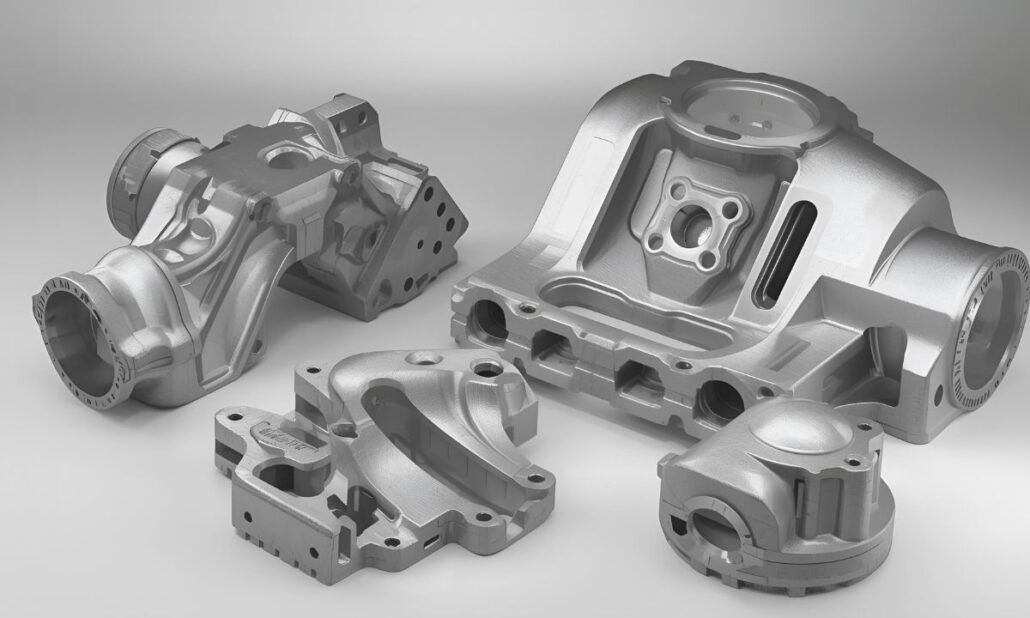
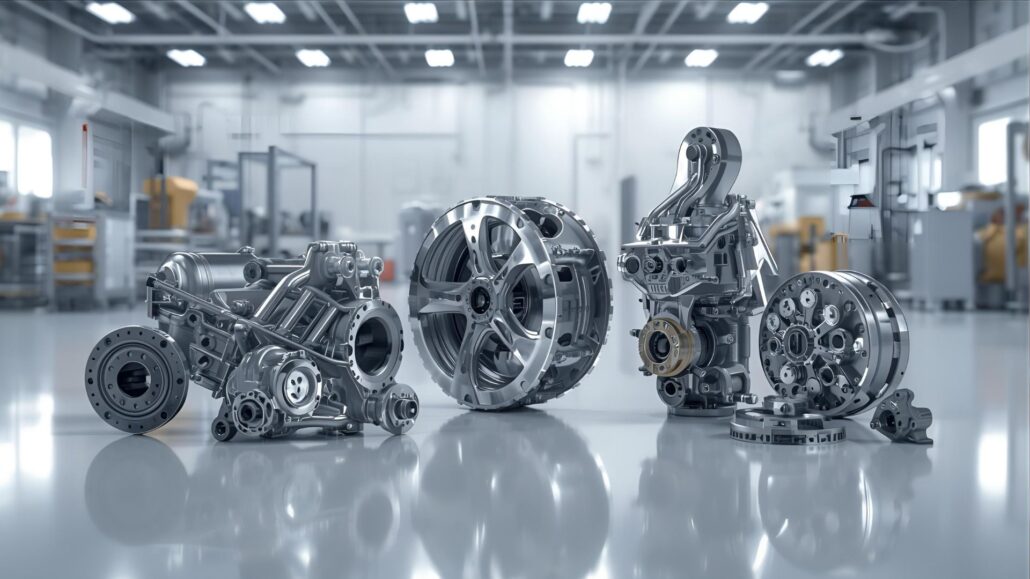
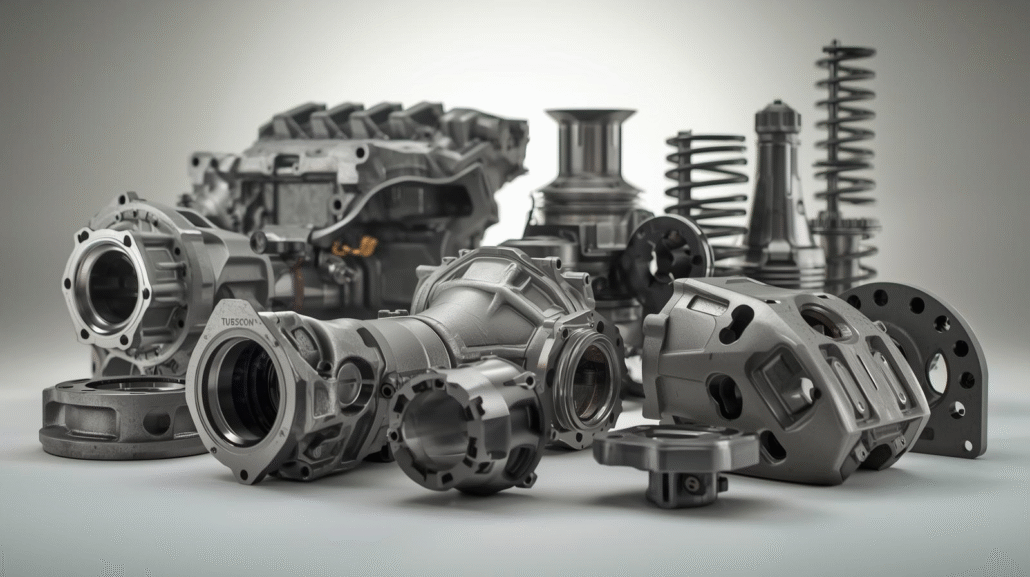
Alluminio alta pressione pressofusione ricambi auto

Ricambi auto in alluminio pressofuso ad alta pressione: Durevole ed efficiente

pressofusione di alluminio, pressofusione ad alta pressione

The automotive industry is changing due to the use of aluminum high pressure die-casting auto parts. They provide manufacturers with the power to design lighter, stronger and more efficient cars. With this technology, the car manufacturers can save on weight, become fuel efficient and have green mobility without compromising on the durability of the car. Auto parts die casting is the process whereby molten aluminum is injected into a steel mold at a very high pressure. This produces a strong shape that is smooth and sharp. The method allows faster production, reduced machining and consistent quality. In die casting auto parts, the companies are able to design complex components in a single step, which saves them time and money. Auto parts made in aluminium die casting are now much needed in modern vehicles. This is a frequent method of producing engine blocks, transmission housings, brake parts, and battery casings in electric cars. Lightweight, but tough, corrosion-resistant, and designed to meet tough conditions on the road, these parts are made. Auto parts made with aluminum die casting are increasing in demand rapidly, particularly as we move to electric and hybrid cars. Loss of total weight of cars increases battery life, performance and reduces emissions. This makes aluminum die casting a major component of green production. In brief, the use of aluminum high pressure die-casting auto parts in car manufacturing is no longer a choice. They have played a key role in creating the modern vehicles, which will not only be up to the present performance standards, but also be green. Powerful, effective, and stable, they will also be at the very centre of automotive design in the future. What Is Aluminum High Pressure Die-Casting? Die casting is a process of molding metal. In this, molten aluminum is forced under a very high pressure into a cavity in a steel mold. When cooled, the metal hardens in the same shape as the mold. The outcome is smooth, accurate and long-lasting. That is why die casting became one of the most popular ways of producing modern car parts. In comparison with the traditional technique, high pressure die casting can make complicated parts in one time. This saves time, machining requirements and costs to manufacturers. Why Aluminum for Auto Parts? The reason why aluminum high pressure die-casting auto parts are so popular is that there is no other material that has a combination of qualities as much as aluminum. It is green and rough; therefore, it is light and, therefore, can be used in the automobile industry. Increasing efficiency and environmental requirements have made aluminum the die casting of choice in auto parts. Weight loss is one of the largest benefits. Steel is a lot heavier than aluminum. Carmakers can lighten an overall vehicle by incorporating die casting auto parts produced using aluminum. The lighter a car is, the better its fuel economy, emissions, and performance. This would be important in both a conventional and an electric vehicle. Meanwhile, aluminum does not lose strength. It has a good strength-to-weight ratio, and this is good because even when the part is strained, it does not become soft. This is what renders aluminium die cast auto parts so useful in engines, transmission and chassis parts. The other important advantage is corrosion resistance. Aluminum does not rust and wear out like other metals. This provides increased life to aluminum die casting auto parts and decreased maintenance expenses to vehicle owners. Major Auto Parts are produced using Die Casting Automobile manufacturers cast most of their components using aluminum die casting. These are lightweight yet powerful parts that can be used in conventional as well as electric cars. Engine Blocks Engine blocks have to deal with heat, vibration and pressure. When it comes to auto parts die casting, aluminum blocks weigh less but are firm enough to work in very harsh conditions. This will conserve the overall weight of the engine and fuel consumption. Transmission Housings The transmission housings have to be precise and durable. Die casting auto parts are used in order to achieve the accuracy of smooth-running gears. This guarantees high reliability over time, and minimal machining is required. Brake Components Brakes face constant stress. Manufacturers produce strong components that are not heavy since they use aluminum die casting auto parts. This balance is applied to increase the braking force and to decrease the vehicle’s weight. Chassis Parts The chassis parts are used to provide safety and stability. They are strong but not bulky when made using aluminium die casting auto parts. This increases the management and productivity. EV Electric Housing’s motor and battery The auto parts that shield the motors and batteries are constructed using aluminum high pressure die-casting in electric vehicles. The housings protect delicate systems and still provide a lightweight frame, increasing the distance covered during driving. Collectively, these elements bring out the role of auto parts die casting in helping to design new cars. Aluminum die casting has made engines, EV batteries, and more perform efficiently, last longer, and be durable. Process of Aluminum High Pressure Die Casting 1. Mold Preparation Preparation of the moulds starts. The die of steel is thoroughly washed in order to eliminate all materials that are impurities and heated to the appropriate temperature. A protective coating is applied to the surface that prevents the sticking of the molten aluminum to the surface, and helps in controlling the cooling rate. This is done to ensure enhanced circulation of metals and longer life of moulds and consistency of parts per production cycle. 2. Melting the Aluminum These aluminum alloys are melted in a furnace with specific controlled temperatures. But sufficient temperature is also required, as that prevents oxidation, and the molten metal will flow easily into the mold cavity. Any impurities are removed by refining the agents or filters. This ensures that aluminum die cast auto parts contain no defects and are of good and consistent properties. 3. Under high pressure injection. Then the molten aluminum is forced into

Parti di automobili realizzate per fusione:

Parti di automobili prodotte per fusione: Selezione del materiale e del processo

parti in pressofusione

The modern automobile is a sophisticated machine that consists of thousands of separate parts with their own purpose to provide safety, performance, and reliability. Casting is one of the various manufacturing processes that are employed in the automotive industry. Casting is now an irreversible procedure where major parts of a vehicle are formed by shaping molten metal into extremely detailed and strong parts. The engines, transmissions, and braking systems of most vehicles are among the most significant systems that require parts made by casting. Indeed, when designers and builders discuss efficiency, durability, and cost-effectiveness in the production, casting of automobile parts are often at the centre stage of the debate. The art of casting is not new; it was invented thousands of years ago. However, its application in the motor industry has undergone a revolutionary shift to harness hi-tech technologies and the most recent alloys that can fit the high demands of the modern car. Casting has been instrumental in enabling cars to maintain high-performance standards at a relatively low cost through lightweight aluminum engine blocks that are tough and, resilient cast-iron brake components. The article will review the history of the automobile casting parts, processes, advantages, and future trends of automobile casting parts and reveal the reasons why the automobile casting parts continue to be a pillar in the automotive manufacturing industry. History  of Casting It was actually the aluminum casting process that penetrated the sphere in the middle of the 20th century. Casting has been in use in vehicles since the late 19th and early 20th centuries, when the automobile was first developed to replace the horse-drawn carriage. Early engines demanded powerful but inexpensive parts, and casting was the right way to go. One of the first methods to make engine blocks, crankshafts, and housings was iron casting. With the increase in the automobile industry, casting techniques increased and became advanced. The automobile manufacturers learned that they could increase fuel efficiency without reducing the lifetime of the vehicles due to lighter engines and structural parts. Casting is applied to different systems of vehicles in accordance with their application and importance. Finally, the automobile casting parts have the important role of giving strength, accuracy, and cost-effectiveness to reduce the cost, which is why automobile parts are the giants of the automotive industry. What are Automobile Casting Parts? Automobile Casting Parts can be defined as parts of a vehicle that are produced through pouring molten metal into a mold, and the resulting molten metal hardens into a desired shape. This has enabled the manufacture of robust, sturdy, and intricate components that are utilized in automobiles, including engine blocks, cylinder heads, transmission housings, brake drums, and wheels. They are very popular since casting offers: Taking the case of an engine block, the block has various chambers and coolant passages with threaded openings that can be cast correctly. What is Casting? The process of casting is a type of manufacturing where molten metal is poured into a mold and allowed to cool in the shape of the mold. After cooling, the casting is removed, machined (where needed),, and fitted into the finished product. It is an operation in which it is possible to produce both strong and geometrically complex parts. The reason why automobile manufacturers like to use casting is that they can produce large quantities of complicated parts of uniform quality. The proper melting temperature should also be maintained to remove defects such as porosity or underfill We are discussing not only structurally significant parts of automobiles, but also those that must be precise and durable under severe conditions of high temperatures, pressures, and constant wear. Process of Casting in Automobile Parts High-volume production also automates machines or high-pressure systems to ensure a high level of accuracy and consistency. 1. Pattern Making It starts with the production of a pattern, an imitation of the finished part. Patterns tend to be made of wood, metal, or plastic. They also determine the accurate shape and size of the mold cavity into which the molten metal will be poured. 2. Mold Preparation Sand, metal, or ceramic materials are used to form a mold. The two halves of the mold make the cavity to shape the part. Hollows can also be introduced within the mold,, such as internal passages within an engine block. 3. Melting the Metal In a furnace, a controlled temperature is used to melt the selected metal or alloy (cast iron, aluminum, or magnesium). This is to bring mechanical properties to high-performance applications such as engines or gearboxes. 4. Pouring When the metal is melted, it is filled into the mold. The proper sizes and finishes are ensured during drilling, milling, and turning. 5. Solidification and Cooling The heated material is left to cool and harden within the mold, assuming the shape of the mold. The part should avoid a shrinkage defect or crack due to uncontrolled cooling rates. 6. Mold Removal When solidifying, the mold is broken (in sand casting) or the mold is opened (in permanent and die casting). A raw casting is then removed and processed further as a casting blank. 7. Fettling and Cleaning Unneeded material, including sprues, risers, or flash, is eliminated. The casting could be shot blasted or ground to clean up the surface to make it easy to machine. 8. Heat Treatment (if required) Cast parts can be heat-treated to enhance their strength, hardness, or toughness. Sand Casting – Sand casting is one of the oldest and most common ways in which a mold of sand is molded into a more complicated shape. 9. Machining and Finishing Despite the fact that casting generates near-net shapes, a lot of automobile parts have to be machined to be precise. It is used with the engine block, cylinder head, and manifold. 10. Inspection and Testing Lastly, quality checks are done on the cast part. Non-destructive testing (NDT), dimensional testing, and material inspection are conducted to ensure that the part is up to industry standards before assembly into

Perché l'alluminio forgiato è migliore del metallo fuso?

Perché l'alluminio forgiato è migliore del metallo fuso?

Alluminio forgiato

Forged aluminum is among the most trusted materials in contemporary engineering practice. It is formed by pressing solid aluminum with a high amount of heat and pressure. It alters the internal structure of the metal and makes it stronger and tougher than cast aluminum. Due to this, industries that require safety and durability use forged aluminum. Aluminum in itself is already rated as lightweight, resistant to corrosion and versatile. It is present in vehicles, aircraft, buildings, electronics and even in common tools. Not everything that is made of aluminum is the same, though. The performance of the metal is directly affected by how the metal is formed. Aluminium is melted and poured into molds when it is cast. This may cause flaws such as air bubbles and holes. Forging eliminates those issues. Rather than melting, the aluminum is pressed into form so that the grain is forced to conform to the design of the part. This yields a very powerful and homogeneous material. Forged aluminum has become popular now that industries are shifting to lighter, safer and more efficient solutions. This paper tells us why it is better than cast metal, the process involved in forging metals, where it is applied and the future of forging of aluminum. What Is Forged Aluminum? Forged aluminum is done by pressing solid aluminum under high pressure. The metal is not melted all the way as in casting. Rather, it is heated till it turns soft and malleable. After being softened, the aluminum is stamped or beaten into the required shape by means of heavy forging machines. This stress flattens the metal and also perfects its internal grains. The grain is oriented in the shape direction, and it contributes to the part’s better strength and toughness. Such a fine structure also removes numerous defects present in cast aluminum, including pores or cracks. Consequently, forged aluminum is safer, more durable and stronger. How an Aluminum Forge Works? Forging is done in an aluminum forge. There are a few steps involved in the process: This process ends up with a thick, solid, and homogeneous portion. It does not have weak spots or air bubbles like casting. Benefits of Forged Aluminum Cast metal and other materials cannot do what forged aluminum can do. It has become the tool of preference in industries where we cannot afford to compromise on performance and safety. Superior Strength Forged aluminum is very strong, and this is one of the key benefits of forged aluminum. The grain structure of the metal is refined through the forging process. The tensile and fatigue strength are enhanced by this alignment. False components can bear heavy loads as well as stresses and strains repeatedly without failure. This also positions them very well in high-performance activities like plane landing gear, suspension systems, and industrial machinery. Lightweight but Tough Aluminum is inherently lighter than steel, and forging goes even deeper with it. Forged aluminum is very strong for its weight. This enables engineers to ensure that they make lighter machines and vehicles that are still safe and strong. The weight loss makes cars and aeroplanes more fuel efficient, but also gives them durability. Increased Resistance to Fatigue Cast parts wear out much more than forged aluminum. Fatigue is a condition in which a part has worn out due to multiple stress cycles. Due to weak grain structure, cast parts tend to crack. Aluminum that has been forged does not crack easily, and thus parts made with this material will survive long in the hands of those who use them. Uniform Grain Structure The forging process is used to match the part shape with the grain in the metal. Such homogeneous graining makes it harder and harder to strike. Quite the contrary, casting gives arbitrary grain structures that create weak positions. Safety and Reliability Safety is the first priority in high-pressure industries like aerospace, automotive and defense. Forged aluminum is reliable as it provides power, hardness and steadiness over time, even in extreme circumstances. Aluminum Forging uses Aluminum forging has made an impression in the world where weightless, powerful and enduring parts are required. Forged aluminum parts are believed to be safe and, therefore, are commonly trusted in critical applications related to safety. Automotive Industry Modern automobiles are involved in fraudulent aluminum. A very common application is in wheels. Compared to cast wheels, forged wheels are lighter, more durable and safer. This type of weight loss improves manoeuvrability and fuel efficiency. Suspension parts are another significant use that should resist heavy loads, impact, and vibration on the road. The aluminum used is forged, so they are not stressed. Moreover, most engine parts, including connecting rods and pistons, are forged. These sections can withstand high pressure and hot temperatures with long durability. Concisely, forged aluminum improves the automobile’s performance and safety. Aerospace Industry Aircraft require components that are lightweight in nature and strong. Forged aluminum fits this specification. It applies to landing gears, which are supposed to withstand high levels of impact during landing and takeoff. It also occurs in wing structures where efficiency depends on lightness. Forged aluminum parts deal with pressure, heat and vibration in aircraft engines. Failure is not an option in flight; this is why the aerospace industry relies on forging. Military and Defense Defense applications require forged aluminum. Forged parts of tanks, aircraft, and naval ships have to endure the extreme conditions of combat. Forging guarantees maximum toughness, strength and reliability even in the most strenuous conditions. Industrial Machinery Major equipment is usually operated at full load. Forged aluminum products are wear-resistant and minimize downtime. This makes them cost-effective and long-term solutions for manufacturers. Sports and Lifestyle The sports and lifestyle items also use forged aluminum. Forged components are used to manufacture high-end bicycles, climbing gear and sports equipment. Such objects need to be lightweight and durable over a long period of time, which is why forging is the best method. The Reason Why Industries use forging rather than casting? Forging is the option

Il futuro delle fusioni automobilistiche

Il futuro delle fusioni automobilistiche: Innovazione, efficienza e prestazioni

Produttore di pressofusioni, pressofusione

Automobiles have never been left behind in technological development. Since the first steel framing in automobile manufacturing up to the latest lightweight alloys, each part of a car has been improved through innovation to enhance safety, durability and performance. One of the most significant areas of progress lies in the world of automotive castings. This has helped in the designing, production, and optimization of vehicles. In plain terms, the term automotive castings can be defined as the process through which the molten metal is measured and poured into the moulds to shape intricate parts of the vehicle. The method is precise, cost-efficient and can be scaled to mass production. These processes are important in the industry because almost all vehicles on the road today have several parts that have been cast. This article examines the history, manufacturing, advantages, and future of the so-called automotive castings, and also takes a look at how the so-called automotive casting, die casting automotive parts, and cast automotive parts contributed to the shaping of the modern automobile. The History of Automotive Castings The methods of casting date back several thousand years, although it was not until the end of the 19th and very early 20th centuries that they were used in the automotive industry. The first automobiles were ineffective and weighed a lot, with mostly forged steel components. With the increased need to produce in large quantities, manufacturers were required to find a cheaper and quicker solution. Then is the period when the techniques of automotive casting started to substitute traditional ones. Through casting, car manufacturers would be able to create numerous of the same parts in large quantities with less wastage of materials. This brought about mass production, one of the reasons why automobiles became affordable to ordinary people in the industrial boom. Modern automotive castings today use state-of-the-art alloys, accurate moulds, and automation to satisfy the high standards of the international automotive standards.  What is Automotive Casting? Automotive casting is a manufacturing process that is applied in automobile manufacturing to make parts of their vehicles through pouring of molten metal into the moulds, where it solidifies and hardens into the desired shape. This is a technique that enables manufacturers to make complex, long-lasting and accurate parts cost-effectively and with less effort as compared to traditional machining or forging. It finds application in engine block parts, cylinder head parts, transmission housing parts, brake parts, and suspension parts. Through various alloys such as aluminum, cast iron, steel, and magnesium, the automotive casting offers the strength, lightweight design, and durability needed in modern automobiles. This technique is popular because: Common Automotive Parts Made by Casting: Types of Automotive Casting Concisely, automotive casting is necessary since it assists automakers in developing dependable, lightweight, and cost-effective components on a mass basis. Modern cars cannot be produced in mass without it. Materials in the automotive castings Aluminum A lightweight and corrosion-resistant glass, aluminum is among the most favoured materials in the field of automotive castings. It makes huge savings in the total weight of cars, enhancing fuel efficiency and manoeuvrability. Aluminum is also a good thermal conductor and therefore it is good on engine blocks, cylinder heads and transmission housings. Aluminum is used to create many die-casting automotive parts since it enables manufacturers to create high-precision and lightweight components without losing strength. With its flexibility and stability, aluminum is one of the best materials in contemporary automobile manufacturing. Cast Iron Other popular materials in automotive castings are cast iron because the material has high strength, heat resistance, and wear properties. Cast iron is heavier than aluminum, and it is suitable for structural and heavy-duty applications as engine blocks, brake drums and other parts of the suspension. The structure is very durable, which means that such parts can resist the pressures of long-term service and high-temperature conditions, making it vital to vehicles that need strong and reliable performance. Steel In the automotive castings, steel has been preferred due to its high strength and flexibility. Heat-treatment of steel parts increases toughness, so they are ideal in chassis parts, brackets, and structural frames. Although steel weighs more than aluminum, it offers the strength and carrying capacity to some of the safety-critical parts of the car. It is flexible, and engineers can come up with components that satisfy both the performance and regulatory requirements. Magnesium Alloys Magnesium alloys are finding increased applications in so-called automotive castings where weight loss is a priority. These alloys are very light, yet offer sufficient strength to non-structural parts. Magnesium parts may be used in interior fittings, engine covers, and certain structural parts, especially in high-performance vehicles and electric vehicles, where minimizing total weight is important to performance and handling. Copper Alloys Copper alloys are sometimes made into so-called automotive castings due to their high electrical and thermal conductivity. These are resistant to corrosion and strong materials that can be applied to certain electrical components or heat-sensitive parts of the modern vehicle. Copper alloys are not as widely used as aluminum or steel, but have niche uses, such as where performance and conductivity are important. Composite Materials Some manufacturers are experimenting with composite materials in cast automotive parts with the development of automotive technology. These materials are developed to save weight and still offer strength, and can be very handy in electric and hybrid vehicles. Composites also have better thermal regulation and corrosion resistance, and are a new technology in the next-generation car parts. Types of Automotive Casting Processes The automotive industry employs a number of casting techniques, each with its own parts and materials. We will consider the most popular ones: Sand Casting One of the oldest techniques is sand casting, in which large, intricate components are made by means of sand moulds. It is most suitable for prototypes and heavy parts such as engine blocks. Die Casting Die casting is the process that requires high-pressure injection of molten metal into reusable steel moulds. It is a technique that is especially relevant in fabricating light but

Placcatura Pressofusione di zinco:

Placcatura della pressofusione di zinco: Tecniche, vantaggi e applicazioni industriali

Pressofusione di zinco

La pressofusione di zinco è un metodo di produzione comunemente applicato nei settori in cui velocità, precisione, resistenza e convenienza sono davvero importanti. Le leghe di zinco sono utilizzate nei settori automobilistico, aerospaziale, dell'elettronica di consumo e altro ancora, grazie alle loro elevate proprietà di fusione, al controllo dimensionale, alla resistenza e alla versatilità. Possono essere utilizzate per realizzare forme complicate con superfici lisce, il che le rende molto richieste per la produzione di massa. Le superfici di zinco nude tendono a corrodersi facilmente, ad appannarsi e in generale a usurarsi con l'esposizione ad ambienti avversi, rendendo necessaria l'applicazione di una finitura protettiva. È qui che la placcatura diventa una delle fasi più importanti, sia per l'usabilità e la durata dei prodotti, sia per l'attrattiva e l'aspetto professionale dei prodotti sul mercato. Quando si affronta il tema della finitura superficiale, la placcatura dei pezzi pressofusi in zinco garantisce una maggiore resistenza agli ambienti di invecchiamento, aspetto e durata. I processi più comuni nell'industria manifatturiera di tutto il mondo sono la cromatura, la pressofusione di zinco e la nichelatura su zinco pressofuso. Oltre alla durata, la placcatura crea anche valore commerciale, perché i clienti desiderano sempre prodotti resistenti ma con una finitura lucida e di alta qualità. Ciò rende la placcatura un'attività fondamentale nelle industrie attuali. In questo articolo, fornirò un'estrapolazione dettagliata degli argomenti che spiegano perché la placcatura è necessaria, come funziona il processo tecnico, le sfide e i vantaggi industriali legati al processo. Che cos'è la pressofusione con zincatura? La pressofusione di zinco è il processo utilizzato per applicare in modo uniforme un rivestimento metallico protettivo e decorativo sui componenti che sono stati fusi utilizzando la pressofusione di zinco. Poiché le leghe di zinco sono resistenti ed economiche, ma corrosive e soggette a usura, la placcatura ne prolunga la durata, l'aspetto e il funzionamento. In parole povere, la pressofusione di zinco è il processo che produce il pezzo o il componente vero e proprio, mentre la placcatura applica uno strato aggiuntivo, che pone un rivestimento protettivo sulla superficie e fornisce la finitura necessaria. La placcatura e la placcatura dei prodotti in pressofusione di zinco consentono di ottenere una finitura a specchio attraverso la cromatura della pressofusione di zinco, oppure una finitura protettiva e di alto livello attraverso la nichelatura della pressofusione di zinco. Grazie a questa combinazione, la pressofusione di zinco placcato trova un'ampia gamma di applicazioni nelle finiture automobilistiche, negli alloggiamenti elettronici, nelle apparecchiature domestiche e industriali, dove il buon aspetto e la resistenza sono requisiti potenziali. Che cos'è la placcatura? La placcatura è l'aggiunta di un sottile strato di metallo sulla superficie di un altro materiale, sia per elettrodeposizione (uso di corrente elettrica) sia per placcatura chimica (senza uso di corrente elettrica). La placcatura viene eseguita per migliorare l'estetica, la resistenza all'abrasione, la resistenza alla corrosione, la conduttività e la resistenza all'usura del substrato. Un esempio è l'utilizzo di nichel o cromo su parti in zinco pressofuso per aggiungere protezione e lucentezza allo zinco di base, che offre resistenza e forma. La superficie lucida della maniglia cromata di un'automobile o di un elemento del bagno è il risultato diretto della placcatura. In breve, la placcatura è un processo simile a quello che consiste nel dotare un prodotto di uno scudo e di una bella finitura per farlo apparire più duraturo e attraente. Il motivo per cui la pressofusione di zinco ha bisogno della placcatura Nonostante i punti di forza delle leghe di zinco che possono essere utilizzate in una varietà di applicazioni, esistono alcune limitazioni quando sono grezze. Lo zinco non rivestito è soggetto all'appannamento o all'attacco corrosivo di umidità, sostanze chimiche e sbalzi termici. In molti settori, la parte semplice e non rivestita non è sufficiente per garantire un'affidabilità a lungo termine. Le finiture superficiali mediante placcatura non servono solo a fini estetici, ma comportano anche diversi vantaggi in campo ingegneristico. I produttori aumentano le misure precauzionali contro la corrosione, l'abrasione e l'ossidazione con l'uso delle cosiddette tecniche di placcatura dello zinco pressofuso. Ciò garantisce la durata del prodotto sia in termini di integrità della struttura che di estetica nel lungo periodo. Inoltre, sono possibili rivestimenti speciali come la cromatura, la pressofusione di zinco, che fornisce una finitura lucida più adatta ai componenti dei prodotti di consumo, e la nichelatura su zinco pressofuso, che è un rivestimento sia protettivo che decorativo. Il processo di placcatura delle pressofusioni di zinco La placcatura è un processo complicato che richiede una preparazione e un'esecuzione delicate. A differenza dell'alluminio e dell'acciaio, le leghe di zinco pongono sfide insolite a causa della reattività dello zinco. Pertanto, la placcatura sullo zinco richiede un trattamento speciale per garantire una buona adesione. Preparazione della superficie 1: Preparazione della superficie Il processo iniziale è lo sgrassaggio, in cui olio, lubrificante e impurità vengono rimossi dalla fusione. Senza un'accurata pulizia, si verificherebbero scrostamenti o sfaldamenti, il che significa una scarsa adesione all'utilizzo dei pezzi pressofusi in zinco. Fase 2: selezione I getti vengono disossidati e puliti mediante immersione in acido. Questo rende la superficie pulita, attiva e in grado di accettare gli strati di placcatura. Fase 3: Applicazione dello strato di apporto Le leghe di zinco sono molto reattive; pertanto, prima della finitura, viene normalmente utilizzato un sottile strato di apporto di rame o nichel per migliorare l'adesione. Si tratta di una fase cruciale sia per la cromatura, sia per la pressofusione di zinco, sia per la nichelatura su zinco pressofuso. Fase 4, strato finale di placcatura Metalli non resistenti, cromo, nichel o altre leghe vengono elettroplaccati per coprire la superficie. La durata e l'aspetto del prodotto finito dipendono da questo strato e dal suo spessore e qualità. Cromatura delle pressofusioni di zinco La tecnica di finitura più apprezzata applicata alle pressofusioni di zinco è la cromatura; questo tipo di finitura viene utilizzata per aumentare la durata del pezzo in zinco, la sua funzionalità e la sua bellezza. La cromatura si riferisce all'adesione di una sottilissima pellicola di cromo metallico sulla superficie degli oggetti in zinco pressofuso attraverso un processo di elettrodeposizione. Il risultato è un rivestimento lucido, simile a uno specchio, che può migliorare l'estetica del pezzo ma anche rafforzarlo contro la corrosione, i graffi e l'usura quotidiana. È stato riscontrato che gli oggetti cromati proteggono una superficie di zinco grezzo che ha la propensione ad appannarsi rapidamente in condizioni più difficili, e i prodotti sono durevoli. Importanti vantaggi di

Si può verniciare a polvere l'alluminio?

Si può verniciare a polvere l'alluminio?

Alluminio

L'alluminio è uno dei materiali più importanti dell'industria. È diventato essenziale in ogni settore, dall'edilizia all'industria automobilistica, dall'aerospaziale ai beni di consumo, grazie alla combinazione di leggerezza, resistenza alla corrosione e robustezza. Tuttavia, nei casi in cui i clienti desiderano una finitura più stabile, colorata e protettiva, si pone sempre un'unica domanda: Si può verniciare l'alluminio a polvere? La risposta è breve: sì. Non c'è dubbio che per aumentare la durata, la resistenza alla corrosione e l'aspetto generale, si può verniciare l'alluminio a polvere. L'alluminio, tuttavia, presenta uno strato naturale di ossido che rende importante una preparazione adeguata, per garantire una sufficiente adesione. In caso contrario, se non si seguono le fasi corrette, la finitura può staccarsi o piuttosto staccarsi prima del tempo. Qui approfondiamo cos'è esattamente la verniciatura a polvere, perché funziona così bene sull'alluminio, il processo, i vantaggi, gli usi e i consigli per la manutenzione, comprese le differenze tra verniciatura a polvere e anodizzazione. Alla fine, conoscerete già l'efficacia della verniciatura a polvere dell'alluminio. Che cos'è la verniciatura a polvere? La verniciatura a polvere è una procedura di finitura che prevede l'uso di una polvere secca (derivata da resina finemente macinata, pigmenti e additivi) su una superficie metallica con l'aiuto dell'attrazione elettrostatica. La sezione rivestita viene quindi riscaldata in un forno dove la polvere fusa fluisce e si indurisce in un materiale protettivo solido e duro. La verniciatura a polvere è priva di solventi ed emette pochi composti organici volatili (VOC) rispetto alle vernici liquide. Nel caso dell'alluminio, un'opzione più resistente all'usura, ai raggi UV e decorativa è nota come alluminio verniciato a polvere. Perché l'alluminio verniciato a polvere? I produttori decidono di sottoporre l'alluminio al processo di verniciatura a polvere per diversi motivi: Rispetto alla verniciatura tradizionale, la verniciatura a polvere dell'alluminio ha il vantaggio di poter fornire una copertura più uniforme e un rivestimento generalmente più spesso, affidabile e duraturo. Parlare di alluminio come superficie di rivestimento, ma prima dobbiamo conoscere le proprietà fisiche e chimiche dell'alluminio: Sebbene questo rivestimento di ossido agisca come meccanismo difensivo, può imporre difficoltà alle procedure di rivestimento. Il punto chiave di un ottimo rivestimento in polvere di alluminio è preparare bene la superficie per far aderire bene la polvere alla superficie. Procedura passo per passo per il rivestimento in polvere dell'alluminio 1. Preparazione della superficie La verniciatura a polvere dell'alluminio inizia con la preparazione della superficie, che è la fase più importante. Una pulizia accurata garantisce che la polvere aderisca bene e dia una finitura duratura. Sporco e grasso, oli e ossidazioni non devono essere presenti sulla superficie dell'alluminio. Questo si ottiene normalmente con detergenti, solventi o detergenti alcalini. In alcune situazioni, si effettua una pulizia chimica e a ultrasuoni per rimuovere eventuali residui microscopici. È anche possibile eseguire un'incisione superficiale per irruvidire un po' l'alluminio e aumentare l'adesione. Una volta effettuata la pulizia, l'alluminio viene risciacquato e asciugato per eliminare eventuali difetti del rivestimento. 2. Pretrattamento Pretrattamento metallico: L'alluminio può essere pretrattato chimicamente per aumentarne la resistenza alla corrosione e per garantire un'adeguata adesione delle polveri. Una delle tecniche più comuni è il rivestimento di conversione che fornisce una sottile pellicola protettiva sulla superficie dell'alluminio. Questo trattamento può essere effettuato con cromati o non cromati. Oltre a migliorare l'adesione, questi pretrattamenti prolungano la durata del rivestimento, poiché l'alluminio non è esposto agli agenti atmosferici. Anche il rivestimento fosfatico è un'opzione per alcune applicazioni, ma meno che per l'acciaio, poiché in una procedura a più strati si dovrebbe usare almeno il cromo. 3. Applicazione in polvere Il rivestimento in polvere viene applicato dopo che l'alluminio è stato preparato e trattato. Il metodo più comune è la spruzzatura elettrostatica. In questa tecnica, i componenti in alluminio vengono messi a terra e le particelle di polvere si caricano per effetto dell'elettrodinamica con l'aiuto di una pistola a spruzzo. Le particelle caricate positivamente vengono attirate verso la superficie di alluminio, ottenendo un rivestimento uniforme e liscio. Un'altra tecnica è nota come metodo a letto fluido: in questo caso le parti possono essere in alluminio, riscaldate e poste in un bagno di polvere, che si scioglie al contatto e forma un rivestimento. In questo modo si ottiene una copertura al cento per cento anche su forme e angoli complicati. 4. Polimerizzazione Il rivestimento formato con la polvere deve essere polimerizzato, dopo di che si ottiene una finitura durevole. I componenti in alluminio vengono quindi collocati in un forno di polimerizzazione e cotti a 180200 o C in 1020 minuti, a seconda della polvere utilizzata. Grazie al calore, le particelle di polvere si fondono, fluiscono e si incrociano chimicamente in un rivestimento uniforme e duro. Al termine della polimerizzazione, i pezzi vengono raffreddati lentamente a temperatura ambiente, in modo che il rivestimento risulti uniforme e senza difetti. 5. Ispezione della qualità Ogni pezzo in alluminio viene poi testato per assicurarsi che il rivestimento sia di qualità dopo la polimerizzazione. L'esame visivo viene effettuato per verificare la consistenza del colore e la levigatezza priva di cedimenti, colature e punti scoperti. Si controlla lo spessore del rivestimento, che in genere è compreso tra 50 e 150 micron. L'esame della durata del rivestimento viene effettuato mediante prove di adesione e di durezza, come la prova del nastro o la prova d'urto. Si effettuano anche test di resistenza alla corrosione, come quelli in nebbia salina, in applicazioni critiche, al fine di accertare la protezione a lungo termine. 6. Finitura finale opzionale A volte le parti in alluminio rivestite vengono sottoposte a un'ulteriore finitura. Può trattarsi di lucidatura, goffratura o marcatura laser per migliorare gli aspetti decorativi o pratici. Infine, i pezzi vengono imballati e imbottiti bene per essere immagazzinati o spediti e la finitura non viene danneggiata finché l'utente finale non riceve il prodotto. Vantaggi dell'alluminio verniciato a polvere I vantaggi dell'utilizzo dell'alluminio verniciato a polvere sono numerosi e lo rendono molto interessante per la maggior parte delle industrie. Il suo principale vantaggio è la superba resistenza alla corrosione. Offre protezione in quanto il rivestimento in polvere si trasforma in uno scudo che protegge il prodotto.

Galvanizzazione dell'alluminio

La galvanizzazione dell'alluminio: Migliorare la durata e l'estetica

Alluminio

La galvanica è diventata un processo importante in molti settori, in quanto consente di migliorare le proprietà dei metalli. La galvanica offre numerosi vantaggi per quanto riguarda l'alluminio: una migliore resistenza alla corrosione, una maggiore durezza della superficie e un aspetto migliore. La galvanizzazione dell'alluminio consente ai produttori di superare diversi problemi di usura e quindi è un processo fondamentale da utilizzare nella maggior parte delle applicazioni, sia automobilistiche che elettroniche. In questo articolo si parlerà del processo di galvanizzazione dell'alluminio, dei vantaggi della galvanizzazione dell'alluminio e di alcuni suggerimenti su come galvanizzare l'alluminio. Il ruolo dell'alluminio galvanizzato non può essere enfatizzato più di tanto, perché è fondamentale per migliorare l'efficienza e la durata dei componenti basati sull'alluminio. L'alluminio è di per sé un metallo leggero e flessibile, anche se di solito è soggetto a macchie e usura, dato che la sua superficie è relativamente morbida. La metallizzazione dell'alluminio con metalli placcati come il nichel, il cromo o l'oro fornisce una finitura resistente alla corrosione, che aumenta notevolmente la durata dei componenti in alluminio e lo rende un materiale più adatto a lavorare in condizioni difficili. Inoltre, è esteticamente gradevole; la galvanica migliora l'aspetto dell'alluminio oltre ai suoi vantaggi funzionali. Ha un aspetto metallico brillante grazie a una tecnica speciale chiamata galvanoplastica dell'alluminio; questo può migliorare l'aspetto del prodotto ed è quindi comune nei settori in cui l'aspetto e le prestazioni del prodotto sono importanti. Che si tratti di un componente automobilistico, di un prodotto elettronico di consumo o persino di un ornamento, la procedura di galvanizzazione dell'alluminio offre un pacchetto di protezione, durata ed estetica, ed è per questo che rappresenta una soluzione pronta per numerosi problemi di produzione sul mercato. Che cos'è la galvanizzazione dell'alluminio? La galvanizzazione dell'alluminio è un processo in cui una pellicola metallica viene depositata sull'alluminio mediante una reazione elettrochimica che deposita una sottile pellicola di metallo sull'alluminio. Nel processo, i componenti in alluminio vengono immessi in una soluzione elettrolitica che contiene ioni metallici. Facendo passare una corrente elettrica attraverso la soluzione, questi ioni vengono ridotti e depositati sulla superficie dell'alluminio, formando un rivestimento metallico. Il metodo migliora le caratteristiche fisiche dell'alluminio metallico, tra cui la resistenza chimica, la resistenza all'usura e l'aspetto estetico. La galvanoplastica dell'alluminio è un processo molto diffuso e versatile per molte applicazioni in settori quali l'industria automobilistica e l'industria elettronica. Perché galvanizzare l'alluminio? Applicazioni tipiche Storia della galvanoplastica La galvanoplastica, nella sua forma iniziale, ha avuto origine nel XIX secolo, quando è stato scoperto l'aspetto delle reazioni elettrochimiche. I metodi iniziali di galvanizzazione erano applicati soprattutto ai rivestimenti in oro e argento, ma con il tempo la galvanizzazione dell'alluminio è stata introdotta grazie alla leggerezza e alla flessibilità del materiale utilizzato. Questo ha reso l'alluminio un'attrazione preferita per essere galvanizzato in molti settori diversi, tra cui la produzione e la decorazione di oggetti. Storia della galvanizzazione dell'alluminio Tali sviluppi nella tecnologia galvanica Il secondo è che il processo è stato reso più efficiente e affidabile grazie ai progressi delle tecniche galvaniche nel XX secolo. I principali eventi sono: Il processo di galvanizzazione dell'alluminio è stato reso efficiente e scalabile grazie a queste innovazioni come soluzione efficace per migliorare le parti in alluminio nelle industrie manifatturiere contemporanee, senza allontanarsi dai valori fondamentali sviluppati un secolo prima. Processo di galvanizzazione dell'alluminio Il processo è denominato galvanizzazione dell'alluminio, in base al quale un sottile rivestimento di metallo viene applicato alla superficie dell'alluminio mediante una reazione elettrochimica. Il metodo migliora le proprietà dell'alluminio, rendendolo più resistente alla corrosione, durevole in superficie e più attraente. Questo processo è indispensabile nella produzione di diversi settori, come le automobili e gli apparecchi elettronici, per migliorare la durata e le prestazioni dei componenti in alluminio. 1. Trattamento superficiale dell'alluminio Pulizia / Preparazione della superficie La preparazione della superficie dell'alluminio è il processo iniziale della procedura di galvanizzazione dell'alluminio. L'alluminio sviluppa anche un rivestimento di ossido naturale che deve essere rimosso per facilitare il corretto legame del metallo da galvanizzare. Anche la pulizia meccanica della superficie viene effettuata mediante levigatura o utilizzo di sostanze chimiche per eliminare eventuali tracce di grasso, sporco ostinato o altro. Mordenzatura Una volta pulito, l'alluminio viene sottoposto a un processo di dissoluzione dello strato di ossido in una soluzione acida, in questo caso l'incisione. Questa è una delle fasi più importanti per far aderire saldamente il metallo galvanico al substrato di alluminio. 2. Preparazione della soluzione elettrolitica Formulazione delle soluzioni elettrolitiche: Soluzioni elettrolitiche La galvanizzazione dell'alluminio dipende dalla soluzione elettrolitica. Essa contiene ioni metallici del metallo da placcare, ad esempio nichel, cromo o oro, e sostanze chimiche per migliorare la qualità del rivestimento. Queste aggiunte contribuiscono a regolare lo spessore, l'uniformità e la scorrevolezza della placcatura e a produrre una finitura di alta qualità. Tipi di elettrolita utilizzati Nel caso del termine alluminio galvanizzato, alcuni dei metalli più utilizzati sono il nichel in termini di resistenza alla corrosione e il cromo per fornire un valore estetico. La composizione dell'elettrolita viene regolata per adattarsi a un particolare metallo e finitura. 3. Il processo di galvanizzazione Impostazione della galvanizzazione Per placcare il componente di alluminio pulito, il processo inizia immergendolo nella soluzione galvanica. L'alluminio è l'elettrodo catodico (negativo) e il metallo da placcare costituisce l'elettrodo anodico (positivo). Applicando la corrente elettrica, gli ioni di metallo si depositano sulla superficie dell'alluminio, poiché gli ioni di metallo presenti nell'elettrolita vengono ridotti. Controllo dello spessore della placcatura Lo spessore dello strato di alluminio elettrolitico è determinato dal tempo impiegato per la placcatura di questo metallo e anche dall'intensità della corrente. Possono essere necessari solo pochi minuti o ore, a seconda dello spessore del rivestimento richiesto. Il risultato è una finitura uniforme e liscia, che migliora le proprietà dell'alluminio. 4. Trattamenti successivi alla galvanizzazione Risciacquo e asciugatura Dopo la procedura di galvanizzazione, la sezione dell'alluminio che ha ricevuto la galvanizzazione viene risciacquata accuratamente da ogni residuo di elettrolita. Il componente viene quindi

Alloggiamento del termostato in alluminio

Alloggiamento del termostato in alluminio: Precisione e durata per i componenti del motore

Alluminio

The aluminum thermostat housing is extremely important for the effective working and the endurance of automobile and industrial engines. The necessity to keep the engine at an optimum temperature to avoid the risk of overheating, which can lead to serious engine damage, is necessitated by engine cooling systems. Consequently, the structure and materials employed to make up parts like the thermostat housing are vital to the entire efficiency of the cooling system. Aluminum has evolved to be a popular material because of its light weight, strength, and excellent heat dissipation qualities; therefore, aluminum is a popular choice of material when demanded under the circumstance known as an aluminum thermostat housing. Aluminum thermostat housing has gained increased popularity in a number of trade verticals as many industries demand high-performance and cost-effective parts. Motorcycles, heavy machinery, and marine engine aluminum thermostat housings also enjoy the value of resistance to high temperatures and other elements that the material has demonstrated in its application in automotive engines as well. The concept of the significant aluminum thermostat housing, its use, advantages, fabrication, and application in the engine cooling system will be discussed in this article. We shall also explore the option of custom thermostat housing and how thermostat housing manufacturing is a crucial element when it comes to manufacturing high-quality and long-lasting components. What is an Aluminum Thermostat Housing? A thermostat housing, most often made of aluminum, is a very important part of the cooling system of an internal combustion engine, especially an automotive engine. Its major role is to accommodate the thermostat, which regulates the flow of coolant in the engine and the radiator. The thermostat controls the temperature of the engine, shutting down and opening up depending on the temperature of the coolant, and the temperature of the engine is at optimum. Housing usually is composed of aluminum due to its lightweight attributes, ability to resist corrosion and thermal conductivity. It is made to be able to resist high-pressure coolant systems and rough operating environments, and cause no degradation after several years. Not only is an aluminum thermostat housing light in weight, but it is also highly temperature resistant, which is critical to ensuring proper engine cooling system. Why should thermostat housing be made of aluminum? The selection of aluminum in the production of thermostat housing has tremendously been in favour, as it comes with numerous benefits, namely: a. Light and Strong The lightweight nature of aluminum has seen this material being extensively used in automotive parts that require reduced weight without compromising the strength and performance of the parts. The lower weight will lead to more fuel efficiency, which is important among current vehicles. b. Corrosion Resistance Aluminum is naturally unaffected by corrosion, which is quite essential in automotive engines where there is always exposure to coolants, water, and chemicals. The presence of corrosion resistance makes the housing of the aluminum thermostat structurally stable and gives it the capacity to endure with reliable performance during its lifetime. c. Dissipation of Heat Aluminum has been a great heat conductor. It allows cooling of the engine away, making the thermostat have an optimum temperature. This conductivity of thermal energy assists in adjusting the engine temperatures and avoids overheating, which will lead to the destruction of engine parts. d. Cost-Effective Aluminum is a cheap metal when compared to other metals, hence it is a cost-effective alternative when mass production is involved. Furthermore, it can be lightly machined and cast, enabling affordable production procedures; therefore, it has reduced the production cost of offering a solution of a custom thermostat housing. The Aluminum Thermostat Housing Materials Aluminum thermostat housing materials are important in performance, durability and resistance to harsh engine operating conditions. Synthetic alloys that are common are: 1. Aluminum 356 Alloy Aluminum 356 is famously known to be an incomparable castable, sturdy, corrosion-resistant metal that makes it a favourite medium in thermostat housing due to its admirable qualities. It is durably performing in extreme hot climate conditions. 2. Aluminum 6061 Alloy This alloy has a good strength-to-weight ratio and corrosion resistance, which are suitable traits to be used as a custom thermostat housing for PMFMI automotives or industries. 3. Aluminum 7075 Alloy Aluminum 7075, a super-strong alloy that fits on high-performance components, is ideal as a custom housing for a thermostat in engines where stress and temperatures are extremely high. 4. Alloy 319 Aluminum With superior casting properties, Aluminum 319 is used in aluminum thermostat housings on automobiles and industrial engines where long-term wear resistance must be achieved. 5. Alloy 5083 Aluminum The aluminum 5083 has good corrosion resistance, which makes it highly useful in the marine industry and heavy machinery industries, where it has to deal with corrosive factors due to moisture and harsh conditions. These materials guarantee that thermostat housing manufacturing will generate durable, light and efficient engine cooling parts. Aluminum Thermostat Housing Types Aluminum thermostat housing is also of various types, depending on the manufacturing process, design requirement and the nature of the engine application in question. The typical automotive and industrial materials are listed below: 1. Sand Casting Thermostat Enclosure The creation of larger and more complex parts is usually done through a process known as aerospace sand casting, where an aluminum thermostat housing is determined. Here, a sand mold is cast over the pattern of the thermostat housing, and molten aluminum is poured into the mold so as to create the part. The technique is best suited for manufacturing elaborate patterns and low to medium volume of production. 2. Die Cast Thermostat Housing In die casting, molten aluminum is repeatedly forcefully injected into a steel mold, forming an aluminum thermostat housing of usually accurate dimensions and smooth surface finishes. This process is most suited to large volume manufacturing and is normally employed in instances where specific, strict tolerances and uniformity must be met. 3. Thermostat Housing Permanent Mold Casting Permeant mold casting employs the use of metal molds in thermostat housing production, and parts manufactured in this form have very

Alluminio fuso

Che cos'è l'alluminio fuso? Il metallo versatile utilizzato nella produzione moderna

Alluminio, colata di alluminio

Aluminium castings are one of the most adaptable and common materials in contemporary manufacturing. It is used to melt and pour molten aluminum into moulds to adopt desired shapes, and in this process, complex and intricate parts can be constructed that would otherwise have a tough time coming out using alternative techniques, and hence, the process can generate a lot of such parts at a relatively lower cost. The cast aluminum products have found their value through various purposes that stretch to auto engine parts, aerospace, coffee pots, cookware and even household. The incredible weightlessness, plus concurrent strengths and resistances against corrosion and good thermal conductivity, make it the best supplier to numerous industries. Cast aluminum also provides the manufacturer with a lot of design flexibility, allowing the creation of complex geometries that can optimise performance without using a lot of material.  The process of casting is also very efficient and economically viable, particularly when mass production of parts is involved. Moreover, aluminium is one of the categories of metal that is easy to recycle, which means it can decrease the ecological costs of production. Although cast aluminum has a lot of advantages, it also has some shortfalls, such as its brittle nature when compared to wrought aluminum and that it is difficult to weld. These factors have to be taken into consideration when choosing cast aluminum for particular applications. This article will give a broad perspective of the properties, advantages and applications of cast aluminum, one of the most common substances in the contemporary world. What is Aluminium Cast? Cast aluminum consists of the quite liquid appearance of aluminum that has been remoulded into a shape that forms a product. This process, or casting, is a very old manufacturing process adapted to present-day practices. Unlike wrought aluminum, which is cast using the rolling process or extrusion, aluminum is poured into the mould as molten metal, after which it is left to harden. Casting provides more complex, hollow and even three dimensional shapes that could not be readily or cost within easy reach to form by machining or forging, since it begins as a liquid. It is this versatility that makes cast aluminum products so widely used right across our spectrum of products; that is, engine parts, as well as electronic equipment and cookware, to name a few. Simple Cast Aluminum Composition Aluminum, most of the time, is not pure aluminum. Instead, it is an alloy, i.e. a mixture of aluminum and other materials in order to improve strength or fluidity, or both. The most frequent aspect of the alloy is The combination is particular, which is dependent on use. To illustrate, alloys with high heat conductivity and corrosion resistance would be used on high-temperature equipment like automotive parts, and cookware would take the one with the high silicon-aluminium content that has high thermal performance and wear resistance. History and Development of Cast Aluminum Casting of metals has a history in the order of thousands of years since the early societies were known to cast bronze and cast iron to produce tools and weapons. Aluminum was not extracted until the early 19th century, and it was uneconomical to do so until the creation of the Hall-Héoult process late in the 19th century. The casting of aluminum became one of the processes of the aviation and cookware industries by the beginning of the 20th century. It is during the World War II era that aluminum demand was at its highest because of its strength-to-weight ratio that made it most suitable in aeroplanes. After the war, aluminum casting had more commercial applications in consumer products, automobile manufacturing and architecture.Due to the advancement of the design engineering of moulds, metallurgy, and castings, cast aluminum is part of the present-day production. Process of Cast Aluminum  Cast aluminum is a process which requires a number of major steps to turn melted aluminum into parts that can be used in the form of specific shapes. The work of the basic explanation of the process goes in the following way: 1. Mould Preparation The initial procedure of casting is making a mould in which molten aluminum will be cast. Depending on the casting method, the mould may consist of such materials as sand, metal or ceramic, among others. It is also designed with a good mould to have the desired shape to ensure that the aluminum solidifies in the right shape. 2. Melting Aluminum When the mould is ready, some scraps of aluminum or aluminum ingots are placed in a furnace where they are melted at a temperature range of 660 to 750 °C (1220 to 1382 o F). The molten aluminum is also continuously watched with the aim of obtaining the right pouring temperature and quality. 3. Pouring the Molten Aluminum into its Mold Once the melted aluminium is poured into the cavity of the mould, the molten metal is poured into the cavity of the mould. The pouring is done, depending on the kind of casting, i.e. die casting, sand casting or investment casting. Some of the techniques used include die casting, where molten aluminum is injected under pressure, whereas in other techniques, the molten aluminum is just poured into the mould and left to cool. 4. Cooling and Solidification Building and Overseeing: Having too thick or complicated a part will take a long time to cool. At this stage, the melted-down aluminum cools into the required shape and expels internal pressure. 5. Installation and Inspection After the aluminum is cooled down and solidified, the mould is then released, and the cast part remains. The separation in some cases is done by breaking the mould piece, particularly with casting in sand, and with other techniques such as die casting, mould opening and the part is ejected. 6. Finishing and Inspection After cutting the part, it is usually processed further using finishing operations such as grinding, polishing, machining, etc., in order to smooth the surface or attain closer tolerances. With the part, it is then checked

Torna in alto

Richiedi un preventivo