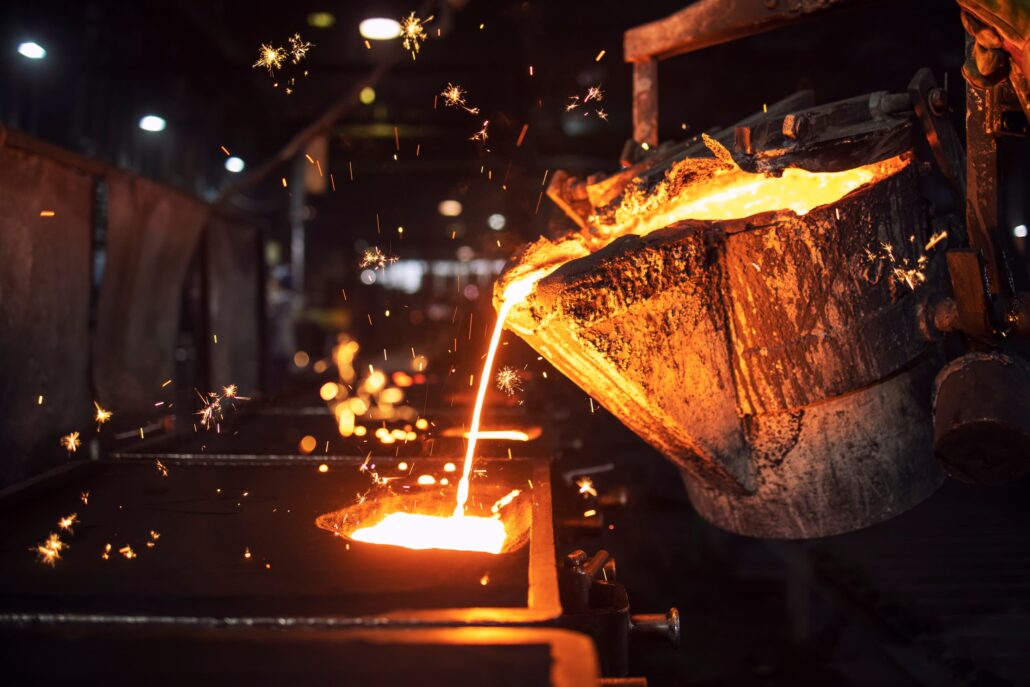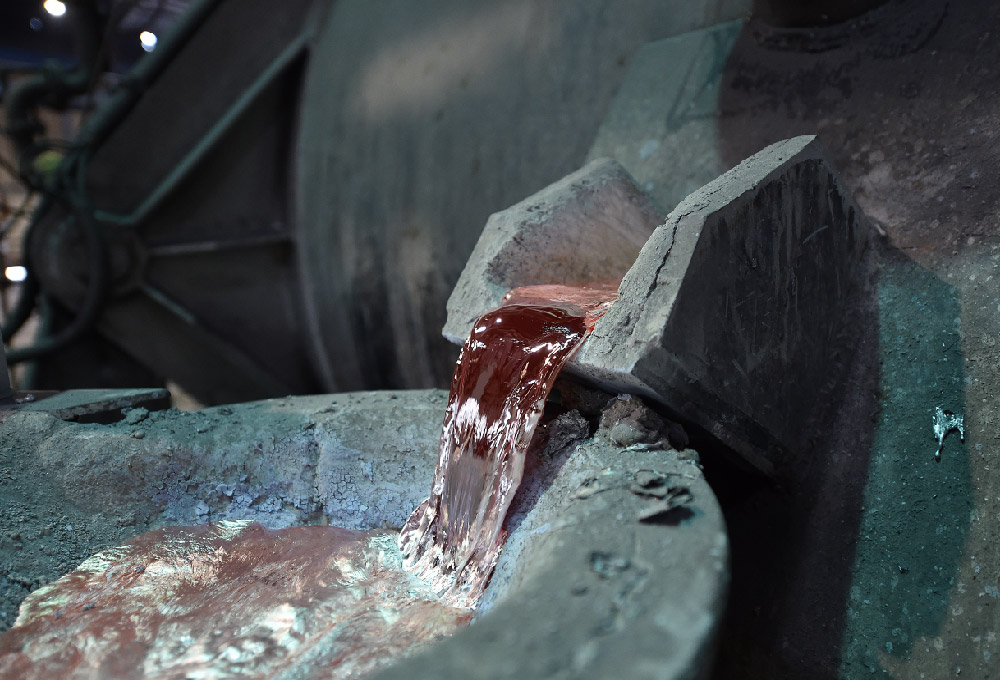
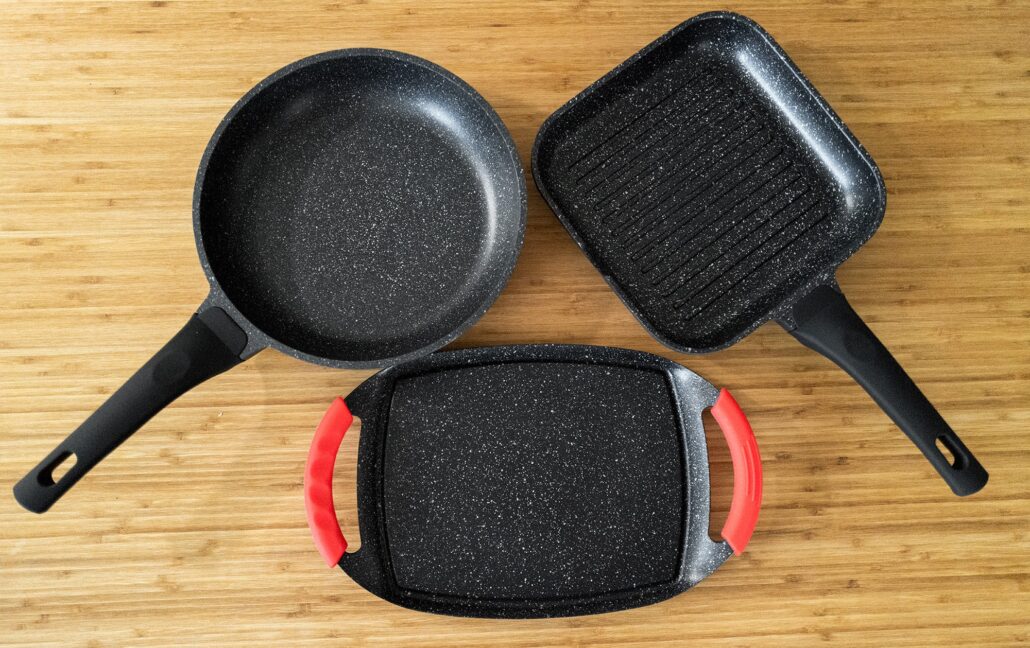
trykkstøping av sink

hva er kokekar av støpt aluminium

Hva er kokekar av støpt aluminium?

Aluminium

The cast aluminum cookware is often used by home cooks and professional chefs and is known and appreciated because it is durable and lightweight at the same time, with a high distribution of heat. Cast aluminum cookware is manufactured by pouring molten aluminum into moldings; the main aim of such cookware is to ensure that it gives even heating, it should not warp, and it should be able to last a long time. Its application has made it an all-purpose element in the kitchen since it is applicable in most of the cooking methods, such as frying and sauteing, baking and roasting.Among the most notable benefits of cast aluminum cookware is the fact that it warms up fast and equally. Cast aluminum cookware can also be said to be thicker than its thinner counterparts, such as the stamped aluminum, which makes them have good thickness to maintain a homogenous cooking temperature. It is also usually manufactured to have non-stick layers, and thus also lowers the amount of oil used, and cleaning becomes easier.Over time, cast aluminum cookware manufacturers have been advancing and making it exceptional through new materials, environmentally friendly coatings and other non-stick technologies. These developments also make it even more popular and provide its customers with a more efficient, healthier, and more sustainable process of cooking. You invite your friends over, you are in the process of putting together a simple meal or a complicated one; cast aluminum cookware comes in handy to do the job, this is because its performance is dependable and works in tandem with the demands of a modern kitchen.  Understanding Cast Aluminum Cookware Cast aluminum cookware refers to pots, pans and skillets, plus the other kitchen equipment manufactured at the local level by pouring molten aluminum into moulds. The casting of the cookware makes it quite robust in structure, which therefore makes it considerably stronger as compared to ordinary aluminum. In comparison to stamped aluminum (prepared on thin sheets), cast aluminum cookware is far thicker, hence offering more heat retention and distribution. The warp factor as time passes is one of the primary factors people love using cast aluminum cookware, as the problem is prevalent with thin material. This also assists in even cooking temperature, so that cooking of different dishes is likely to give more similar results.  Die-cast aluminum cookware Die-cast aluminum cookware follows the use of aluminum that undergoes the die-casting procedure. It is done through the pouring of molten and pressurised aluminium into a cavity. This way, the shape and the thickness of the cookware can be controlled accurately. The die-cast aluminum cookware is usually more sophisticated as compared to the regular cast aluminum since it has a refined texture and smooth surface.The advantage of the die-cast aluminum cookware is that it is not as heavy as some of the other materials, such as cast iron. This is more convenient when cooking and cleaning up, thus Ideal in cooking choice, especially when one requires cookware that is of good quality but not heavy.The other attribute of die-cast aluminum cookware is that it is versatile. It applies to a large number of procedures such as frying, baking and simmering. It also usually has a non-stick coating added to it, which contributes to it being easy to use and clean. Nevertheless, one should keep in mind that the non-stick coating may wear down over time, unless it is maintained carefully. What is Cookware? Cookware can also be defined as the different kinds of pots, pans and other cooking utensils that are employed in the preparation of food. Such objects are frequently produced with such materials as stainless steel, aluminum, cast iron, ceramic, non-stick covered items, and copper. The primary aim of cookware is to assist in preparing and cooking food materials by using different methods, i.e., boiling, frying, sauteing, baking, or grilling. The kind of cookware: 1. Cooking Pots and Pans: Cooking is done using the two most basic cooking pots. They are of different shapes and sizes, such as frying pans, saucepans, stockpots and saute pans.2. Baking Dishes: This category will be trays, pie dishes, and cake pans, which are only used to bake.3. Speciality Cookware: These are woks, grills, Dutch ovens and pressure cookers. Materials Used in Cookware The process of manufacturing cast aluminum cookware  Manufacturing of cast aluminum cookware consists of the following steps, which include melting of aluminium, molding, finishing and coating. The procedure of manufacturing cast aluminum cookware is described in as many steps as possible below: 1. Melting the Aluminum The aluminum metal has to be melted to prepare it, and that is the first stage of its production of cast aluminum cookware. Sand, metal, or ceramics are typical materials that make up this kind of mould. The temperature regulation is done with accuracy to ensure that the aluminum reaches the correct viscosity to be cast with. 2. Preparing the Mould After the aluminum has been melted, a form is initiated to shape it into the preferred form of cookware. Aluminum is poured in the form of Aluminum. Where cast aluminum itself is used, the moulds are often sandcast, and they are specifically designed to make an individual piece of cookware (a frying pan, a pot, a skillet, etc.).Once the mould is prepared, the molten aluminum is supposed to be poured into the mould cavity. This depression takes the form of the cookware to be produced. Metal Moulds: There are metal moulds that can be reused, which are reused and are able to hold the heat at greater temperatures. 3. Pouring the Molten Aluminum Once the aluminum has been poured into the mould, it is cooled down. The liquid metal is added to all the areas of the mould, and it assumes the form of the cookware. This pouring process should be accurate so that the cookware is also shaped properly and flawlessly.At this phase, the pouring of the aluminum into the mould is done either manually or automatically (depending on the magnitude of the
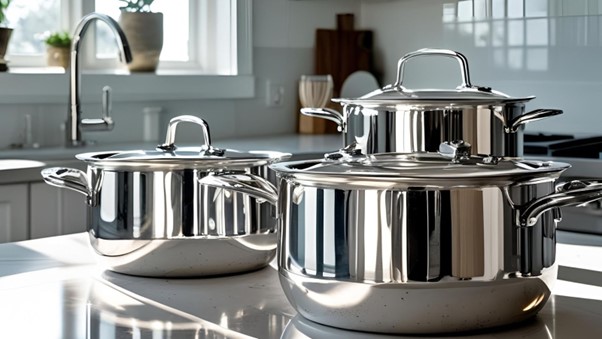
Bakeform av støpt aluminium

Hvorfor varmer bakevarer av støpt aluminium bedre og varer lenger?

aluminiumsstøping

Due to the features of lightweight, strength, and dense heat distribution, cast aluminum bakeware has been getting popular among bakers, especially with those who want first-rate and durable products. Cast aluminum is the right balance of performance and effortless use, unlike other traditional bakeware materials such as cast iron and stainless steel. It is cast in molten aluminum molds and comes out as one strong, durable and convenient to use even to an amateur baker. Cast aluminum has excellent heat conductivity, which guarantees even cooking of edibles, especially baked goods, to prevent overcooking and non-uniform browning. The great one among the benefits of cast aluminum bakeware is the consistency of temperature, which is the key element of impeccable baking. It heats faster than others; therefore, it is available sooner, and its light weight makes it easier to handle around the kitchen. Most pieces of aluminum bakeware that are cast also possess a non-stick coating, which makes the release of food even easier and the after-baking clean up much easier. Cast aluminum bakeware also provides greater durability and strength with resistance to warping as compared to glass and stainless steel. Although cast iron is unparalleled in heat retention, cast aluminum has close to the same amount of heat distribution but with less weight. Cast Aluminum bakeware has been of great favourite among professional bakers, and also among people cooking at home, all because of the desire to have effective and durable baking tools. What is cast aluminum bakeware? Based on the bakeware molding method, casting aluminum, this is produced through the use of molten aluminum poured into already prepared molds to produce baking trays, cake moulds, pie dishes and various other cooking necessities. The process makes the bakeware strong but light in weight, such that there is efficient handling of the bakeware during baking and during serving. Among the best features of the so-called cast aluminum bakeware is its even heat-conducting properties. This implies that baked products like cakes, cookies and breads are well-cooked with no hot areas or burned sides. There are additional advantages to the speed at which the metal heats and cools off, which in turn saves some time in cooking, and this is a plus to busy bakers. The material is so strong and does not rust or corrode easily, hence this would make it last longer in the kitchen. In addition, it does not involve a lot of maintenance and wear and tear as compared to some of the other materials that will wear with time, as there will be a lot of usage. Advantages of Cast aluminum Bakeware 1. Durability Bakeware is made of cast aluminum, so it lasts a long time. The aluminum is almost immune to wear and tear, i.e. it will not crack or warp with frequent usage. Your bakeware will last even if you are using it on a daily basis or irregularly. 2. Uniform Distribution of heat Among the most striking properties of the term cast aluminum bakeware is that it transfers the heat all over the surface. This reduces inconsistent baking, as the end product is regular in texture and color. It is ideal among bakers who aspire to bring consistency in performance. 3. Lightweight The cast aluminum bakeware is much lighter as compared to other bulkier materials, such as cast iron and therefore easy to handle. The heavy-duty baking trays or cake pans can be lifted, transferred, and stored very easily, and that is ideal for any baker, whether they are professional or not. 4. Non-stick Properties Also, most products of the “cast aluminum bakeware” are equipped with a non-stick coating, which makes them even more convenient to use. The presence of this feature will make it easy to cook baked goods; therefore, less oil or spray will be used. It also makes cleanup effortless since there is little residue that stays after baking. 5. Corrosion Resistance Contrary to most metals, cast aluminum bakeware does not easily rust. It does not corrode, and therefore it is the ideal material to use when one wants to use it in the long term. This aspect comes in handy particularly in areas that experience different degrees of humidity and temperature. Cast aluminum bakeware: Making Process Manufacturing of cast aluminum bakeware entails careful and very consistent production devised to maintain quality and performance. The most important ones are: 1. Die Casting Die casting will be the first stage of the process, i.e. molten aluminum will be injected into steel molds at high pressure. This technique is a way of ensuring that the bakeware is shaped and molded in a very accurate and consistent manner. The molten metal enters all the mold cavity spaces, resulting in complex shapes and minute details of the various bakeware, including cake pans, muffin trays, and loaf pans. 1. Solidification and Cooling After the molten aluminum has been injected into the mold, it is left to cool and harden. The cooling is also regulated so as to have the desired properties of the aluminum, like strength and heat resistance. As the bakeware hardens, it slowly assumes its final form, and it normally requires only a few minutes to some hours, depending on how thick and elaborate the shape is. 2. Ejection and Inspection Once the aluminum pieces have cooled completely, they are removed and the mould is opened, releasing the cast aluminum bakeware. The second procedure consists of a complete inspection of the defect, such as the presence of air bubbles and cracks, or the presence of roughness. Any bakeware that is flawed is either repaired or discarded, and only good-quality bakeware would be passed further into the production process. 3. Surface Finishing After the inspection is over, the bakeware is provided with surface finishing treatments. These may involve such things as anodizing, making the surface rougher to resist corrosion and abrasion, or coating it with non-stick material so that it is easier to release baked goods and to clean up after baking. The finishing on the

Støping i kaldt kammer

Moderne trender innen kaldkammerstøpeteknologi

pressstøping, Produsent av støpegods, trykkstøpte deler

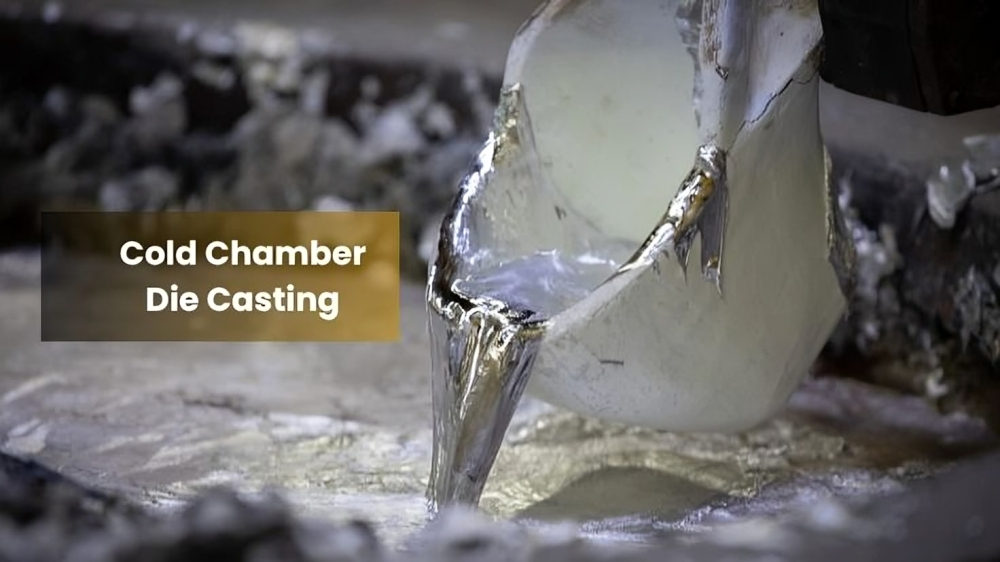
Kaldkammerstøping er en presisjonsfremstillingsteknikk som brukes til produksjon av kompliserte metallkomponenter som kjennetegnes av høy styrke og presisjon. Denne prosessen kan best brukes i metaller som har en høy terskel for smeltepunktet, som aluminium, messing og kobberlegeringer. Kaldkammerstøpesystemer plasseres ikke i smeltet metall som et varmkammerstøpesystem; i stedet legges metallet i kaldkammerstøpemaskinen ved at metallet øses manuelt inn i kaldkammerstøpemaskinen etter at det er smeltet i en annen ovn. Dette slites mindre på maskinen, og det brukes legeringer som er mer slitesterke. Blant de viktige faktorene som gjør at bedrifter velger å bruke denne metoden, er de spesielle fordelene og ulempene med kaldkammerstøping. Den har topp dimensjonsnøyaktighet, glatt overflatefinish, samt lange syklustider. Likevel er bestanddelenes styrke og holdbarhet favorittene i bil-, romfarts- og elektronikkmarkedene. Forskjellen mellom varm- og kaldkammerstøping er avgjørende for å gjøre det riktige valget av prosess. Varmkammerstøping er raskere og brukes på metaller med lavt smeltepunkt, for eksempel sink, mens kaldkammerstøpesystemet er designet for å håndtere høyere temperaturer og sterkere metaller. Med denne prosessen vil produsentene også kunne produsere langvarige og pålitelige deler med høy grad av presisjon i spesifikasjonene. I denne artikkelen skal vi diskutere prinsippet om drift av kaldkammerstøping, hoveddelene, arten av metallet som brukes, og teknologiske parametere for kaldkammerstøping, inkludert klemkraft og syklustid. Fordelene og ulempene med kaldkammerstøping vil også bli vurdert for å gi deg et fullstendig bilde av denne viktige produksjonsprosessen. Hva er kaldkammerstøping? Kaldkammerstøping: En kaldkammerstøpeprosess er en metallstøpeprosess der smeltet metall øses enten manuelt eller automatisk inn i et separat kaldt kammer utenfor injeksjonssystemet. Deretter skyves metallet med høyt trykk inn i et formhulrom, noe som får metallet til å avkjøles og krystallisere seg i ønsket form. Det brukes vanligvis på metall med høyt smeltepunkt, som messing, aluminium og kobberlegeringer. For å unngå korrosjon og termisk utmattelse som kan føre til feil bruk av komponenter i injeksjonssystemet, i motsetning til i varmkammerstøpeprosessen, der injeksjonsmekanismen er suspendert i smeltet metall, holder kaldkammerprosessen injeksjonsanleggene adskilt. Anvendelsen av sistnevnte, dvs. kaldkammerstøping, er spesielt fordelaktig der metallene som brukes ville skade komponentene ved å komme i kontakt med dem. Høyt trykk kan brukes i selve injeksjonsprosessen, og det er mulig å lage tettere og sterkere komponenter med en strålende overflatefinish og dimensjonsstabilitet. Støpeprosessen - trinn for trinn Formålet med kaldkammerstøpeteknikken er å lage svært nøyaktige og harde metalldeler som ofte består av legeringer som har smeltepunkt ved høye temperaturer, for eksempel aluminium og messing. La oss ta en trinnvis gjennomgang av hvordan det fungerer: 1. Den eksterne ovnen brukes til å smelte metallet Prosessen ligner på varmkammerstøping, bortsett fra at smeltingen av metallet gjøres i en separat ovn på utsiden. Dette er nødvendig fordi det smeltede metallet i kaldkammerstøpingen vil føre til et høyt varmenivå innvendig som ikke kan håndteres. Metallet smeltes, og deretter kan det overføres til støpemaskinen. 2. Deretter øses det smeltede metallet inn i støpehylsen i støpemaskinen. Dette gjøres manuelt eller med en arm. Støpehylsen er et sterkt, varmebestandig rør som metallet hviler i og senere sprøytes inn i. Dette bør gjøres veldig raskt for å forhindre for tidlig størkning. 3. Stempelet presser metallet inn i matrisen. Et stålstempel føres inn i sprøytehylsen og presser det smeltede metallet under høyt trykk inn i formens hulrom. Kraften sørger for at metallet fyller formen, selv i kompliserte mønstre eller med svært tynne vegger, og reduserer sjansen for feil, som for eksempel luftlommer. 4. Når formen er fylt, begynner metallet å kjøle seg ned og stivne i formen. Dette størkningstrinnet er svært viktig for å få en god og presis del. Avkjølingstiden er avhengig av delens metall, tykkelse og formens temperatur. 5. Messingformen og utstøtingsstiftene tvinger ut støpestykket Når delen har størknet, åpner maskinens klemmeenhet formen, og utstøtingsstiftene tvinger støpestykket ut av formhulrommet. Delen flyttes deretter til en kjøle- eller trimmestasjon. 6. Fjerning av overflødig metall (fjerning av overflødig metall) Det er noe overflødig metall på sidene, kalt flash, rundt kantene på støpegodset der formhalvdelene møtes. Dette fjernes ved mekanisk trimming, sliping eller maskinering, avhengig av hva finishen krever. På denne måten unngår man at det ferdige produktet ikke får den tiltenkte formen og toleransen. 7. Nullstilling og smøring av matrisen Før neste syklus vaskes og smøres matrisen for å sikre god kvalitet og unngå at den setter seg fast. Når smøringen er ferdig, spennes matrisen fast igjen, og maskinen tilbakestilles for flere sykluser. 8. Kvalitetskontroll og etterbehandling Dette er en komplett del som kontrolleres for å sikre at det ikke finnes kvalitetsfeil, som sprekker, krymping eller unormale overflater. Avhengig av hva delen skal brukes til, kan den gjennomgå ytterligere maskinering, overflatebehandling eller montering (hvis det er nødvendig). Metaller som skal brukes i

Varmkammerstøping

Varmkammerstøping: Et dypdykk i en avgjørende produksjonsprosess

pressstøping

Hot Chamber Die Casting is a very effective manufacturing process which is used very widely to produce metal parts to very high precision and an excellent finish on the surface. It is particularly suitable for casting metals with low melting points like zinc, magnesium and some alloys containing lead. It is typified by the fact that the injection system is immersed in molten metal, and so, high-speed cycle times and economy of mass manufacturing are possible. One similar place of comparison always pops up when the castings are considered regarding cold chamber die casting versus hot chamber. Although they are both variations of pressure die casting, they differ so much in terms of design, applications, and compatibility of materials used. An example is the hot chamber die casting, which is high-speed die casting where the furnace has been replaced with a machine. That comes with the limitation of the lower-melting-point metals. Conversely, the cold chamber type of machines is more aptly used with those liquids of a high melting point, such as aluminium and brass, since the hot metal does not come in direct contact with the equipment. Hot Chamber Die Casting process is characterised by minimal waste of material, low costs of labour, and complex shapes manufacture with high tolerances. It is popular in such industries as automotive, electronics, plumbing and consumer products. Nevertheless, the decision on whether to use cold chamber die casting or hot chamber is also dependent on the type of material used and the part design aspect. The article examines the important details of Hot Chamber Die Casting, its parts, materials, process description, constraints, and reasons as to why it is an essential process in the contemporary manufacturing industry. What is Hot Chamber Die Casting? Hot Chamber Die Casting is a metal casting technique where the molten metal is injected into a mould cavity at high pressure. The unique part of the given method is where the injection mechanism is placed: It goes directly to the molten metal. Cycle times and production efficiency are high with this setup, especially in metals of low melting point like zinc, magnesium and some lead alloys. Hot chamber. The name describes the system’s hot chamber as the injection mechanism (a plunger and gooseneck) is in constant contact (filled) with the molten metal area. As the plunger descends, it compresses the molten metal through the gooseneck and into the die cavity. As the metal sets, the mould opens, and the part is ejected, and this process is repeated innumerable times. Hot Chamber Die Casting Process Hot Chamber Die Casting Process is a process of high-precision and speed manufacturing technology utilised in the manufacture of metal parts, where the accuracy of the tool is very important, with great surface finishing. It is most appropriate in the alloys of low melting points; zinc, magnesium, and lead are examples of low melting point alloys. Its main characteristics are short cycle times and great material efficiency. The process is extensive in the manufacturing of a variety of products mainly found in the automotive, electronic, appliance, and hardware industry because of its capability to create complicated ends easily at an affordable per-piece price. The hot chamber die casting process is listed below in a stepwise manner: Hot Chamber Die Casting Process- Step by Step Overview 1. The Metal is melted It starts with the molten moulding of the metal (which is usually zinc or magnesium), in an incorporated furnace of the die casting machine. The molten metal is kept at a constant temperature within the metal pot that is directly connected to the casting machine. This unending heat provision ensures that the casting processes are continuous. 2. The process of filling the Injection System In hot chamber systems, there is a portion of the molten metal with a part of a component known as the gooseneck submerged. The plunger, which runs inside the cylinder of injection, is pulled backwards to a position where the molten metal may gush down to the gooseneck into the inlet hole of injection. The next step will involve injecting this metal into the die cavity. 3. Molten Metal injection When the gooseneck is filled, the plunger is either pushed forward by hydraulic or pneumatic pressure, which forces the molten metal through the gooseneck channel into the mould cavity (also called the die). This is done at a high rate and pressure to make sure that the cavity is totally filled before the metal begins to harden. 4. Casting and solidifying in the mould This hot metal in the die is quickly cooled down by the comparatively cold steel of the mould. Solidification takes several seconds, based on the size and complexity of the part. In this step, die cooling channels assist in the removal of heat to ensure that the cycle speed is not reduced and defects such as shrinkage or porosity are avoided. 5. Ejecting and opening of the mould Once the metal has been solidified, the die halves are opened. The ejector system is placed on the movable half of the mould, and it operates under force via the use of ejector pins and forces the completed casting out of the cavity. It is ensured that the part can come out without being damaged during ejection. 6. Secondary operation and Trimming After it is ejected, the piece might contain an extra material called flash, runners or sprues. These are either hand-trimmed or auto-trimmed. The part can be processed further depending on the application, like surface finishing, machining or coating. 7. Repeat Cycle The machine clears and cleans up to be used again. Hot chamber die casting is characterised by having such a quick cycle time, sometimes creating a few finished parts in just 10 to 20seconds according to the complexity and size of the part. Cycle Time and Efficiency The speed is the greatest advantage of the process of hot chamber process. Hot chamber machines. Unlike cold chamber die casting, where the metal has to be ladled

Sandstøping av aluminium

En omfattende teknisk analyse av sandstøping av aluminium i moderne produksjon

aluminiumsstøping

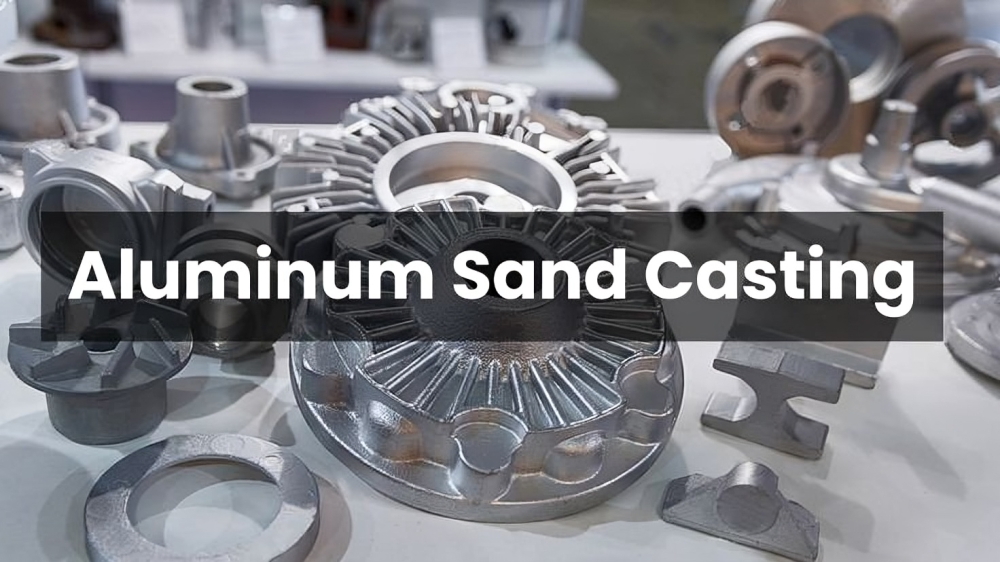
Aluminum sand casting is one of the oldest and most versatile metal casting processes, widely used in modern manufacturing to produce complex, durable, and cost-effective components. Aluminum Sand casting Manufacturers can generate complex geometries with intricate features that would have otherwise been either impractical or unprofitable to machine out of solid material through pouring molten aluminum into prepared sand molds. This method is especially suitable in low to medium-volume production, prototyping, and high structural castings on applications spanning the aerospace, automotive, defence, and energy industries. The most interesting about the sand-casting aluminum is that it is both flexible and functional. Aluminum has a very good strength versus weight, corrosion resistance, and recyclability, and thus makes it an excellent casting material. Together with the thermal resistance of sand and its high moulding capability, the process provides scalable production capability with excellent dimensional accuracy. Pattern design, the makeup of the mold, the quality of the melt, and gating design are key factors to the success of every casting. An excellent foundry of aluminum sand castings has to control not only the classic facts in metal technology but also touch on innovations in the processes. The current facilities apply the latest technology to prevent defects and ensure the best performance of the casting by using 3D sand printing, simulation software, and real-time process monitoring. Precision-engineered and casting aluminum parts are now capable of meeting stringent engineering standards for safety, tolerance, and durability. As demand grows for complex components with faster lead times and lower environmental impact, professional aluminum sand casting services must continue evolving. This article goes into the technical ins and outs of the process itself, its engineering workflow, materials, challenges, innovations, and so on. The Fundamentals of Aluminum Sand Casting At its core, aluminum sand casting involves pouring molten aluminum into a sand mold cavity, which is shaped by a pattern that replicates the final part’s geometry. When the aluminum solidifies, the sand mold is shaken off, leaving the cast piece. The process also has an outstanding dimensional flexibility and scalability capability in high-mix low-volume manufacturing conditions. The process is based on the use of a non-permanent mould, sand, that may be recycled and re-utilized, minimizing the waste of materials and expenses. Sand molds most commonly consist of silica sand with a binder added, and the nature of the binder system generally influences considerably the resulting surface finish, dimensional accuracy, and rate of cooling. The process of Flow in the Engineering of Sand Casting Aluminum Sand casting aluminum is an engineering process that consists of a set of accurately calibrated activities that aim at transforming raw aluminum into specific, well-built, and accurately dimensioned parts. Both the material and mechanical expertise are required to be in-depth to make all of the stages of the process successful. The following is a step-by-step analysis of the way in which sand casting of aluminum is implemented professionally and technically. 1. Pattern Design and making In the sand casting aluminum process, the initial step is designing and manufacturing the pattern, a physical copy of the final casting. The allowances that must be included in patterns are rather critical, such as shrinkage, draft, and machining stock. As aluminum contracts, during cooling patterns are laid out a little bigger than the finished component. The shrinkage rate of aluminum alloys is normally applied at 1.3 per cent; however, depending upon the alloy and the conditions of cooling, it may vary. Vertical portions of moulds are given draft angles, normally a few degrees between 1 and 3, to ensure that the pattern can be removed easily in the sand mold, being careful not to destroy the cavity. Additional allowances (machining allowances) are included such that there is no adverse interaction between the post-processing and the final part. Patterns may be made out of wood, metal, resin, or even 3D-printed polymer materials, depending on the accuracy demands and the needs of the production volume. 2. Mold Making (Molding and Core Setting) After preparing the pattern, the mold is to be prepared. For the sand cast, aluminum mold, there are two separate halves: the cope (upper half) and the drag (lower half). They are produced by stuffing the sand around the mold in a flask. Depending on the application, the sand is generally silica-based and is amalgamated with binders such as clay (green sand) or chemical resins (no-bake sand). In case the part design has internal space and hollow parts, it necessitates the use of sand cores. They are placed in the mold cavity, after which the metal is poured. Cores can be fabricated using core boxes, and in precision production, they can be printed with greater precision using 3D sand printing. The exact footprint of the core is very important in order to have a rigid structure and adherence to the final part dimension. 3. The Design of the Gating System The timeliness and effectiveness of the gating system formed are significant towards the success of the process of sand casting aluminum. This system consists of a pouring basin, sprue, runners, and gates, which coerce the impounded aluminum into the involvement of the mold. Adequate gating will prevent a lot of turbulence, minimize airlock, and also make sure that there is an even fill. Risers (alternatively called feeders) are also required, and these can be seen as a reservoir of molten metal that offsets the direction of shrinkage that comes after solidification. Casting simulation software is usually utilized by engineers to study and optimize the gating and riser systems. Prediction takes place by using simulation tools such as MAGMASoft or ProCAST so that typical defects such as cold shuts, misruns, and shrinkage porosity can all be corrected virtually before any production takes place. 4. Cu Melting and Metal Treating Aluminum is usually melted by a reverberatory furnace, a crucible furnace, or an induction furnace, and the choice depends on the batch volume, alloy needs, and the amount of energy needed. The melting temperature of pure aluminum is about 660 degrees

TIG-sveising av aluminium

TIG-sveising av aluminium: En omfattende teknisk veiledning

aluminiumsstøping

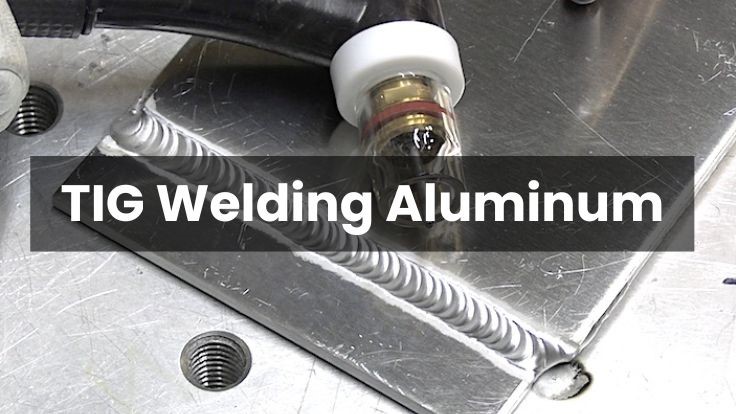
TIG Welding Aluminum is widely regarded as one of the most technically demanding processes in the field of welding. When working with aluminium, the metal that is characterised by its light weight, corrosion resistance, and high conductivity, a set of unprecedented problems emerges, which distinguishes it so much in terms of steel or stainless steel. Poor handling of aluminum can cause the natural oxide layer to provide a weak, porous, or otherwise structurally undesirable weld due to its natural oxide level, low melting point and its ability to absorb hydrogen gas. Thus, the TIG (Tungsten Inert Gas) process, or the Gas Tungsten Arc Welding (GTAW) process, is the process of choice by the industry to use in instances when precision, aesthetics, and weld integrity are the main factors. These will cover the behaviour of materials, selection of equipment, choice of shielding gas, joint preparation and troubleshooting methods, although much emphasis will be placed on quality control and repeatability. Additionally, the article will detail how to correctly select and operate an aluminum tig welder, manage various types of aluminum welding parts, and produce consistent, defect-free joints when attempting to weld aluminium TIG. By the end, the reader will have a thorough knowledge of how to create a good, clean, structurally good-looking tig-welded aluminium assembly as per the industry standard in the aerospace, automotive industry, marine industry, as well as the manufacturing industry.  This article discusses the science, methods as well and practical aspects of TIG welding on aluminium. It is meant to be used by experts and technically trained people who want to extend their knowledge about the welding of aluminium in high-performance or industrial processes. What is TIG Welding Aluminum? TIG Welding Aluminum refers to the process of joining aluminium components using Tungsten Inert Gas (TIG) welding, also known as Gas Tungsten Arc Welding (GTAW). Here, an electric arc is generated by a non-consumable tungsten electrode and aluminium base metal and a filler rod are melted in a protective cover of inert gas, usually argon. Since aluminium has high thermal conductivity, low melting point and a high melting oxide layer, welding aluminium has unique colouring, and drying must be done carefully. TIG welding has a situated control of heat input and weld puddle, which means it is perfect in thin materials, advanced assemblies and other high-performance applications. The aerospace, automotive, and marine industries, among others, use TIG welding to manufacture resistant, non-corrosive, and neat-looking welding video. Successful “TIG Welding Aluminum” requires skilled technique, proper equipment, and careful surface preparation to ensure weld integrity and strength. Why Aluminum TIG Welding? Gas Tungsten Arc Welding (GTAW), which is also known as Tungsten Inert Gas (TIG), is the ideal technique to use where precision, control and a fine look are requisite. It offers unparalleled control in the amount of input heat so that welders have the opportunity to control the fluidity of the weld pool of the aluminum. The TIG welding, when utilized with aluminum is quite convenient mainly because: Welding aluminum involves a better understanding of its physical and chemical properties and which are much different compared to other widely used metals. Below are the key challenges associated with TIG Welding Aluminum. 1. Very High Thermal Conductivity Aluminum carries heat 5 times than steel. This means that heat dissipates quickly from the weld zone, requiring higher amperage when attempting to weld aluminium TIG, especially with thick materials. When not done best can end up in gap fusion or irregular weld penetration. 2. Oxide Layer Problems When aluminum surfaces are exposed to air, a layer of oxide (reliably adherent) forms instantly, and it is thin. This layer is melted at approximately 2050 °C, which is well above the base metal melting point of aluminium, which is 660 °C. TIG welding, when AC mode is used, assists in breaking this layer, but it is also important that pre-cleaning is done to produce high-quality TIG-welded aluminium. 3. Hydrogen Porosity Susceptibility Hydrogen readily absorbs in molten aluminum, and this can create porosity or cause cracks during cooling. Oil, moisture, or dirty filler rods acted as a source of contaminants that caused the hydrogen to get into the weld pool. Proper cleaning and using dry filler rods are essential to avoid defects in aluminum welding parts. Technical Summary Table for TIG Welding Aluminum Here is a comprehensive technical table summarising the key aspects of TIG Welding Aluminum, including welding parameters, joint types, common defects, and how to manage them. In this table, you combine the ideas of your article, and it is original and highly technical. Category Technical Detail Recommendations / Parameters Base Material 1xxx to 6xxx aluminum alloys are most commonly TIG welded Clean all surfaces before welding; avoid 7xxx for high-crack sensitivity Main Process TIG Welding Aluminum using alternating current (AC) Use an inverter TIG with AC balance, high-frequency start, and stable arc control Primary Keyword Weld aluminum tig Use appropriate AC balance and amperage; optimize puddle control and filler deposition Electrode Type 2% Lanthanated or Ceriated Tungsten (1/16″, 3/32″, or 1/8″) Sharpen to a truncated point or ball tip (for AC), depending on application Shielding Gas High-purity Argon (99.99%) Flow rate: 15–20 CFH; add Helium for thicker materials or deeper penetration Filler Rods ER4043, ER5356 Match filler to base alloy and application (ER5356 for strength, ER4043 for crack resistance) Joint Types Butt, Lap, T, Corner Design with small gaps (~1/16”) and allow for thermal expansion Weld Preparation Degrease + stainless steel wire brush No touching after cleaning; remove the oxide layer before welding Torch Technique Short arc length (<1/8”), 10–15° travel angle Keep filler outside the arc cone to prevent oxidation Amperage Settings 1 amp per 0.001” thickness baseline 60–130 amps for most thin-to-mid aluminium applications AC Frequency Controls the arc focus 120–200 Hz for clean, narrow arc on thin aluminum welding parts AC Balance 70% EN / 30% EP typical Adjust toward more EN for deeper penetration; more EP for cleaning oxide Tip: Make sure to calibrate your aluminum tig welder properly

Høytrykksstøping av aluminium

Aluminium høytrykksstøping produsent og IATF 16949

trykkstøping av aluminium

Modern manufacturing uses aluminium high-pressure die casting to make parts that are strong, light, and have many complex shapes. The reason automotive, aerospace, telecommunications, and consumer electronics all use it is that it can do both mass production and create very accurate pieces. Because the demand for quality aluminium high-pressure die-cast parts keeps increasing, it is important to deal with a well-known and certified supplier. In this area, the IATF 16949 certification is very important because it is a respected quality management standard used worldwide in the automotive industry. Such certification guarantees that quality control, proper risk handling, and continuous improvement are used during every stage of manufacturing. A certified aluminum die-casting and ISO 16949 company demonstrates its commitment to consistent product quality and customer satisfaction. Being a high precision die casting manufacturer and ITAF 16949 means meeting rigorous international standards and having the processes in place to minimize defects, enhance production efficiency, and ensure complete traceability of components. They can meet Tier 1 suppliers and OEMs by delivering components that exactly follow the business’s specifications. In addition, complying with aluminum die casting and 16949 standards means a manufacturer can meet expectations worldwide, mainly in areas where it is important to focus on safety and secure performance. Working with a suitable aluminium die casing partner that has IATF 16949 certification benefits your products, helps cut costs in the future, and strengthens the links in your supply chain. This article looks into how an aluminium high-pressure die casting manufacturer follows the IATF 16949 standard and its role. Aluminium High Pressure Die Casting  Aluminium high-pressure die casting helps make metal parts that are accurate in shape and have a perfect non-porous surface. When molten aluminium is injected into a steel mold at high pressure, it makes it possible to quickly fabricate complex parts and reduces later processing steps. Because it is strong and light, aluminium is widely used in many industries. The products made from this process are commonly seen in cars’ engines, housings, and brackets. For any aluminum die-casting and ITAF 16949 certified operation, maintaining the integrity of this process is vital to both quality and compliance. How IATF 16949 Helps in Die Casting? IATF 16949 is an international standard made for cars, and it uses quality management to ensure the reliability of products and their processes. Continuous development, prevention of quality issues, and lowering waste in the supply chain are the main elements of the system, which was created by the International Automotive Task Force. For manufacturers engaged in aluminum die-casting and ISO 16949 certification, certification is not just a regulatory requirement; it’s a badge of trust. It guarantees that the manufacturer follows quality rules that are respected everywhere. Besides, since IATF 16949 matches ISO 9001, it ensures full and proper quality management. Why is aluminium used in High Pressure Die Casting? Die casting benefits a lot from aluminium due to its ability to resist corrosion, its strong thermal conductivity, and being lighter than other metals like steel and brass. Because of these qualities, this material is suitable for cars since both light weight and performance depend on fuel efficiency. An IATF 16949 certification shows that all of these benefits are achieved by the business. For instance, manufacturers focusing on “high precision die casting manufacturer and ISO 16949 standards can assure customers of consistent product performance and minimal variance in production. What Makes an Aluminium Die Casting Manufacturer Reliable? Selecting a competent manufacturer is very important for firms doing aluminium die casting. A manufacturer should not only have the necessary know-how but also follow all quality standards. These are some of the essential traits you should notice: Using Precision in Die Casting Good die casting depends mostly on precise engineering. It confirms that components follow the tight guidelines of both dimensions and performance. Manufacturers who identify as high precision die casting manufacturers and ITA 16949 go to great lengths to implement exacting standards across the design and production cycle. Because of CAD/CAM software, quality inspection, and automated processes, production is kept as close as possible to the specific requirements. For applications like transmission housings, electronic enclosures, and important car components, the exactness needed is very important. Why Managing Quality Is Important? A well-structured quality management system (QMS) makes it possible to produce the same quality goods all the time. In the aluminium die casting industry, following the principles of IATF 16949 gives a way to control processes, reduce risks, and improve constantly. By following IATF 16949, a high precision die casting manufacturer and itaf 16949 ensures not only quality but also traceability and accountability. Everything is checked and confirmed along the supply chain to lower the chances of issues and defects. Below is a detailed and professional table that outlines key aspects of Aluminium High Pressure Die Casting Manufacturer and IATF 16949, integrating relevant information across different categories such as process, benefits, certification, and industry relevance. This table is ideal for use on a website, brochure, or presentation. Aluminium High Pressure Die Casting & IATF 16949 – Comprehensive Overview Category Details Manufacturing Process Aluminium is melted and injected into a steel mold under high pressure, producing complex shapes with excellent dimensional accuracy. Key Material Used Aluminium alloys (e.g., A380, ADC12, AlSi10Mg) are known for their strength, light weight, and thermal conductivity. Application Industries Automotive, Aerospace, Electronics, Industrial Equipment, Telecommunications, Consumer Goods. Advantages of Aluminium Die Casting – Lightweight components- High strength-to-weight ratio- Excellent surface finish- High-volume efficiency- Corrosion resistance Importance of Precision Tight tolerances and fine details can be achieved, ideal for engine parts, housings, connectors, brackets, and structural components. What is IATF 16949? A global quality management standard for the automotive industry, based on ISO 9001 with additional requirements specific to auto manufacturing. Benefits of IATF 16949 Certification – Consistent product quality- Risk-based thinking- Defect prevention- Better customer satisfaction- Competitive advantage Why Certification Matters Ensures traceability, standardized procedures, regulatory compliance, and ongoing performance improvement. Target Clients OEMs, Tier 1 & Tier 2 automotive suppliers, industrial system designers, and

Støpefirmaer for bilindustrien i Kina og resten av verden

Støpefirmaer for bilindustrien i Kina og resten av verden

aluminiumsstøping, trykkstøpefirmaer

The future of the automotive industry is being influenced a great deal by the rise of die casting. Engine components, battery cases for EVs and other parts made by die casting are key to getting strong, precise and lighter vehicles. Because people are buying electric and fuel-saving vehicles in greater numbers, companies in die casting are at the forefront of progress and large-scale solutions in this area. China, more than any other country, has become a top player in die casting because of advanced tools, skilled workforce and affordable manufacturing. Leading companies in this area are Sincere Tech, CNM Tech Co., Ltd. and GC Precision Mould Co., Ltd., which handle mould design as well as CNC machining and surface finishing. Using both quality checks and fast prototyping, these companies make large numbers of parts, which attracts both local and global car manufacturers as partners.  Present in different nations are companies like Wisconsin Aluminium Foundry (USA), Get It Made (UK), and MES Inc. (USA), which are changing the industry. Decades of experience, certifications from ISO 9001 and IATF 16949 and a focus on being green and innovative ensure these firms can support the improved expectations of automakers for accuracy, dependability and caring for the environment. The article points out some key players leading changes in the automotive die casting industry. Because of trends such as electrification, digitalization and the use of sustainable methods, die casting companies globally, including in China, are seen as main players in achieving excellence in cars. 1. Sincere Tech Year of Establishment: 2005Number of Employees: 100-200Business Type: Sincere Tech is one of China’s largest plastic injection mould manufacturers, die-casting producers, machining providers and assembly providers. Website and Contact Website: https://plas.co/Phone: +86 135 30801277Email: steve@sincere-tech.comAddress: Rm101, N041, Donghu road, JingLian cun, Qiaotou town, Dongguan City, Guangdong Province, China. 523000. Company Profile Chinese supplier of plastic injection moulds and moulding services, Sincere Tech, is among the foremost companies in China. From 2005, this company resulted from the combination of stamping metal and plastic, precision plastic injection moulds, CNC machining, die casting and silicone moulding. Advanced machines, protection of information with NDAs, fair pricing and almost two decades in excellent production await our customers at Sincere Tech. Injection moulding is used for 60-1800 ton machines to serve industries such as electronics, medical, auto or cosmetics and its parts range from less than a gram to 8 kilograms in weight. Their top-quality commitments As per ISO 9001:2015 and ISO 9000:2015, Sincere Tech aims to build products that are accepted worldwide. Caring about quality has allowed the company to create a huge demand, so it exports its products to Finland and a number of other countries. Being amongst businesses that give similar services, Sincere Tech is recognized as a trustworthy and innovative partner for plastic injection moulding. Why Choose Us? 2.  CNM Tech Co., Ltd. Year of Establishment: 20+Number of Employees: 100-200Business Type: CNM Tech Co., Ltd. is a precision manufacturing company focused on die casting, CNC machining and assembly services. Website and Contact Website: https://www.thediecasting.com/Contact: +86 13045898002Email: sales@thediecasting.comAddress: Factory Address: Rm 101, No.40, Donghu Road, Jinglian, Qiaotou town, Dongguan city, Guangdong Province, China. 523520. Company Profile Thediecasting.com is the official domain that CNM Tech Co., Ltd. operates under, which is an outstanding Chinese manufacturer of die-casting solutions. The company is a China-based aluminium, magnesium, and zinc die casting; CNC machining; surface finishing, and assembly business headquartered in Dongguan, China. CNM Tech has more than 20 years of experience in the fields of automotive, aerospace, electronics, etc. Due to the high precision manufacturing, their in-house tooling shop and advanced CNC machines also ensure. CNM Tech provides all types of polishing, sandblasting, powder coating, oil painting, etc., with high-quality finish products matching the needs of users worldwide. Their Quality Commitments CNM Tech Co., Ltd. provides ISO 9001:2008, TS16949, and ISO 14001:2015 documents. In most cases, these will provide you with the assurance that the management of your company is top-notch and also will guarantee compliance with automotive industry standards and environmentally friendly activities undertaken by the company involved. As a result of strictly following quality and environmental regulations, CNM Tech provides great die-casting solutions with a minimal environmental impact, with its excellent reputation in the market. Why Choose Us? 3.  GC Precision Mould Co., Ltd. Year of Establishment: 1999Number of Employees: 100-200Business Type: Our company, GC Precision Mould Co., Ltd., do aluminium, zinc and magnesium die casting, CNC machining, and plastic injection moulding. Website and Contact Website: https://aludiecasting.com/Contact: +86 131 4886 5556Email: info@aludiecasting.comAddress: Factory Address 1: No. 30 Huan Zhen Rd, Qi Shi Town, Dongguan City, Guangdong Province, China, 523516 Company Profile GC Precision Mold Co., Ltd., operates under Aludiecasting.com, is a die casting and precision machining manufacturing site that is one of the leading Chinese manufacturers. The company was founded in 1999, and the services include aluminium, zinc, and magnesium die casting, plastic injection moulding, and CNC machining and surface finishing. They have state-of-the-art machinery such as high-pressure die casting machines (120 – 1600 tons) and injection moulding machines (80 – 2800 tons connected to industries like automotive, aerospace and electronics. They have a very strict quality to provide the exact, durable and cheaper manufacturing solutions throughout the world. Their Quality Commitments GC Precision Mold Co., Ltd provides the best die casting and machining solutions as specified in the ISO 9001 certification. Their quality control is so strict that they test for precision, CMM machines, X-rays and spectrometers to ensure a reliable product. Through strict adherence to international standards, the company ensures delivery of consistent, high-quality components with minimum customer complaints due to the reliability aspect, for the reasons indicated in every project. Why choose GC Precision Mould Co., Ltd.? 4. Get It Made Year of Establishment: 2011Number of Employees: 50-100Business Type: Manufacturer and supplier of automotive die casting parts. Website and Contact  Website: https://get-it-made.co.uk/  Email: team@get-it-made.co.ukContact: +44 (0)20 3286 6002Address: Get It Made Ltd, Unit 1 Southbrook Mews, London SE12 8LG. Company Profile  Get It Made was set up in London,

Legering Die Casting Company i Kina og verden 

Legering Die Casting Company i Kina og verden 

pressstøping, trykkstøpefirmaer, trykkstøpefirma

Støpegods i legeringer brukes til å produsere kompliserte metalldeler som krever tette toleranser og svært god finish. Legeringsstøping spiller en viktig rolle i blant annet bil-, romfarts-, elektronikk-, forsvars-, medisinsk utstyrs- og forbrukerproduktindustrien. Over hele verden samarbeider produsenter, og Kina er ledende i denne bransjen fordi landet har en sterk infrastruktur, velutdannede medarbeidere og gode priser. CNM Tech Co. Ltd., Sincere Tech og GC Precision Mould Co. Ltd. er velkjente selskaper i den kinesiske støpestøperisektoren, og alle tar seg av formdesign, CNC-maskinering og sluttmontering. Disse produsentene benytter seg av den aller nyeste teknologien og følger verdensomspennende kvalitetsstandarder som ISO 9001. De fleste av deres tjenester støtter internasjonale kunder, noe som gir dem en viktig rolle i verdensomspennende forsyningsnettverk. Selskaper som Nemak (Mexico), MRT Castings Ltd. og Haworth Castings (Storbritannia) og PHB Inc. (USA) er gode eksempler på avansert pressstøpeteknologi utenfor Asia. Innovasjon, bærekraft og presisjonsproduksjon står sentralt i disse selskapene, som leverer til luftfarts-, medisin- og elbilsektoren, som er underlagt strenge reguleringer. Begge disse bedriftene skiller seg fra andre ved å ha høy kompetanse og samtidig legge stor vekt på kvalitet, kundebehandling og grønne endringer. Artikkelen tar for seg flere ledende pressestøpeselskaper i Kina og rundt om i verden, og fremhever deres viktigste kvaliteter, styrker og hvorfor de gjør det bra i dette markedet. Uansett hvilken del av verden du ønsker å outsource til, gir profilene deg nyttige råd om hva som er de beste valgene for deg. Legeringsstøping Ved legeringsstøping presses en flytende metallegering med stor kraft inn i støpeformer av stål, som kan gjenbrukes mange ganger. Denne produksjonsmetoden bidrar til å skape metalldeler som er svært nøyaktige i sine dimensjoner, glatte og kan produseres veldig effektivt. Hovedegenskaper ved legering Die Casting: 1. Legeringer som brukes: De fleste av disse prosessene baserer seg på ikke-jernholdige metallegeringer, for eksempel aluminium, sink og magnesium, som har sine viktige fordeler knyttet til vekt, hvor sterke de er, korrosjonsbestandighet og varmeledningsevne. 2. Oversikt over prosessen: Legeringen smeltes ved at materialet legges i en smelteovn. En herdet stålform tar imot det smeltede metallet, som føres inn gjennom en støpemaskin. 3. Typer av støping er: Her er de viktigste styrkene ved legeringsstøping: Vanlige applikasjoner: 1. CNM Tech Co, Ltd. Etableringsår: 20+ Antall ansatte: 100-200 Forretningstype: CNM Tech Co, Ltd. er et presisjonsfabrikasjonsselskap med fokus på pressstøping, CNC-maskinering og monteringstjenester. Nettsted og kontaktnettsted: https://www.thediecasting.com/Contact: +86 13045898002E-post: sales@thediecasting.comAddress: Fabrikkadresse: Rm 101, No.40, Donghu Road, Jinglian, Qiaotou town, Dongguan City, Guangdong-provinsen, Kina. 523520. Selskapsprofil Å lage presisjonsstøpte komponenter i aluminium og sink er det The Die Casting Company er mest kjent for. Selskapet tilbyr komplette støpetjenester ved å ha de nødvendige ferdighetene for formdesign, verktøy, CNC-maskinering, overflatebehandling og kvalitetstesting i eget hus. Selskapet betjener bil-, elektro- og industrimaskinindustrien, og har samlet ingeniørkunnskap og ISO 9001-sertifikater. Med hjelp av moderne teknologi og en kundevennlig tilnærming tilbyr The Die Casting Company høy ytelse, lave kostnader og uforanderlig kvalitet. Codeplay har hovedkontor i India, og tilbyr kundespesifikk støtte og leveranser til rett tid til kunder over hele verden. Kvalitetsforpliktelse Høy kvalitet er viktig for alle oppgaver hos The Die Casting Company. Selskapet bruker strenge kvalitetskontrollprosedyrer helt fra kontrollen av råmaterialene til testingen av de ferdige produktene. Fordi bedriften er ISO 9001-kompatibel, bruker de det nyeste utstyret og har et team av utdannede medarbeidere. Hvert eneste støpegods blir nøye kontrollert med hensyn til mål, styrke og utseende for å oppfylle kundens behov og bransjens krav. På grunn av dette engasjementet er kundene fornøyde, produktene fungerer pålitelig, og tilliten er bygget for det lange løp. Hvorfor vårt selskap? 2. Sincere Tech Etableringsår: 2005Antall ansatte: 100-200Forretningstype: Sincere Tech er en av Kinas største produsenter av plastsprøytestøpeformer, produsenter av støpeformer, leverandører av maskinering og monteringsleverandører. Nettsted og kontaktnettsted: https://plas.co/Phone: +86 135 30801277E-post: steve@sincere-tech.comAddress: Rm101, N041, Donghu road, JingLian cun, qiaotou town, Dongguan City, Guangdong-provinsen, Kina. 523000. Selskapsprofil I 2005 ble Sincere Tech (plas.co) grunnlagt, og det har blitt en stor kinesisk leverandør av tilpassede plastsprøytestøpeformer og støpetjenester. På grunn av sine 18 år på dette feltet er selskapet i stand til å tilby omfattende løsninger som formdesign, CNC-maskinering, pressstøping, silikonstøping og montering. Sincere Tech arbeider innen elektronikk, biler, medisin og hvitevarer, og er avhengig av høyteknologiske maskiner som 5-akset CNC og CMM for å sikre nøyaktighet og kvalitet. Selskapet følger internasjonale standarder og er sertifisert i henhold til ISO 9001:2015 og QS 9000:2015, noe som sikrer at kundene får kvalitetsprodukter innenfor budsjettet. Kvalitetsforpliktelse Hos Sincere Tech må alt gjøres med kvalitet i tankene. Selskapet bruker ISO 9001:2015- og QS 9000:2015-standardene i produksjonen av alle sine produkter. Ved hjelp av moderne verktøy og strenge regler kan Sincere Tech garantere at alle produktene produseres nøyaktig i henhold til spesifikasjonene. Alle prosesser, fra utforming av design til ferdig montering, overvåkes nøye for å sikre at visse deler er sterke, presise og gjør kundene fornøyde, noe som er grunnen til at selskapet er respektert i bransjen. Hvorfor vårt selskap? 3. GC Precision Mould Co, Ltd. Etableringsår: 1999Antall ansatte: 100-200Virksomhetstype: Vårt selskap, GC PrecisionMould Co, Ltd, driver med pressstøping av aluminium, sink og magnesium, CNC-maskinering og sprøytestøping av plast Nettsted og kontaktnettsted: https://aludiecasting.com/Contact: +86 131 4886 5556Email: info@aludiecasting.comAddress: Fabrikkadresse 1: Nr. 30 Huan Zhen Rd, Qi Shi Town, Dongguan City, Guangdong-provinsen, Kina, 523516 Firmaprofil GC PrecisioMould Co, Ltd. startet i 1999 og har nå blitt en av de største leverandørene av støpekunst og maskinbearbeidede produkter av ikke-jernholdige metaller på verdensbasis. Fireray Precision Equipment har vært i bransjen i over to tiår og driver primært med støping av aluminium, sinkstøping, sandstøping av bronse, gravitasjonsstøping av aluminium og CNC-presisjonsbearbeiding. GC PrecisionMould Co, Ltd. er basert i Dongguan City i Guangdong-provinsen i Kina.

Støpegodsdeler i sink til biler med høy ytelse

trykkstøpte deler

I bilindustrien er det viktig med presisjon, solide komponenter og kostnadseffektivitet for å produsere deler med topp ytelse. Disse kravene kan oppfylles på en pålitelig måte ved hjelp av sinkstøping. Mange produsenter bruker nå sinkstøping til bildeler for å få robuste deler i nøyaktig riktig størrelse og som er beskyttet mot korrosjon. Fordi de støper godt, fungerer sinklegeringer utmerket i storskala bilproduksjon. På grunn av den lette smeltingen og gode flyten kan disse legeringene formes i detaljerte former med høy nøyaktighet. Støping av sinklegeringer er avgjørende for å bygge støpte sinkdeler i biler, for eksempel hus for låser, braketter, dørhåndtak og mange beslag under panseret. I tillegg til at disse delene trenger mekanisk kraft, skal de også motstå endringer i temperatur, vibrasjoner og ytre påvirkninger. Fordi prosessen med å støpe deler i sinklegering gir en bedre finish, kan produsentene også redusere eller eliminere behovet for ekstra etterbehandling, som maskinering eller polering. Dessuten kan sink brukes sammen med mange typer plettering og belegg, noe som gjør delene både mer anvendelige og mer attraktive. Siden sinklegeringer er resirkulerbare, passer produksjon med dem godt inn i industriens utvikling mot økoeffektivitet. I de følgende avsnittene vil vi fokusere på å forstå de viktigste egenskapene, svakhetene, bruksområdene og relaterte temaer knyttet til trykkstøping av sink i bilindustrien, og vi vil understreke trenden med større interesse for trykkstøping av sink for mobilitet ved å se nærmere på en rekke casestudier av sinklegeringer til bilindustrien. Hva er trykkstøping av sink? Sinklegeringer sprøytes inn i en stålform under høyt trykk for å lage nøyaktige metalldeler ved hjelp av sinkstøping. Fordi komplekse deler produseres med stabilitet og glatthet av topp kvalitet, og med nøyaktig passform, anses EBM som spesielt verdifullt. Hva er de viktigste funksjonene ved sinkstøping? 1. Når du arbeider med høytrykksinjeksjon, føres smeltet sink raskt inn i en presis form ved høyt trykk, slik at hver del av formen fylles. 2. Sink avkjøles og herdes veldig raskt, og det er derfor prosessen er egnet til masseproduksjon. 3. Formene er laget av slitesterkt herdet stål, og de er designet for mange bruksområder og egner seg derfor for produksjon av store volumer. Hvorfor sink? På grunn av sine egenskaper brukes sink ofte i pressstøping. Sinklegeringer: Hva gjør dem unike? Sinklegeringer har viktige mekaniske og fysiske egenskaper som er nødvendige for god ytelse i bilindustrien. Disse er blant annet Disse egenskapene gjør at sinklegeringer ofte brukes til braketter, hus, håndtak, låskomponenter og dekorasjonsdeler på innsiden eller utsiden av bilen. En stor fordel med sinkstøping av bildeler er at du kan bygge mange nyttige funksjoner inn i en enkelt, detaljert del, noe som gjør montering mindre nødvendig og senker produktkostnadene. Hva er pressstøpeprosessen? Ved pressstøping inneholder støpeformen smeltet metall som presses under høyt trykk. For hver del lages det en form som sikrer at delene produseres raskt, nøyaktig likt og nøyaktig. De viktigste delene av sinkstøping er: Det legges stor vekt på disse trinnene for å garantere at sinkstøpte bildeler er av topp kvalitet. Sinkstøpeprosessen og dens egenskaper Parameter Typisk verdi/intervall Enhet Beskrivelse Injeksjonstrykk 35 - 120 MPa Høyt trykk sikrer fullstendig fylling av formen og replikering av detaljer. Injeksjonstid 0,02 - 0,15 sekunder Rask syklustid er mulig på grunn av sinkens utmerkede flytbarhet. Formtemperatur 150 - 250 °C Optimal temperatur for lang levetid og støpekvalitet. Smeltepunkt for sinklegering 380 - 390 °C Lavt smeltepunkt reduserer energiforbruket og slitasjen på verktøyet. Størkningstid 0,1 - 1,0 sekunder Sink størkner raskt, noe som gir korte syklustider. Tetthet 6,6 - 6,9 g/cm³ Sink er tettere enn aluminium, noe som gir bedre demping og styrke. Strekkfasthet (Zamak 3) ~280 MPa Tilstrekkelig for strukturelle og mekaniske deler til bilindustrien. Bruddforlengelse 10 - 15 % Indikerer duktilitet; sinklegeringer kan absorbere støt uten å sprekke. Utmerket overflatekvalitet - sink gir høy kosmetisk kvalitet med minimal etterbehandling. Toleransekontroll ±0,02 - ±0,05 mm Det er mulig å oppnå tette toleranser, noe som reduserer behovet for sekundær maskinering. Grunner til å bruke sinklegeringer Utmerket støpbarhet Sinklegeringer er verdsatt for sin utmerkede evne til å støpes. Fordi sink smelter ved lav temperatur og har stor flyt, fyller den komplekse støpeformer perfekt. Derfor er sinklegeringer best egnet for presise konstruksjoner, slik som i sinkstøpte deler til bilindustrien, der det er viktig å få konsistente detaljer og former. Tynnveggede seksjoner og intrikate former med minimal porøsitet er svært ønskelige i masseproduksjon. Høy grad av nøyaktig tilpasning På grunn av sinklegeringer blir det svært enkelt for produsentene å oppnå nøyaktige dimensjoner. Dette er svært viktig i bransjer som bil- og elektronikkindustrien, siden komponentene skal være nøyaktige og nesten ikke variere. Fordi sinkstøpte komponenter vanligvis ikke trenger etterbearbeiding, reduseres produksjonskostnadene. Takket være sin konsistens bidrar sinklegeringer til å holde kvaliteten høy og produktene pålitelige gjennom en massiv produksjon. Suveren overflatefinish Sinklegeringer er verdifulle fordi den overlegne overflatefinishen er mulig å oppnå direkte under støpingen. Den naturlige overflatefinishen på delene gjør at det stilles mindre krav til etterbehandling. Det er enkelt å polere, male eller forkrome eller fornikle deler av sinklegeringer, og de egner seg derfor godt på steder der både utseende og ytelse er viktig. Både i forbruksvarer og bilinteriør har ting som håndtak og knapper stor nytte av denne typen belegg. God ytelse for mekanisk styrke og seighet Sinklegeringer gir solid styrke, høy motstand mot å bli bøyd eller ødelagt og en begrenset tendens til å være formbare. Derfor bruker vi metaller med disse egenskapene overalt der det oppstår mekanisk stress eller sterk slitasje. Sinklegeringer er slagfaste, og derfor er komponentene sterke og har lang levetid. Fordi de er sterke, er de fleste konstruksjons- og arbeidsdeler, som braketter, hus og låsedeler, bygget av plast. Korrosjonsbestandighet Fordi det dannes et sinkoksidlag på dem, korroderer sinklegeringer ikke så lett.

Skroll til toppen

Få et tilbud